
Category: Tips

  • 5 Tips For Shooting Commercial Real Estate Photography

    5 Tips For Shooting Commercial Real Estate Photography

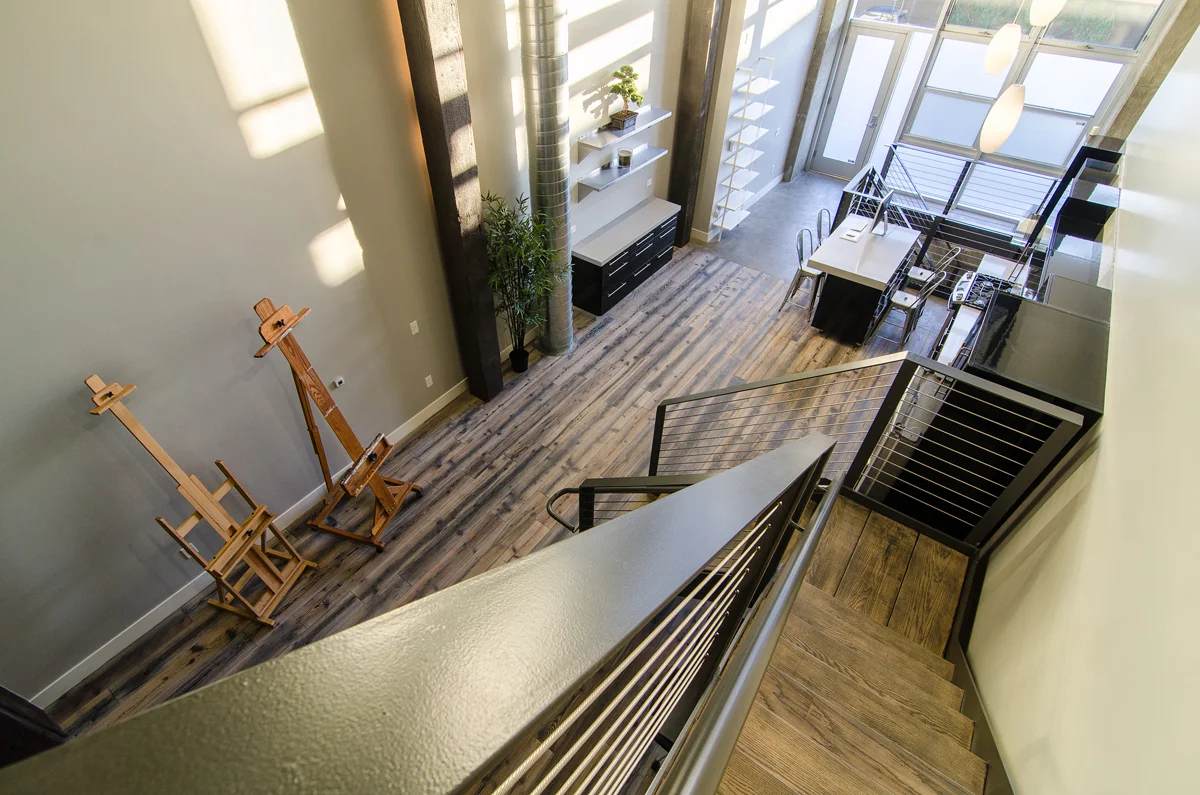
    Wasim-Muklashy-Real-Estate-Photography_San-Diego-Los-Angeles-Ventura_Pro-Property-Photos_011

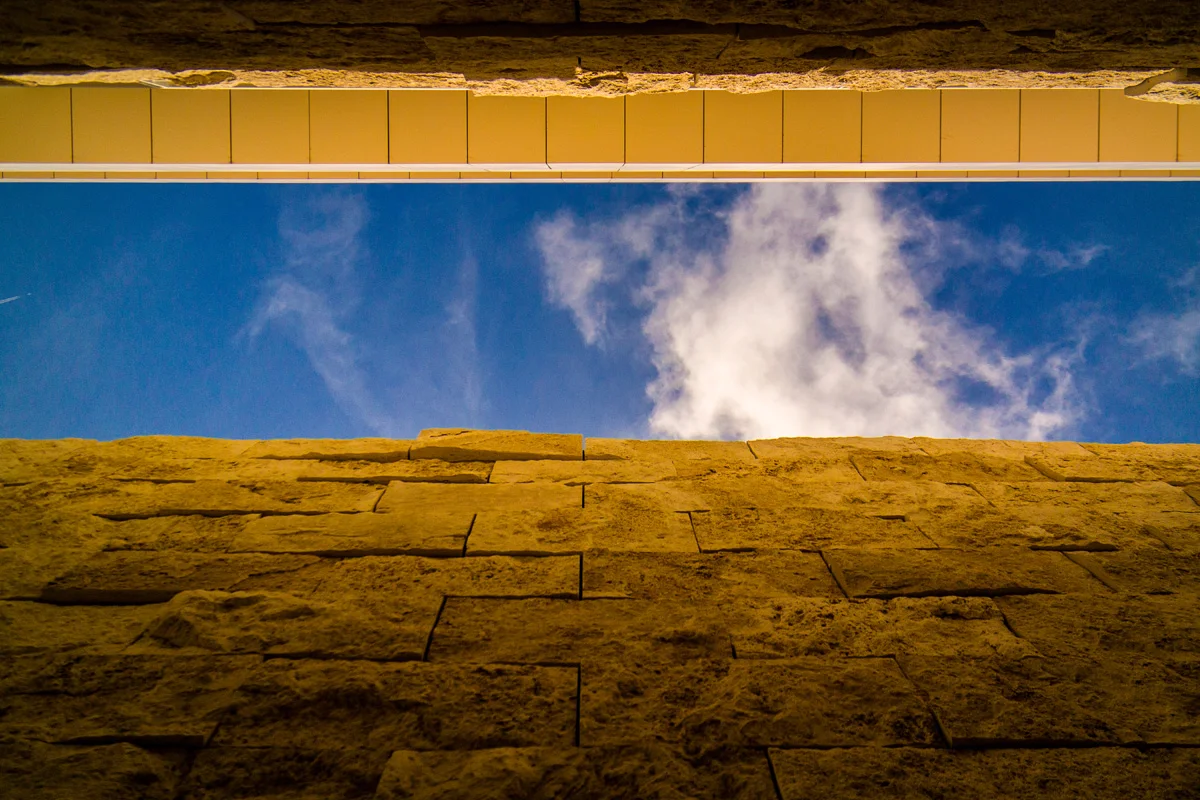
    While there are definite similarities in regards to methods and approach when photographing any sort of real estate, there are also important differences to keep in mind, especially when photographing commercial real estate and properties. In the residential real estate realm, they tend to use the images for a few weeks or maybe months until the space is sold, but in commercial real estate, these images are used to sell the business for perhaps years and years, and they might live on a website for just as long, offering the potential client or customer a visual representation of the space.

    While that’s a huge responsibility for the photographer to capture that in a way that the business owner is proud of, that doesn’t necessarily mean it needs to be any more difficult. Like anything else, if you spend adequate time getting a feel for the space and the business and do your homework, you’ll naturally start to gravitate towards the best ways to represent them in photographs that’ll make both you and the business owner proud. Here are a few tips for commercial real estate photography that I’ve learned on a few recent commercial shoots:

    1. Scout – Make sure to scout the space at least a few days prior to shooting, or if you’re unable to make it yourself due to location (there should be no other excuse really), have someone take simple shots from different corners into the space so you get a sense of the space and get an orientation of the space, which direction are the windows facing, when will the sun be where, are there obstructions to natural light, are there reflective surfaces (if so, check out my post How To Minimize Reflections In Interior Photography). If you can make it to scout the location yourself, which is preferable, shoot a few shots from different angles. Typically the corners of the room, even just on your phone, that you can take with you and marinate on for a few days. This time will give you a chance to formulate a mental shot list and idea of how to and what you’ll need to execute a successful shoot without the day-of stresses of getting all the shots you need and figuring it all out on the fly. This will also give you some time to play with ideas with the client, helping to build a rapport and a trust between you.
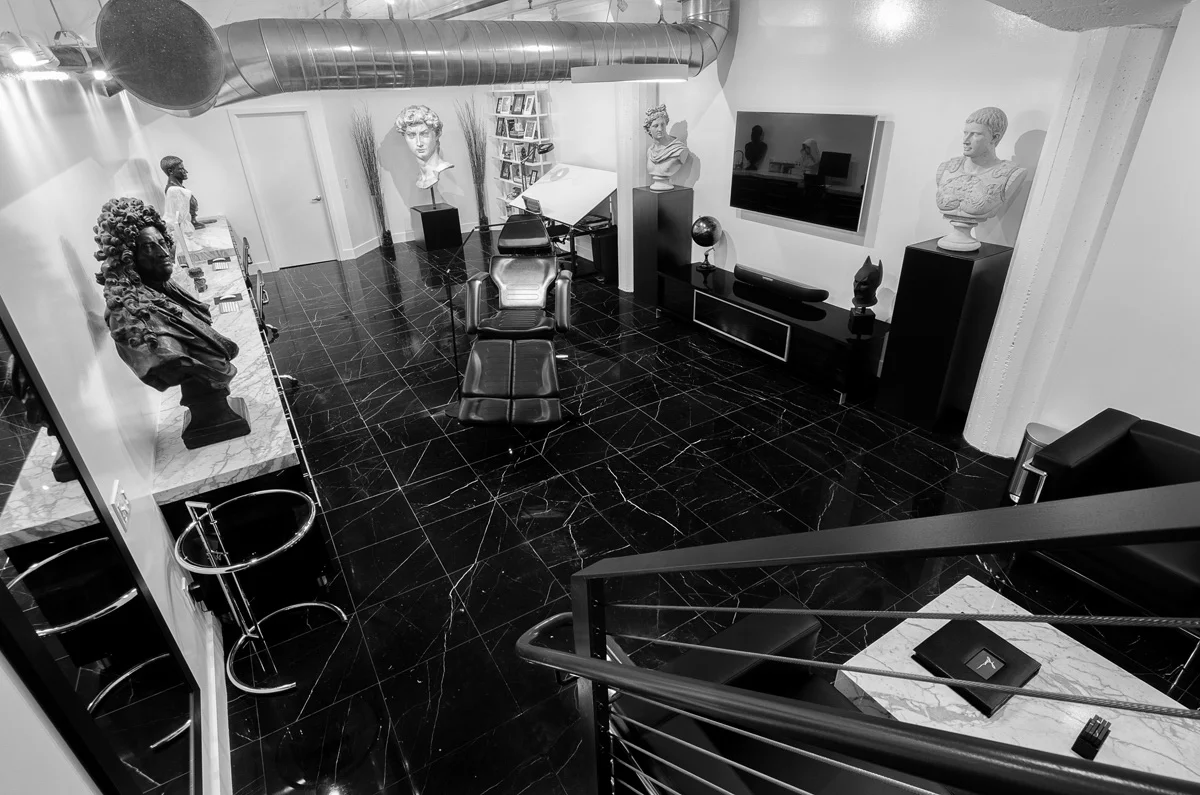
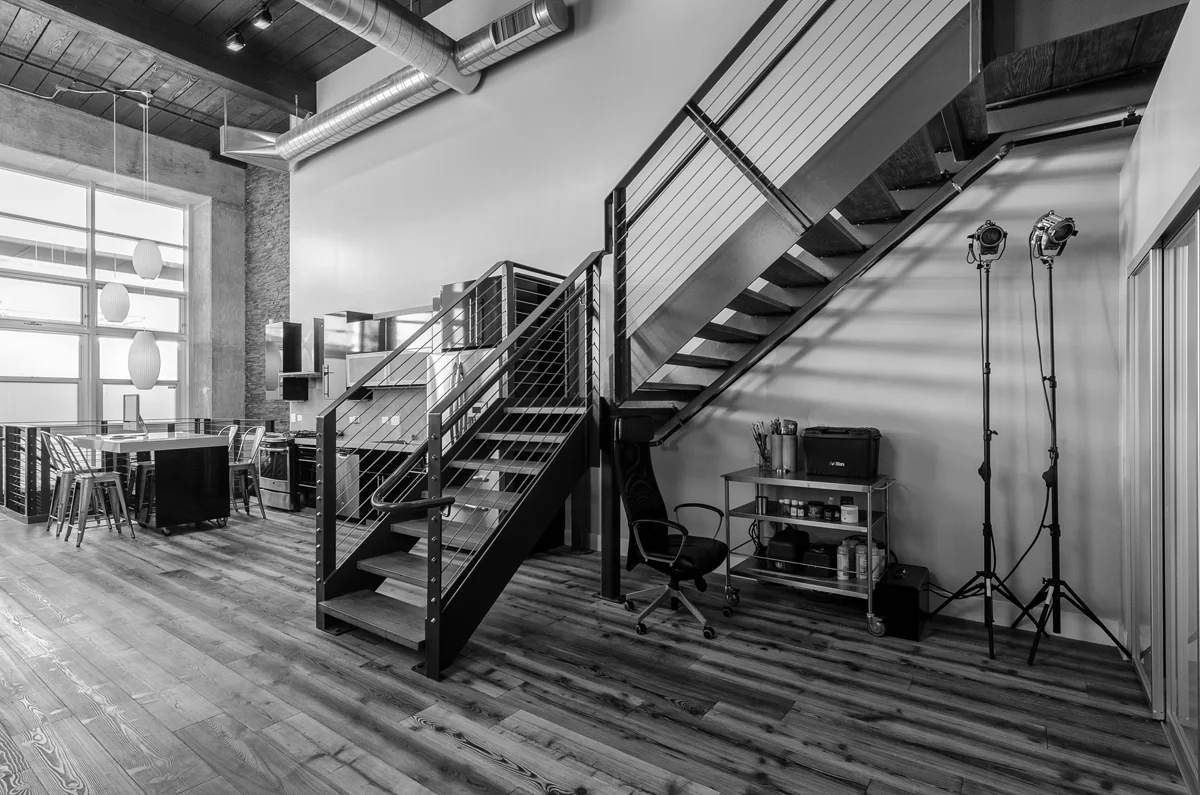
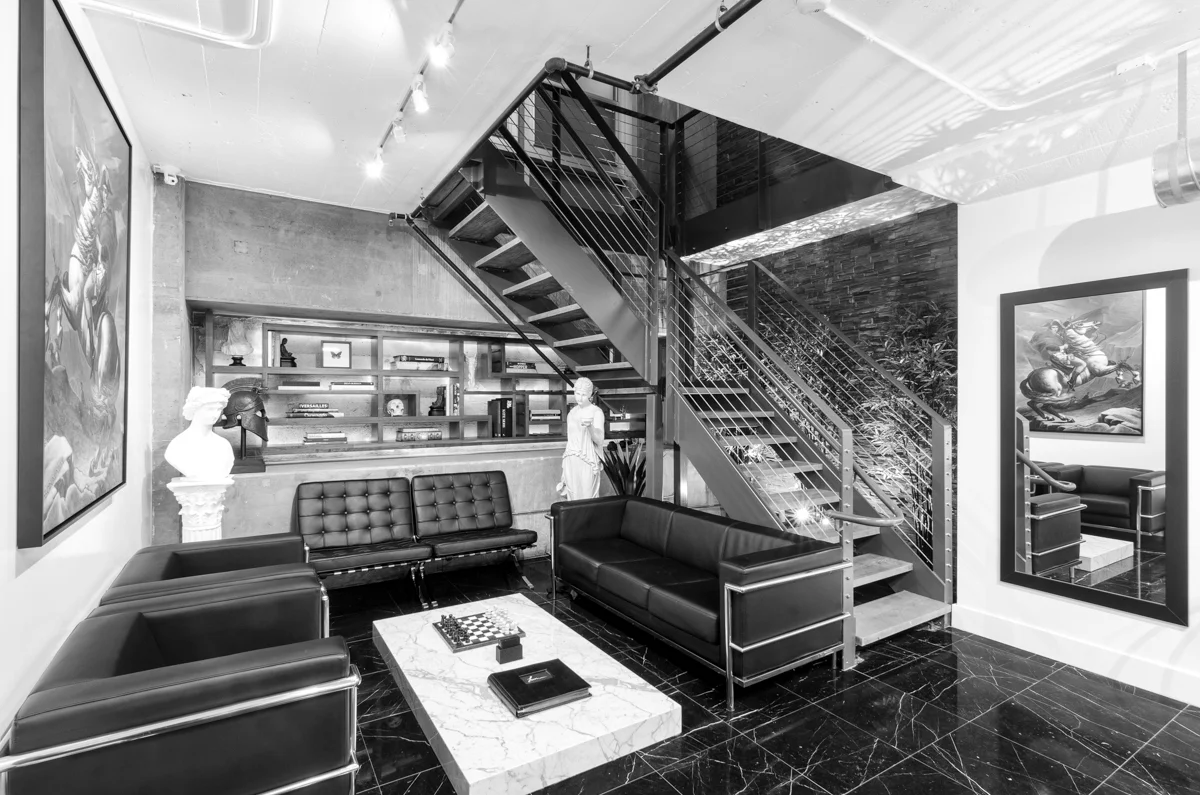
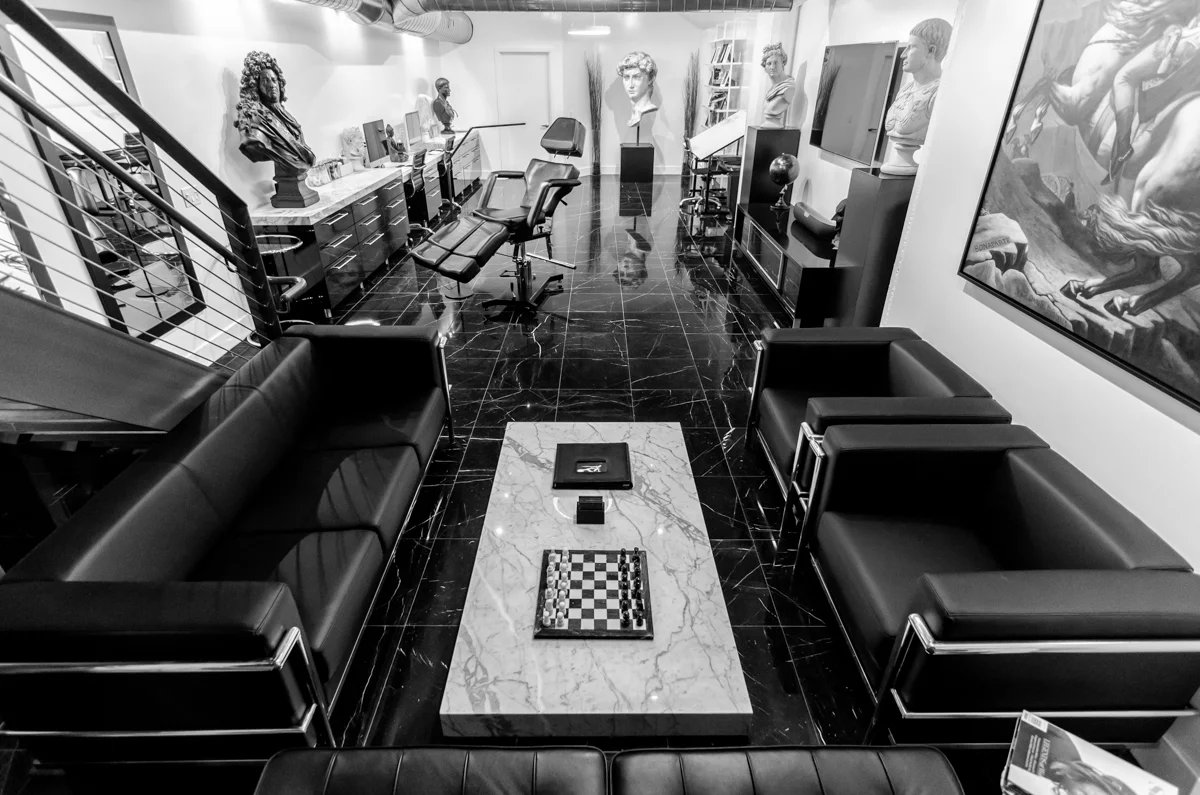
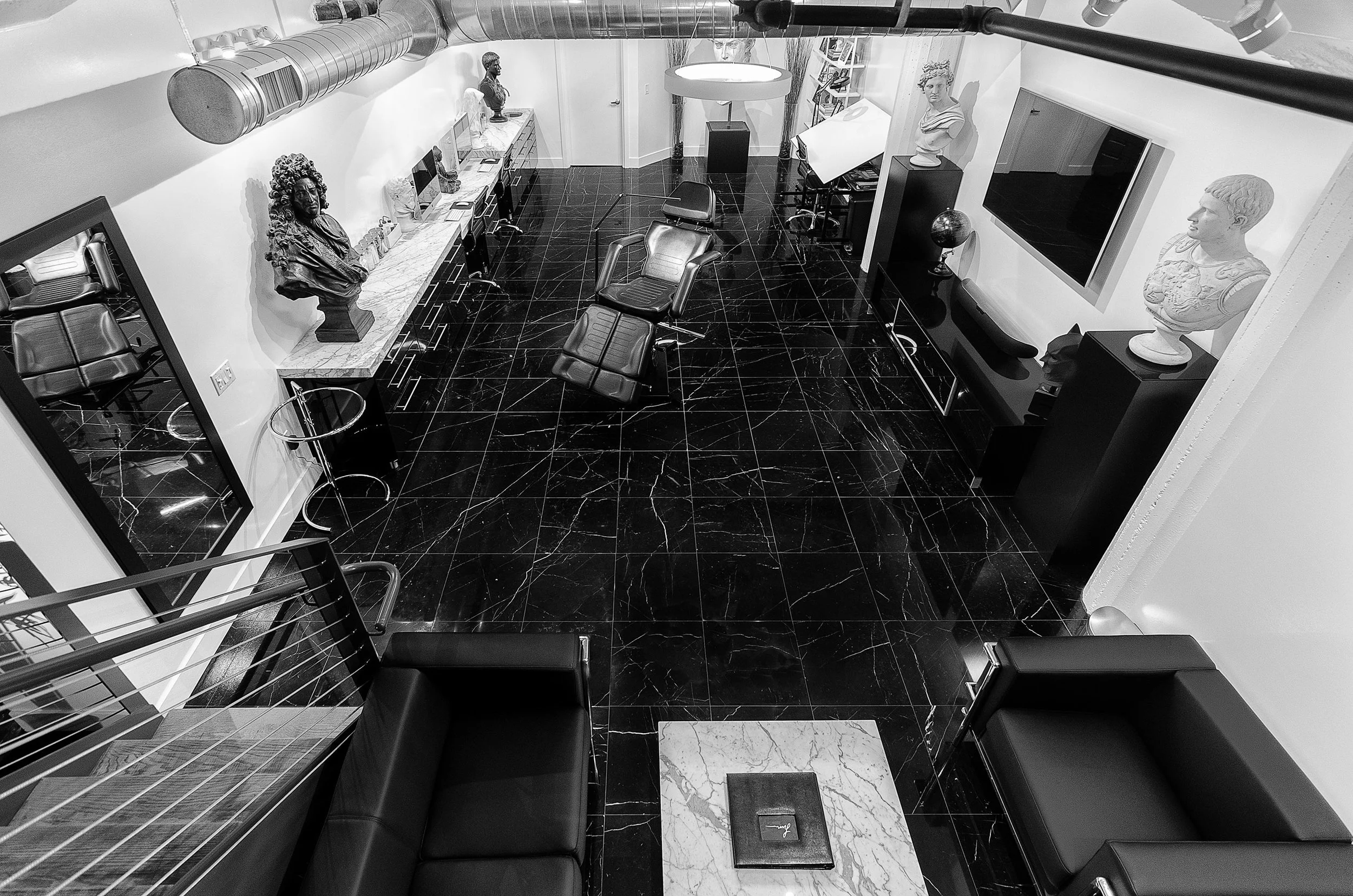
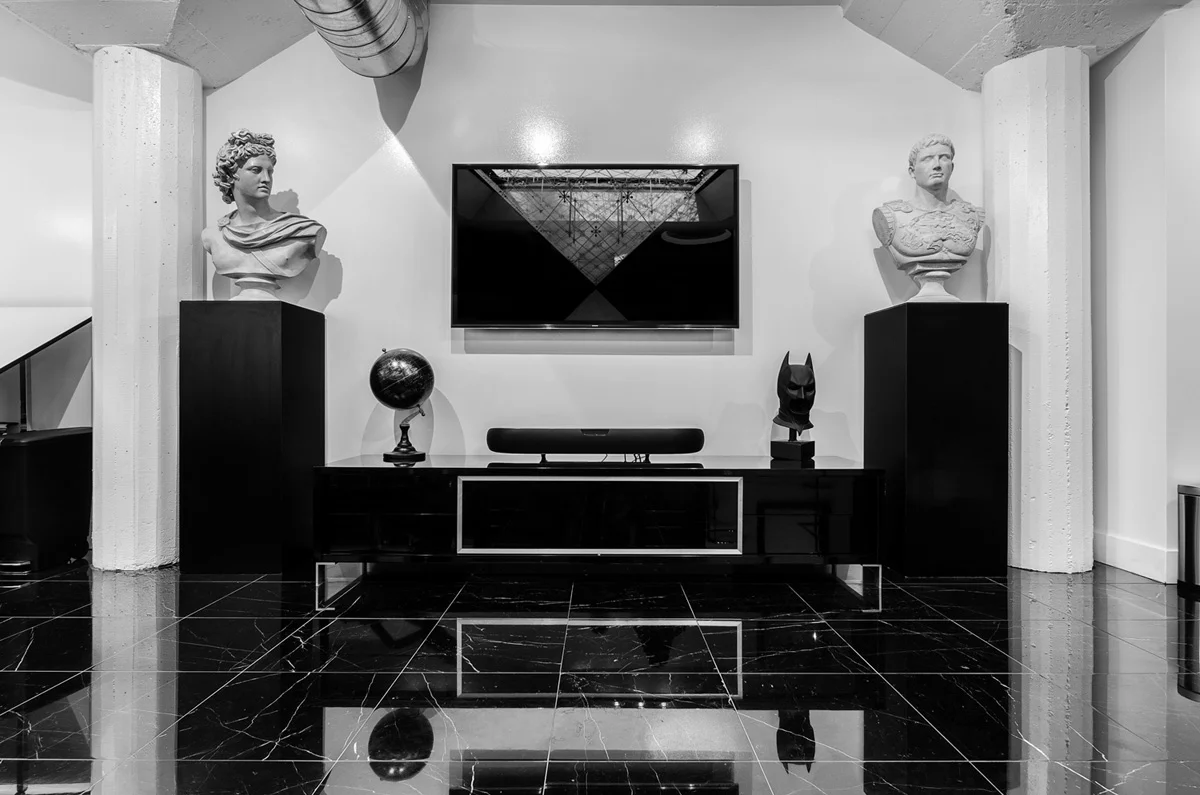
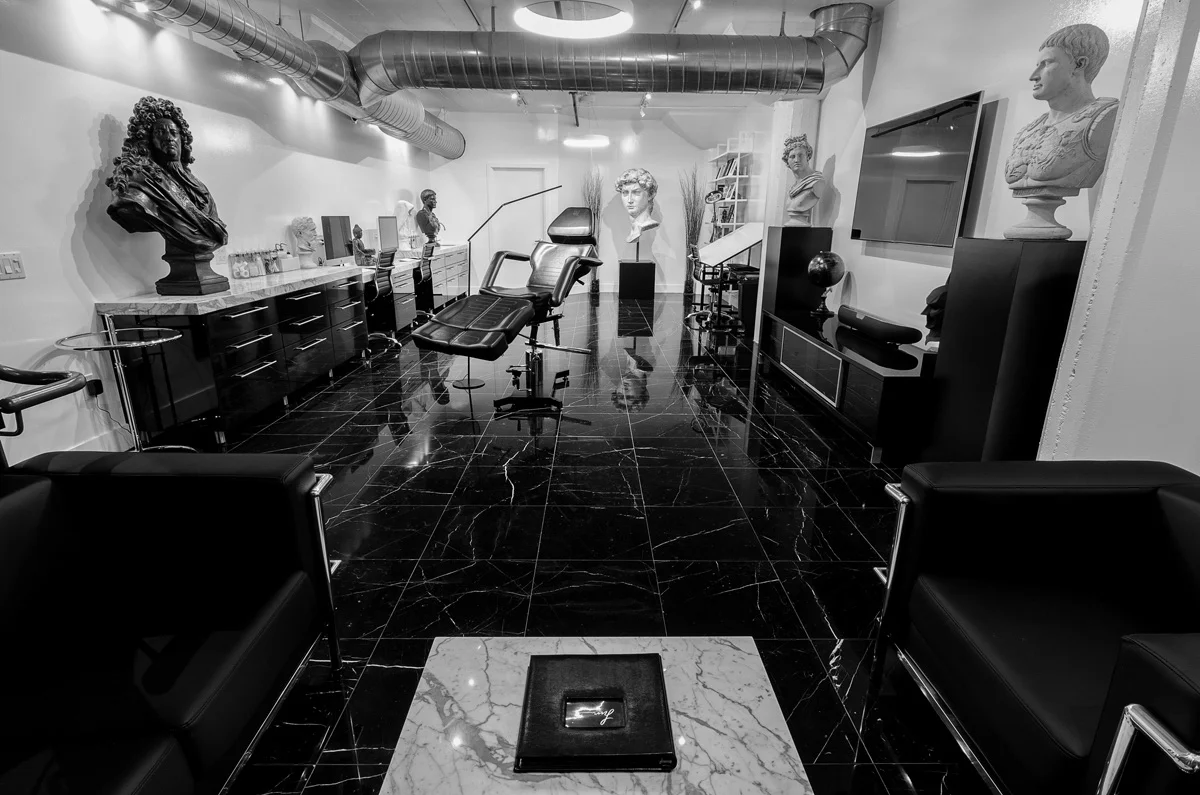
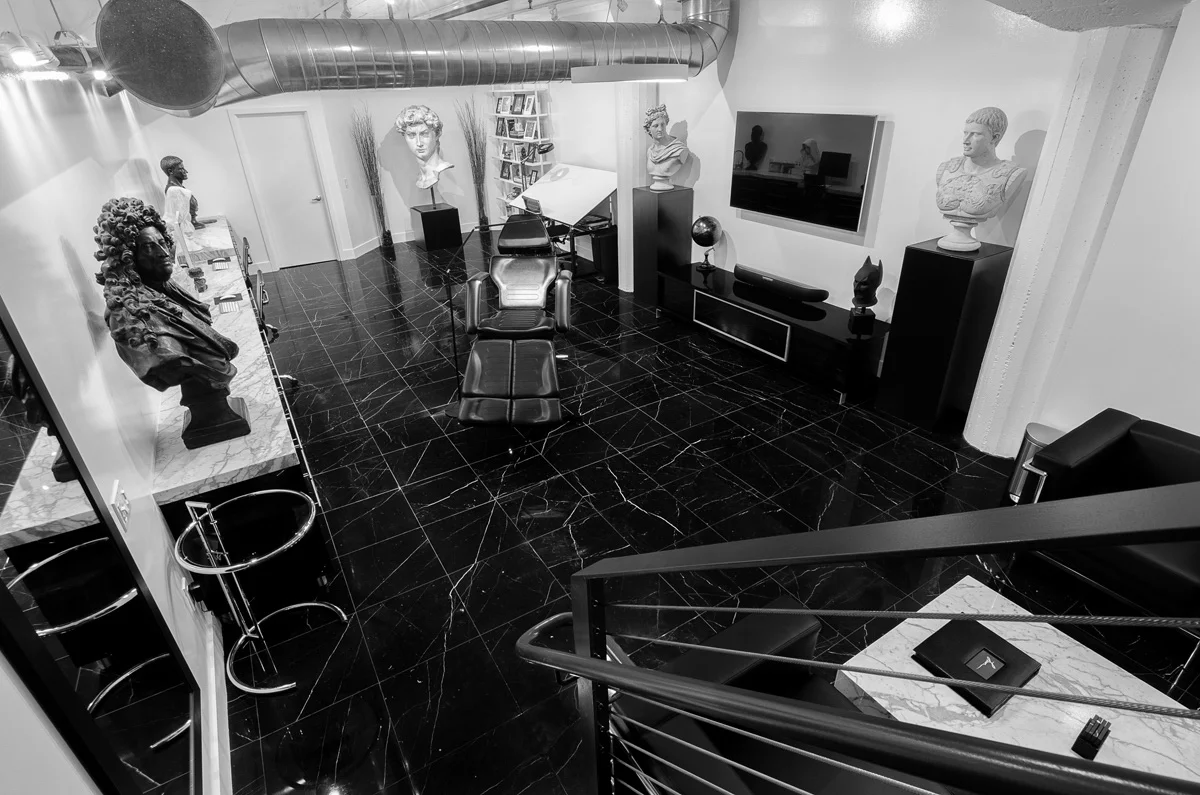
    Tattoo Artist Jun Cha's Monarc Studio.

    2. Communicate – Make sure to talk to the client at length about what they feel are the strengths of the space and what they like and what they’d like to convey. Ask as many questions as you can. This will help break into the emotional connection to the space and it will give you a good idea of what space to be in as you map out how to approach it. Unlike real estate, where the agent is not particularly intimately connected to the property, most times, when working commercial real estate spaces, you’re working with the owner or manager of the business, and, for the most part, they are extremely emotionally tied to their space – they know the quirks, the strengths, the weaknesses. Play off of that. If you listen closely enough, they’ll tell you EXACTLY what shots to get that will ensure their satisfaction with your work. And of course you’ll come up with several of your own ideas, and throw those in there. Sometimes it’s neat to see their reaction to a shot, a view, an angle that they themselves perhaps have never paid attention to.

    3. Team Up – Encourage them to provide ideas and input as you move thru the space on shoot day. It will help make them feel like a pivotal part of the project, hopefully setting them up to be as emotionally attached to those images as they were when speaking about them in tip 2.

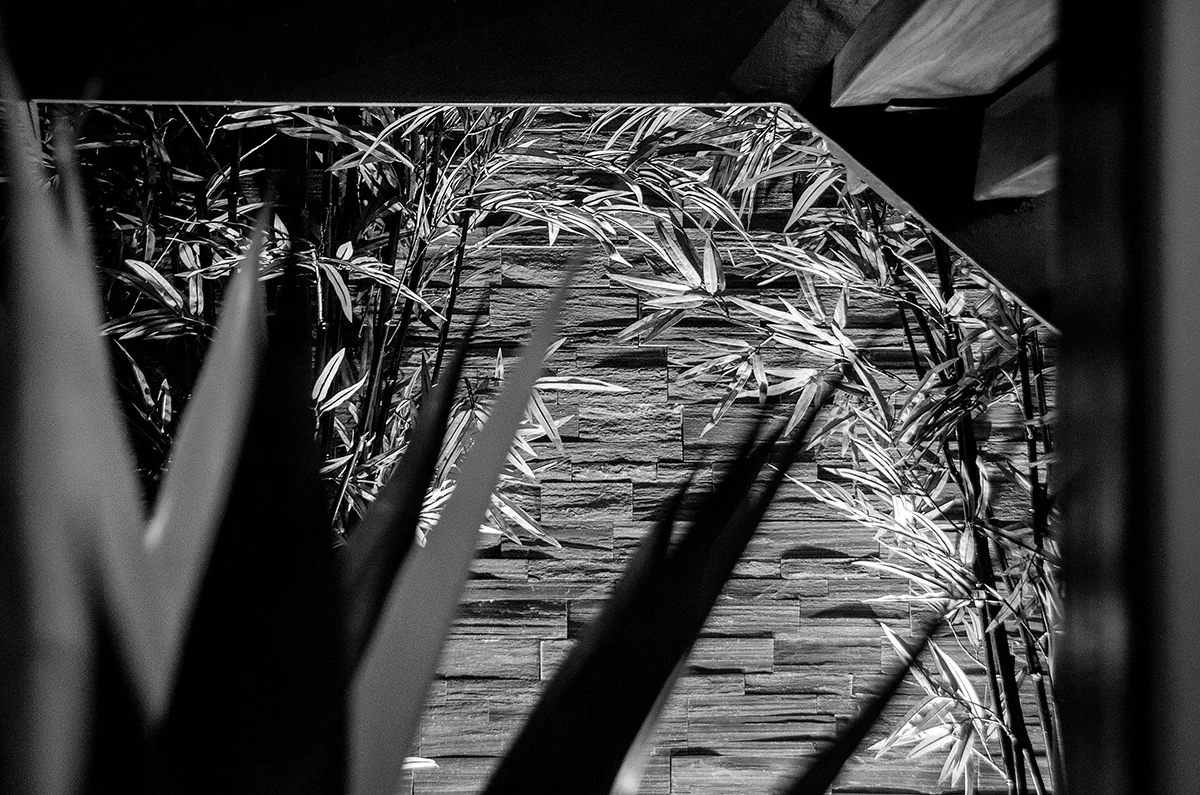
    Wasim-Muklashy-Real-Estate-Photography_San-Diego-Los-Angeles-Ventura_Pro-Property-Photos_114

    4. Mix It Up – As was also talked about in my post 7 Tips For Real Estate Photography, mix it up. Yes, wide shots and crazy angles for the sense of space, but don’t discount the extreme value of vignettes and tighter shots, within the 35-50mm range for a more intimate feel. These shots aren’t as intimidating, and instead instill a sense of feel, aura, and connectedness with the space. A person’s vision can’t relate to a wide angle shot, but they can definitely relate to a detail or a vignette or a section of the space that gives you an idea of the character of the space.
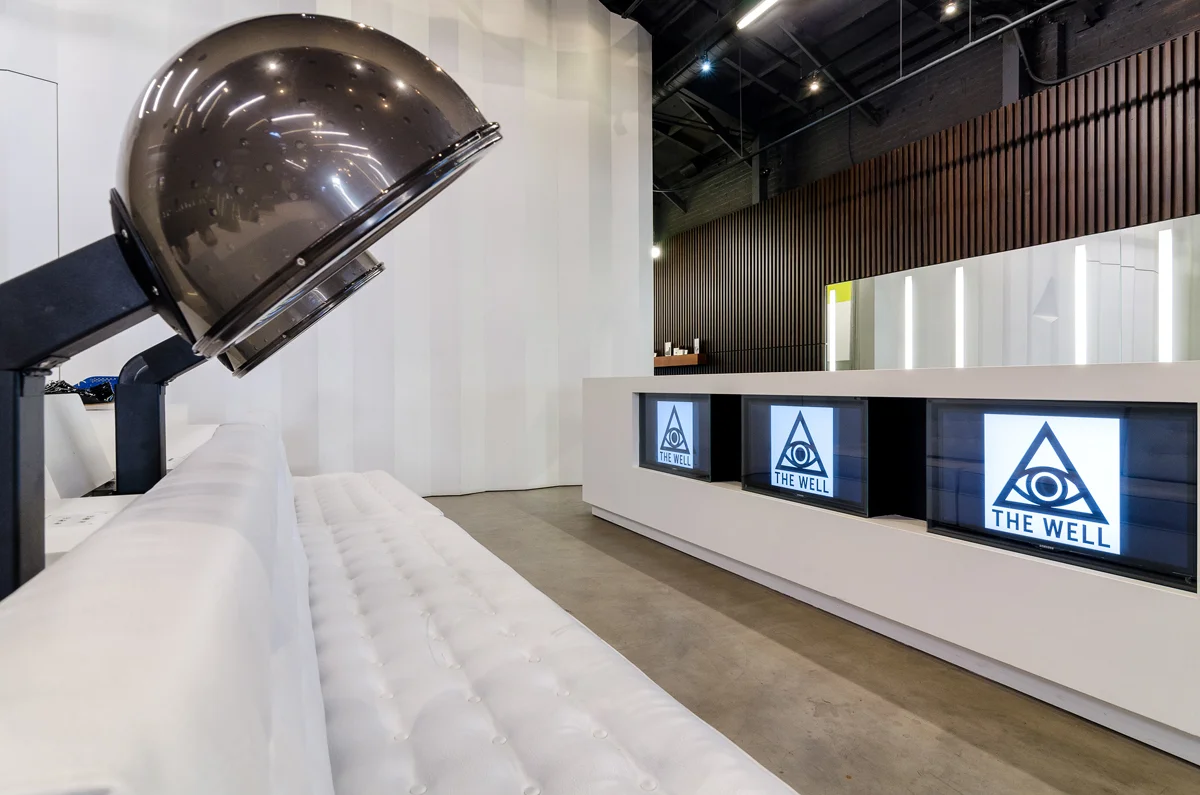
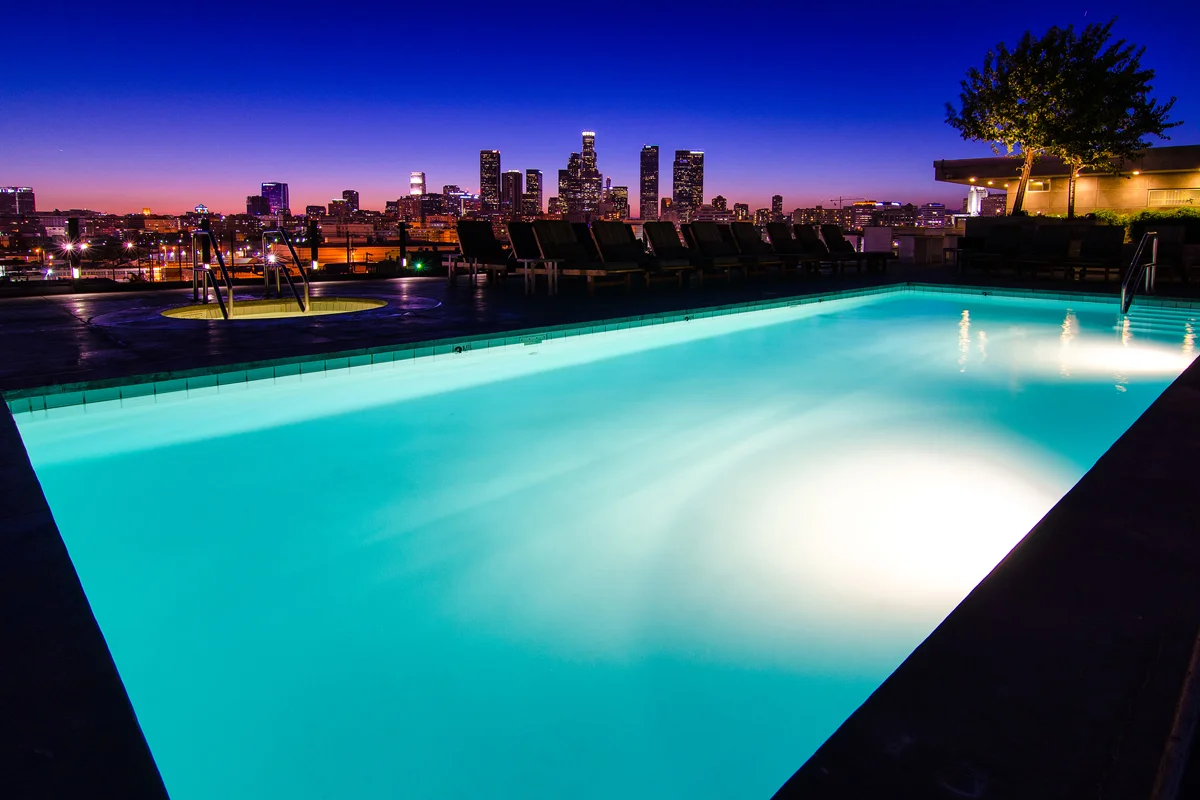
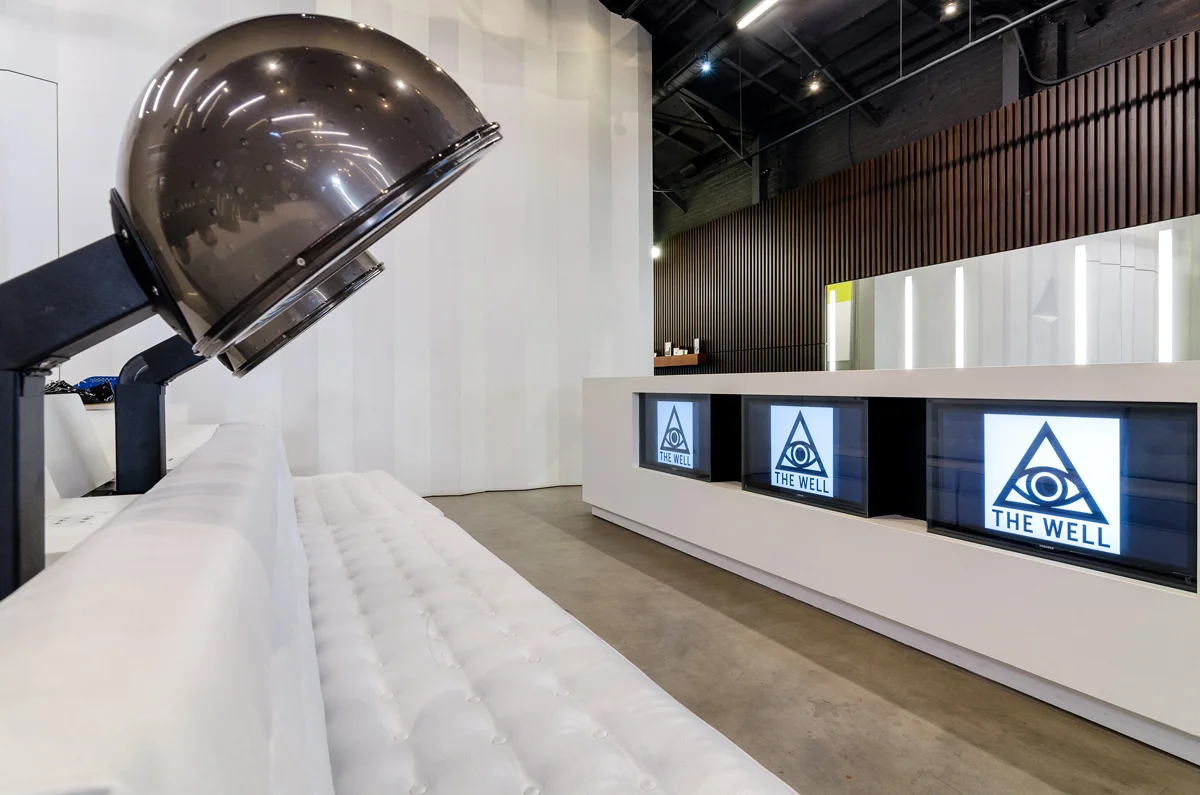
    Wasim Muklashy Real Estate Photography_The Well_Los Angeles_California_03

    5. Logos & Branding. If the space has any sort of branding or logos, try to find a way to incorporate those into the images. Whether they be on screens or table mats or windows or pens, try to find at least a few shots where those logos are included. Not only can these sorts of shots help with branding, but they can also be used for other purposes by the business such as social media posts, headers, or physical postcards or prints for marketing materials. Business owners work hard to build their businesses and consequently, they’re very proud of the fruits of their labor. Branding shots are a great pat on the back that they are sure to appreciate.

    So there it is. Don’t stress out about it, don’t fret, take it as a challenge, know that you’ll learn something, and, most importantly, have fun with it. If someone else was confident enough in your skills to hire you, then you’ve got those skills. Be confident. Go kill it!

    Also, here are a few more entries that can also help you when shooting real estate and properties:

    7 Tips for Shooting Real Estate Photography

    How To Expose For Interiors And Exteriors In Architecture Or Real Estate Photography – Part 1 – On Location

    How To Expose For Interiors And Exteriors In Architecture Or Real Estate Photography – Part 2 – Post Processing

    How To Minimize Reflections In Interior Photography

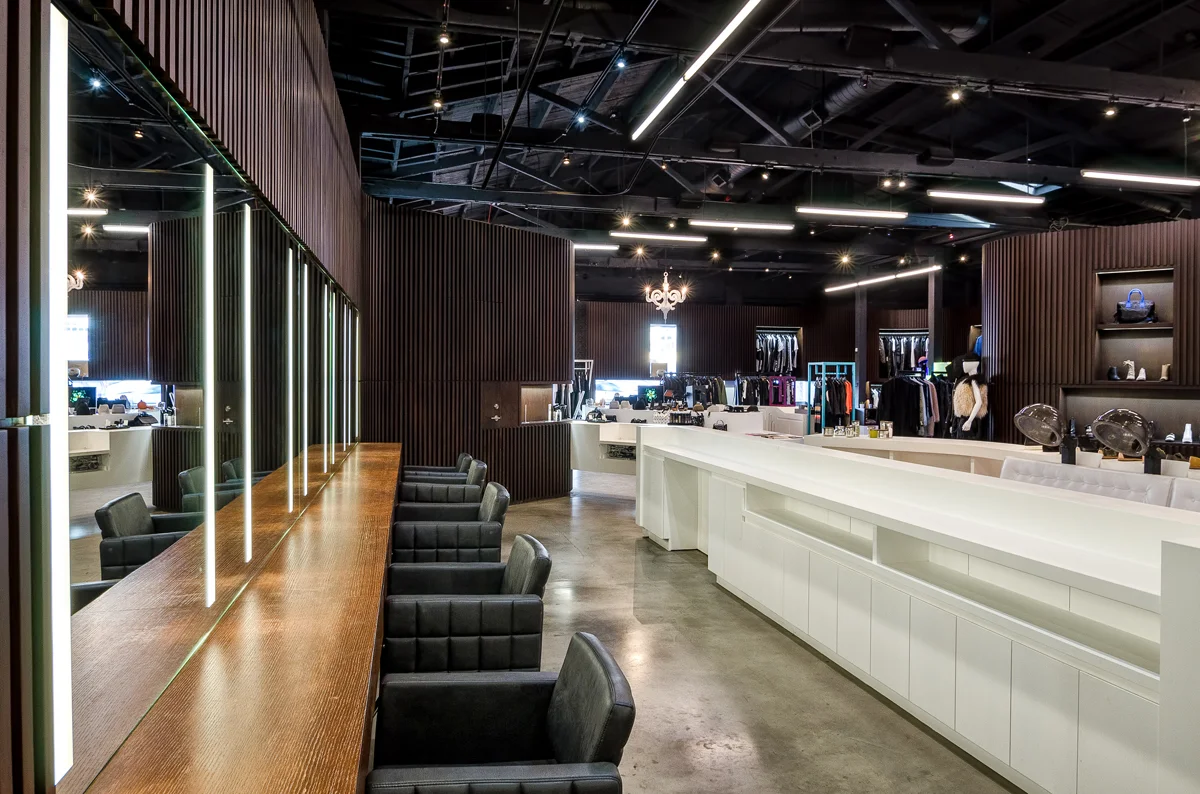
    Below is a gallery that has some of the images from my recent shoots at Jun Cha’s Monarc StudiosThe Well Salon & Event Space, and a local condominium complex.

    And if you’re in need of real estate photography services, whether commercial or residential, please feel free to contact me or check out my Property Photography website.

    And as always, for more of my madness, take your pick: Instagram: @wasimofnazareth Ello: @wasimofnazareth Google+: www.Google.com/+WasimMuklashy

  • My First Month With My New Number 1 – The Samsung NX1!

    My First Month With My New Number 1 – The Samsung NX1!

    Wasim Muklashy Photography_Samsung NX1_60mm Macro_121414_ SAM_1016_1800

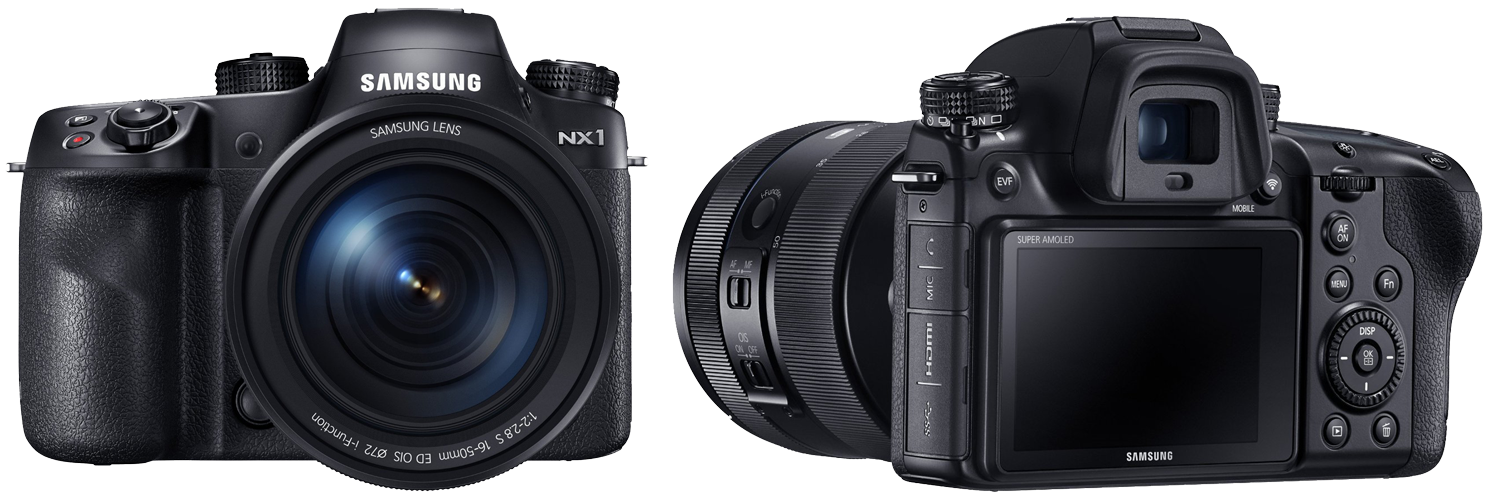
    This is it. This is the one. I’ve found the one! Actually, the one found me! The Samsung NX1. If you’ve been holding out on investing in the mirrorless market because of your trepidations as far as performance as compared to traditional DSLRs, now’s the time to let go. It’s been exactly a year since Samsung invited me into their Imagelogger program, and in that short year, everything changed. I mean everything. I will admit, at first, it was an excuse to get out and create with new tools and have fun doing it. It started a little over a year ago with the NX300, and every few months, we graduate to a new camera and new lenses. We went to the NXMini, then the NX30, then the NX3000, and with each subsequent step, I find myself using my trusty Nikon gear less and less and less and less. Little did I expect that in a year’s time, they would be taking over my entire photographic arsenal, causing me to all but abandon my Nikon equipment (and once I get a wireless strobe system worked out for this thing for the my architectural work, my bread and butter, that’ll make the transition complete). But here’s a quick account of my first month with this 28 megapixel beast, the Samsung NX1.

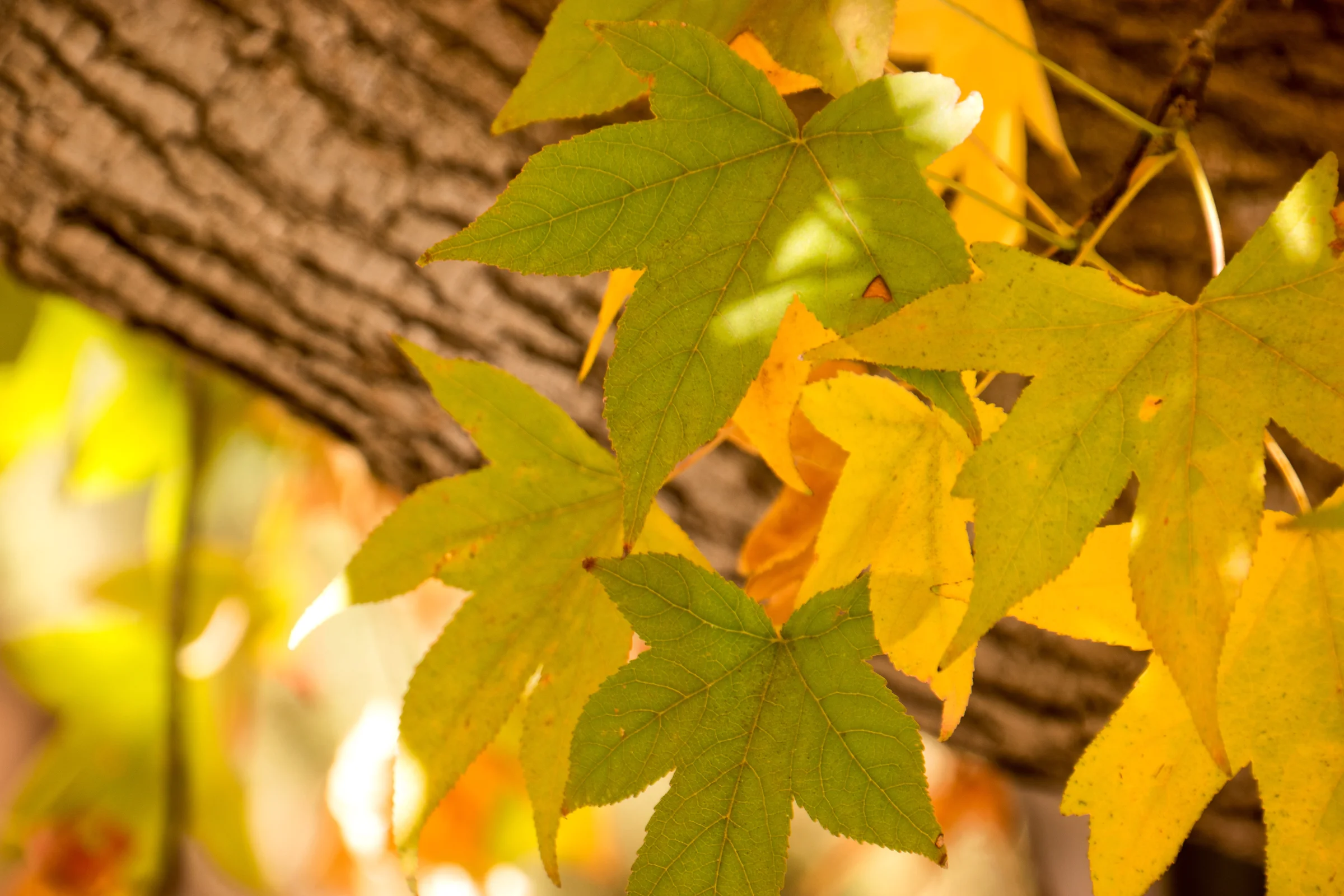
    Wasim Muklashy Photography_Sedona_Arizona_Autumn Leaves

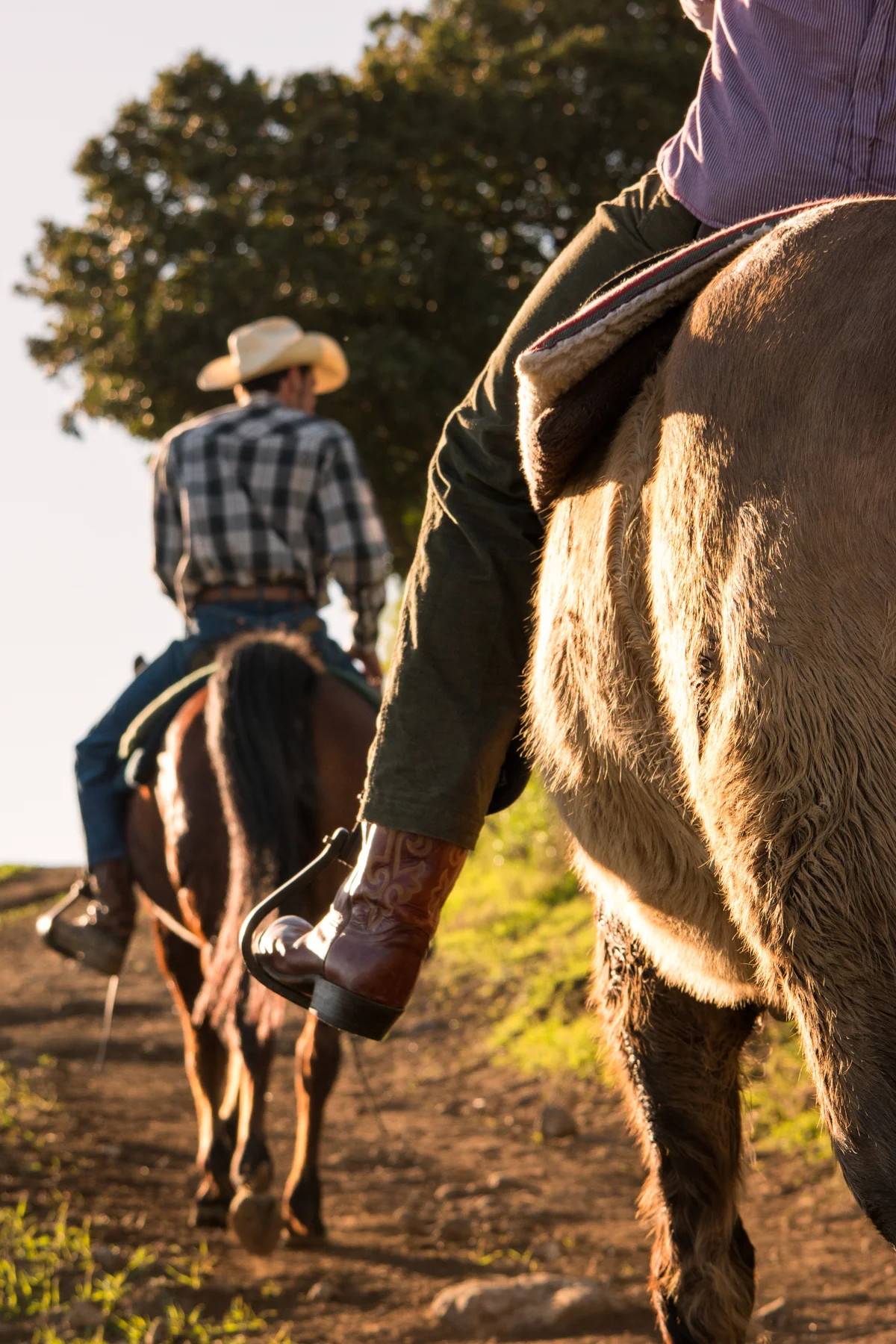
    The NX1 showed up at my door just in time for Thanksgiving weekend, which was perfect as my family and I decided to do something a bit different this year, and took a road trip to spend the holiday out in Sedona, Arizona. Not a bad place to properly break in what Outdoor Photographer calls “our choice for the top APS-C mirrorless camera for nature photography” in its December issue, and what Digital Trends is claiming “Our favorite camera of 2014 isn’t a Canon, Nikon or Sony, it’s Samsung’s NX1.”

    The first thing I noticed when I took it out of the box was the build. It felt like a solid piece of machinery, carefully sculpted from a chunk of magnesium alloy. And it was beautiful. As soon as I put my hands on the NX1, I had no problem getting acquainted with the layout and the controls. They’ve definitely done their homework and made this thing as intuitive as humanly possible. The insanely user friendly menu system doesn’t hurt either!! And the fact that this is my first dust and splash proof camera made me very happy as I spend a lot of my time in the outdoors. This thing simply just feels good to hold.

    Wasim-Muklashy-Photography_Samsung-NX1_Body-Views_1

    The second thing I noticed upon my first few shots was the auto-focus. Yes, that comes as no surprise seeing as how it has an ungodly insane amount of autofocus points. I’m not going to use this post to go through all the technical brouhaha, that’s everywhere and anywhere else, but I will say, with a sensor that’s practically covered edge to edge with autofocus points, the results are immediately noticeable. For comparison’s sakes, while the Canon 7D Mark III has 65, the NX1 has over 200. Yup. That’s no typo. 205 to be exact. So yeah…this thing is quick! I will say that when I first used a few of the NX lenses, it did hunt for a few seconds, but timely firmware updates quickly fixed any of those issues. The auto-focus on all the lenses are now smooth like butter and faster than any camera I’ve had to date.

    Wasim Muklashy Photography_Samsung NX1_50-200mm_122914_Topanga Canyon_California_ SAM_1507_1800px

    The third thing I noticed was the color rendering. Spot on! The vibrancy and the warmth and accuracy of what I was capturing as compared to what I was seeing was wonderful. It made using this camera such a joy, giving me the confidence in knowing that I wasn’t going to have to do much post processing to realize my vision. Everything looked the way I wanted it to look and, as any photographer will tell you, there’s no better feeling.

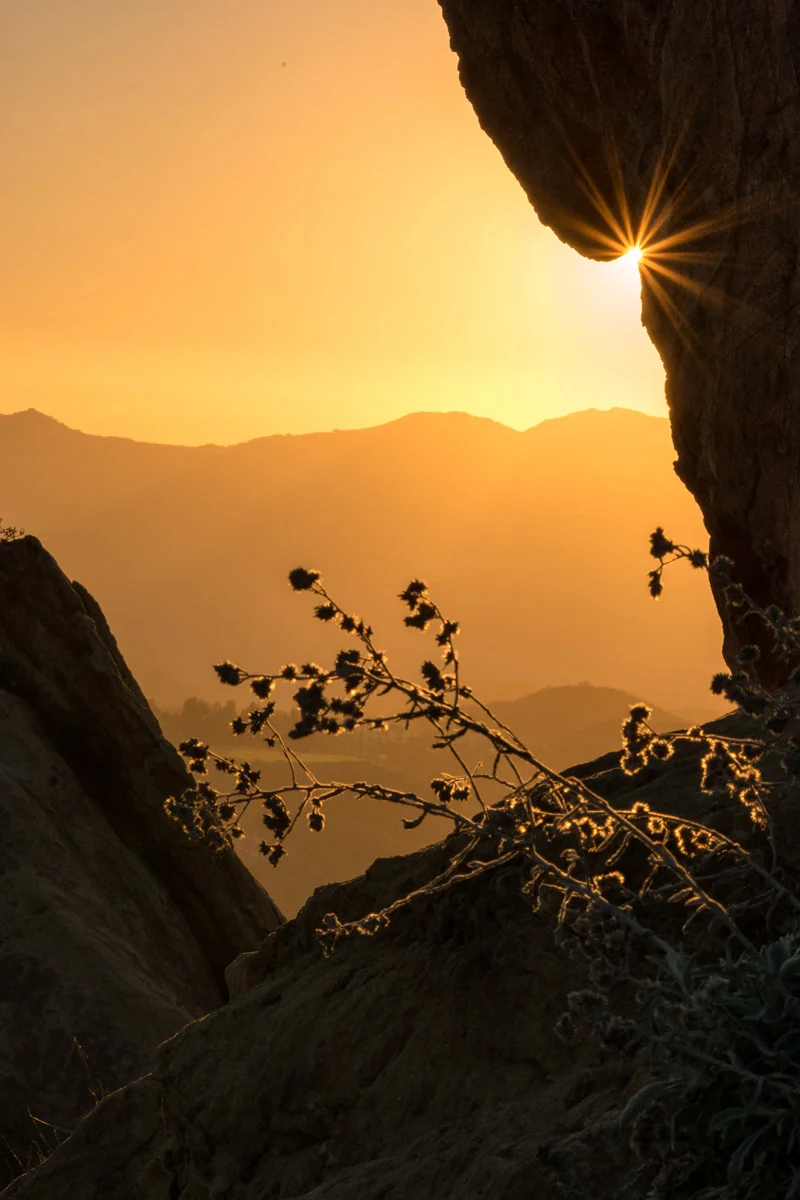
    The fourth thing I noticed was another bit made possible by more of that technical stuffs…the BSI, or back-side illuminated sensor. Basically, because the entire front side of the sensor is free of any obstructions, for the first time in an APS-C sensor camera, the entire face of the sensor is available to collect light. What the heck does this mean? Low noise, and great detail in shadows in your images is what that means. Not to mention being able to shoot in very little light at high ISOs. I mean, I’d cringe whenever I had to push the iso past 1600 or so on my Nikon D7000, hoping in the back of my mind that I renewed my noise-reduction software license, but with this thing, I’m jumping up to iso2500, or even 3000 without even flinching! Not only that, I was truly blown away by its ability to focus in insanely low light situations. The mix of the sensor and a crazy looking auto-focus assist light that is based on patterns that almost look like a bar-code, allowing the camera to better detect contrast, are almost infallible.

    Wasim Muklashy Photography_Samsung NX1_50-200mm_122114_Santa Monica_California_ SAM_1297_1800

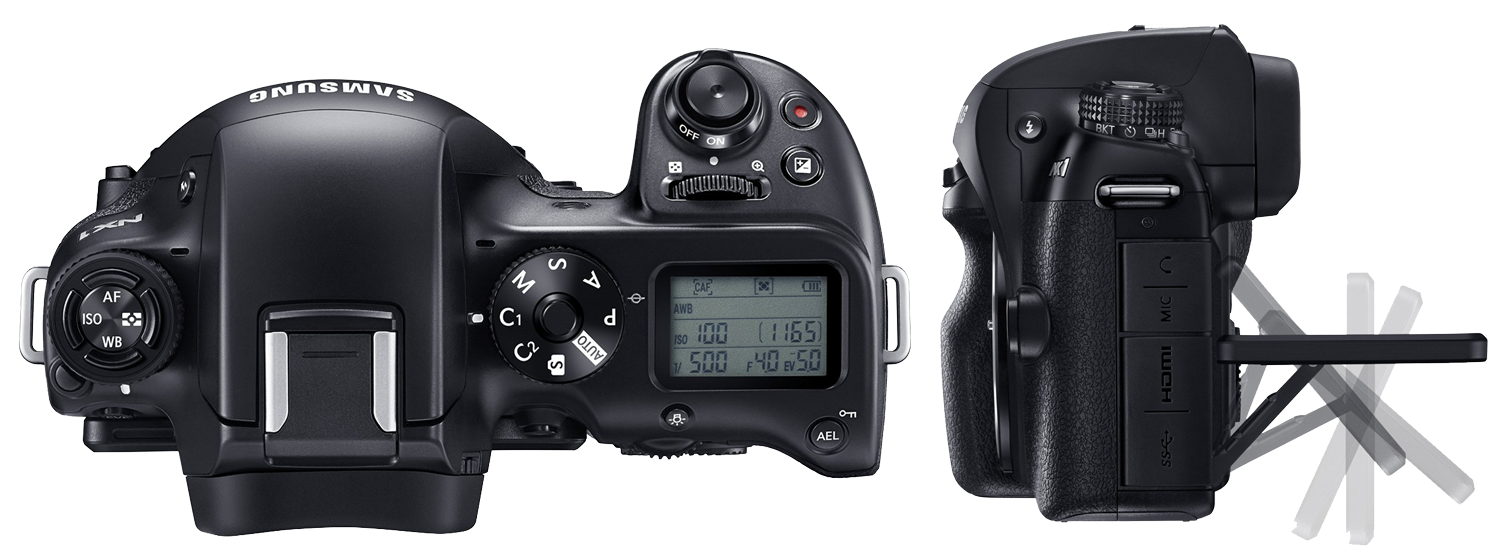
    The part of this camera that I haven’t yet fully tested is the highly touted 4k video capabilities. I’ll make another post about that soon as I’m currently working on some videos with it so will have a better grasp on it all. I will say that the few moving images I’ve pulled from this thing, coupled with the focusing system, have me confident enough to be using it as my main camera on an upcoming paid video gig. One thing that really impressed me was the inclusion of both a headphone jack as well as mic jack, something not quite found in most other video-capable DSLR style cameras. And that swivel screen is going to come in handy for those low menacing angles without ending up with a kink in my neck!

    Wasim-Muklashy-Photography_Samsung-NX1_Body-Views_2

    Also worth mentioning is something that Samsung has taken and run with…the wireless connectivity. Their SMART features are incredible. I was able to transfer an image to my phone, edit it, and post it on Facebook, Google+, and Instagram, as well as email the image to my family in the field in Sedona, all within less than 2 minutes. It was crazy. Try that with your DSLR.

    Wasim Muklashy Photography_NX1_50-200mm_Temecula_California_122614_ SAM_1417_1800b

    So I can’t say that when I was invited into the Samsung Imagelogger program, I had any idea this was coming. I thought it’d be a few good cameras and some fun and some new friends and some fresh inspiration. Little did I know I’d be part of a group and working with a company that is innovating beyond all other traditional camera manufacturers. Not only that, but they’re actually listening to us to make their products even better, and, to my complete joy, it was apparent in a recent firmware update that helped back-button focusing photographers transition to the camera seamlessly. We gave our feedback and within less than two weeks, an update was ready. That’s unheard of! Needless to say, Samsung has gone and done it…they’ve accomplished their mission, and got me to Ditch The DSLR. And once I get one of their new Premium S-Series lenses in my hands? Fuggggeeddabbbadittt!

    Ok, so now all the words and things out of the way, here are some of my favorite images from my first month with the

    Samsung NX1

    . And when you finally convince yourself to hit ‘buy’ at Amazon, try to remember to

    use this link

     or the Amazon search box on the right column. And that works for anytime you shop on Amazon, not just for the items described here. It’s no difference to you, but it helps me keep things running on this site to bring content like this to you.

    For some other widgetwadgetstuffs: Instagram: 

    @wasimofnazareth

    Ello: 

    @wasimofnazareth

    Google+: 

    www.Google.com/+WasimMuklashy

  • 5 Gifts NOT To Get Photographers This Holiday Season

    5 Gifts NOT To Get Photographers This Holiday Season

    Wasim Muklashy Photography_Samsung NX1_Sedona Arizona_Gifts Not To Get Photographers

    It’s just one of those things. One of those crazy things. While every lens wipe and filter might look the same to the untrained eye, photographers obsess over every detail down to the thousandth of a second. No exaggeration. Literally. Thousandths of a second. So, while the heart might be in the right place, there are certain things that, if you give a photographer as a gift, may do more harm than good. Here are 5 of those things:

    1. A camera. Just don’t. Please. Just don’t. We’re VERY picky. Unless you know exactly what camera they want, if they’ve been reciting the model in their sleep, have 15 browser tabs open to different reviews and comparisons, and even then, please make sure to pack the gift receipt as well. Again, we’re VERY picky…
    2. Ansel Adams poster. Just don’t. Please. Just don’t. (Unless it’s an original print. Then do. Please. Definitely do.)
    3. A lens. See #1.
    4. Digital Picture Frame. It will never be used. Ever.
    5. Photography book. Chances are they’re extremely opinionated about which photographer’s book is worthy of gracing their coffee table…to the point where they’re rather use the bugger as kindling before opening to a single page. So yeah. Stay away. Amazon Gift Certificate? That’s ok!

    And speaking of what’s ok, now that most of your ideas have probably been shot down, you might be thinking to yourself, “Well thanks a lot…now what!??” Not to worry, you’re absolutely welcome. I’ve got you covered. Check out these

    10 Fail Proof Gifts For Photographers In Your Circles.

    .

    For more stuff things and whatnots:

    Instagram: 

    @wasimofnazareth

    Ello: 

    @wasimofnazareth

    Google+: 

    www.Google.com/+WasimMuklashy

  • Forget Black Friday & Cyber Monday – Shop Wasim Wednesday (And Thursday And Friday And…)

    Forget Black Friday & Cyber Monday – Shop Wasim Wednesday (And Thursday And Friday And…)

    Wasim-Muklashy-Photography_Holiday-Fine-Art-Prints-And-Canvases

    In case you’ve been (understandably) hiding under a rock the past 5 days, you’re already aware…it’s that time of year!! The holiday shopping madness has begun. We had Black Friday and Small Business Saturday and ‘Something or another’ Sunday and Cyber Monday and Cyber Monday Tuesday. Well, now that you’re dressing your wounds and nursing your bruises, I bring to you…Wasim Wednesday! Best of all, you don’t have to go anywhere or do anything other than use the very device you’re reading this one. A collection of fine art prints and canvases from the past 12 months shot by yours truly. They make awesome gifts to help decorate any space, and, best of all, you know the photographer!
    You can order canvas and art prints from my Crated store or my Fine Art America store, where you can also get greeting cards, metal prints, and phone cases. If you order by December 16, you’re guaranteed delivery in time for Christmas. You can access both pages from my buy page at www.WasimOfNazareth.com/buy. And if you order from Fine Art America before December 17, use this code at checkout for 15% off: RCUELU

    And if you’re looking for gifts for photographers or budding photographers, make sure to check out my posts:

    6 Best Cameras For Budding Photographers

    &

    Ten Fail Proof Gifts For Photographers In Your Circles

    One last thing, I know I brought it up in the last two posts but it truly does help A LOT, so just a reminder, if you use Amazon for any purchases at all this holiday season, use this link or the one right there in the right column on this site. There’s no difference to you at all, but by using this affiliate link, I get a bit of a kickback from Amazon which helps me cover the costs of running and maintaining this site and creating content like this that is hopefully of some value to you.

    Happy Holidays and Happy Shooting!

    For more stuffs and things:
    Instagram: @wasimofnazareth
    Ello: @wasimofnazareth
    Google+: www.Google.com/+WasimMuklashy

  • 6 Best Cameras For Budding Photographers

    6 Best Cameras For Budding Photographers

    Wasim Muklashy Photography_Samsung NX3000_Los Angeles_California_ SAM_1786_1800

    The holiday season is upon us, and chances are, somewhere in your family there’s a budding photographer. You’ve been watching as they hone their eye through an iPad lens or the pictures that mysteriously populate your smartphone’s camera roll when your phone goes missing for a few hours (or days). And now, you’re realizing this is a skill and talent they might want to hone further. It’s time to step up their game and begin their gradual and comfortable transition into some more serious hardware. Here are 6 of the best cameras for budding photographers in your family.
    One major factor to take into account is something that perhaps the older, more seasoned, veteran photographer in the family might not put too much stock into, but is an absolute must for the younger generation of shutterbugs is Wi-Fi connectivity. This will allow them the ability to be immediately be able to share their images to their favorite social networks, whether it be Facebook, Instagram, Google+, Snapchat or Twitter. The next consideration in getting your kid a camera will most likely be durability and the ‘kid-proof’ element, which is what puts these first two cameras into consideration:

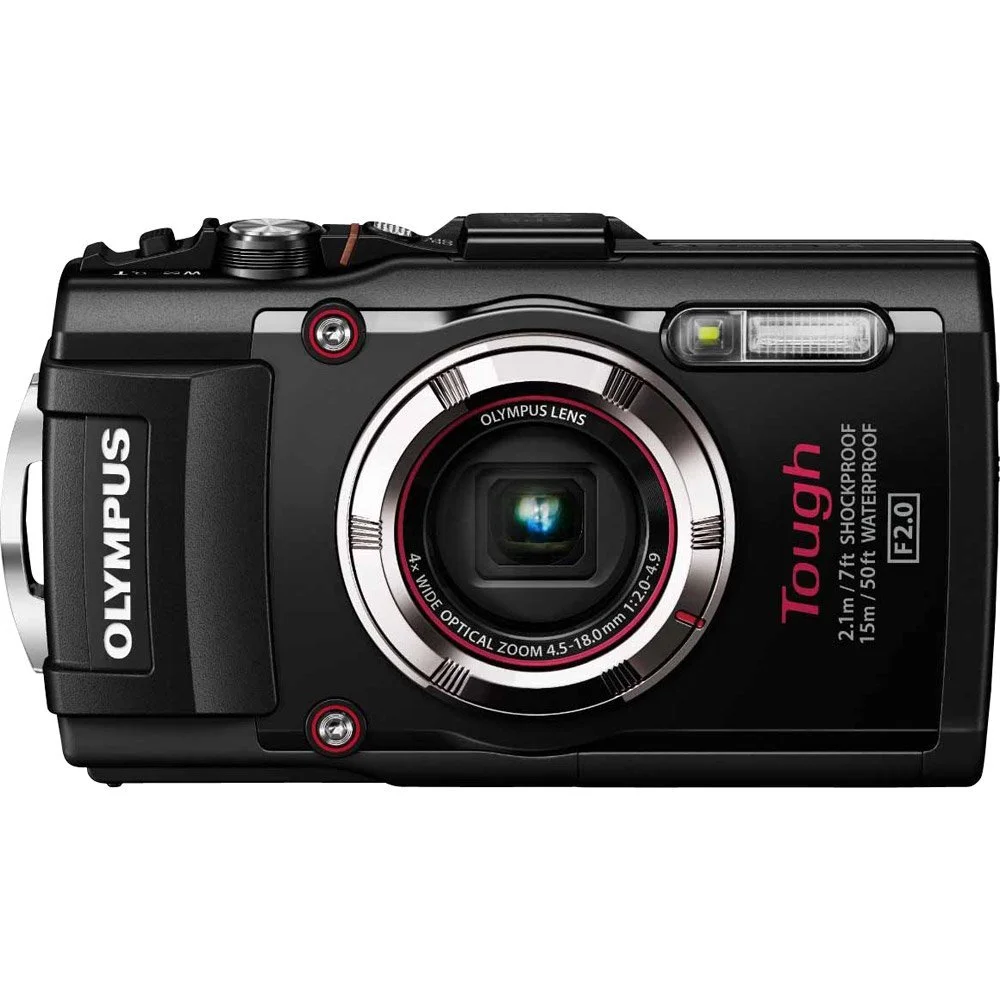
    wasim muklashy_Olympus TG3

    1. Olympus TG3 – On top of being waterproof, crushproof, shockproof, freeze proof, and dustproof (not joking), this thing is packed tight with a 16 megapixel BSI (backside illuminated) sensor, a 25-100mm zoom lens, the capability to shoot in full HD, and the all-important built-in Wi-Fi, GPS, and even a compass. It has a variety of custom shooting modes, as well as some manual modes such as Aperture Priority and Program mode, perfect primers for the next stage, which would bring full manual option. Best of all, it lies at about $350. If you’re on a tighter budget, there is also it’s little brother, the Olympus TG-850 at $199, but it should be known, it’s missing Aperture Priority mode as well as Wi-Fi capabilities.

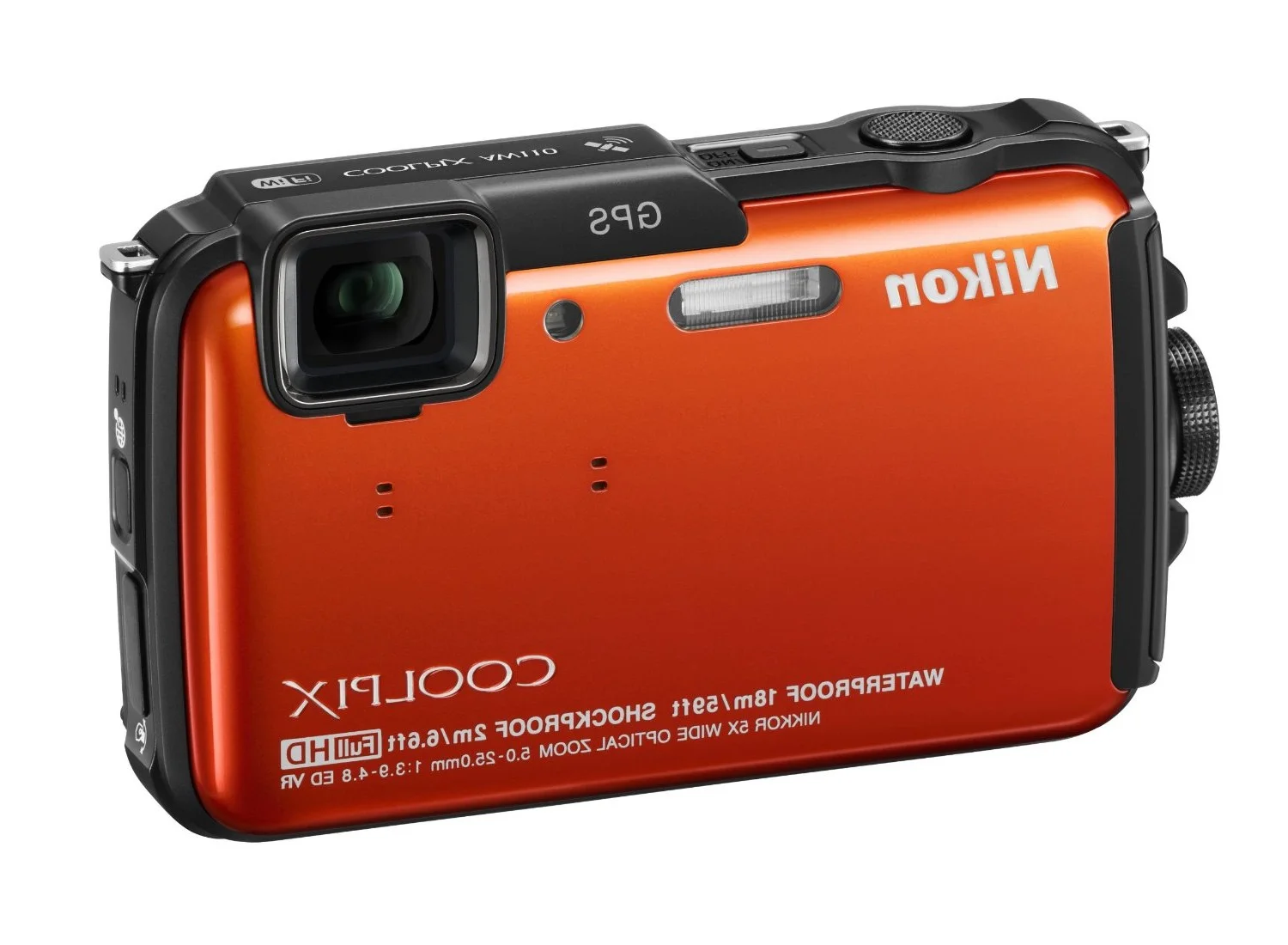
    wasim muklashy_Nikon Coolpix AW110

    2. Nikon Coolpix AW110 – Also waterproof, dustproof, shockproof, freezeproof, the AW120 sports a 16 megapixel CMOS sensor, 24-120mm/f2.8 lens, a 3” OLED monitor, full HD video recording capabilities, as well as Wi-Fi, GPS, and a compass. It’s shooting modes are slightly limited as compared to the TG3, but it’s also $50 less, and you have the option of a really cool orange color.

    If your child is at the stage where you’re trying to teach responsibility and ‘the value of a dollar,’ and they’re ready for their first interchangeable lens camera experience, here are a couple of options to consider. These two are both a great way to introduce the casual photographer, who more likely than not use their phones or a point and shoot, to the world of more serious photography, but not intimidatingly so. These options are a great middle ground to get the budding photographer used to more manual controls, and perhaps, familiarity with RAW photography:

    wasim muklashy_Samsung NX300

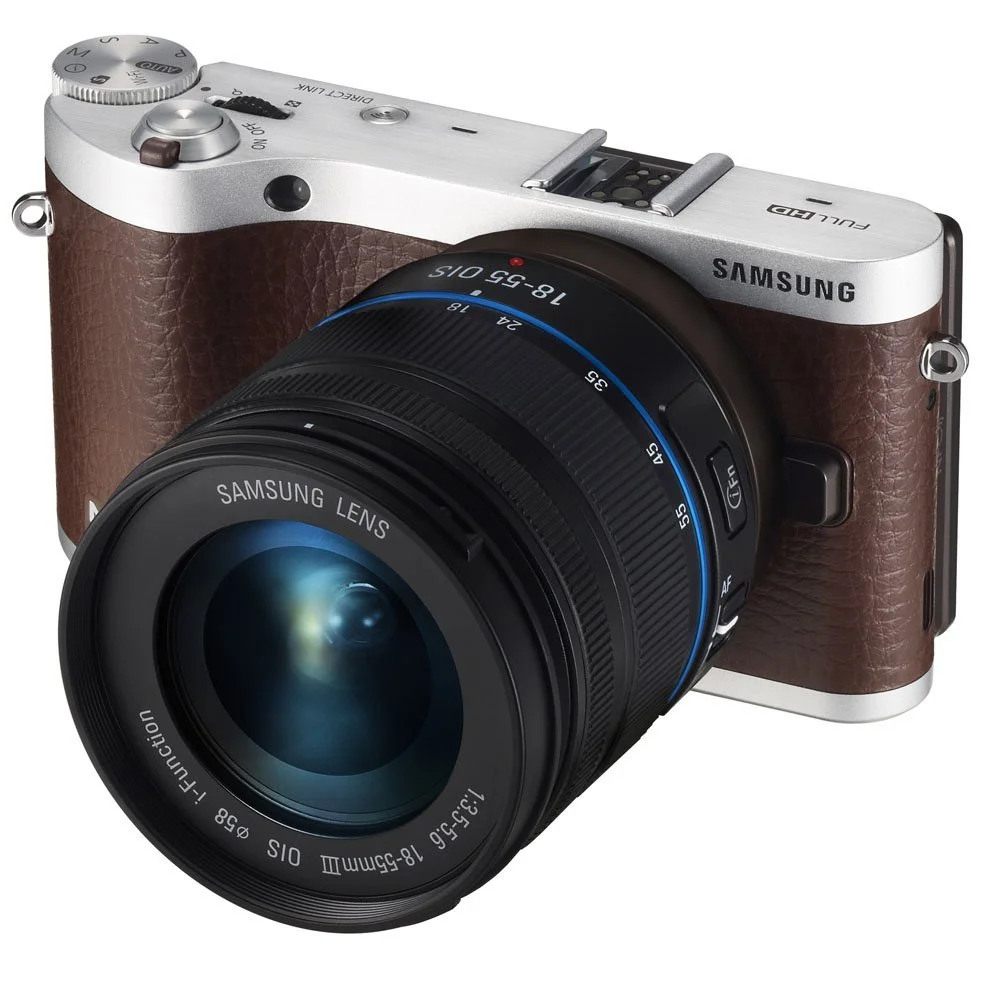
    3. Samsung NX300 – The NX300 packs a serious punch with a 20.3 megapixel CMOS sensor, full HD video recording, Wi-Fi and all sorts of smart modes, as well as full manual controls and a tilting 3.3” AMOLED LCD on a super stylish retro-design body. Additionally, Samsung has a great and ever-growing line of NX series lenses that run the gamut of focal lengths and functionality. There’s good reason Samsung has pushed their way to the #2 spot in mirror less camera manufacturers and the NX300 is one of those reasons. I shot for months with this thing as an Imagelogger and absolutely fell in love with it. Not to mention, it comes bundled with Adobe Lightroom, making the package all they’ll need to ease a transition into making images instead of just taking them. Right now, you can snag an NX300 with the 18-55mm lens for between $400-450 depending on which day you check in.

    wasim muklashy_sony a5000

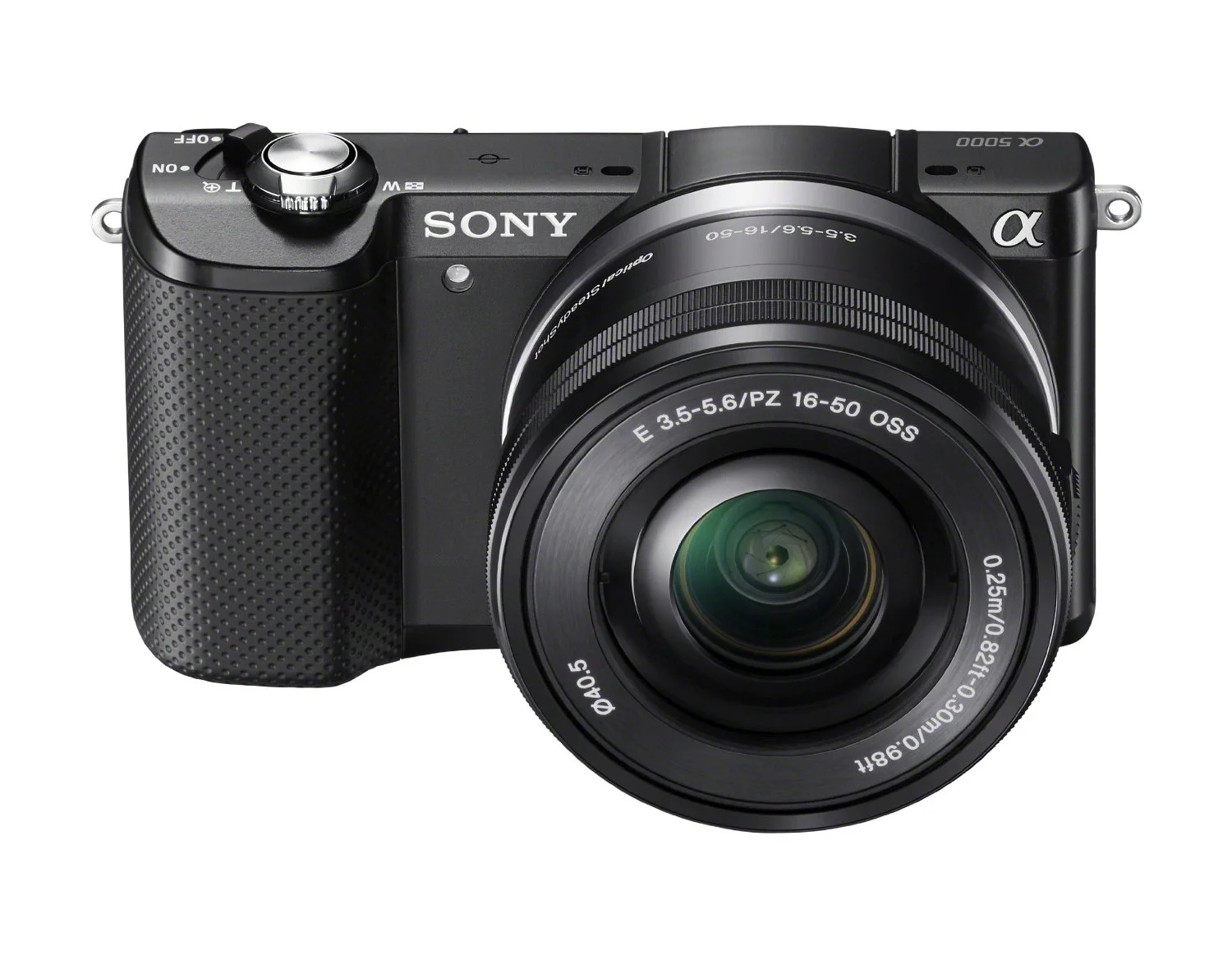
    4. Sony Alpha A5000 – This camera continually gets high marks from anyone that gets a chance to check it out. It comes packed with a 20.1 megapixel CMOS sensor, has the ability to shoot full HD video, shoots both JPEG and RAW in full manual controls, and, of course, has both Wi-Fi and NFC connectivity. Sony has an impressive array of lenses and has built a very solid reputation in the mirror less interchangeable lens camera market, making the A5000 a great choice to help your young gun step up their game a couple notches. This one will also run you around $400.

    Finally, if your youngster is past the responsibility phase, have proven themselves by making a habit of using the strap, and they’re feeling ready to be enthusiastically overwhelmed for their first semi/pro camera, your best bets might be:

    Olympus OMD EM5

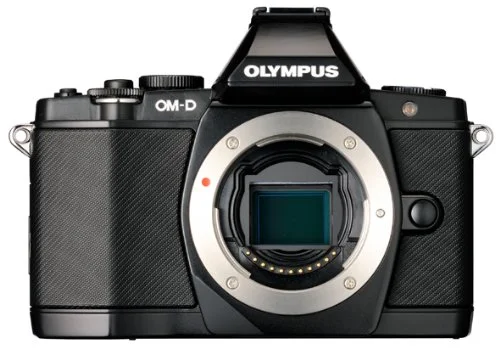
    5. Olympus OMD EM-5 – For several years now, and rightfully so, the Olympus OMD line has been the darling of the mirrorless camera world, and right now is a GREAT time to take advantage of . There are rumors that this camera will be replaced soon, meaning that it’s no longer in production, meaning incredible savings on a wonderful piece of machinery. What’s usually a $1000 camera is currently $599, and this for a 16.1 megapixel micro-four thirds sensor with a 1440k dot Electronic Viewfinder, 5-Axis Sensor-Shift Image Stabilization, full HD video at 60fps. It’s also dust proof and splash proof. The one potential downside is that it lacks Wi-Fi, but your little shutterbug might be too busy snapping away to even notice. In any case, it is compatible with the Eye-Fi line of Wi-Fi enabled SD cards, effectively turning into a Wi-Fi camera.

    wasim muklashy_Samsung NX30

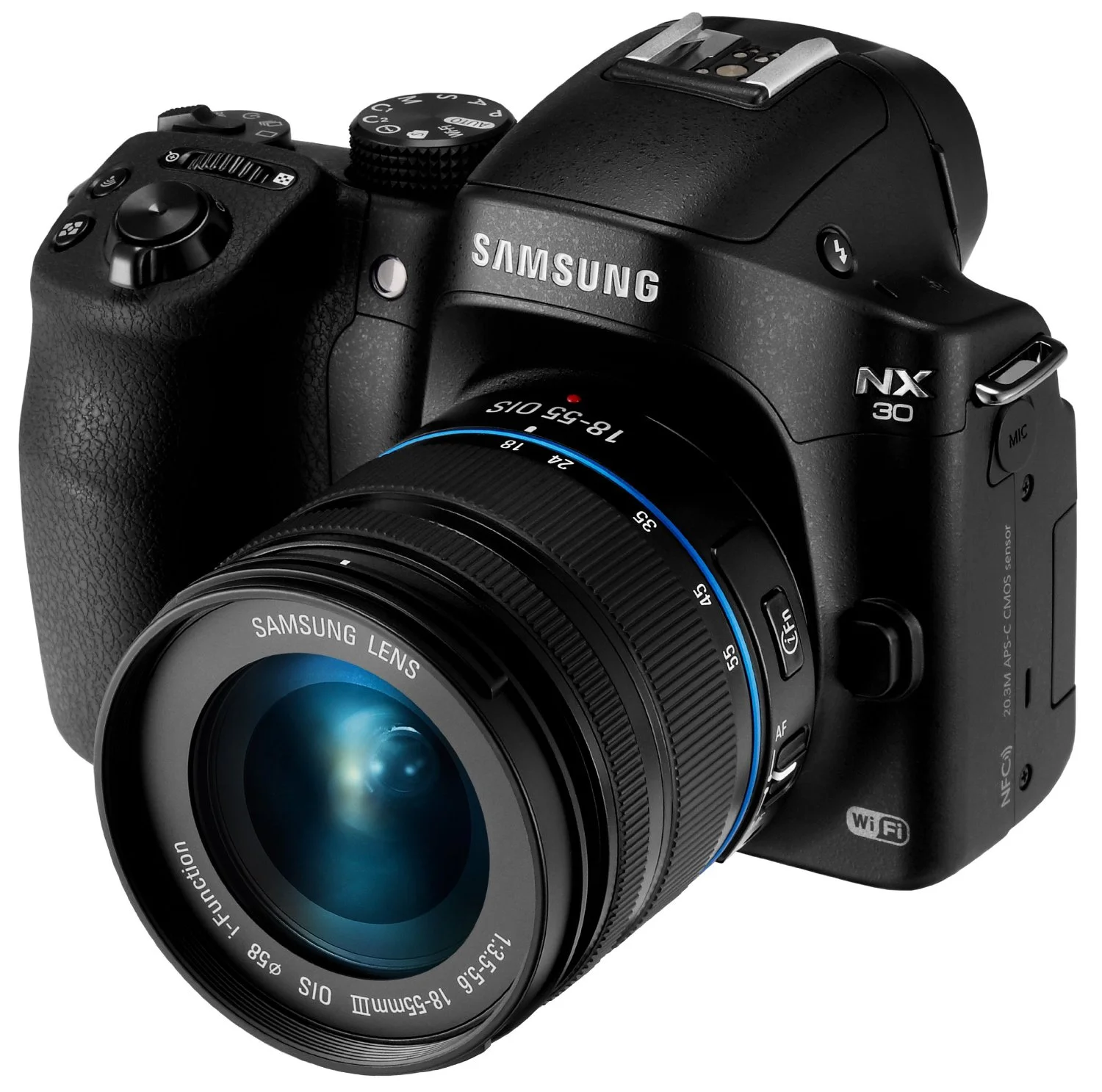
    6. Samsung NX30 – This is another camera that I’ve had the extreme pleasure of using for the past 6 months as a Samsung Imagelogger, and, well, it has replaced my Nikon D7000 for most uses. Considering that my D7000 kit has been my go-to for almost 5 years, that’s saying a lot. As a matter of fact, most of the images you see on the pages of this blog for posts from the past 6 months have been with this camera. Samsung has been incredibly aggressive and innovative with their cameras, and the NX30 is no exception. A 20.3 megapixel CMOS sensor, fast and accurate auto-focus, 9 frames per second high speed capture, Wi-Fi and NFC, a slew of SMART features including social media uploads and email, full HD video recording, a 3” AMOLED swivel screen, and, again, like mentioned with the NX300 above, an increasingly growing and impressive line of lenses. Also, like the Olympus above, this is also currently on sale from $999 to $649 and also comes bundled with Adobe Lightroom 5. Worth every. Single. Penny.

    And some may wonder why I haven’t included any Canon or Nikon DSLRs. I won’t go into a full tirade against their lack of innovation while the other manufacturers continue to churn out technology that the ‘big two’ seem to have slept on, but, well, there seems to be much more dedication to the consumer on the part of manufacturers like Samsung, Fuji, Sony and Olympus these days, especially in pushing the envelope forward in mirror less camera technology. Plus, it’s no longer a secret, thanks to the Samsung Imagelogger program, after years and years of being a religious Nikon DSLR user, I’ve become a proud and unapologetic mirror less convert. Especially with the recent arrival of the Samsung NX1…but that one…that one needs a post all of its own. Coming soon…

    And if you missed it last week, here are Ten Fail Proof Gifts For Photographers In Your Circles.

    One final thing, please remember, if you use Amazon, use this link or the one right there in the right column on this site. There’s no difference to you at all, but by using this affiliate link, I get a bit of a kickback from Amazon which helps me cover the costs of running and maintaining this site and creating content like this that is hopefully of some value to you. Happy shooting!

    For more things and stuffs:
    Instagram: @wasimofnazareth
    Ello: @wasimofnazareth
    Google+: www.Google.com/+WasimMuklashy

  • Ten Fail Proof Gifts For Photographers In Your Circles

    Ten Fail Proof Gifts For Photographers In Your Circles

    Wasim Muklashy Photography_Samsung NX3000_Los Angeles_California_Gifts For Photographers

    Whether we’re ready to admit it or not, the holidays are upon us. I tried as long as I could to ignore the names of the months passing by on the calendar, but, well, once Daylight Savings Time hit, denial turned to grief turned to acceptance turned to ‘ok, fine, let’s do this thing!’ Anyhow, chances are there’s a photographer in your family or group of friends that you’ll have to shop for, and while we’re certainly a famously finicky bunch, I guarantee you, there’s still something that photographer “needs.” So here’s a list of things that will help turn that psychosis-inducing task of figuring it out into the easiest checkmark on your shopping list. Here are 10 fail-proof gifts for photographers in your circles.

    1. GIFT CARD!!! While so many might say this is the lazy, impersonal way to go, trust me, this is the number one gift any photographer will want. While we’re an extremely picky species, there is always something that we want. And that’s not limited to photography gear…we need hard drives, memory cards, batteries, light modifiers, sand bags, cables, a myriad of stuff, so a gift card to an outlet that sells everything from electronic to photography gear is an insanely valuable asset. You can’t go wrong with Amazon, B&H Photo, or Adorama.

    Wasim Muklashy Photography_Miles_Airport_Gifts For Photographers

    2. Airline Miles – Just about every photographer dreams to have fresh new exciting unfamiliar things and places to photograph, and every one of those photographers has a destination (or two, or three, or fifty) that they dream to visit, but just about every one of those photographers frets over the price of that plane ticket to get there. Miles are a HUGE help. Whether you have enough to hand over enough for a full flight, or a few thousand that can help alleviate part of the financial burden, miles are a gift that will never be unappreciated by the photographer in the family.

    3. iPad Mini – This is quickly becoming a must-have item for photographers, especially those that work in the field. From the tethering capabilities to just about every camera to the increased focus by major image software companies like Adobe, an iPad mini is something that will definitely get used. And if you’ve got the budget, AppleCare would help. Just sayin’.

    Craft and Vision

    4. Craft & Vision Gift Certificate – Guaranteed there will be at least 2 books that come out this year that the photographer in your family will want. And as they’re all written by respected photographers in the industry, they will be coveted. David duChemin’s Craft & Vision almost has a lock on the best photography books in the publishing world. Best of all, most of them are less than 10 bucks, so 20 bucks will go a long way. 50 bucks? Fuggedabbadit!

    kelbyone

    5. KelbyOne Gift Certificate – Scott Kelby and KelbyOne are perhaps the go-to in photography training, seminars, and workshops. The Photoshop master has built quite the machine, offering everything from video tutorials from the industry’s biggest draws, to live seminars and conferences taught by everyone from himself to National Geographic superstar Joe McNally. If you don’t know Joe, trust me, the photographer you’re aiming for does. I would recommend getting a membership, but there’s a good chance the photographer you’re shopping for already has one, but a gift certificate can be used for the seminars or workshops or various products as well. Can’t go wrong with this one.

    6. BorrowLenses.com Gift CertificateBorrowLenses.com is awesome! Every photographer you’ve ever known and will know, will spend hours, days, weeks, months, researching gear, lenses, camera bags, bodies, you name it, before they finally make their decision. A lot of times, the only way to know, is to touch, feel, use, and marinate with a piece of gear, and BorrowLenses.com makes that incredibly affordable and awesome. You can rent, Netflix-style, everything from camera bodies, lenses, and even lighting gear, so you can test it out before you buy. You’d be helping make the photographer’s research a hands-on experience. They’ll never forget that!

    Adobe Creative Cloud

    7. Adobe Creative Cloud Subscription Because we hated the fact that we had to pay for a subscription to use the software that is our bread & butter, that charge on our credit card still irks us each month, and by paying for it for a year for us, it’ll help us forget it for that much longer. Ah…the good ol’ days…

    leatherman-mut-multitool-9289

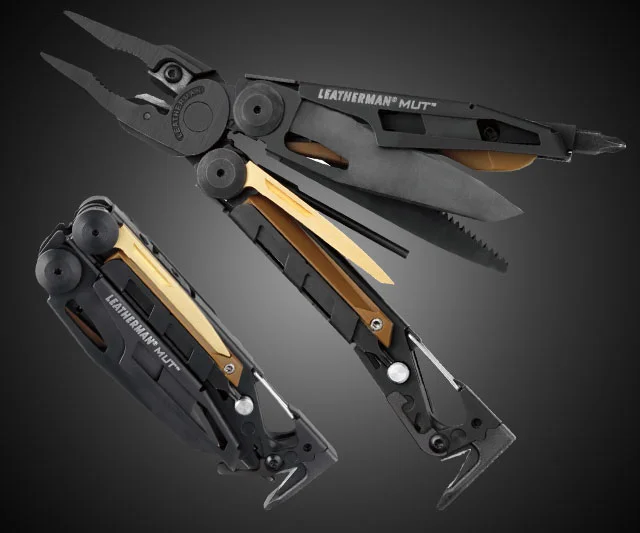
    8. Leatherman – Because we love cool things and Leathermans are cool things! And we can have a hundred Leathermans and love each one of them. Like children. Sort of. Not really. But you know what I mean.

    9. Swatchmate – Ok, this is pretty sweet stuff. This might apply more to digital artists than to strictly photographers, but, well, the line does seem to be blurring, so here’s one for color freaks. This device allows you to capture ANY color anywhere you are from any surface of anything at all and be able to save it as a swatch to use later. It can even save it directly to Photoshop for you.

    10. Their own Prints – Not for them, but for other people. There is NOTHING that tickle’s a photographer’s fancy more than that notification on their phone that they sold a print. And if you buy several after another for different people, that means more notifications. That means more love.

    Wasim-Muklashy-Photography_Gifts For Photographers_Prints

    11. (BONUS). My Prints. Because, well, they’re awesome! But you didn’t hear it from me. Well, yes you did, but, no you didn’t. Anyhow…do it! Buy. Crated or FineArtAmerica.

    Additionally, if you’ve got a budding photographer in the family, and you’re looking to get them their first camera or upgrade their shooting experience, here are the 6 Best Cameras For Budding Photographers.

    And please remember, if you use Amazon, use this link or the one right there in the right column on this site. There’s no difference to you at all, but by using this affiliate link, I get a bit of a kickback from Amazon which helps me cover the costs of running and maintaining this site and creating content like this that is hopefully of some value to you.

    For more of the photography psychotica, pick your poison:
    Instagram: @wasimofnazareth
    Ello: @wasimofnazareth
    Google+: www.Google.com/+WasimMuklashy

  • My Second Research Term For The Arcanum: Chromatic Aberration. Why? It’s Annoying…

    My Second Research Term For The Arcanum: Chromatic Aberration. Why? It’s Annoying…

    SAMSUNG CAMERA PICTURES

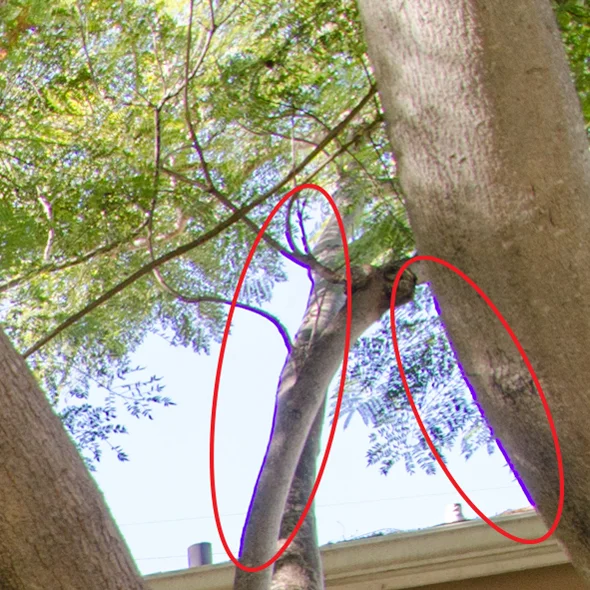
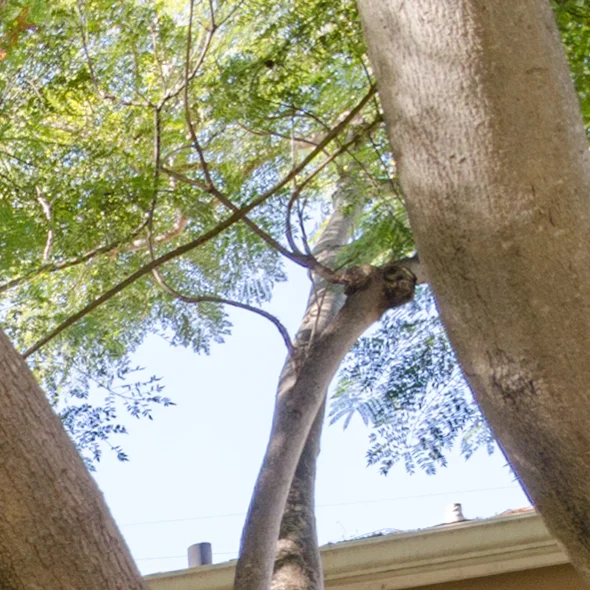
    So if you read my post My First Research Term For The Arcanum: Silence. Why? It’s Complicated…, you’d know what this is all about. As Robin Griggs Wood’s apprentice in Trey Ratcliff’s Arcanum, part of each week’s challenge is to research a term that relates to creativity. While the first term I researched was silence, this time, I chose “chromatic aberration.” Whether you know what it is or not, you’ve seen it, you’ve experienced it, and it’s annoyed the living crap out of you, so here’s a basic breakdown of the bugger and what I’ve found.What Exactly Is Chromatic Aberration?

    So this is one that has usually just meant nothing more to me than “those annoying purple or green fringes I get on high contrast edges in some of my pictures, especially when the sun is involved.” I knew it had something to do with the lens, something to do with the light angle, and something to do with, well, sciency stuff, so figured this was a perfect opportunity and reason to find out once and for all what chromatic aberration is and how and why it’s caused (and if there’s anything I can do to avoid it).

    The science: Wikipedia puts it like this: “Chromatic aberration (CA, also called achromatism, chromatic distortion, and spherochromatism) is a type of distortion in which there is a failure of a lens to focus all colors to the same convergence point. It occurs because lenses have different refractive indices for different wavelengths of light (the dispersion of the lens). The refractive index decreases with increasing wavelength.”

    Well, duh! I could have told you that (yeah right…).

    Wasim-Muklashy-Photography_Purple-Fringing_chromatic-aberration_with-fringe-circled

    Wasim-Muklashy-Photography_Purple-Fringing_chromatic-aberration_nofringe

    My next destination was a link that leads to a Georgia State University Physics page that explained how blue light wavelengths are shorter than red light wavelengths, and since focal length depends on a phenomena called refraction, which is “the bending of a wave when it enters a medium where its speed is different,” the index for refraction blue and red lights are different.

    So now that the smart people terms are out in the open, I needed it explained in layman’s terms, so I did a bit more digging and I found this at PhotographyLife.com:
    “Chromatic Aberration, also known as ‘color fringing’ or ‘purple fringing,’ is a common optical problem that occurs when a lens is either unable to bring all wavelengths of color to the same focal plane, and/or when wavelengths of color are focused at different positions in the focal plane. Chromatic aberration is caused by lens dispersion, with different colors of light travelling at different speeds while passing through a lens. As a result, the image can look blurred or noticeable colored edges (red, green, blue, yellow, purple, magenta) can appear around objects, especially in high-contrast situations.

    A perfect lens would focus all wavelengths into a single focal point, where the best focus with the “circle of least confusion” is located.”

    Aha. And that actually helps it become a bit clearer and more approachable.

    So what it sounds like is that it happens when all of the colors of the spectrum can’t make it to their intended finish line at the time the shutter is pressed. Whether it be actual physical limitations, or limitations based in physics and the ways wavelengths move and work, the stars are just unable to align due to factors including exposure settings, positioning of the lens, and how much glass the waves have to penetrate in order to reach the sensor.

    Essentially, because of the way that light works and how each color has it’s own distinctive wavelength, in order for them to be accurately represented, they need to be in the same place at the same time, and when you’re taking a photo and each of these wavelengths of color has to travel through different, it makes it very difficult for them to reach the same point at exactly the same time. So some of them are left on the fringes. They ‘re not usually very apparent, but when you’re dealing with high-contrast edges, it’s easier to see them because of those hard edges. Almost the same way it’s easier to see the immediate difference between black and white versus a gradient that moves from black to white gradually. Imagine an image that was half black and half white, if you put a gray line separating them, it’d be extremely apparent on that hard edge. Now, imagine an image that was a gradual gradient from black to white, and you put a grey line somewhere in between, it’d be a bit harder to pick it out because it’s lost in a gradient of grey – there’s a lot of grey area in between. That’s essentially what’s happening. Some of the wavelengths are getting caught in between the point of origin and the destination – your sensor, like on the black/white card.

    Now that I have a clearer idea of what’s happening, I was curious if there was a way to avoid it, and apparently there isn’t. At the moment, science and physics trumps the human mind’s capacity to solve this one. That same PhotographyLife.com link explains that “This kind of…chromatic aberration is present even on high-end, expensive lenses like the Nikon 35mm f/1.4G.”

    Luckily for us, we do have a go around, one I’ve been using for quite some time, and one that apparently I’ll continue to have to use, at least for now. Lightroom has a chromatic aberration correction tool in the ‘Lens Correction’ tab on the ‘Develop’ pane. You click it, and then there are sliders for green and purple that you can slide to determine the color range of chromatic aberration to remove, and, wallah! It’s gone!

    In this case at least, software trumps physics…

    For more of my madness:
    Instagram: @wasimofnazareth
    Ello: @wasimofnazareth
    Google+: www.Google.com/+WasimMuklashy

  • My First Research Term For The Arcanum: Silence. Why? It’s Complicated…

    My First Research Term For The Arcanum: Silence. Why? It’s Complicated…

    Wasim Muklashy Photography_110114_Samsung NX30_Rocky Peak Park_Simi Valley_California_The Arcanum_Silence

    Part of the deal as an apprentice in The Arcanum is each week we are presented with a weekly challenge by our master, and with each weekly challenge, in addition to finding images based on a theme, we are to find a term that relates to creativity in some way (however broad is up to us) and research that term and what we found out about it. So while I was trying to think of what term I wanted to research for my first weekly challenge, I found myself navigating my way through the eternal Facebook stream of doom, looking for a post I saw earlier from a friend that I wanted to comment on, and all I could see are BE SCARED EBOLA OBAMA DEMOCRAPUBLICANS TERRORISM EBOLA LIBERAL HELL WRATH CONSERVATIVE RACIST FIRE DOOM DIE OH YEAH AND EBOLA when all I could think to myself was, ‘shut up already!’
    So, that was the birth of the term I wanted to research for my first weekly challenge in The Arcanum: Silence.

    Needless to say, I knew that silence had a much broader meaning than just the lack of noise, but I was completely surprised to see that in the official Wikipedia post about silence (let’s face it, Wikipedia is the new Encyclopedia Britannica – for those of you that remember that monstrosity…), the meaning of silence has broadened to accept:

    “total communication, in reference to nonverbal communication and spiritual connection.”

    Wow. Spiritual connection? Communication through silence?

    And not only that, but this:

    “…as a culture Westerners shy away from silence because it is fearful to be in quiet.”

    Wha? Why?

    “This instinct is created from our culture where mixed medias play constantly, emerging technologies force us to drop everything and respond and the daily life is polluted with noises all around us effecting our health.”

    And that’s just from the first few lines. And it was those first few lines that explained it all – the same week that an article came out saying that the first actual diagnosis of phone addiction has been made, and that techno-addiction is now an actual ‘thing.’

    It’s not that we don’t want the silence, we’re actually biologically afraid of it.

    And I can understand it. And I can more than understand exactly how the mass media plays on that fear. We literally wouldn’t know what to do with ourselves if every newscaster and ‘expert’ and ‘pundit’ and ‘respected personality’ one day just got on the air and said “Oh, there ain’t a darned thing going on today. It’s all good. We’re just going to chill.” Ironically, we’d freak out and wonder what was wrong rather than what they were telling us, that’s all’s right! We probably wouldn’t even allow ourselves a moment of silence to take it in.

    And apparently, and scientifically, that’s because we’re afraid. We’re literally afraid of what we might have to face if we weren’t constantly faced with madness and psychotica from all directions at all times. If we didn’t have distraction after distraction from distraction after distraction. The fact that things can actually be…all good. The crazy part is, things are better now than they ever have been in human history. There is actual quantifiable evidence showing less war, destruction, famine, and death today than at any time in human history.

    But we would never know it now would we?

    I couldn’t help but think, perhaps if we spent more time in silence, that reality might take hold.

    Process that: things are better now than they ever have been.

    So chill out y’allz…it’s all good.

    Now how does this have anything to do with photography or art or the Arcanum? I have no idea or real good answer for that. I suppose the best I could do is that I feel we should be paying just as much attention, if not more, to the good in life, than all the seemingly inescapable bad. It can, apparently, have profound impacts on our health, both physical and mental. And I can only imagine it could serve the impetus for some pretty incredibly beautiful art!

    Now let’s shut up and make stuff!

    For more of my madness, take your pick:
    Instagram: @wasimofnazareth
    Ello: @wasimofnazareth
    Google+: www.Google.com/+WasimMuklashy

  • My Experience In Trey Ratcliff’s The Arcanum – Level 3: Wasim The Inspired!

    My Experience In Trey Ratcliff’s The Arcanum – Level 3: Wasim The Inspired!

    Wasim-Muklashy-Photography_The Arcanum-Level-3a_for-site

    So this is where it all got real.
    The experiences, the Networks, The Challenges. It’s all part of the process here in The Arcanum, but all of it, at first, seems a bit disconnected, another virtual forum, albeit a more positively engaging one sans the trolls and the, but, still,

    I am now Wasim The Inspired!!

    And with that, things immediately get a bit more serious. As I started seeing streams of notifications and happenings within the community and cohort, I won’t lie, I started to get a bit overwhelmed and intimidated. People were engaging with each other, Hangouts were happening, weekly challenges were being levied, leveling ups were going on, and I was watching it all, wondering how and where to go from here. Where do I fit into this madness? So as an apprentice, learning from a master, I figured that not only was it was well within my boundaries to ask my master, the one, the only Robin Griggs Wood, for help, but, well, it was my responsibility to do so. So I did, and she responded so graciously and thoroughly, that there was no longer any reason, or excuse, for me to put this off. I was starting to feel the kick in the arse I so badly desired and got involved in this thing for.

    Levels 3 and 4 go together…sort of. This is a stage where in one level, it’s my responsibility to put together an album of 10 images, in which I then have to ask my fellow apprentices in the cohort to set up a Google+ Hangout, and in that, they critique my images and help me choose the 5 that I will take with me into Level 4, a critique session with my master, Robin Griggs Wood. Mano a mano. A bit nerve-racking? Perhaps. But exciting? Yes. Definitely. My peers are going to give me critical feedback, and my master is going to finally tell it like it is and guide me to the next level in my creative journey.

    Wasim-Muklashy-Photography_The Arcanum-Level-3b_for-site

    So I put together a gallery mixed with some of my favorites and some that I was looking to see what others thought of. Perfect opportunity. While I was about to pop my Google Hangout cherry after just returning from an unplanned visit to the dentist, I was fortunate in that we almost immediately went into a screenshare, sparing my fellow apprentices the sight of my drooling half-numb face in favor of some purty colors and images.

    I have to say, this was really really really really really really really really nice. This sort of engagement is something has been missing from my photographic journey completely. I’ve mostly relegated my work to online venues, and the social side of it all, well, seemed a bit of a chore rather than a necessity. Until now. This is the perfect venue where I immediately felt comfortable because I knew that this wasn’t a ego boosting show and tell or a pissing match or soapbox of any sorts (sorry L.A.), but it was a group that was on the exact same journey I was. They were dedicated to improving and growing and evolving in their respective crafts, and it just felt right. Hearing their ideas and thoughts truly brought to light SO many things I never even considered. I even ended up with a few alternate processings of some of the images that I ended up liking more than the originals. Immediately validating the value of such feedback, something that’s can be hard to get on board with, especially in such a traditionally solitary and personal pursuit as photography.

    Wasim-Muklashy-Photography_The Arcanum-Level-3c_for-site

    But I loved it. And I have a gallery of images I’m proud of to present to my master. And perhaps most importantly, because of this session with my apprentices, I was able, perhaps for the first time, to succinctly state what my goal and mission in my photography and work is:

    To try to induce that childlike wonder back into the jaded adult mind.

    To aim to straddle fantasy and reality, and push the fantastical in everyday existence right the point where you have to ask yourself whether or not this can actually be real and come away with an ‘I supposeeeee so.’ And if they’re trying to convince themselves, then all the better, for perhaps it’ll awaken a part of their mind they’ve ignored for a while.

    In other words, an attempt to provide a reminder that, in addition to all our everyday worries and concerns and responsibilities – basically, the crap – just outside our bubbles, awe-inspiring beauty and curiosity still exists on a massive scale. Even more so than when were kids. We just might have to look a wee tad harder, but that could only help us appreciate it that much more.

    My experience in Level 4, my first face to face and image review with my master Robin Griggs Wood, is coming in a few days. To find out which images I took with me to present to her and what happened, check back here or sign up for the mailing list in the right column to be notified as soon as I post it.

    And in case you missed it, click here to read about Levels 1 & 2.

    For more of my madness, take your pick: Instagram: @wasimofnazareth Ello: @wasimofnazareth Google+: www.Google.com/+WasimMuklashy

  • 5 Black & White Photography Tips I Learned While Taking The Black & White Photography Challenge

    5 Black & White Photography Tips I Learned While Taking The Black & White Photography Challenge

    Wasim Muklashy Photography_Realtime Lapse_Samsung NX3000_Malibu_California

    So I was recently challenged by a fellow Samsung Imagelogger, the talented portrait photographer Jess Anderson, to take the Black & White Photography Challenge. Basically, I had to post 5 black and white images in 5 days. Anyone that knows me or my work knows that color plays an enormous role in the images I choose to make, so this was definitely a bit intimidating. In addition to a few of my favorites from those recent 5 days, what follows are 5 things I learned and experienced in my little black & white journey. One thing that is immediately apparent is that once you lose the luxury of color, your mind shifts, and it has to. It’s not as easy as just hitting the black & white tab in Lightroom or Photoshop or dropping saturation. You can’t make images the way you’ve known and been used to and you are forced to focus on other aspects. The good news is, once the mind-shift happens, a whole new world that you may not have previously paid attention to, pops up into existence. It’s really quite fascinating.

    1. Contrast was HUGE! When you lose the ability to capture color as a main player in an image, you have to look at things completely different, and one of the top factors that can make for a good monochromatic image is contrast. Extreme contrast between shadows and highlights, light areas, dark areas, that’s going to be the main player in the image, no matter the subject. The caveat to add here is that gloomy are also good days to shoot for black and white as well, as the contrast between subjects plays more of a role than the contrast between shadows and highlights. For example, a humanoid dressed in white standing against a dark wall.

    Wasim Muklashy Photography_062614_Samsung NX30_Los Angeles_California_ SAM_5367_1800

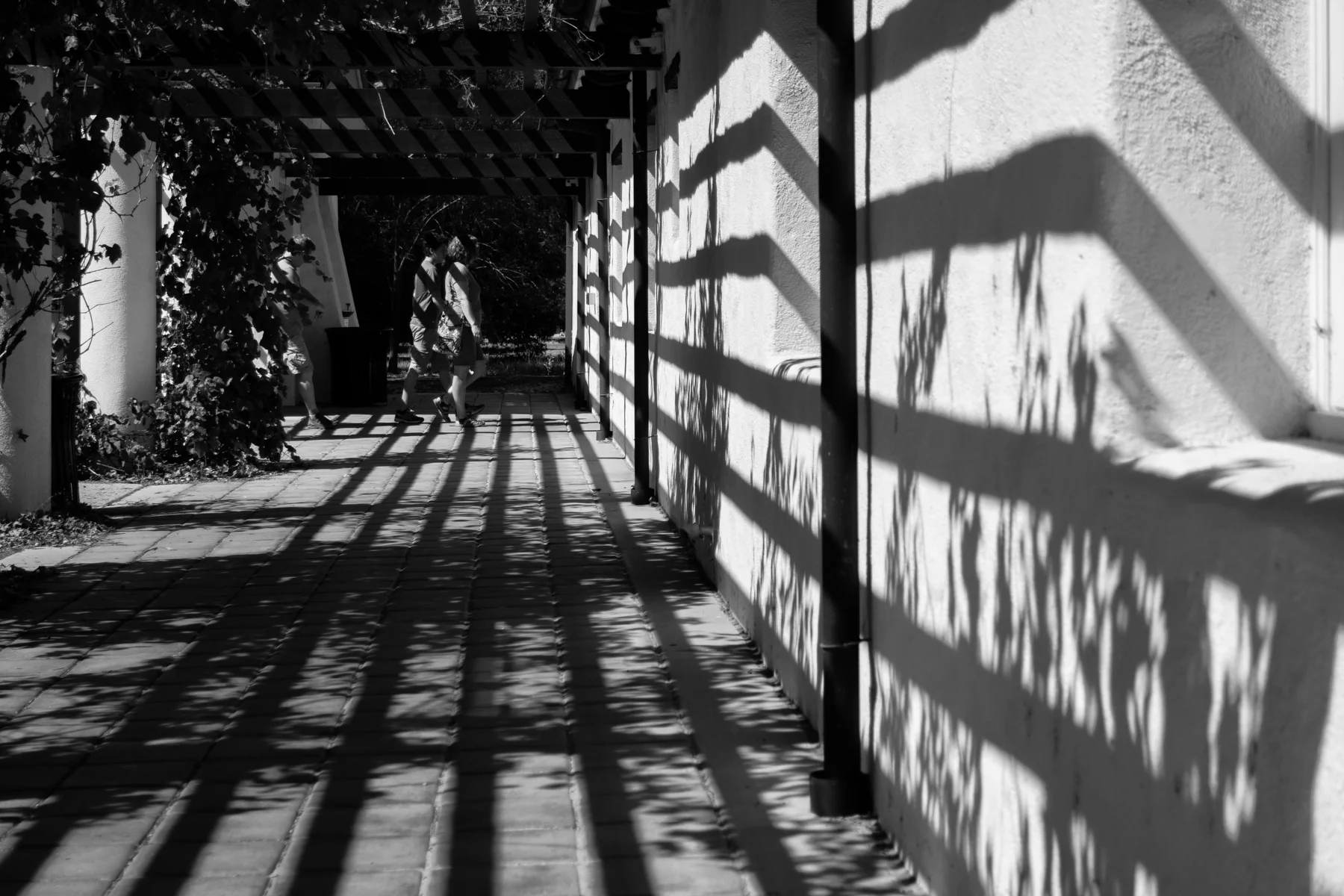
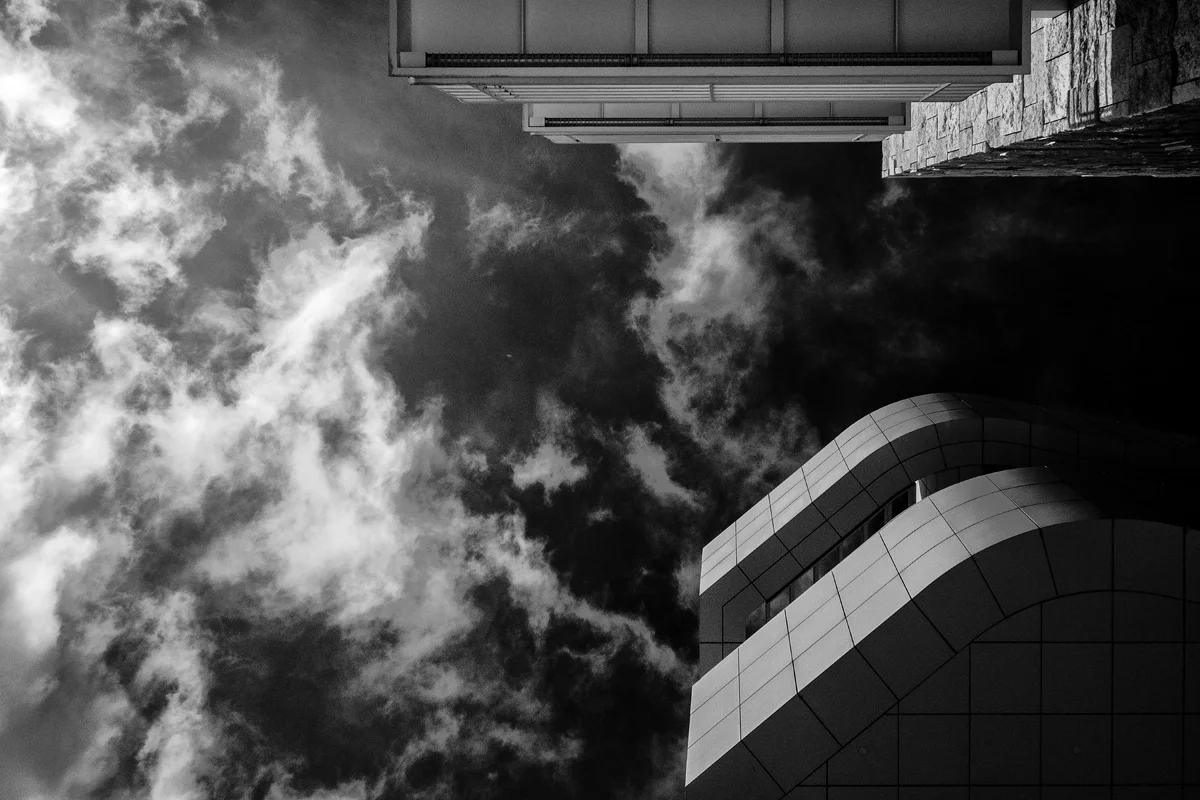
    2. Geometry! Pay attention to leading lines and shapes. They both seemed to play a huge role. If you can find lines that stand out, curves that are apparent through the scene, that is optimal. Additionally, keep an eye out for shapes. Squares, rectangles, triangles, circles, they all stand out in monochromatic situations when an eye is denied the ability to look for color.

    Wasim Muklashy Photography_Samsung NX3000_100714_Santa Monica Mountains_California_ SAM_1165_1800
    3. Light, more than ever, is perhaps your most important player here. It’s a fact that the brightest spot in the image is where the eye is naturally drawn to, so light that falls in between columns in a building, creating a striped pattern across someone’s face, or just a single ray of light at the end of a dark alley falling on a person’s face. You get the idea. Watch the light, where it’s going, what it’s doing, and know that mostly nothing in the shadowy areas is going to be the main subject or player in your image. It’s what’s going to be in that light.

    Wasim Muklashy Photography_Samsung NX3000_Agoura Hills_California_ SAM_1281_1800
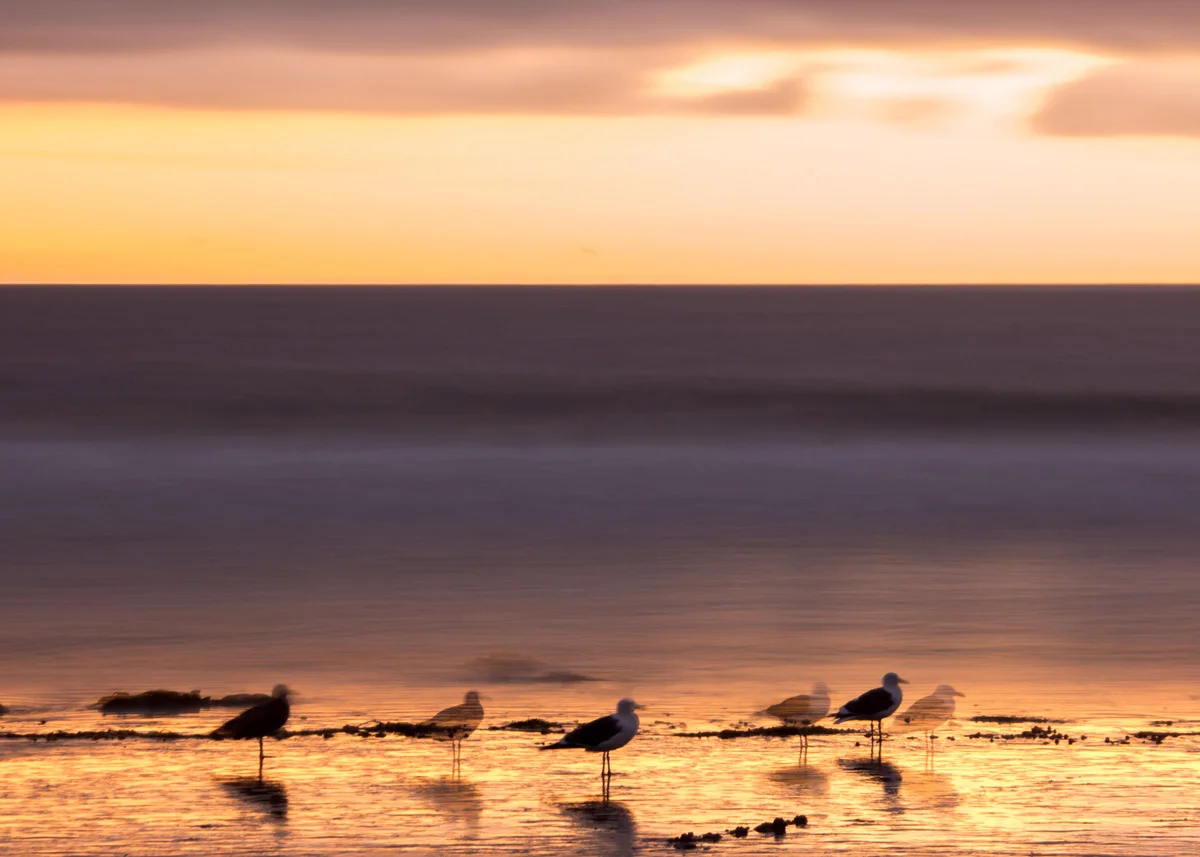
    4. ISO is of the utmost importance! Definitely try to shoot at the lowest ISO possible. I learned very quickly that when playing in contrast and with several dark areas in an image, noise is MUCH more apparent. Minimize the noise-reduction-plugin rabbit hole by shooting at as low an ISO as you can.

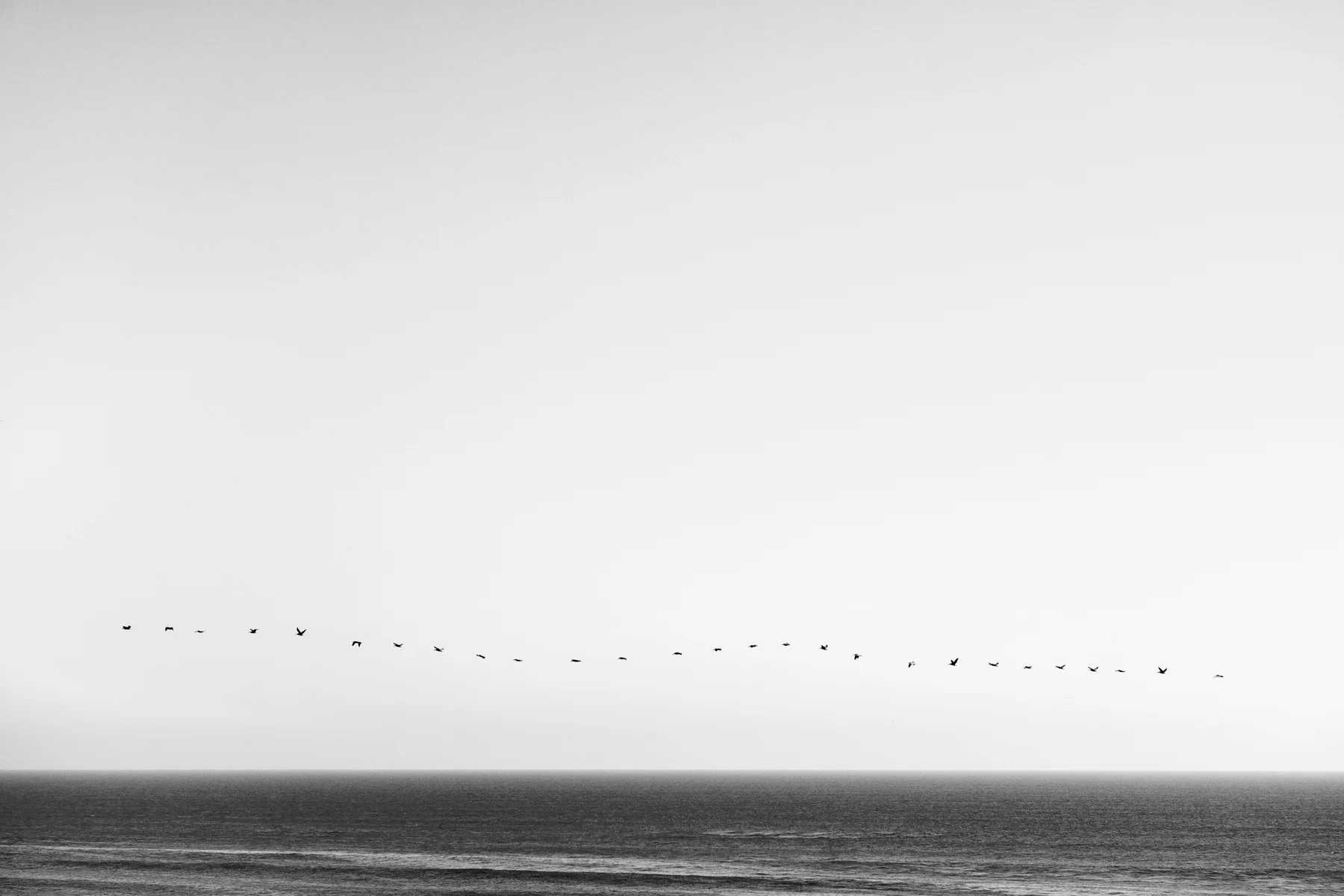
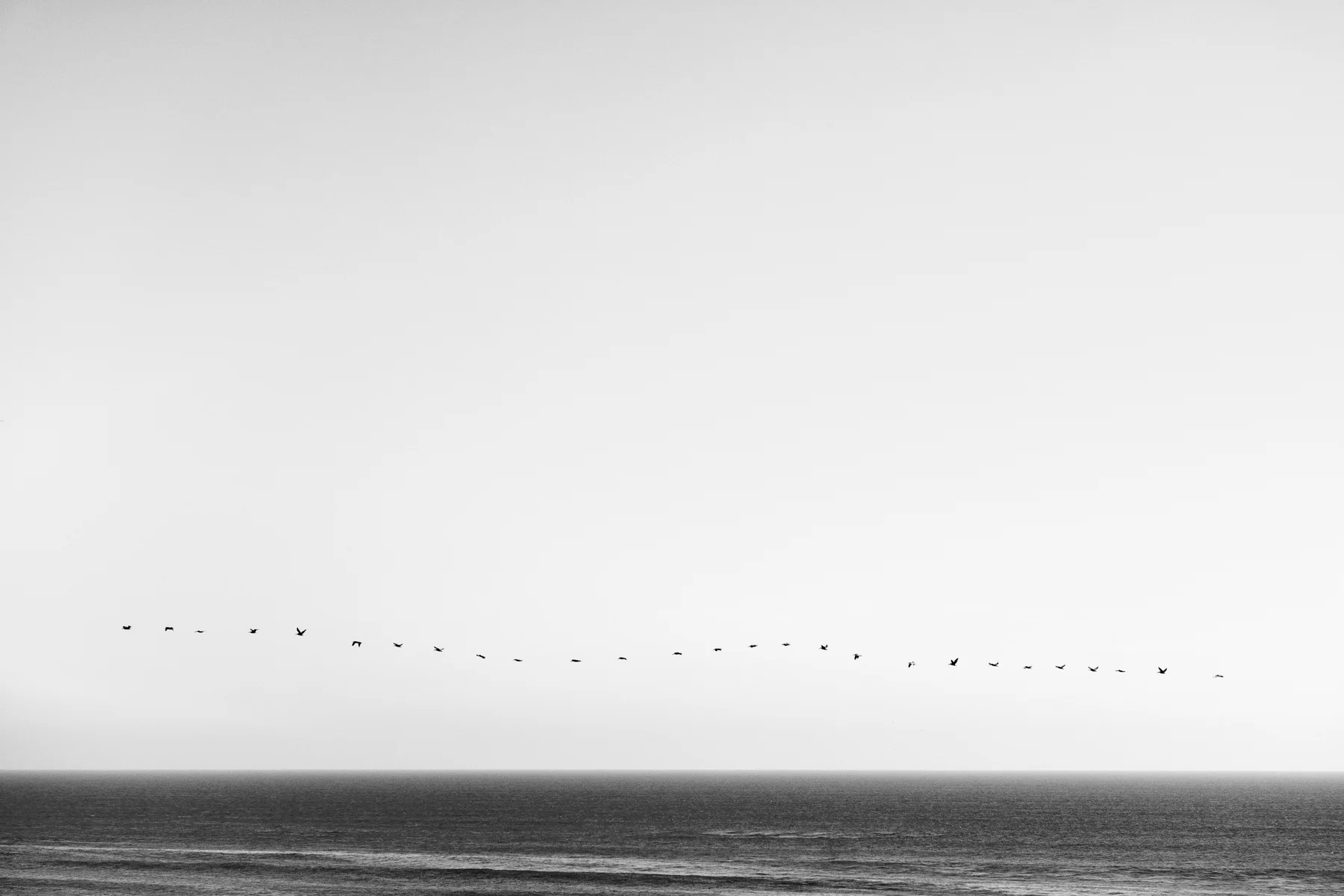
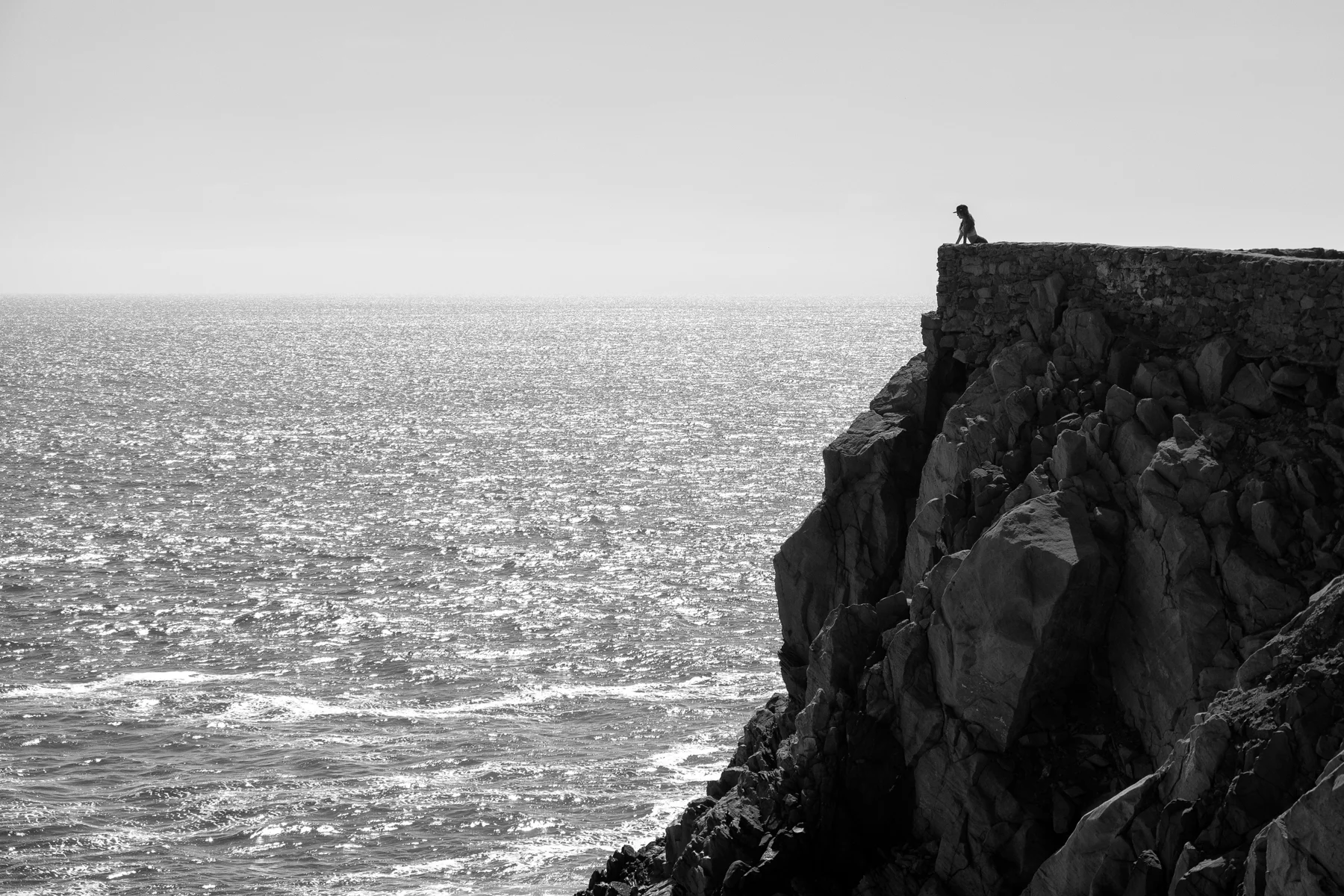
    5. Minimalism can play a great role here. A few of my favorites from those 5 days use a LOT of negative space – the one with the birds and the one of the woman on the cliff edge overlooking the vast Pacific Ocean.

    Wasim Muklashy Photography_062614_Samsung NX30_Los Angeles_California_ SAM_5422_1800

    Bonus Tip: If your camera is capable, shoot in RAW. If you’re used to shooting in JPEG, set it to shoot in RAW+JPEG, but you’ll see how important having that extra RAW flexibility of adjusting shadows and highlights comes into play in post-processing when shooting for black and white. Trust me.

    With that being said, I quite liked the challenge, and I thoroughly enjoyed shooting for black and white, so thank you for that Jess! Don’t be surprised to see me post a few more monochrome images in the future.

    All the images above were taken on mirrorless Samsung NX30 and NX3000 cameras.

    For more of my madness, take your pick:
    Instagram: @wasimofnazareth
    Ello: @wasimofnazareth
    Google+: www.Google.com/+WasimMuklashy