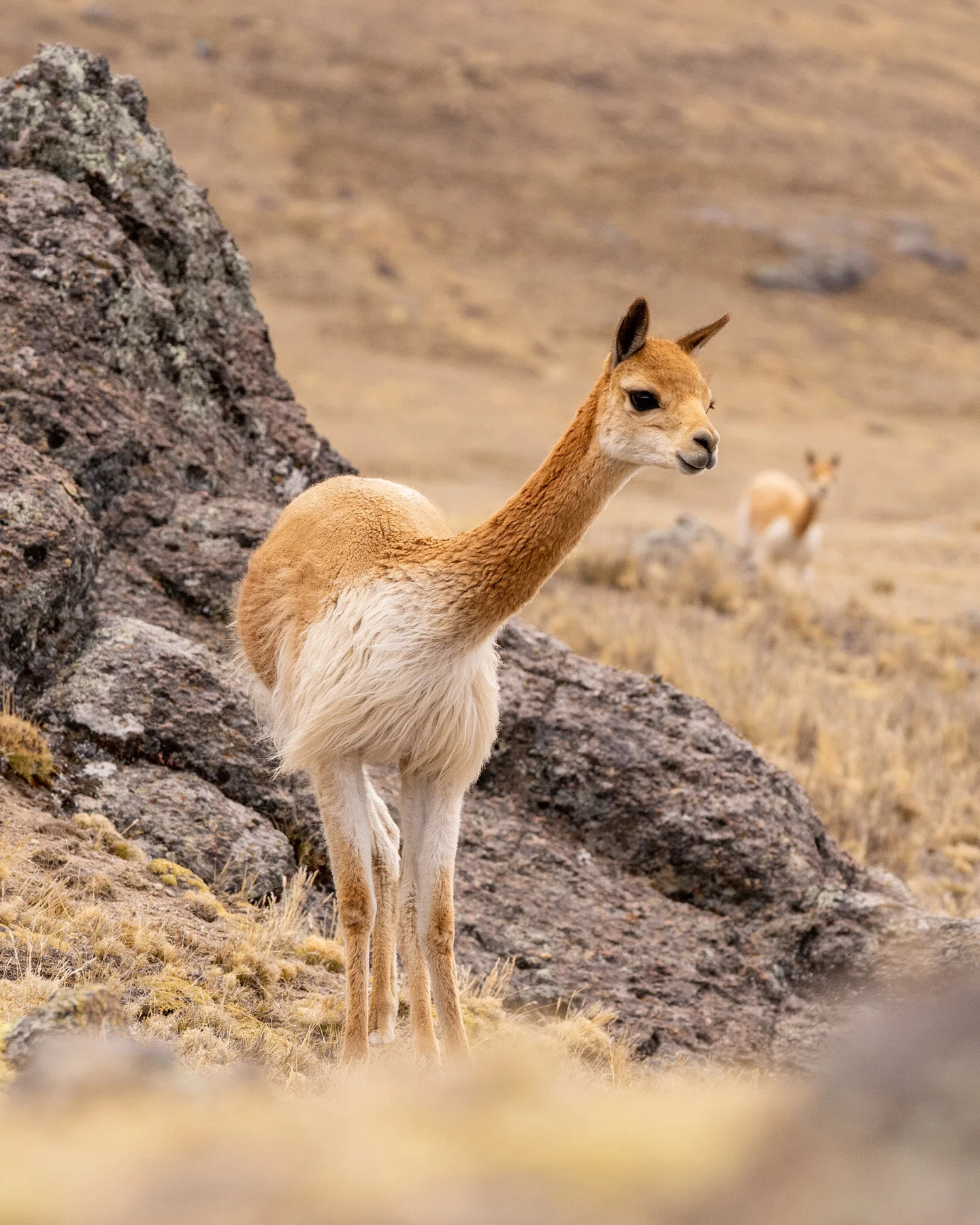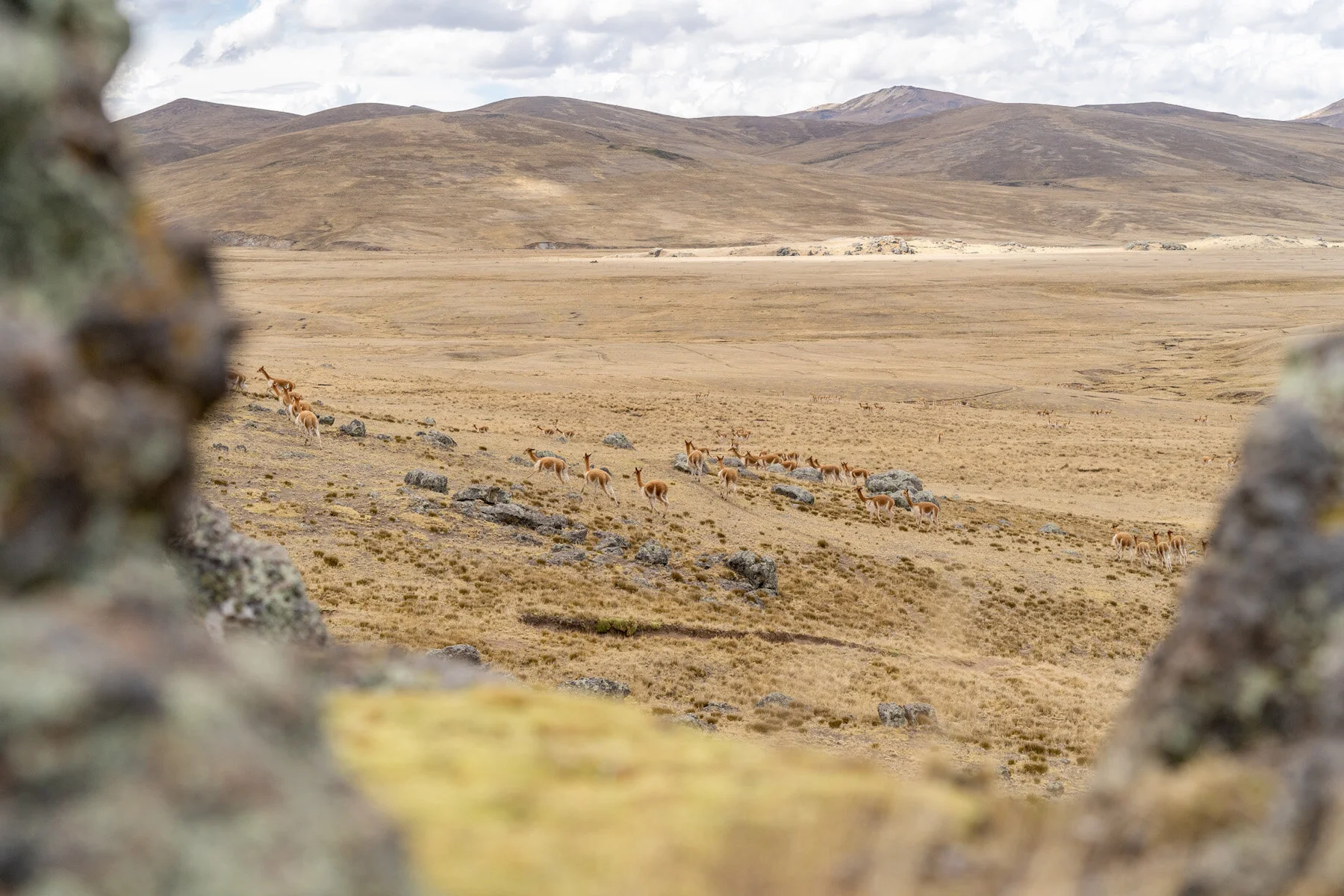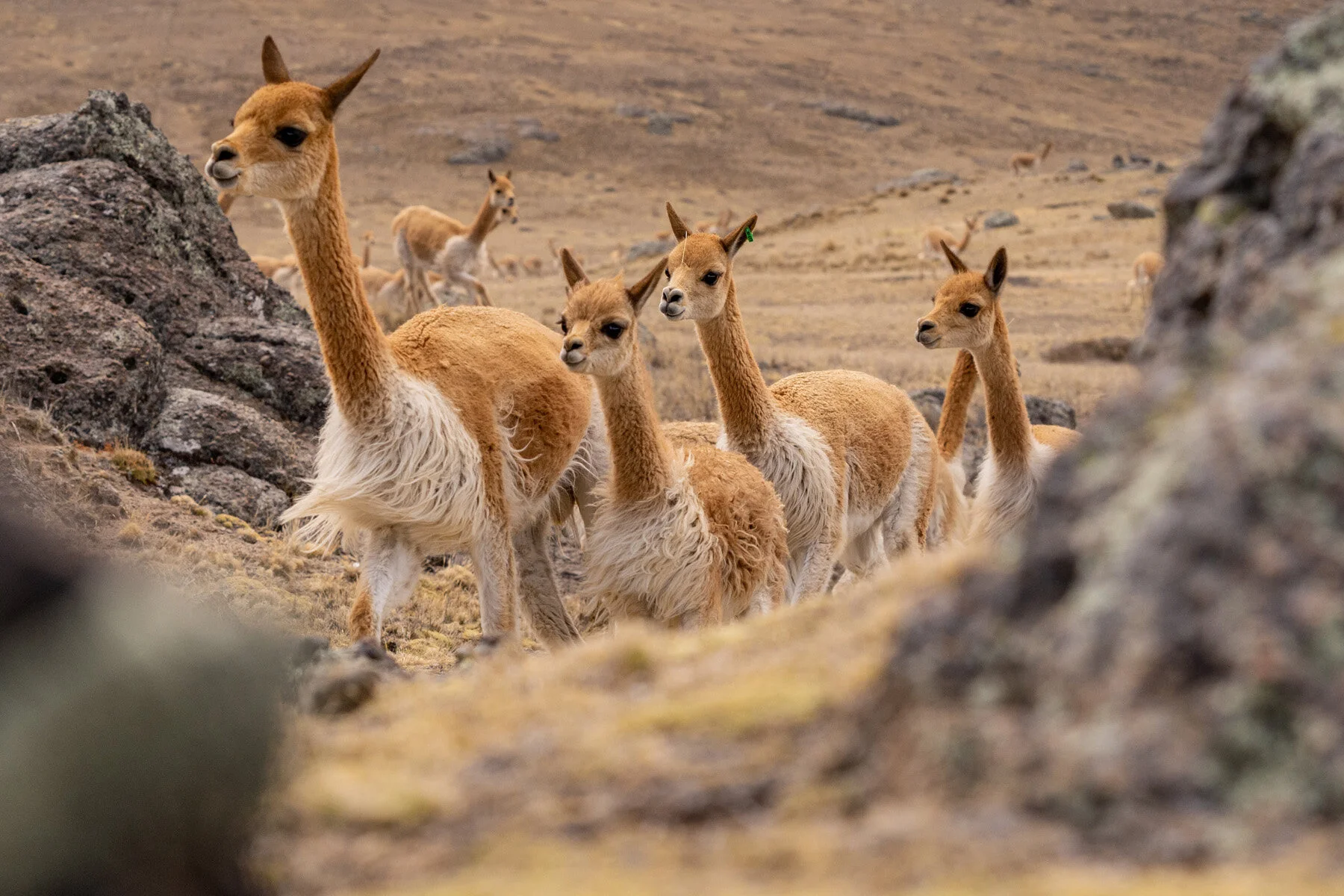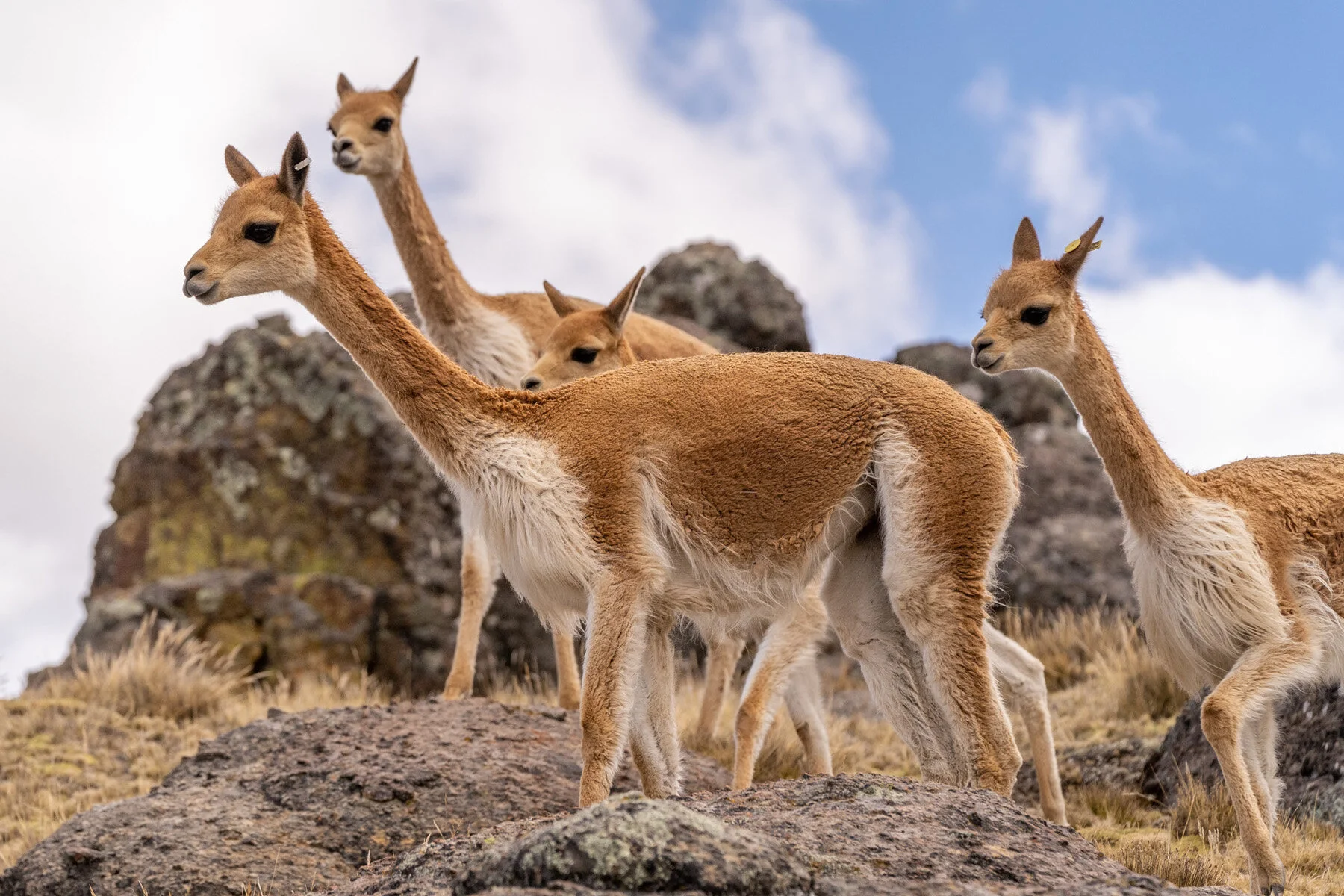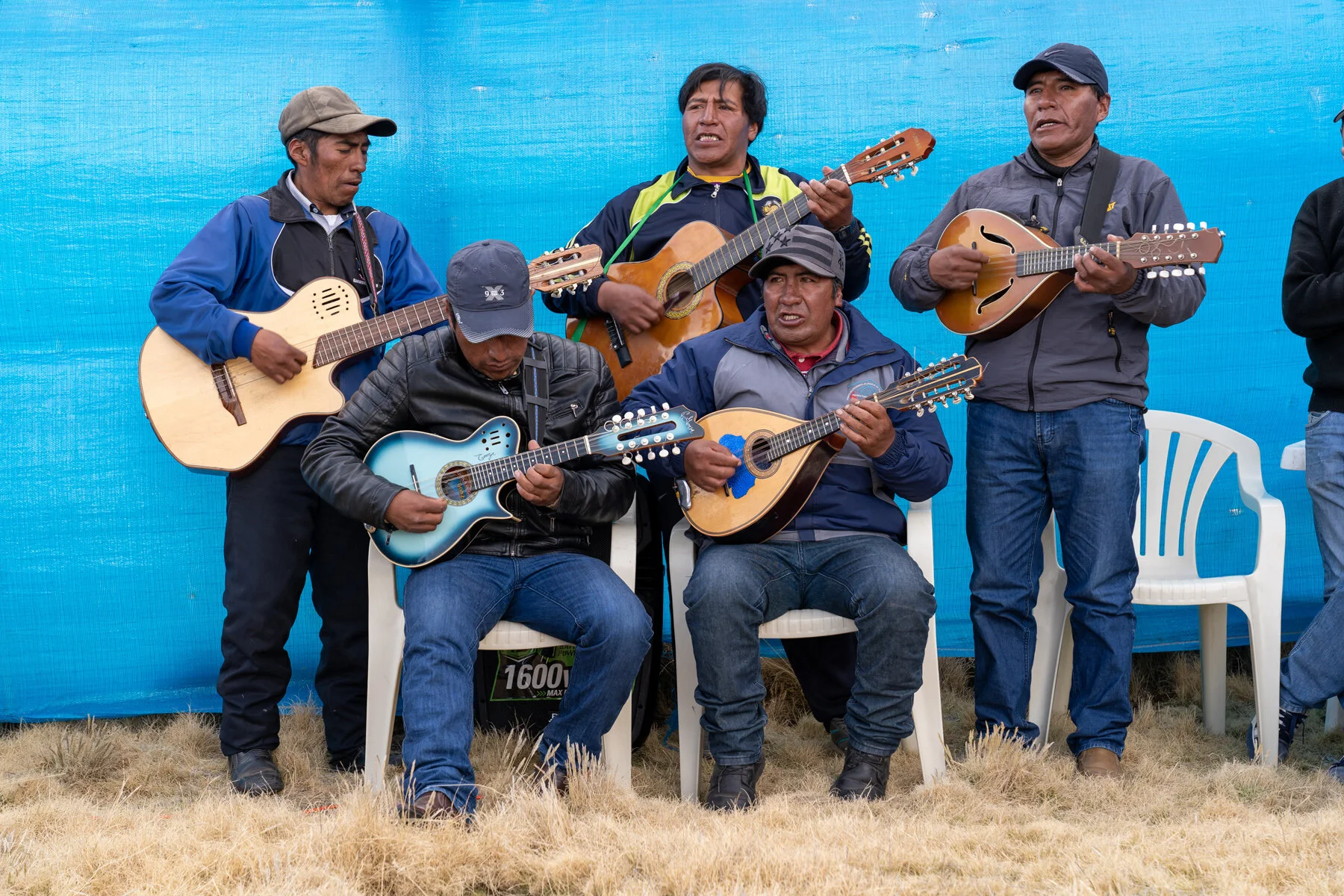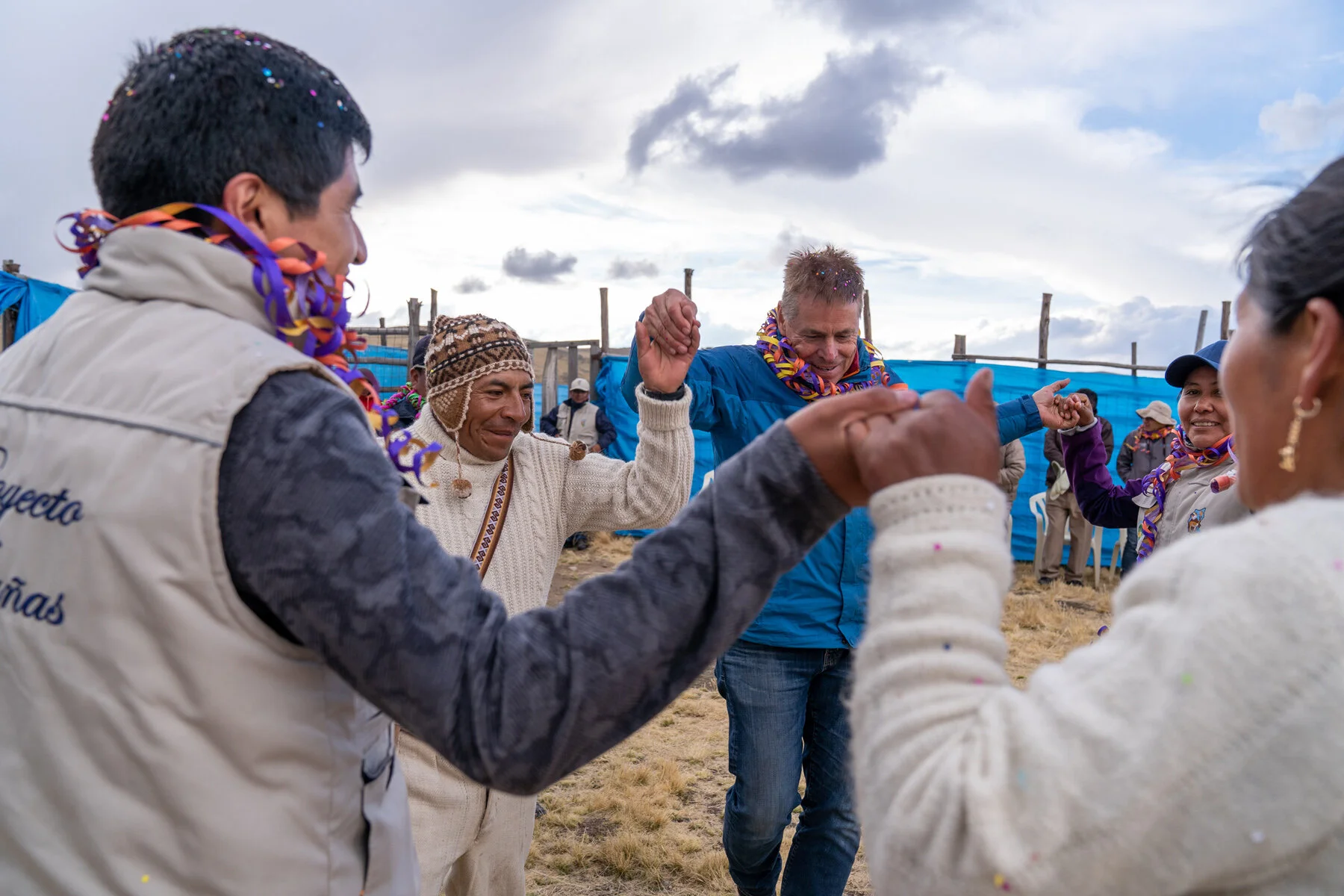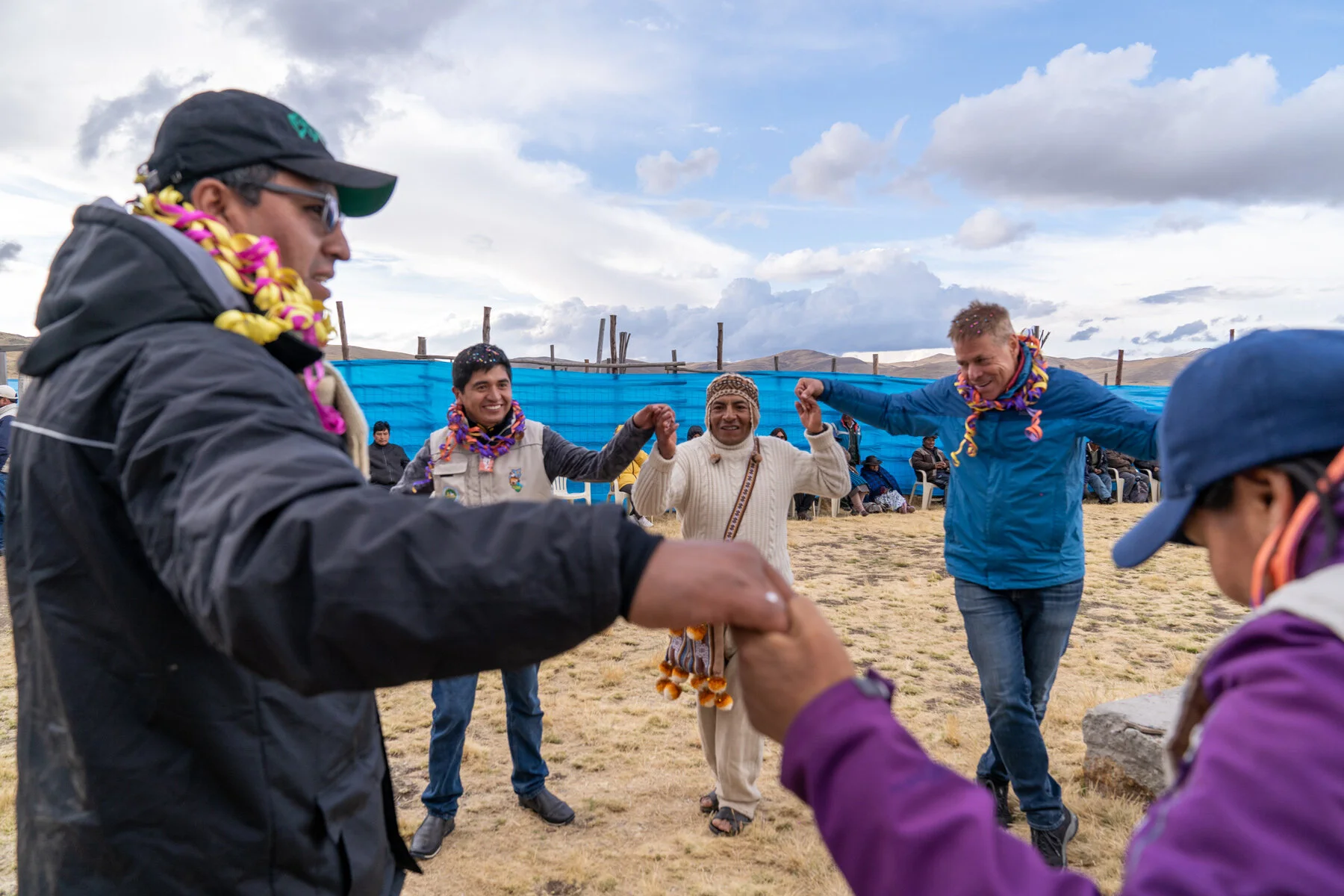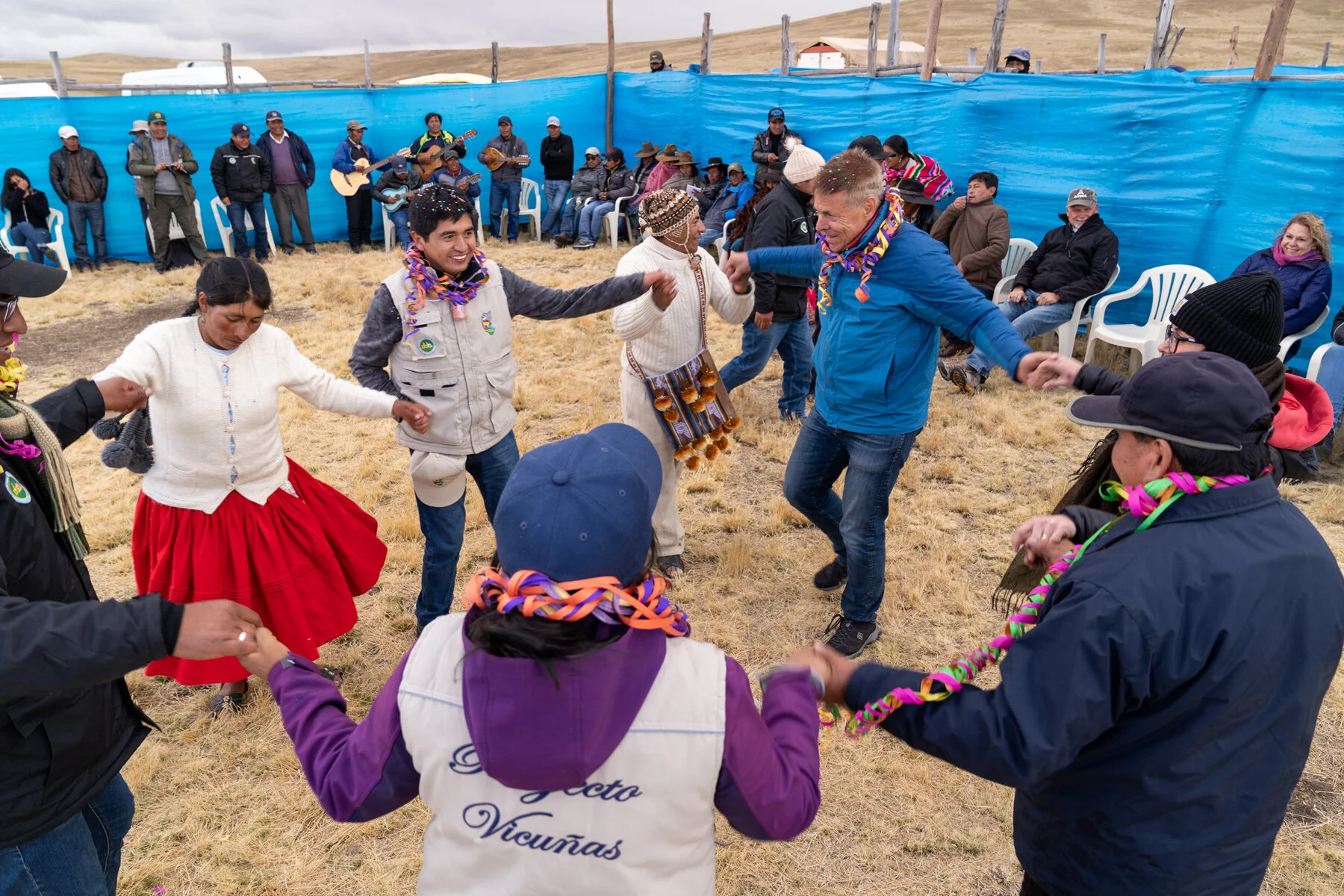
Author: Wasim Muklashy

  • Peaks n’ ‘Pacas in Peru – An Alpaca Fueled Trek Through The Andes – Part 5 – You Knew It Had To Happen – Machu Picchu

    Peaks n’ ‘Pacas in Peru – An Alpaca Fueled Trek Through The Andes – Part 5 – You Knew It Had To Happen – Machu Picchu

    Andes Mountains Peru Quechua Benefit Cusco Cuzco Sacred Valley Ollantaytambo Machu Picchu

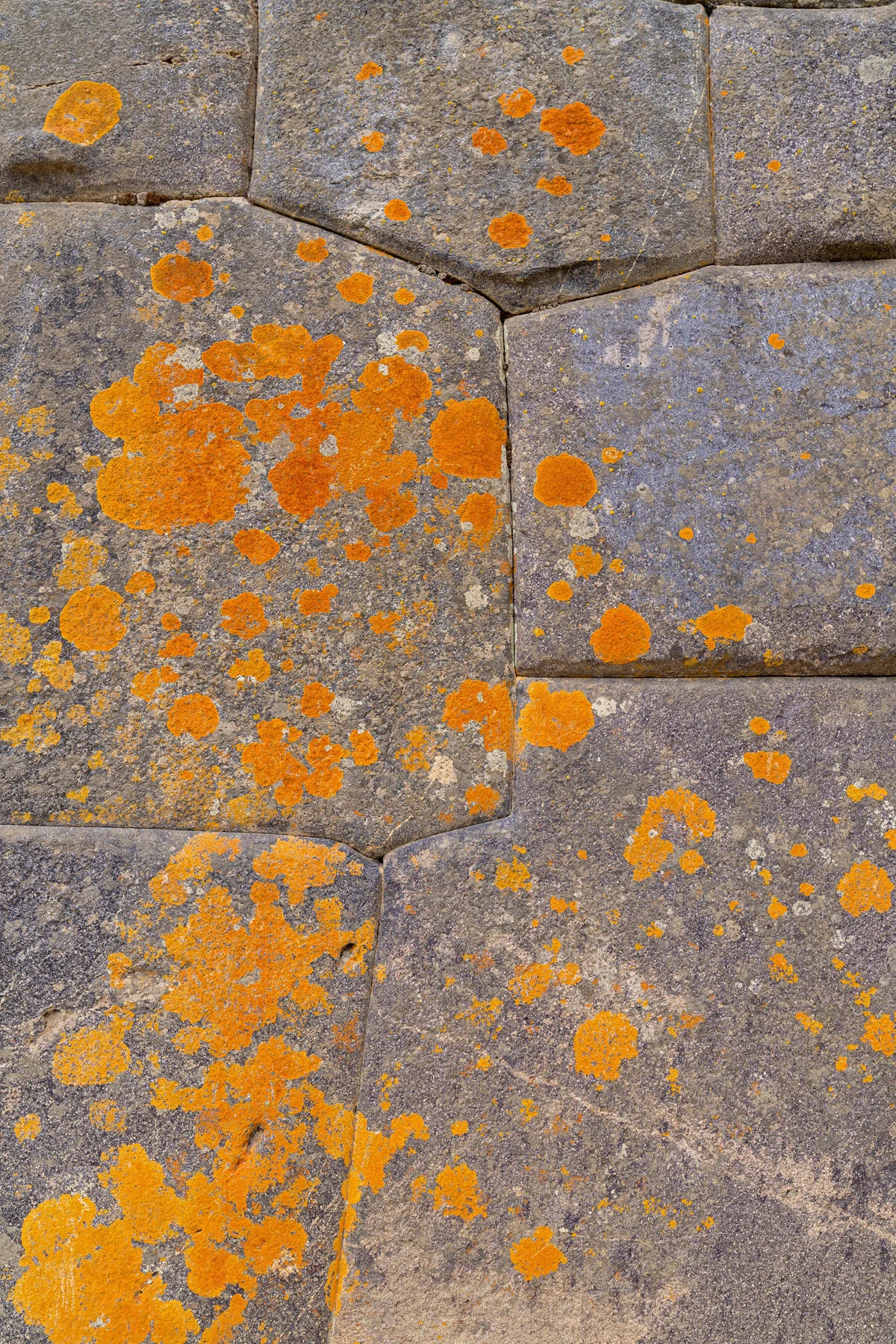
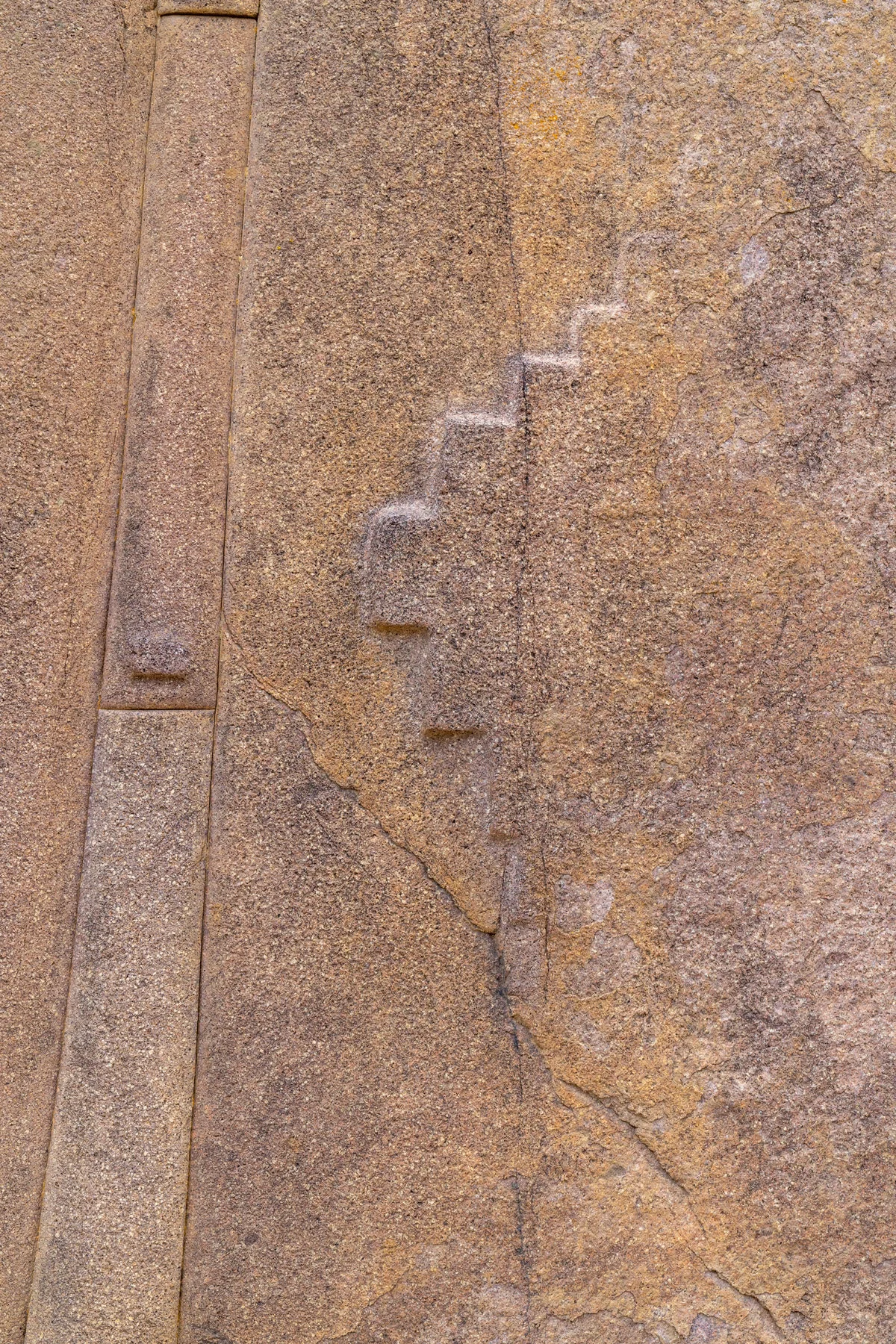
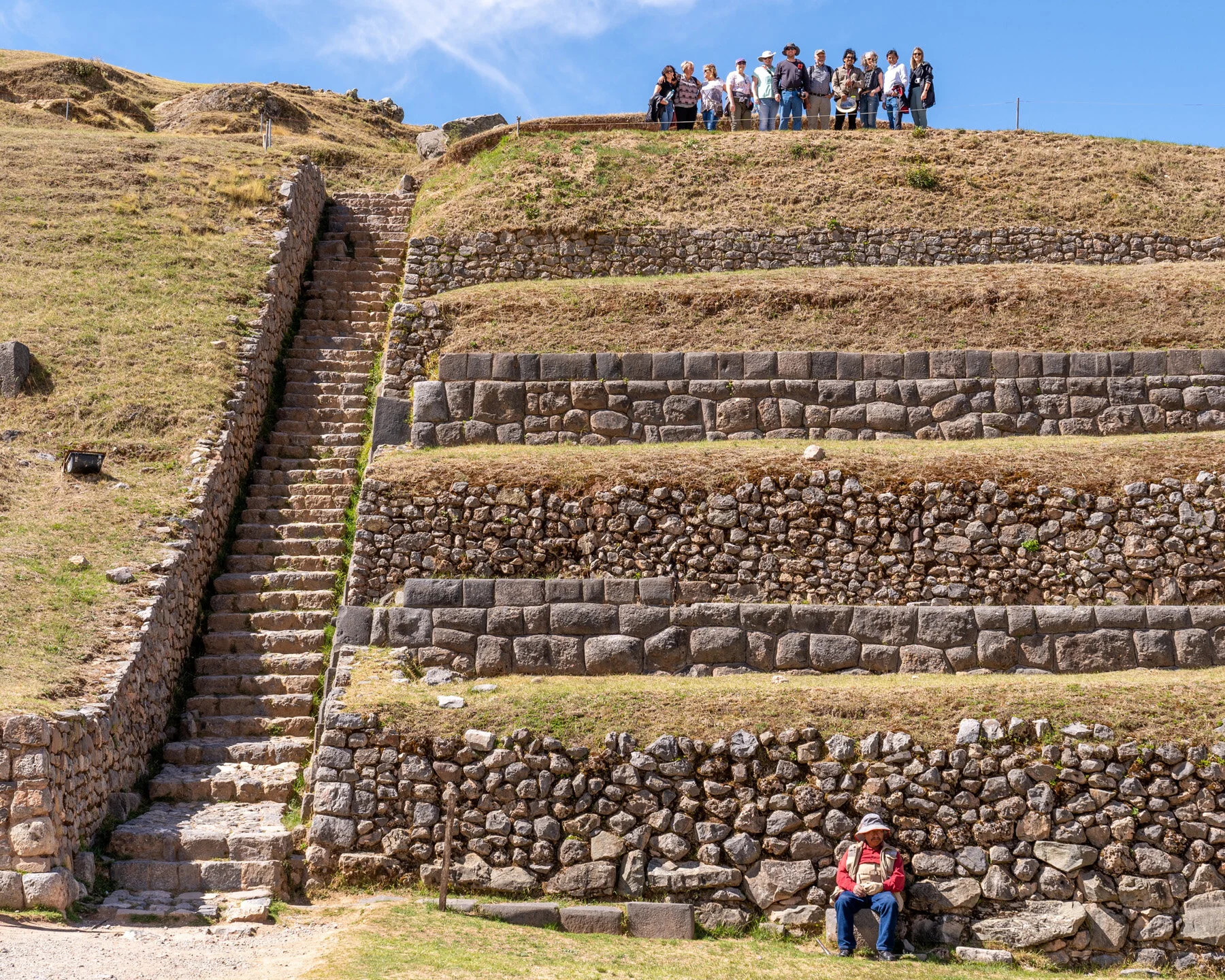
    “The Temple of the Sun.”

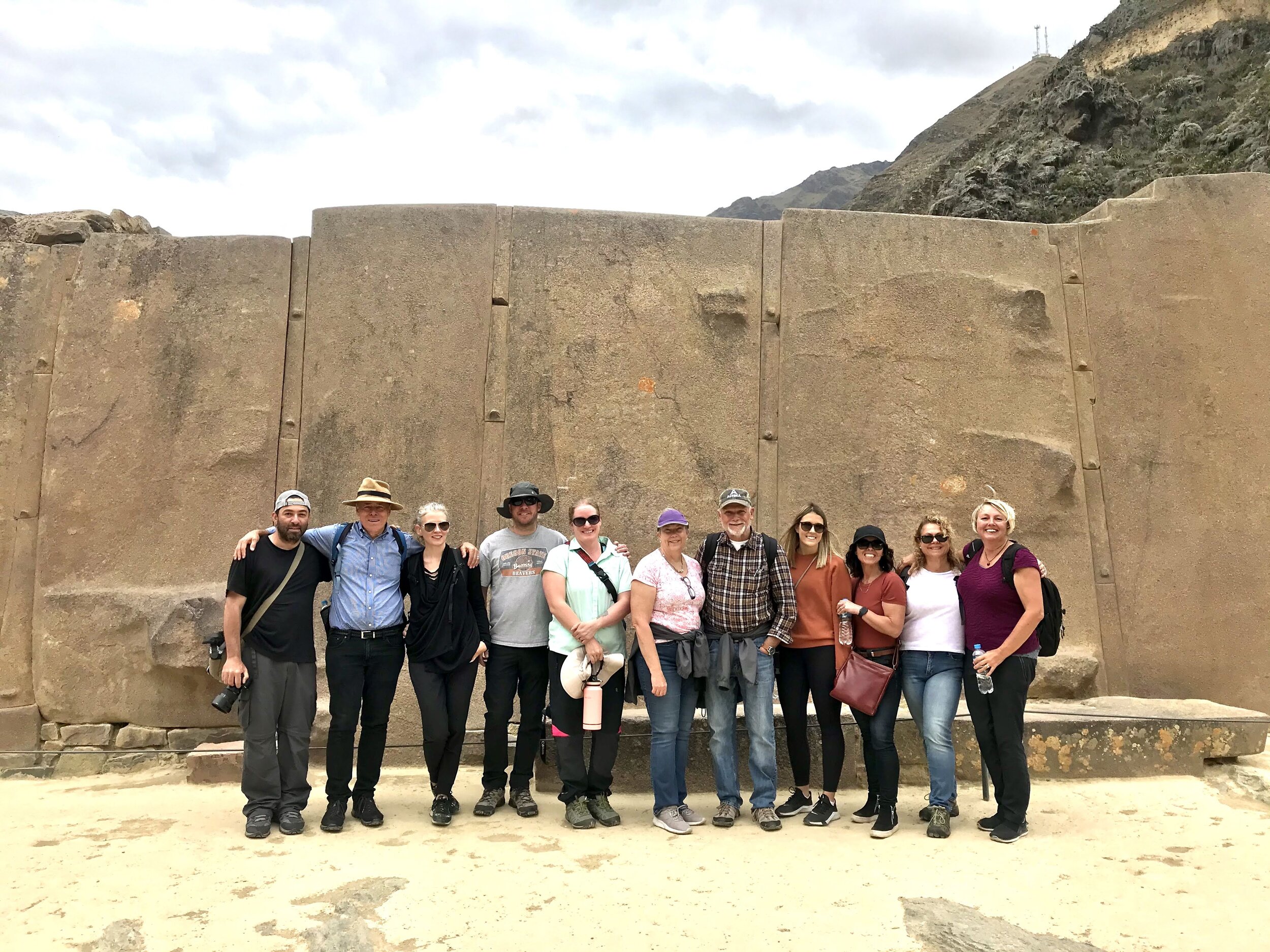
    That’s where she told us we were standing as she explained that everyone gets it wrong when they call it the Incan Empire.

    For it was not an empire at all.

    Empire suggests violent conquest and bloody battles and walls and impenetrable fortresses.

    But here, apparently, the doors were always open. There were no closed gates or barriers to entry into the Incan communities. It was open to anyone and everyone. Until Spanish rule, she explained, the Incan culture expanded through peaceful assimilation. In fact, the Inca Trail itself was designed to connect all parts of the Incan territory, stretching from Columbia all the way down to Bolivia.

    Therefore, rather than empire, she posited Incan Civilization.

    Now, whether or not this was an attempt at softening what is stereotypically imagined as a bloody and violent era or rule, perhaps we’ll never know. But being as how most of what we know about the culture during that era was taught to us through the same systems that encouraged us to distrust the very indigenous populations upon whose land we currently inhabit, I wouldn’t be inclined to simply brush off our tour guide’s interpretation without further study or research.

    Andes Mountains Peru Quechua Benefit Cusco Cuzco Sacred Valley Ollantaytambo

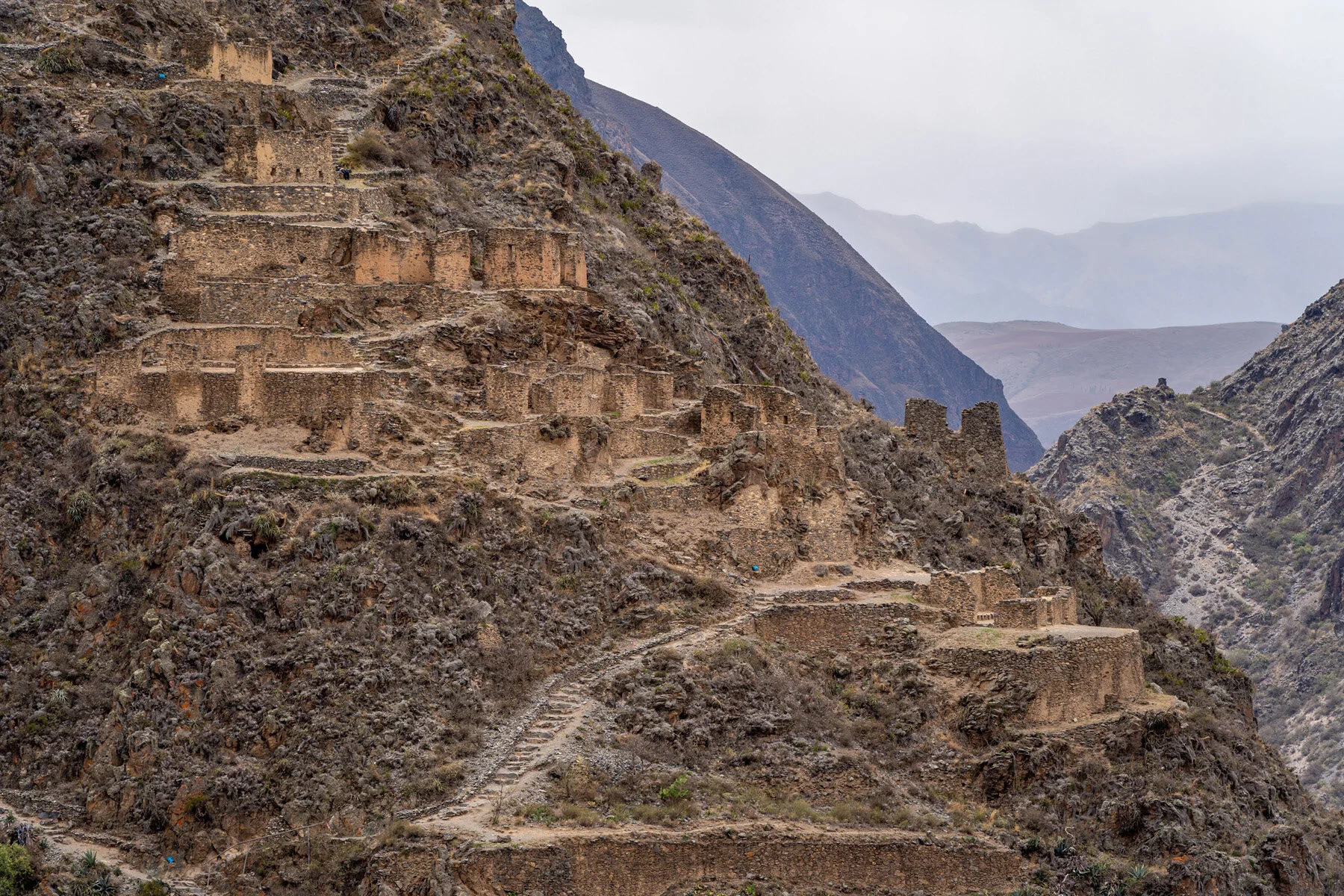
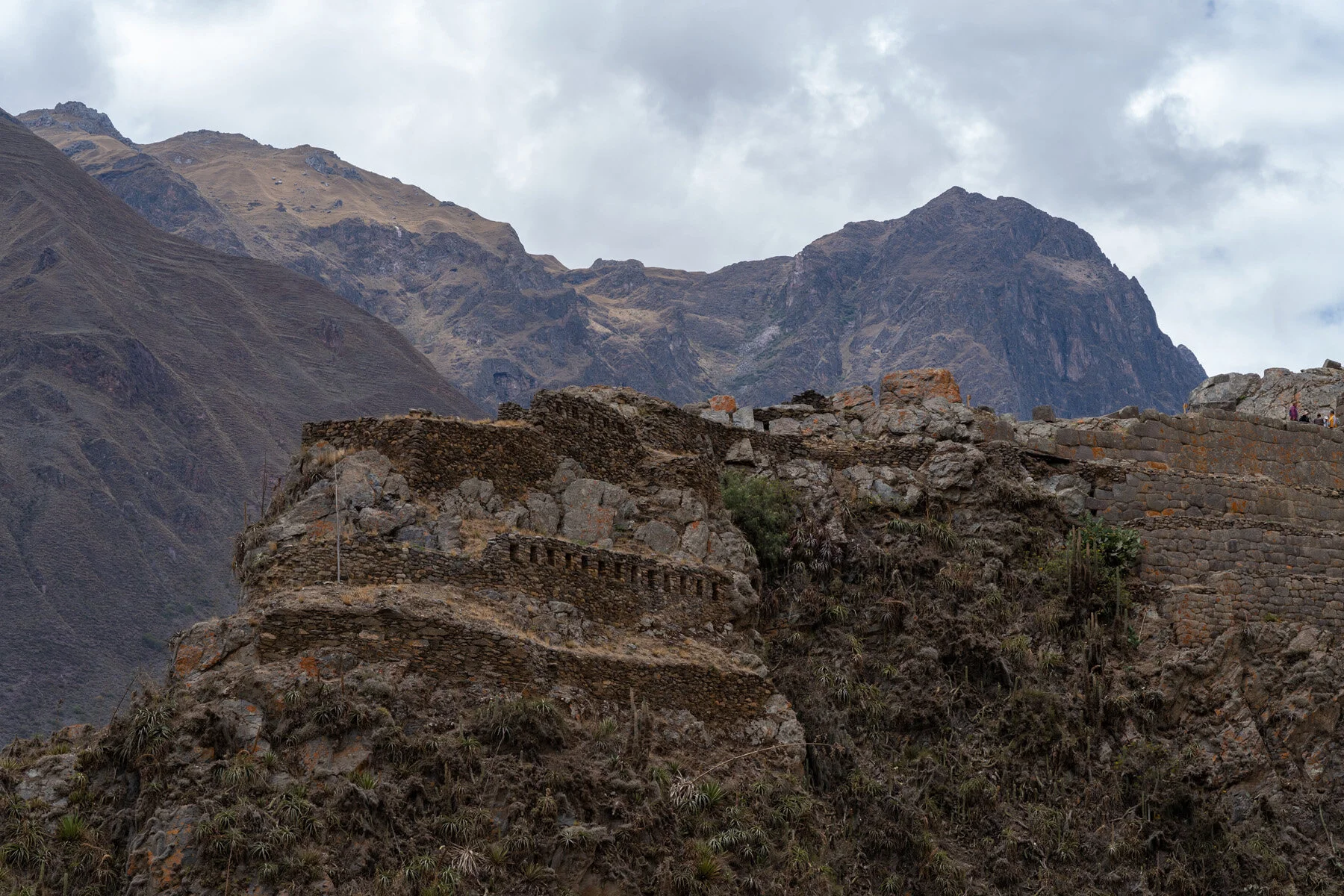
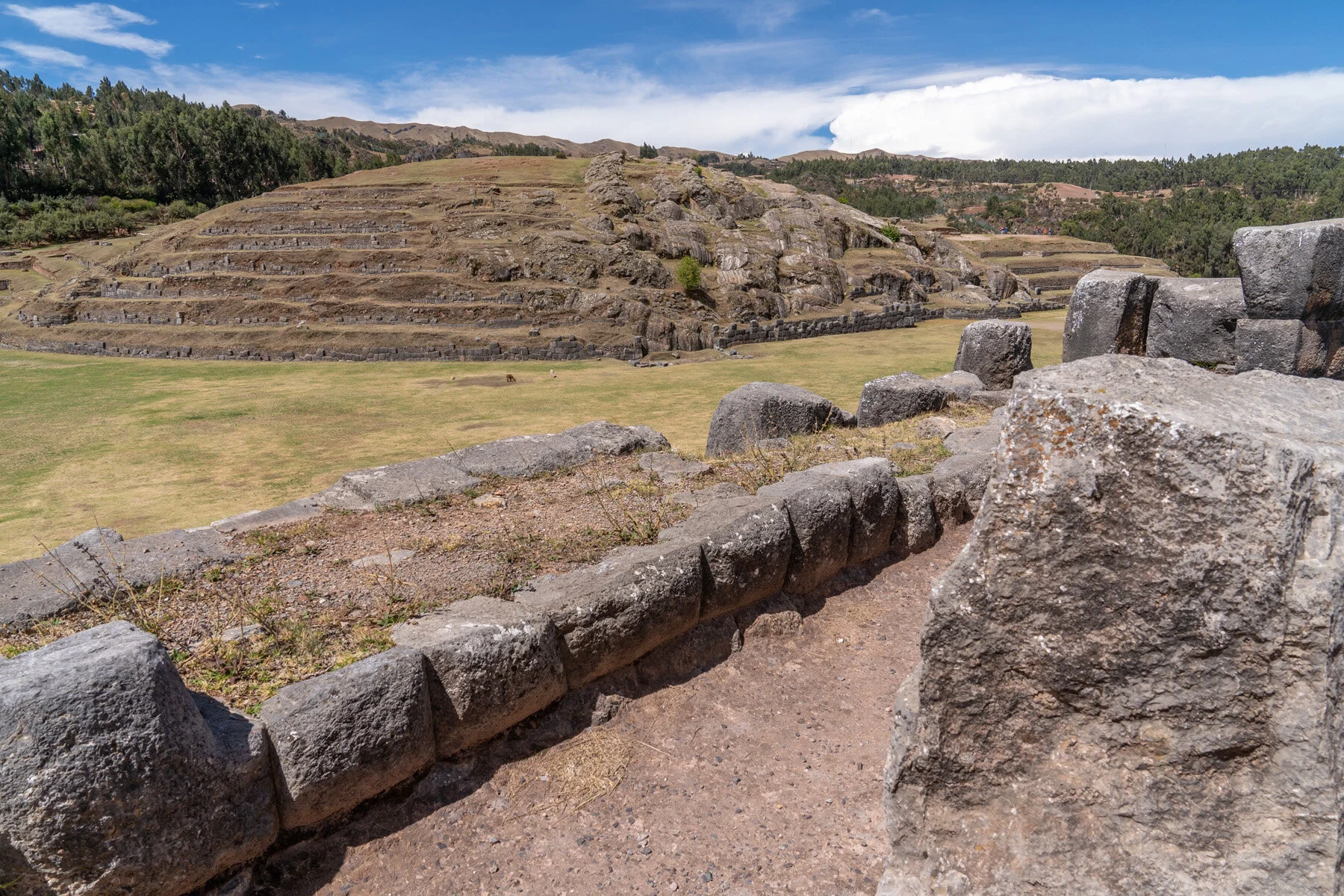
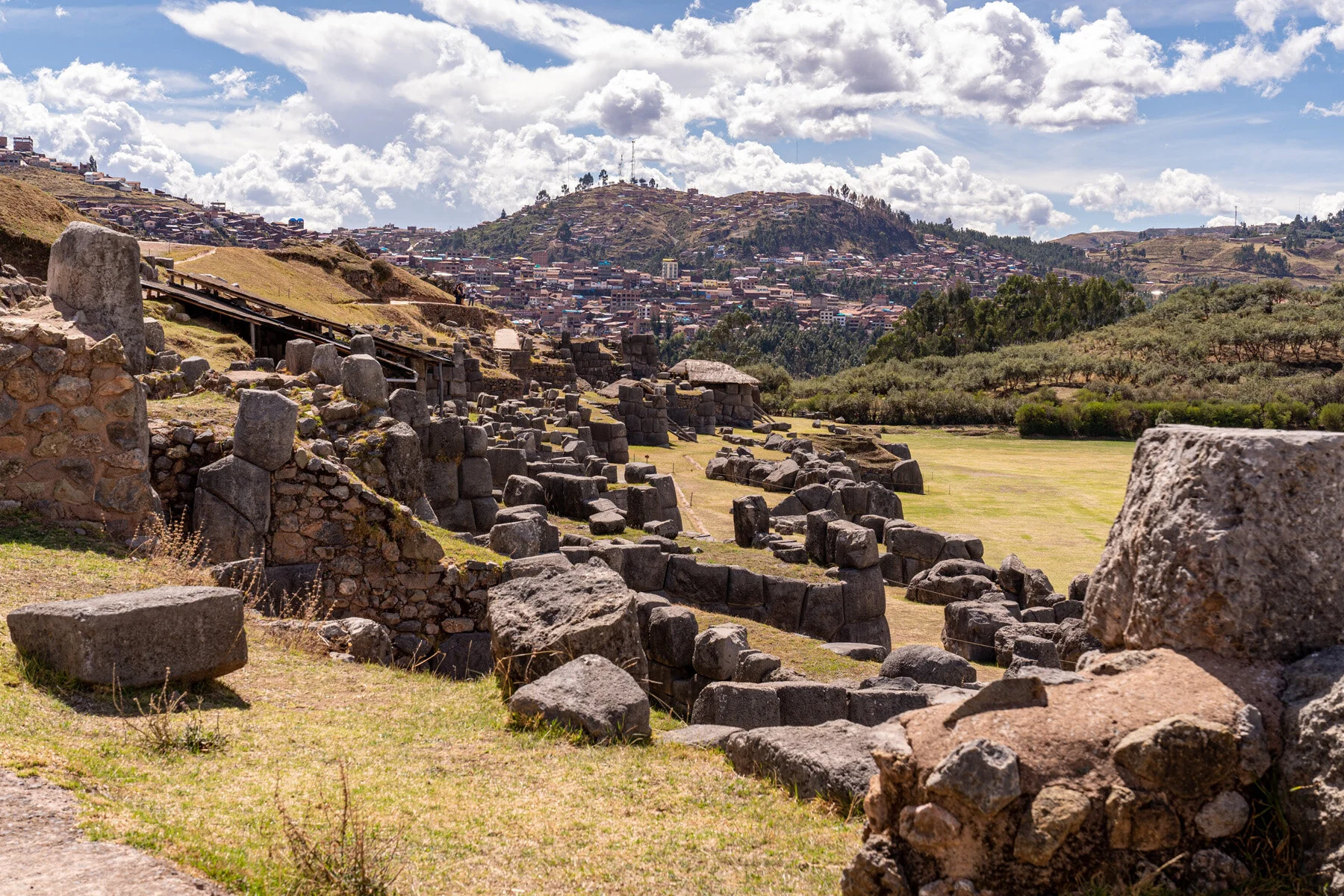
    Regardless, standing at the top of the terraces that are the visible centerpiece of the Incan ruins at Ollantaytambo – once the home of Inca nobility due to its protection by the natural landscape, later to become the last stronghold against Spanish colonial conquest in the late 15th century – and looking upon the town as it disappears into the tight valley ahead of us was a fitting and anticipatory moment for what lay ahead, the next and final stop on our itinerary, just a train ride away.
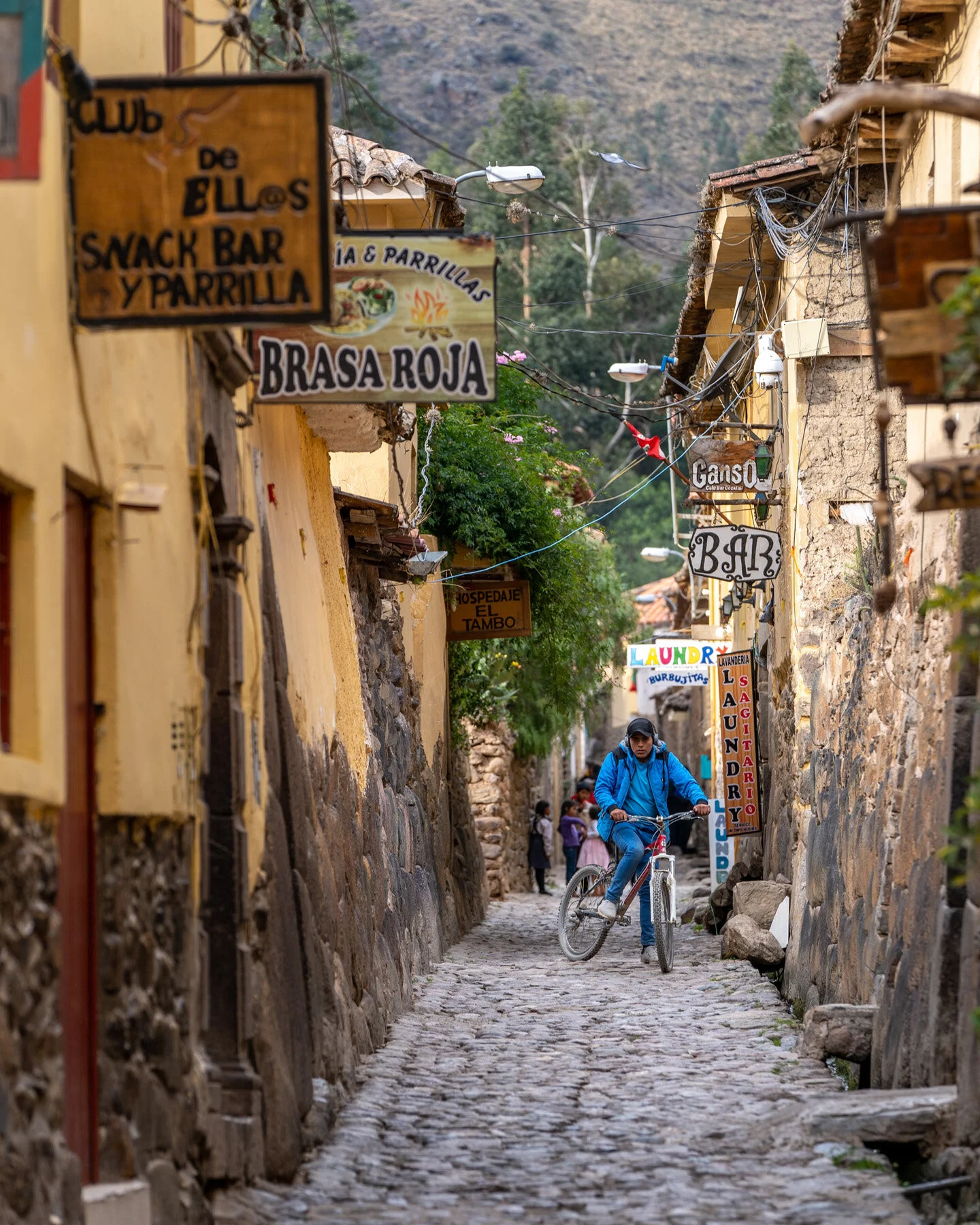
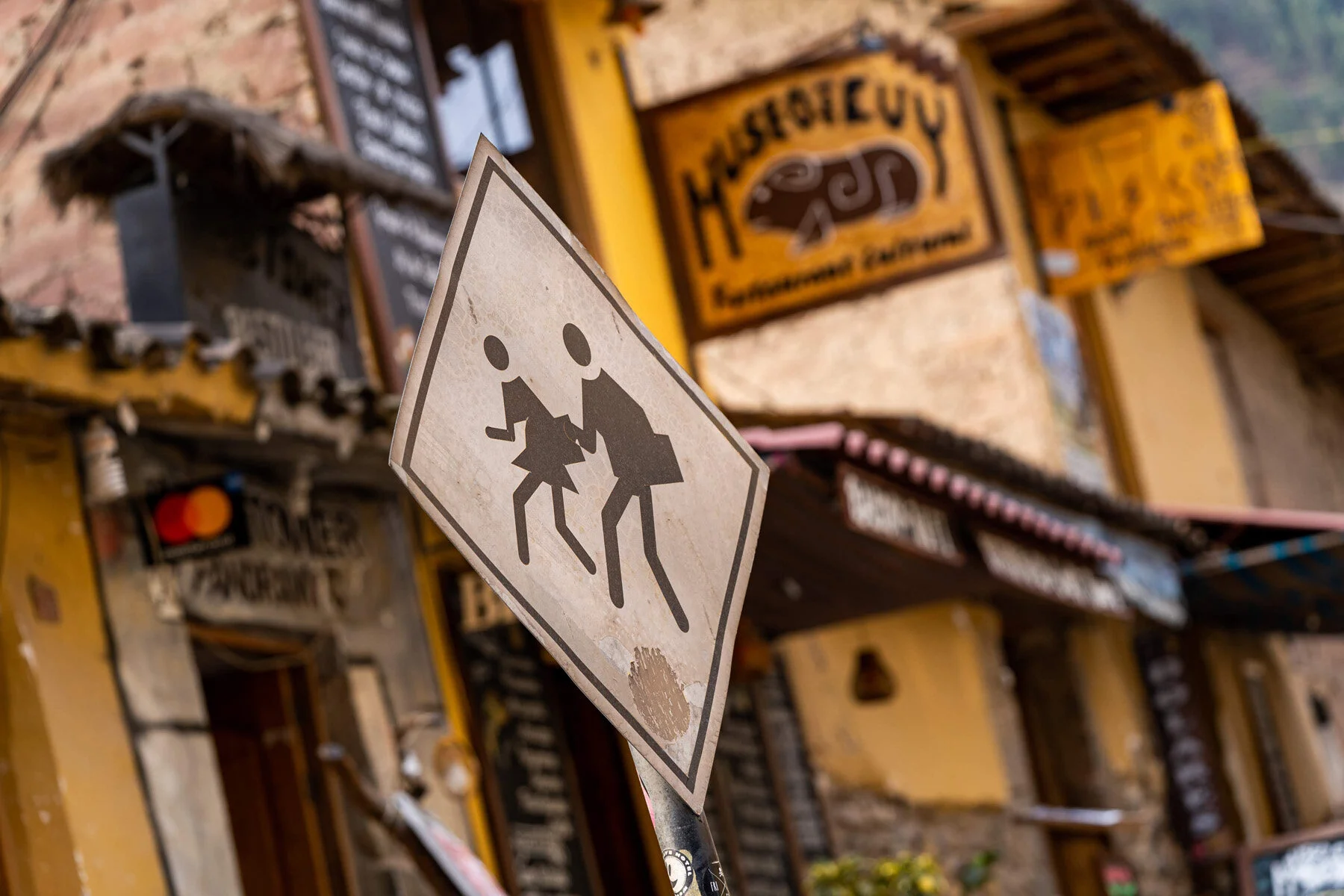
    But, as has been par for the course, our guides had yet another welcomed pit-stop along our walk towards the train station.

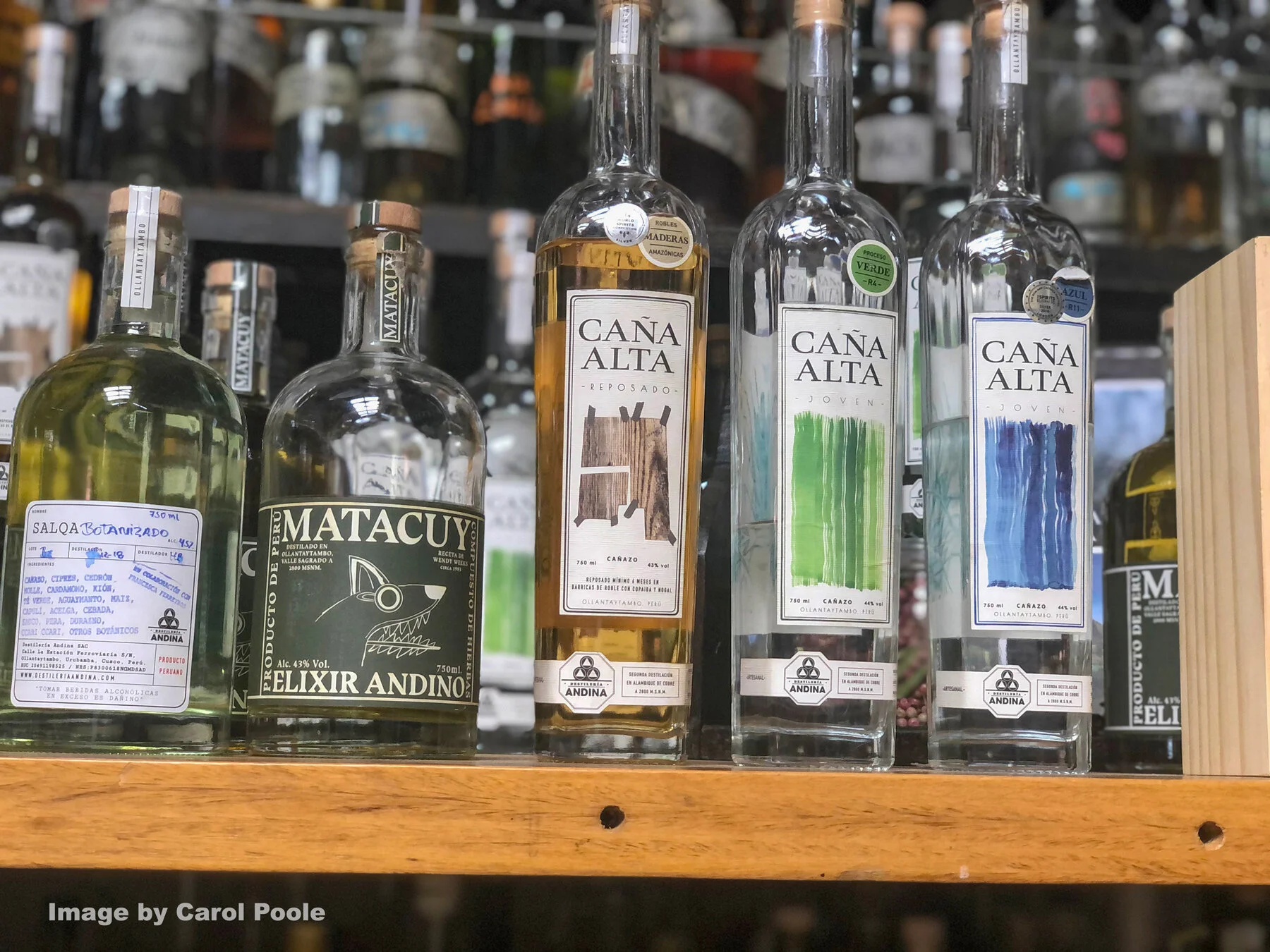
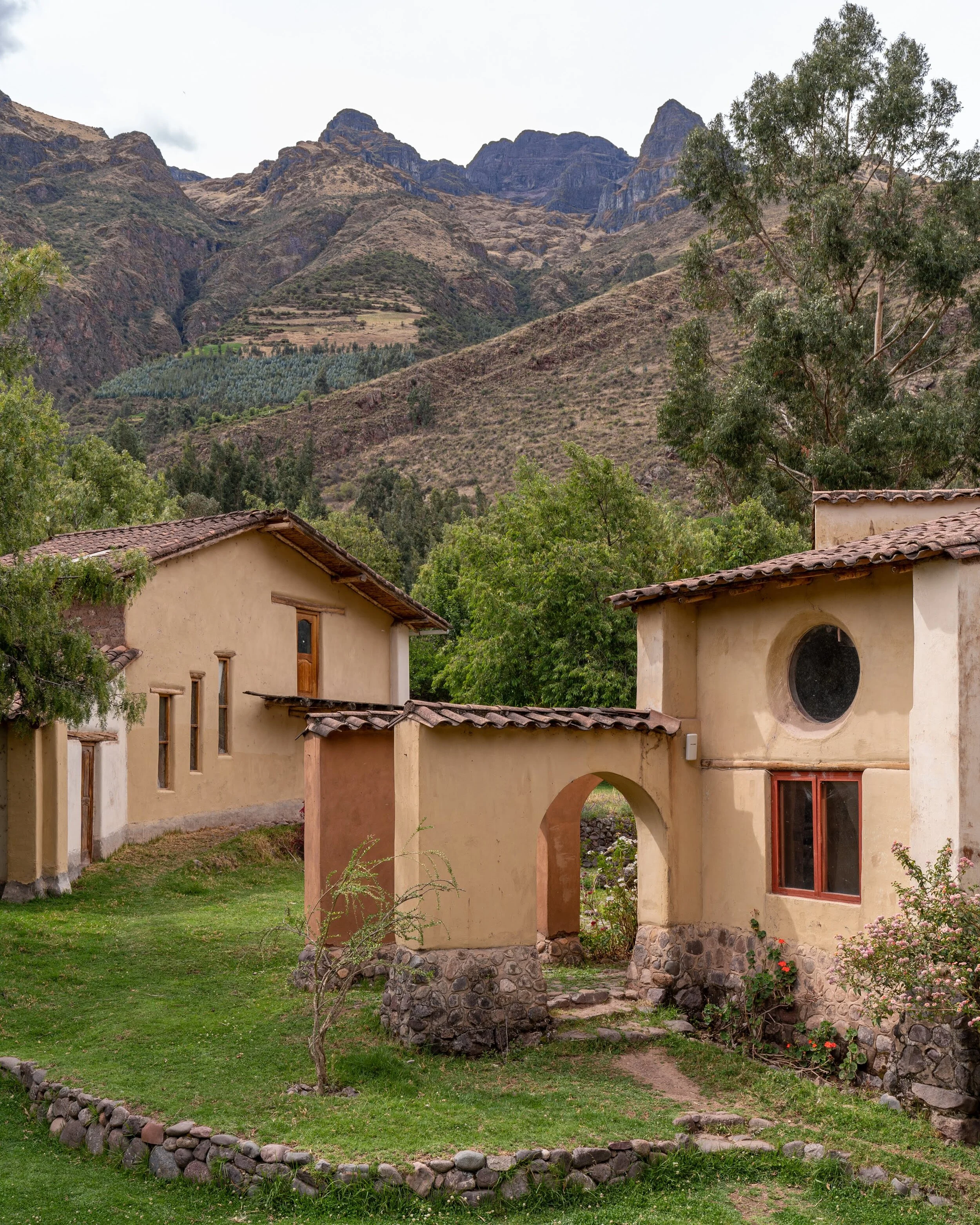
    El Albergue de Ollantaytambo – a hotel, farm, coffee roaster and distillery who, rightfully, take great pride in their organic and sustainability practices in everything from their food, much of which is grown and raised on site, to their coffee to their unique spirits.
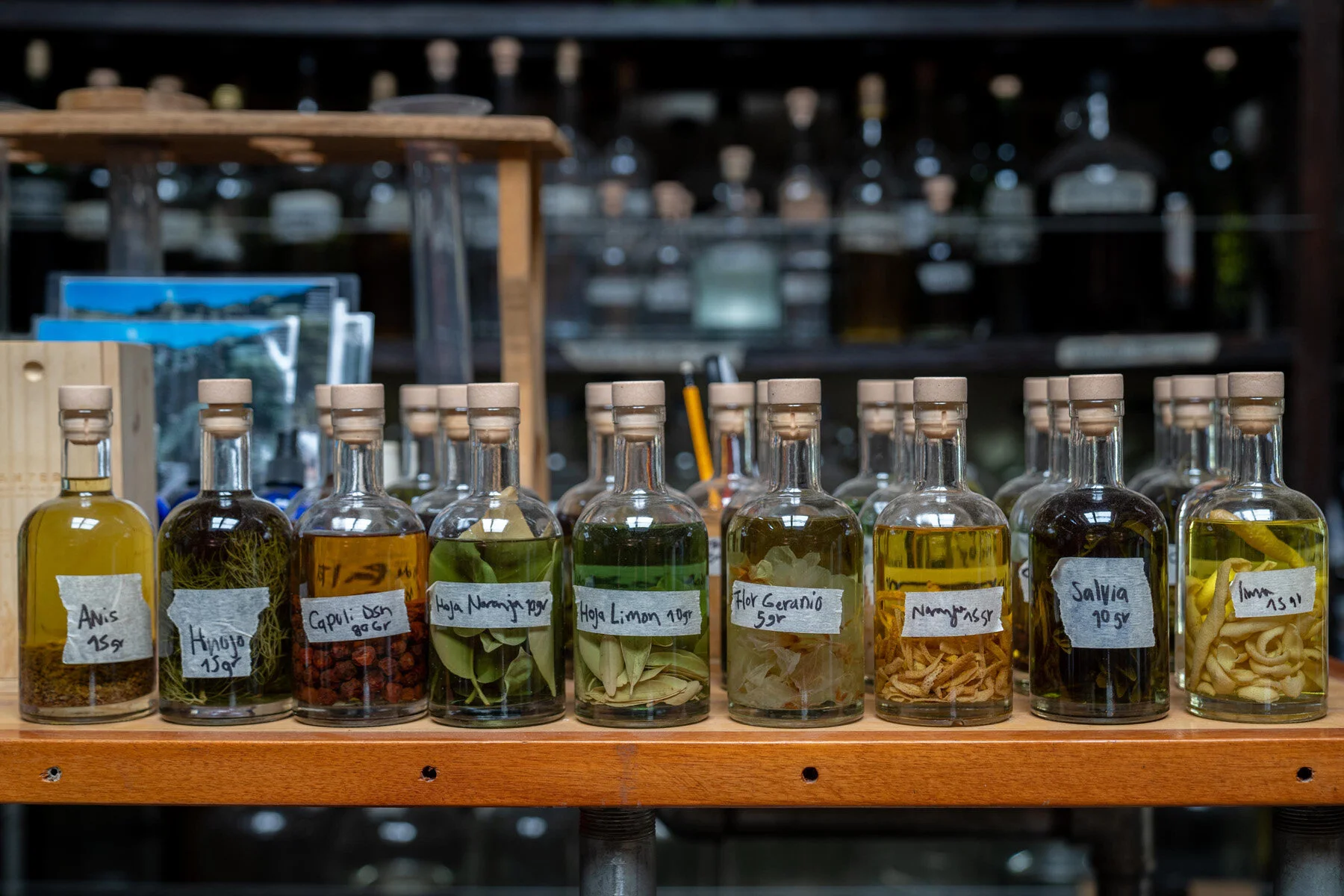
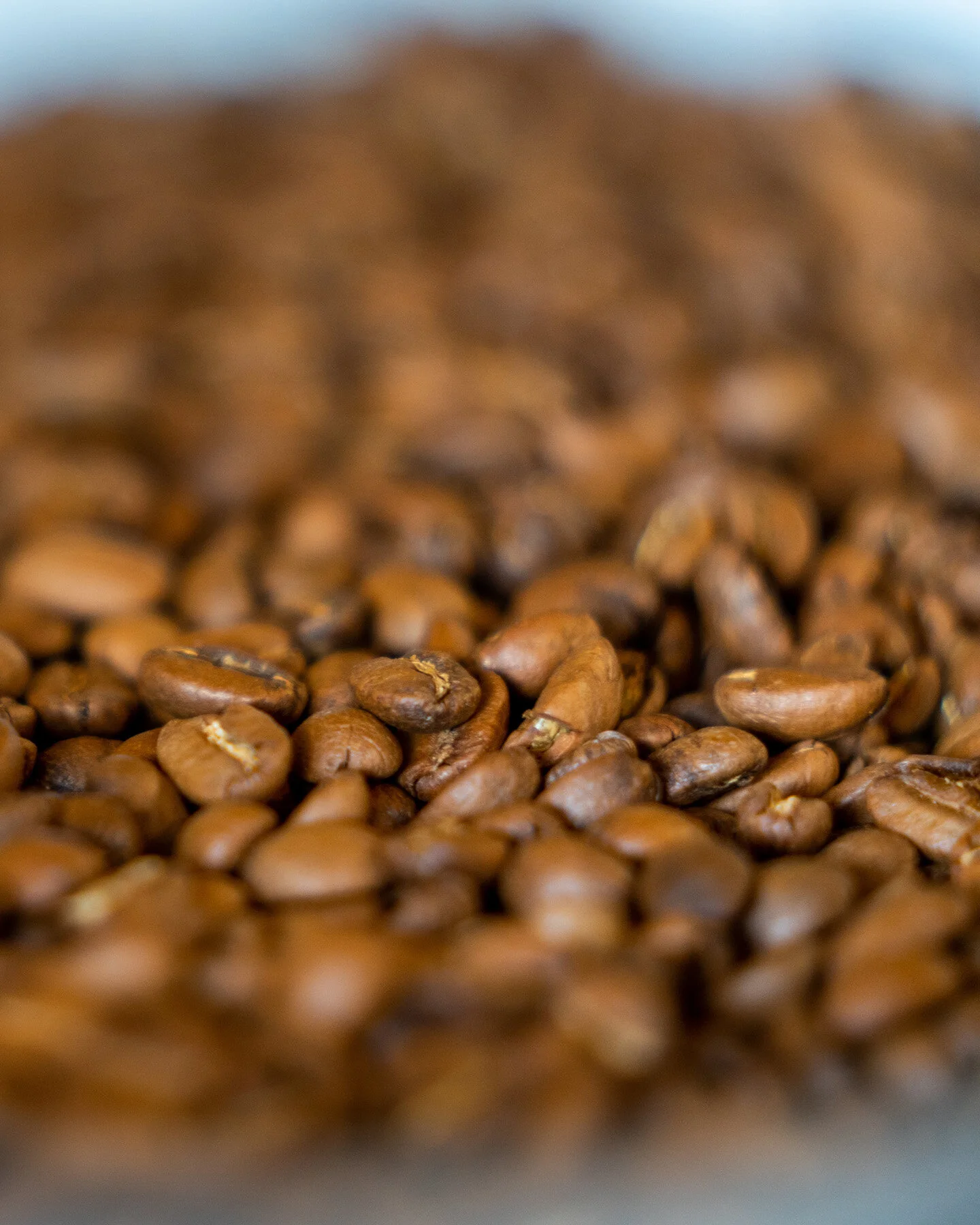
    We were given a tour of the grounds, taste tested their coffees, sipped on their spirits, and lunched in their eatery. And that’s when it began to sink in – we were just one afternoon away from a bucket item list since that first time I saw a photo in my dad’s National Geographic nearly 4 decades ago – Machu Picchu!

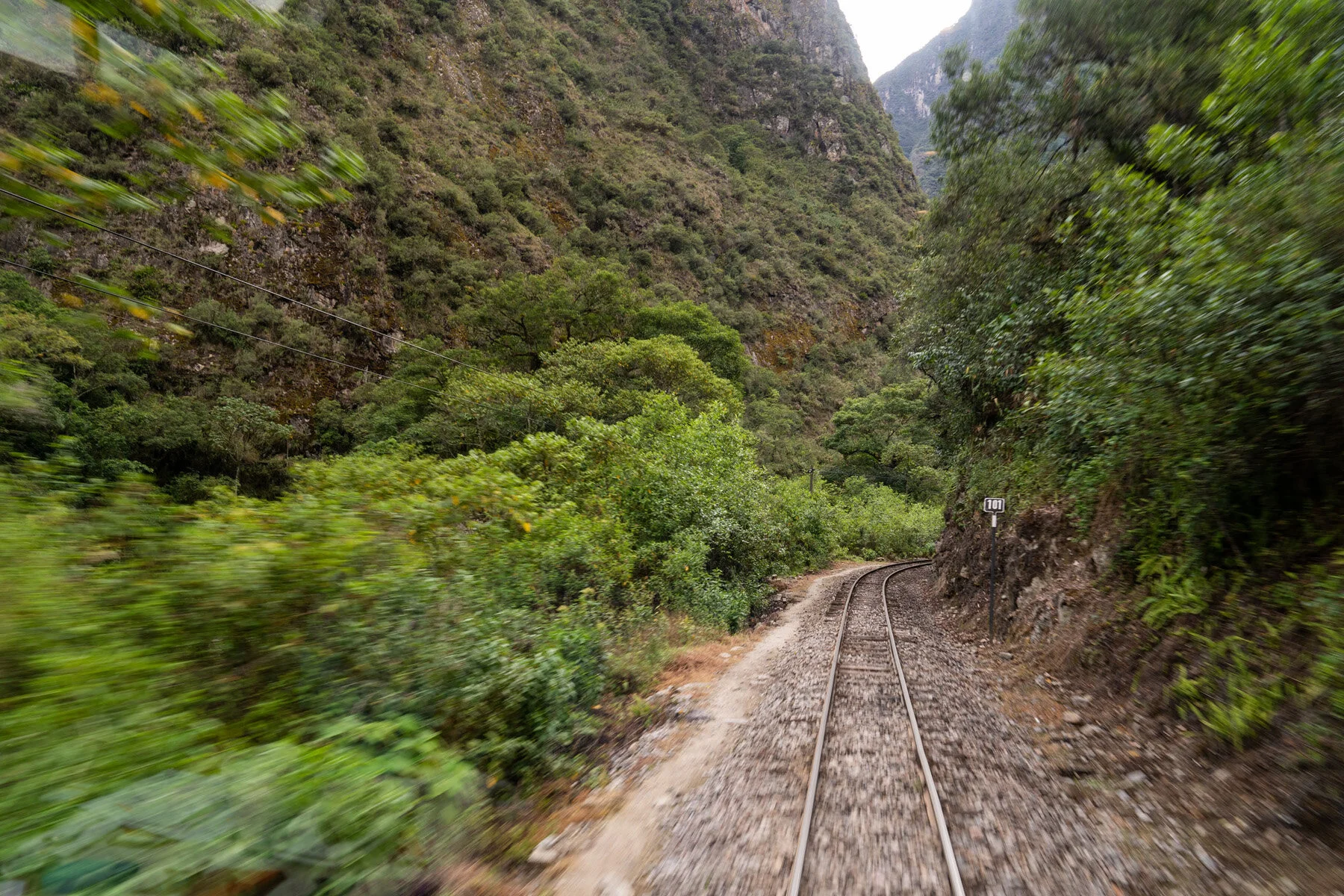
    Fittingly, it was one epic train ride that got us there.
    Andes Mountains Peru Quechua Benefit Cusco Cuzco Sacred Valley Ollantaytambo Machu Picchu

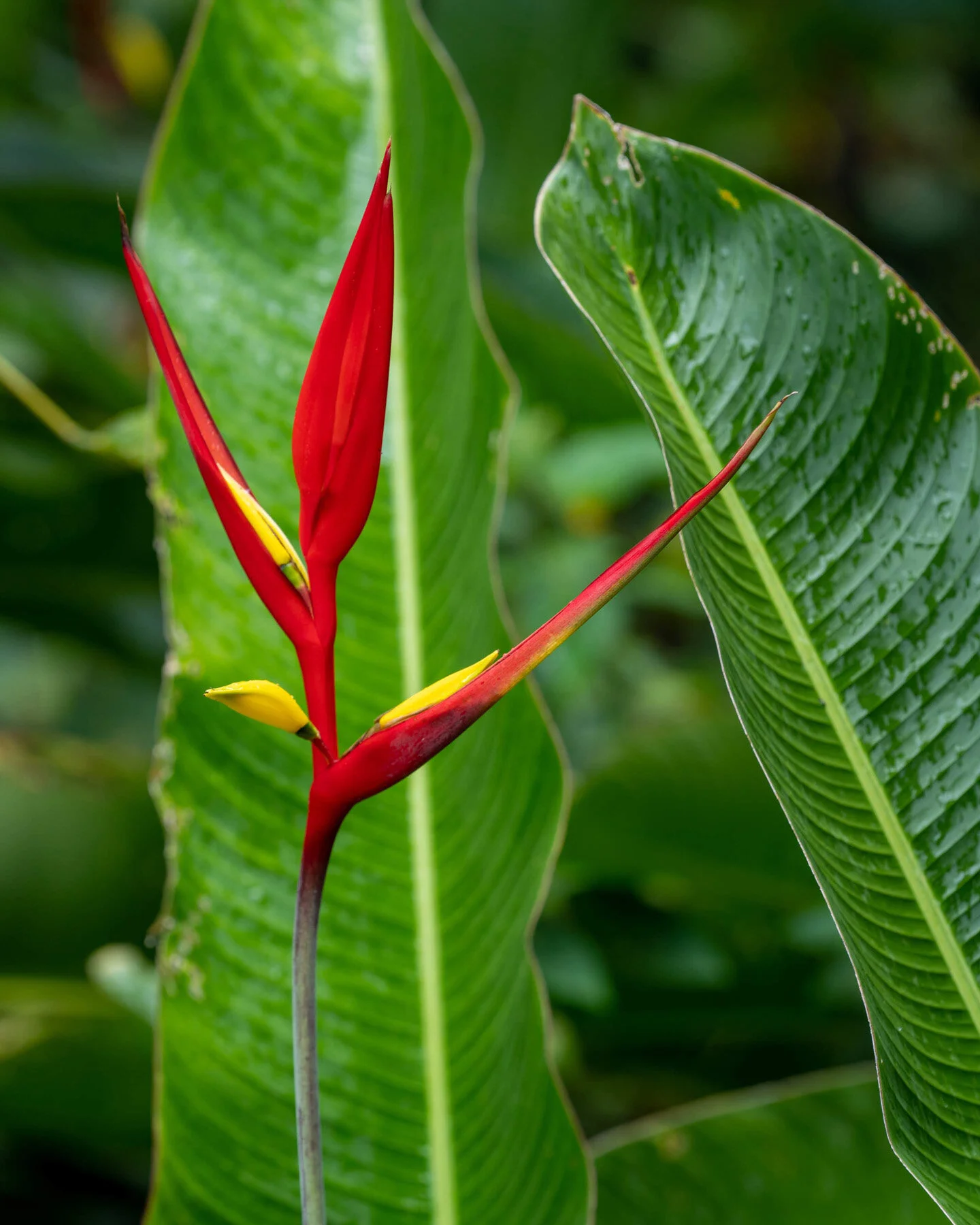
    The ride from Ollantaytambo to Aguas Calientas, homebase for anyone visiting Machu Picchu, took place on Peru Rail’s Vista Dome, whose carts are outfitted with ceiling windows, offering a panoramic view of the landscape as you get deeper and deeper into the valley – jungles that got richer and lusher and greens that got deeper and more mystical with each passing tie.

    We arrived at Aguas Calientas, a town tucked so deep in the narrow valley that there isn’t even enough room for roads for cars, just in time for a group dinner before retiring to our rooms.

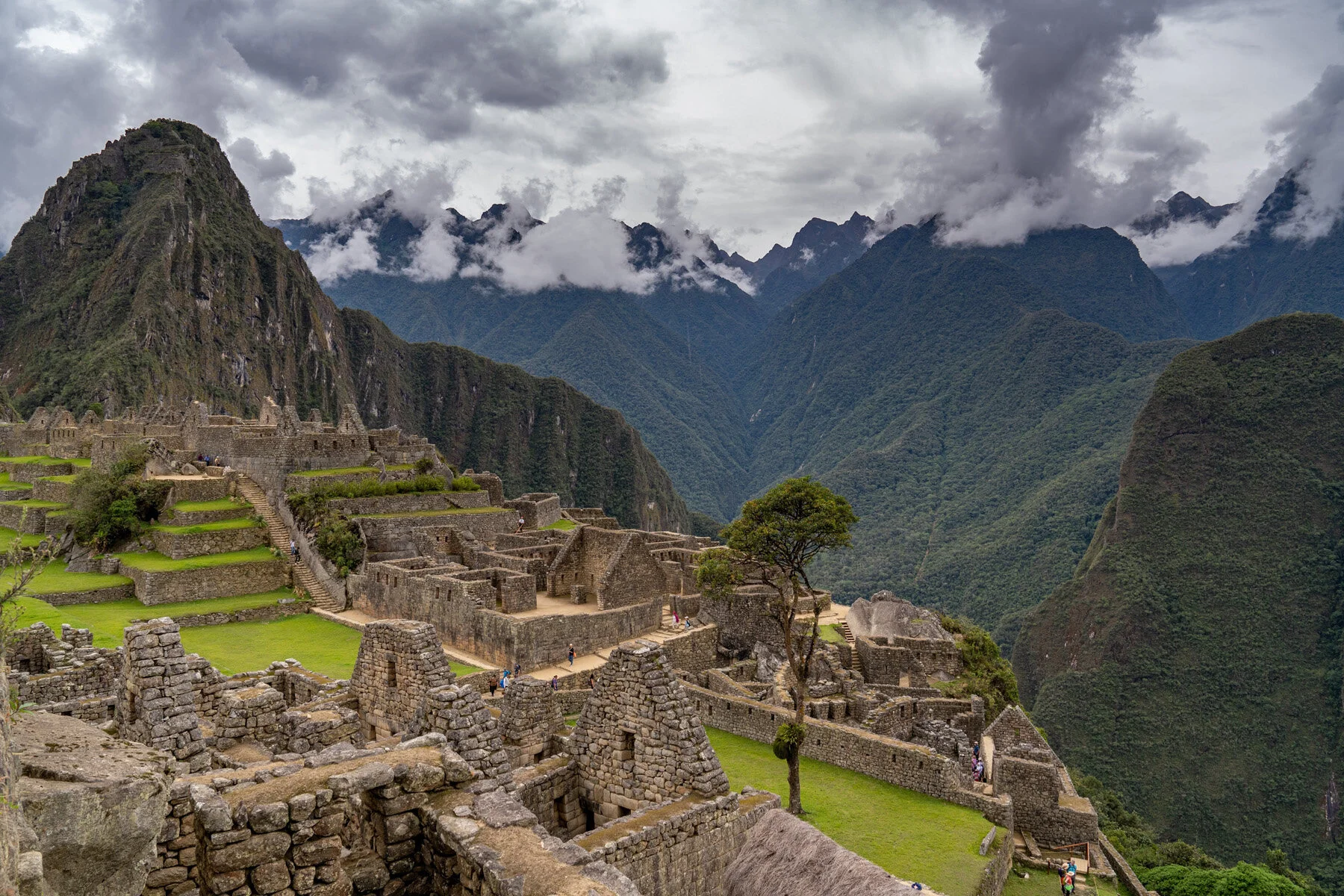
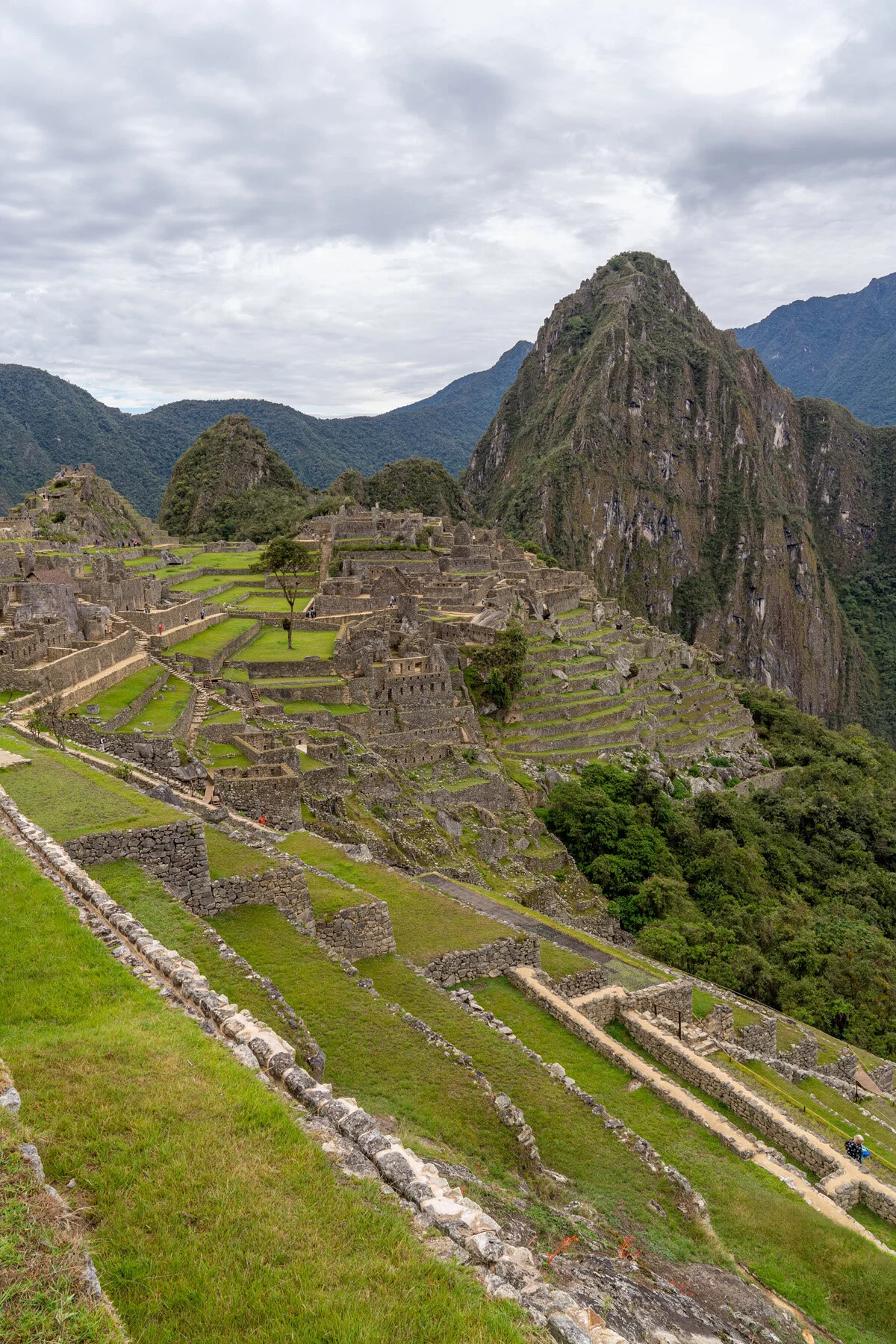
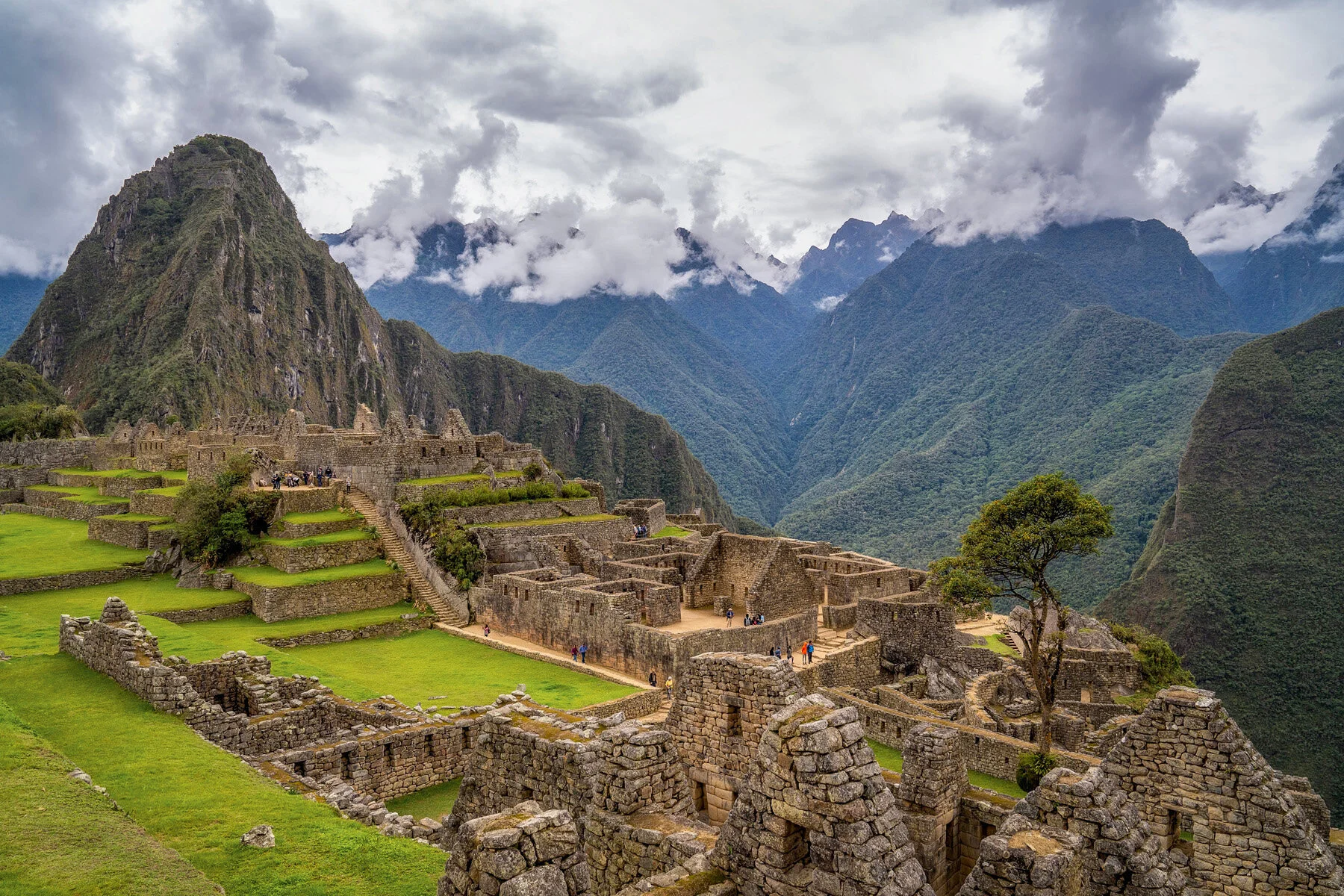
    The following morning began our ascent to the other side of the valley to Machu Picchu, a 30-minute or so switchback laden journey by bus. And ironically, being as how this has been a target destination for most of my life, there isn’t really much to say about Machu Picchu itself.
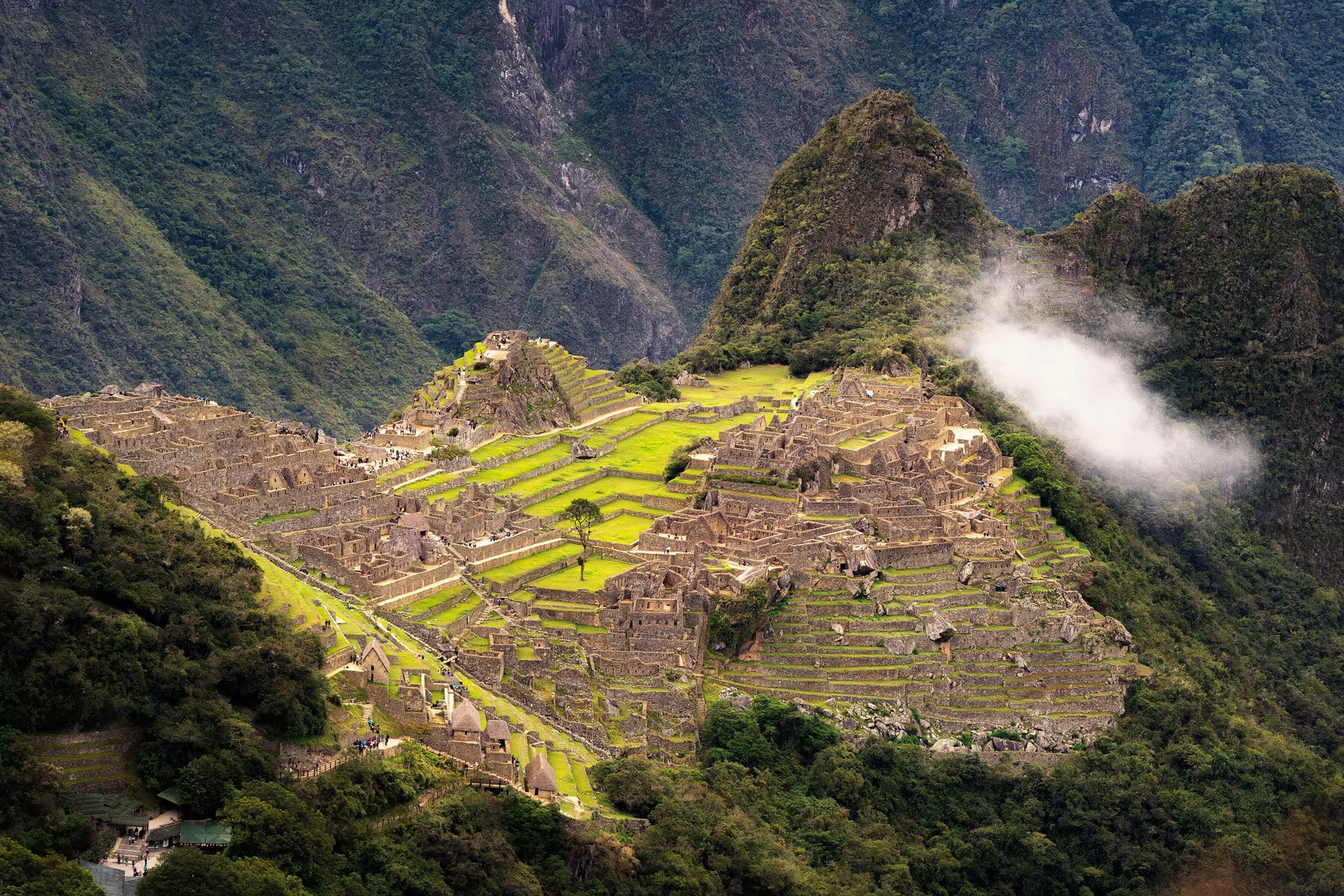
    Andes Mountains Peru Quechua Benefit Cusco Cuzco Sacred Valley Ollantaytambo Machu Picchu

    It’s exactly what you expect it to be.

    Stunning.

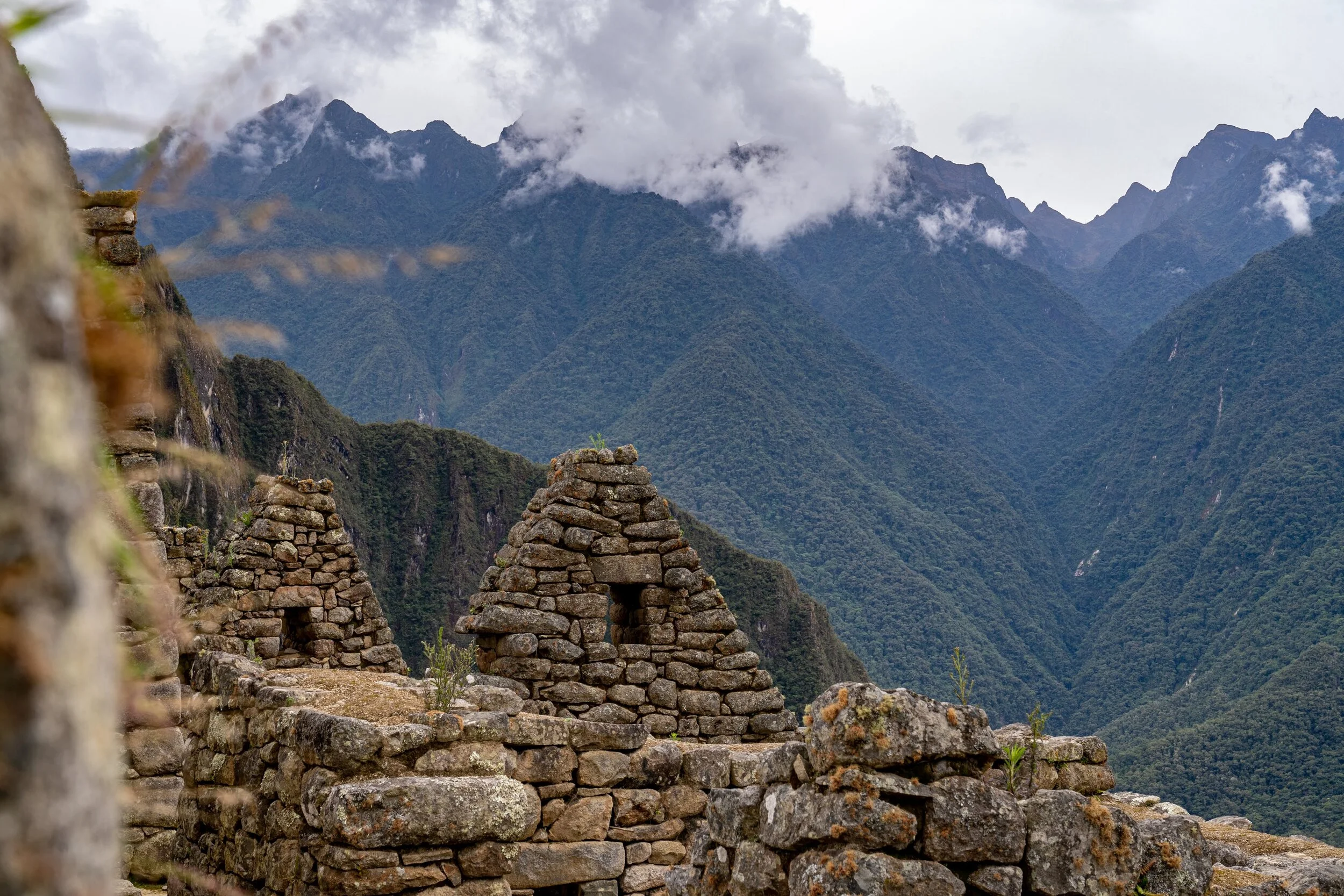
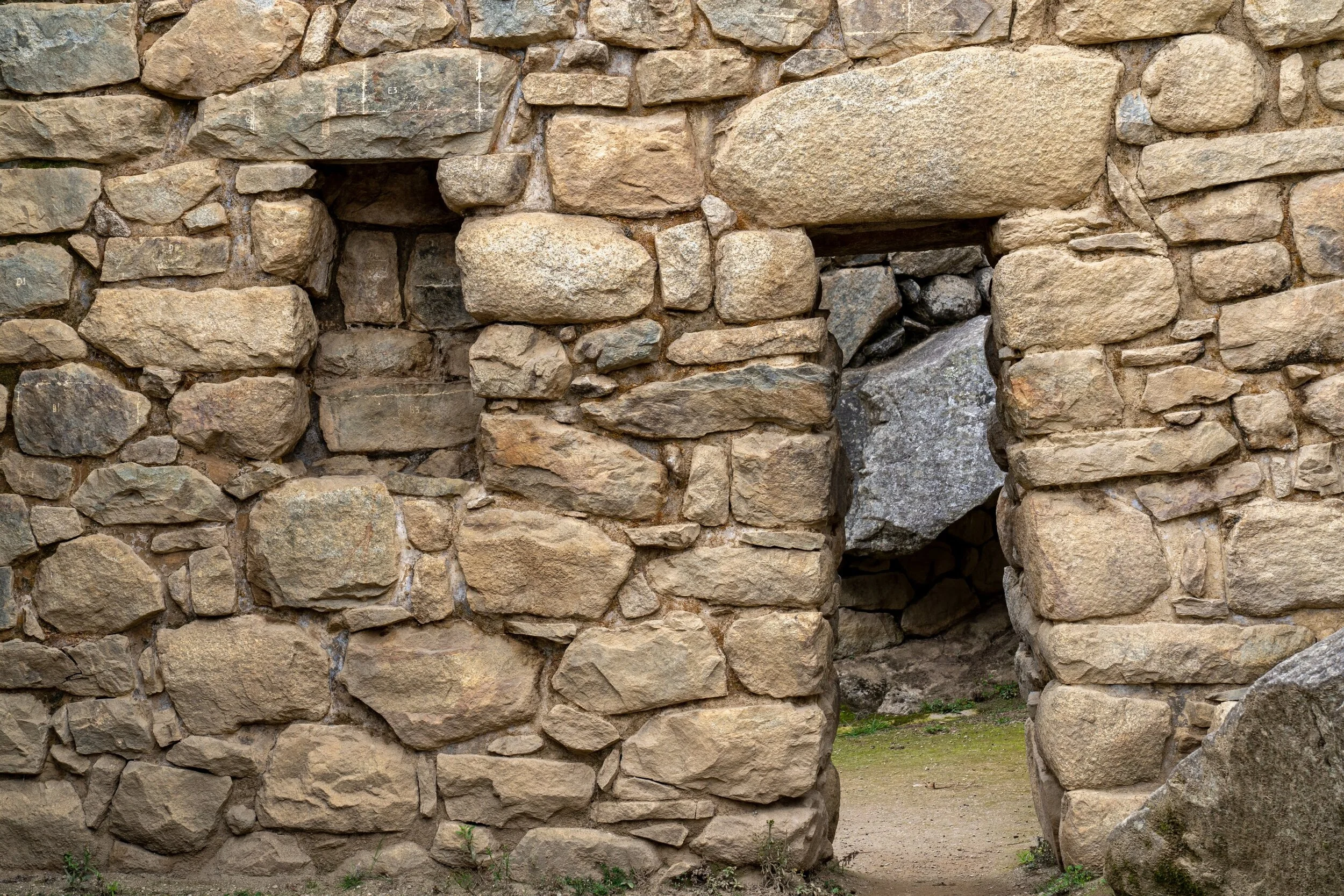
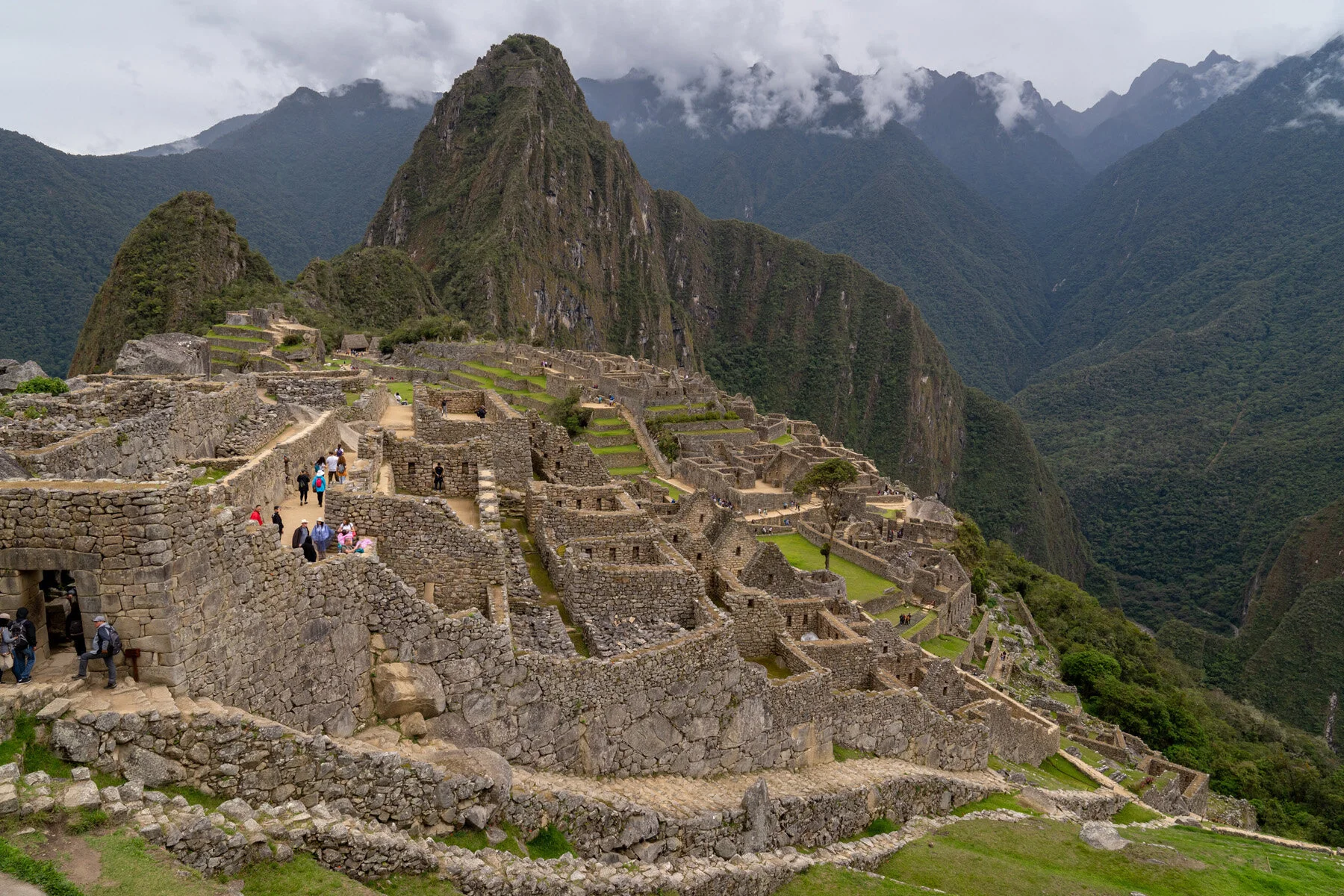
    It’s impossible to stand before, marvel at the sheer magnitude of the expanse of carefully masoned rock structures and terraces that make up the centuries old citadel, and not wonder how in the hell this thing was created.

    Here.

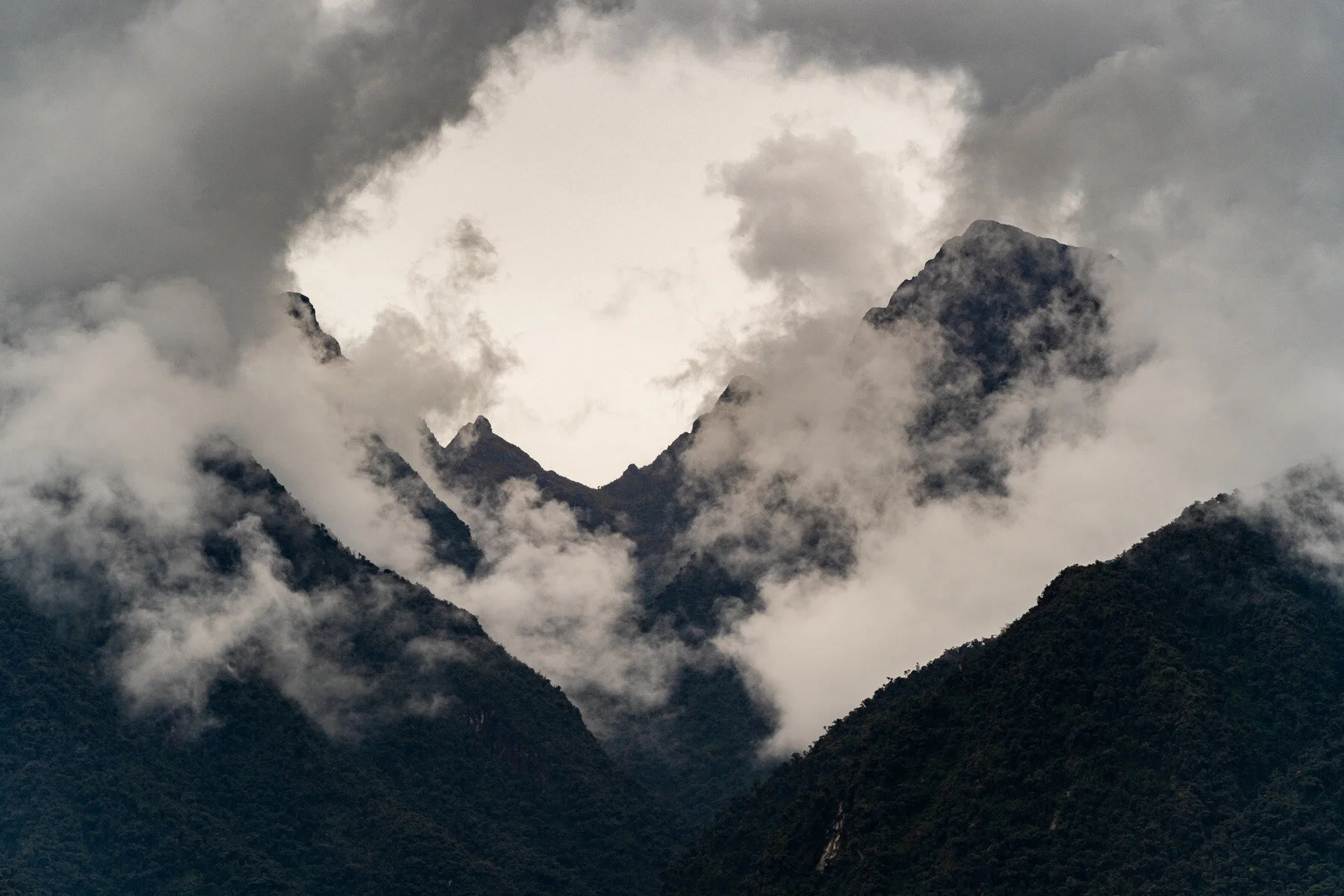
    In the midst of an imposing collection of impossible cliff-faces.

    Andes Mountains Peru Quechua Benefit Cusco Cuzco Sacred Valley Ollantaytambo Machu Picchu

    It was hard enough stomaching the drive up, let alone theorize hauling house-sized rocks from quarries dozens of kilometers away.

    It’s quite a heavy experience to walk through and around and under and over this precariously placed world wonder and fantasize about what went down here. How many people sacrificed their lives just building this thing, not to mention those that perished via whatever conflicts arose at the height of the colonial activity.

    No pictures or video or anything short of making the trek in person can do it justice.

    It’s just one of those cliches: you have to see and experience for yourself.
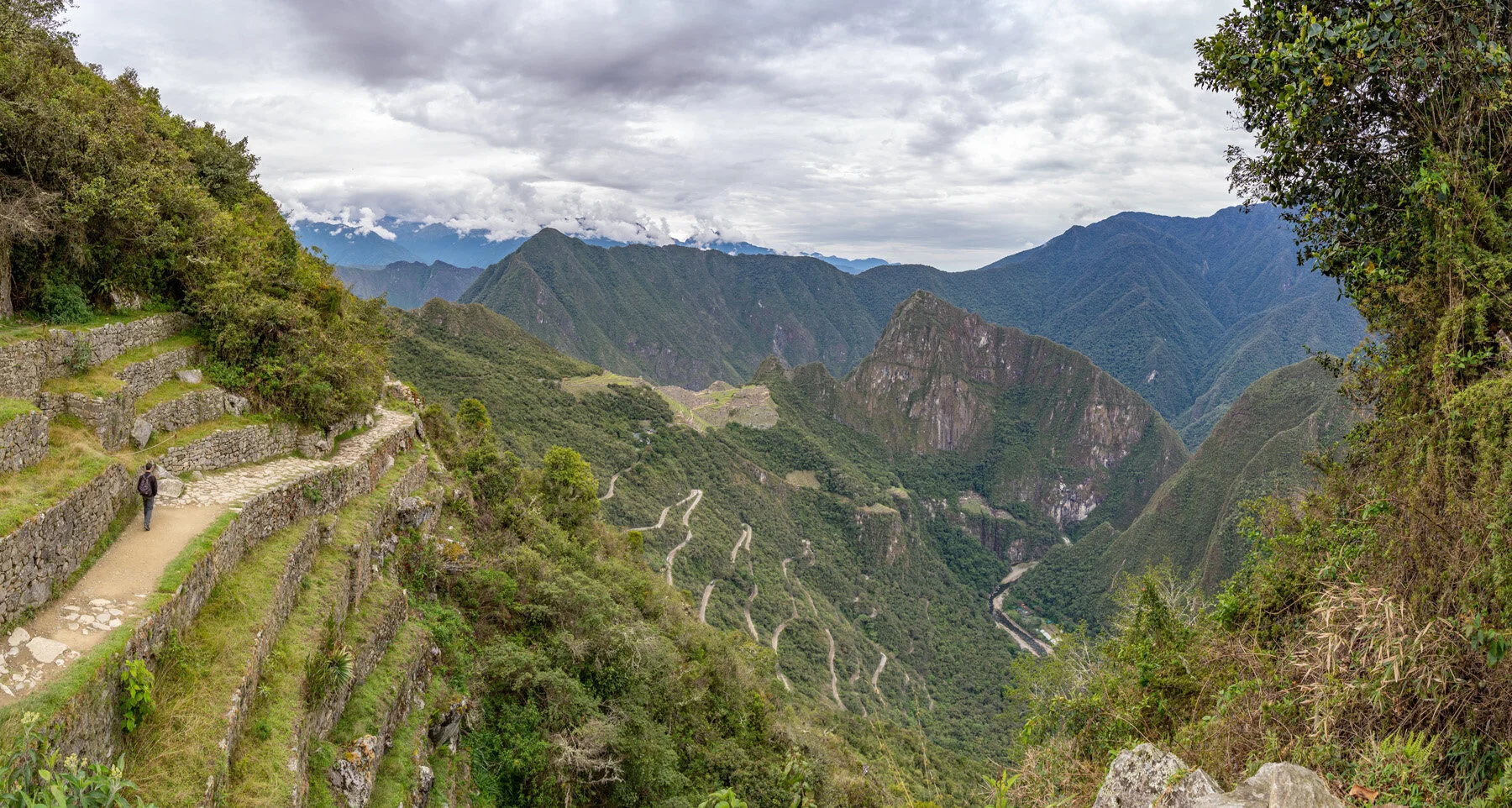
    While the majority part of the group tackled the Huayna Picchu hike, which takes you on a steep intensive climb to the peak just above the ruins, the other part, which included myself, was unable to secure to proper passes in time, which, quite honestly, worked out quite well, as we had our own personal tour guide up a prominent part of the Inca Trail to Sun Gate (Inti Punku), once the main entrance to Machu Picchu, for a whole new set of spectacular views of the compound.
    Andes Mountains Peru Quechua Benefit Cusco Cuzco Sacred Valley Ollantaytambo Machu Picchu

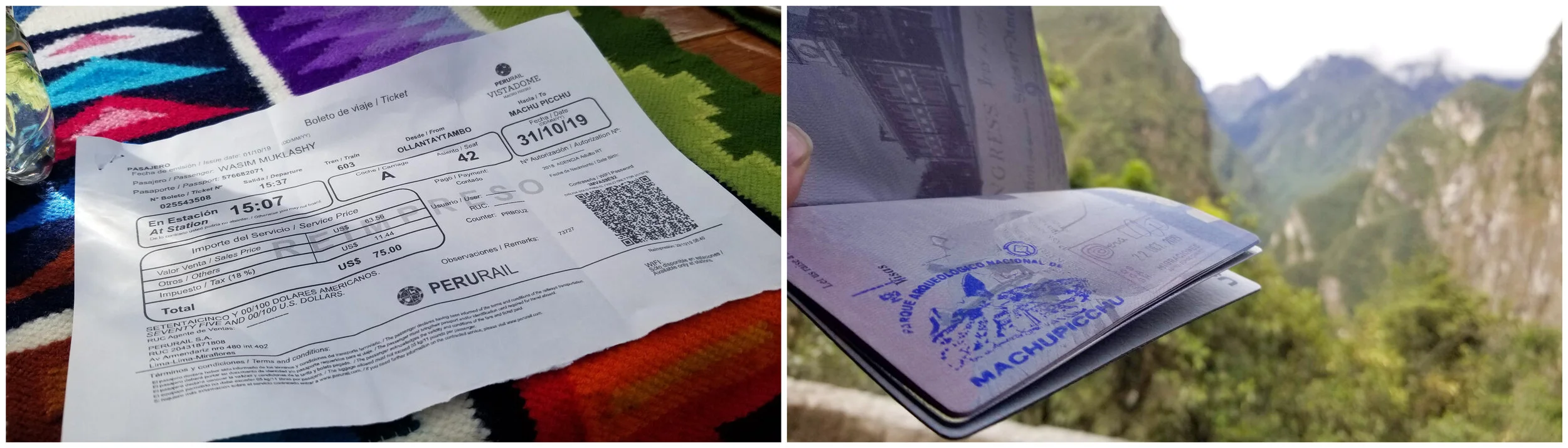
    After the groups reconvened, we entered the gates and were led on a walking tour through the citadel before grabbing a bite to eat, acquiring our obligatory Machu Picchu Passport stamps, and loading back up on the buses to make our way back down the mountain to our hotel.
    Machu Picchu Train Ticket Passport Stamp

    The following morning saw our journey back towards Cusco, where we all converged for our final teary-eyed good-byes before beginning our respective trips back home.

    It’s hard to imagine that these people were all complete strangers just 12 days ago, for by the end of it, they had become family.

    For anyone that has never traveled with a group before, after this experience, I couldn’t recommend it more. And that’s coming from someone who is quite prone to social anxieties and is usually much more comfortable flying solo, with no constraints on where and when and how and what.

    But this experience completely changed my perspective on what a group trip could be.

    When it first starts, it’s like any relationship, you’re kind of feeling each other out, seeing where and what people’s boundaries are, but quite quickly, all of that dissipates. Once you realize that you’re basically stuck together at ungodly altitudes hundreds of miles away from any recognizable respite, you realize that you also will be depending on each other much of the way.
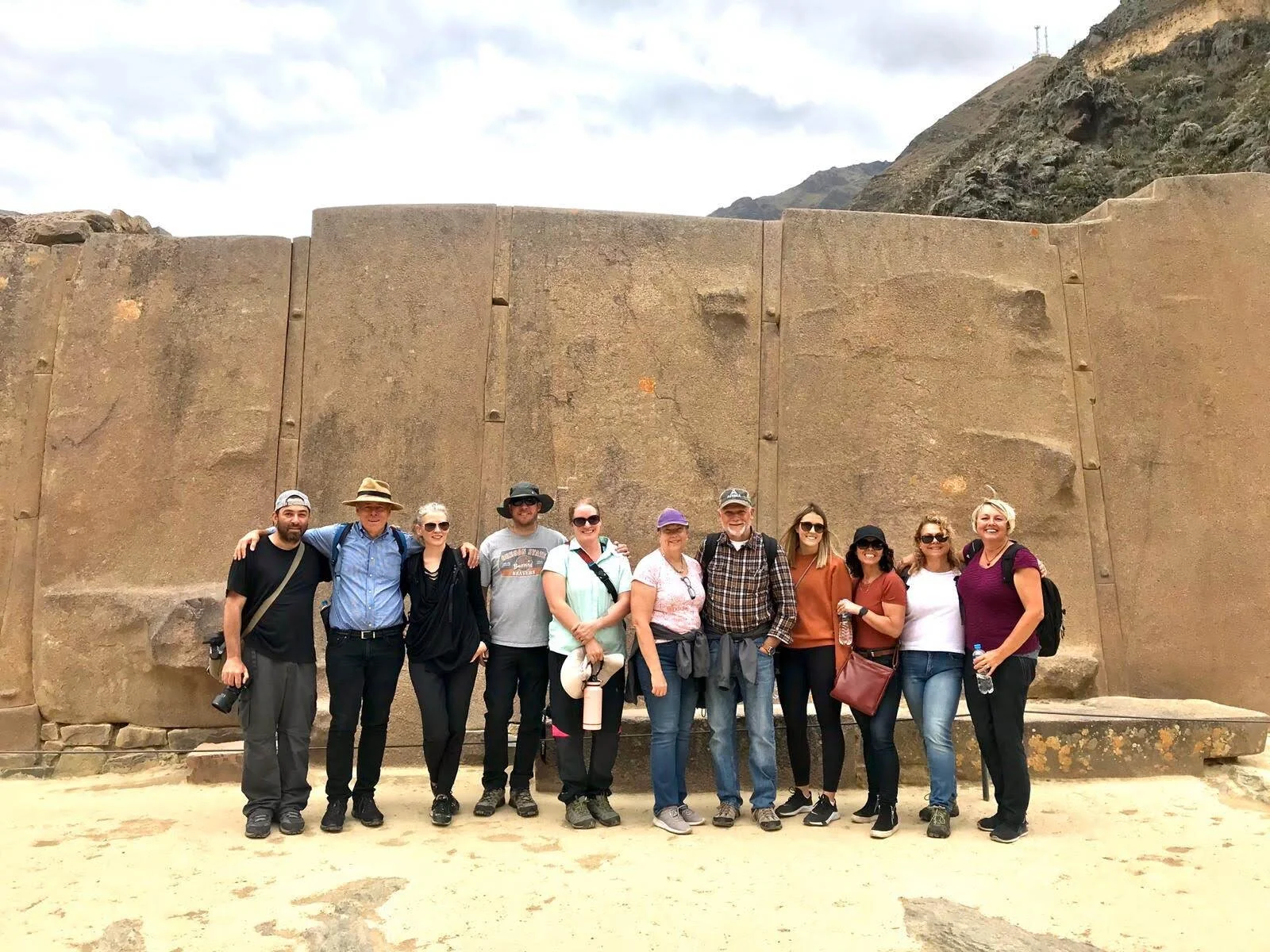
    Image asset

    It’s not long before you start to learn each others sleep patterns, what ticks each other off, and what gets them excited, their bowel movements, and you learn not to only live with it, but also to love it (yes, including the bowel movements, the source of many a comedic momement…).

    You literally become a family.

    And the shared experiences only amplify that.

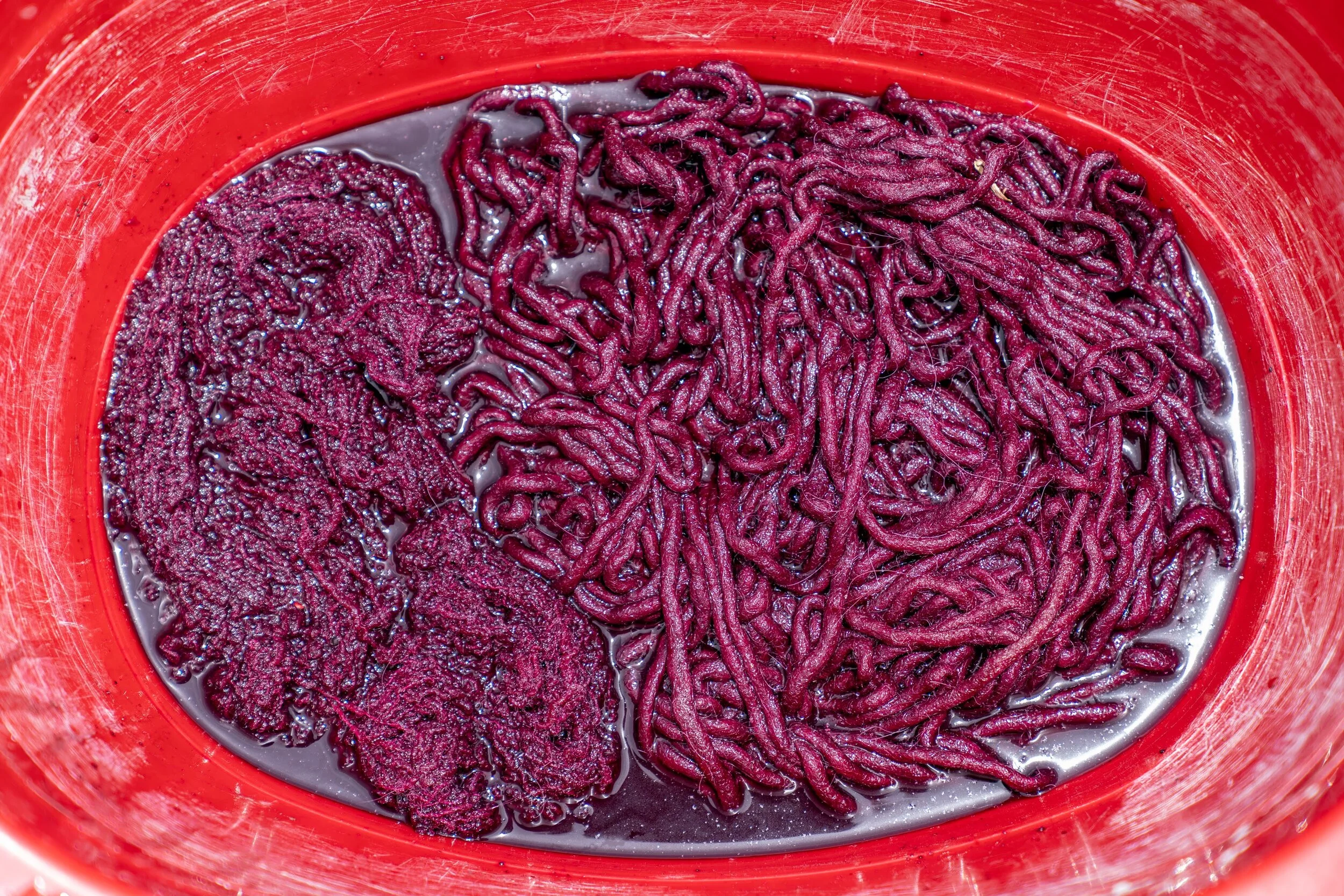
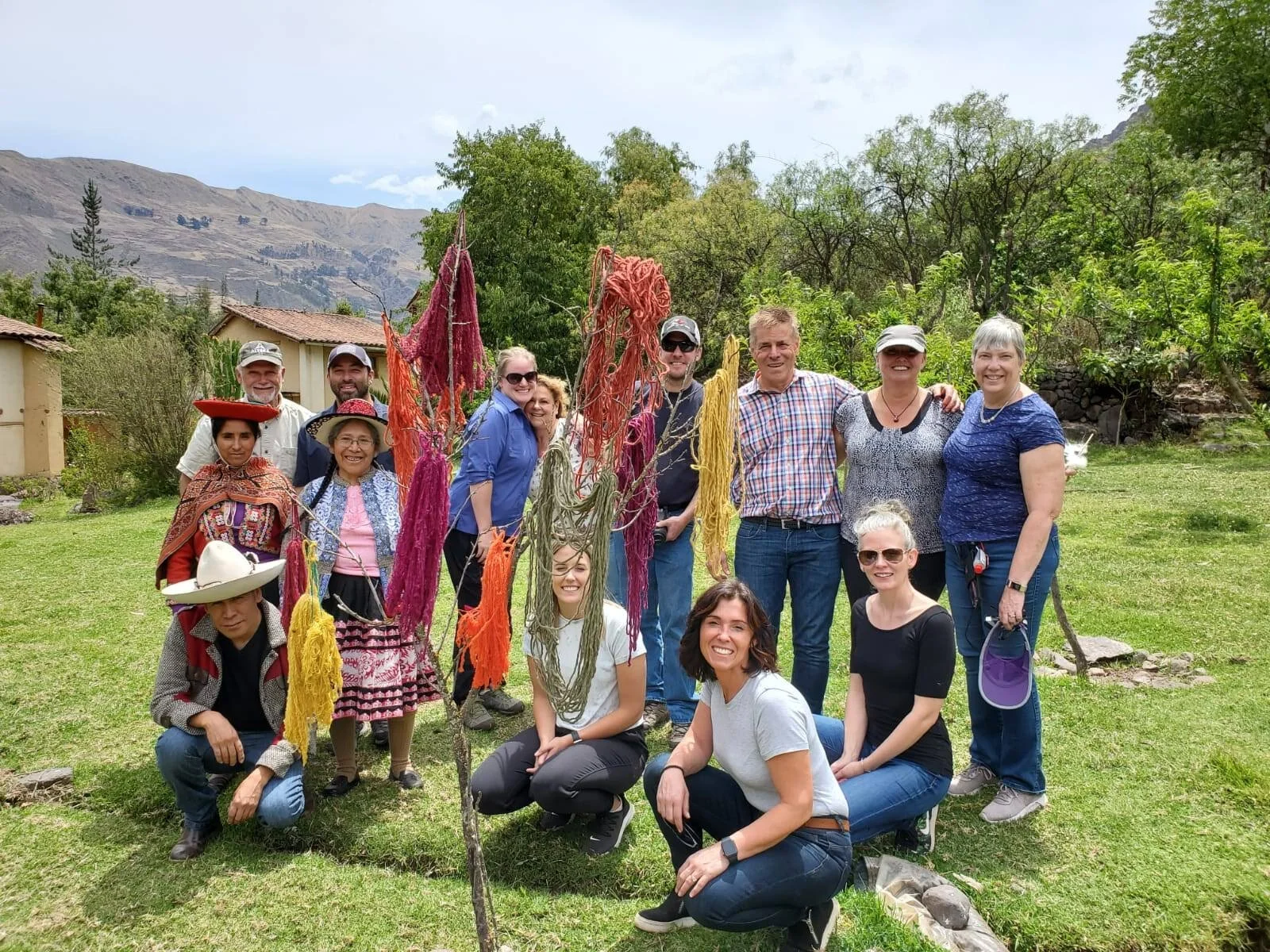
    When you’re soaking freshly spun yarn in fermented urine together and traipsing through alpaca poop and collectively agreeing to take a chance on the home-made cheese in a Peruvian town where you’re advised not to drink the water.

    When you take turns peeing behind the same gas station wall and you find yourself laughing at yourself for being wannabe yogis in the streets of a remote Peruvian village where the locals passing by first laugh at you, then JOIN you!

    All your differences melt away and become your character.

    And what remains? The shared humanity amongst us all.

    My trepidations of being locked in a bubble with a dozen complete strangers from various walks of life in close quarters for two weeks in a foreign country where you don’t speak the language ended up leading to the what is easily one of the most incredible and memorable experiences I’ve had in my time on this planet so far.

    THIS is why I long ago vowed to make travel, and forcing myself out of my comfort zone, an integral part of my life.

    For THIS.

    THIS is life.

    THIS is living life.
    Quechua Benefit Peru Trip

    When you’re thrown so far out of what you know that the only way to survive intact is to give yourself over to your vulnerabilities, for you begin to realize that those shared vulnerabilities leads to collective strength. Conversely, amplifying the realization that the walls we are so used to putting around us, blocking ourselves from living these experiences, only leads to collective weakness.

    These are the types of experiences that teach us that.

    These are the often uncomfortable, but always rewarding, experiences that introduce growth and perspective within our own being.

    The trick is to hold onto that and draw upon that every time we begin to fall back into our own psyches and routines.

    A reminder that we are all part of the same whole, and every every choice we make and every action we take, affects every other part of that whole.

    This wouldn’t be complete without giving a HUGE shout out to our driver Raul! Oh my god what a good sport that man was! He tried very very hard not to laugh at us, but we did NOT make that easy. Who am I kidding? He laughed his ass off at us. And we deserved it! We must have easily covered a few thousand kilometers over the course of those two weeks and ne’er a complaint or obstacle too large for him to navigate, from pot-hole laden back dirt-roads to a van full of yahoos yappin’ through shenanigan after shenanigan. God bless you Raul!

    After flying back from Cusco in the morning, my final day in Peru saw me with a free afternoon in Lima.
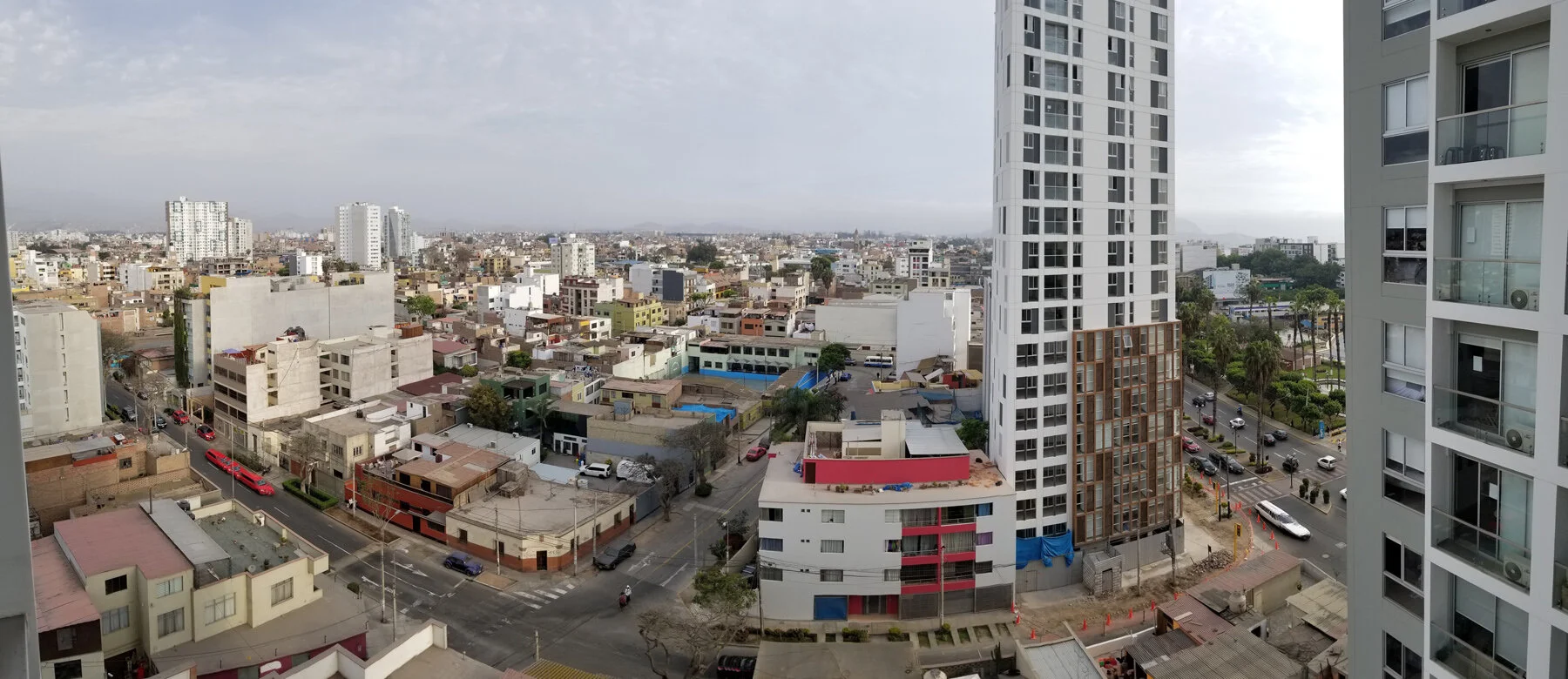
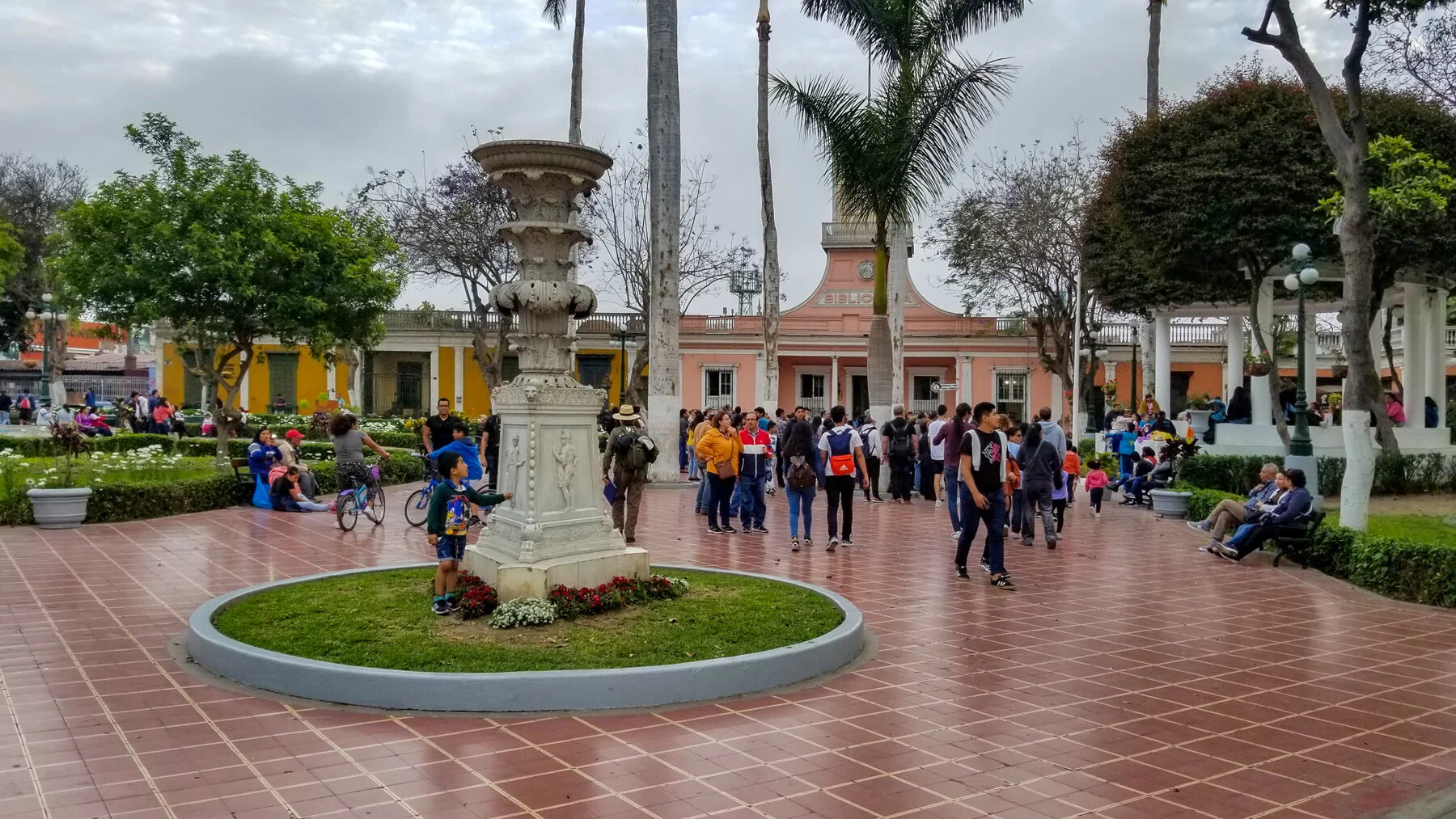
    I wasn’t ready to let this thing end yet, so to help ease my transition, I took a leisurely stroll through the bohemian Barranco neighborhood, finding myself wandering into the MATE Mario Testino Museum and gallery, a non-profit founded by incredibly popular Peruvian fashion photographer Mario Testino. The primary exhibit was Mario’s own work – well executed and uniquely-Testino photographs that covered the worlds of fashion and pop culture, portraits of everyone from the royal couple to the Rolling Stones.

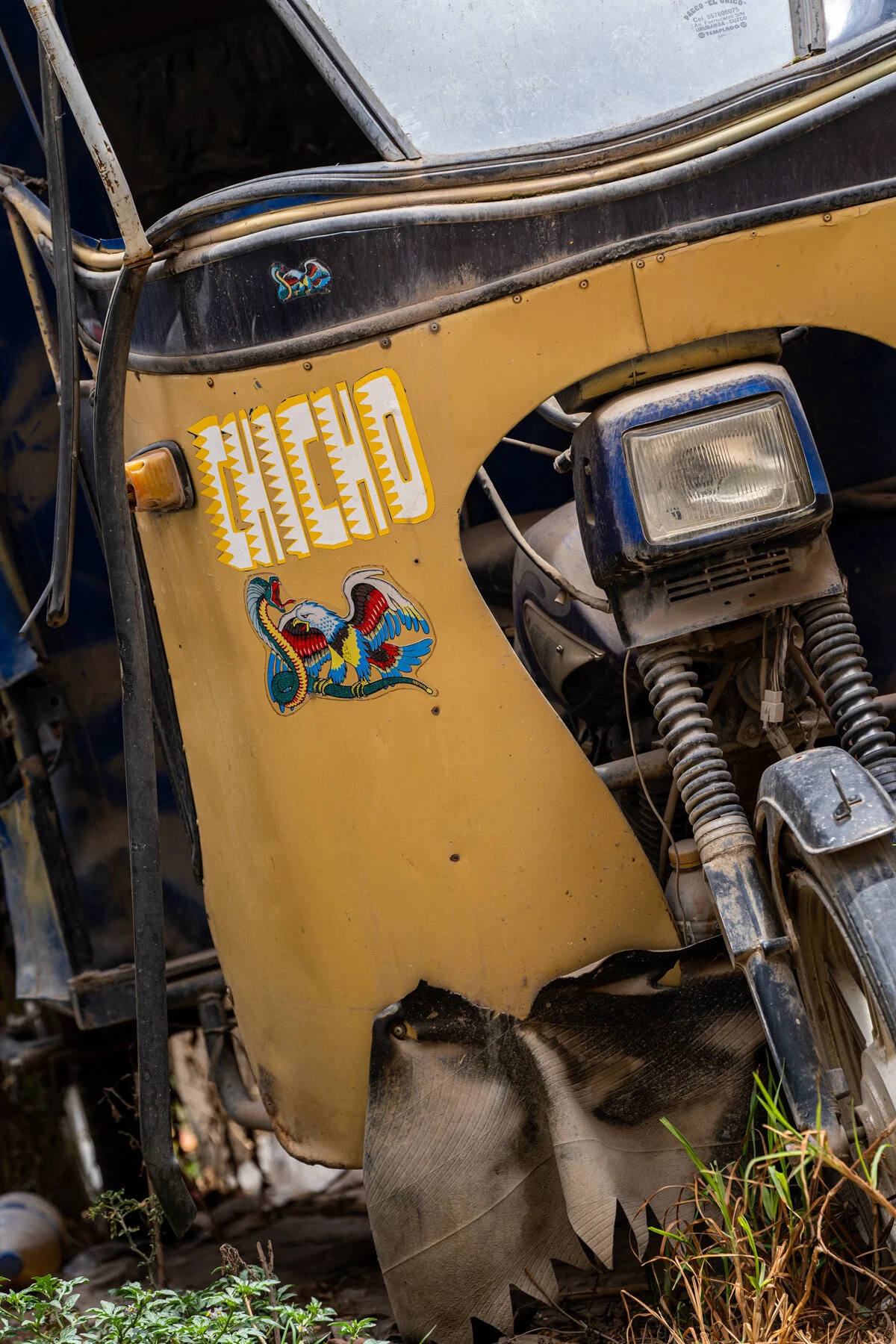
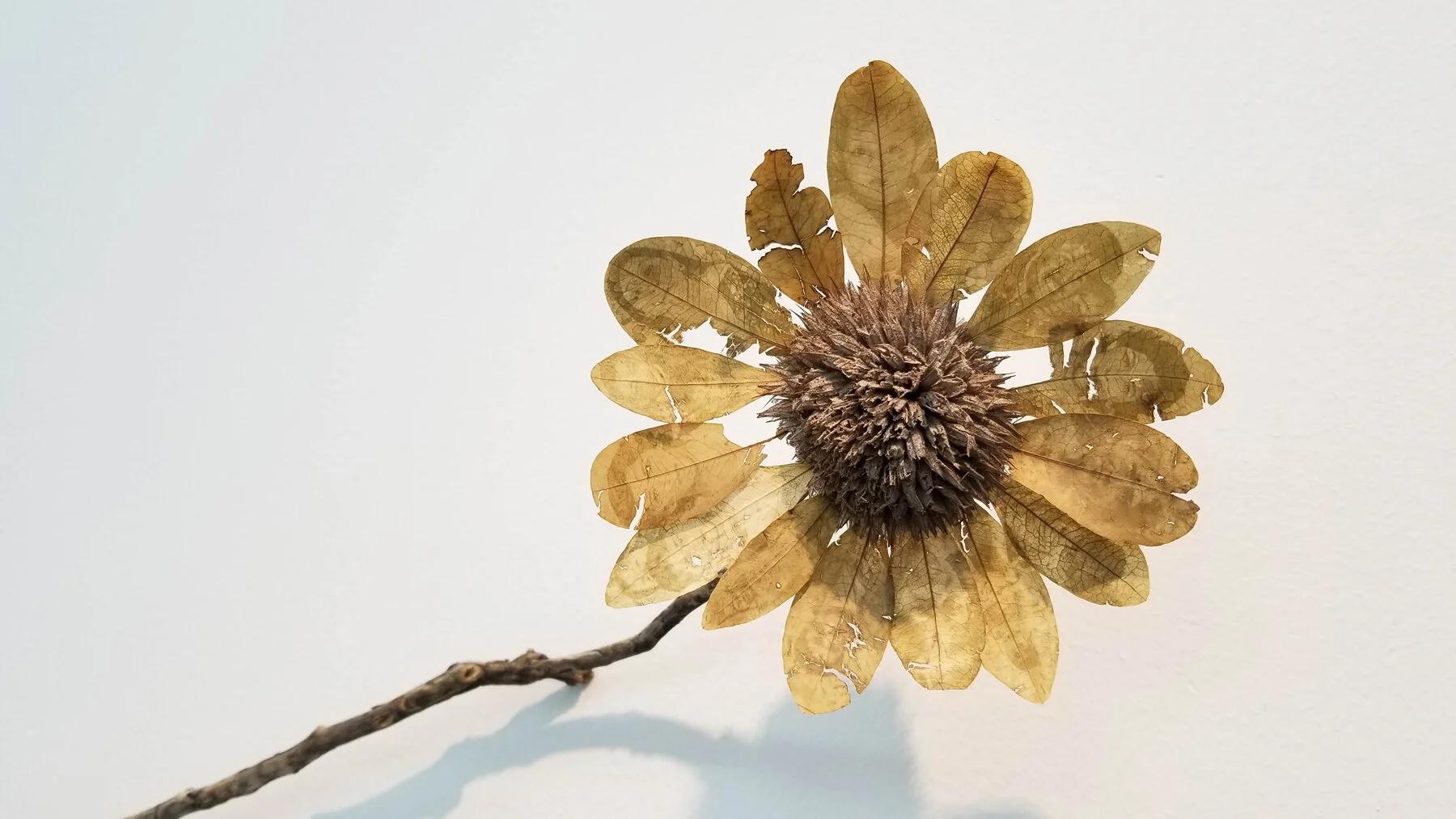
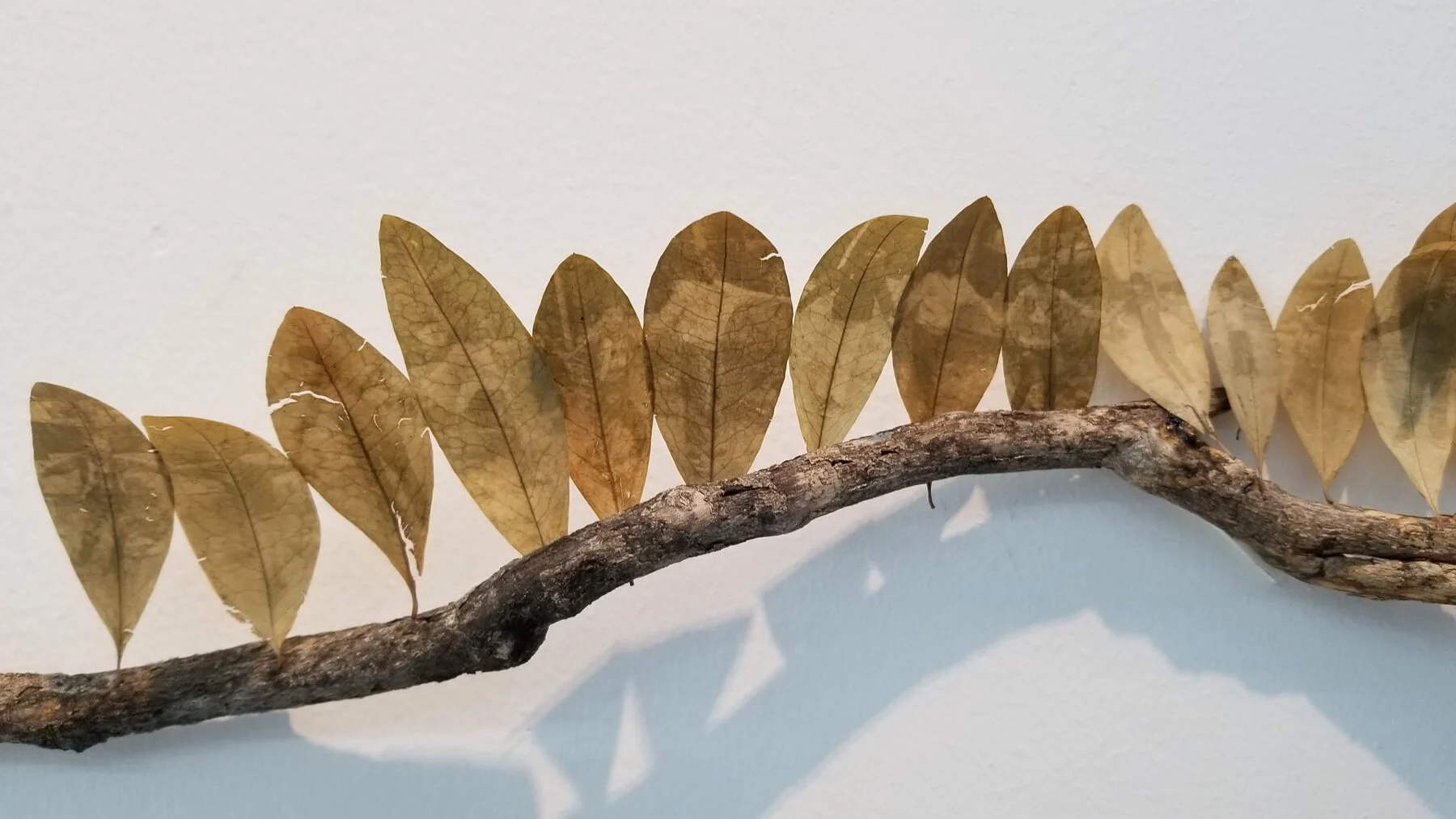
    However, perhaps not so surprisingly, my favorite part was the work of an artist named Maneul Limay in a side exhibit titled Alta Moda. Limay’s “Injertos” project played with the theme of the fragility of life by employing a technique in which he printed intriguingly haunting portraits onto decaying leaves.

    And they were wonderful.
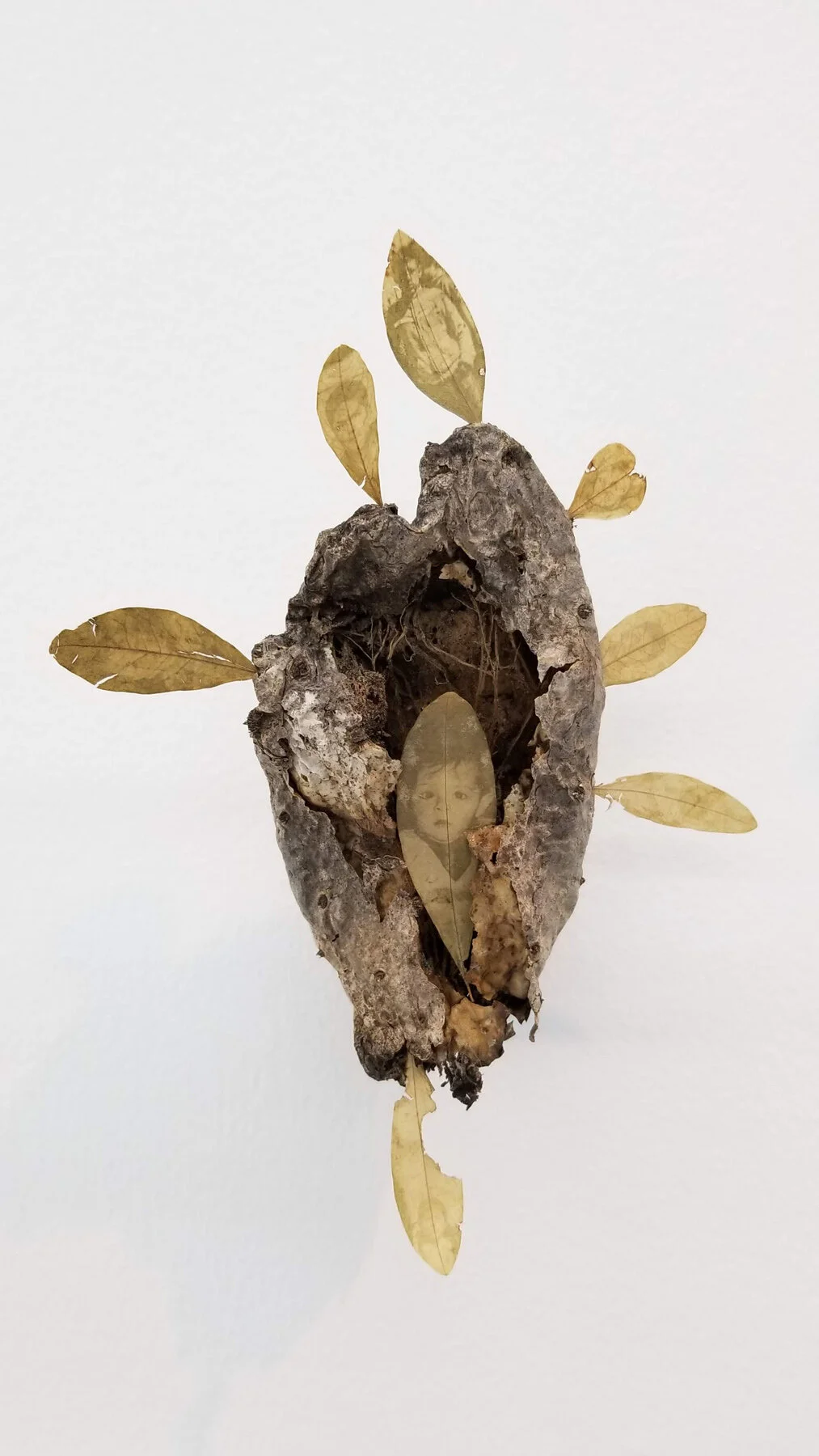
    I suppose after experiencing raw beautiful humanity throughout the highlands, the last thing I felt like doing was diluting it with high fashion and pop culture.

    Plus, printing photos on leaves…c’mon! What’s cooler than that?

    A slice of pizza on the walk back and a few hours of sleep later saw me back on a Latam flight headed towards the States.

    With a Pisco Sour for breakfast.

    And fortunately for everyone on this plane, everything remained in the overhead bins this time…

    Image asset

    I’d like to thank everyone who stuck around to relive this journey with me. If you missed the first 4 installments, trust me, you’ll want to go back and check them out:

    Part 1 – Where The Wacky Alpacky Hath Led Me
    Part 2 – From Coca Tea to Casa Chapi
    Part 3 – The Vicuna Chaccu
    Part 4 – From Fleece Geeks To Pee Fleece

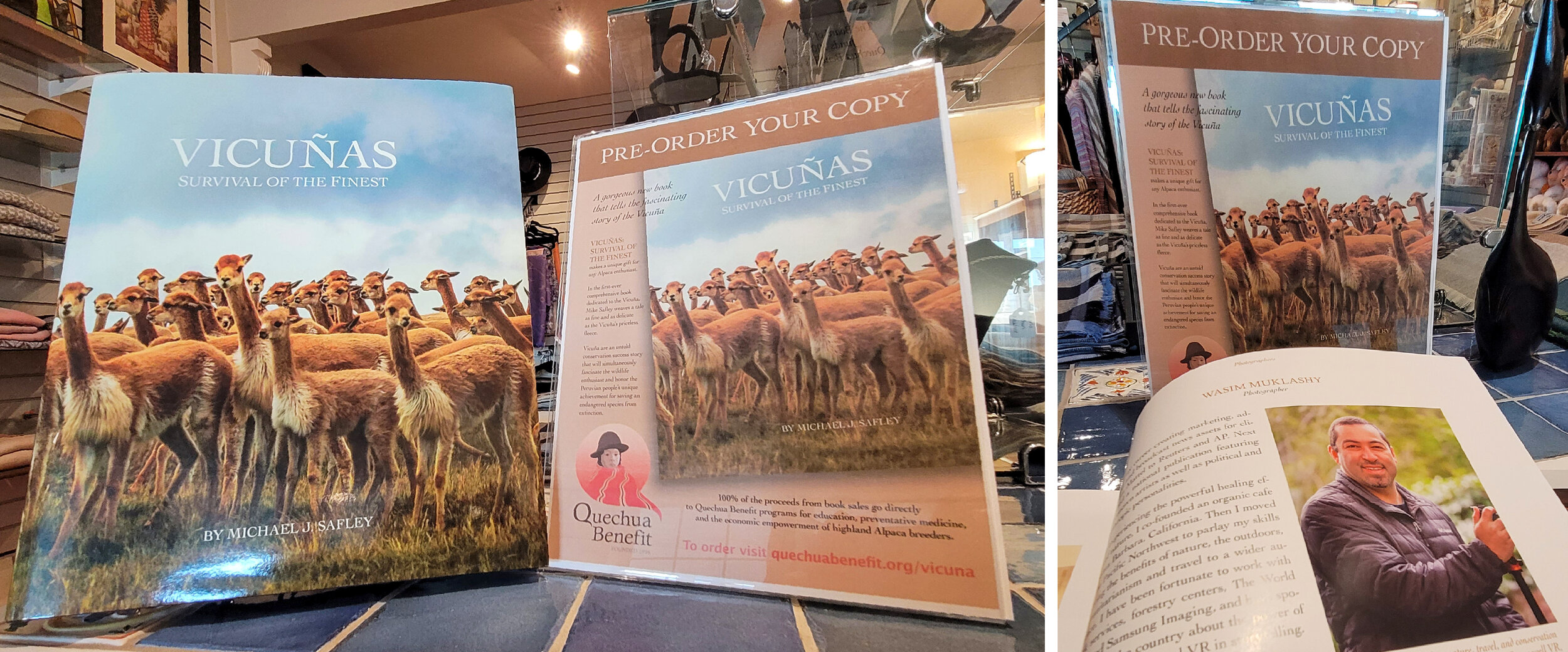
    Also, as mentioned before in Part 3, I had the immense honor of being asked to contribute to “Vicuñas – Survival of the Finest,” the quintessential authoritative account of the vicuna story, told by Michael J Safley himself. Pre-orders are available now and after seeing this thing come together over the past few years, I must say, it is incredibly gorgeous telling that threads history, destrution, conservation, unlikely yet successful partnerships, and contemporary life in a way that shows it impossible to separate ourselves from each other, and each and every thing.

    Another reason to purchase is that the timing couldn’t be more crucial. Peru currently holds the world’s highest death rate due to COVID, and monies raised by Quechua Benefit through sales are currently going to getting medical care, masks, soap, education and information to the Quechua people in the highlands, who have been hit extraordinarily hard by the pandemic.
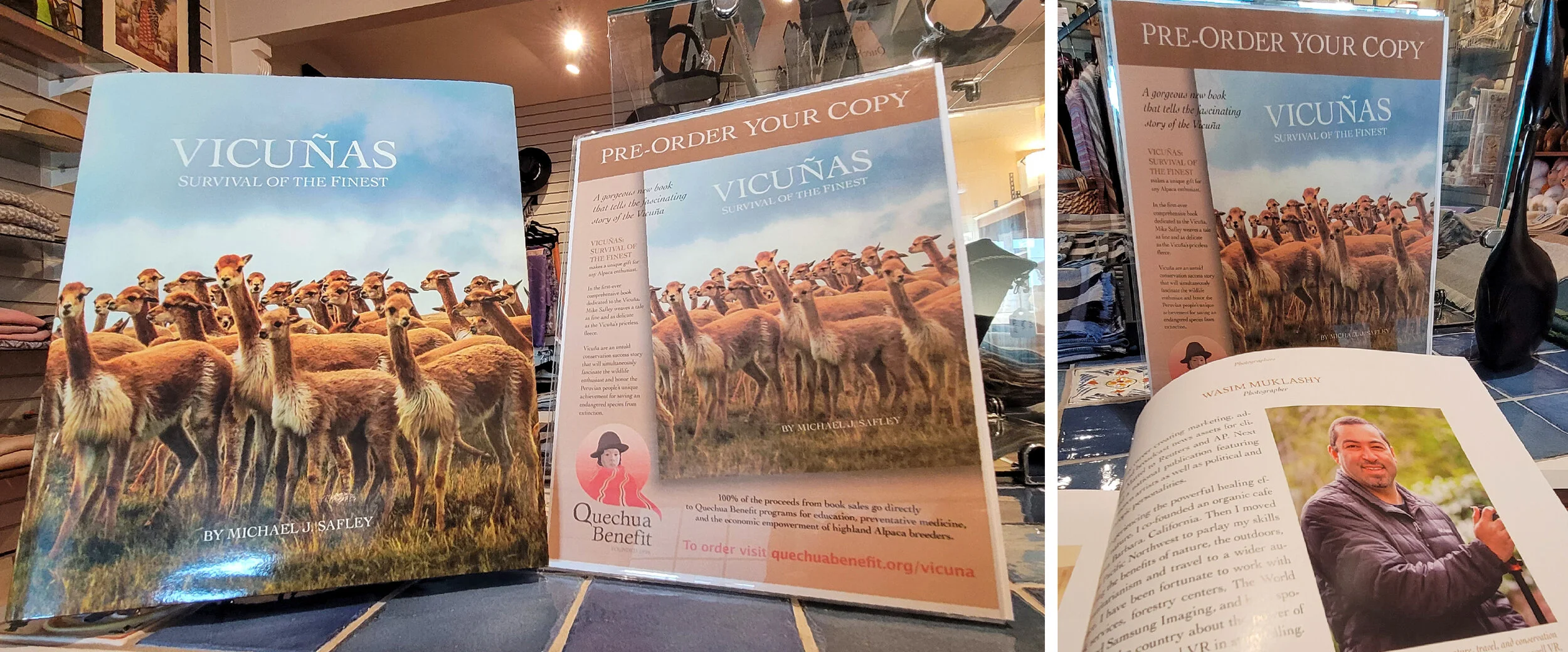
    Vicuna Book

    Finally, I can’t end without thanking Quechua Benefit for bringing me along and putting together this unforgettable tour, to all the attendees for making it as memorable as it was, and to all the vendors and families that accommodated us to perfection throughout. Oh, and gotta give another shout-out to our driver Raul…yooz a trooper!

    Welp, that’s all me wrote…

    If you really wanna wanna, for some of my much less exciting (albeit much for frequent) shenanidos & shenanidonts , find me on Instagram.

    (Editor’s Note: This trip originally happened in fall of 2019, when it was still safe to travel. It has taken some time to get these posts in order due to various reasons #Because2020, but the timing is quite impeccable that I begin publishing them now, as Peru has among the highest death rates per capita in the world from COVID-19, and people in the remote impoverished highland villages, where much of this story takes place, have little to no resources to protect themselves and their families. Quechua Benefit, the non-profit that sent me out has been raising money to provide masks, soap and education, and I’ve partnered with them to help bring some attention. Please consider throwing a few bucks their way through this link. As you’ll see throughout these posts, they’re doing wonderful work in Peru.)

  • Although Everyone Already Knows A Luz, Everyone Needs To KNOW Luz.

    Although Everyone Already Knows A Luz, Everyone Needs To KNOW Luz.

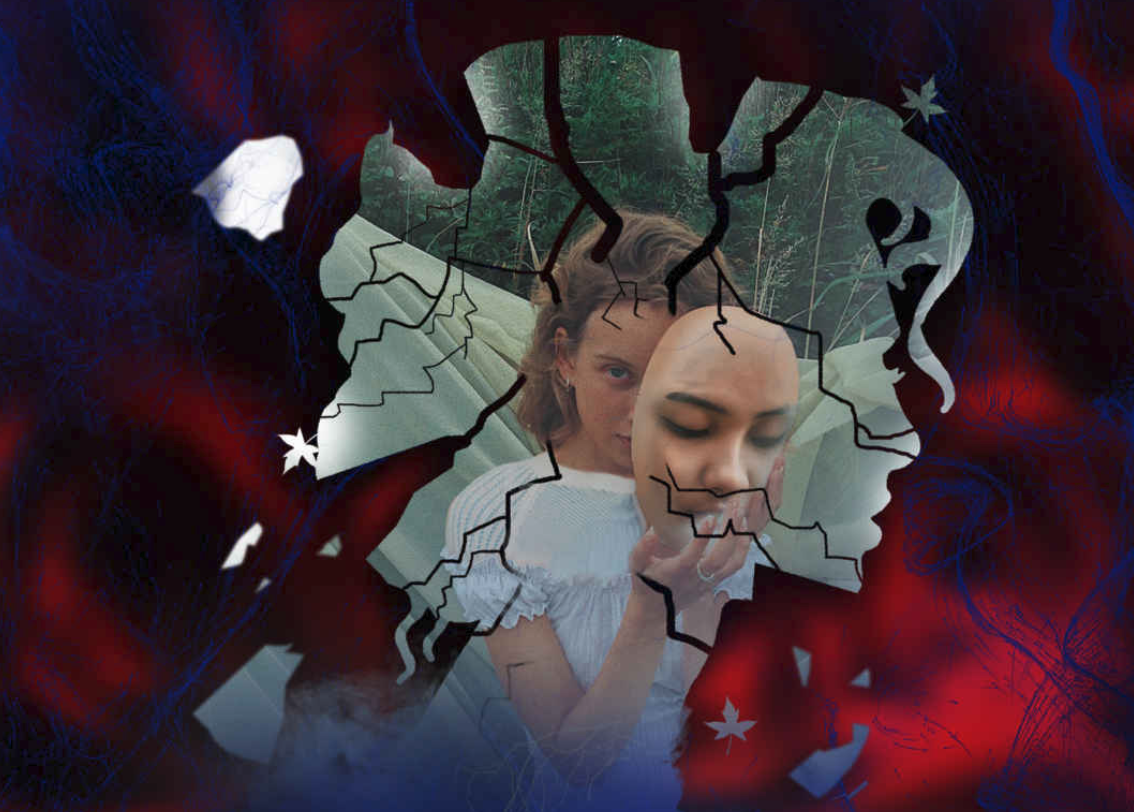
    This is not a photography post, but it’s much more important than any post I may have posted.

    I won’t sugarcoat it, this is a story about child abuse. 

    Although Everyone Already Knows A Luz, Everyone Needs To KNOW Luz.

    I’d like to introduce you to Luz Emilia Haddad, one of the most wonderful, beautiful, resilient, empathetic, nurturing souls on the planet, who has had a special place in my heart since I was a baby.

    She’s the aunt you call aunt who’s not really an aunt, but is your aunt.

    This is her story.

    And while I’ve known here for the better part of 4 decades, and she has played an incredible role in supporting me and my life’s direction and choices, this part of her story I had no idea about until she bestowed on me the honor of helping her proofread and edit this book.

    Desert Roses – Breaking the Silence

    Her autobiography.

    It’s not an easy one to digest.

    It’s scary, sad, beautiful, powerful, empowering, enraging, encouraging, disheartening, gut-wrenching and insanely inspiring all at once.

    The voice she writes this in is pure Luz.

    It’s the Luz I know.

    The soft-spoken, deep, intuitive, intellectual, sweet, wise, nurturing, oft-funny, encouraging, optimistic, ever-understanding, warm, beautiful Luz I know.

    And her bravery in coming forward with this and the way that she dealt with it to grow into the incredible woman that I know is a beacon of love and light and hope in a year that has been filled with so much of the opposite.

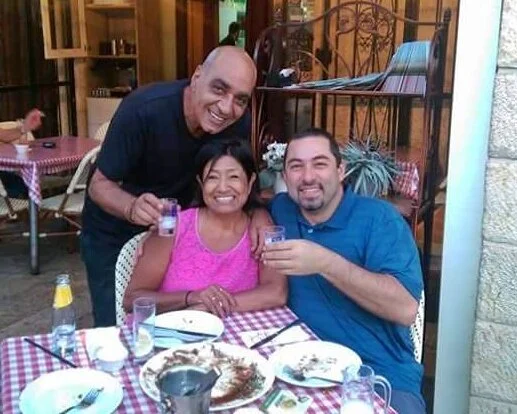
     Sharing a drink and falafel sandwiches with the author and her husband “back home” in Nazareth.
    Sharing a drink and falafel sandwiches with the author and her husband “back home” in Nazareth.

    I took on this task while I was going through some incredibly tough personal times this year, and oddly enough, while I first thought it would be the last thing I should do in the state of mind I was in, in fact, it turned out to be exactly what I needed, for it was impossible not to find the strength to navigate my challenges in large part due to the guidance and strength that she exhibited and invoked through her journey.

    She wouldn’t let you.

    She’s like that.

    So if you’ve got a few bucks, please consider purchasing her book.

    Yes, you will shed a few tears.

    But you’ll be grateful you did.

    Because you’ll get to know Luz.

    And to get to know Luz is a true blessing that adds immeasurable joy to all those that do.

  • Peaks n’ ‘Pacas in Peru – An Alpaca Fueled Trek Through The Andes – Part 4 – From Fleece Geeks To Pee Fleece

    Peaks n’ ‘Pacas in Peru – An Alpaca Fueled Trek Through The Andes – Part 4 – From Fleece Geeks To Pee Fleece

    (If you haven’t yet, and you wanna, start at the beginning of the adventure with Part 1 – Where The Wacky Alpacky Hath Led Me)

    Andes Mountains Peru Quechua Benefit Picotani Spar Macusani Alpaca

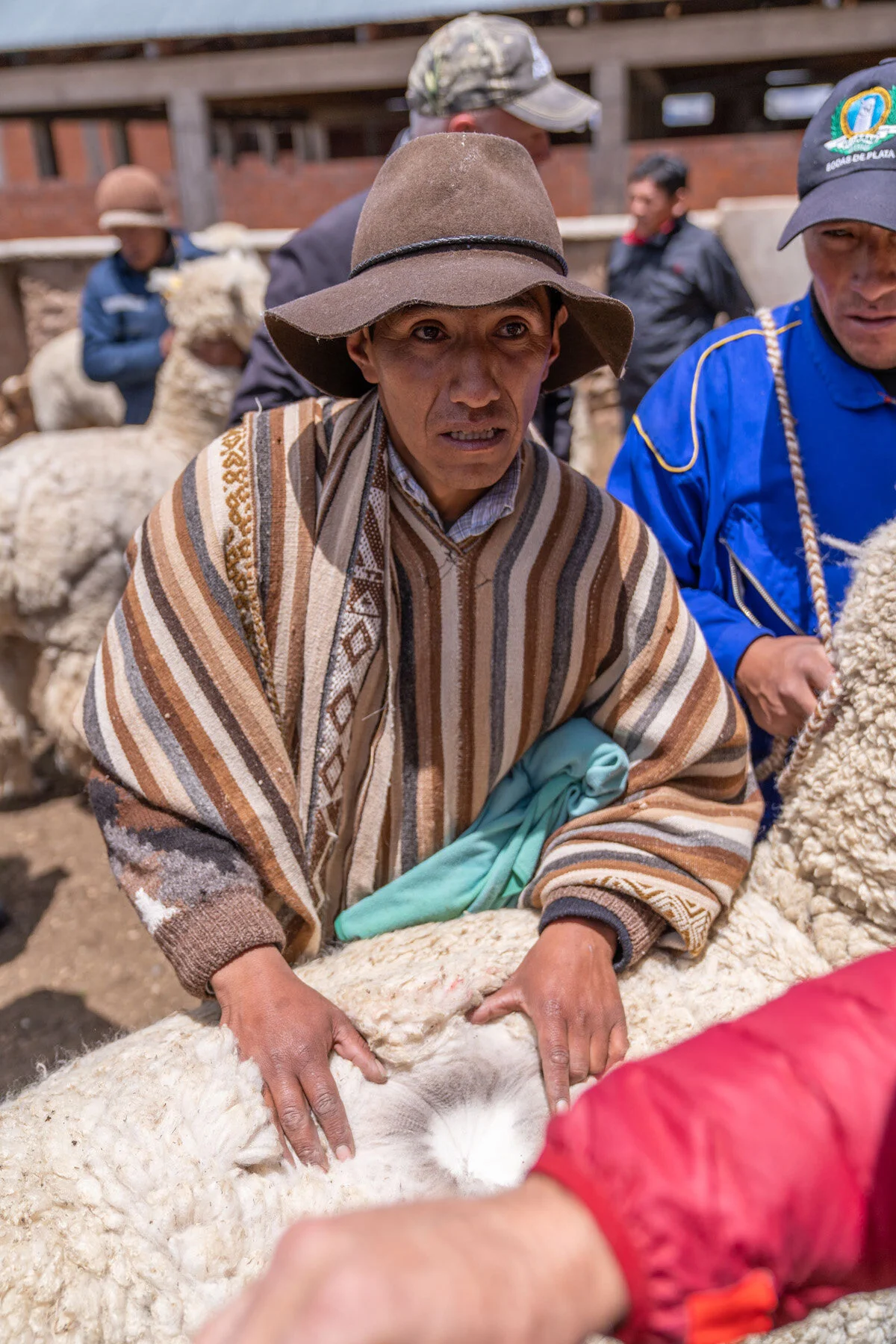
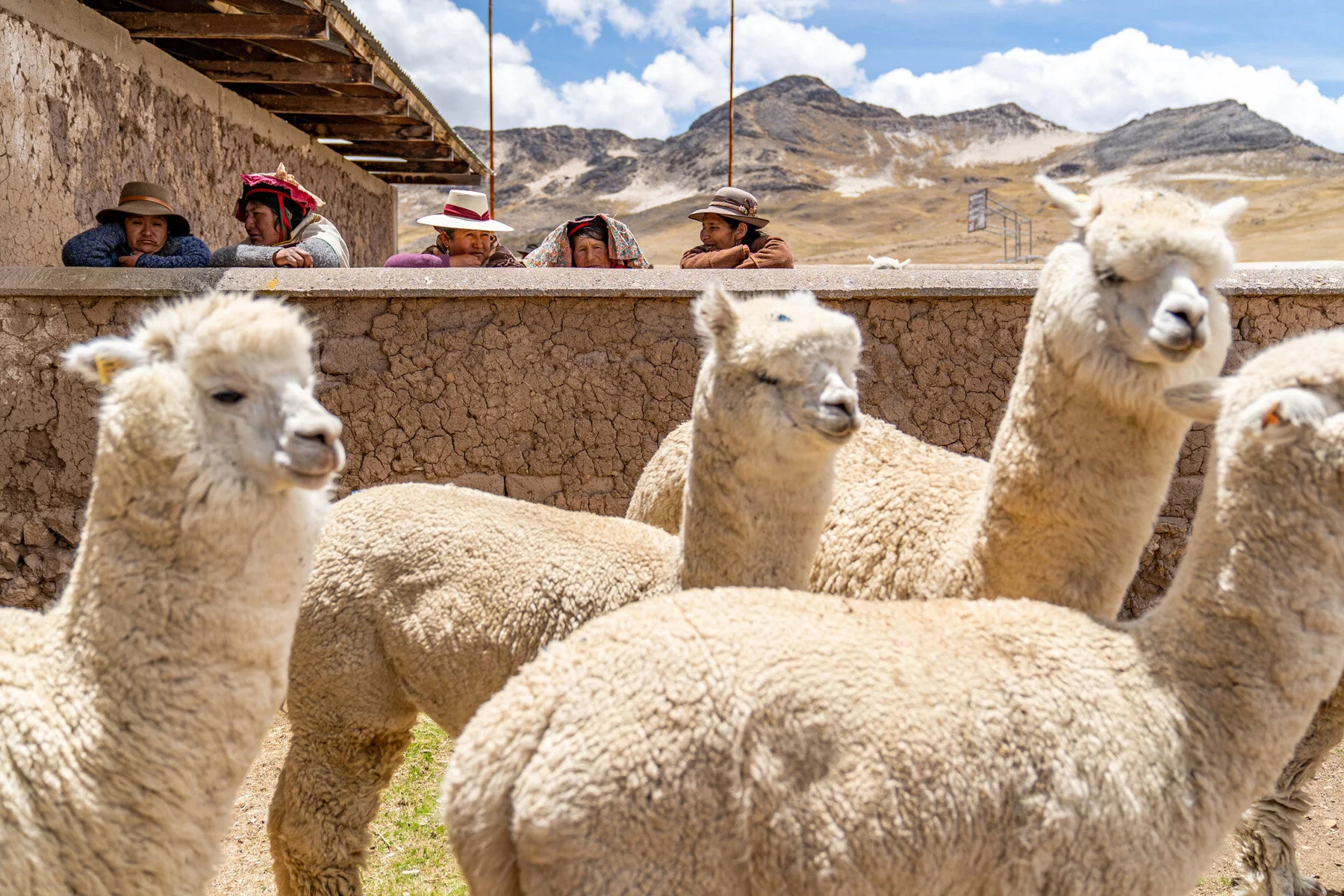
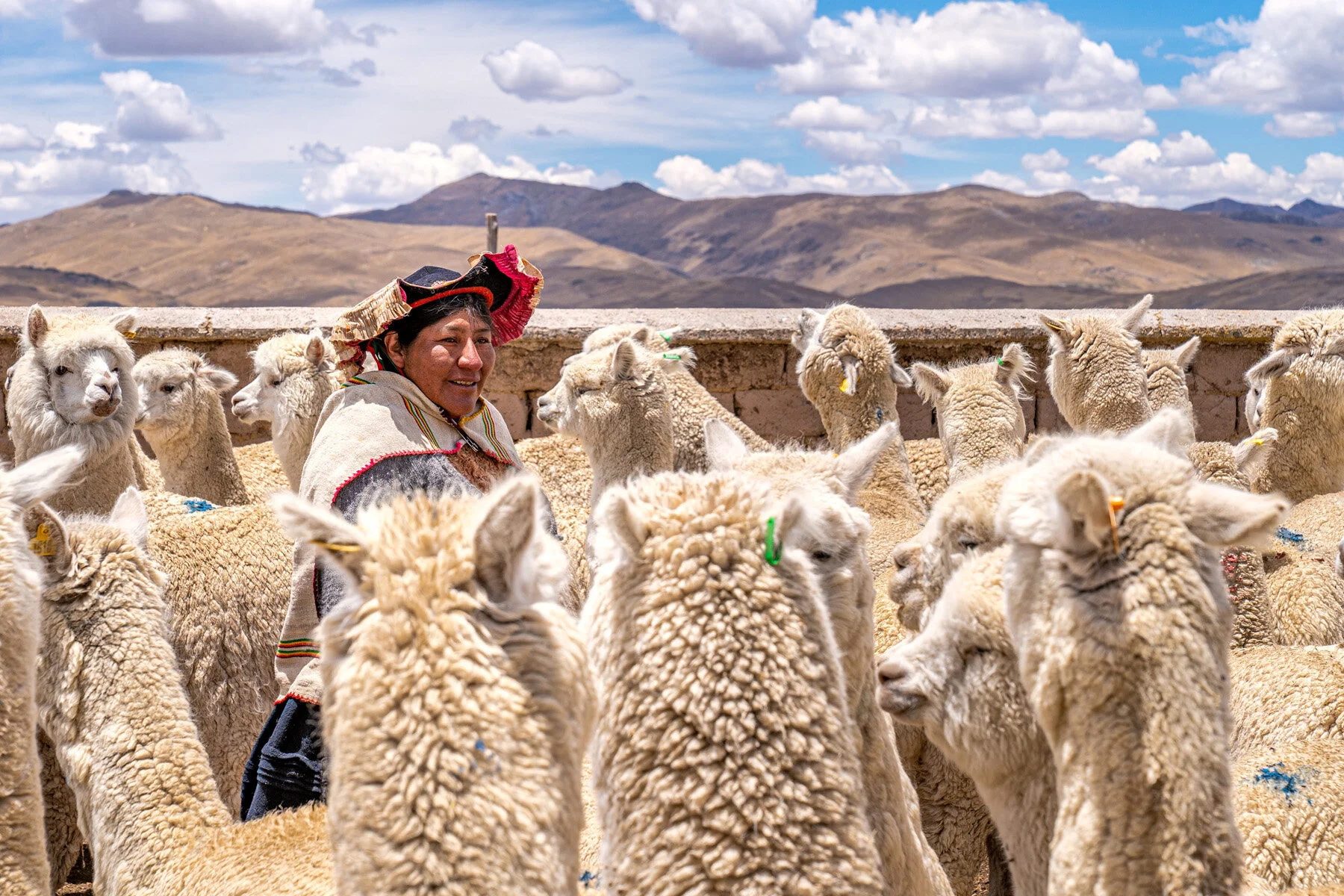
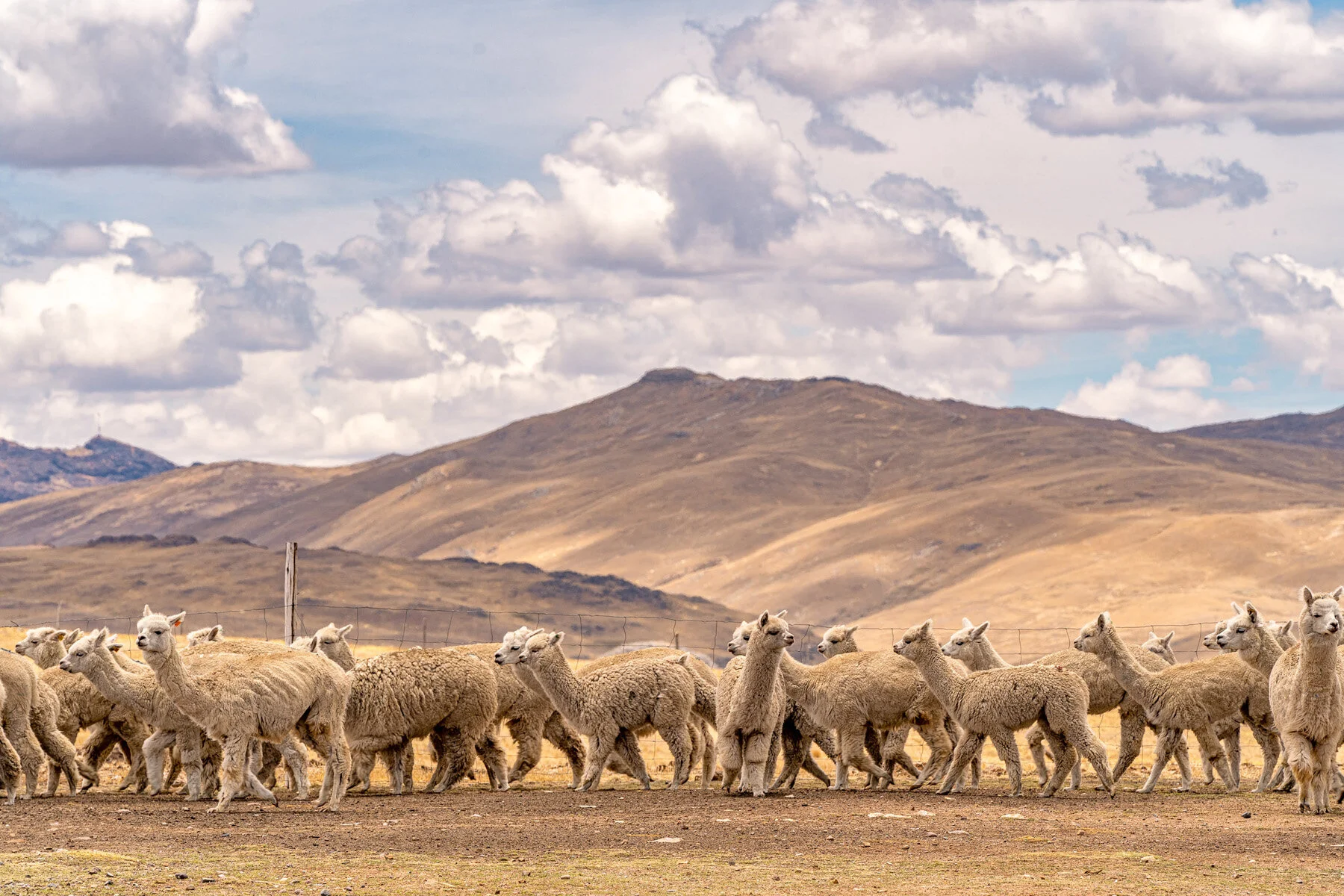
    The next several days of the trip provided the perfect recipe of pace and activity to decompress from the often overwhelming mental and physical stimulation of the days before. The frantic pace of the first part of the trip finally slowed down as all that remained on the itinerary for the next couple of days was to meander through the hillsides and highlands visiting various alpaca farms and co-ops in the region.

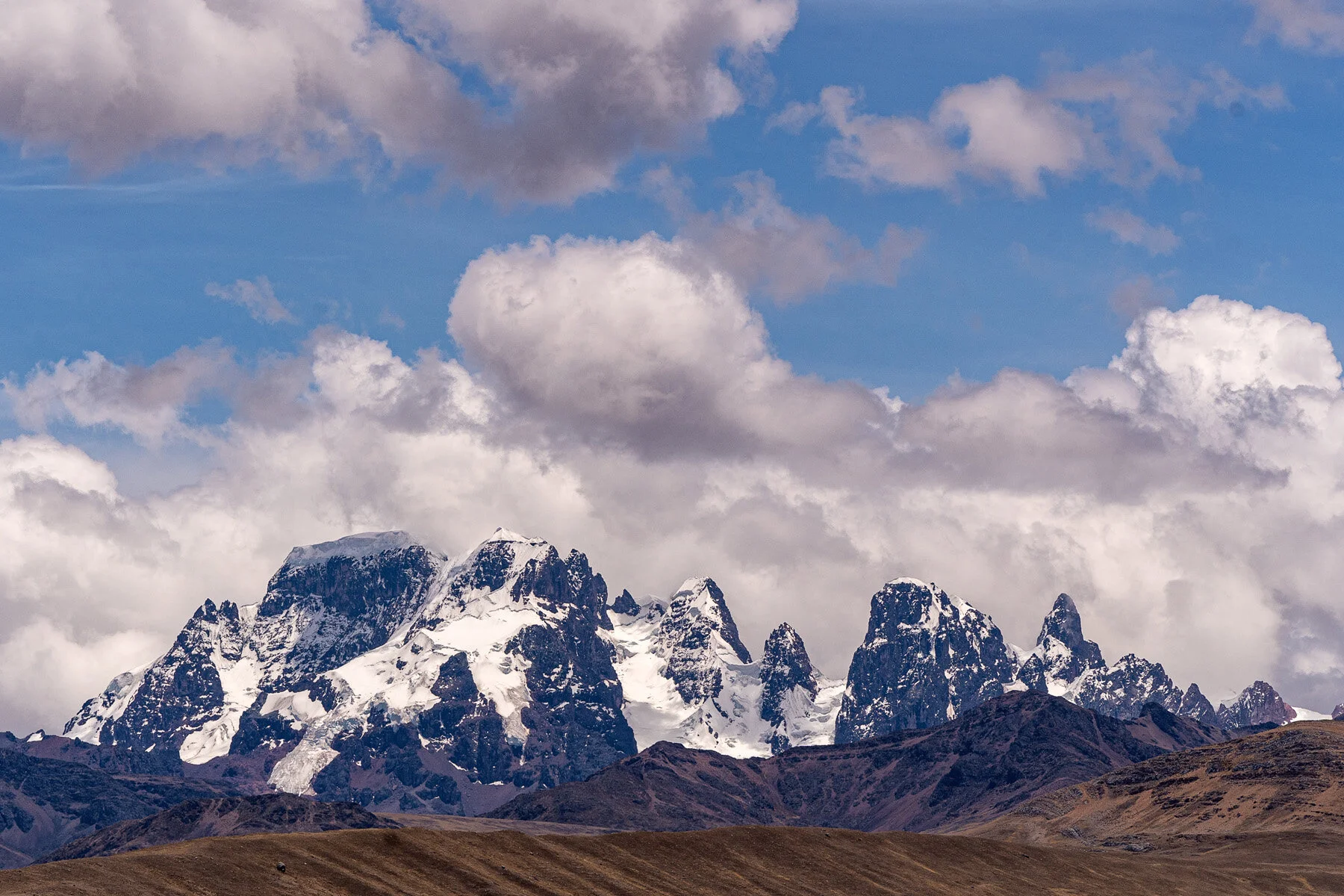
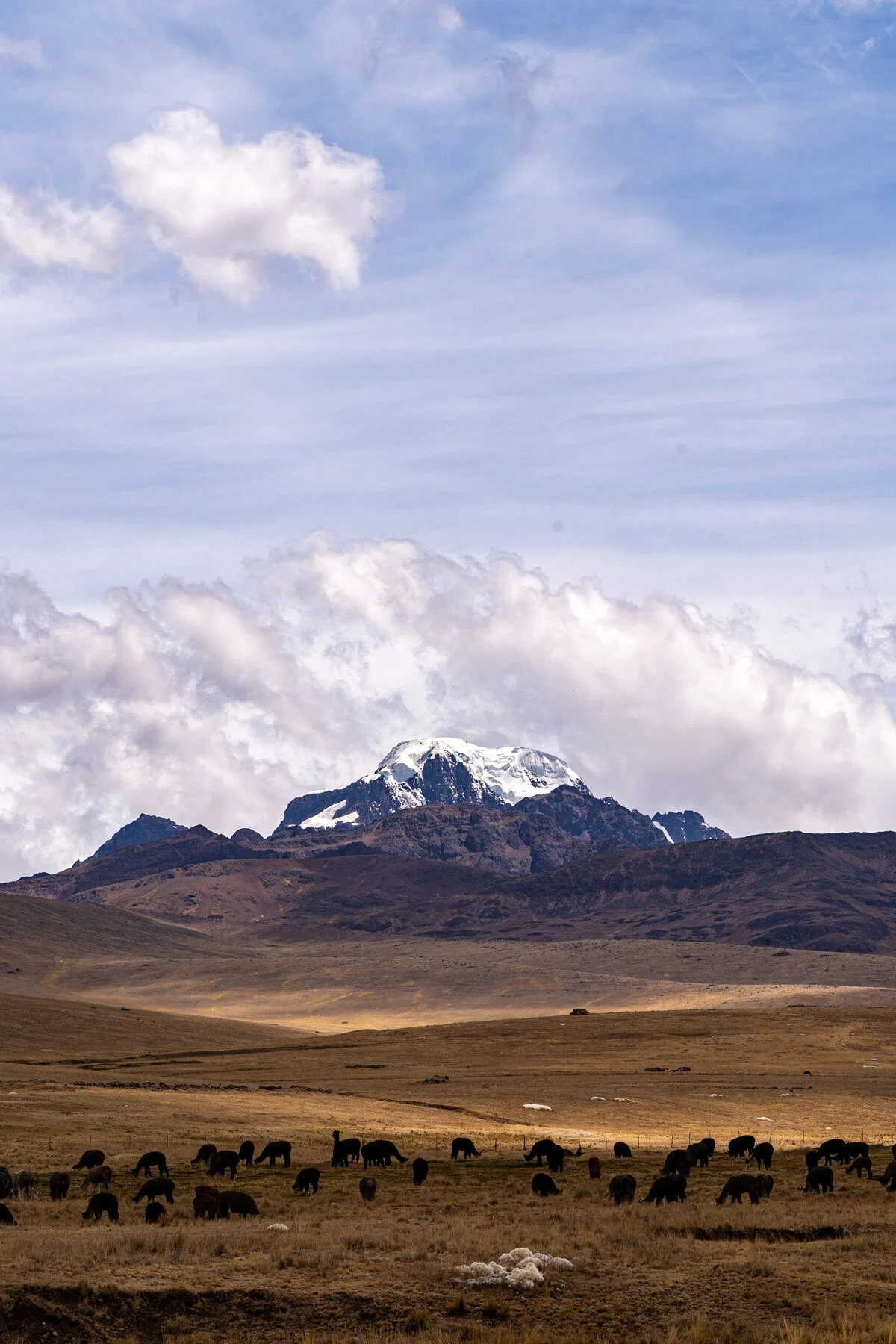
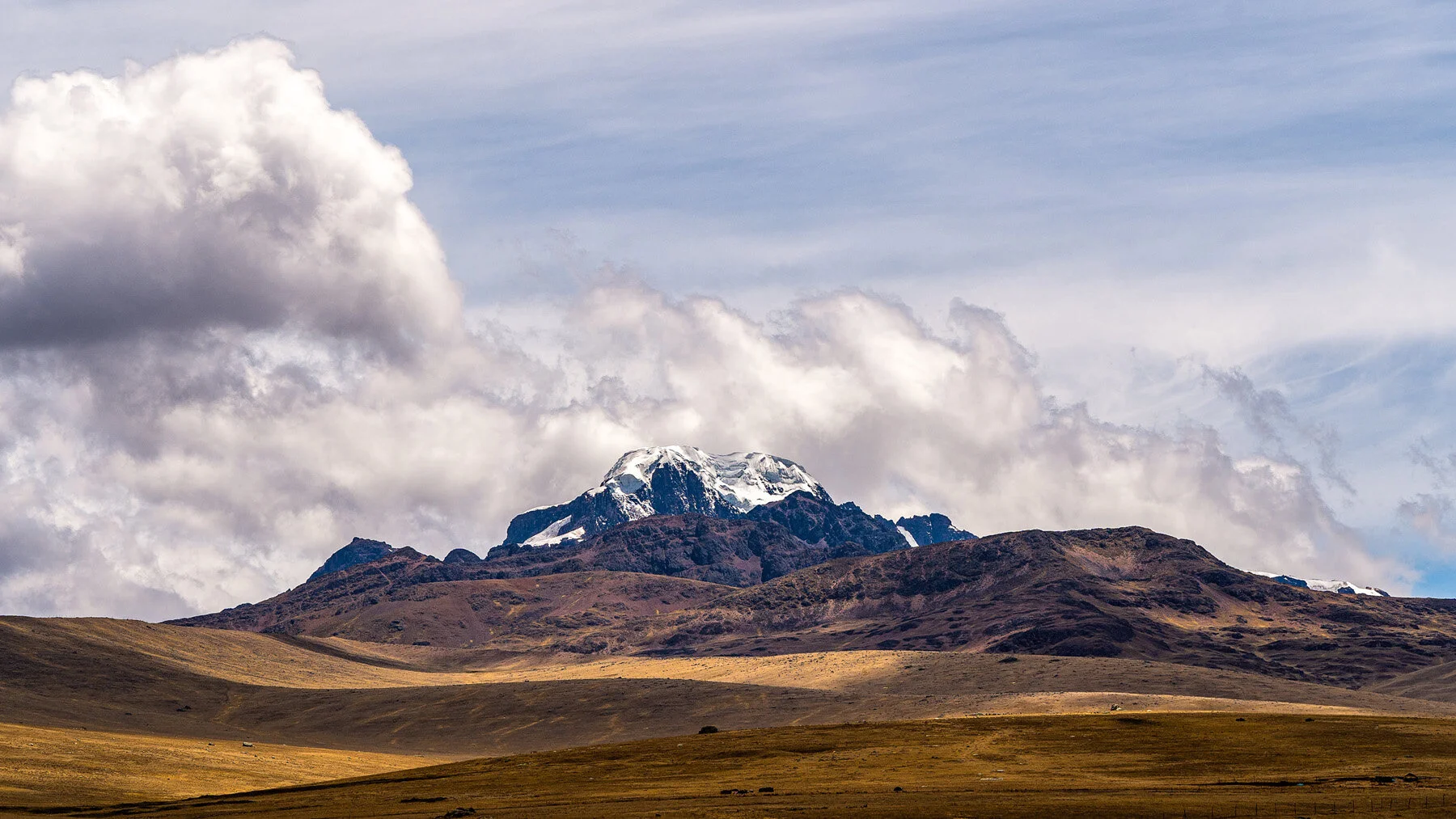
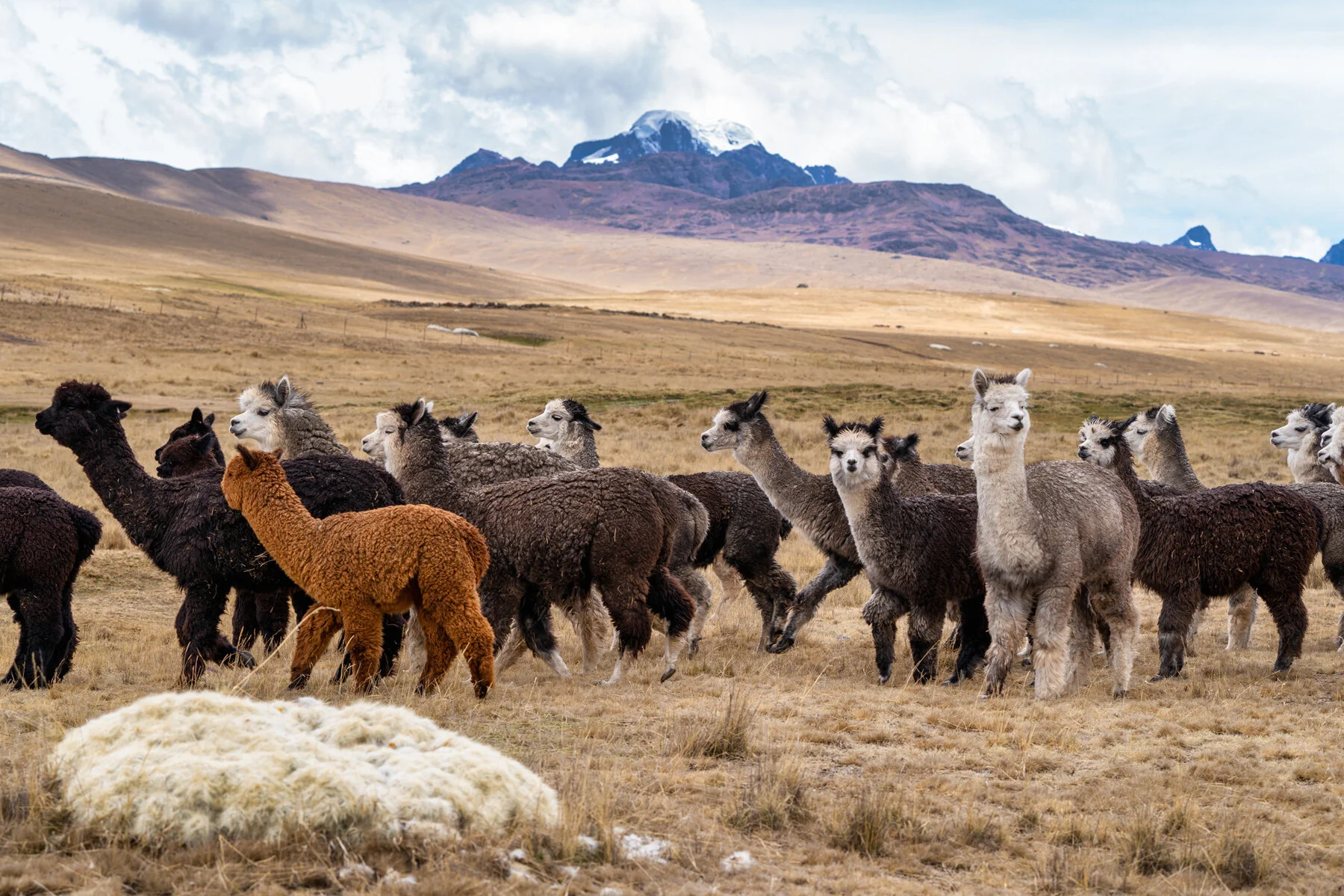
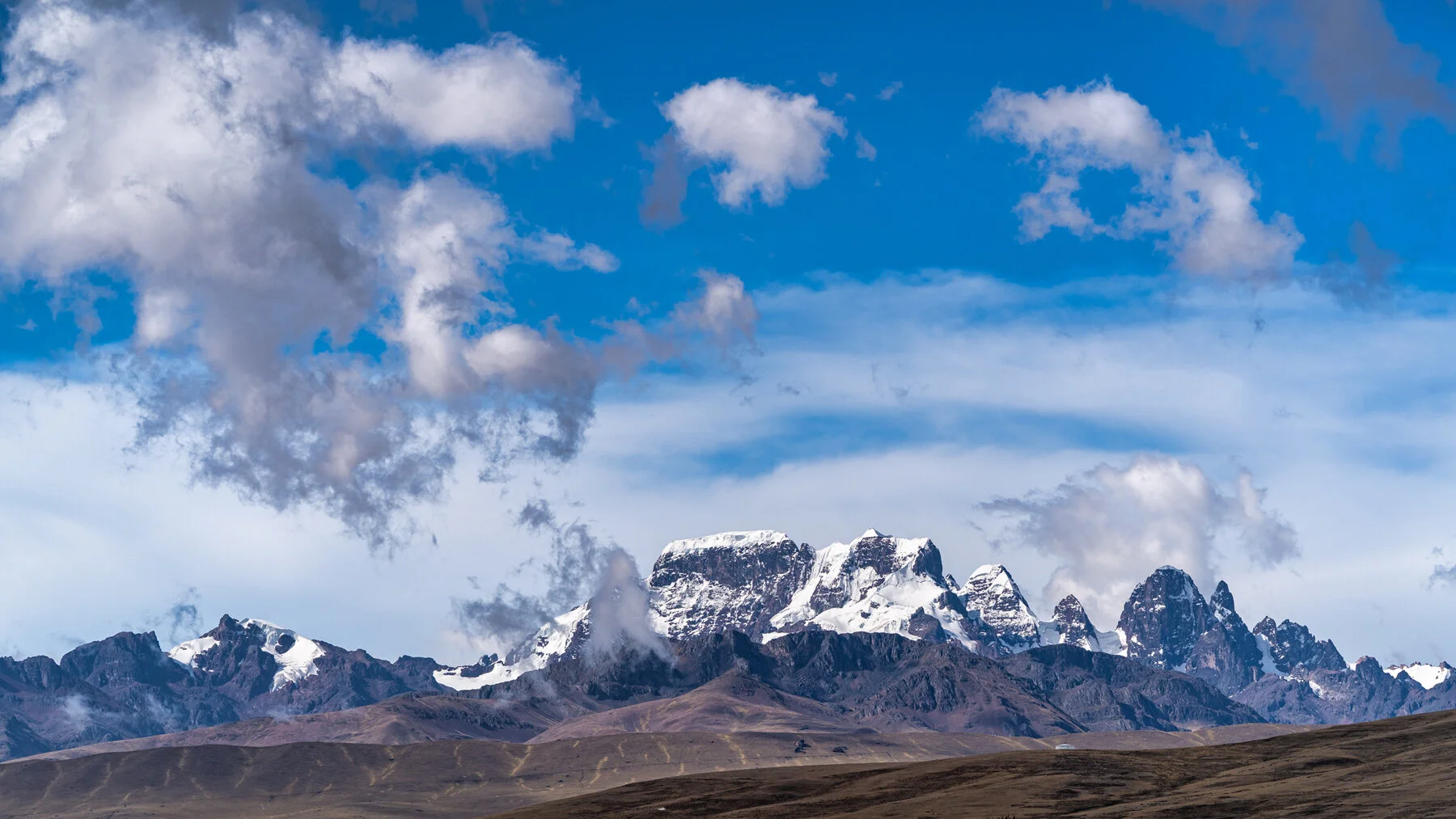
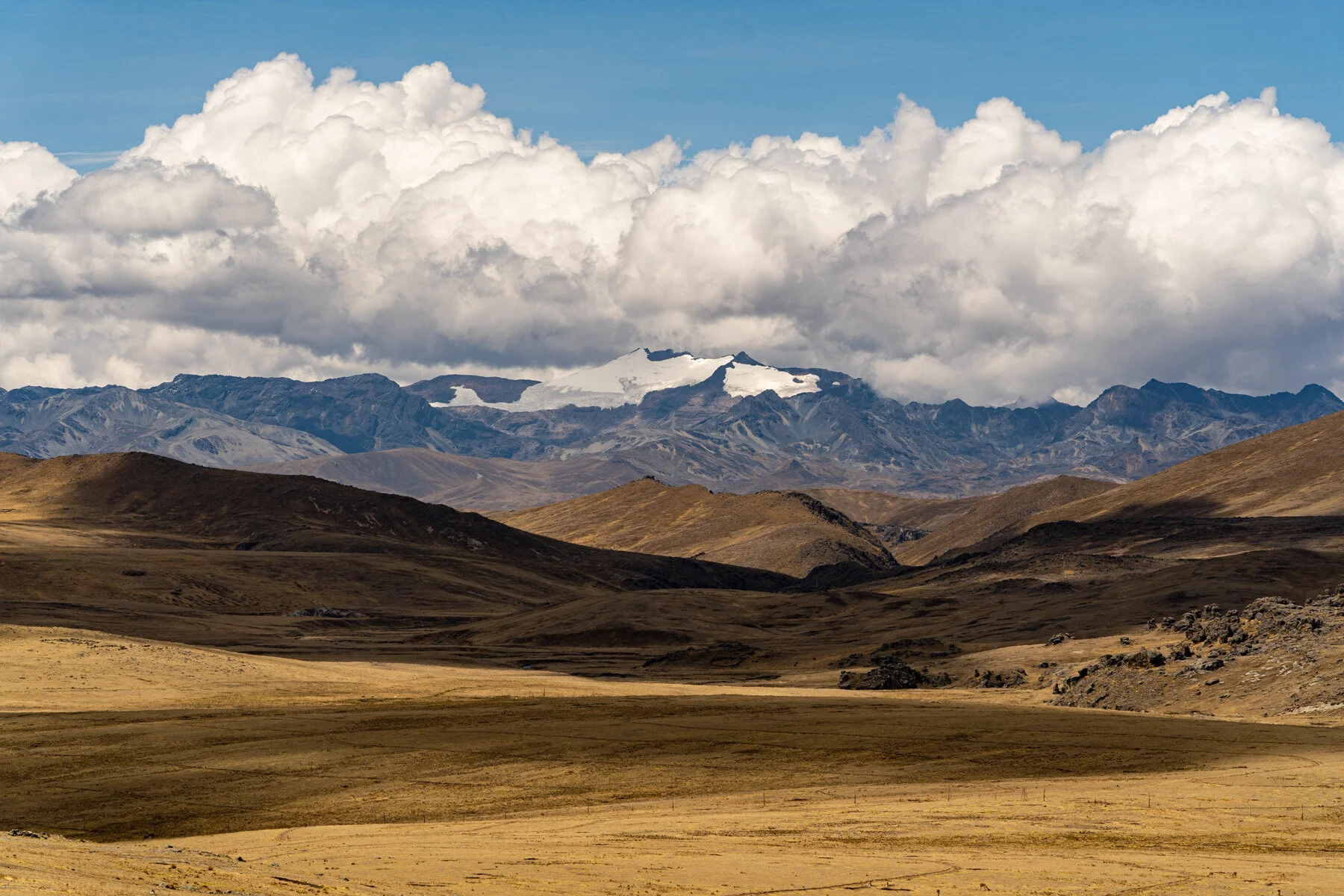
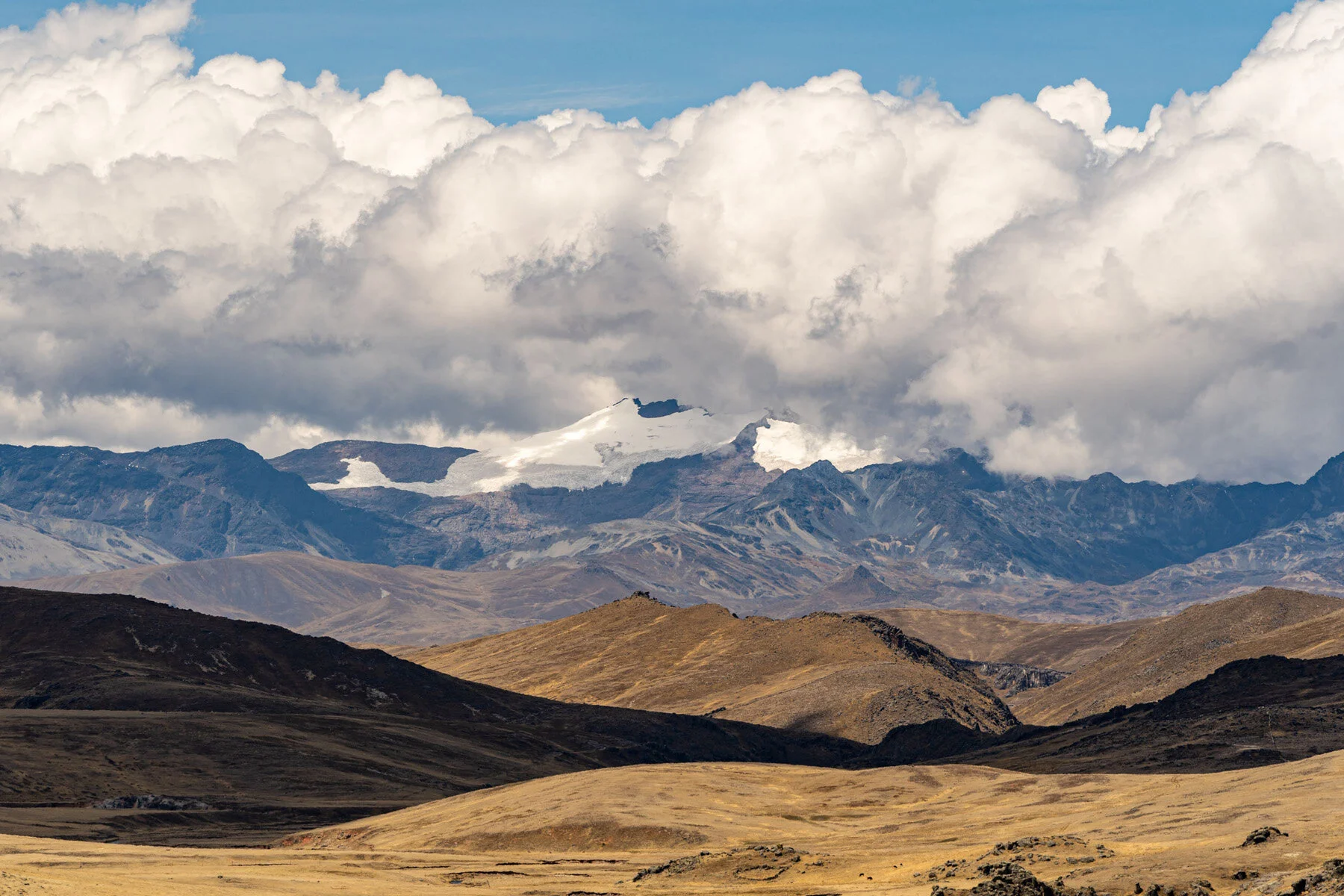
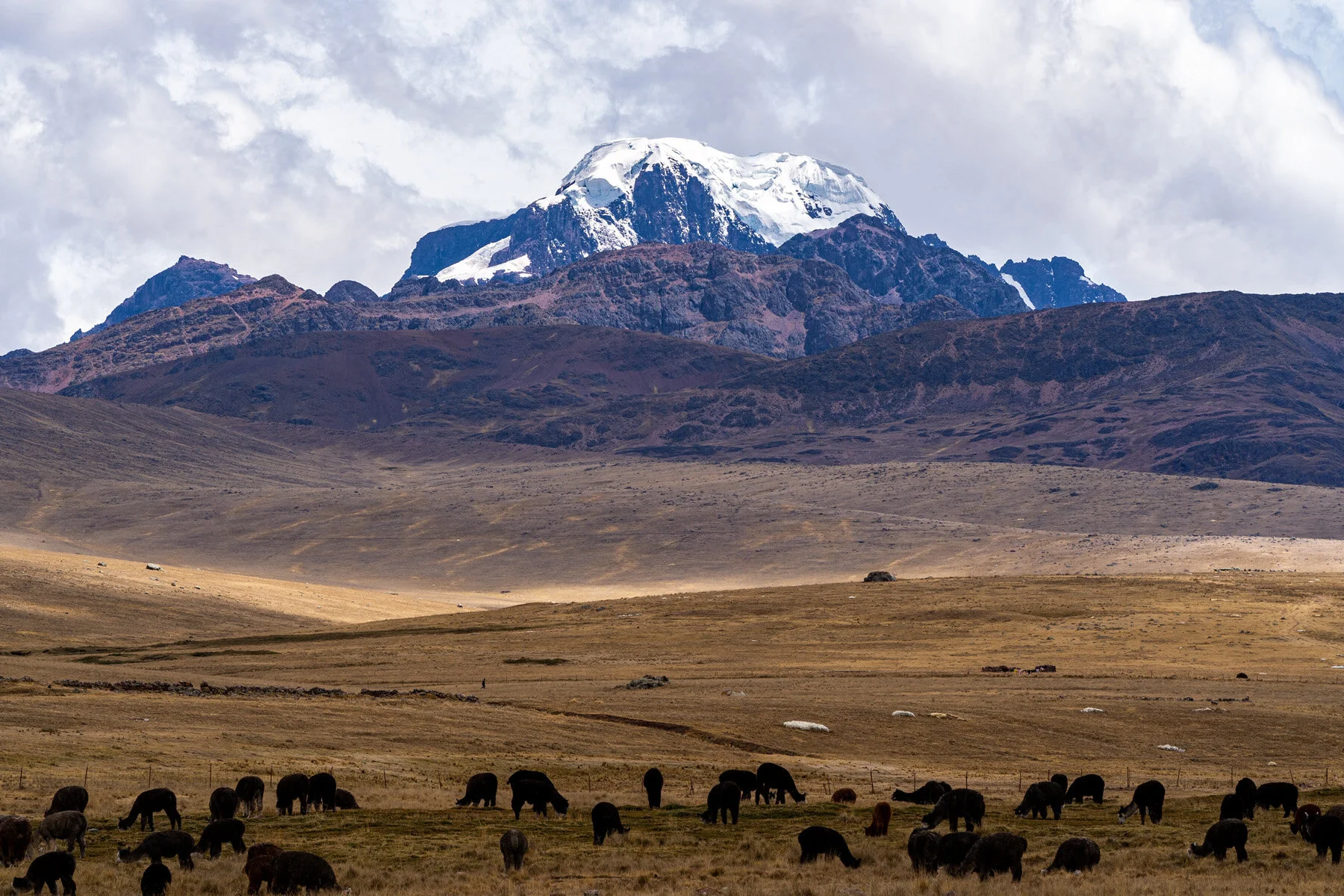
    First of all…the landscape! Oh my god the landscape. Those rolling hills! Those mountains! Those pristine glaciers! Those clouds! Those CLOUDS!

    Andes Mountains Peru Quechua Benefit Pano

    Second of all, I had NOOOOOOOOOO idea there were so much nuance to alapaca! And I certainly didn’t know anything about the business surrounding them; varities, names, breeds, fibers, microns, co-ops, huh? Yeah!

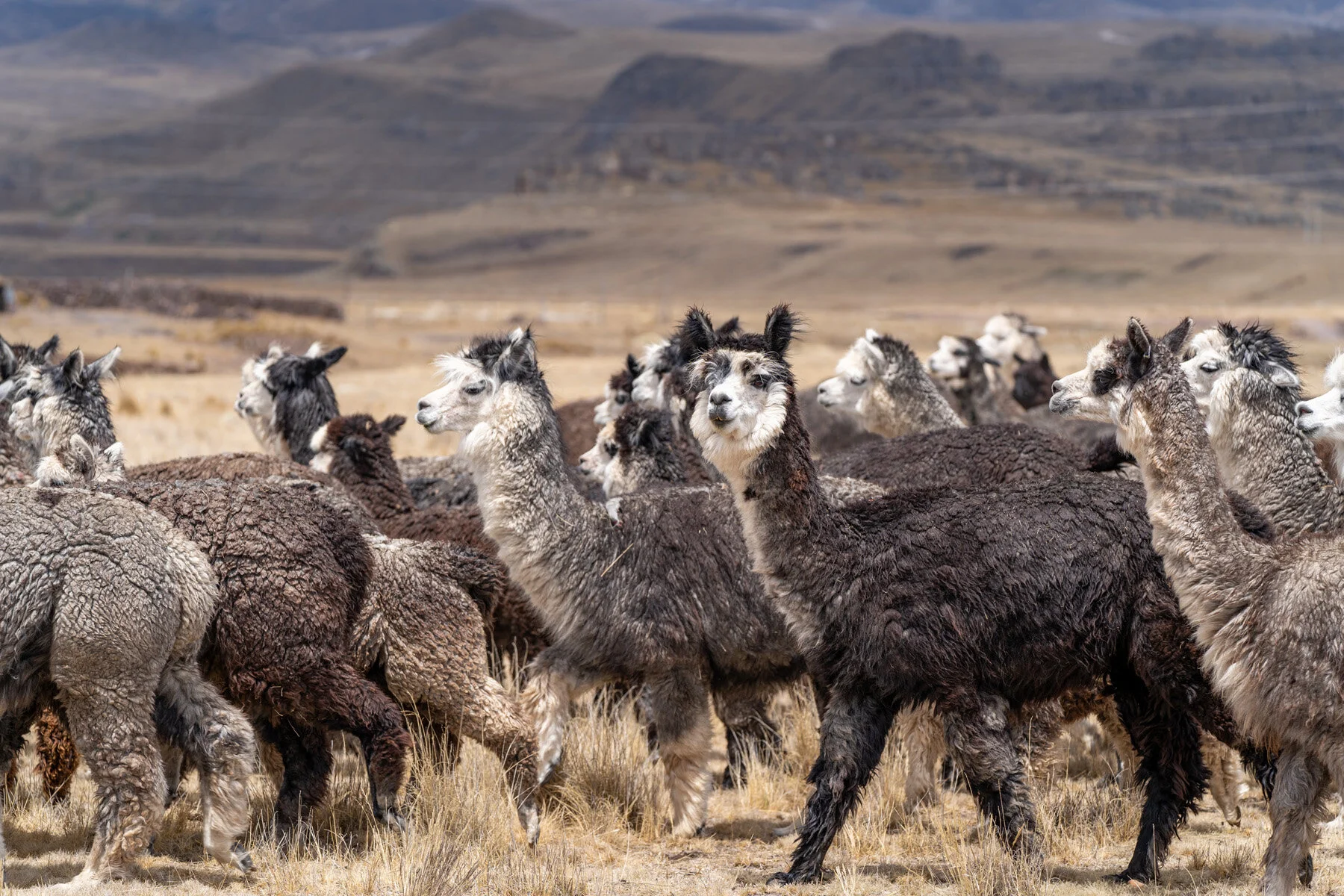
    Being as how this was the ‘mecca’ of alpaca production, while the group nerded out over breeds and suris and fibers and huacayas and microns and crea and mostly undecipherable fleece-geek chitter chatter, I was just finding myself indubitably grateful to be in a position to soak it all in and document it.

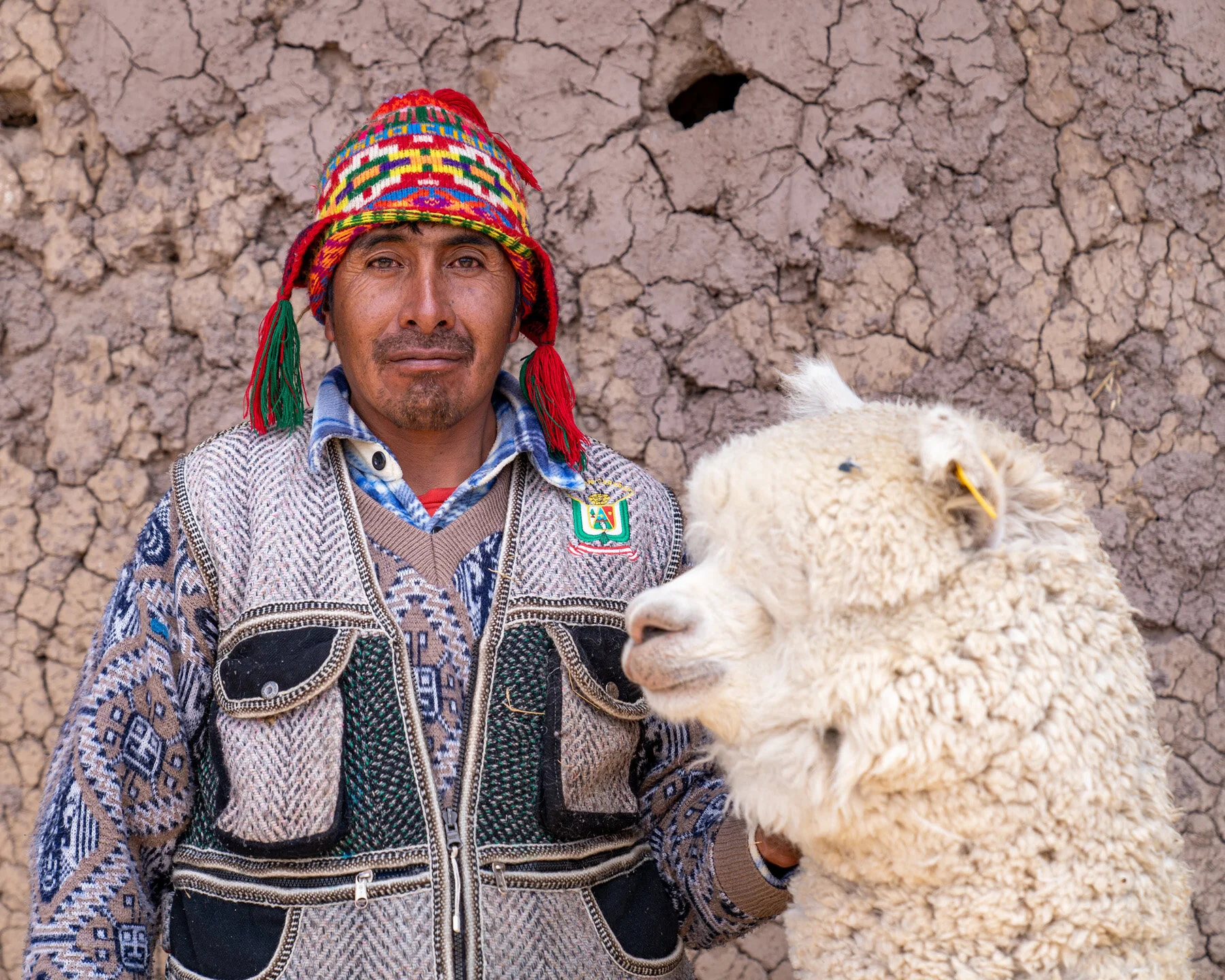
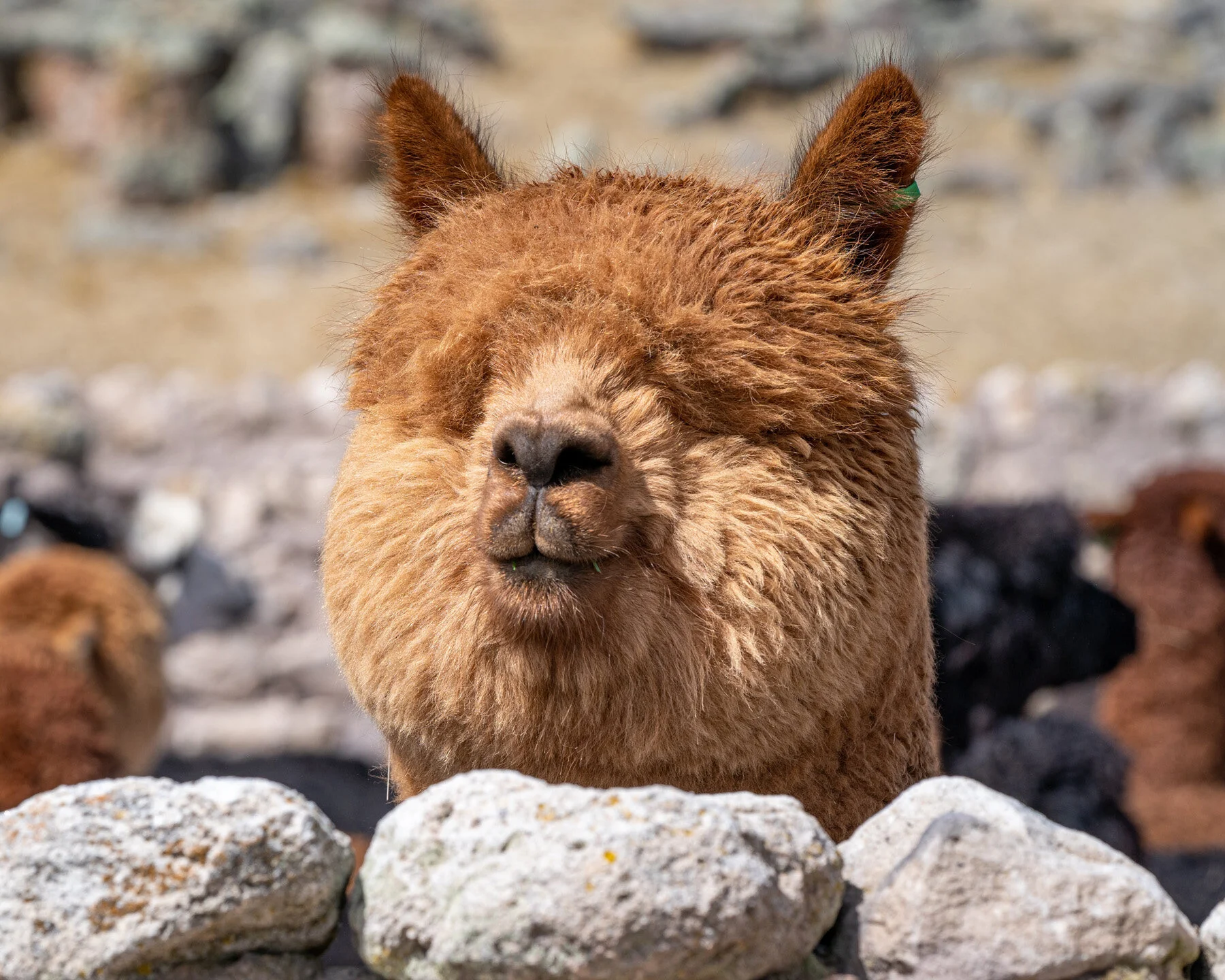
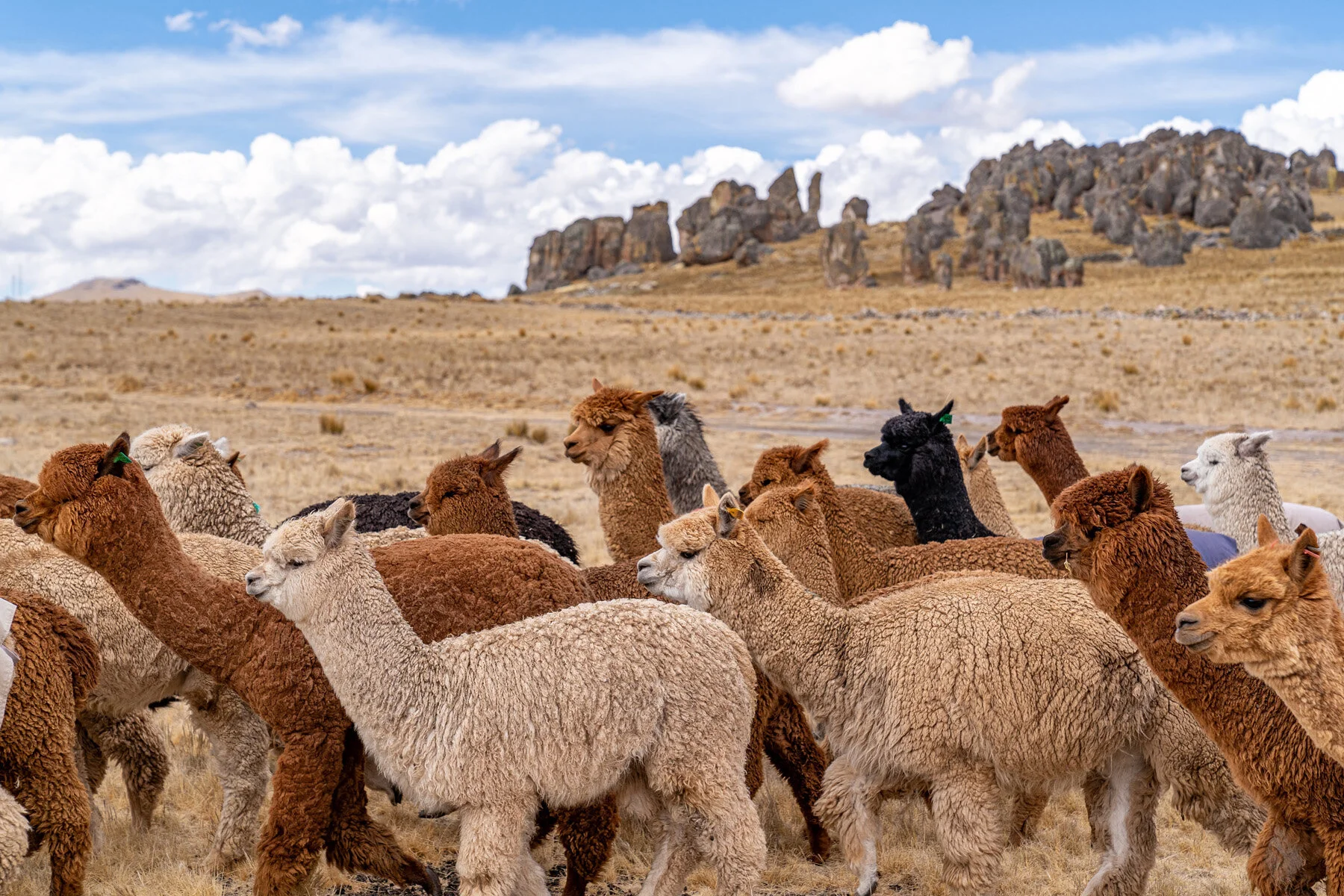
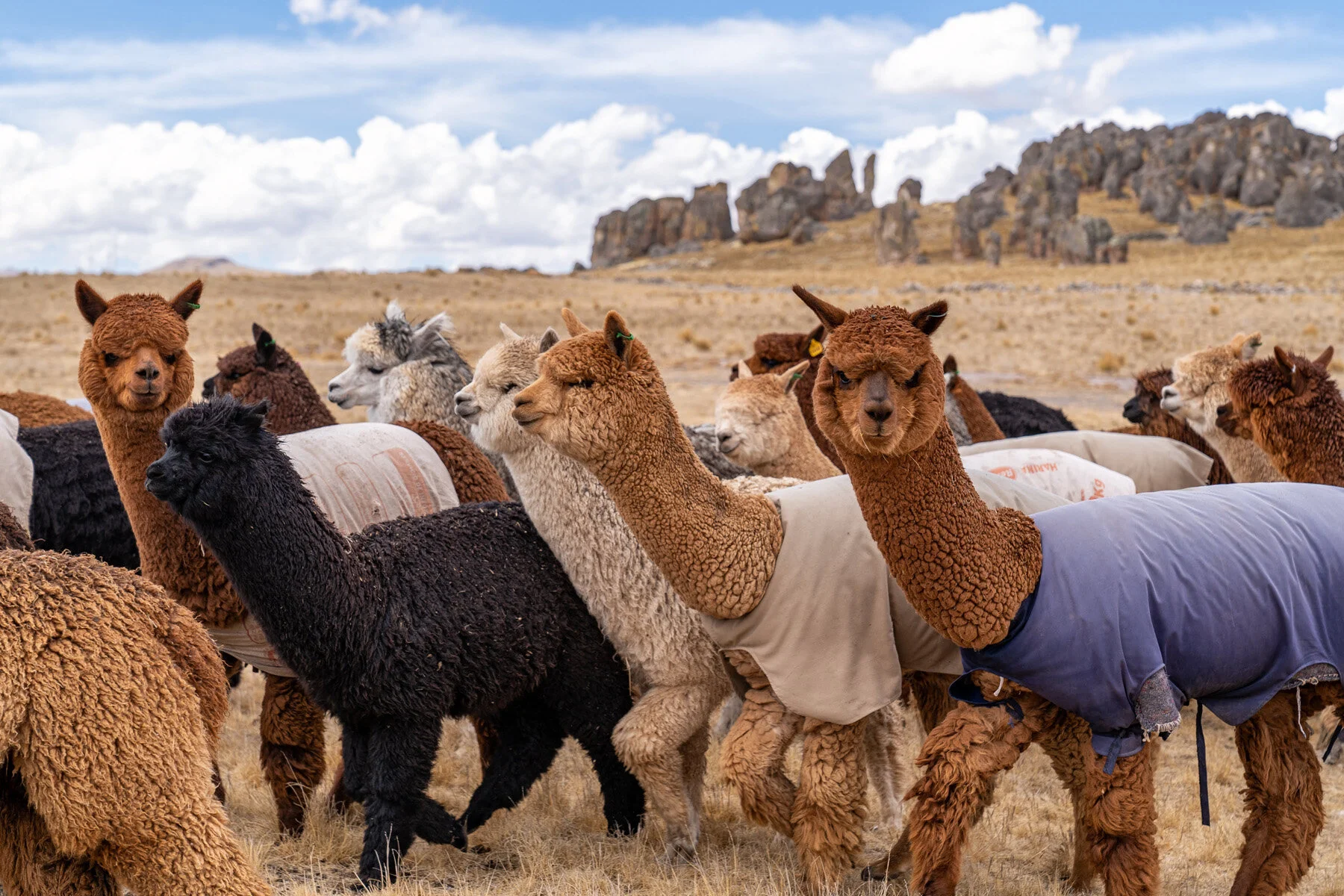
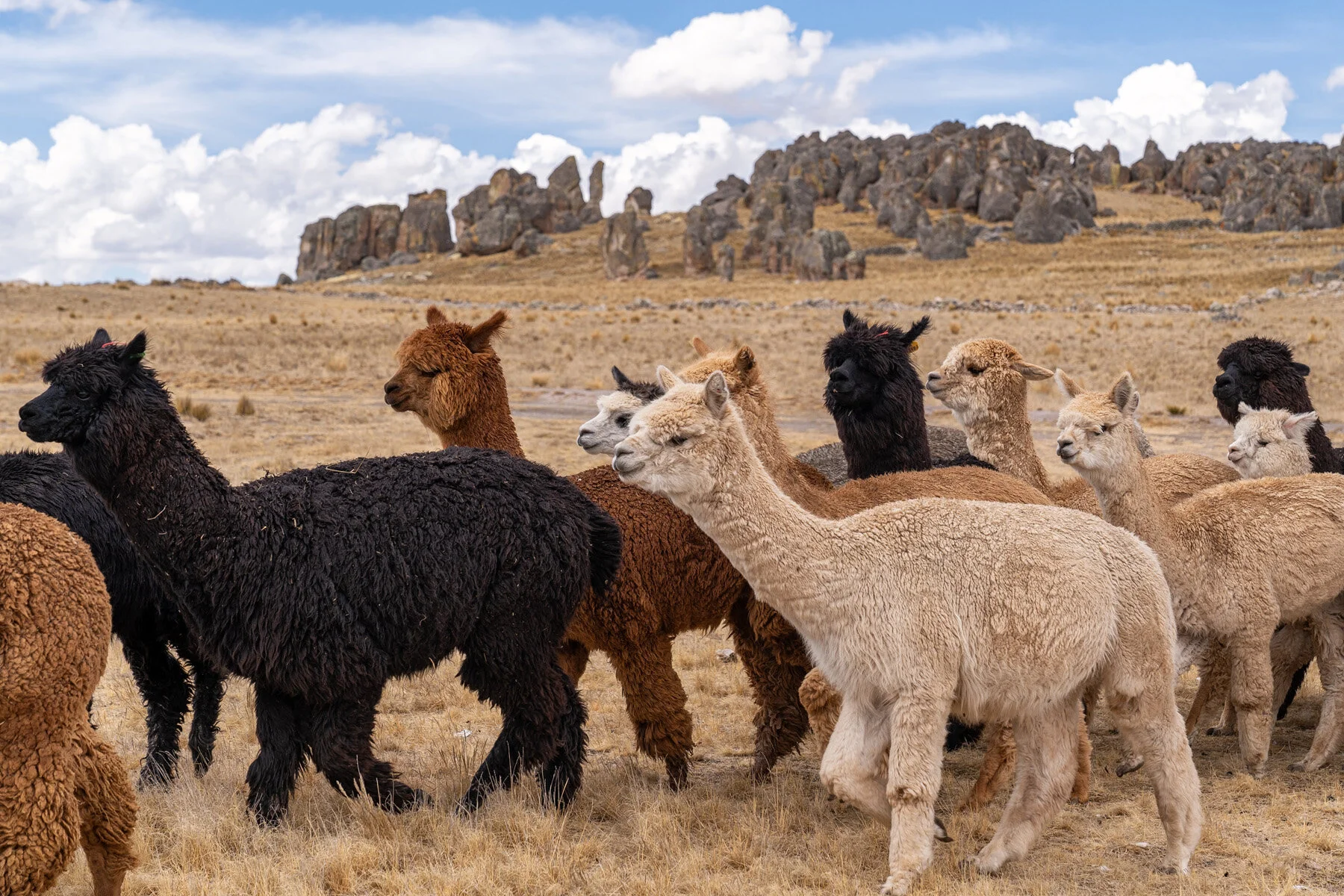
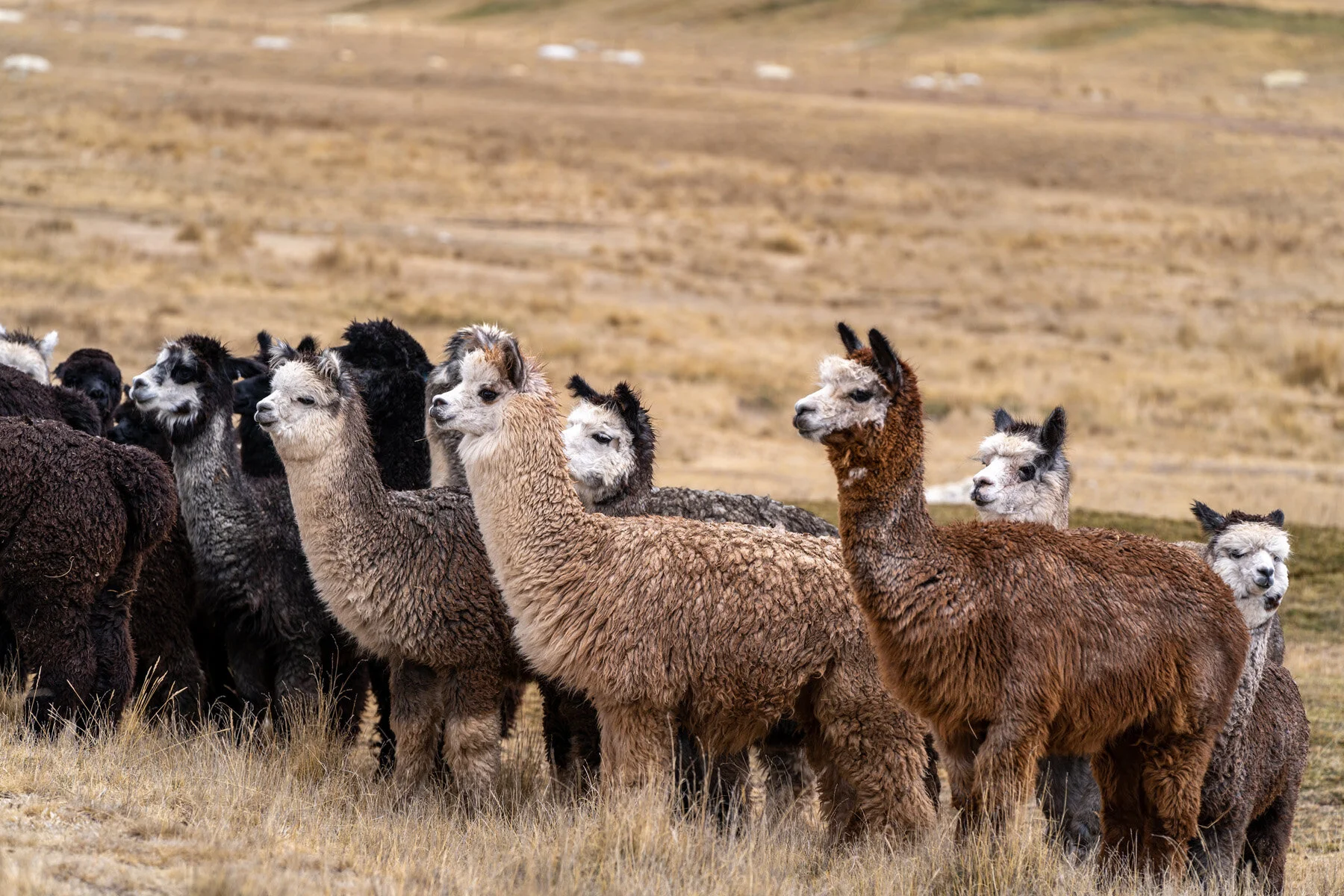
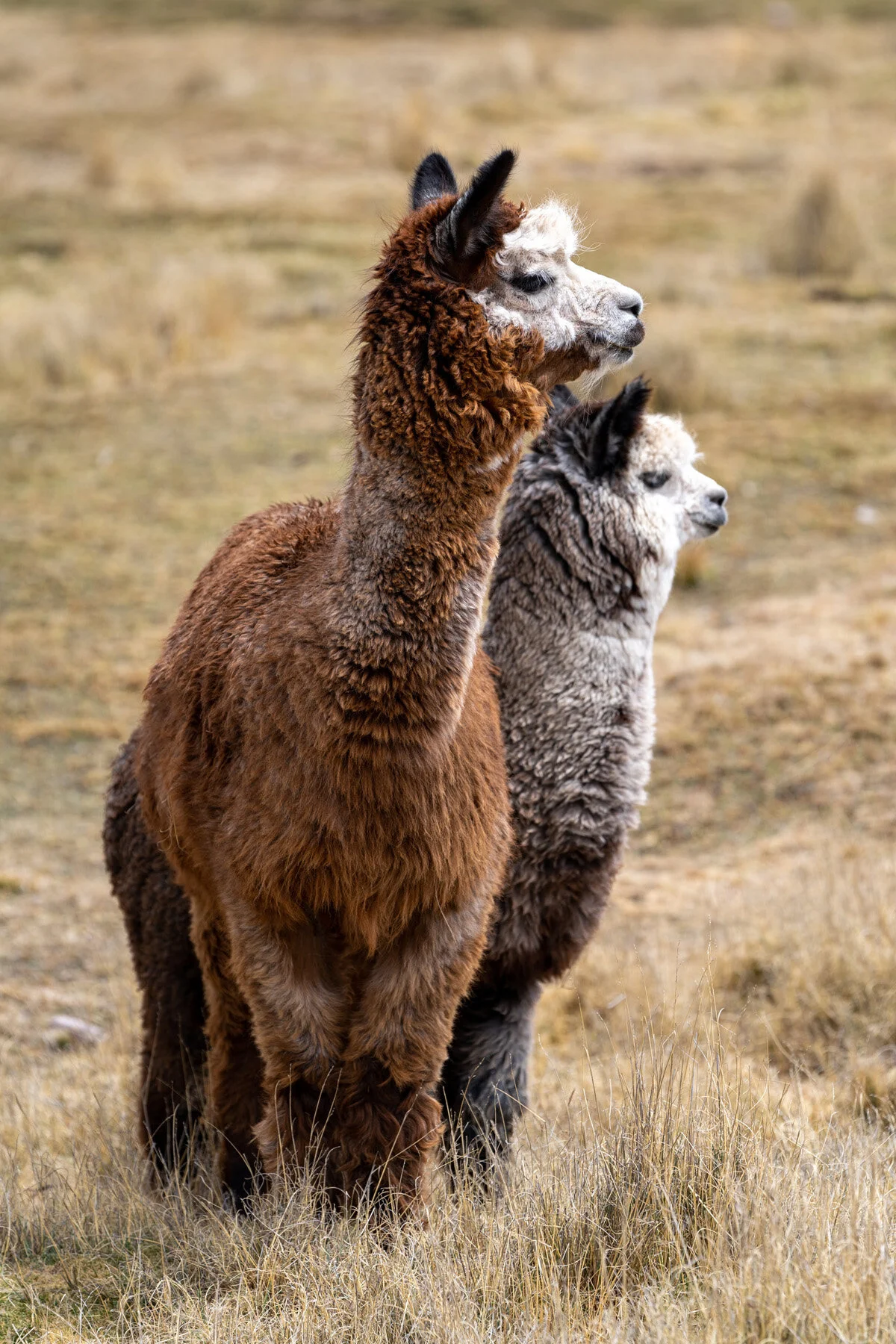
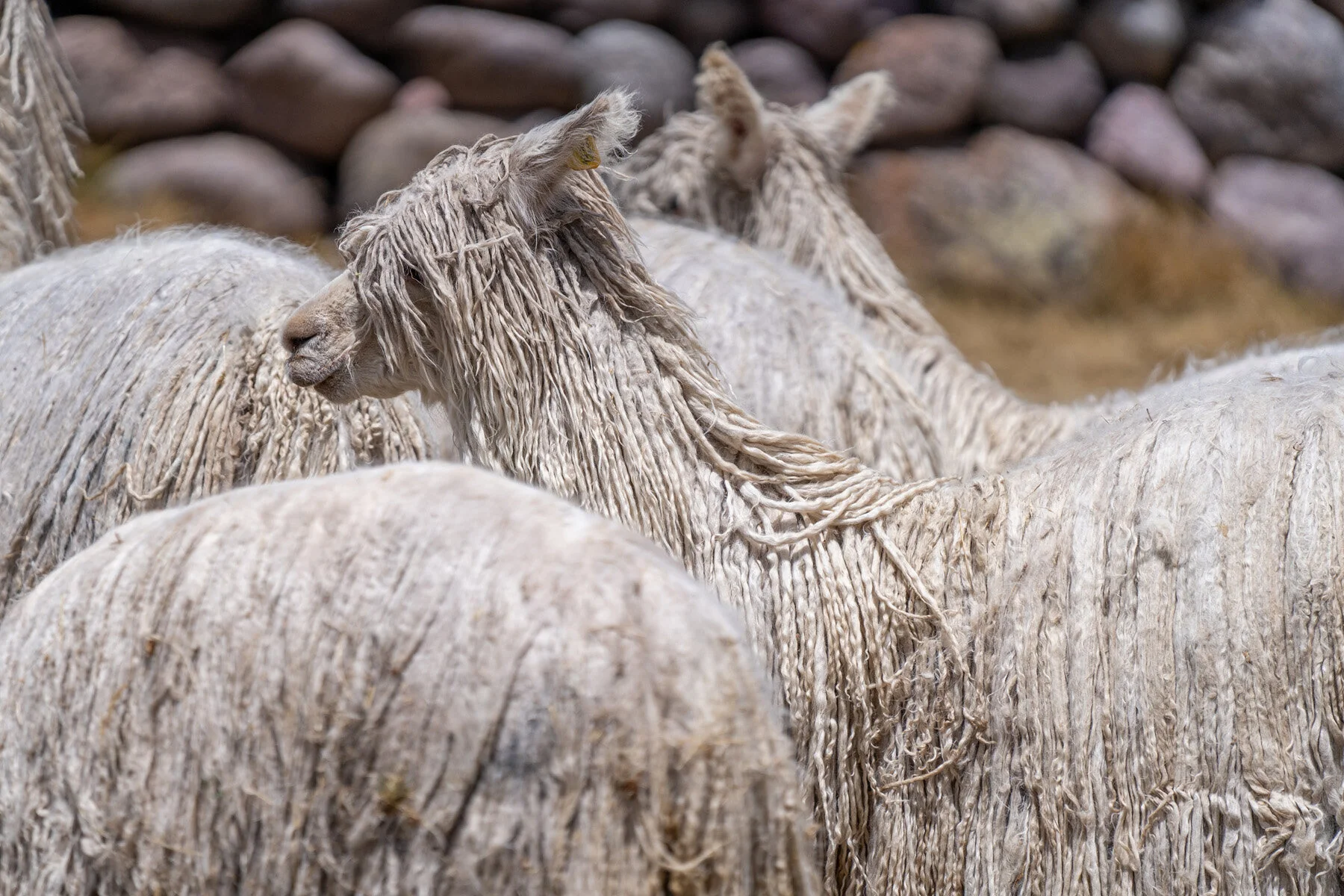
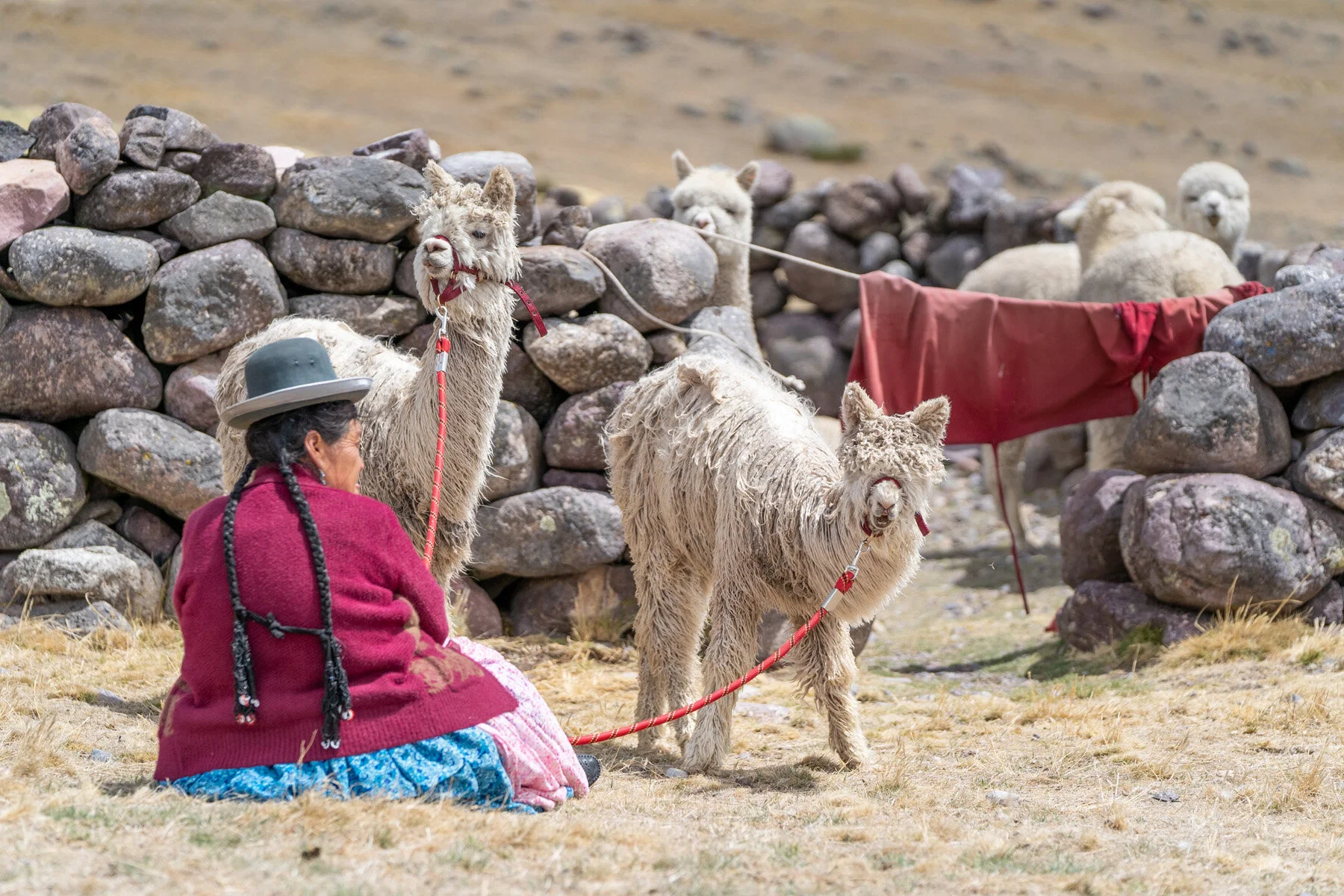
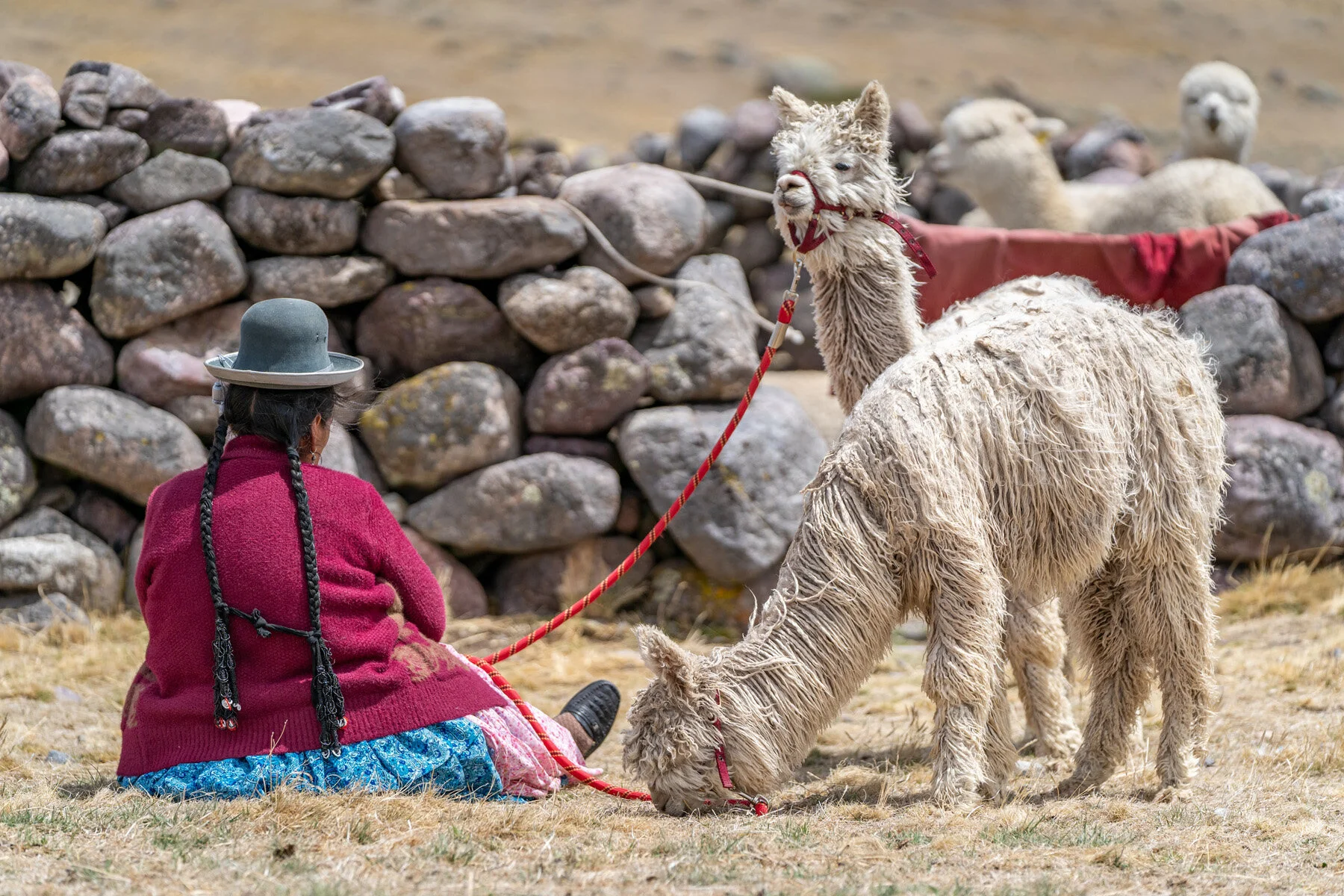
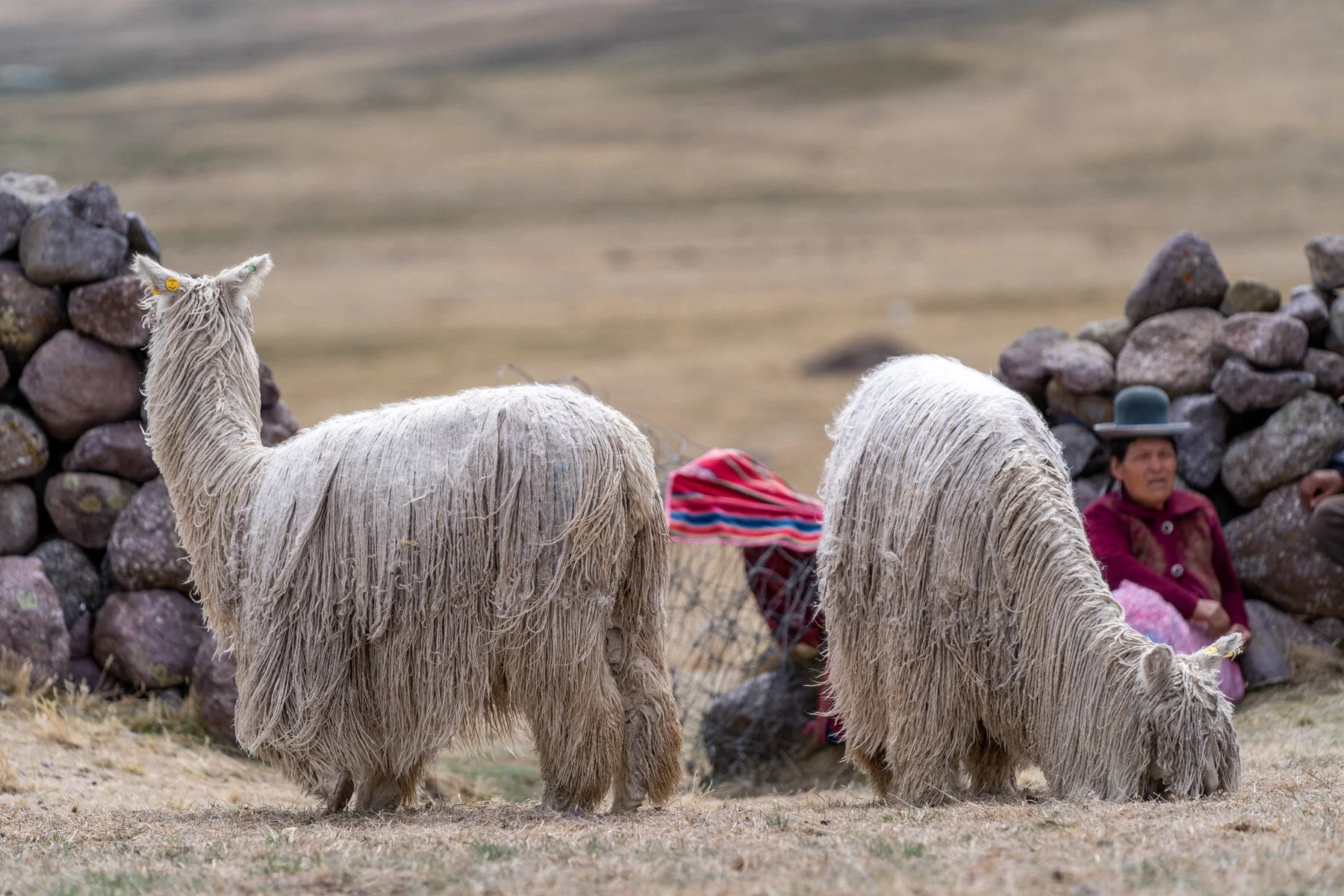
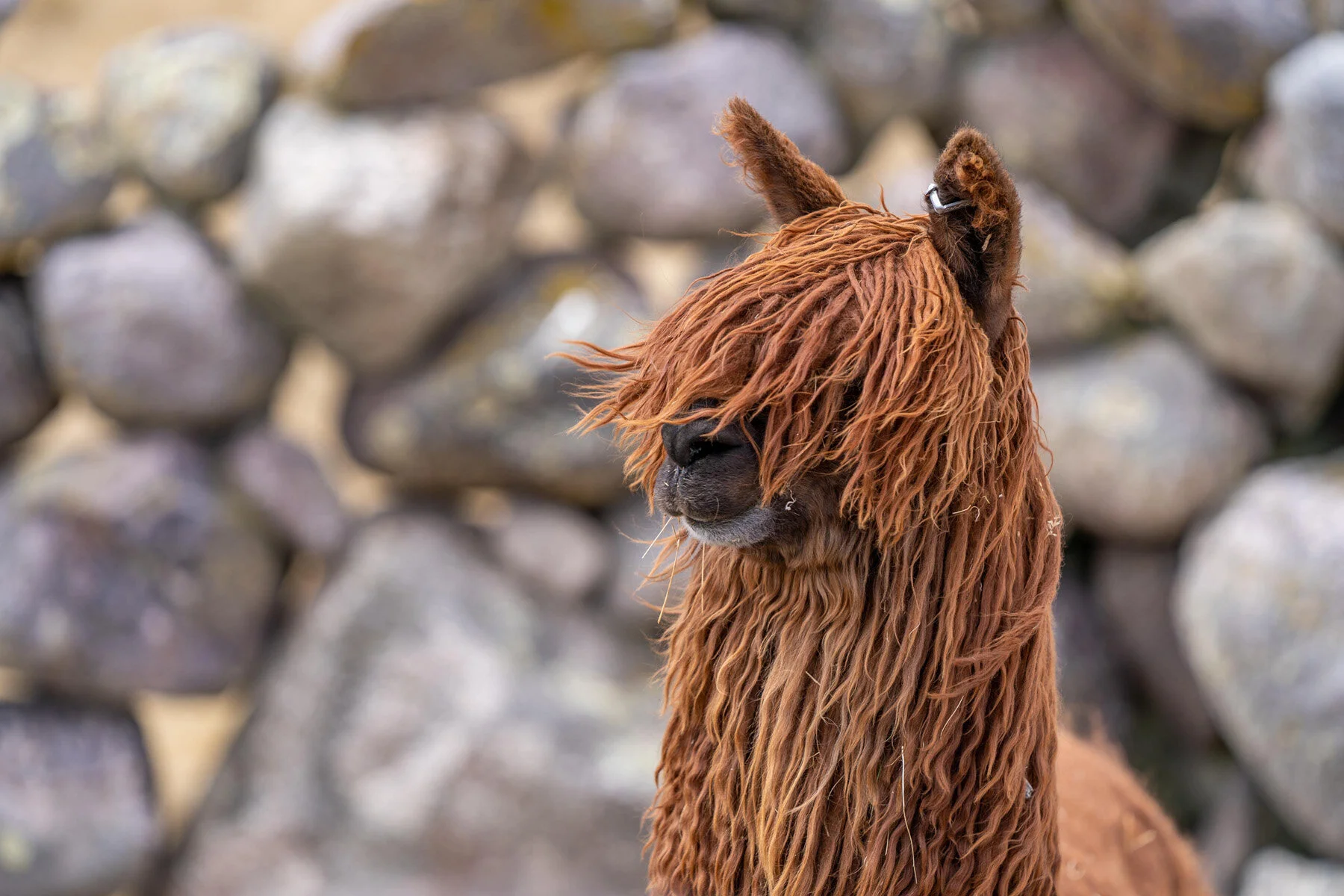
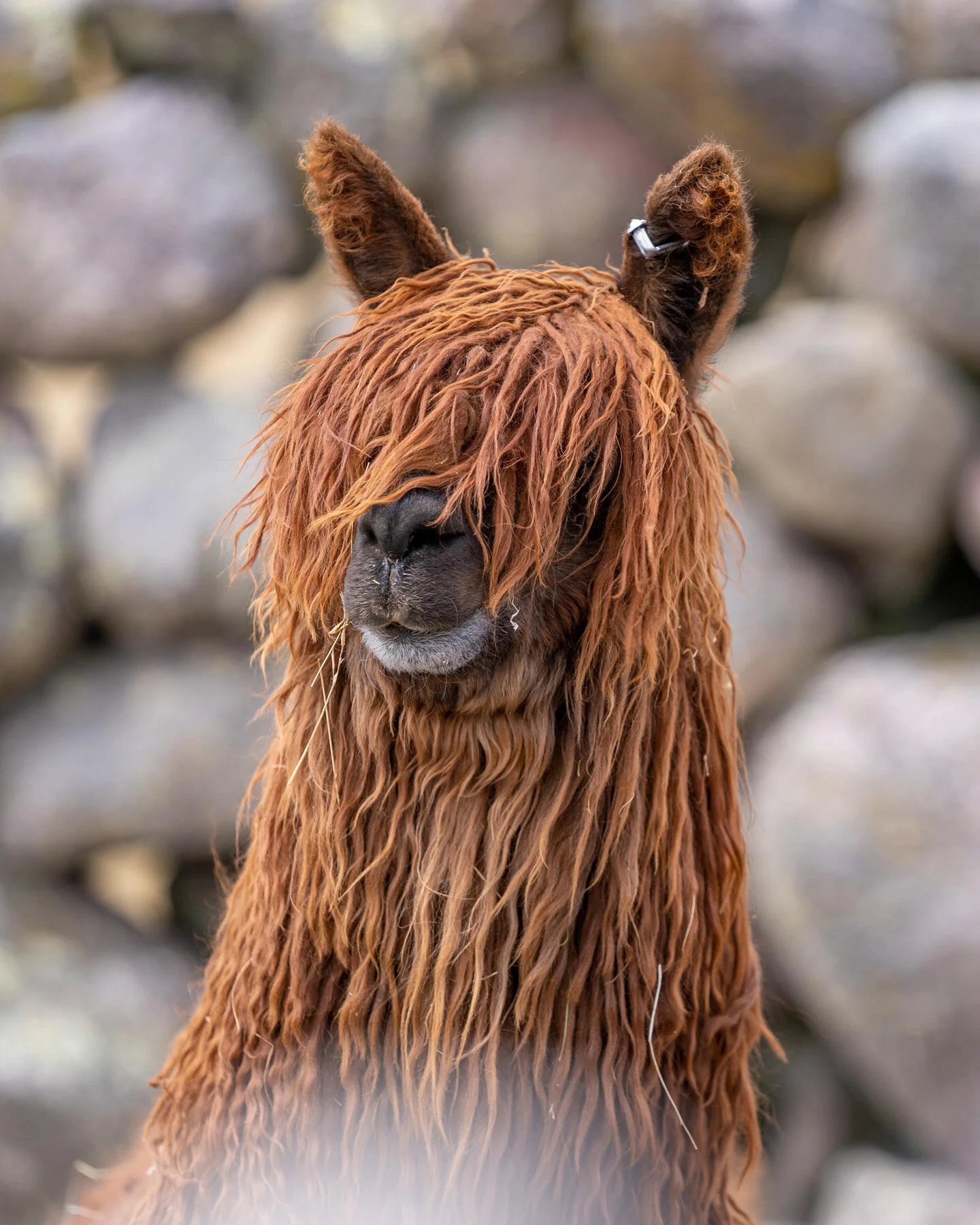
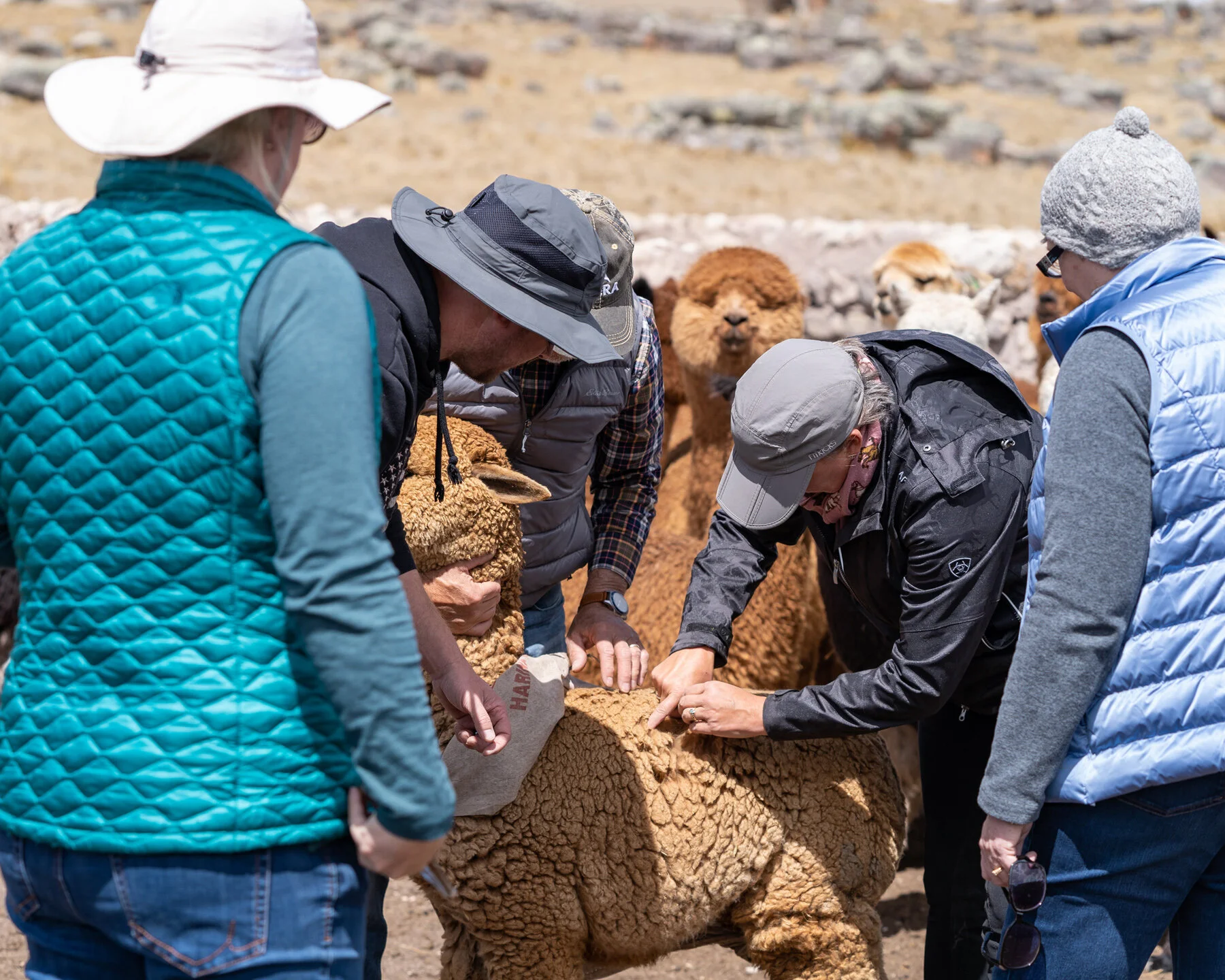
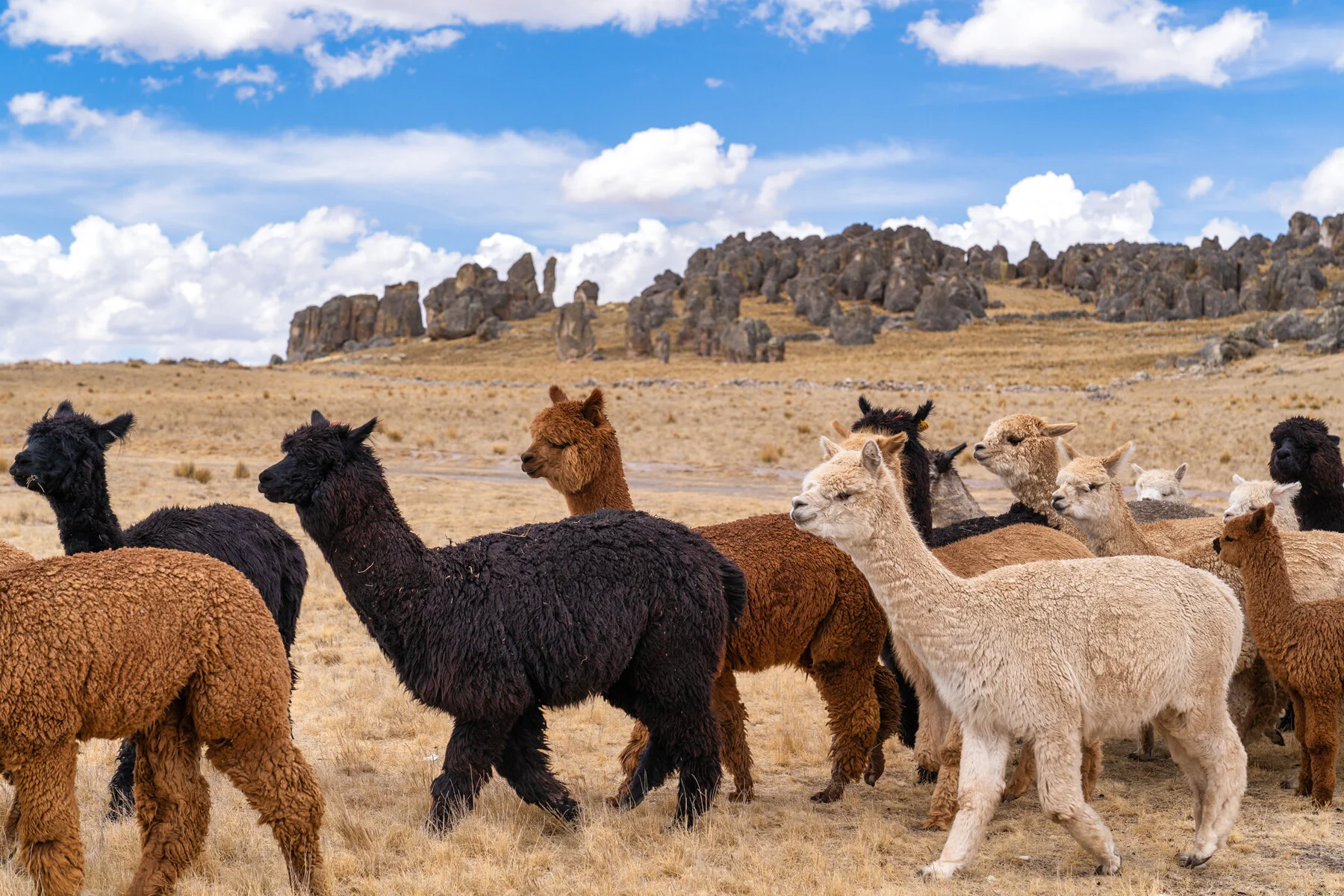
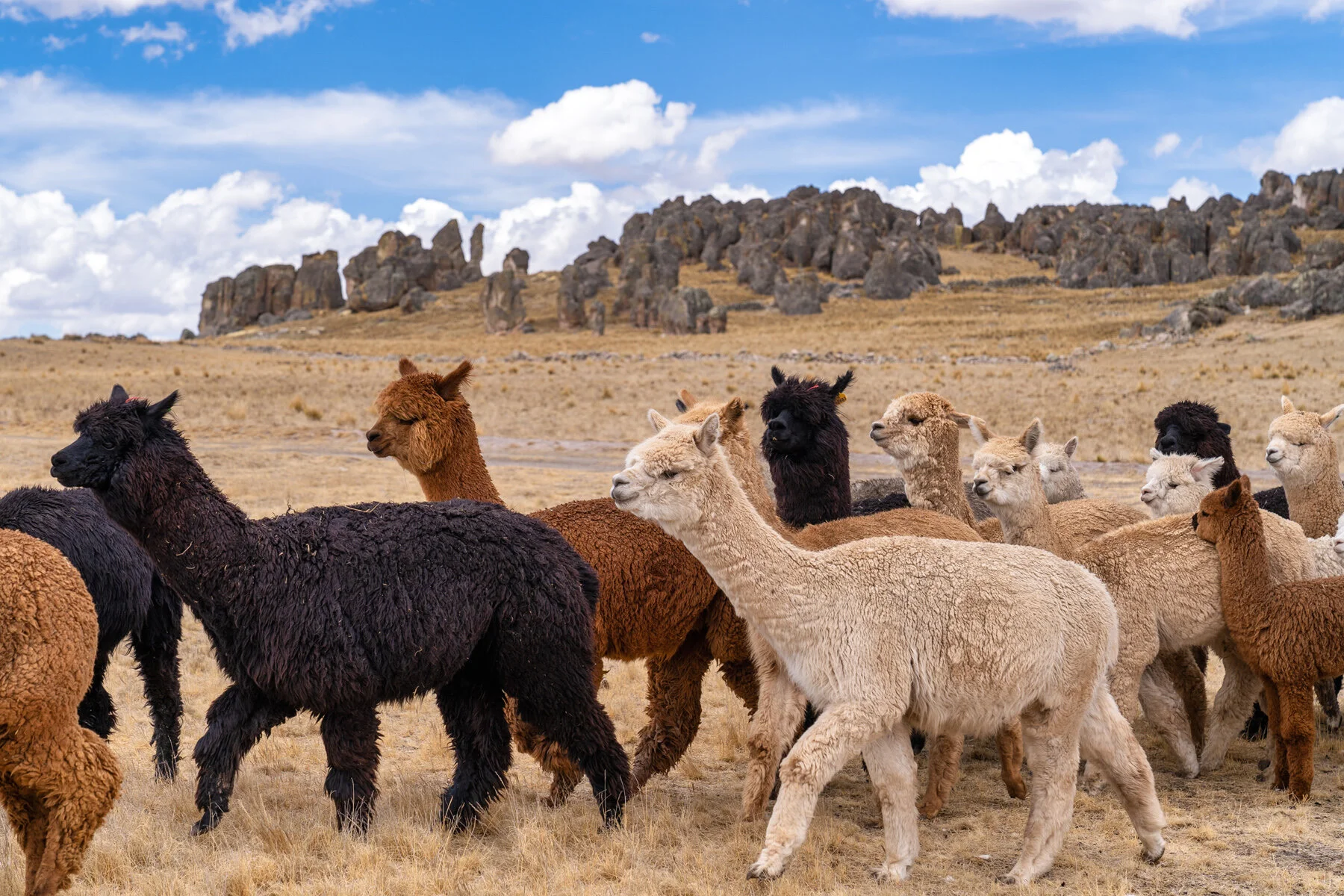
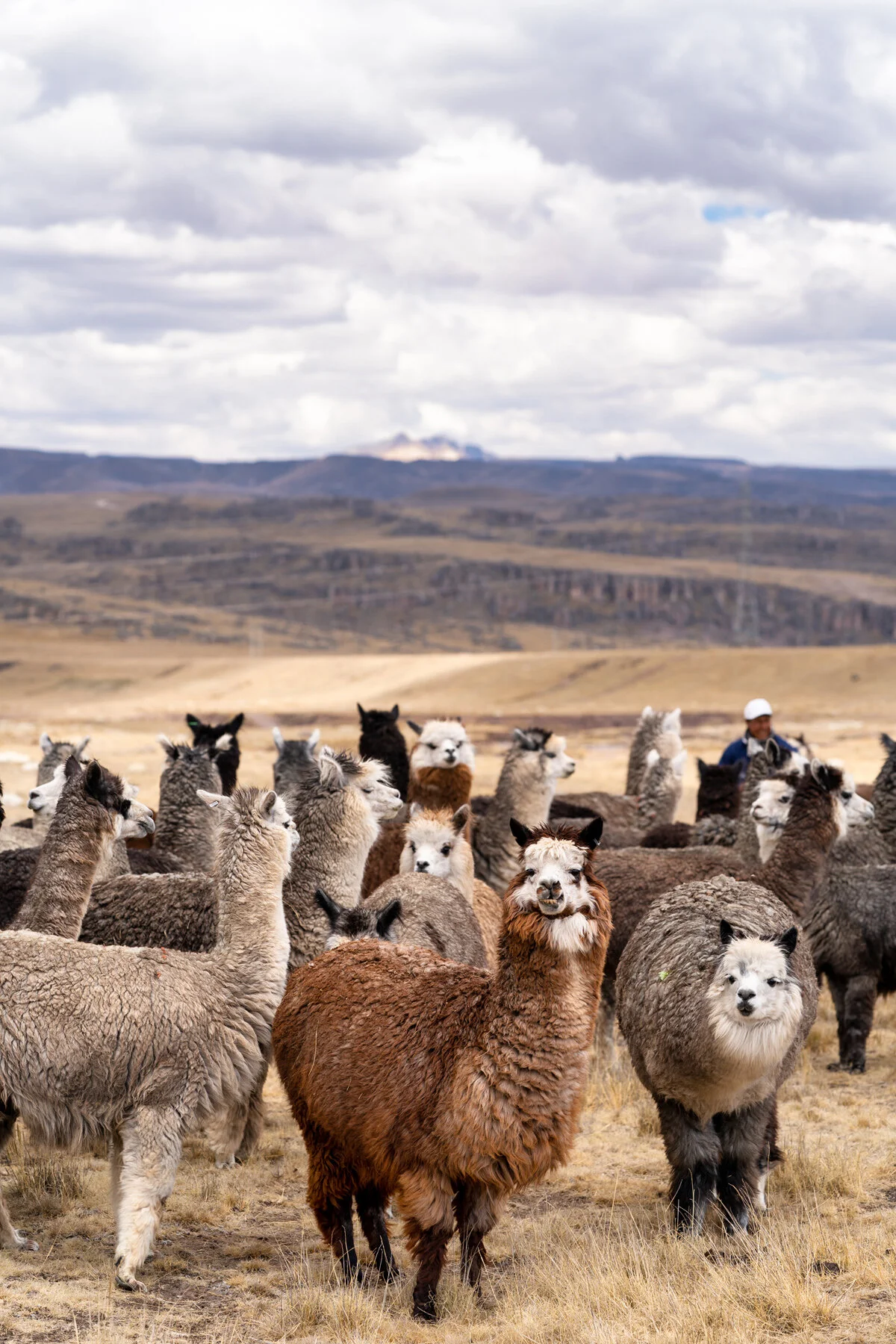
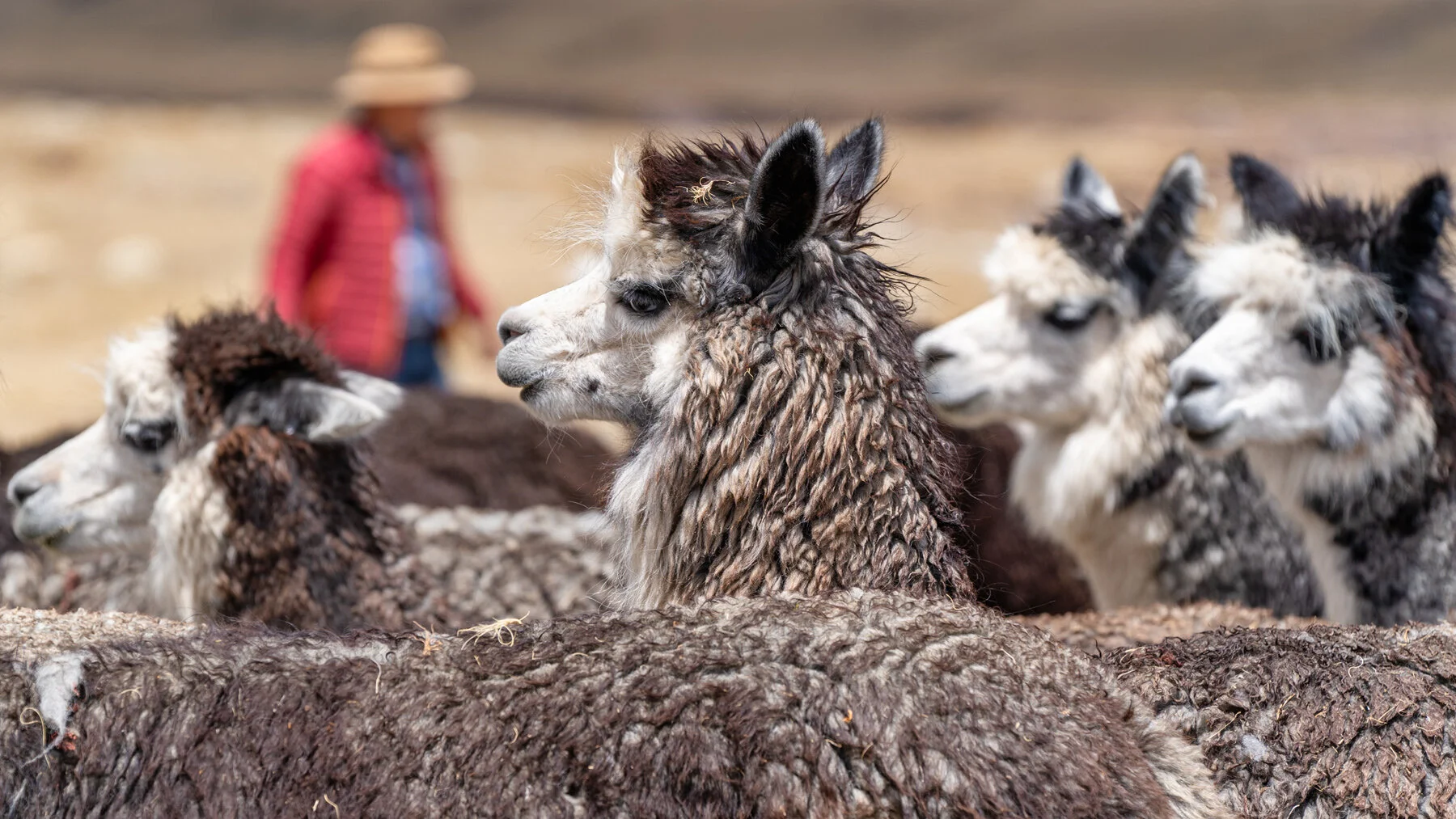
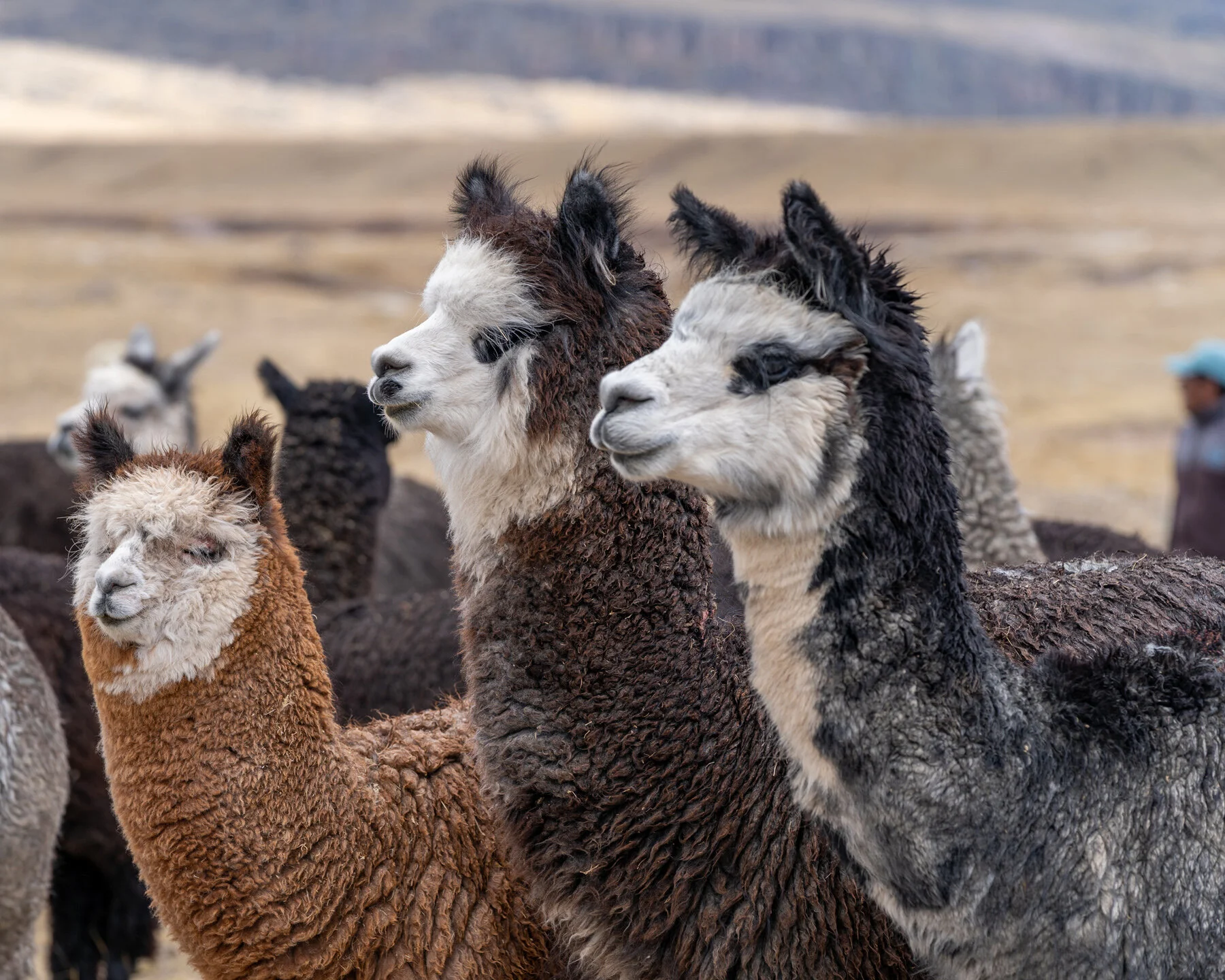
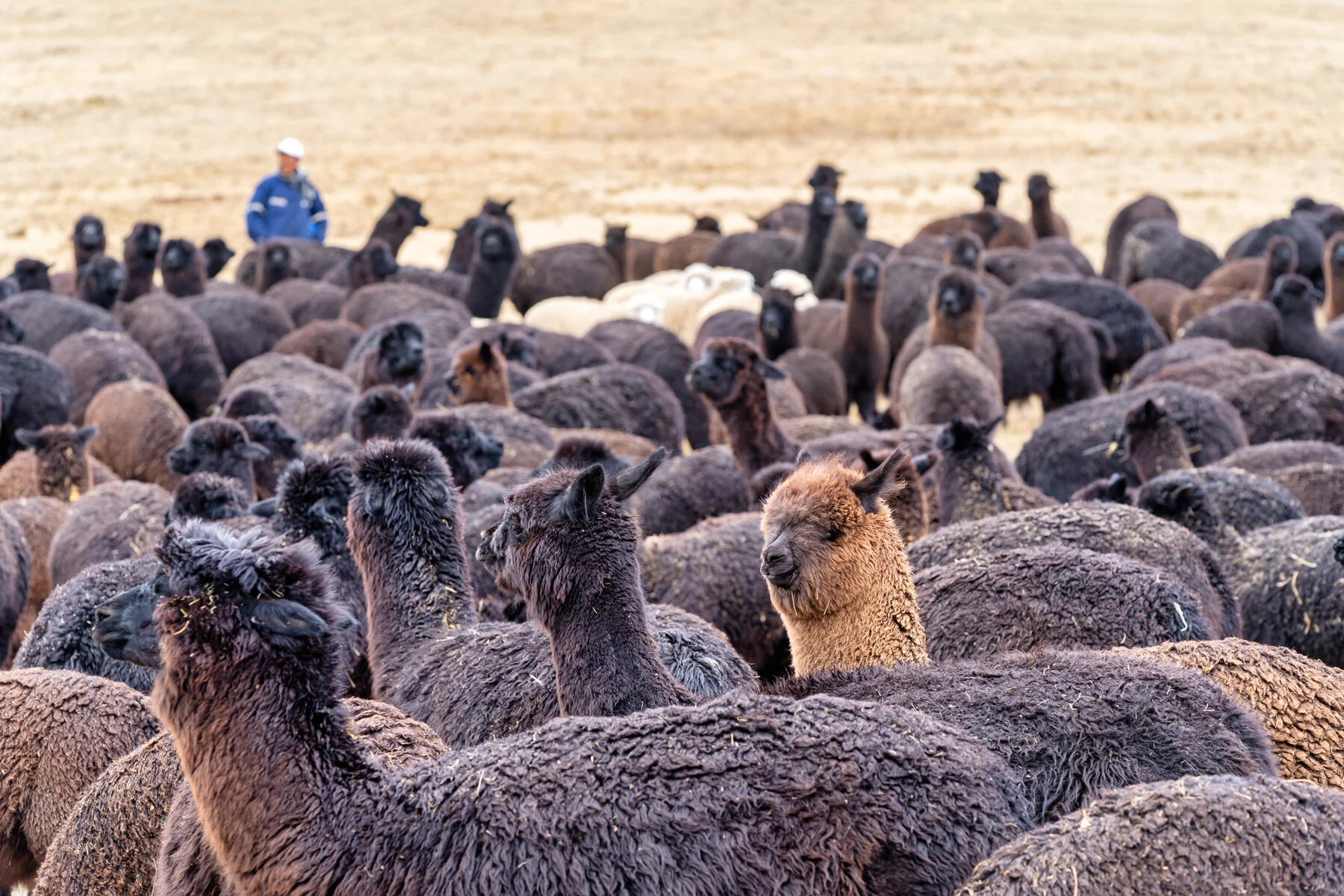
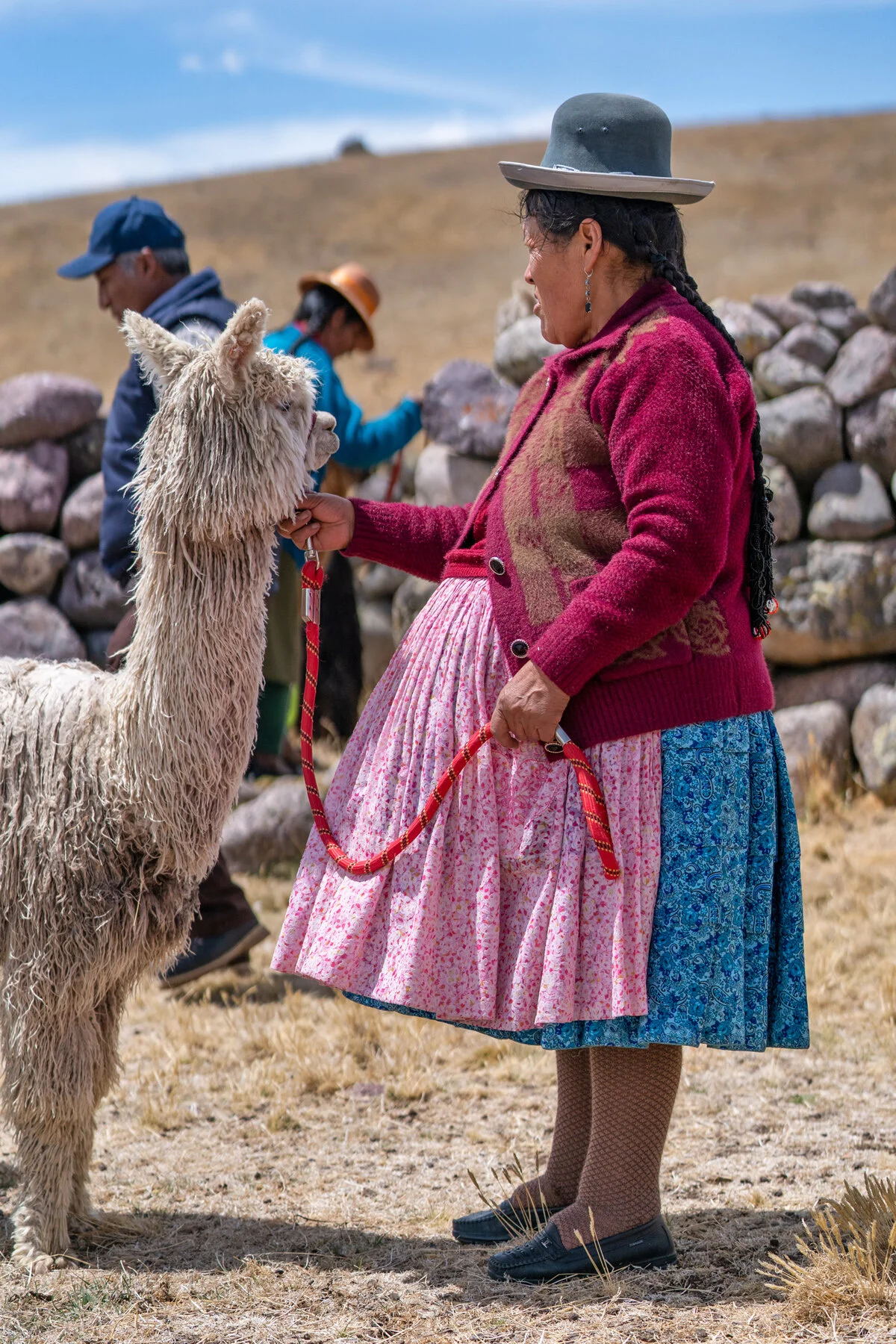
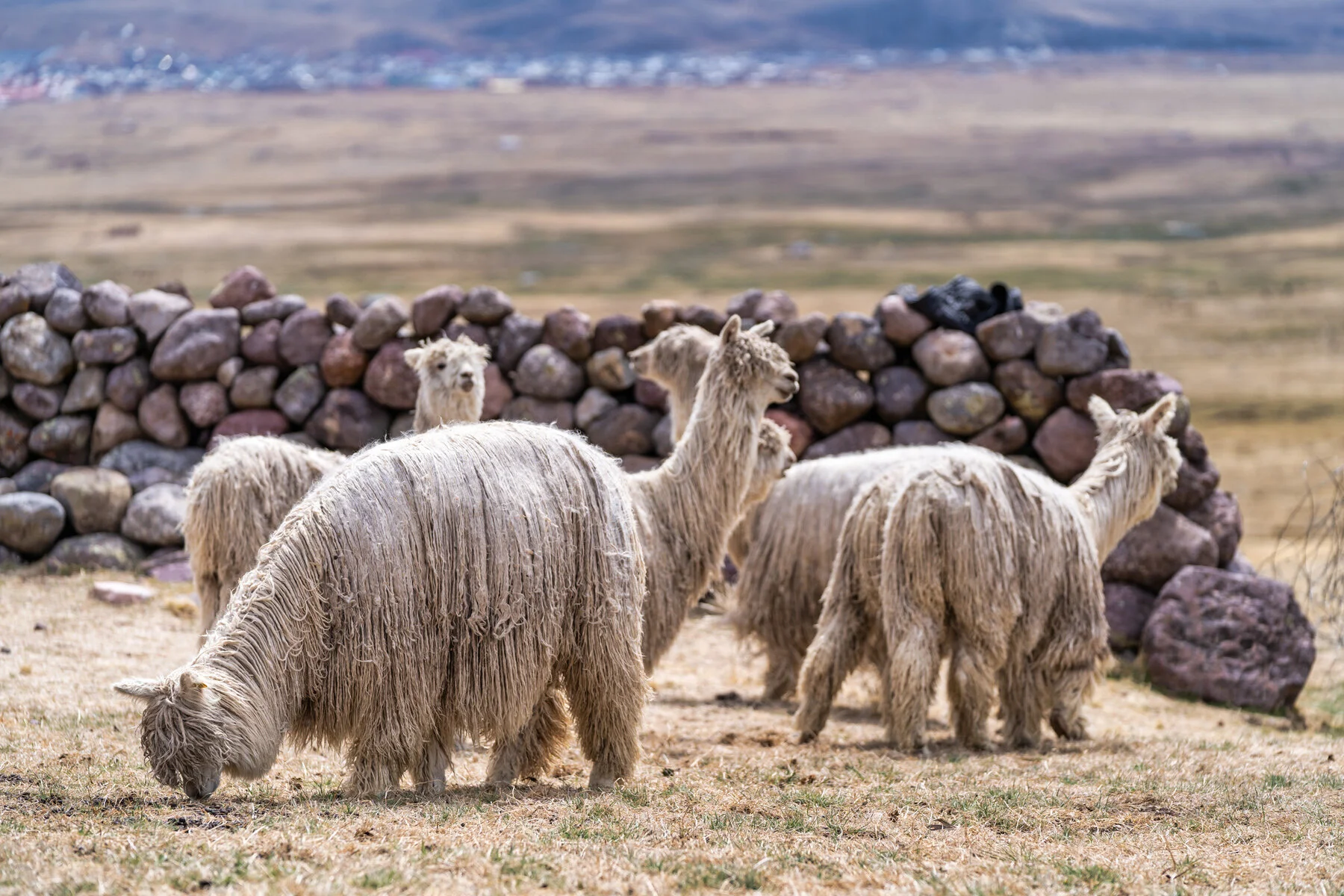
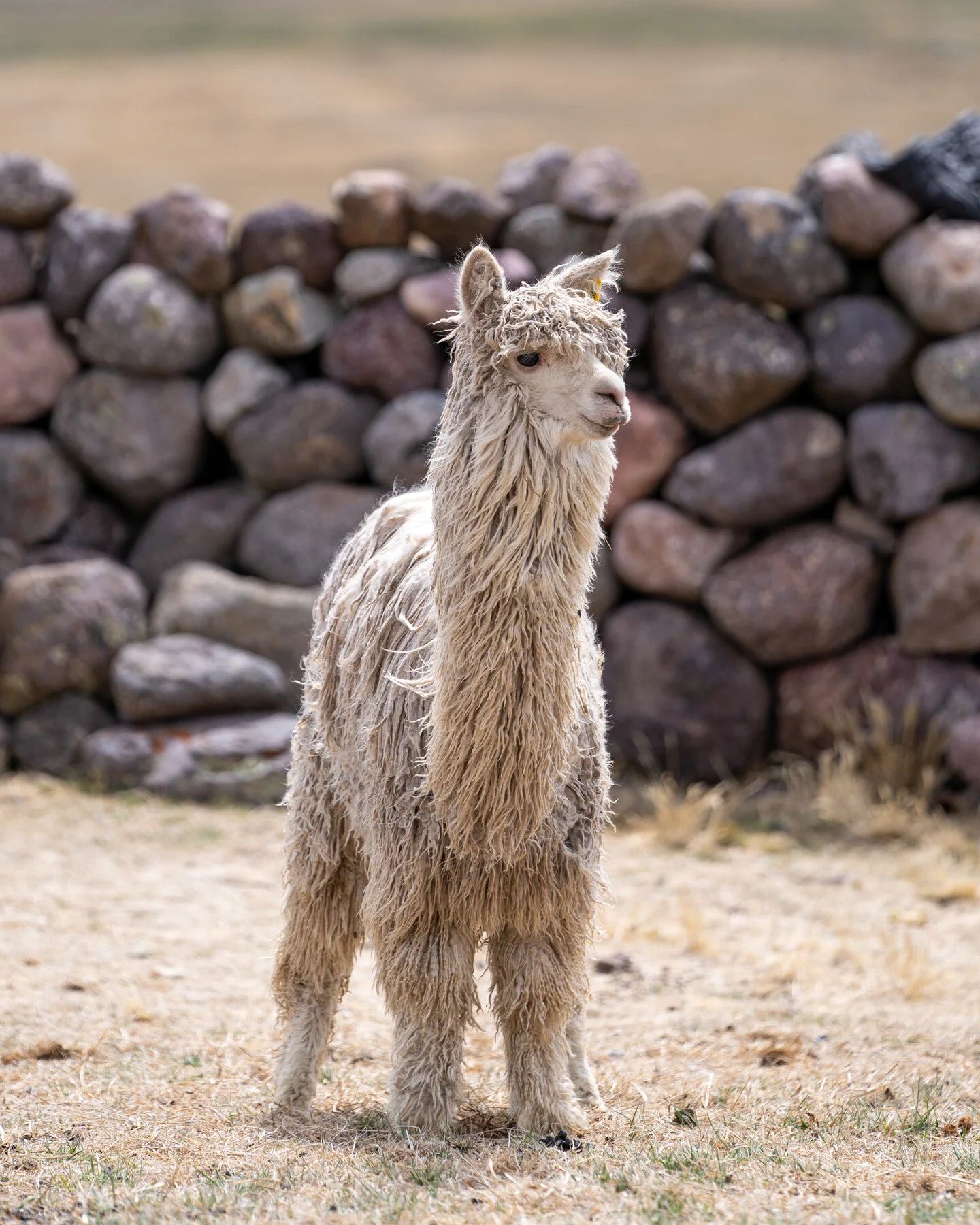
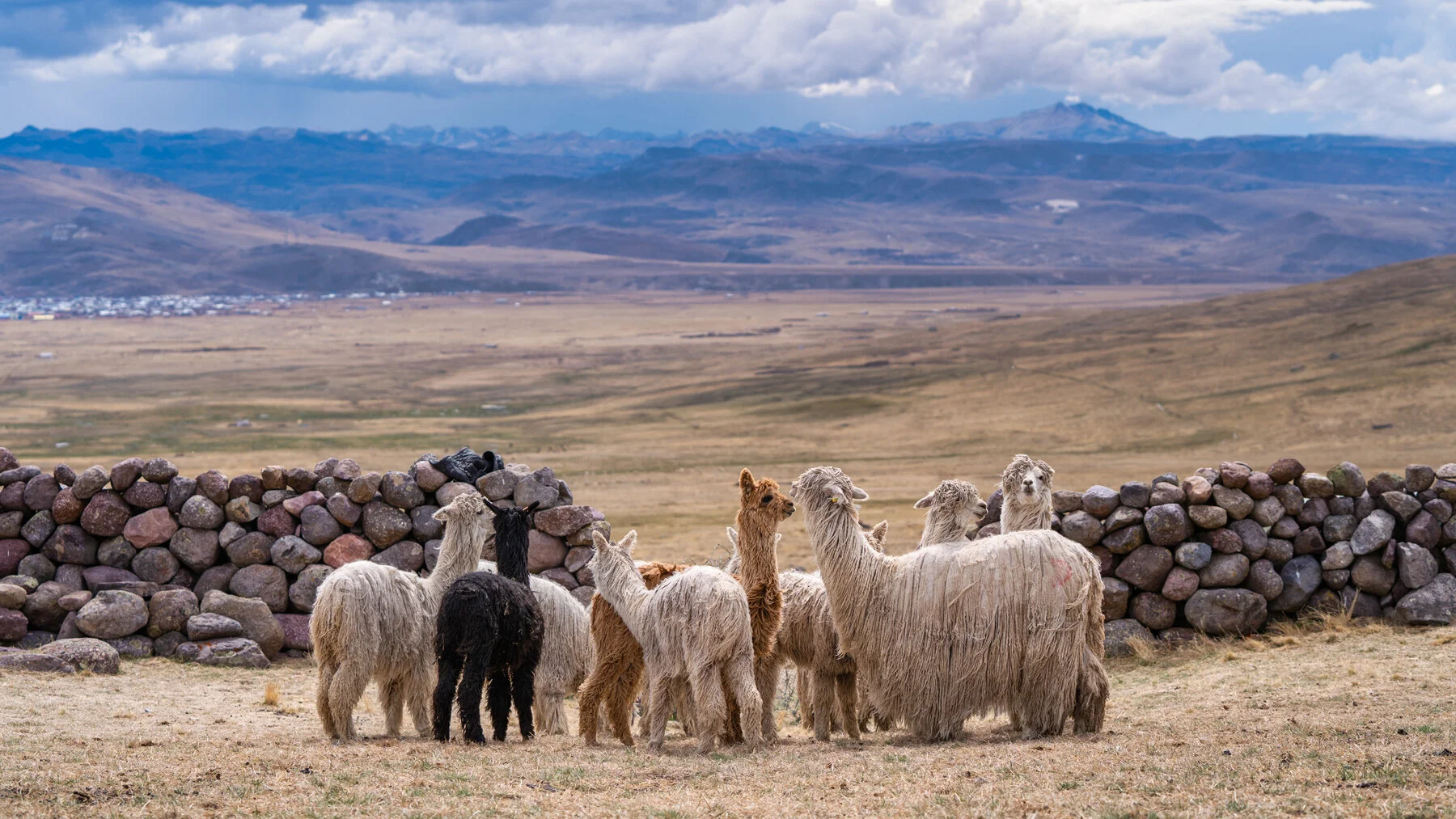
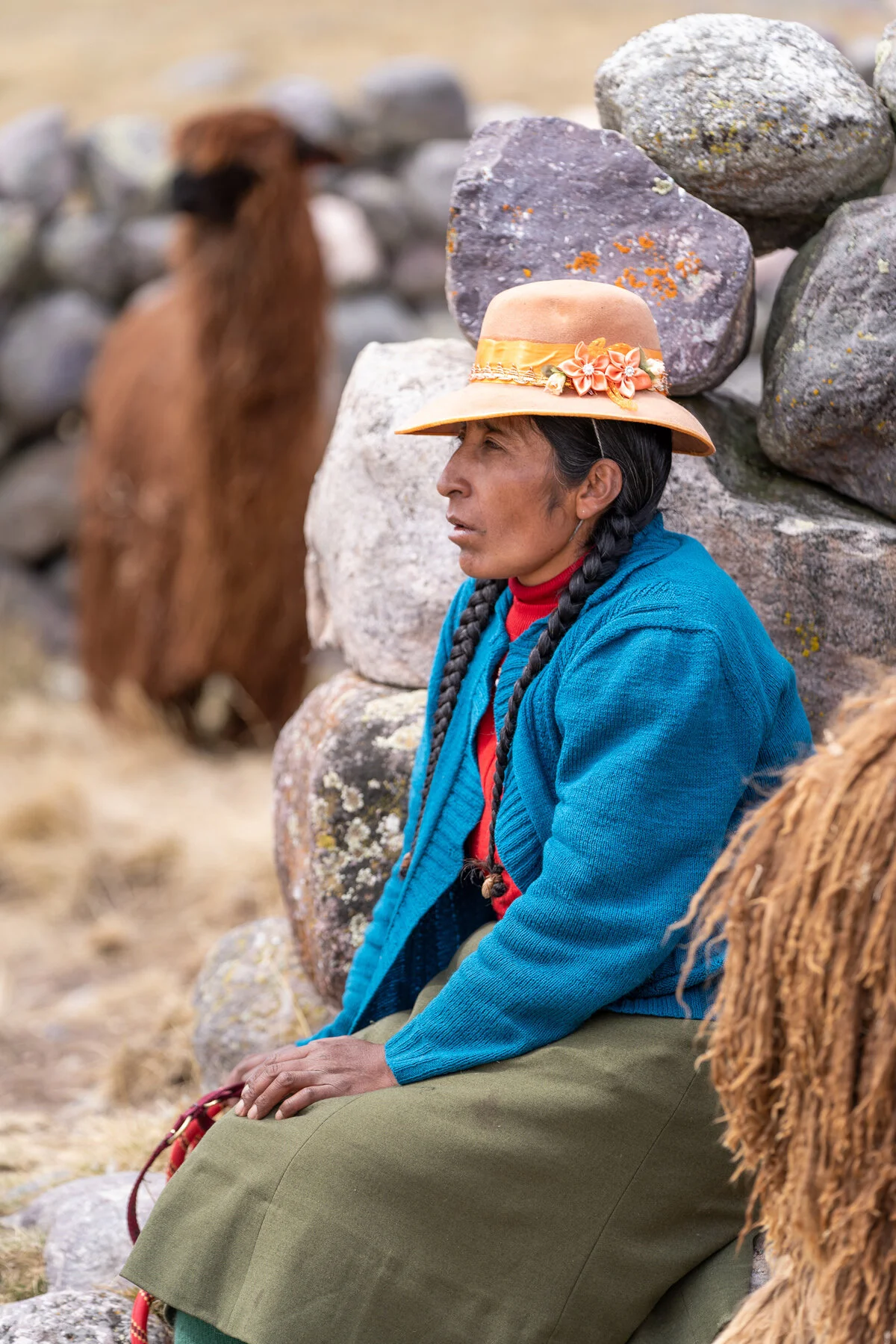
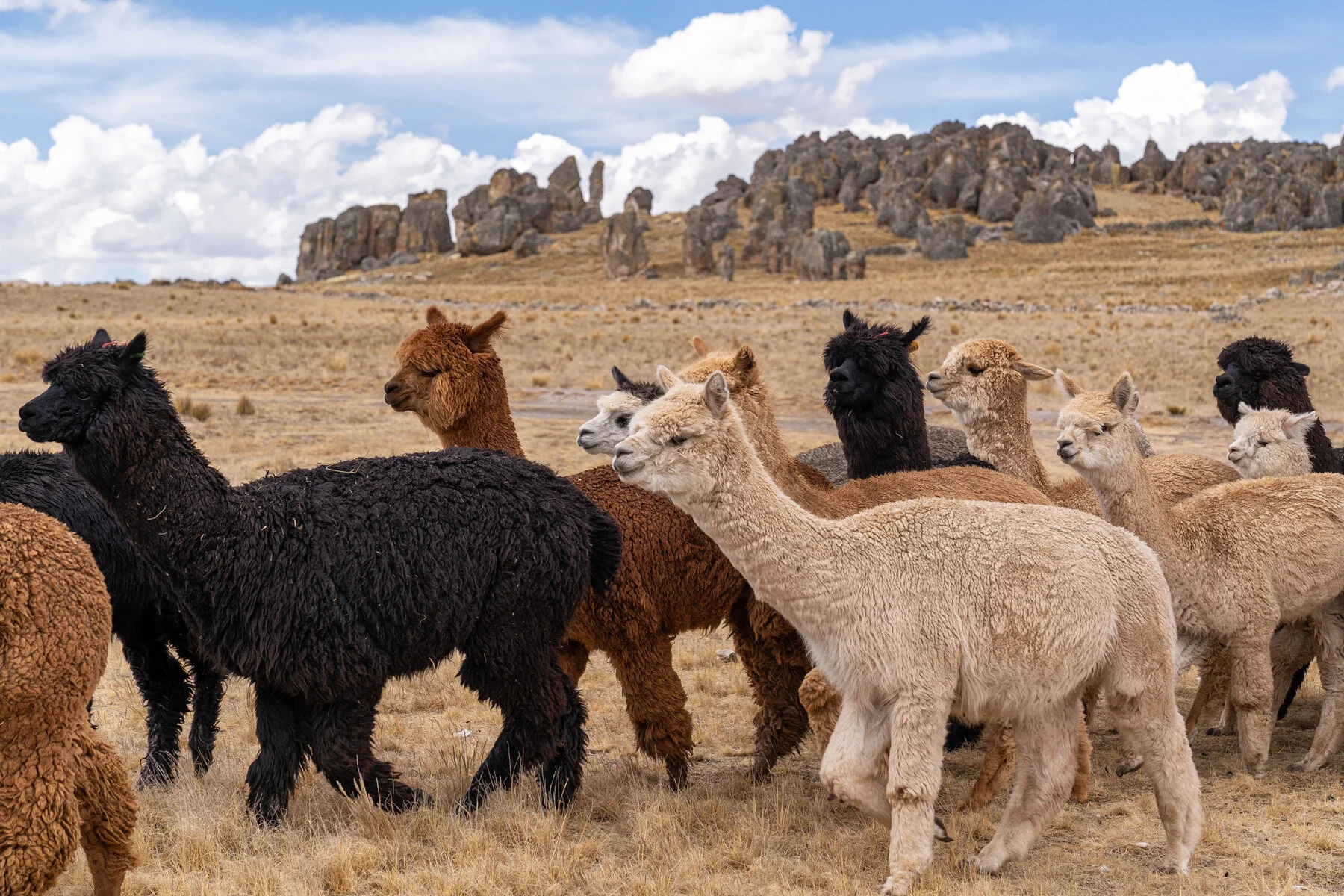
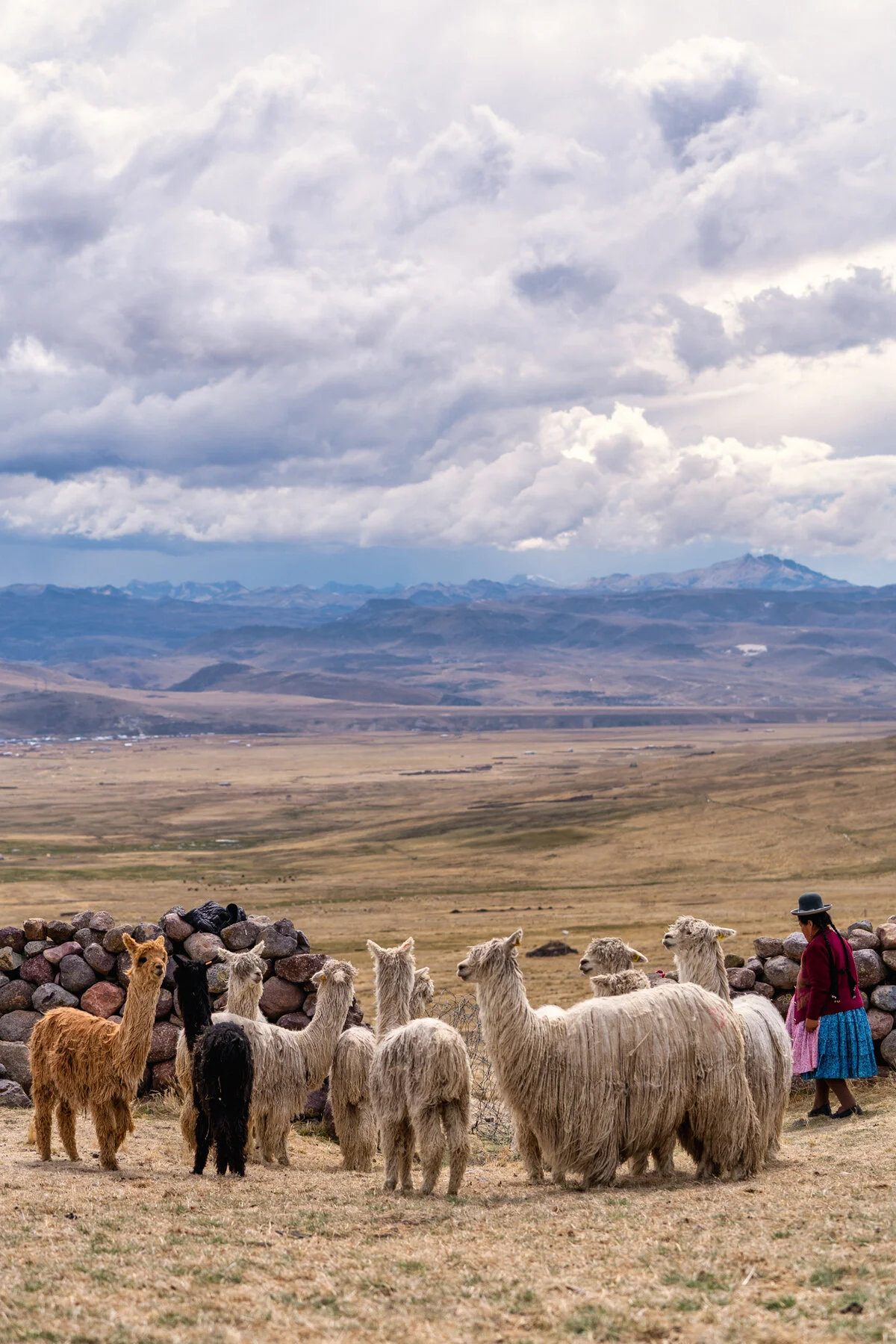
    And oh my GOD – documenting the holy grail of the alpaca world, under the watch of the dramatically majestic Allin Qhapaq Mountain looking down upon us with a disorienting mix of mocking pity and mothering nurture, was quite overwhelming. We sat and were educated by organizers of local co-ops and got to meet an insanely decorated award-winning alpaca breeder and farmer. There was a farm full of white ones, a farm full of black ones, a farm full of fuzzy fluffy multi-colored ones, a farm full of dread-locked ones. Who knew?

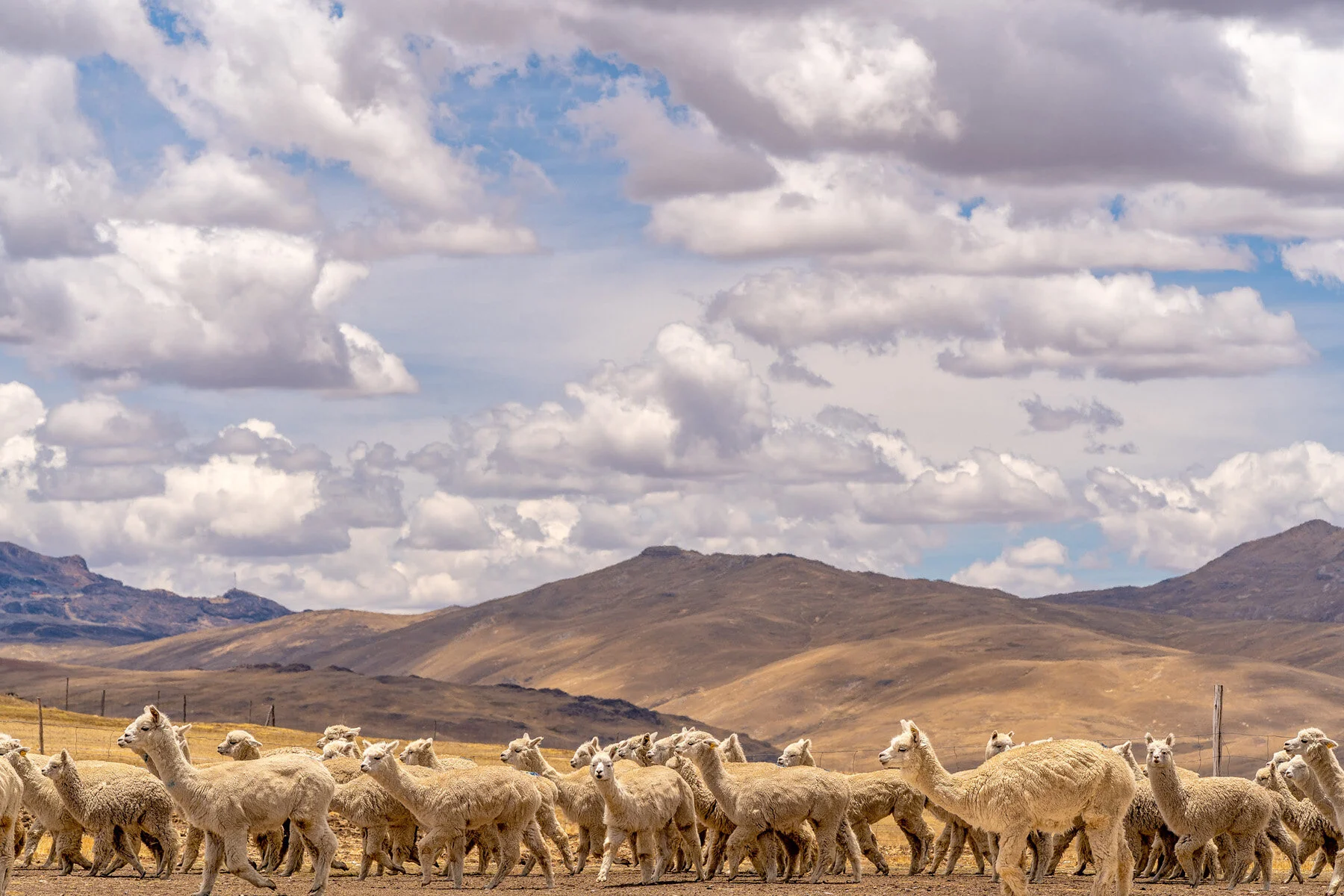
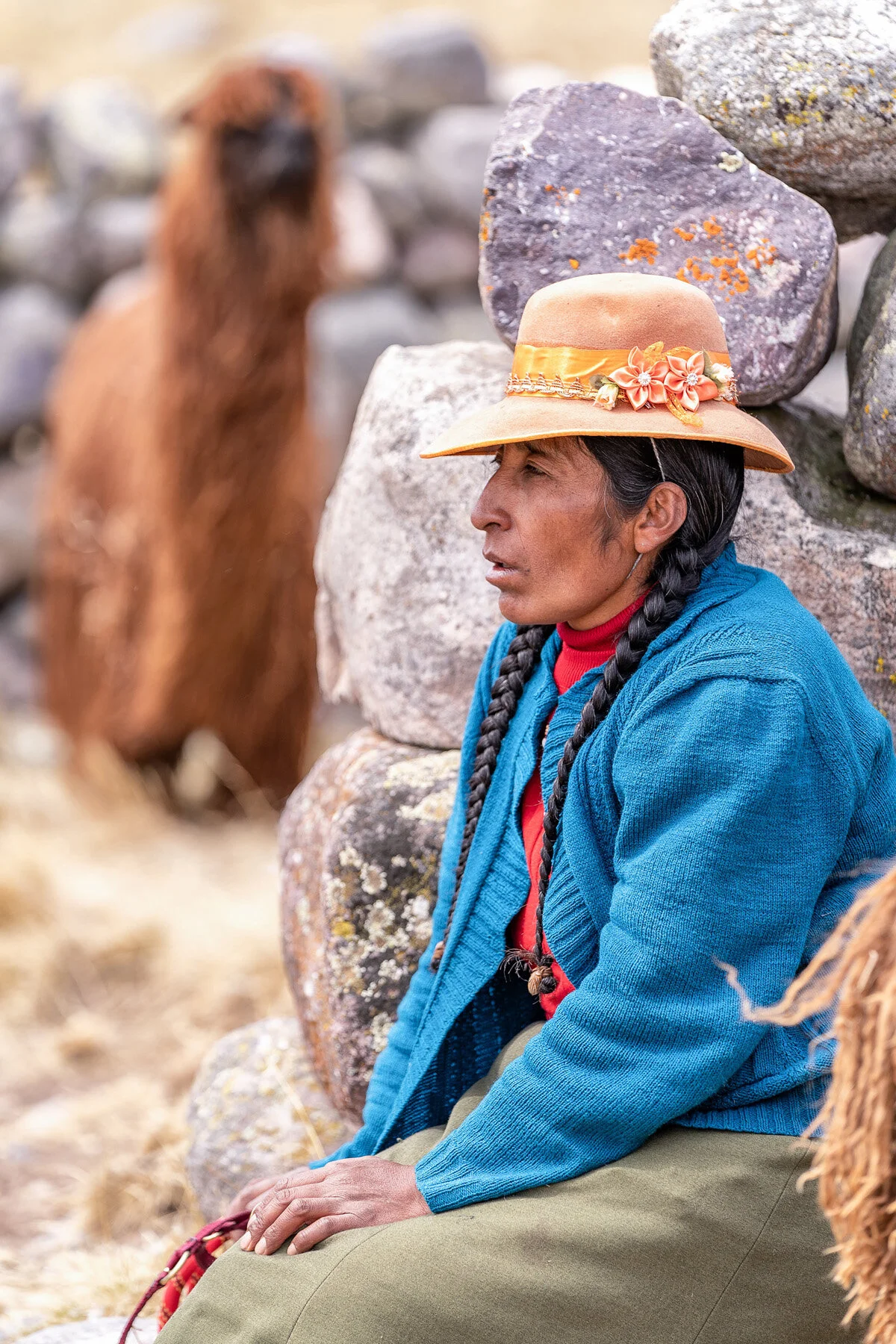
    Between the glacier-laden peaks and the alpine lake blanketed valleys and the wild alpaca, rolling grasslands, and hand-made ancient rock-wall corrals and rice and soy and quinoa terraces in between, there was no shortage of photographic opportunities. My coming home with over 5000 frames is testament to that (so yeah…partly why it took a year to get this together…that and, well, after 5 impromptu moves and a loss of most major client work whilst navigating through COVID, let’s just say I won’t be sad to see 2020 in the rearview…).

    Following two full days of exploring the region’s most revered breeders and pastures, and being educated by, and about, the various co-ops being organized and popping up to help command a fairer price for their hard-earned efforts in this region, who produce amongst the finest alpaca in the world, we headed down towards the infamous Andean basecamp city of Cusco for one of our final couple nights as a group.

    There was one stop in between that we’ll…eh…sorta gloss over strictly for documentary’s sake that involved groups of people feverishly sewing away in the dark underneath crickety stairs on the other side of a thick metal gate in a back alley in a tiny hillside village culminating in a big black nondescript duffelbag being thrown into the back of the van by someone who couldn’t get far enough from us fast enough after doing so.

    Now it’s more than natural for anyone reading this to quickly understand what was in those bags…Peru…back alleys…hillside villages…duffelbags…

    Teddy bears!!

    I kid you not (don’t ask…but CERTAINLY buy one. Being as they’re made with baby alpaca fibers, they are the softest little buggers you’ll ever meet).

    Anyhow, a few hours later, down and around and through the valley was Cusco, Peru.

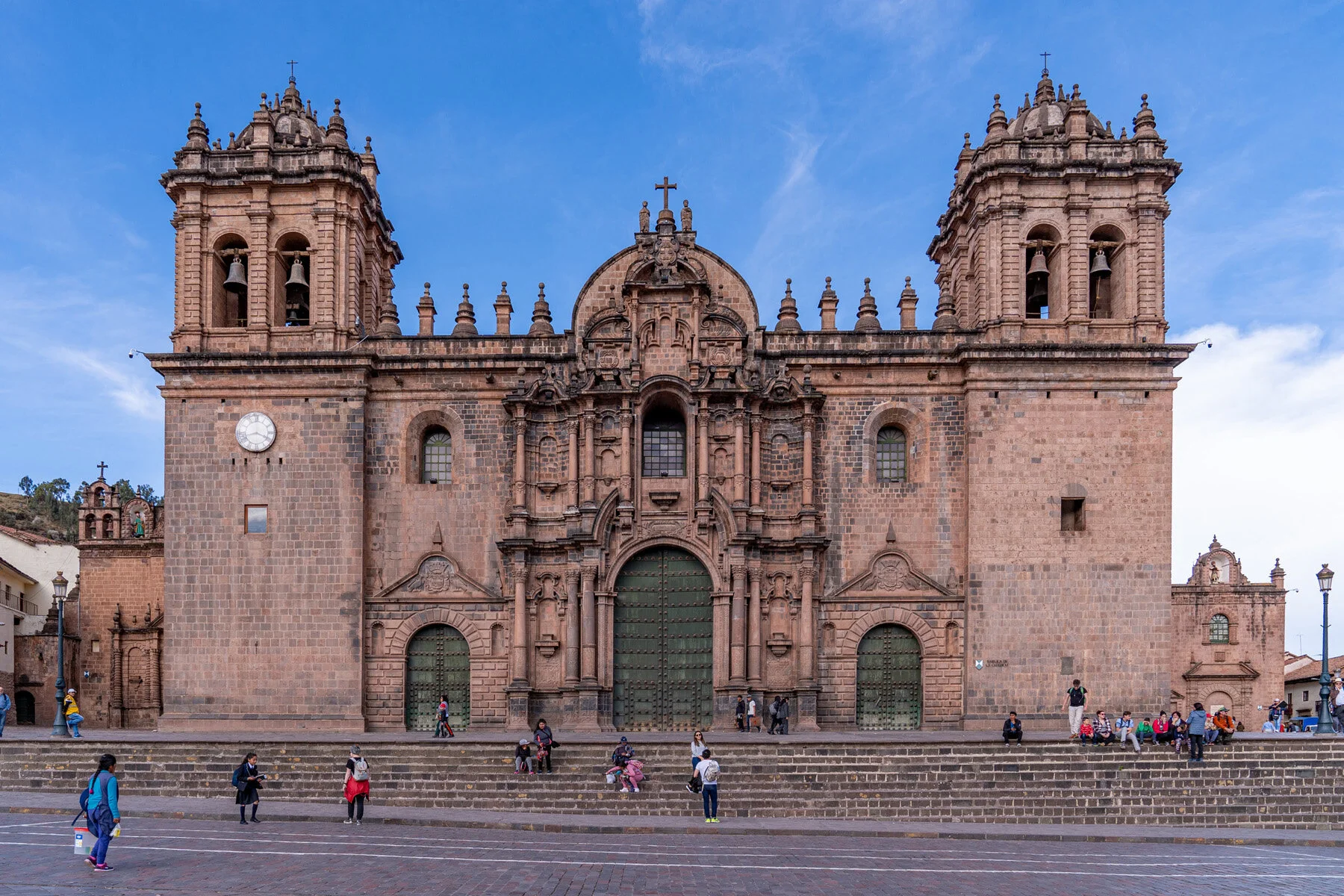
    This ‘town’ is inarguably amongst the most charming in the country. While these days it’s typically base camp and a starting off spot for people as they begin their journey into the highlands and the Sacred Valley, considered the historical capital of Peru, it is incredibly rich in its culture and I would posit deserves a trip all on its own.

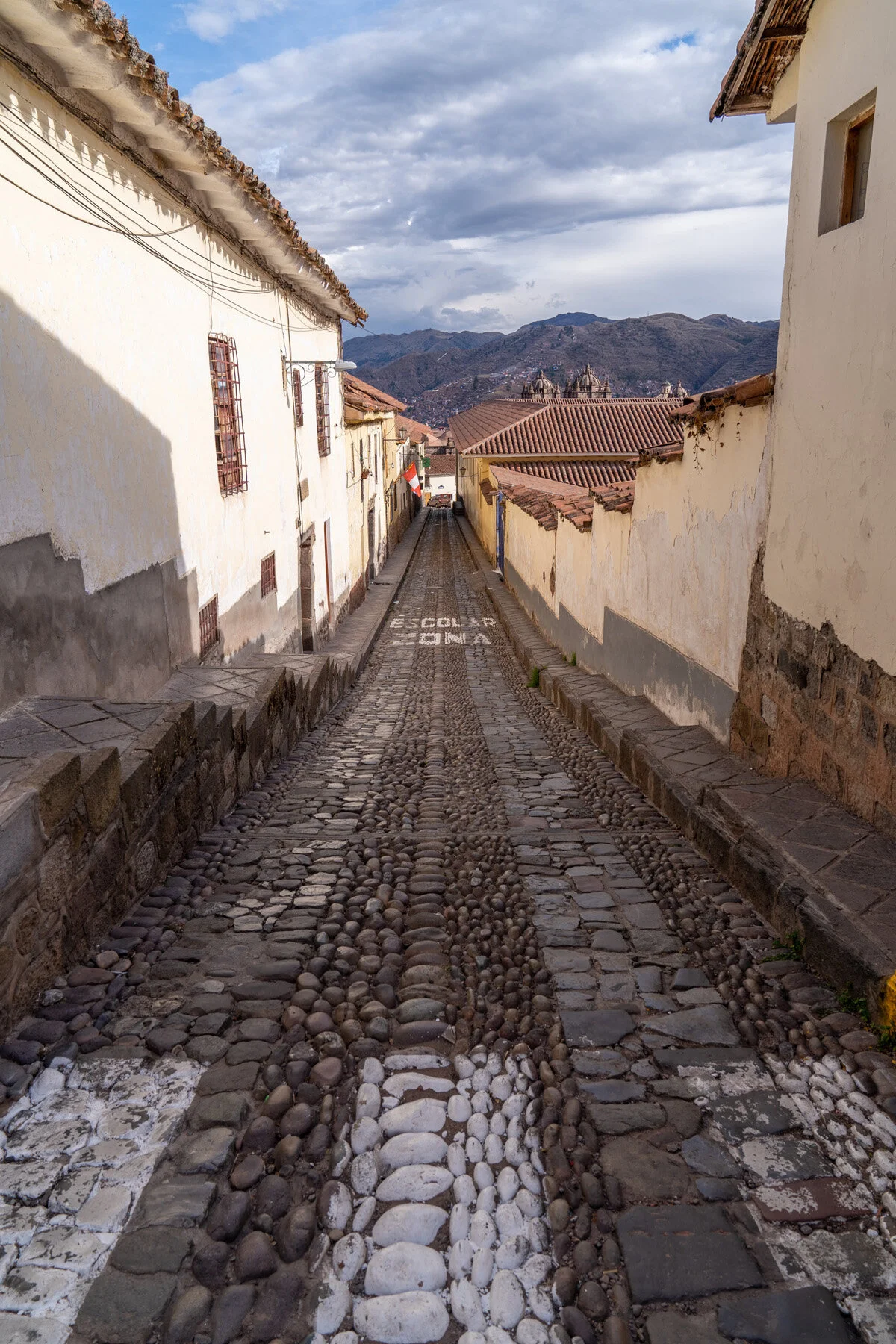
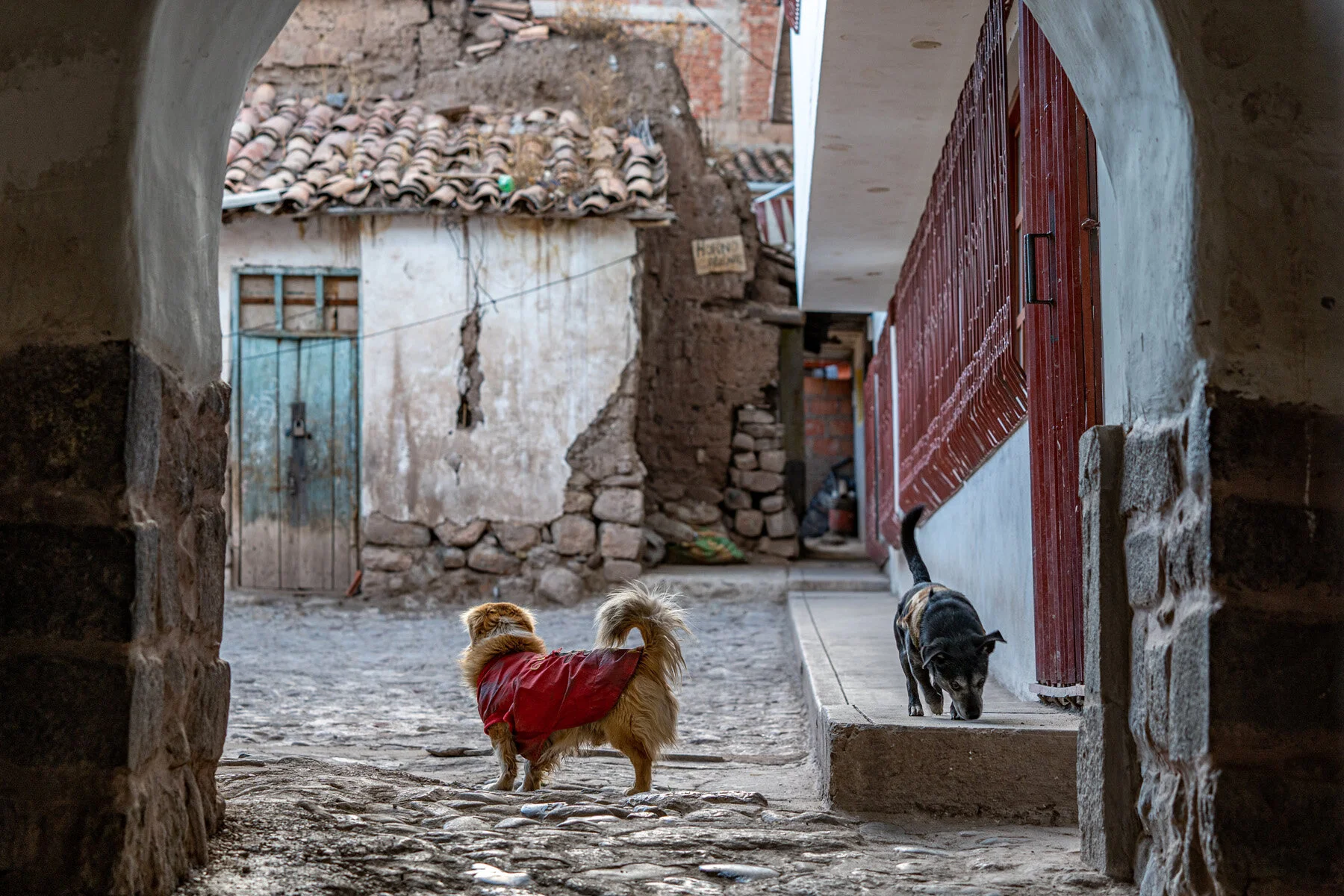
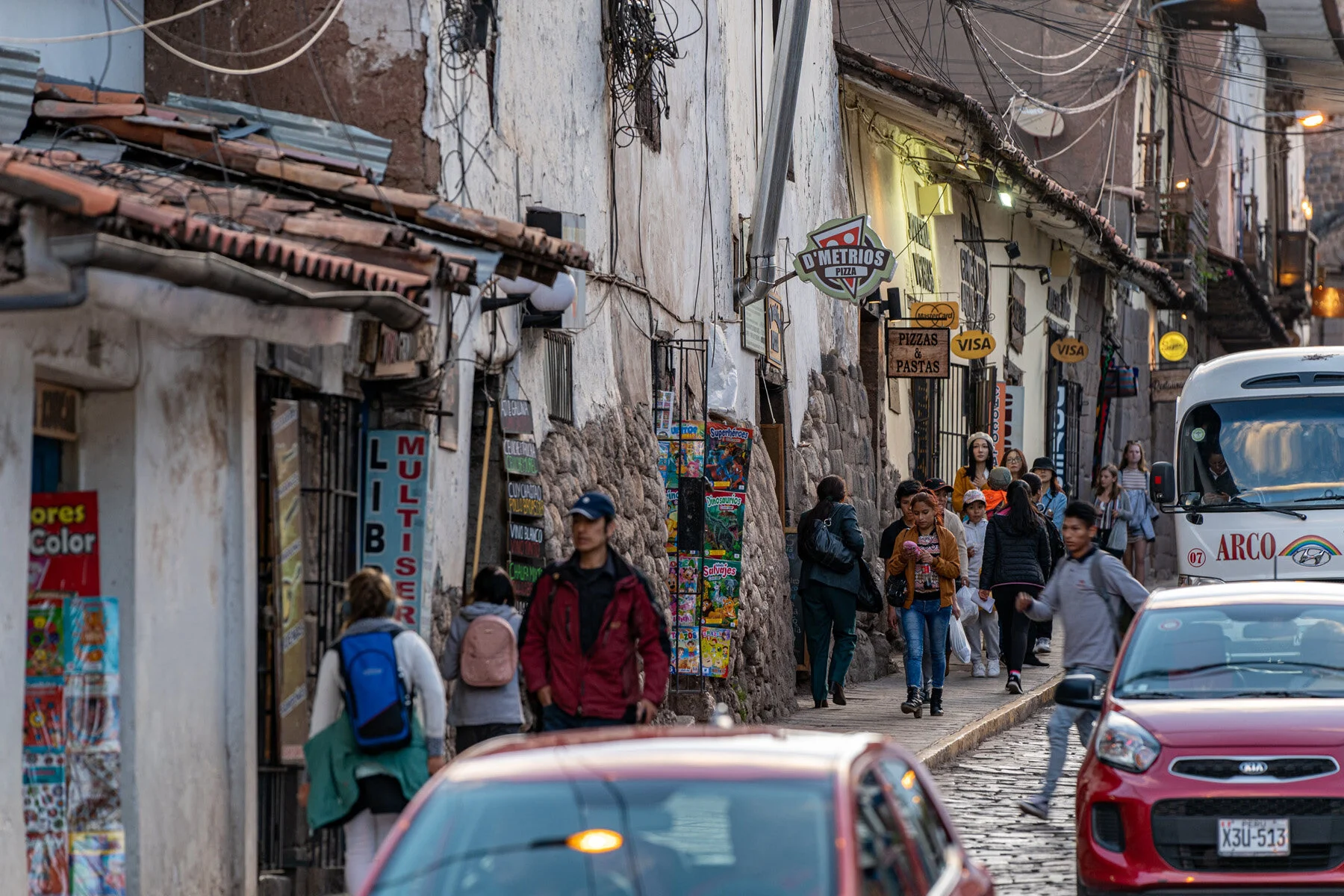
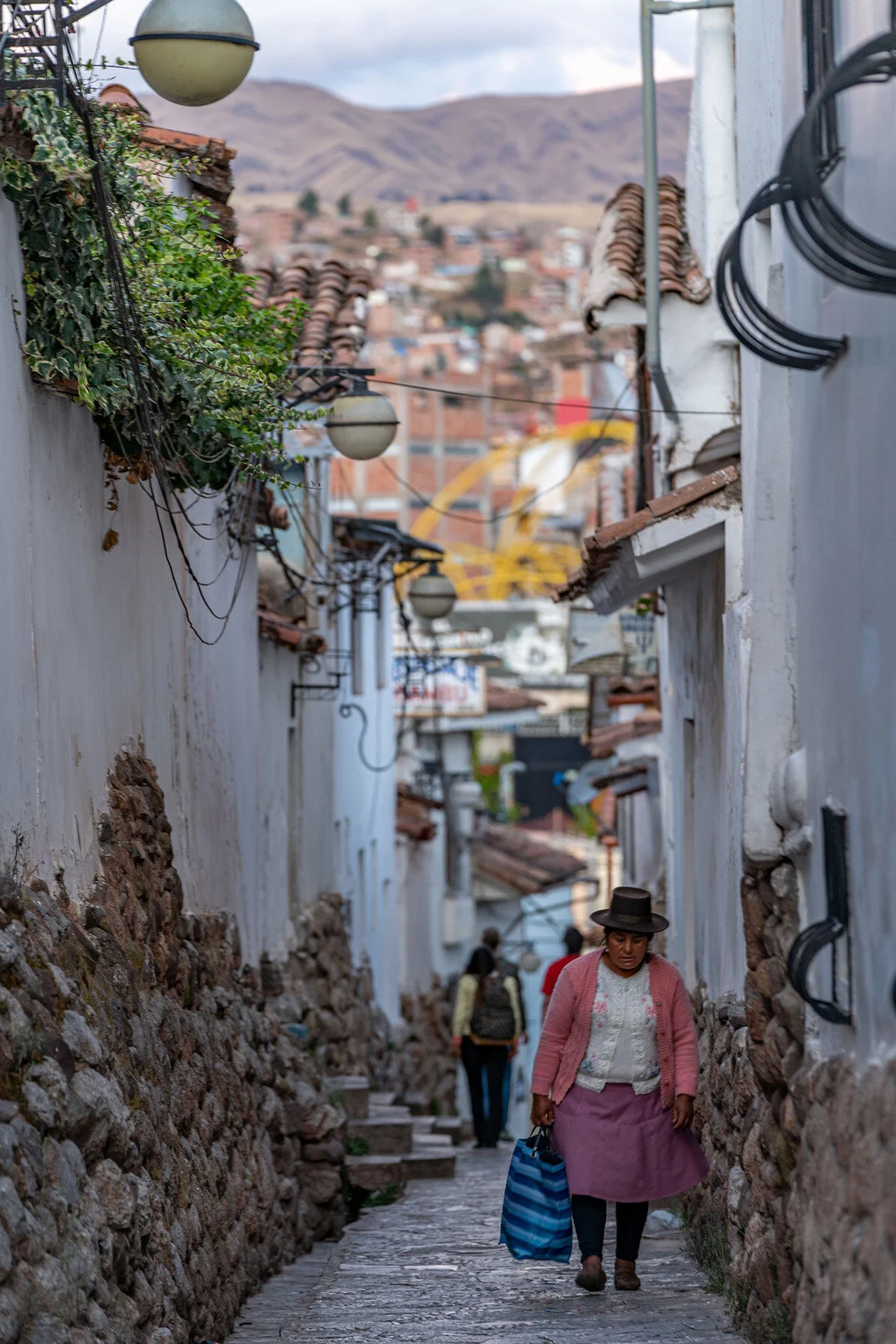
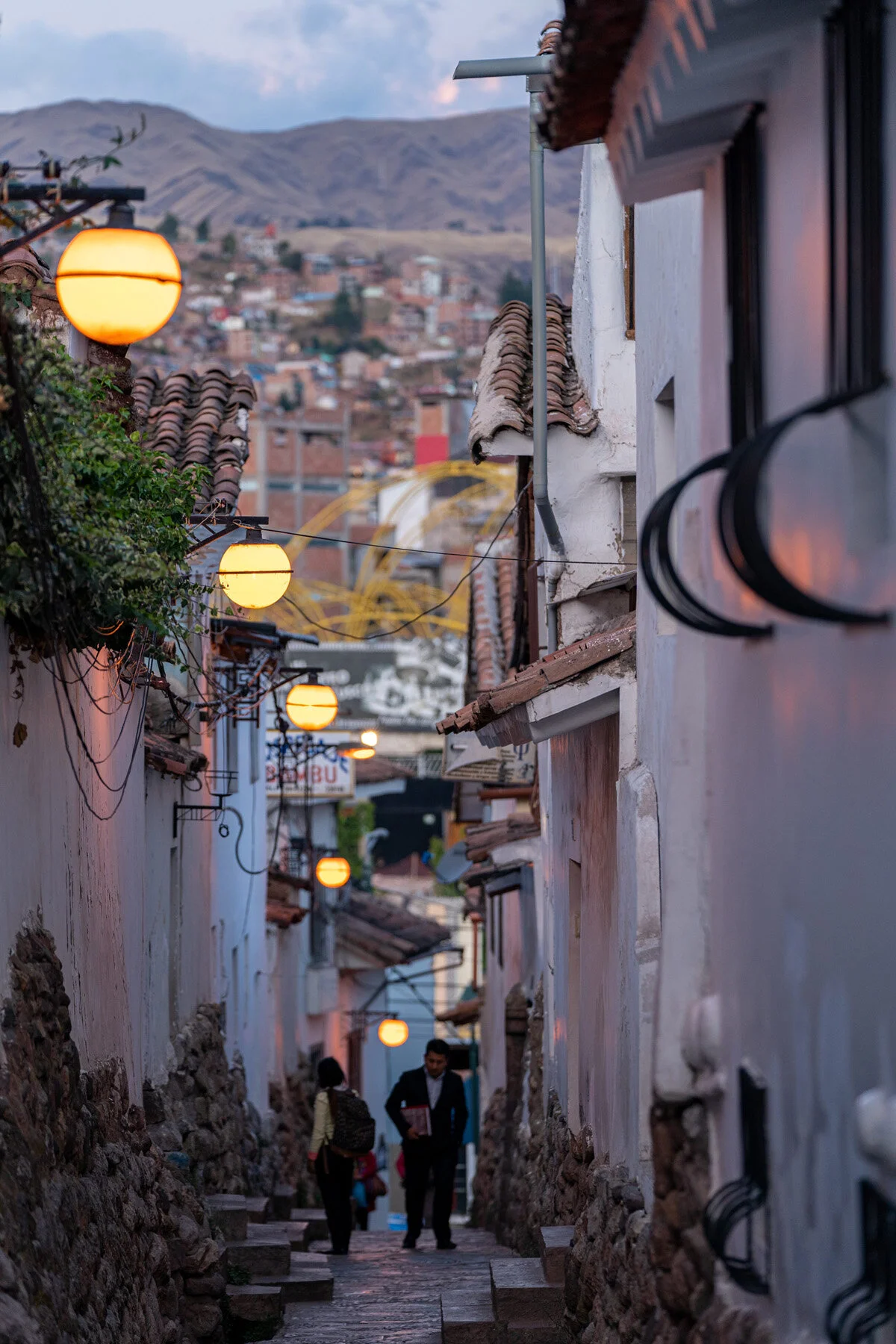
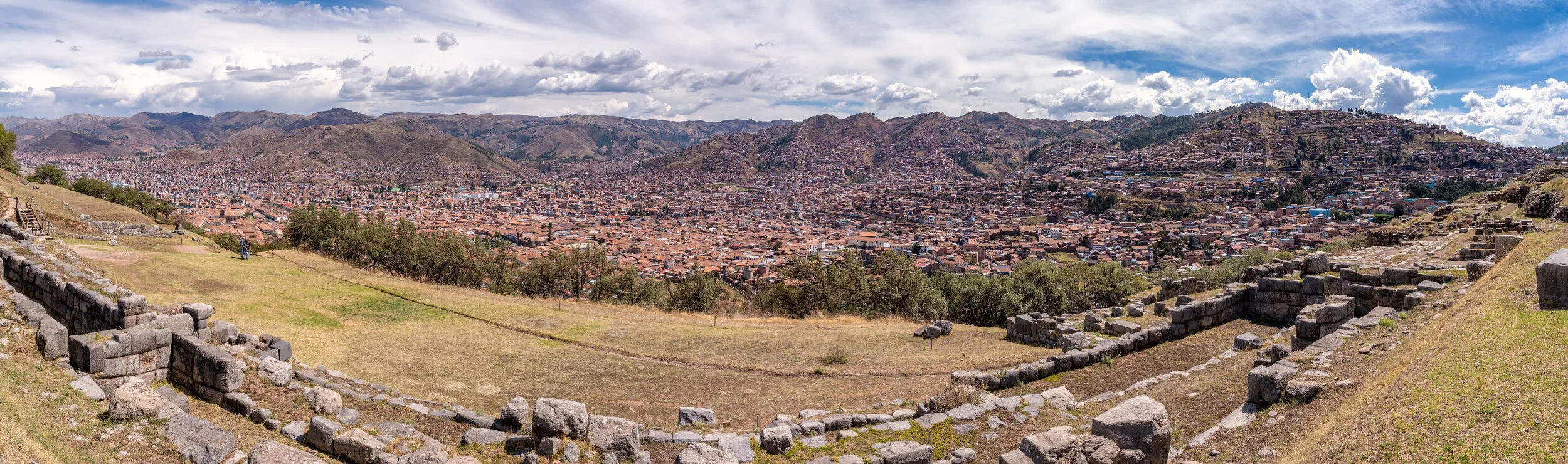
    We only had a bit over a full day here, which isn’t nearly enough time to explore its intricate maze of winding cobblestones that lead from one somewhere to another random elsewhere, all of which equal in their charm.

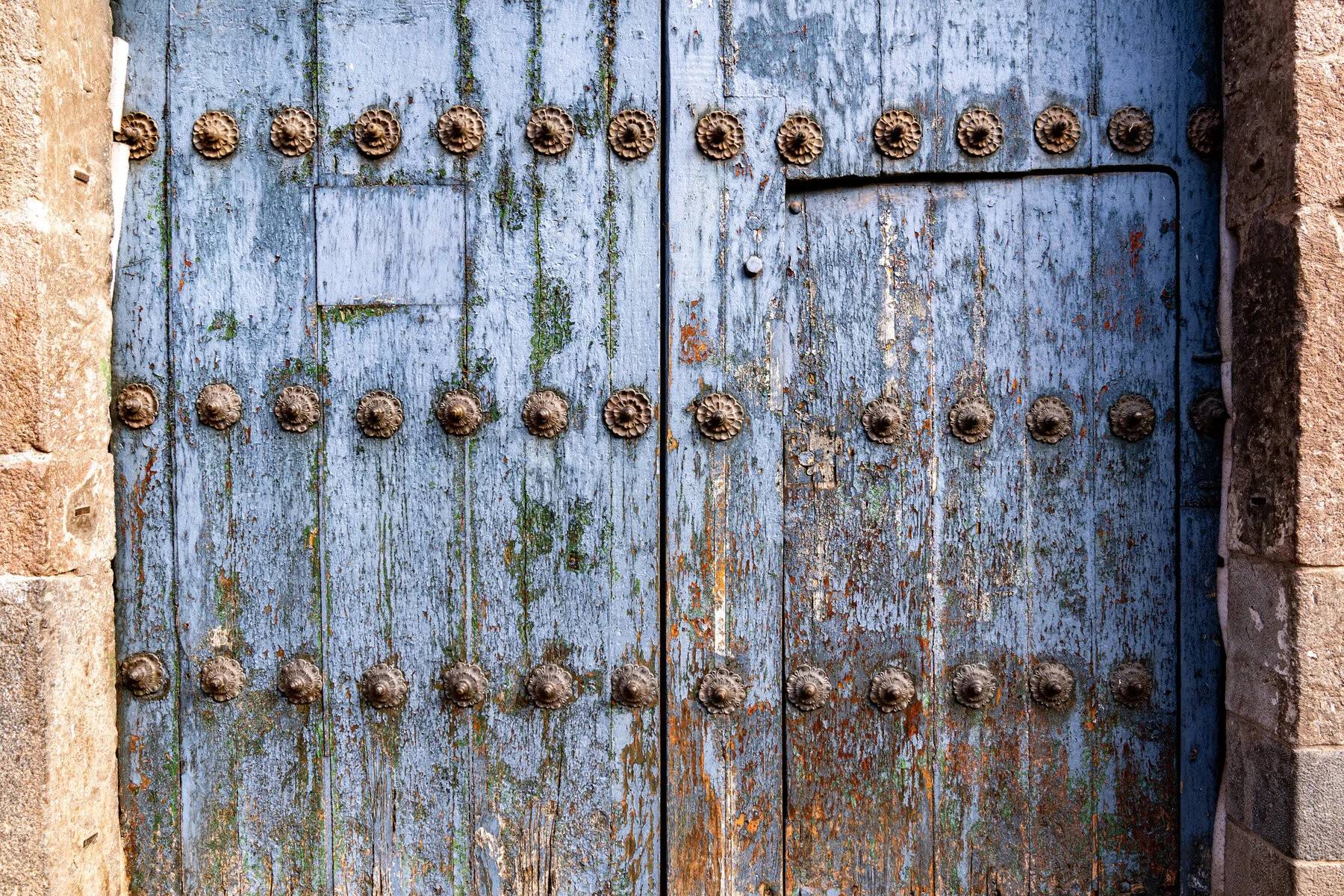
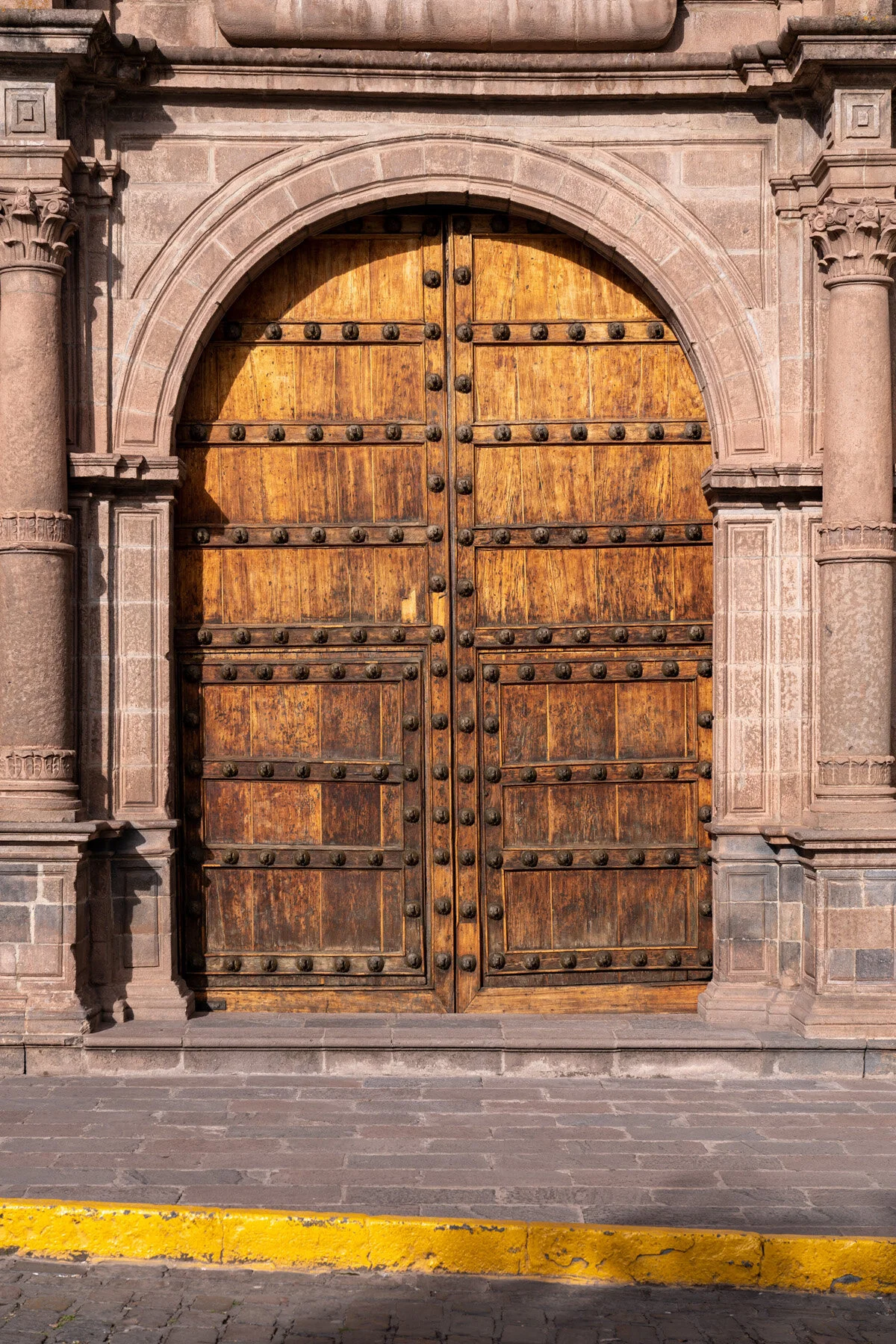
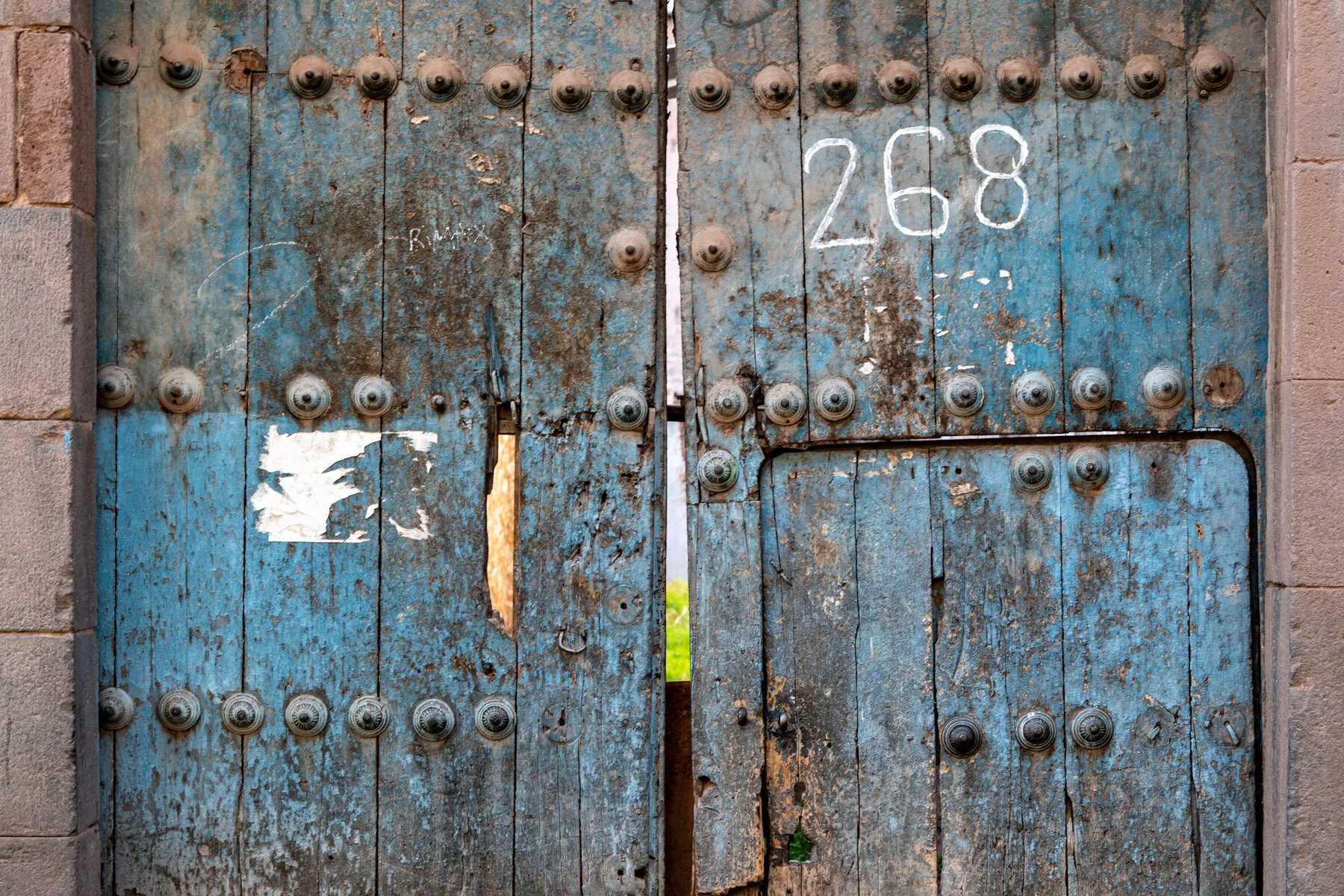
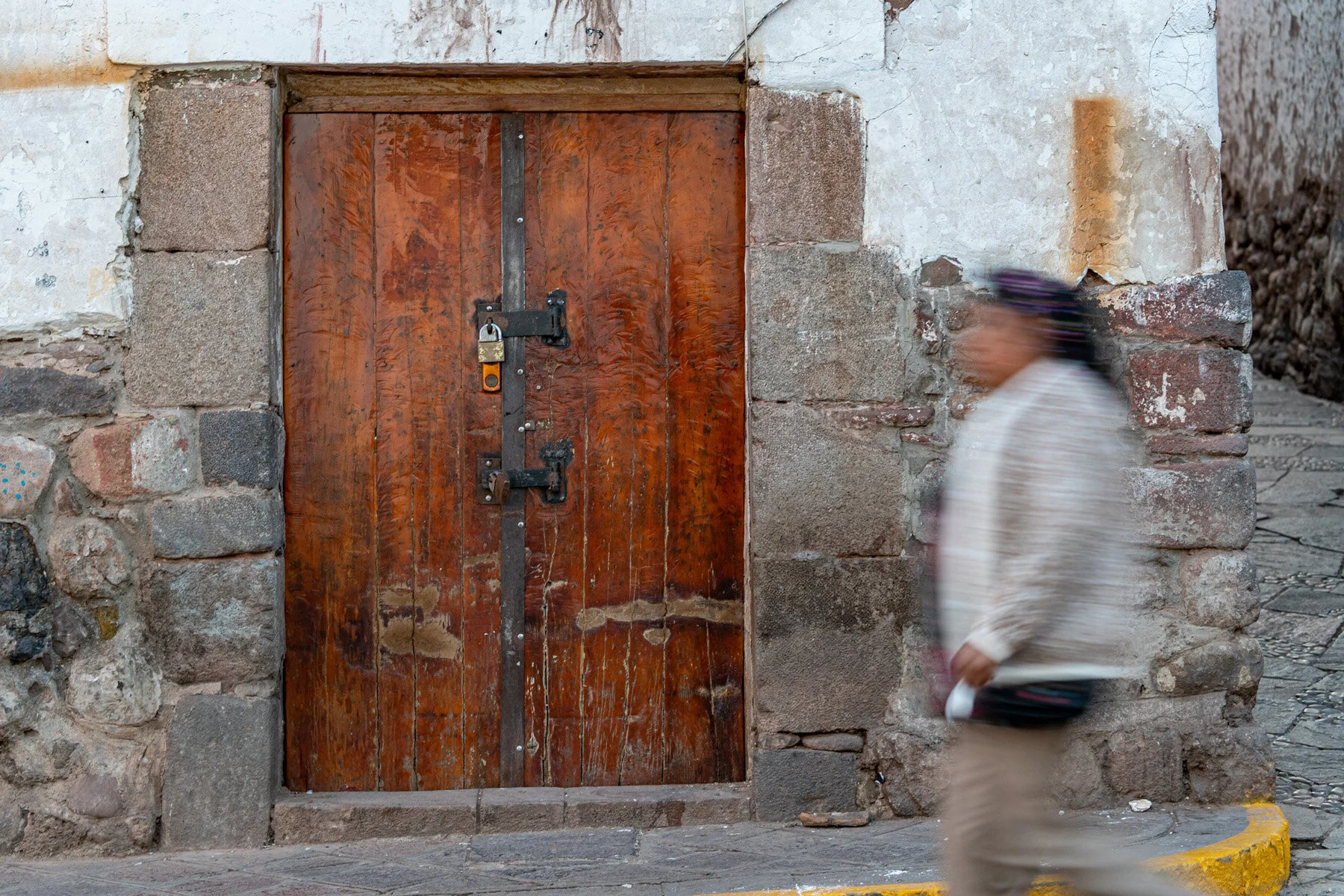
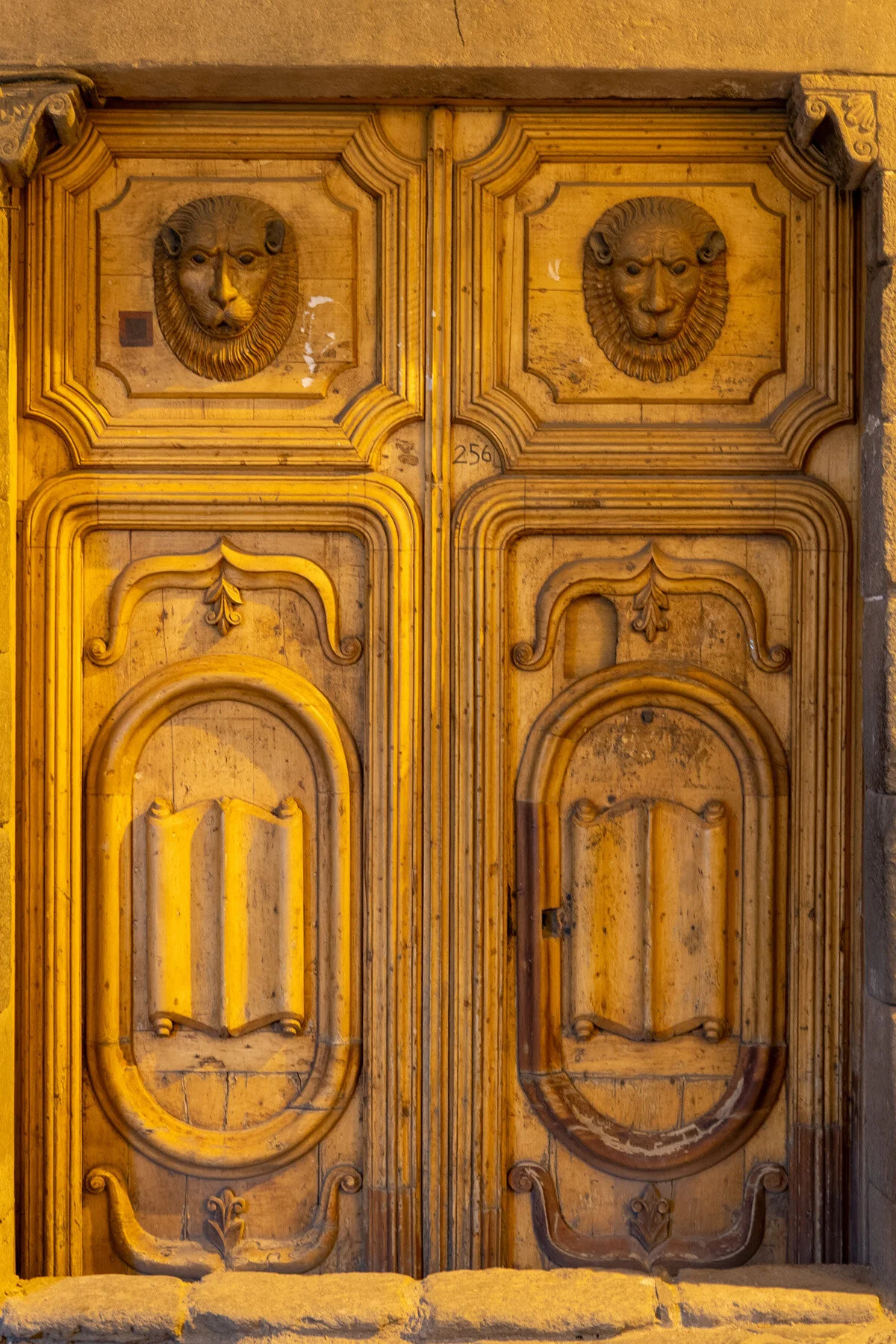
    Courtyards, grand plazas, overlooks, cafes, alley-way markets, reallllly old doors (yeah, I got a thing for old doors), ancient ruins, majestic cathedrals rivaling any found in European cities.

    It was stunning.

    And it went by too quick. Being as how our time was limited, we didn’t get to get anywhere near a deep dive, however, in testament to the great planning by our Quechua Benefit hosts, we were certainly able to do considerably more in those 24 allotted hours before embarking on the next part of our journey, than I would have otherwise. 

    We had a chance to meander through Plaza de Armas, the central plaza in Cusco, which included a fountain and park bordered by churches and outdoor cafes and markets and stalls. 

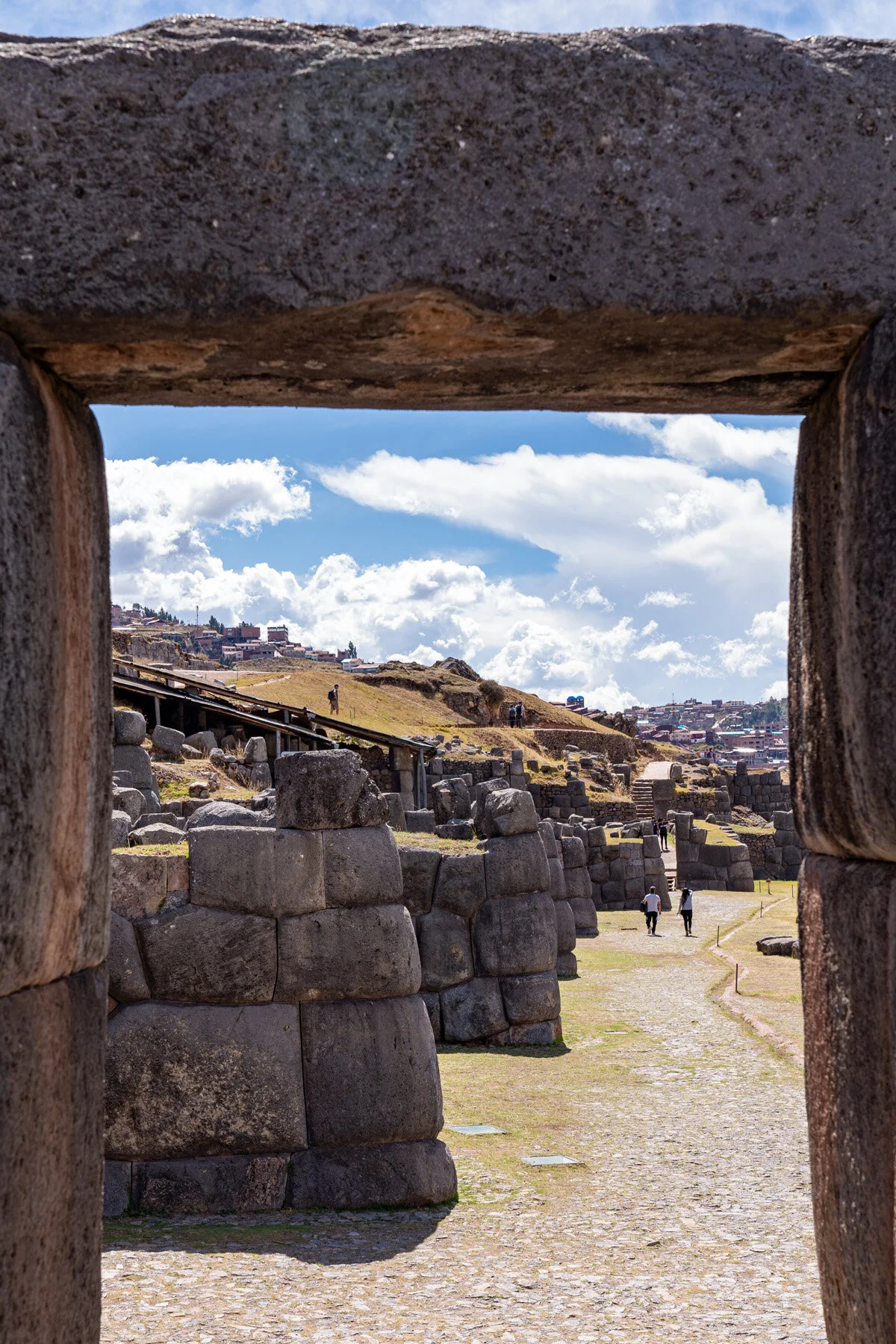
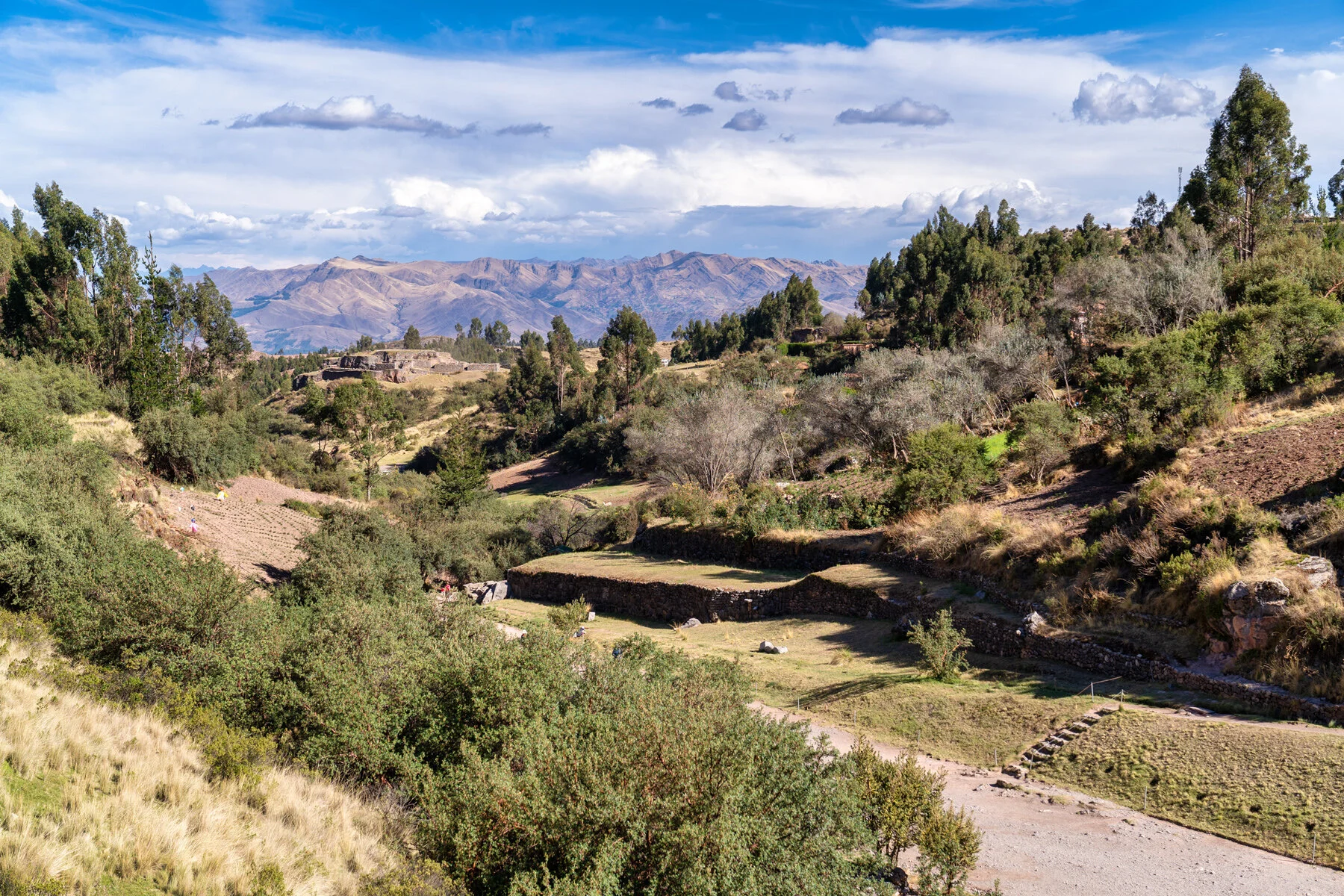
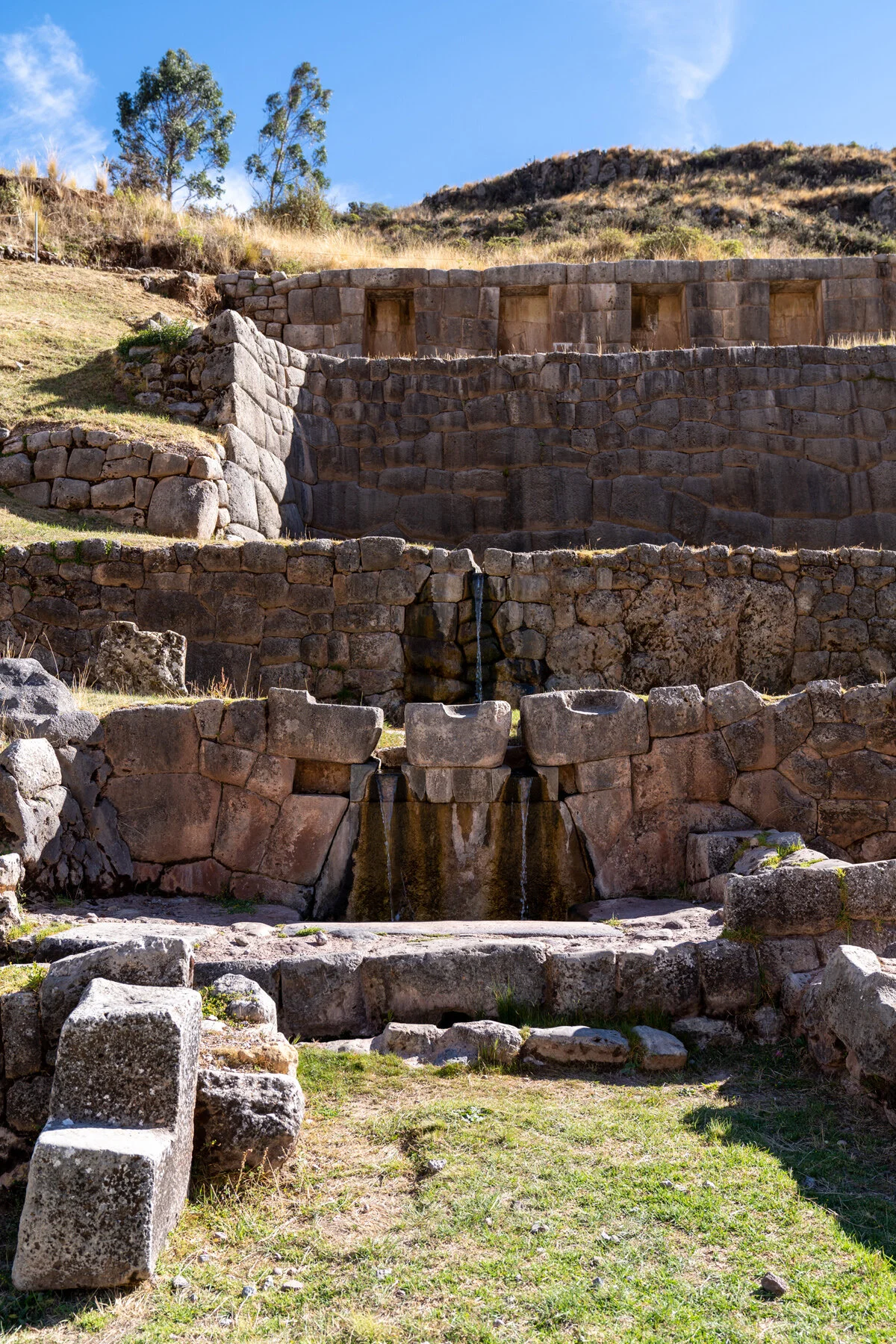
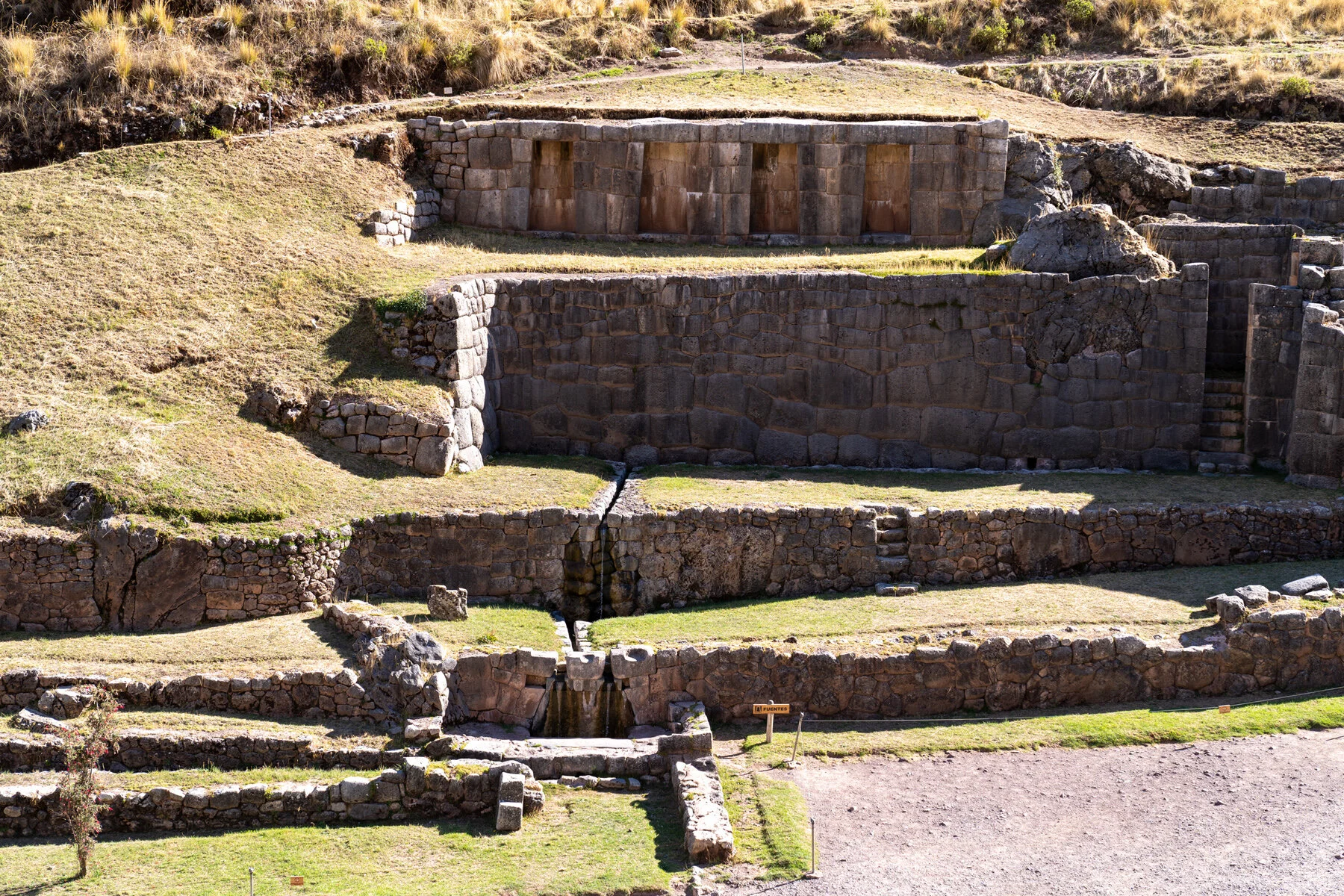
    Perhaps the highlight was our tour of various lesser popular Inca ruins than Machu Picchu such as Tambomachay and Q’enqo, some of which included old royal dwellings, others of which were what remains of the villages of the common inhabitants of the time, and still others what’s left of various wells and agricultural sites that sustained them all. All of which overlooked the city of Cusco in the valley below.

    Image asset

    I’d call this stop in Cusco more of a teaser than anything. We got snippets of some of the main attractions, but, at some point in the future, am aching to experience the feature film.

    While I would have liked more time to explore this historically rich and photogenic town, our itinerary had us moving on to the optional post-alpaca part of this thing. And when ‘optional’ includes the Sacred Valley, home to some curious place dubbed Machu Picchu, you opt in! How do you NOT opt in!?!

    It began, like everything else on this trip, with a winding picturesque van ride through a valley whose walls climbed higher with each passing kilometer. While our destination for the day was the mountainside-straddling-gravity-defying centuries-old village of Ollantaytambo, like most days of this trip, there were charming and unexpected detours along the way.

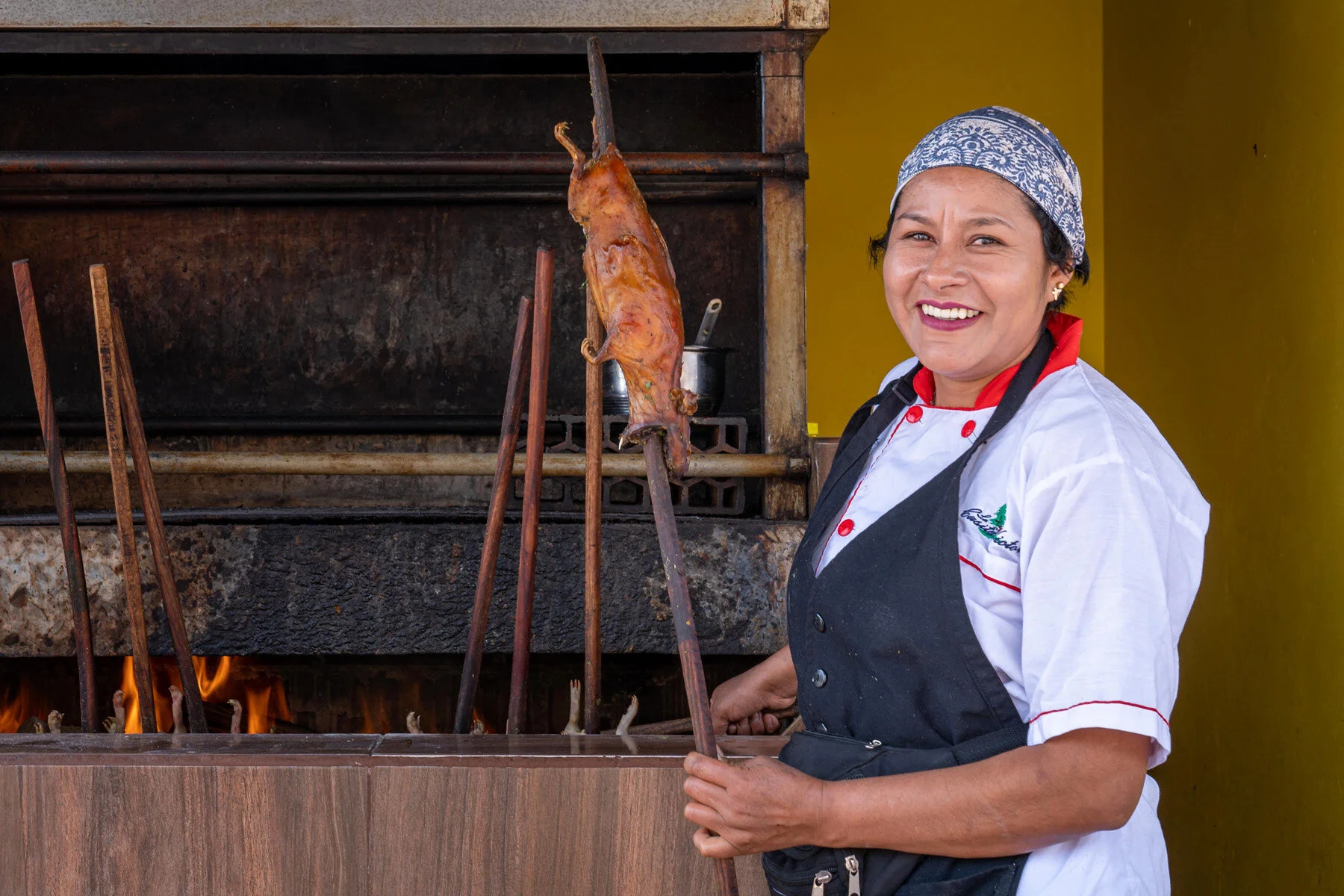
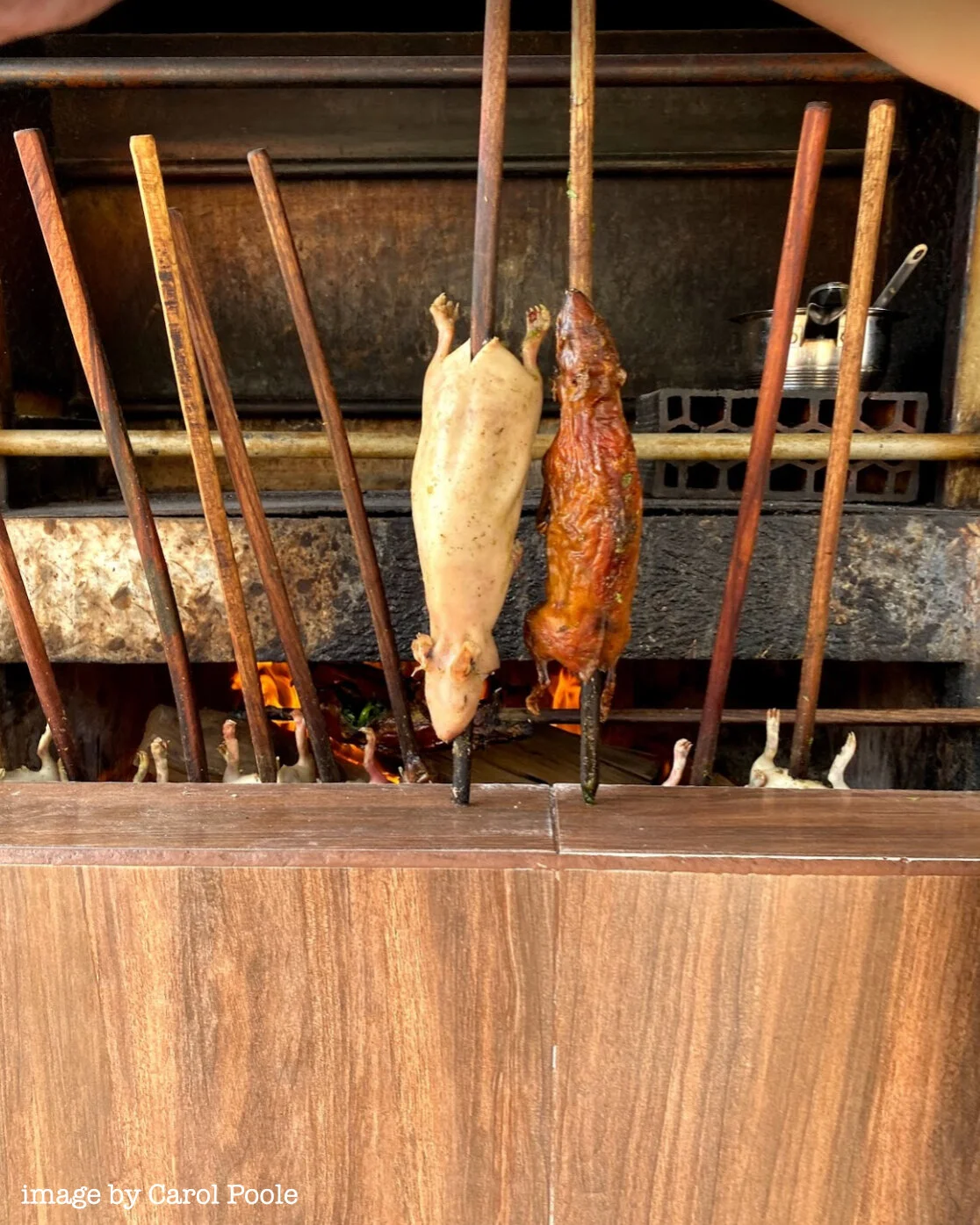
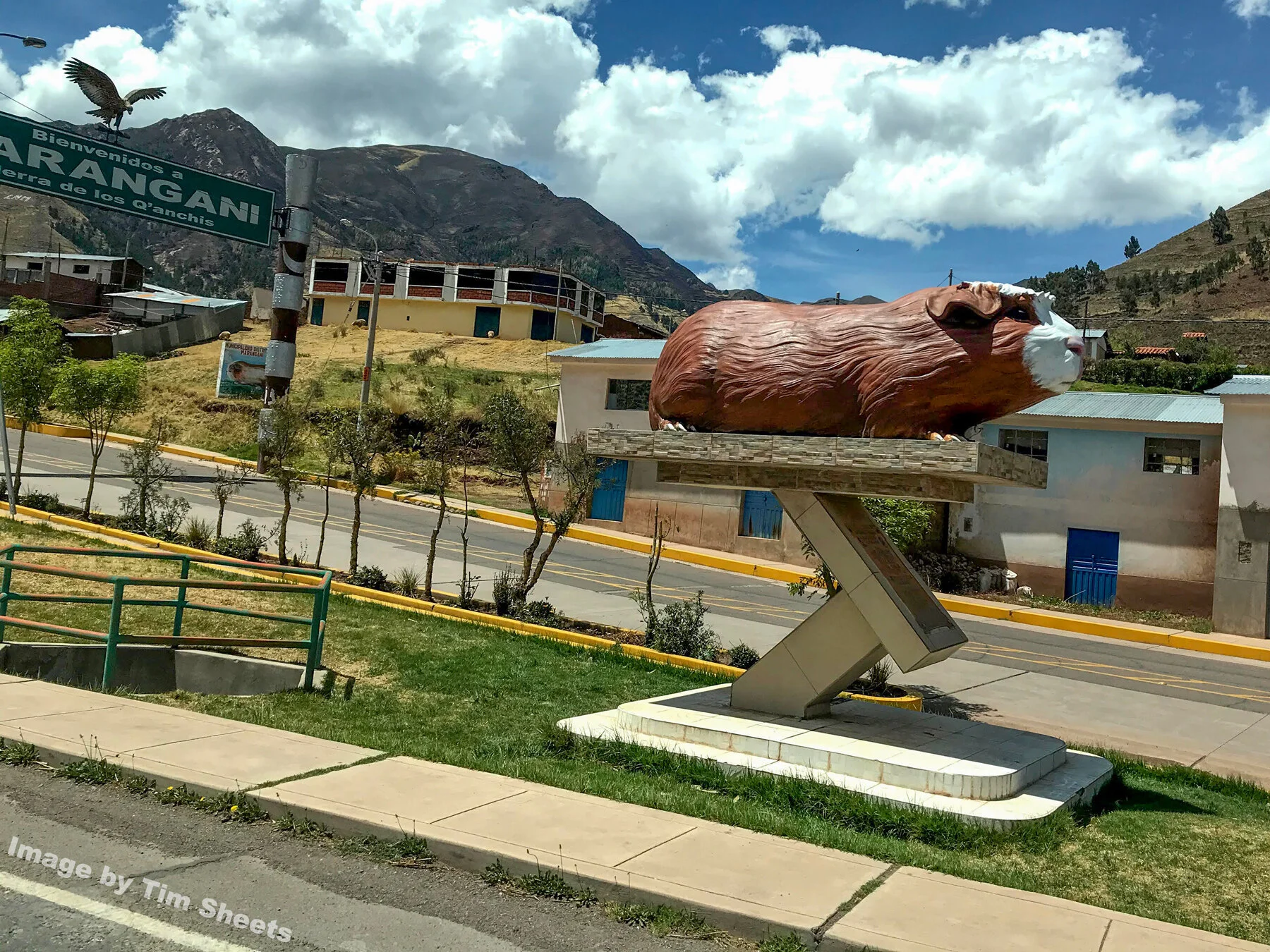
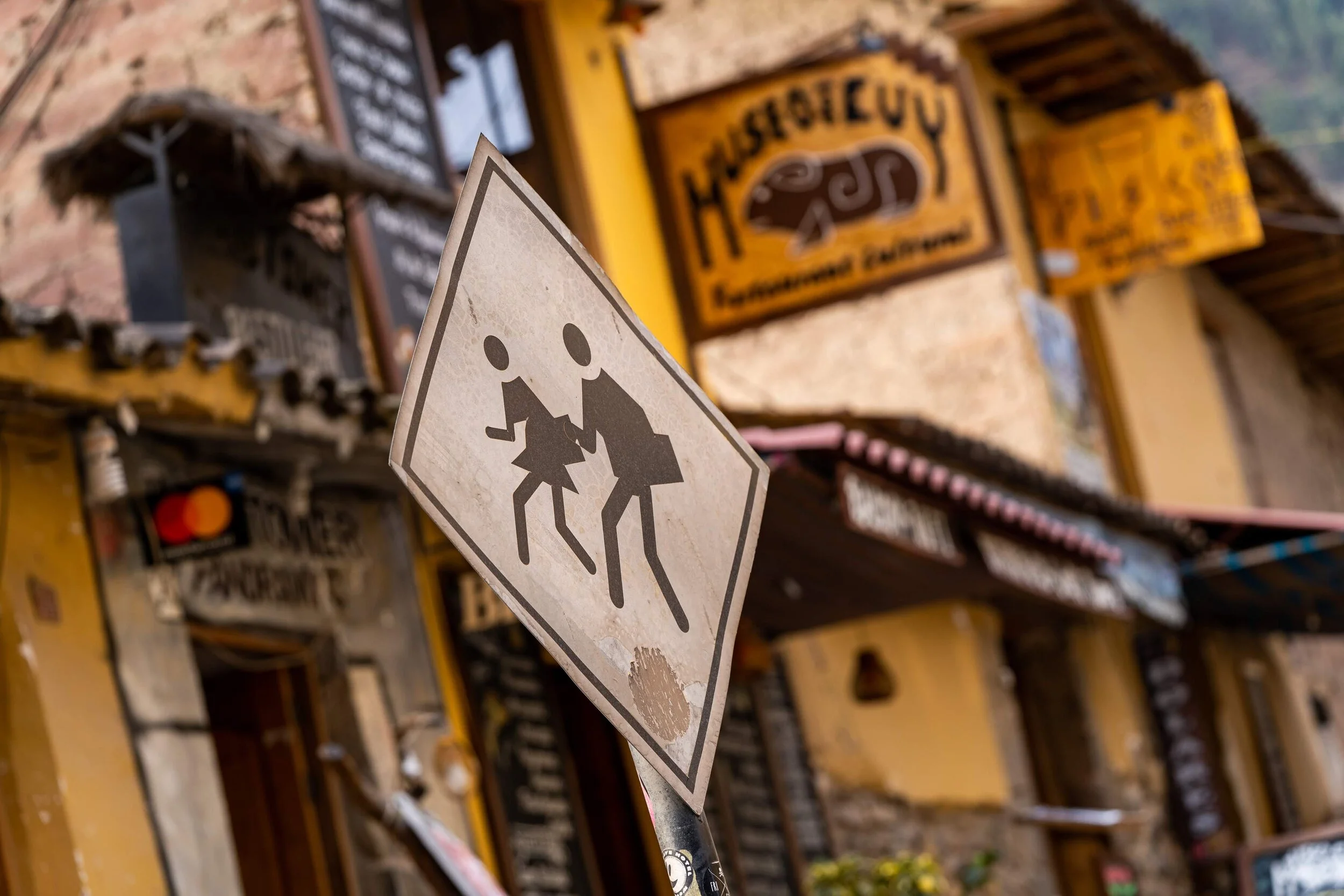
    The first was the Lamay District of Peru, best known for a local delicacy named “Cuy.” You don’t want to know, you really really don’t want to know. So for those that don’t want to know, and that means you (for real yo!), don’t read the rest of this paragraph. The part where I explain that ‘cuy’ is…well…guinea pig. And to further add trauma to your childhood, they treat it almost like a lobster bar, where you literally pick which one you want from a cage of unassuming adorably cute furries running around with no idea what they’re in for. Yeah…so…moving on…

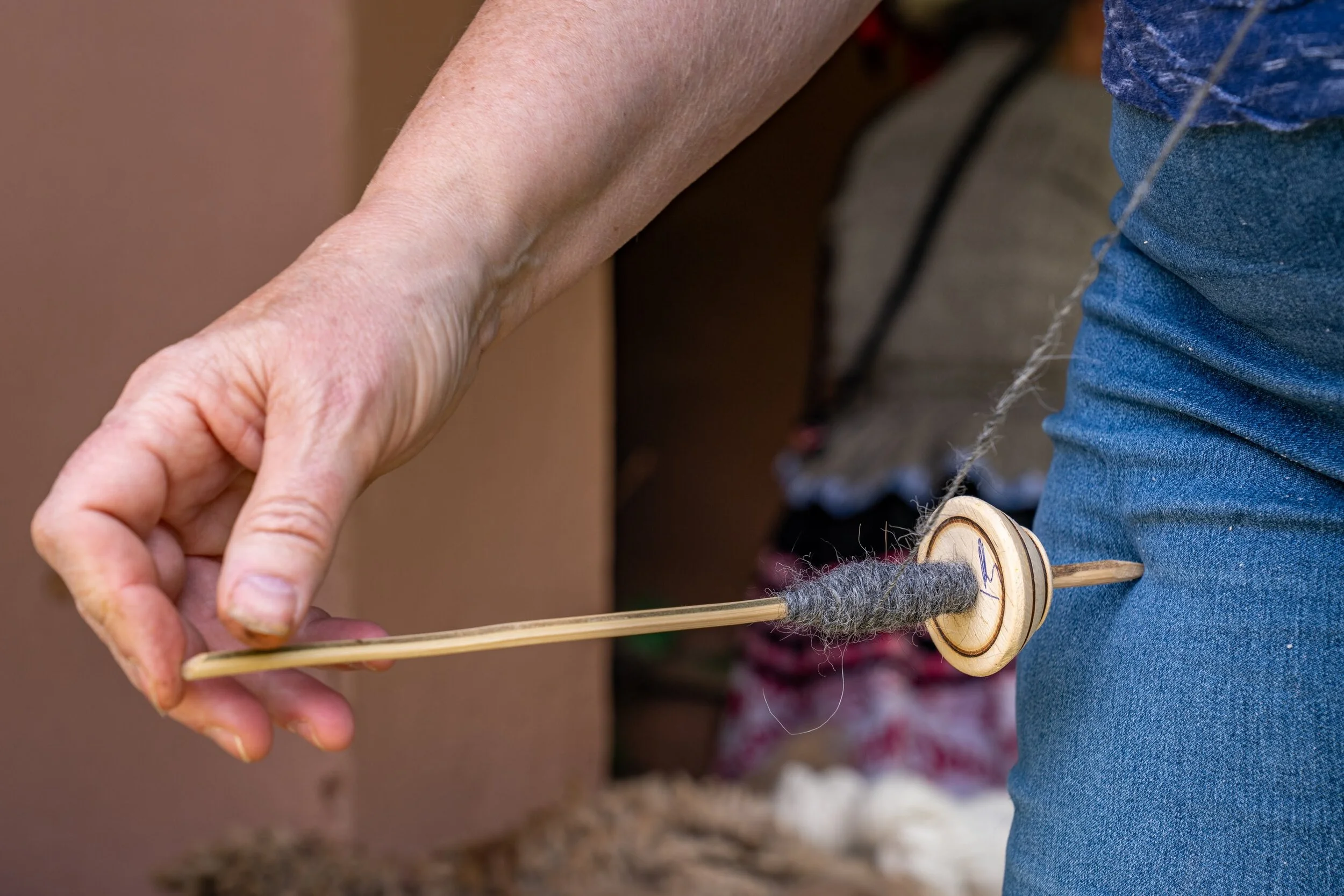
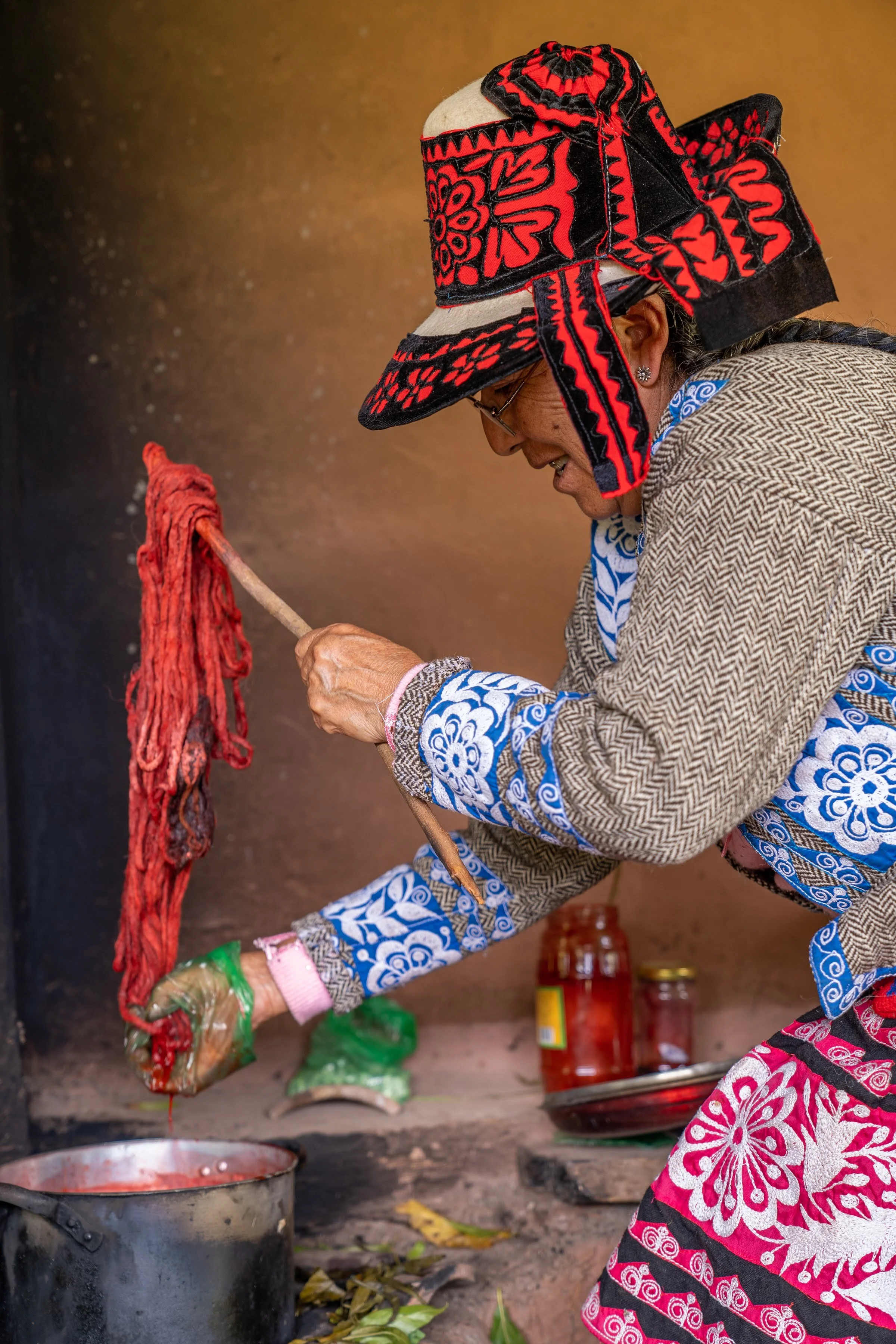
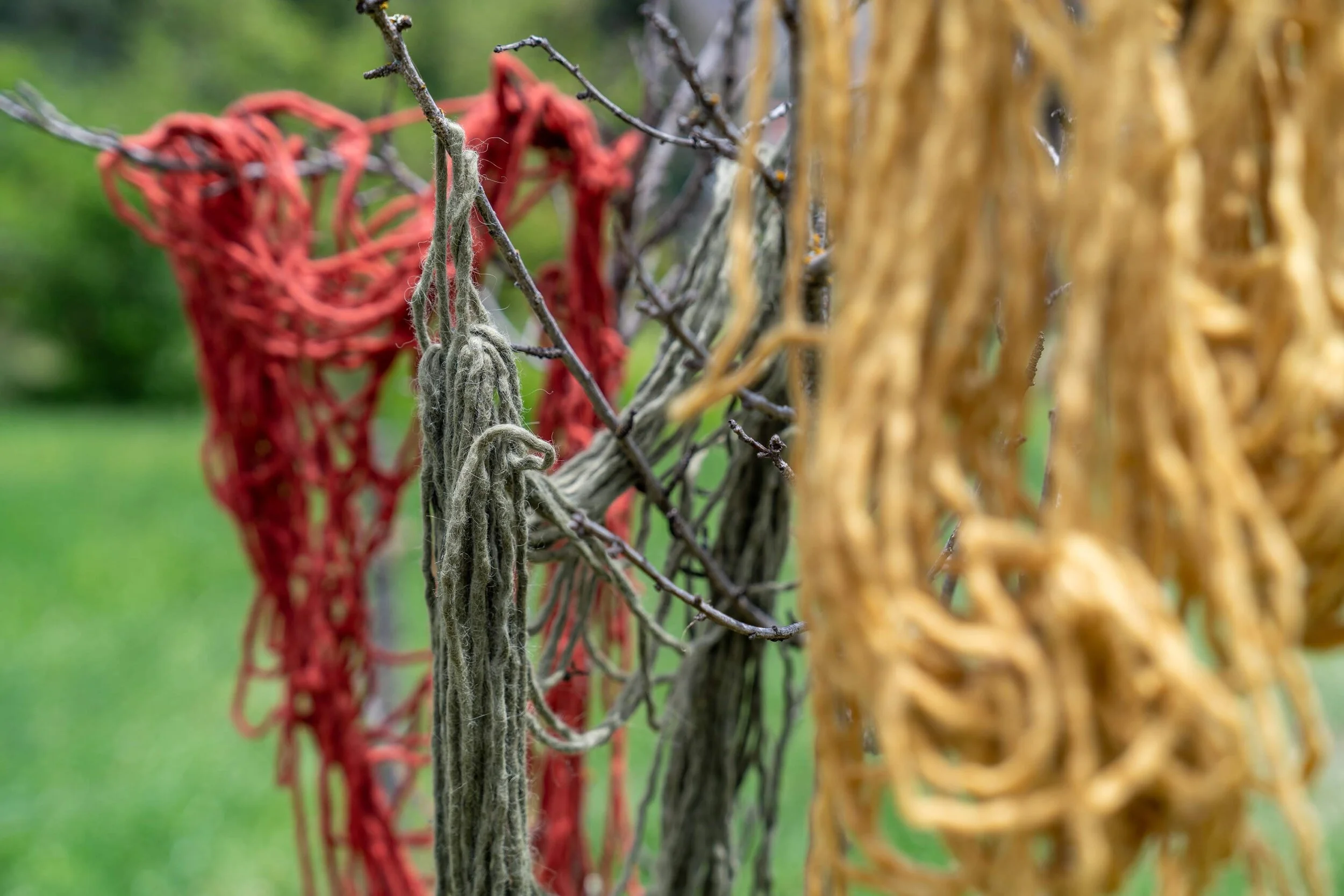
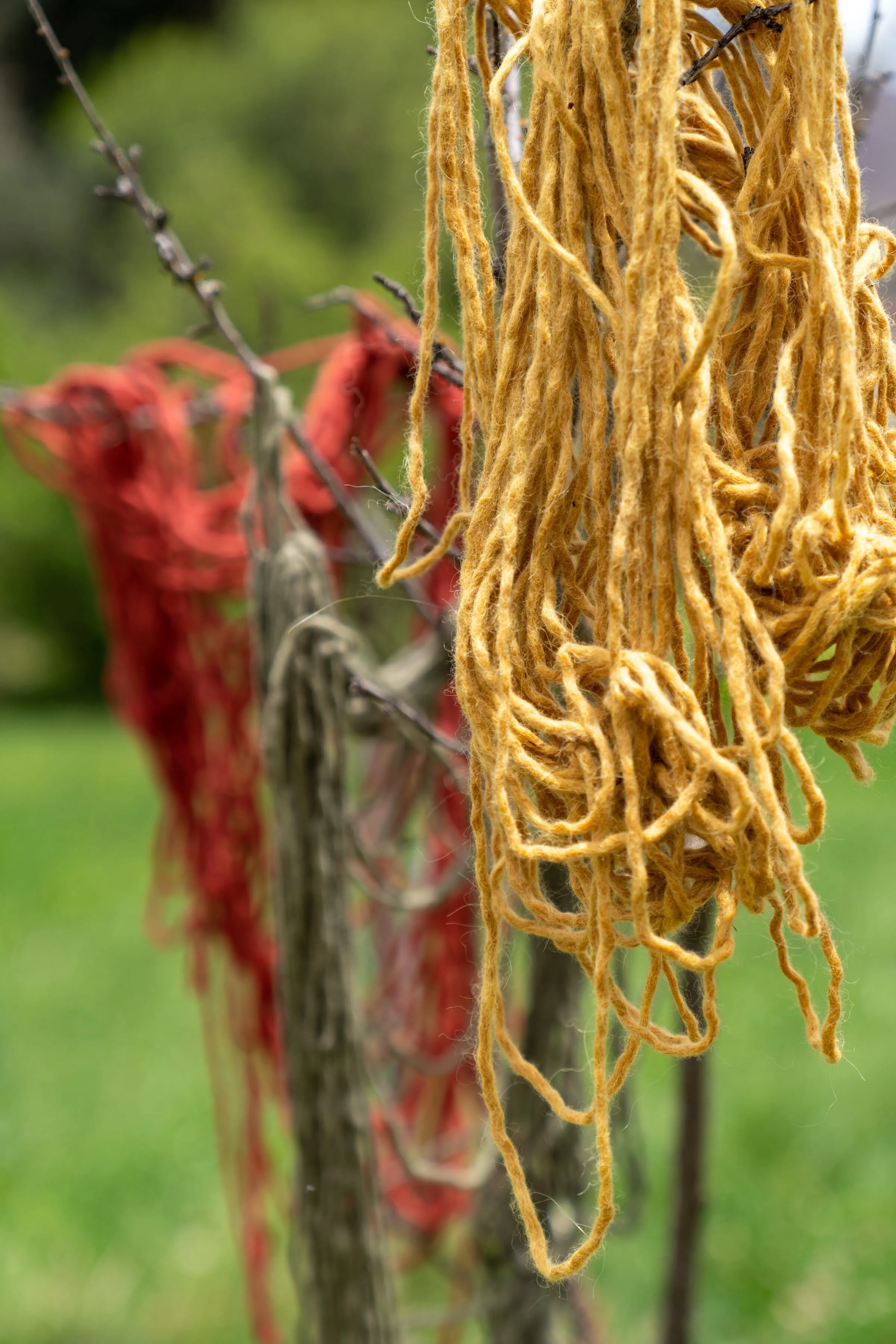
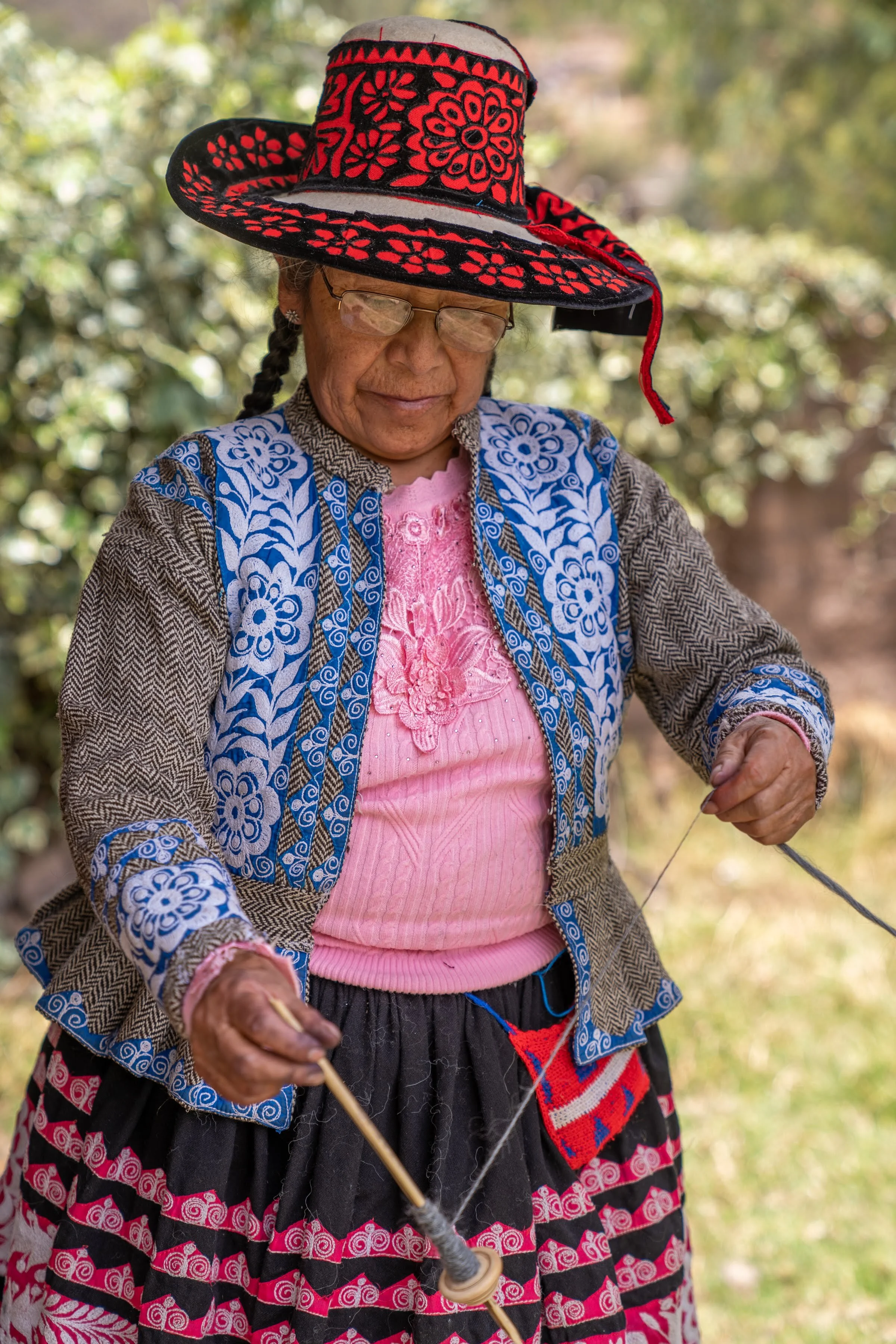
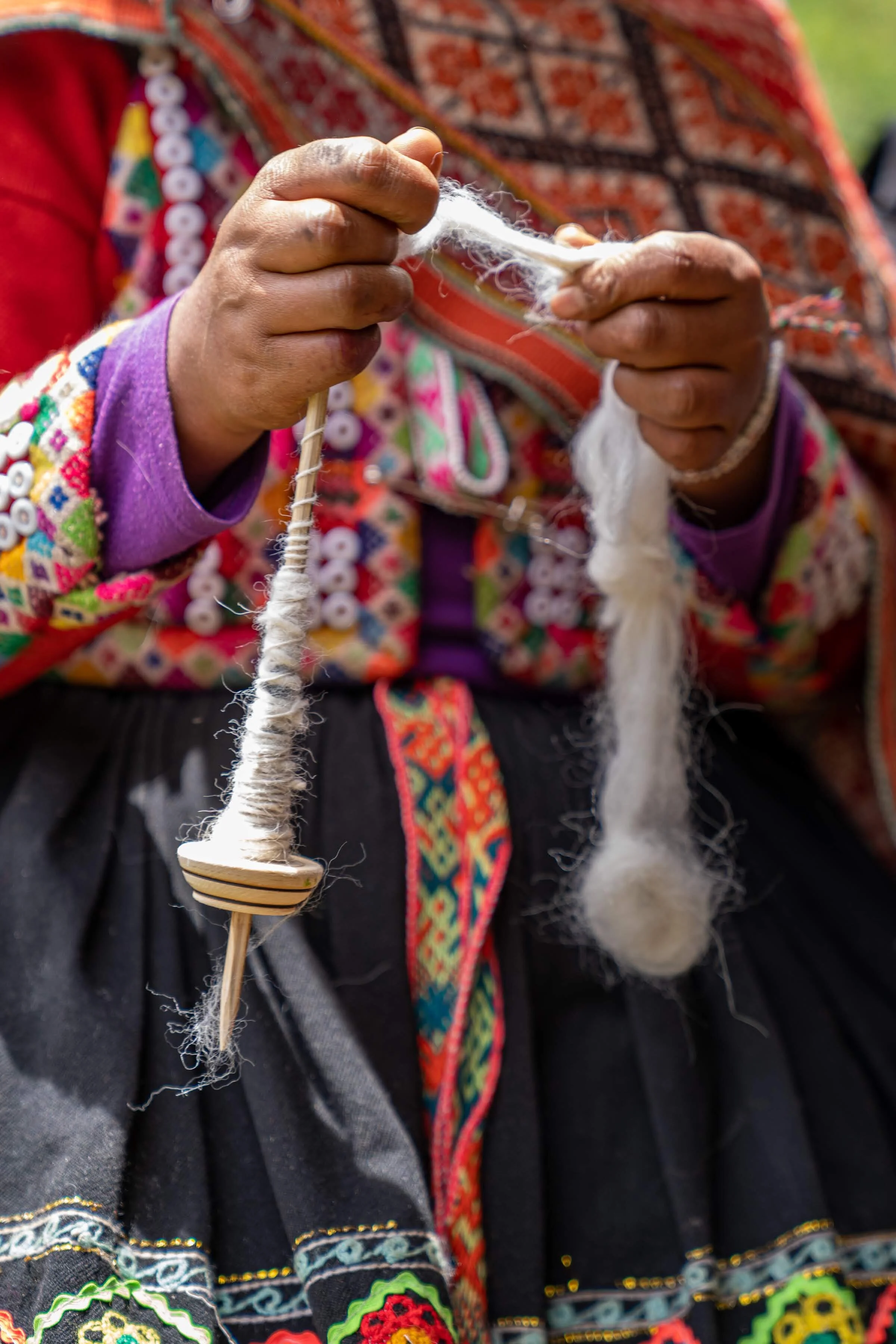
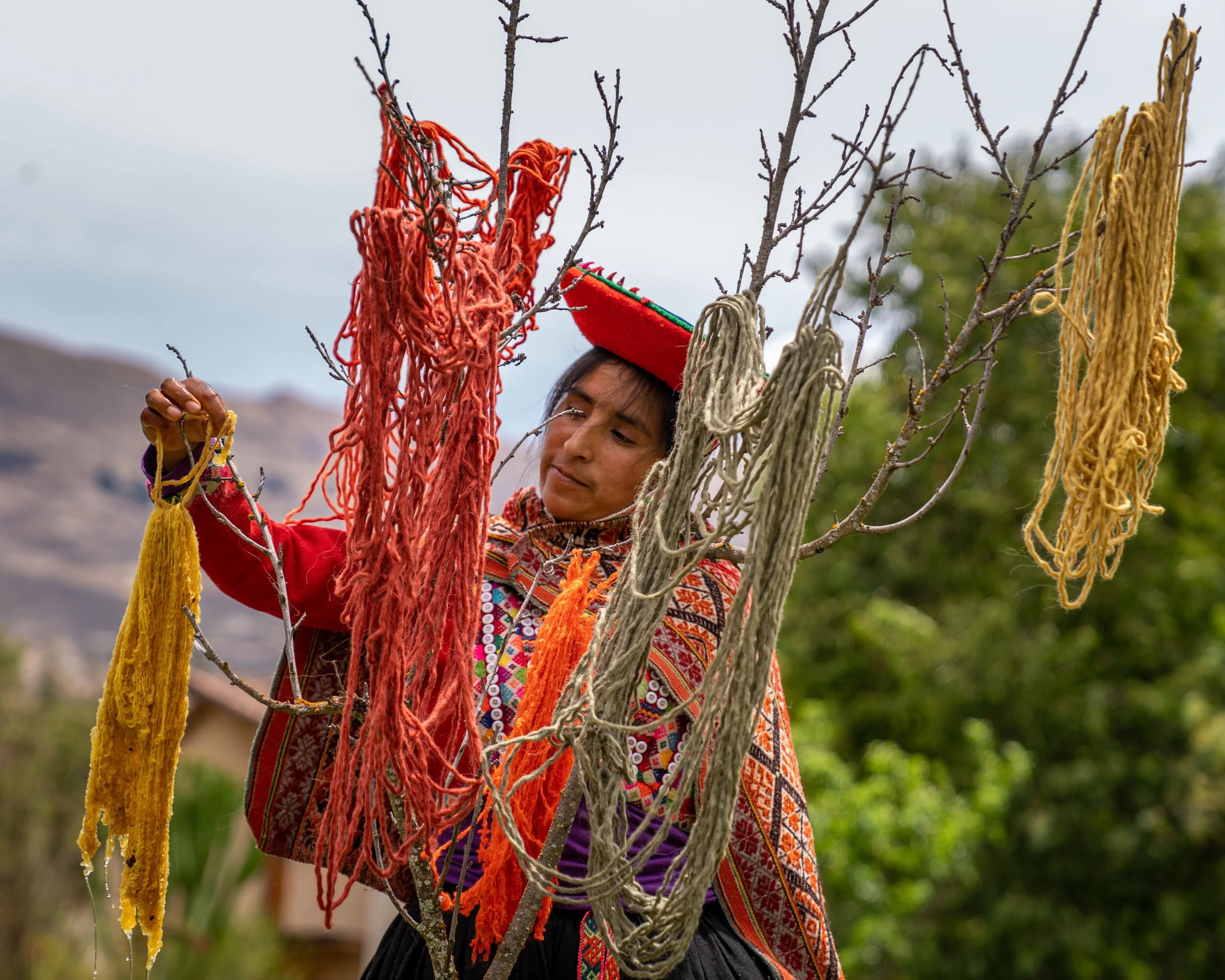
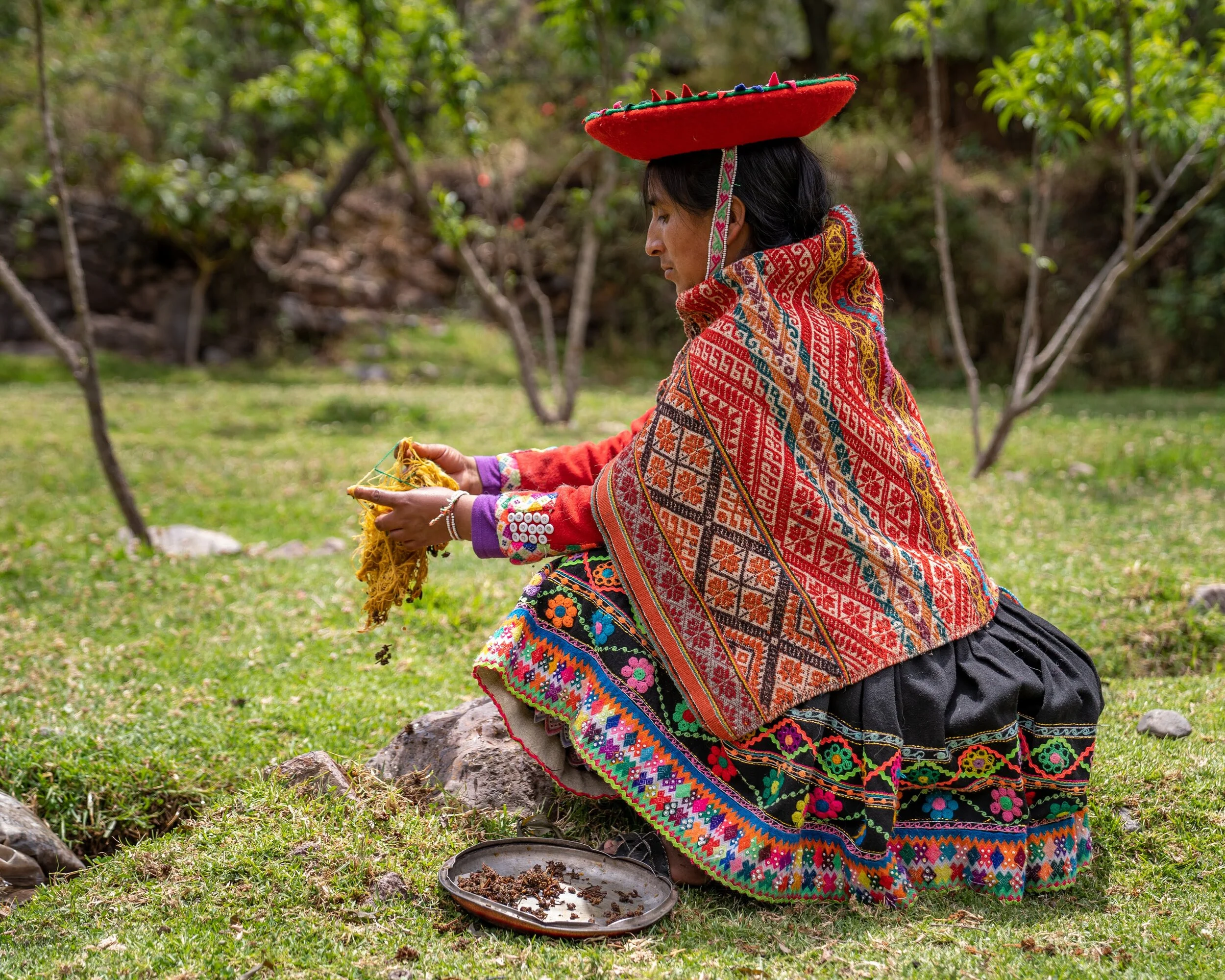
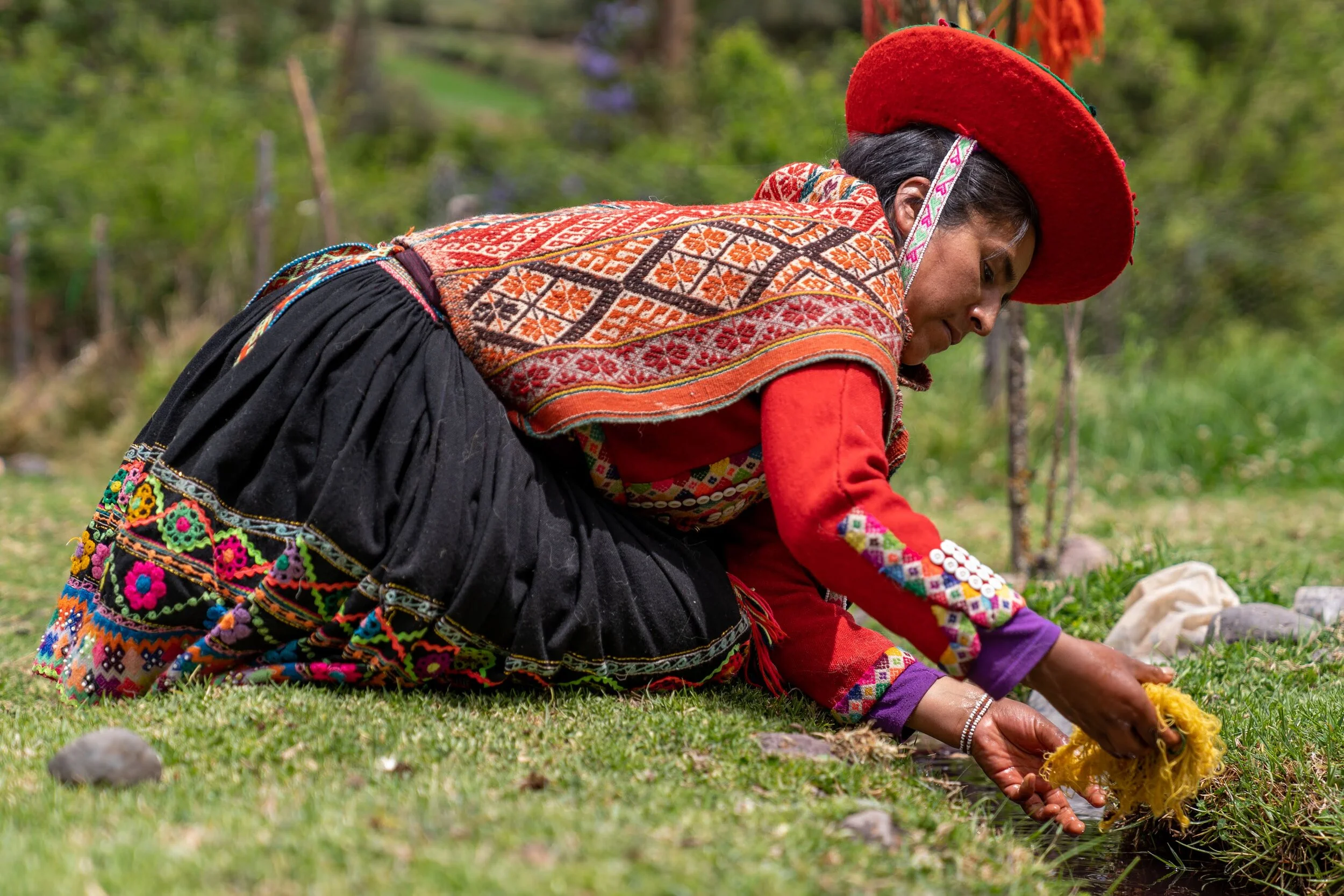
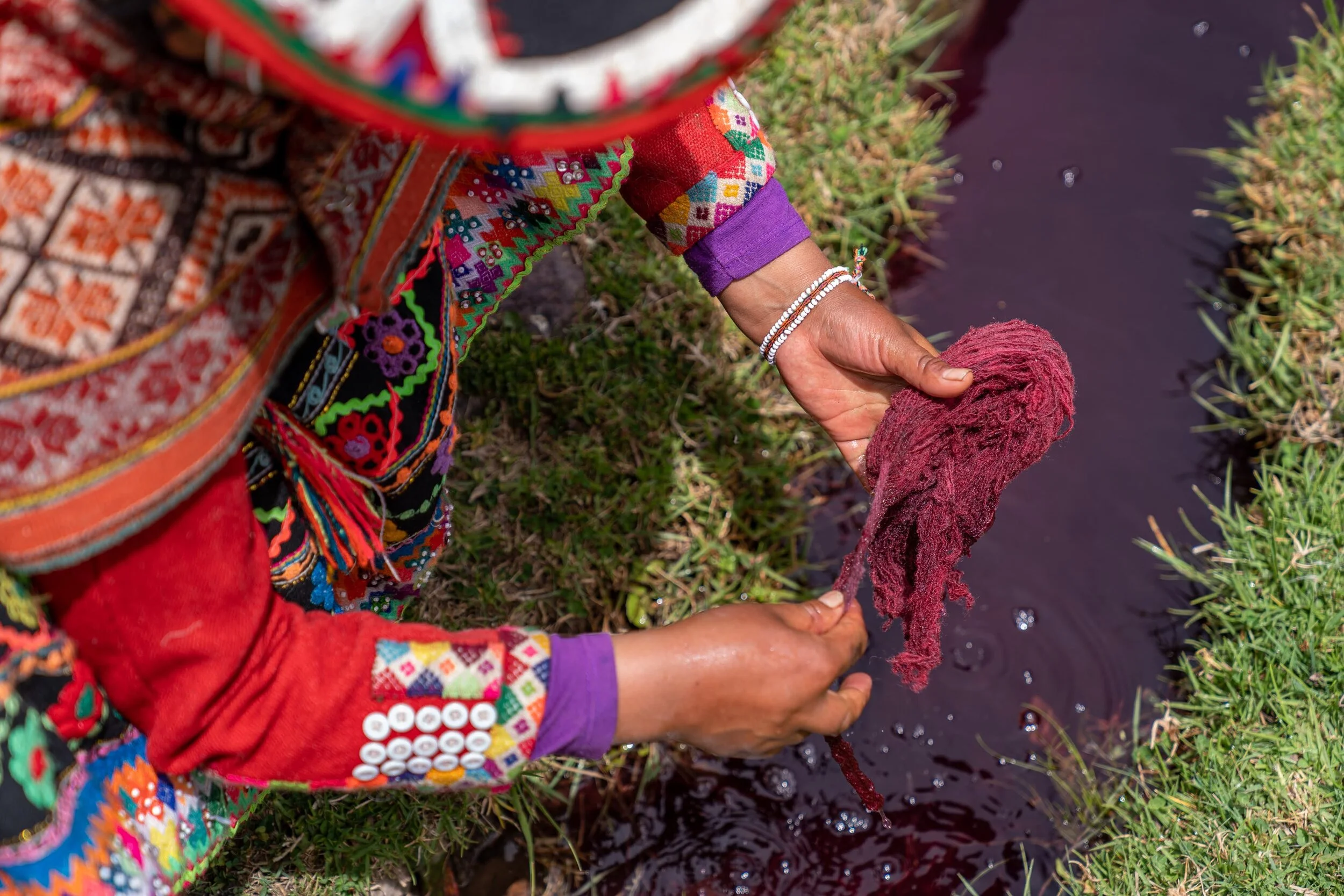
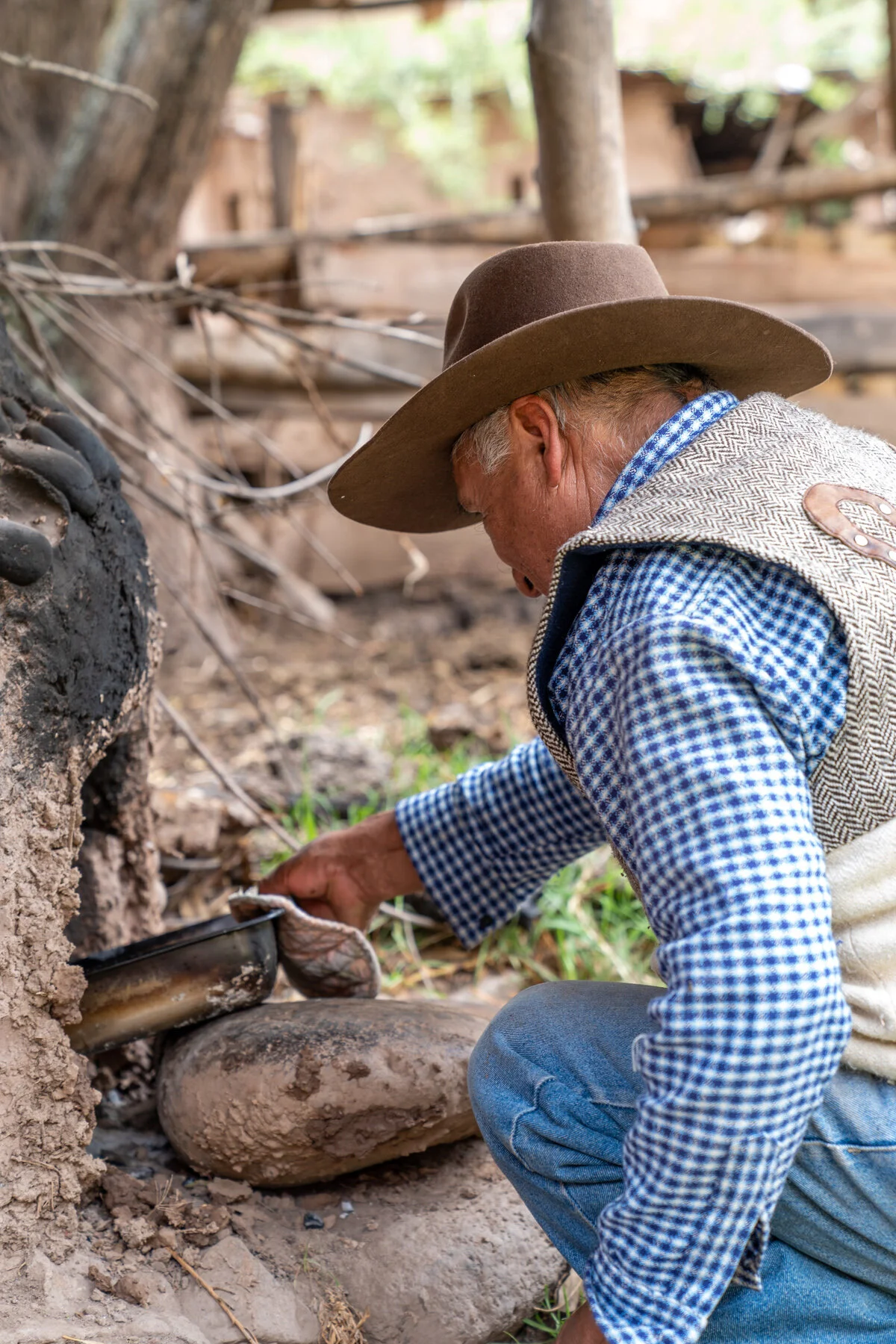
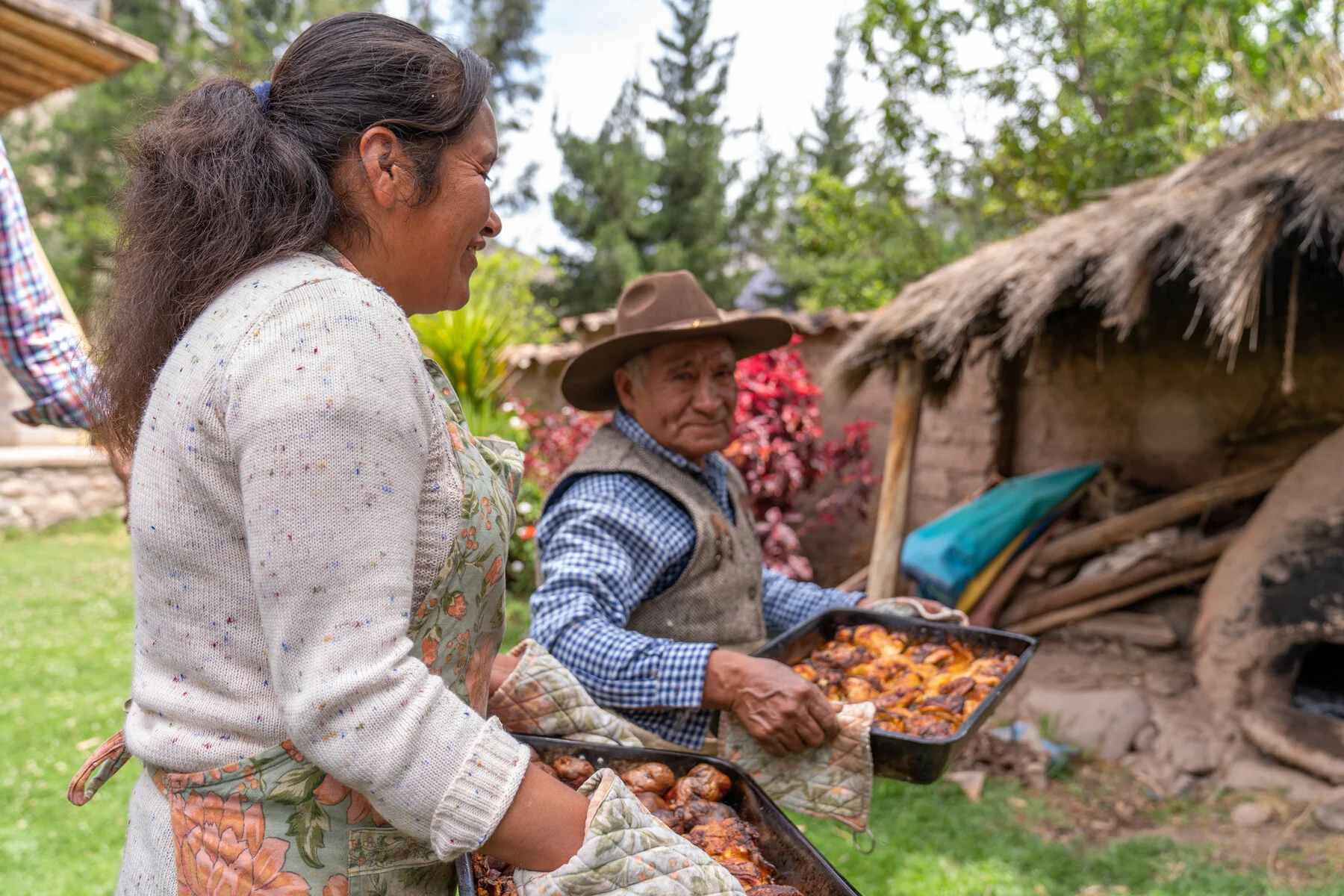
    The next detour was considerably more appetizing; Apulaya – Center for Andean Cultural in Calca, and home-base of Alliyma hand-spun Peruvian yarn, who would be hosting us for an afternoon that included a-made-from-scratch traditional barbeque meal cooked in an earthen oven, and the main event – learning how to naturally die alpaca wools before (attempting to) spin them into yarns. You’d think this was easy, but woah Nelly, take it from me, this is a proper art (that even requires, especially if you have an affinity for the color purple, building an immunity to the smell of fermented sheep urine. Mmmhmm. You read right.). 

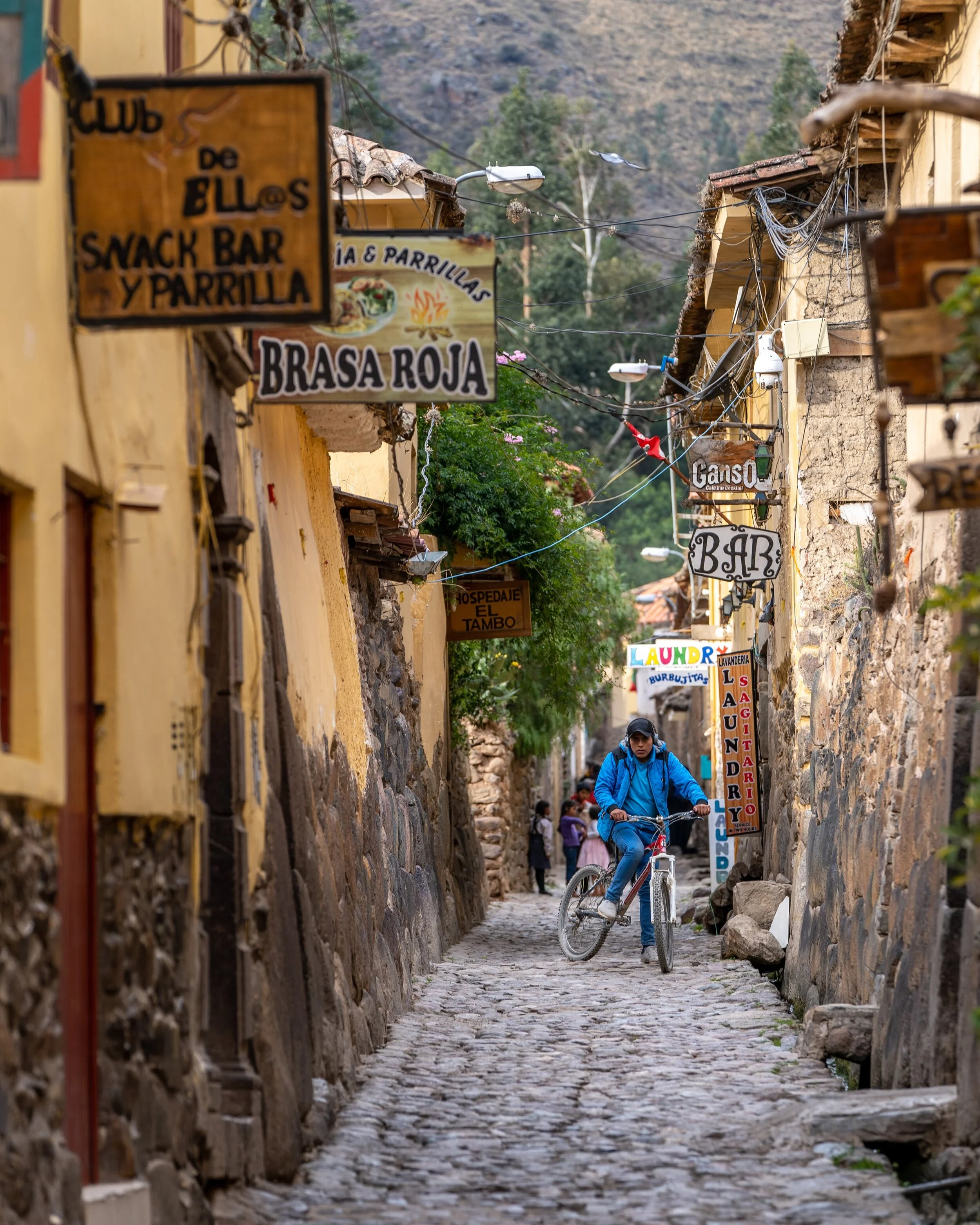
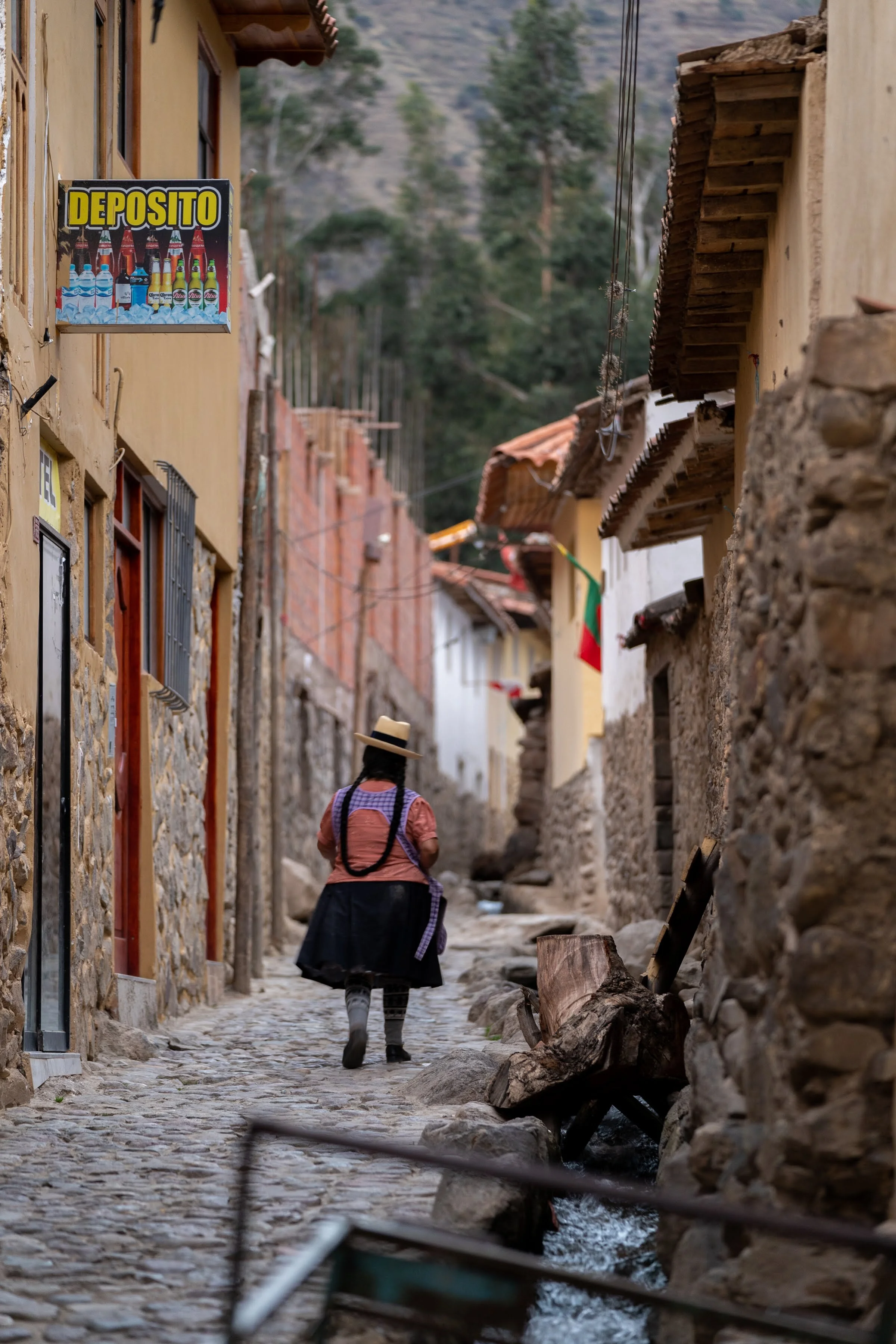
    A few hours and half-a-nap later, we would arrive to hillside-straddling town of Ollantaytambo, just in time for a short sunset stroll through the handful of narrow cobblestone pathways that crisscrossed the city center, and a group dinner, before retiring for some well-earned ZZZZs to get us through the final leg of the journey. The part of the journey that normal people come to Peru for in the first place…

    The Sacred Valley…

    Click here for Part 5 – You Knew It Had To Happen – Machu Picchu

    And if you want some more of my moolatangos and wallayangos, find me on Instagram.

    (Editor’s Note: This trip originally happened in fall of 2019, when it was still safe to travel. It has taken some time to get these posts in order due to various reasons #Because2020, but the timing is quite impeccable that I begin publishing them now, as Peru has among the highest death rates per capita in the world from COVID-19, and people in the remote impoverished highland villages, where much of this story takes place, have little to no resources to protect themselves and their families. Quechua Benefit, the non-profit that sent me out has been raising money to provide masks, soap and education, and I’ve partnered with them to help bring some attention. Please consider throwing a few bucks their way through this link. As you’ll see throughout these posts, they’re doing wonderful work in Peru.)
  • Peaks n’ ‘Pacas in Peru – An Alpaca Fueled Trek Through The Andes – Part 3 – The Vicuna Chaccu

    Peaks n’ ‘Pacas in Peru – An Alpaca Fueled Trek Through The Andes – Part 3 – The Vicuna Chaccu

    Andes Mountains Peru Quechua Benefit Picotani Vicuna Chaccu

    (If you haven’t yet, and you wanna, start at the beginning of the adventure with Part 1 – Where The Wacky Alpacky Hath Led Me)

    This morning was our first ‘touristy’ thing – a visit to Condor Cross, which lie a short hour’s drive from Chivay.

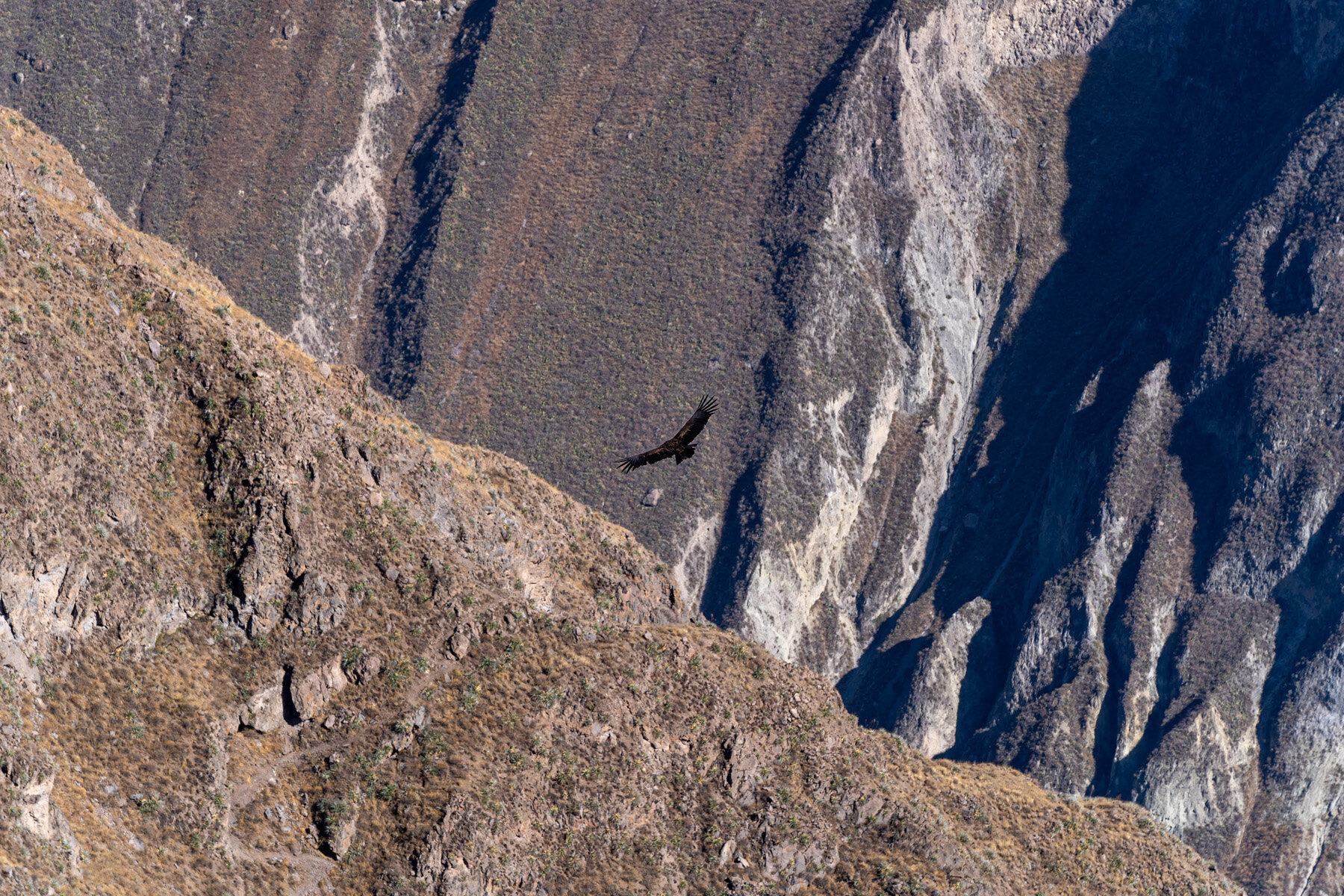
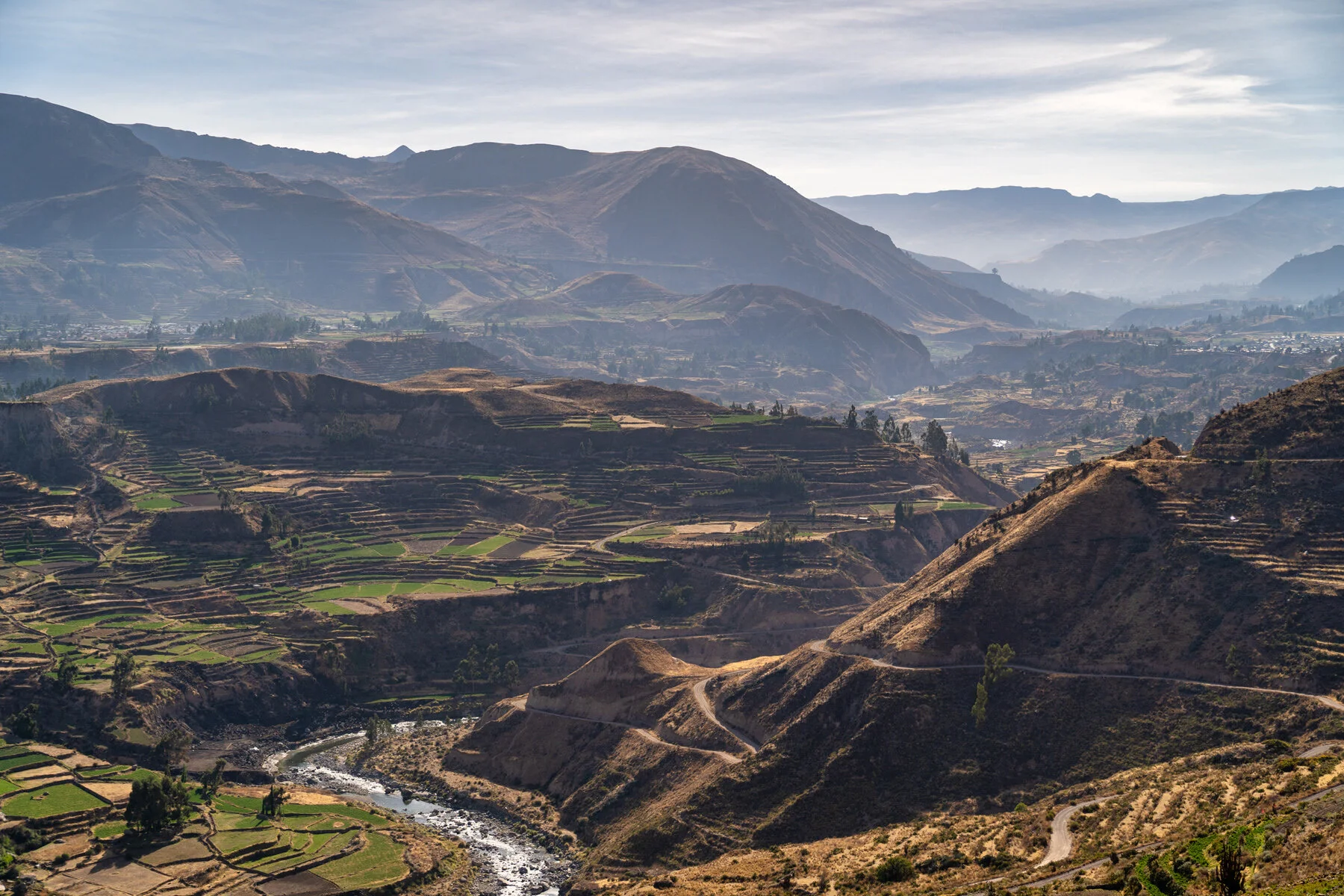
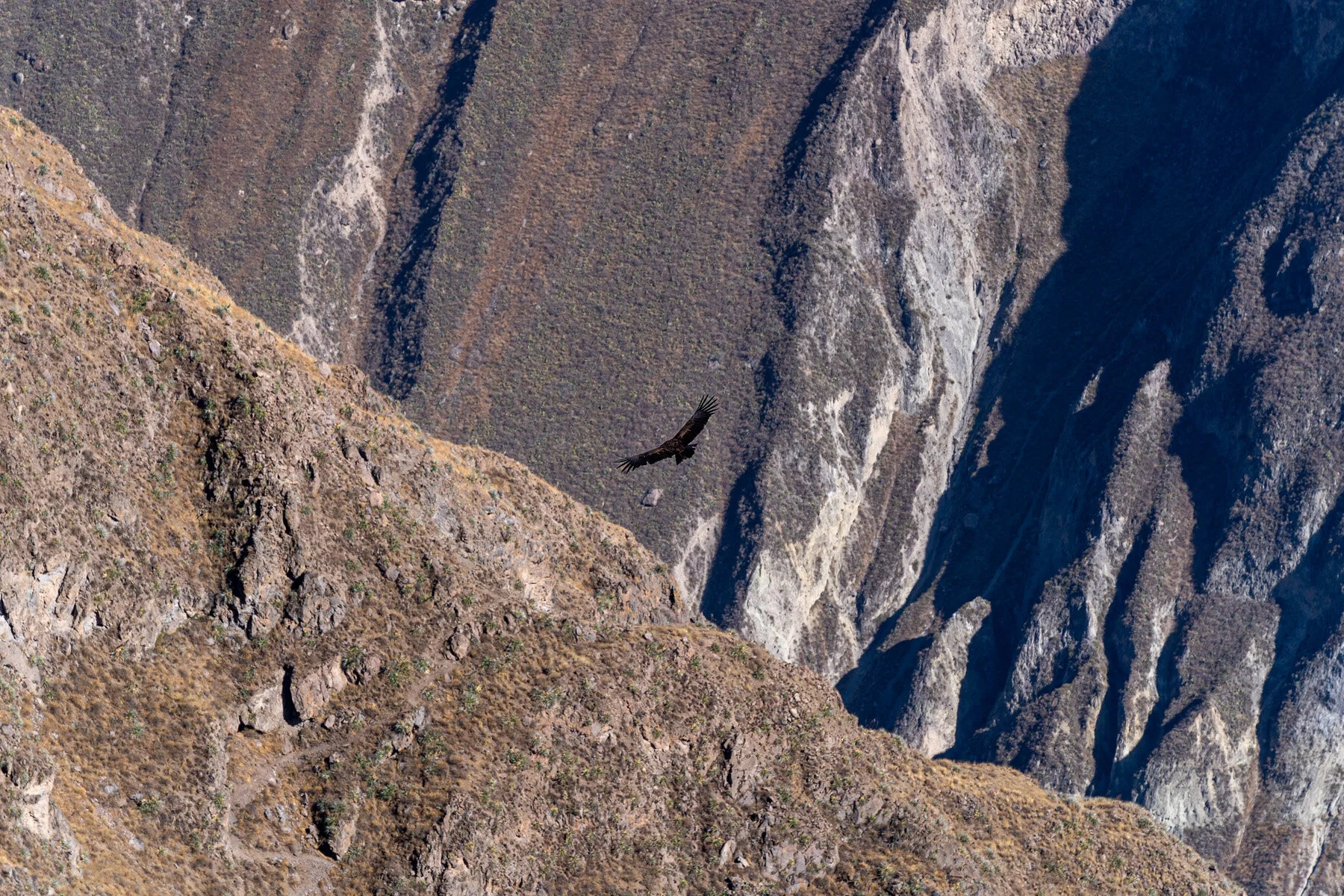
    Condor Cross, which lies in the midst of Peru’s Colca Canyon, by some estimates the world’s 2nd deepest canyon (twice as deep as the Grand Canyon), just so happens to be one of the best places to see, appropriately, the world’s largest flying bird – the Andean condor – an impressive creature whose wingspan can reach up to 10 feet and can weigh more than 30 pounds.

    Andes Mountains Peru Quechua Benefit Colca Canyon Condor Cross

    While we unfortunately only caught a couple short glimpses of a pair of condors on this morning, it was still awe-inspiring simply to be standing at the rim, peering from above into one of the deepest canyons in the world.

    After lunch and goodbyes back at Casa Chapi, we were back on the road for the rest of the afternoon towards our next stop, Picotani, the location for the centerpiece of this entire trip, the Vicuna Chaccu – an event that stretches back millennia – a ceremony originally performed by the Incan Sun Gods.

    Being as how Quechua Benefit has been working in this area for near a quarter century, they’ve become a respected mainstay in the highlands, and thus, our group was fortunate enough to be invited to participate in and observe this year’s chaccu.

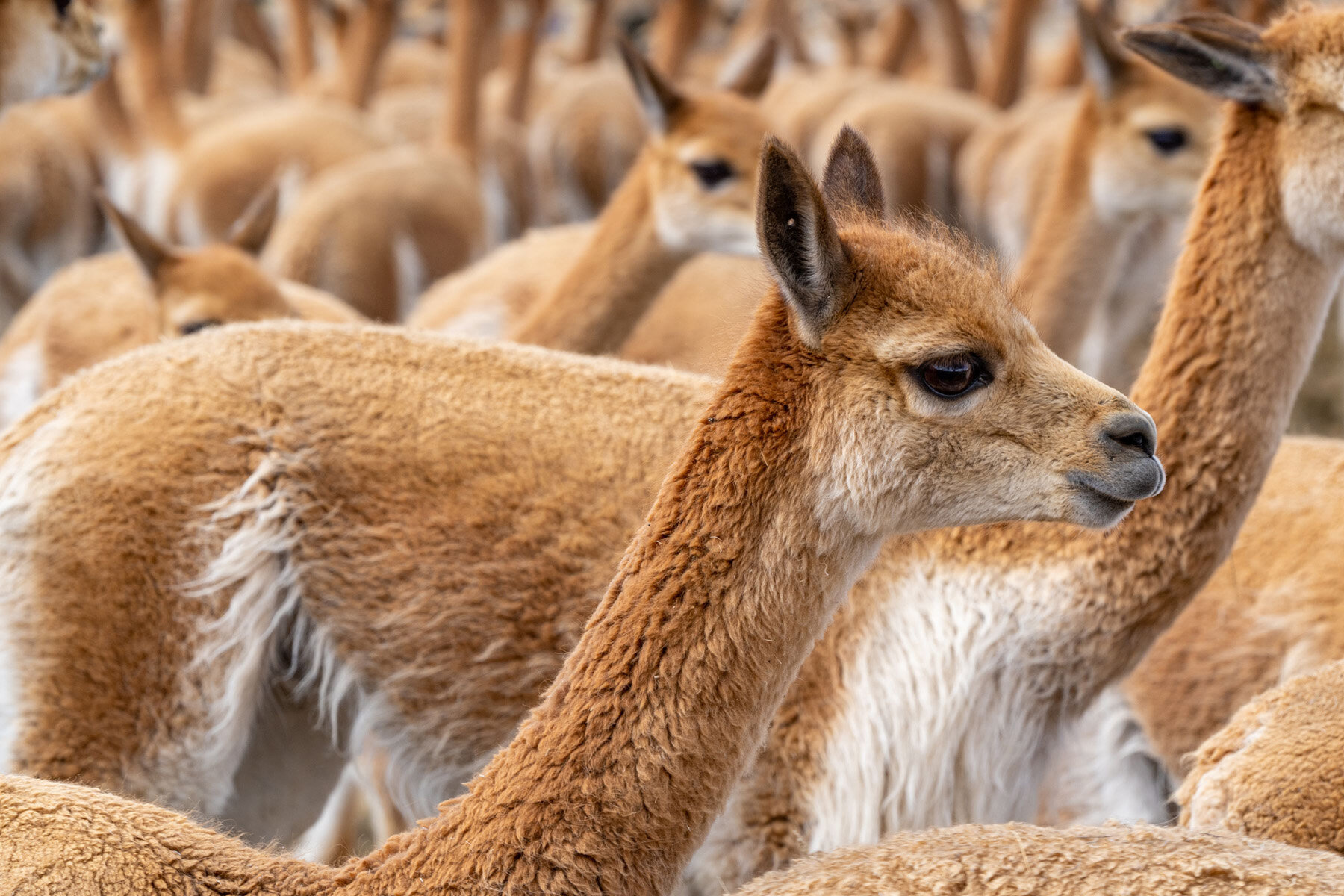
    But in order to understand the chaccu, you must first understand the vicuna.

    Andes Mountains Peru Quechua Benefit Picotani Vicuna Chaccu

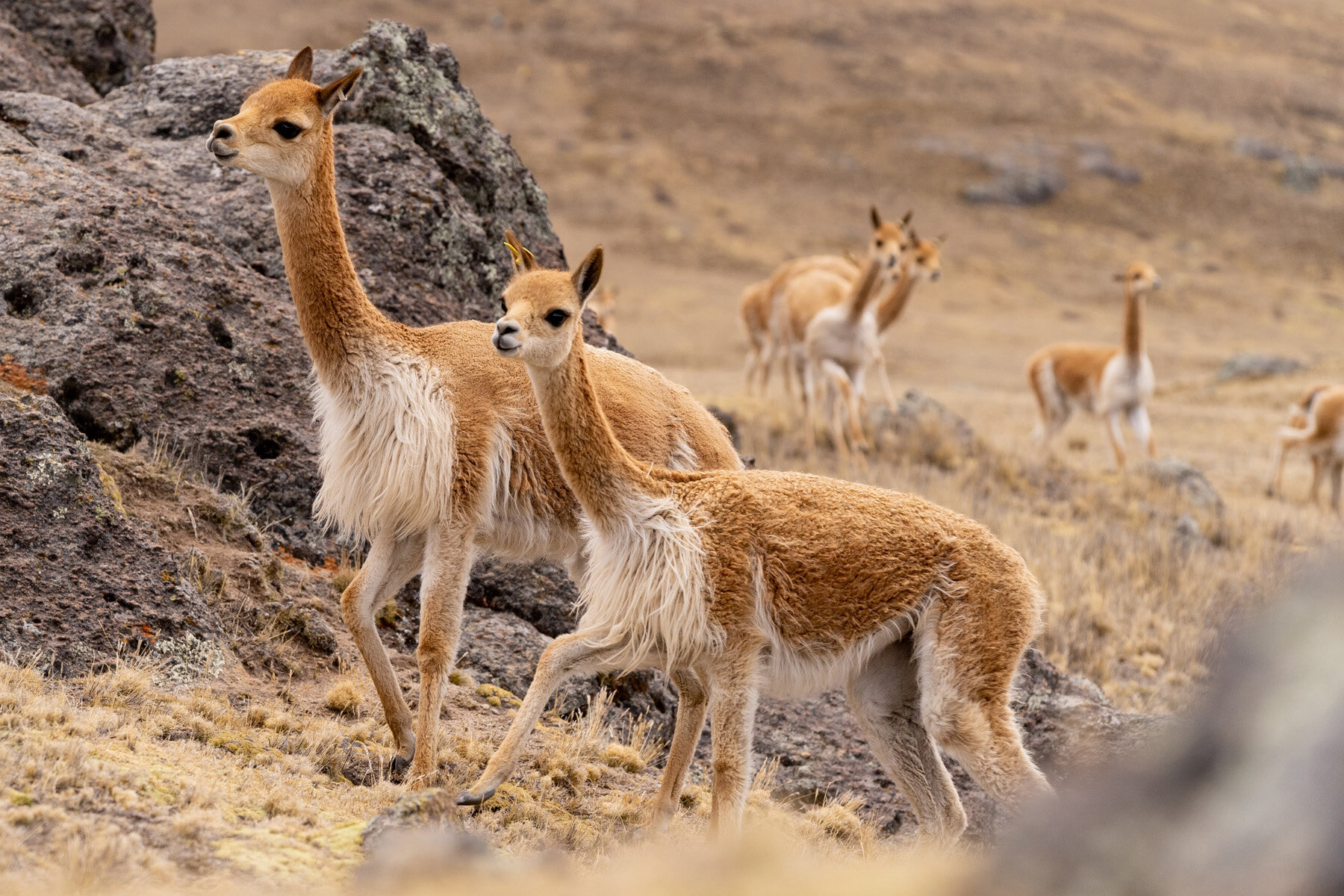
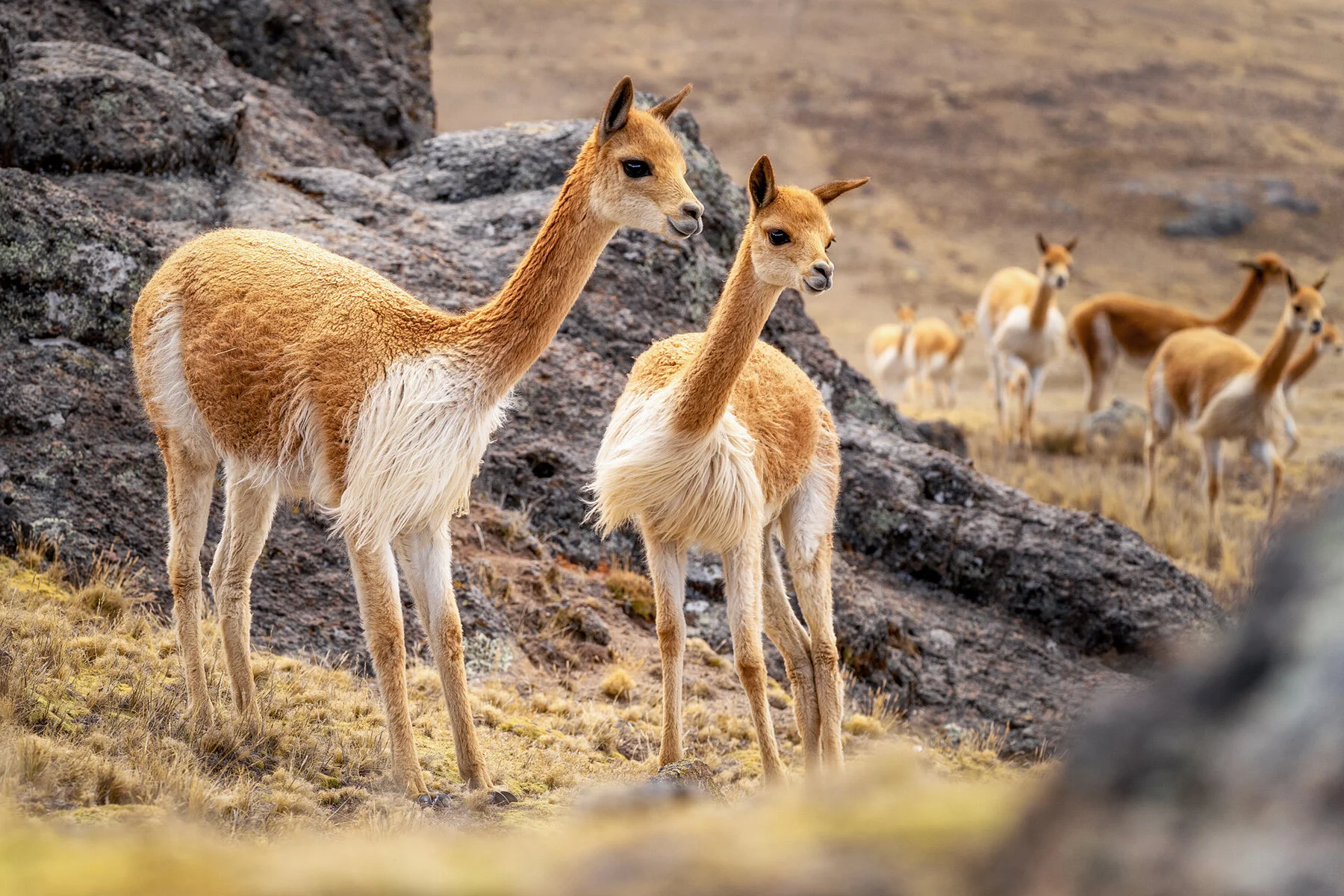
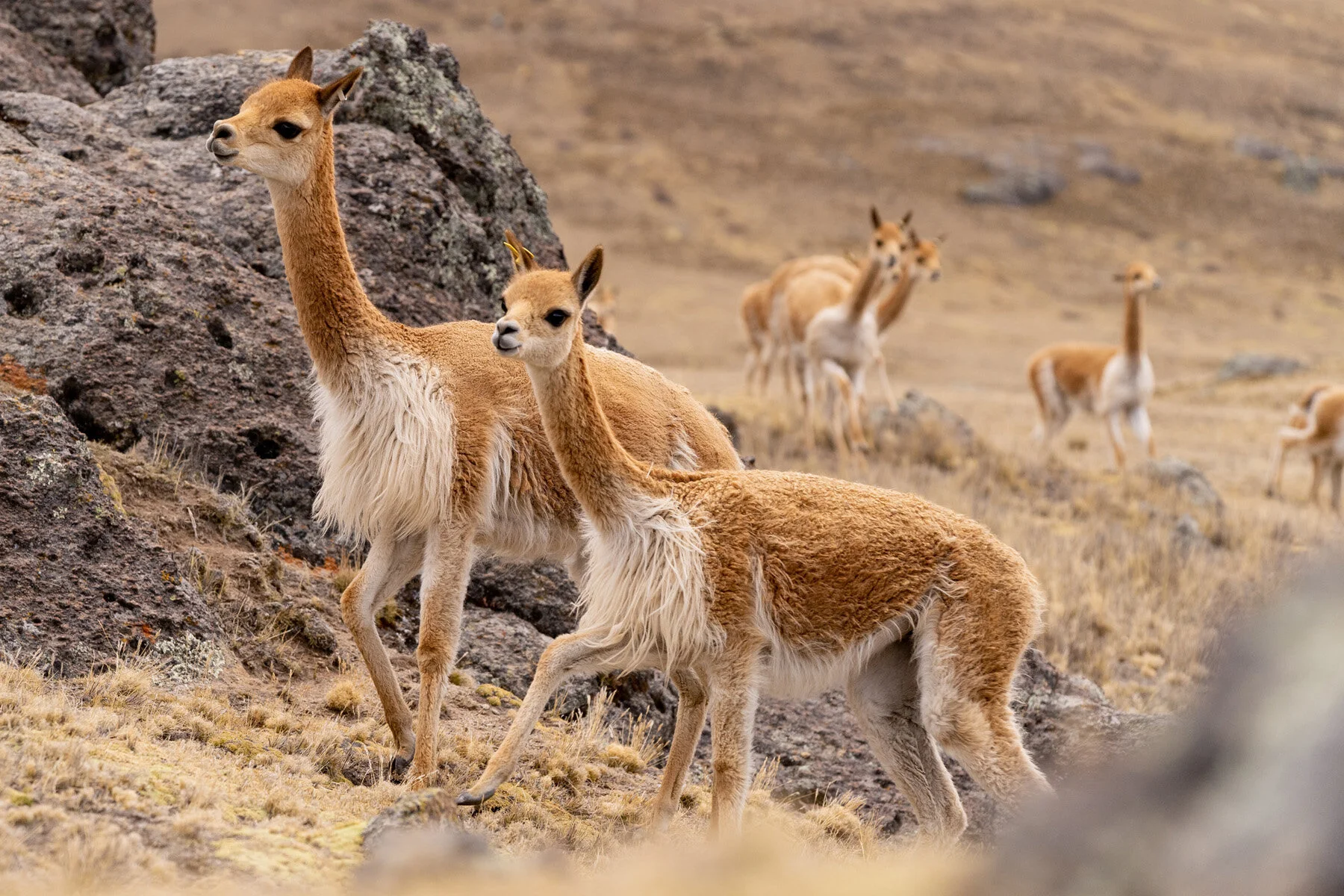
    The history of the vicuna is arguably one of the most unlikely success stories of the modern-day conservation movement.

    We are constantly bombarded by harrowing tales of poachers and opportunists in pursuit of the quick and easy dollar. Every time they take a tusk to make a buck, they leave behind them a trail of blood, tears, environmental and economic destruction (not to mention the source of their revenue), and as a result, countless species end up on the endangered species lists and fragile ecosystems are thrown into disarray.

    The elephant, rhino, whale and orangutan immediately come to mind.

    What we are not as readily exposed to, are stories in which governments, along with local indigenous peoples, in cahoots with international luxury brands, work in cooperation with each other to help bring back a species from the brink of extinction to a healthy state of abundance.

    Which begs the question – what if it was made so that the species in question is more valuable alive than dead? More economical if cultivated than pelted?

    This is the story of the vicuna.

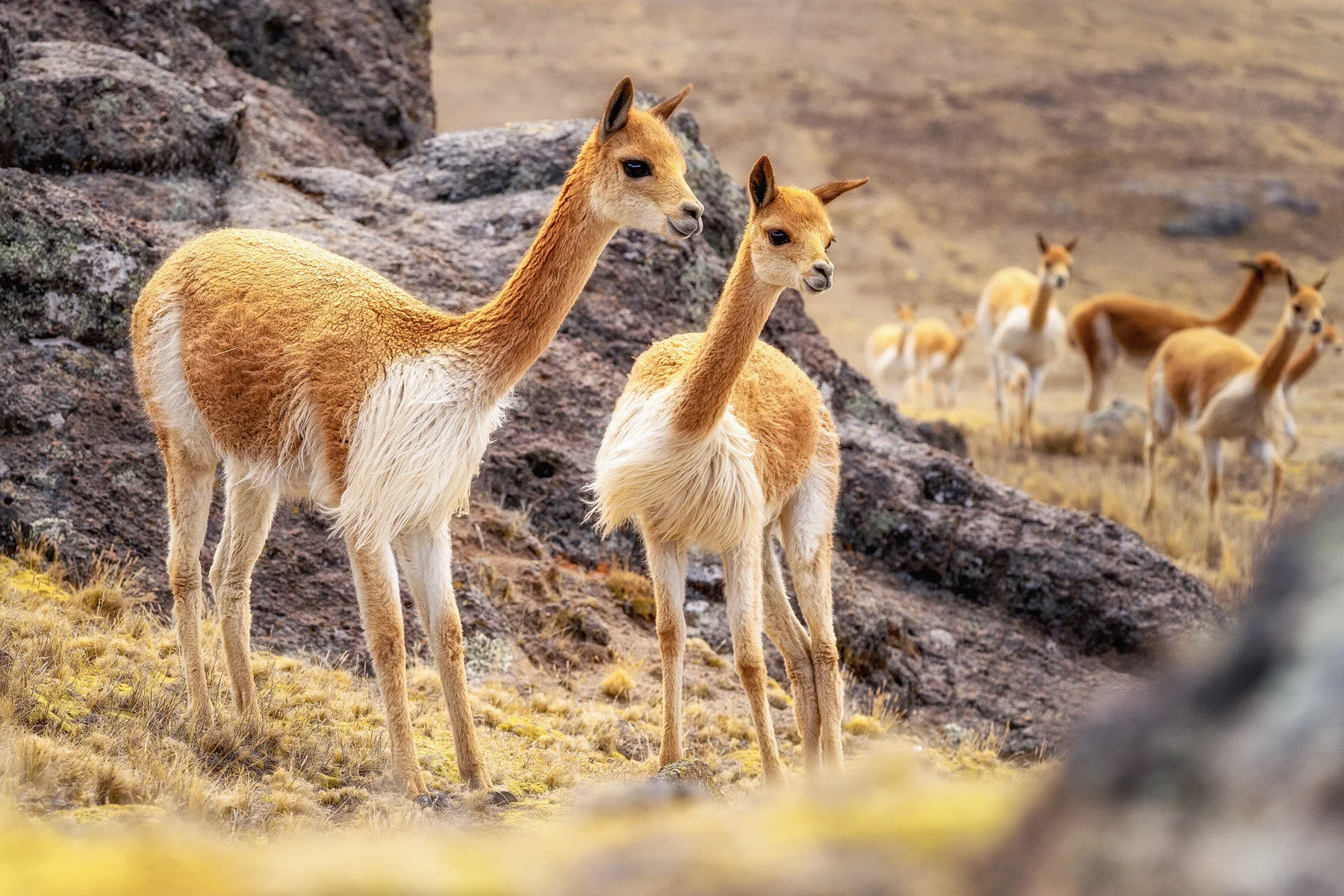
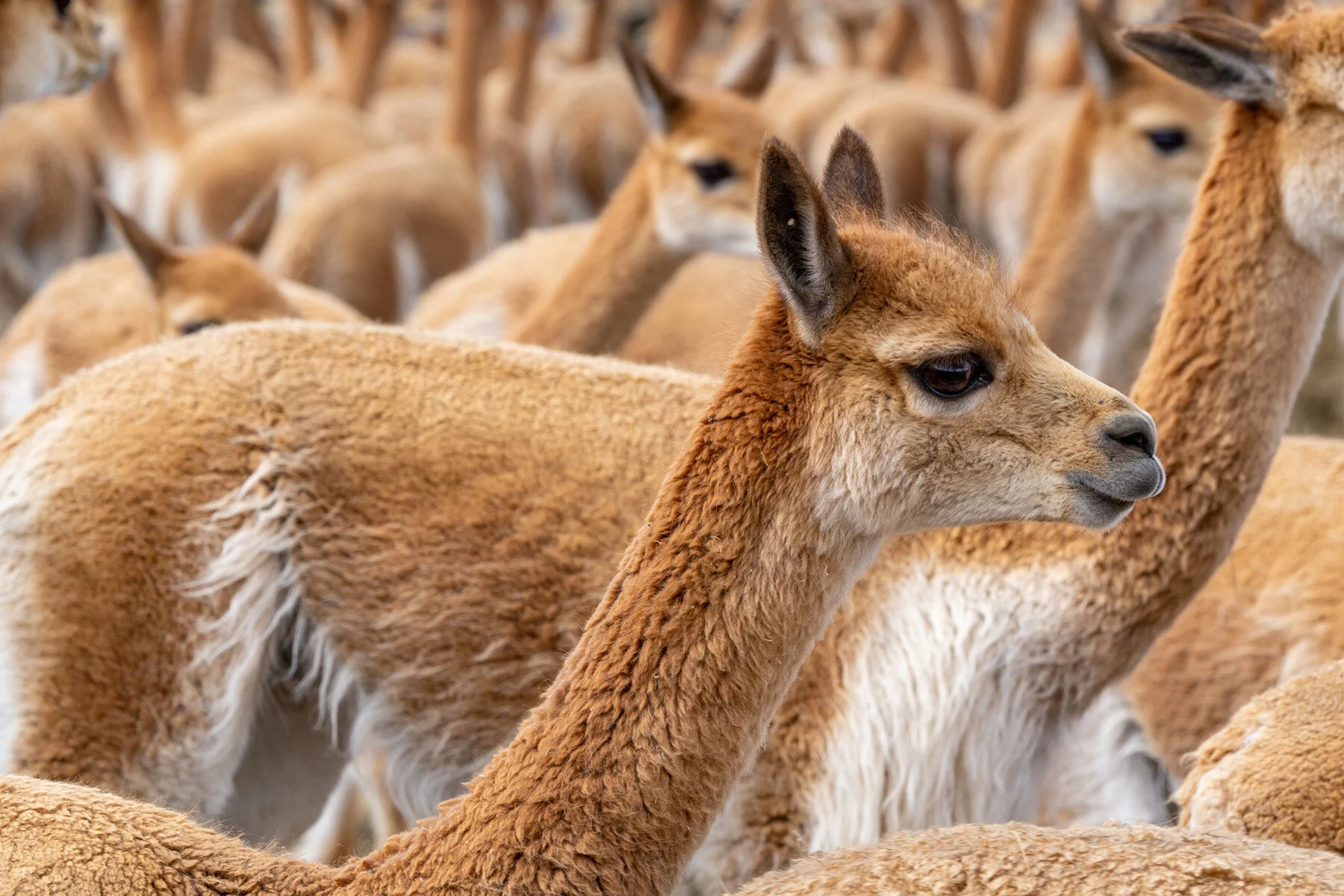
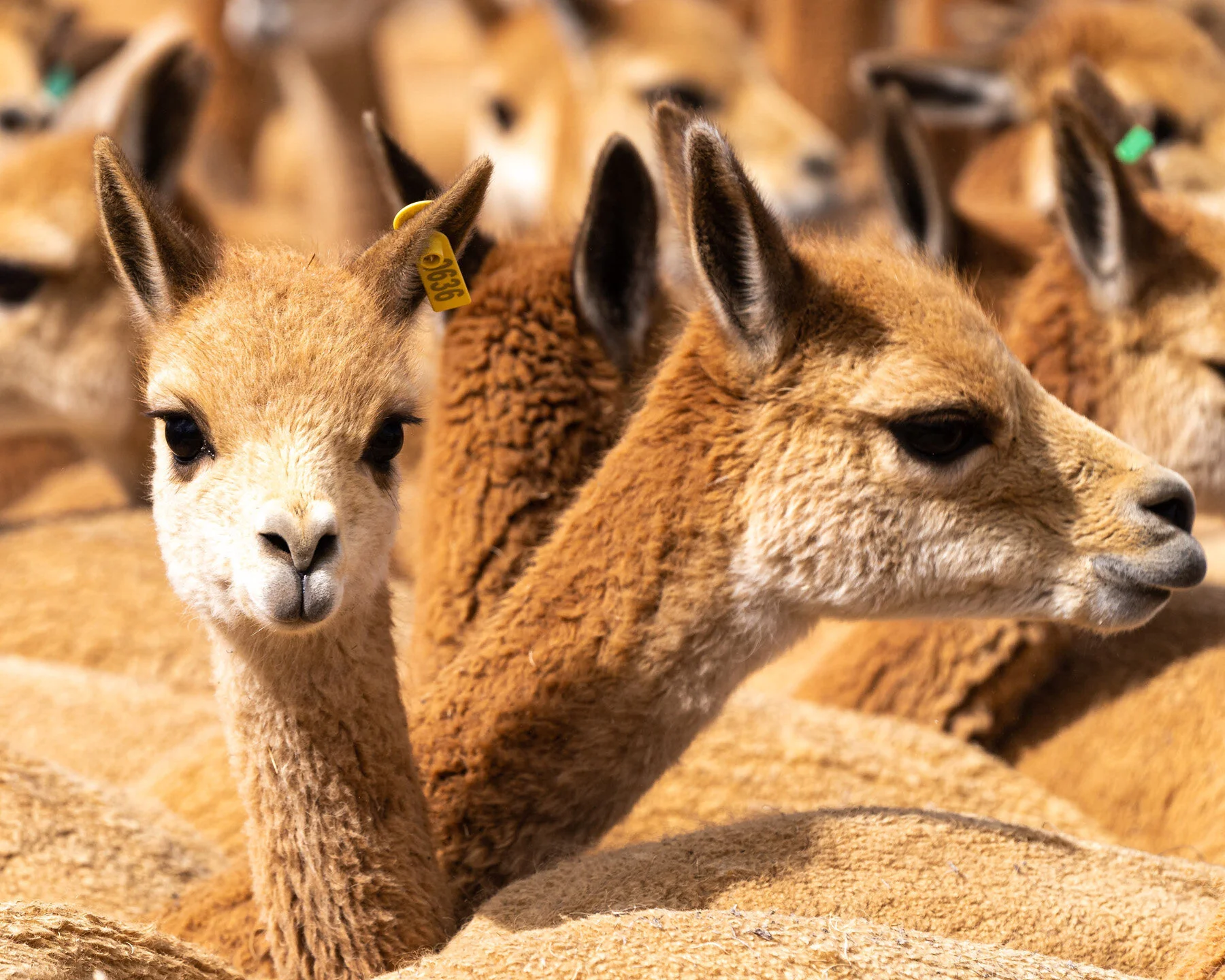
    Once numbering in the millions, because they have one of the finest fibers on earth (a single jacket can command upwards of $15,000 USD), over the course of a mere few decades, at the mercy of relentless poachers, vicuna populations dropped to a few thousand head.

    However, as of 2017, populations have been revived to number close to 200,000.

    And growing.

    Image asset

    Local indigenous communities, together with the government of Peru and local non-profits, driven by the insatiable appetite of customers to luxury fashion brands like Loro Piana out of Italy, got together and came up with a plan to not only bring back the vicuna populations, but to maintain them at sustainable levels.

    After all, without them, Loro Piana wouldn’t be able to manufacture those $15k jackets, the local populations wouldn’t have the employment opportunities putting their communities in position to be able to thrive, and Peru will have lost a vital piece of their history, culture and identity.

    (For the complete authoritative account of the remarkable vicuna story, told by Michael J Safley, the master himself, make sure to check out “Vicuñas – Survival of the Finest.” Plus, there’s a few pictures in there by yours truly…)

    Vicuna Book

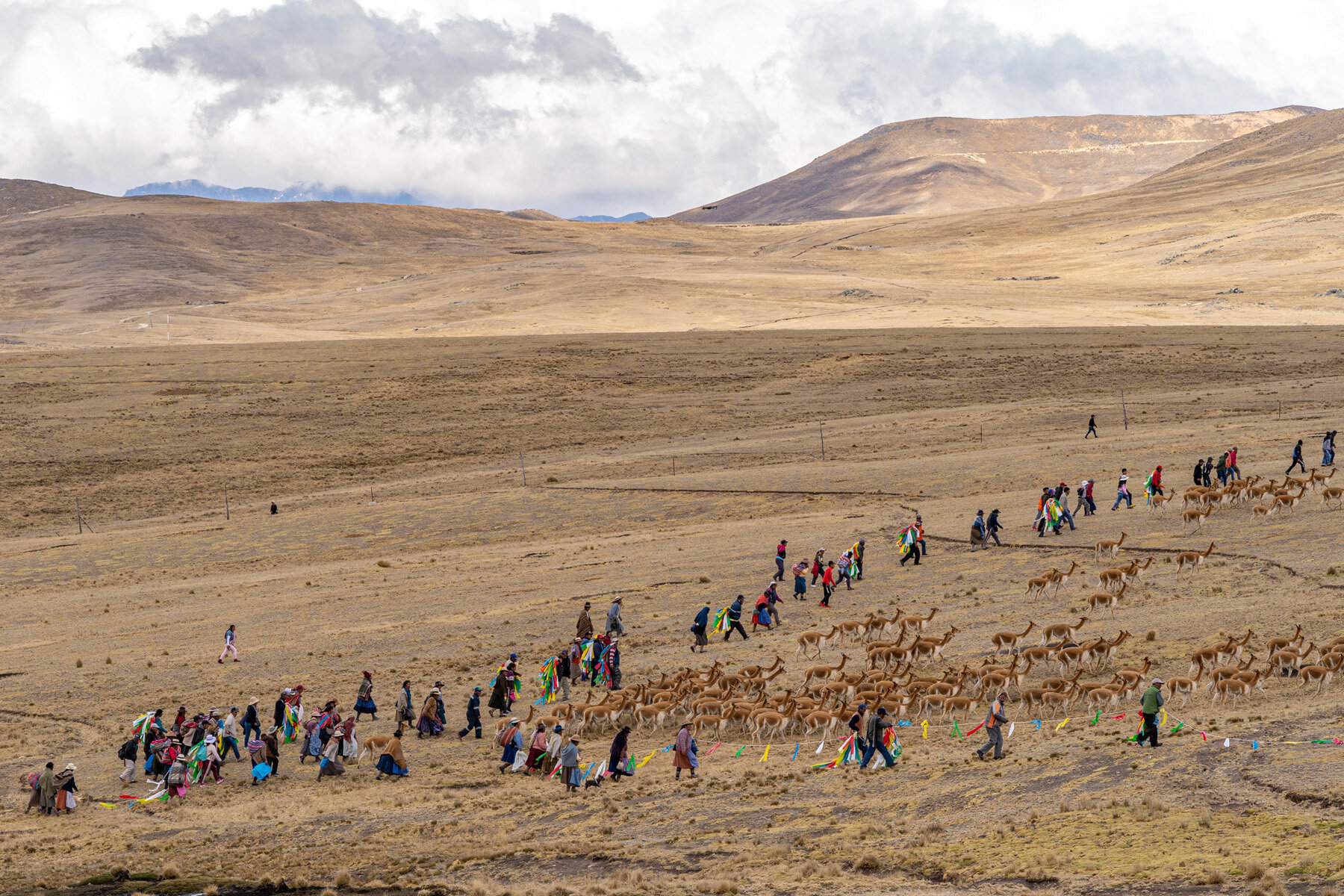
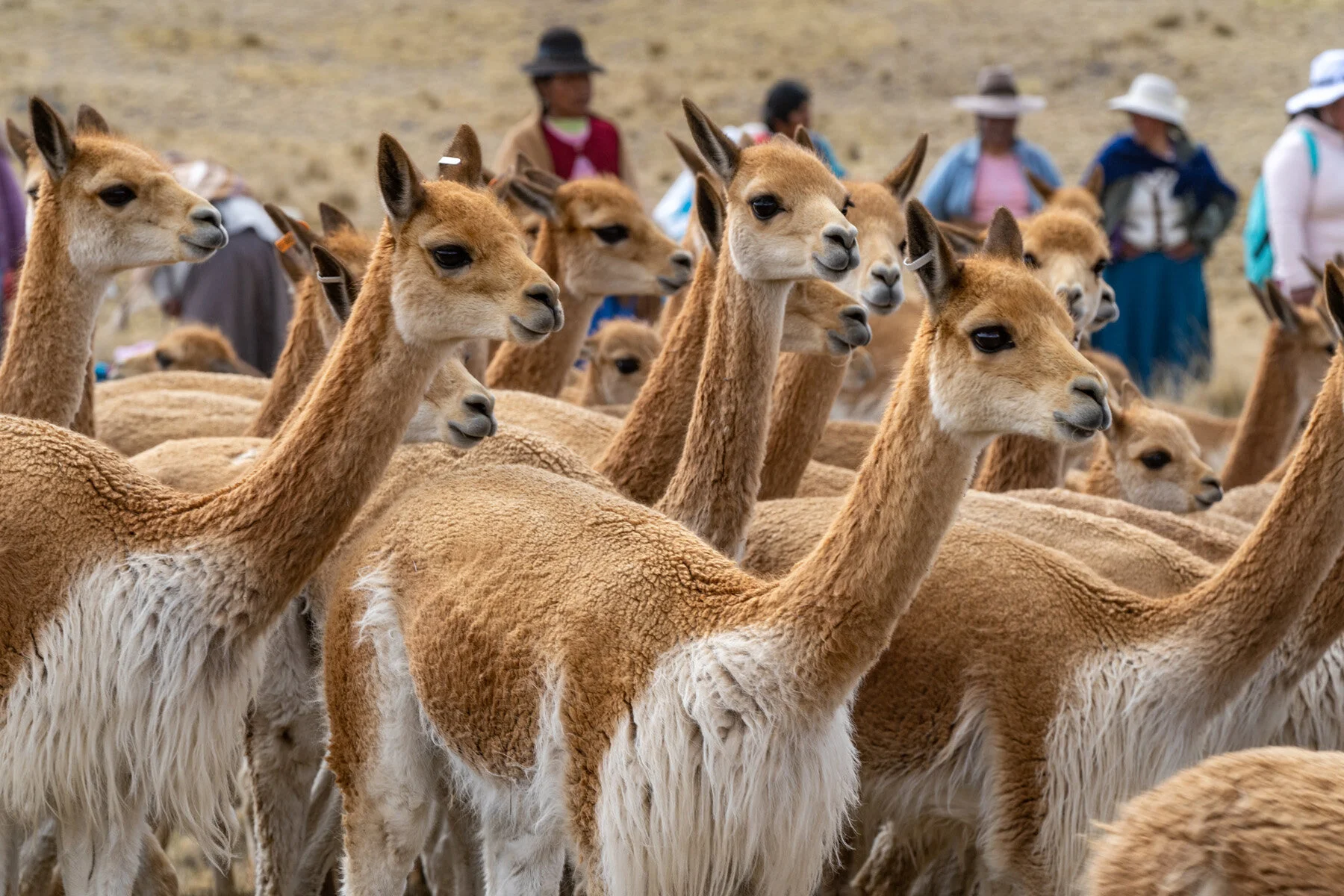
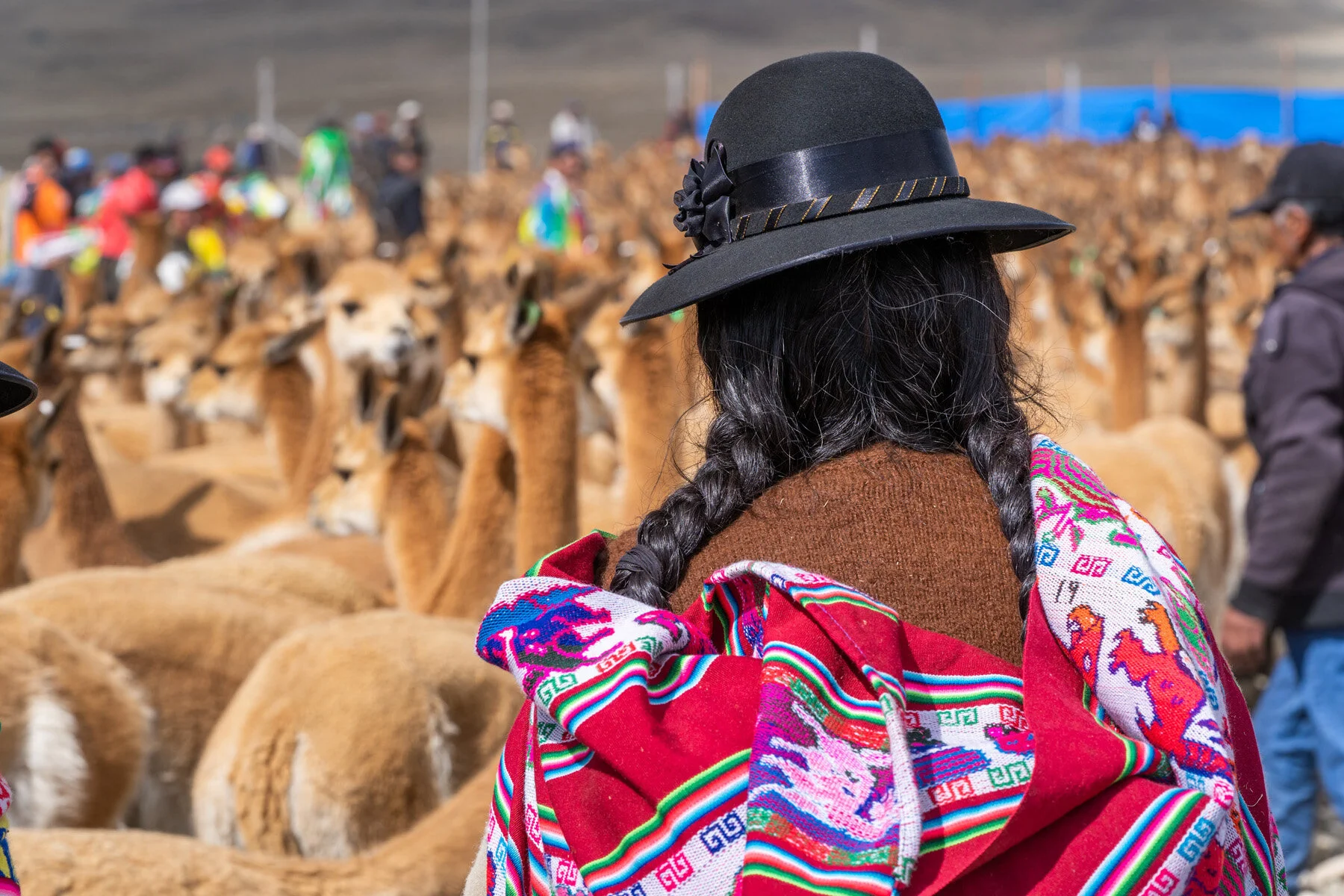
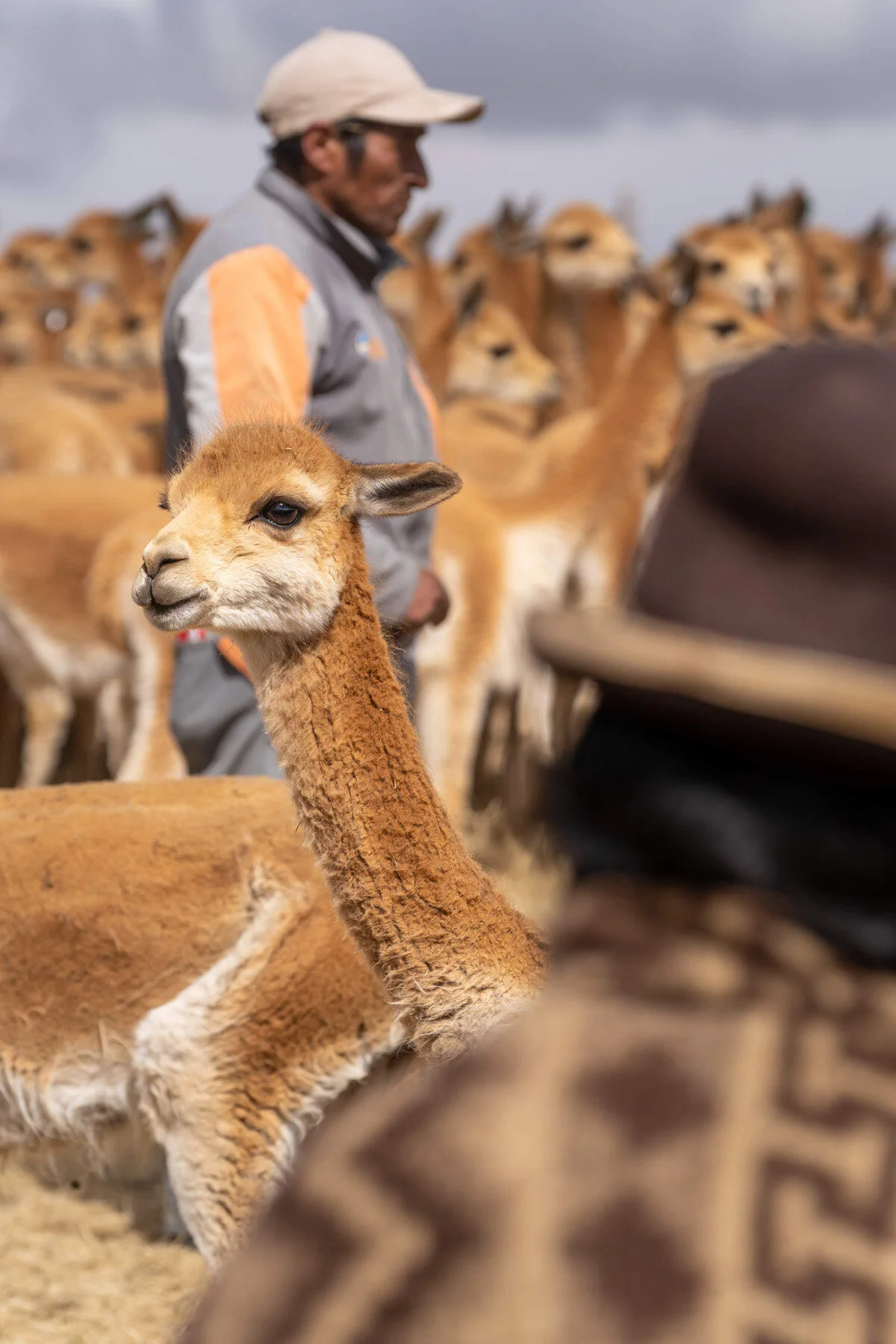
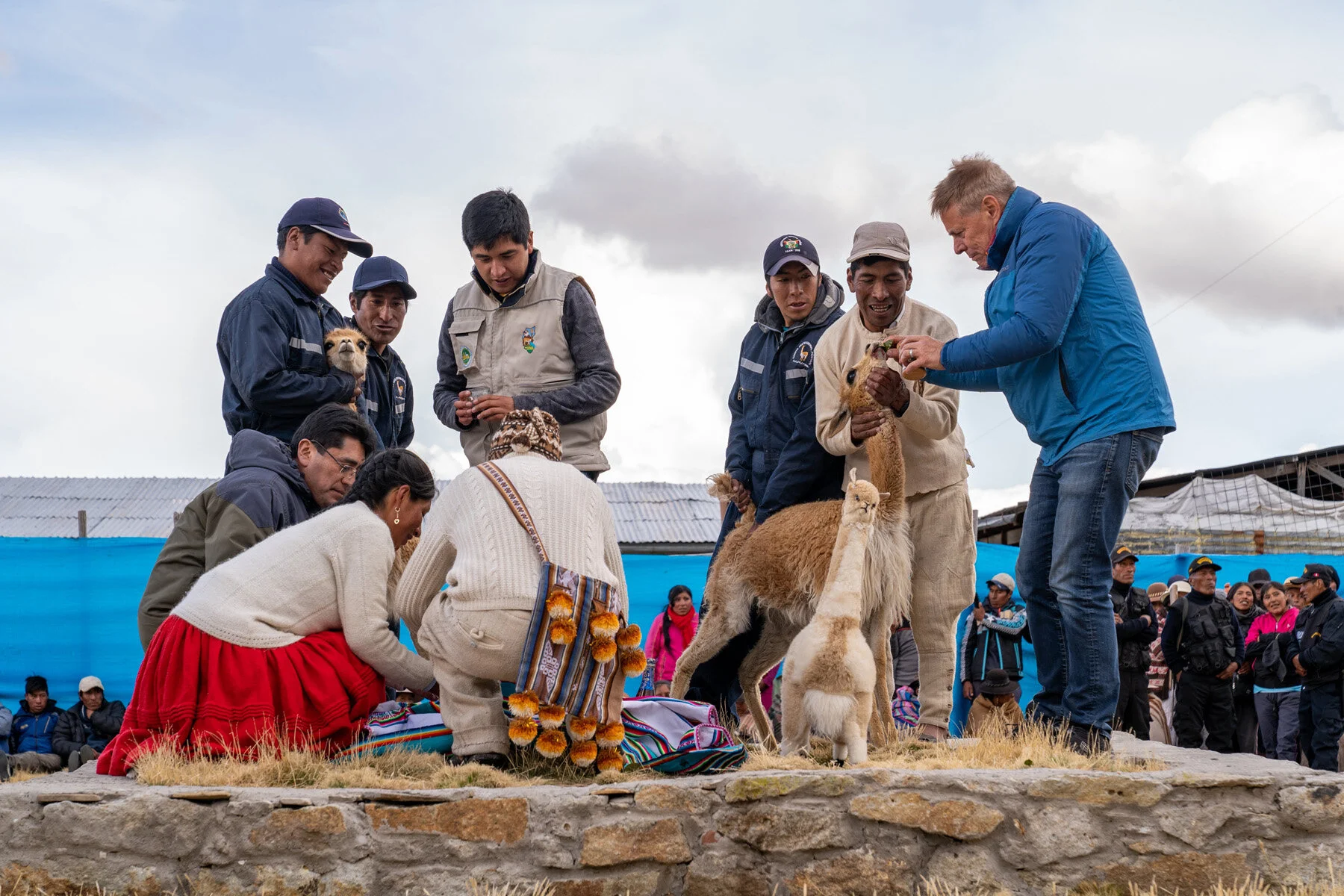
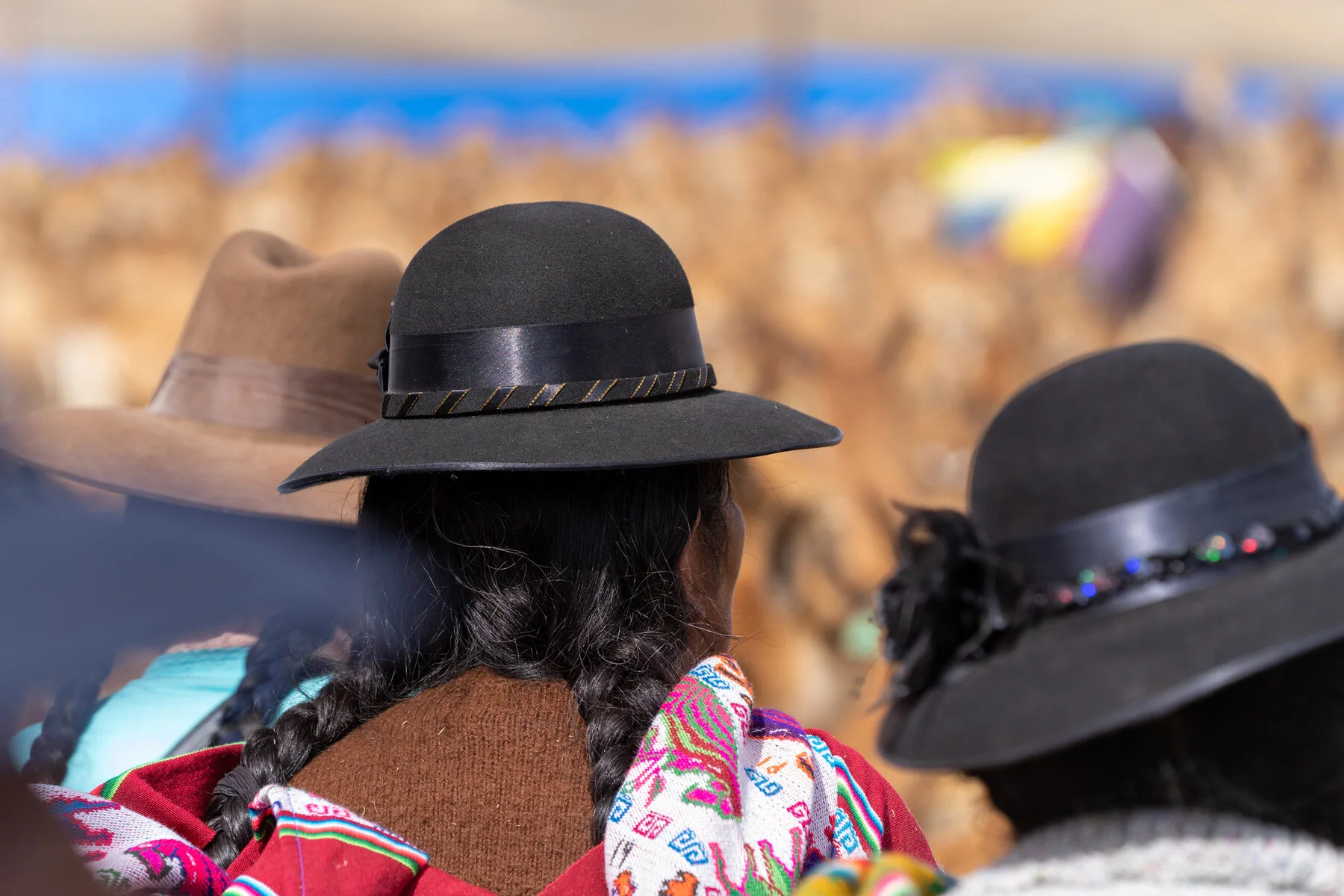
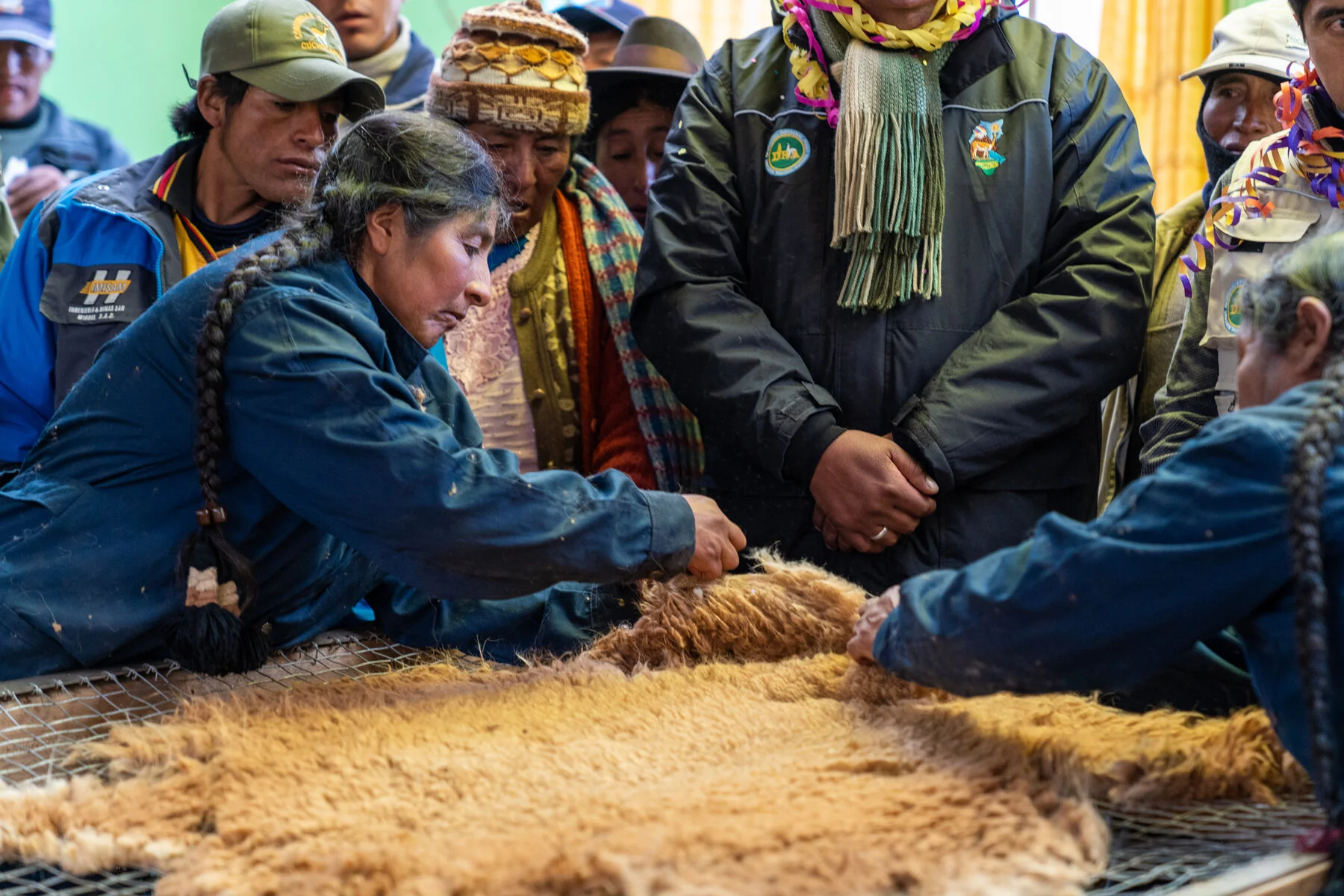
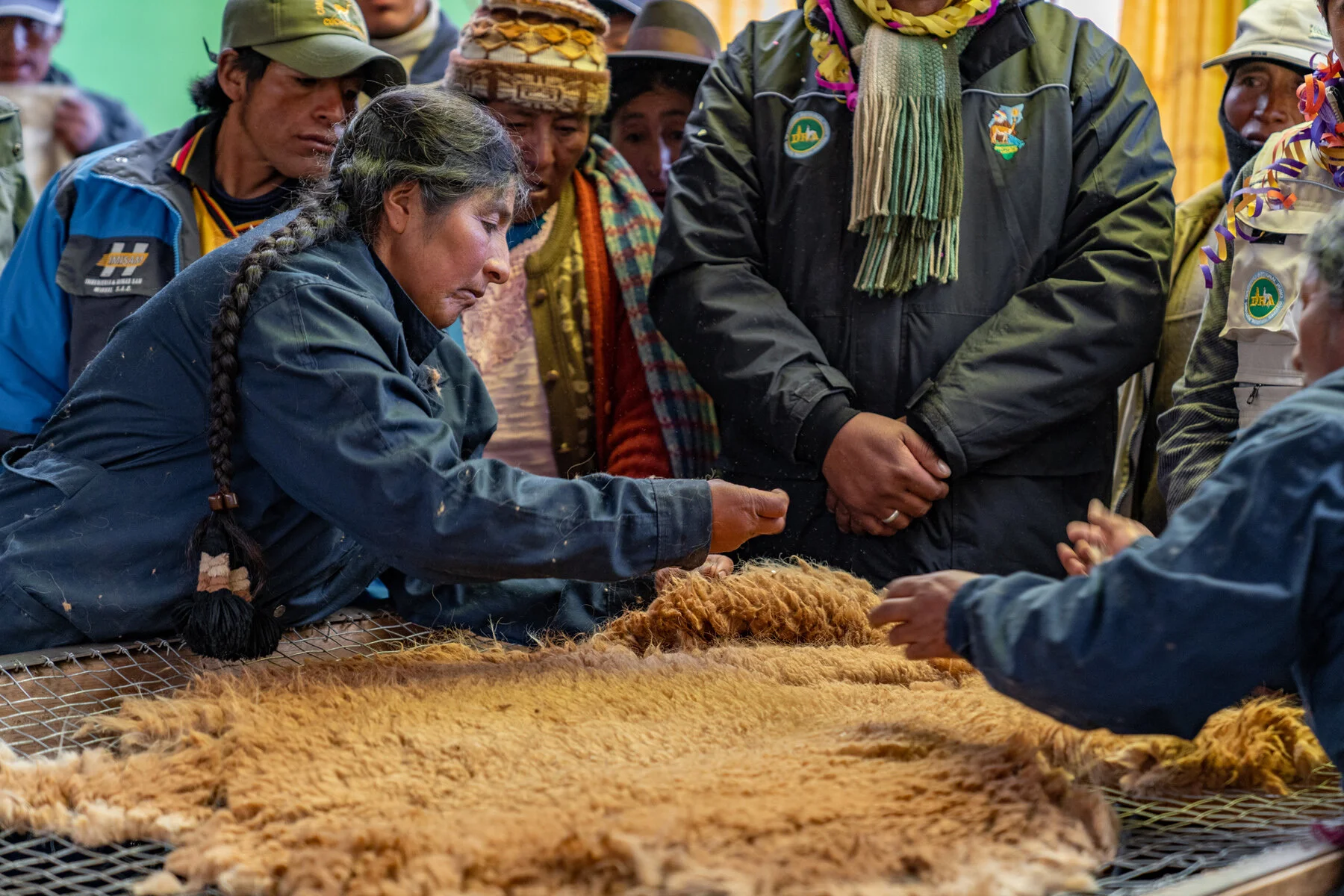
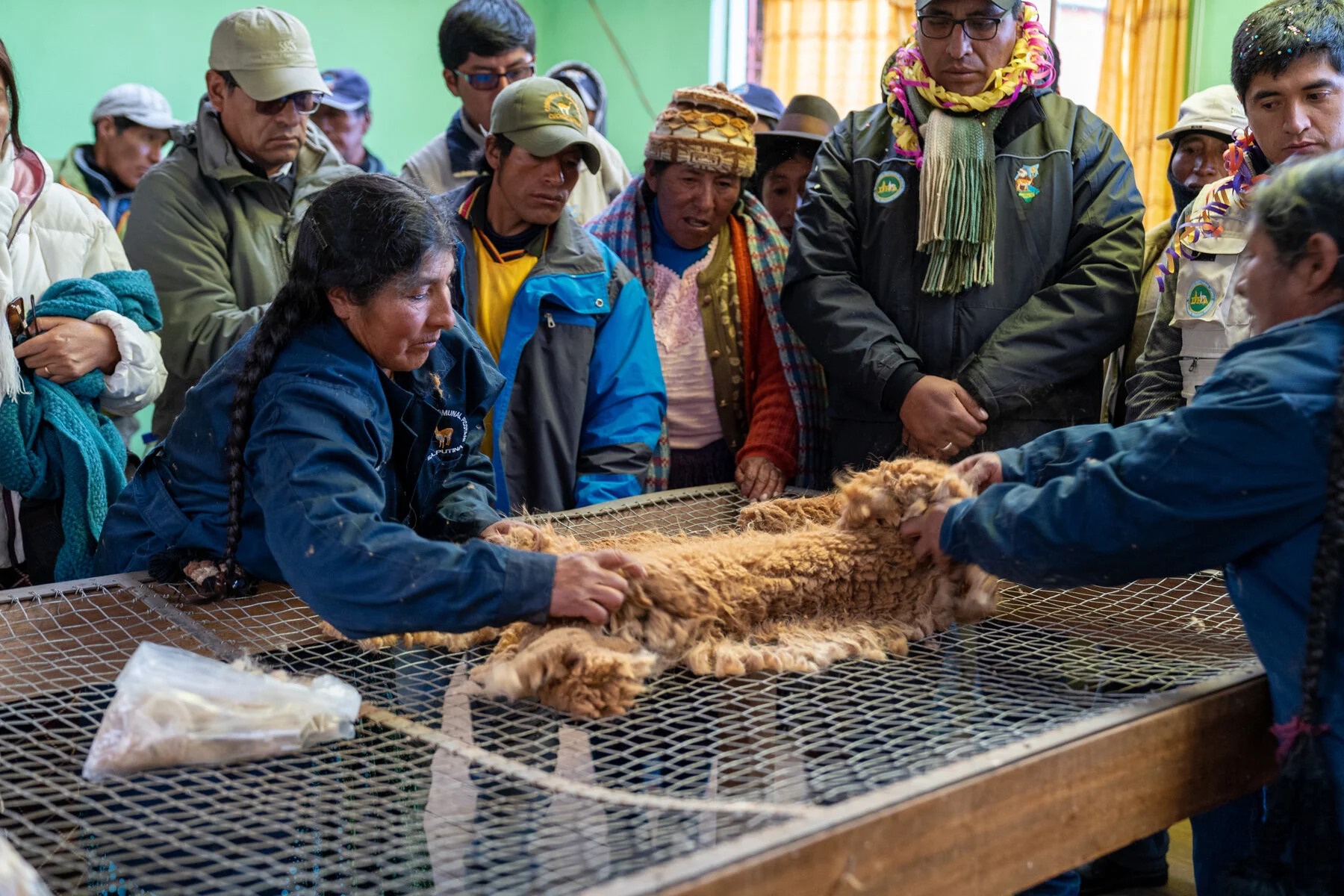
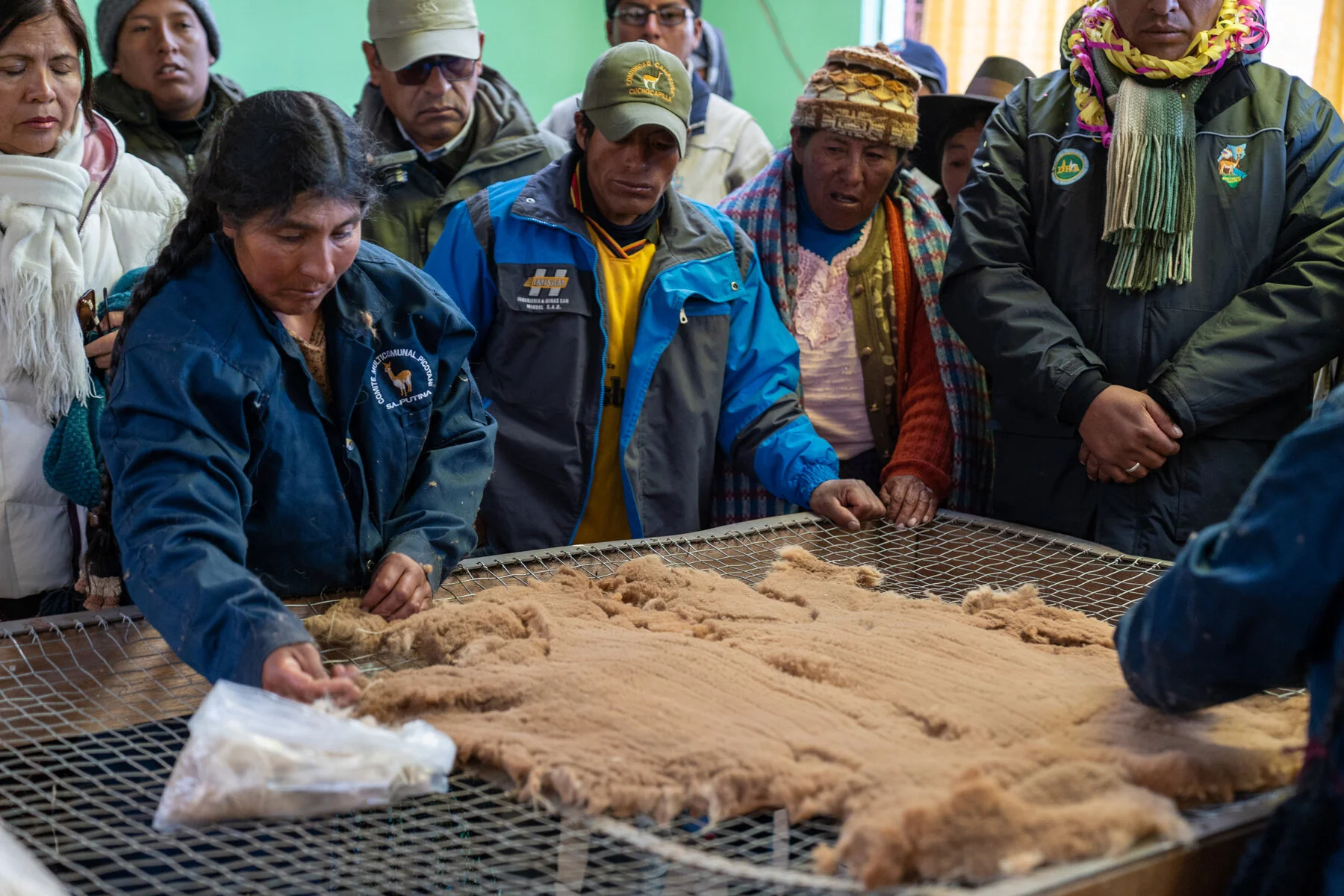
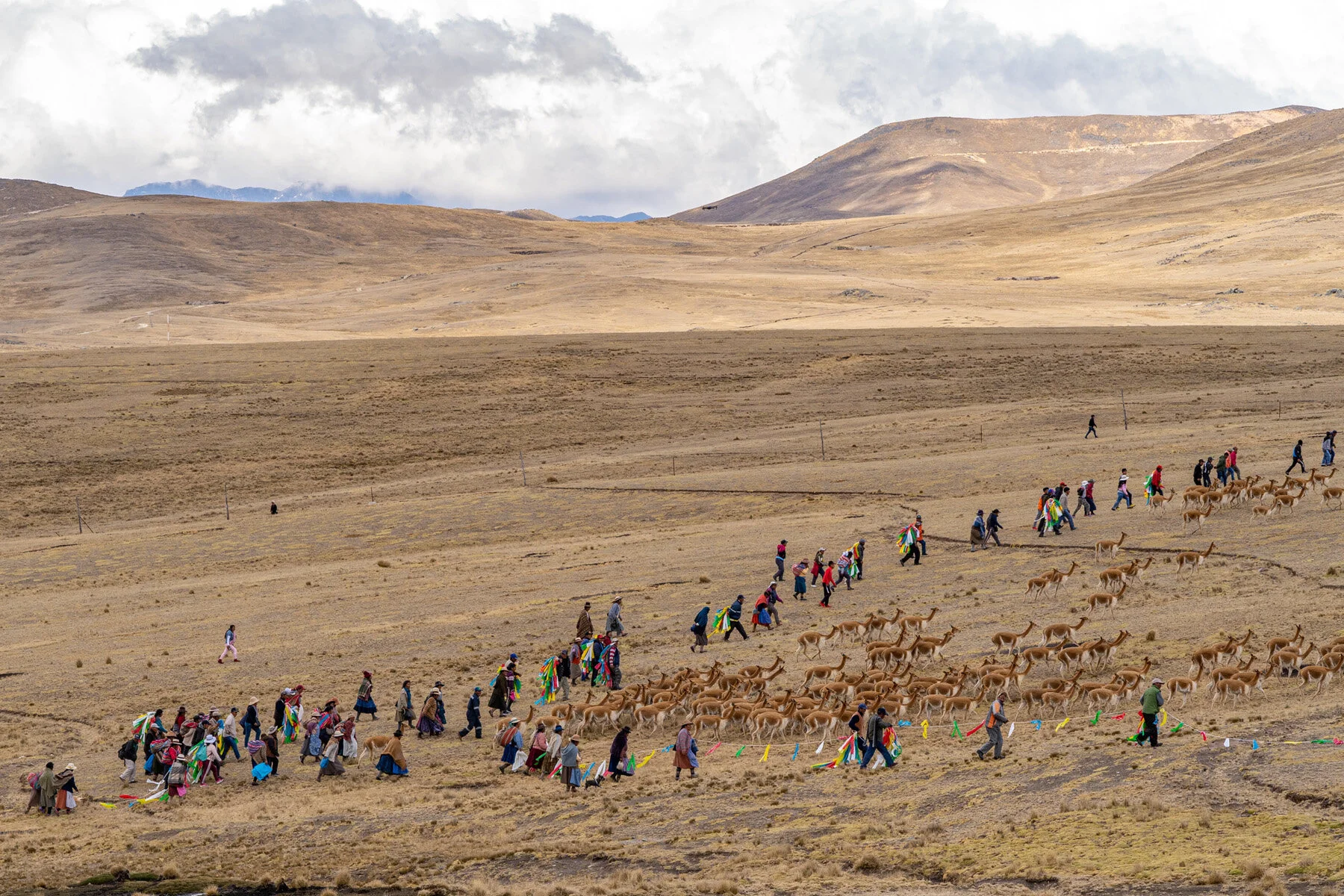
    Since the vicuna are wild animals that cannot be domesticated, and because they are so highly revered in Peru (it is the animal that adorns the coat of arms on the nation’s flag), in order to sheer them for their fibers, the local populations and villages that populate the highlands participate in an elaborate process in which, through the course of a day, they coral the vicuna from miles and miles around once a year in order to sheer them, and then release them.

    This year, we got to be a part of it.

    That next morning, we started off the day gathering in the village near where the ceremony would begin, and end. As we waited, we were invited to visit a very sacred and very local ceremonial site just on the outskirts of the village. This is essentially a forest of sacred stones and geological formations, one of the Apus of Peru. The reverence was apparent long before we were told we were perhaps the first non-Quechua people to step foot in these sacred spots.

    After soaking in those sacred energy fields for the better part of an hour, we made our way back down the dirt road to the village just as the days events were about to begin.

    It all started on a hillside.

    A short hike from the center of town.

    Andes Mountains Peru Quechua Benefit Picotani Vicuna Chaccu

    Smack dab in the middle of one of the most ridiculous valleys to ever exist in the history of life (seriously, click on this thing for the full experience – that’s the village in the bottom right).

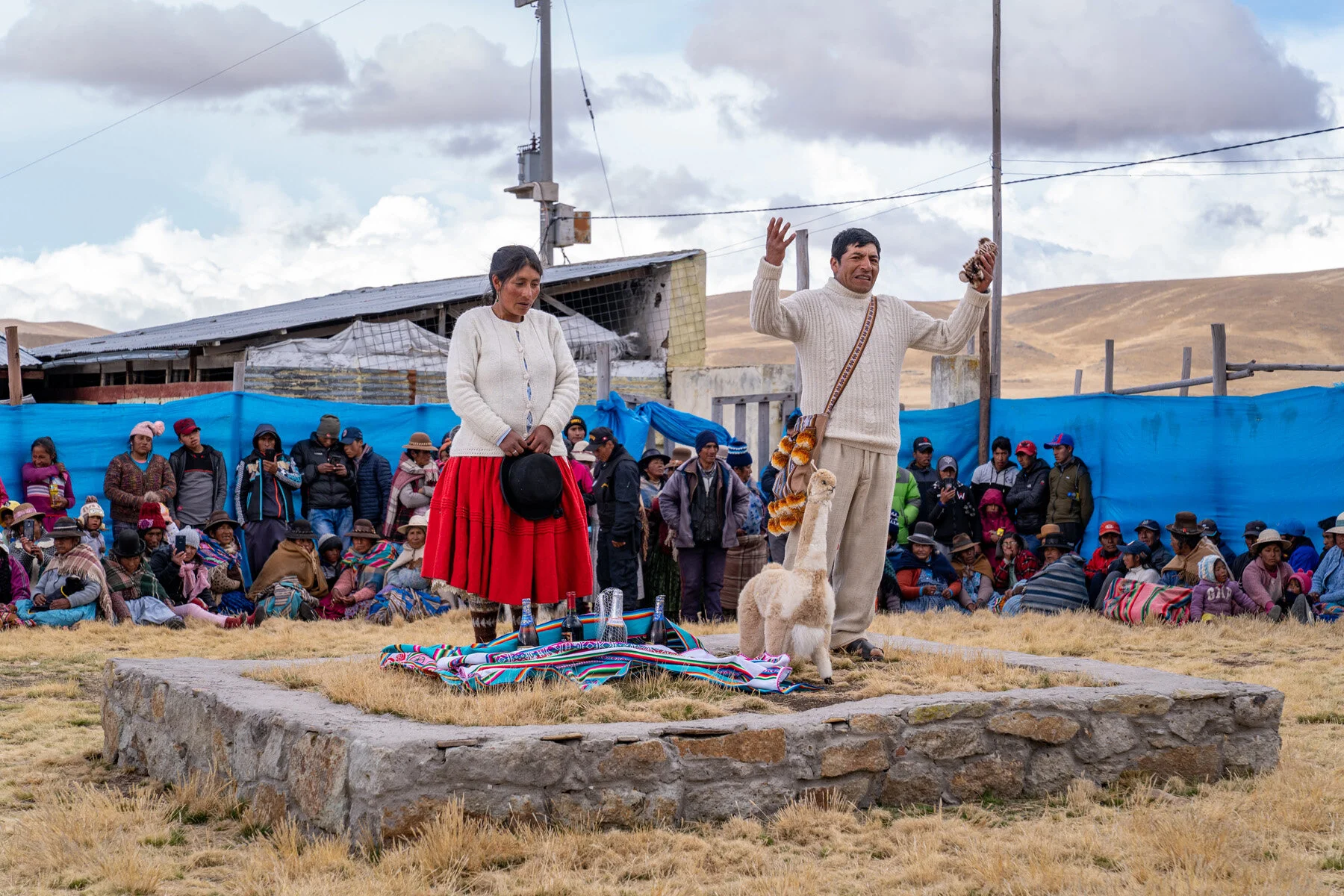
    It was here that we gathered for the opening ceremony in which the indigenous members of the region pray and bless the ground that the vicuna walk on – a fitting tribute to one of Mother’s Nature’s critters that have given these peoples so much.

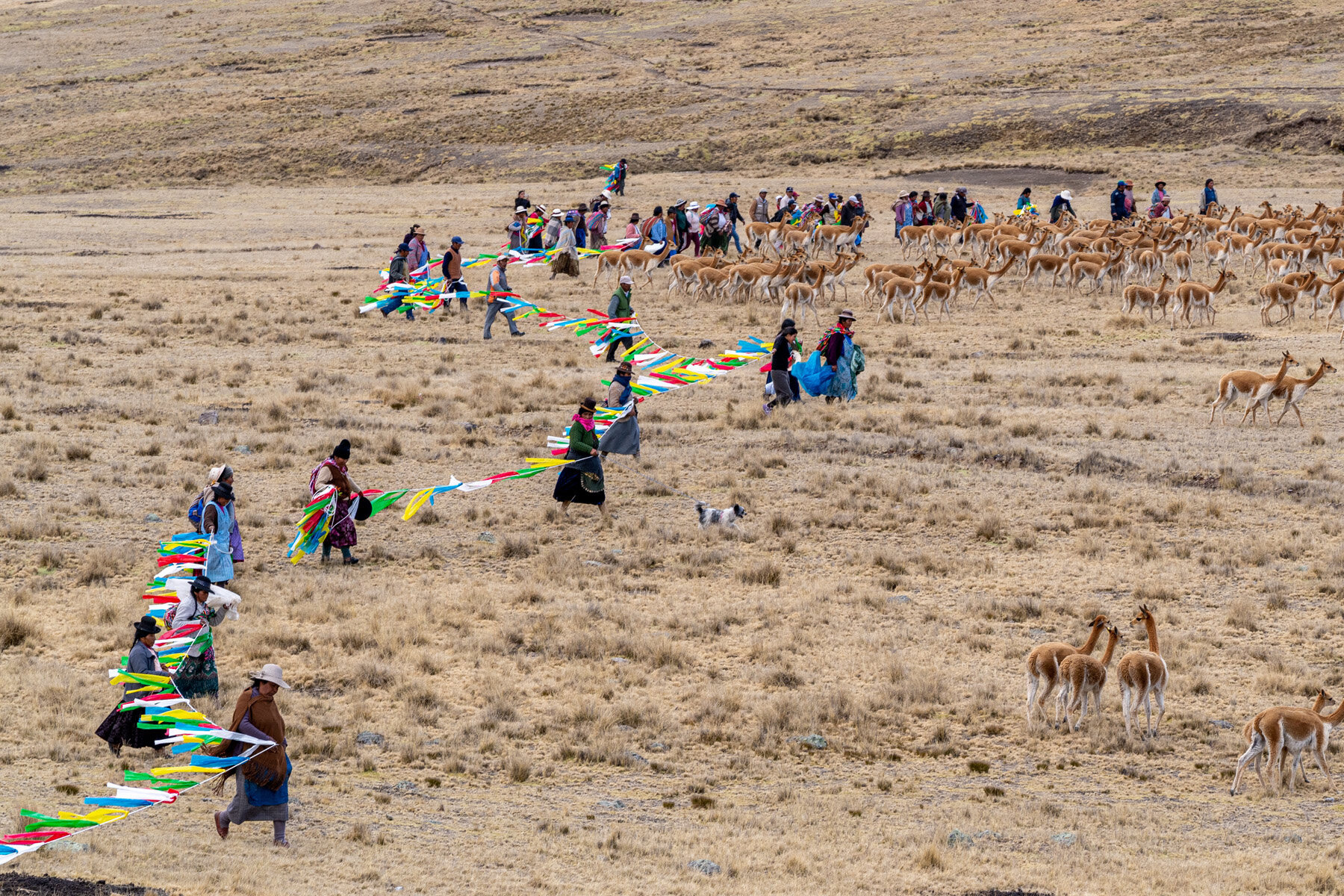
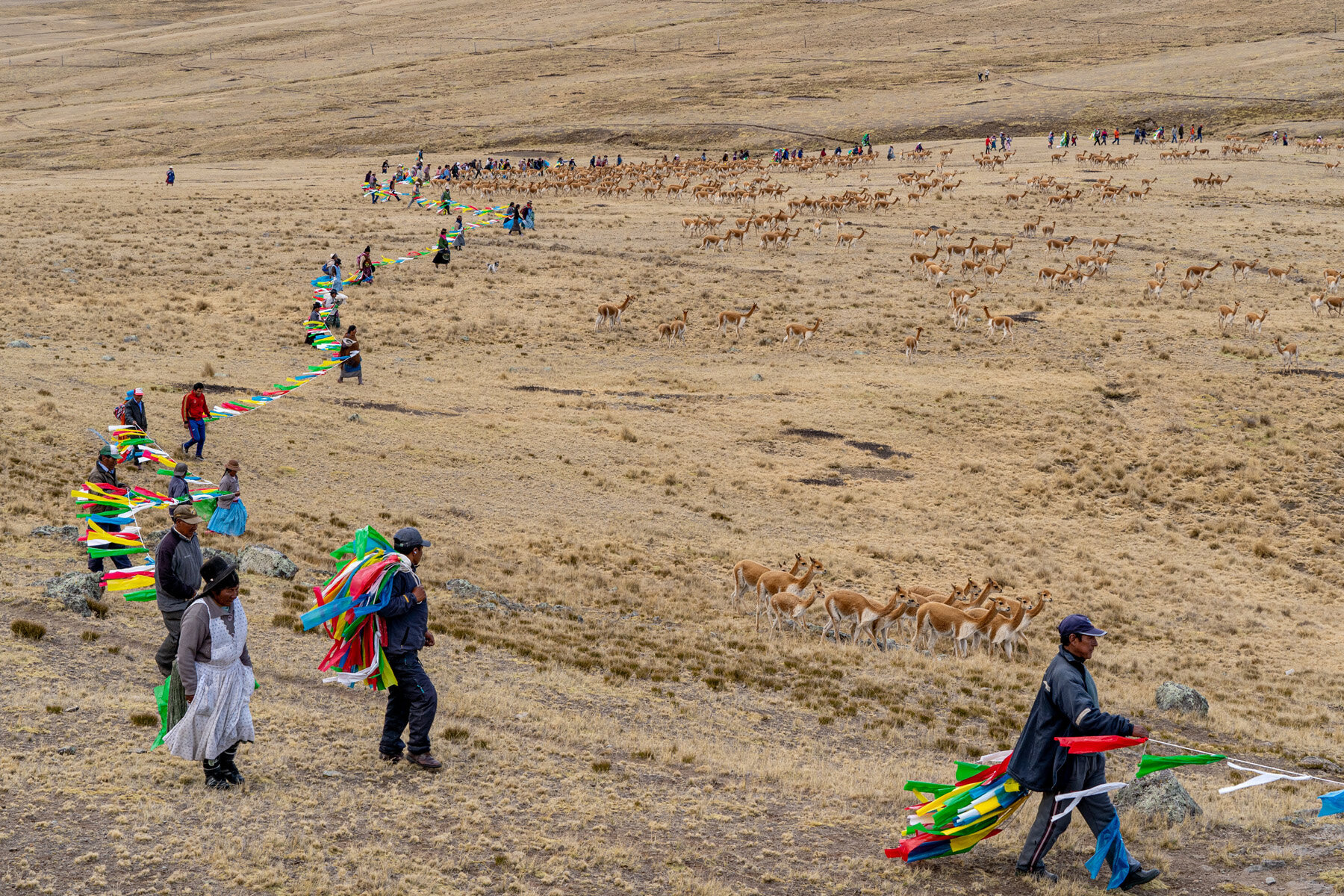
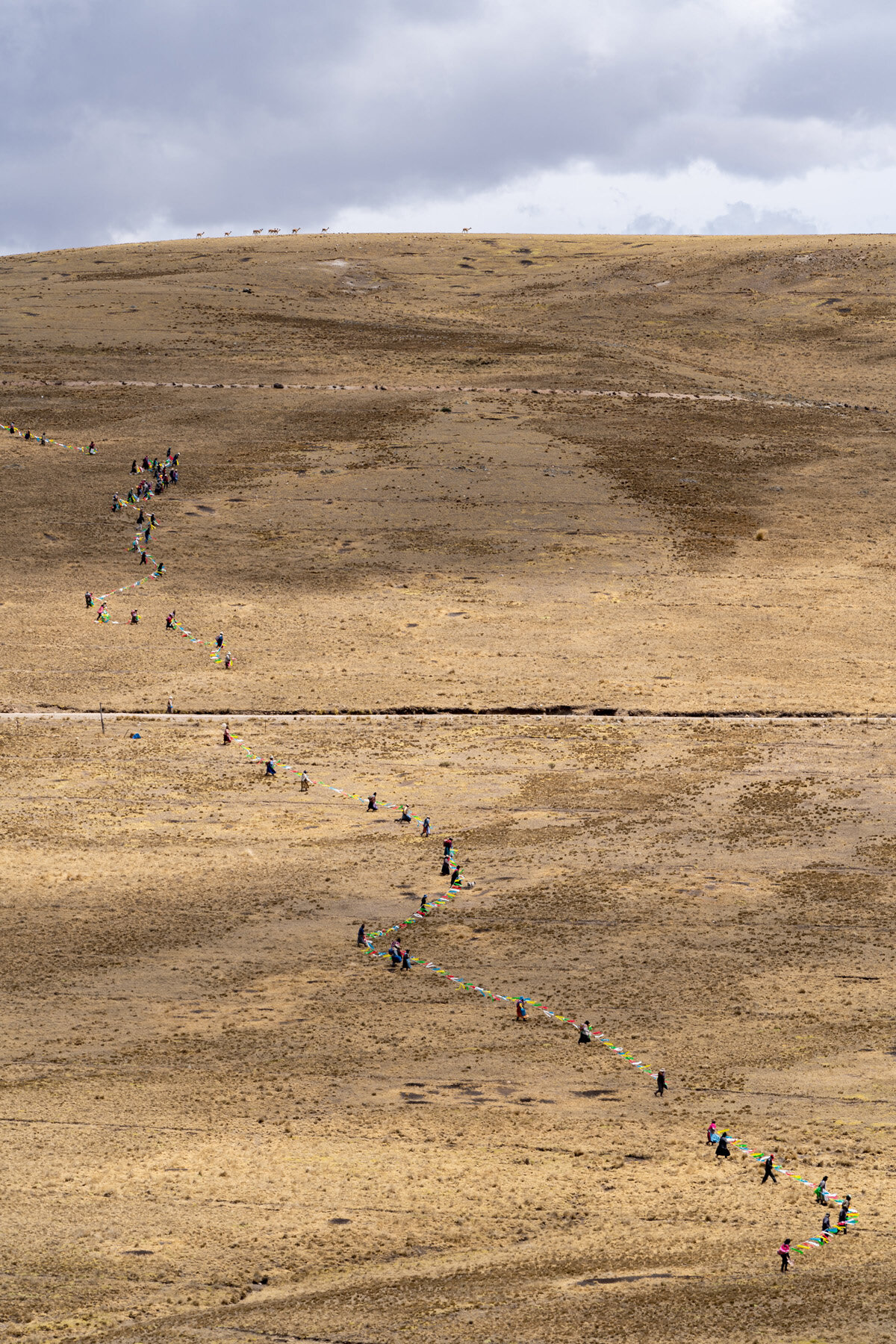
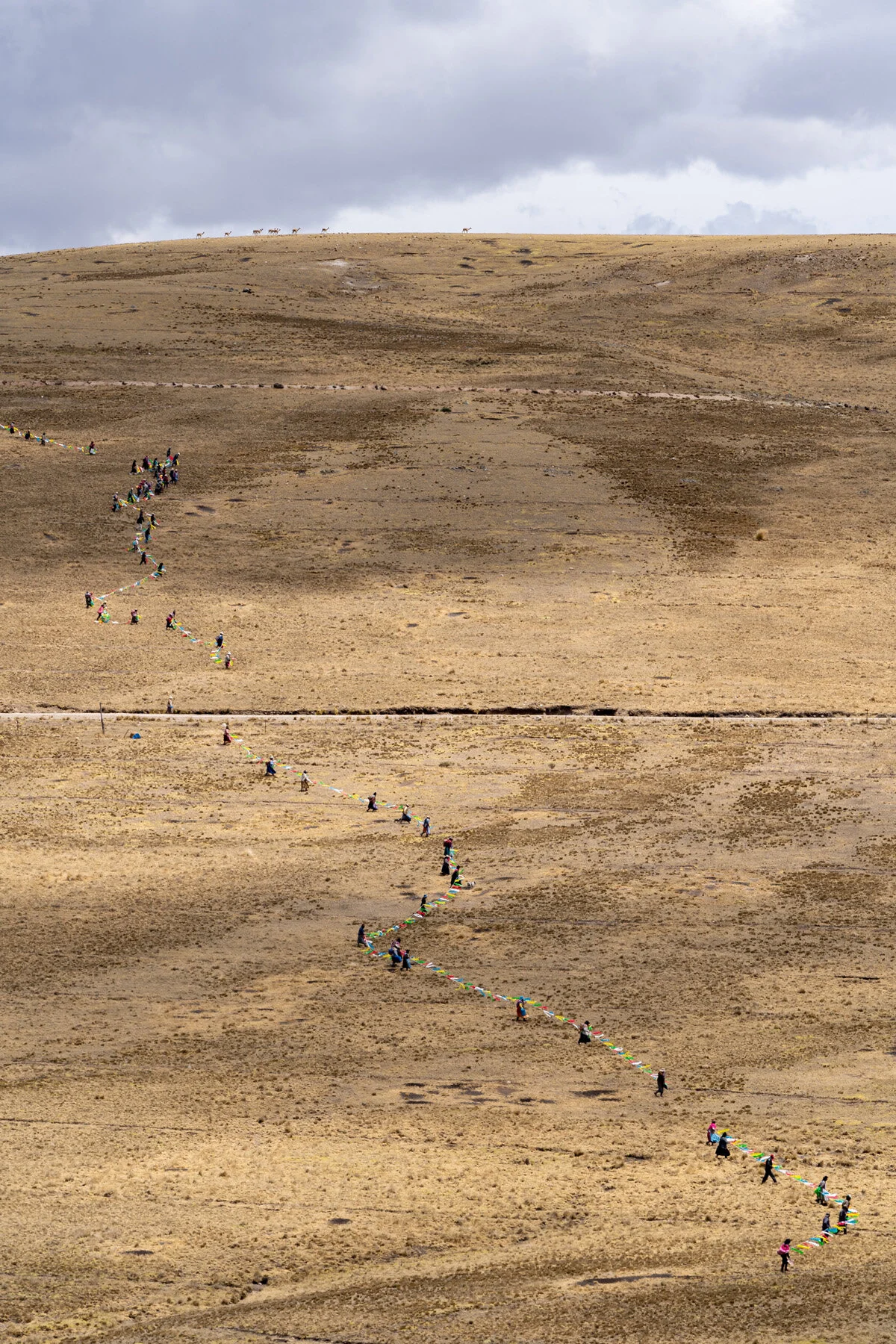
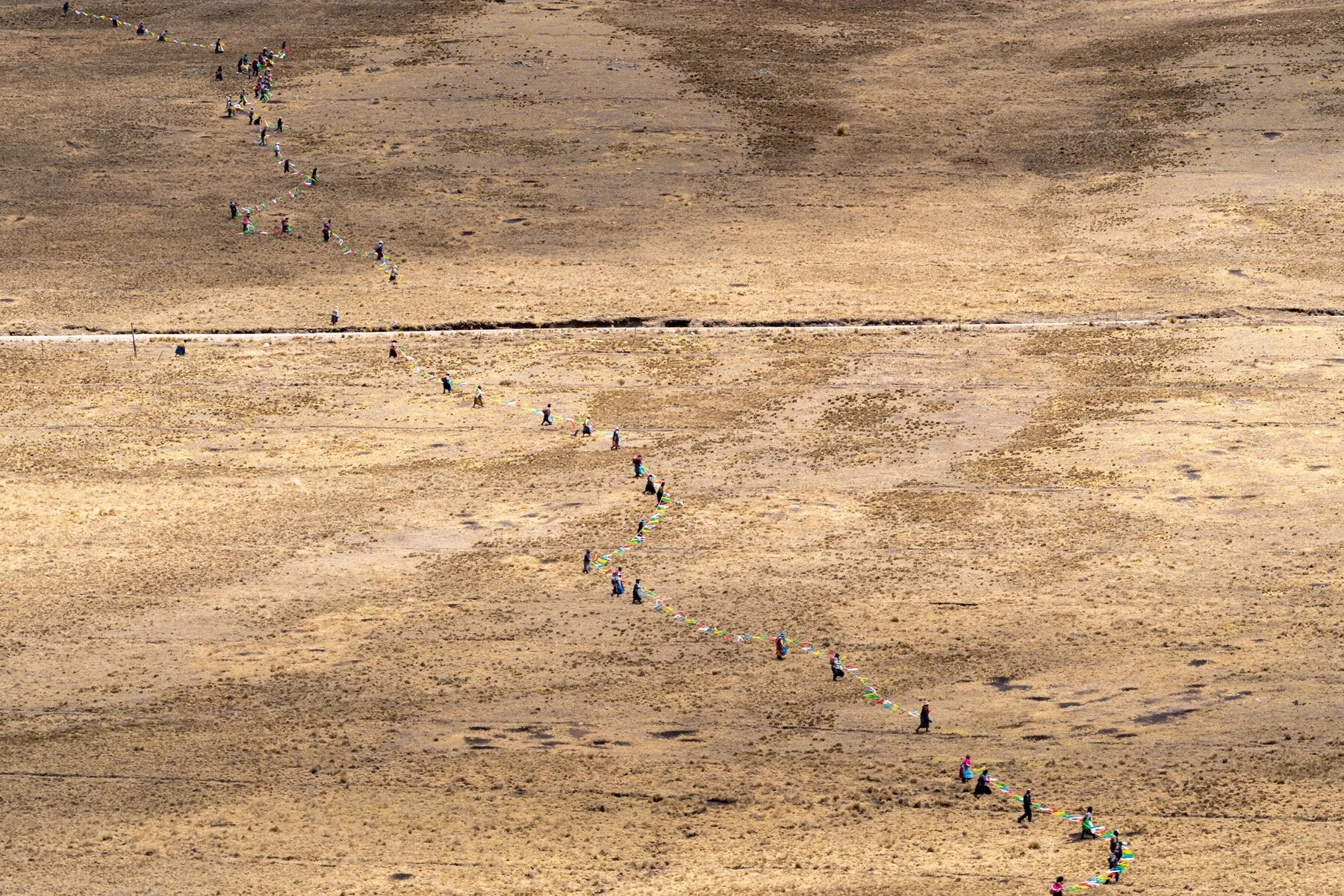
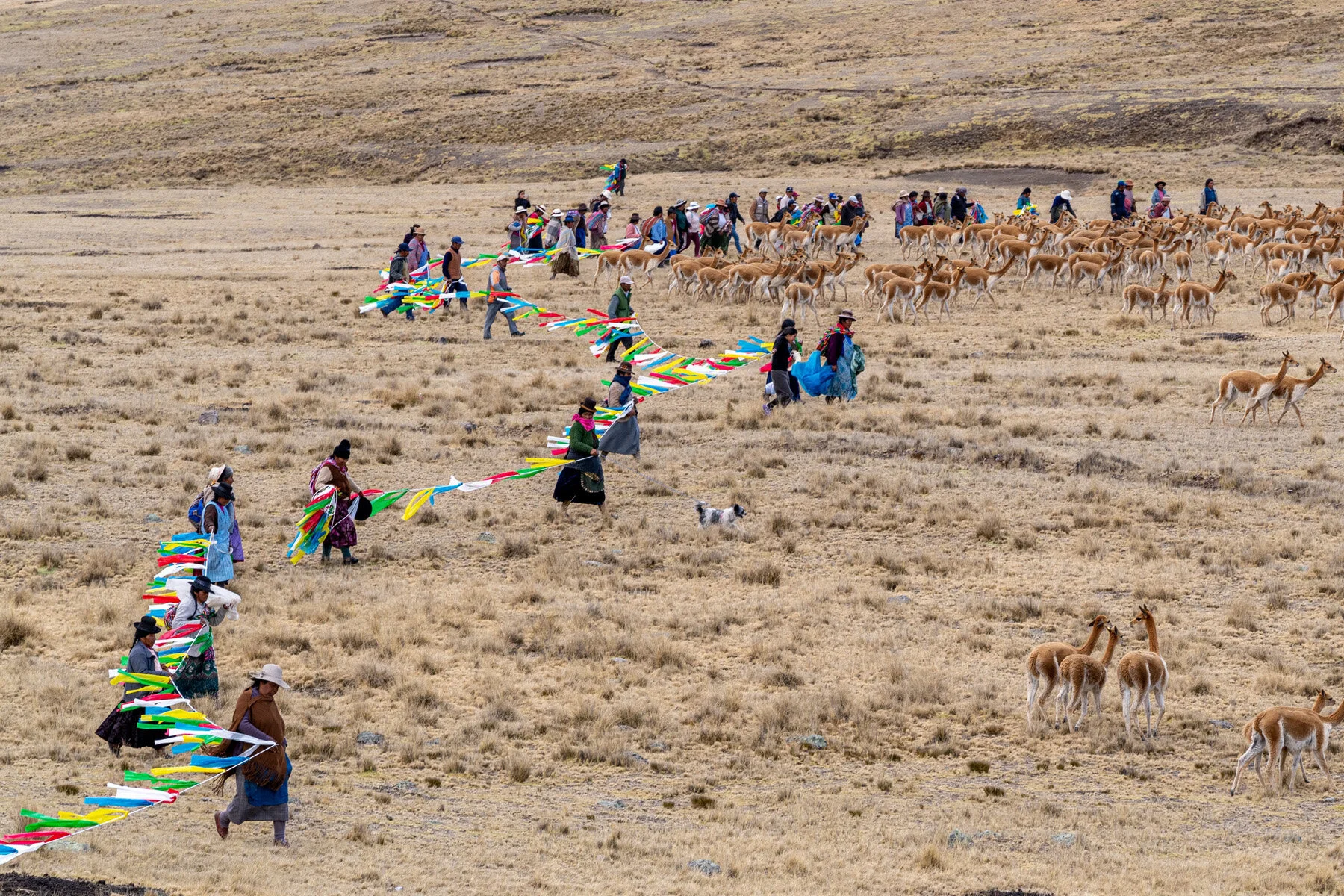
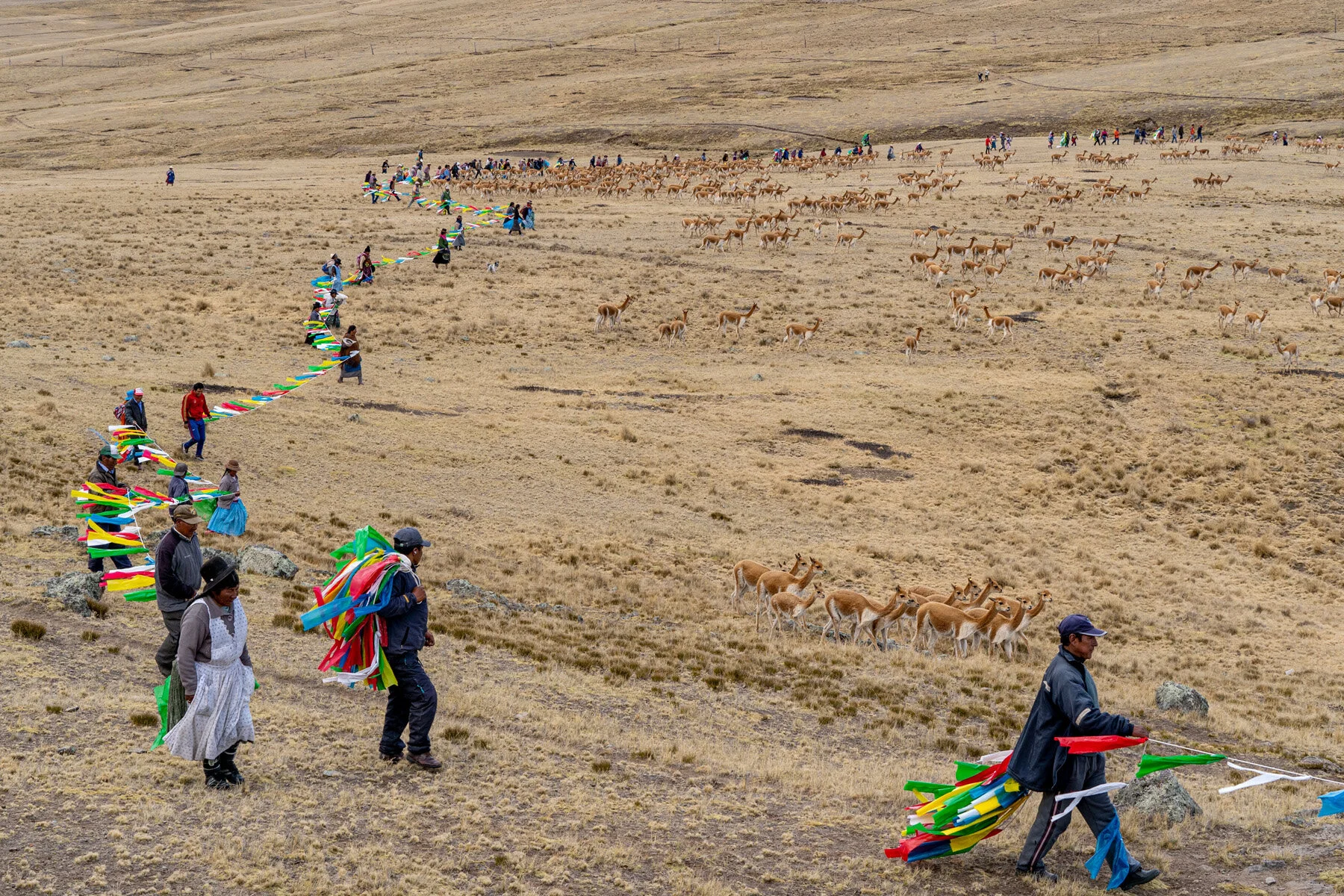
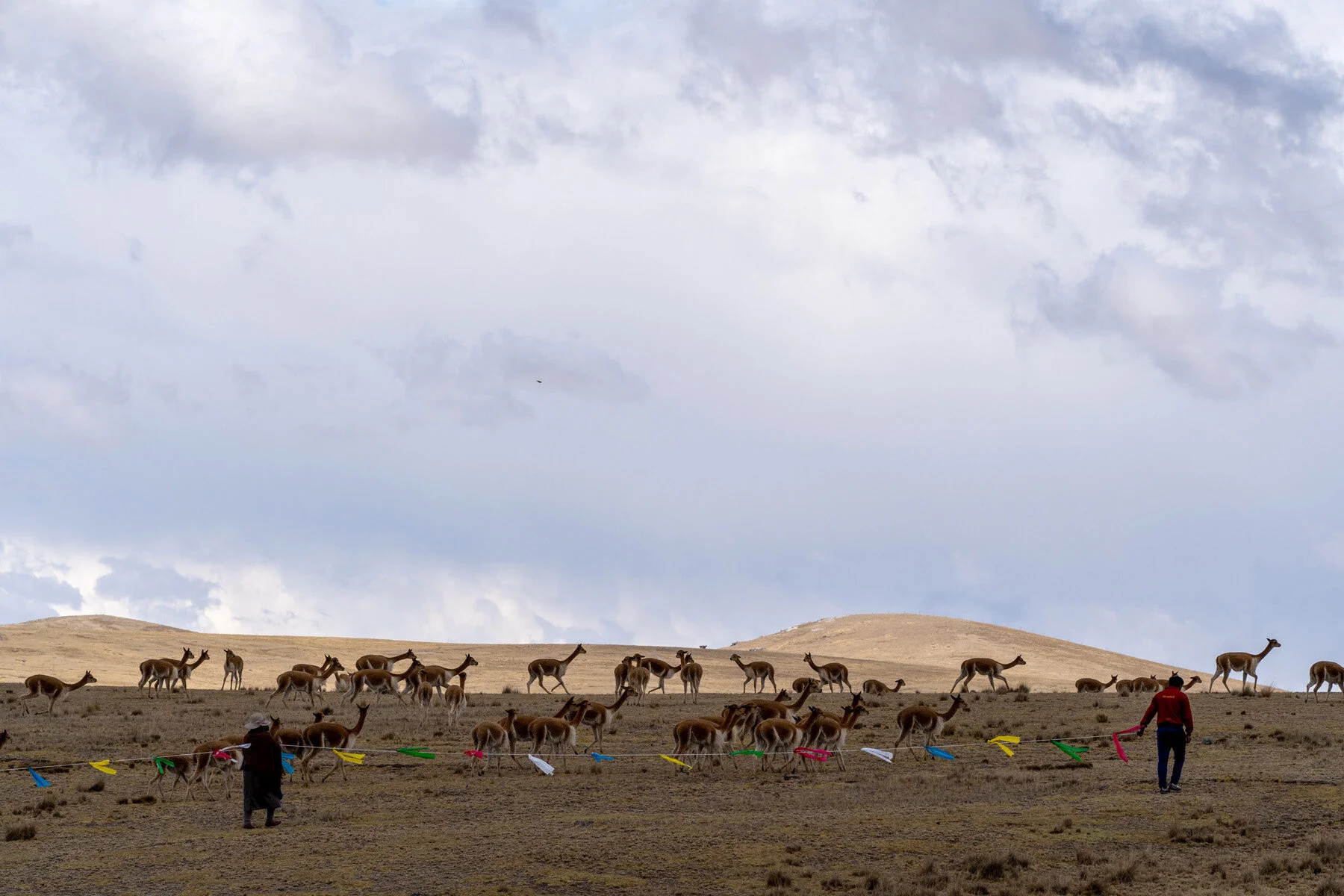
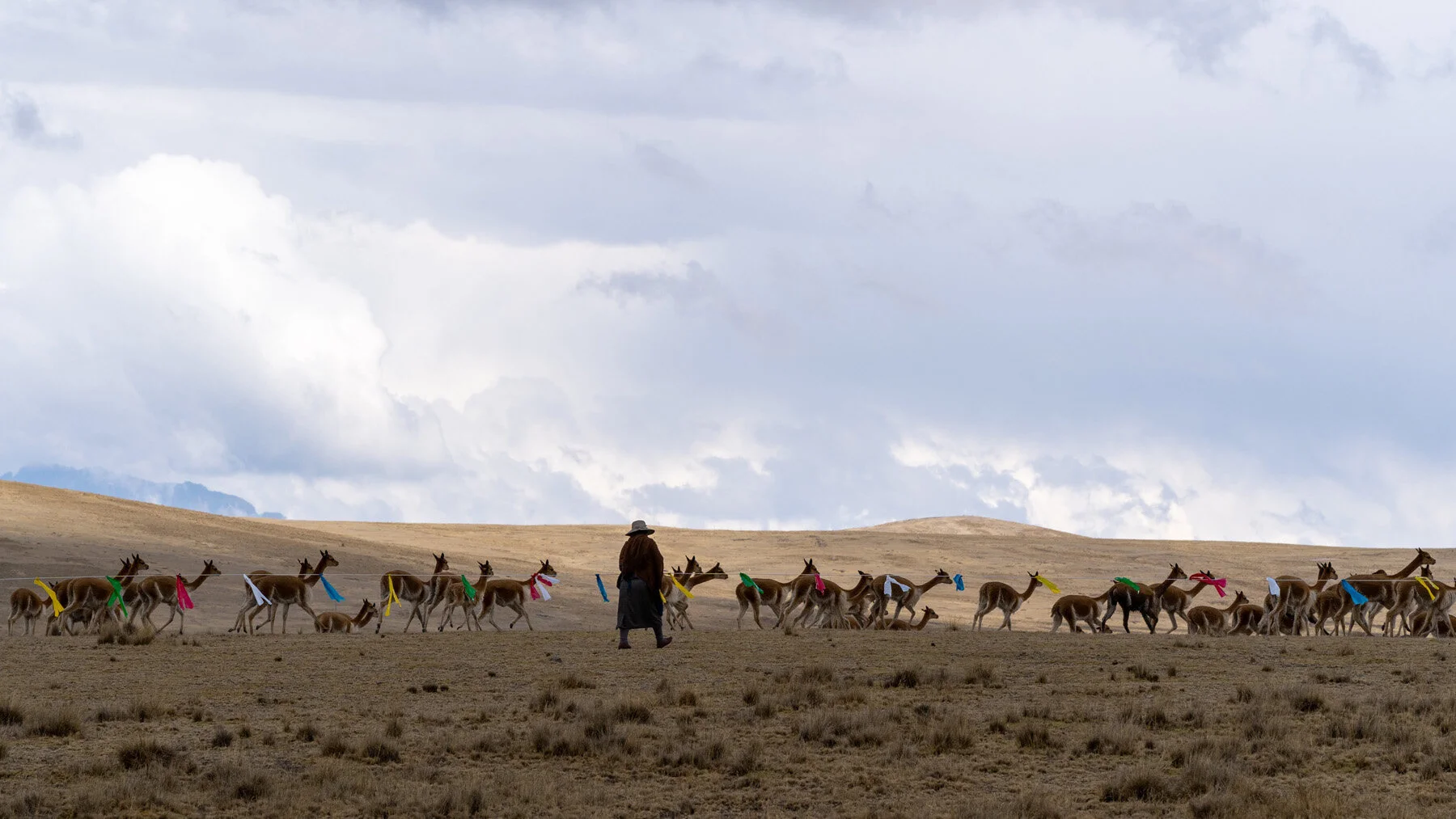
    The leaders then distribute sections of flag-laden ropes to representatives from the various villages, and they begin their half-day-long dispersal into the highlands surrounding us, forming a large perimeter that stretches for miles as they disappear into the hills surrounding the valley.

    While this was happening, our group made our way deeper into the landscape towards a small rock outcropping to marinate, and catch our breaths, and wait.

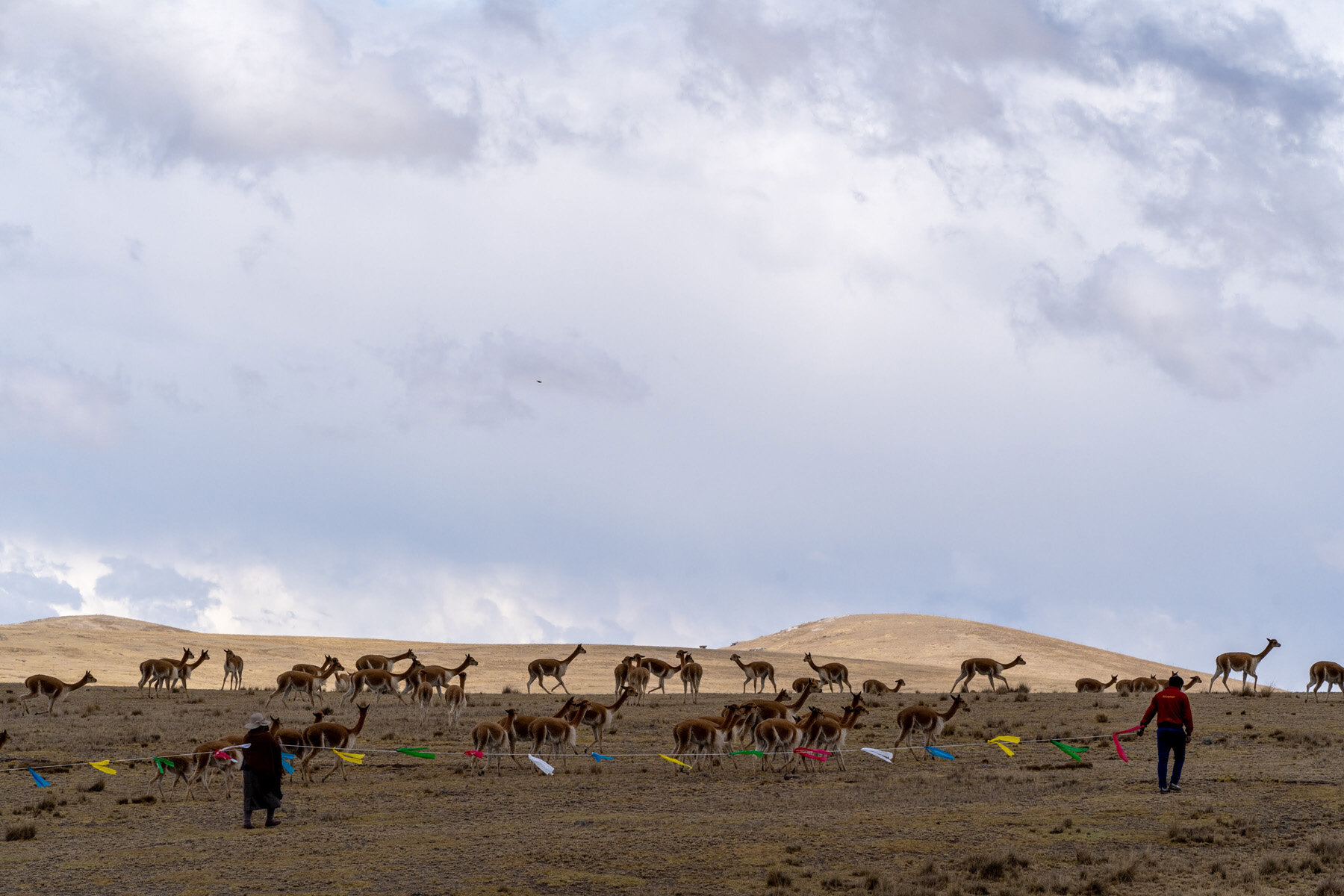
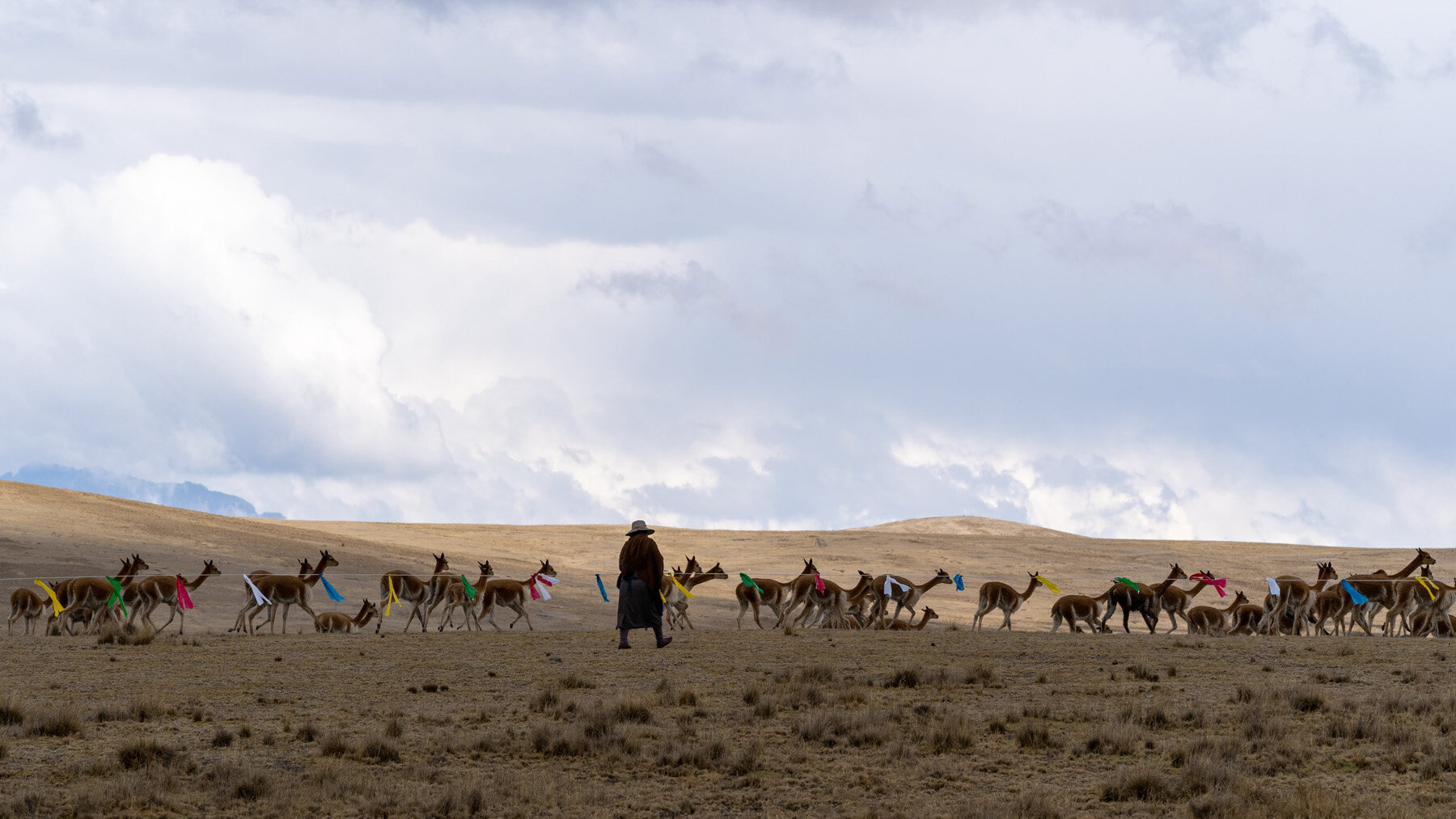
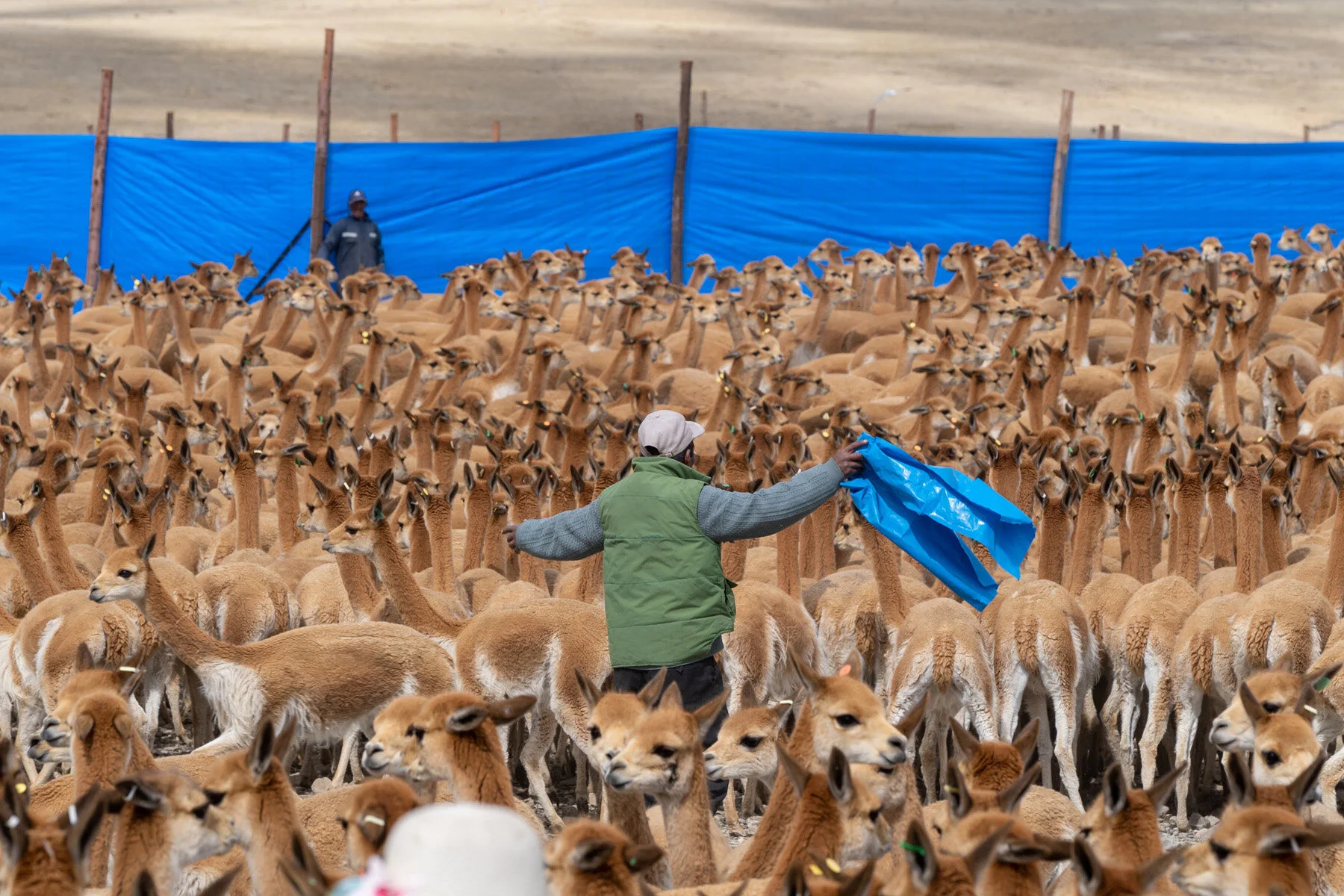
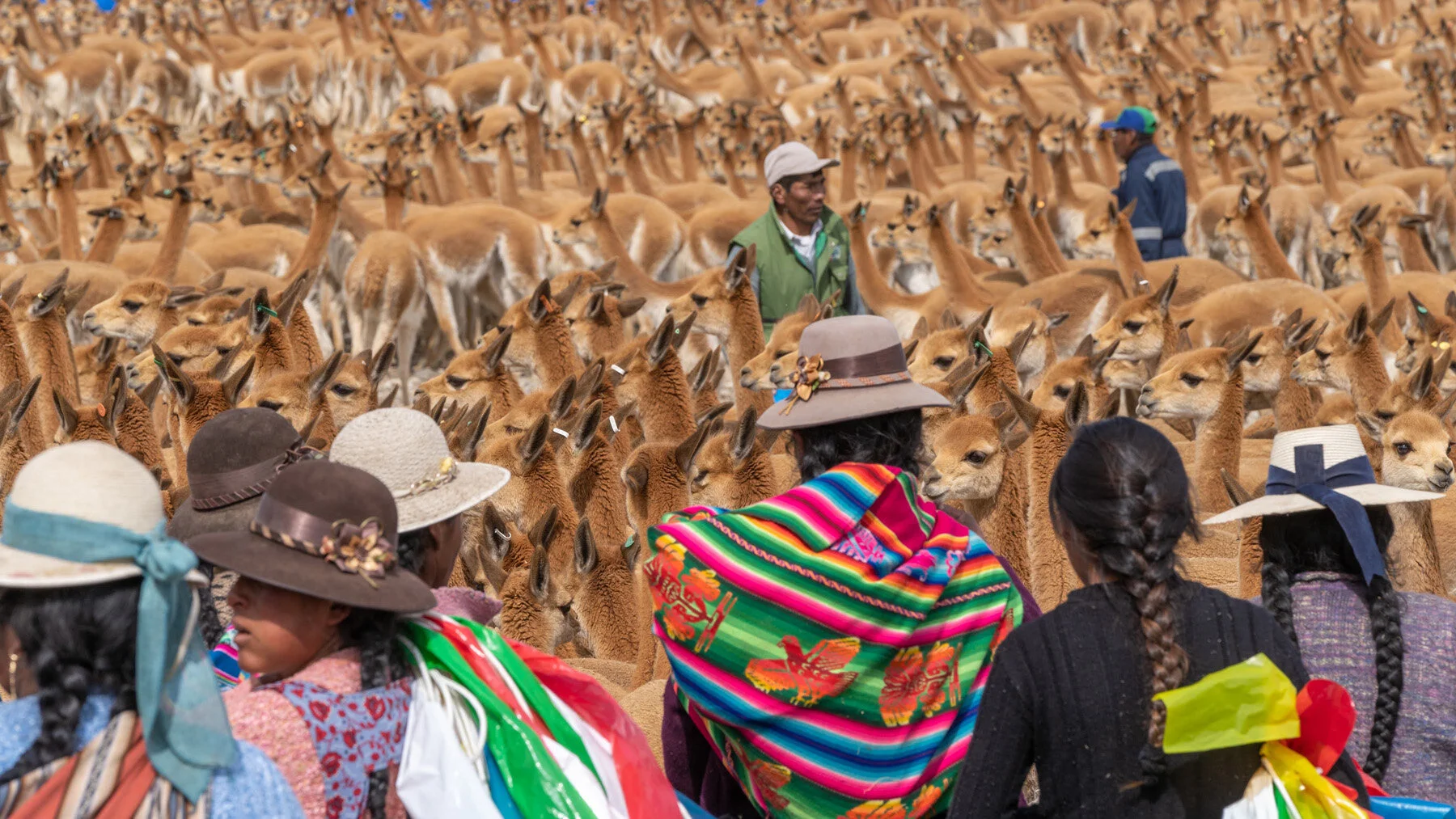
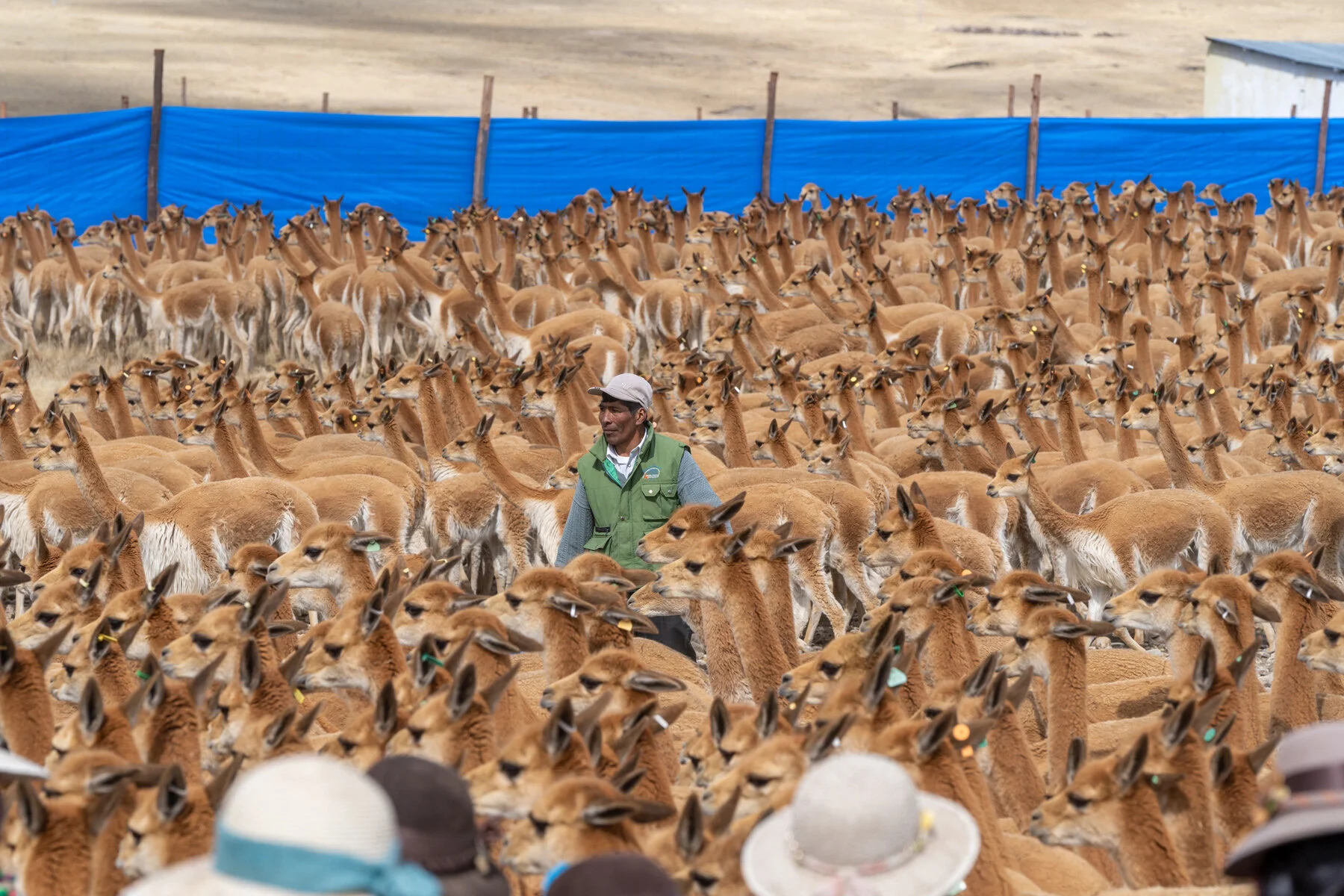
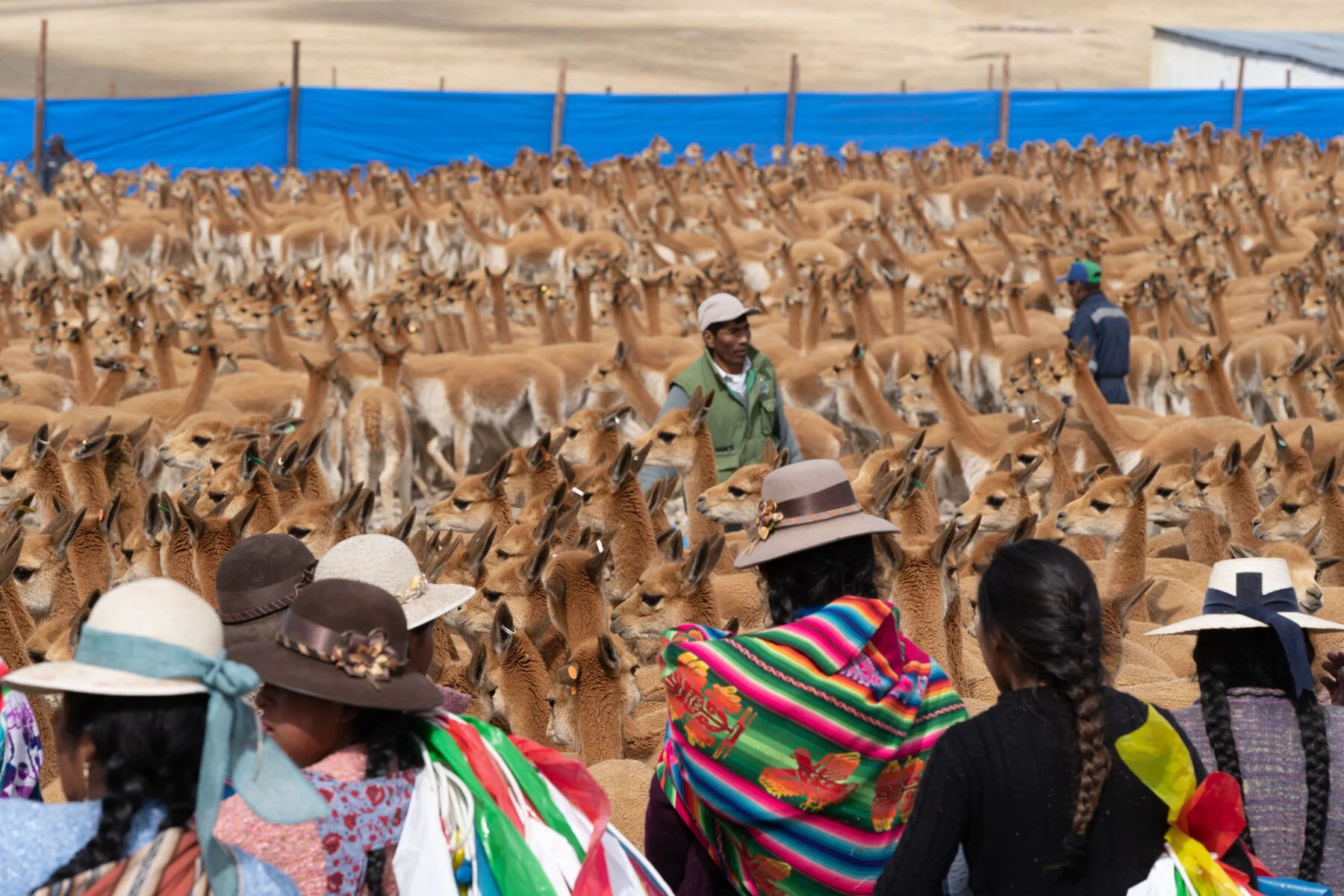
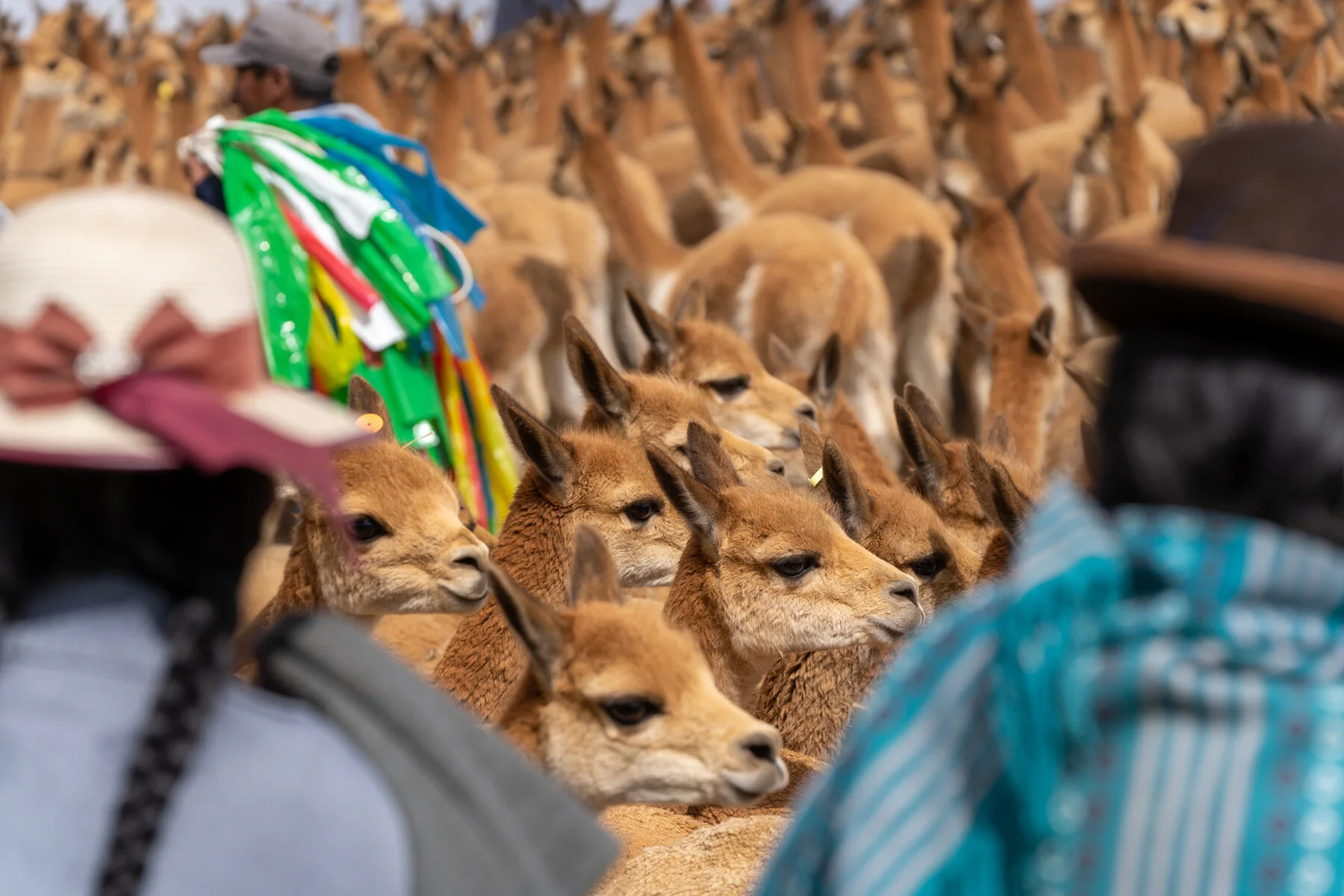
    Essentially, what happens is, once the peoples of the hills create a large perimeter around the valley, they begin walking back, rope ‘fence’ in hand, now surrounding thousands of vicuna, slowly but surely closing into a small corral on the valley floor.

    And the apex of this part of the experience was simply otherworldly, and absolutely once-in-a-lifetime.

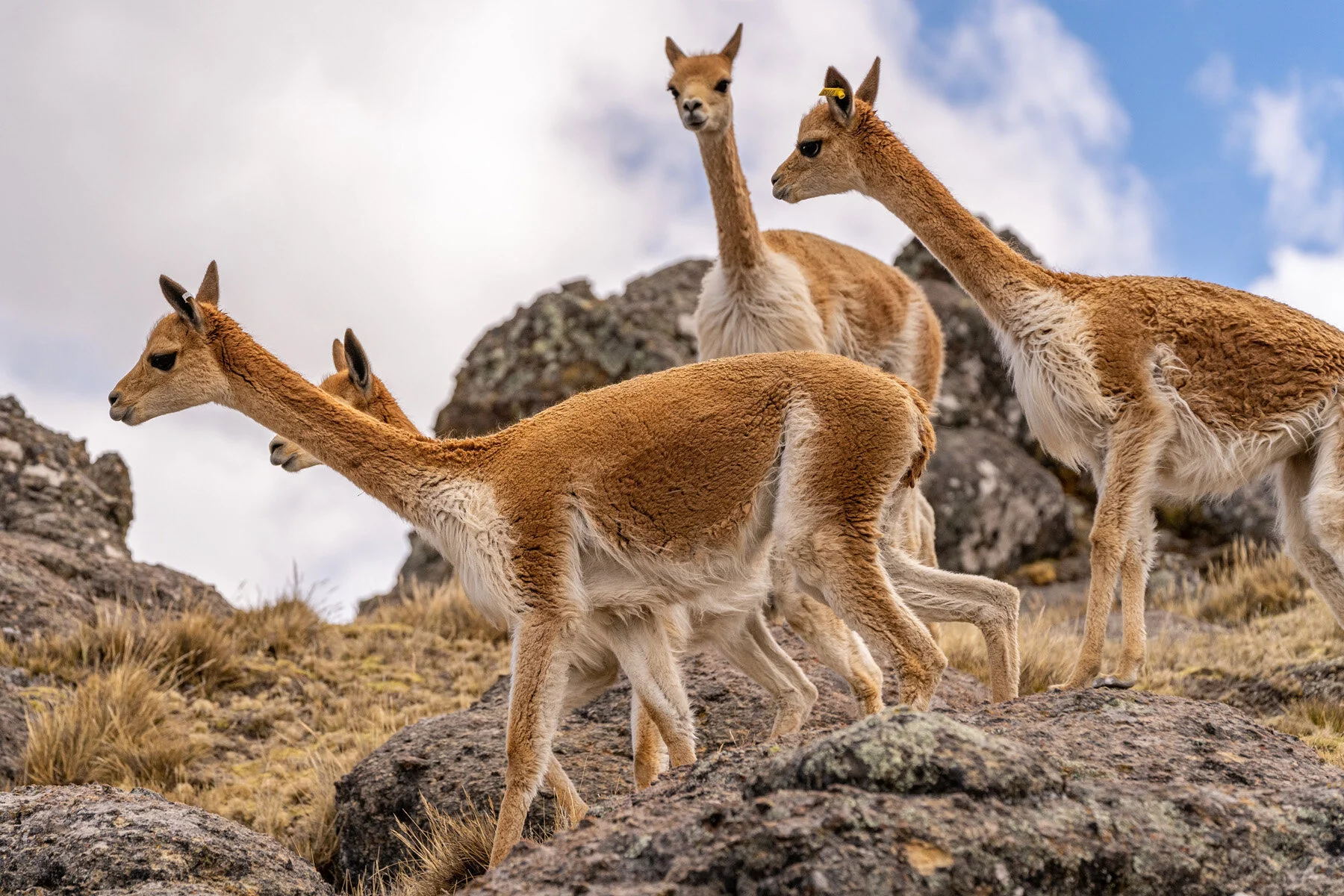
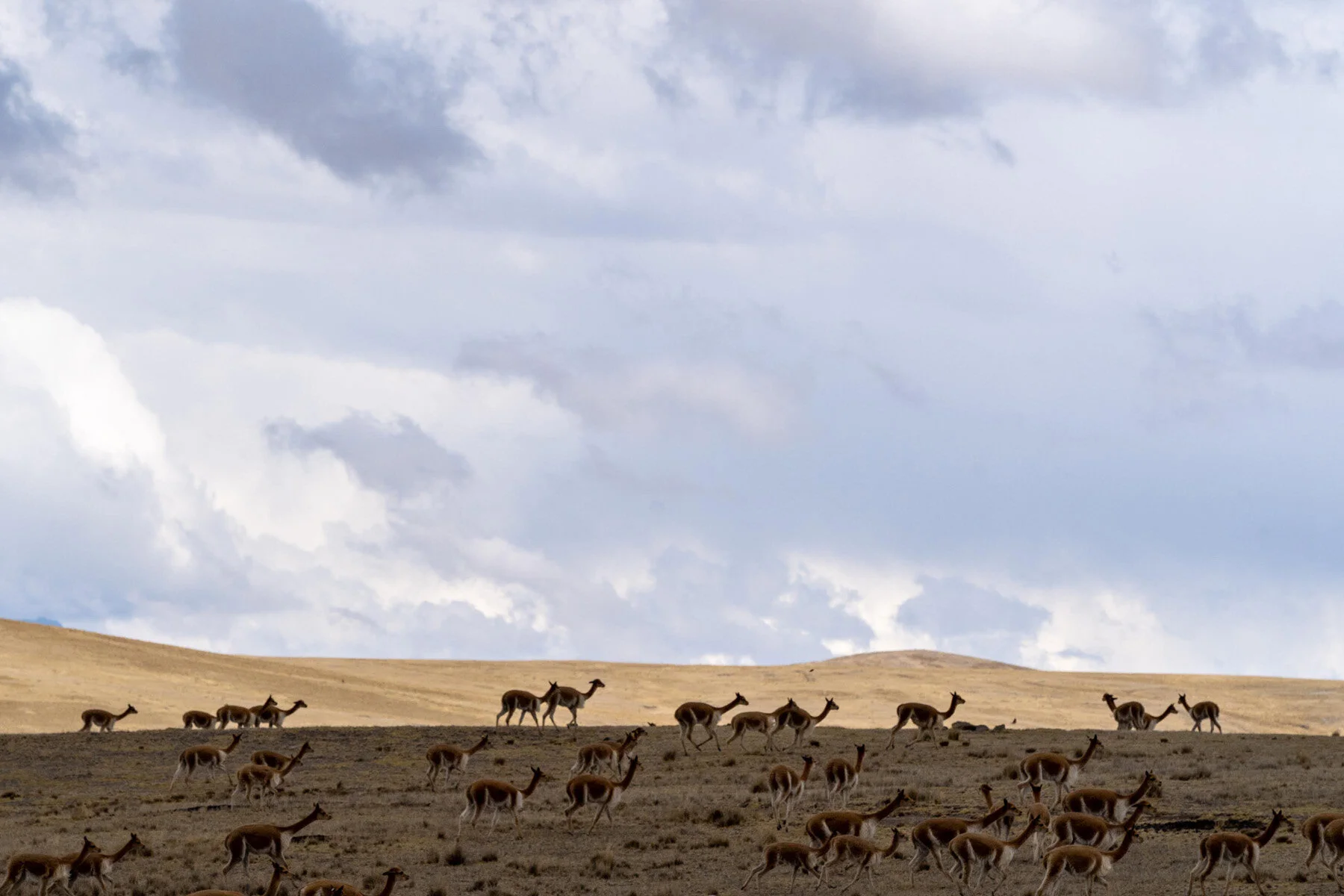
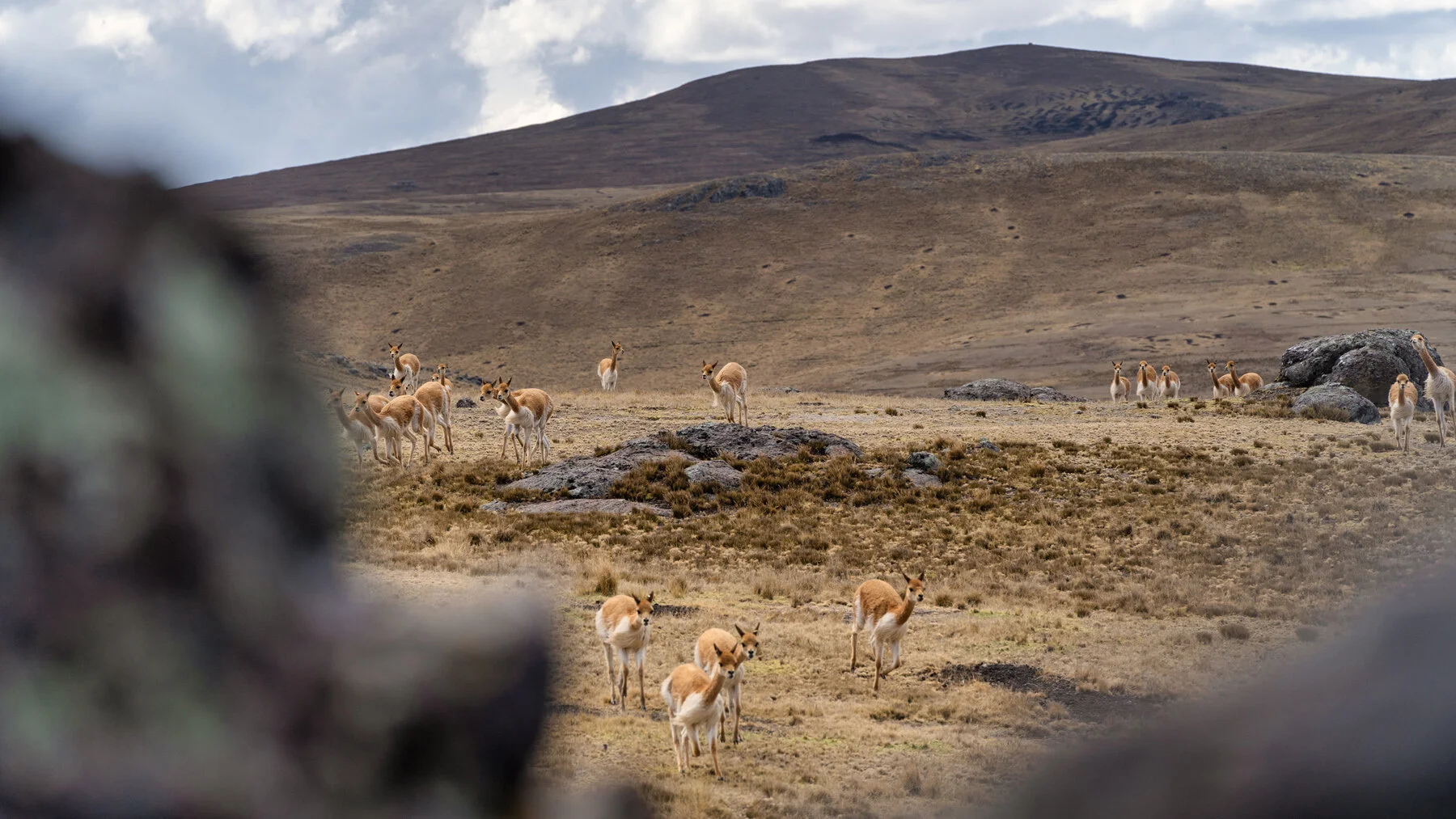
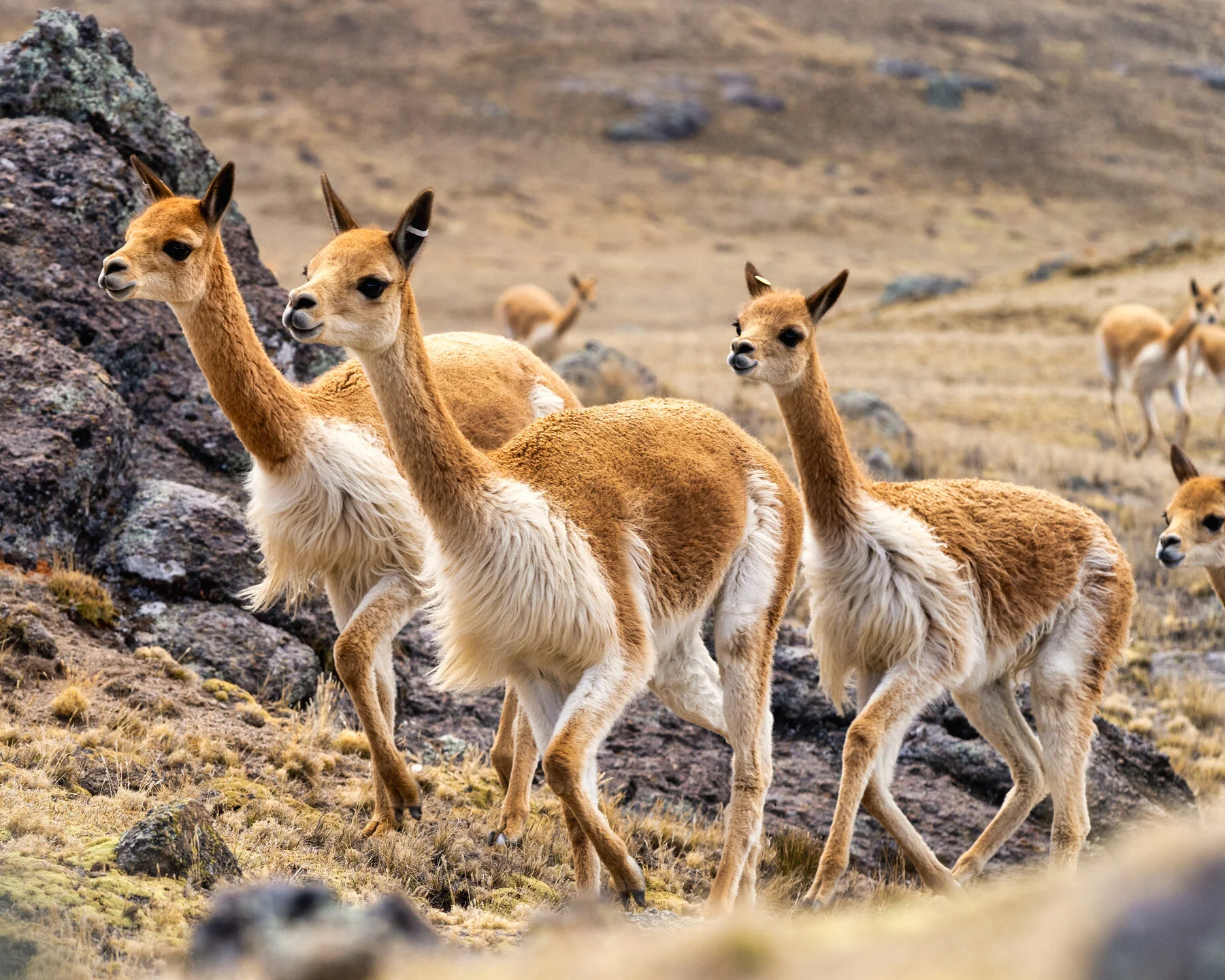
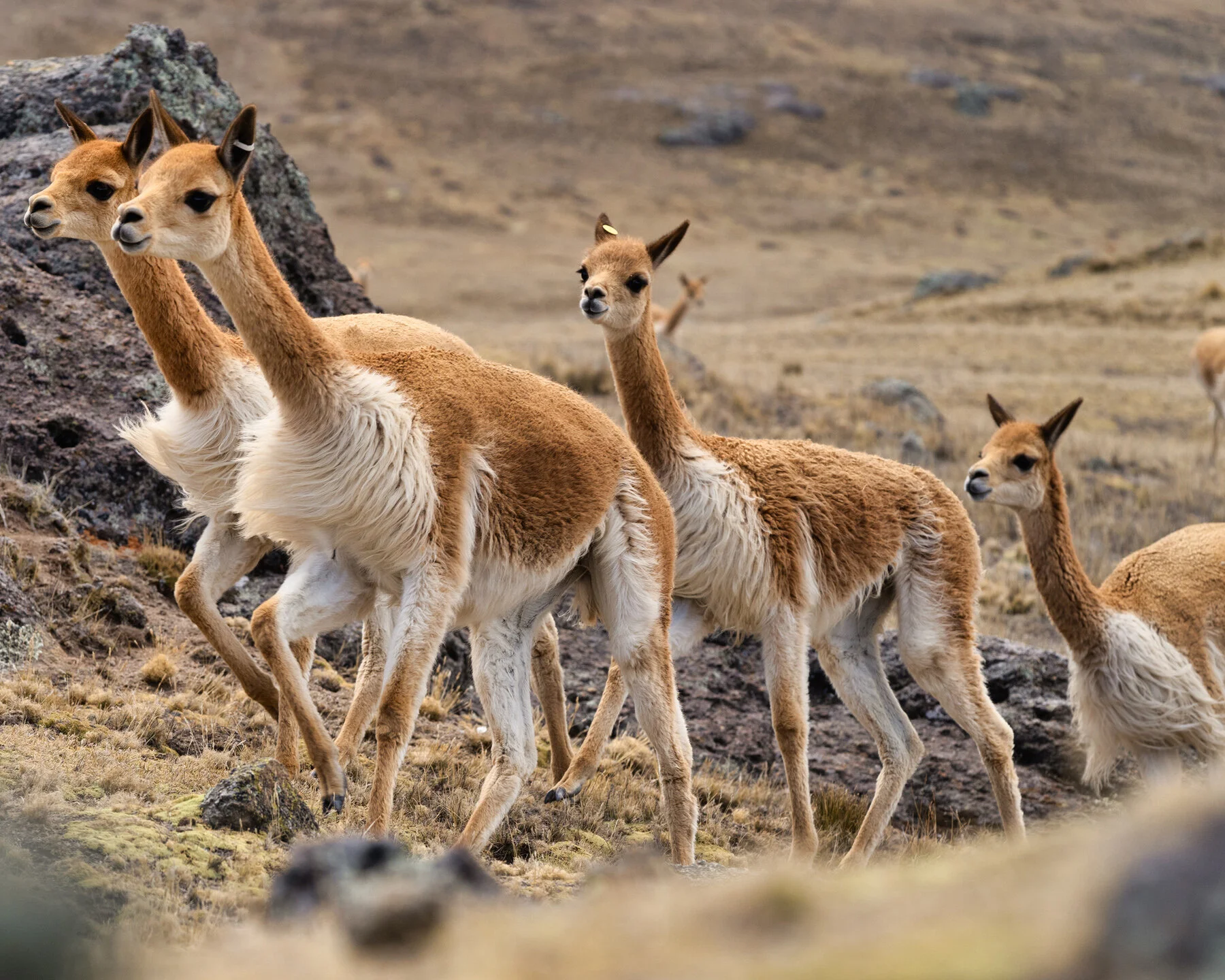
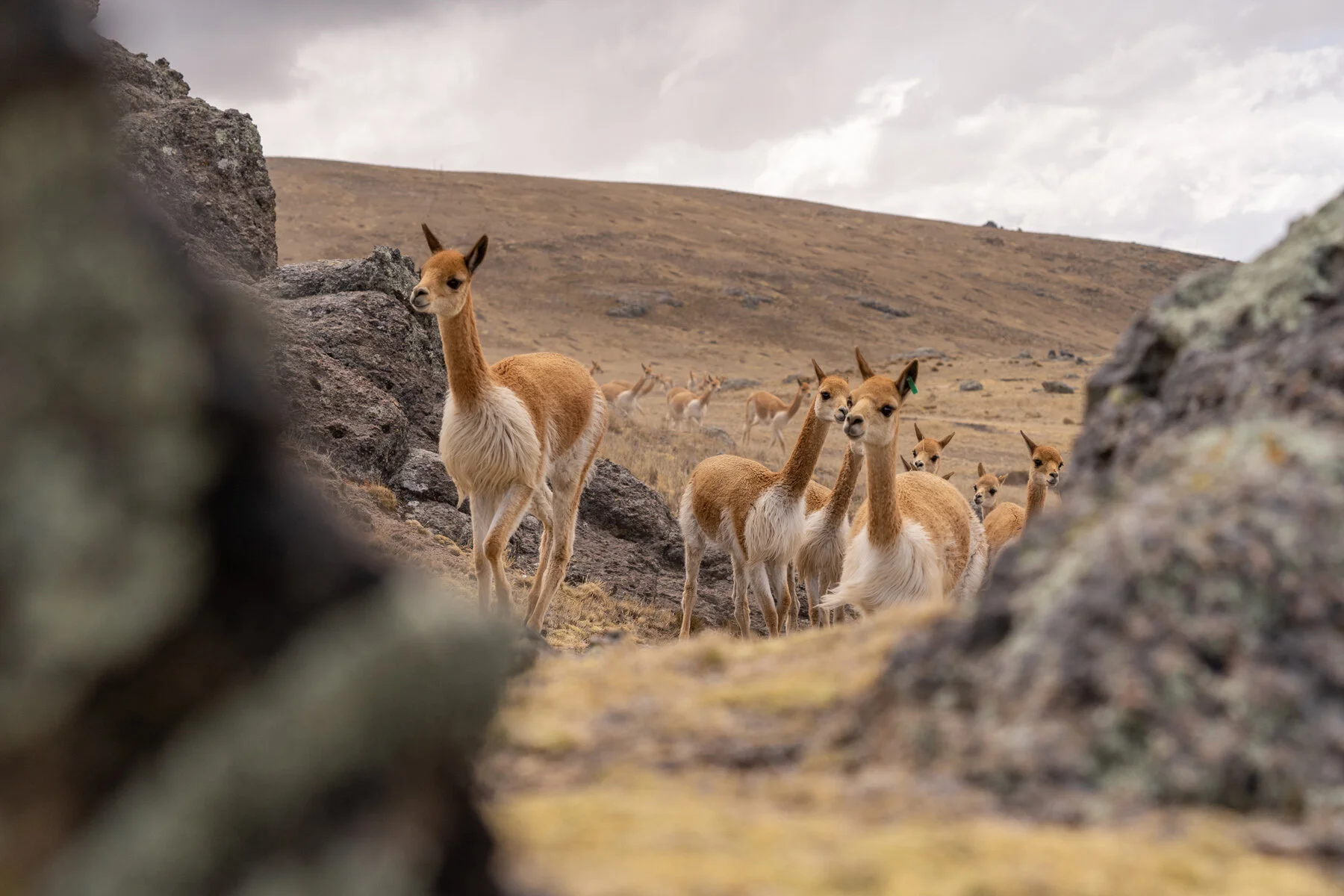
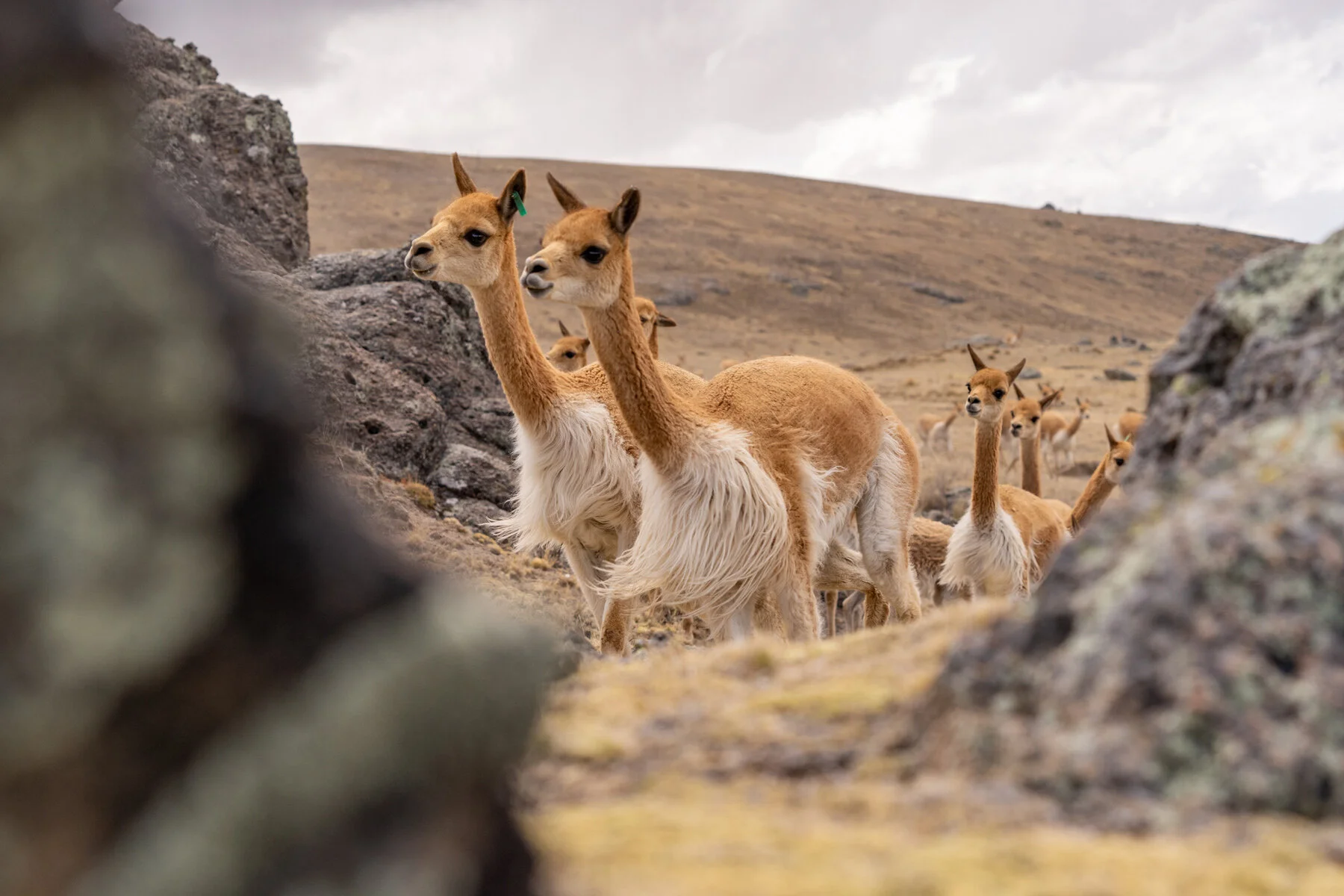
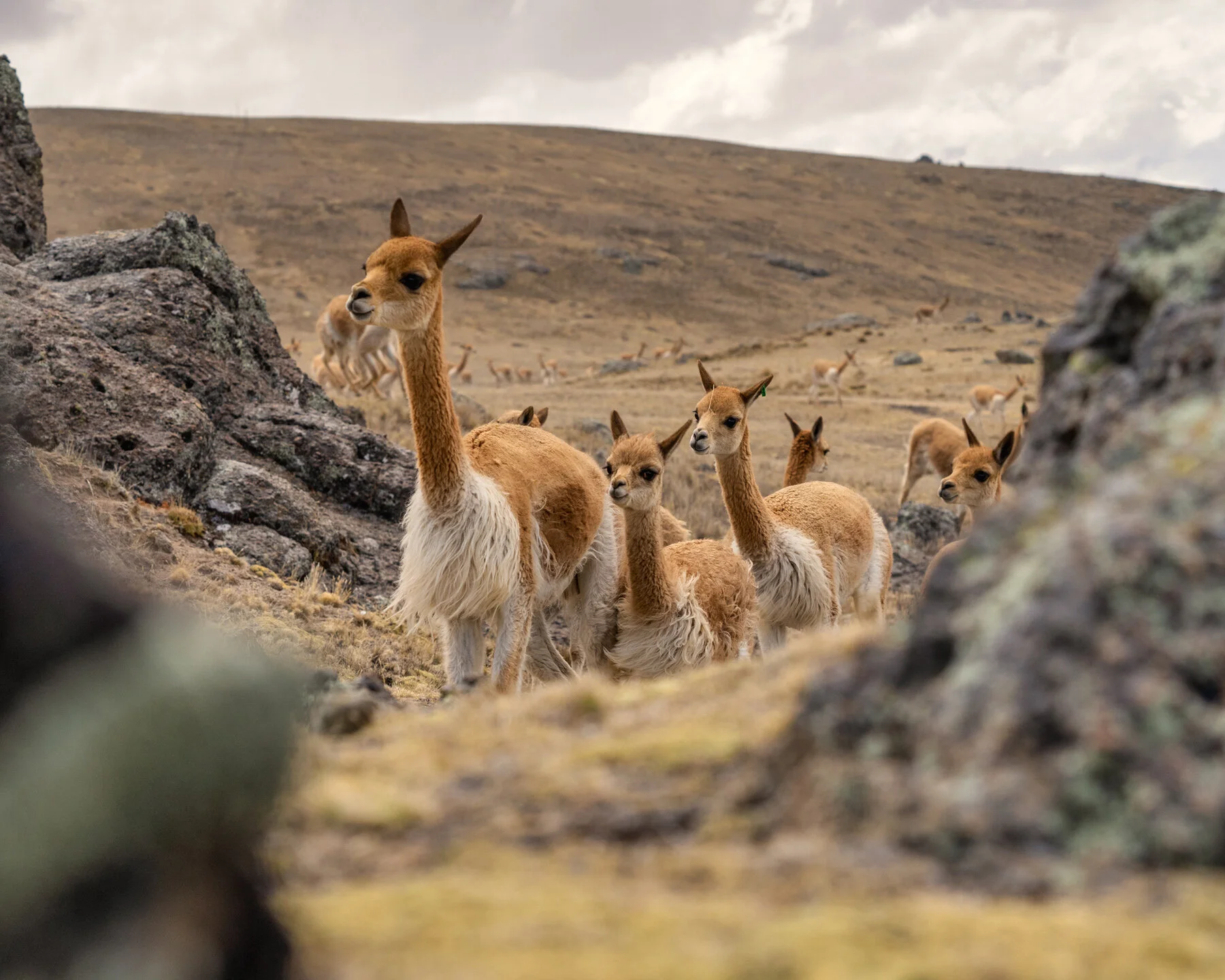
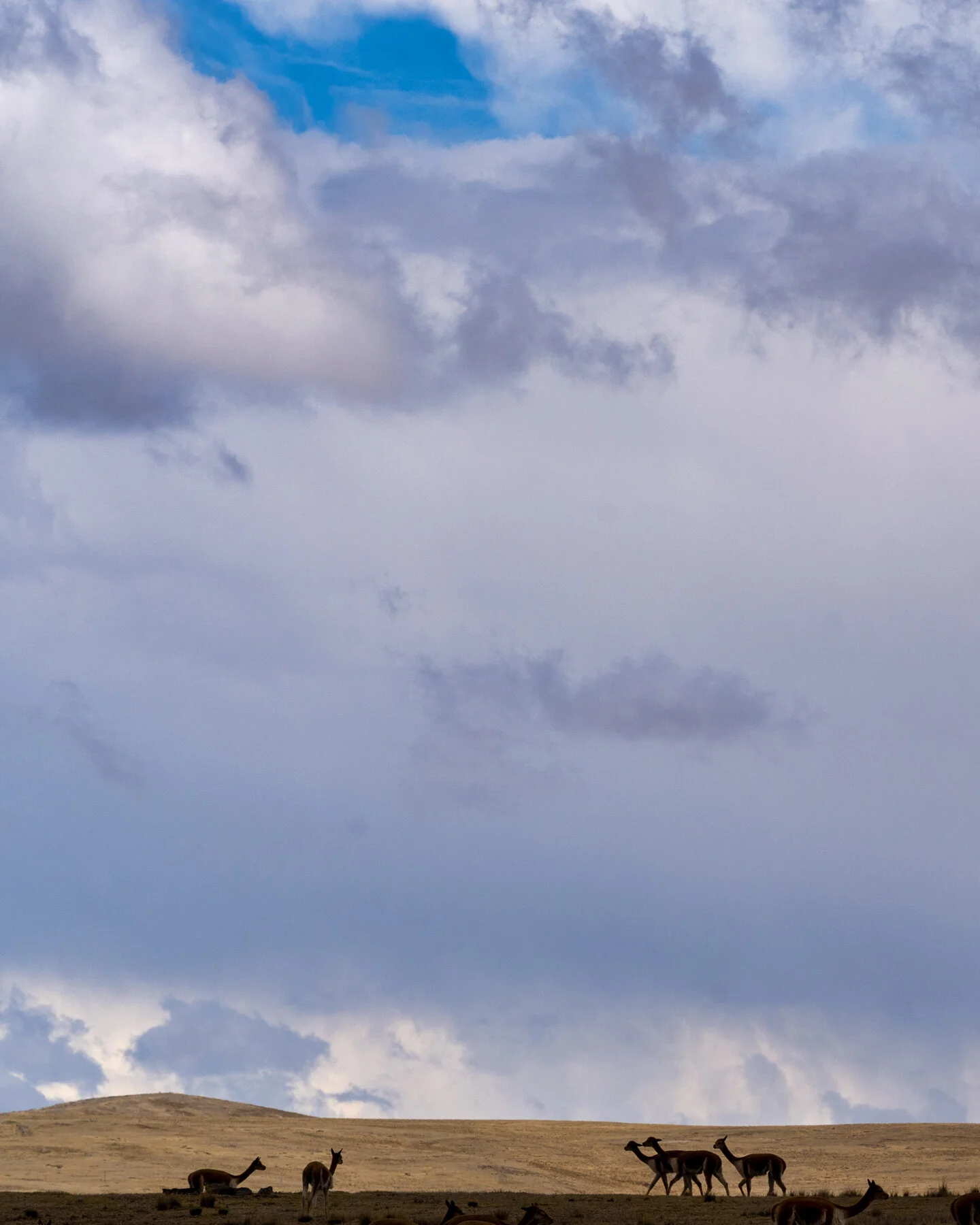
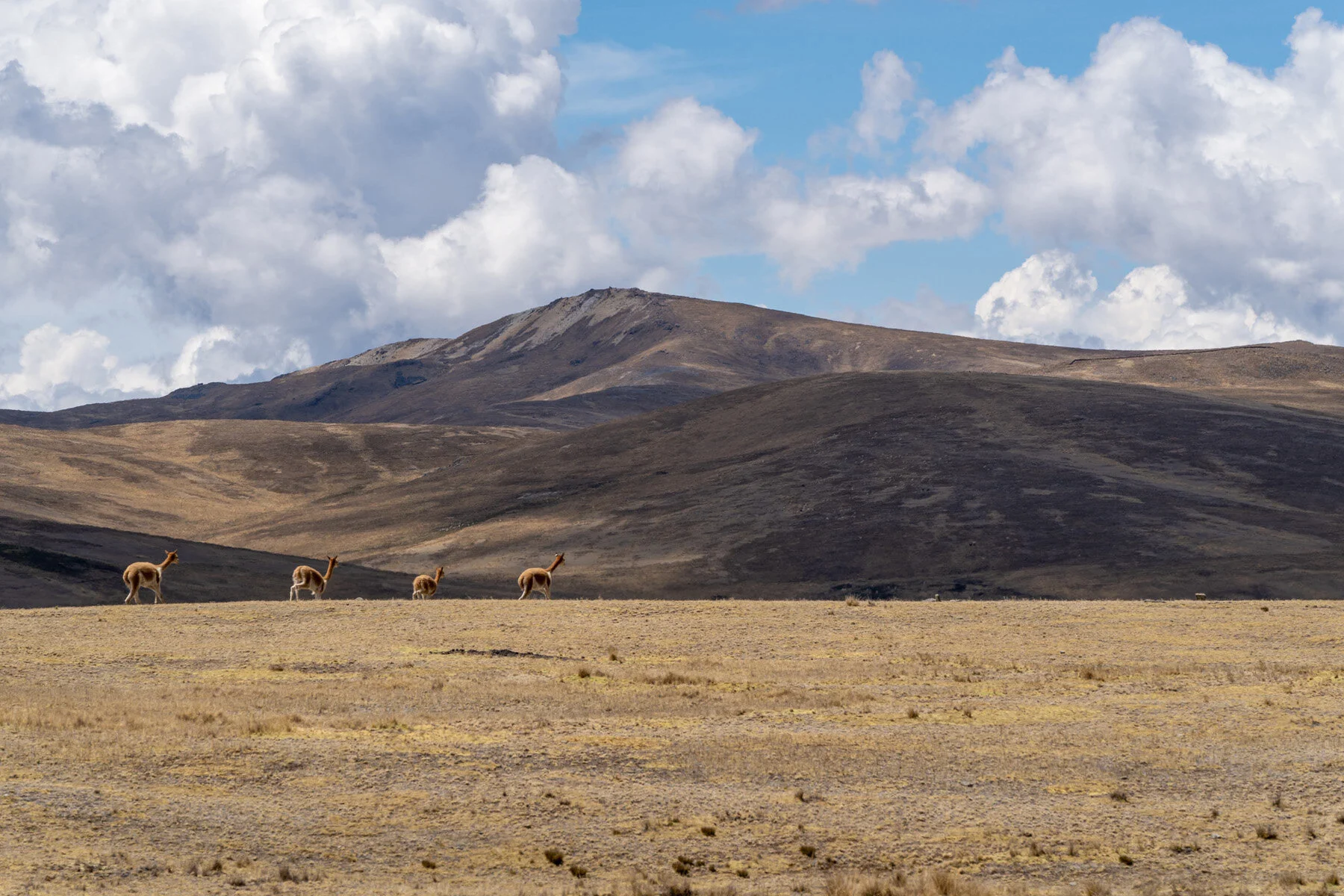
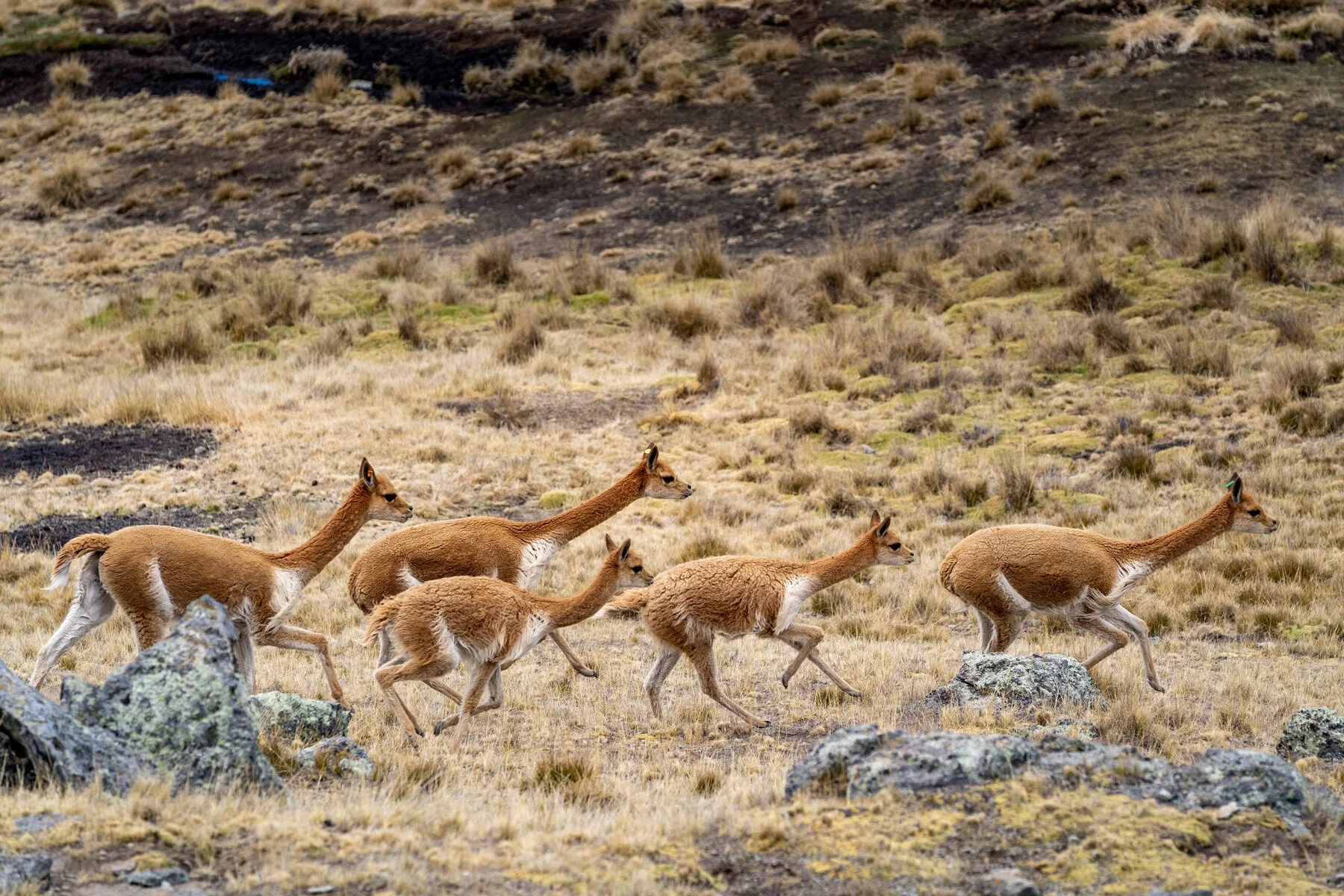
    As we sat in our various hiding positions amongst the rocks in that outcropping, after about an hour or so, the corners of our eyes began catching modest spatterings of vicuna galloping by us.

    Then those modest spatterings turned into groups that ran by and around us.

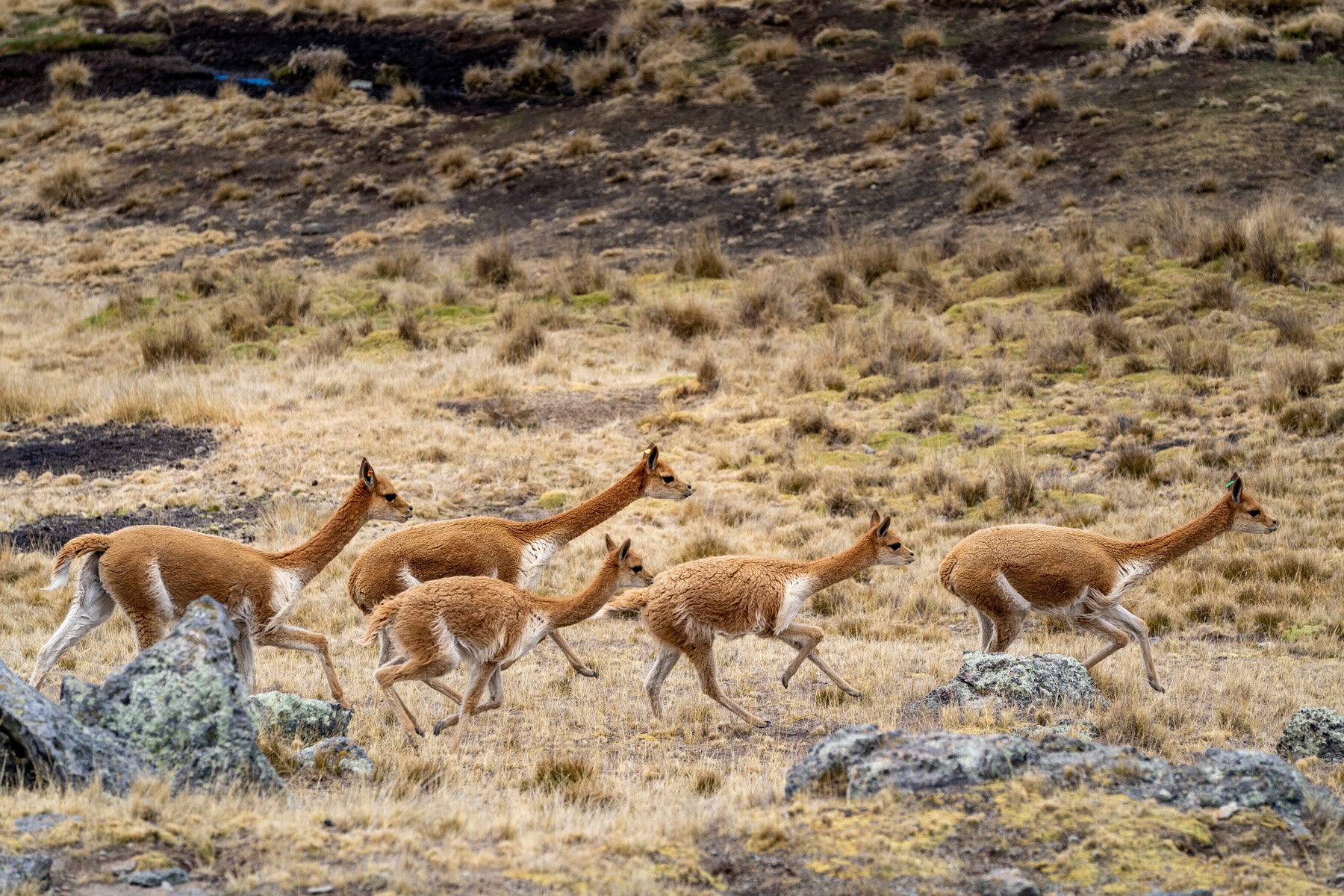
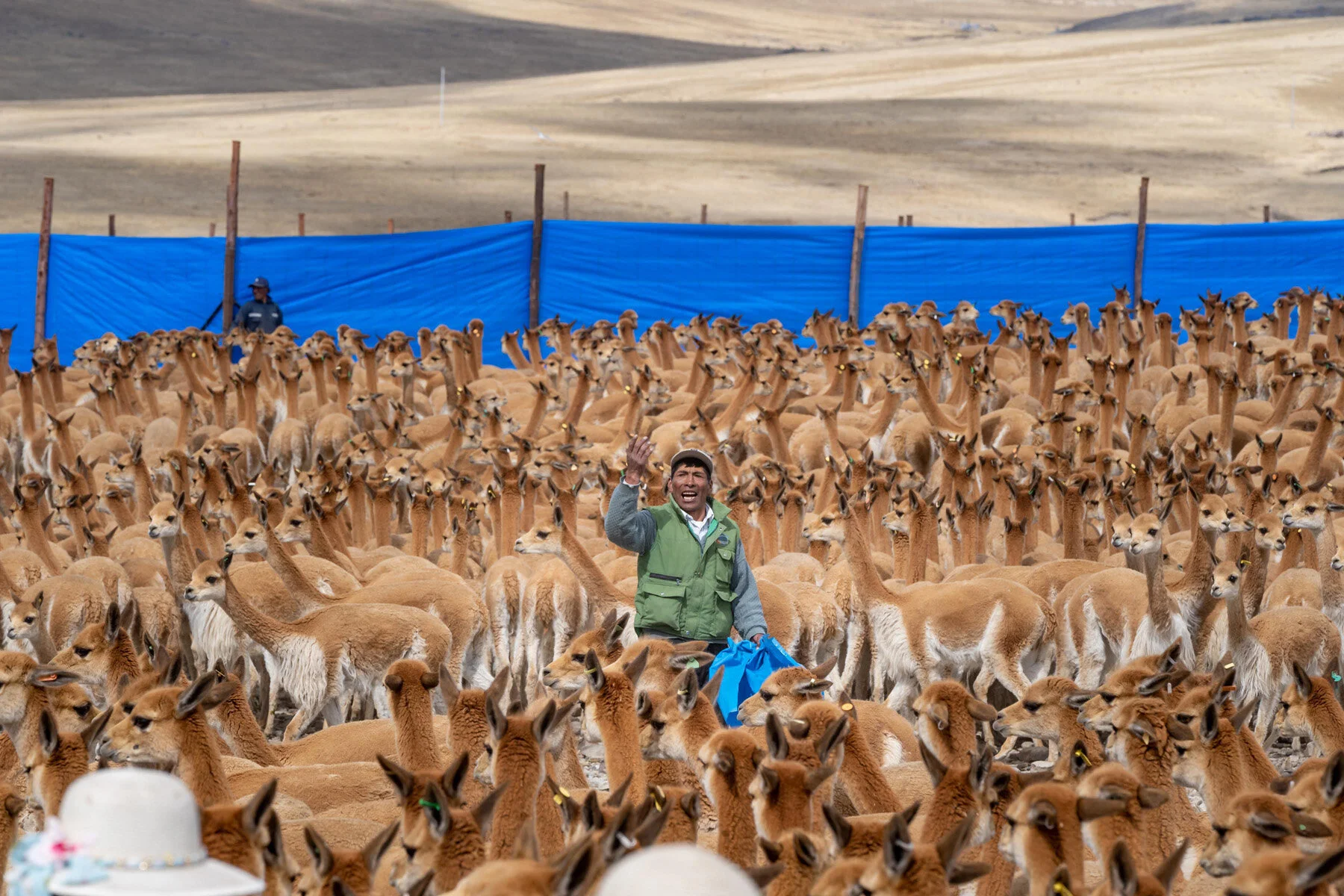
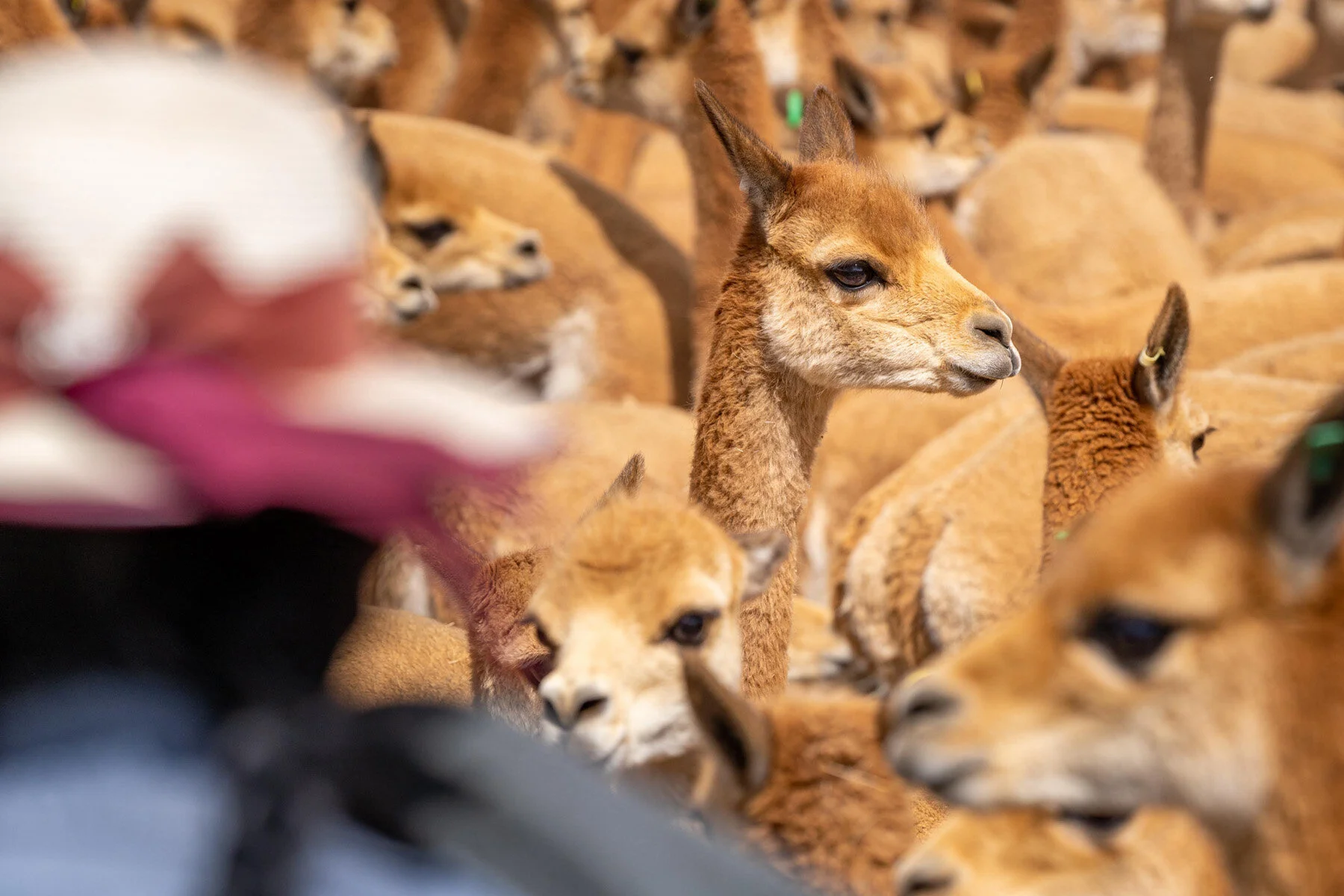
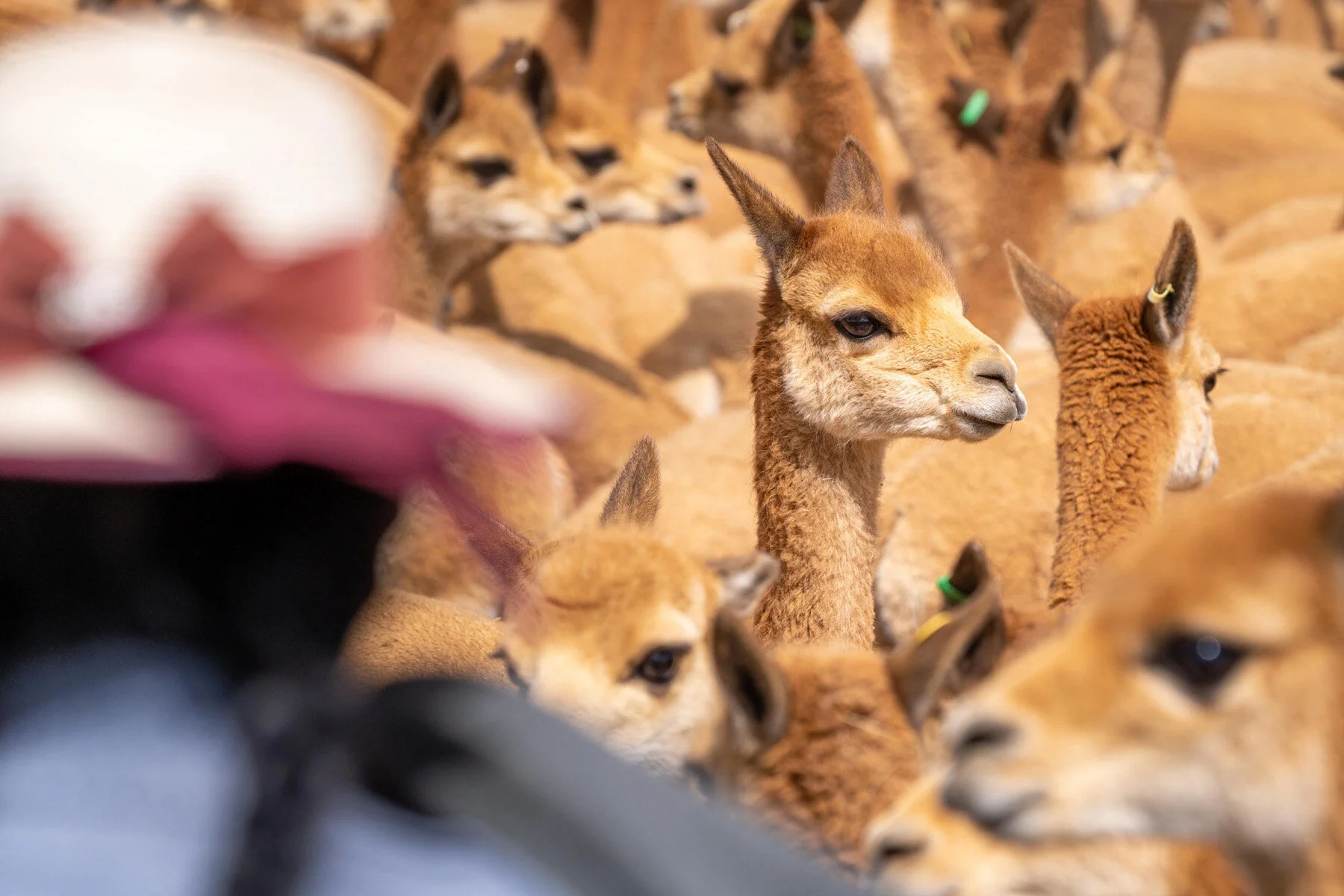
    After just a few more minutes, those groups turned into waves of herds of thousands of vicuna running by, around, through, over and past us.

    It was incredible. They gallop by with an air of such majesty.

    So elegant. So unassuming. So numerous.

    And so scared.

    If I hadn’t known that they would all be released within a few hours, and that this has been done for hundreds of years, I may not have taken as well to what seemed like adrenaline-fueled anxiety coursing through their veins.

    The corral process was fascinating and scintillating. Perhaps accentuated by the fact that I was pushed directly into the middle of the dense corral, now filled with thousands of vicuna frantically swirling around me, while I filmed them with a 360 Virtual Reality camera (that VR experience, where you’ll get to stand right where we were, will be coming soon to a headset near you…), simultaneously hiding under the tripod firing away frame after frame with my still camera.

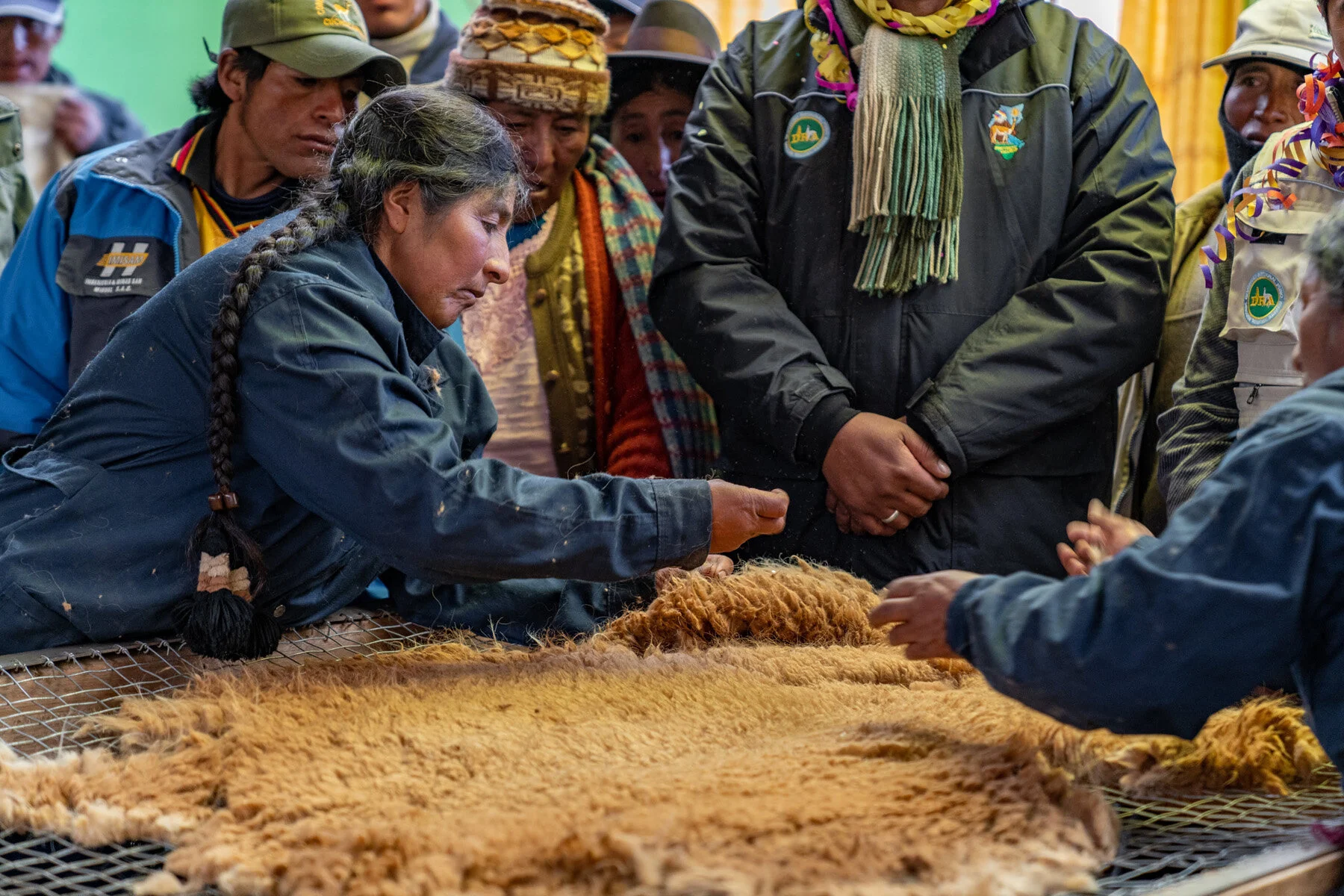
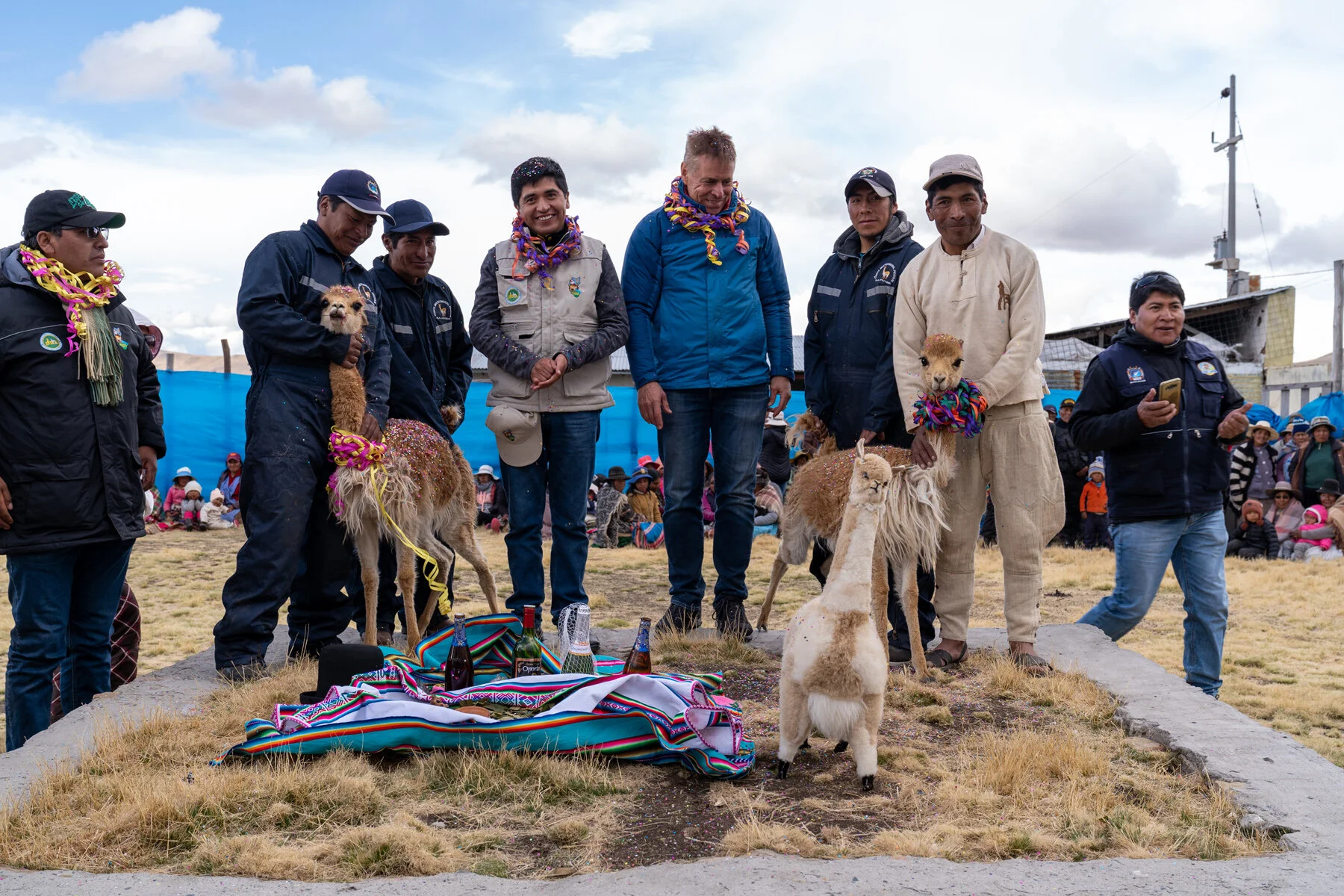
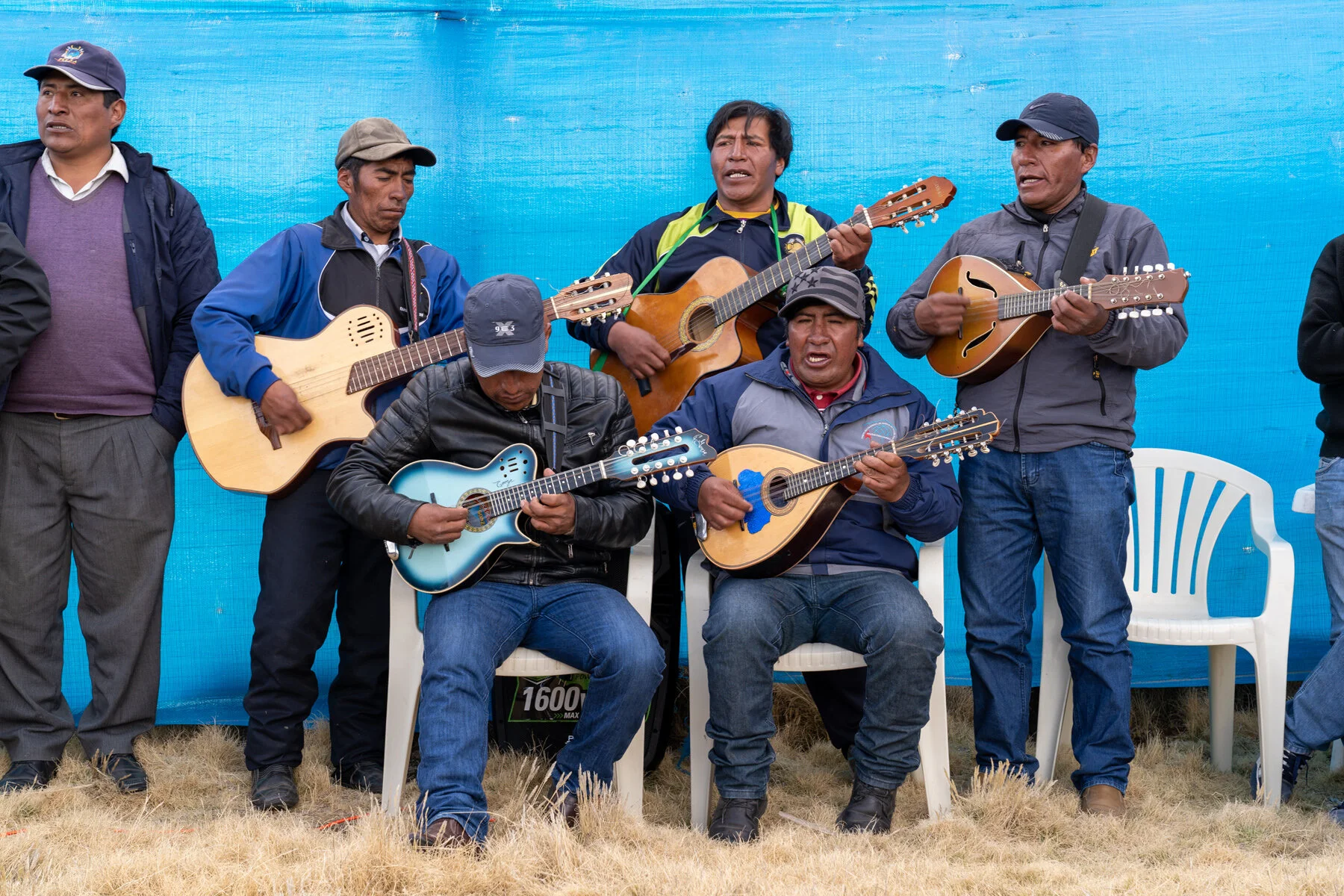
    Following the corral, a ceremonial marriage of vicuna was performed, dancing ensued, the sheering began, the inspection of the fibers ‘passed the test,’ and the villagers began to make their way homes to a well-earned meal and rest.

    This was undoubtedly one of the most unique experiences of my entire life. I’ll soon be releasing that 360 VR video of the experience through Superswell VR, but in the meantime, I hope you dig the images from that day.

    It’ll be hard to forget this one…

    Here’re all the photos from this magical day and a panorama of the awe-inducing landscape we were surrounded by:

    Andes Mountains Peru Quechua Benefit Picotani Vicuna Chaccu

    Please click here for Part 4 – From Fleece Geeks To Pee Fleece

    And for more of my sometimes-daily whatnots and thingamabobs, find me on Instagram

    (Editor’s Note: This trip originally happened in fall of 2019, when it was still safe to travel. It has taken some time to get these posts in order due to various reasons #Because2020, but the timing is quite impeccable that I begin publishing them now, as Peru has among the highest death rates per capita in the world from COVID-19, and people in the remote impoverished highland villages, where much of this story takes place, have little to no resources to protect themselves and their families. Quechua Benefit, the non-profit that sent me out has been raising money to provide masks, soap and education, and I’ve partnered with them to help bring some attention. Please consider throwing a few bucks their way through this link. As you’ll see throughout these posts, they’re doing wonderful work in Peru.)
  • Sometimes We Just Need Some Purty Pictures. Because 2020.

    Sometimes We Just Need Some Purty Pictures. Because 2020.

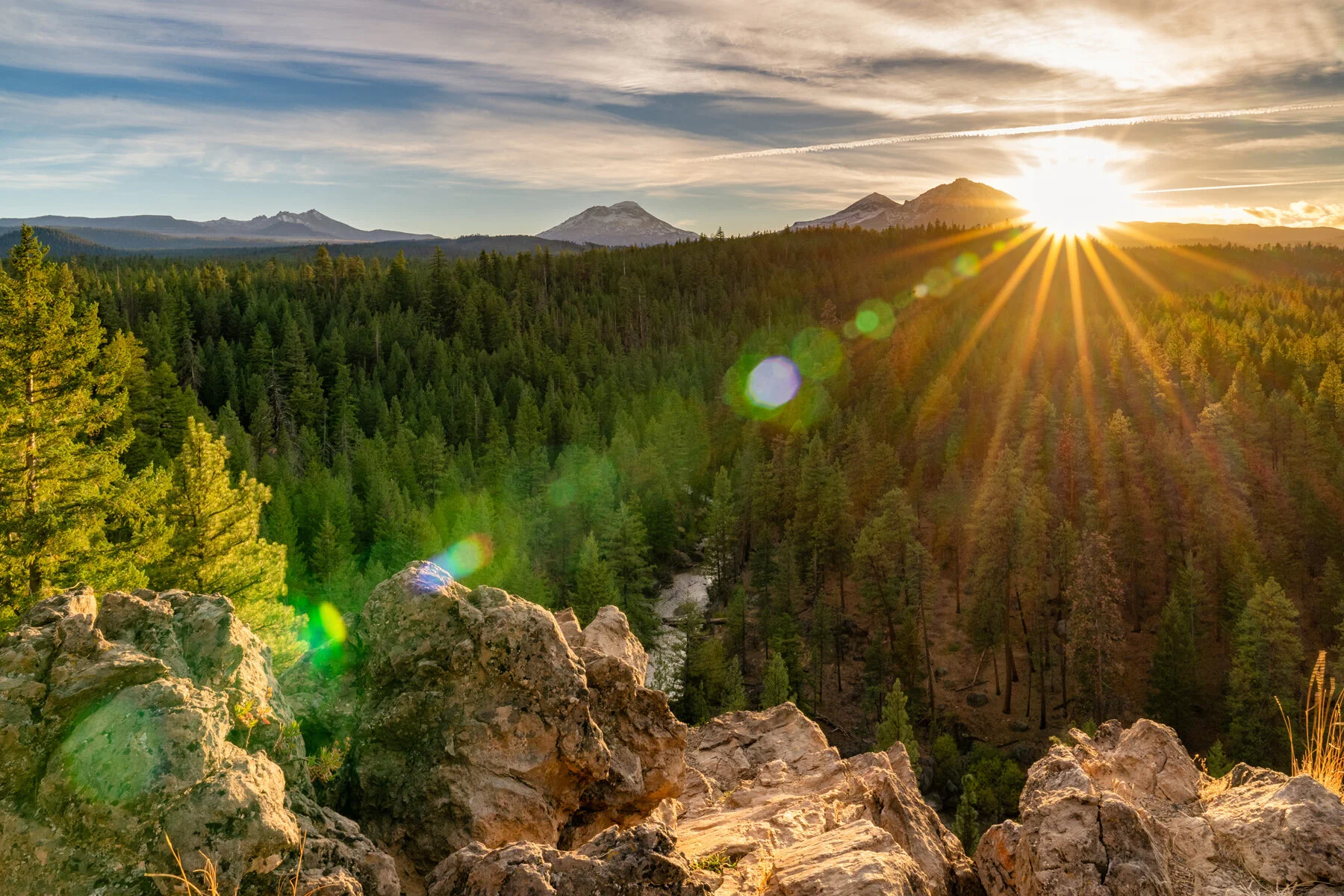
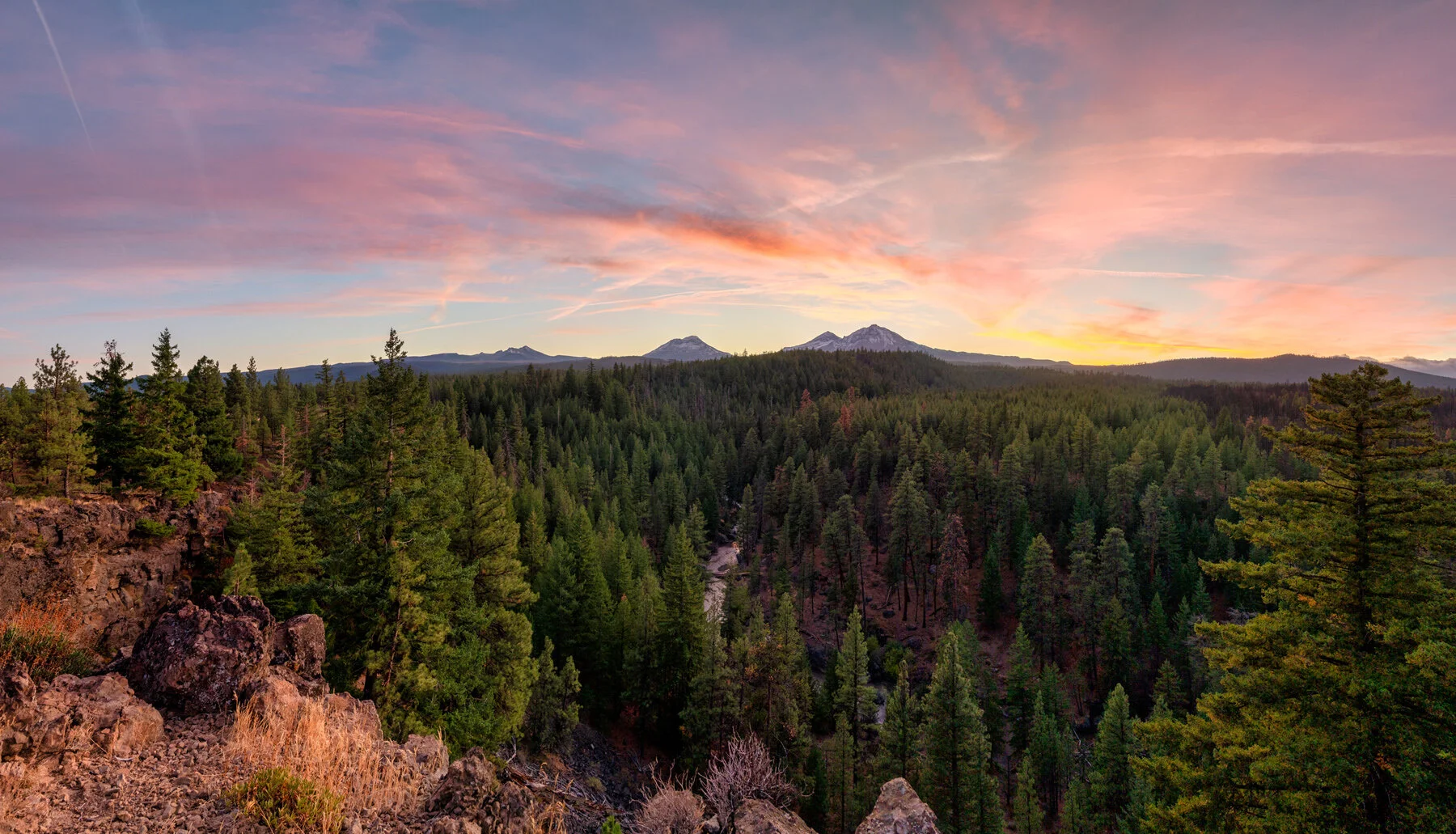
    Three Sisters Sunset Bend Oregon

    Yep, it’s been a year.

    Kinda feels like it’s been 40.

    And I’m confident most of you feel the same.

    Don’t really feel like writing a lot of words about it.

    All I want to do is look at some purty pictures.

    Because despite this cosmic loop of psychotica we’ve found ourselves flailing through, there have been some beautiful moments as well.

    So will you look at some purty pictures with me?

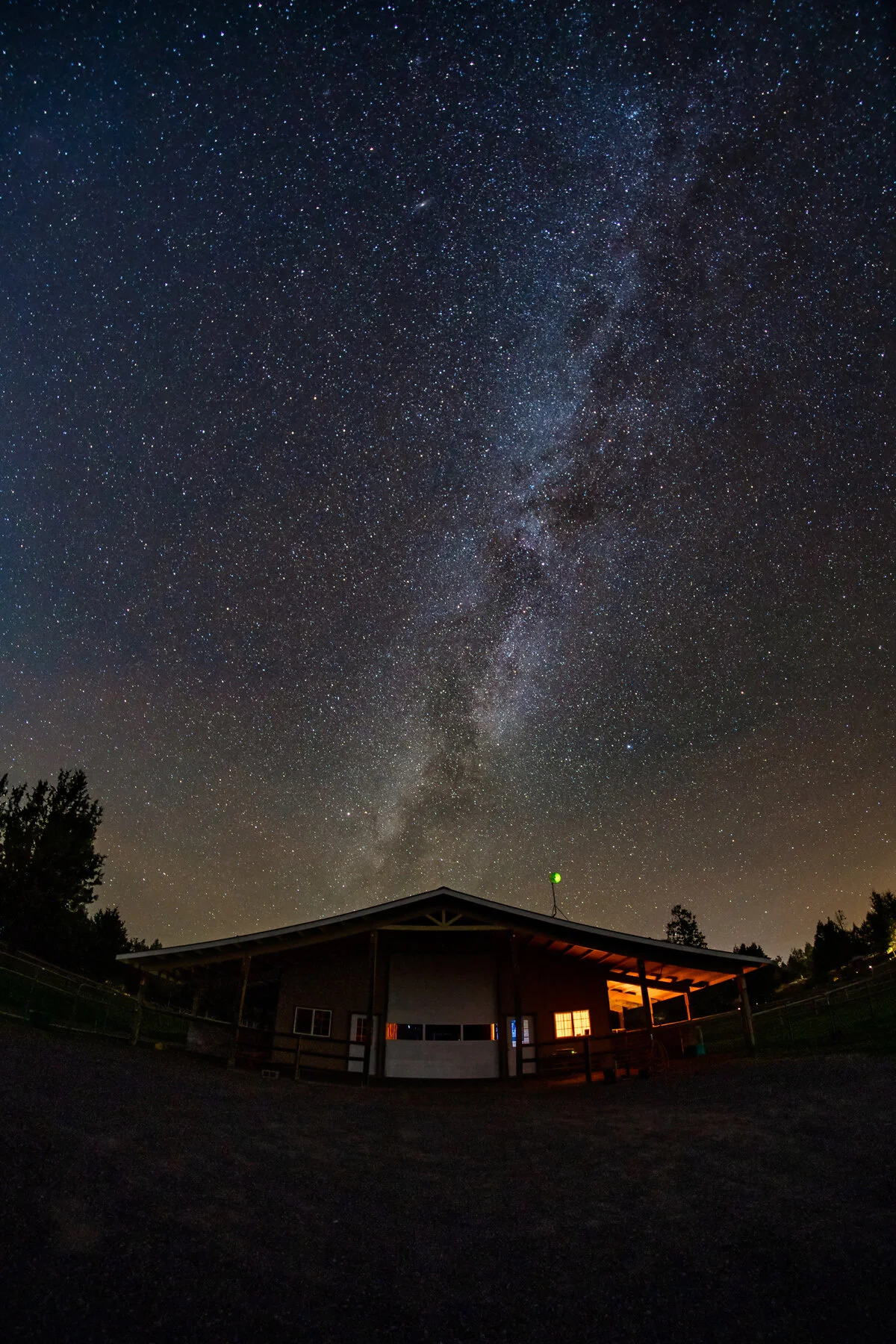
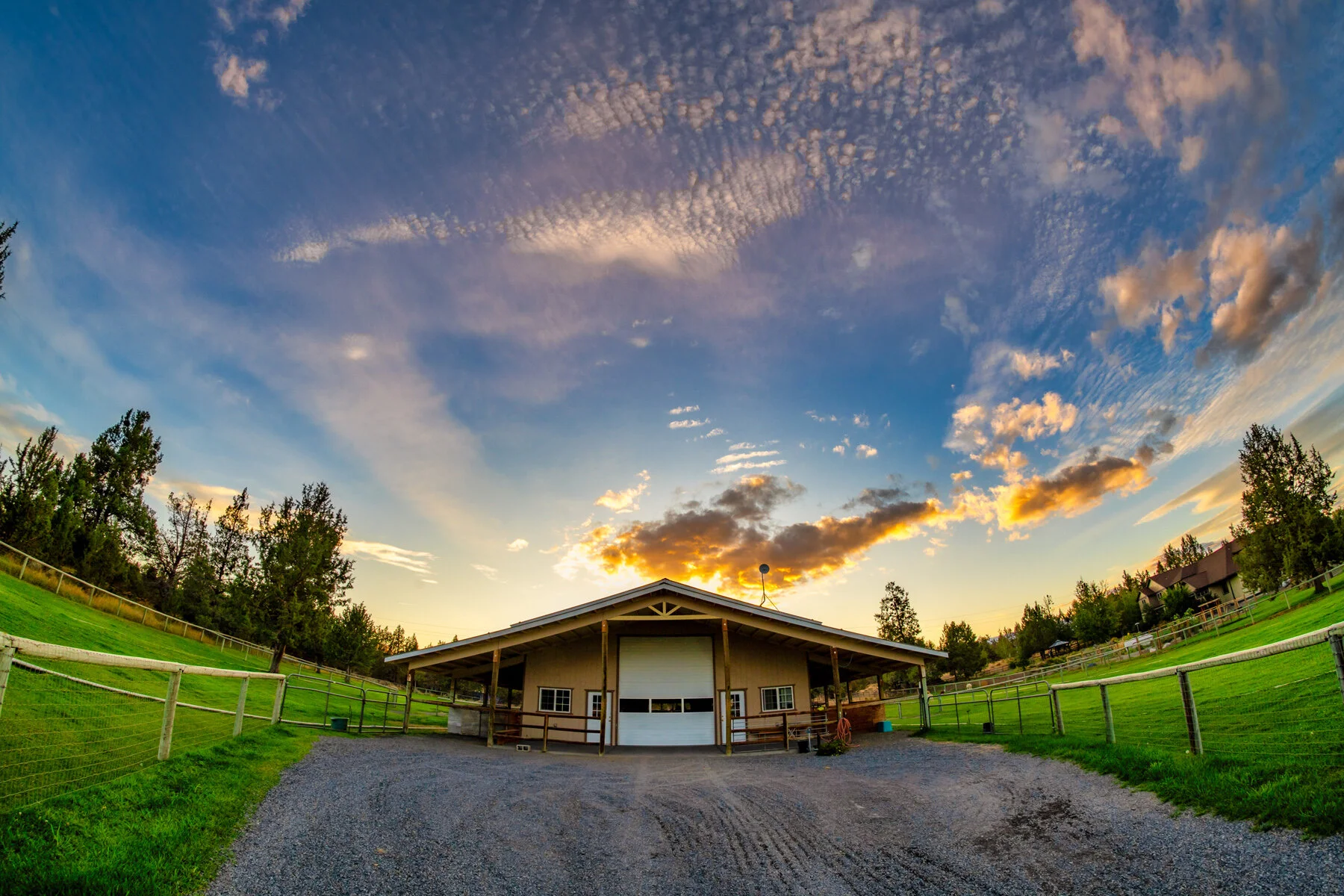
    Here are a few choice captures from the past few months, some from California, some from Portland, and most from the areas surrounding where I’ve chosen to currently call home (at least until 2020 strikes again):

    Bend, Oregon.

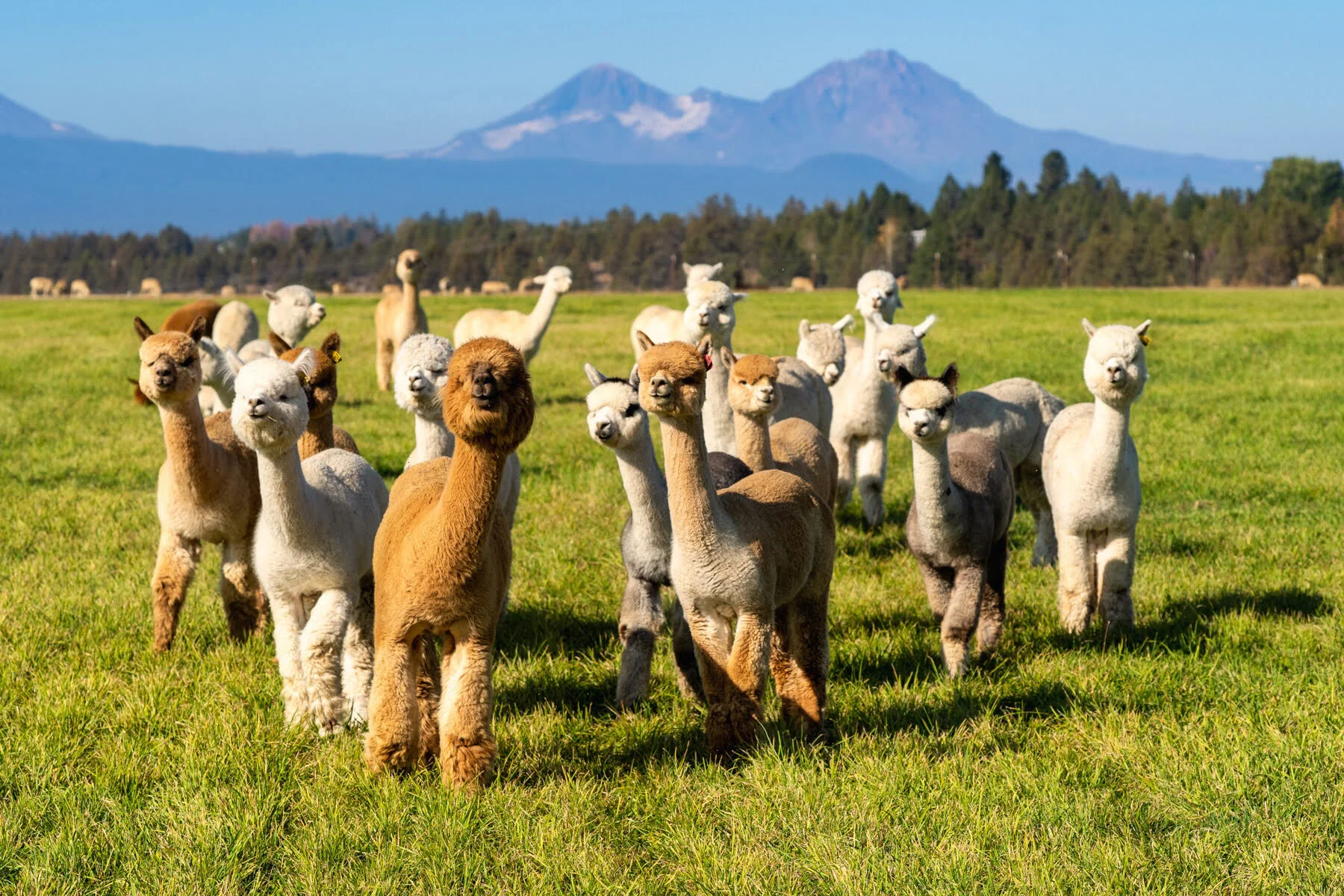
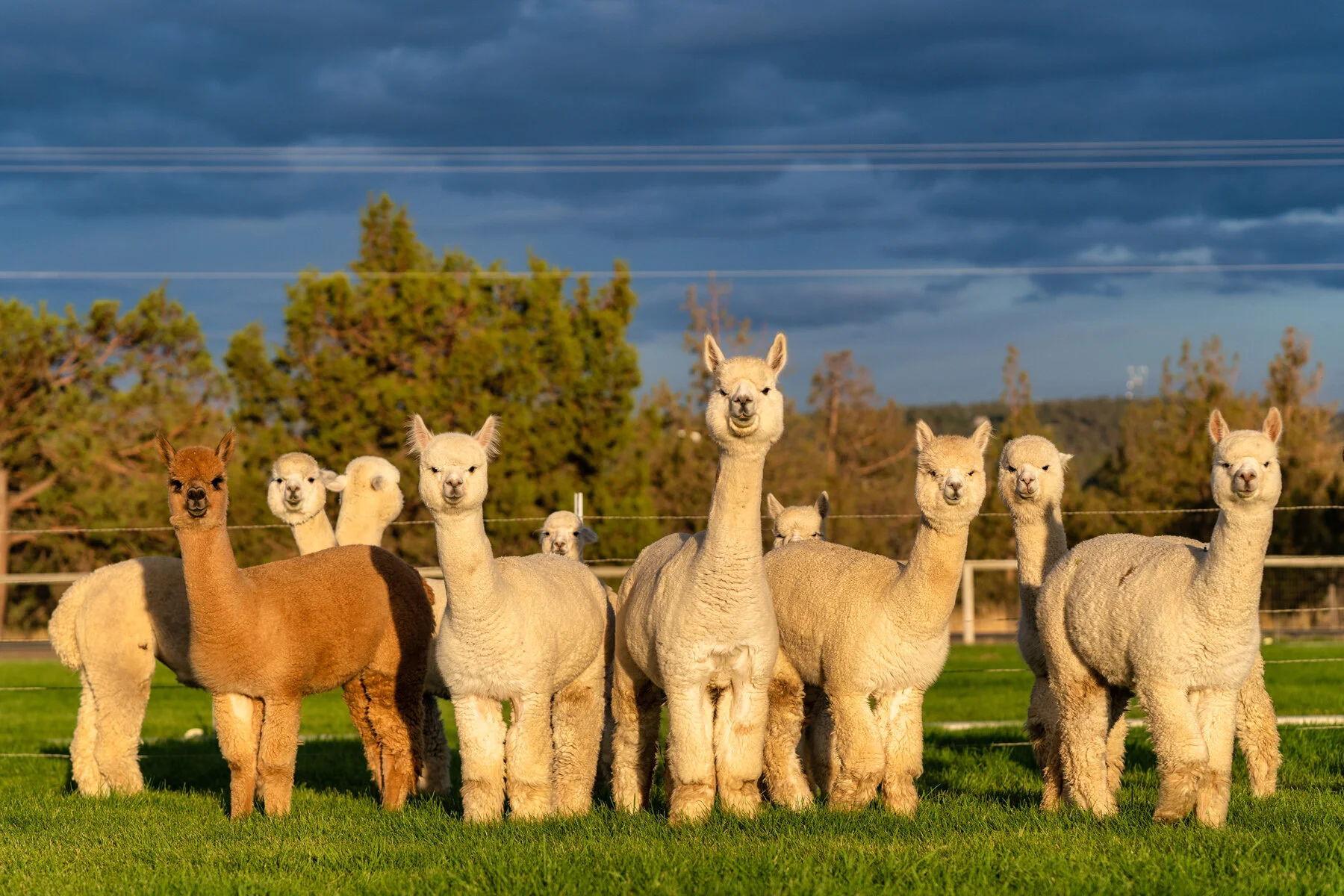
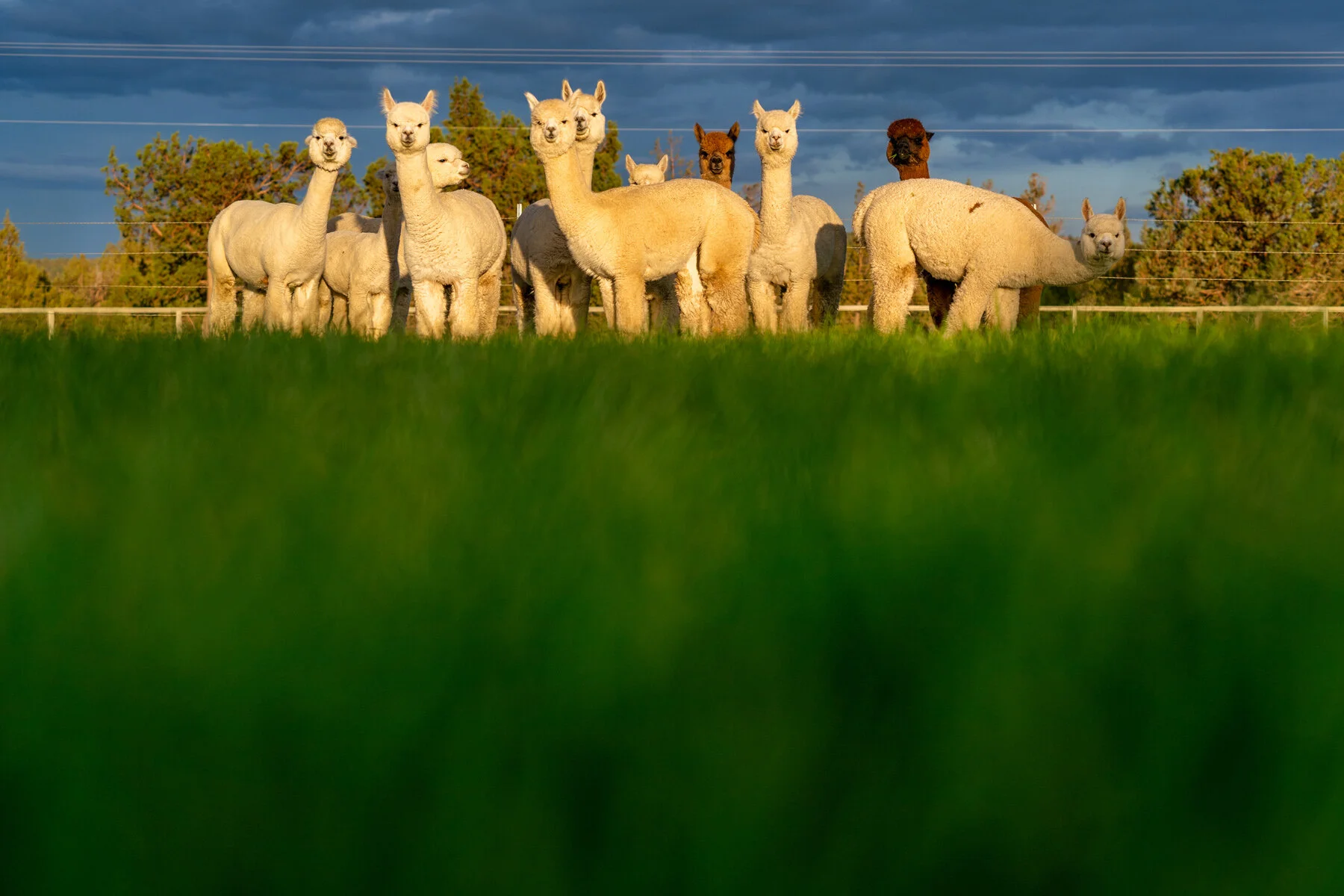
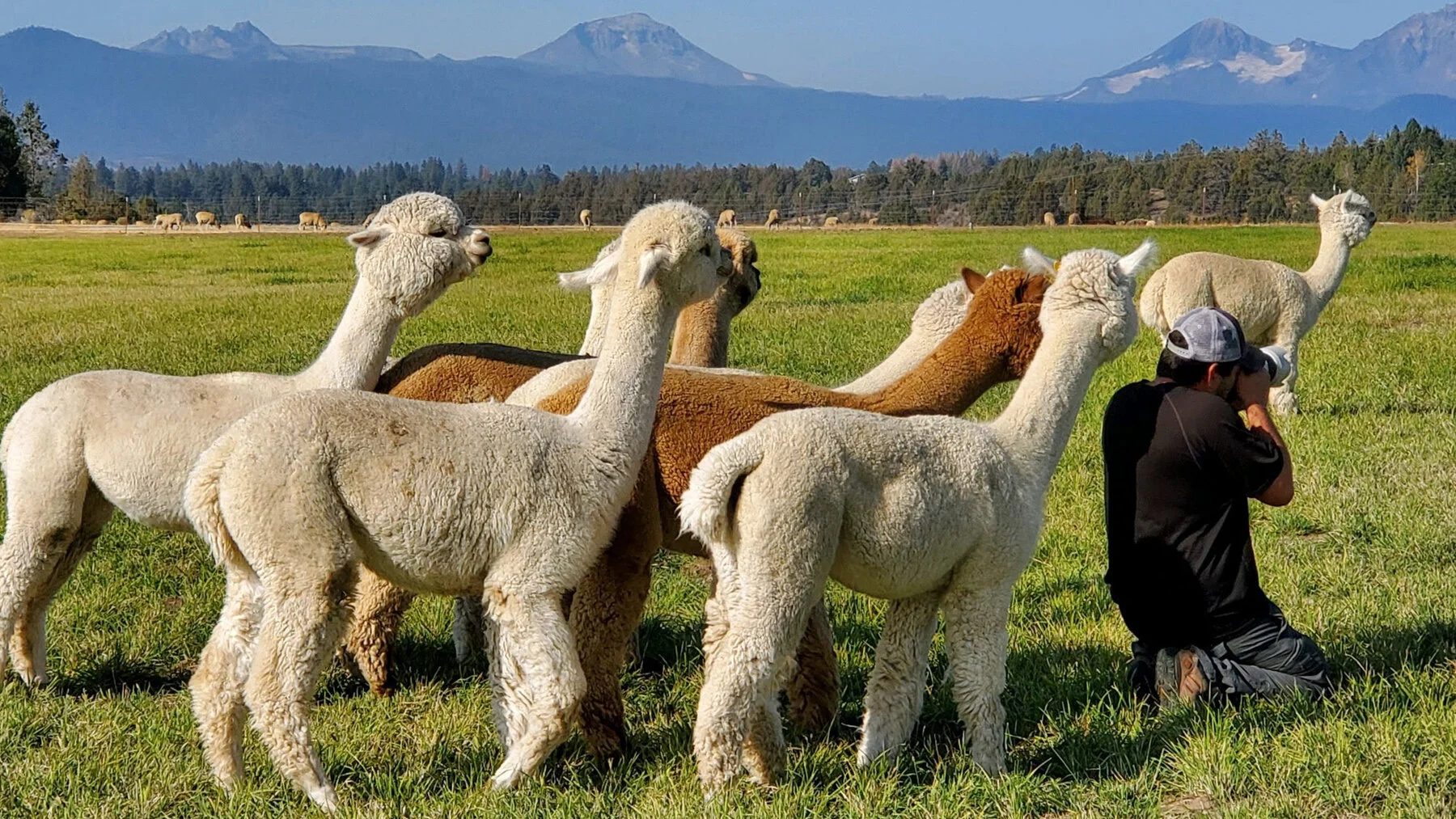
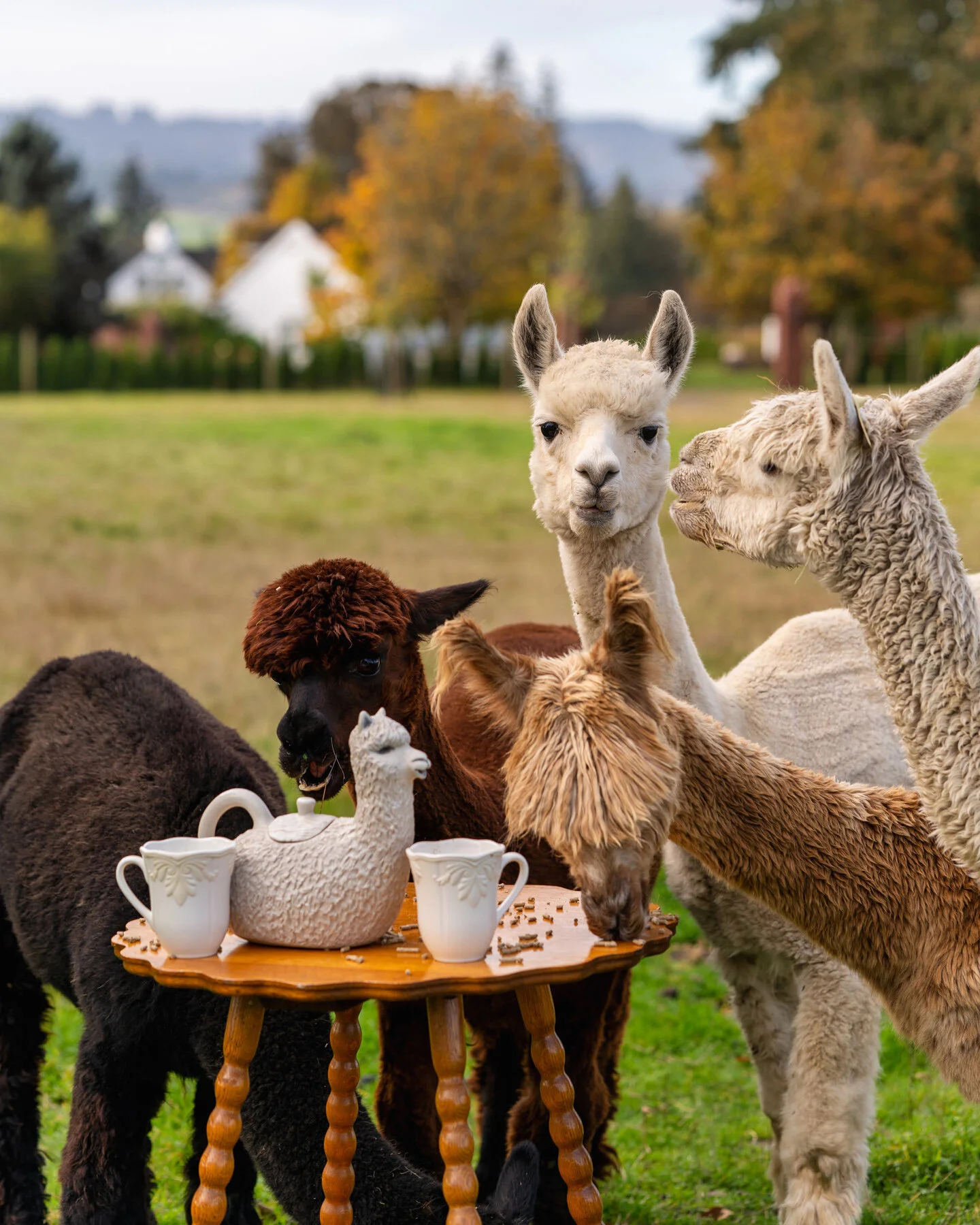
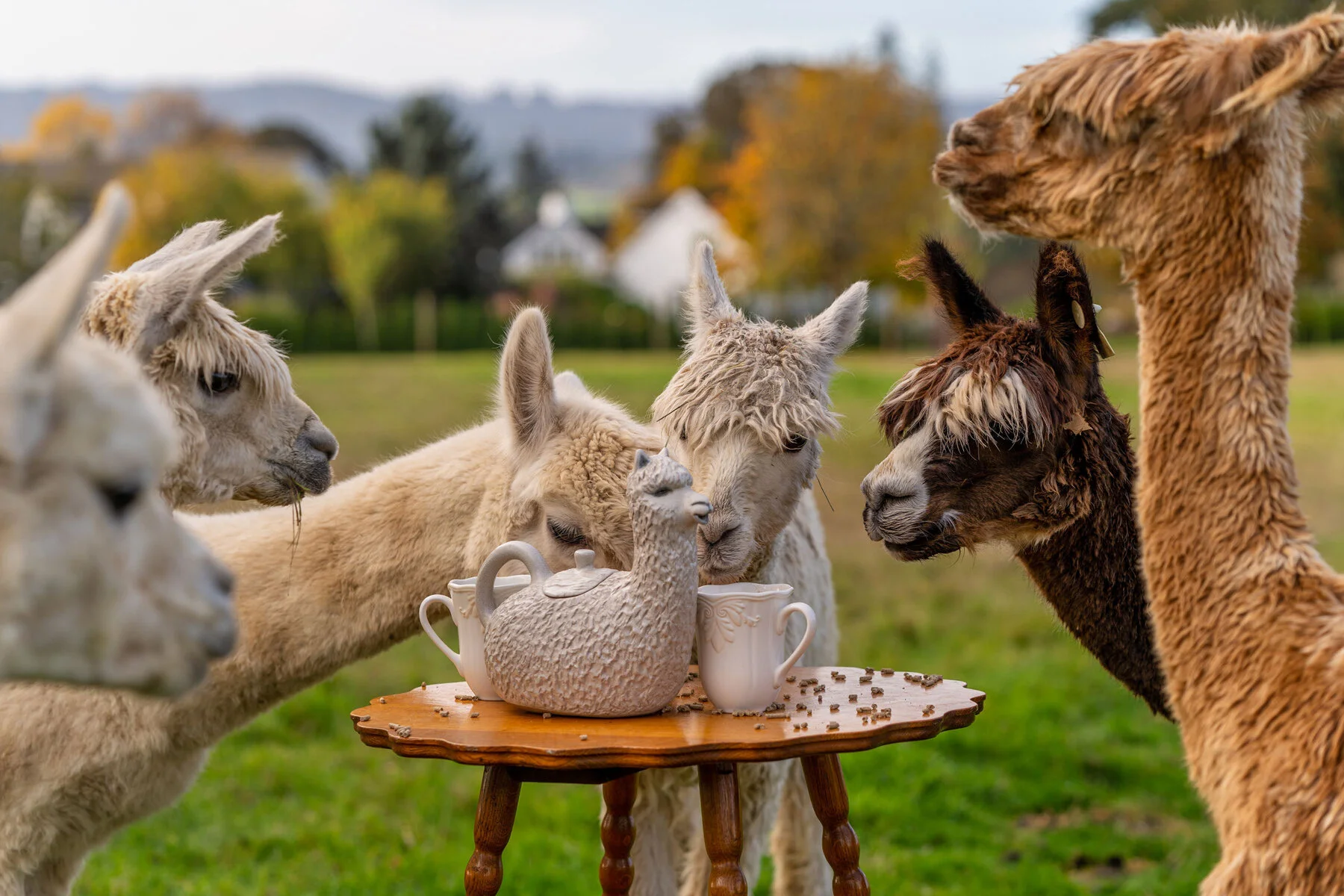
    (Oh, and yeah, as you can probably tell, alpacas have infiltrated my life.)

    Ommmmm…

  • Peaks n’ ‘Pacas in Peru – An Alpaca Fueled Trek Through The Andes – Part 2 – From Coca Tea to Casa Chapi

    Peaks n’ ‘Pacas in Peru – An Alpaca Fueled Trek Through The Andes – Part 2 – From Coca Tea to Casa Chapi

     The Colca Canyon

    (If you haven’t yet, and you wanna, start at the beginning of the adventure with Part 1 – Where The Wacky Alpacky Hath Led Me)

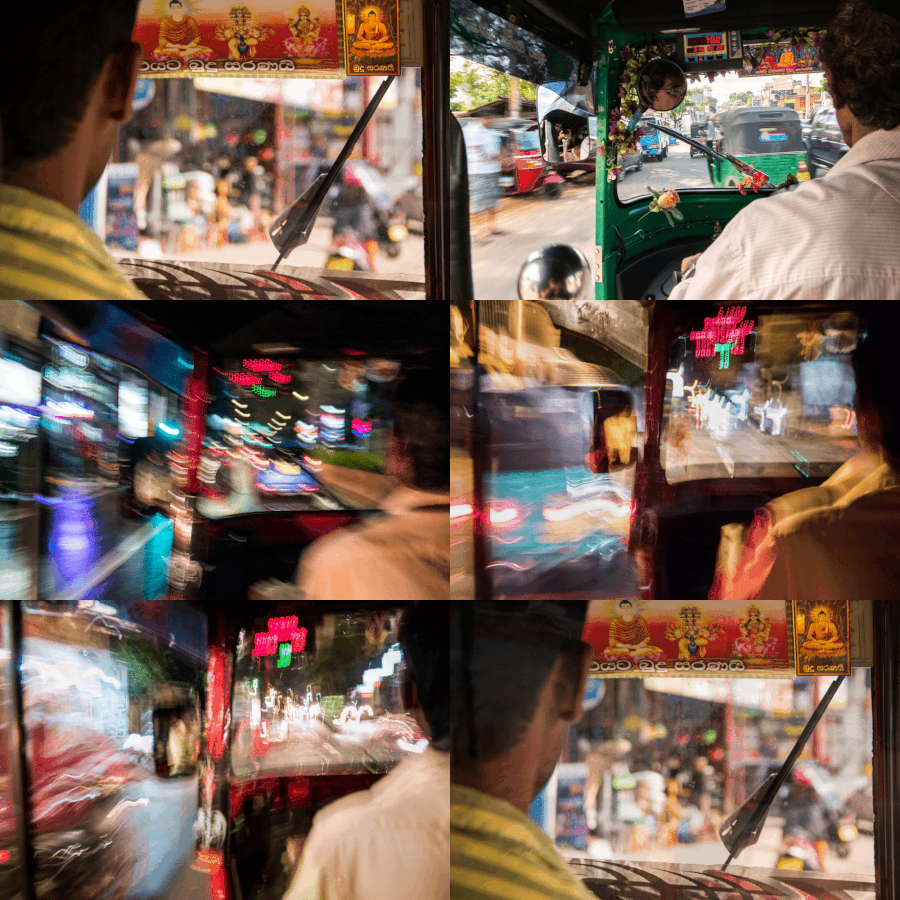
    I don’t know what it is, but whenever I finally step out of any “developing” nation’s airport and away from the chaotic calls of various vendors and voices that surrounds every single one across the globe – once I’m in the backseat of a half-century-old car with colorful beads and pendants depicting (real) futbal teams hanging off the rear-view,

    …or the rear bench of a rickshaw with a dashboard decorated in ornately-framed depictions of half-familiar dieties,

    …or what-should-by-all-accounts-be-an-out-of-commission bus dodging ditches on pothole-laden dirt roads of distant downtowns and cobblestones of villages dating back way beyond the capacities of our modern-day memories,

    …once I’m surrounded by sounds and sights and signs and smells (both good and, eh, not so good) and storefronts shouting their wares at me in languages mostly undecipherable – once all of that is finally in play, all the anxieties of international travel, from the painfully unwarranted inhibiting fear of stepping out of our comfort zones to finding-a-SIM-card-to-make-sure-I’m-connected-as-soon-as-possible to, well, just finding a place to take a leak, immediately dissipate, disappear and morph into a strange and inexplicable sense of comfort.

    For that’s the moment you know you’re going places.

    That’s the moment you realize you’re about to learn things.

    That’s when you feel life happening.

    That’s the precise split-second you are reunited with the usually-dormant remaining 90% of your neurons.

    Tuktukgifsmall

    The very moment you are forced to just ‘be’ – completely let go of control and accept your role as just another free floating blob of flesh and bones in a world full of free floating bones and flesh – all just trying their damndest to navigate through this thing.

    The beauty of the chaotic order of chaos.

    The realities of which didn’t take long to dive right into.

    After my connecting flight from Lima landed in Arequipa, in the upper foothills of the Andes (yes, 7500 feet elevation is the ‘foothills’ of the Andes…), I was picked up from the airport and taken directly to the hotel for the first night, where I was met by the group that I would essentially be wedded to for the next two weeks.

    I have never been on an organized tour before, and have never put myself in a position where I’d be surrounded by, and living with,10 complete strangers, for better or for worse, through thick and thin, in remote mountain ranges far away from any sort of S.O.S. and most modern day conveniences, not the least of which being, toilet seats.

    Image asset

    When the first person to introduce herself, the endlessly hilarious Tony Robbins loving-resident-story-teller-alpaca-farmer-chiropractic-entrepreneur from Eugene, Oregon, immediately quoted noted futurist Peter Diamandis (among other things, founder of X-Prize and Singularity University and a personal hero of mine), I knew I was in good company.

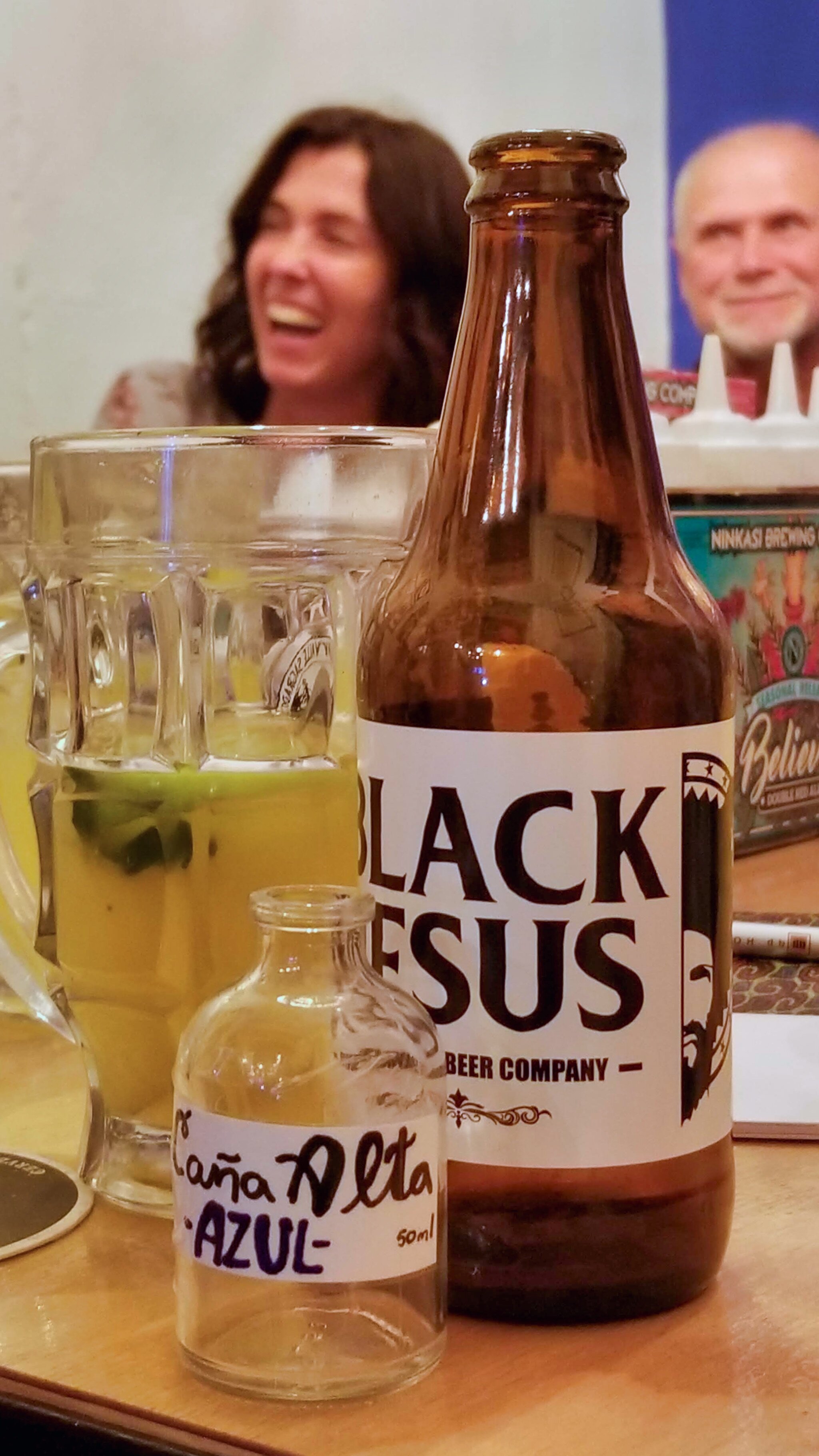
    We meandered our way through the ancient streets of Arequipa to Chelawasi Public House & Beer Company, a restaurant and brew house started by a transplant from Oregon that served American fare with a Peruvian twist, and, like any Oregonian worth their sap, craft beers – including the mythical Black Jesus.

    After an informational ‘orientation’ in which the tour guides tried their best to allay our concerns and fears of this arranged marriage to 9 bizzaros of various varieties in the hinterlands of strange lands at ungodly and potentially unhealthy altitudes for 2 weeks, like true professionals, we drank.

    Quechua Benefit Peru Trip

    This was my first introduction to what I was in for and who I was in it with: the alpaca farmers and vacation rental entrepreneurial couple from Indiana, the alpaca farmers/ranchers/general contractor couple from Oregon City, the aforementioned resident storyteller futurist/astrologist/Tony Robbins loving farmer/osteoperosis-rehab-gym-owner from Eugene, Oregon, the Canadian mother/daughter alpaca farmer/power-shopper team from Sasquatchewan, Canada, the part-time-alpaca-farmer-full-time-recovering-corporate-businesswoman from the foothills of California’s Sierra, our soft-spoken and inexplicably patient driver Raul, and, of course, our tour-guides, the ex-oil-and-gasman-turned-passionate-philanthropist from Denver and the former Kentucky Thoroughbred horse breeder and current international alpaca judge (and energizer bunny do-gooder) from Bend, Oregon.

    (It’s important to note that there were two additional attendees this evening, but due to unfortunate elevation-induced health issues, they were forced to retreat after just a couple of days, so I did not get to know them or their backgrounds enough to comfortably include in this write-up. I do hope that they are ok. That elevation sickness is NOOOO joke, but, fear not, we’ll get to that…)

    As the evening began to die down, we were informed that we’d be leaving super early the next morning – around 6:30am (which would turn out to be a constant theme on this entire trip) – in order to make it to Chivay, our first stop in the highlands, where we would visit Casa Chapi, a school and orphanage “conceived, created and constructed” by Quechua Benefit with one thought in mind: “children should be given the opportunity to dream, grow and prosper in a safe, loving environment.”

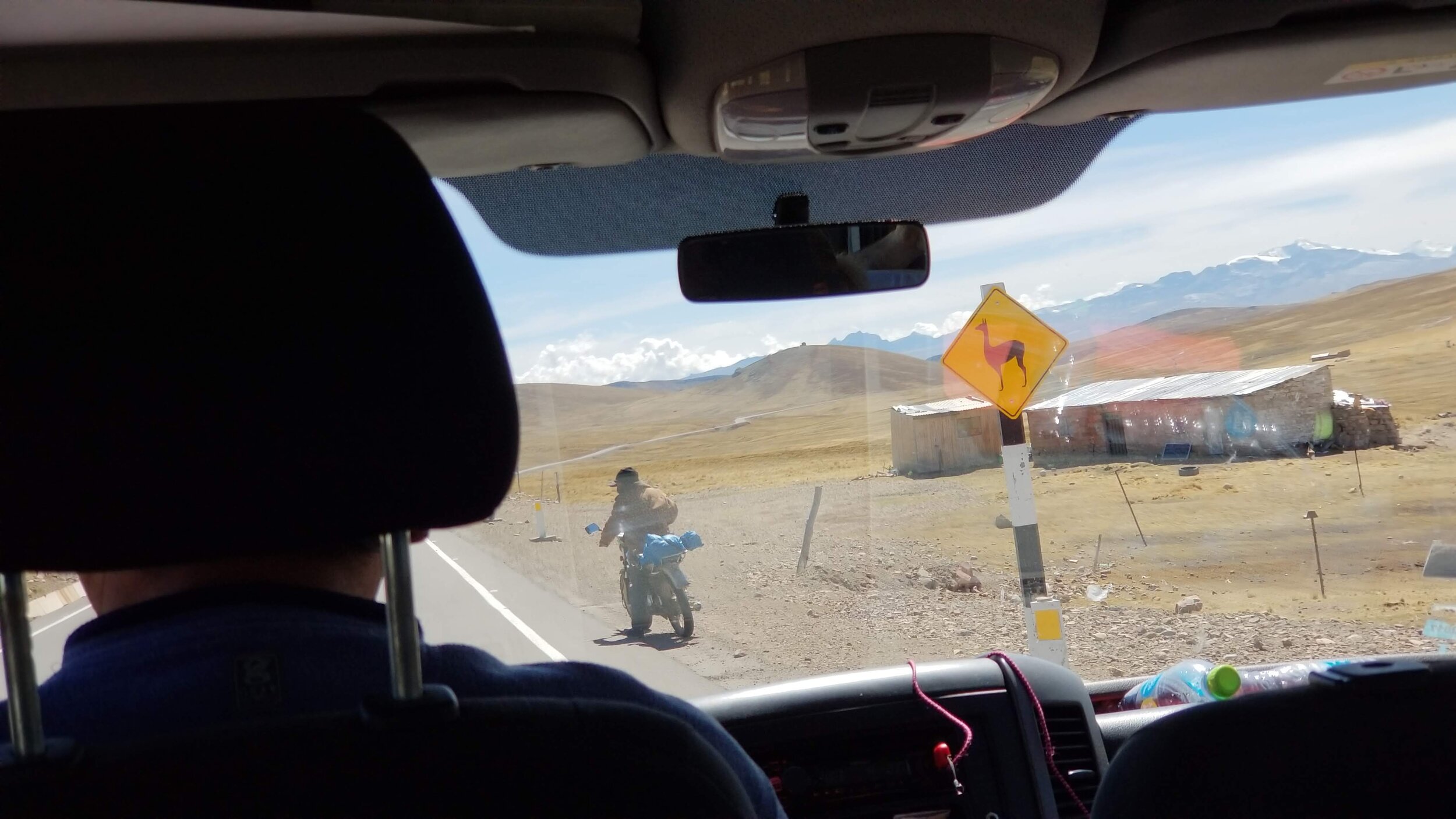
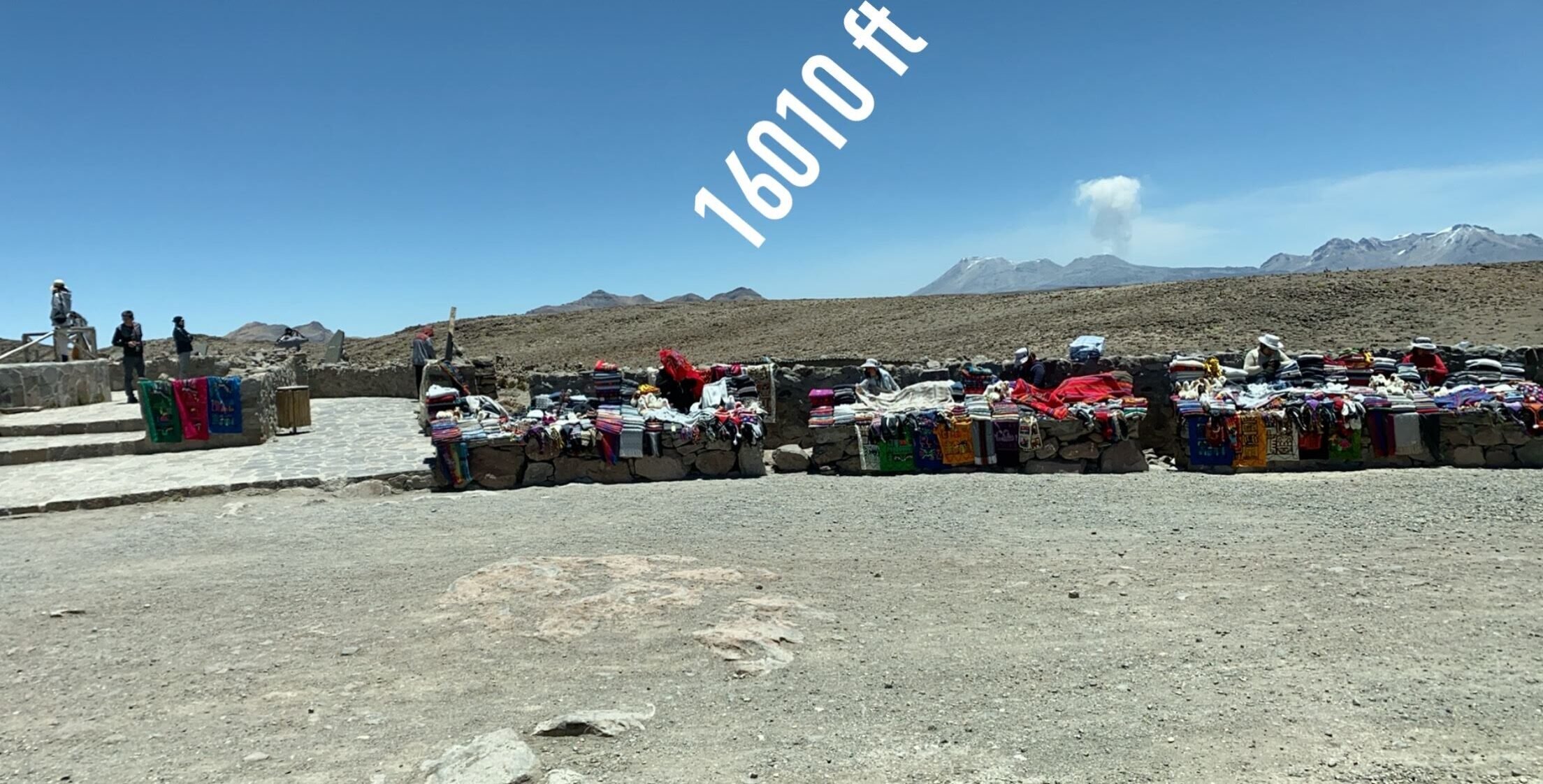
    It was during this initial journey that we climbed from our current aformentioned Arequipan elevation of 7500 feet, to a mountain pass at 16,000 feet (that’s NOT a typo) before dropping a bit down into the valley where we’d be spending the next 6 days or so at around 13,000 feet – and it was at that 16,000-feet marker that I got my first-ever proper taste of altitude-induced sickness,

    which,

    holy shit!

    No joke!

    That nonsense is NO JOKE!

    And the thing is, it doesn’t do you the common courtesy of easing its imposition upon you, it just legit clobbers you in the face!

     Image by Carol Poole
    Image by Carol Poole

    As soon as I jumped out of the van to photograph a rare wild vicuna on the side of the road (if you don’t know what that is, ohhhh boy you’re quite in for it in Part 3…), my whole world started spinning and my head felt like it connected with a Pacquiao uppercut, and for the better part of the following 72 hours, I could have swore on an Incan Sol that my temples were sliced open and squashed in a salt-dusted vice.

    Quechua Benefit Peru Trip Inca Teacopy

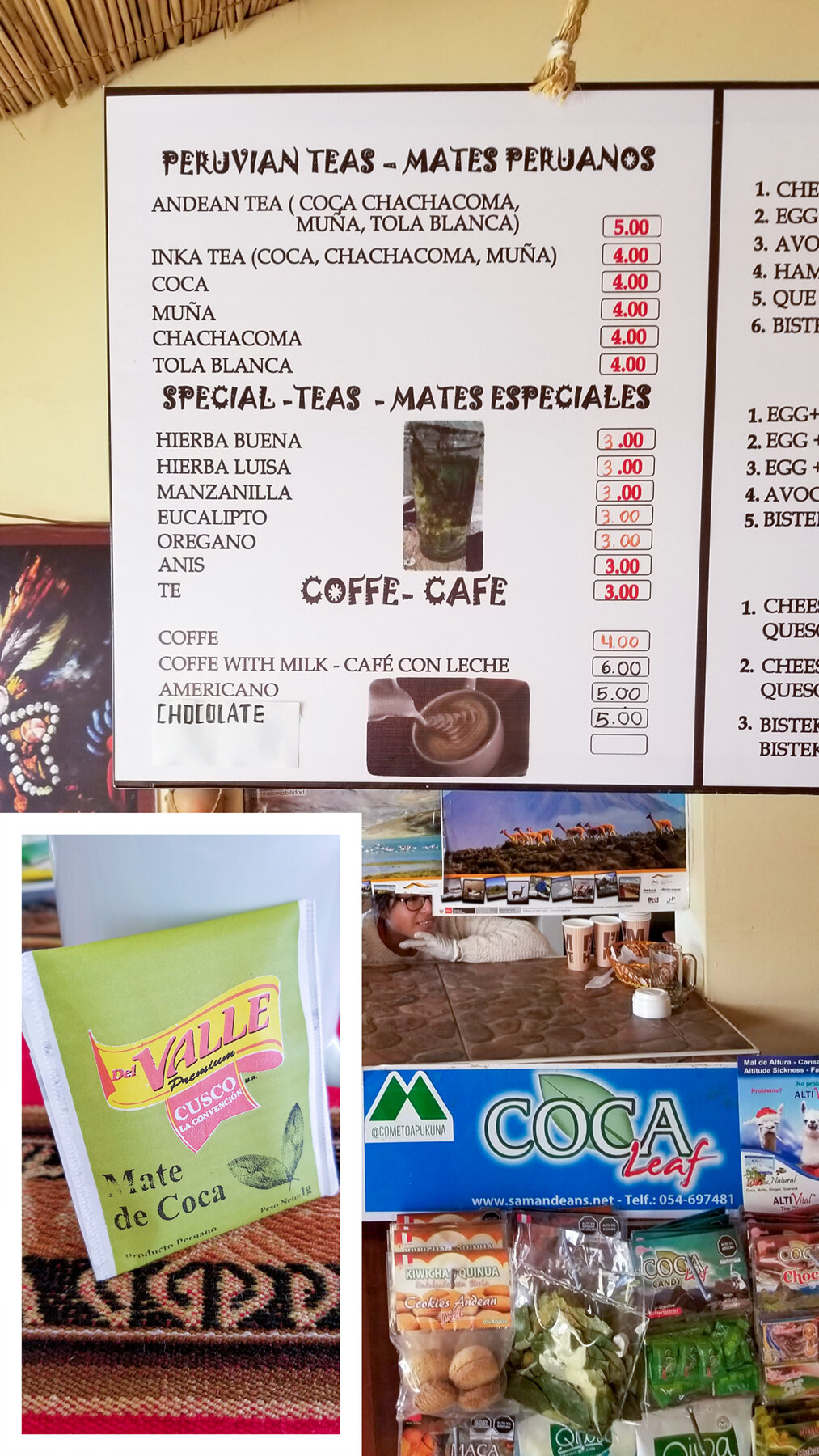
    One of the first things they recommend, and conveniently stocked, at a small convenience store in a dirt parking lot on the side of the road, was coca tea. Yes, you are correct – a tea made from coca leaves. I figured when in Peru…

    And, well, it did nothing for me.

    Since I had a fairly large gig for a regular client back home in Oregon the day before flying out, I didn’t have time to arrive days earlier like the rest of the crew to allow ample time to acclimate – something I’ll be absolutely sure to never do again, no matter how lucrative the gig (well…I exaggerate for effect…), as my thought that all I needed were a few minutes to gather myself and regain composure were quickly discarded not too long after that when we pulled off to the side of the road again, this time for a bathroom break.

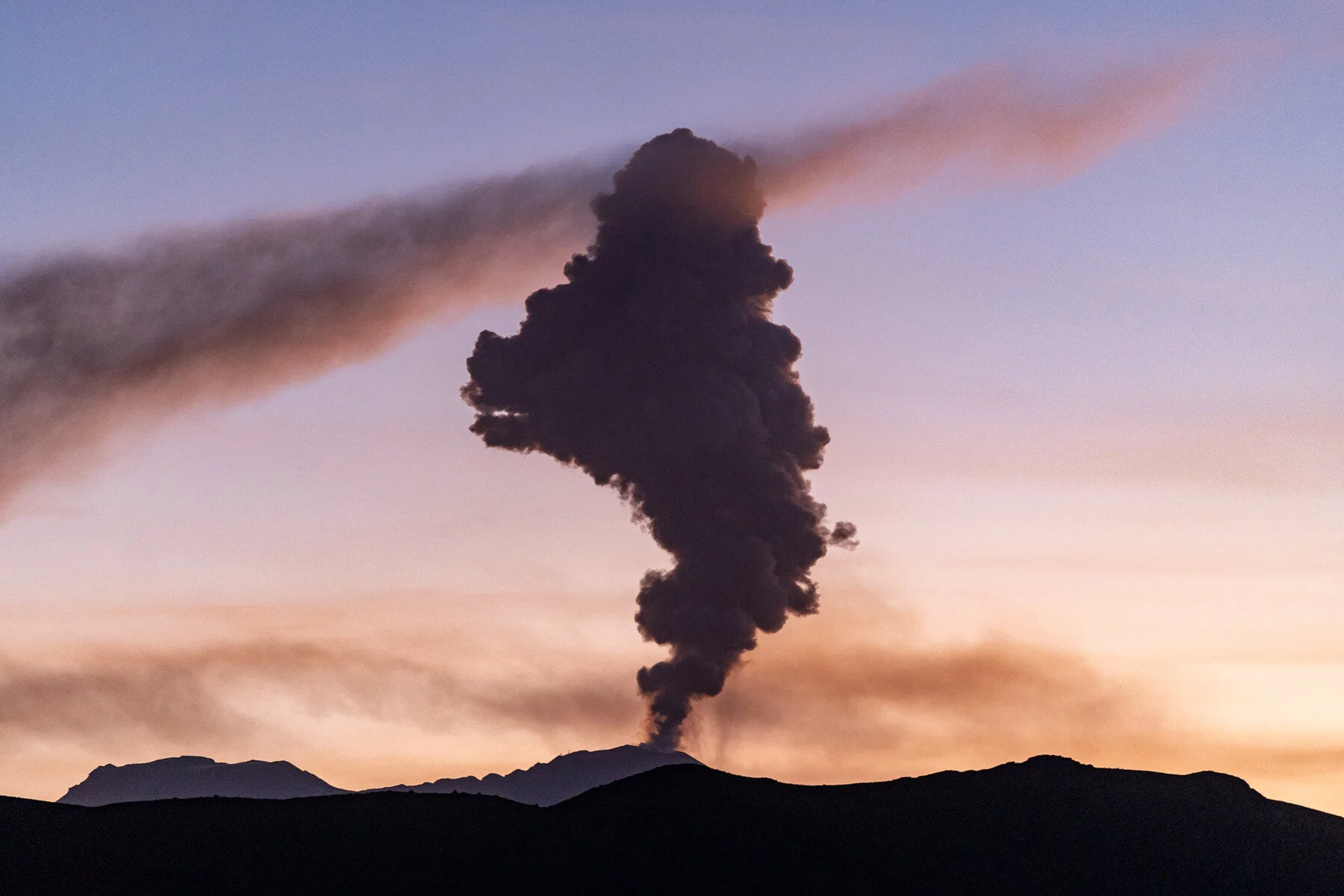
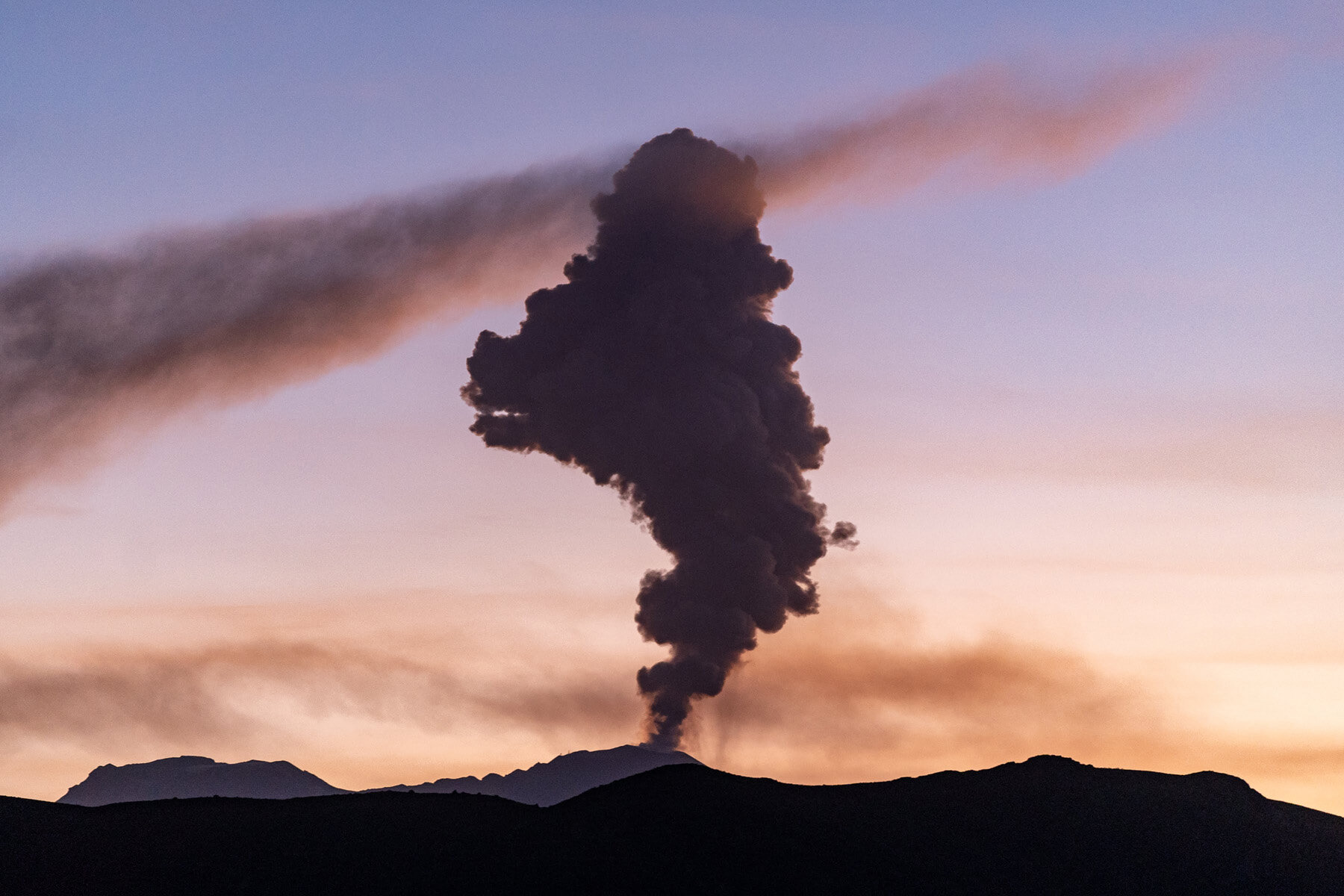
    I very slowly made my way to the small stone outhouse, which sat perhaps 10 or 15 yards off the main road along a dirt path. As I was approaching it, the photographer in me got excited when I saw a cloud-laden volcano spewing ash on the horizon, and, naturally, pulled out my camera to photograph it. But immediately, I felt the world spin again and gravity dictated I sit my arse right the fuq down. After mustering enough confidence that I wouldn’t yack my scooby snack across the side of the structure, I stood up and slowly walked back to the van when I realized I had forgotten my lens cap back at the outhouse.

    DRAT!!

    Needless to say, it was a while before we actually got back on the road…

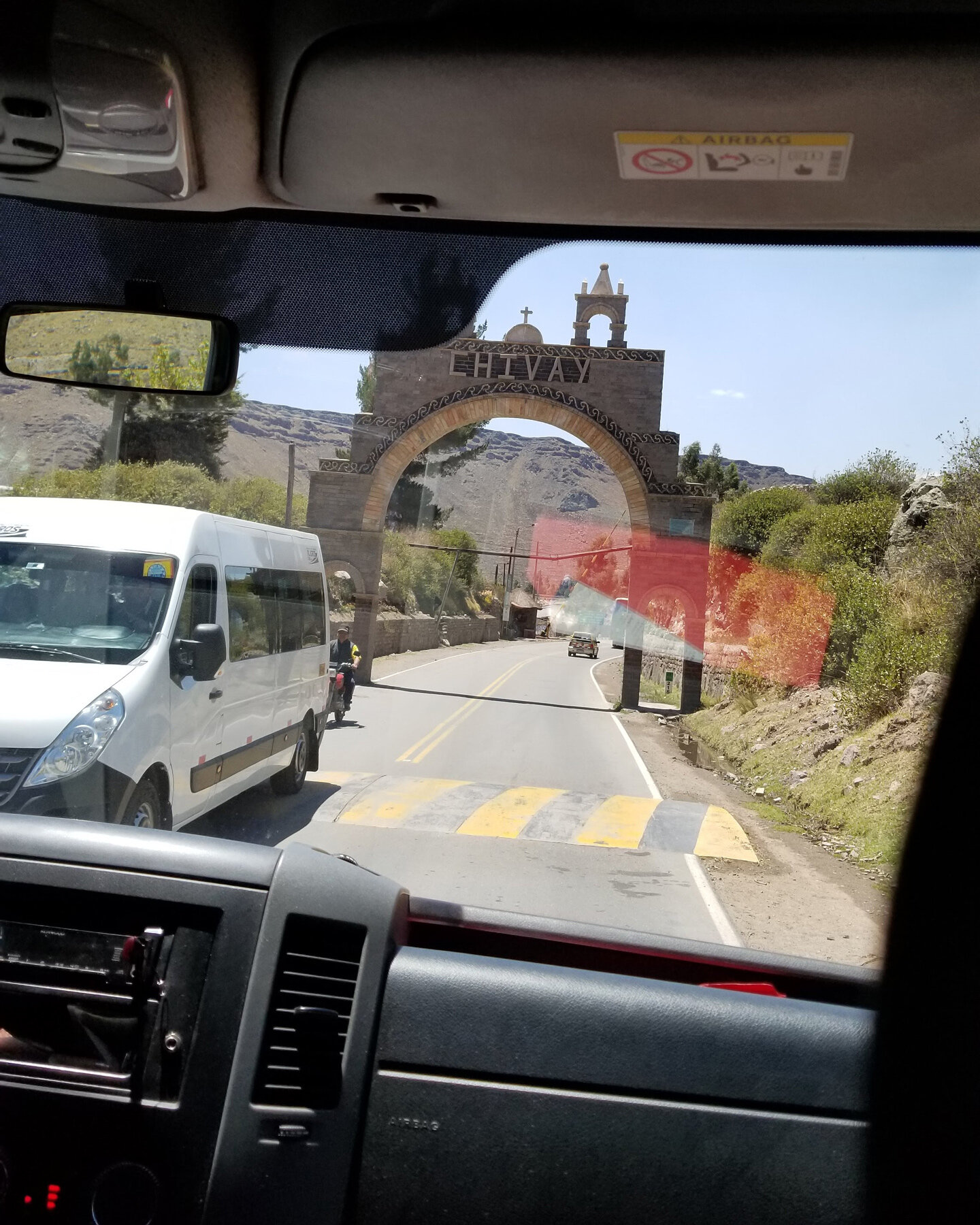
    After kilometer after kilometer of winding up and all around and somehow managing to hold everything down, we finally made it to Chivay, our destination for the next two nights.

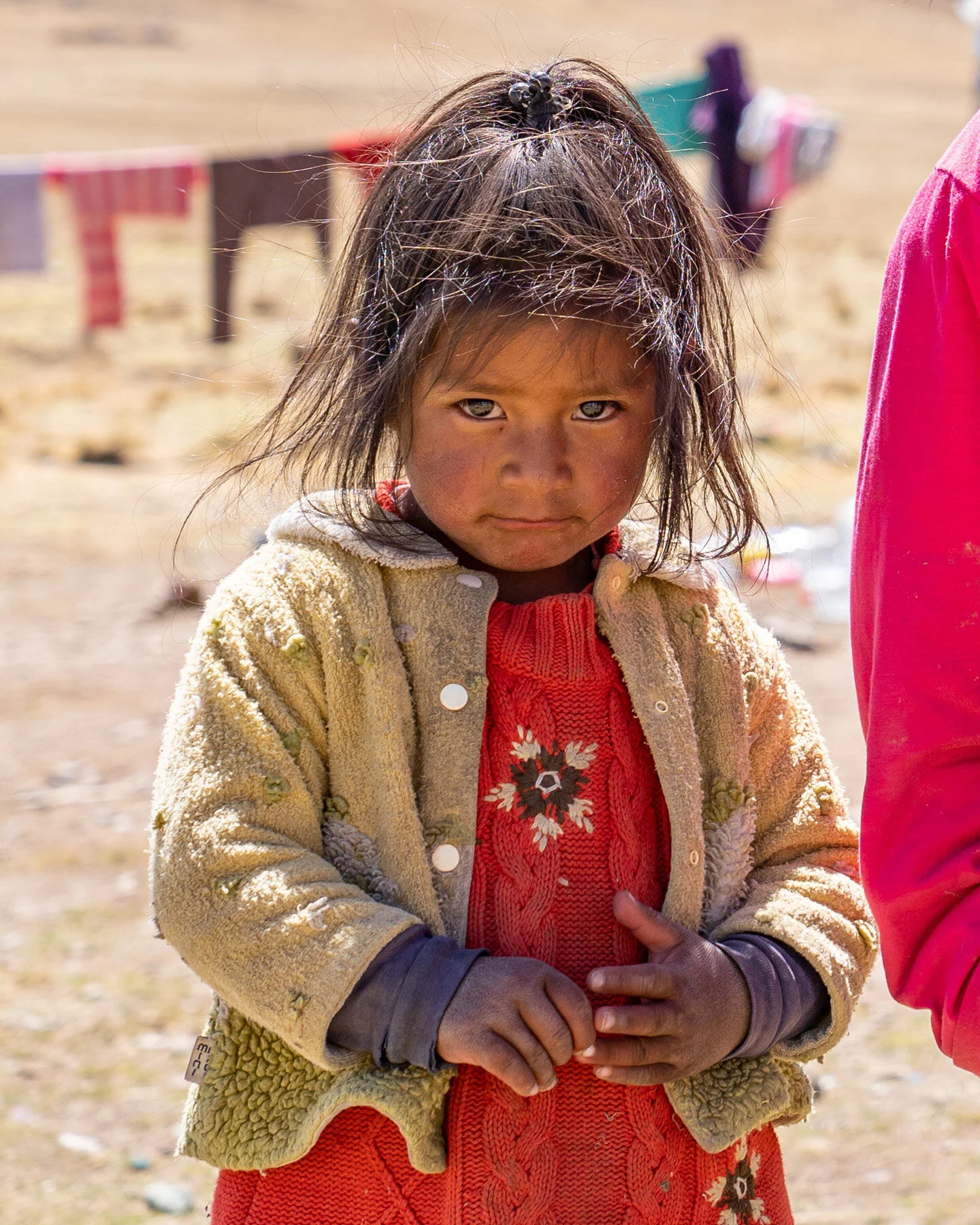
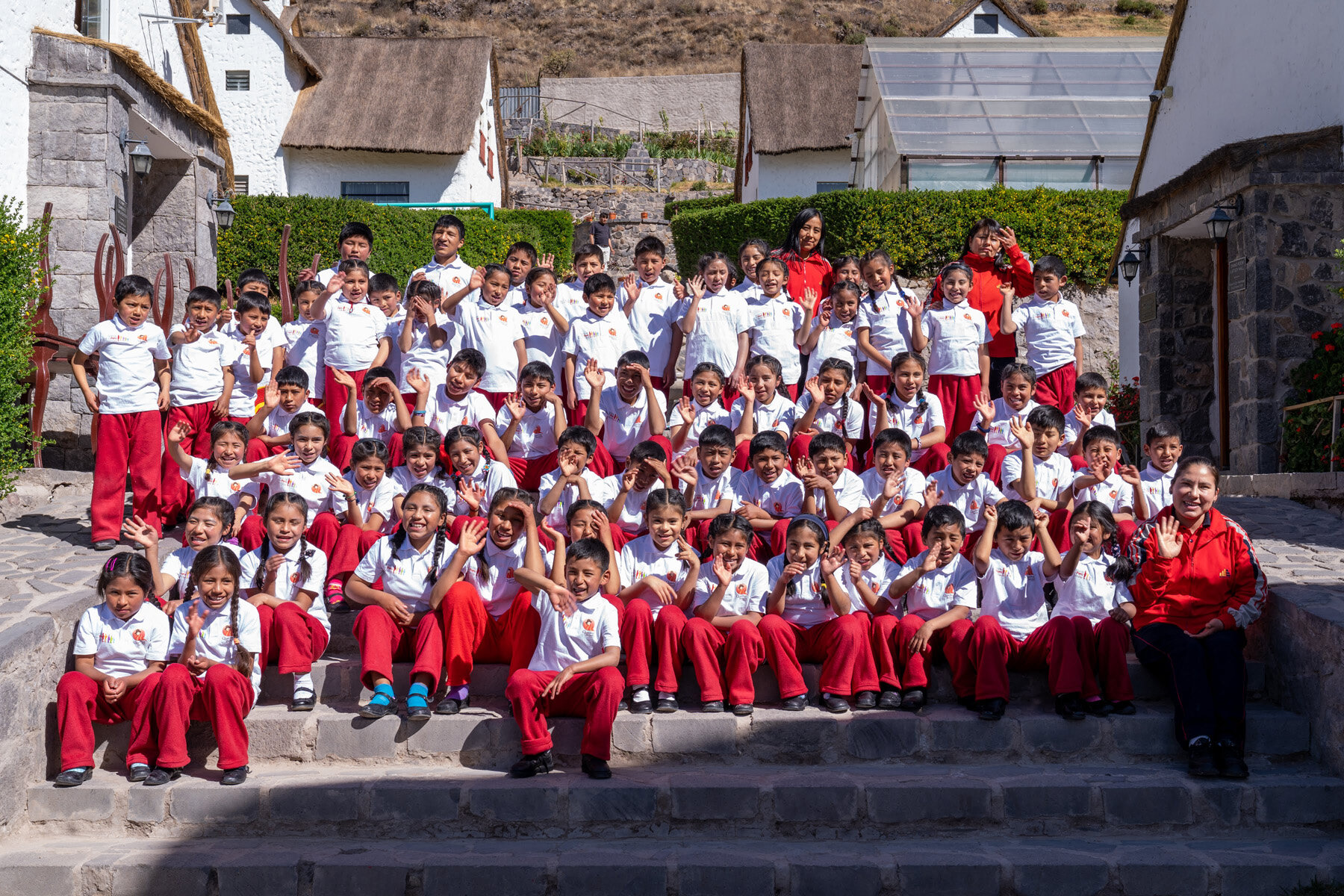
    Our first stop was Casa Chapi Children’s Village, the aforementioned school and housing facility for children whose families, for a myriad of gut-wrenching tear-jerking reasons, many of which we heard, are unable to provide for them. Casa Chapi offers “a roof over their heads, warm clothes on their backs, nourishing food in their bellies, and excellent education.” It provides ”a nurturing space for play, learning, creative expression, and big dreams” and nothing could demonstrate their pure gratitude more than their genuine excitement upon our arrival.

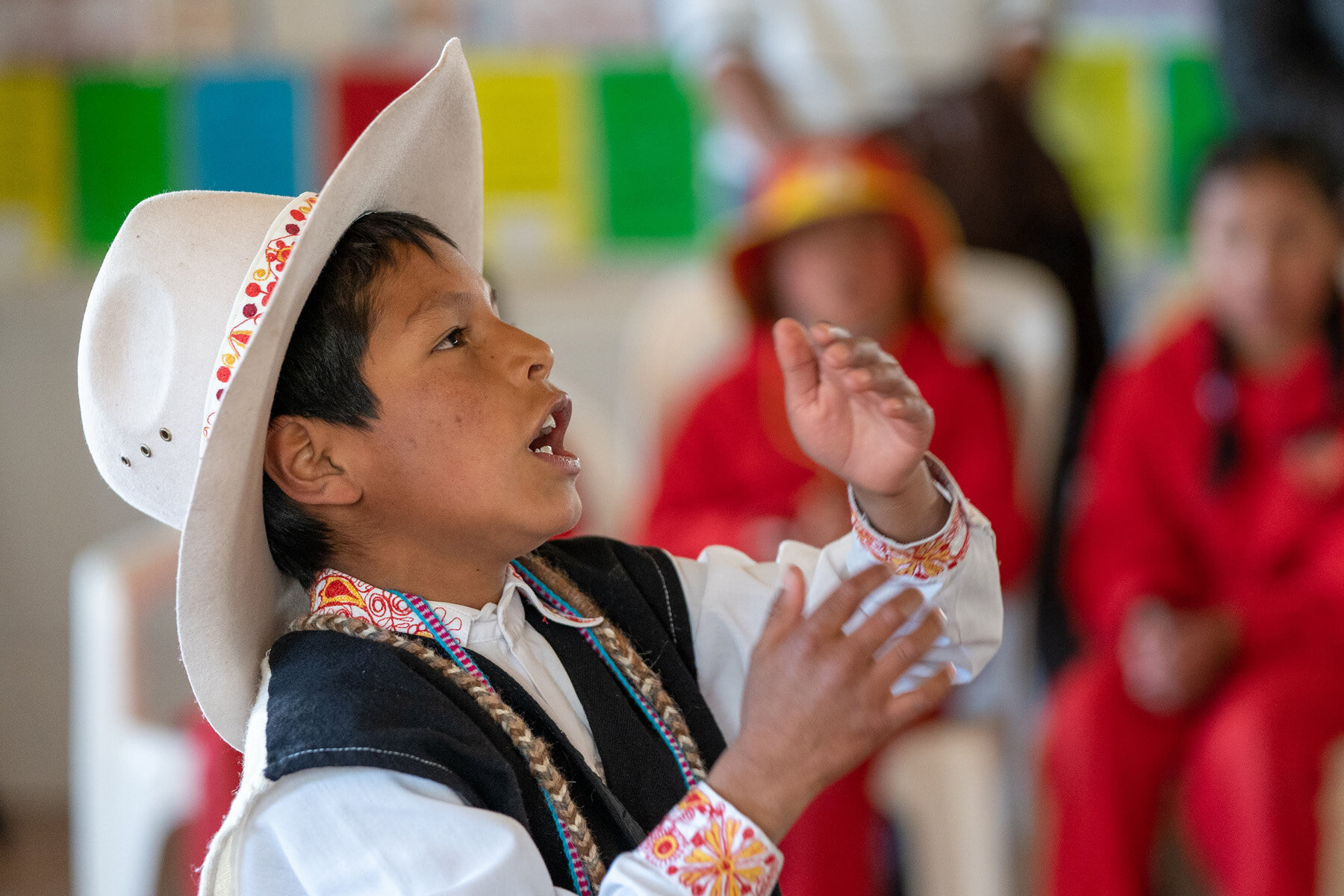
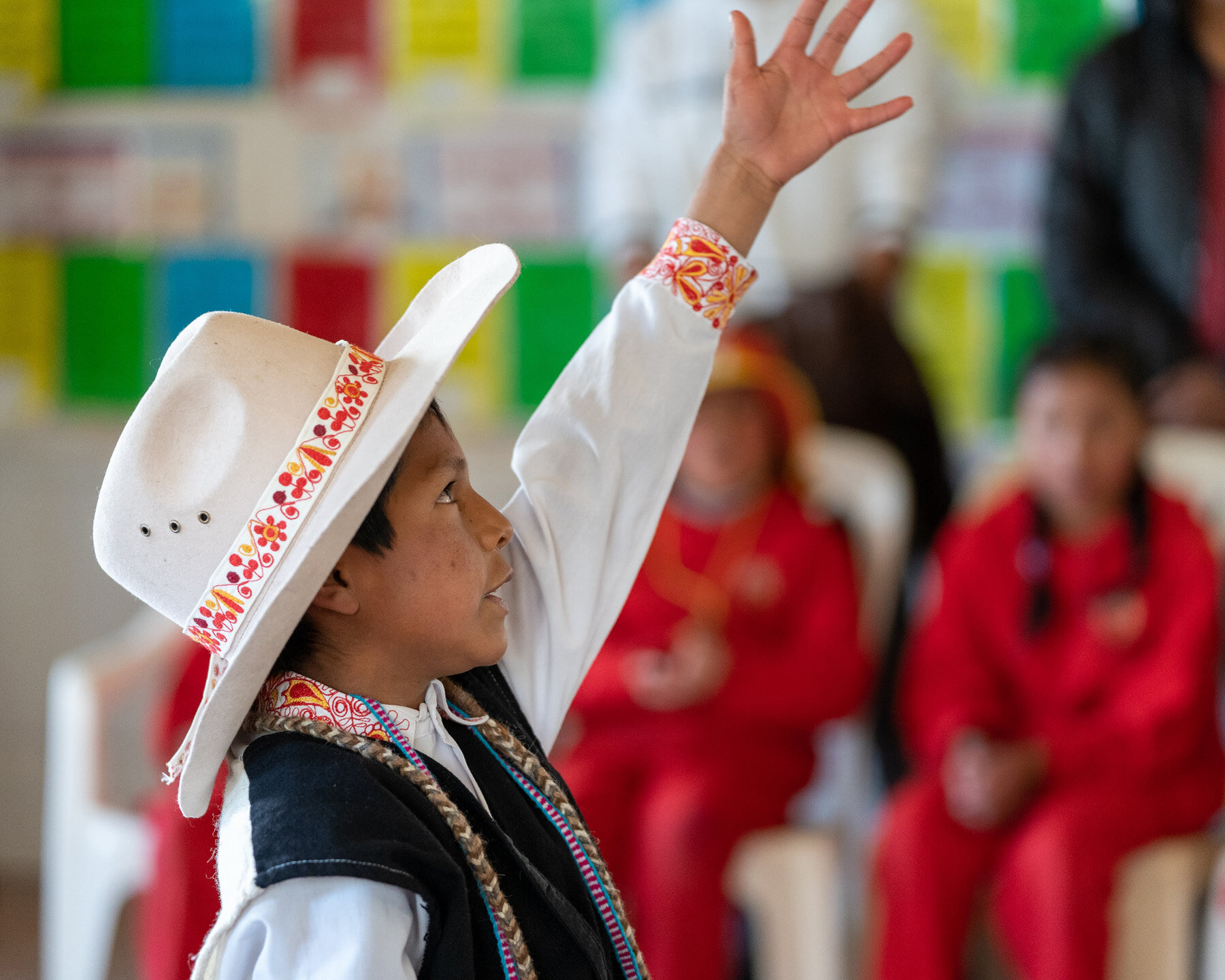
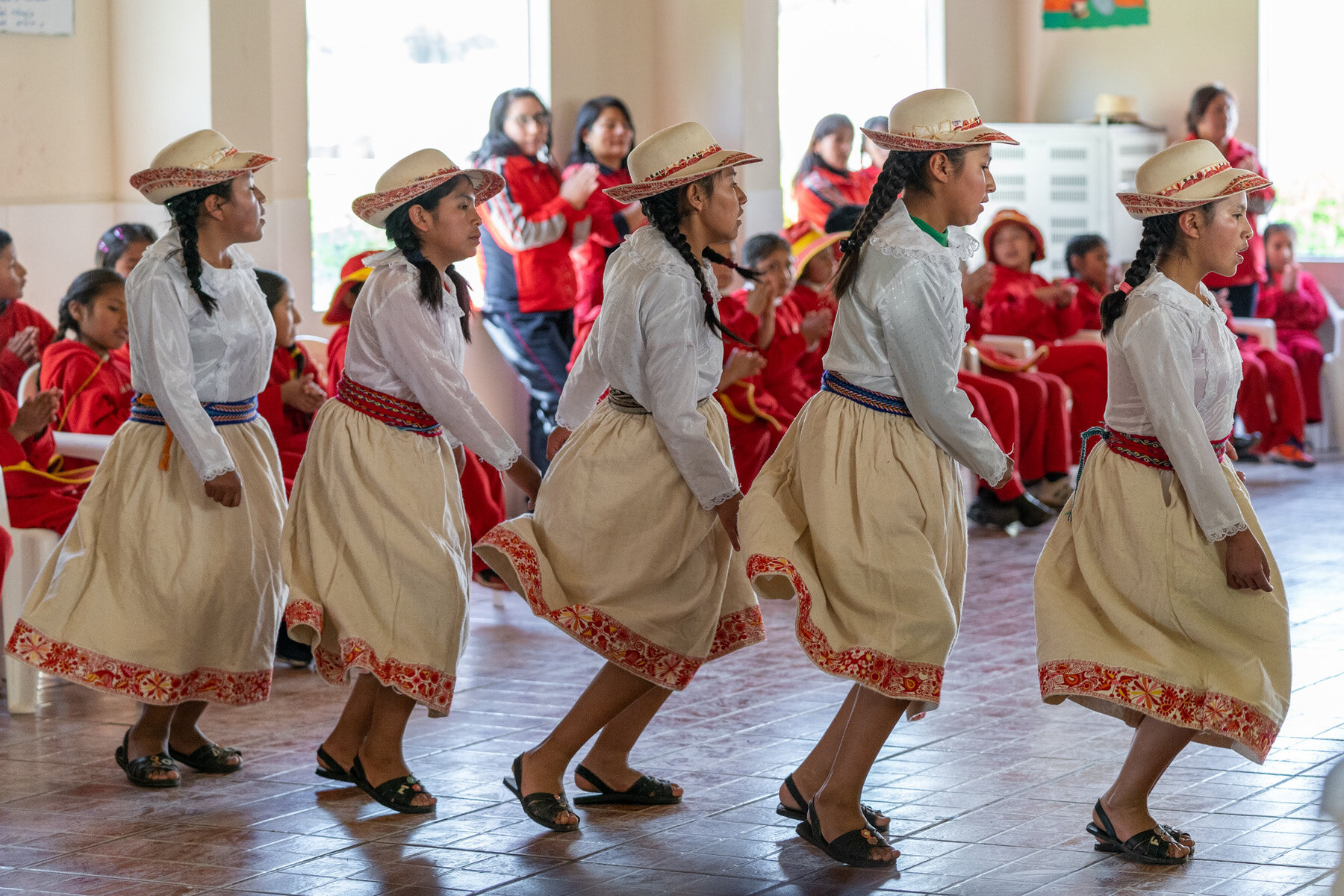
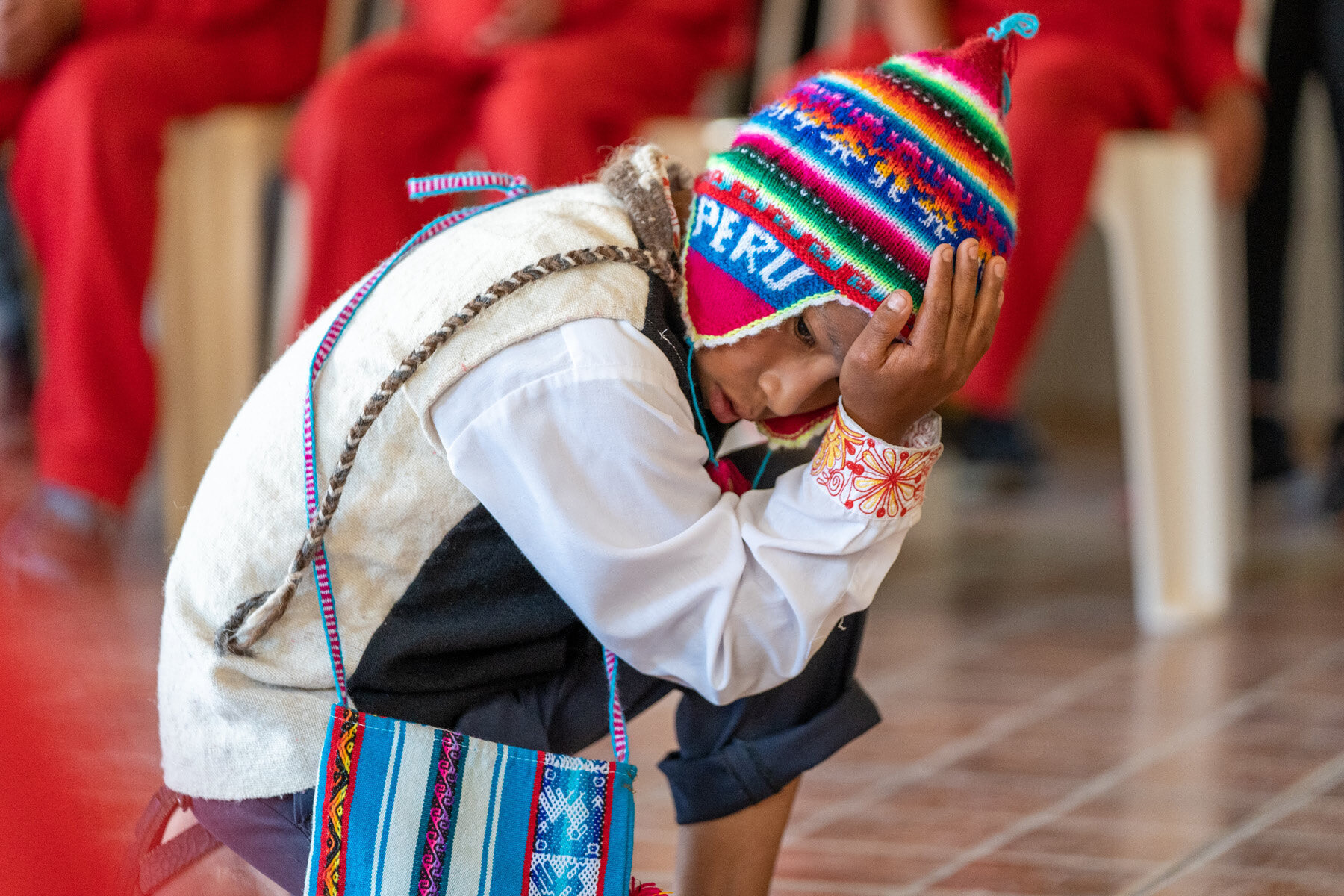
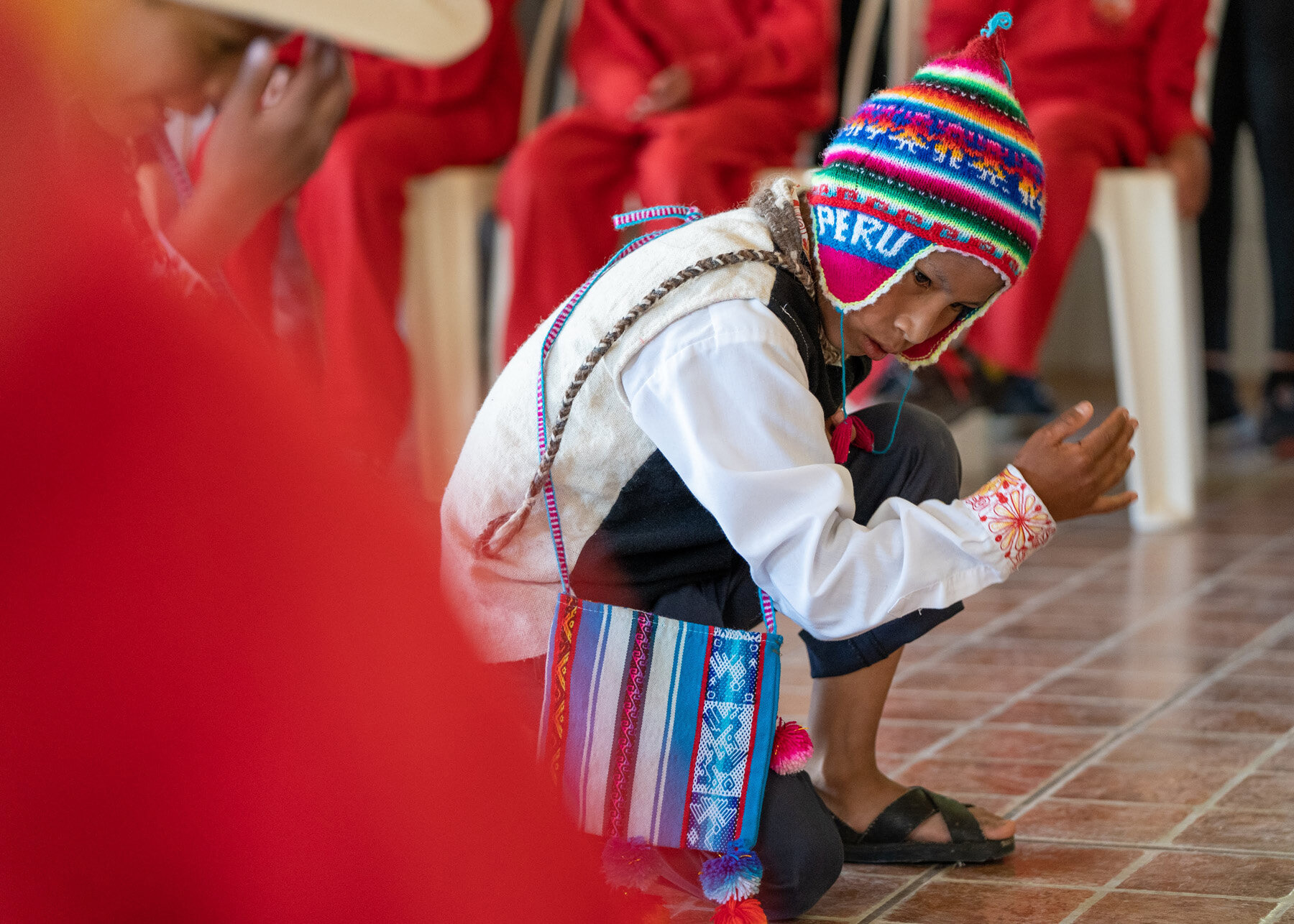
    We were greeted with hugs, smiles, high-fives and even a well-rehearsed and impassioned dance recital.

    It was such an incredibly heartwarming way to begin this adventure, and, as it turns out, that was just the appetizer.

    After checking into our charming courtyard motel, Casa Aldina Colca, where we were afforded a few moments to freshen up, we proceeded to take a walk to the center of town for the main course – a performance we didn’t know we’d experience and we certainly wouldn’t soon forget.

    An experience that warrants a bit of context.

    The Peruvian Highlands are certainly a magical place. There’s no doubt about that. Naturally, the Andes provide perhaps the most gifted peaks and valleys on the planet. But the dirty little secret of the region is that some of these impoverished remote areas and villages are filled with crime, violence, alcoholism, drug abuse and child labor, among other things. It’s not an easy existence. And survival is at the forefront of every human being’s psyche. For many of the children affected, they have nowhere to turn and very few, if any, sources of hope.

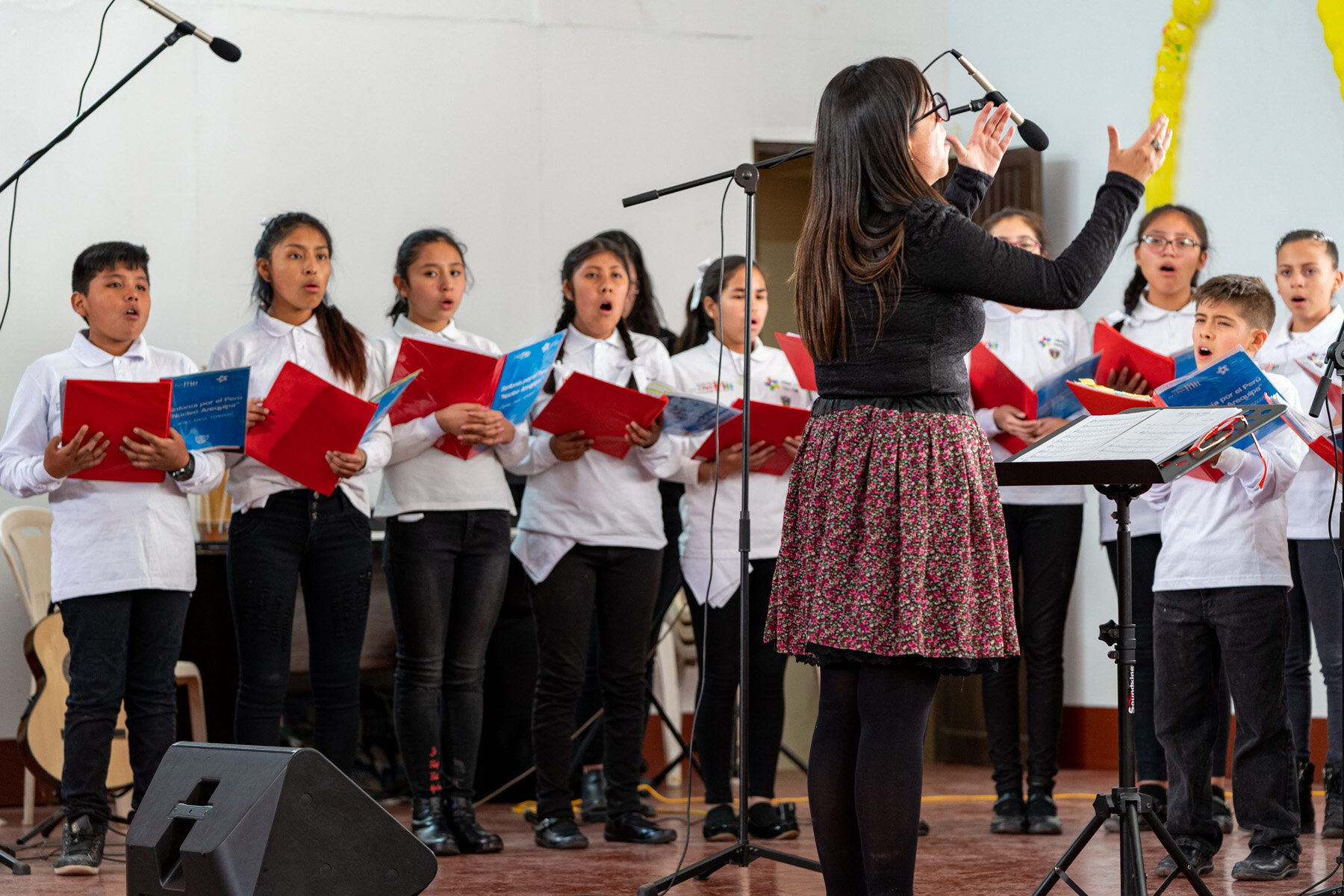
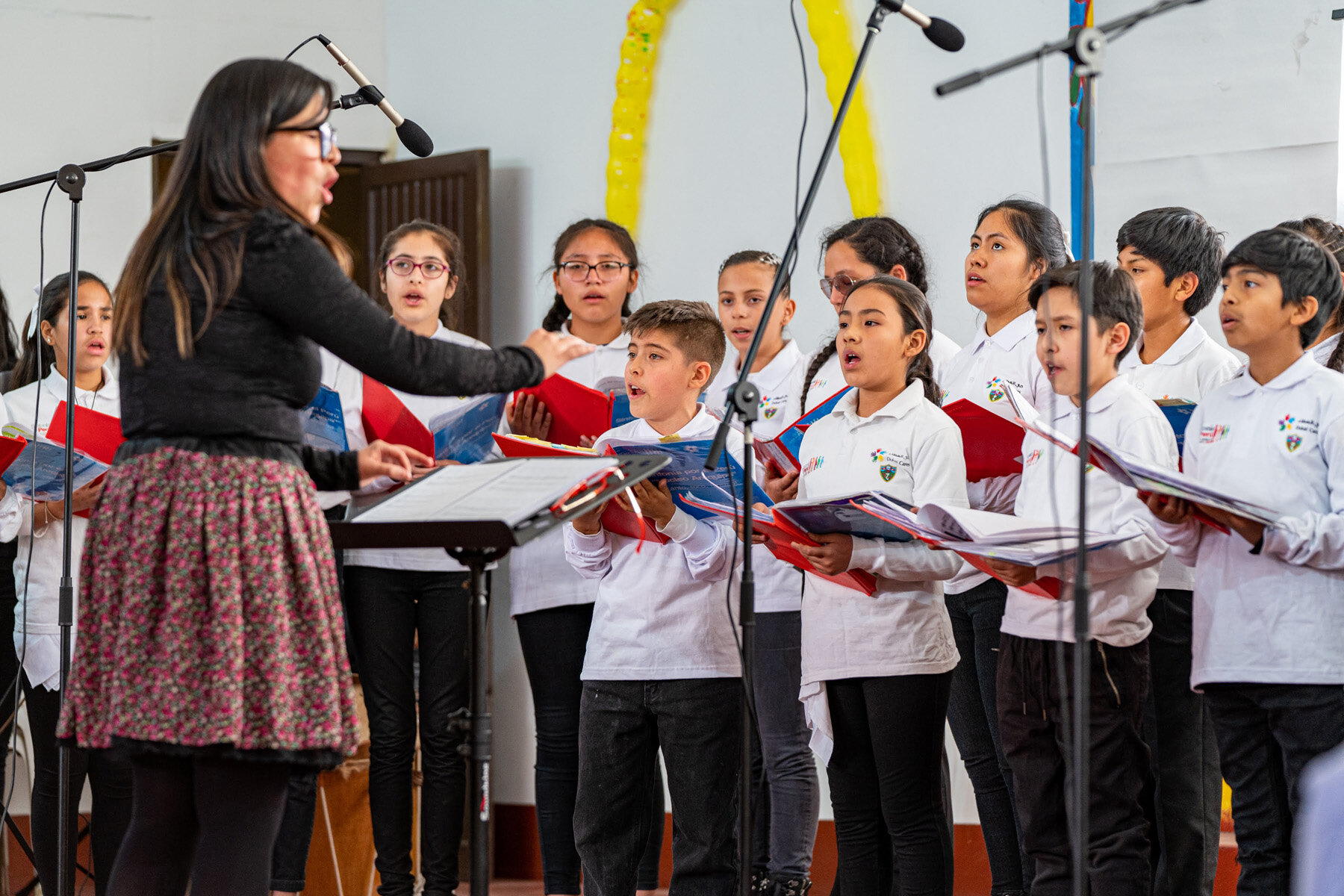
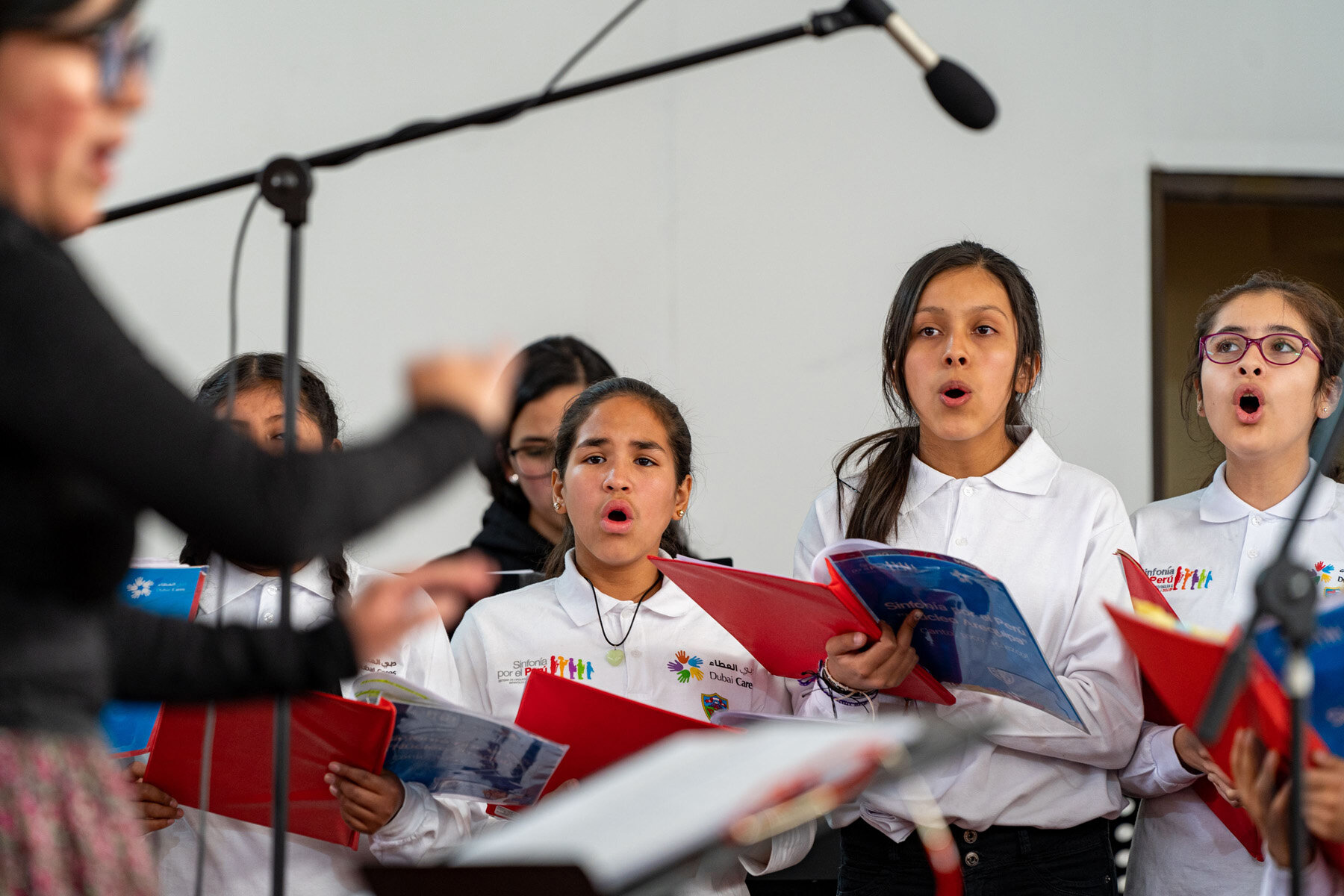
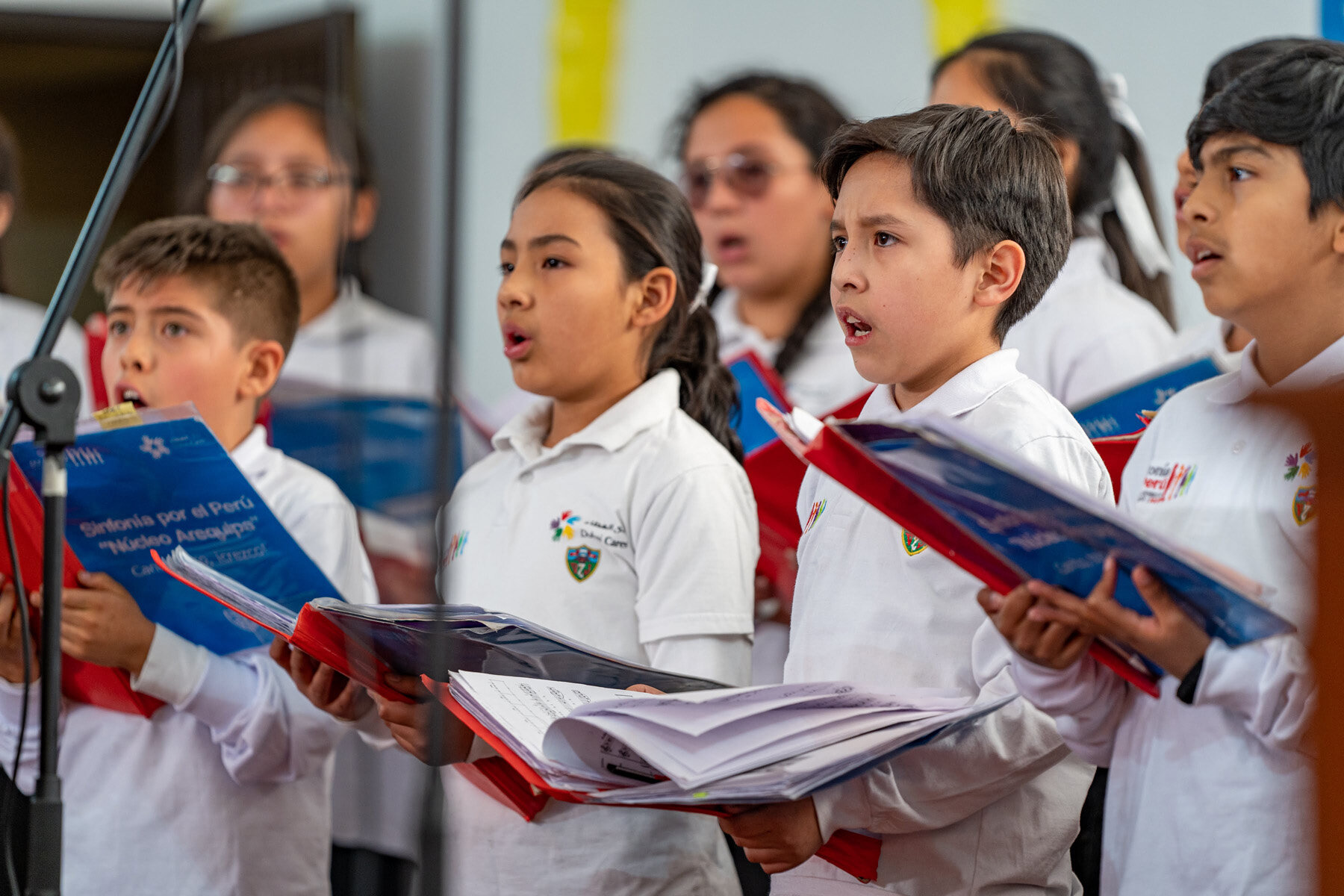
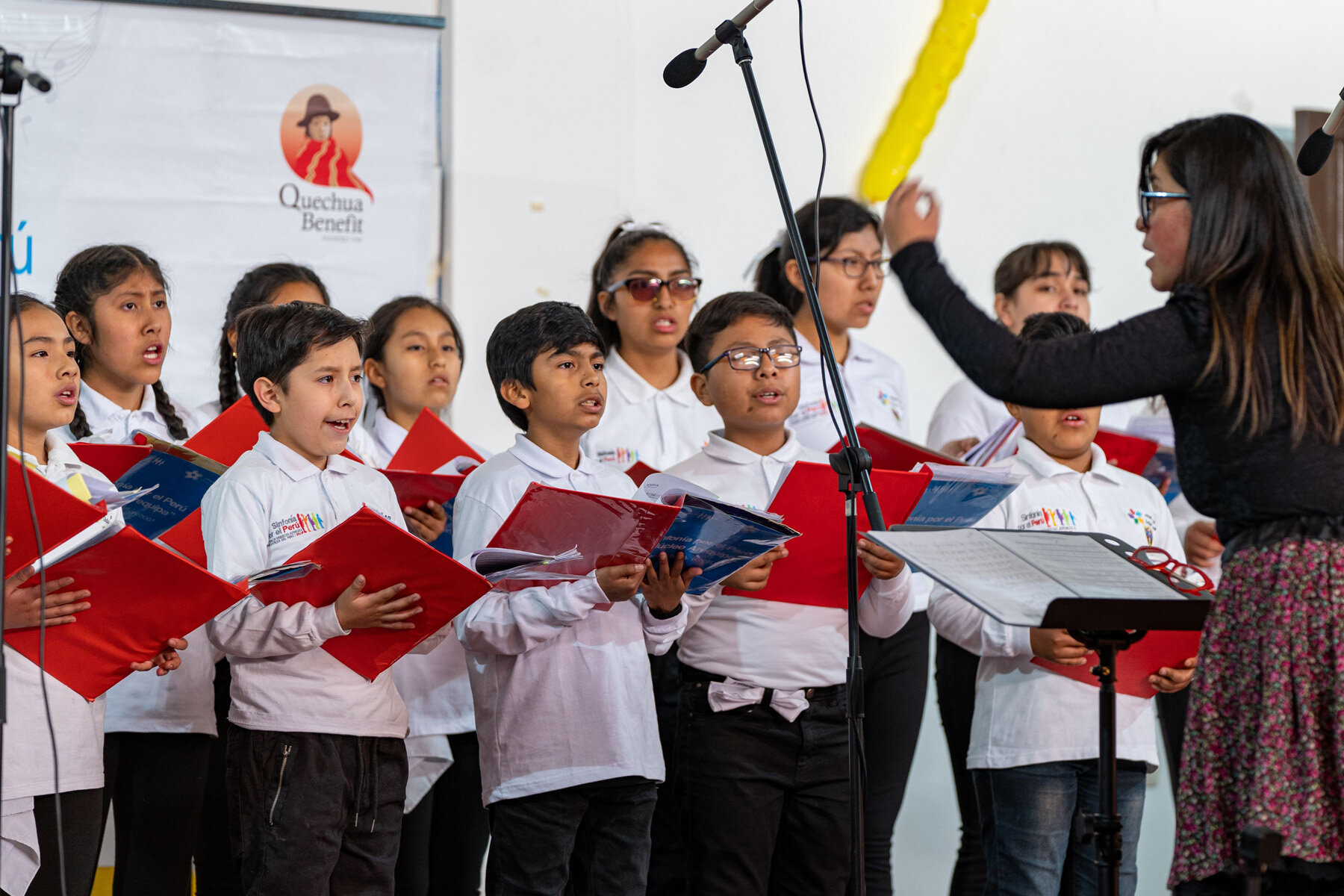
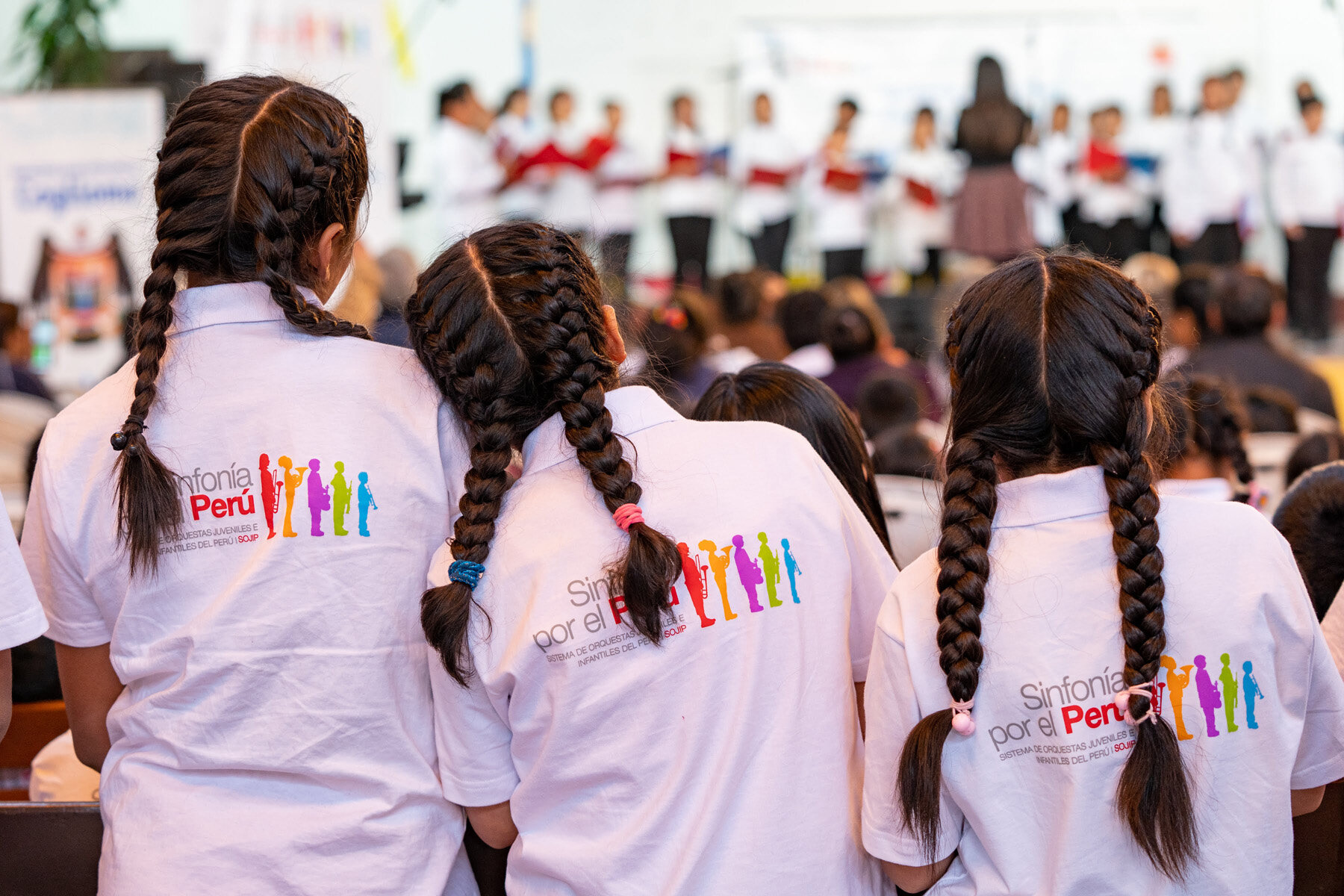
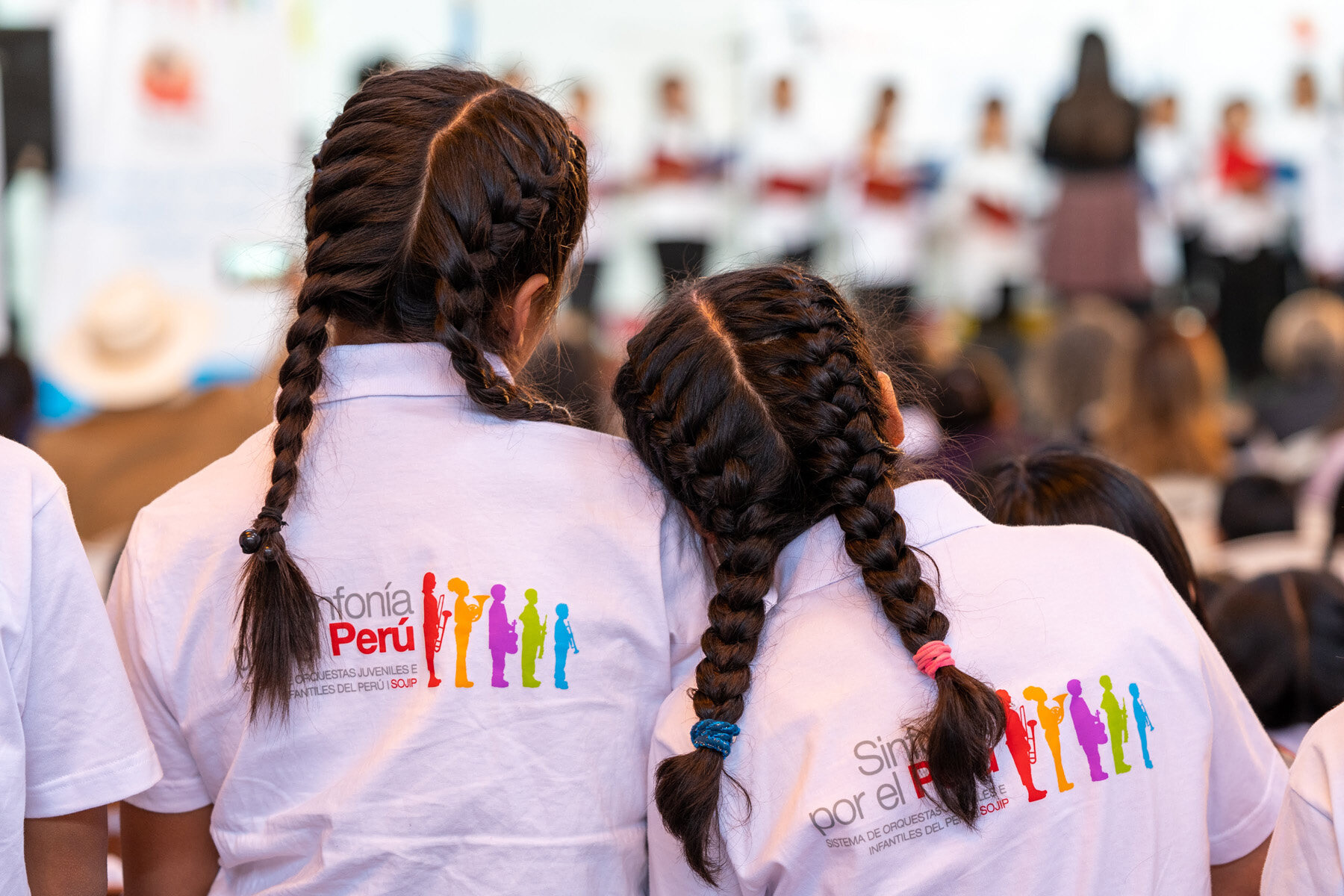
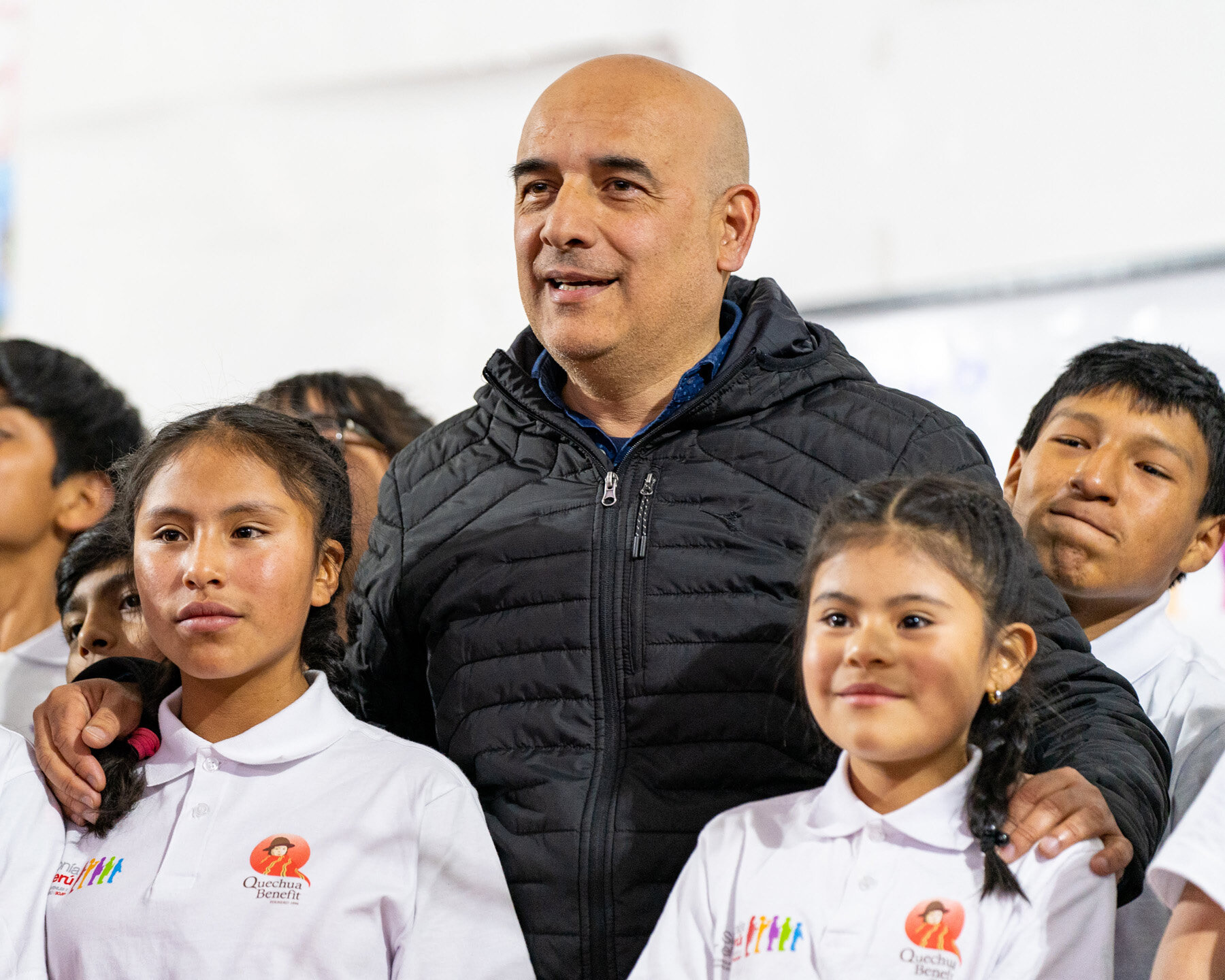
    This is where Sinfonia por el Peru comes into play. The symphony is a program that gives many of these gifted children a safe and nourishing space to turn to – music. Where “a musical instrument replaces a future weapon, teamwork replaces ganging, and the pride that families feel for their children’s achievements replaces domestic violence and child labor.”

    And it has worked.

    Tremendously.

    This 9 year old project founded by Peruvian musical legend Juan Diego Florez, has ballooned in both popularity and reach – Sinfonia por el Peru now touches over 8000 children in 21 music centers in the poorest areas of Peru.

    And I’m not just saying this to be nice, but the performance and their talents were RIVETING. They brought delightful amounts of vibrancy and life to that old concrete gymnasium with some of the most beautiful voices and instrumentation this side of the Incan sun.

    Not a single one of us walked away with a dry eye. It was invigorating, inspiring, beautiful, powerful, moving, touching – a perfectly fitting introduction to the warmth we’d run across throughout the trip.

    Needless to say, I did not quite expect that something that wasn’t even on our itinerary, that took place inside a dilapidating school gym, would be a highlight of a 2-week trip through the highlands of the Andes, some of the worlds’ most majestic mountains.

    I had originally recorded some 360 video footage of one of the songs they performed, but unfortunately a technical issue corrupted that file. However, I was able to salvage one 360 photo for an idea of the atmosphere and the audio file if you’d like to listen in before continuing onto Part 3 – the main reason we were all here, the vicuna chaccu (feel free to subscribe to my newsletter to be alerted when each post goes live!)

    And for random tiddlebits and waddlehits, find me on Instagram

    (Editor’s Note: This trip originally happened in fall of 2019, when it was still safe to travel. It has taken some time to get these posts in order due to various reasons #Because2020, but the timing is quite impeccable that I begin publishing them now, as Peru has among the highest death rates per capita in the world from COVID-19, and people in the remote impoverished highland villages, where much of this story takes place, have little to no resources to protect themselves and their families. Quechua Benefit, the non-profit that sent me out has been raising money to provide masks, soap and education, and I’ve partnered with them to help bring some attention. Please consider throwing a few bucks their way through this link. As you’ll see throughout these posts, they’re doing wonderful work in Peru.)
  • Peaks n’ ‘Pacas in Peru – An Alpaca Fueled Trek Through The Andes – Part 1 – Where The Wacky Alpacky Hath Led Me

    Peaks n’ ‘Pacas in Peru – An Alpaca Fueled Trek Through The Andes – Part 1 – Where The Wacky Alpacky Hath Led Me

    (Editor’s Note: This trip originally happened in fall of 2019, when it was still safe to travel. It has taken some time to get these posts in order due to various reasons #Because2020, but the timing is quite impeccable that I begin publishing them now, as Peru has among the highest death rates per capita in the world from COVID-19, and people in the remote impoverished highland villages, where much of this story takes place, have little to no resources to protect themselves and their families. Quechua Benefit, the non-profit that sent me out has been raising money to provide masks, soap and education, and I’ve partnered with them to help bring some attention. Please consider throwing a few bucks their way through this link. As you’ll see throughout these posts, they’re doing wonderful work in Peru. Ok…I know y’all jonesin’ for some alpacas, so let’s get into it…)
    Andes Mountains Peru Quechua Benefit Picotani Spar Macusani Alpaca

    I had just boarded my connecting flight from Orlando to Lima, Peru and settled into my seat when I remembered my headphones were still in my bag in the overhead compartment.

    So I went to open the bin and immediately, all of the contents from another persons’s unsecured and unzipped bag fell out and directly onto the woman’s head sitting right underneath the bin.

    So now the whole back of the plane was staring right at me.

    And I don’t speak Spanish.

    And none of them spoke English.

    I suppose that’s one way to start this thing!

    Or, perhaps, I can start from the beginning…

    Andes Mountains Peru Quechua Benefit Picotani Spar Macusani Alpaca

    So I’m not exactly what forces and stars and quantum particles and galaxies aligned to make this magic happen, but what I do know is that over the past few years, I suddenly found myself thrust deeper and deeper into the world of alpaca.

    Yes, alpaca.

    And I couldn’t be more thrilled.

    Andes Mountains Peru Quechua Benefit Picotani Vicuna Chaccu

    You may have seen some of the pictures on my Instagram, or the virtual reality video I captured for Superswell VR sitting in the midst of an alpaca pasture, but never in a million years did I ever think that a simple routine Airbnb photo shoot would eventually land me on a plane to Peru to spend two weeks traveling the highlands of the Andes with a group of the world’s premiere alpaca experts, breeders, judges and enthusiasts. All this in a quest to participate in a vicuna chaccu, an ancient Incan Sun God ritual in a remote range in the Andes that culminates in corralling thousands of wild vicuna, a rare distant cousin of the alpaca, into one concentrated area for a bi-annual shearing (trust me, you’ll want to stick around for that post!!).

    Ok, fine, I suppose you can’t exactly call a cottage on an alpaca farm just outside Portland, Oregon a simple routine Airbnb photo shoot, but, well, one of my streams of income comes from shooting real estate photography and vacation rentals, and being as Airbnb is one of my clients, it started off as just another one of several shoots I’d be assigned each week, and that’s all I wrote it off as.

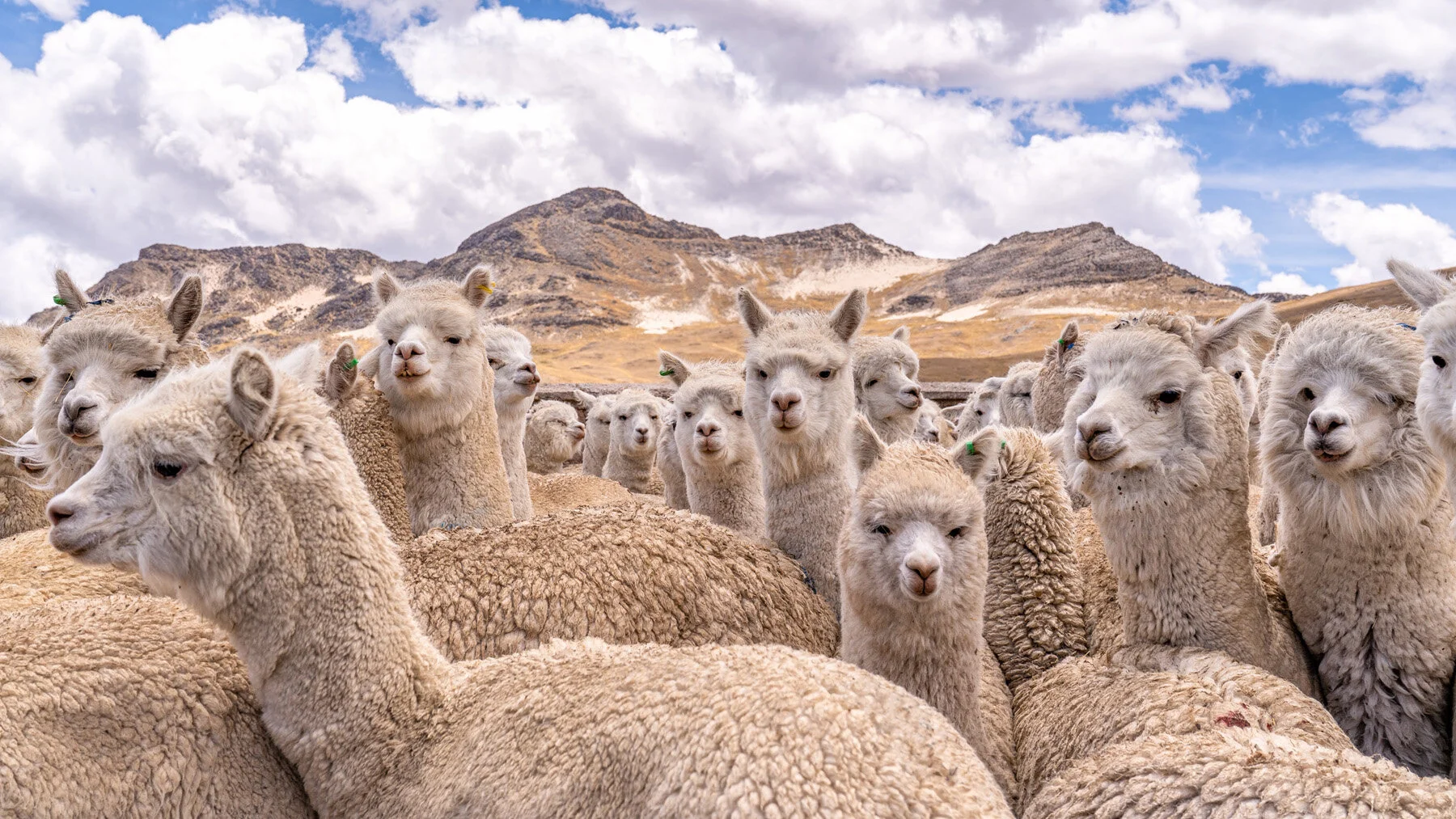
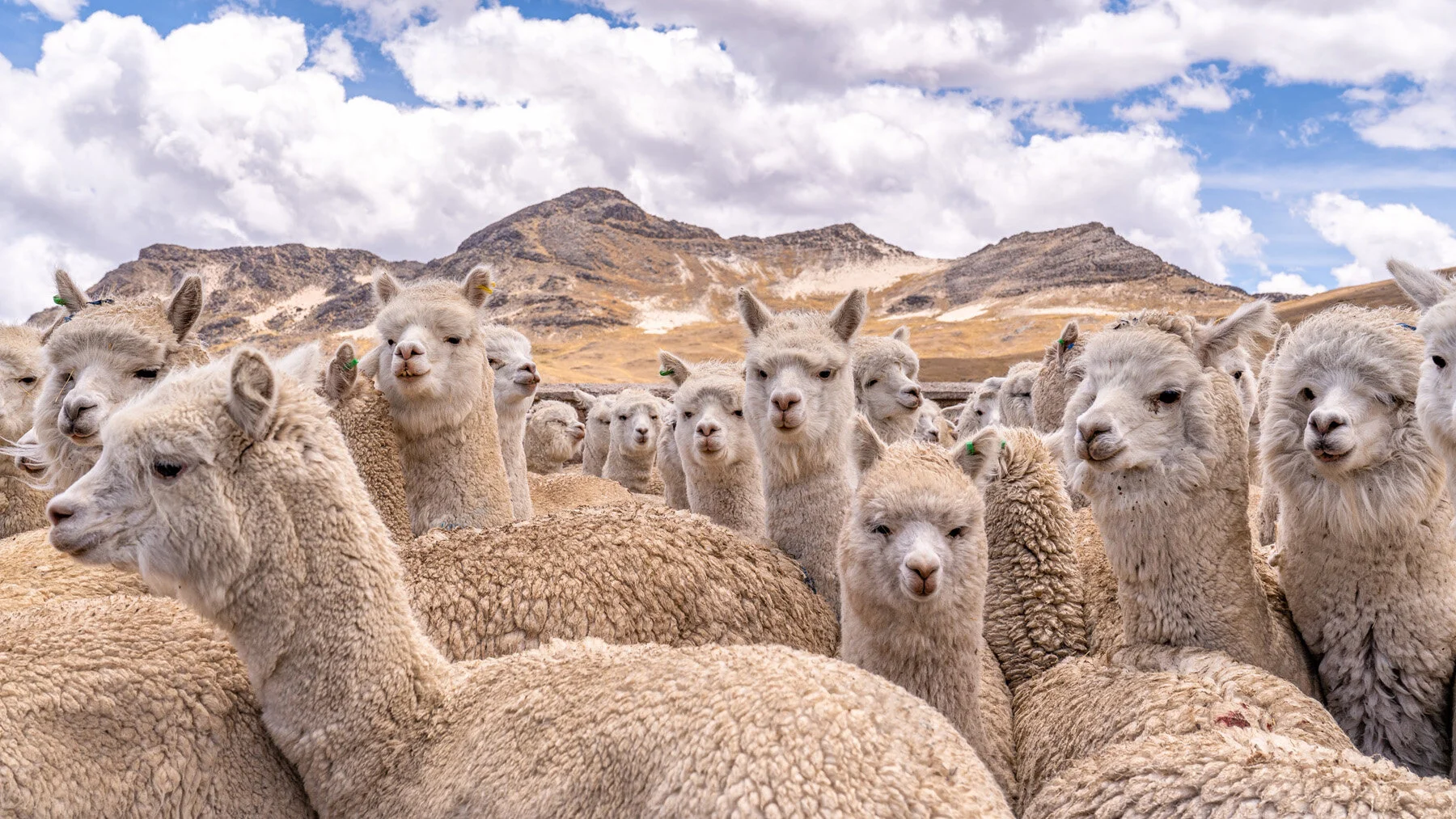
    Until, of course, I drove up to the cottage to be greeted by dozens of hilariously, adorably goofy, freshly-sheered alpacas flanking all sides of my car.

    I don’t know if you’ve ever seen alpaca just after they’ve been sheared, but, well, it’s an infallible and instant cure for those in the foulest of moods.

    Well, over the course of year following that shoot, I was called back a few times to shoot additional units on the property, as well as their 7-acre garden, and during those visits, a friendship blossomed with Mike and Julie Safley, the owners of that farm and garden, Oakwood Gardens & Northwest Alpacas. I came to find out that they were amongst the very first people to bring alpaca to the states from Peru in the mid-1980s.

    Needless to say, they have played an integral role in the industry’s growth since.

    Andes Mountains Peru Quechua Benefit Picotani Vicuna Chaccu

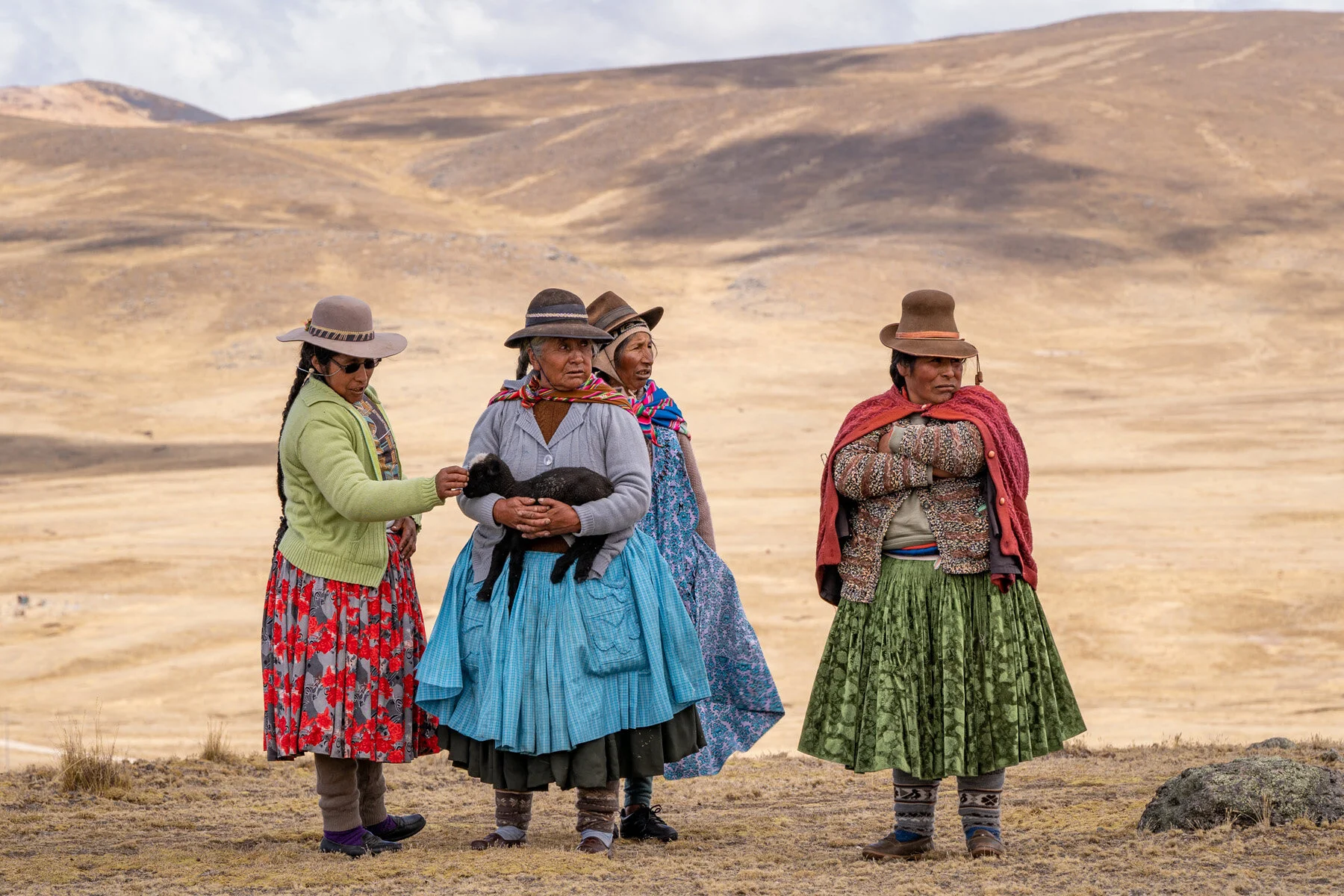
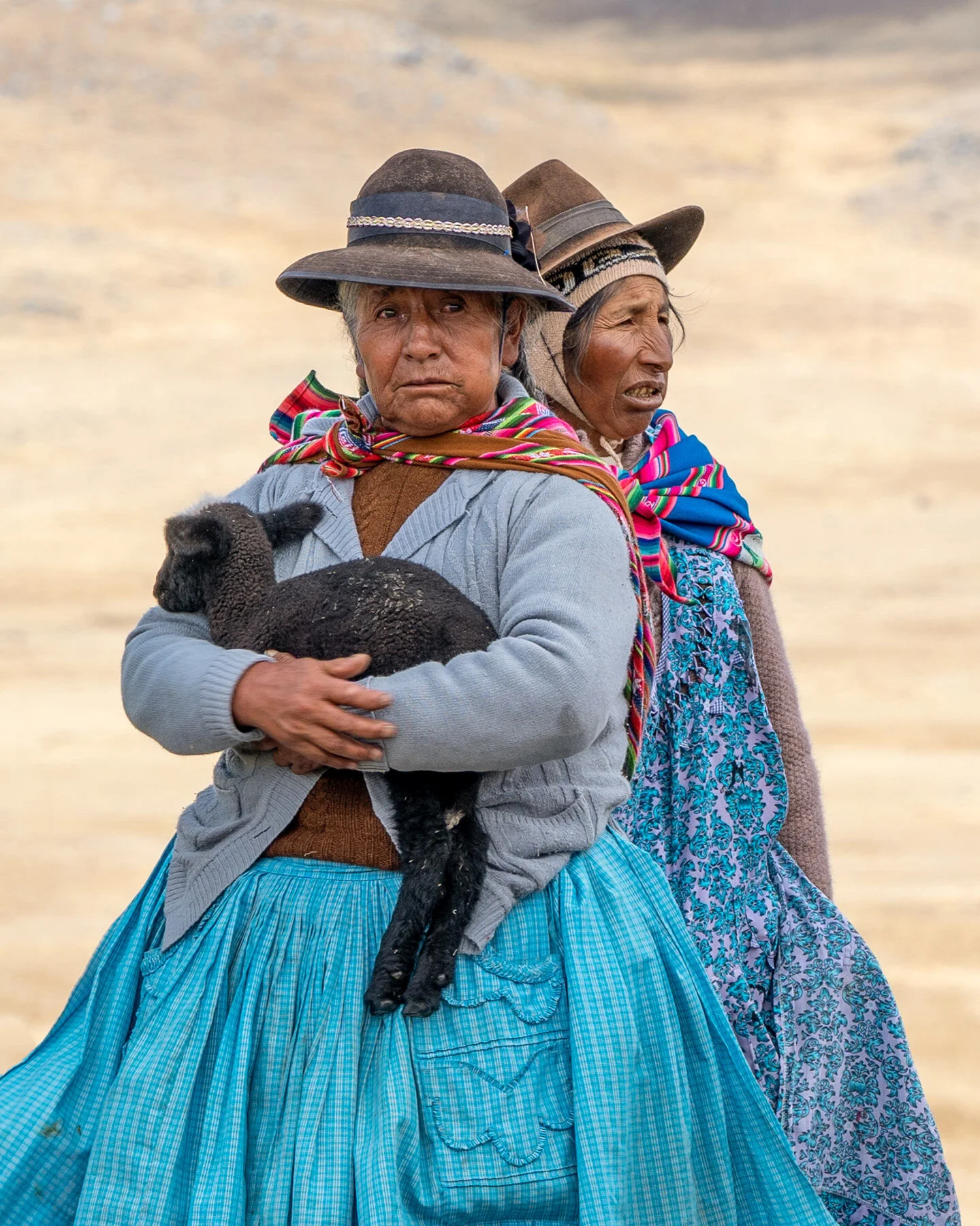
    It was during a tea break following this shoot that I learned of their soft-spot for the indigenous populations of the Peruvian Highlands. They have pioneered and been involved in philanthropic efforts to help bring economic opportunity, medical attention, and education to these populations of native women, children and families living and existing through poverty in the Andes. Many of these people were abused and left for forgotten in what are quite literally some of the most remote parts of the planet, and being as how the fruits of this region have brought so much to the Safleys, they knew immediately part of their life would be giving back to these very communities.

    That’s when they founded Quechua Benefit, a non-profit “dedicated to social justice for the Quechua people living in highland Peru.”

    Quechua Benefit works “to relieve suffering and provide opportunity in Andean communities through preventative medicine, education, and economic empowerment.”

    Which brings me to this unexpected, incredibly appreciated, and borderline criminally-amazing, adventure to Peru.

    Every year (well, every pre-covid year), they host a guided tour for some of their supporters to the farms, schools and regions that they do their work in, to give these donors an opportunity to see exactly where their dollars and energies are going and experience for themselves the tangible results of their generosities. It certainly does’t hurt that through their unique experience and contacts built in the region over the past almost quarter-century, they’ve managed to put together a dream itinerary.

    The only way you can get in on this thing is to purchase the tour package through their site, or, for those living on a much lower pay grade and happen to know how to push the right buttons on a camera every now and then, be ridiculously fortunate enough to be asked to tag along as a photographer and 360 videographer to help capture the essence of the experience to share with those unable to make it.

    Which is how I found myself on that Latam flight en route to Lima, Peru to begin this adventure…

    To find out where this goes (trust me, it’s worth it), check out Part 2 – From Coca Tea to Casa Chapi.

    And in the meantime, find more of my occasional slabberdaggins on Instagram.

  • Now Is The Time To Invite The Healing Powers Of Mother Nature Into Your Home – A Few Free Gifts (And An Announcement…)
    Now Is The Time To Invite The Healing Powers Of Mother Nature Into Your Home – A Few Free Gifts (And An Announcement…)

    Forest Park Hoyt Arboretum Portland Oregon Foggy Fall Forest

    If there was ever a time to invite the healing powers of nature into your heart, mind, soul, and self-quarantine quarters, this be it!!

    First and foremost I trust and hope that all of you and those close to you are safe, healthy, and finding new ways to keep your spirits up and your minds in tact.

    There’s no way around it: these are WEEEEIIIIRRRRDDDD times. And while it may seem like our hands (and sanity) are tied, one thing we CAN do, is use this opportunity to slow down, simplify and reassess our priorities for a post-COVID world.

    One of those priorities can be paying better attention to taking care of our health, both mental and physical. And one of the best ways to do that is to spend more time appreciating, embracing and taking care of Mother Earth.

    You don’t have to know me to recognize my discovered love affair for our natural world; a quick scroll through my posts is all it takes to pick up on my dedication to our environment and our relationship to it. More likely than not, if you’re following my work you share a similar sense of appreciation for the positive effects a simple picnic in the park or hike in a National Park can provide. And as we are already aware, not only are doctors increasingly prescribing time in nature, but there’s fascinating science behind it all. Heck, there’s even proof that just looking at pictures of nature can lower stress levels.

    And right now, as we are isolated in our homes and confined to our communities (and no doubt getting cabin fever), I invite you to experience these effects for yourselves by bringing at least a few pieces of those spaces inside and into your homes. People want to love and support one another through this unprecedented time, and as a photographer, I’ve been trying to figure out how to be of service from the confines of my own isolation. So attached below are several images high resolution images under the Creative Commons License that I invite you to download and use and share as desktop images and phone backgrounds for an easy dose of daily zen.

    And if you’d like to go one step further, one of the things I’ve done with some of my (hopefully) temporary newfound free time has been to update the purchase experience on my site. I’ve cleaned it up, streamlined it and simplified it significantly. Furthermore, if you order any of my museum-quality Canvas Prints, Art Prints, Limited Editions Signed Framed Art Prints, or Greeting Cards by June 1, 15% of all profits will be split between Global Giving’s COVID19 Relief Fund, and Ecology in Classrooms & Outdoors, the non-profit I work with that helps introduce kids in underserved communities to nature. So please consider purchasing a print for yourself for for a socially-isolated loved one that may need a pick me up.

    If you have any questions at all, please don’t hesitate to reach out.

    And most importantly, take care of yourselves, your family, friends, and those closest to you as we collectively navigate our way through this gotcha.

    See you on the other side.

    Humbly,

    wasim

    By Wasim Desktop Background Images

    By Wasim Desktop Background Images

    By Wasim Desktop Background Images

    By Wasim Desktop Background Images

    By Wasim Desktop Background Images

    By Wasim Desktop Background Images

    By Wasim Phone Background Images

    By Wasim Phone Background Images

    By Wasim Phone Background Images

    Image asset

    By Wasim Phone Background Images

    By Wasim Phone Background Images

  • Unwrapping Uncertainties on the Waterfront. Forced to Face The ‘Rona Amongst the Portland Cherry Blossoms

    Unwrapping Uncertainties on the Waterfront. Forced to Face The ‘Rona Amongst the Portland Cherry Blossoms

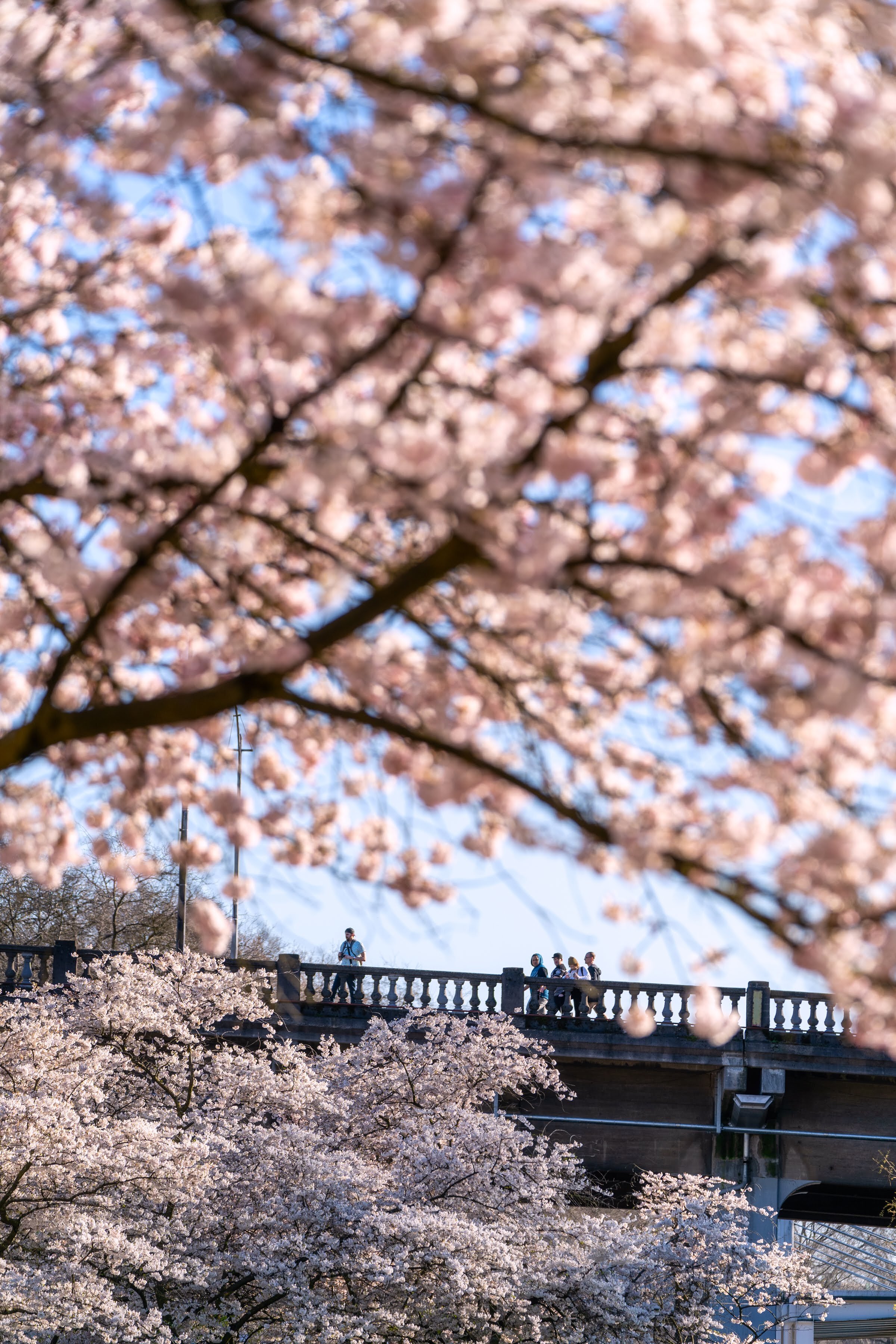
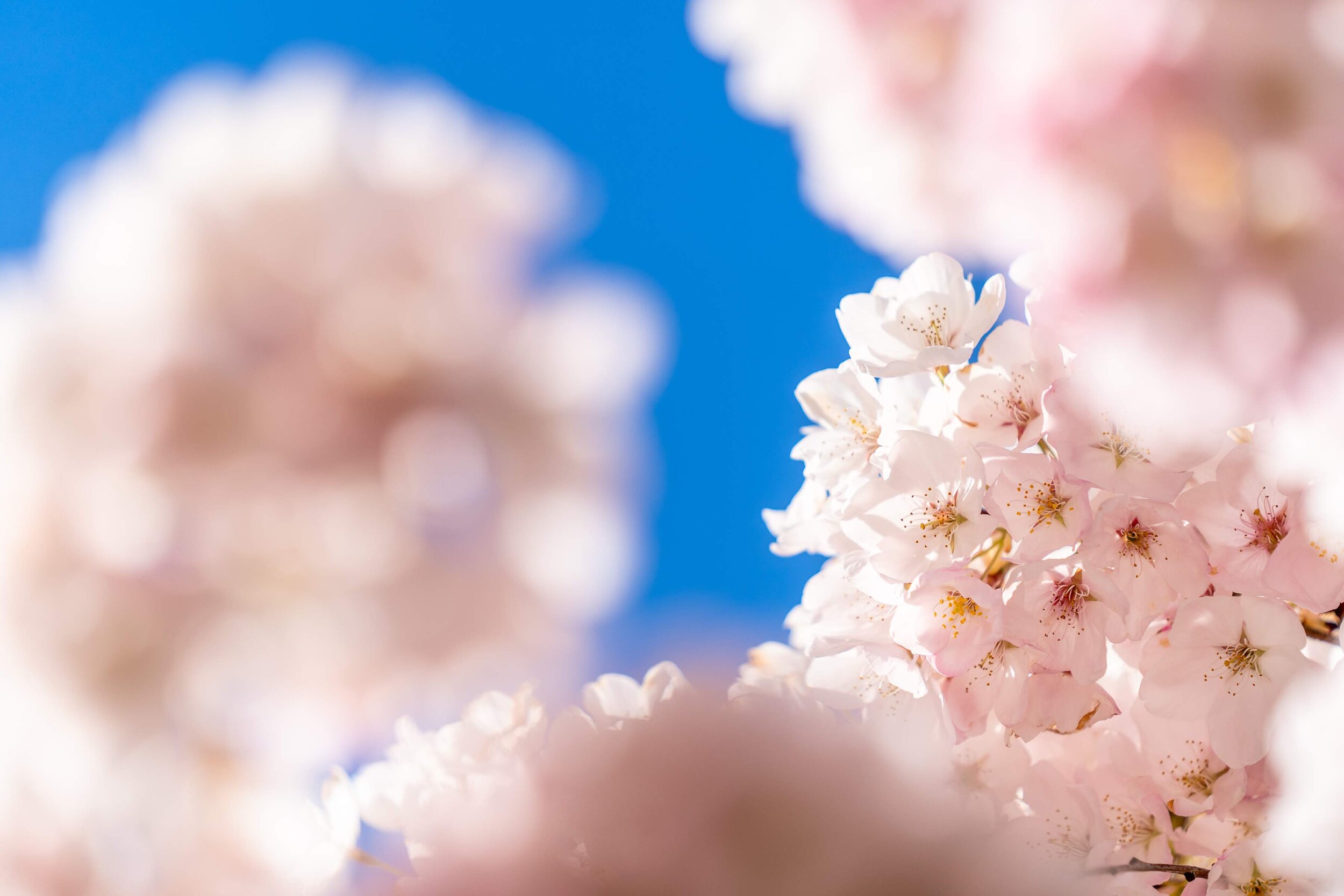
    Portland Oregon Cherry Blossoms Waterfront Park 5x7

    It was March 11 when I flew into Sacramento, where I was scheduled to shoot several vacation rentals over the next week and visit my girlfriend in Nevada City, California, just outside Lake Tahoe in the foothills of the Sierra. The plan was to be there until March 18th, get some work done, have some fun, and then fly back to Portland, but, well, as we all know now, things started to get weird around then.

    Really weird.

    My girlfriend was dropping me off at the Sacramento airport so that I could get back in time for a job there the following day when the realities of COVID began to set in. That same day, we heard that Sacramento had begun to record its first cases, including an employee at the Sacramento Airport.

    As we pulled up to the curbside drop off, she said something that sounded a bit crazy:

    “Maybe we should just drive.”

    At first, it sounded crazy. You’re proposing driving me to Portland? From Sacramento? Huh? You don’t even have any clothes other than what you’re wearing.

    But the more I thought about it, the better the idea started to become.

    Less exposure to people, less contact with the outside world, who was still trying to figure out what was going on.

    So I walked up to the ticketing counter, cancelled my ticket, and walked back to the car. We looked at each other, smiled, and off we went.

    The drive was beautiful.

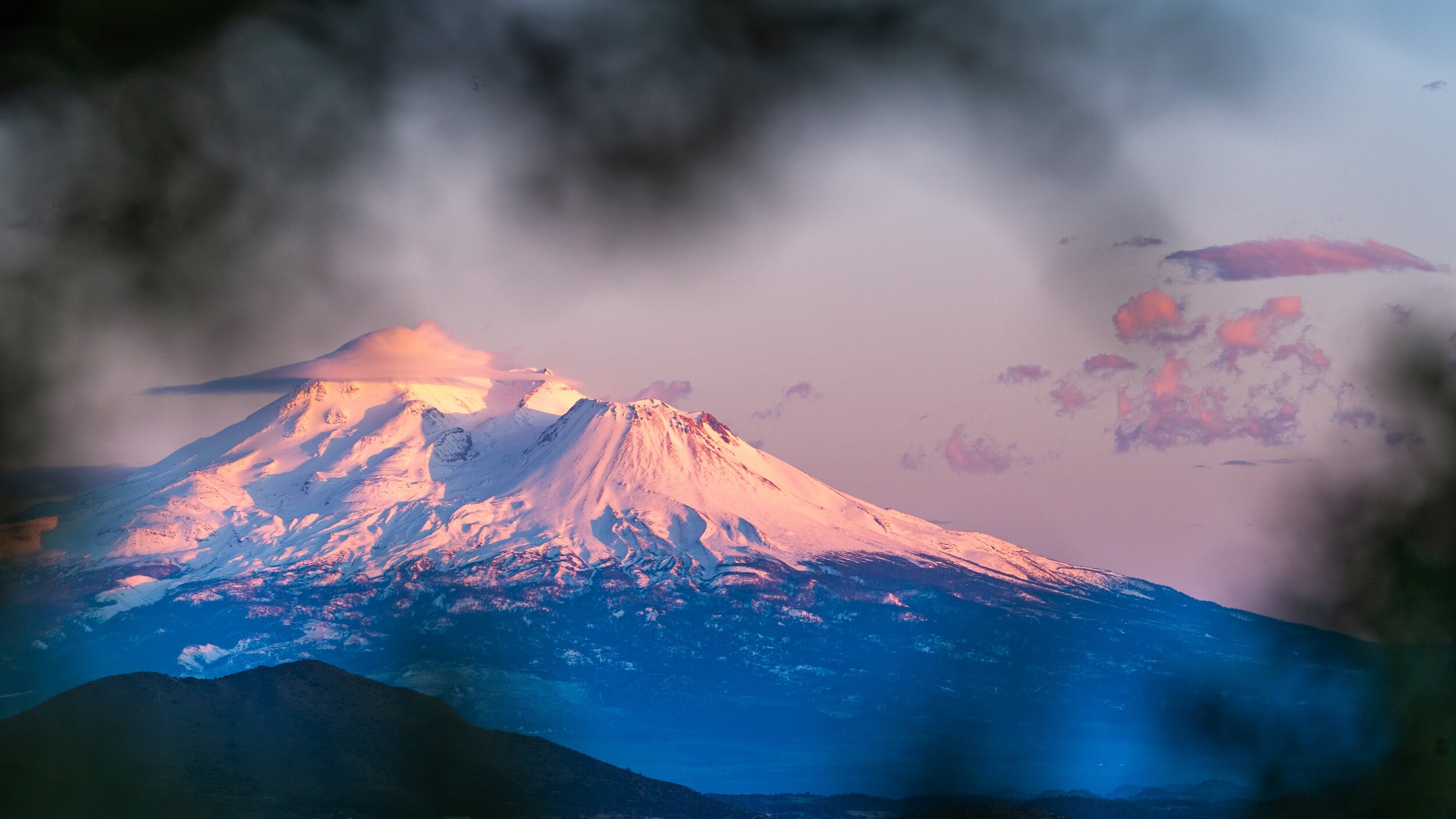
    Well, at least the part that the light was still out for, which started to dip past visible once we got past Mount Shasta and across the Oregon border.

     Mount Shasta, California.
    Mount Shasta, California.

    We were about 7 hours in and 100 miles outside Portland when we started to get too snoozy to feel safe driving any further, so we pulled off and stayed the night at a motel, asking for a room that hadn’t been occupied in at least 2 weeks.

    We got to Portland the next day around noon, just in time for me to make my shoot.

    Which, apparently, would be my last for the foreseeable future.

    I had several more shoots scheduled, mostly for my client Airbnb, but we received an email from Airbnb that same day informing us they were suspending the photography program until further notice due to COVID19.

    And then two events I had scheduled to shoot also cancelled.

    And then two independent real estate clients I had scheduled to shoot listings for cancelled.

    And then, as I began to realize that things were getting much more serious than we were originally led to believe, I had a decision to make – being as I lived in the same building as my landlords, two elderly folks, was it smart for me to stay there and potentially expose them to this thing?

    Probably not.

    So that afternoon, I started calling prior clients to see if they had spaces in their rentals or on their properties in case I needed a place to stay until we figured out what was going on. It was on one of those calls to my friends at Oakwood Gardens and Cottages (and alpaca ranch) that the entire plan got turned on its head. She informed me that one of her friends, who was a first responder in Washington State, had some good information that they might be closing the border between Washington and Oregon to help prevent the spread from one of the states, Washington, that got hit with the coronavirus first.

    This changed everything.

    For if that border could potentially be closed, what was to stop the California Oregon border from closing as well.

    After all, it would be the prudent thing to do.

    Which left me with an even bigger decision to make.

    Do I stay in Oregon, where I live? Or do I return to California, where not only my girlfriend resides, but as do my parents, who are not only both elderly, but include an 83-year old father who recently broke his hip and wrist after taking a spill off a ladder in his beloved garden and is currently in recovery at home.

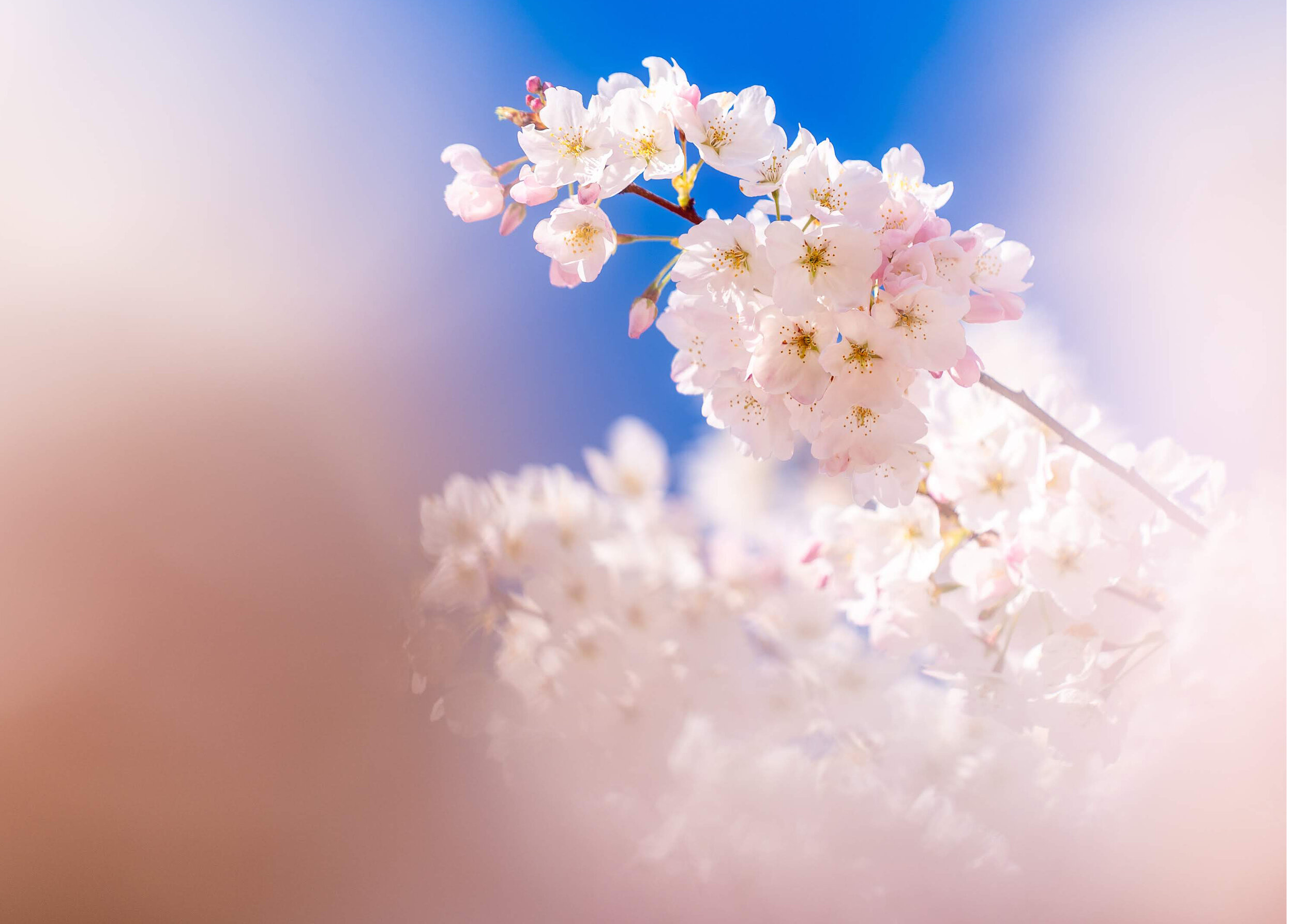
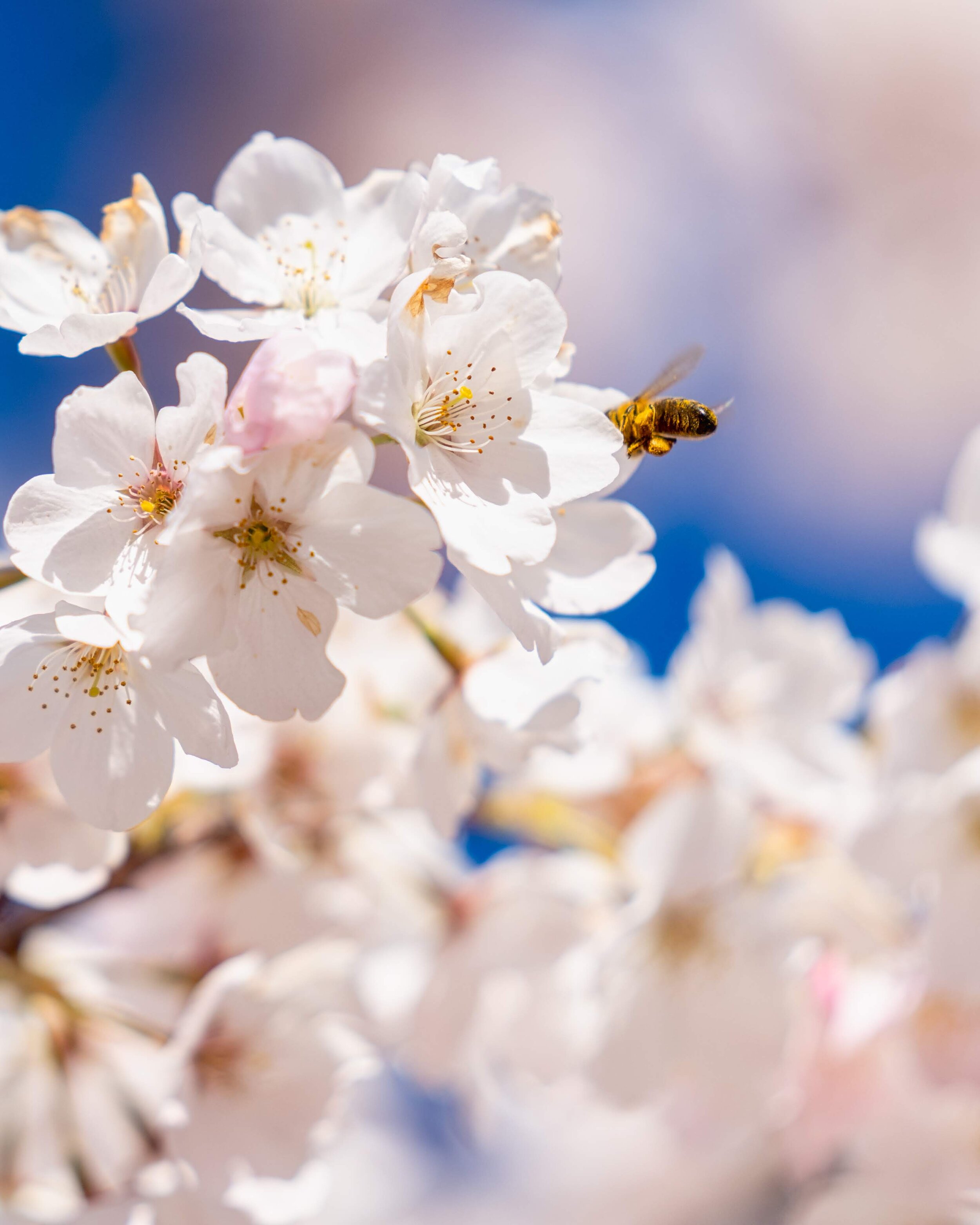
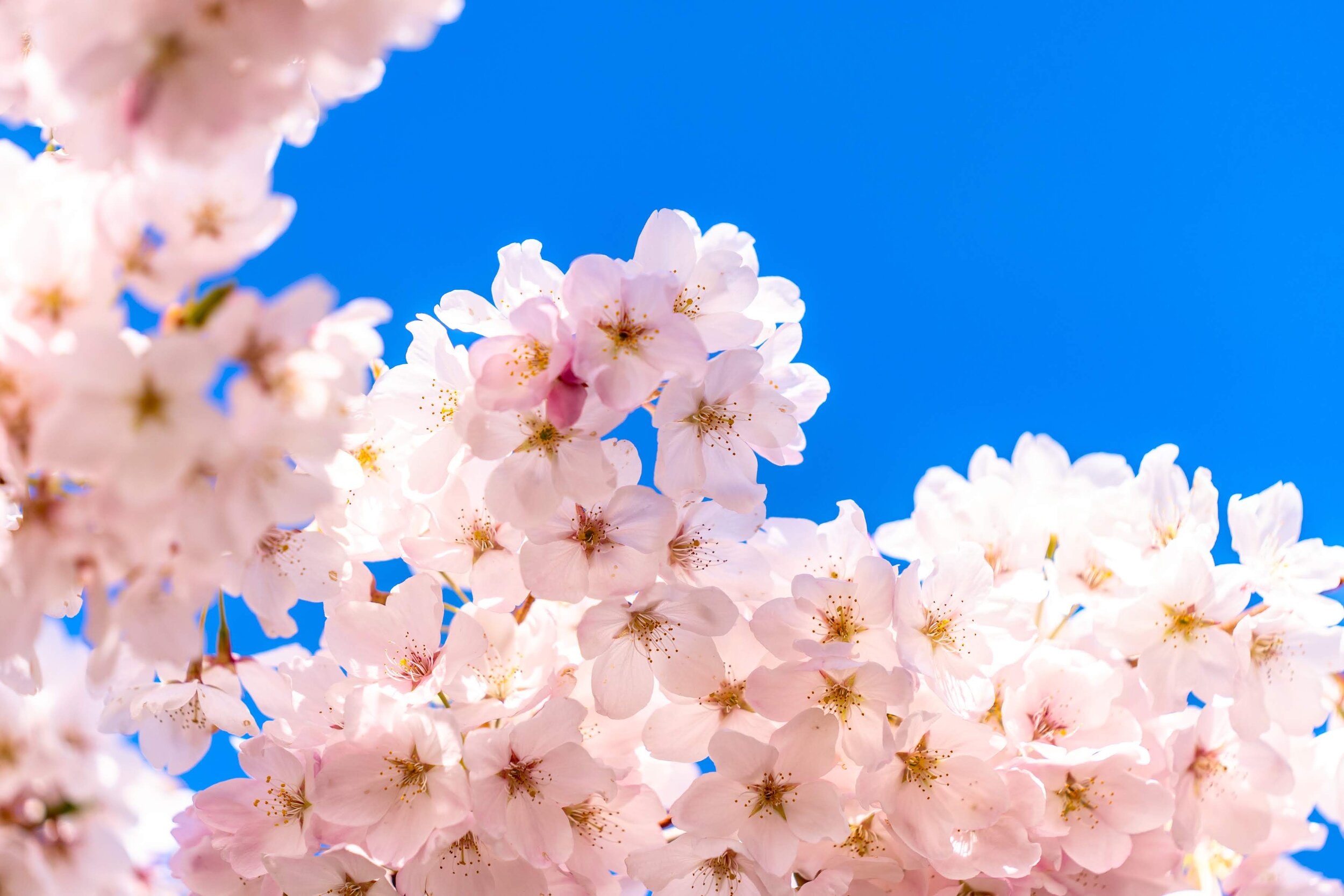
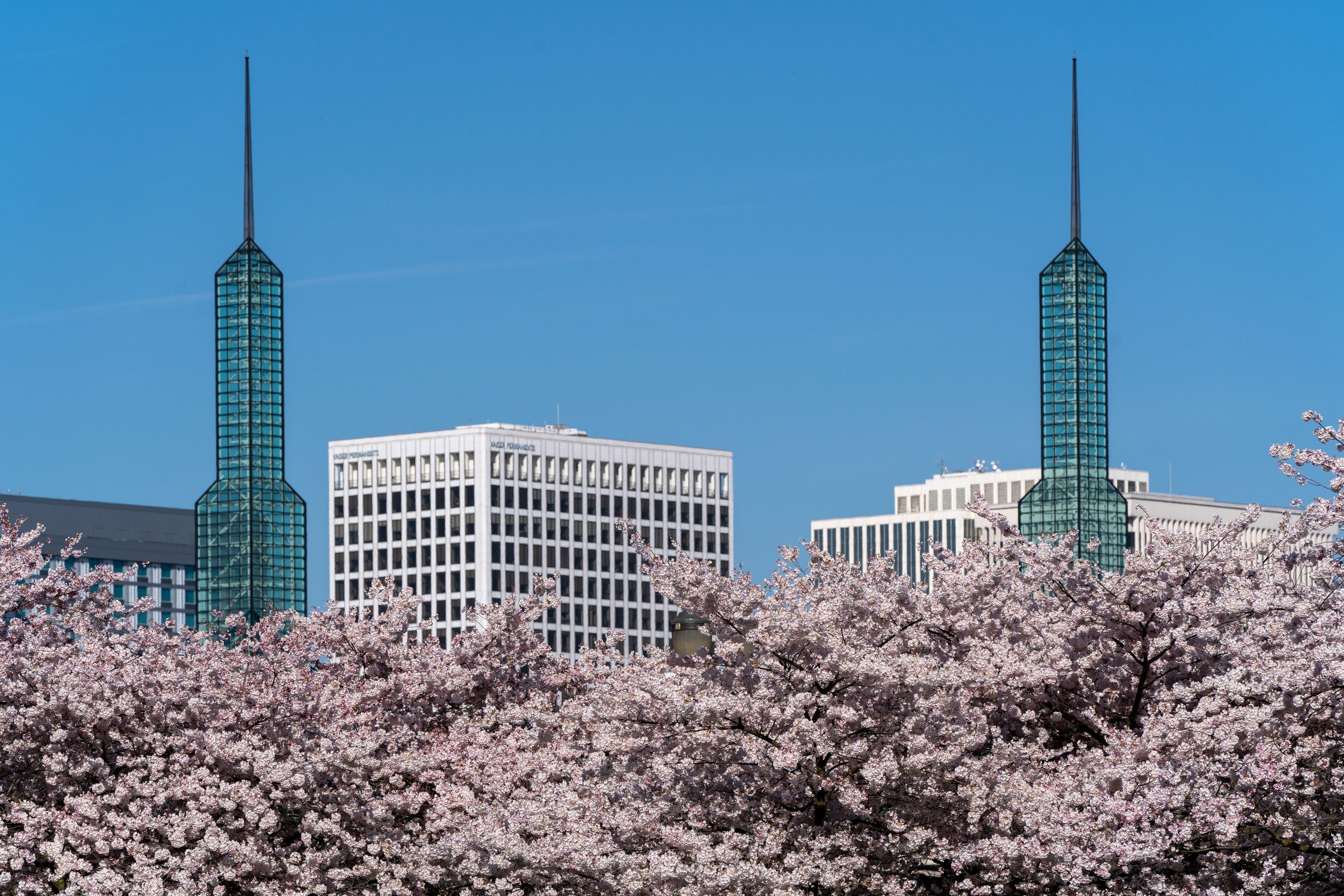
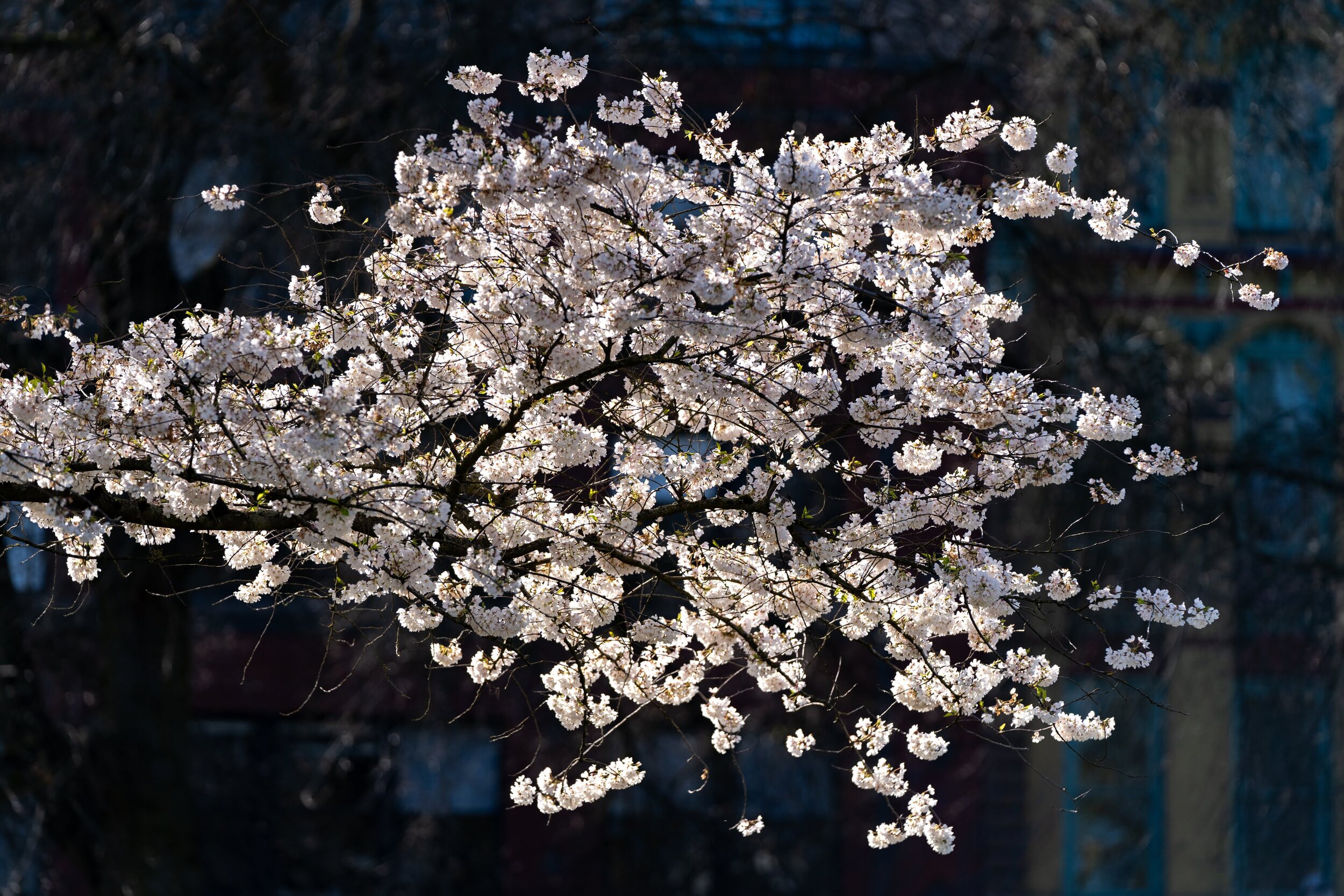
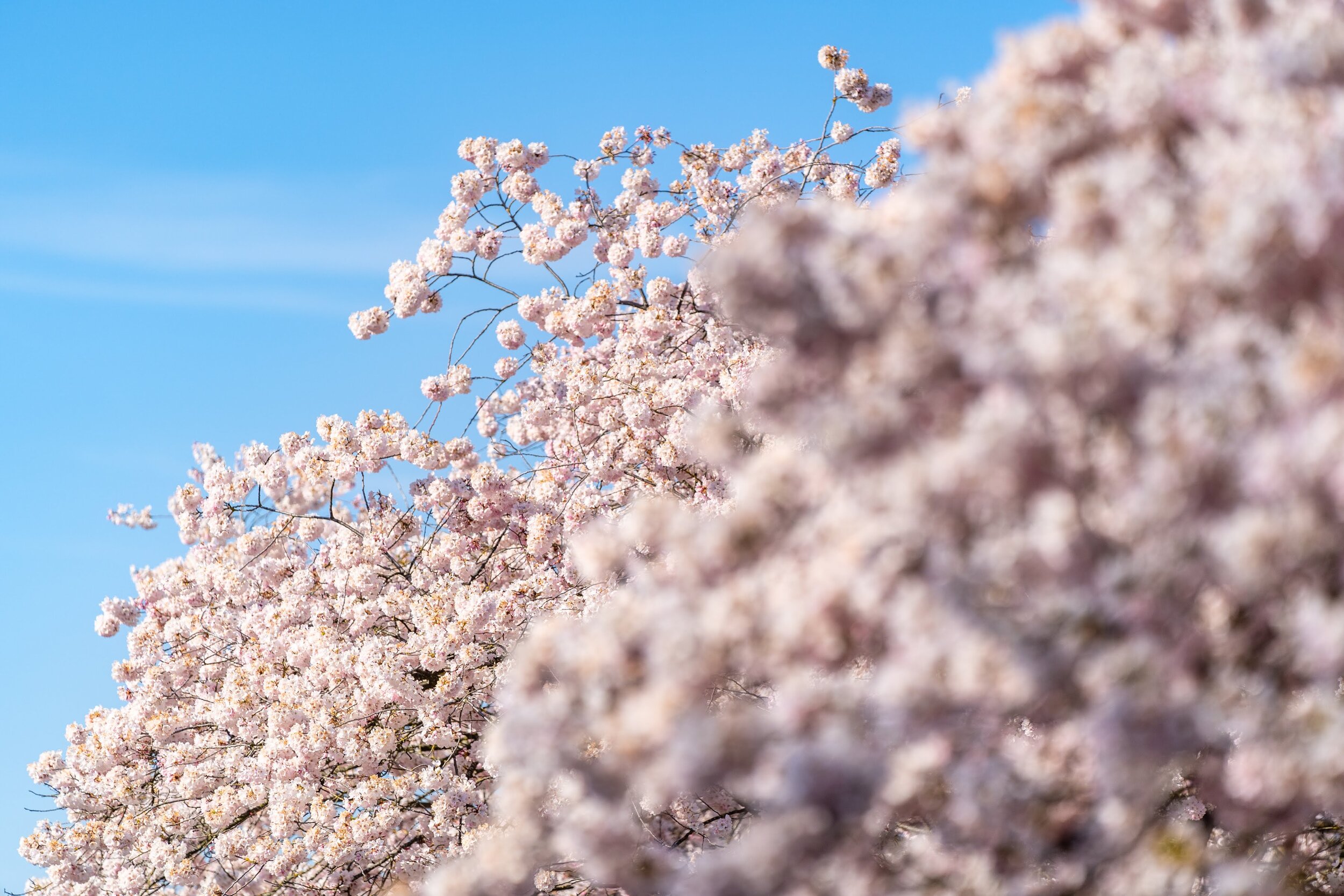
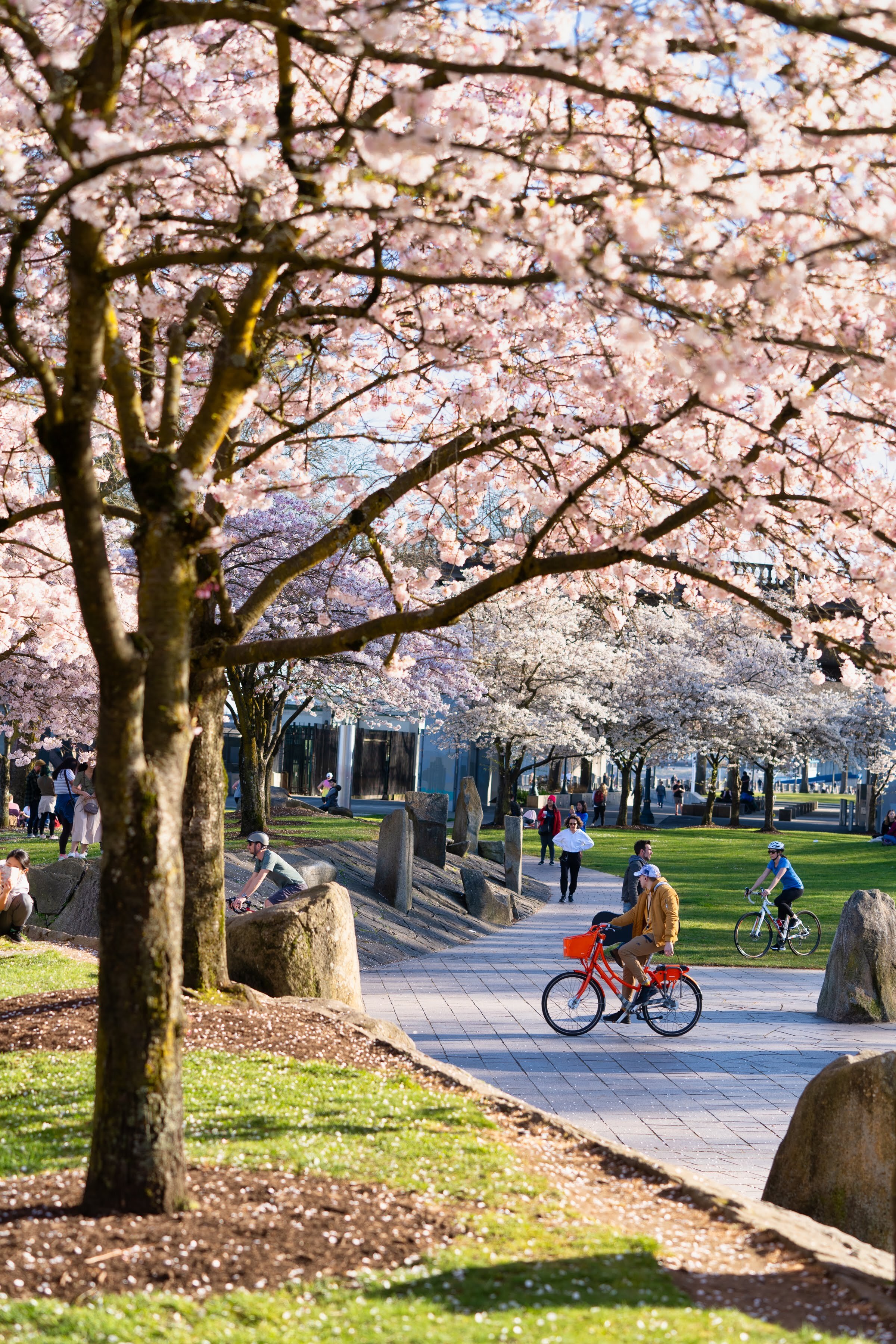
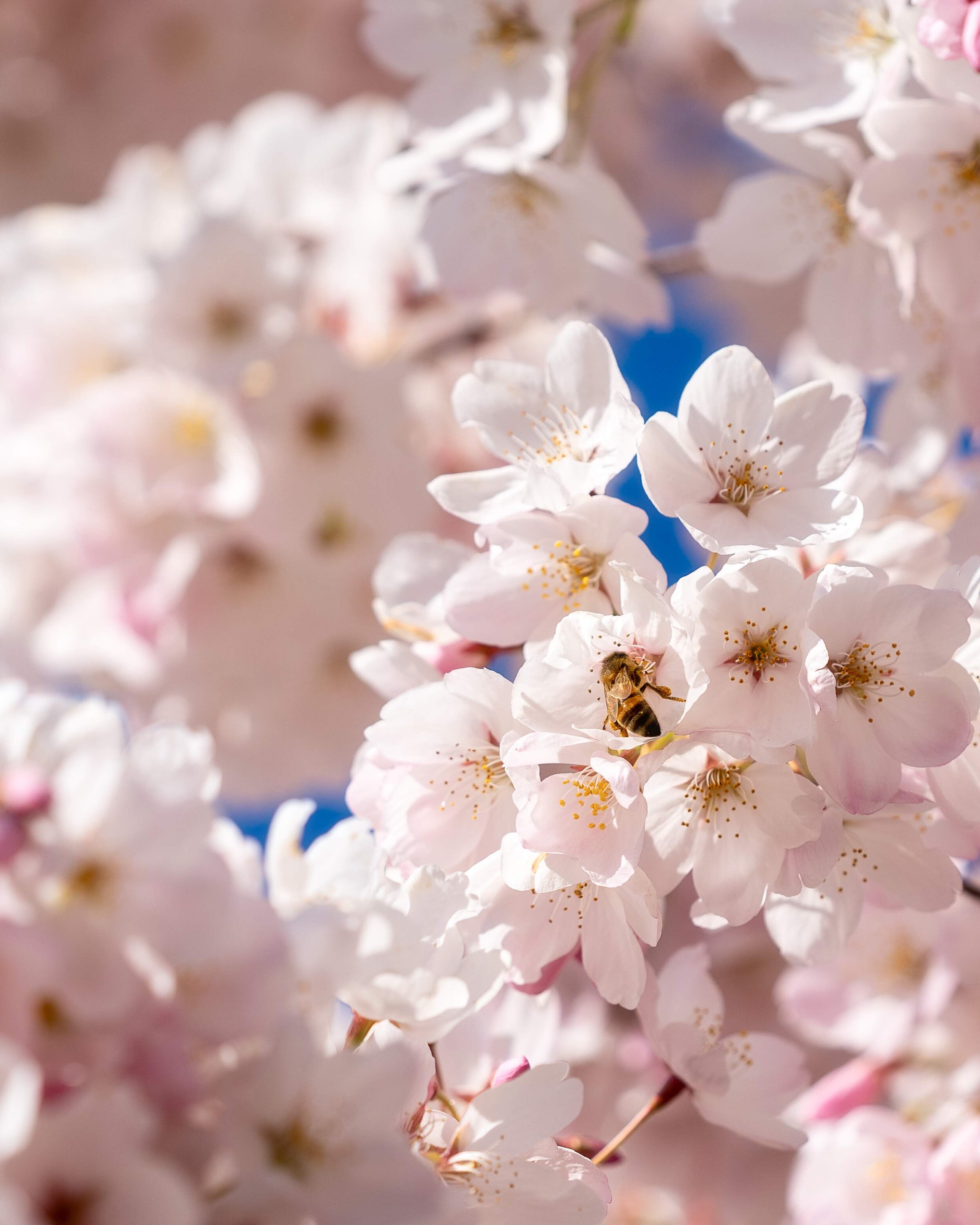
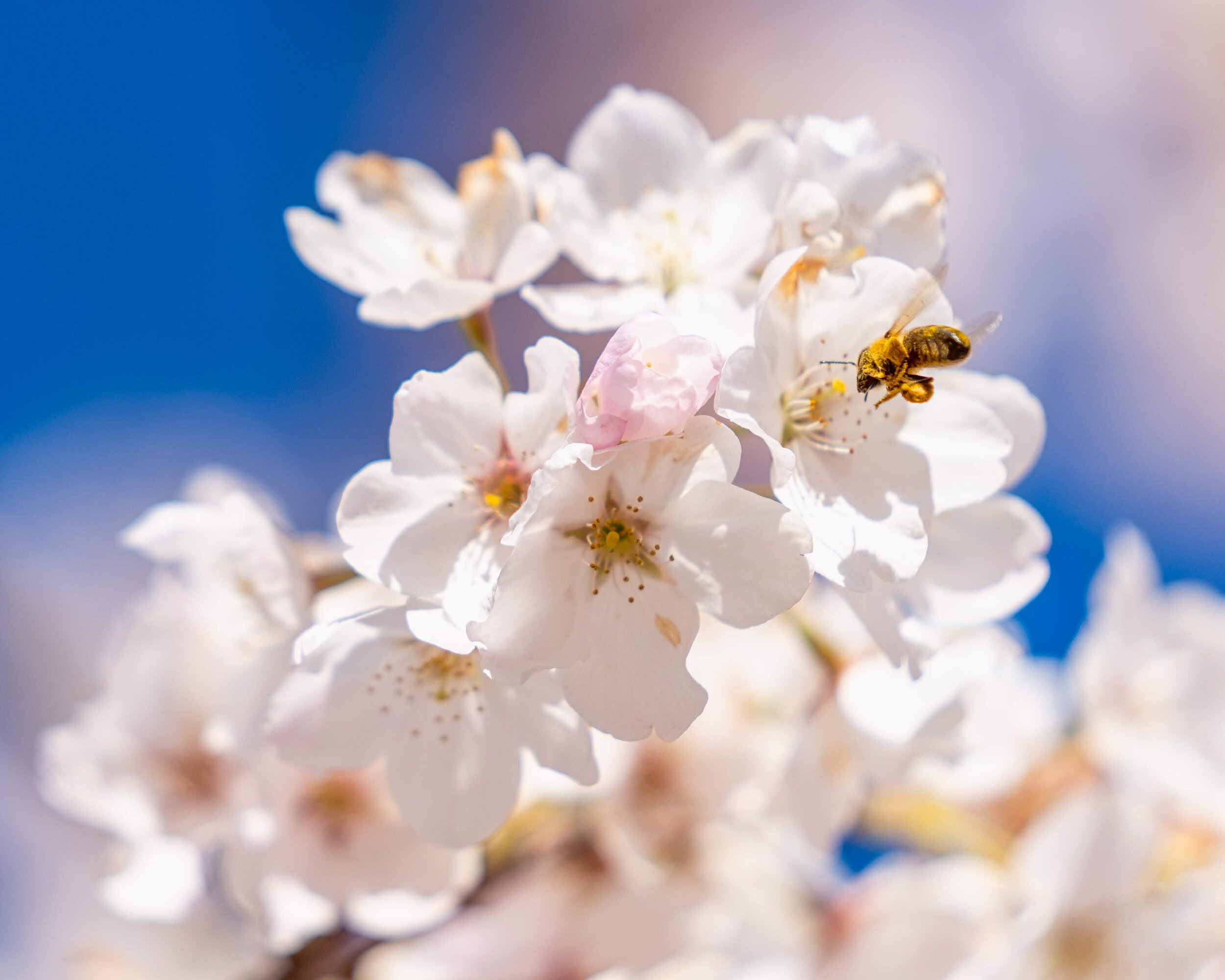
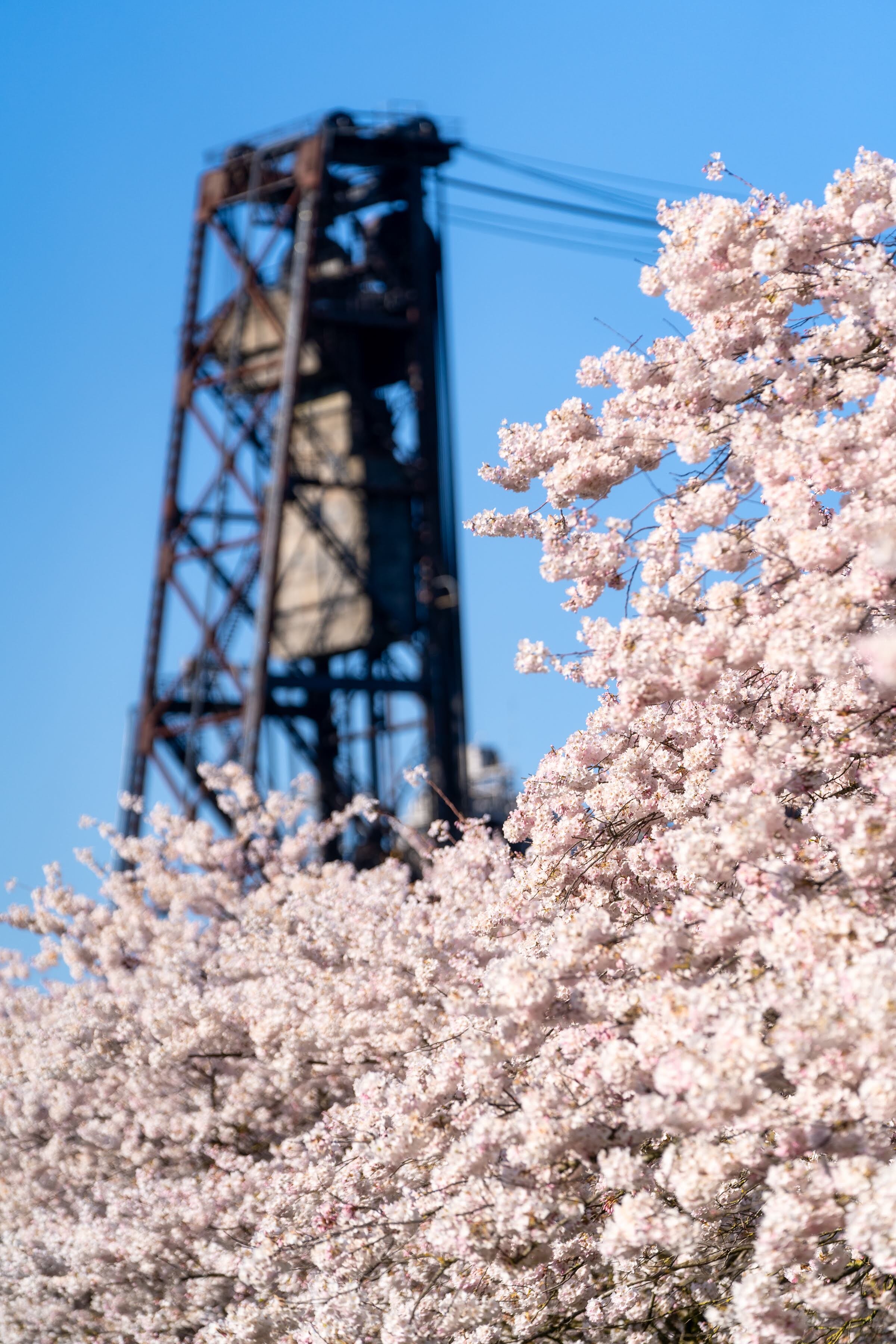
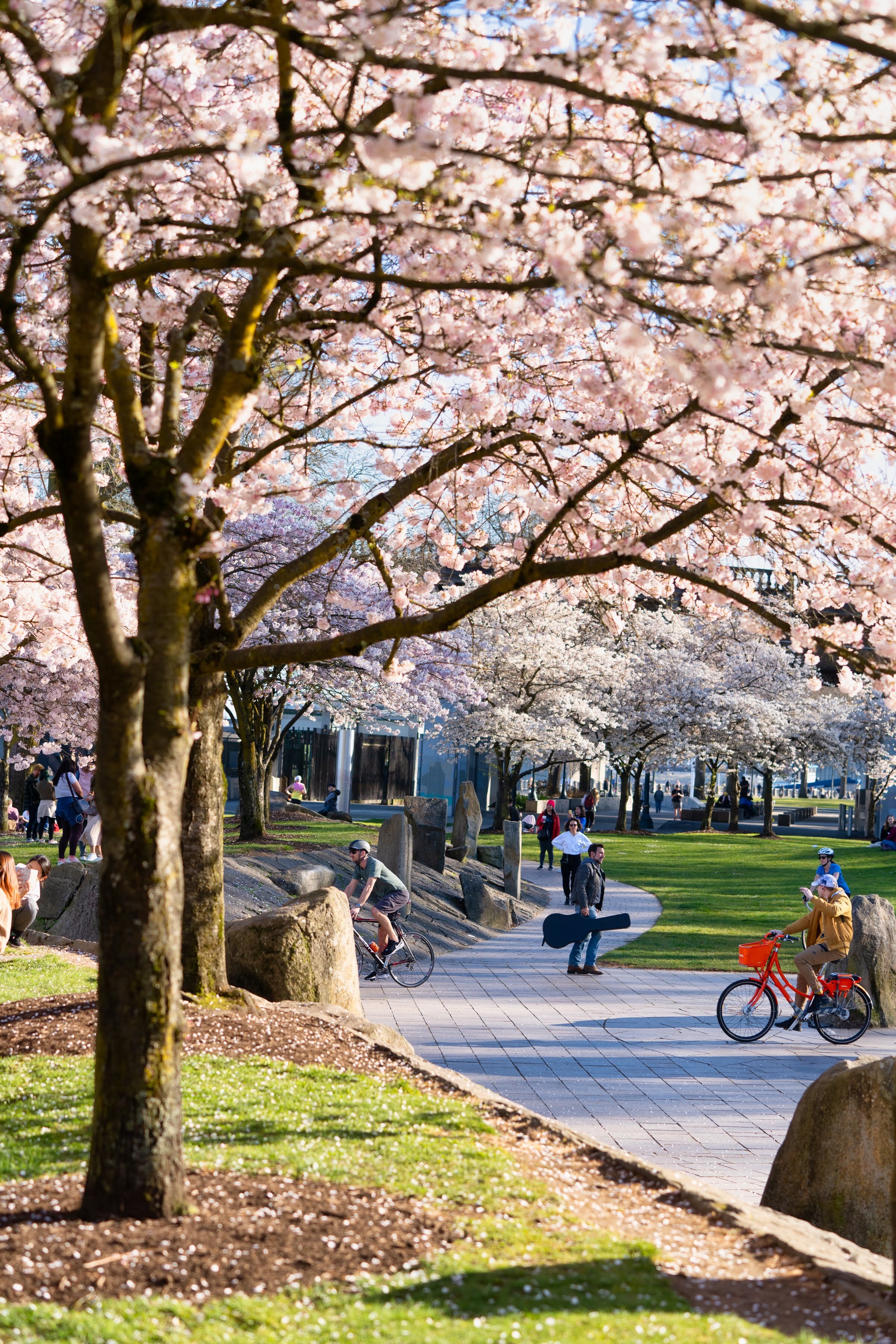
    Portland Oregon Cherry Blossoms Waterfront Park

    It was then that I felt I needed to do something to help clear my mind and try to put things in perspective to help me make the right choice, and what better way to do that than to stroll amongst fresh cherry blossoms along Portland’s Waterfront Park, especially knowing that I probably won’t have a chance to see them again this year.

    So we did.

    We walked.

    And for a few precious hours, I was able to get into my ‘happy place,’ frolicking with my camera under a blue outdoor sky.

    In Portland.

    In the Spring.

    During peak cherry blossom season.

    After a few hours of deliberation and a social distance meeting on the outdoor deck with my aforementioned landlords later that afternoon, the choice became more obvious by the second – I needed to be on the same side of the border as my folks.

    So I packed up the cars with my cat and a few essentials, looked back at my place wondering if, and when, I’d be back, stopped at a local grocery store for some supplies and food, and less than 48 hours after driving up to Portland, I was now on my way right back to my girlfriend’s home in Nevada City, California, where I currently still am, indefinitely, socially distancing and self-isolating and all the things until we know what’s what and what’s next.

    Which I’m certain is the case for just about all of us on these most uncertain of days.

    Where things go from here, both in the short term and the long term, no one has any idea, but the one thing we can be sure of is that there’s no better time and situation to re-assess all our priorities pre-COVID19 – from how we spent our time, to who we spent our time with, to how we spent our money, to how we spent our attentions. Everything we thought we knew will no longer be the same, and in many cases, perhaps for the better, as we have been forced to be more present and more conscious of the day-to-day, moment-to-moment decisions and choices we are making. If we can find a way to parlay even parts of this mindset into our post-COVID19 lives, it’s hard to view that as anything but a positive.

    In the meantime, please take care of yourselves, your communities, your loved ones, and all of those around you. And if you are in position to do so, consider helping those outside of your community with even a small donation, especially those that are on the front lines in the fight against this bugger – not the least of which being first responders and healthcare workers that are working around the clock to beat this thing.

    Also, if you’d like to purchase any of my prints to bring nature into your home since we can’t really get out into nature ourselves these days while she rehabilitates herself, including some of these images, during this time of weirdness, 15% of all proceeds will be split between Global Giving’s COVID relief fund , and Ecology in Classrooms & Outdoors (ECO), the non-profit I sit on the board of that brings ecology education to kids in underserved communities. Check out my brand spankin’ new purchase page on my site (also still a work in progress) for canvas prints, art prints, and even greeting cards.

    Now, here are some of those images from that afternoon on the Waterfront. Hope you dig em…

    And to follow along with more of my shenanigans, check me out on Instagram.

  • Forest + Hail + Sun + Rain + SunRain = Magic

    Forest + Hail + Sun + Rain + SunRain = Magic

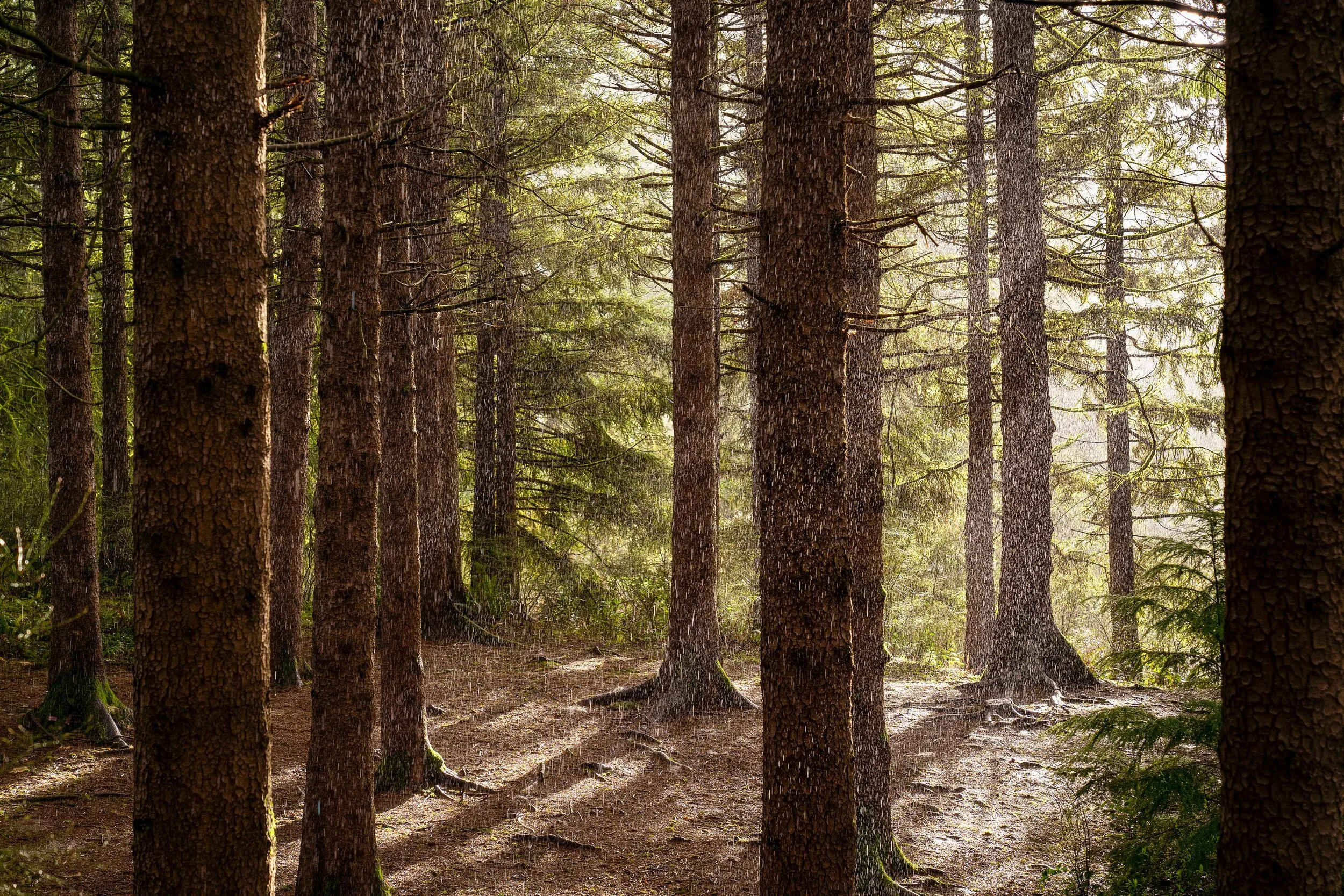
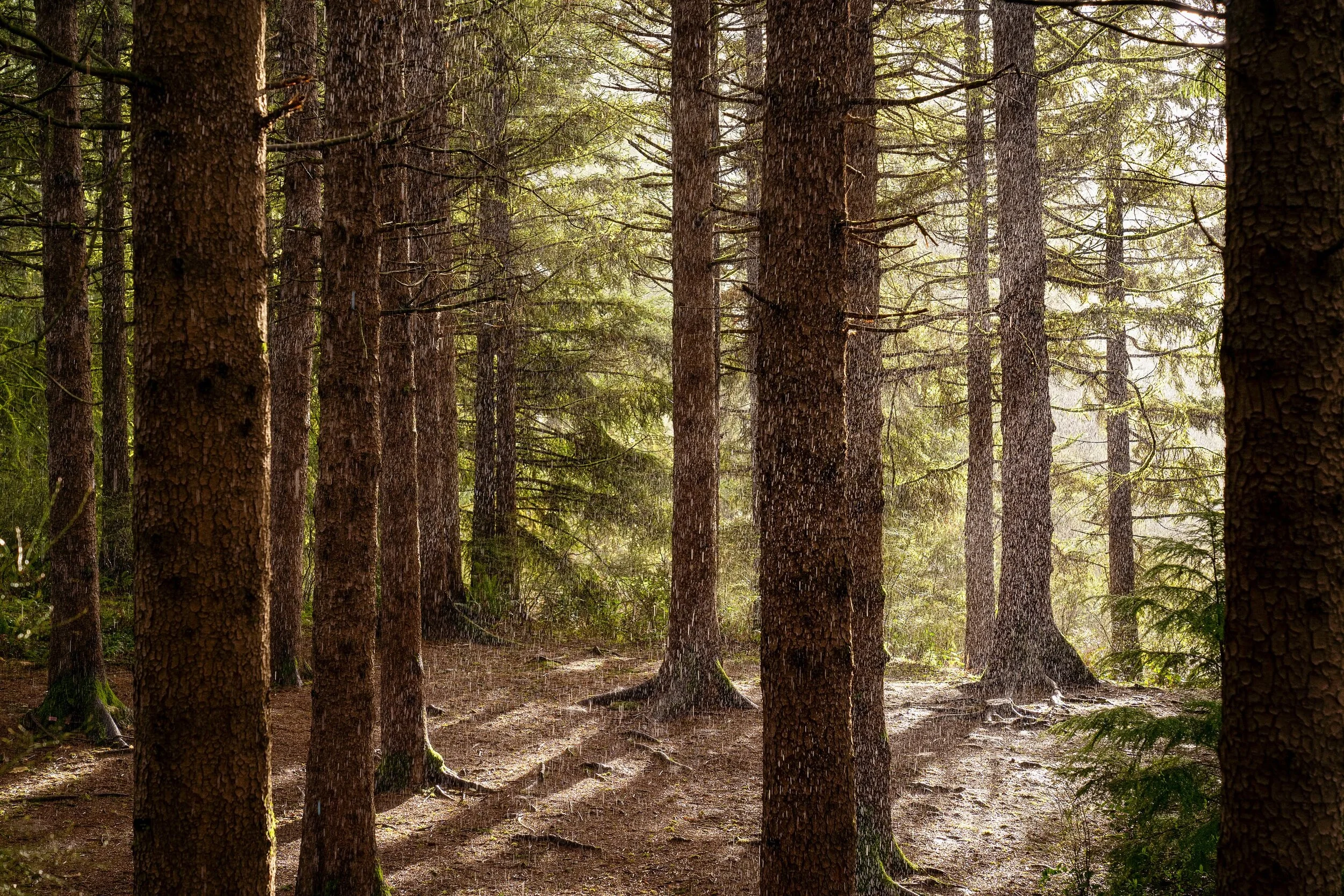
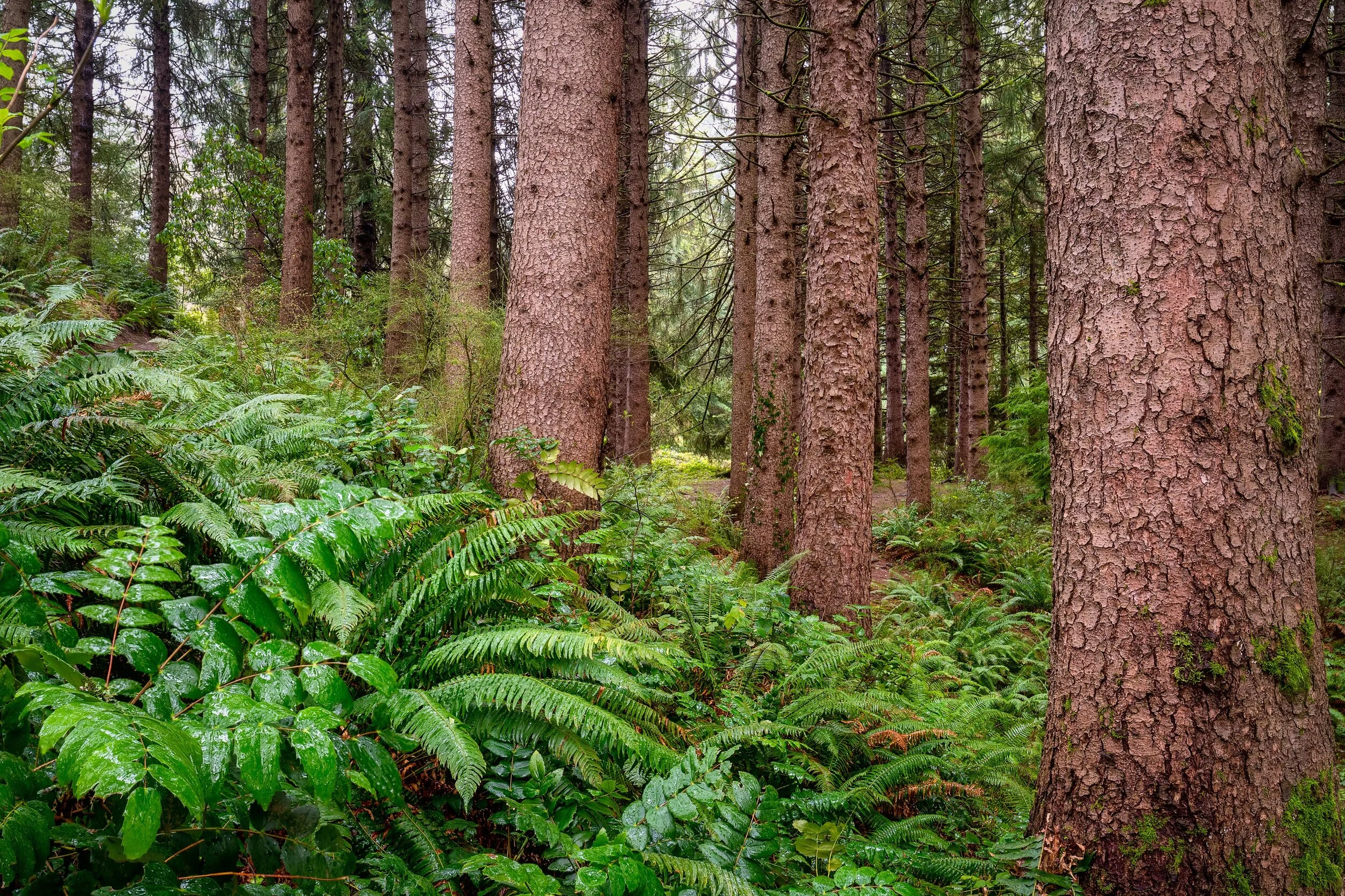
    Forest Park Hoyt Arboretum Portland Oregon

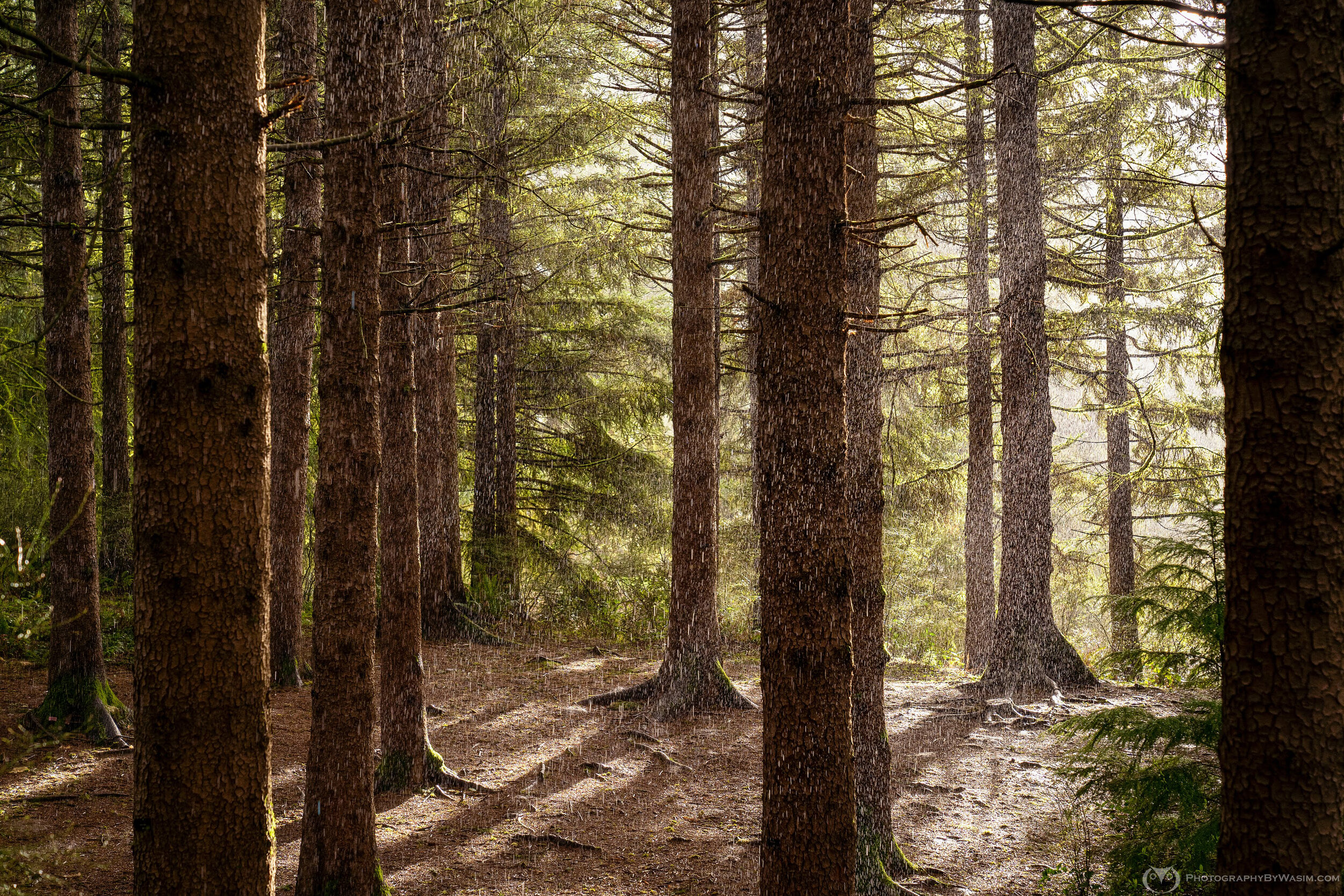
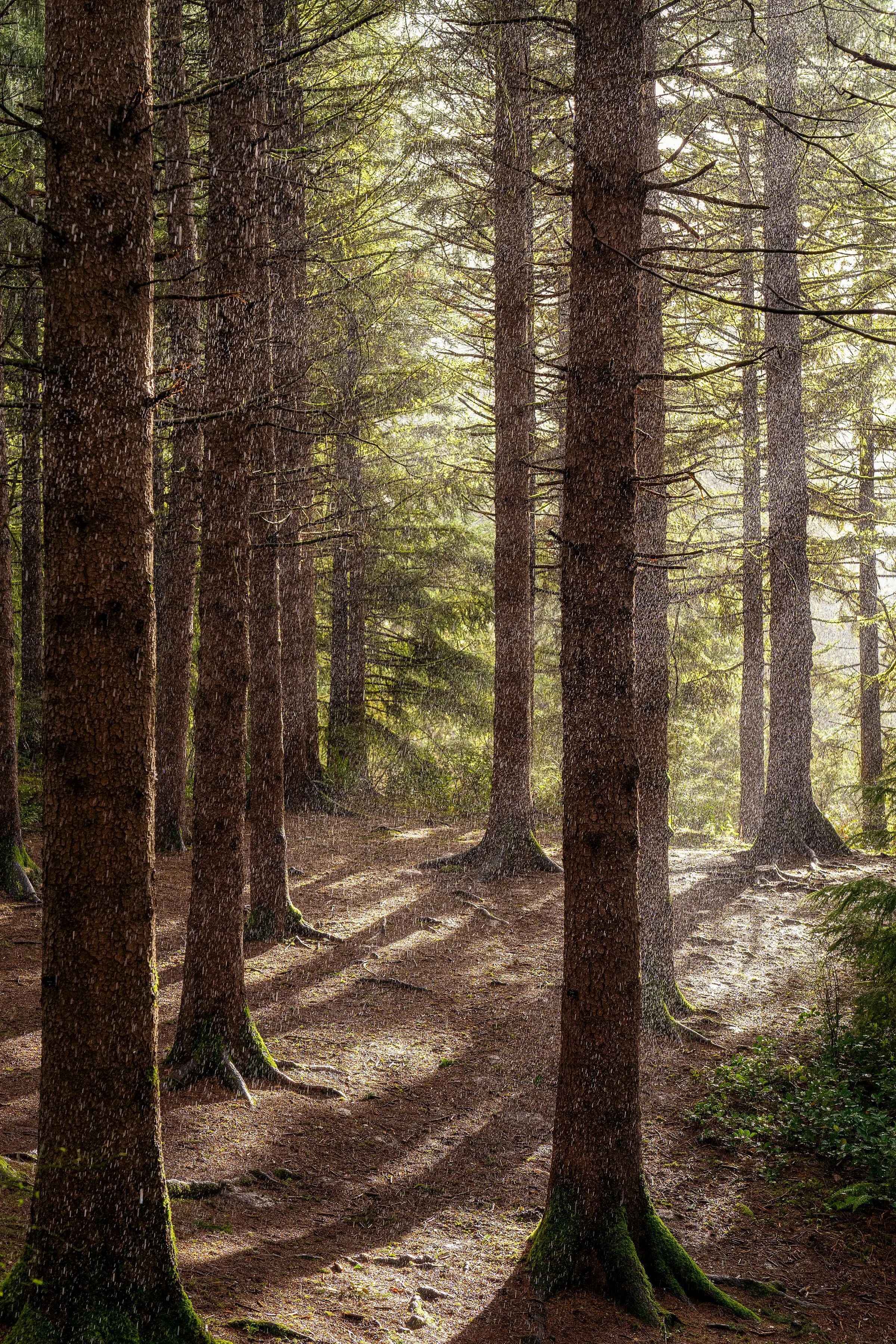
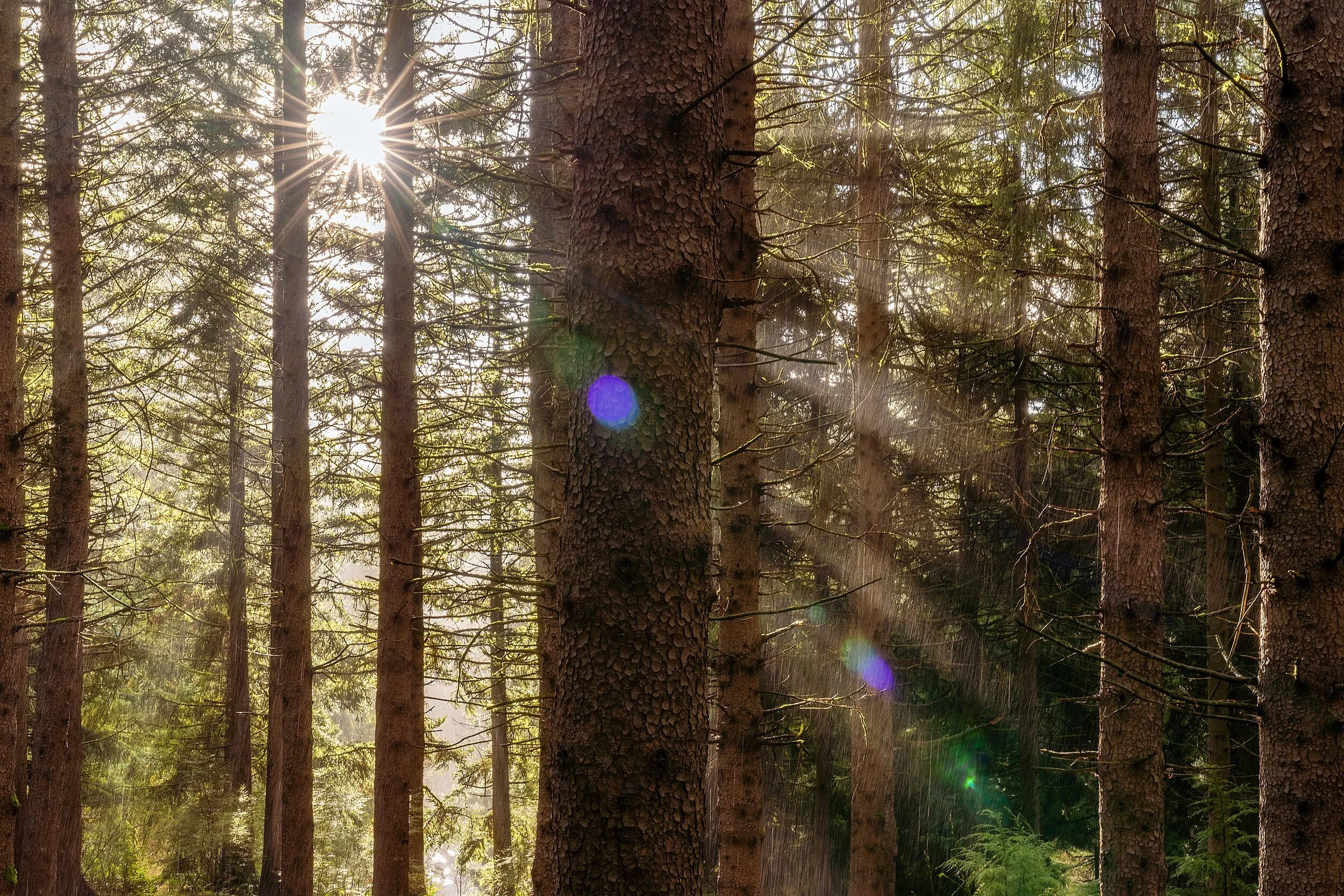
    It was a recent late afternoon when Portland finally saw a short respite in the seemingly endless rain and the glorious sun drenched our part of the Earth for a few lovely moments, reminding us why we endure all that water falling from the sky for so many weeks of the year. Spring had barely just begun to sprung and this afternoon proved to be pure magic in the forest near my home.

    When I first arrived, the late afternoon sun was filtering through the branches and leaves and undergrowth of the forest. I knew I only had about 30 or so minutes before I lost all the usable light, but I didn’t know that those 30 minutes would prove to be pure magic.

    First it was sunny.

    Then it was hailing.

    Then it was raining.

    Then it was raining and sunny at the same time.

    And the light show that she gave us through it all was pure glory.

    Here are some of those images from that spectacular afternoon in the forest flanking Portland.

    Also, if you’d like to purchase any of my prints to bring nature into your home since we can’t really get out into nature ourselves these days while she rehabilitates herself, check out my brand spankin’ new purchase page on my site (also still a work in progress) for canvas prints, art prints, and even greeting cards: the purchase page. During this time of weirdness, 10% of all proceeds will be split between Global Giving’s COVID relief fund , and Ecology in Classrooms & Outdoors (ECO), the non-profit I sit on the board of that brings ecology education to kids in underserved communities.

    And to follow along with more of my shenanigans, check me out on Instagram.