Tag: jun cha

  • Shooting Tattoo Artist Jun Cha’s Monarc Studios Opening Gala

    Shooting Tattoo Artist Jun Cha’s Monarc Studios Opening Gala

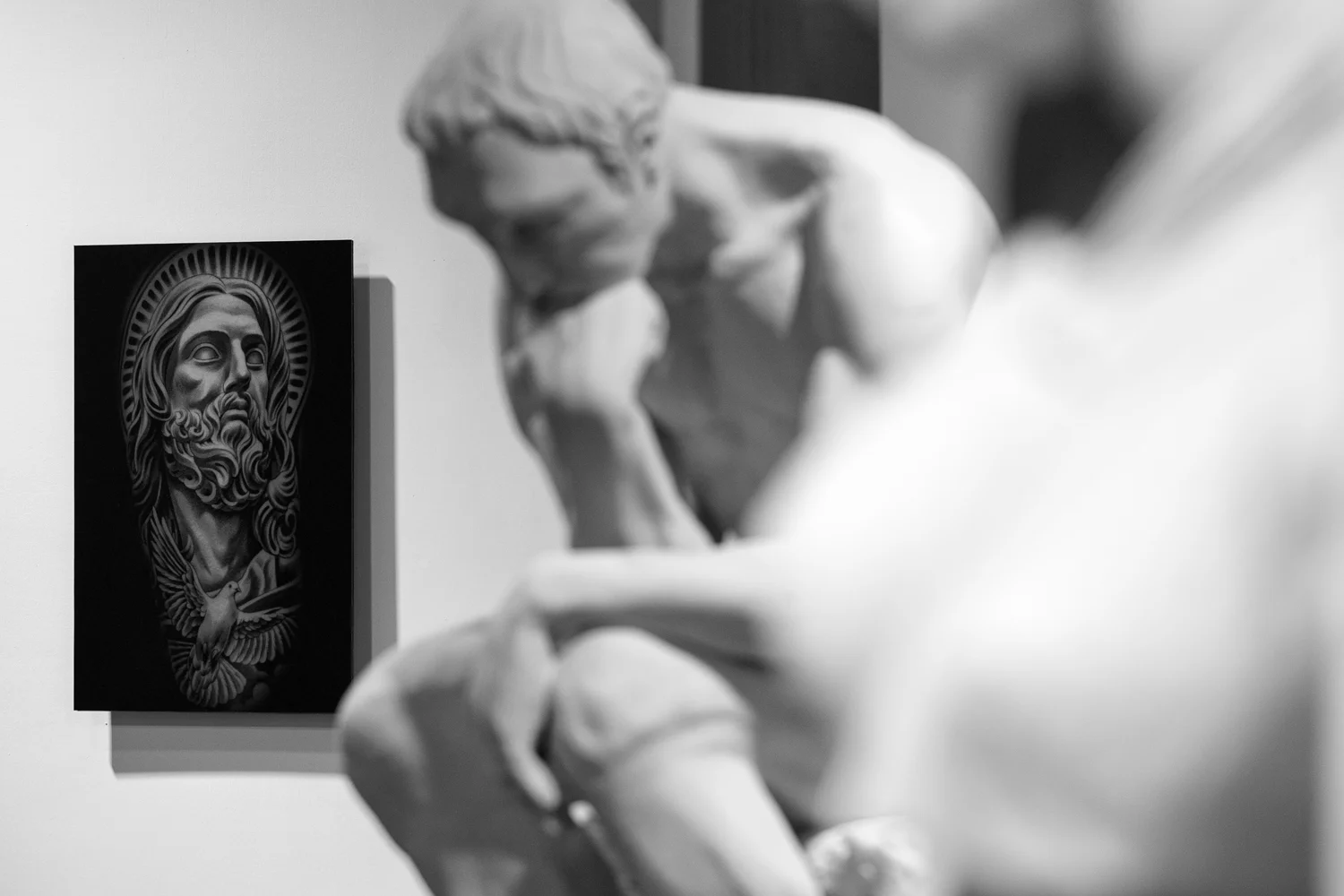
    Wasim Muklashy_Jun Cha_The Well_Monarc Studios_BW_13

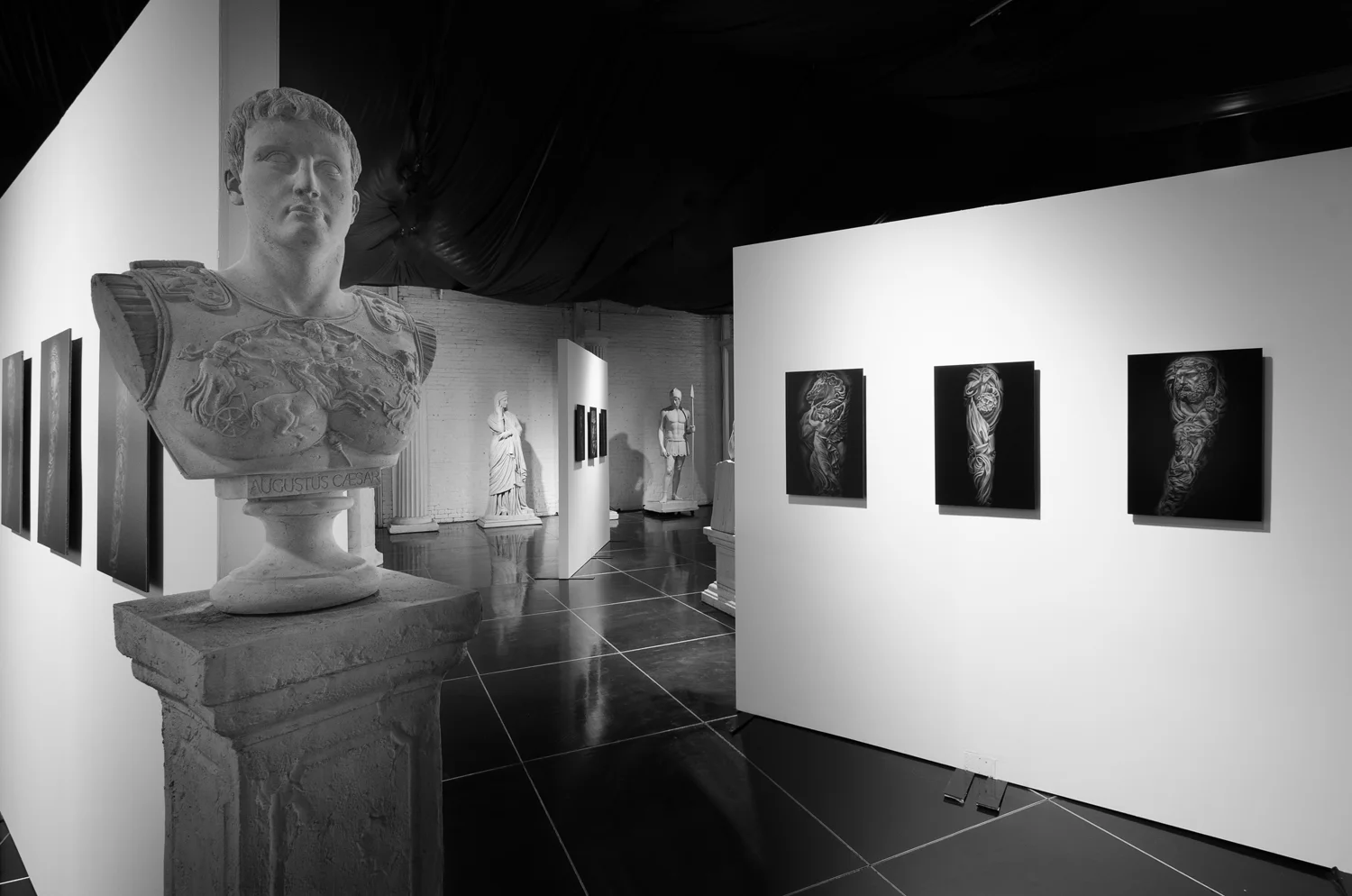
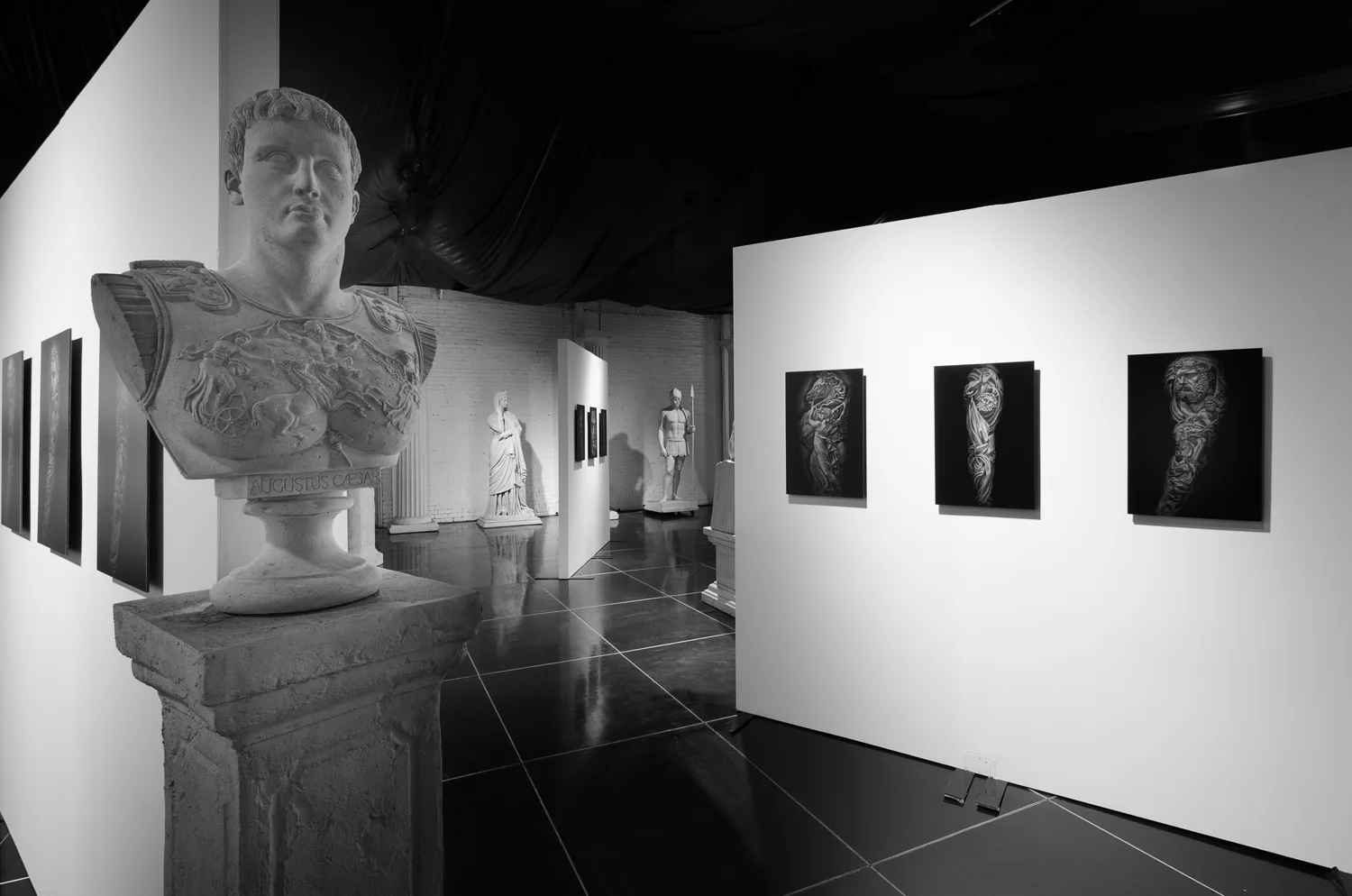
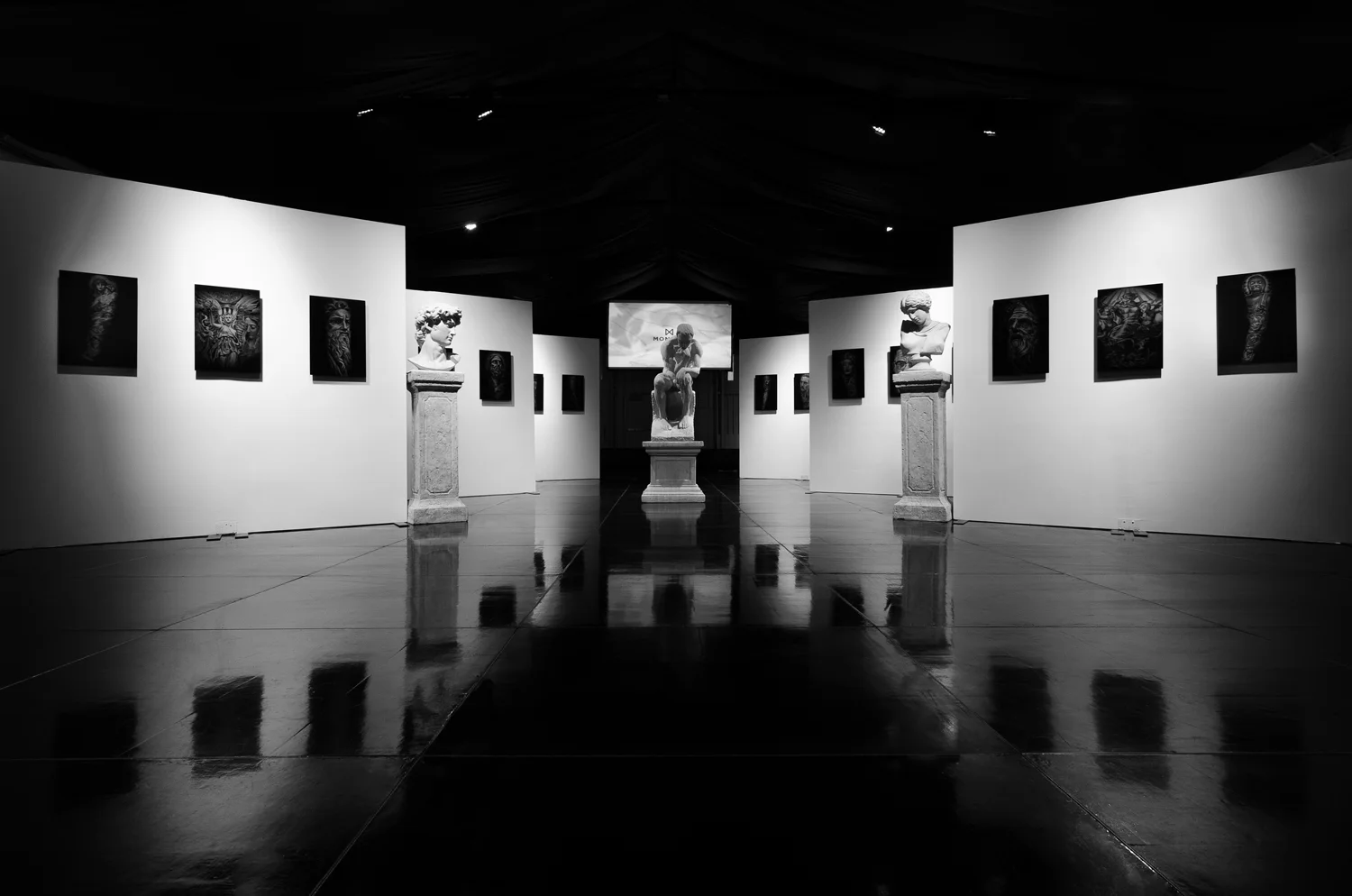
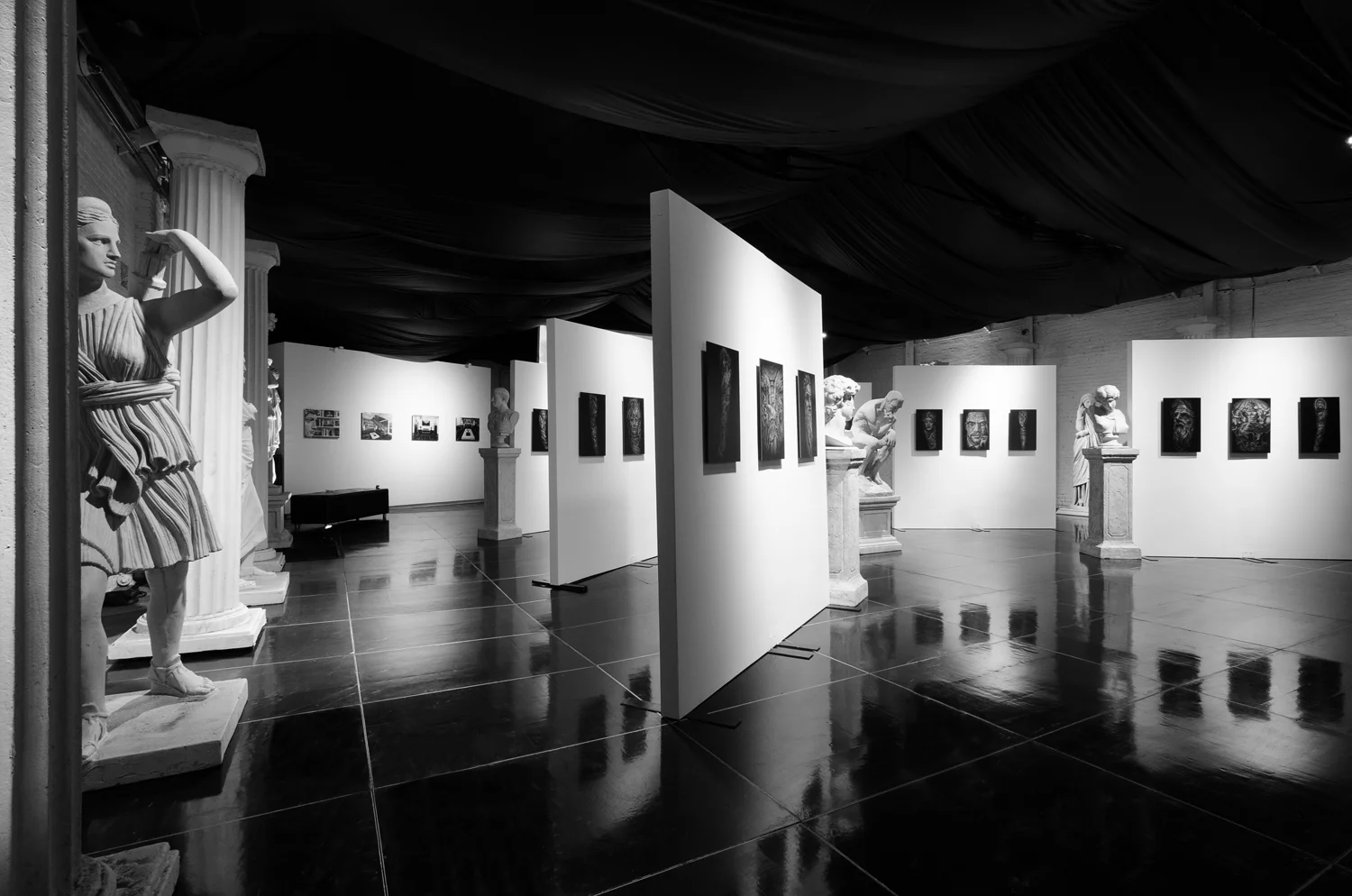
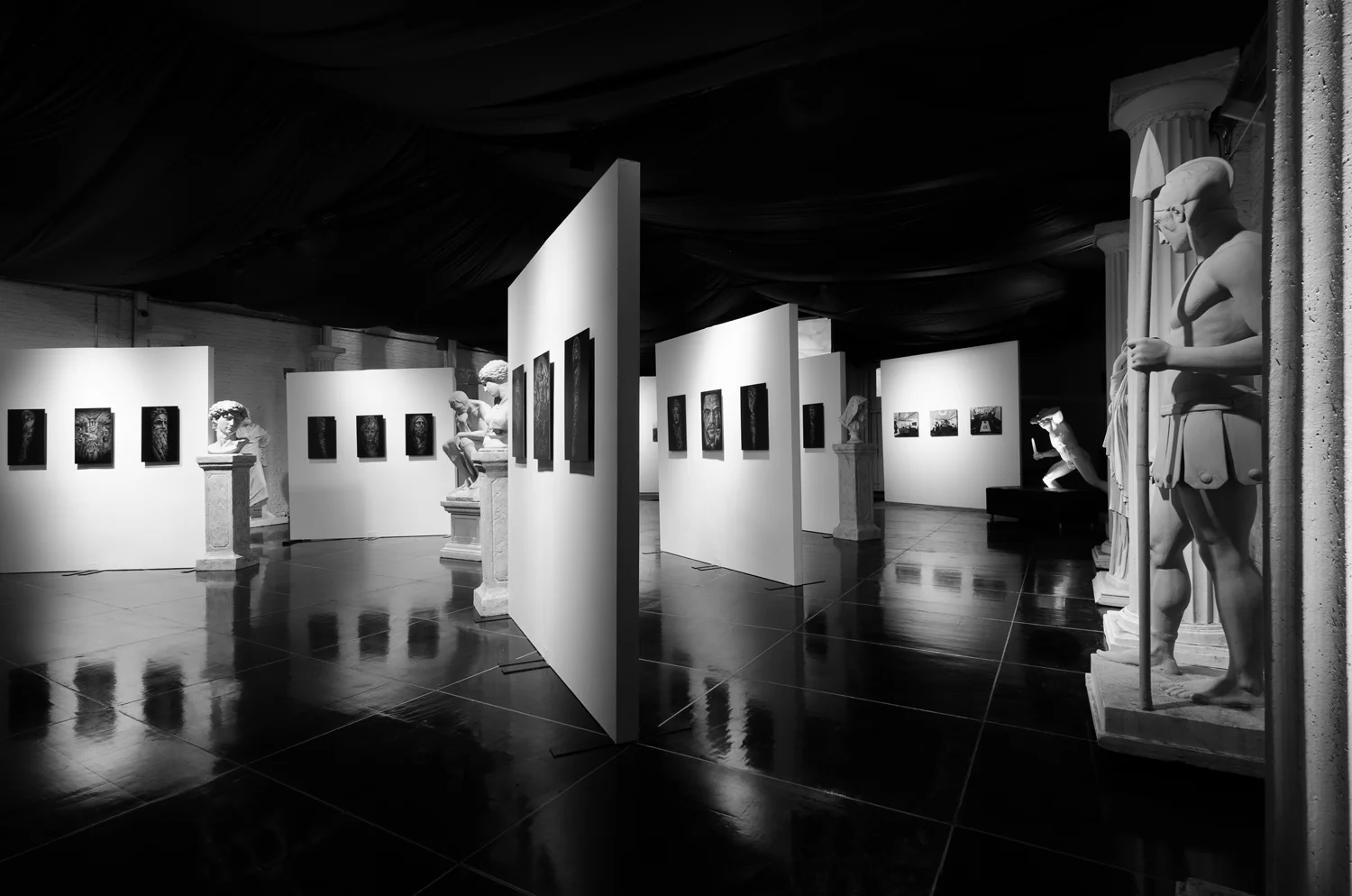
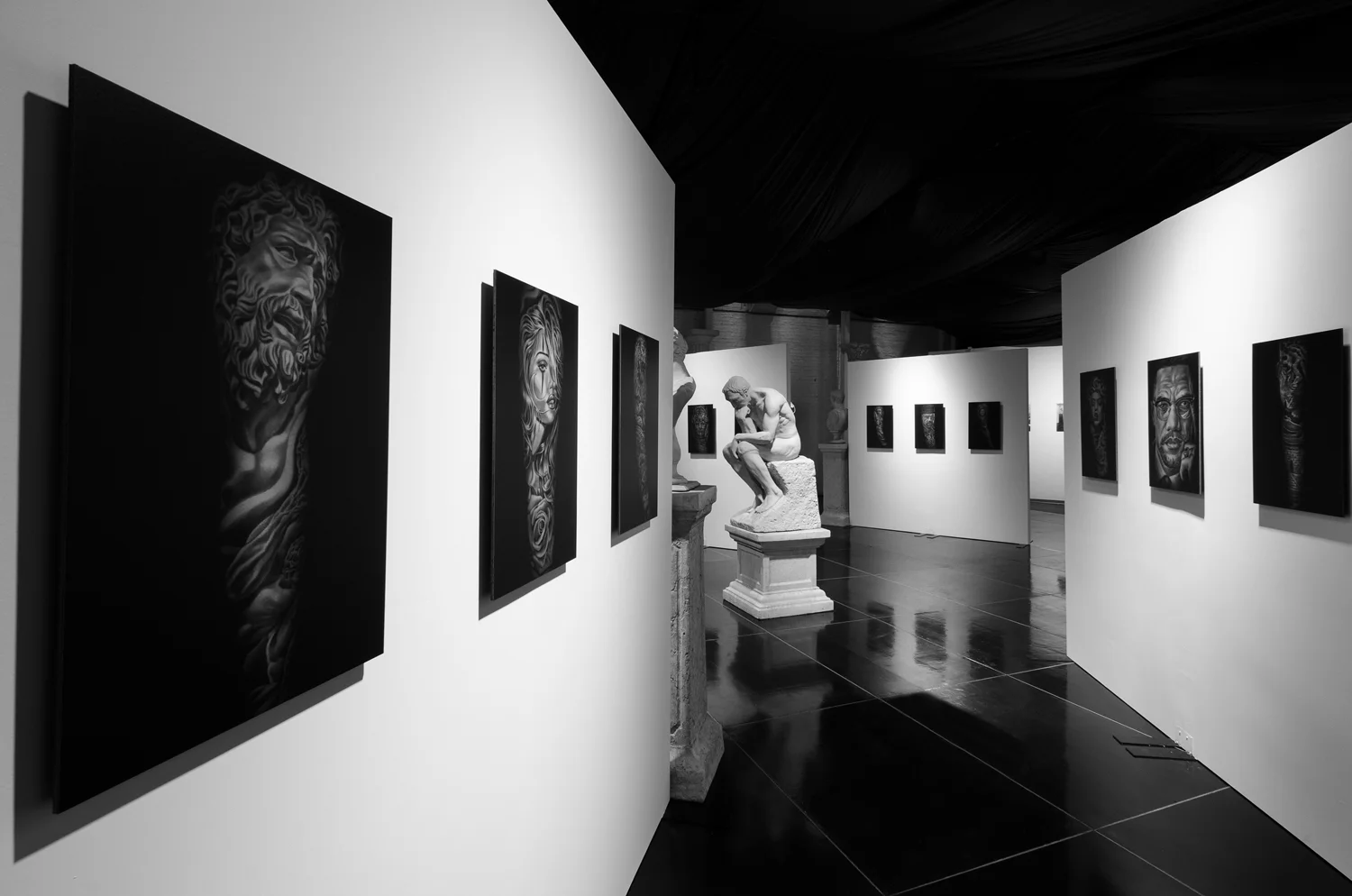
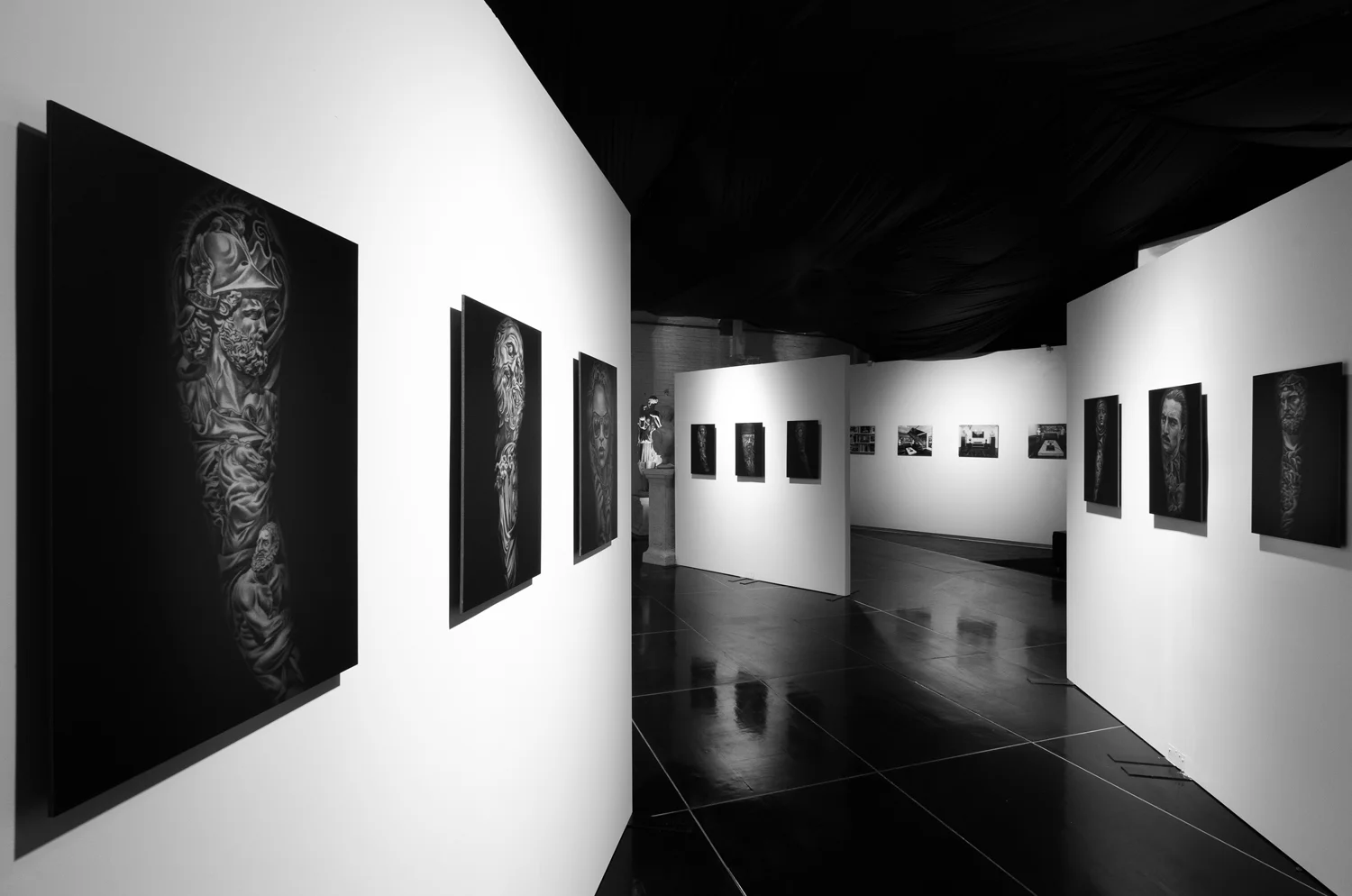
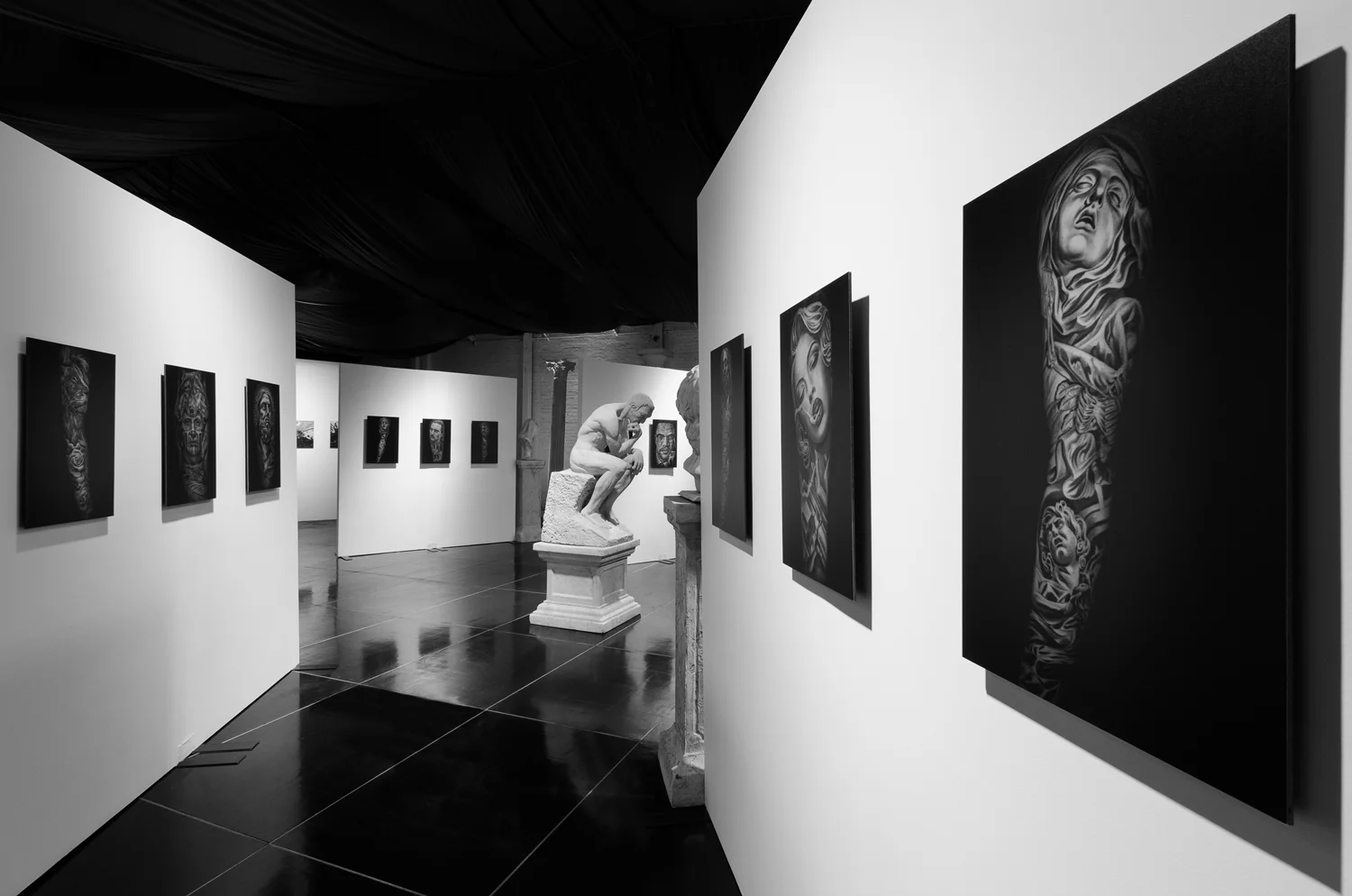
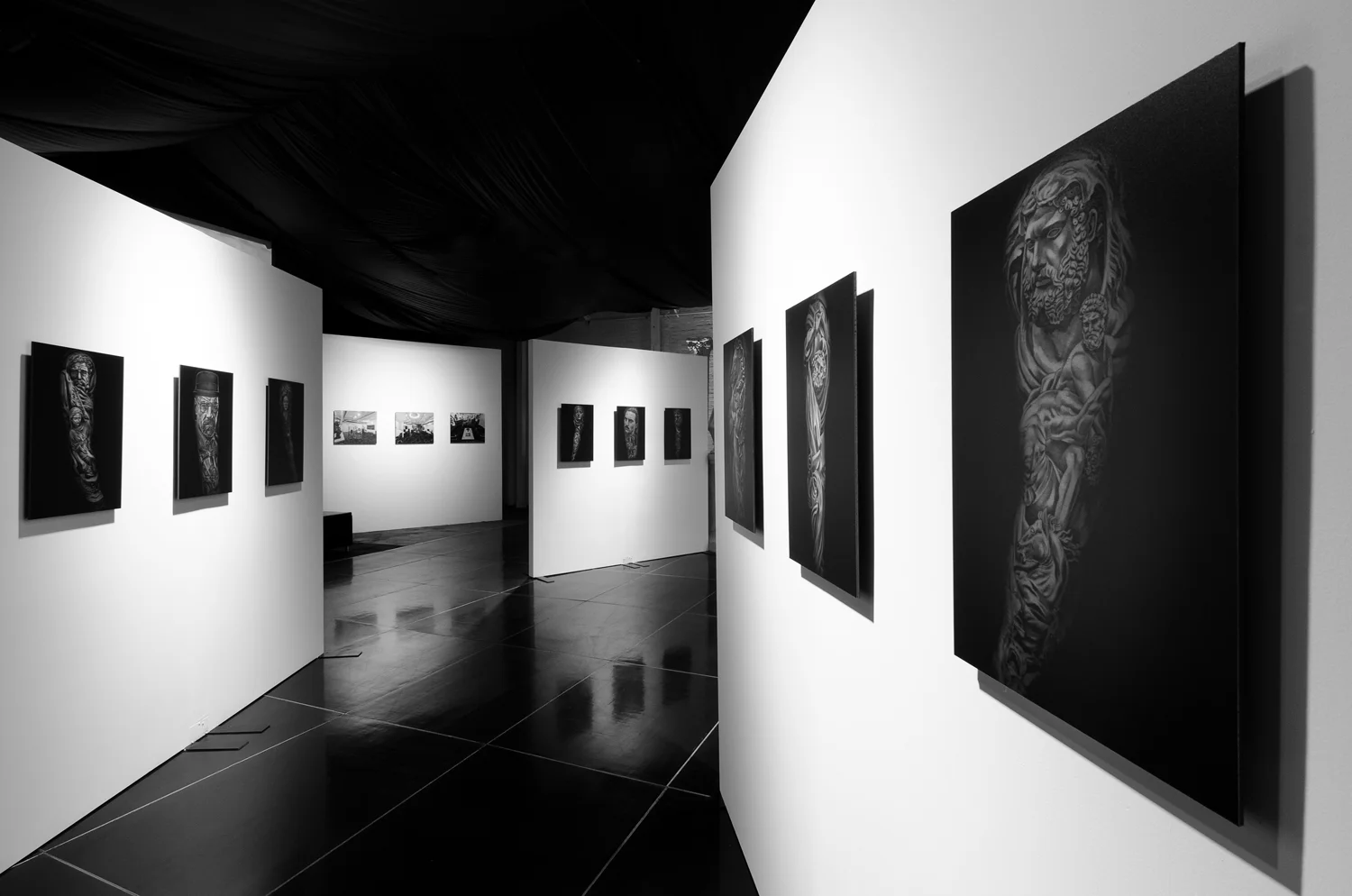
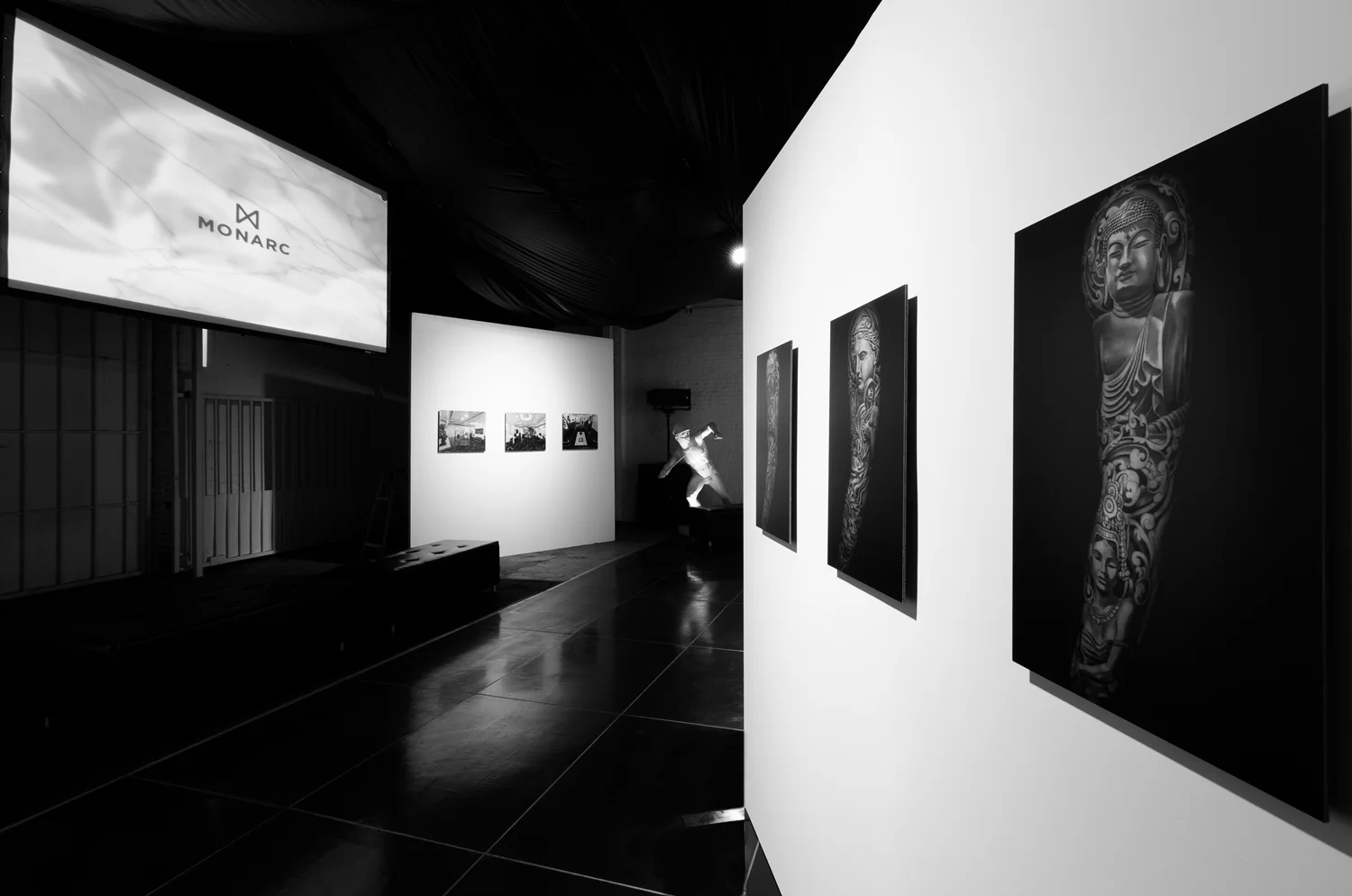
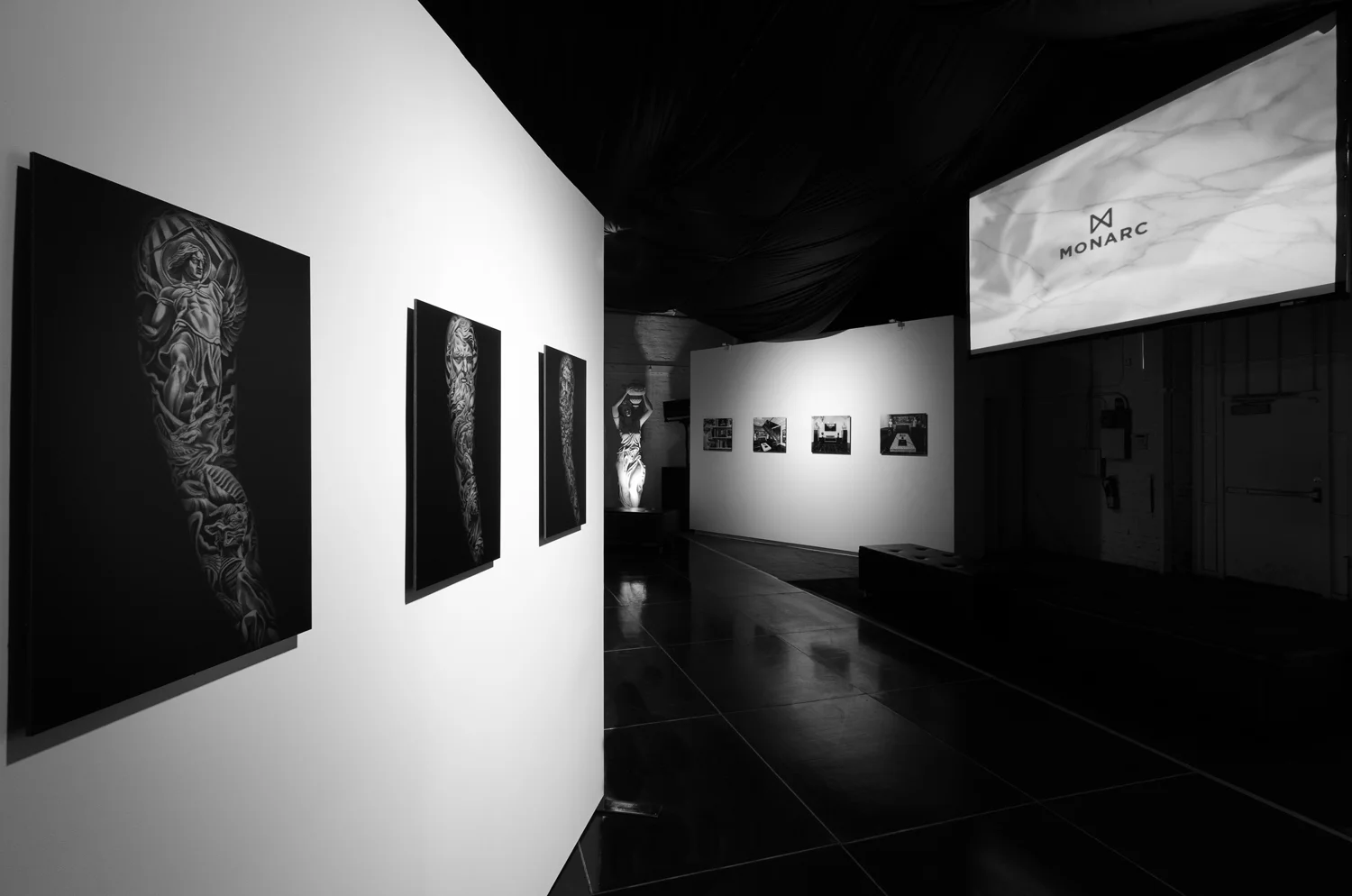
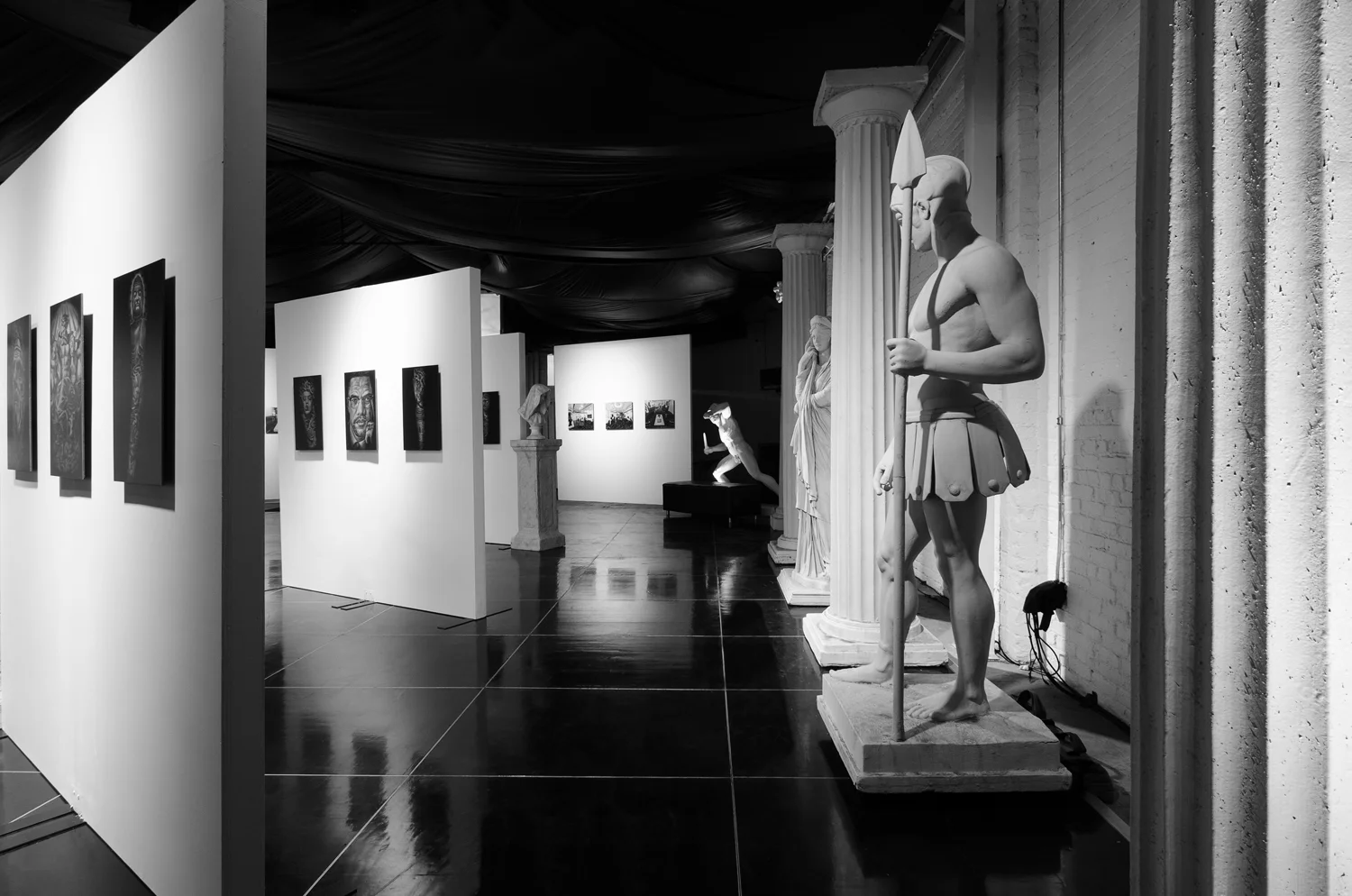
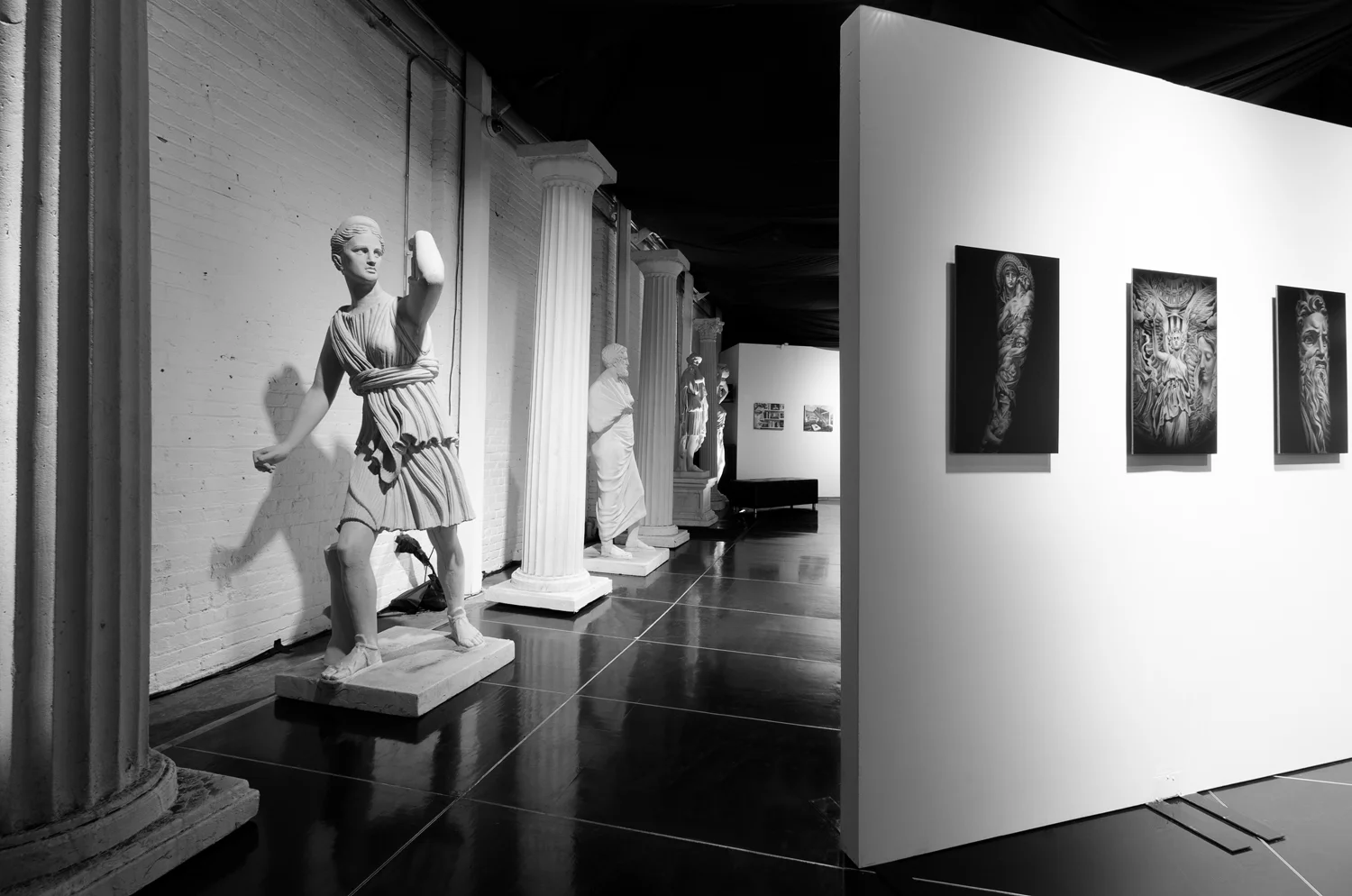
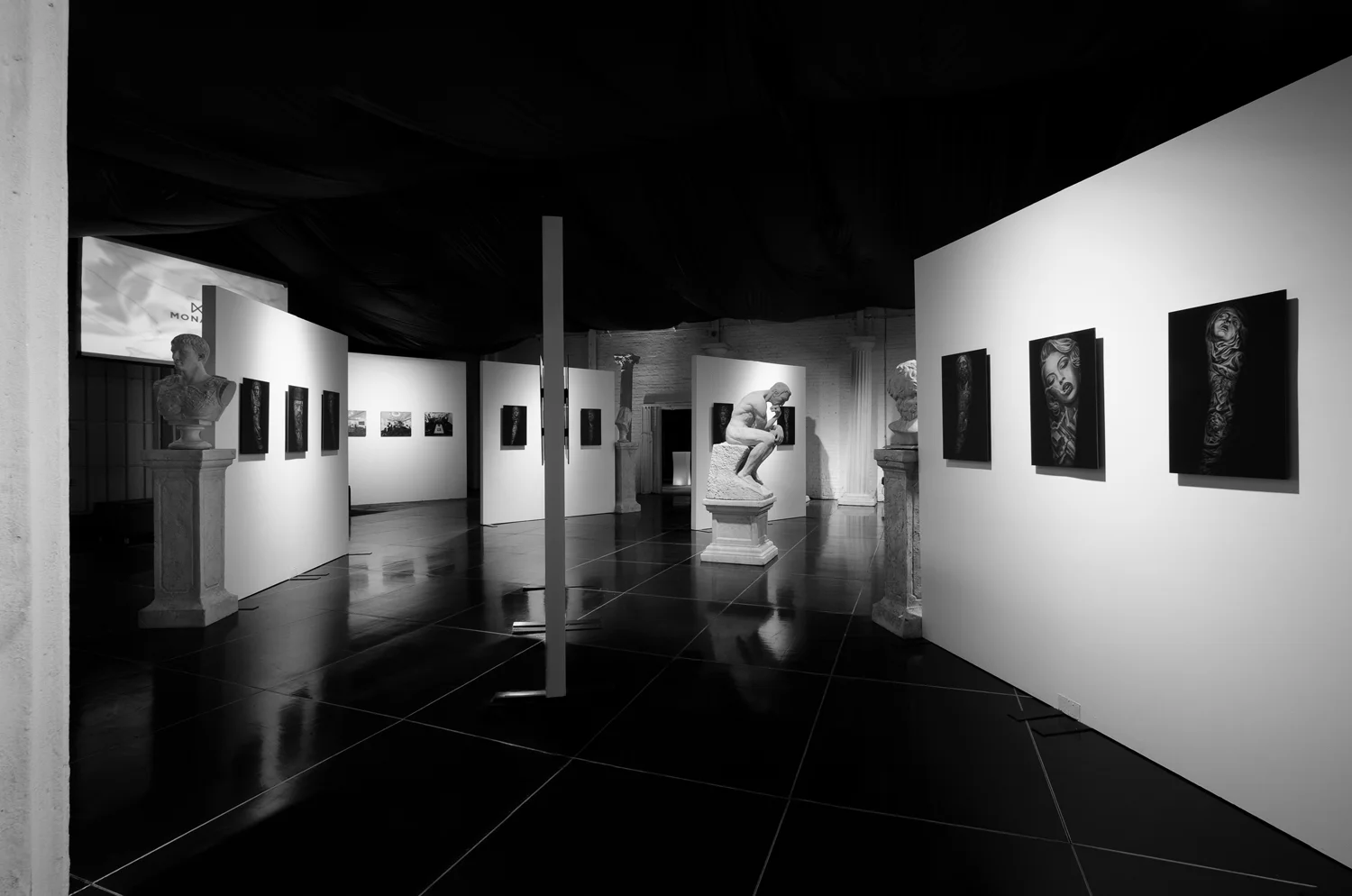
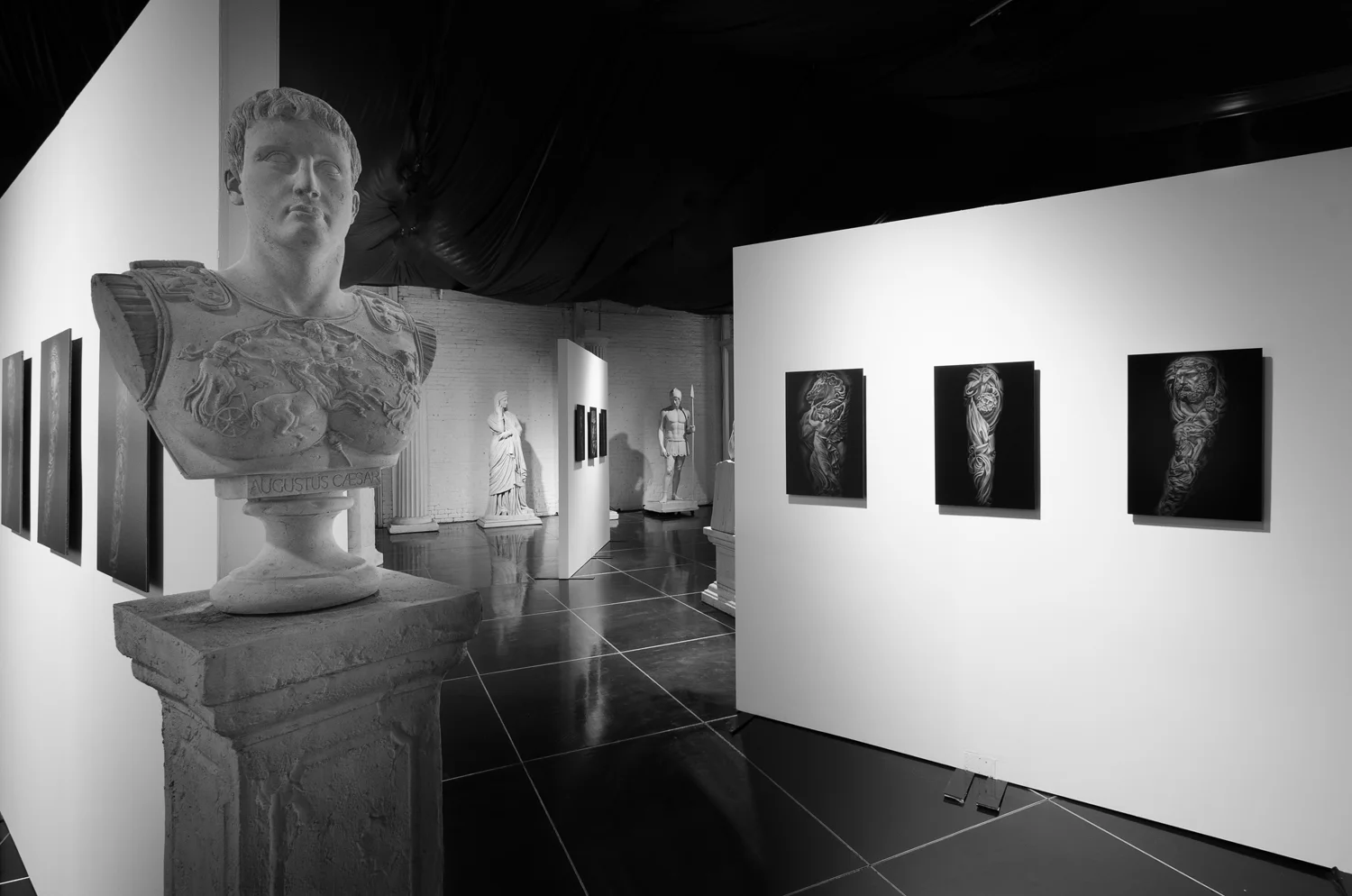
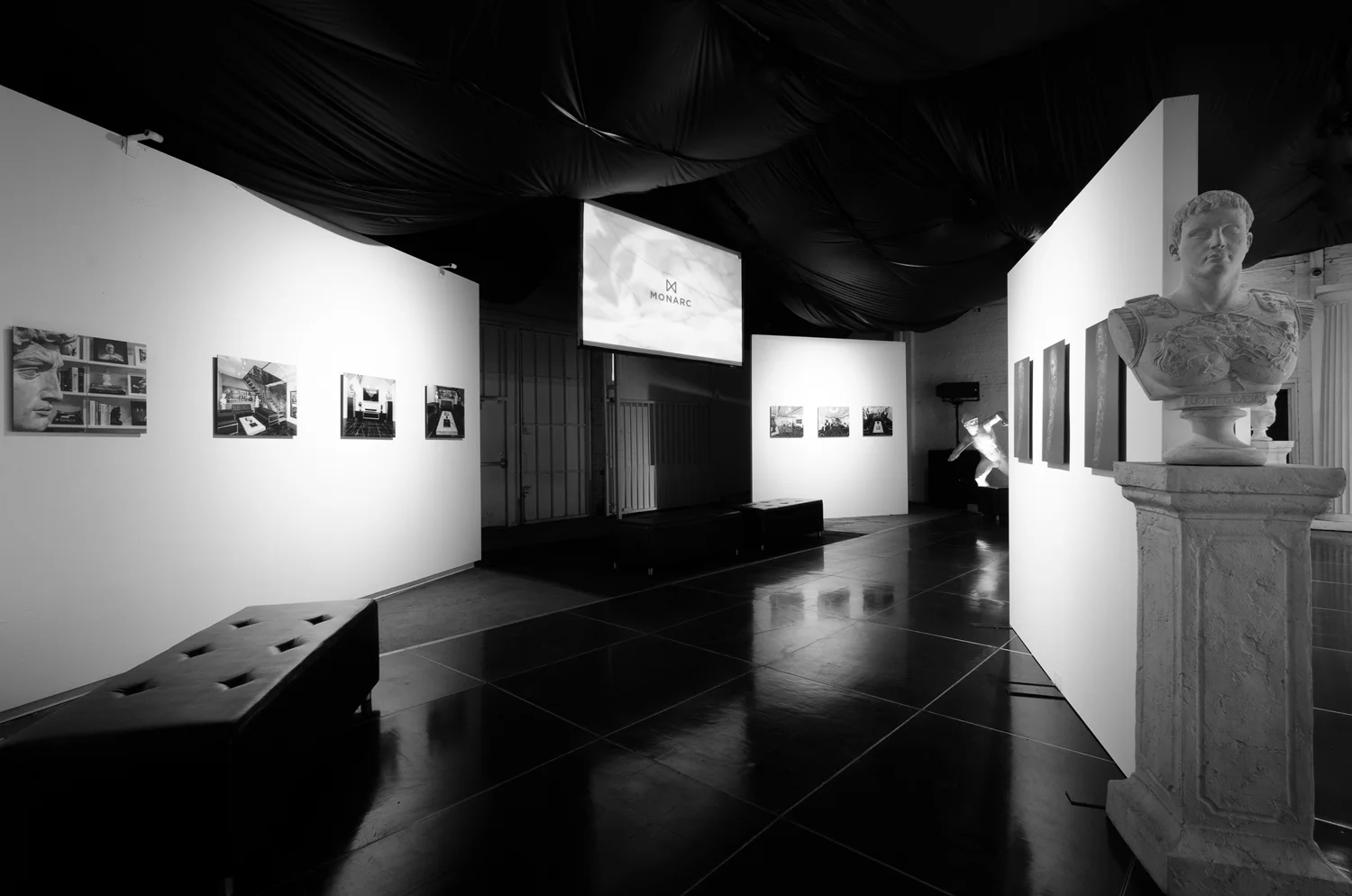
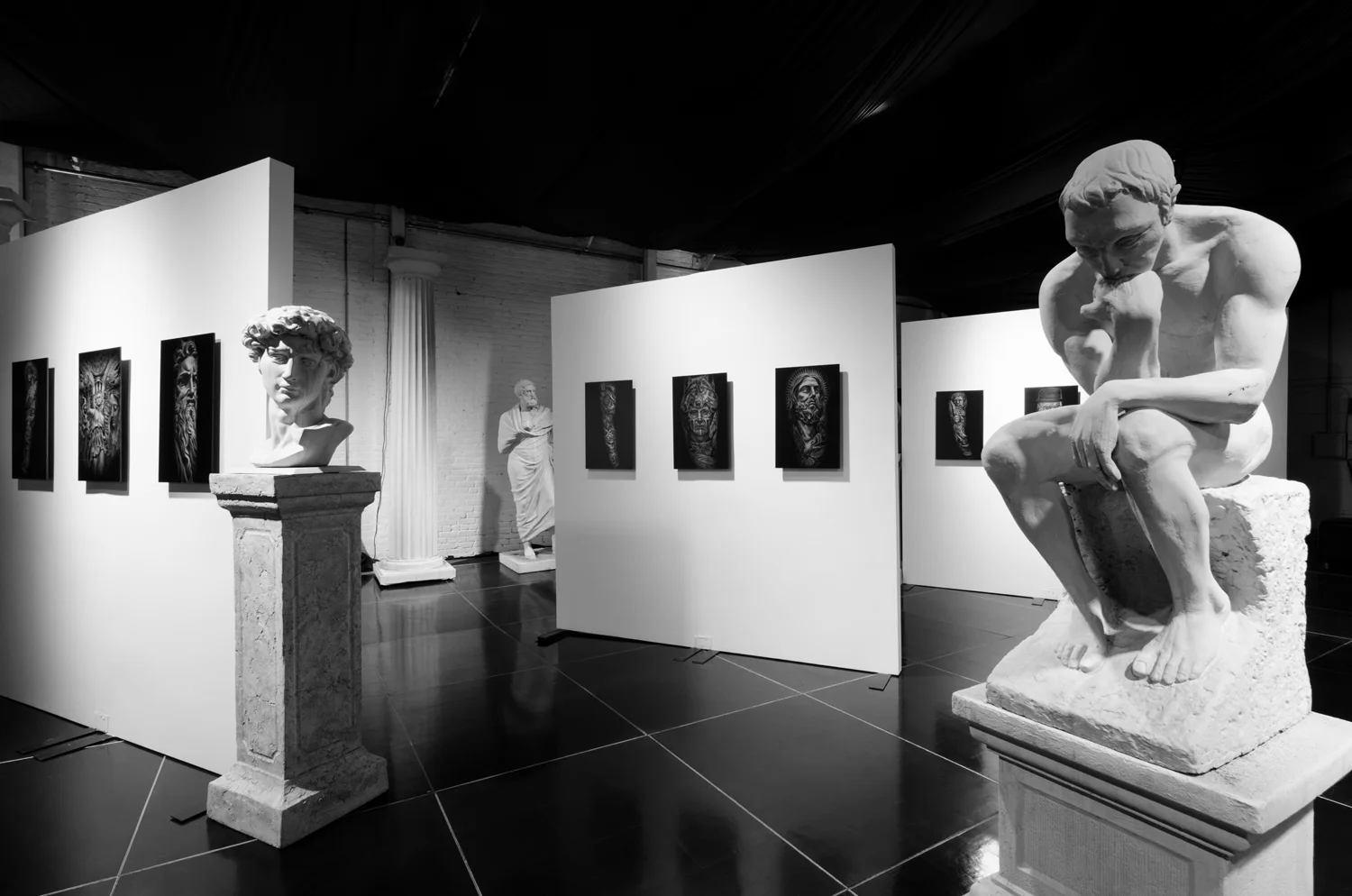
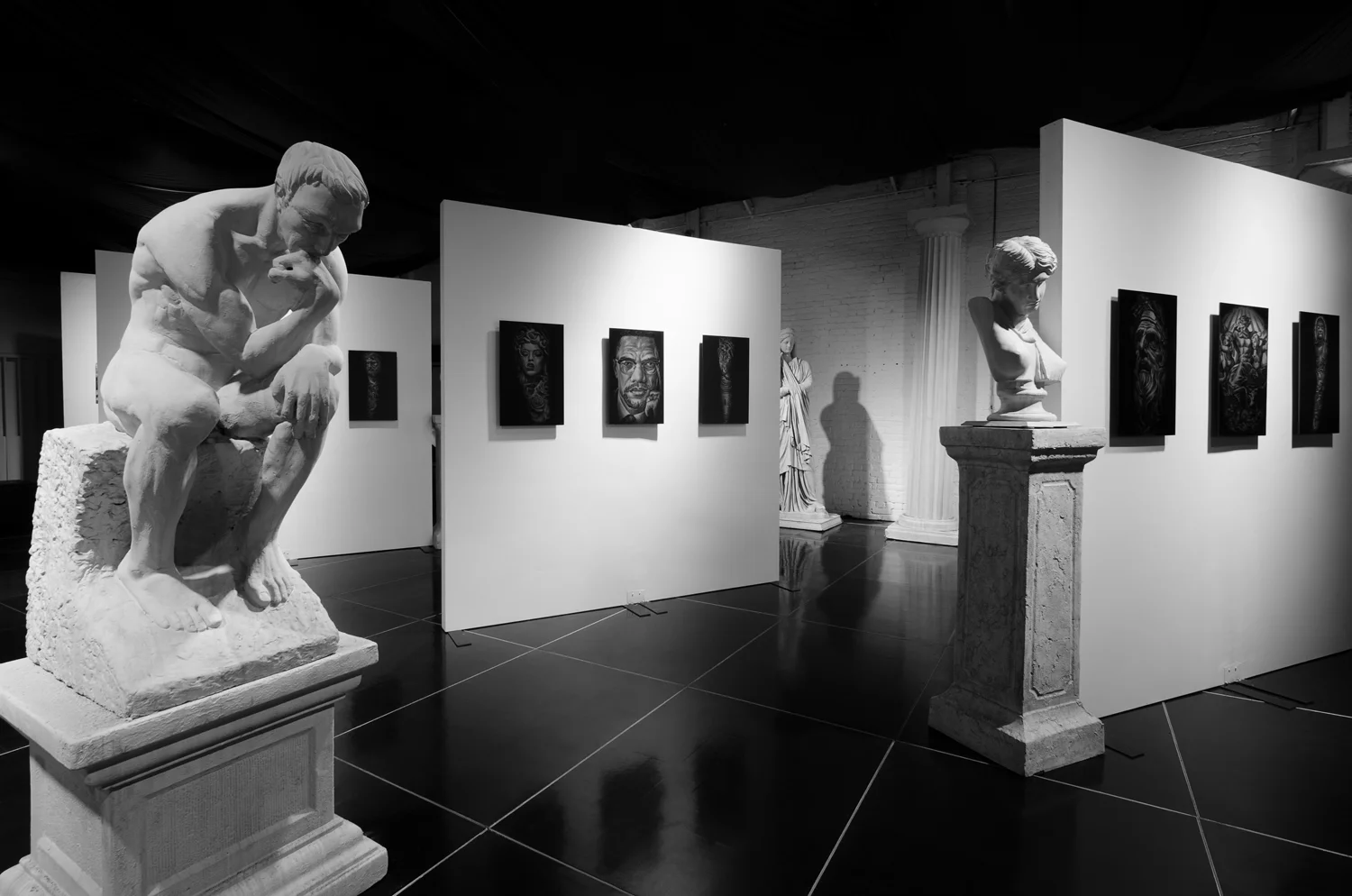
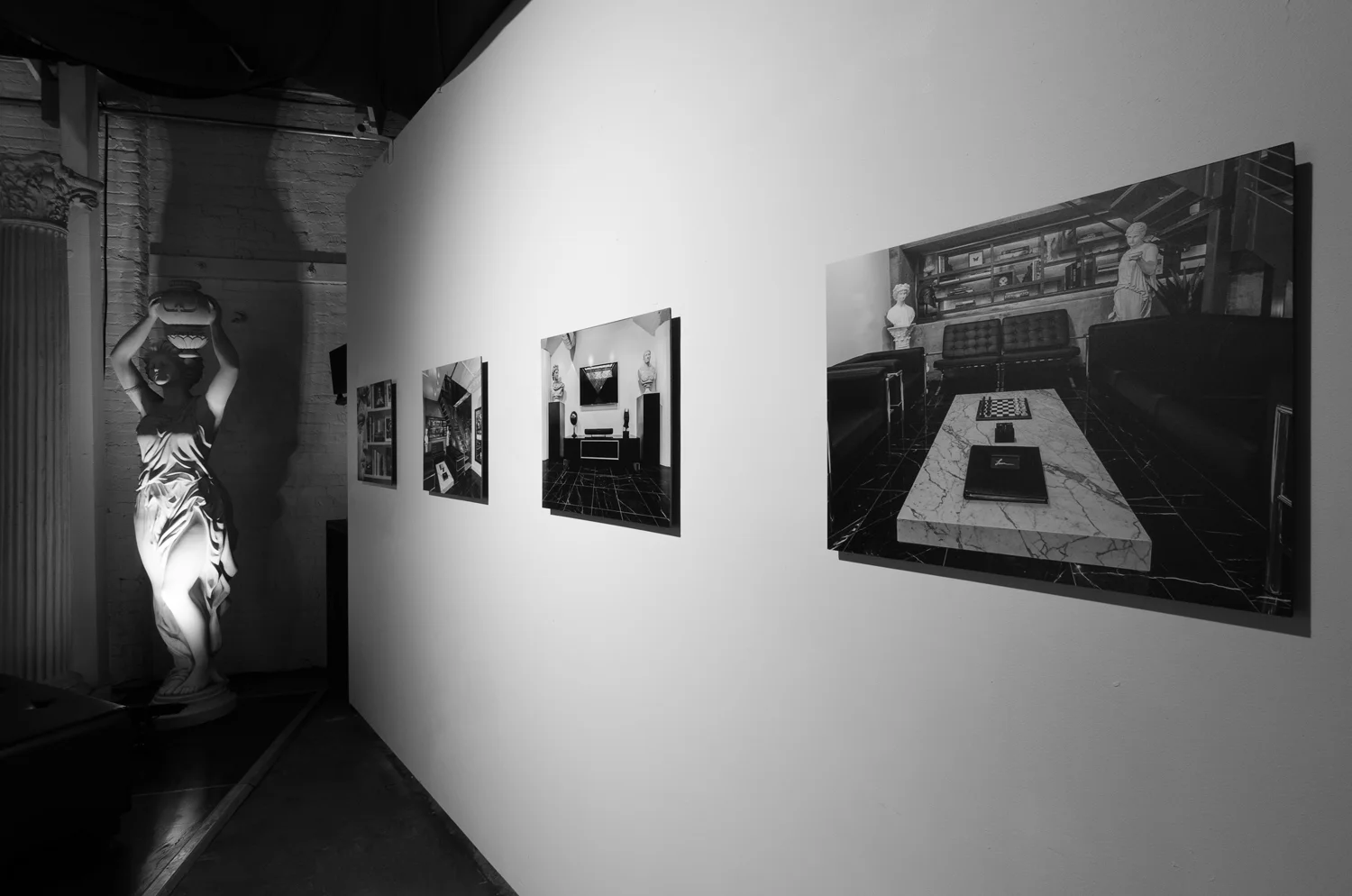
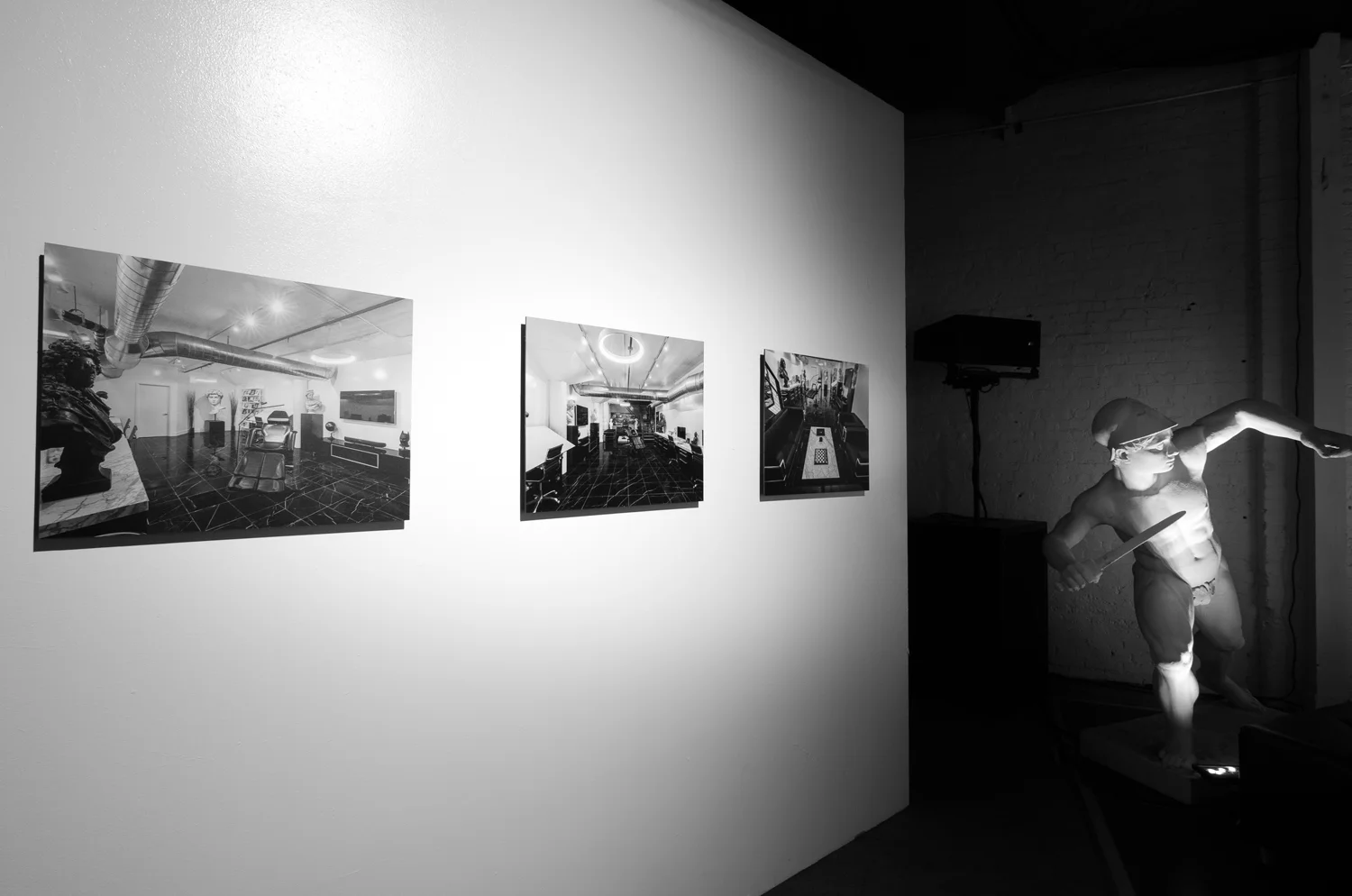
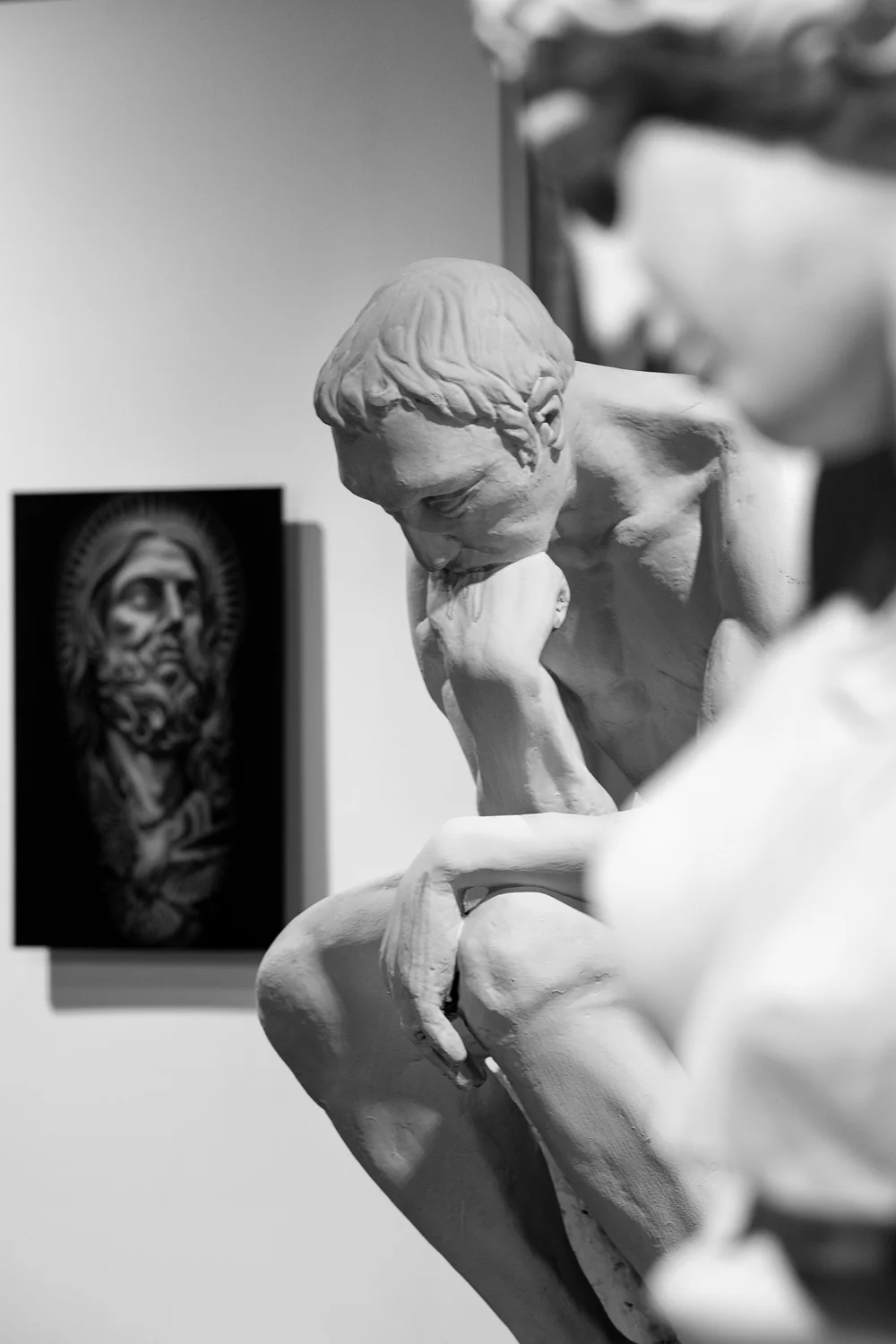
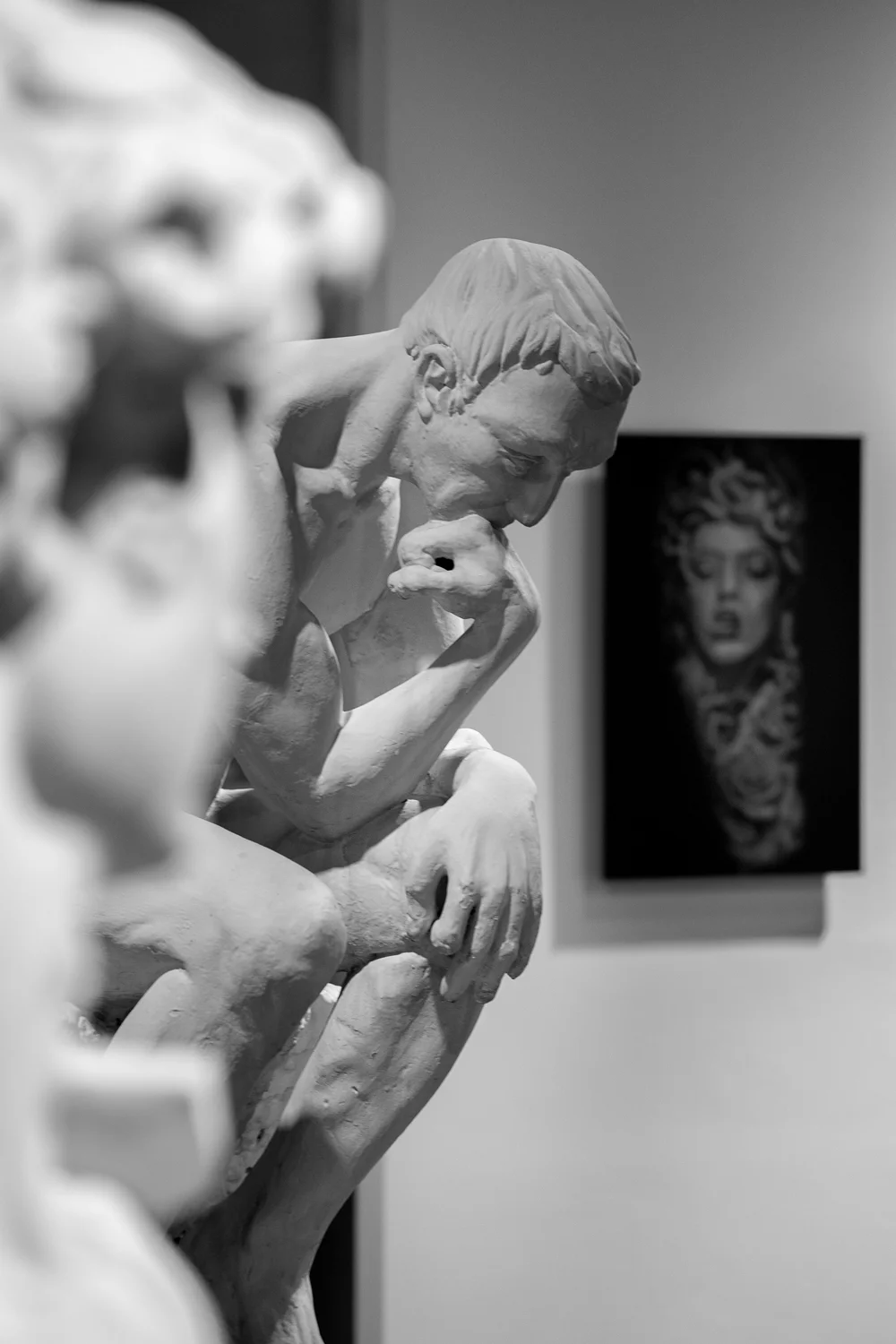
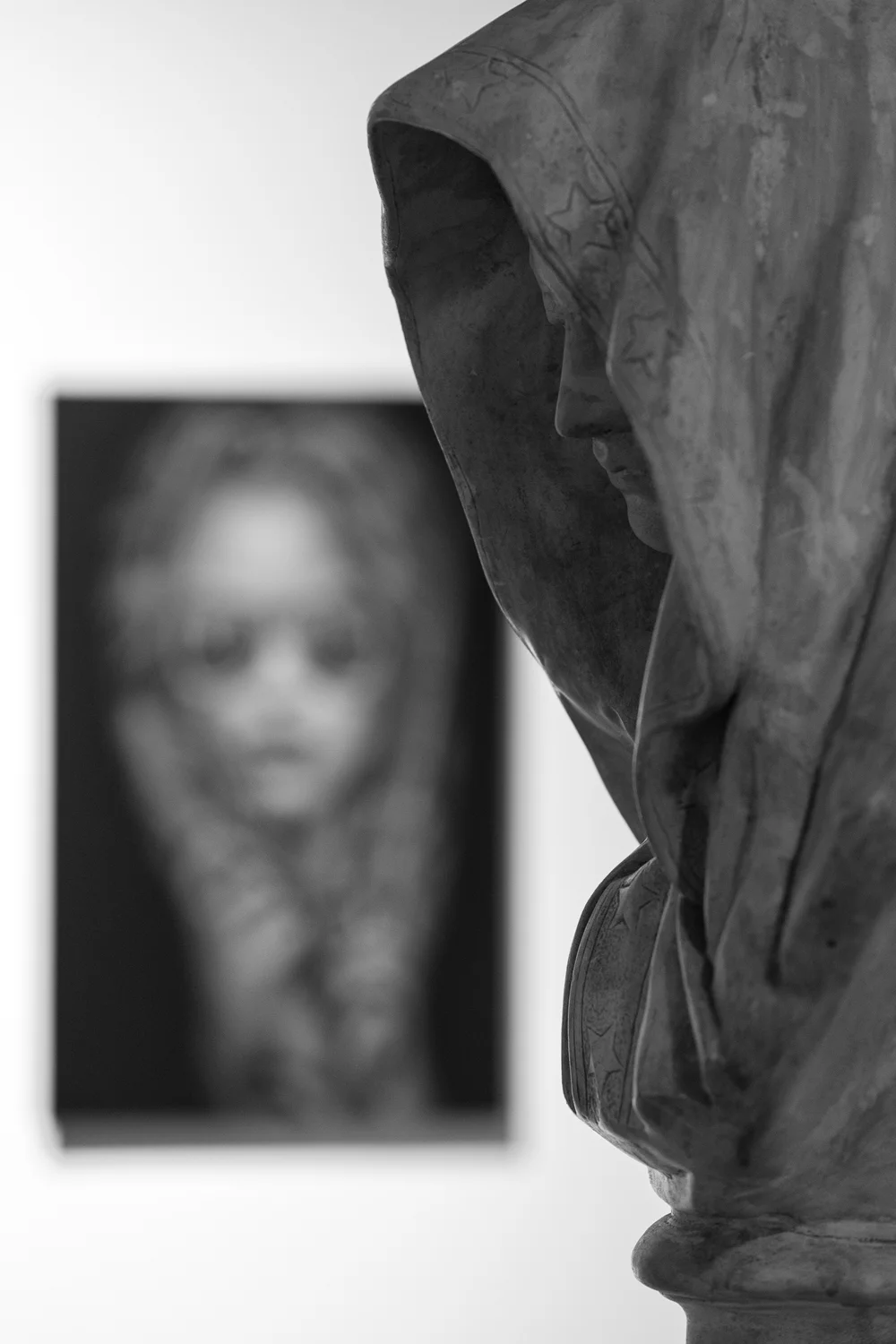
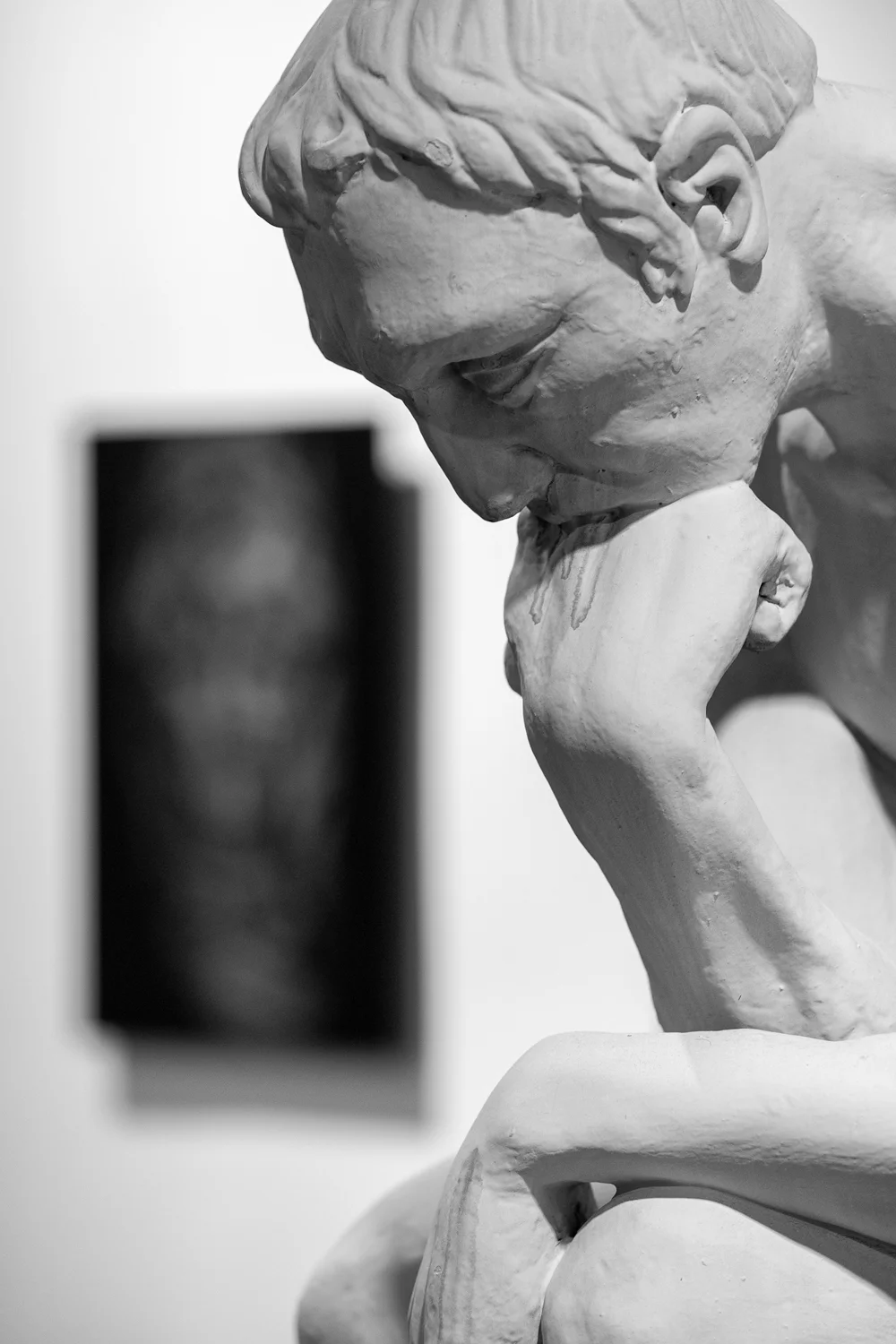
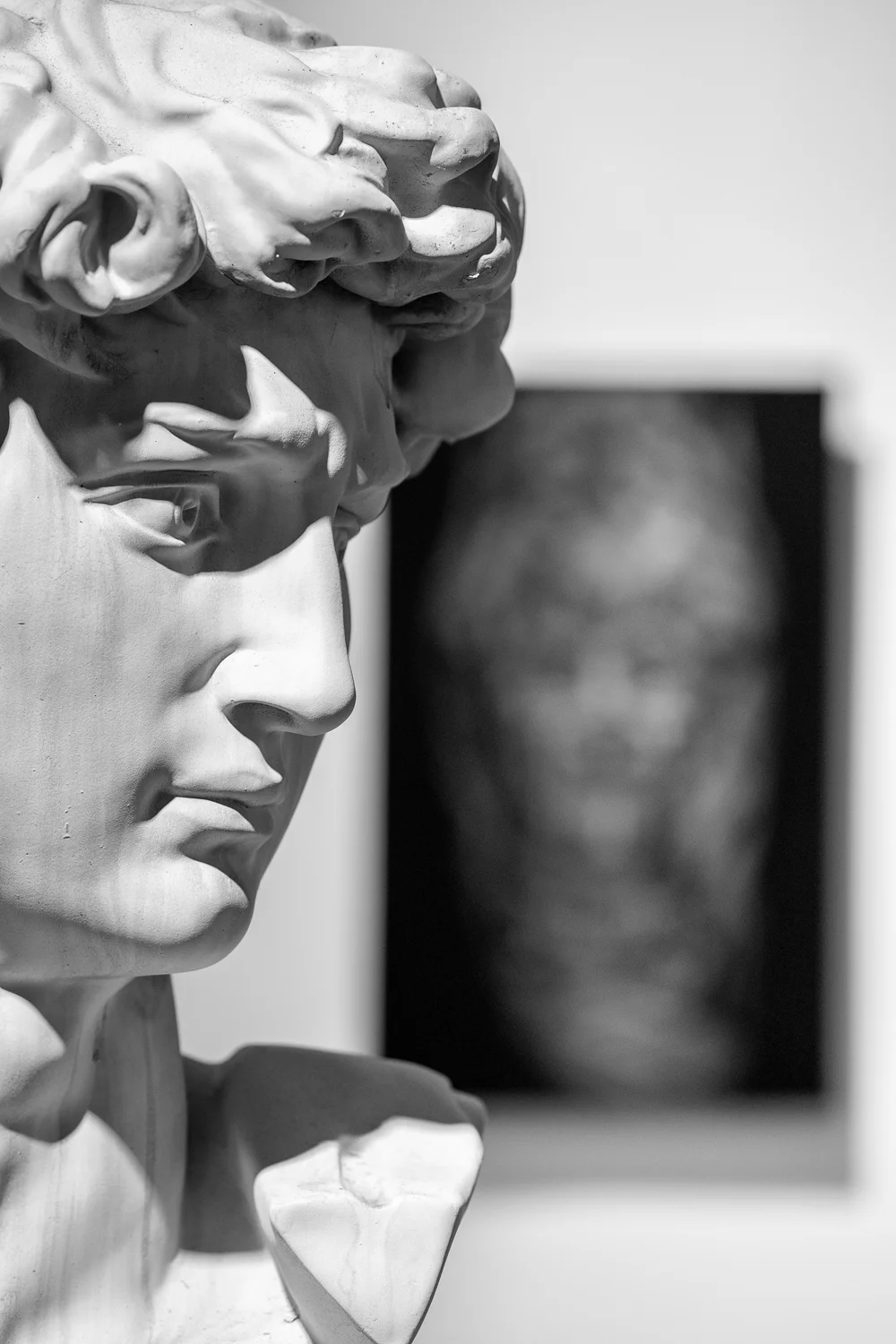
    A client I’ve been doing some work with the past few months that you may have seen me post about here a few times, tattoo artist Jun Cha, had the opening gala for his new design/tattoo studio, Monarc Studios, last Thursday at The Well in Downtown Los Angeles. Whether you like body art or not, check him out, he’s insane: www.MonarcStudios.com. At the very least, I’m quite confident you’ll appreciate his work as an artist.

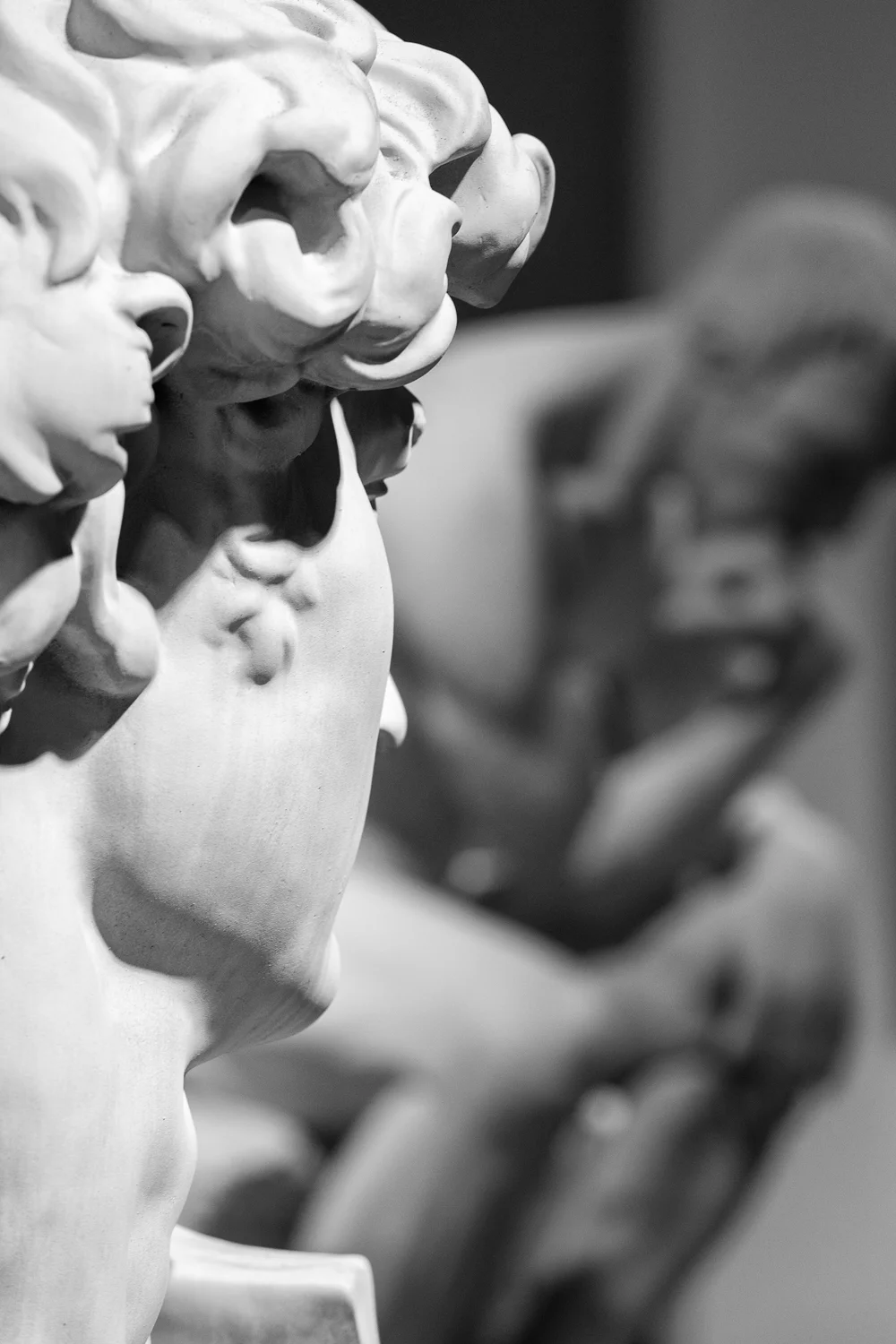
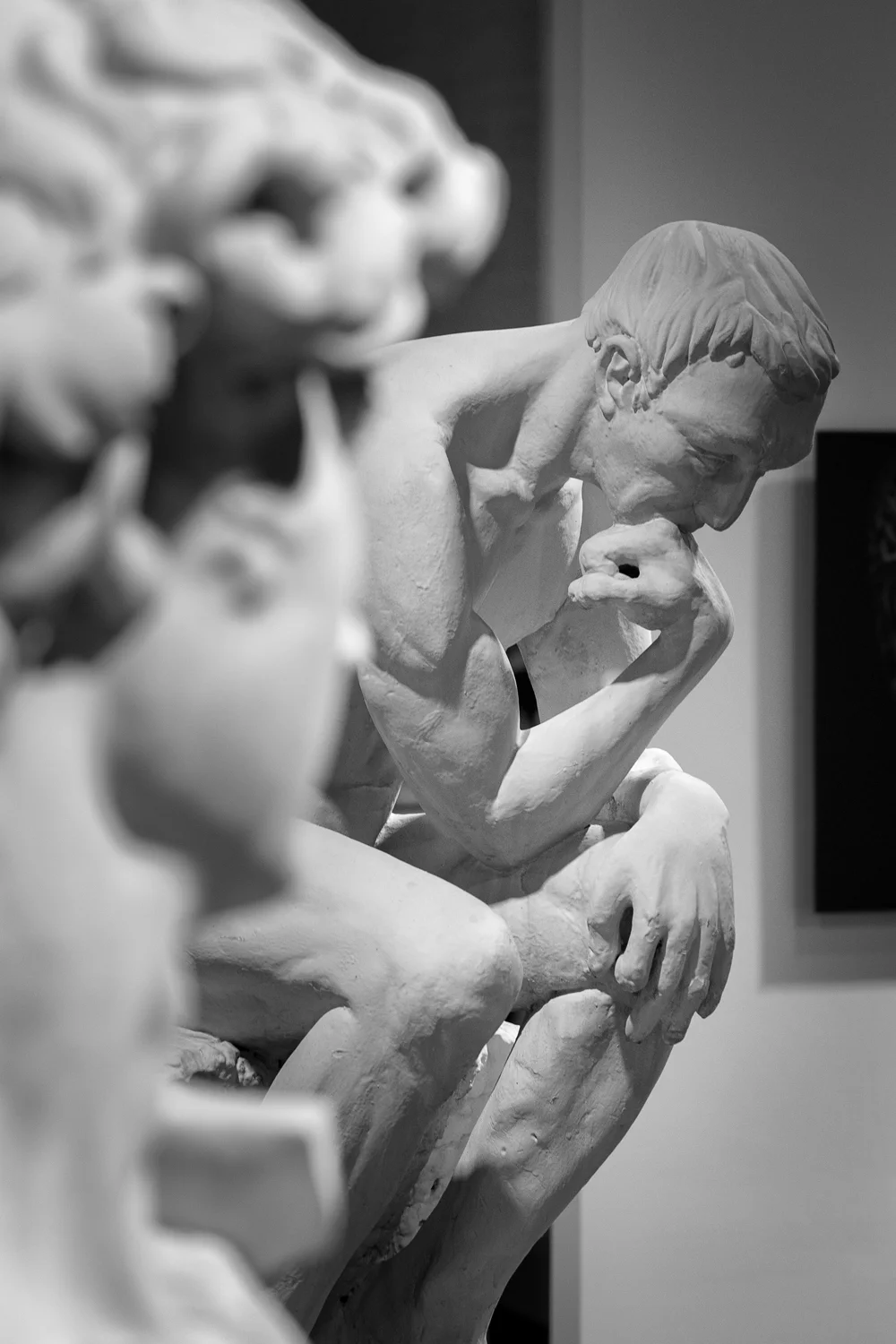
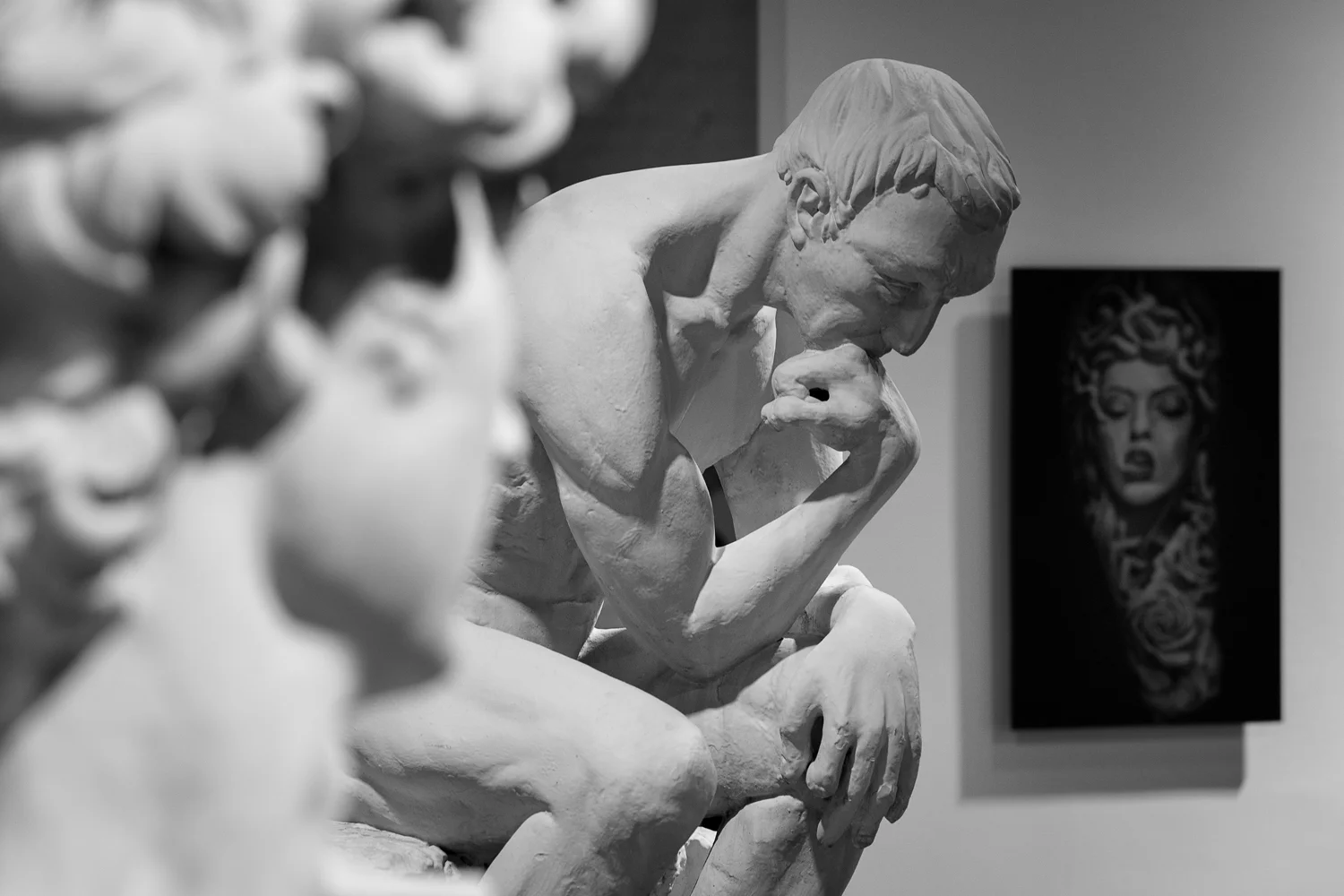
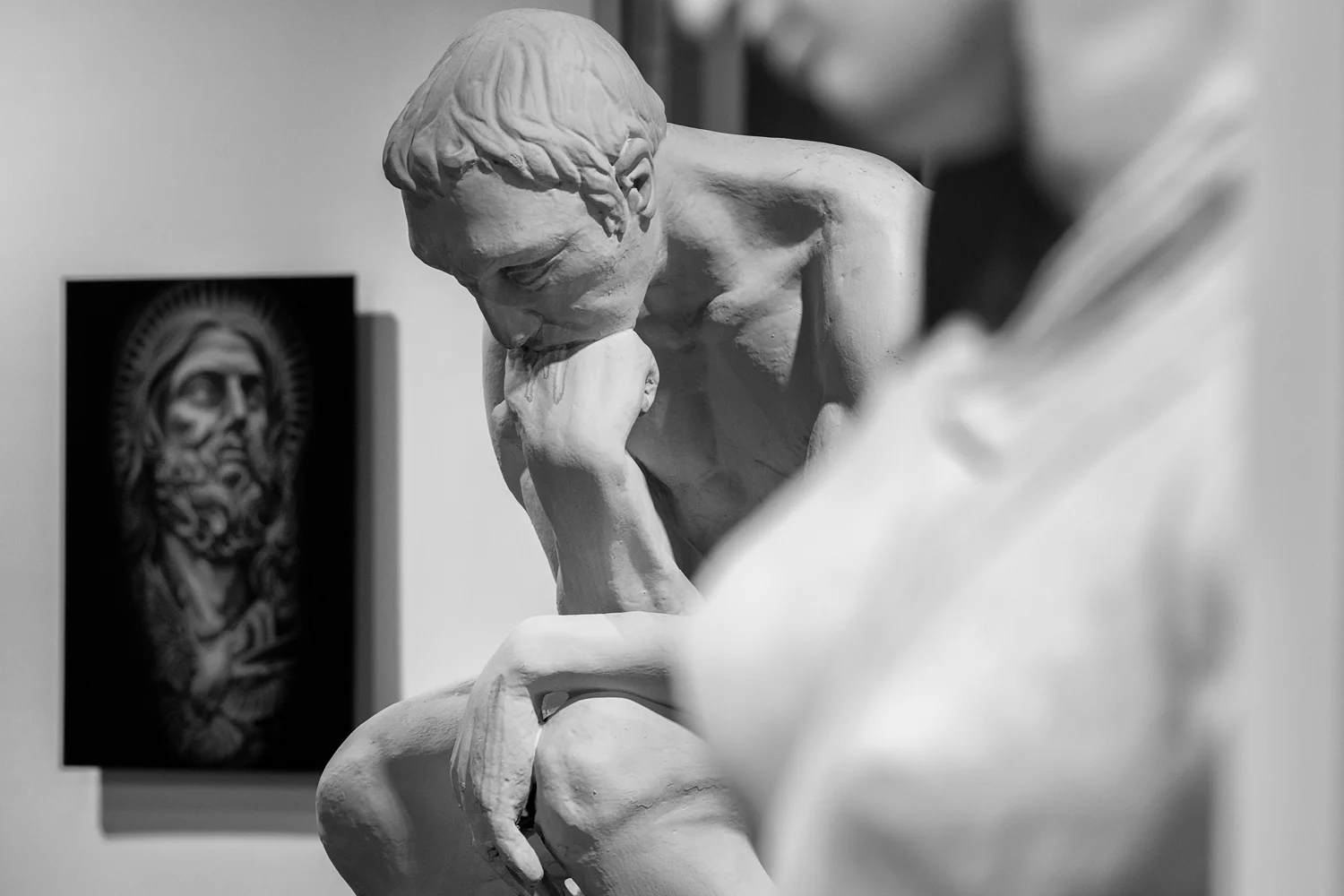
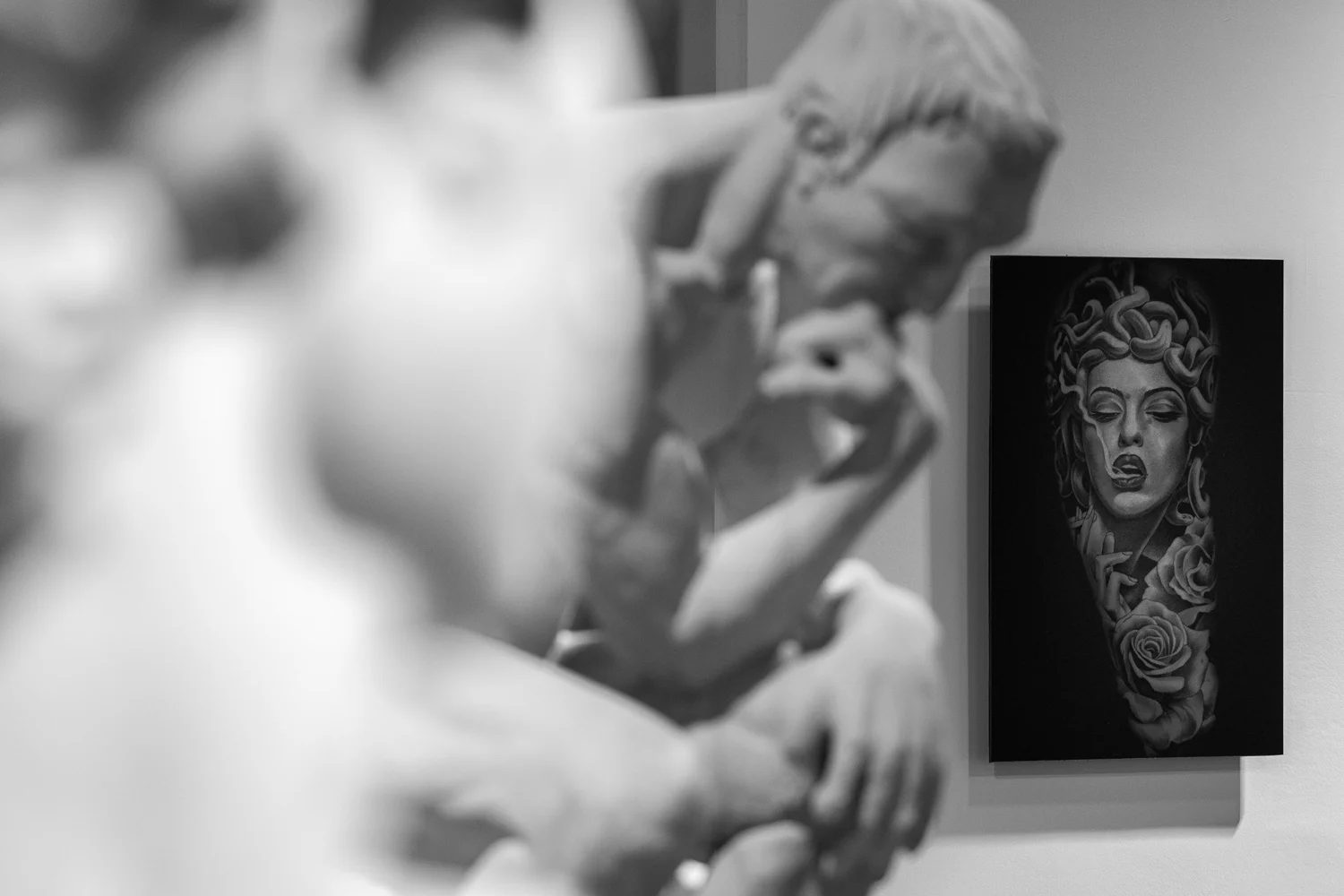
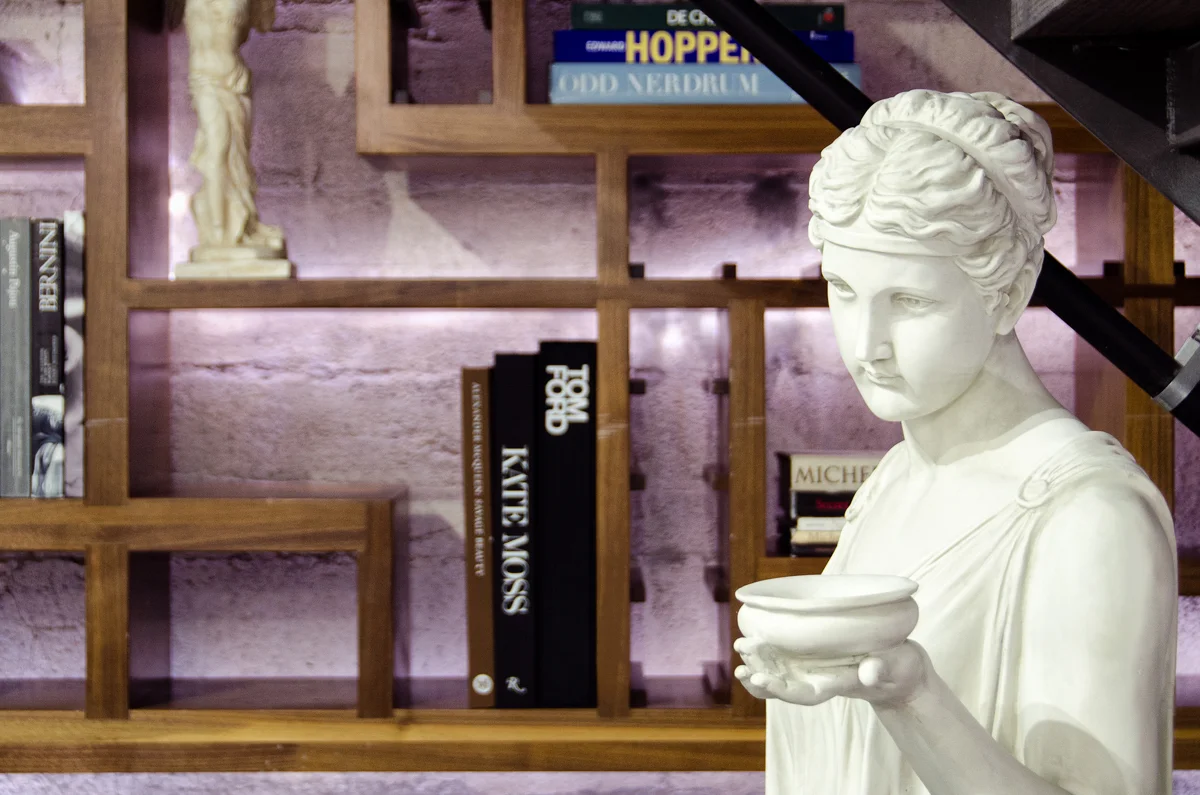
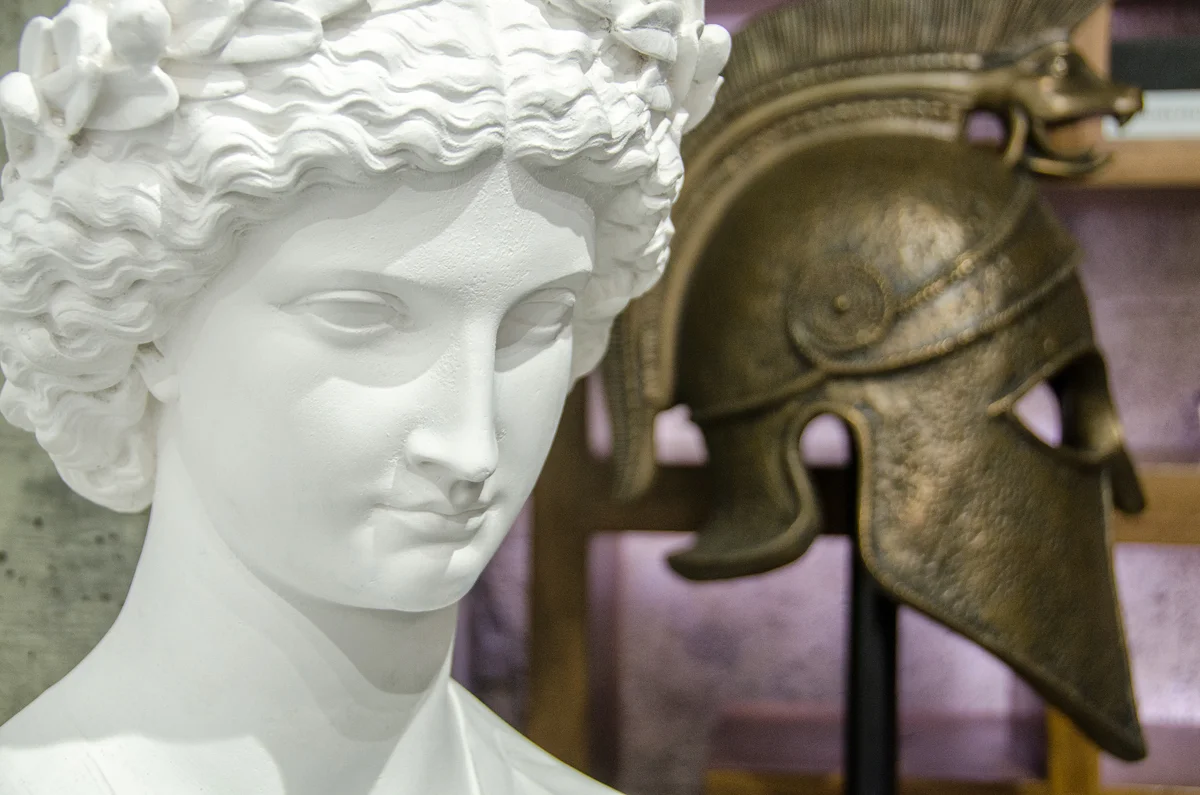
    Anyhow, just wanted to share a few images from that evening, which consisted of a pop-up gallery showcasing Jun Cha’s work, both on human flesh and outside of it. And if you look close enough, you’ll see some of my images from the studio space displayed on the pop-up wall underneath the Monarc movie screen in a few images. The same sort of intricate attention to detail, as well as elements of the monochromatic Greek and Roman mythological theme, were given to this showing as he gave to his studio when I shot it back in August. He’s definitely got a work ethic that’s a rare commodity in this day and age. And to think… the cat is only 25…

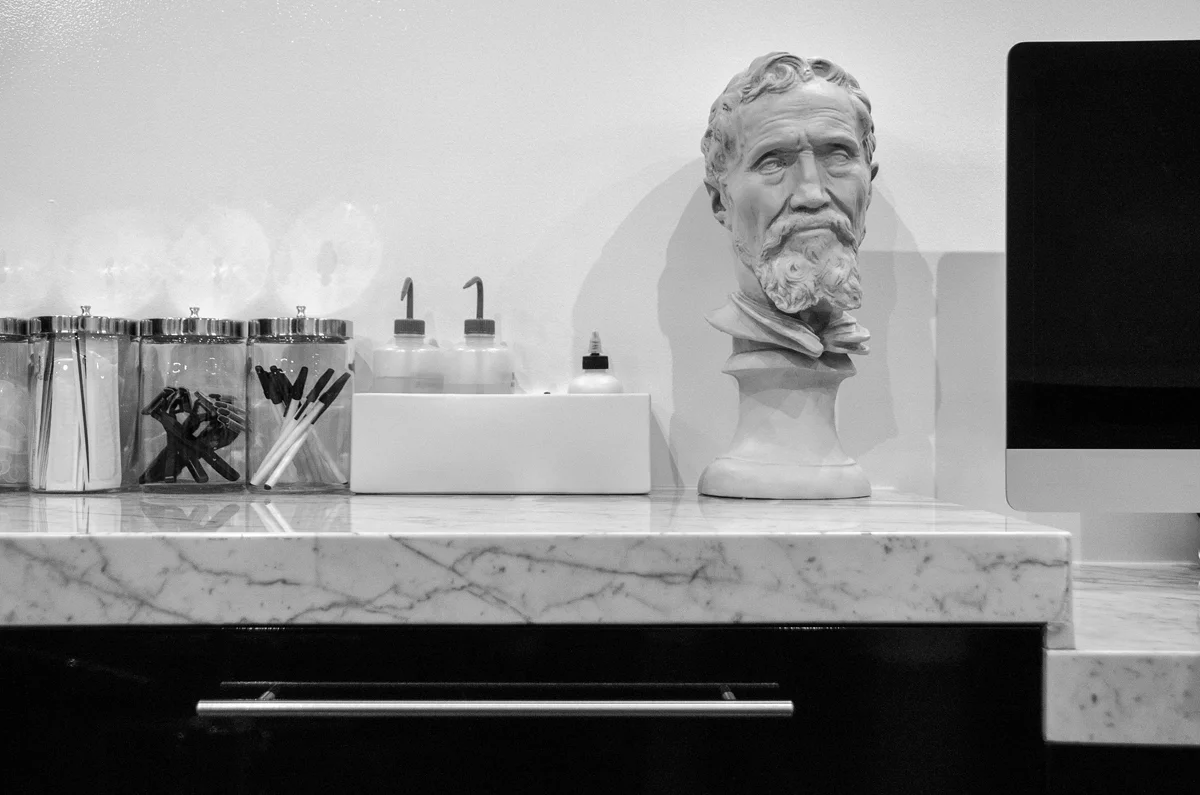
    The wide shots were shot on a Nikon D7000 with a Tokina 11-16mm, and the vignettes were shot on a Samsung NX1 with the 85mm/1.4.

    As always, for more stuff things whats and knickknacks: Instagram: @wasimofnazareth Ello: @wasimofnazareth Google+: www.Google.com/+WasimMuklashy
  • Tattoo Artist Jun Cha’s New Site Is Live With My Images! Get Inked!

    Tattoo Artist Jun Cha’s New Site Is Live With My Images! Get Inked!

    Wasim Muklashy Photography_Jun Cha_Monarc Studios_2015_08

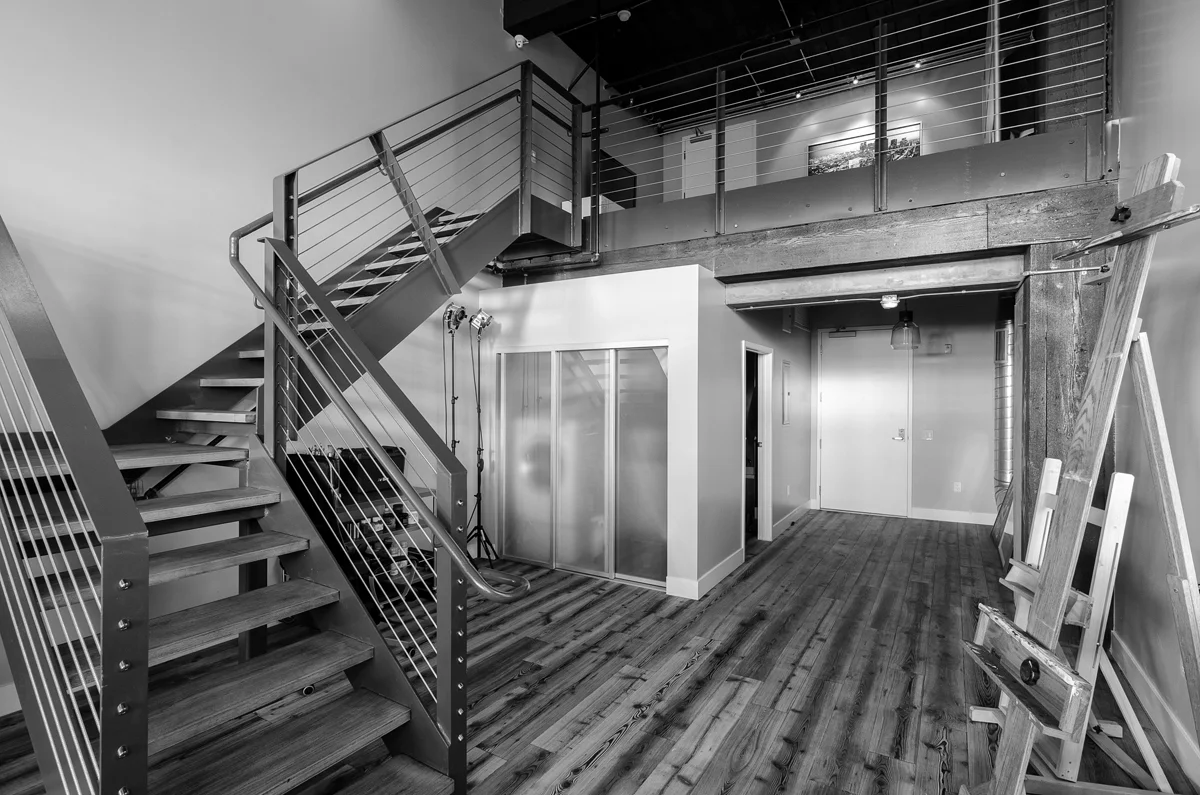
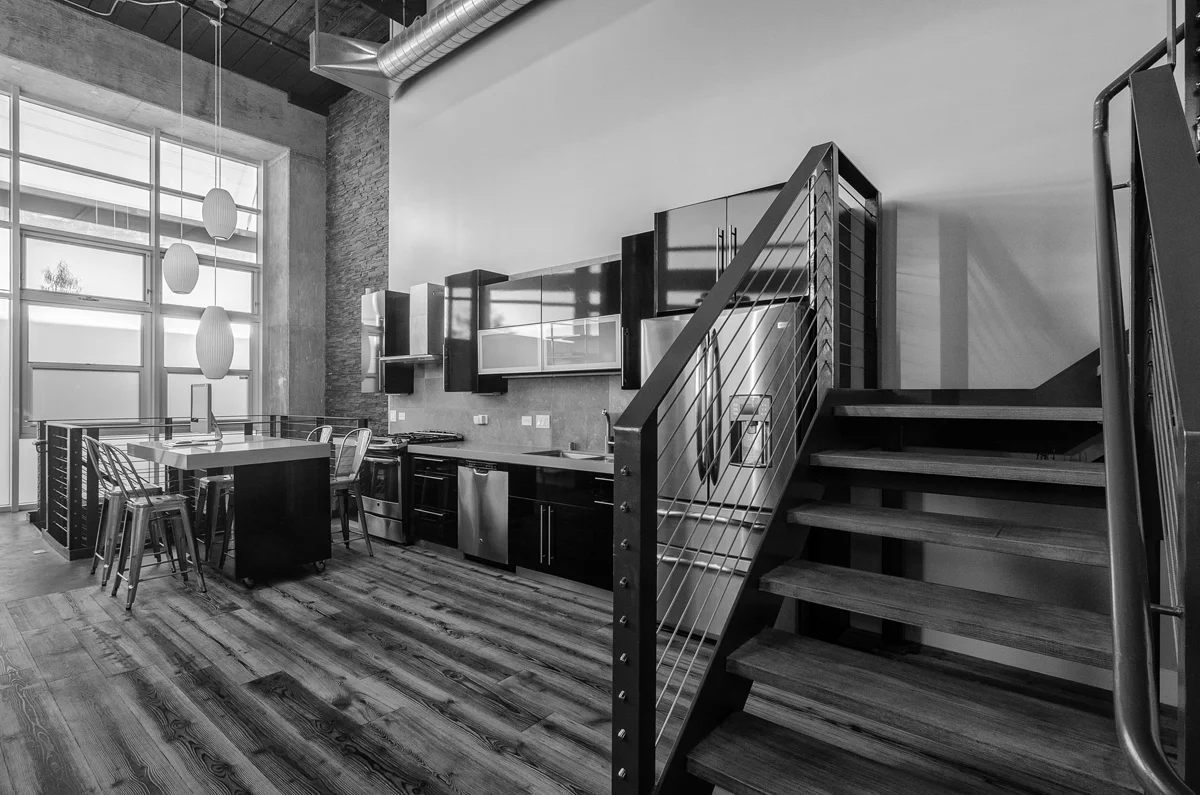
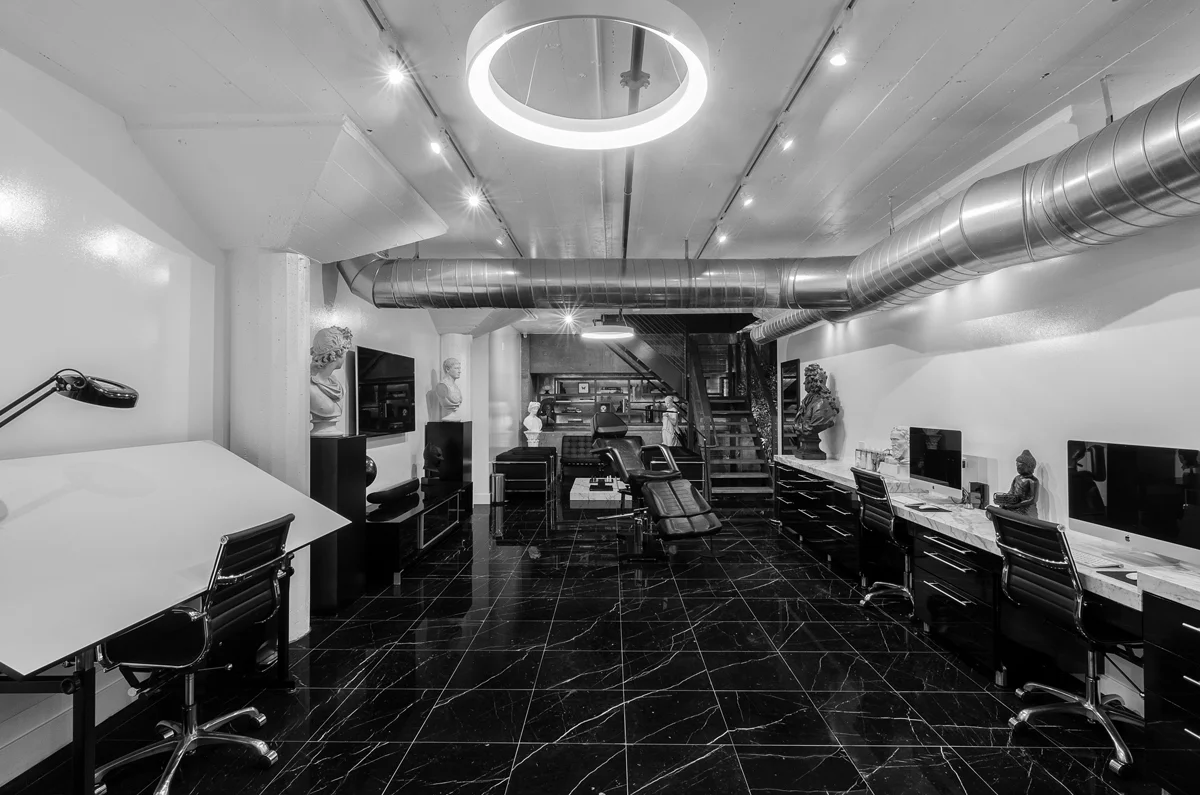
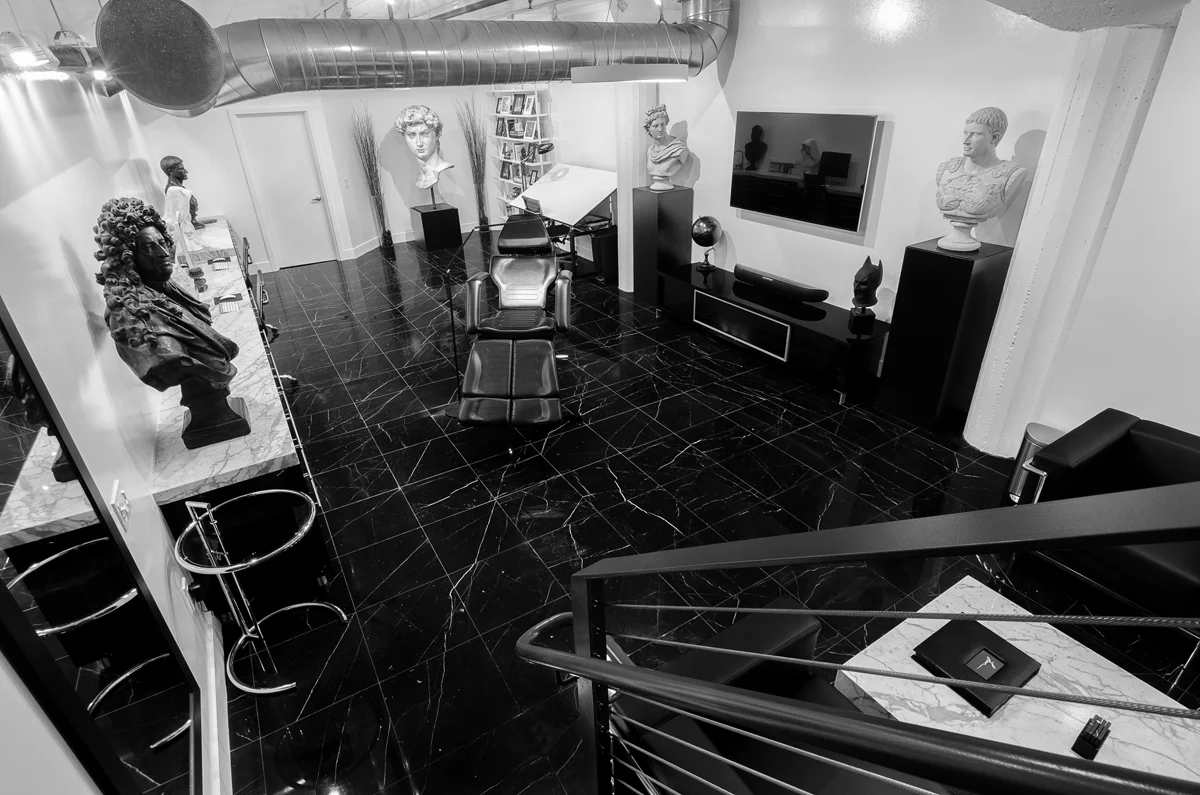
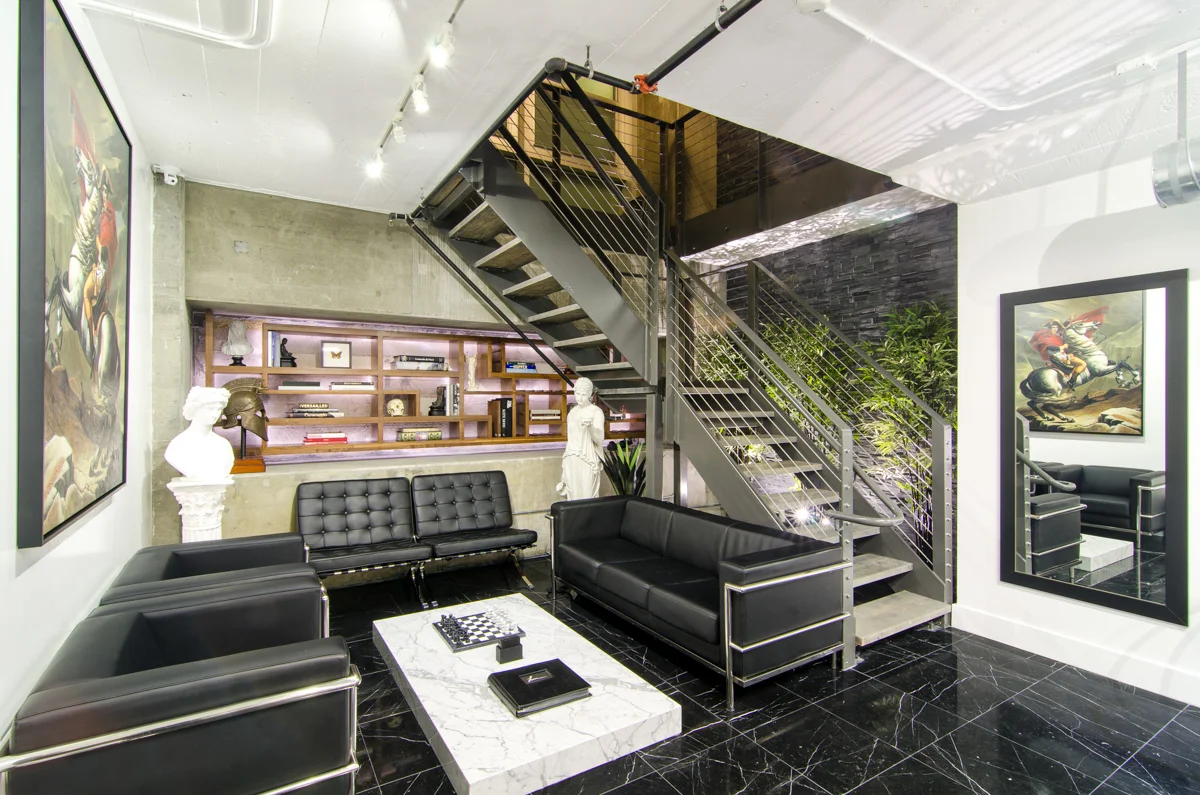
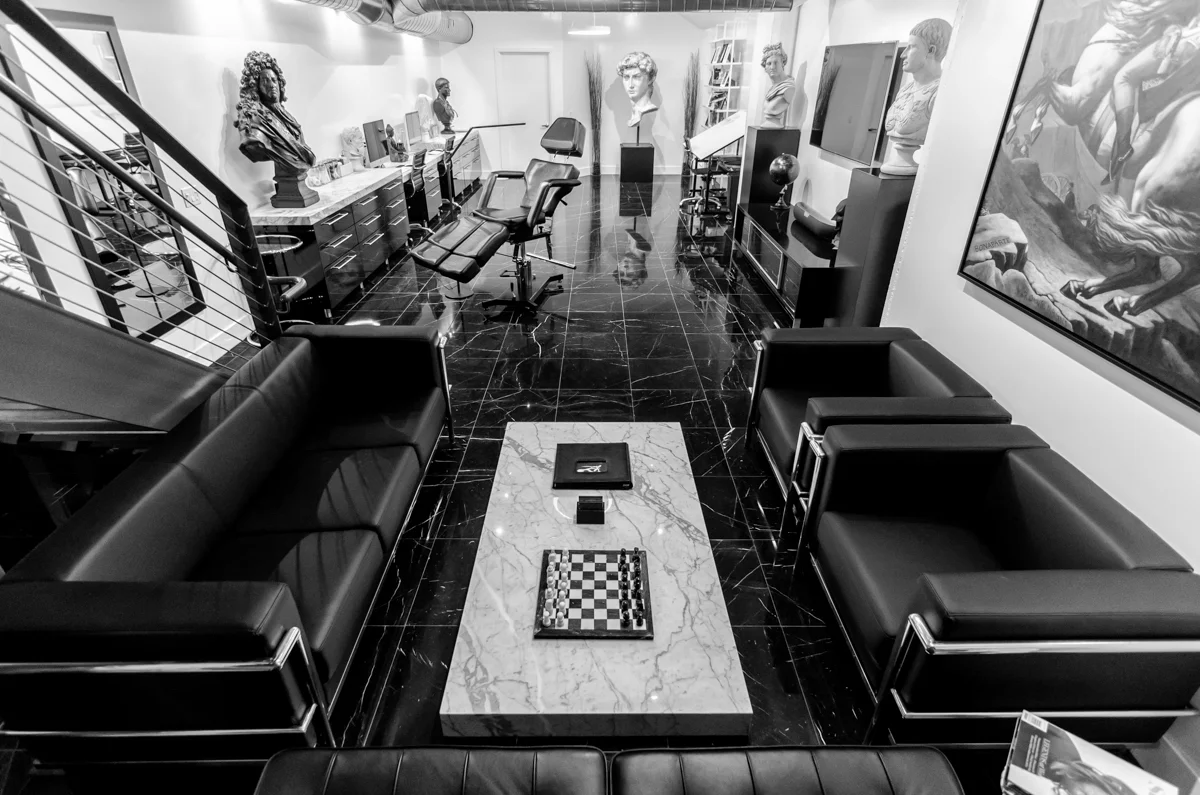
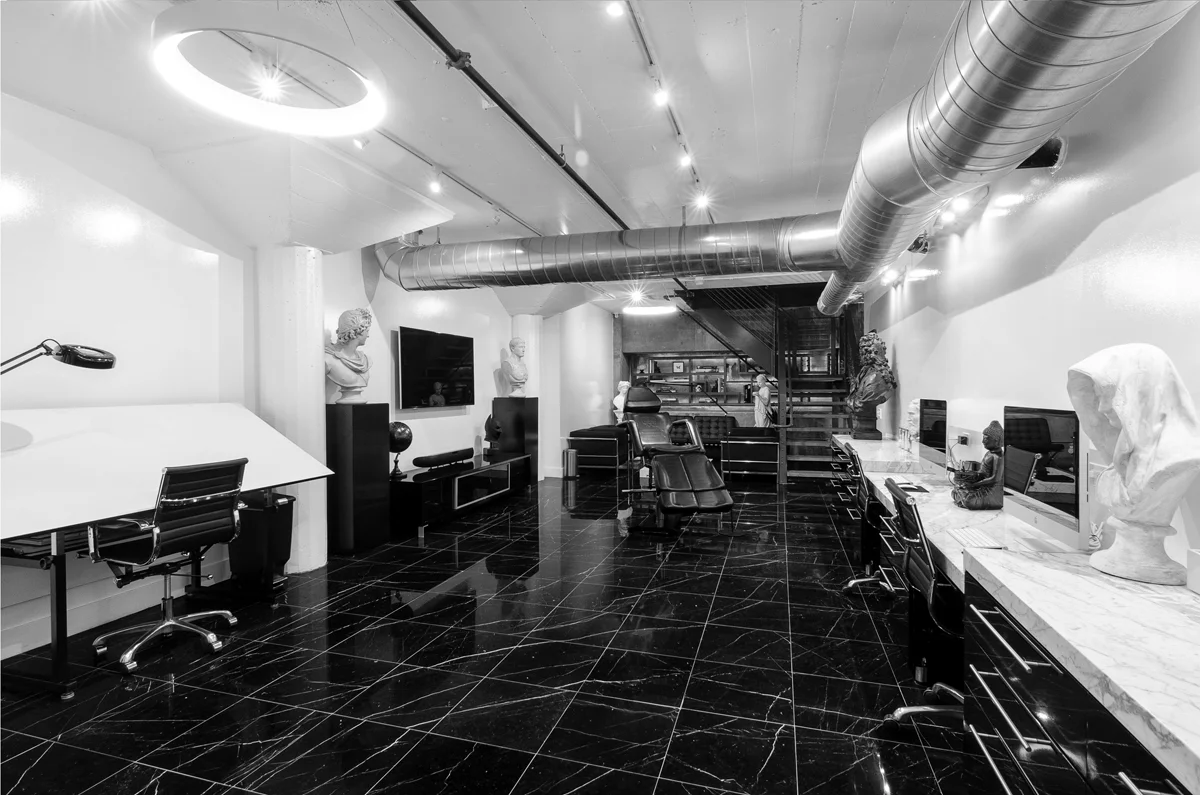
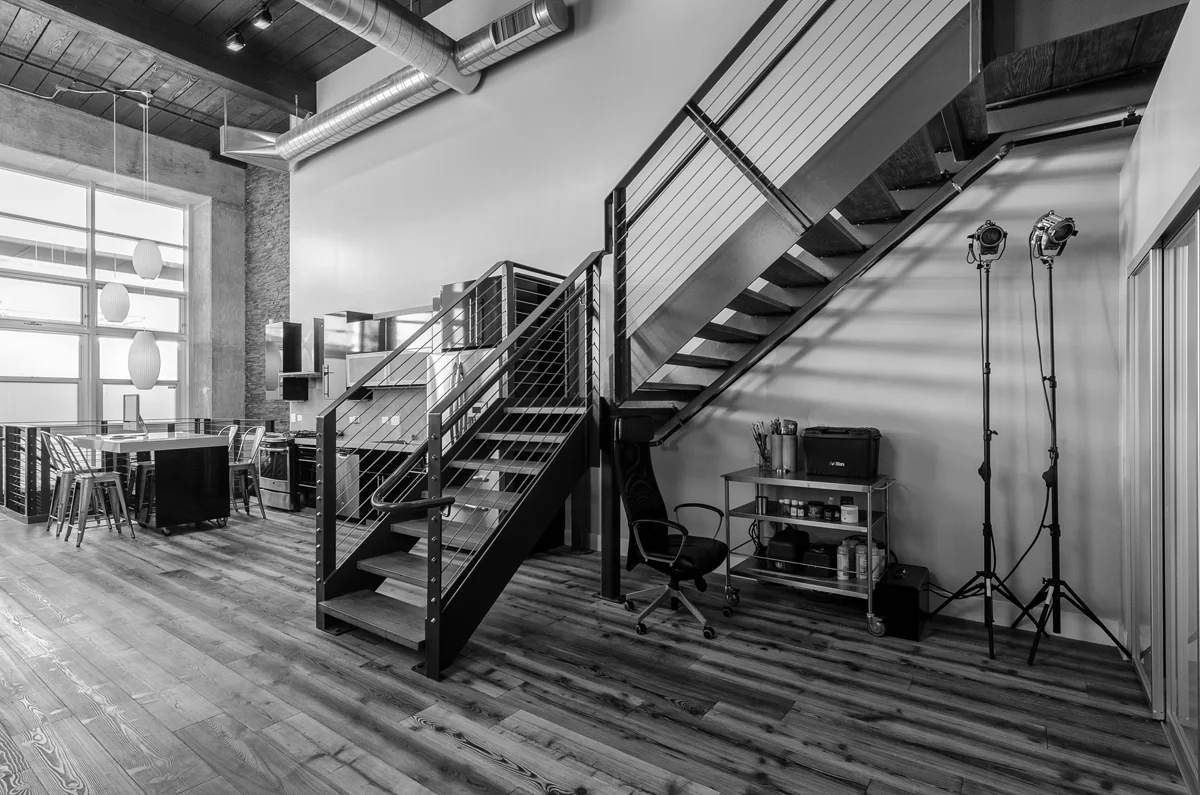
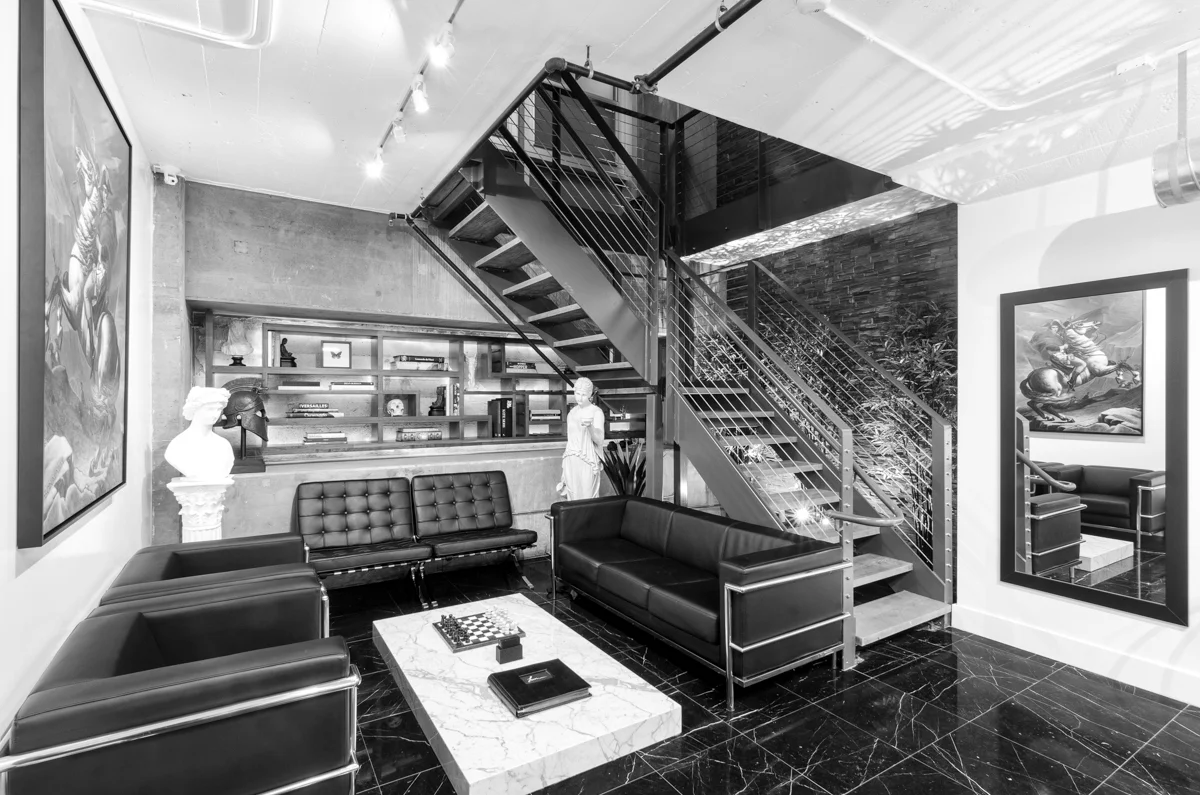
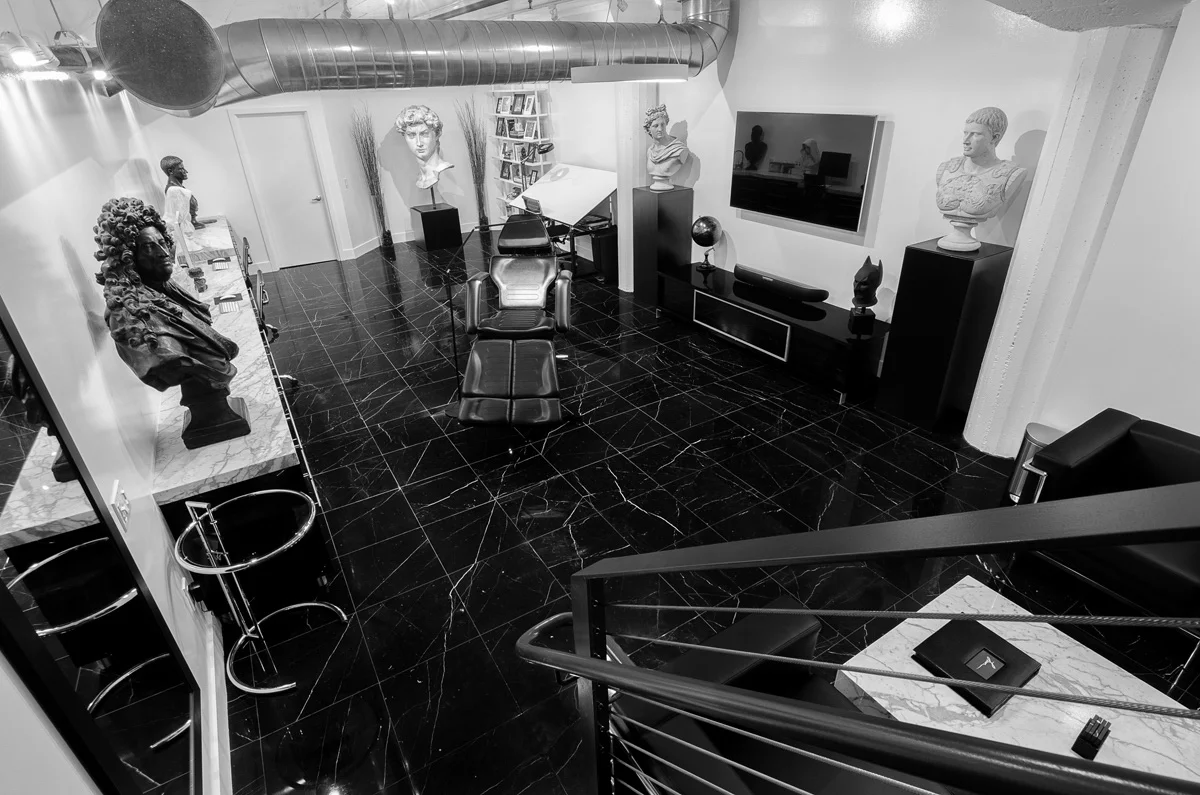
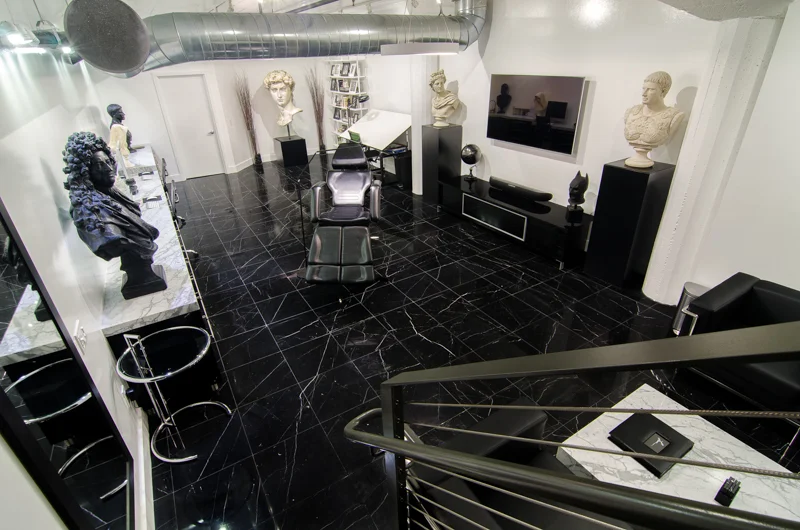
    So a few months ago, I got the incredible opportunity to photograph legendary tattoo artist Jun Cha’s new studio in Downtown Los Angeles. It was for his new website so I haven’t been able to share them yet until the site went live. Well, as of this week, it’s now live at MonarcStudios.com. This guy is the real deal. I mean, people fly him out to crazy places like Thailand and Hong Kong to get inked by his gifted hands. If you read this blog, you might remember my post on minimizing reflections in interior photography, and I posted an image to demonstrate the effect. That was from his studio and from this shoot. The studio’s delicate decor is as elegant as the art that Jun permanently adorns his subjects with. Everything from Renaissance busts to Greek mythology to statues of David and ancient Roman columns, all tied together with the monochromatic veins of his hand-laid granite tile flooring. If you’re thinking of getting tatted, this is the place to do it…the space was gorgeous. Anyhow, a few of the images are in the gallery below, but make sure to check out the site to see the full set how Jun Cha intended them to be seen: www.MonarcStudios.com

    For more thingie whatstuffs: Instagram: @wasimofnazareth Ello: @wasimofnazareth Google+: www.Google.com/+WasimMuklashy
  • 5 Tips For Shooting Commercial Real Estate Photography

    5 Tips For Shooting Commercial Real Estate Photography

    Wasim-Muklashy-Real-Estate-Photography_San-Diego-Los-Angeles-Ventura_Pro-Property-Photos_011

    While there are definite similarities in regards to methods and approach when photographing any sort of real estate, there are also important differences to keep in mind, especially when photographing commercial real estate and properties. In the residential real estate realm, they tend to use the images for a few weeks or maybe months until the space is sold, but in commercial real estate, these images are used to sell the business for perhaps years and years, and they might live on a website for just as long, offering the potential client or customer a visual representation of the space.

    While that’s a huge responsibility for the photographer to capture that in a way that the business owner is proud of, that doesn’t necessarily mean it needs to be any more difficult. Like anything else, if you spend adequate time getting a feel for the space and the business and do your homework, you’ll naturally start to gravitate towards the best ways to represent them in photographs that’ll make both you and the business owner proud. Here are a few tips for commercial real estate photography that I’ve learned on a few recent commercial shoots:

    1. Scout – Make sure to scout the space at least a few days prior to shooting, or if you’re unable to make it yourself due to location (there should be no other excuse really), have someone take simple shots from different corners into the space so you get a sense of the space and get an orientation of the space, which direction are the windows facing, when will the sun be where, are there obstructions to natural light, are there reflective surfaces (if so, check out my post How To Minimize Reflections In Interior Photography). If you can make it to scout the location yourself, which is preferable, shoot a few shots from different angles. Typically the corners of the room, even just on your phone, that you can take with you and marinate on for a few days. This time will give you a chance to formulate a mental shot list and idea of how to and what you’ll need to execute a successful shoot without the day-of stresses of getting all the shots you need and figuring it all out on the fly. This will also give you some time to play with ideas with the client, helping to build a rapport and a trust between you.

    Tattoo Artist Jun Cha's Monarc Studio.

    2. Communicate – Make sure to talk to the client at length about what they feel are the strengths of the space and what they like and what they’d like to convey. Ask as many questions as you can. This will help break into the emotional connection to the space and it will give you a good idea of what space to be in as you map out how to approach it. Unlike real estate, where the agent is not particularly intimately connected to the property, most times, when working commercial real estate spaces, you’re working with the owner or manager of the business, and, for the most part, they are extremely emotionally tied to their space – they know the quirks, the strengths, the weaknesses. Play off of that. If you listen closely enough, they’ll tell you EXACTLY what shots to get that will ensure their satisfaction with your work. And of course you’ll come up with several of your own ideas, and throw those in there. Sometimes it’s neat to see their reaction to a shot, a view, an angle that they themselves perhaps have never paid attention to.

    3. Team Up – Encourage them to provide ideas and input as you move thru the space on shoot day. It will help make them feel like a pivotal part of the project, hopefully setting them up to be as emotionally attached to those images as they were when speaking about them in tip 2.

    Wasim-Muklashy-Real-Estate-Photography_San-Diego-Los-Angeles-Ventura_Pro-Property-Photos_114

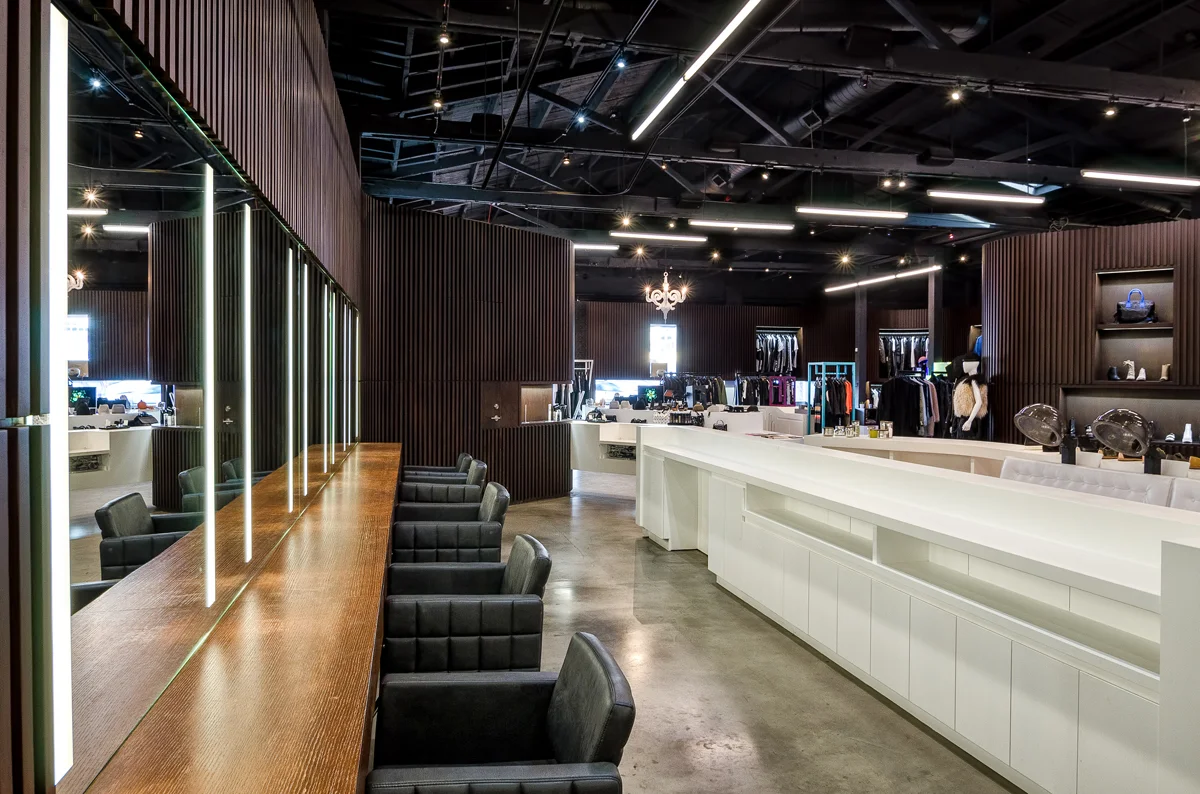
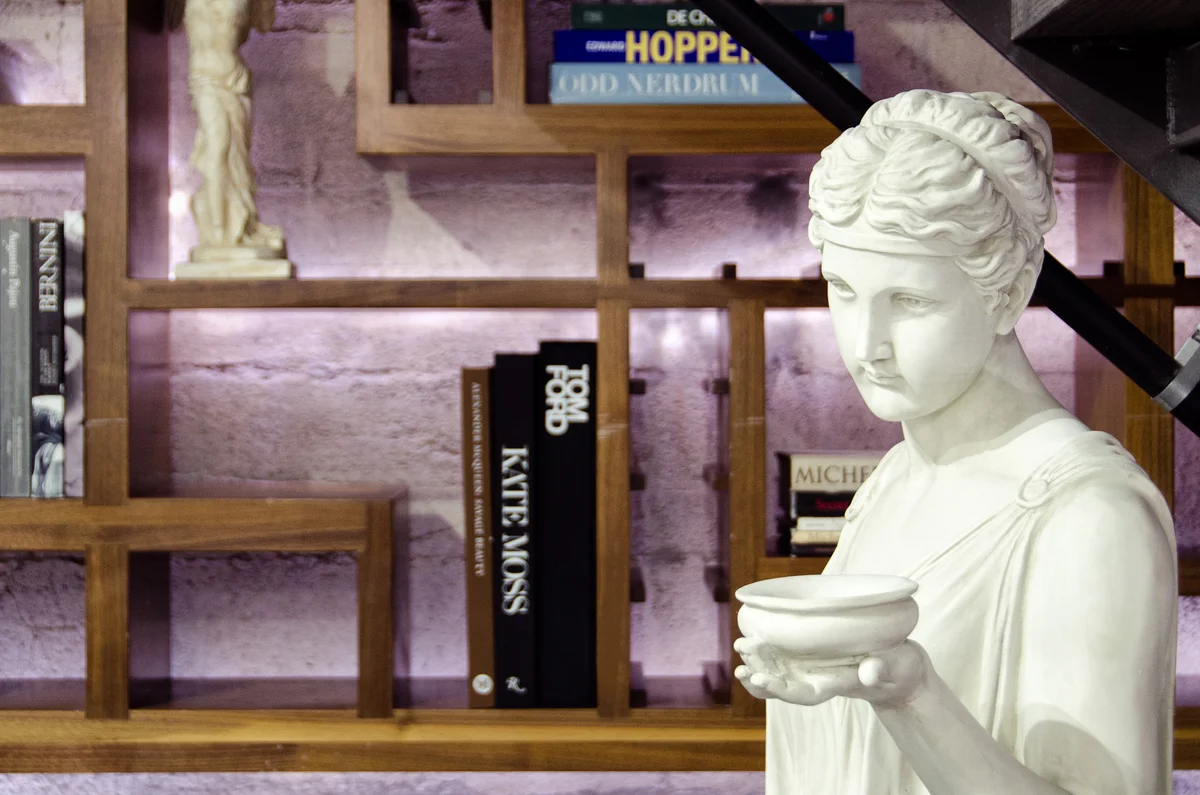
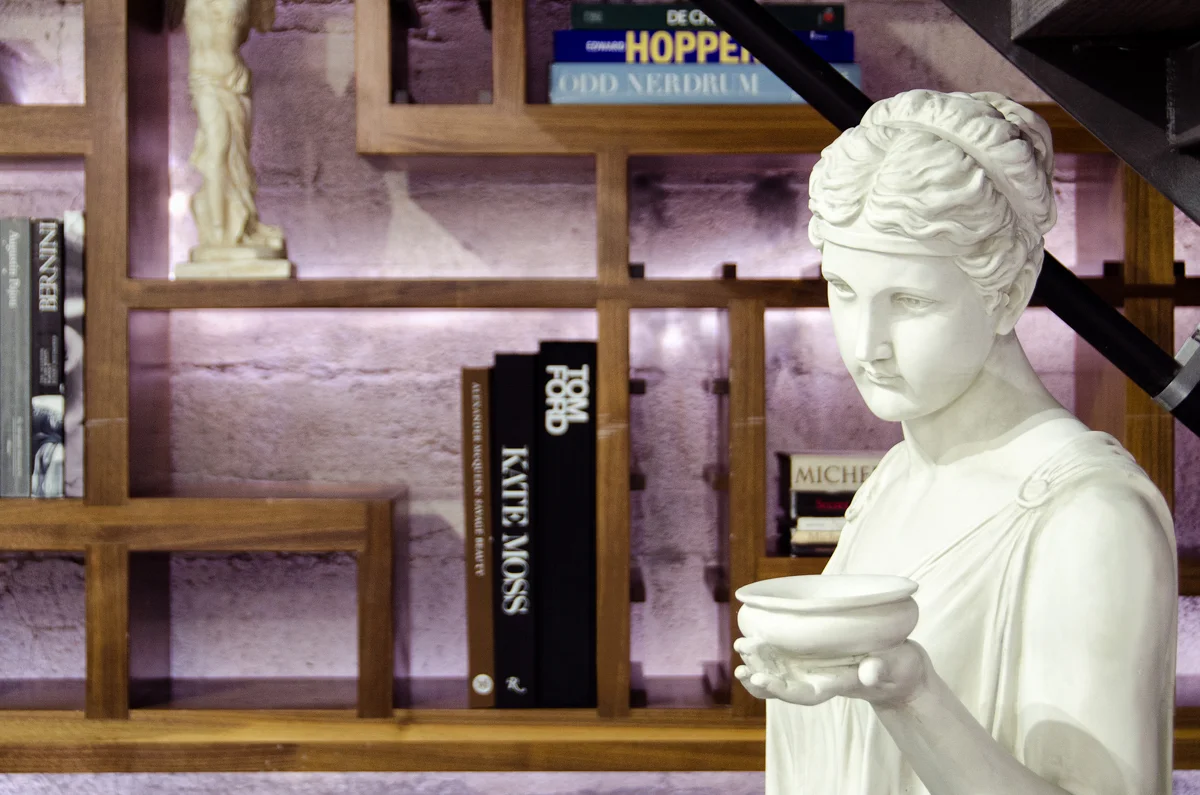
    4. Mix It Up – As was also talked about in my post 7 Tips For Real Estate Photography, mix it up. Yes, wide shots and crazy angles for the sense of space, but don’t discount the extreme value of vignettes and tighter shots, within the 35-50mm range for a more intimate feel. These shots aren’t as intimidating, and instead instill a sense of feel, aura, and connectedness with the space. A person’s vision can’t relate to a wide angle shot, but they can definitely relate to a detail or a vignette or a section of the space that gives you an idea of the character of the space.

    Wasim Muklashy Real Estate Photography_The Well_Los Angeles_California_03

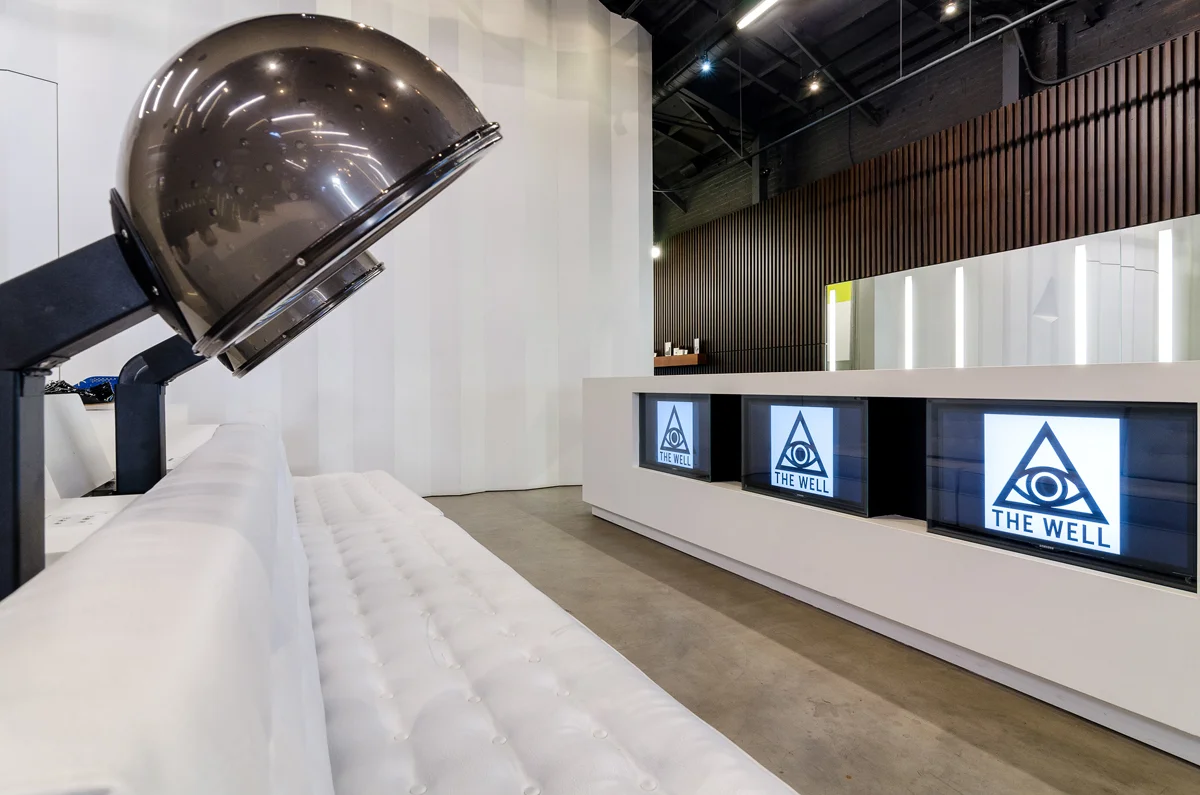
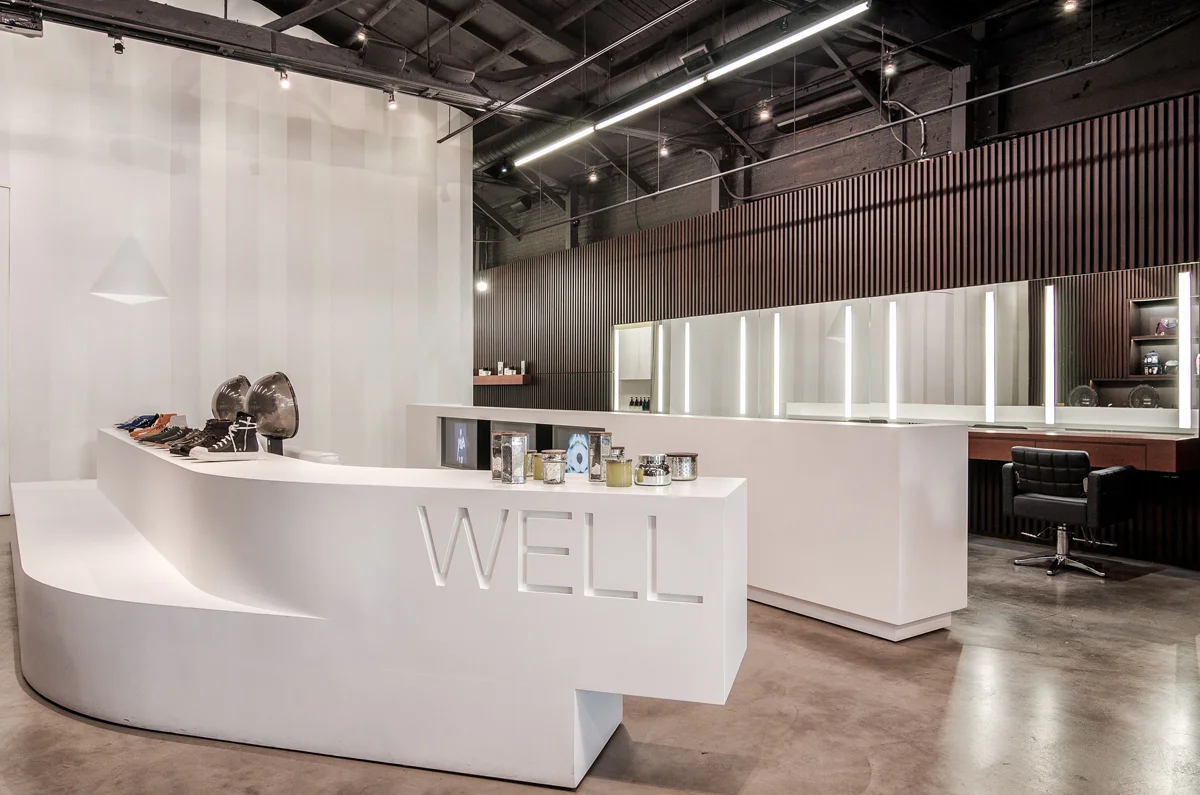
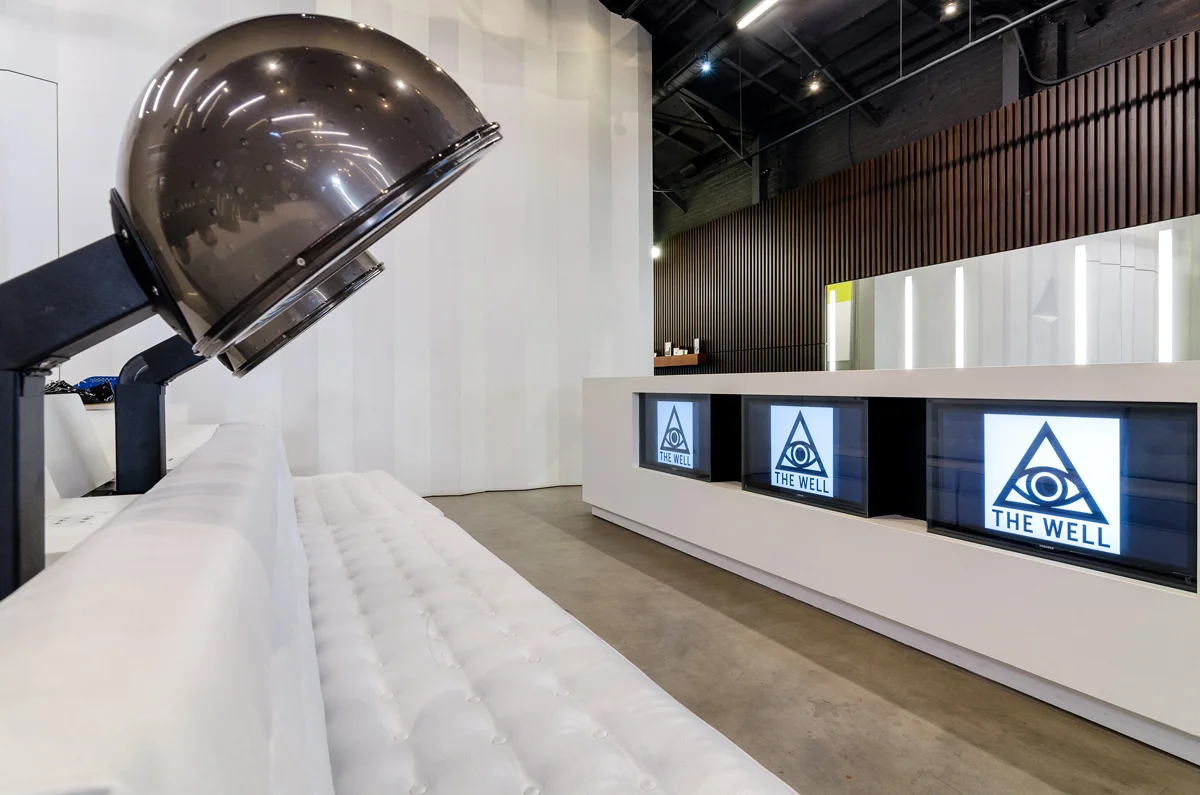
    5. Logos & Branding. If the space has any sort of branding or logos, try to find a way to incorporate those into the images. Whether they be on screens or table mats or windows or pens, try to find at least a few shots where those logos are included. Not only can these sorts of shots help with branding, but they can also be used for other purposes by the business such as social media posts, headers, or physical postcards or prints for marketing materials. Business owners work hard to build their businesses and consequently, they’re very proud of the fruits of their labor. Branding shots are a great pat on the back that they are sure to appreciate.

    So there it is. Don’t stress out about it, don’t fret, take it as a challenge, know that you’ll learn something, and, most importantly, have fun with it. If someone else was confident enough in your skills to hire you, then you’ve got those skills. Be confident. Go kill it!

    Also, here are a few more entries that can also help you when shooting real estate and properties:

    7 Tips for Shooting Real Estate Photography

    How To Expose For Interiors And Exteriors In Architecture Or Real Estate Photography – Part 1 – On Location

    How To Expose For Interiors And Exteriors In Architecture Or Real Estate Photography – Part 2 – Post Processing

    How To Minimize Reflections In Interior Photography

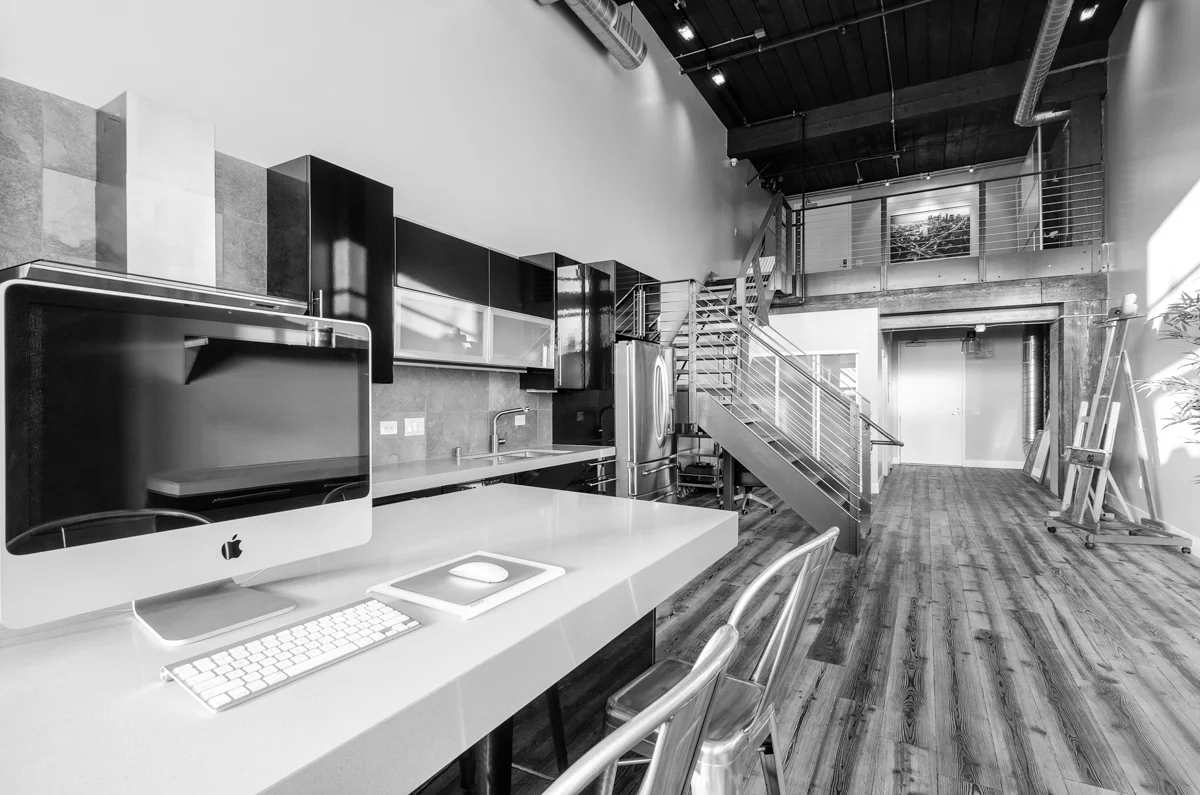
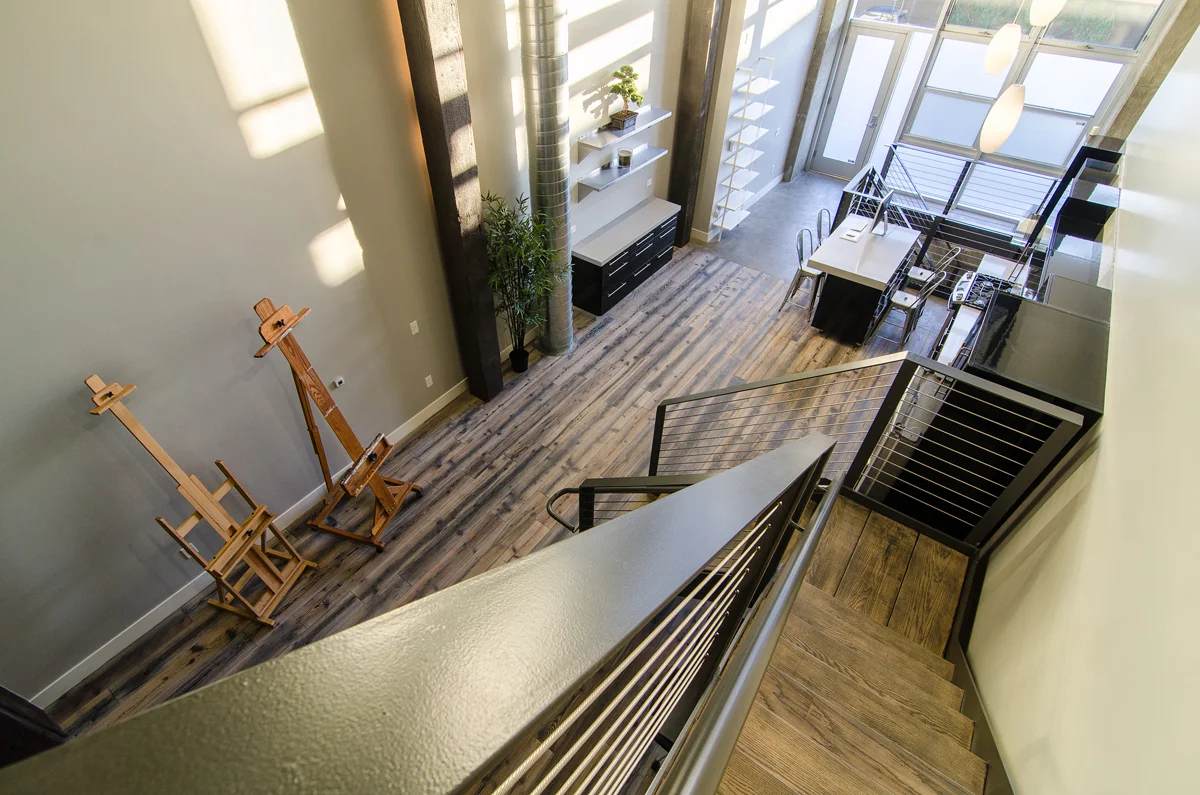
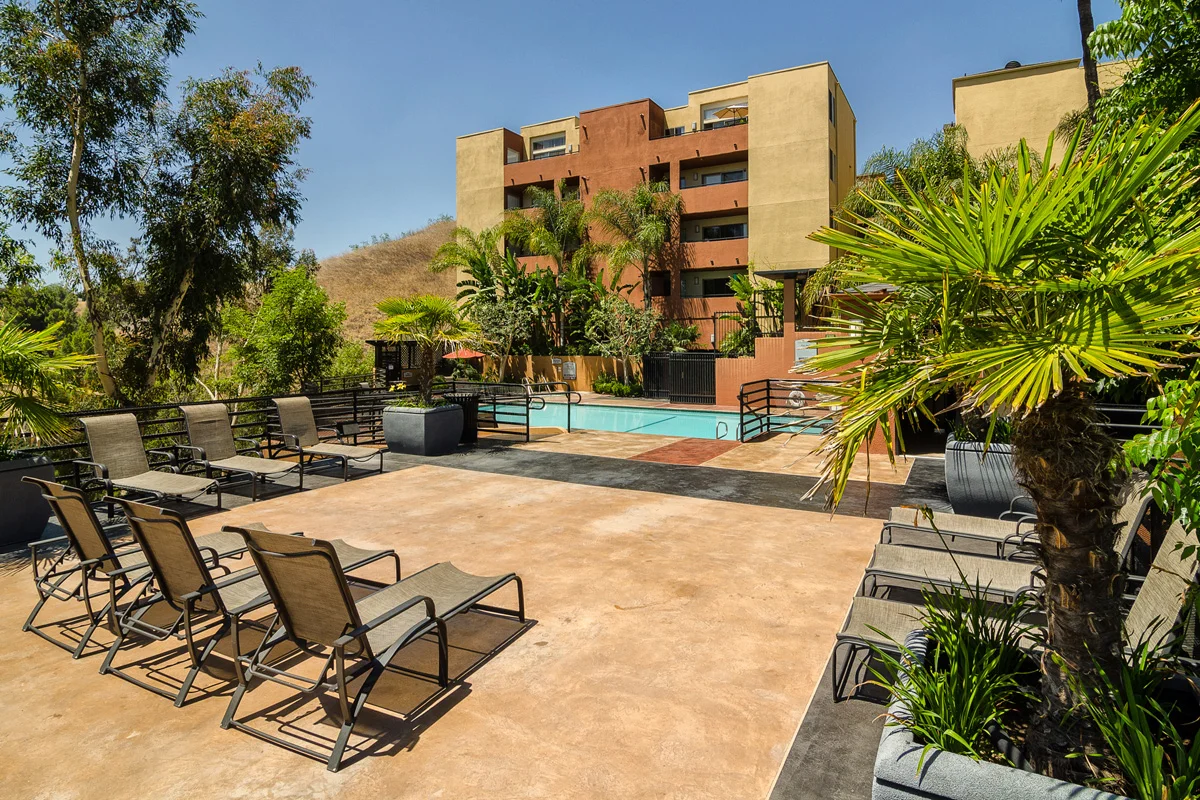
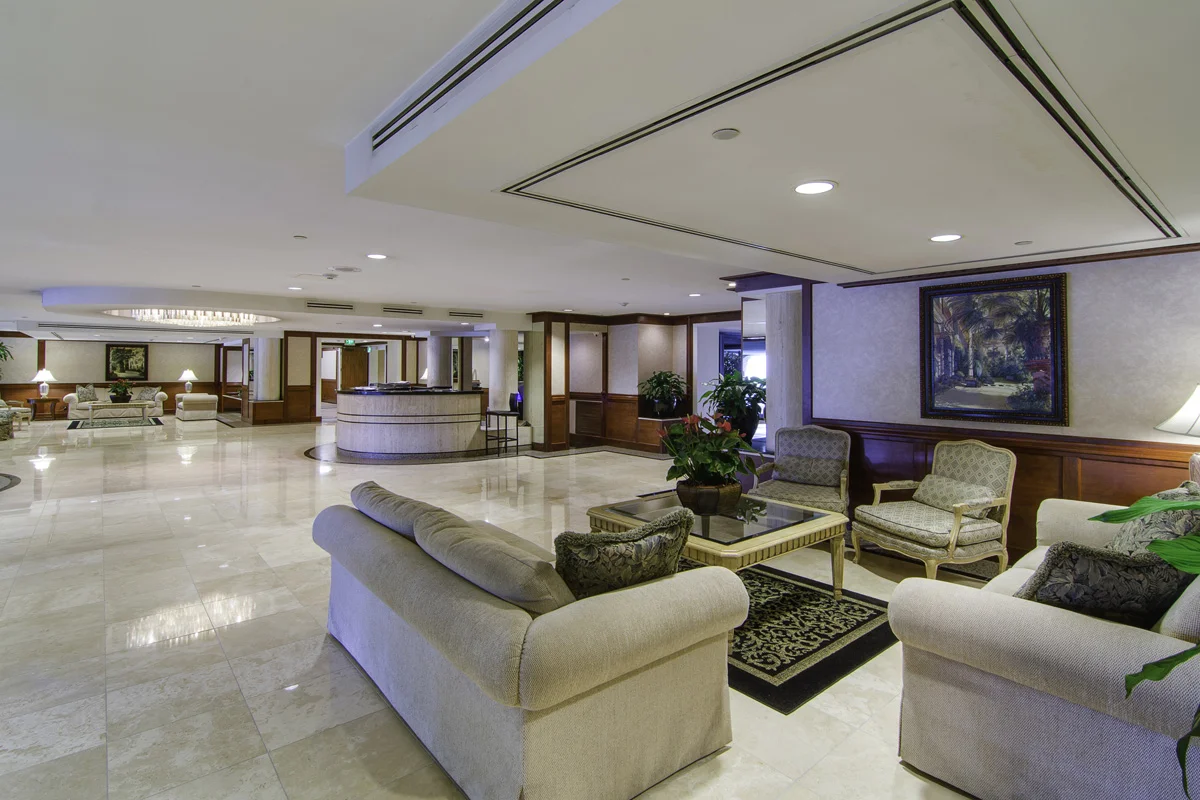
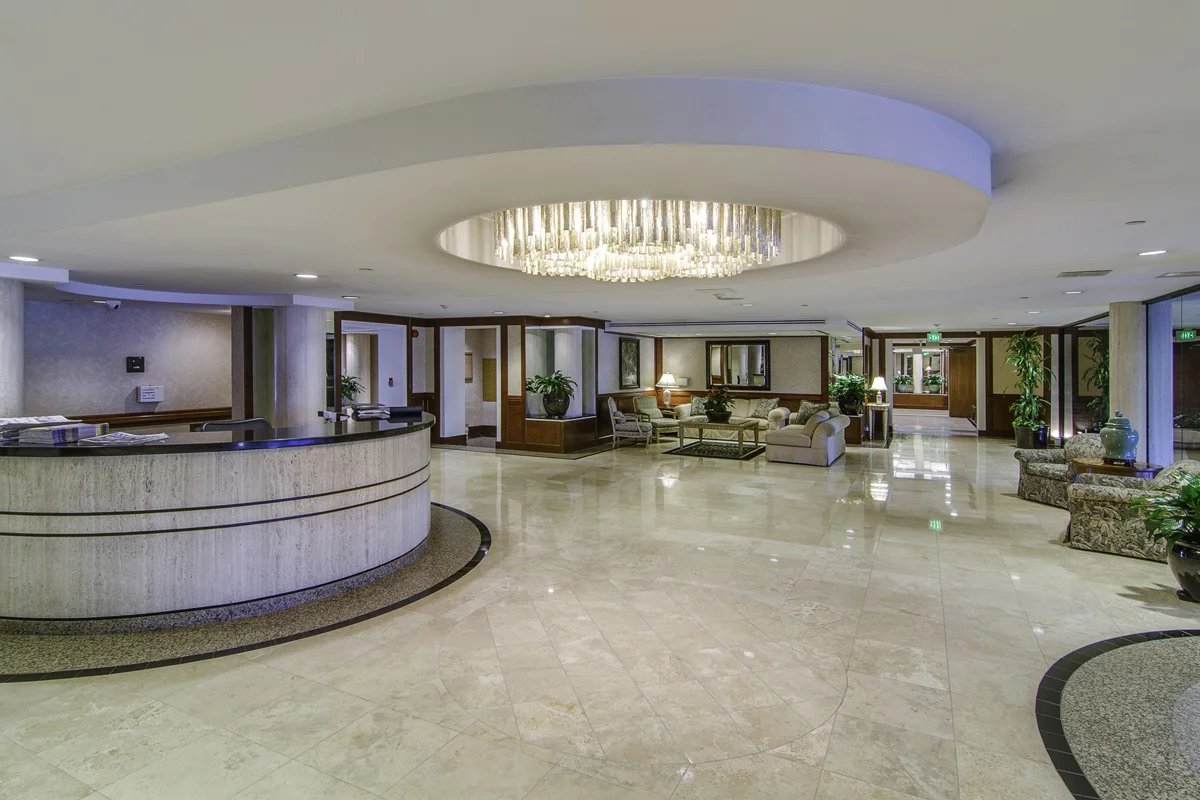
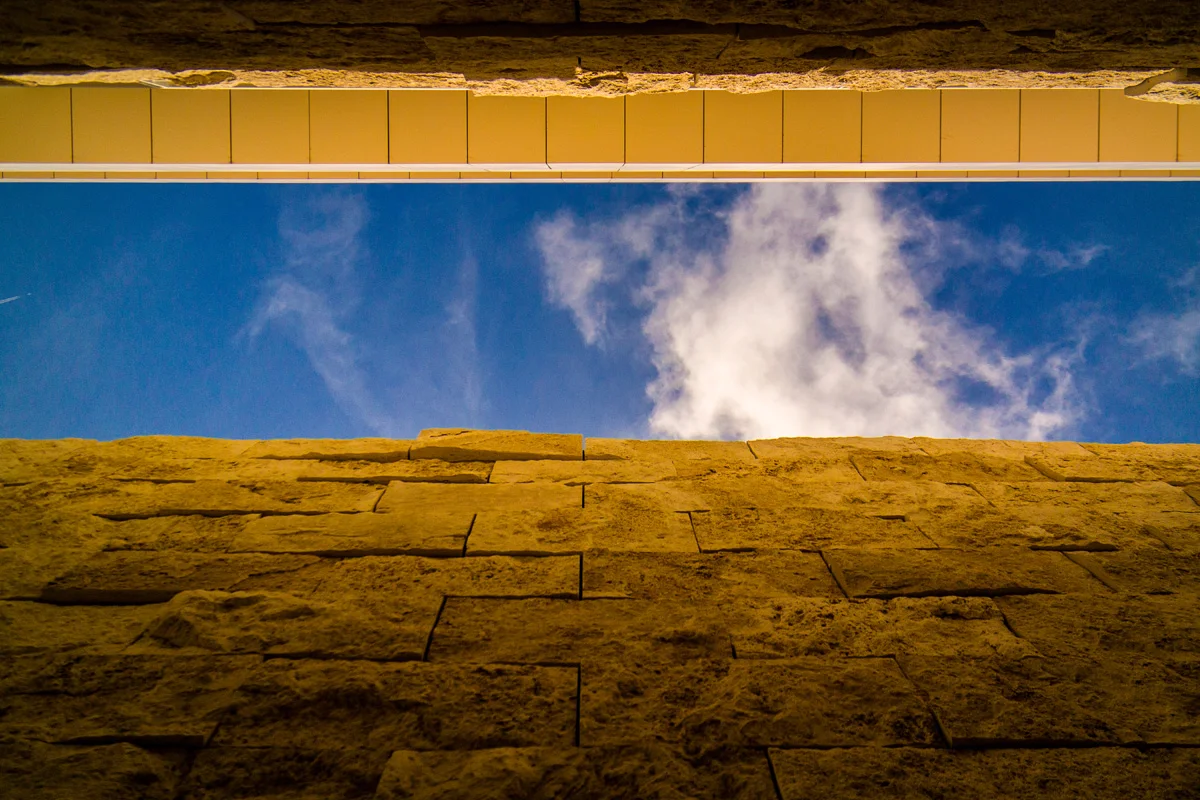
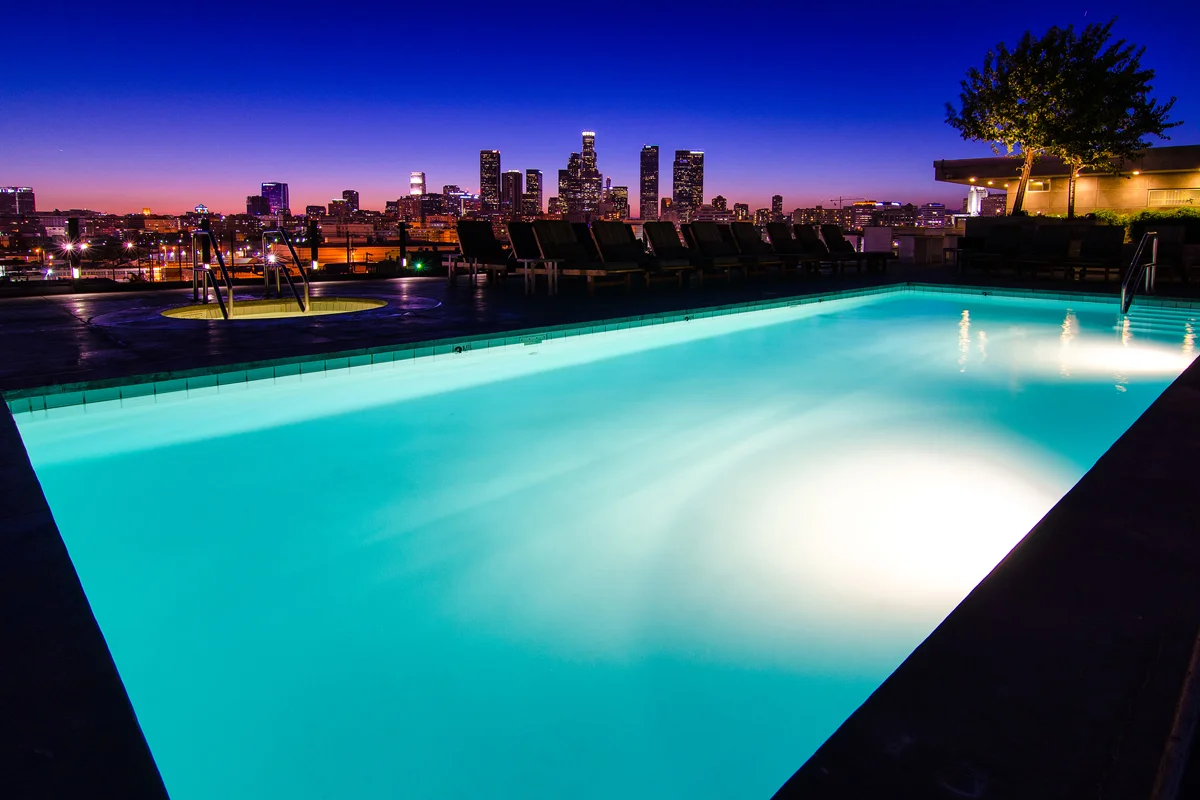
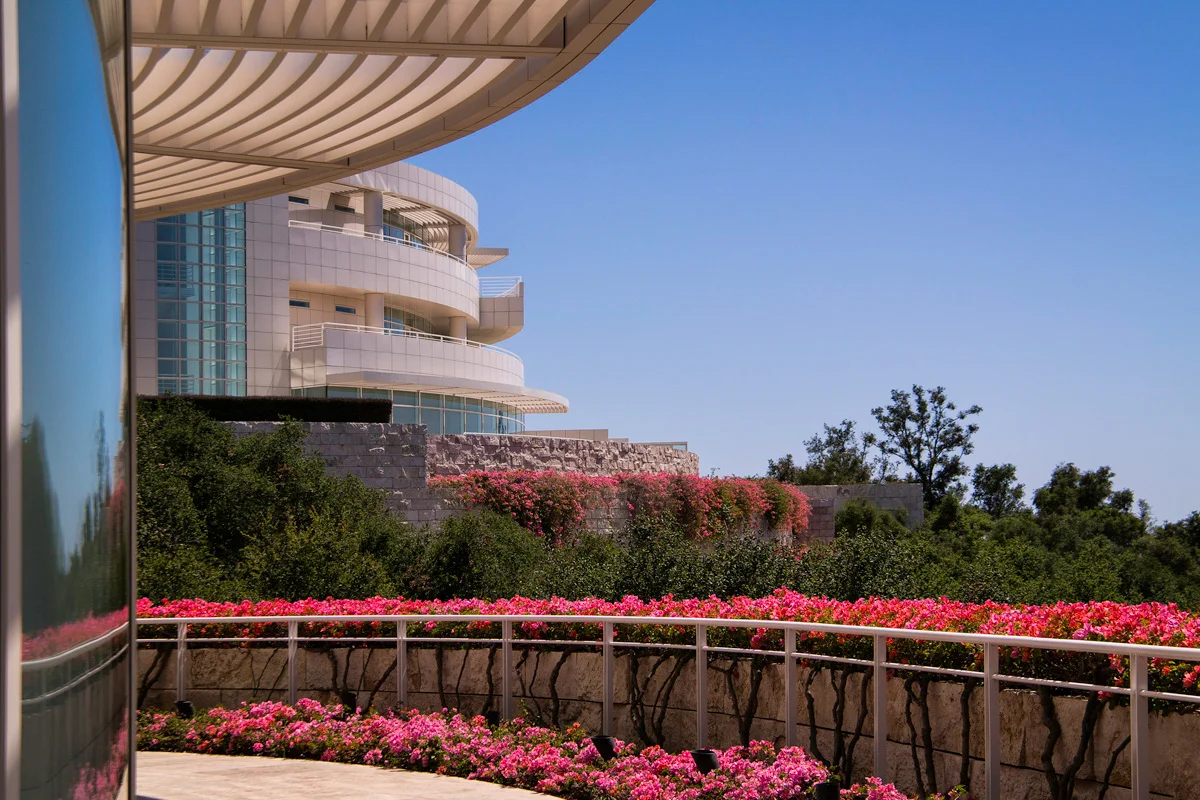
    Below is a gallery that has some of the images from my recent shoots at Jun Cha’s Monarc StudiosThe Well Salon & Event Space, and a local condominium complex.

    And if you’re in need of real estate photography services, whether commercial or residential, please feel free to contact me or check out my Property Photography website.

    And as always, for more of my madness, take your pick: Instagram: @wasimofnazareth Ello: @wasimofnazareth Google+: www.Google.com/+WasimMuklashy
  • How To Minimize Reflections In Interior Photography

    How To Minimize Reflections In Interior Photography

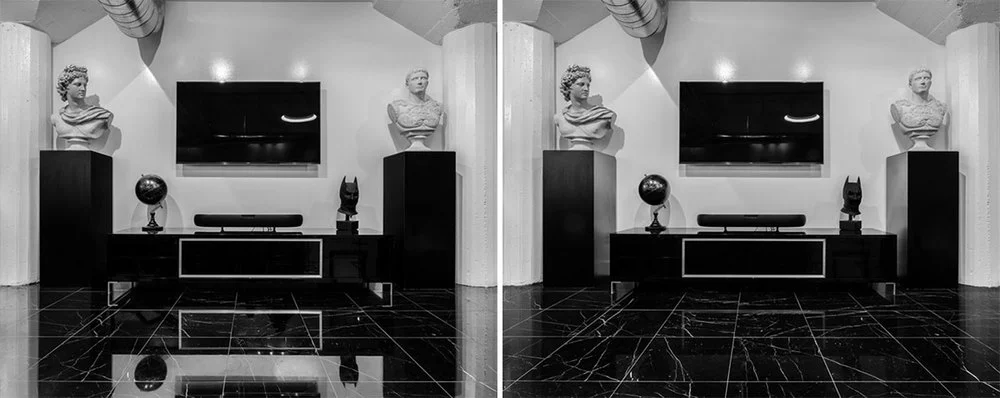
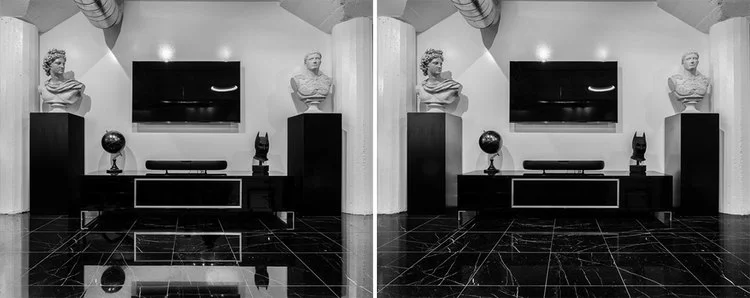
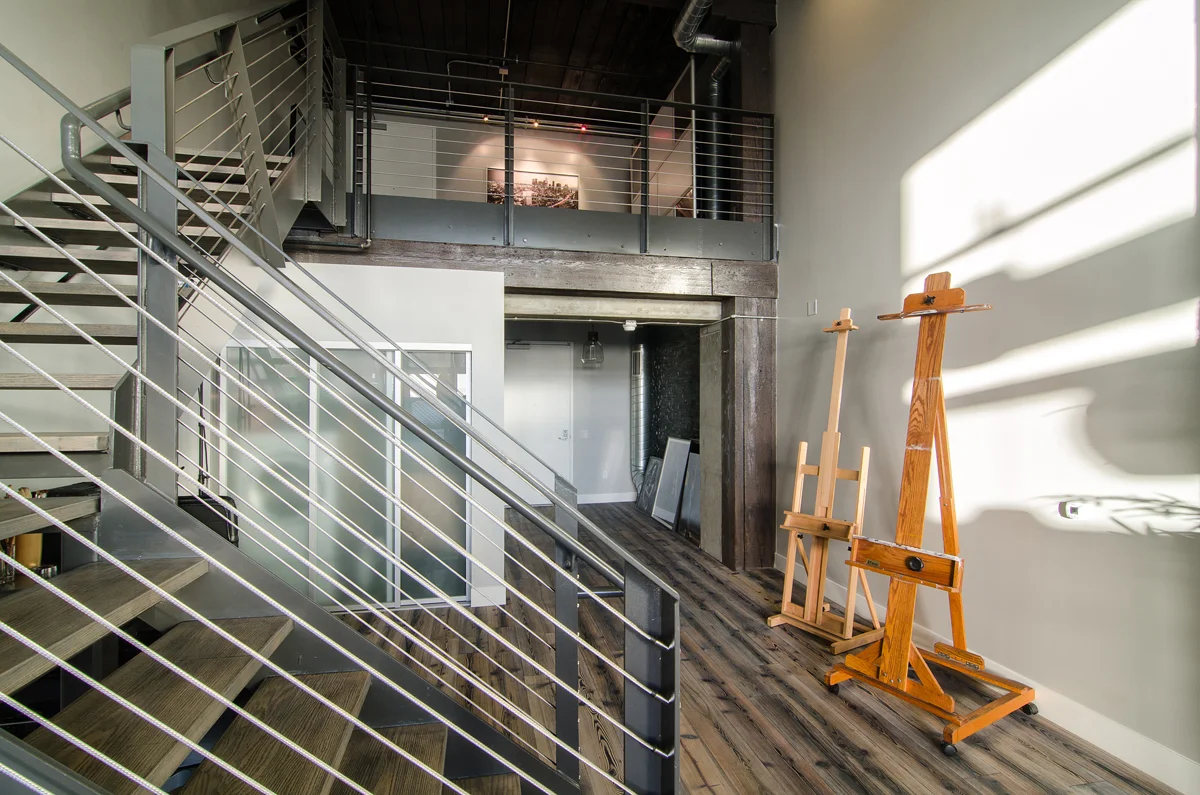
    Jun Cha Studio Polarizer How To Minimize Reflections In Interior Photographyformatoriginal

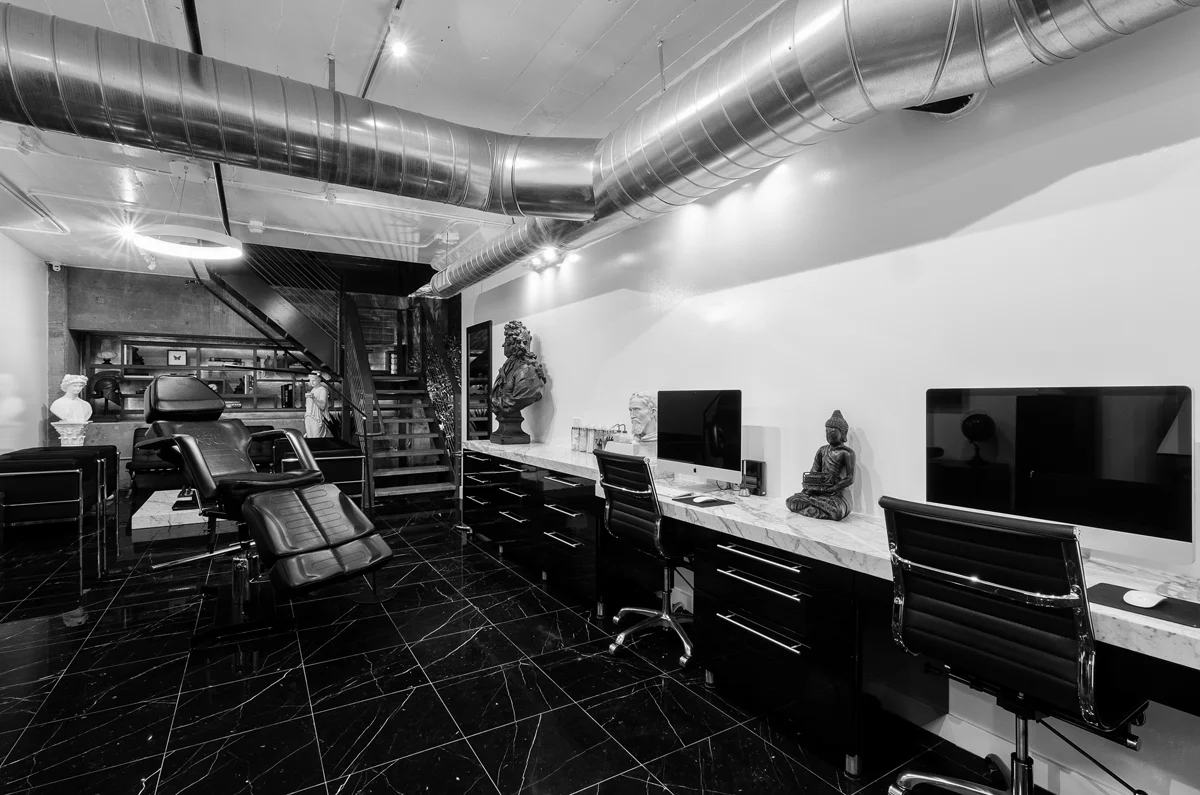
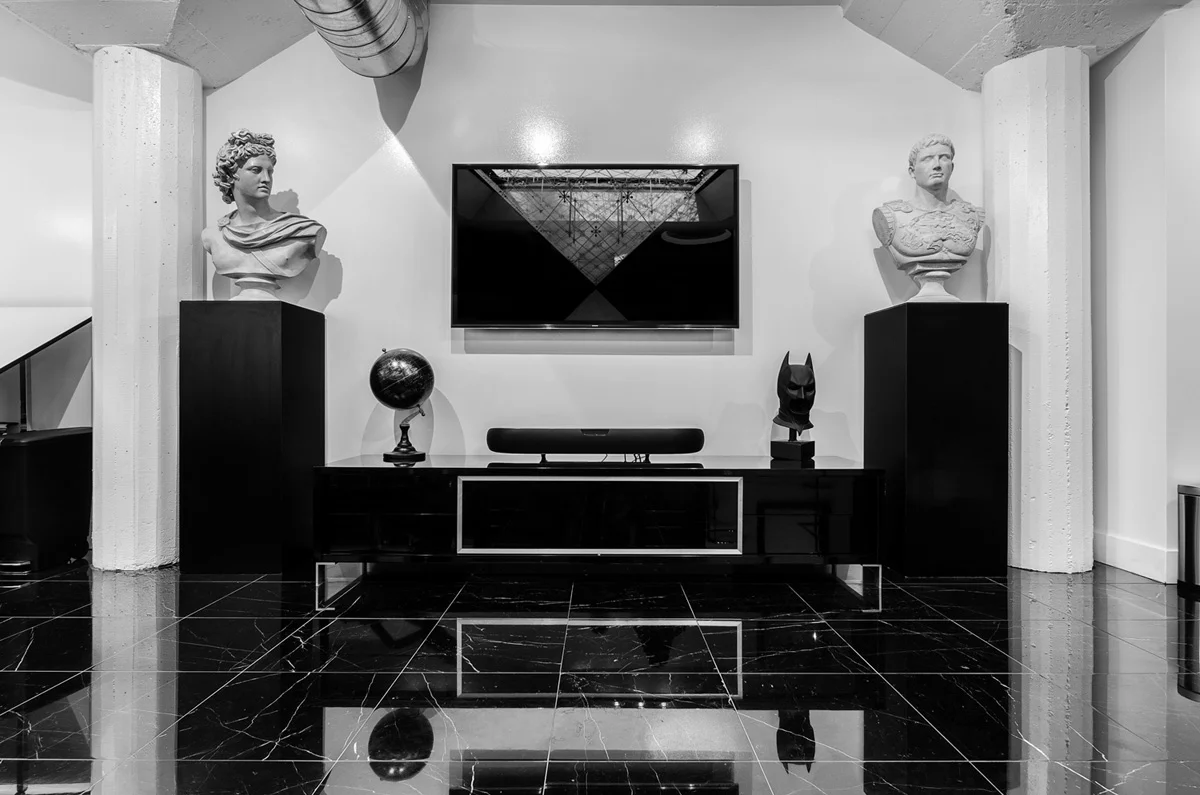
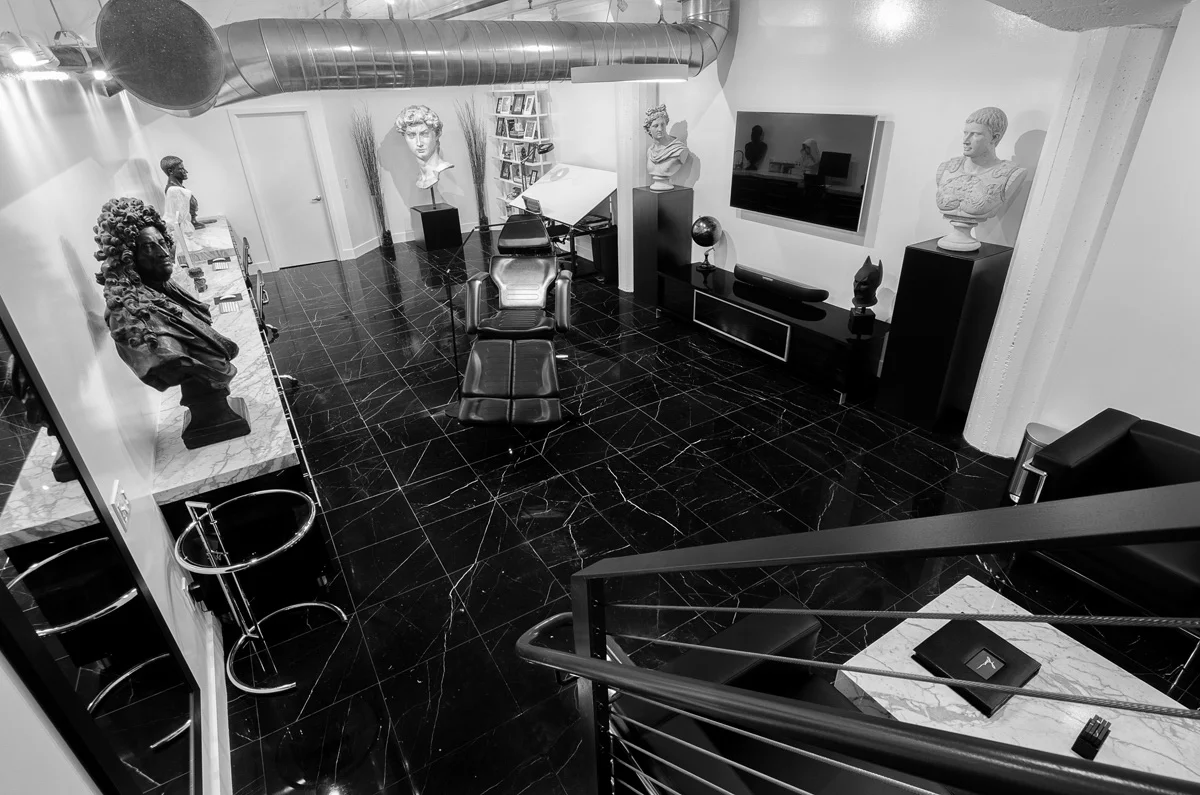
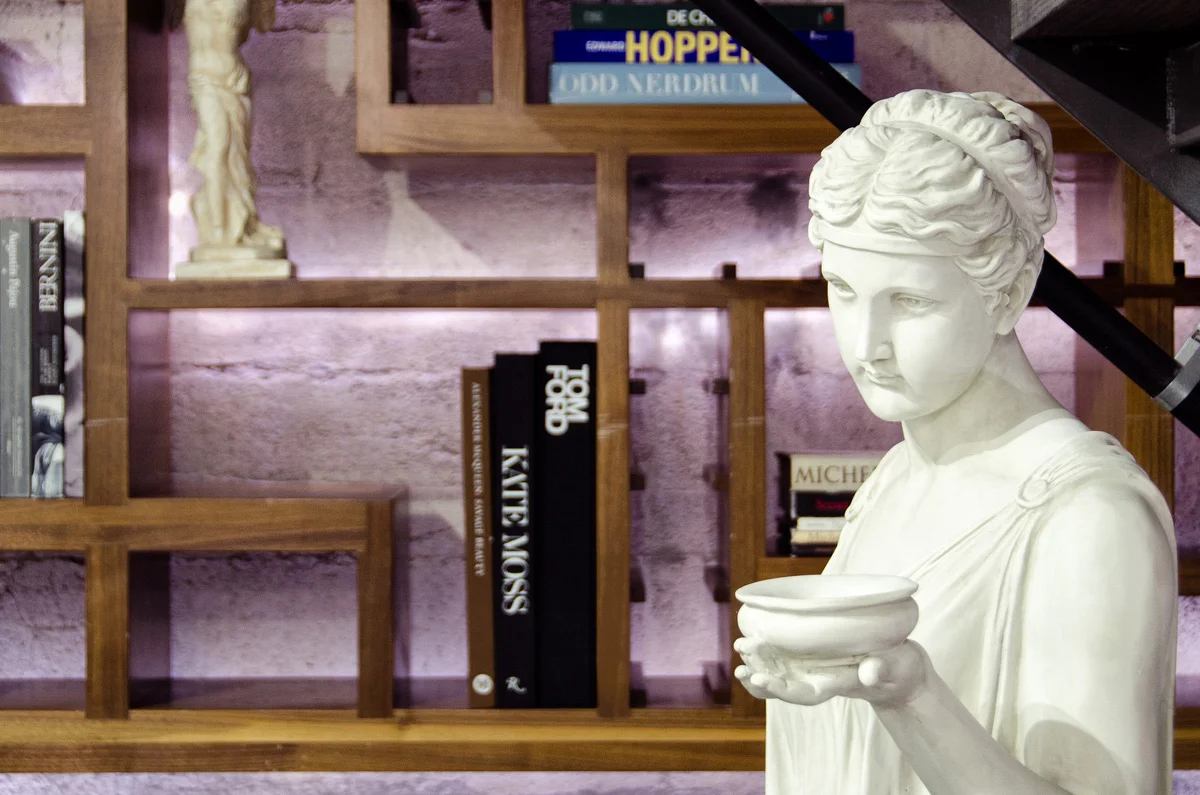
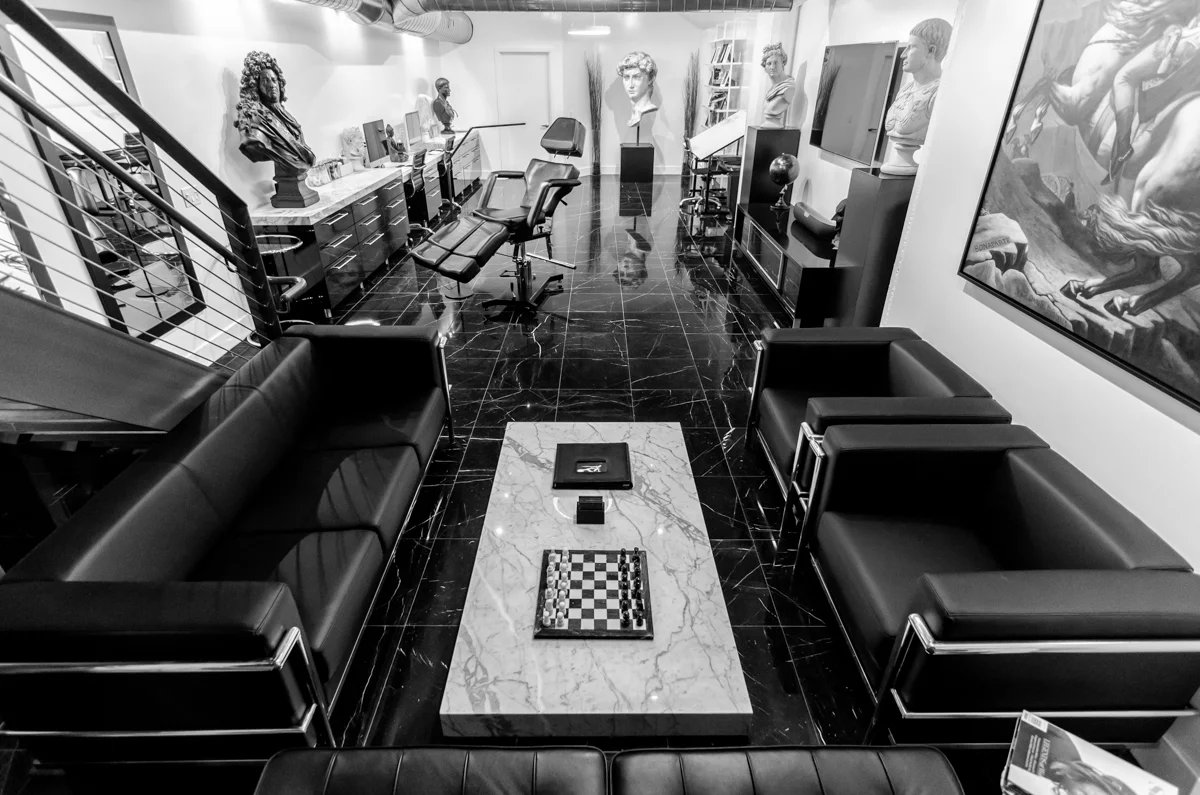
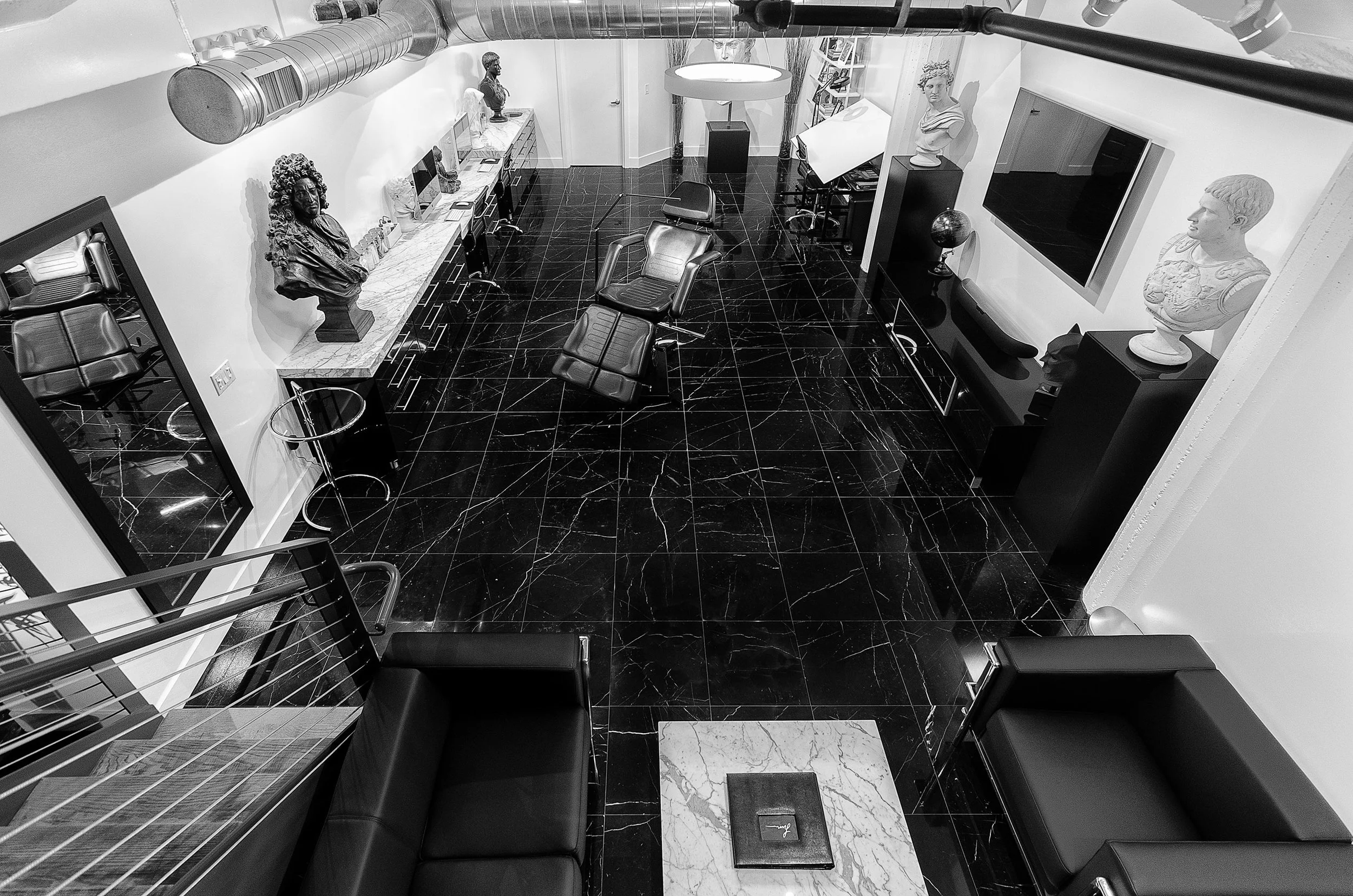
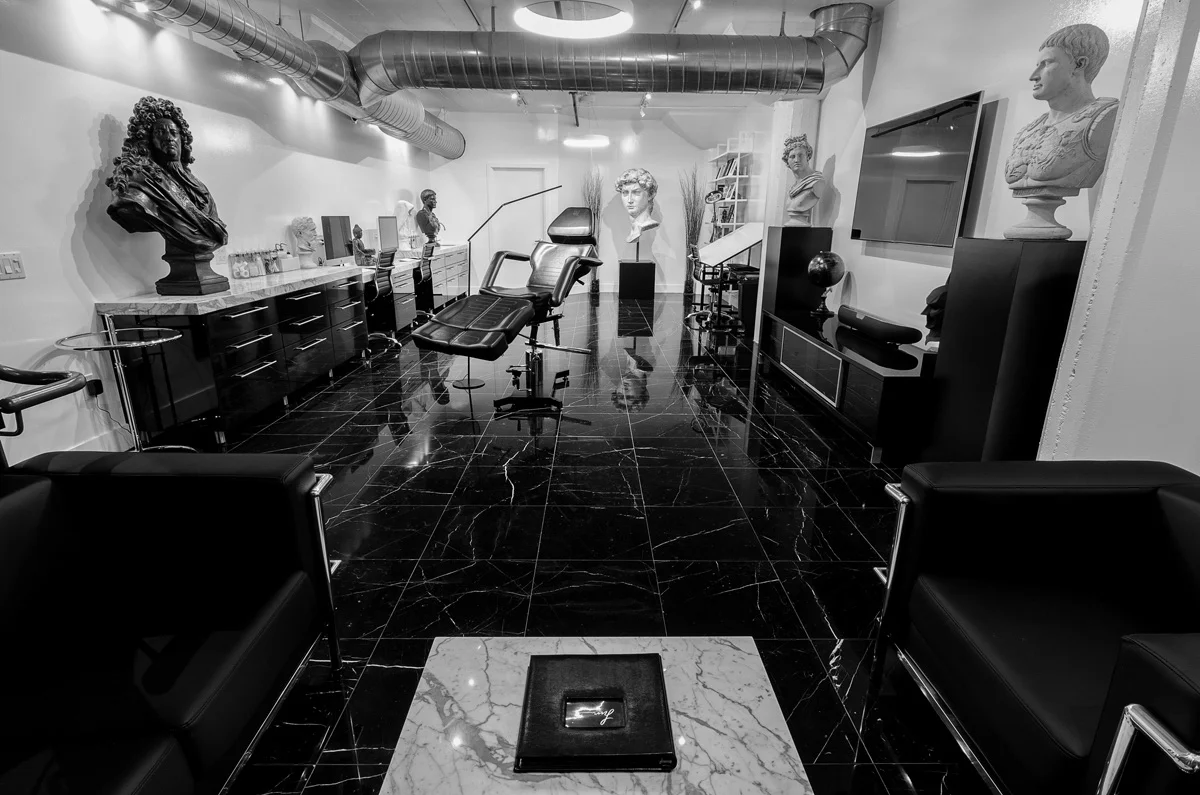
    I was recently commissioned to photograph a live/work space in Downtown LA for insanely talented tattoo artist Jun Cha. It was set up as a loft, with the living quarters upstairs, and his tattoo studio in the commercial space downstairs. The space was absolutely beautiful, and I’ve never quite seen a tattoo studio or parlor as elegant as this was – a gorgeously clean monochromatic space adorned with Greek mythological statues and replica busts of everyone from David to the Virgin Mary, classy leather-bound art books, Roman columns. It was stunning.
    Cha’s articulate attention to detail in his artwork transferred over to his borderline obsessive attention to every detail in this space. Hell, he even lay the tile down himself, a feat he made sure to remind me was NO small task. And this tile, this gorgeous black tile adorned with extremely contrasting white veins leading from one side of the room to the other, provided me with the biggest challenge of the space. The issue was that it was so highly reflective, and the overhead lights that were in the studio were so predominant, that if you looked at the floor, it was impossible not to see the reflections of these necessary lights.

    Since the main point he understandably continued to hammer home was to ‘make sure to focus on and bring out the detail in the tiles, specifically the white veins,’ I had to figure out how I was going to do this. One thought was to shoot an exposure with the lights off, and one with the lights on, and then paint in the floor in a composite, but that seemed like much more work than it was worth, and the last thing I wanted to do was make it seem unnatural. There had to be a more organic way to do it. Then I thought maybe we’d dim the lights, so at least it would minimize the reflections, but that would still be distracting enough to take away from the focus of what he wanted the images to be…the white veins.

    Immediately following the day that I scouted the location, I found myself on an impromptu trip to the eastern Sierra Nevada mountains, specifically in Mammoth Lakes, Yosemite’s Tuolumne Meadows, and Mono Lake. I know, strange segway right? But this is where it hit me. Yes, Cha’s studio was in the concrete jungle of Downtown Los Angeles, and yes, where I found myself 24 hours later was the complete opposite of that, but I have a set of filters that I use in almost all landscape and outdoor shots, and one of the filters that gets the most action, which I happened to pull out for a sunset on a lake shot, is the circular polarizing filter. Why? well, it’s designed to minimize reflections, especially in water.

    Duh!

    I had found my solution. For the first time in my photographic life, I was going to use the polarizing filter indoors for an architectural interior shoot. And I must say, it worked brilliantly. There were a few instances in which I had to clone out some particularly strong ceiling lights in post, but it was a mere fraction of the retouching job that would have lay ahead without those polarizers. The reflections were 90% gone, the tile was the star of the show, and, most importantly, the client was happy.

    JunCha_Int_CLPL-_1WM5243-Edit-Edit

    So yes, if you happen to be shooting real estate or architectural interiors, and the reflections get to be too much, taking away from the detail of the texture or design, whether it be in tile, or glass, or distressed concrete, or waxy hardwood floors or shiny metal surfaces, don’t be afraid to reach for that polarizer. It can save the day (and the shoot).

    If you want more, click here for 7 Tips For Shooting Real Estate Photography, and click here to learn How To Expose For Interiors And Exteriors.

    And if you’re in need of real estate photography services, whether commercial or residential, please feel free to contact me or check out my Property Photography website.

    And, finally, for more of my madness: Instagram: @wasimofnazareth Twitter: @wasimofnazareth Google+: www.Google.com/+WasimMuklashy Facebook: www.Facebook.com/WasimOfNazareth