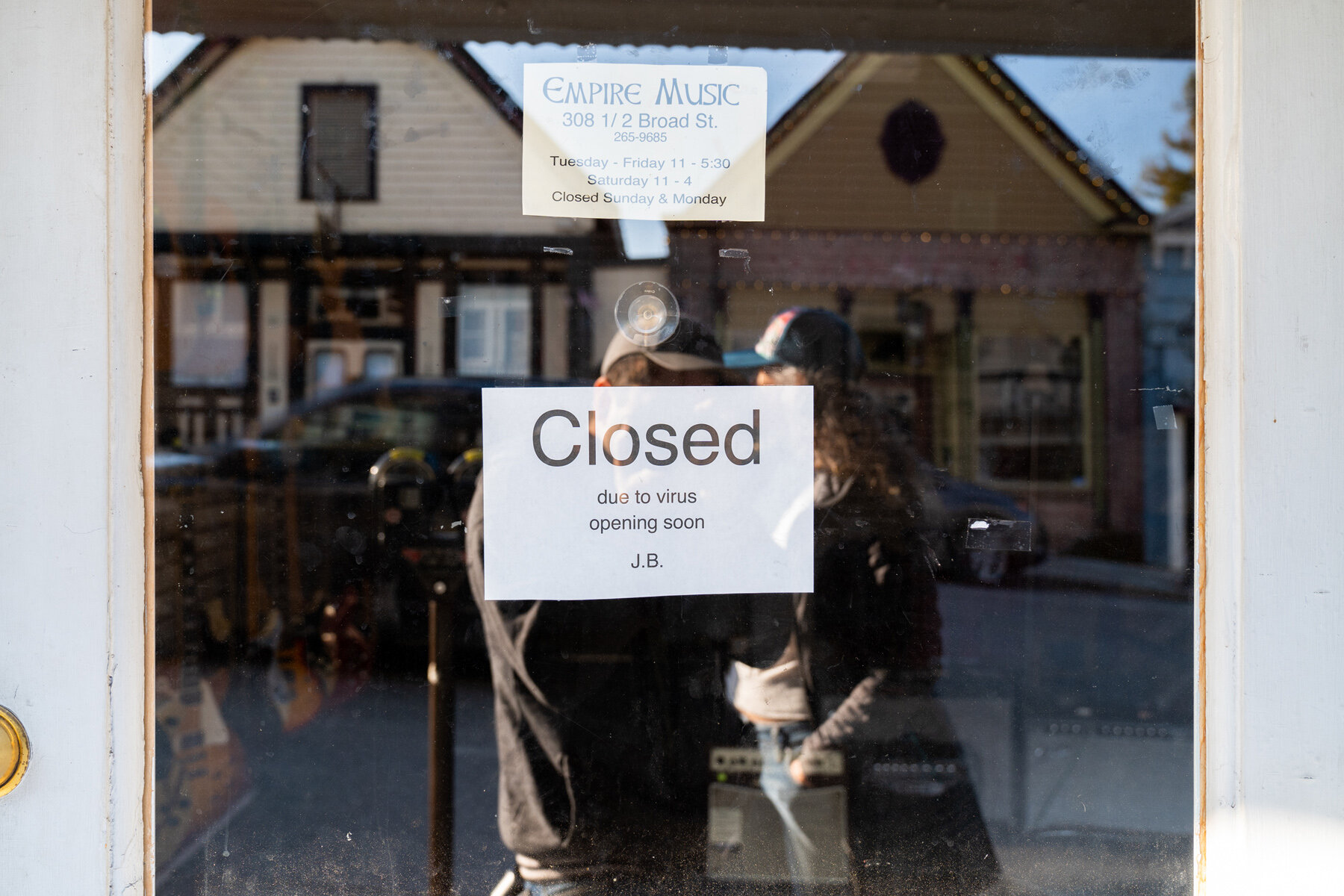
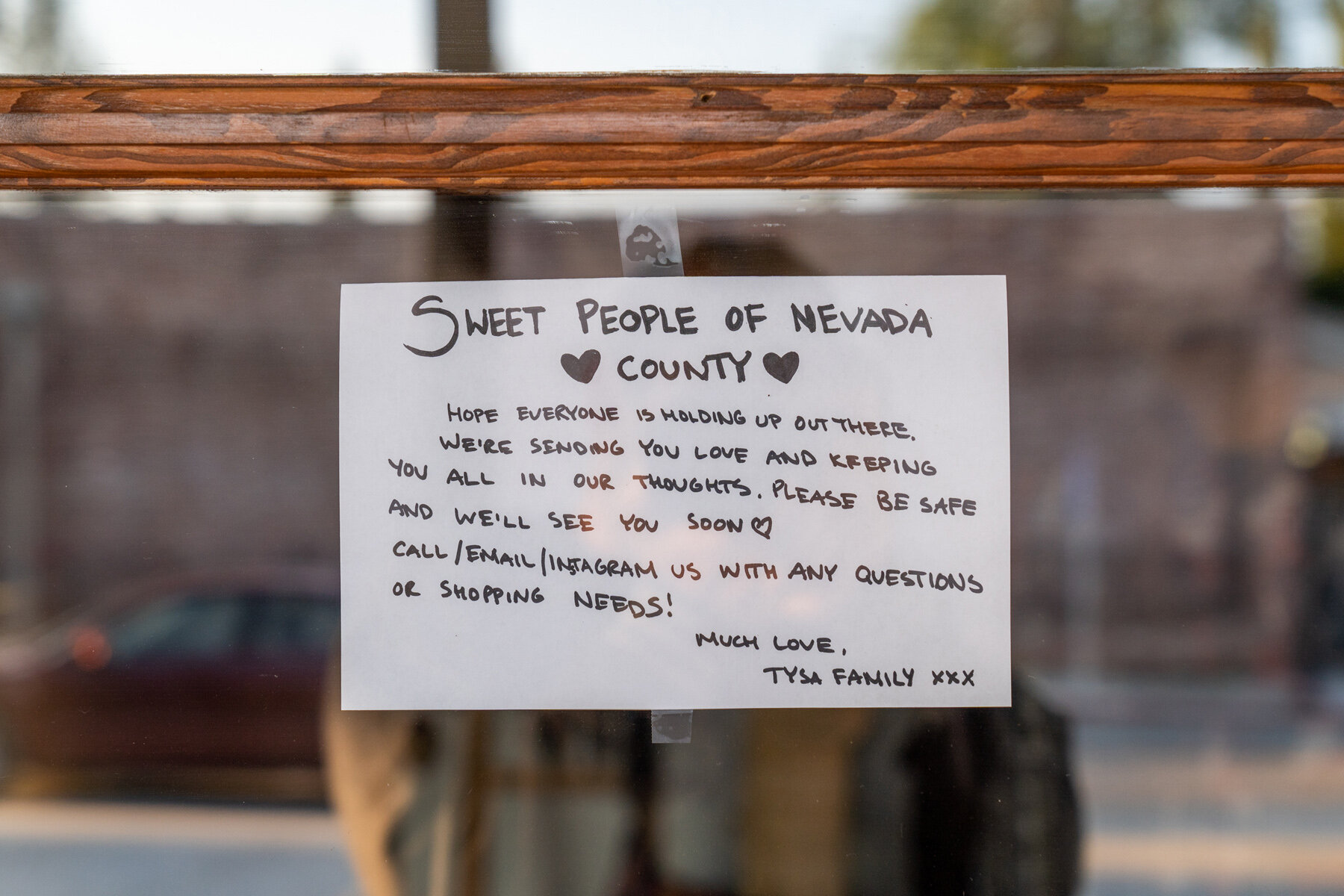
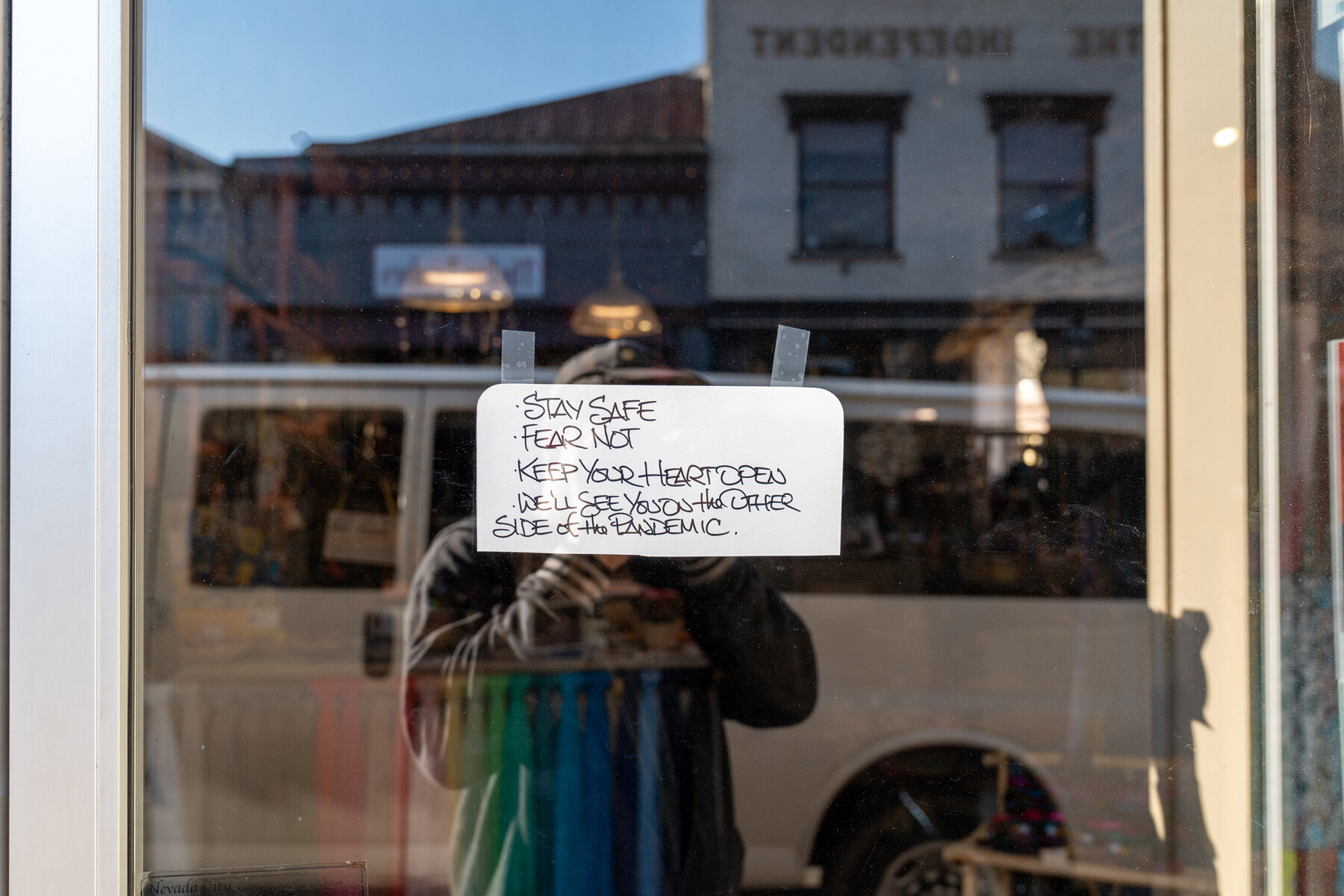
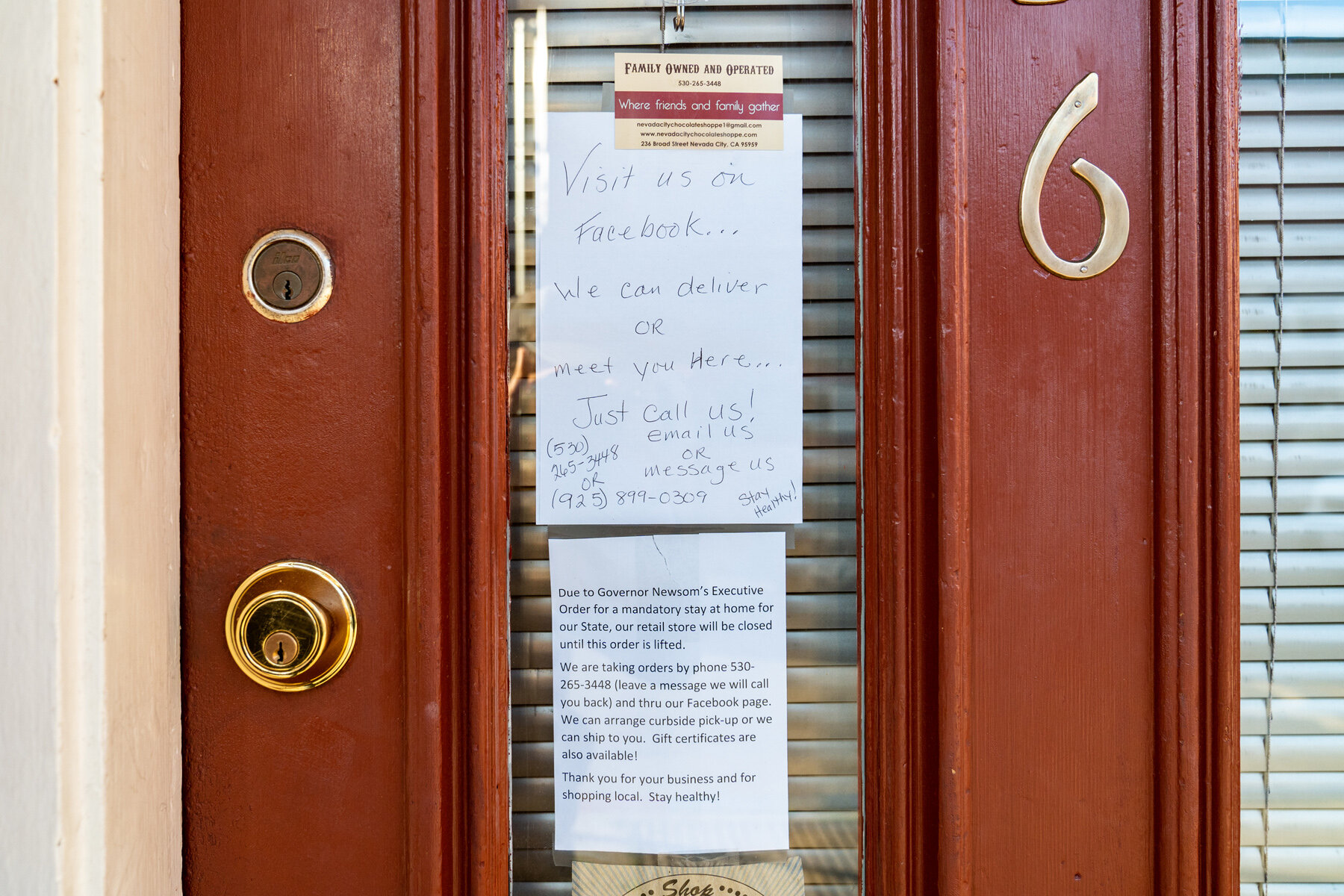
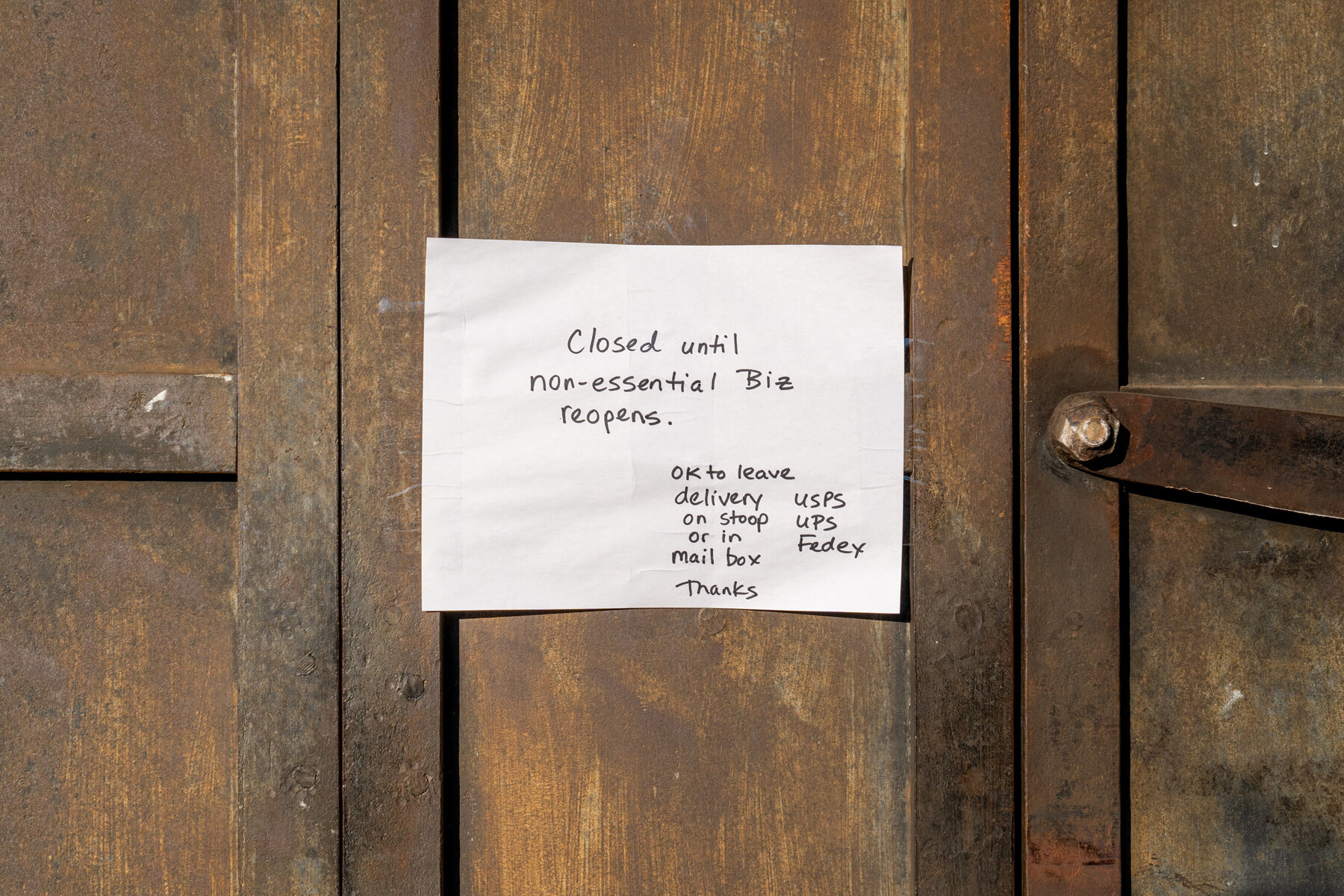
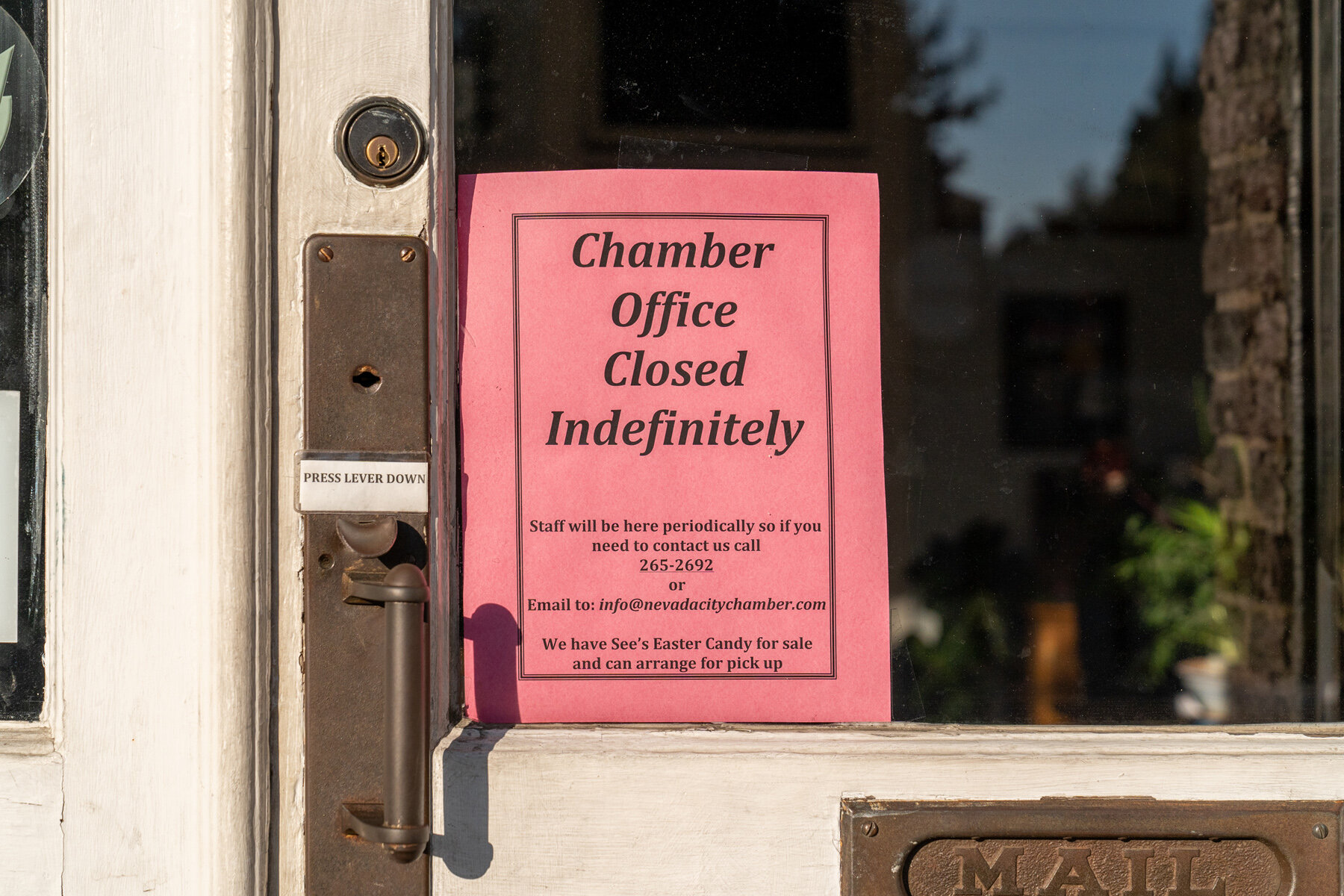
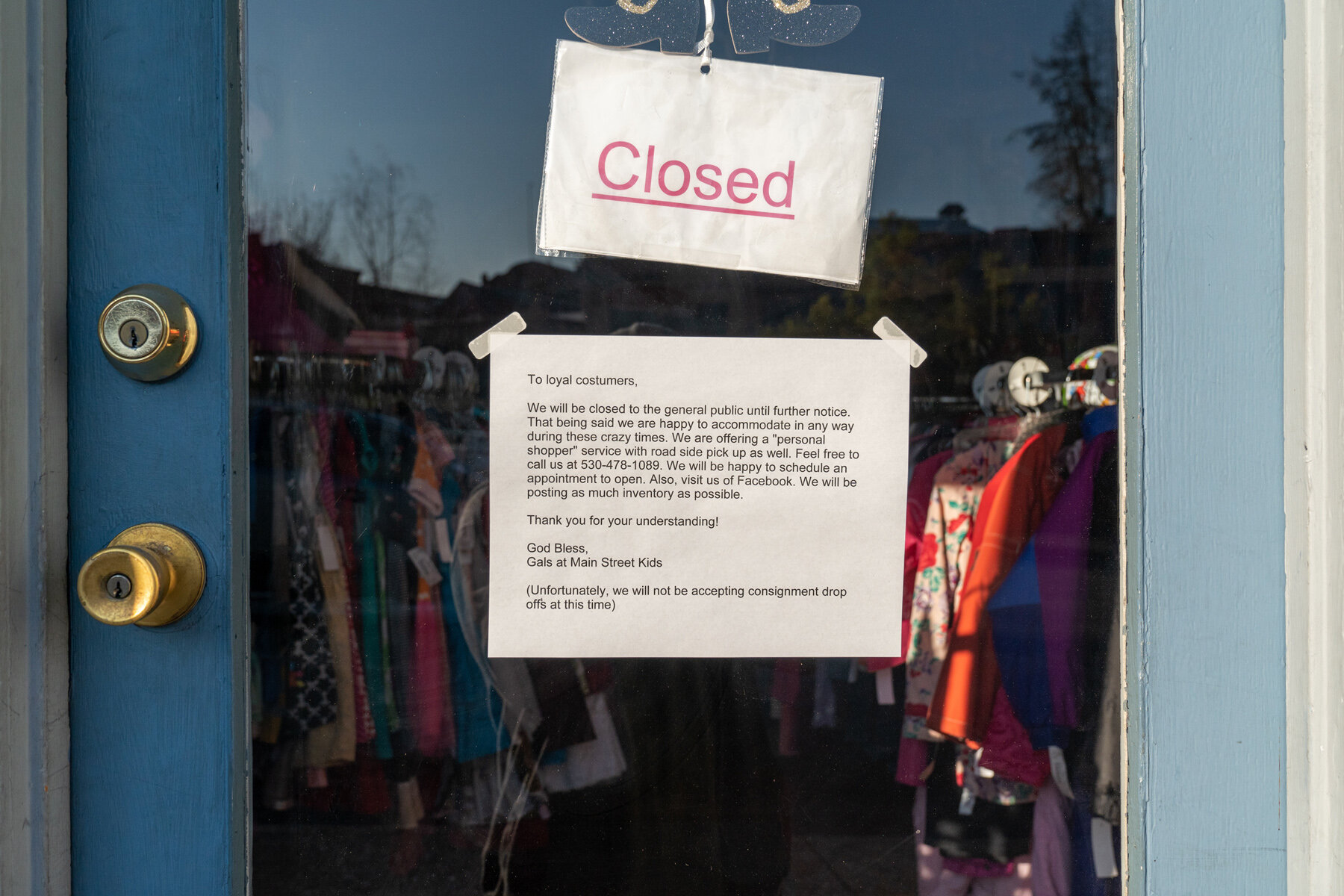
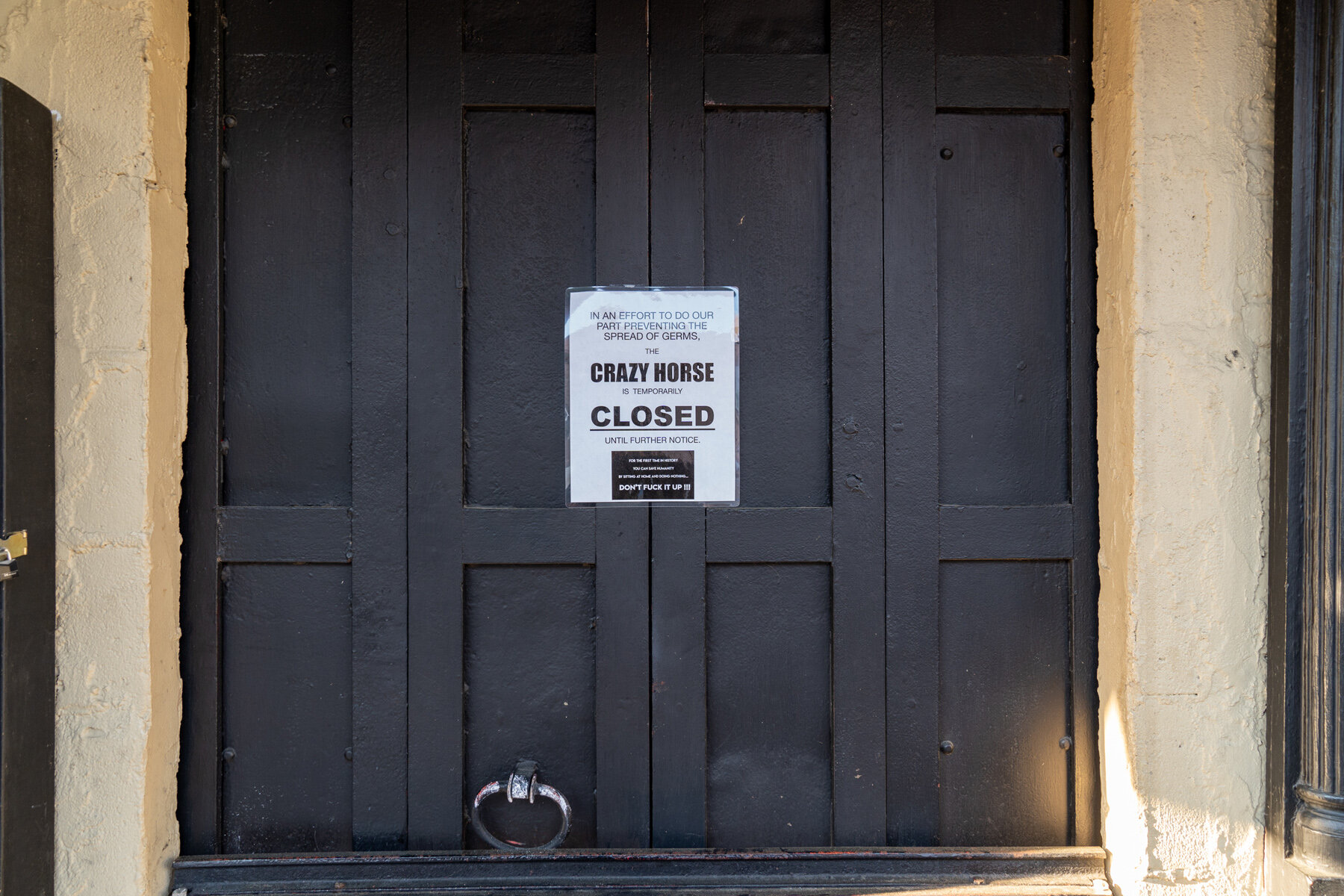
For most of the world, it seems cabin fever is beginning to set in. Maybe I’m speaking for myself, but I have a sneaking suspicion that is not case. Weeks of no work, social distancing, quarantining, self-isolating, gloving, masking and toilet paper rationing have started to get, well, tired, especially for someone who’s livelihood and sanity remain in order by doing the exact opposite – traveling, exploring, and satiating curiosities from behind the lens of a camera.
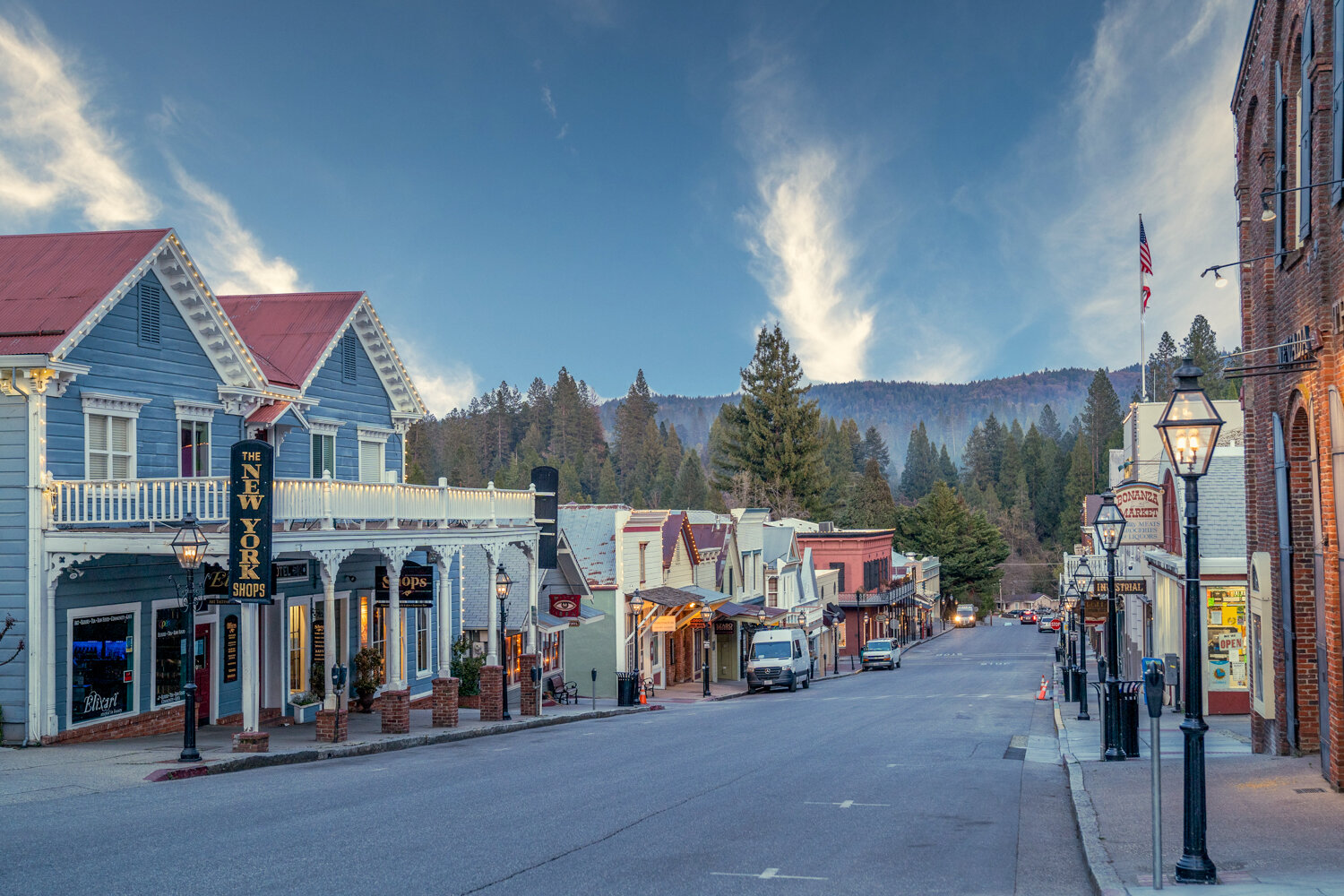
One thing that has certainly helped bring a bit of normalcy to the insanely abnormal, has been frequent walks and short hikes around the area I’m currently in, and have been, since the stay at home orders began almost a month ago. Being as how I’m staying in the foothills of the Sierra Nevada mountains just outside Lake Tahoe in an idyllic historic mining town called Nevada City, I can certainly think of worse places to ride this thing out, so when a hankering for a small personal project and a late afternoon stroll through the neighborhood enters the psyche, I must oblige!
I must.
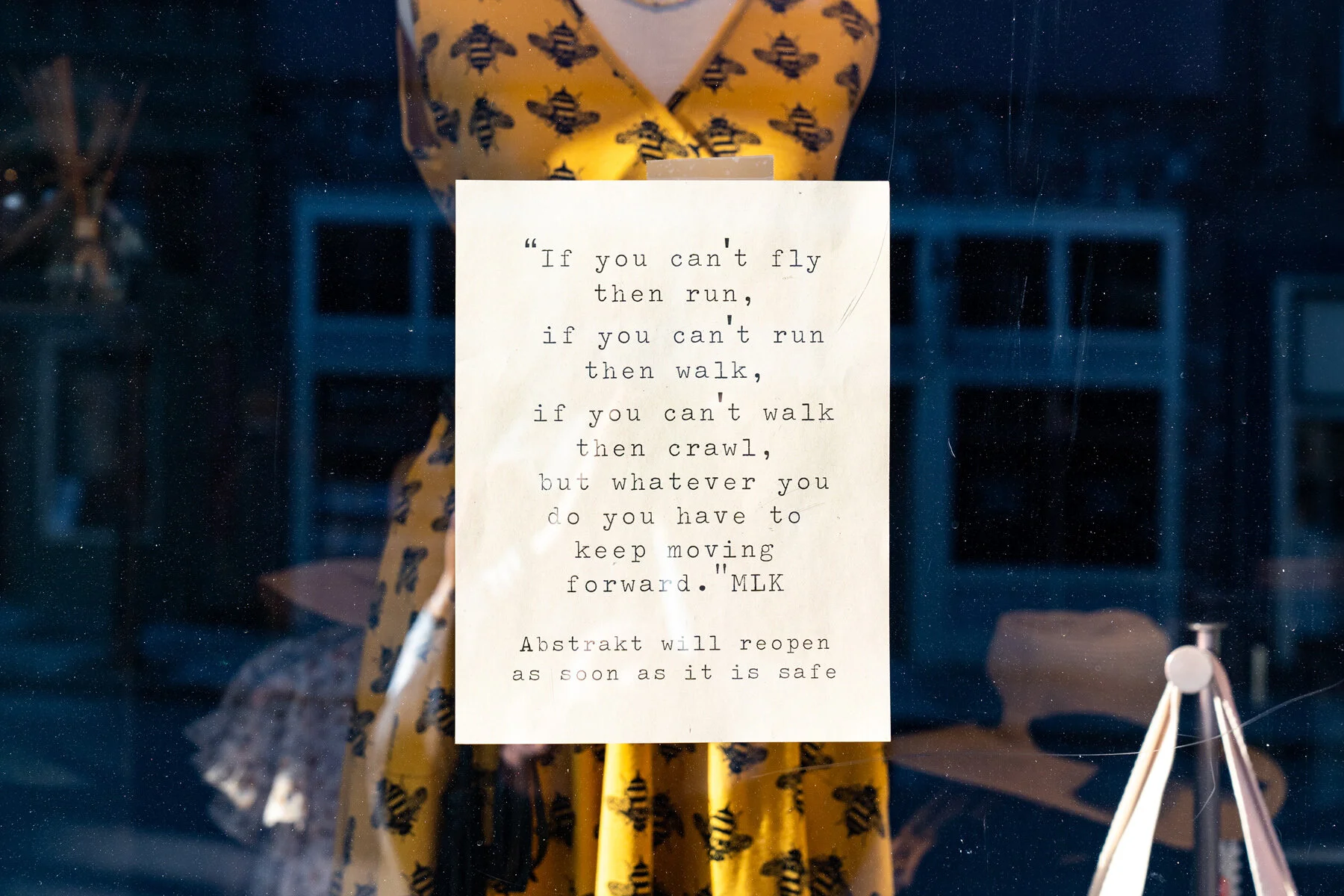
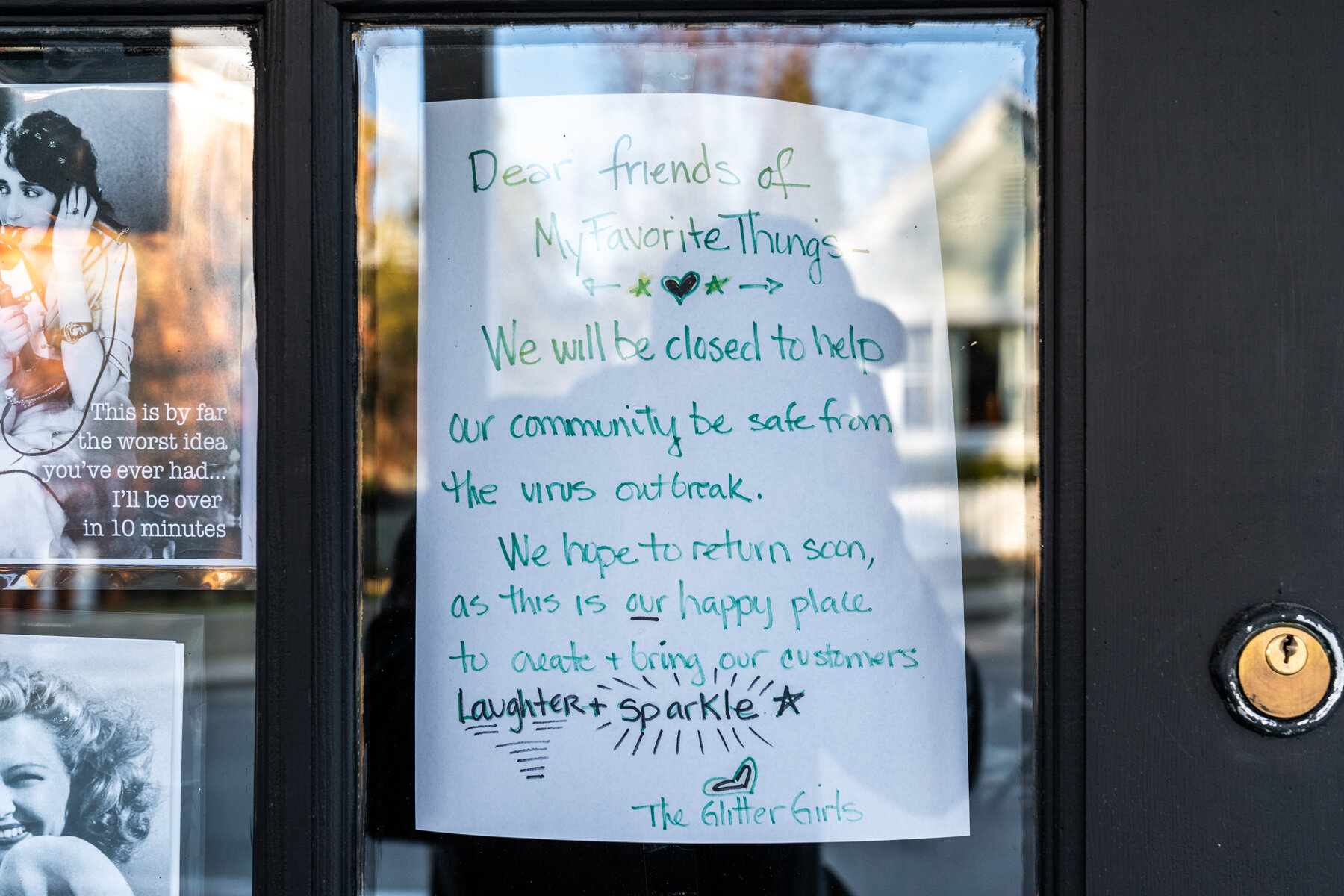
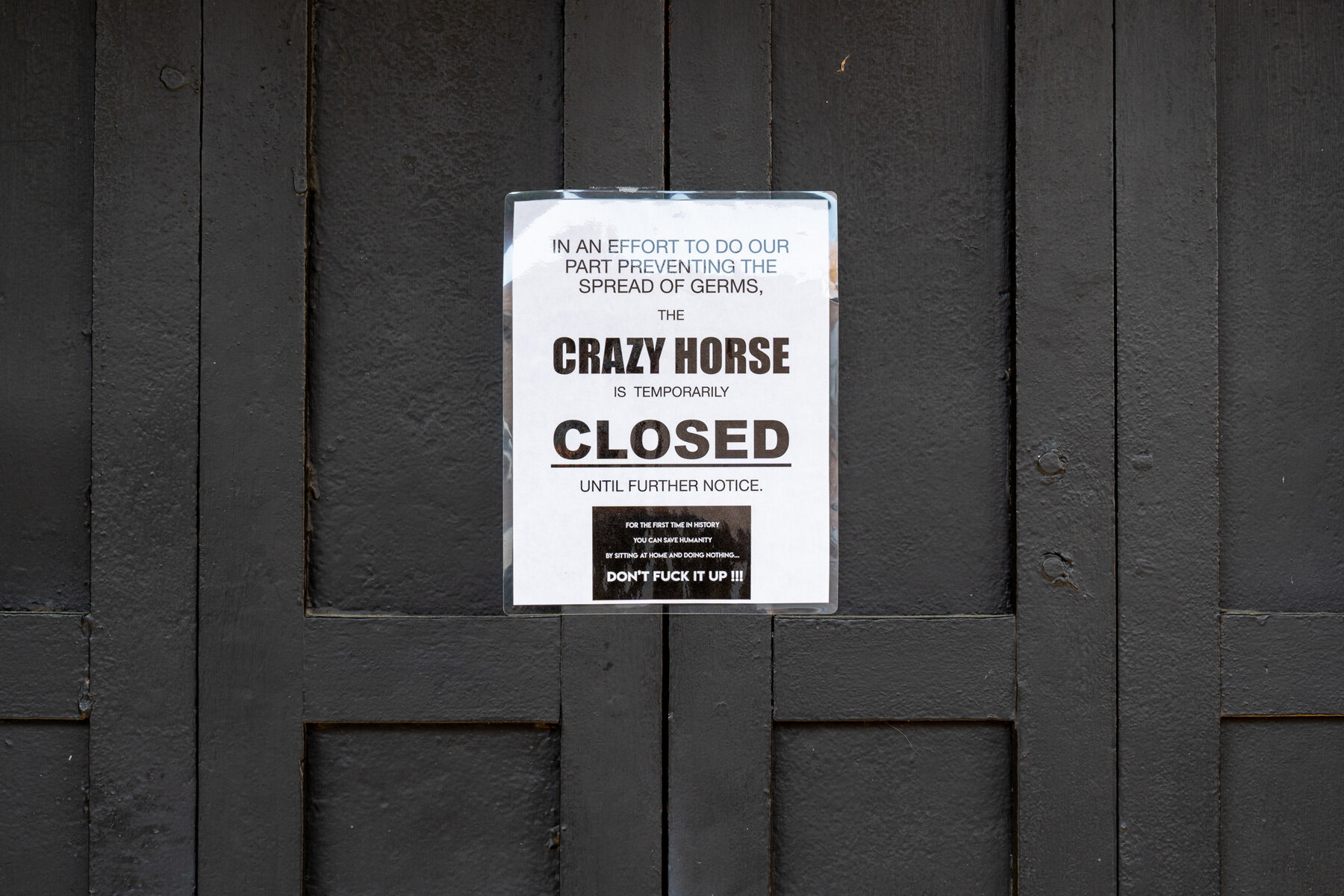
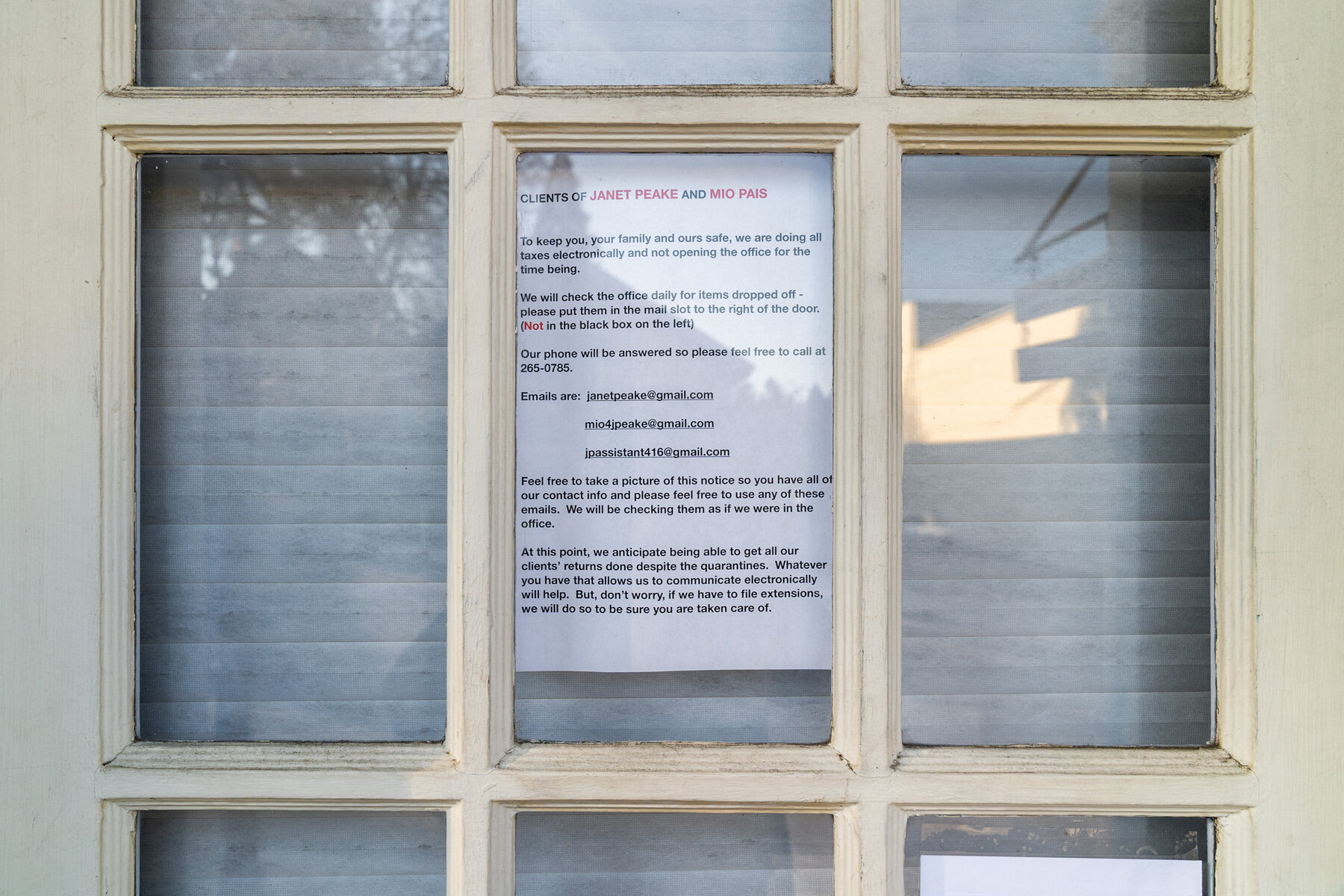
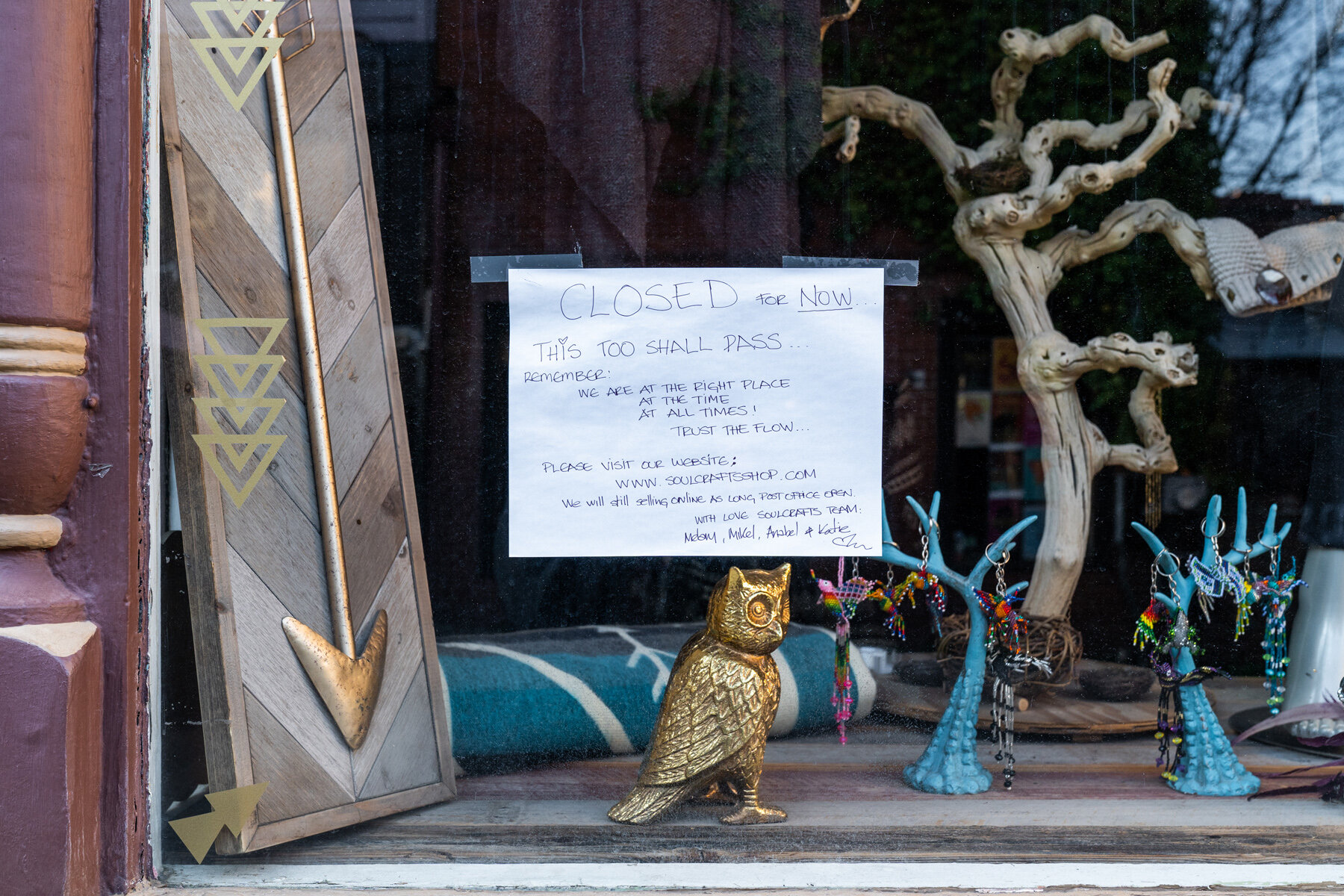
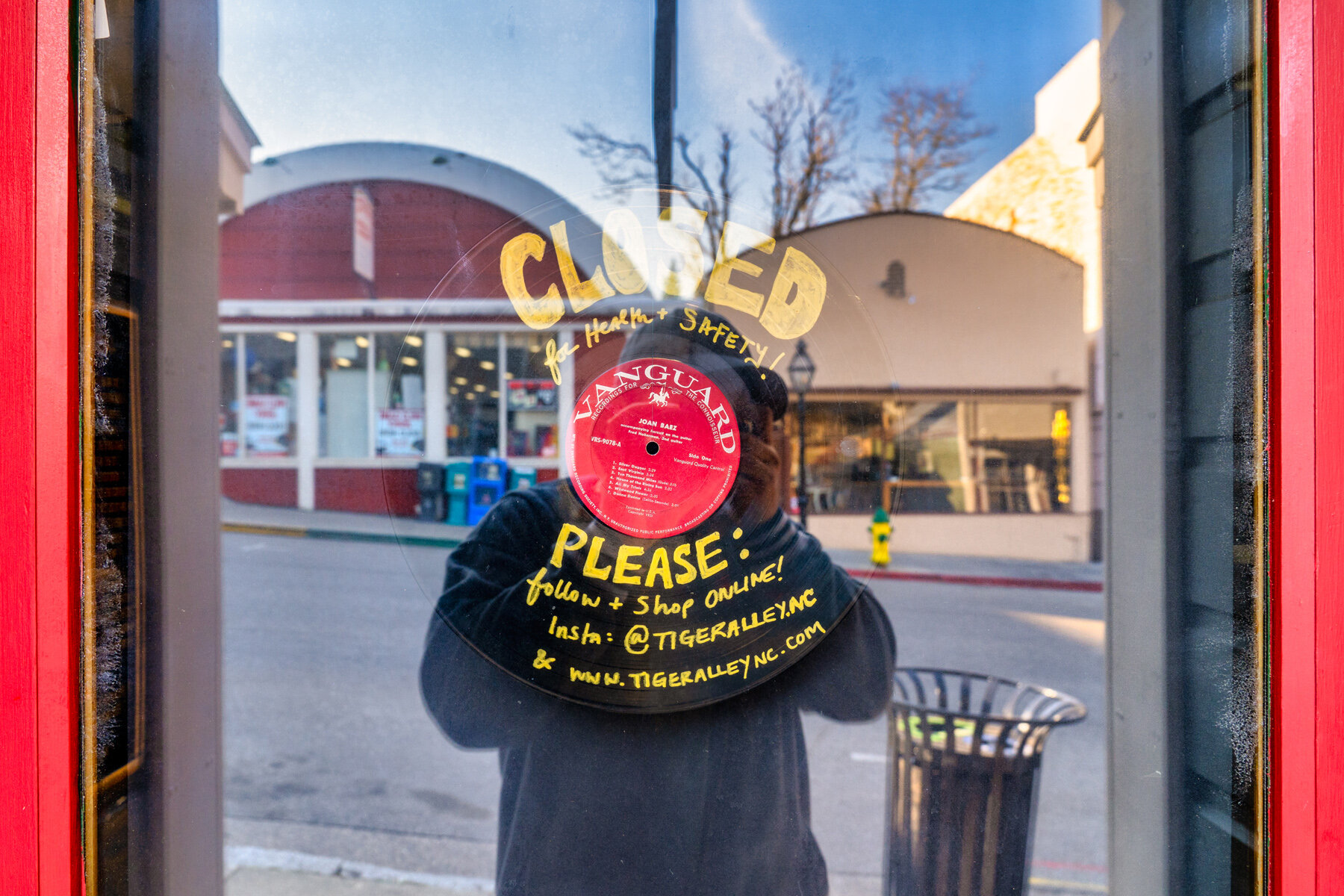
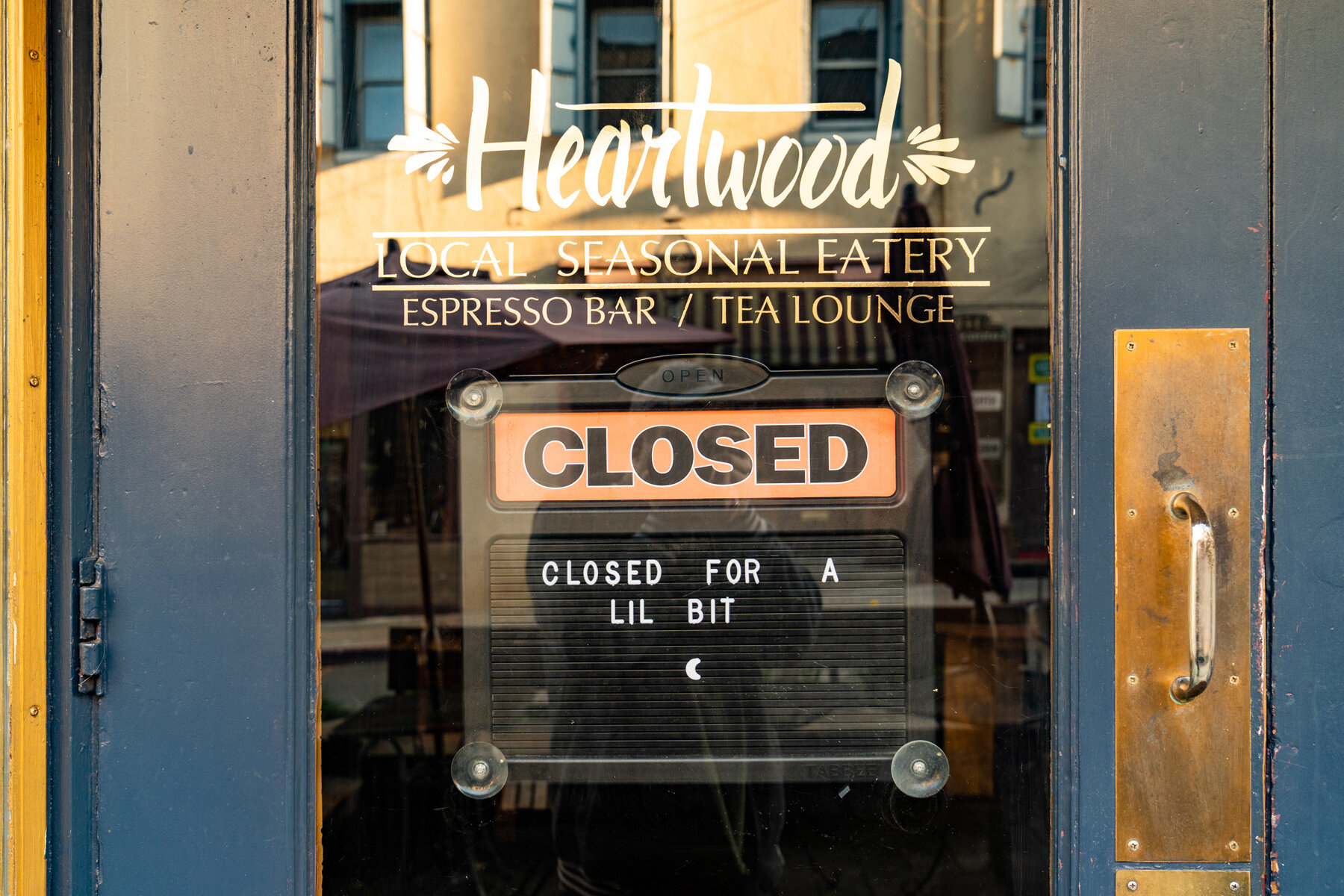
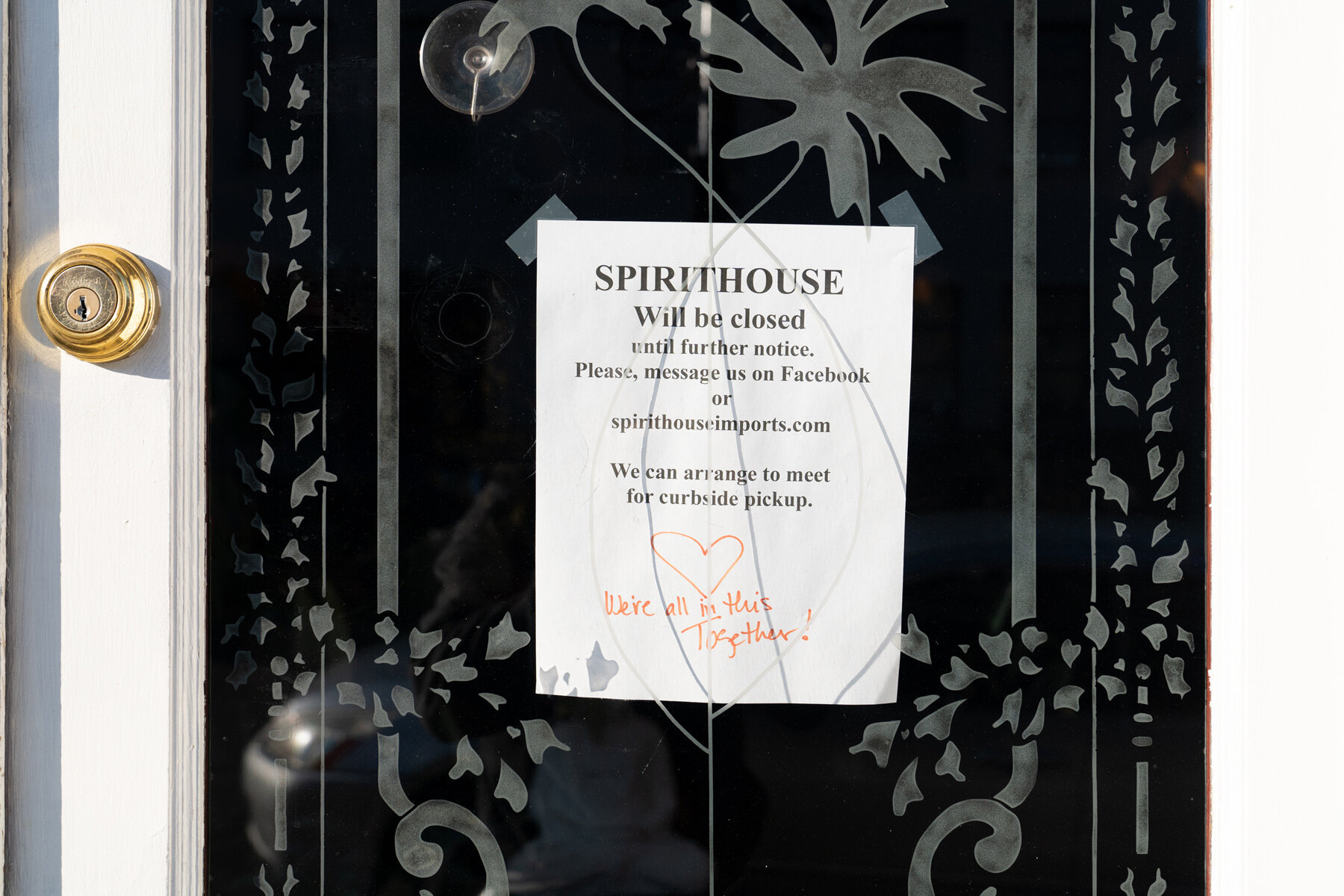
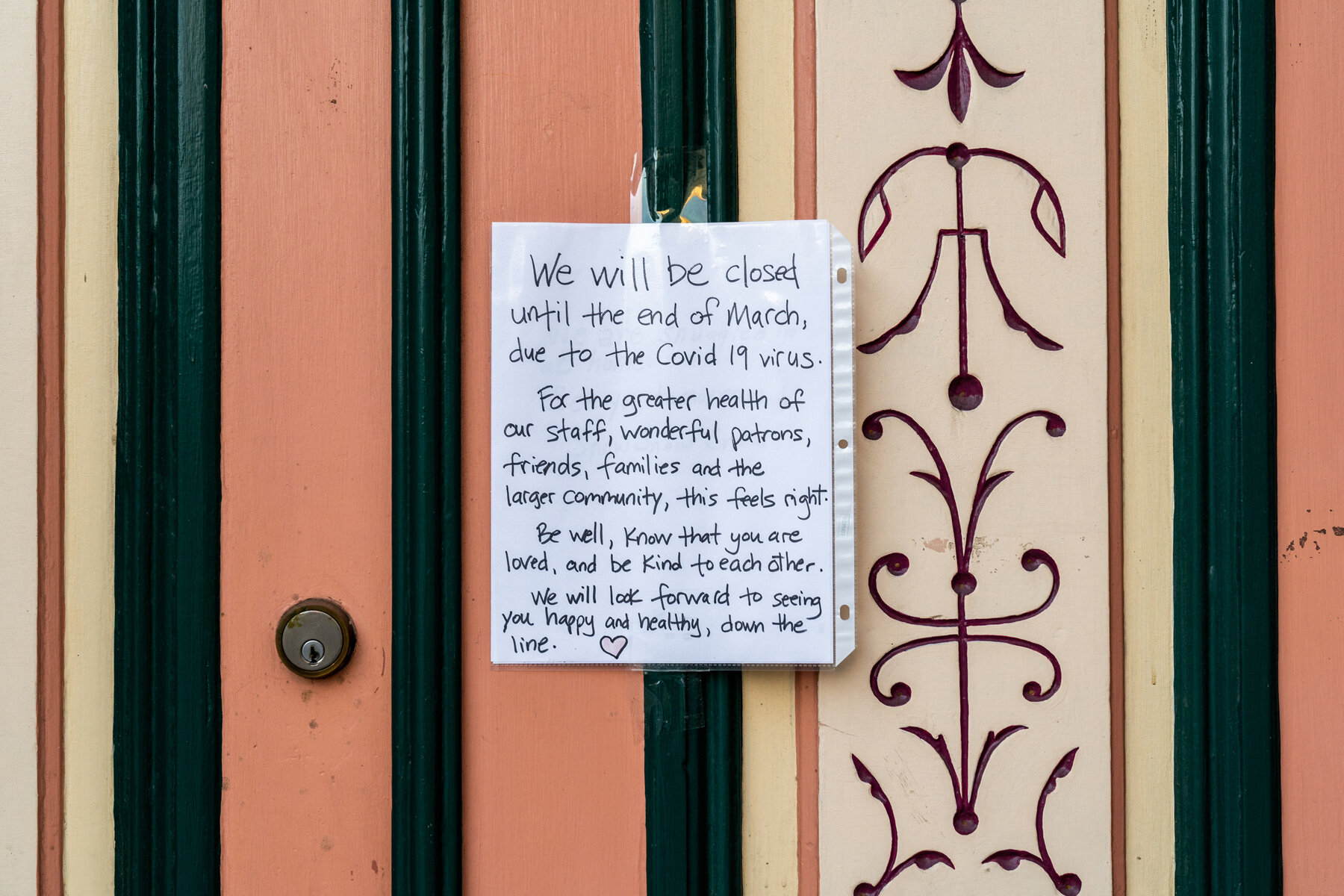
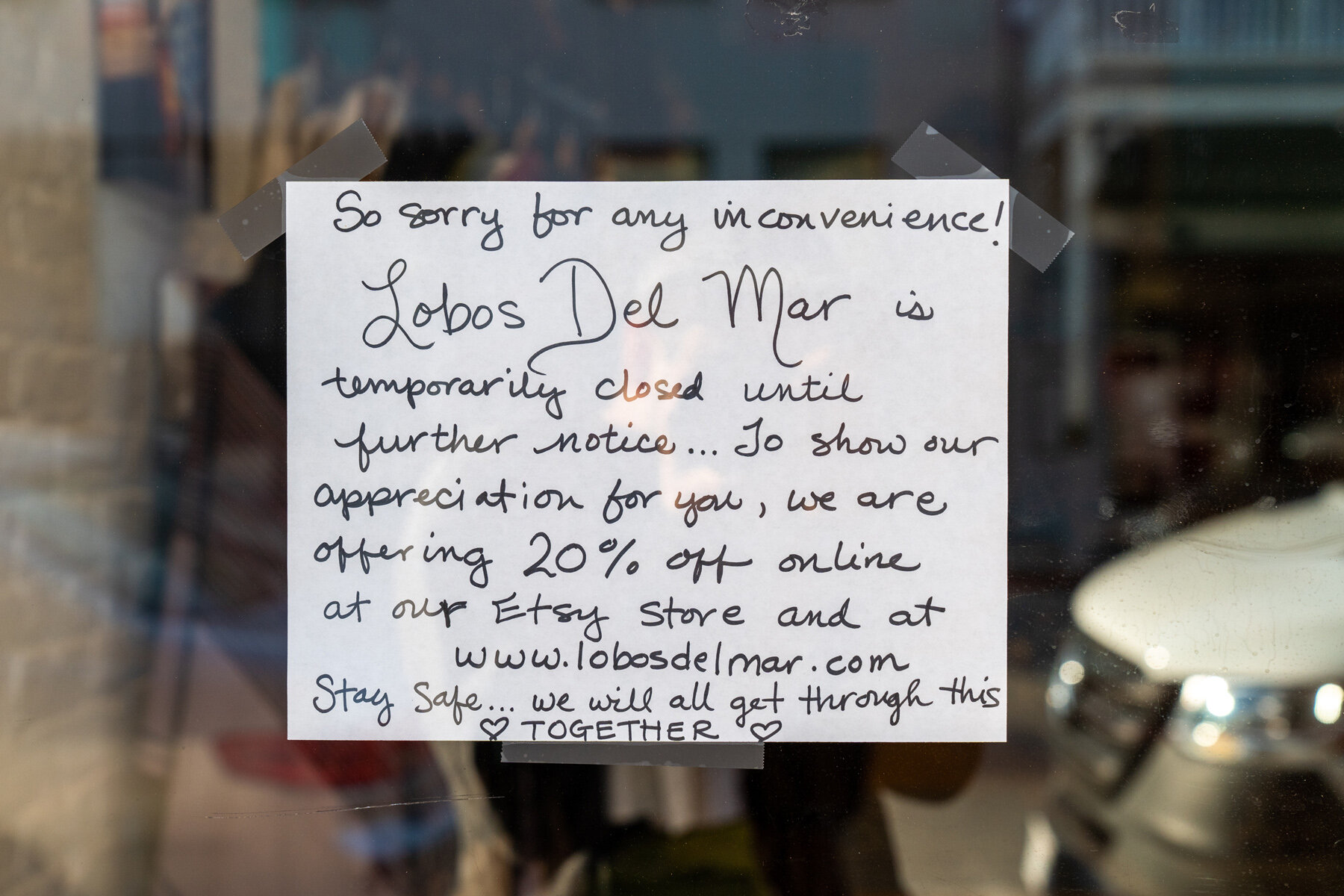
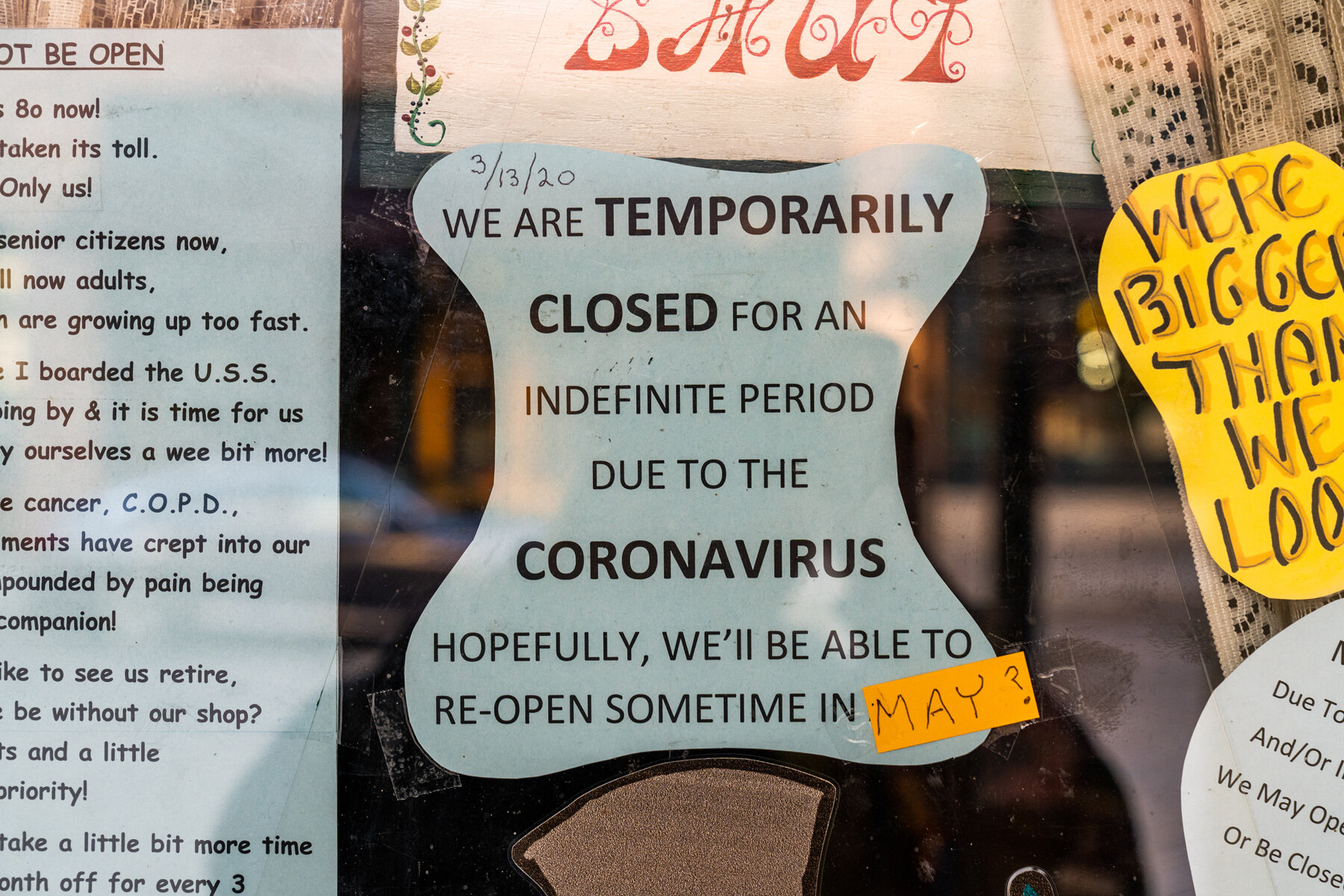
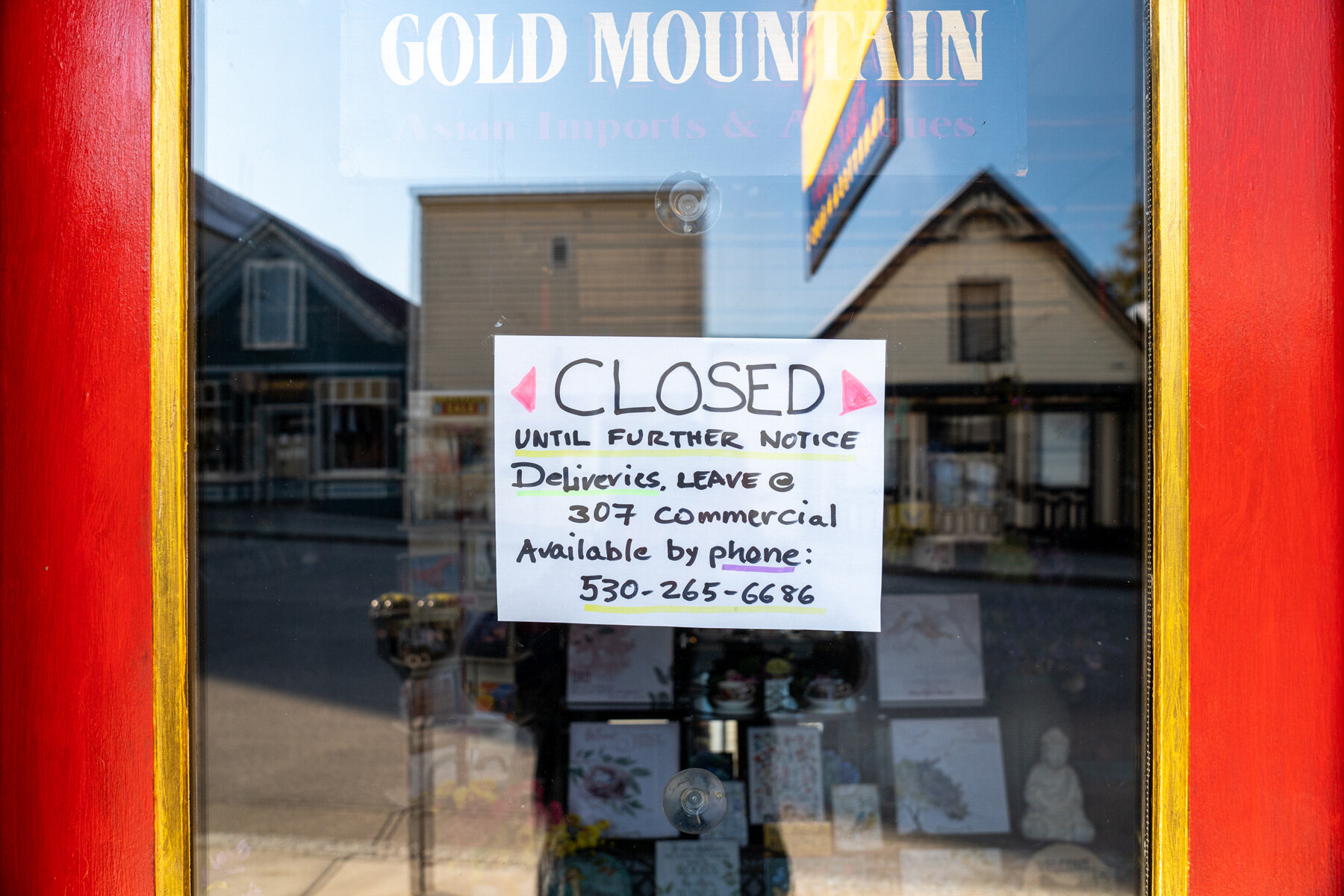
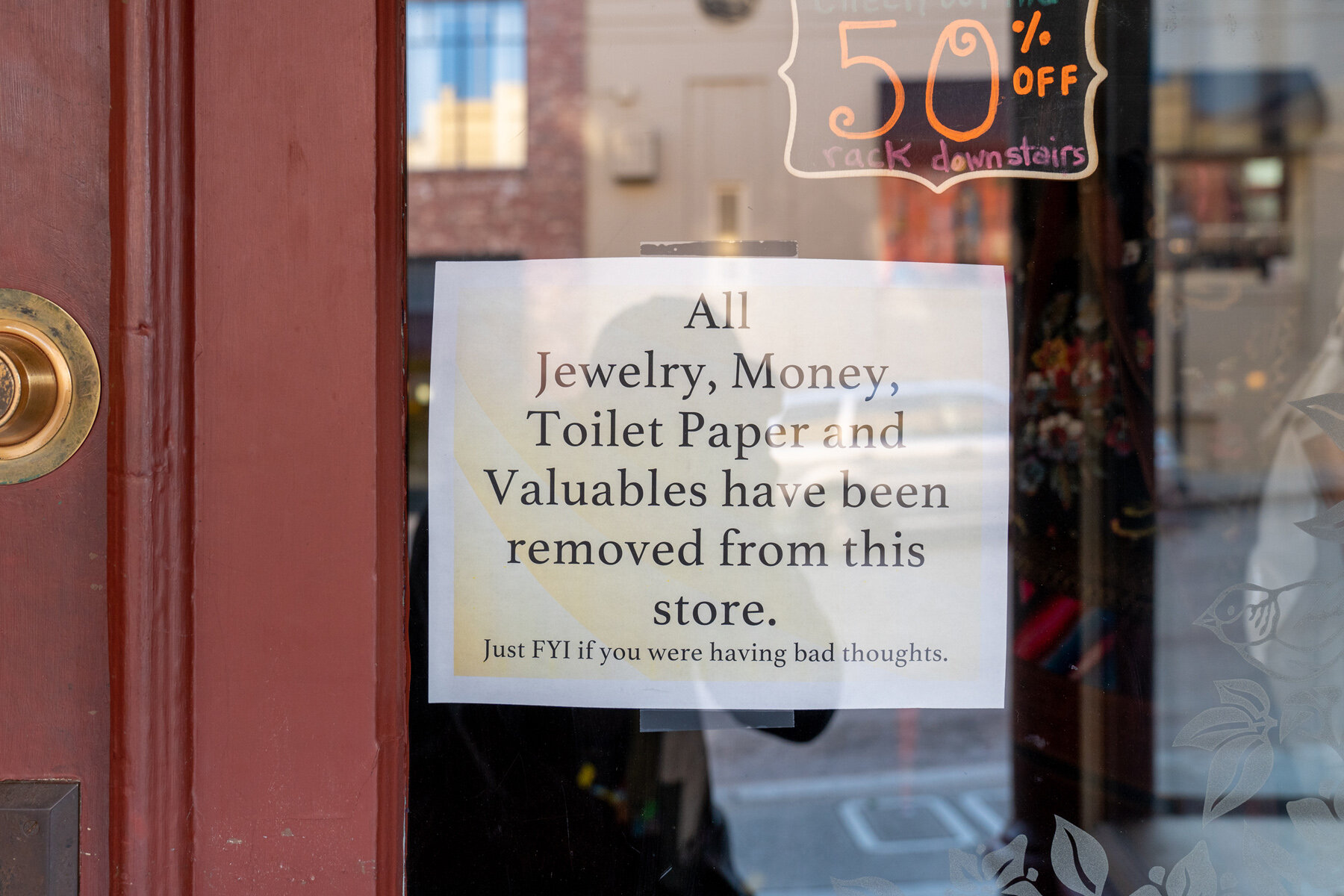
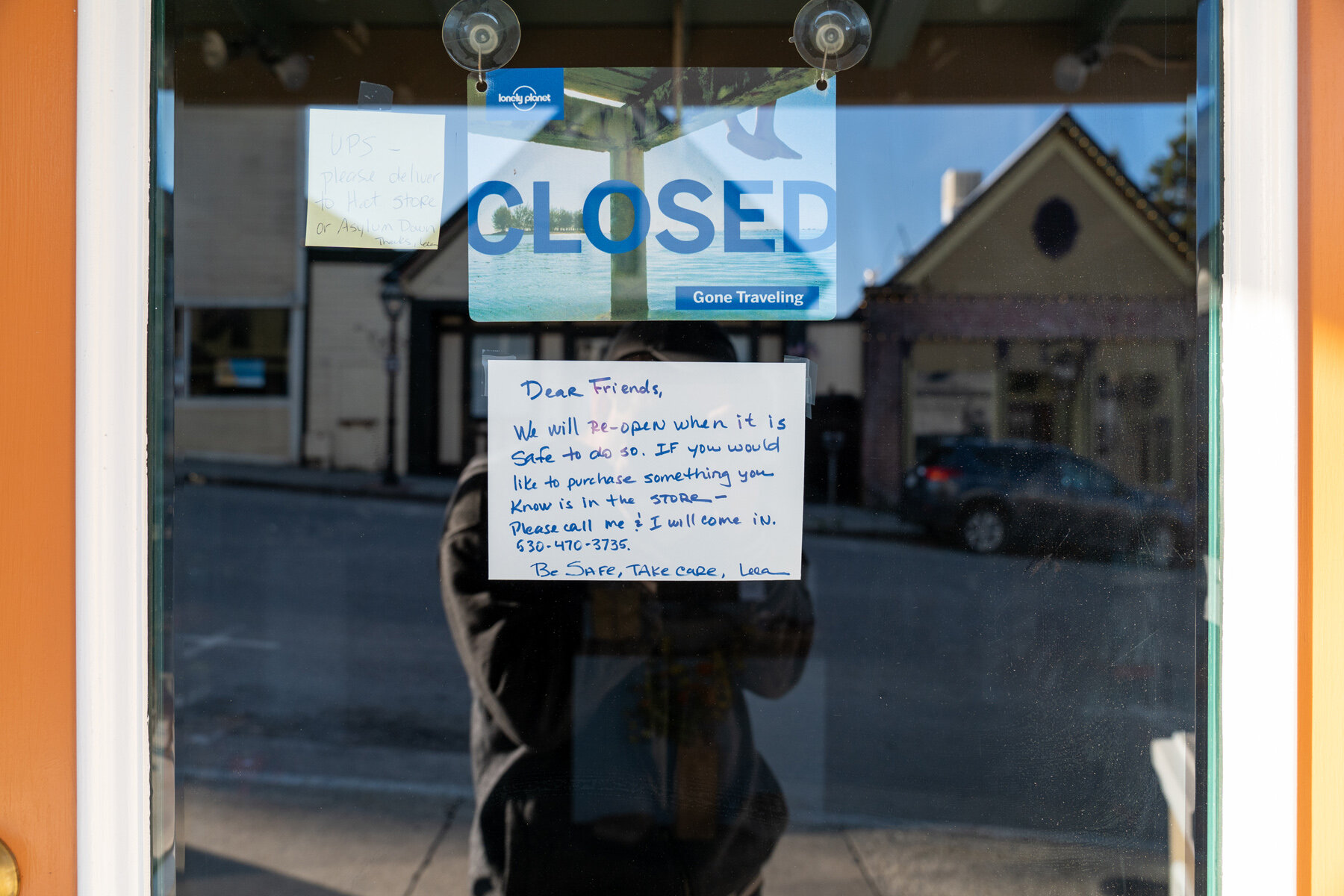
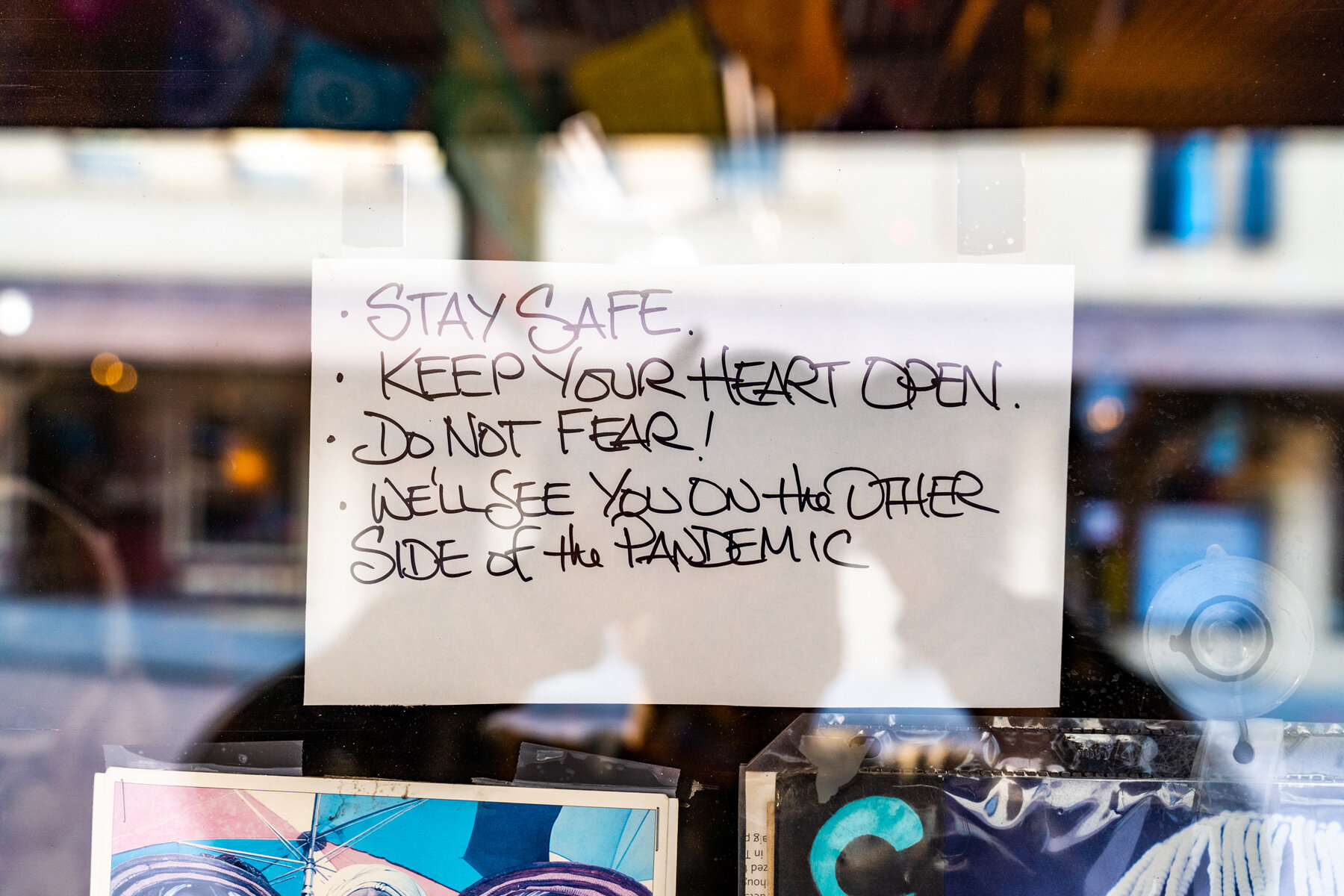
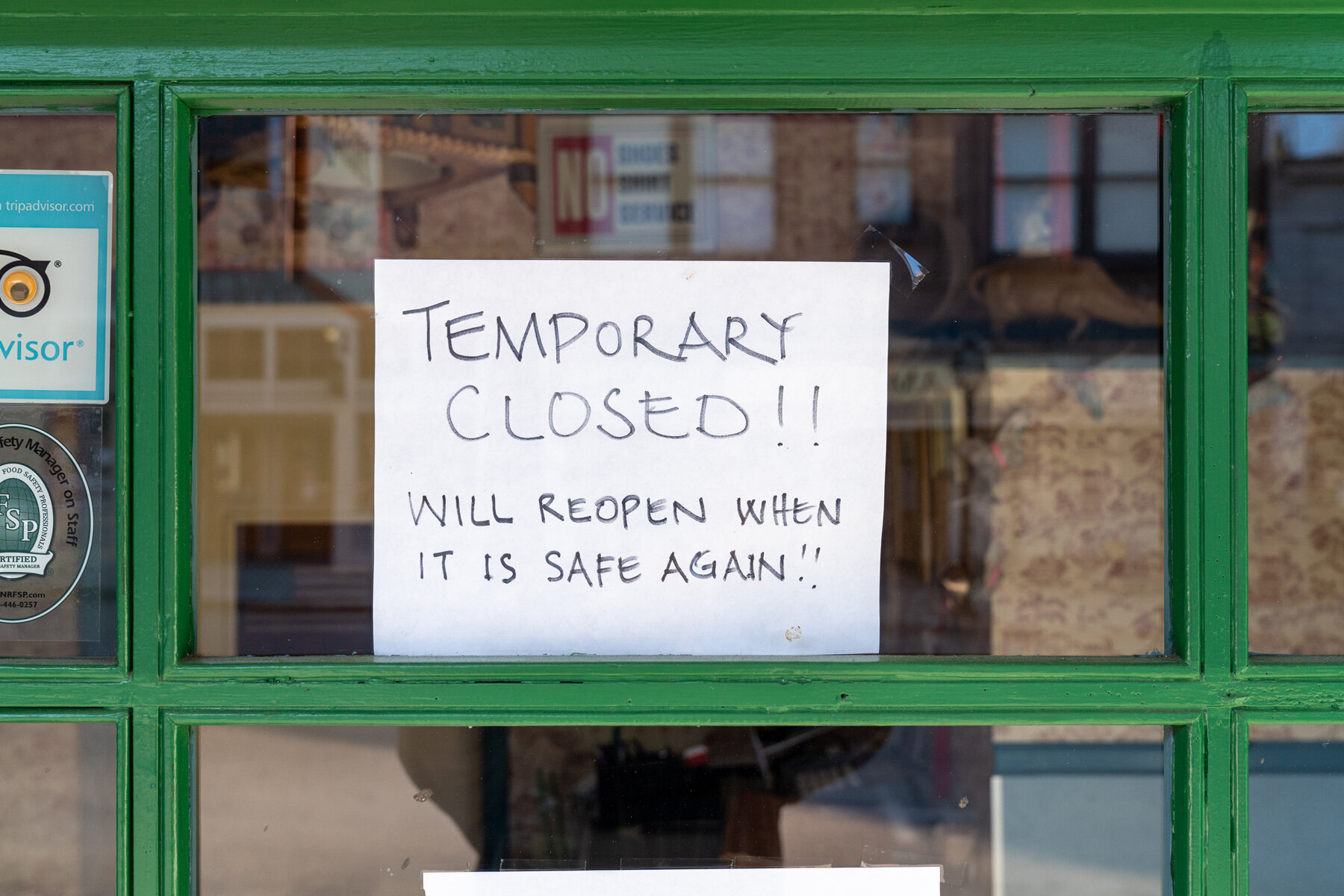
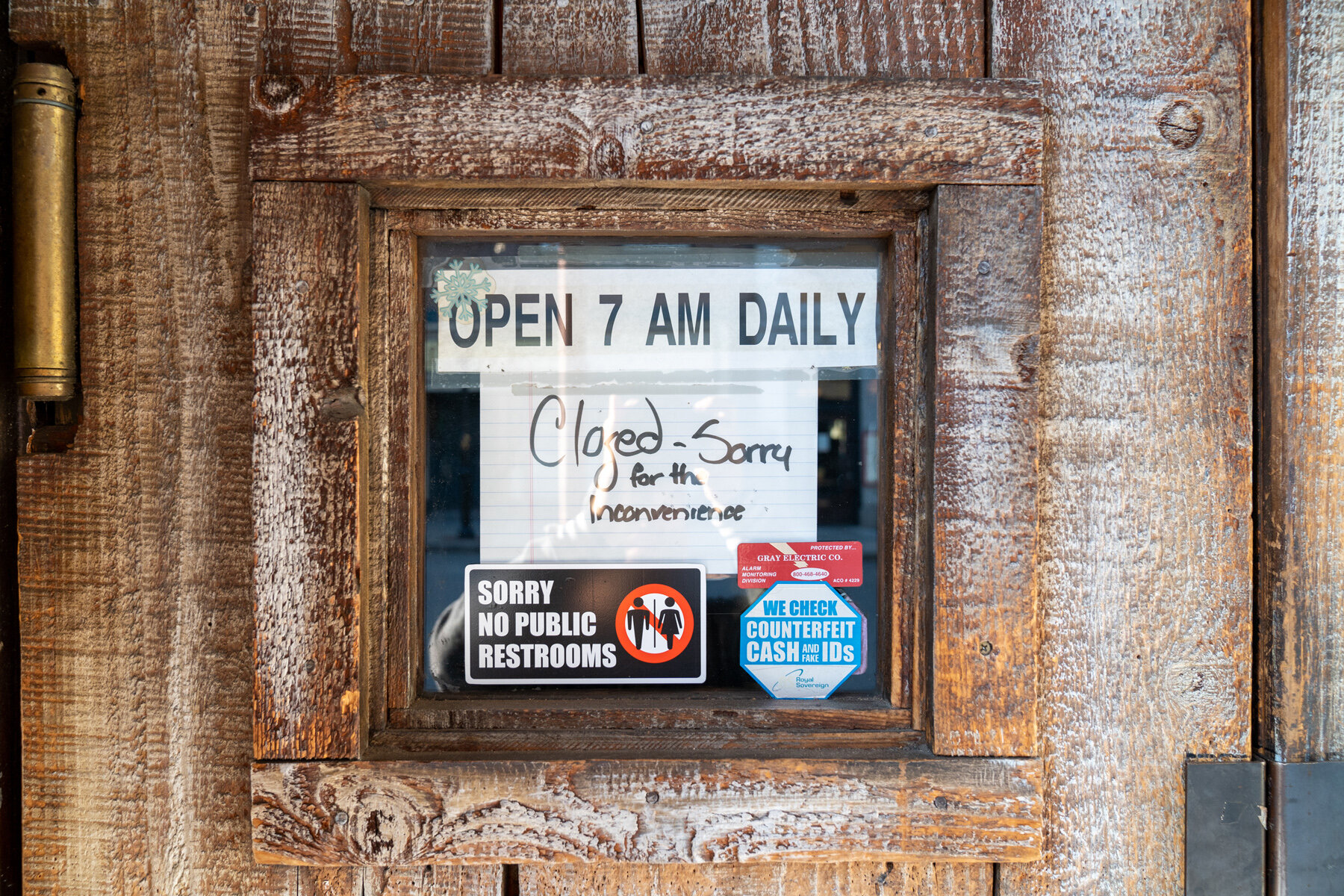
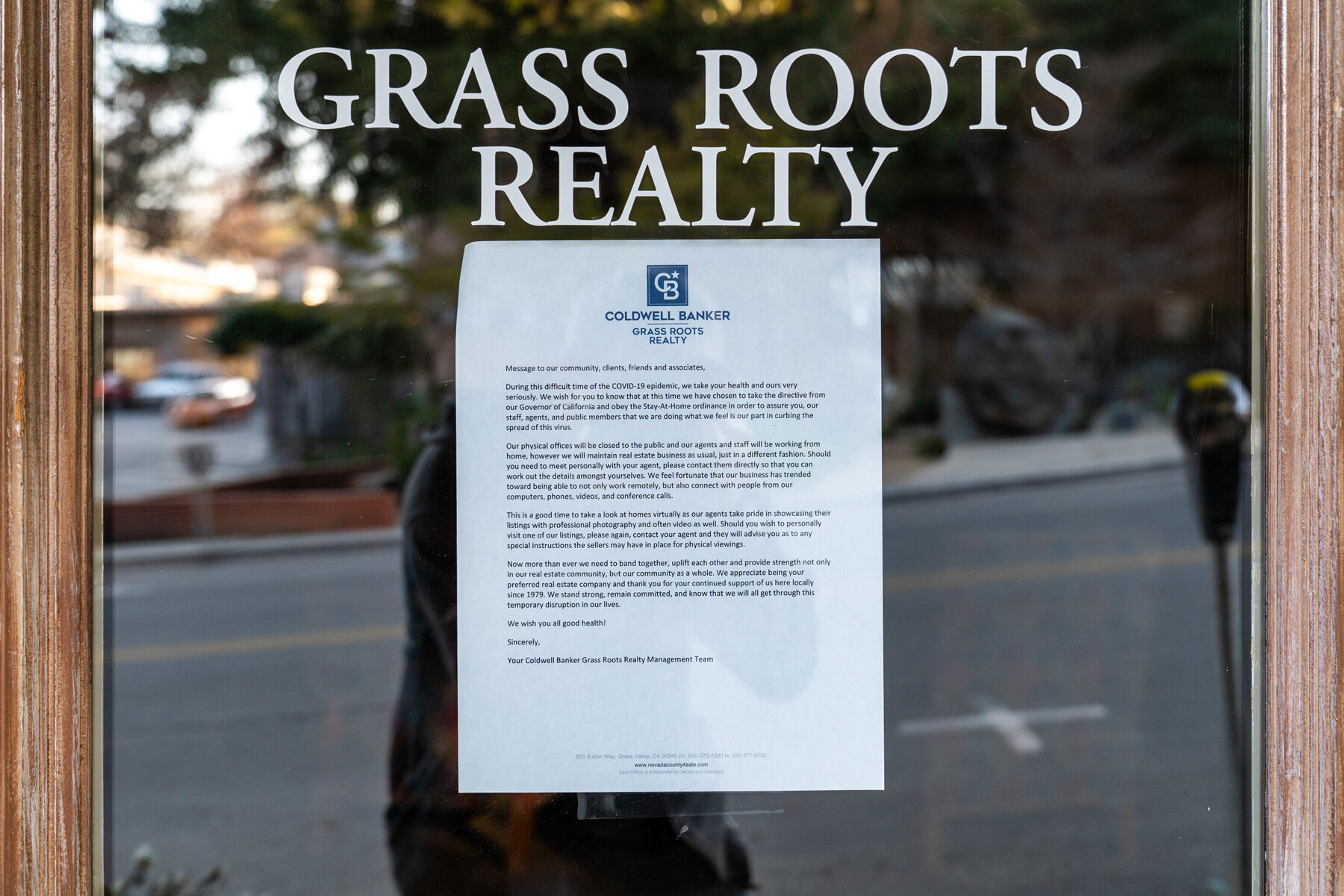
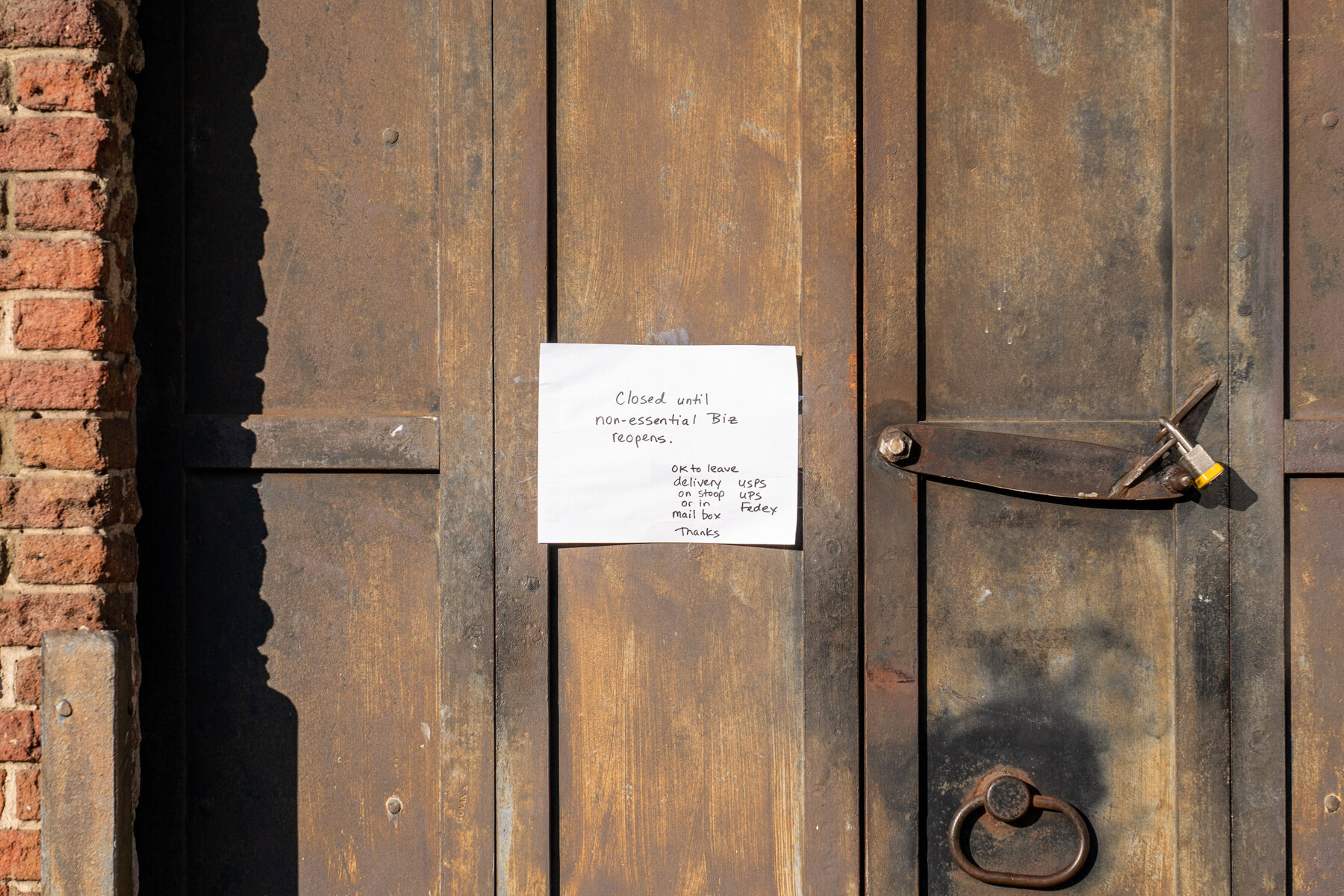
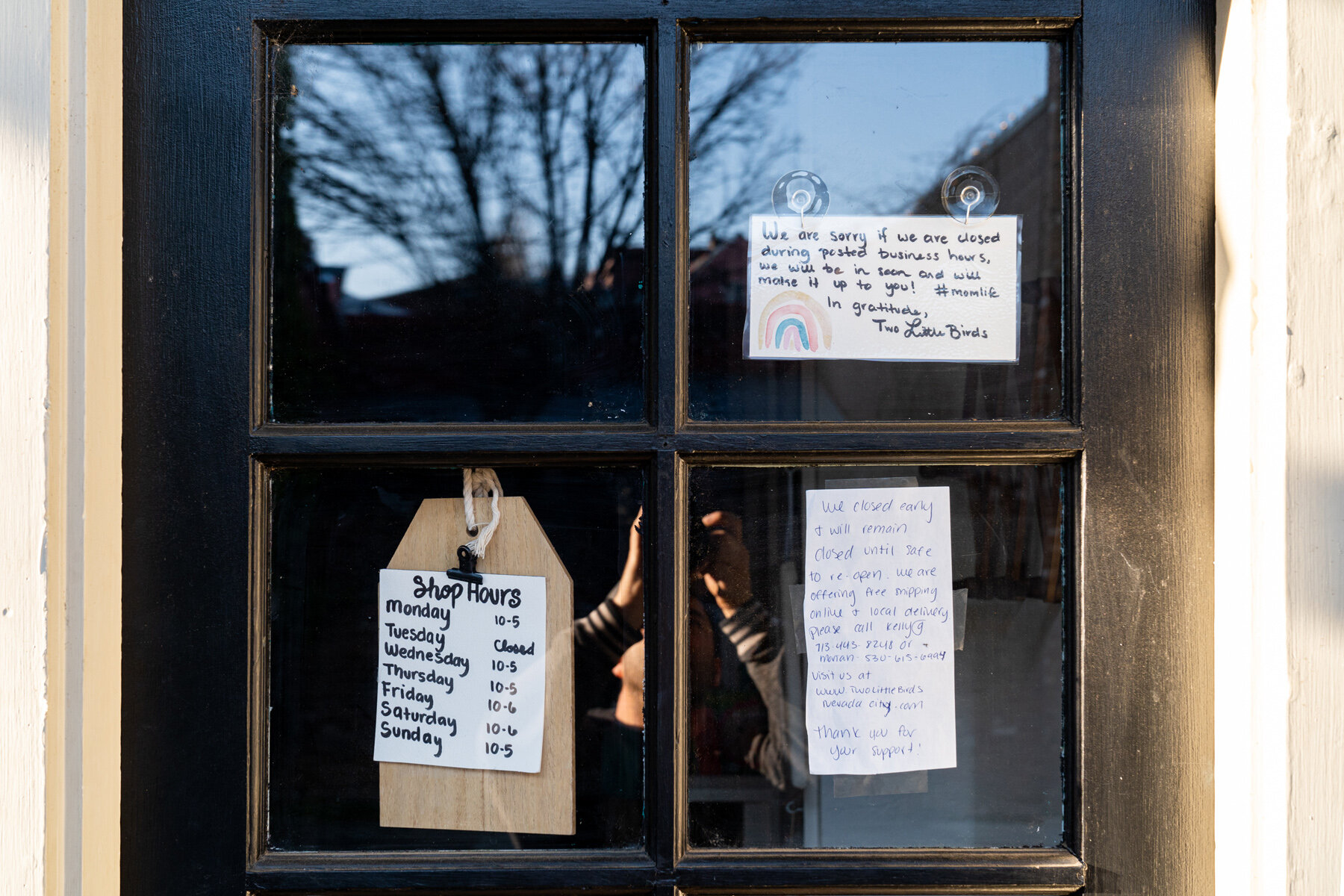
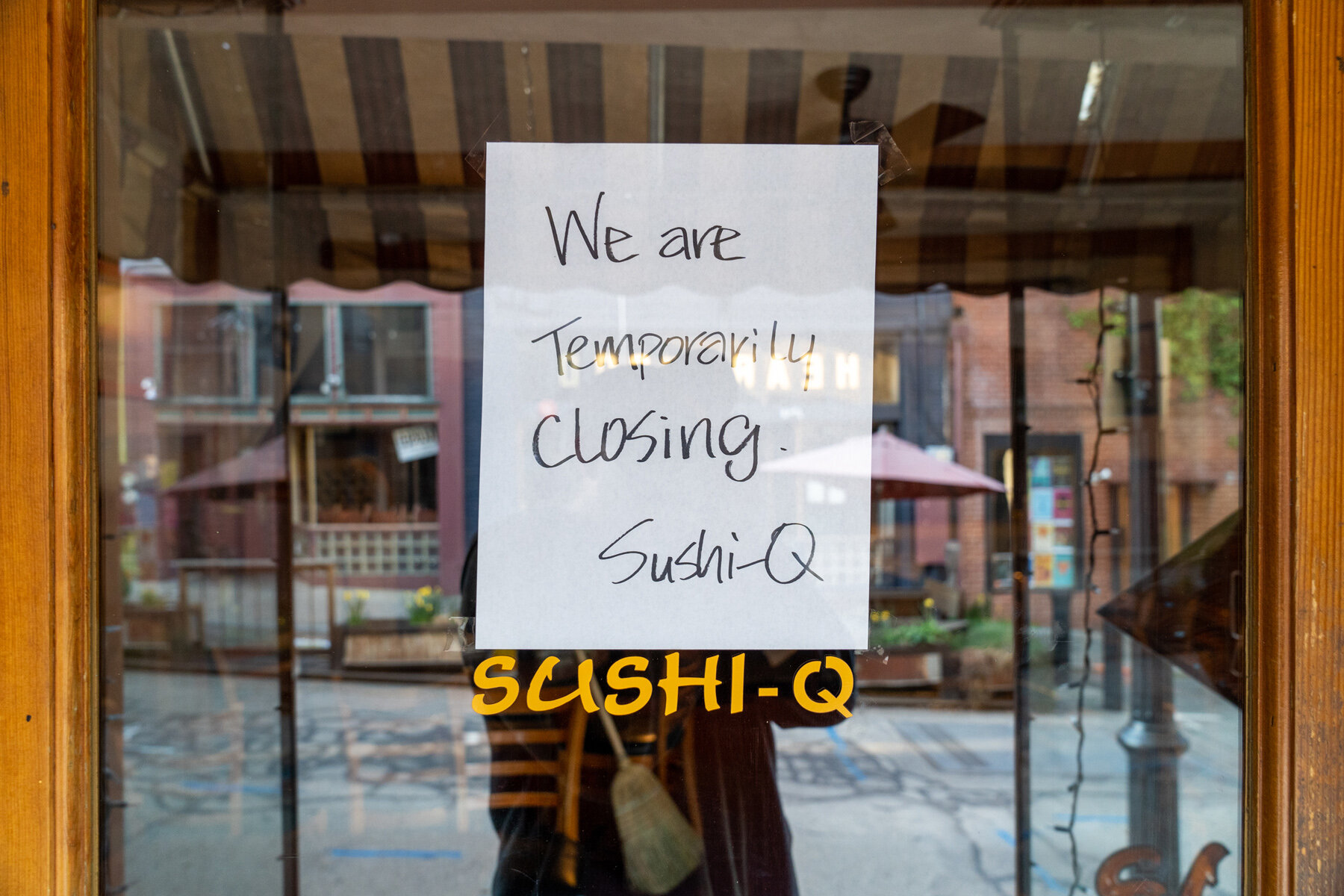
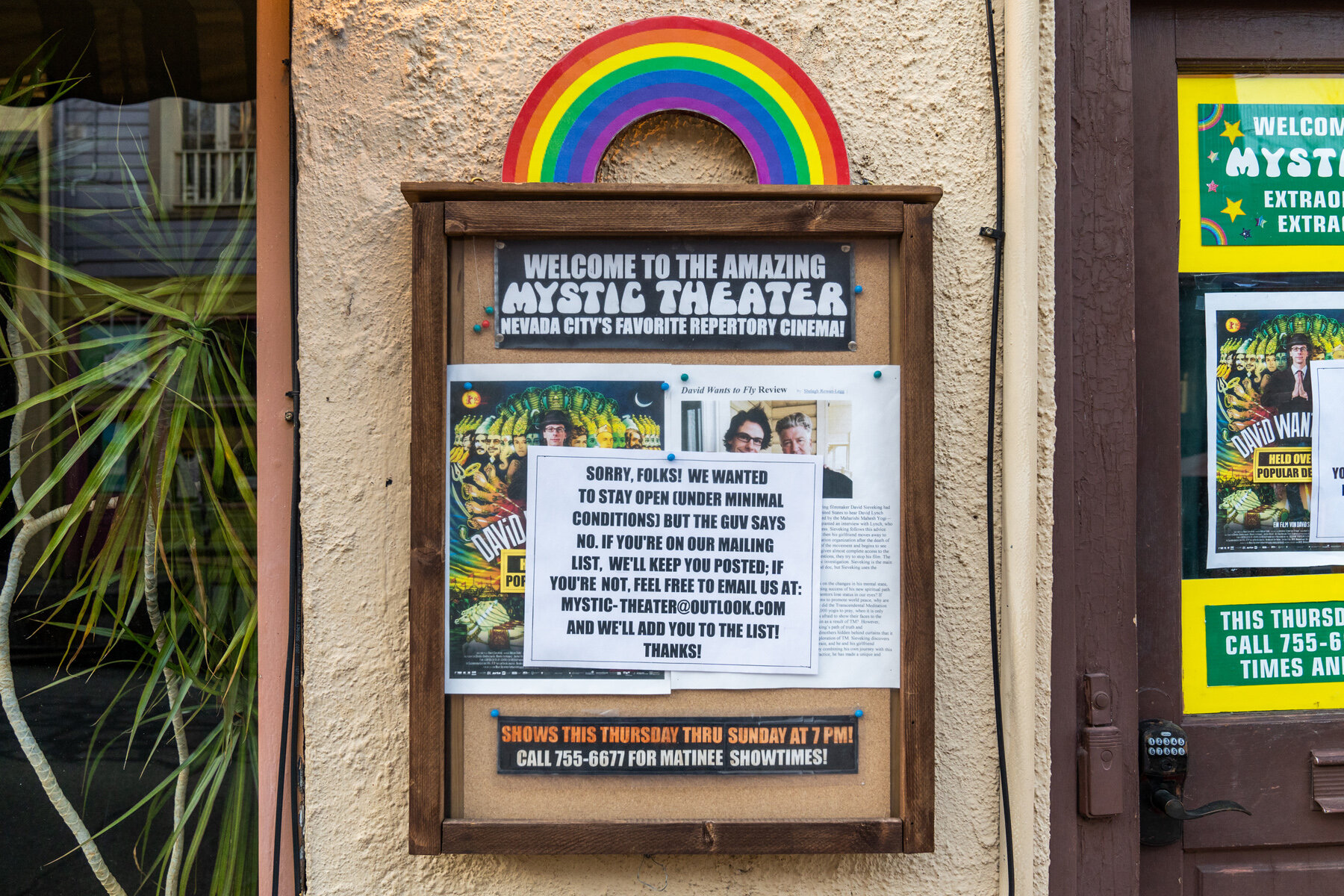
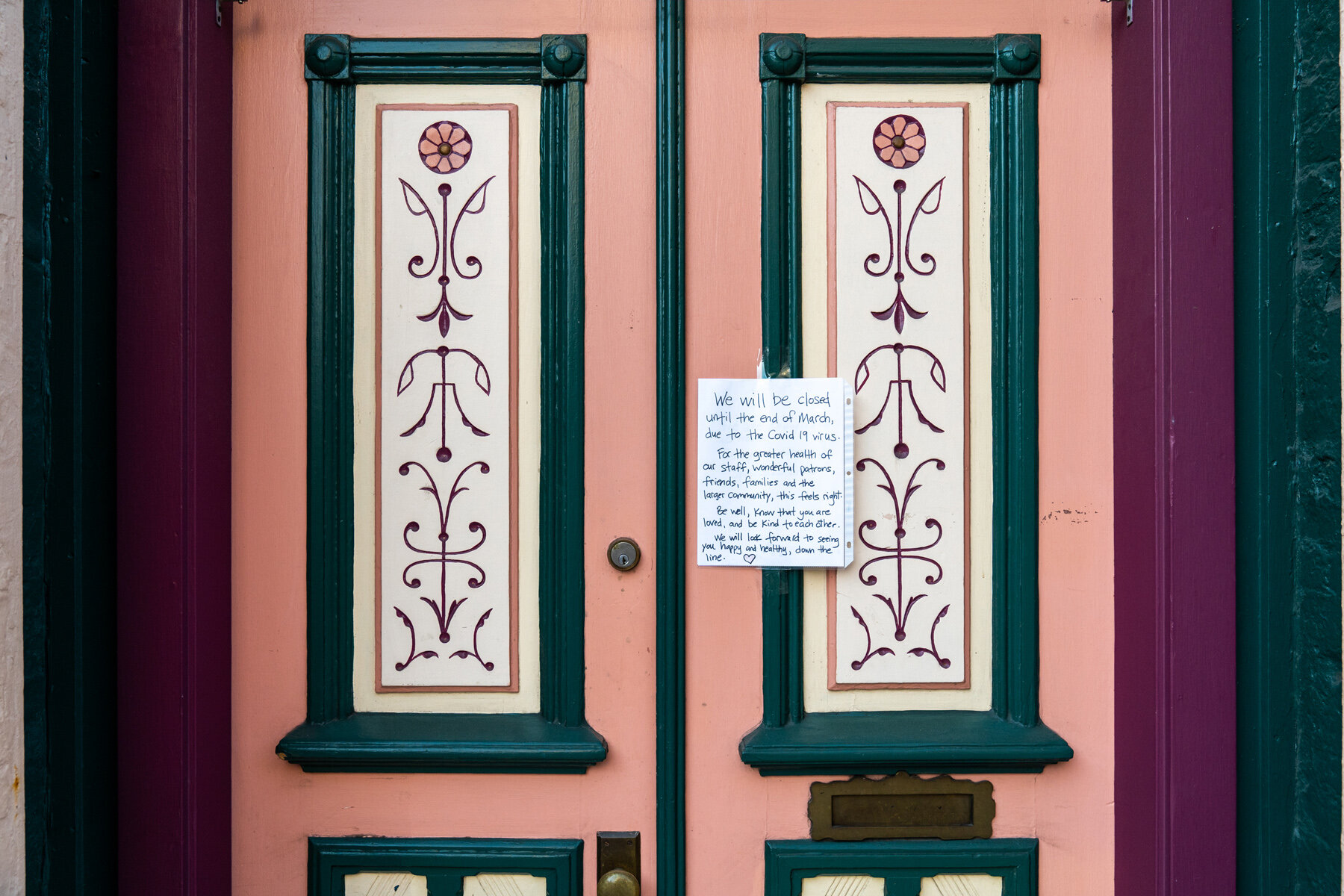
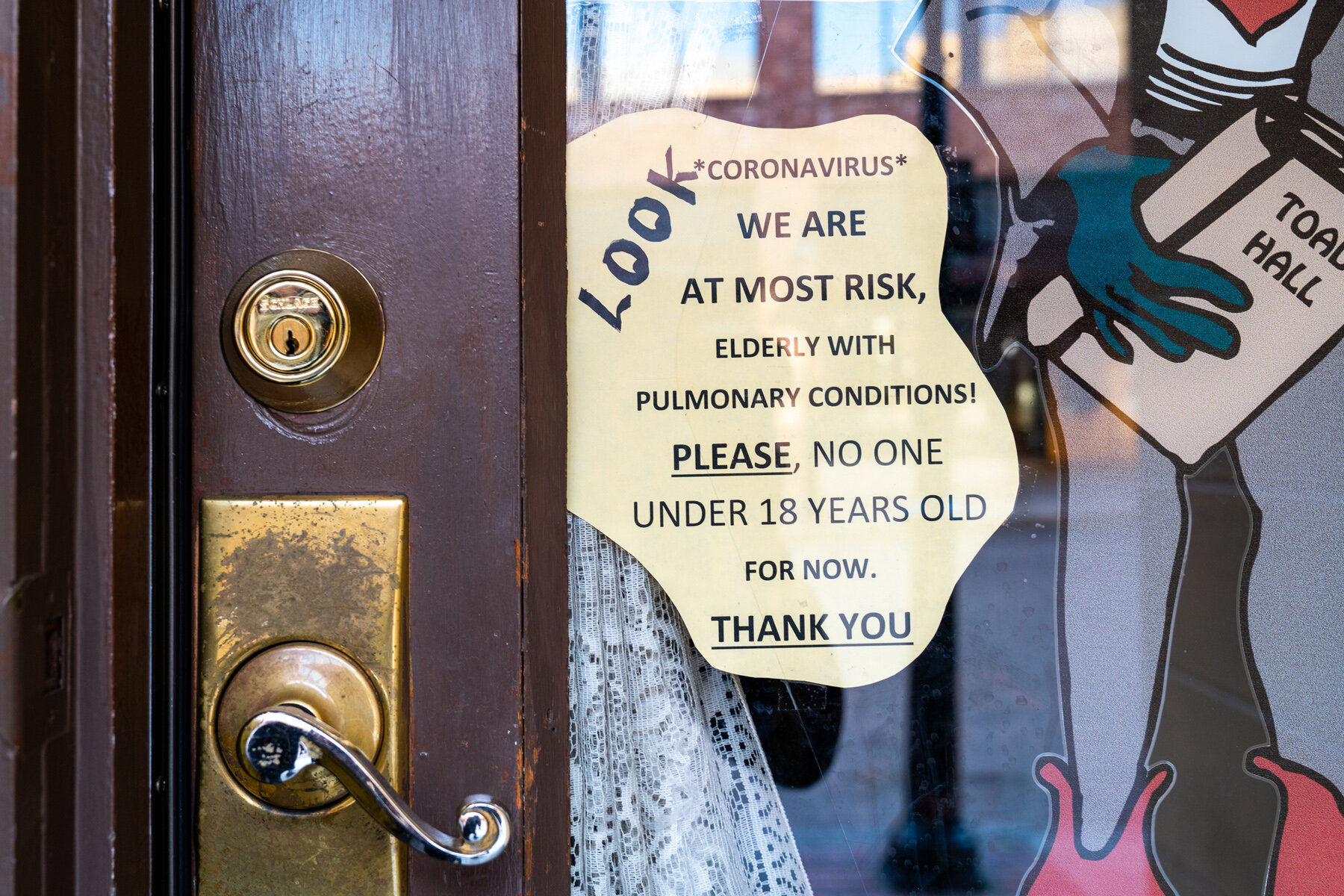
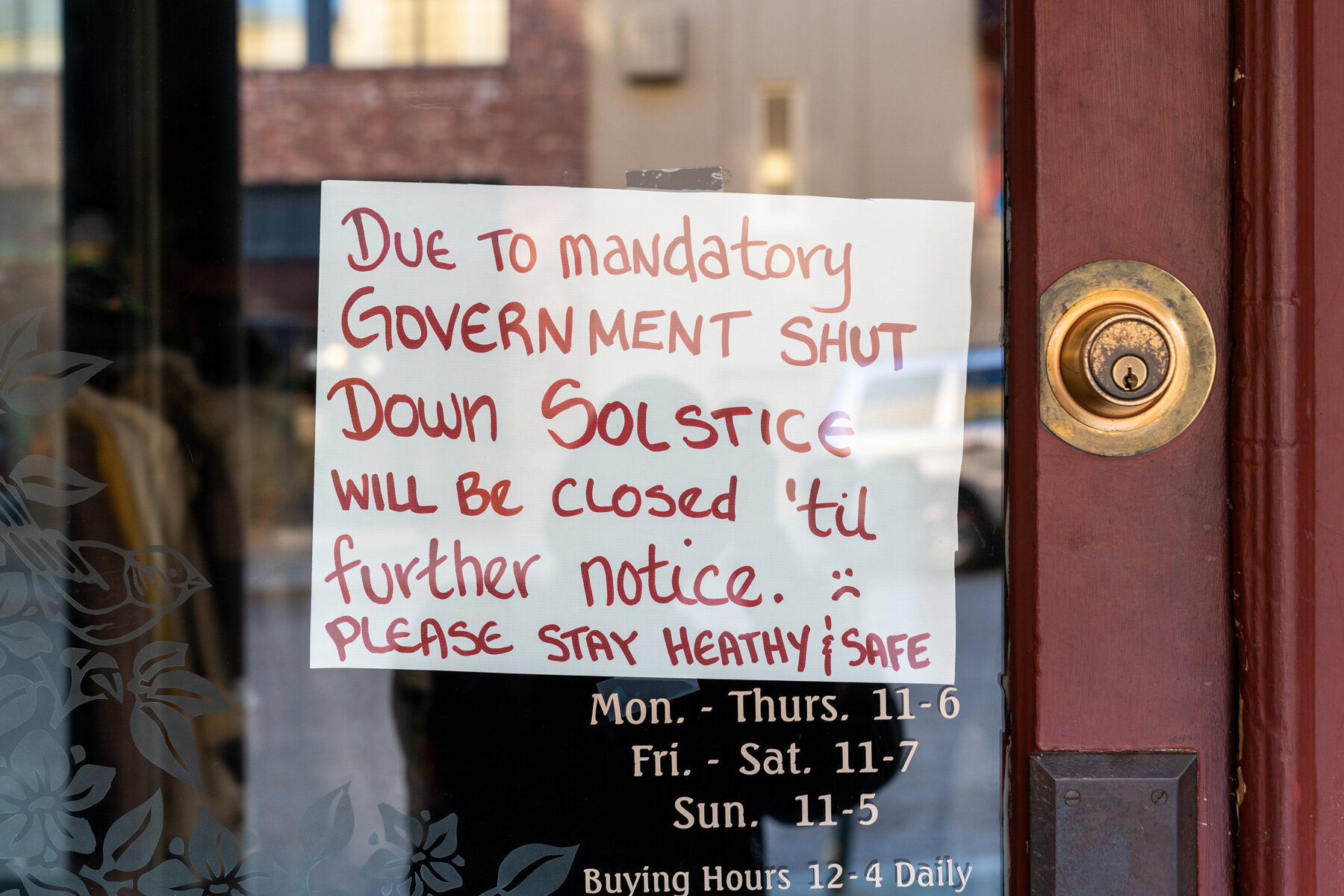
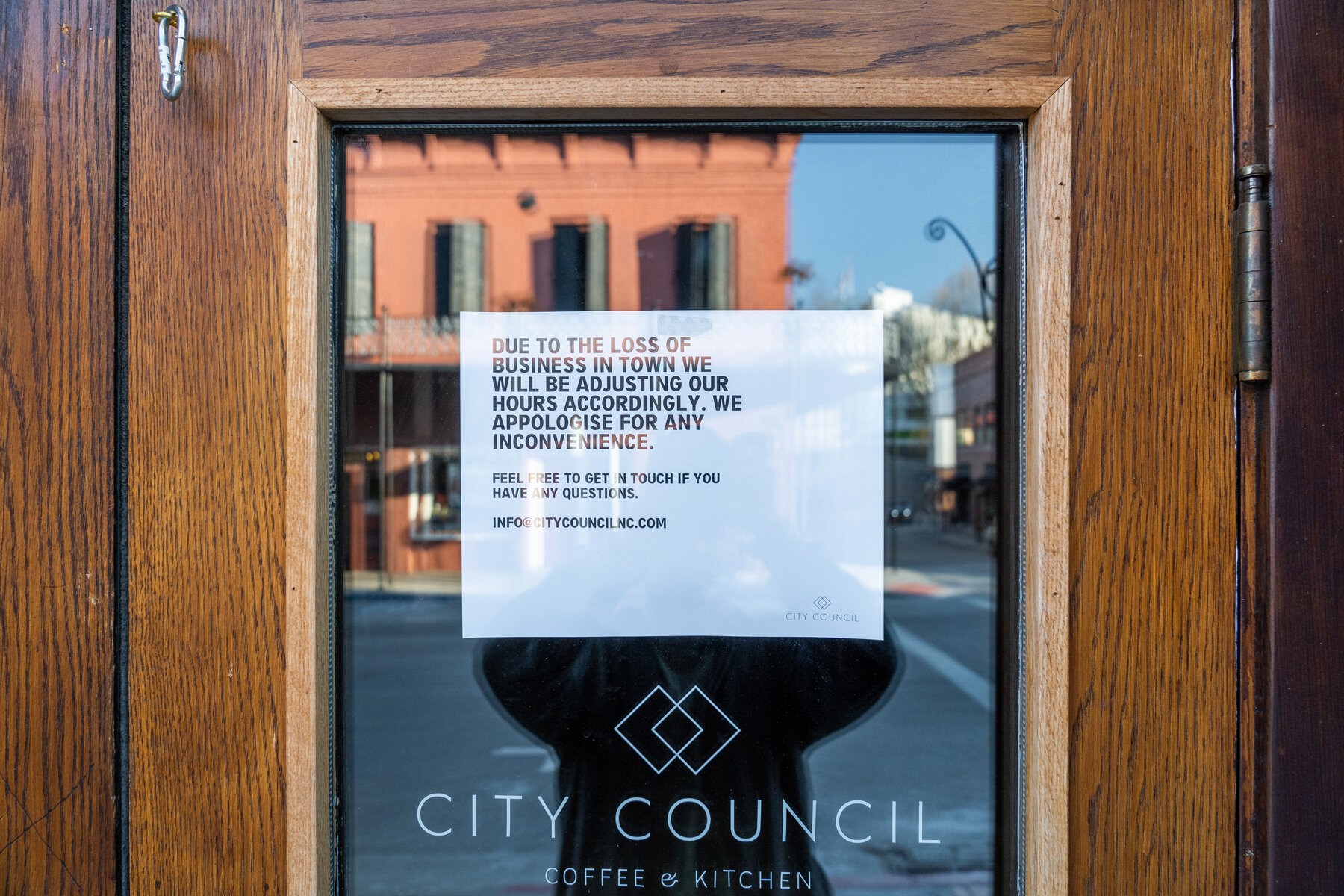
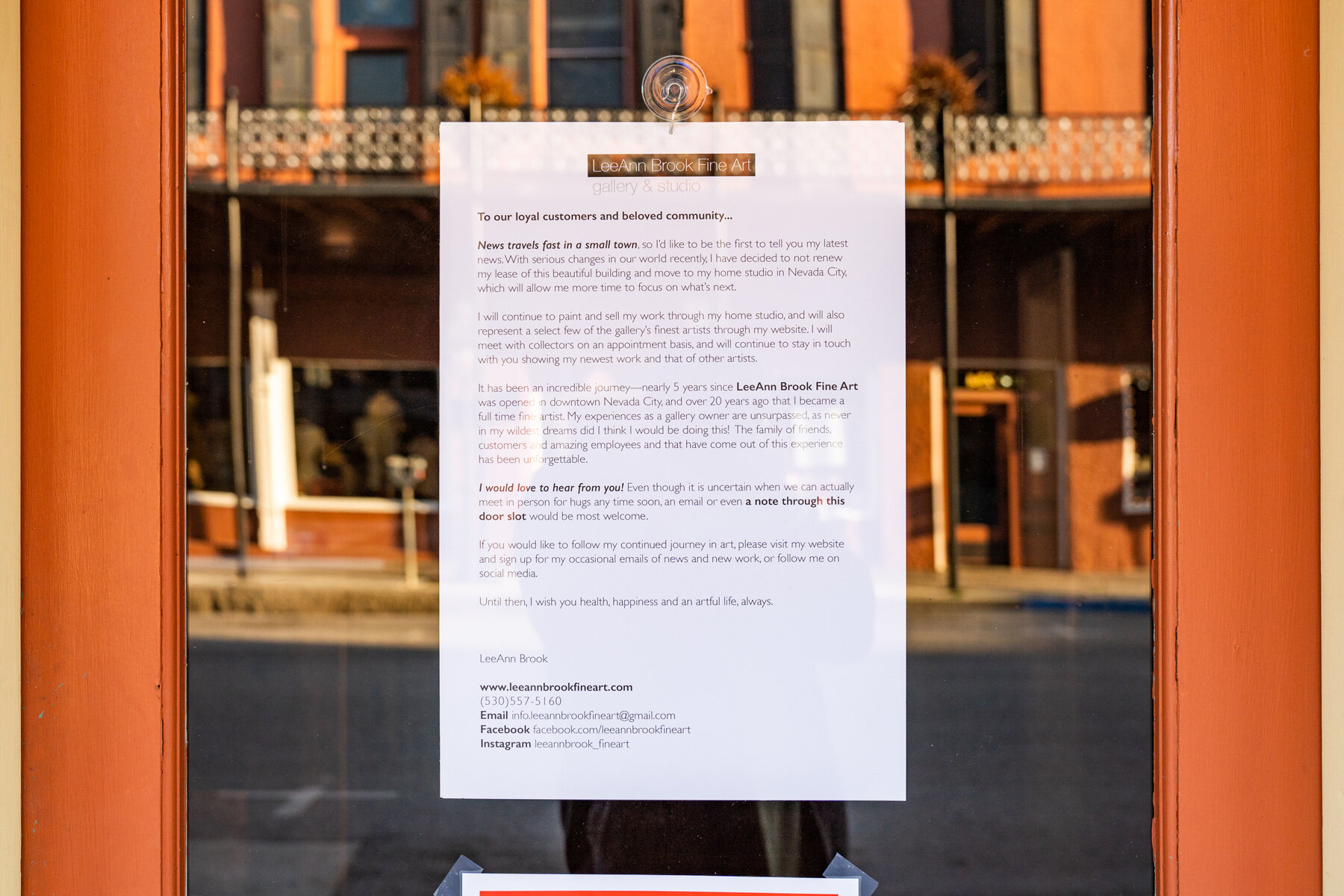
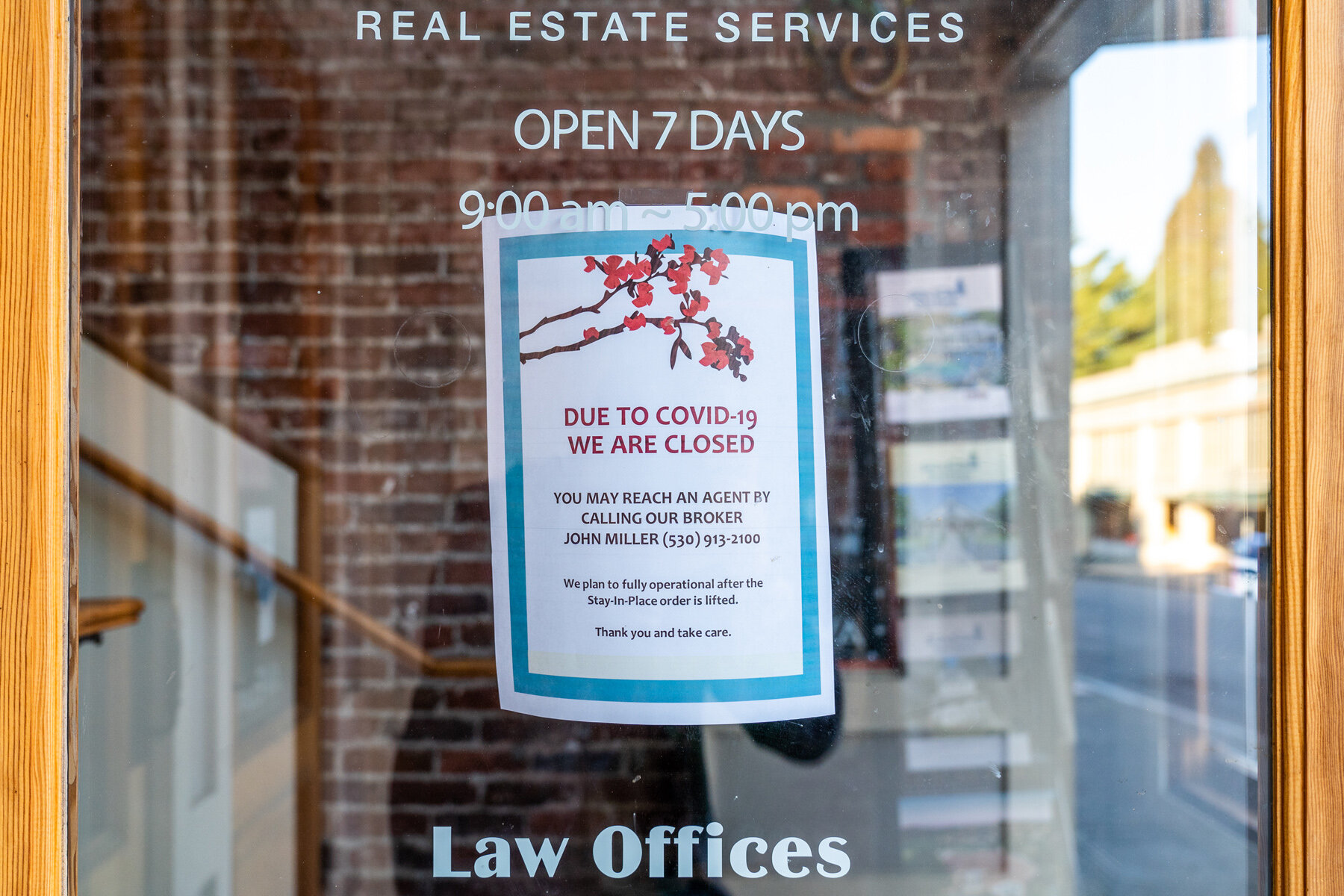
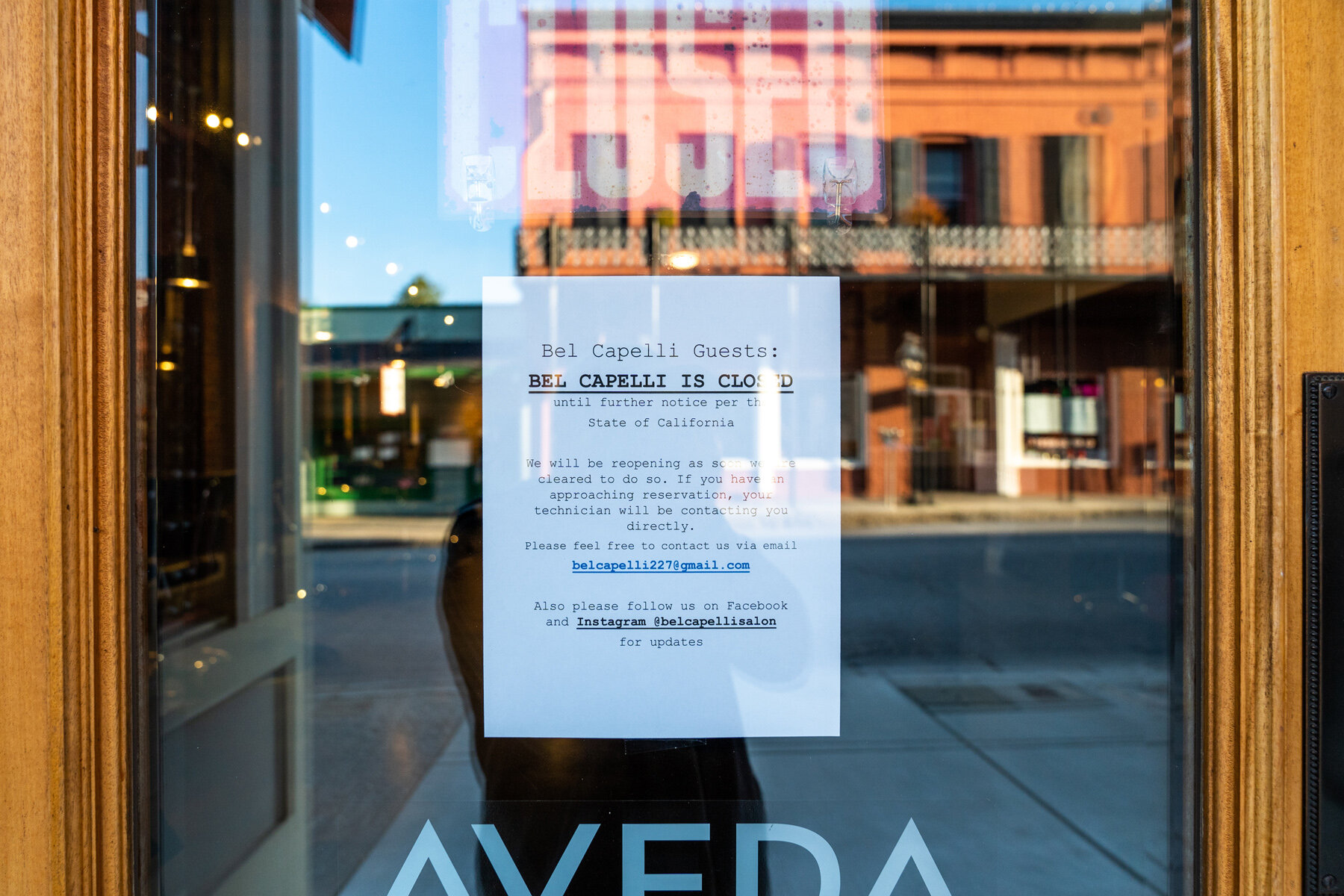
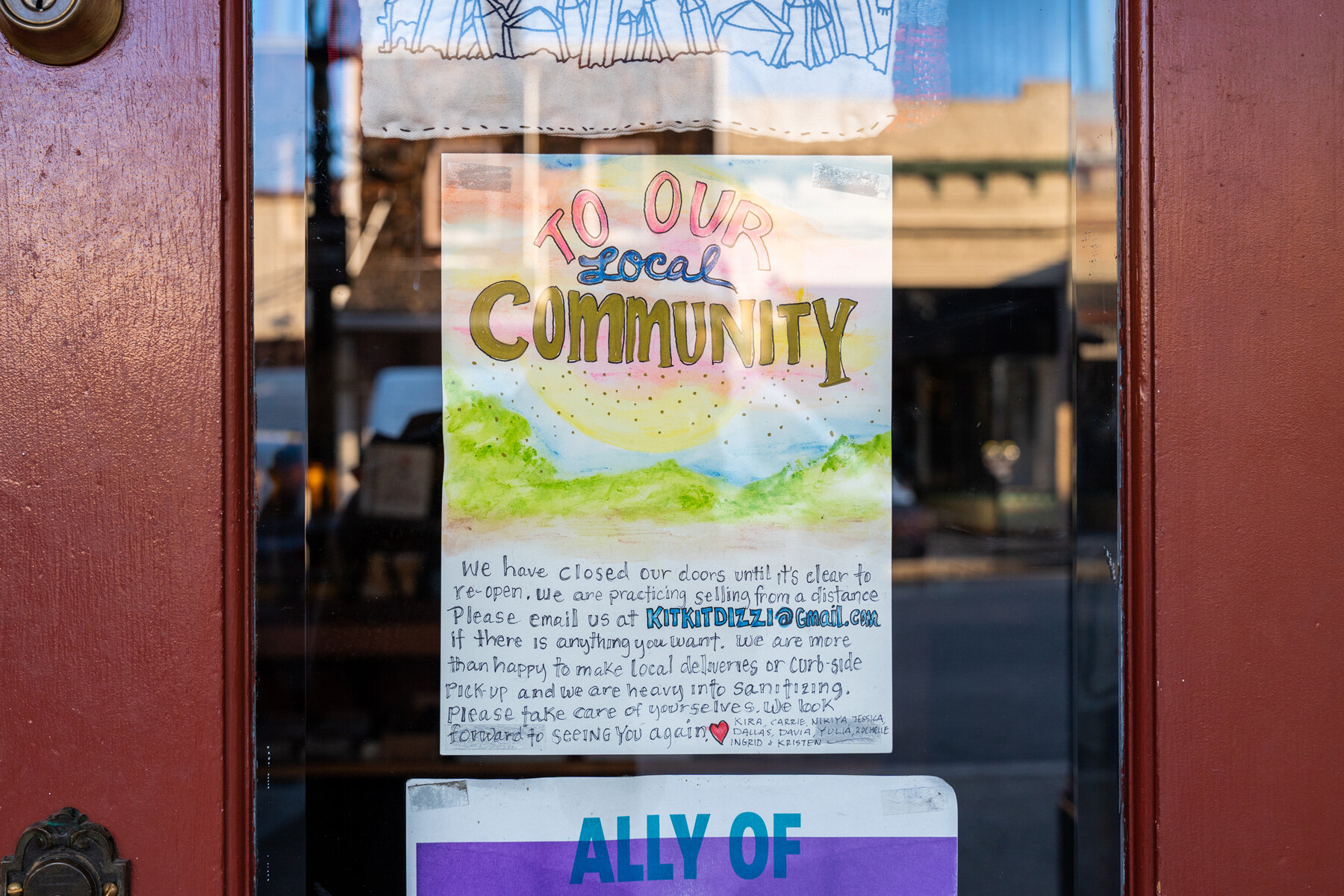
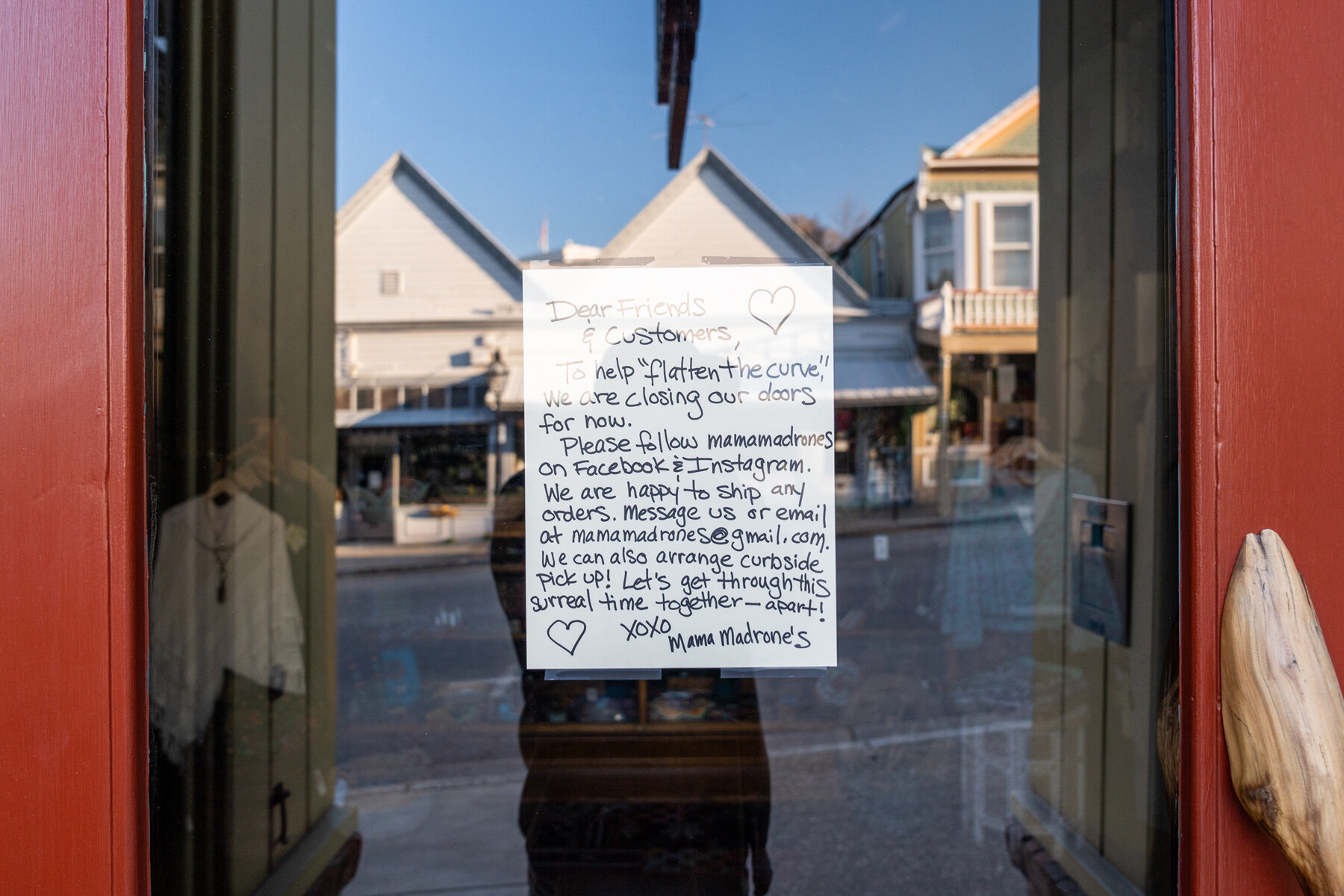
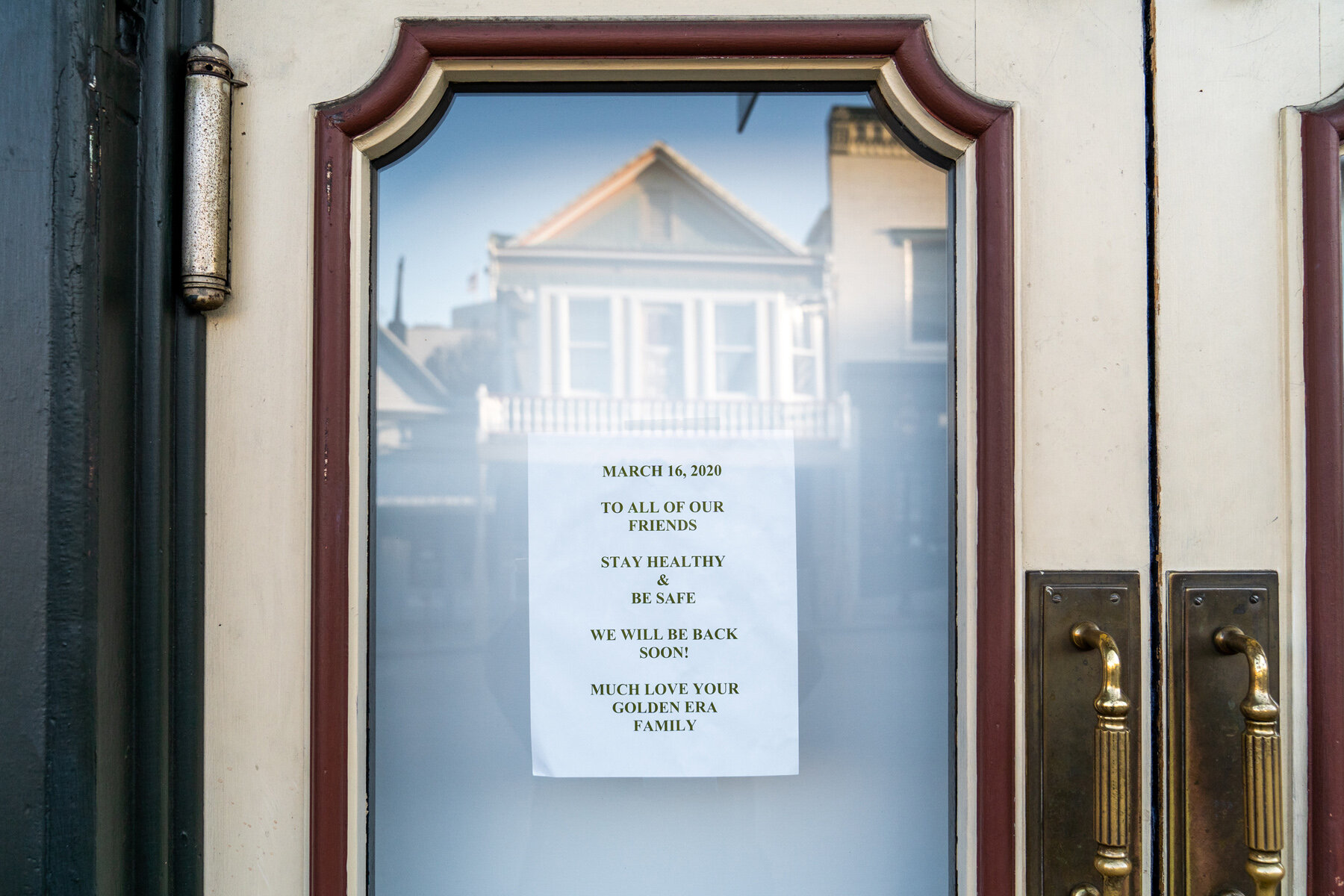
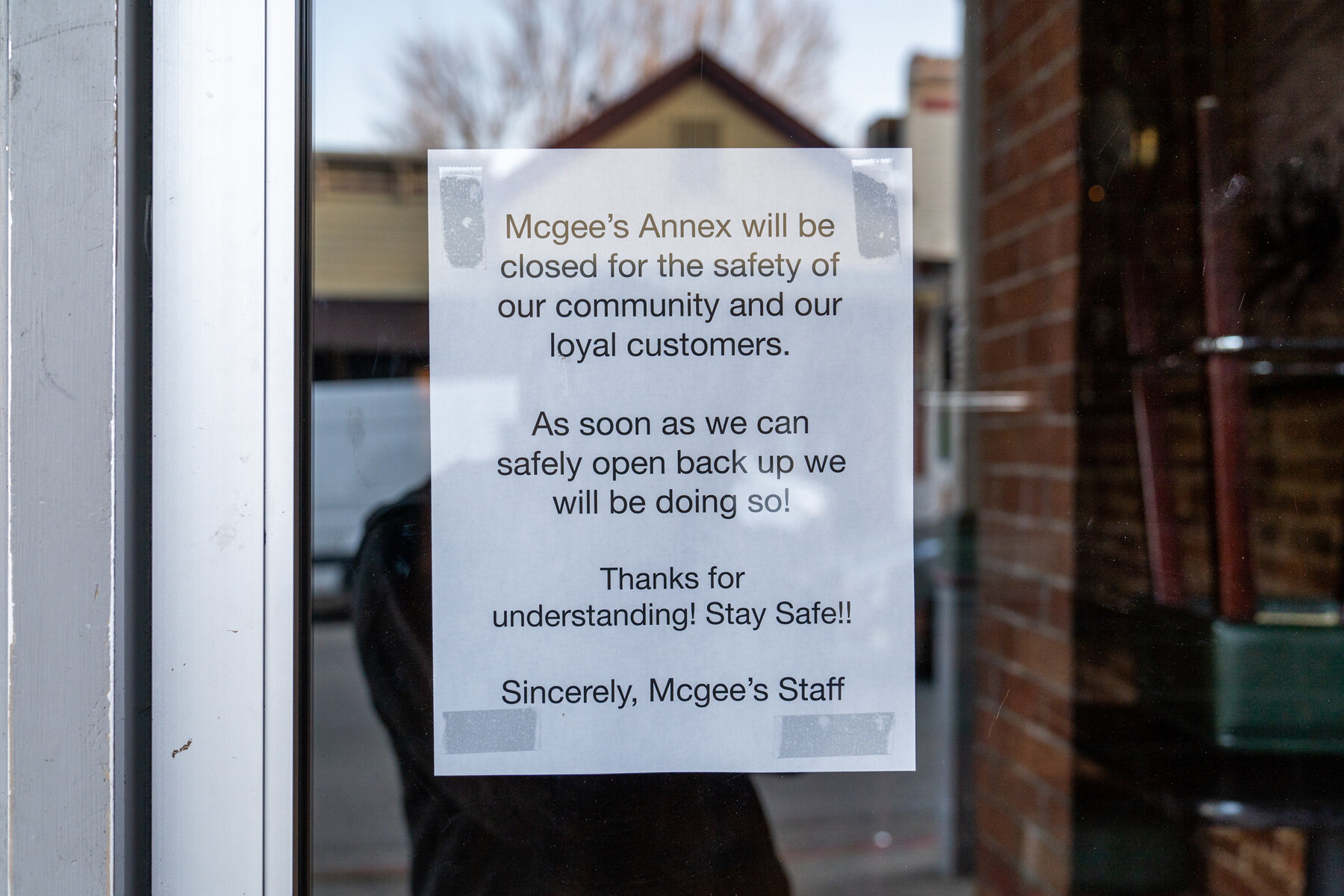
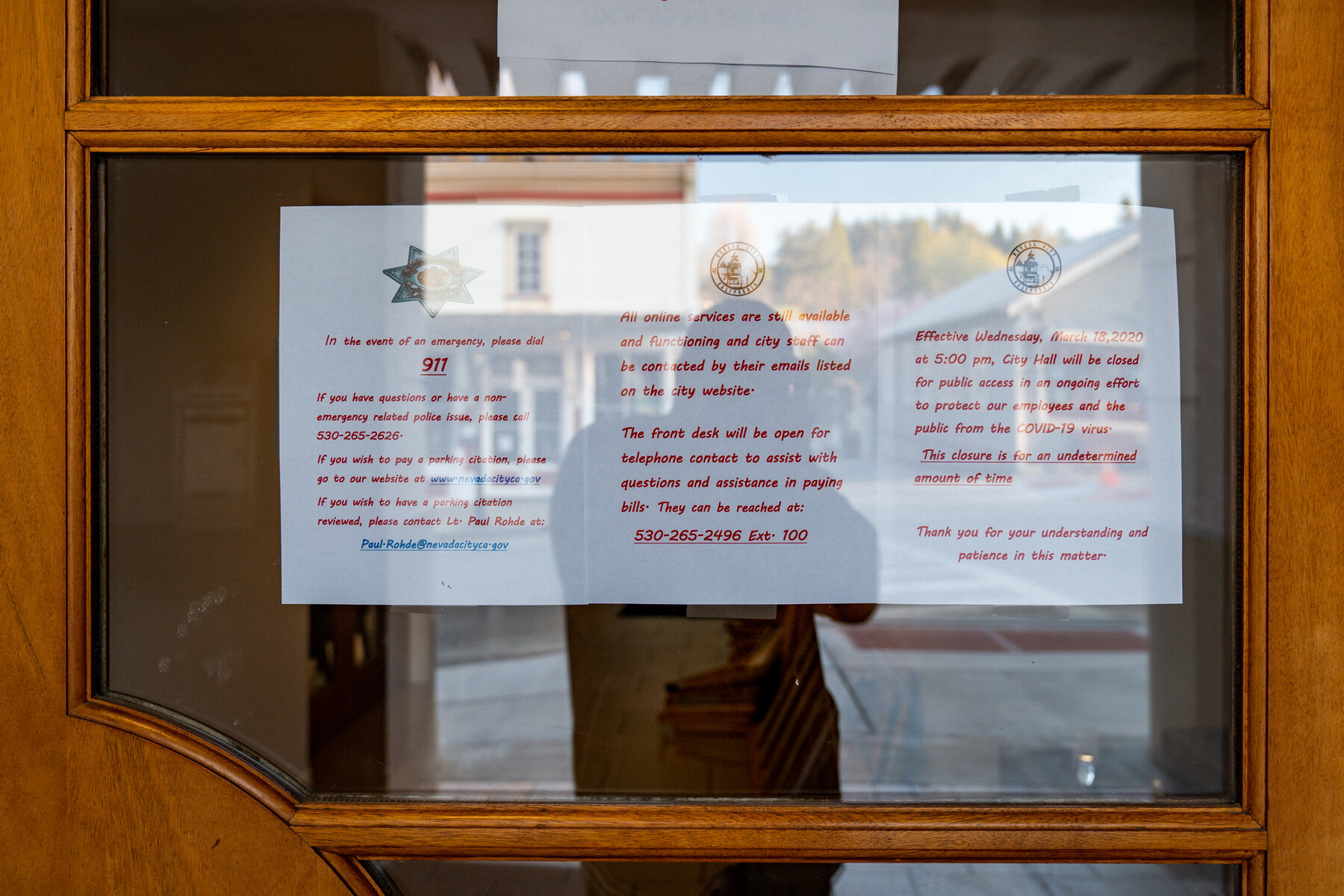
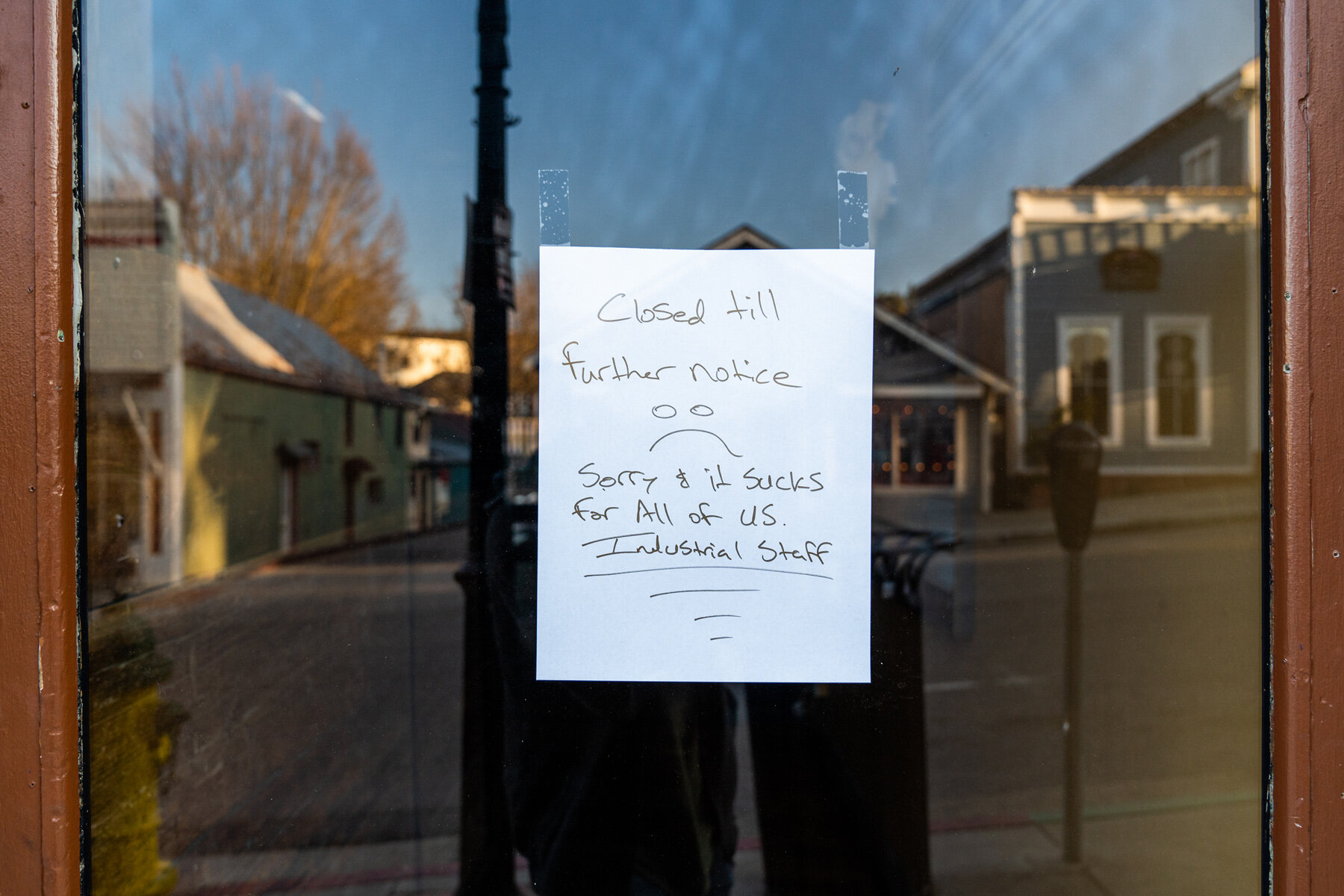
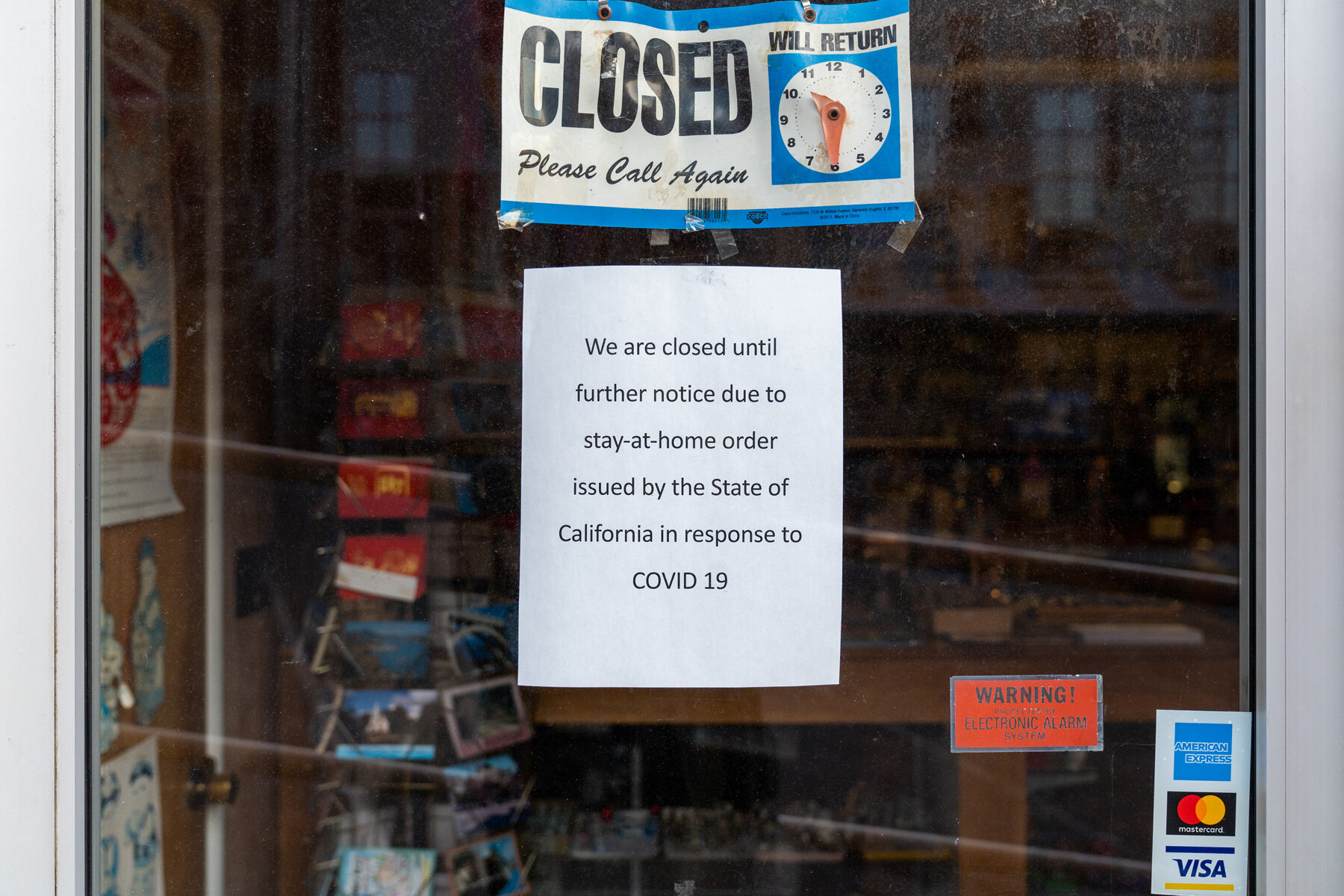
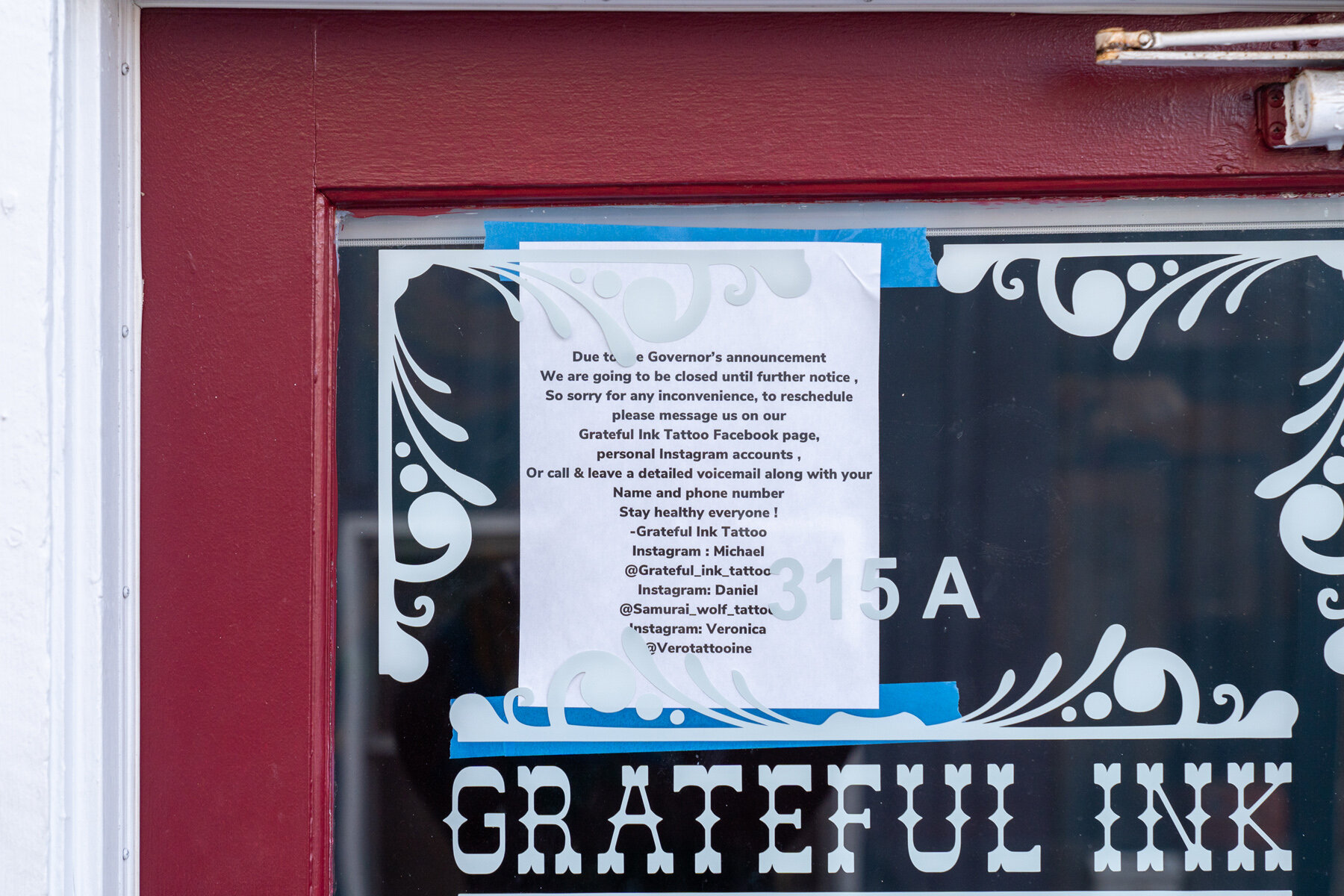
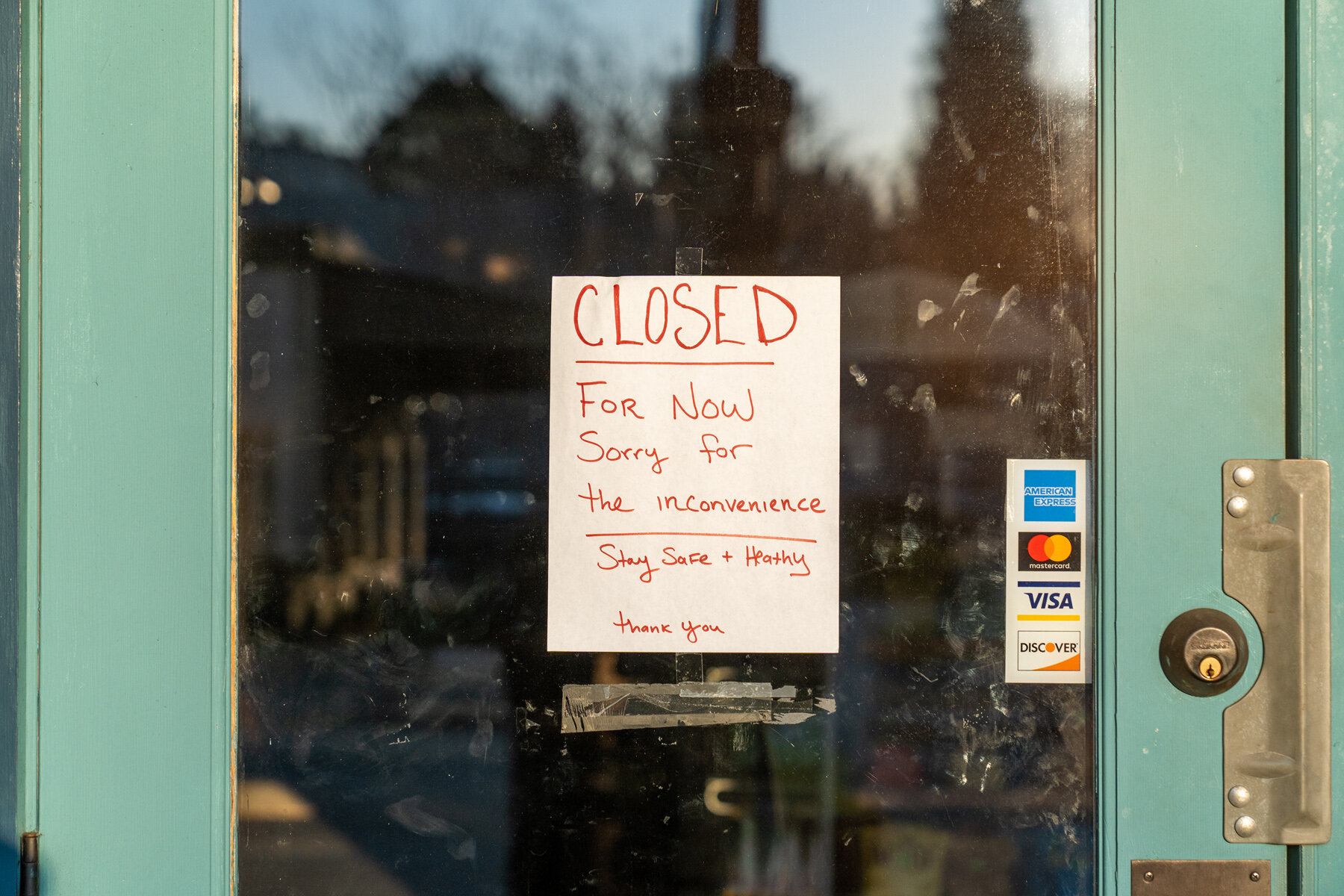
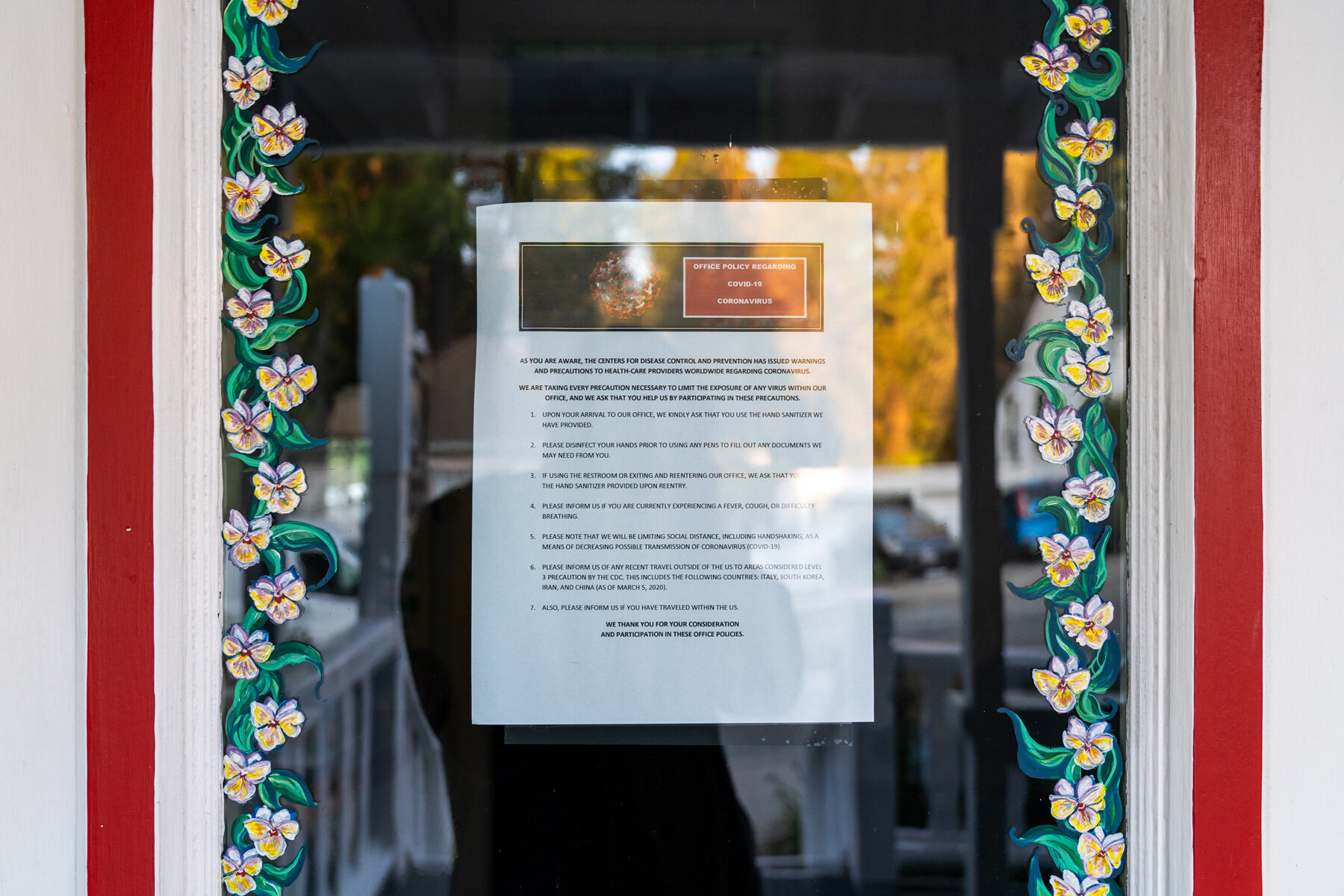
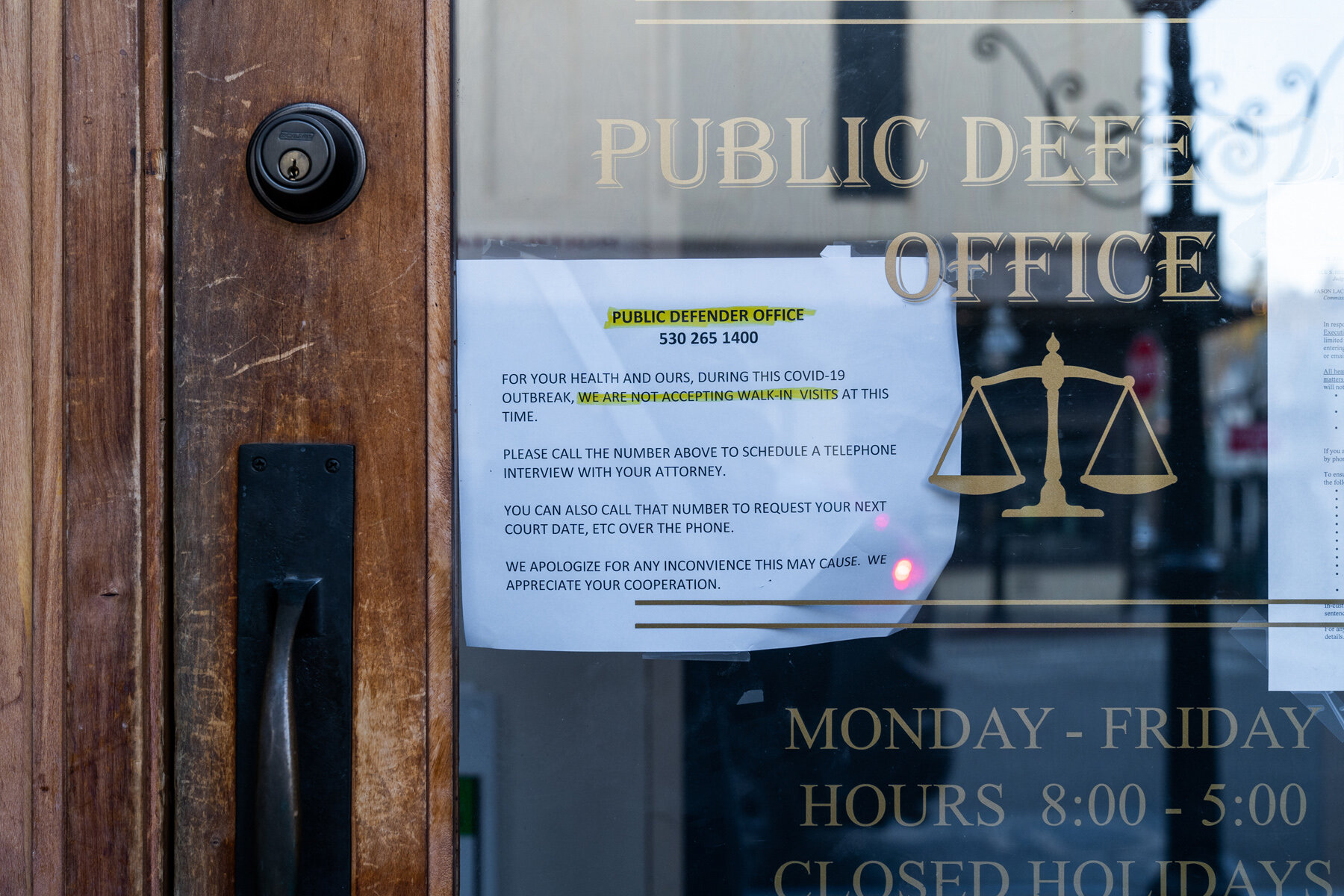
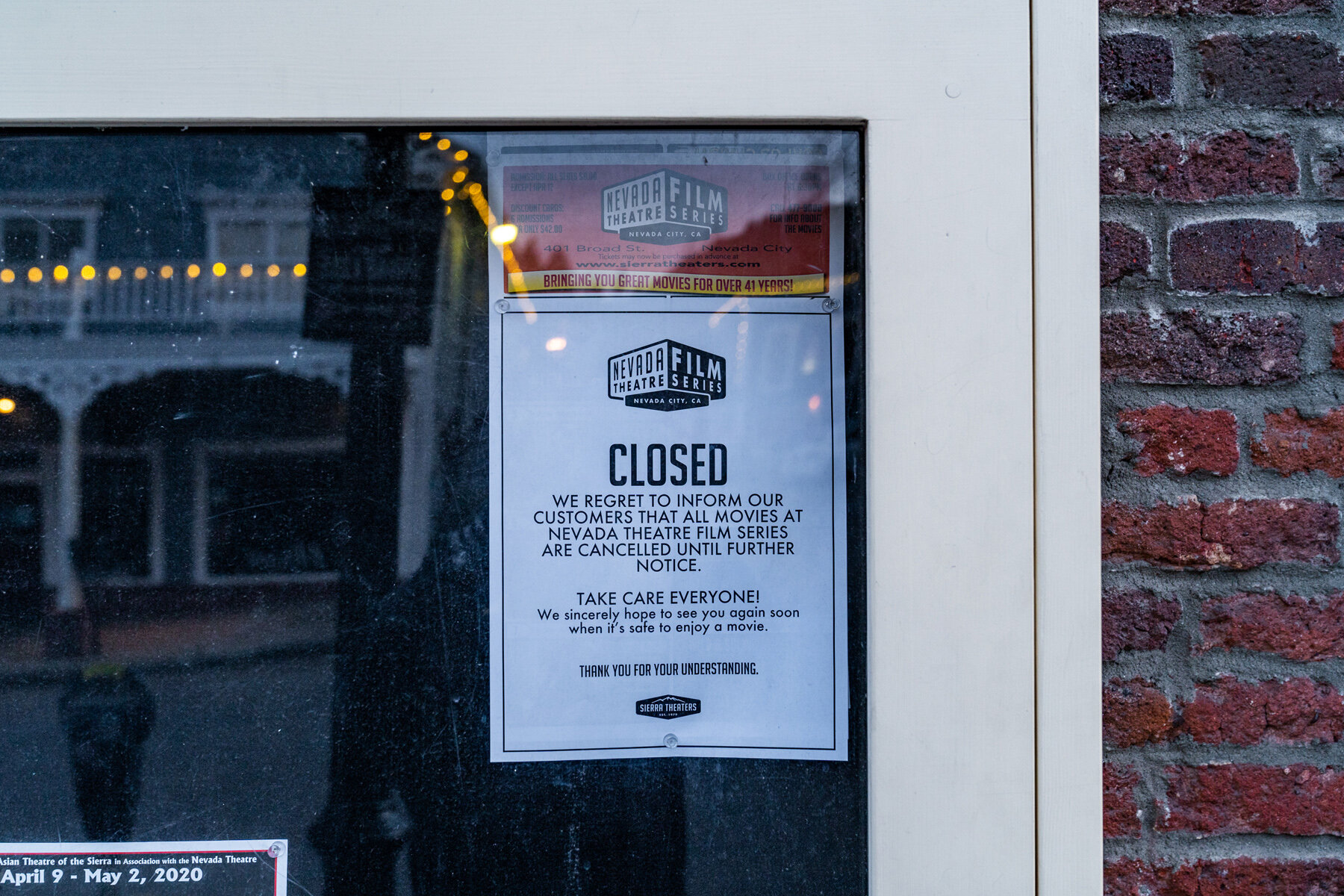
Essentially, during an earlier walk to grab a slice of pizza and hang out in a small neighborhood park with my girlfriend, we couldn’t help but notice the variety of customized covid ‘closed’ signs posted on the businesses around town. While it may not be anything terribly profound, special or exciting, it was something that ended up being more interesting and telling with each passing doorway and, well, seemed like a good excuse to both get out of the house for a walk as well as occupy several hours. Ultimately, the result ended up being:
From the sweet to the frank, the creative to the dry, and the mundane to the marvelous, each sign has a personality of its own, much like the folks behind them. Scroll down to see them, and feel free to click on each one to make it larger.
Hope you dig…
Also, a reminder, if you’d like to purchase any of my prints to bring nature into your home since we can’t really get out into nature ourselves these days while she rehabilitates herself during this time of weirdness, 15% of all proceeds will be split between Global Giving’s COVID relief fund, and Ecology in Classrooms & Outdoors (ECO), the non-profit I sit on the board of that brings ecology education to kids in underserved communities. Check out my brand spankin’ new store (also still a work in progress) for canvas prints, art prints, and even greeting cards.
And to follow along with more of my shenanigans, take a gander at my Instagram account.
It was March 11 when I flew into Sacramento, where I was scheduled to shoot several vacation rentals over the next week and visit my girlfriend in Nevada City, California, just outside Lake Tahoe in the foothills of the Sierra. The plan was to be there until March 18th, get some work done, have some fun, and then fly back to Portland, but, well, as we all know now, things started to get weird around then.
Really weird.
My girlfriend was dropping me off at the Sacramento airport so that I could get back in time for a job there the following day when the realities of COVID began to set in. That same day, we heard that Sacramento had begun to record its first cases, including an employee at the Sacramento Airport.
As we pulled up to the curbside drop off, she said something that sounded a bit crazy:
“Maybe we should just drive.”
At first, it sounded crazy. You’re proposing driving me to Portland? From Sacramento? Huh? You don’t even have any clothes other than what you’re wearing.
But the more I thought about it, the better the idea started to become.
Less exposure to people, less contact with the outside world, who was still trying to figure out what was going on.
So I walked up to the ticketing counter, cancelled my ticket, and walked back to the car. We looked at each other, smiled, and off we went.
The drive was beautiful.
Well, at least the part that the light was still out for, which started to dip past visible once we got past Mount Shasta and across the Oregon border.
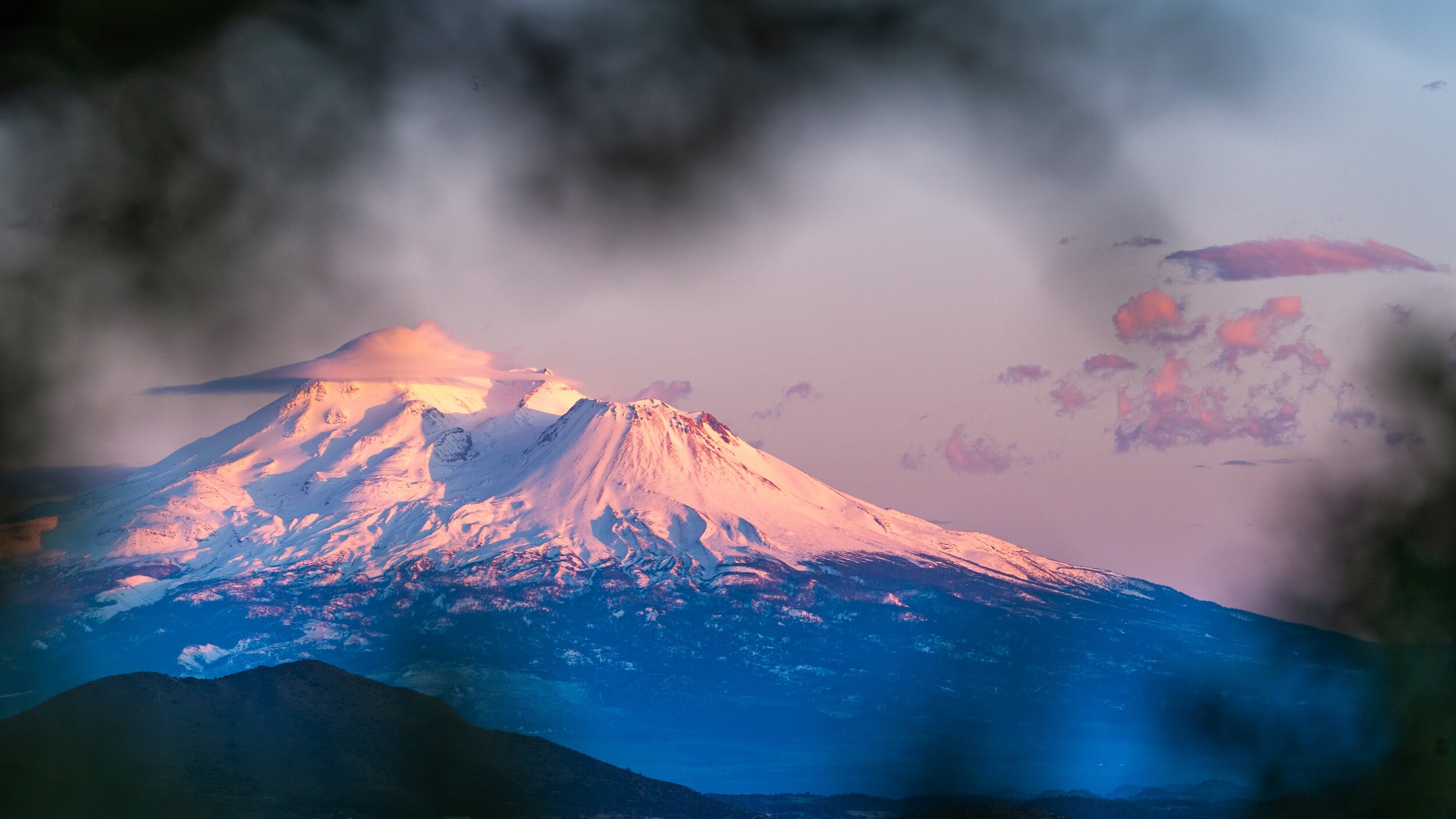
Mount Shasta, California.
We were about 7 hours in and 100 miles outside Portland when we started to get too snoozy to feel safe driving any further, so we pulled off and stayed the night at a motel, asking for a room that hadn’t been occupied in at least 2 weeks.
We got to Portland the next day around noon, just in time for me to make my shoot.
Which, apparently, would be my last for the foreseeable future.
I had several more shoots scheduled, mostly for my client Airbnb, but we received an email from Airbnb that same day informing us they were suspending the photography program until further notice due to COVID19.
And then two events I had scheduled to shoot also cancelled.
And then two independent real estate clients I had scheduled to shoot listings for cancelled.
And then, as I began to realize that things were getting much more serious than we were originally led to believe, I had a decision to make – being as I lived in the same building as my landlords, two elderly folks, was it smart for me to stay there and potentially expose them to this thing?
Probably not.
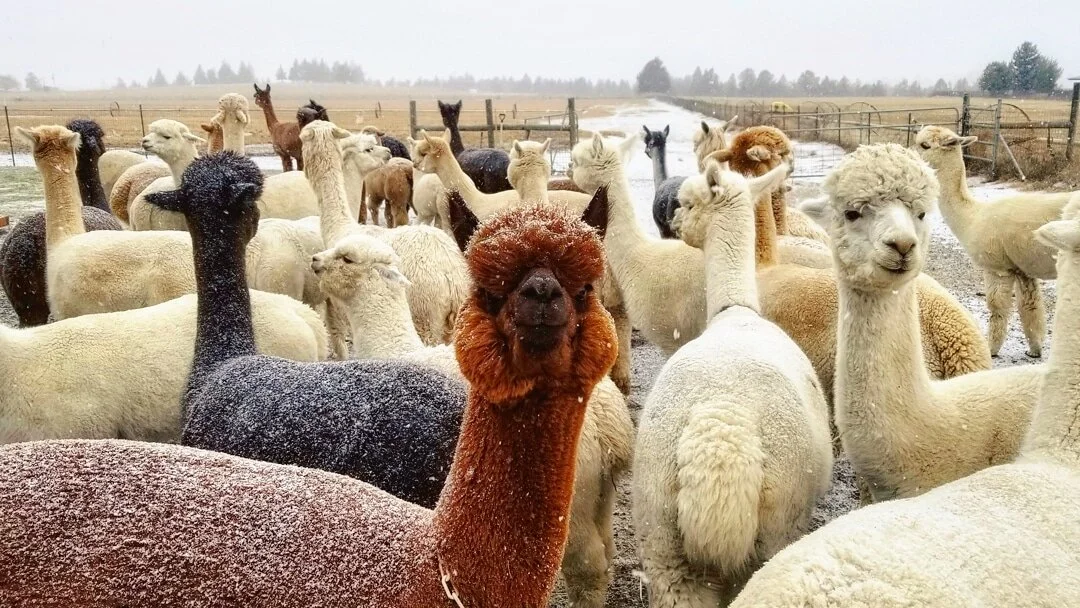
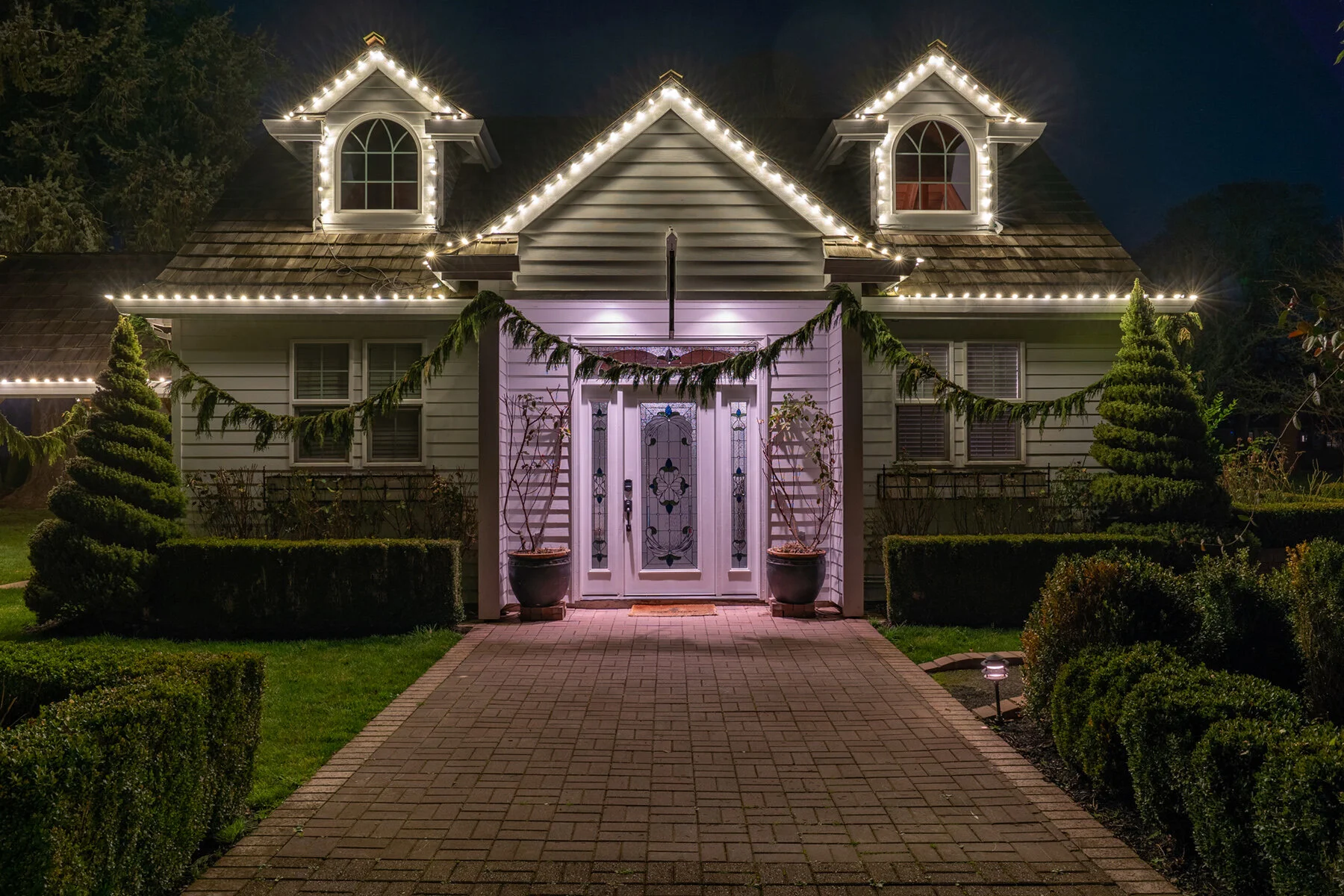
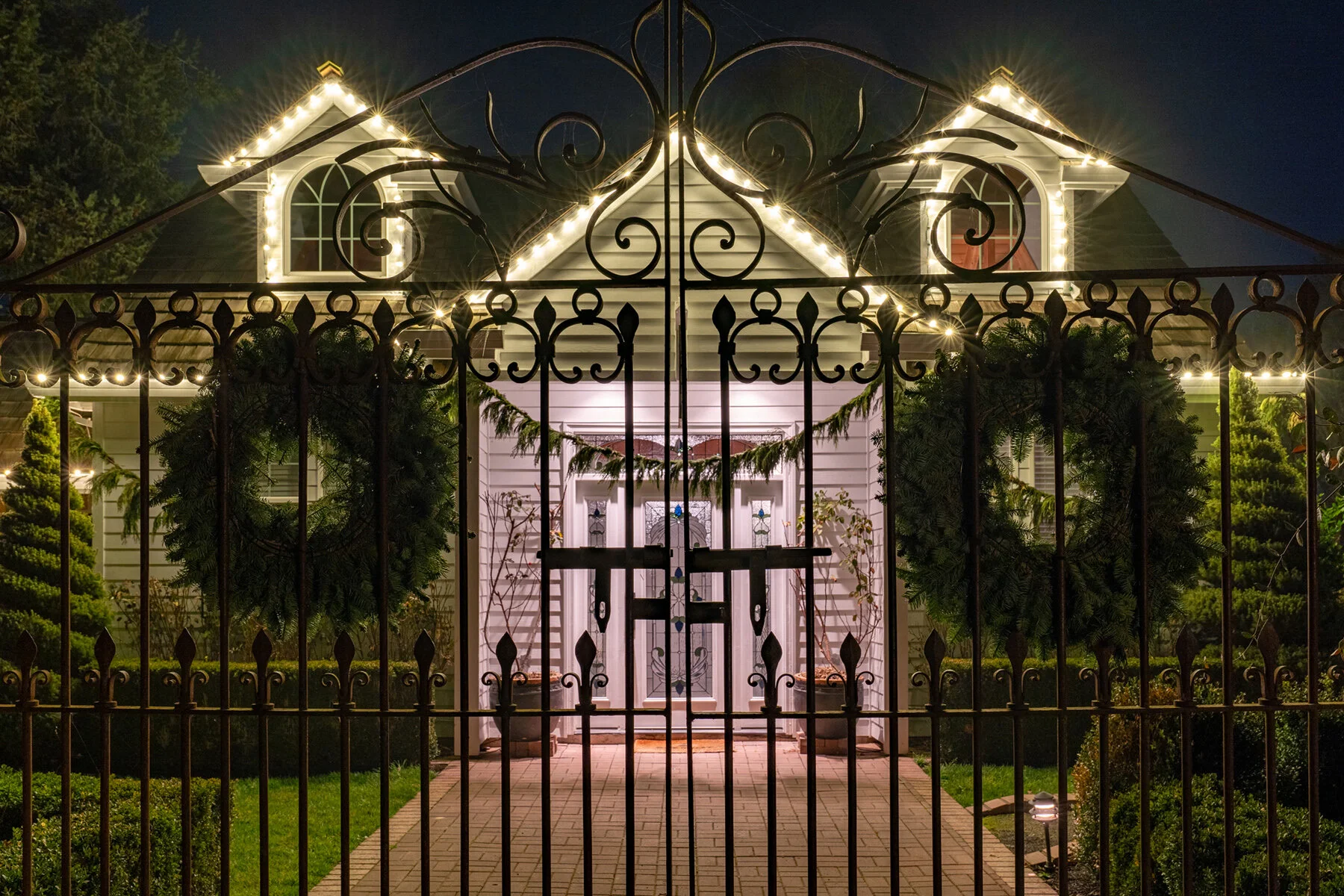
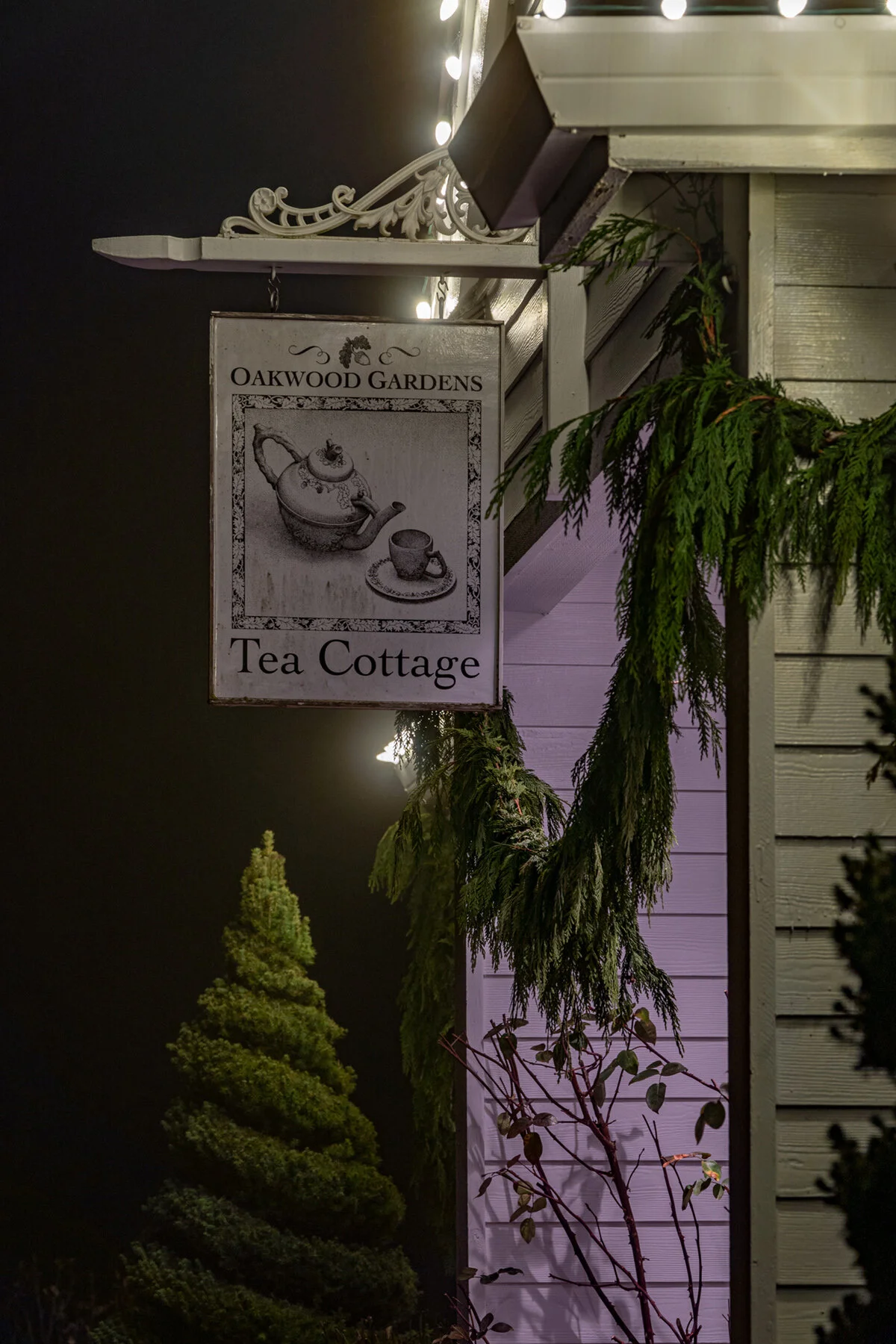
So that afternoon, I started calling prior clients to see if they had spaces in their rentals or on their properties in case I needed a place to stay until we figured out what was going on. It was on one of those calls to my friends at Oakwood Gardens and Cottages (and alpaca ranch) that the entire plan got turned on its head. She informed me that one of her friends, who was a first responder in Washington State, had some good information that they might be closing the border between Washington and Oregon to help prevent the spread from one of the states, Washington, that got hit with the coronavirus first.
This changed everything.
For if that border could potentially be closed, what was to stop the California Oregon border from closing as well.
After all, it would be the prudent thing to do.
Which left me with an even bigger decision to make.
Do I stay in Oregon, where I live? Or do I return to California, where not only my girlfriend resides, but as do my parents, who are not only both elderly, but include an 83-year old father who recently broke his hip and wrist after taking a spill off a ladder in his beloved garden and is currently in recovery at home.
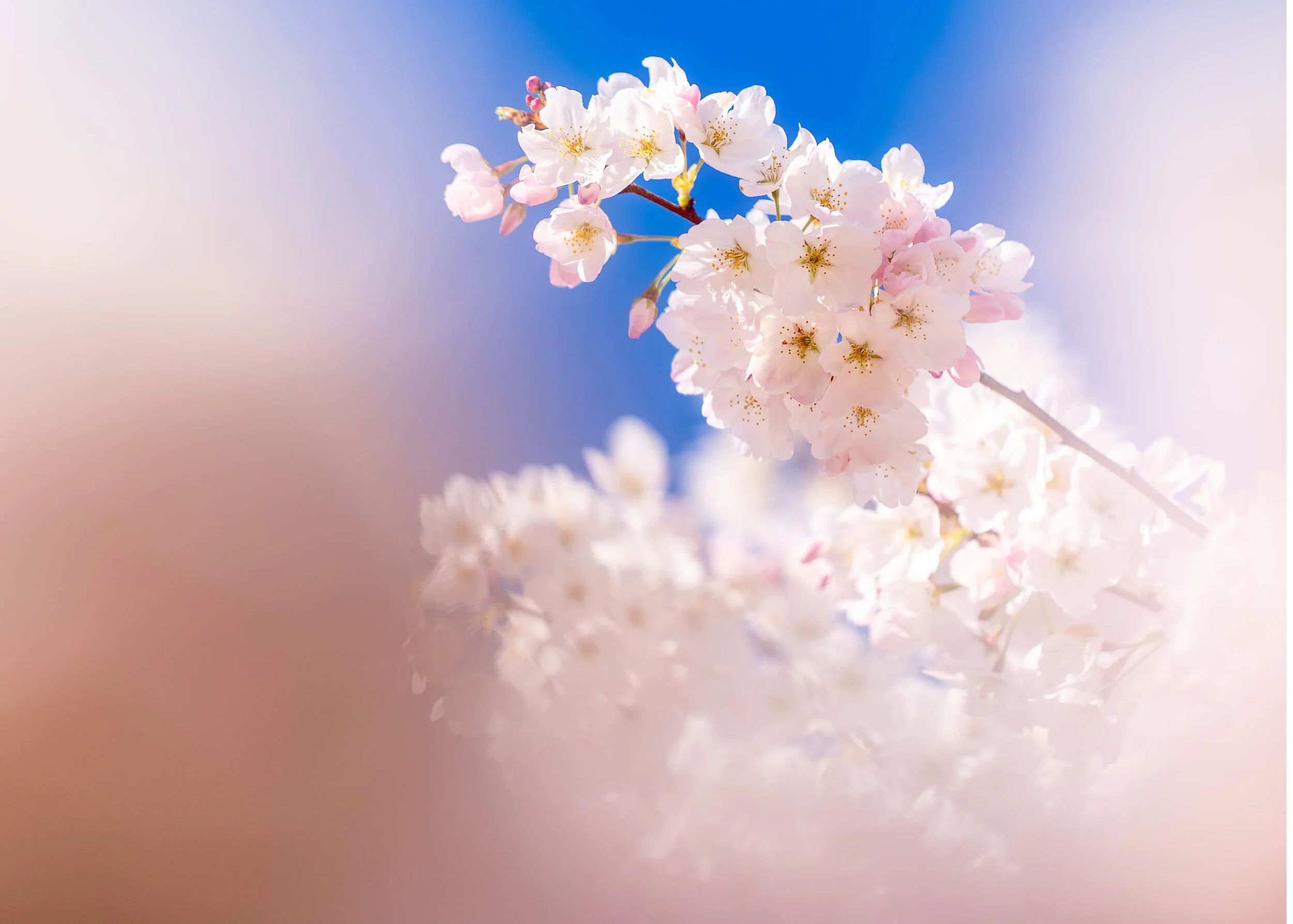
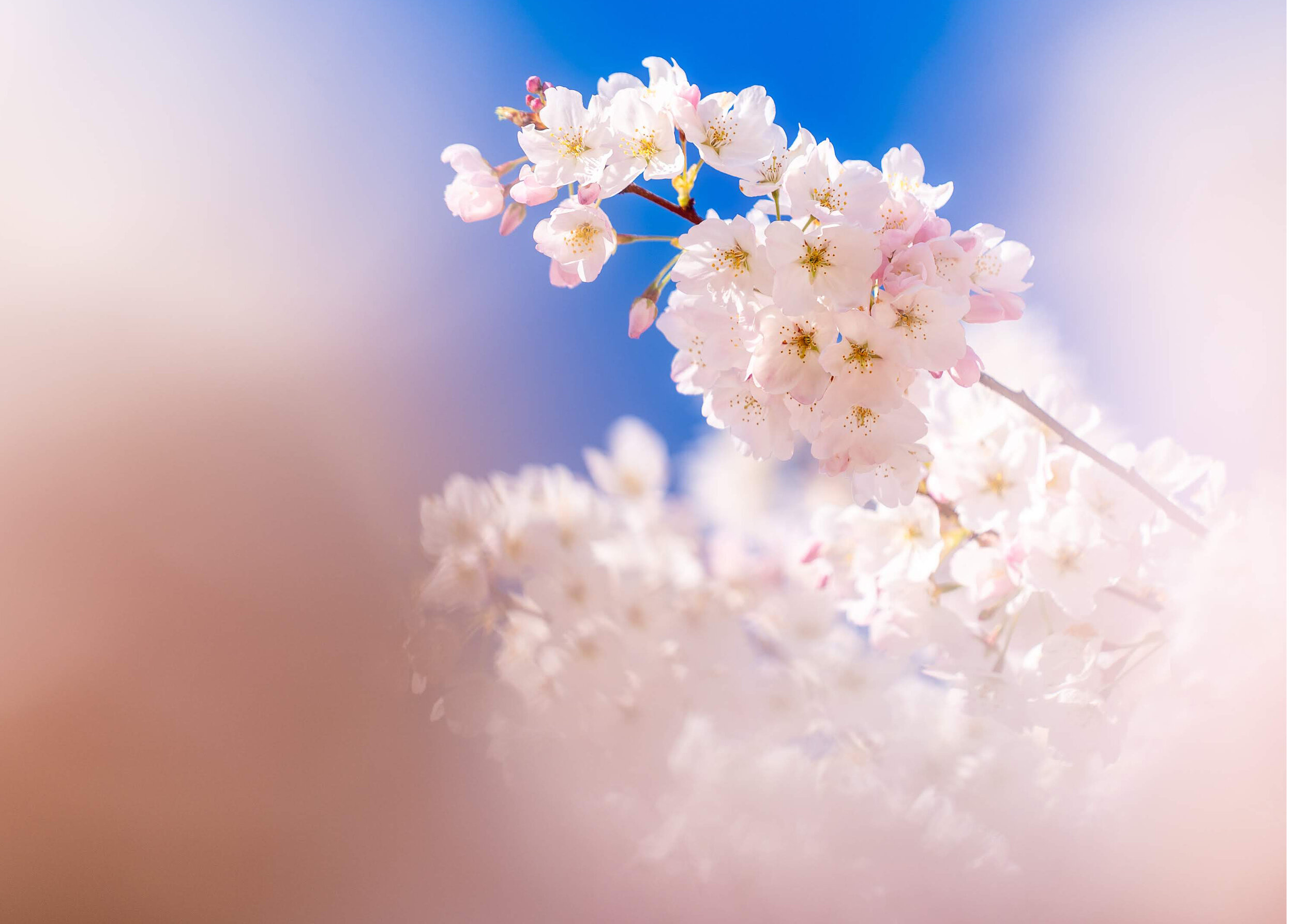
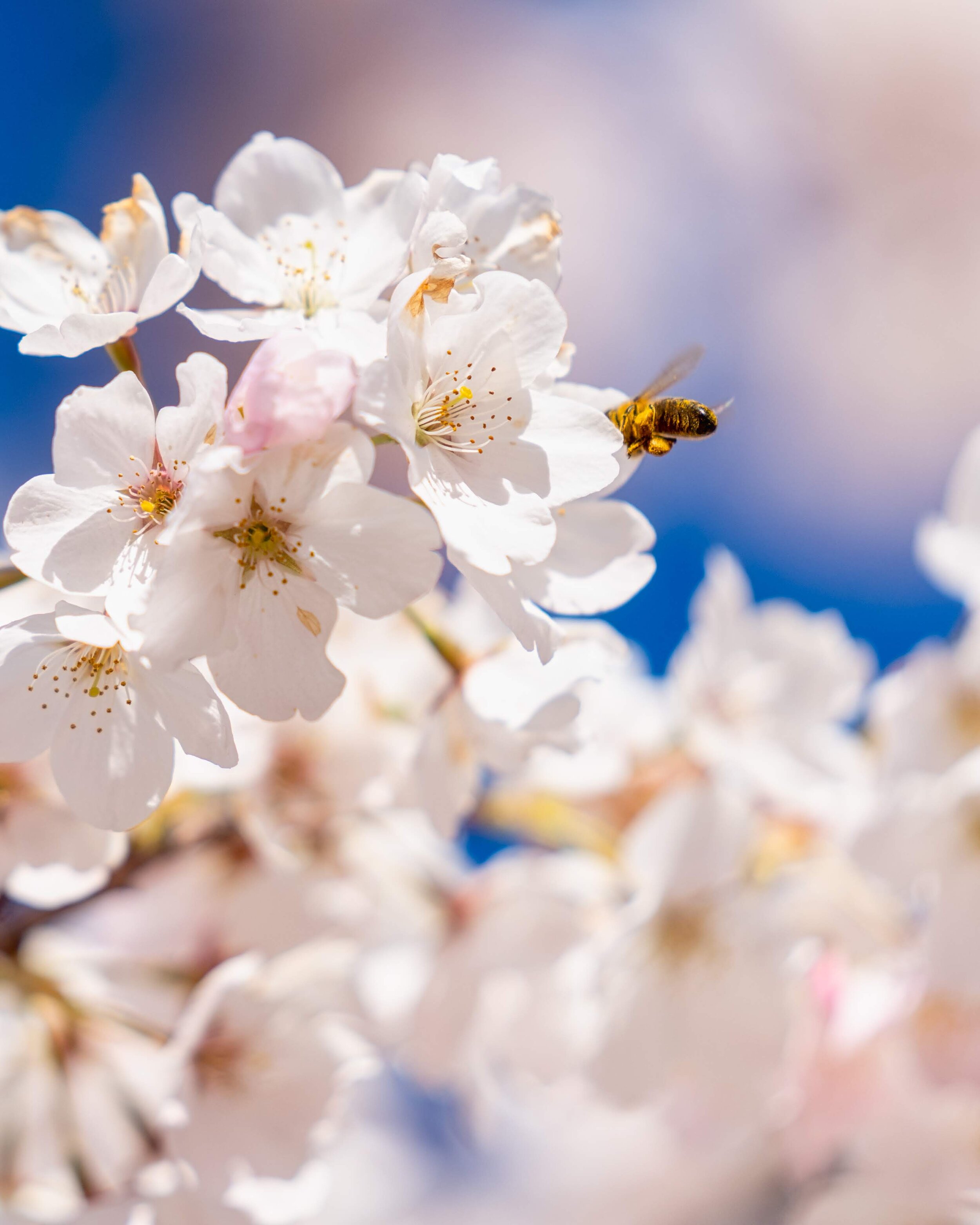
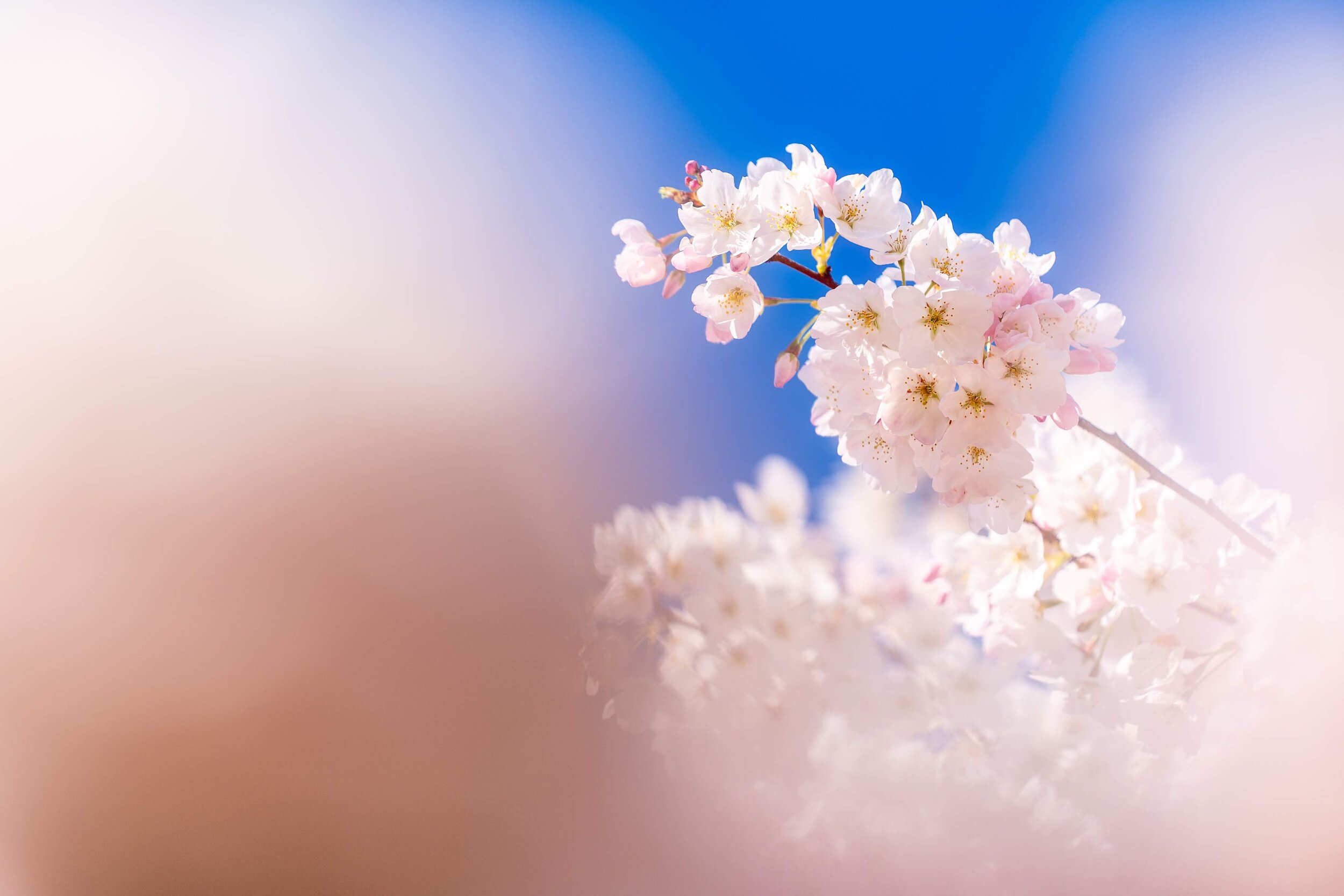
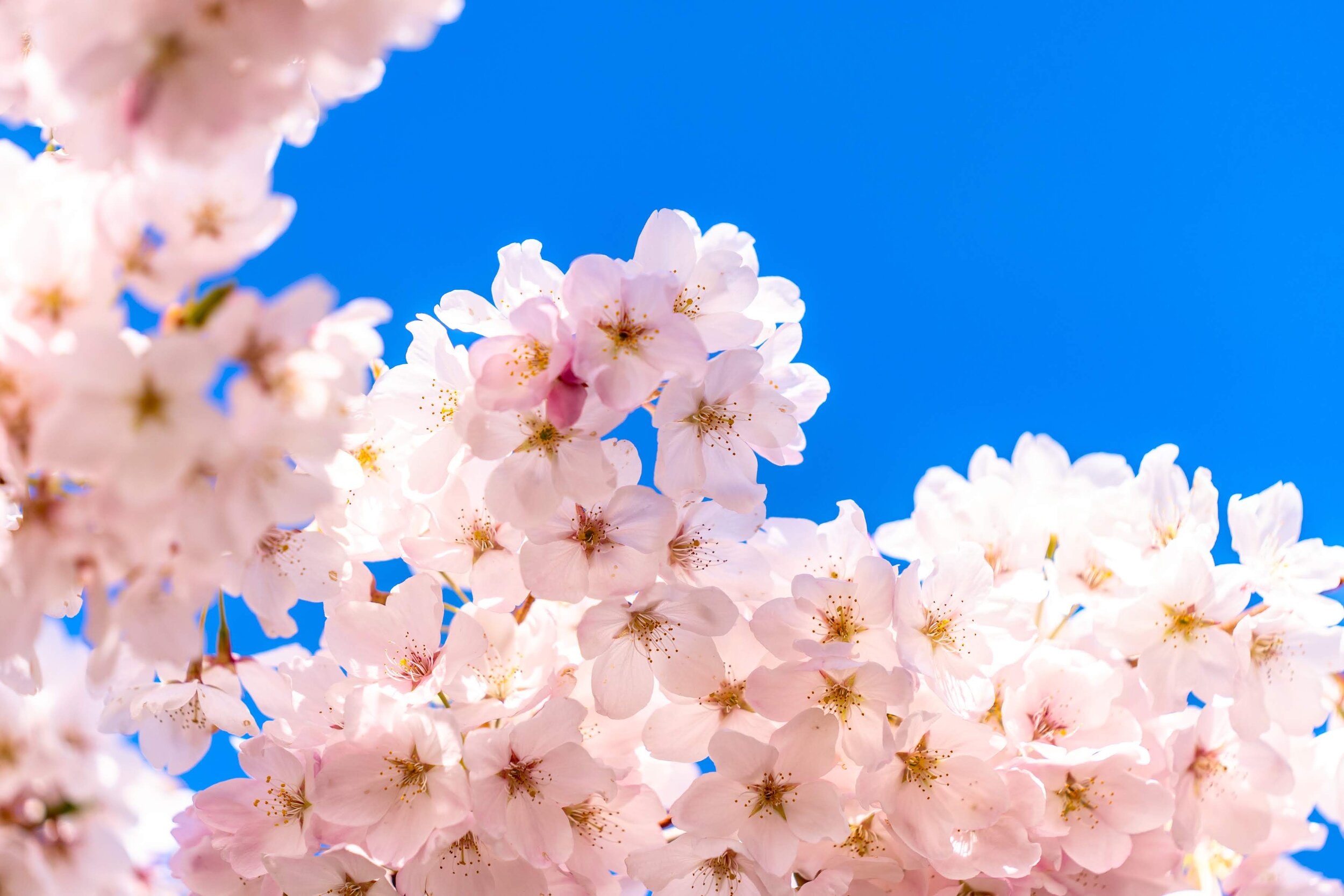
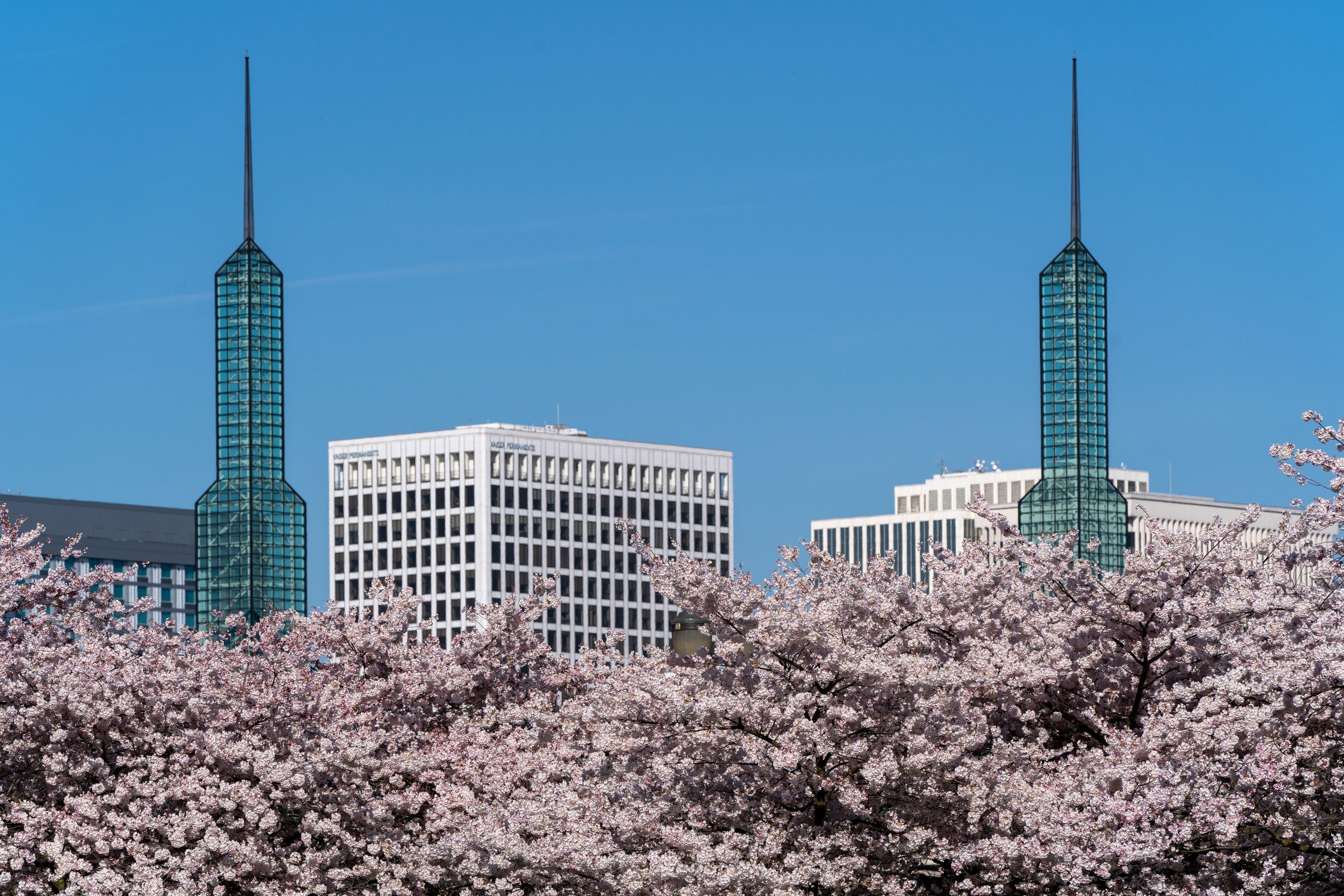
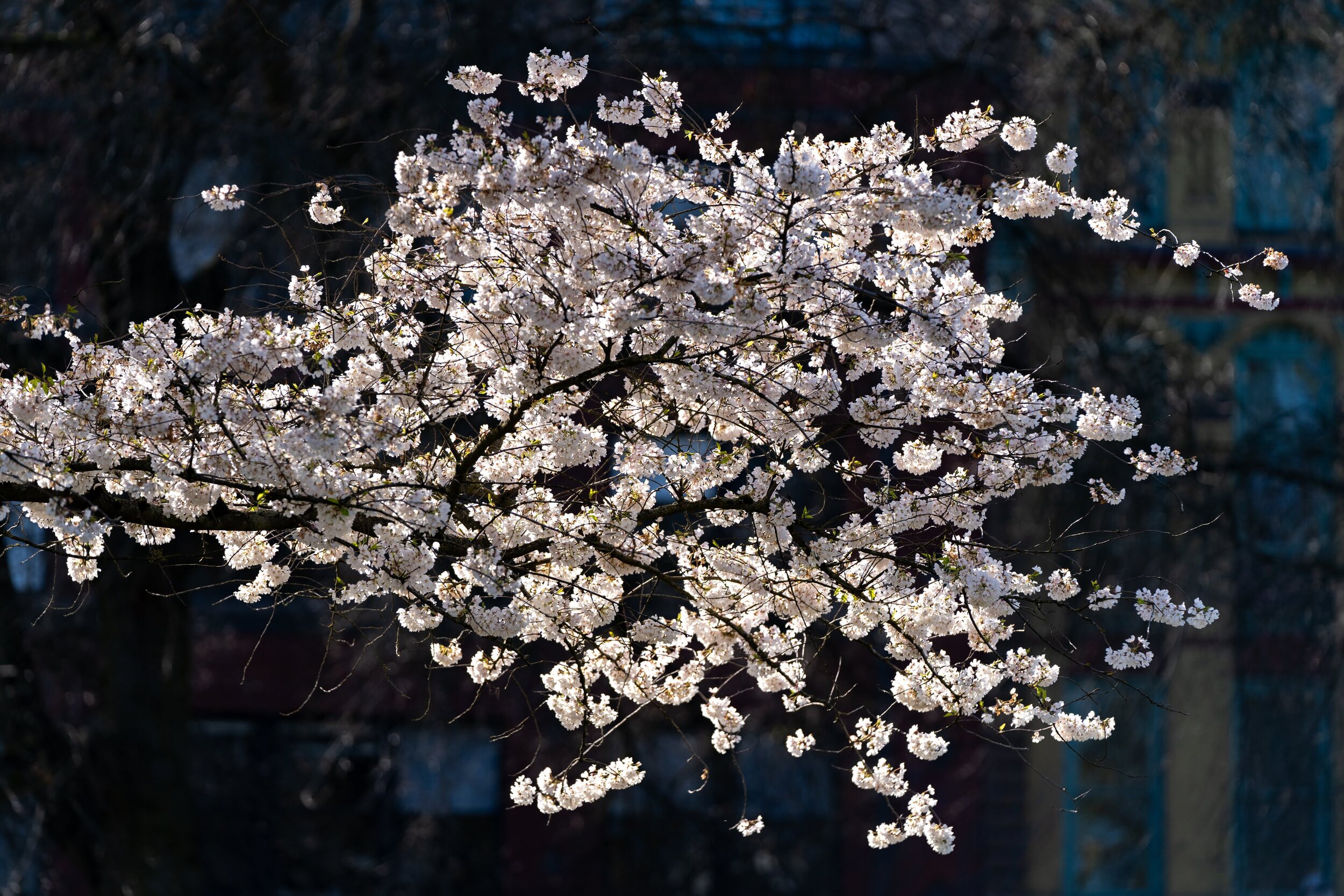
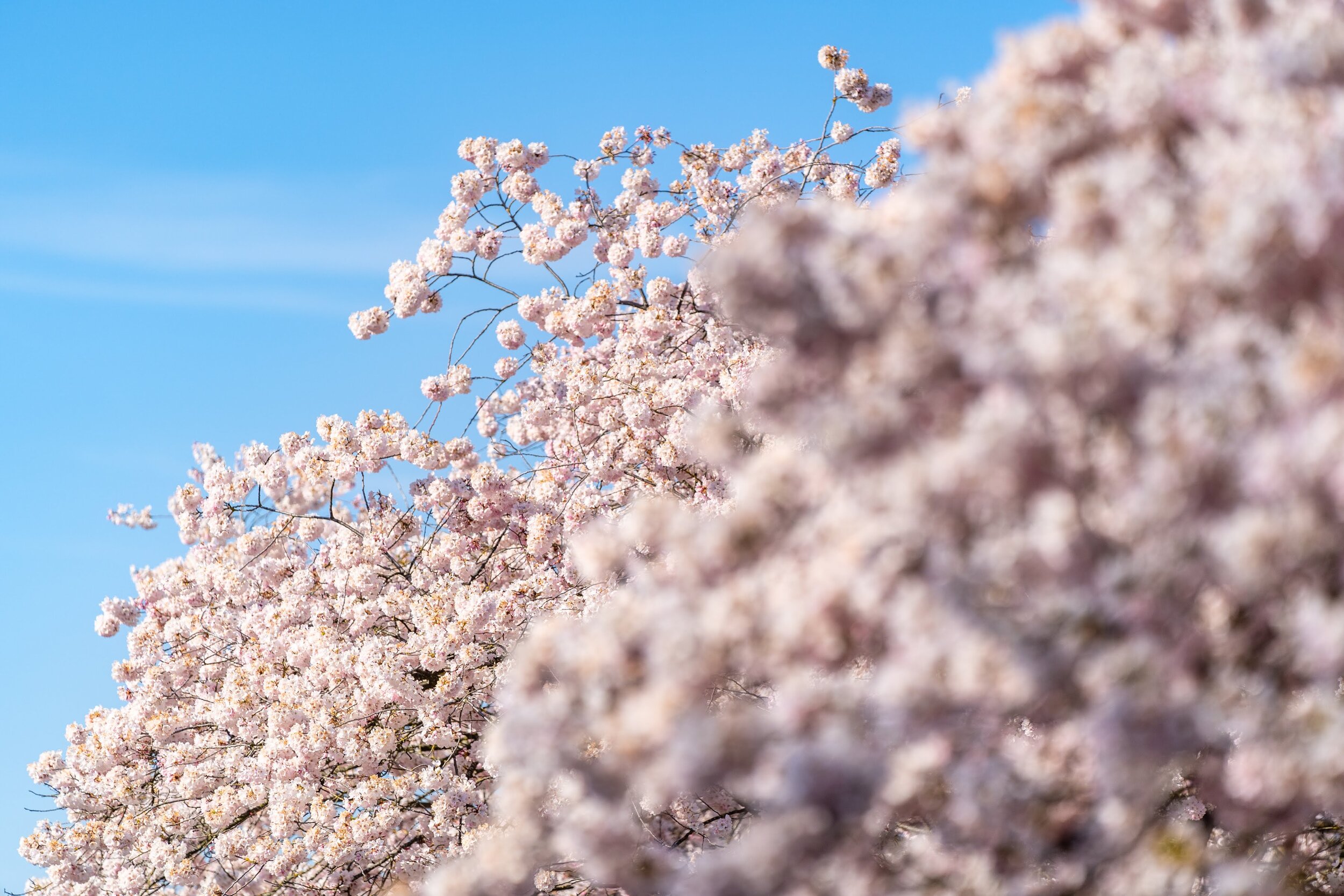
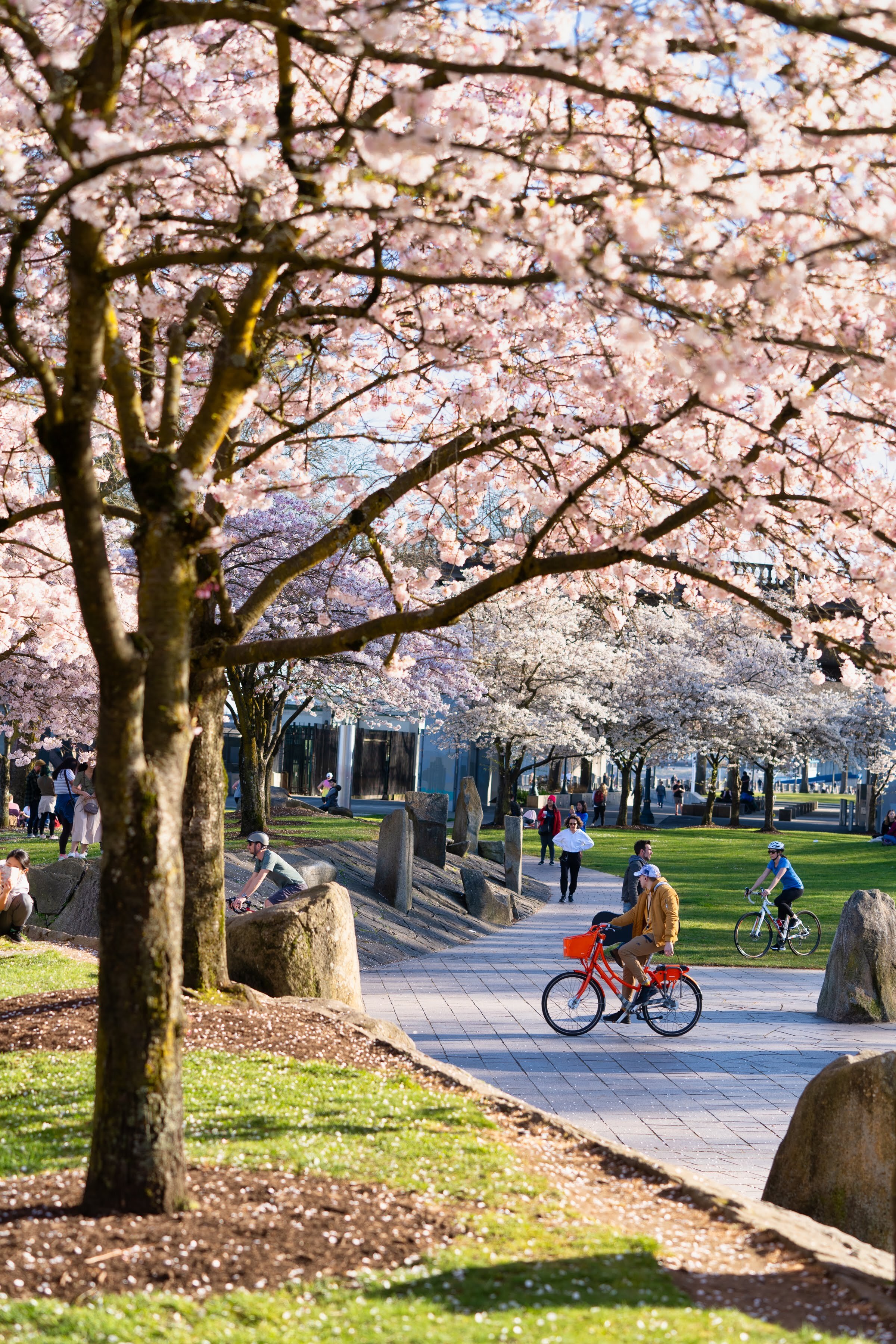
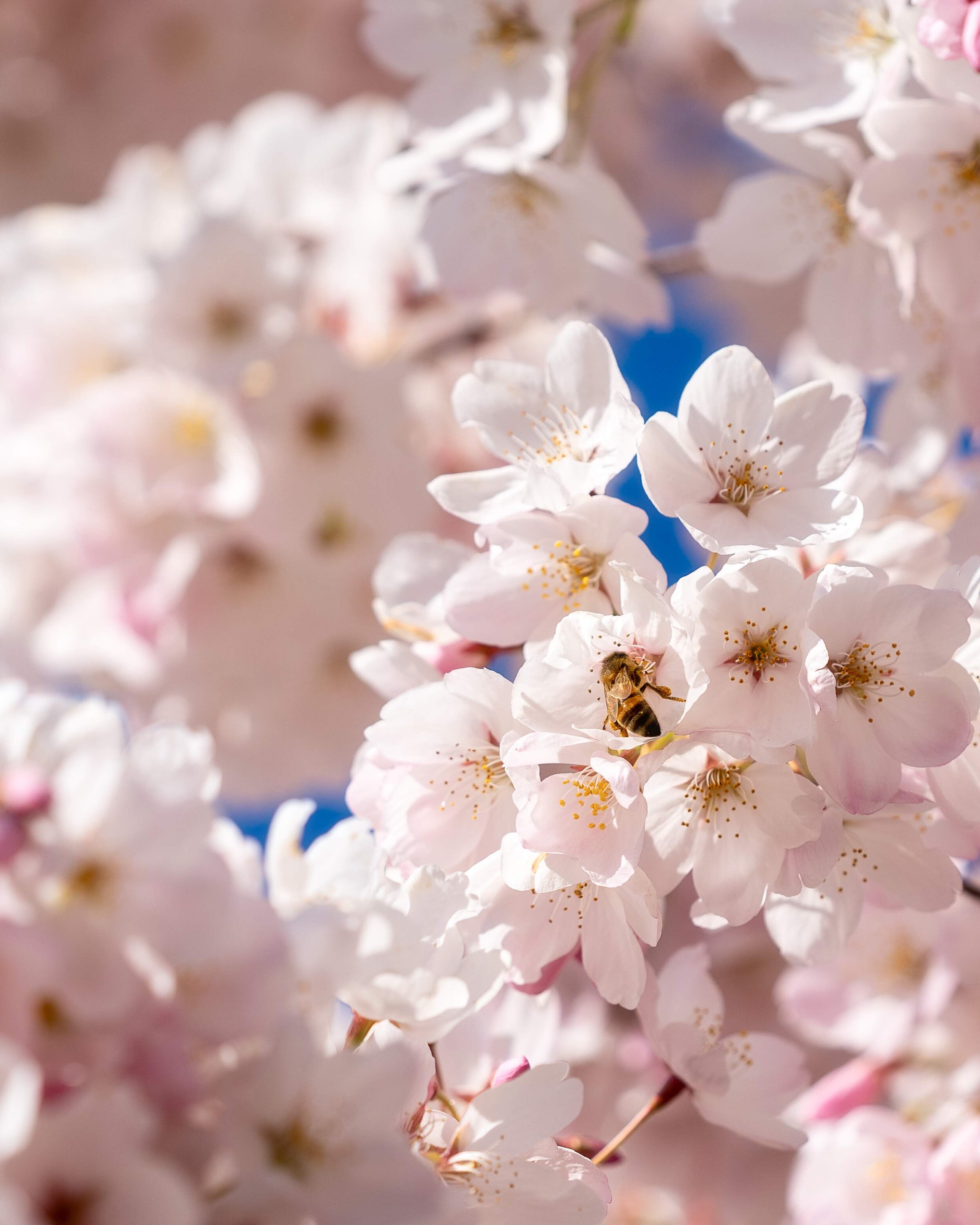
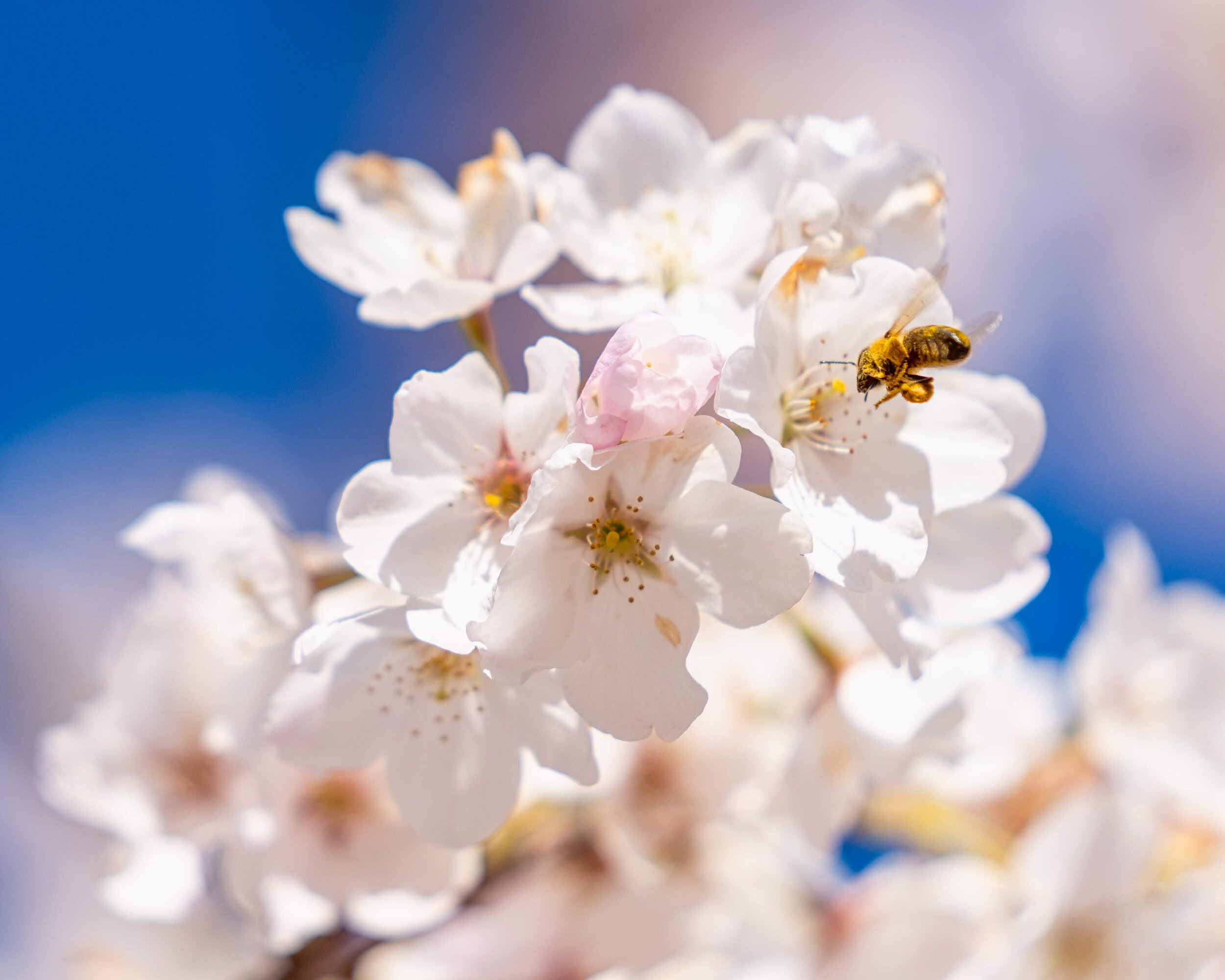
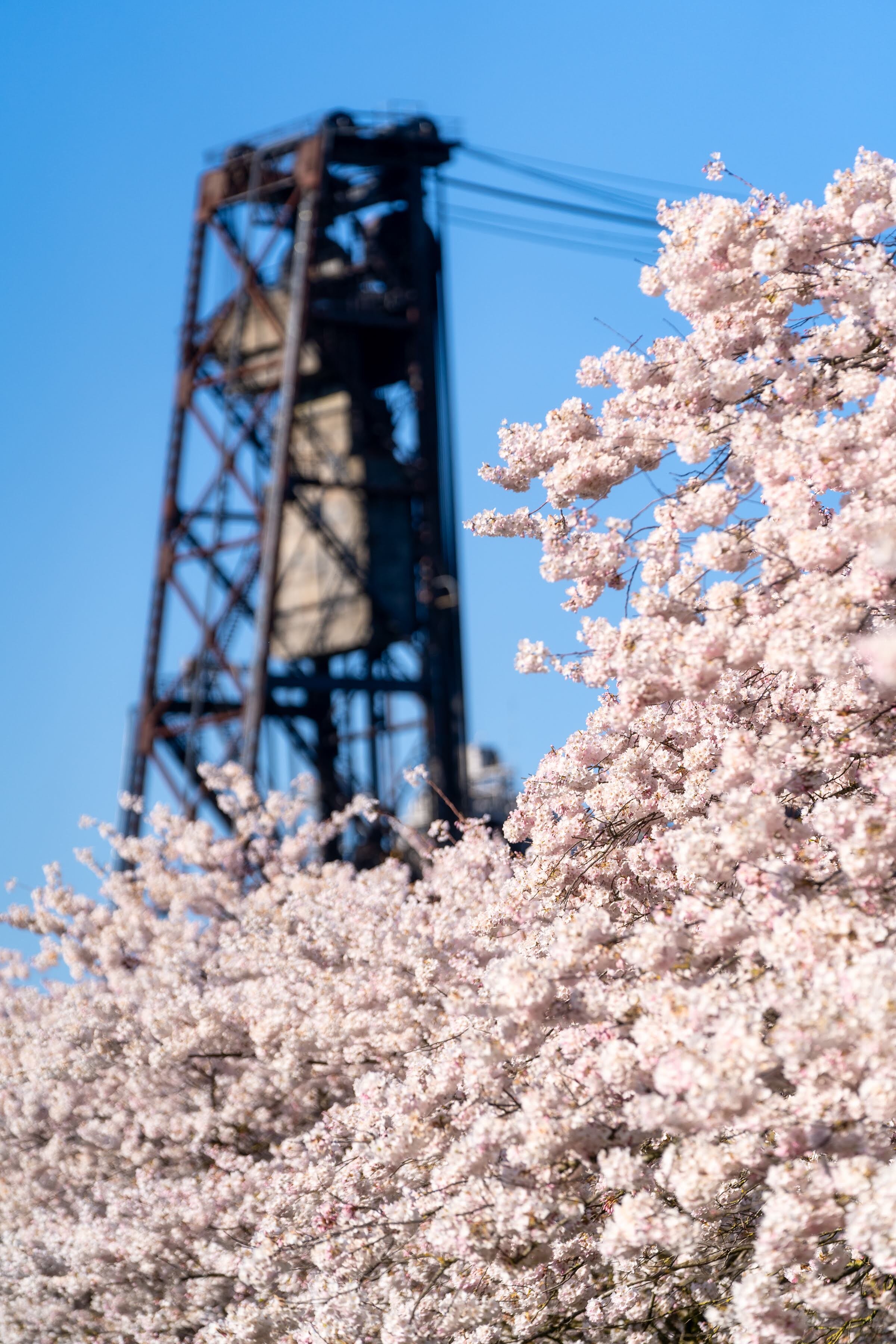
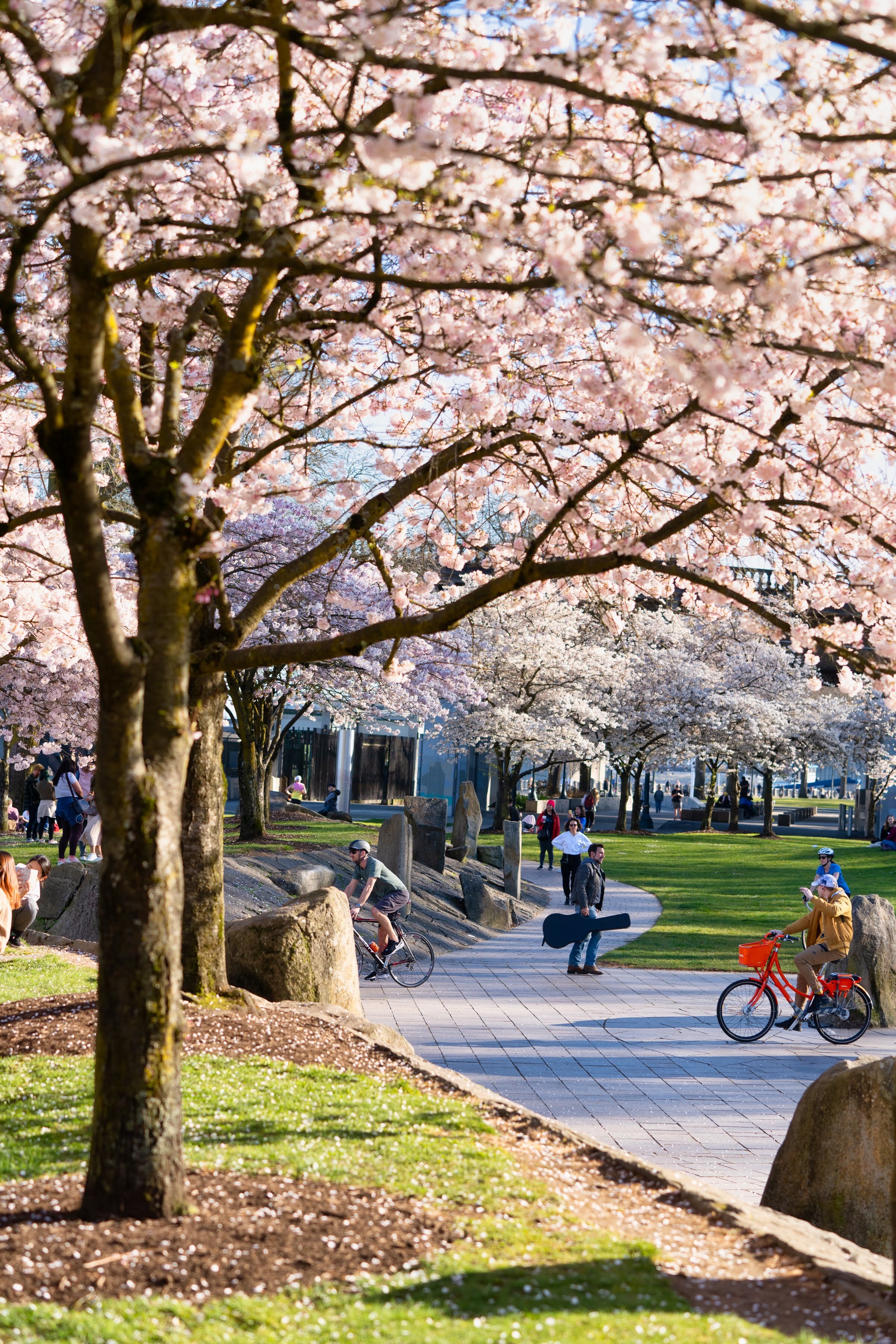
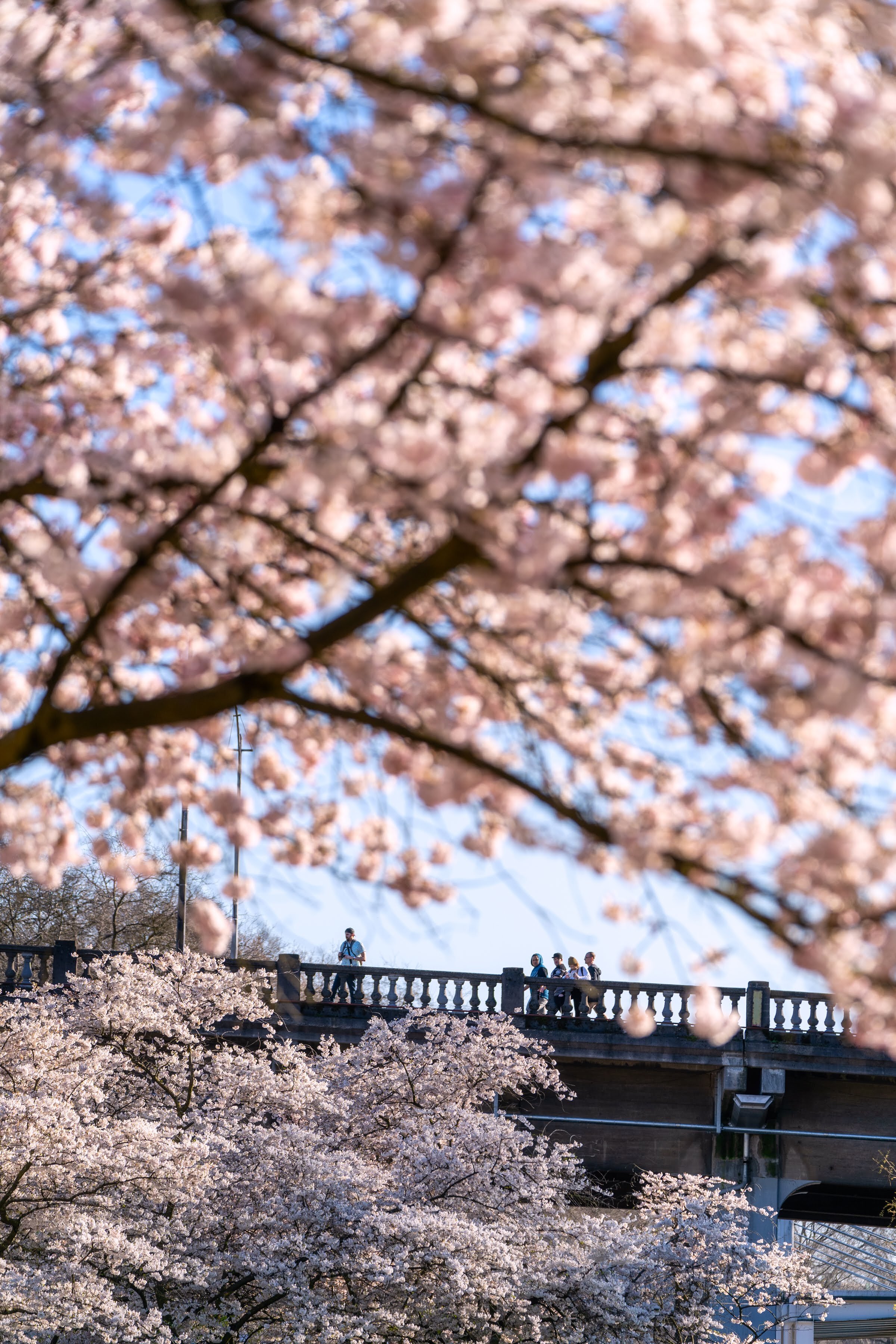
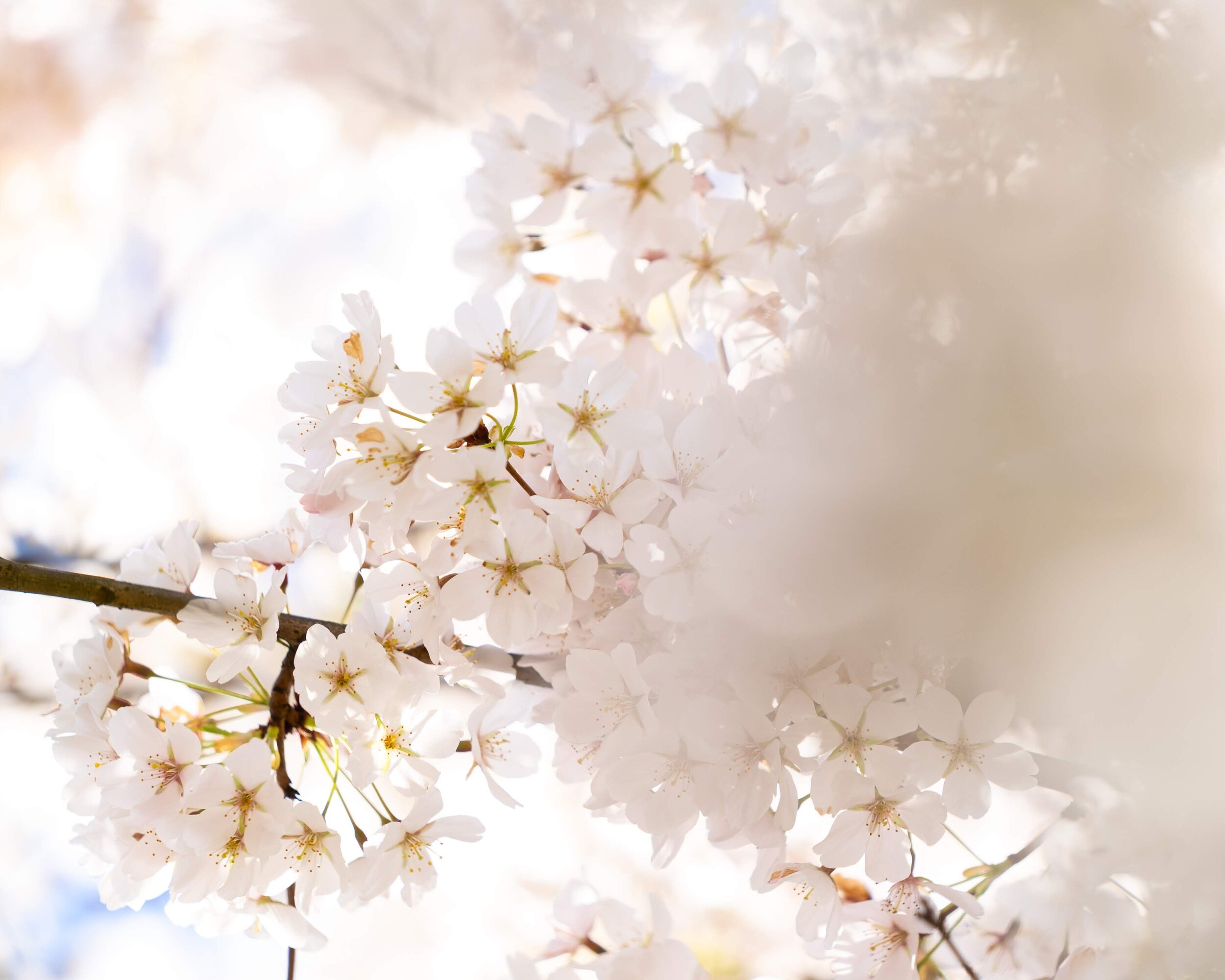
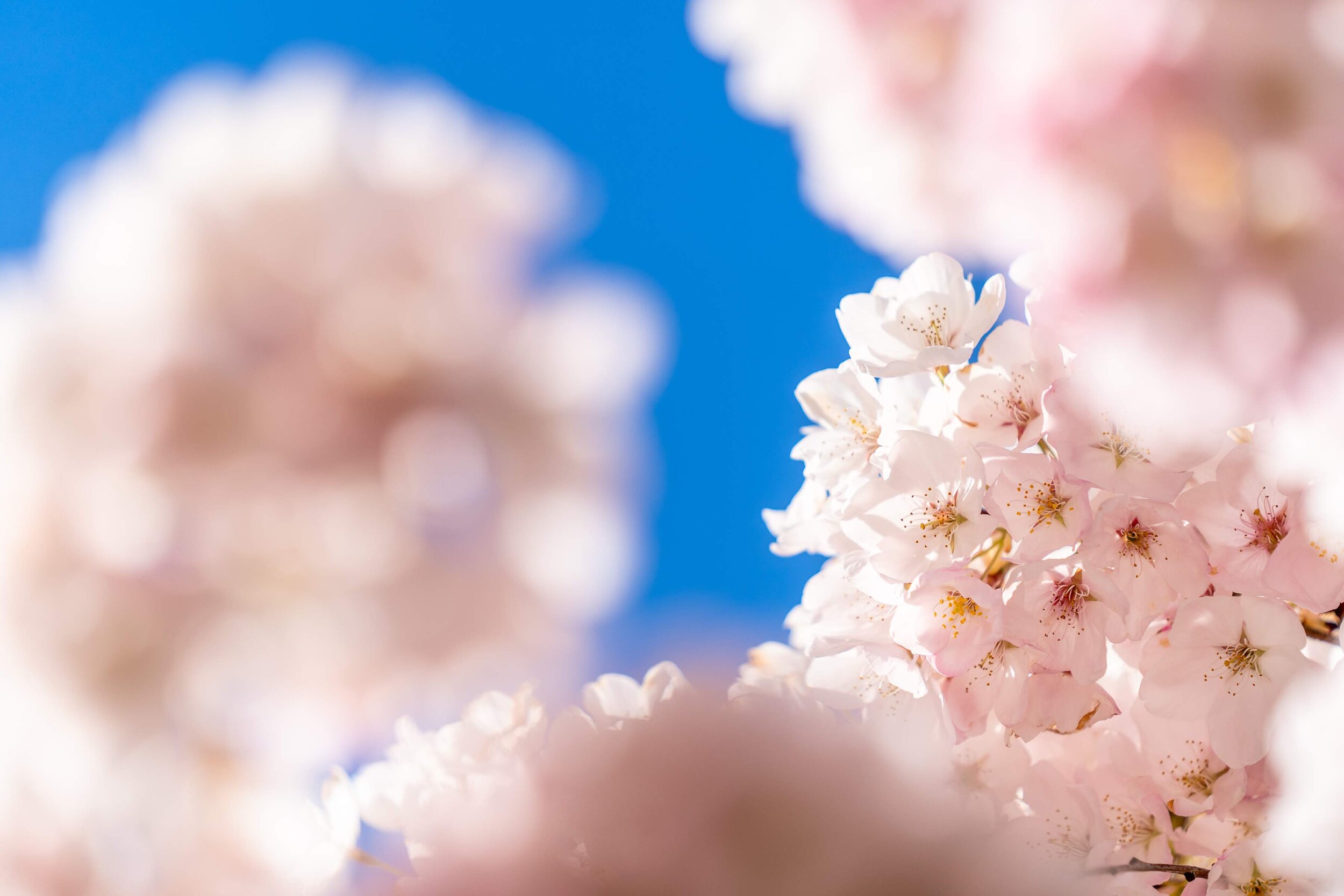
It was then that I felt I needed to do something to help clear my mind and try to put things in perspective to help me make the right choice, and what better way to do that than to stroll amongst fresh cherry blossoms along Portland’s Waterfront Park, especially knowing that I probably won’t have a chance to see them again this year.
So we did.
We walked.
And for a few precious hours, I was able to get into my ‘happy place,’ frolicking with my camera under a blue outdoor sky.
In Portland.
In the Spring.
During peak cherry blossom season.
After a few hours of deliberation and a social distance meeting on the outdoor deck with my aforementioned landlords later that afternoon, the choice became more obvious by the second – I needed to be on the same side of the border as my folks.
So I packed up the cars with my cat and a few essentials, looked back at my place wondering if, and when, I’d be back, stopped at a local grocery store for some supplies and food, and less than 48 hours after driving up to Portland, I was now on my way right back to my girlfriend’s home in Nevada City, California, where I currently still am, indefinitely, socially distancing and self-isolating and all the things until we know what’s what and what’s next.
Which I’m certain is the case for just about all of us on these most uncertain of days.
Where things go from here, both in the short term and the long term, no one has any idea, but the one thing we can be sure of is that there’s no better time and situation to re-assess all our priorities pre-COVID19 – from how we spent our time, to who we spent our time with, to how we spent our money, to how we spent our attentions. Everything we thought we knew will no longer be the same, and in many cases, perhaps for the better, as we have been forced to be more present and more conscious of the day-to-day, moment-to-moment decisions and choices we are making. If we can find a way to parlay even parts of this mindset into our post-COVID19 lives, it’s hard to view that as anything but a positive.
In the meantime, please take care of yourselves, your communities, your loved ones, and all of those around you. And if you are in position to do so, consider helping those outside of your community with even a small donation, especially those that are on the front lines in the fight against this bugger – not the least of which being first responders and healthcare workers that are working around the clock to beat this thing.
Also, if you’d like to purchase any of my prints to bring nature into your home since we can’t really get out into nature ourselves these days while she rehabilitates herself, including some of these images, during this time of weirdness, 15% of all proceeds will be split between Global Giving’s COVID relief fund , and Ecology in Classrooms & Outdoors (ECO), the non-profit I sit on the board of that brings ecology education to kids in underserved communities. Check out my brand spankin’ new purchase page on my site (also still a work in progress) for canvas prints, art prints, and even greeting cards.
Now, here are some of those images from that afternoon on the Waterfront. Hope you dig em…
And to follow along with more of my shenanigans, check me out on Instagram.
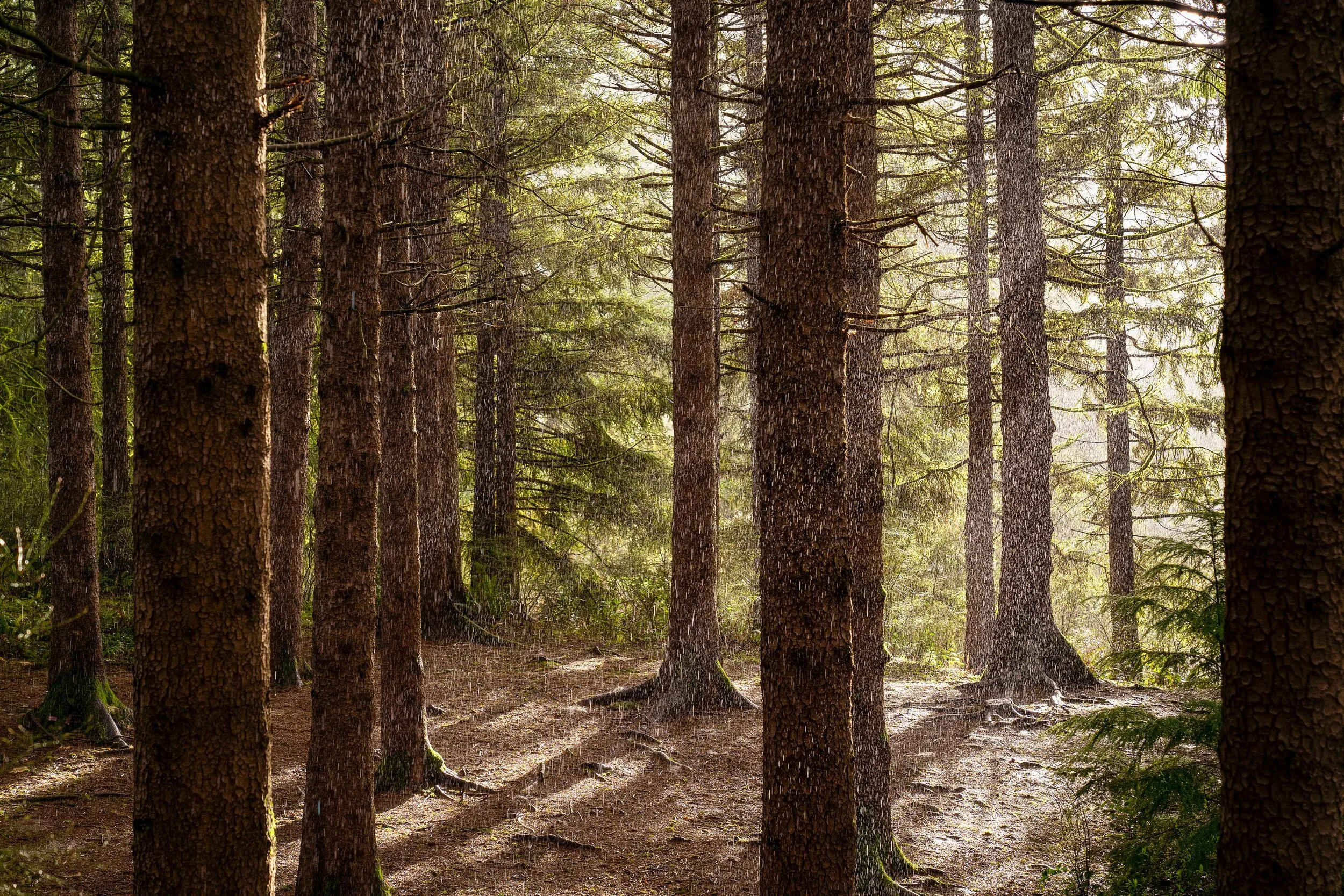
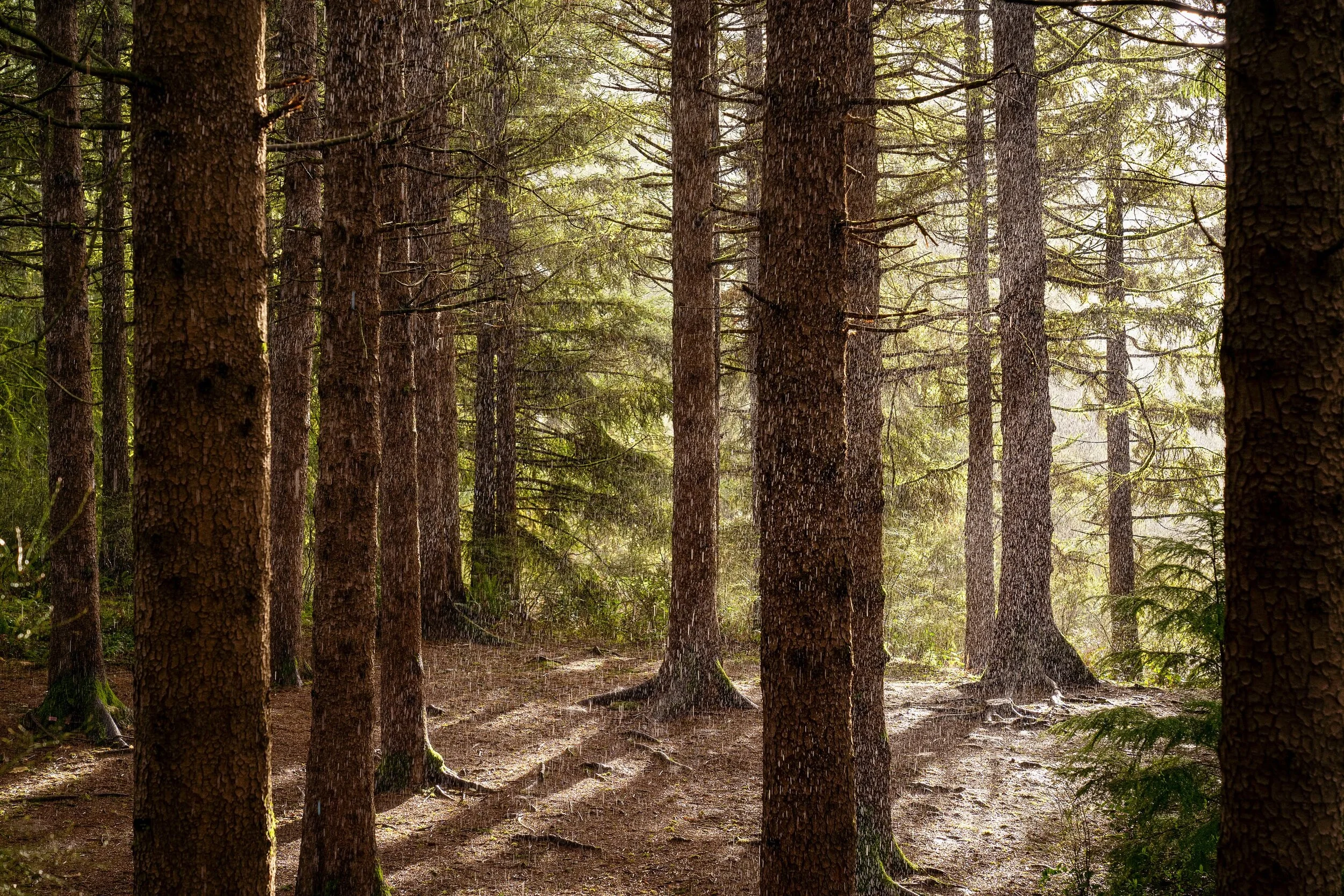
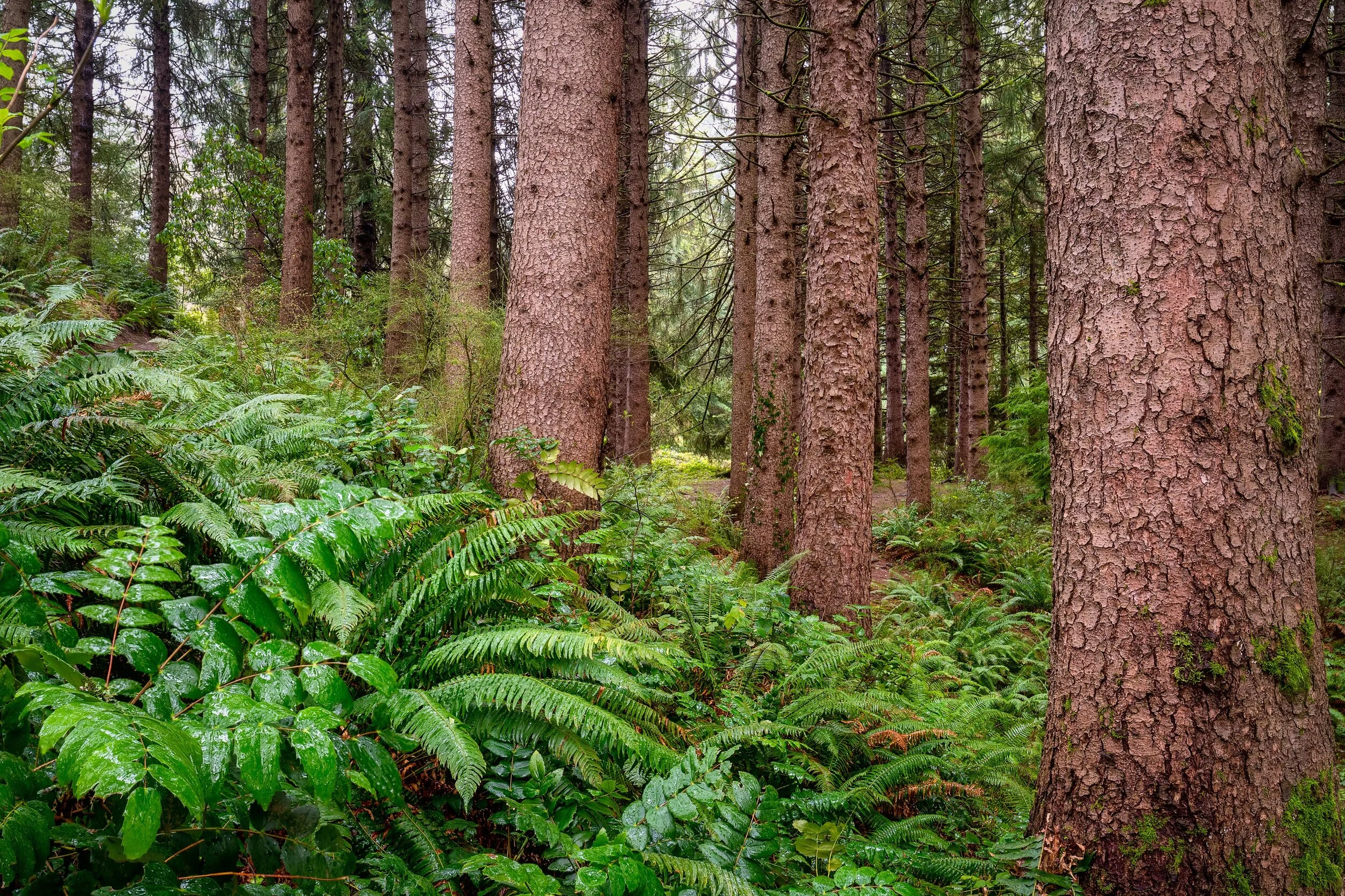
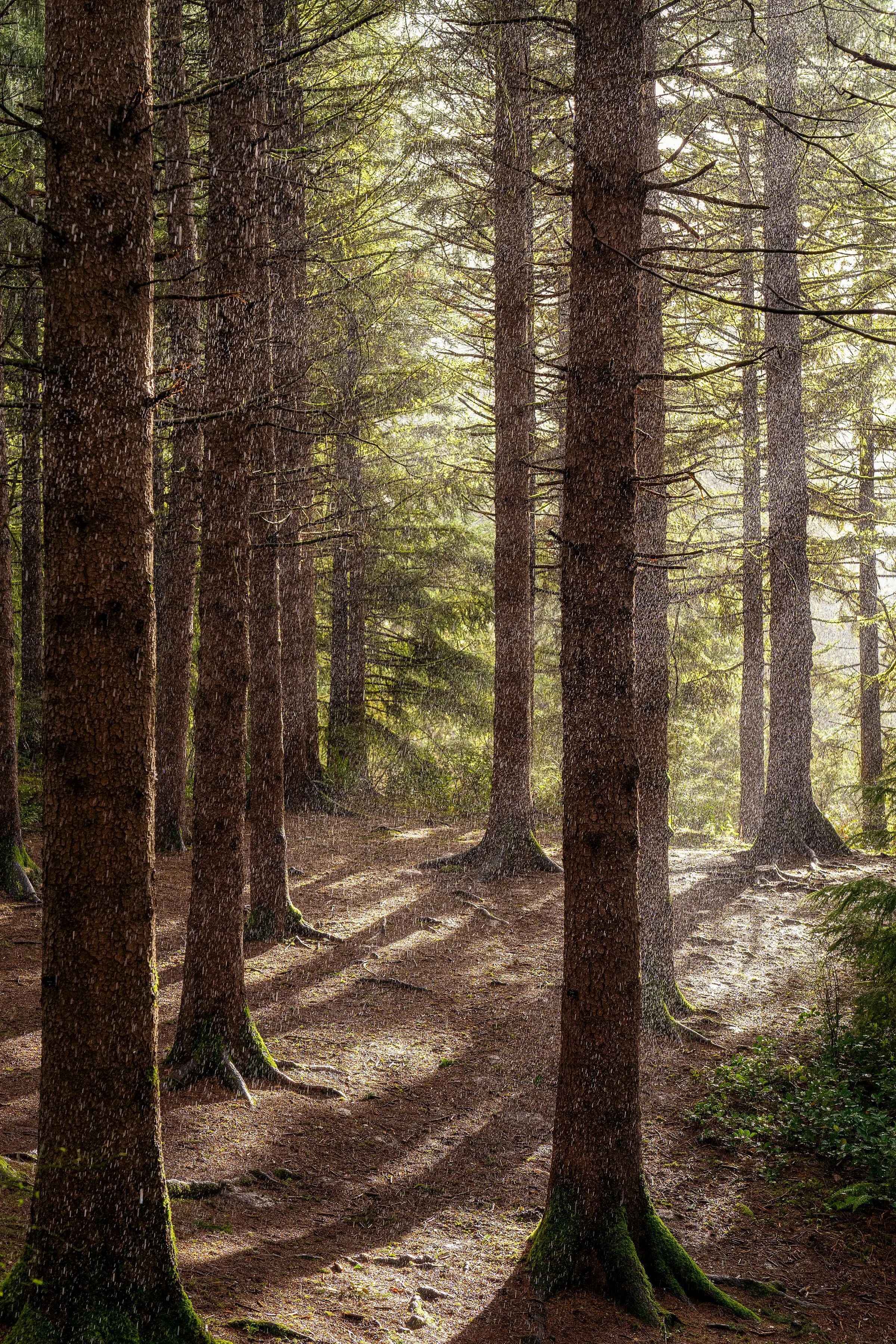
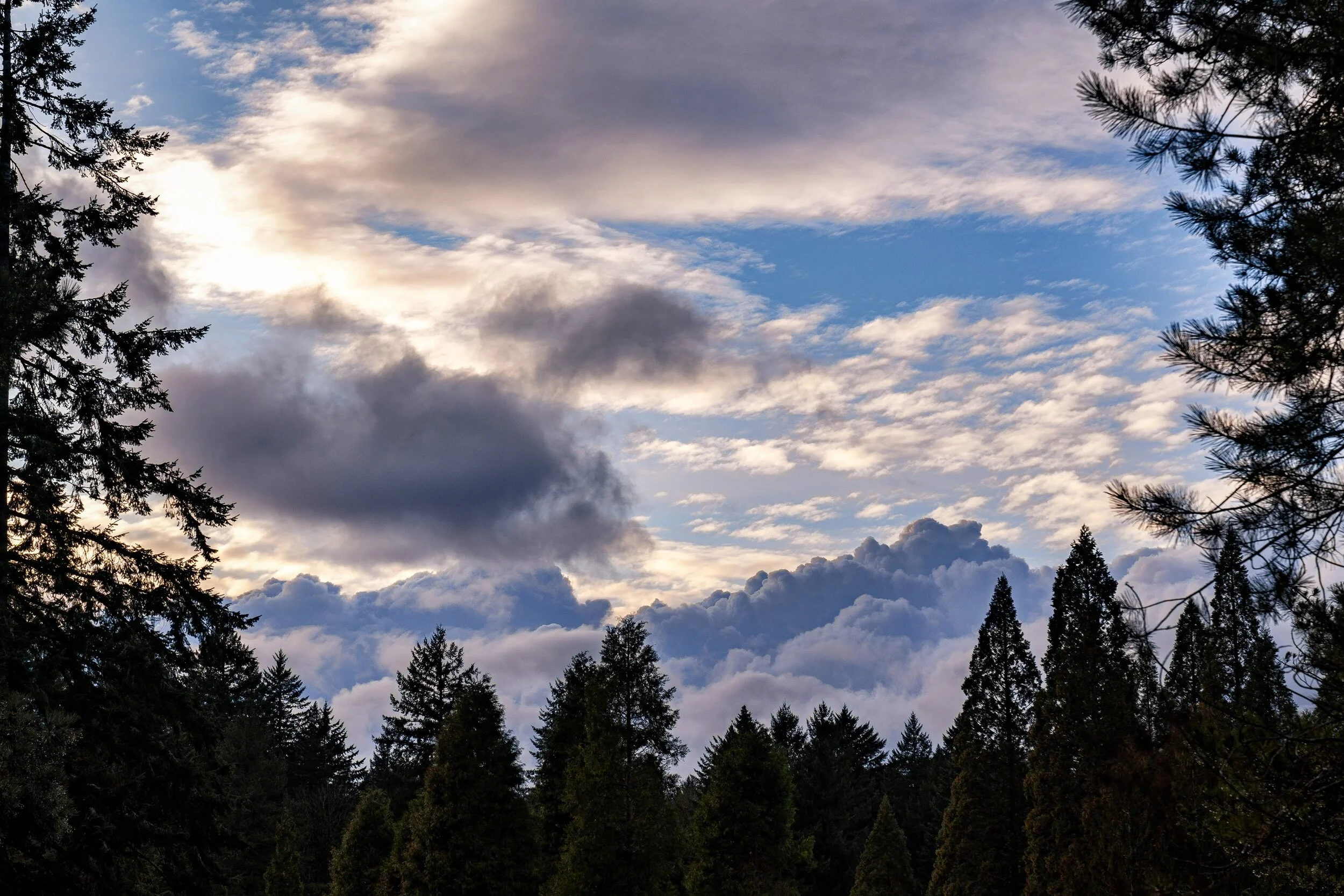
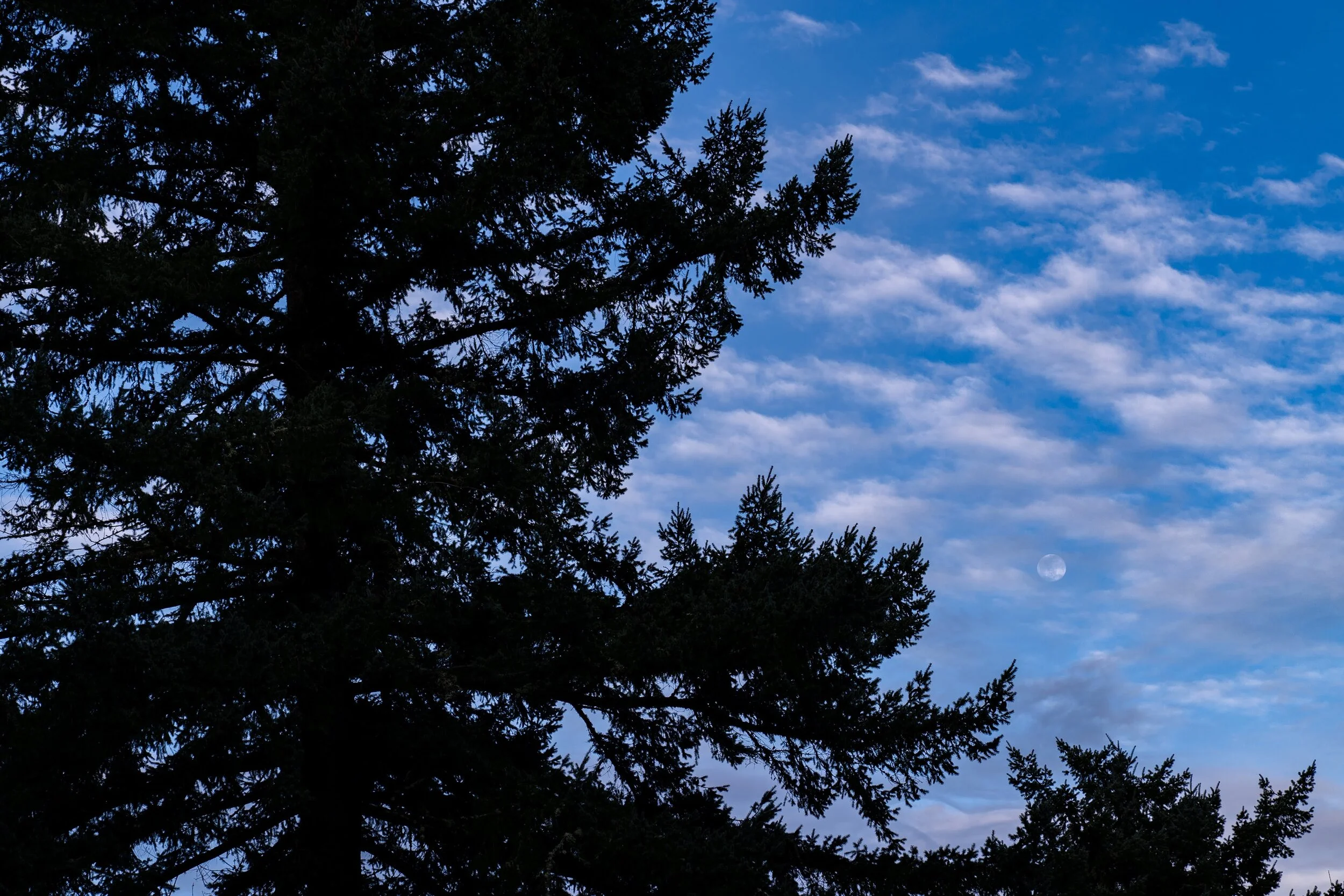
It was a recent late afternoon when Portland finally saw a short respite in the seemingly endless rain and the glorious sun drenched our part of the Earth for a few lovely moments, reminding us why we endure all that water falling from the sky for so many weeks of the year. Spring had barely just begun to sprung and this afternoon proved to be pure magic in the forest near my home.
When I first arrived, the late afternoon sun was filtering through the branches and leaves and undergrowth of the forest. I knew I only had about 30 or so minutes before I lost all the usable light, but I didn’t know that those 30 minutes would prove to be pure magic.
First it was sunny.
Then it was hailing.
Then it was raining.
Then it was raining and sunny at the same time.
And the light show that she gave us through it all was pure glory.
Here are some of those images from that spectacular afternoon in the forest flanking Portland.
Also, if you’d like to purchase any of my prints to bring nature into your home since we can’t really get out into nature ourselves these days while she rehabilitates herself, check out my brand spankin’ new purchase page on my site (also still a work in progress) for canvas prints, art prints, and even greeting cards: the purchase page. During this time of weirdness, 10% of all proceeds will be split between Global Giving’s COVID relief fund , and Ecology in Classrooms & Outdoors (ECO), the non-profit I sit on the board of that brings ecology education to kids in underserved communities.
And to follow along with more of my shenanigans, check me out on Instagram.
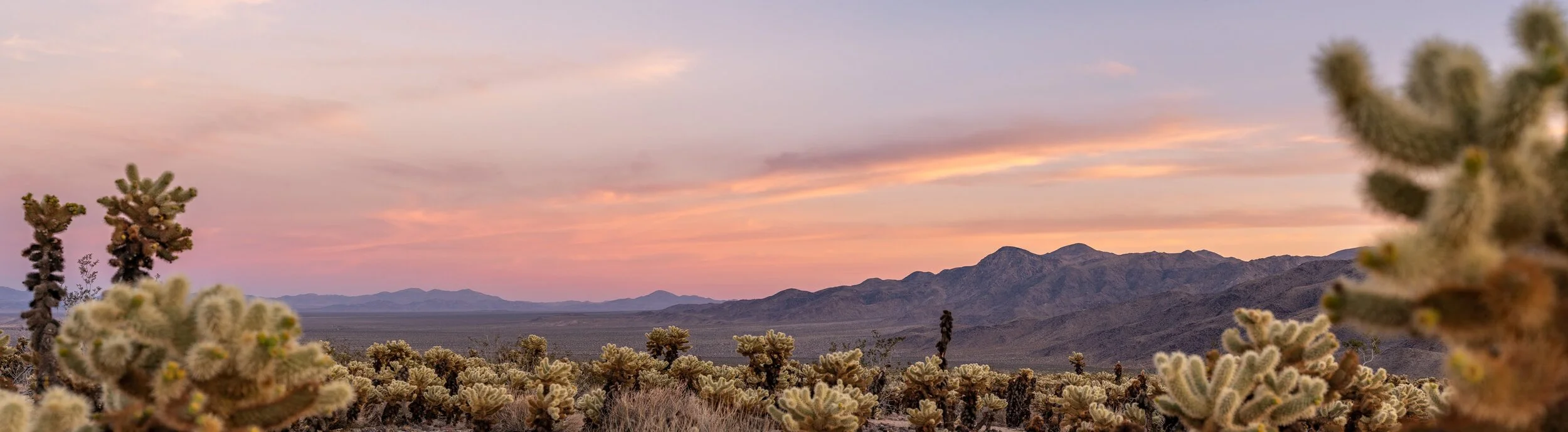
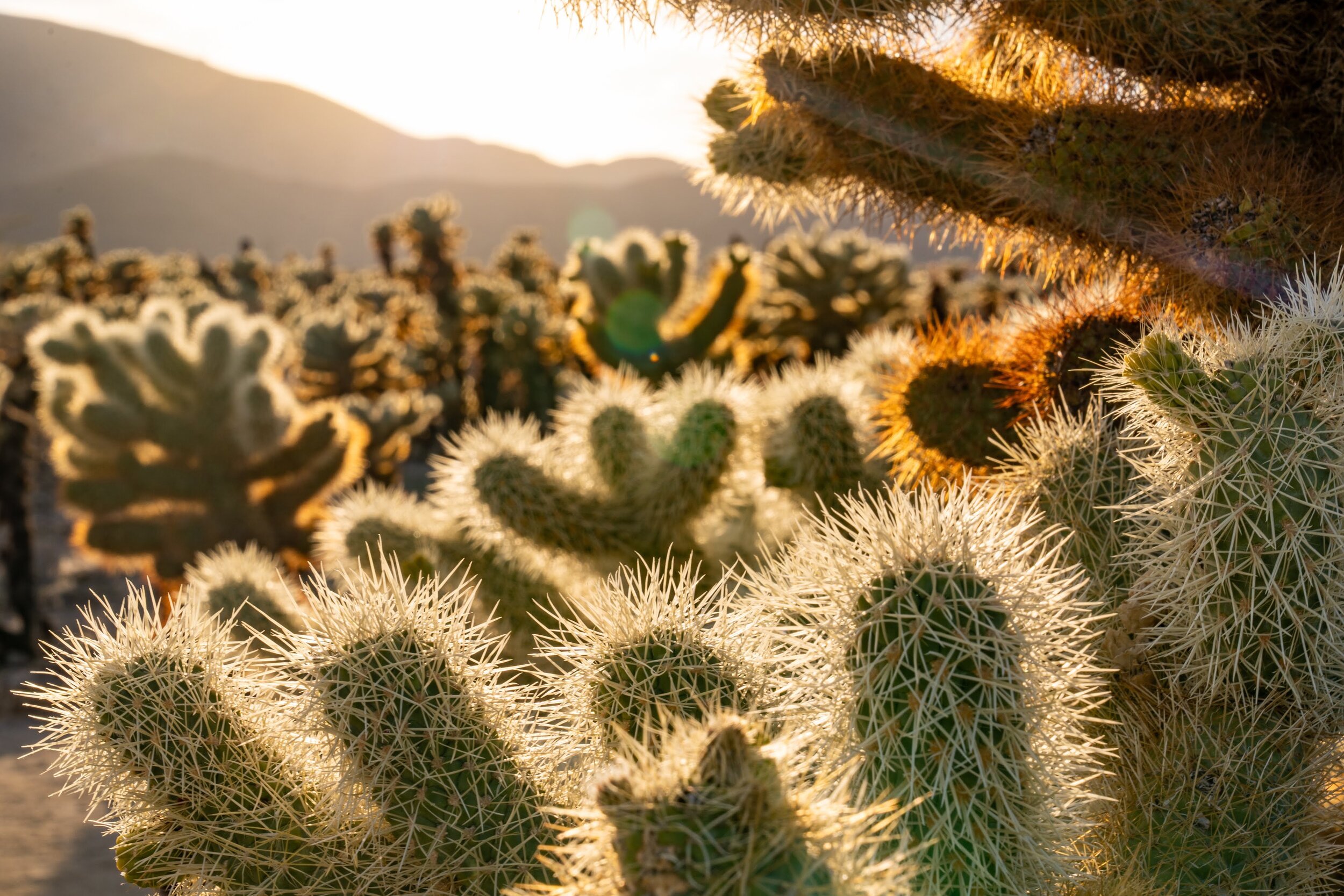
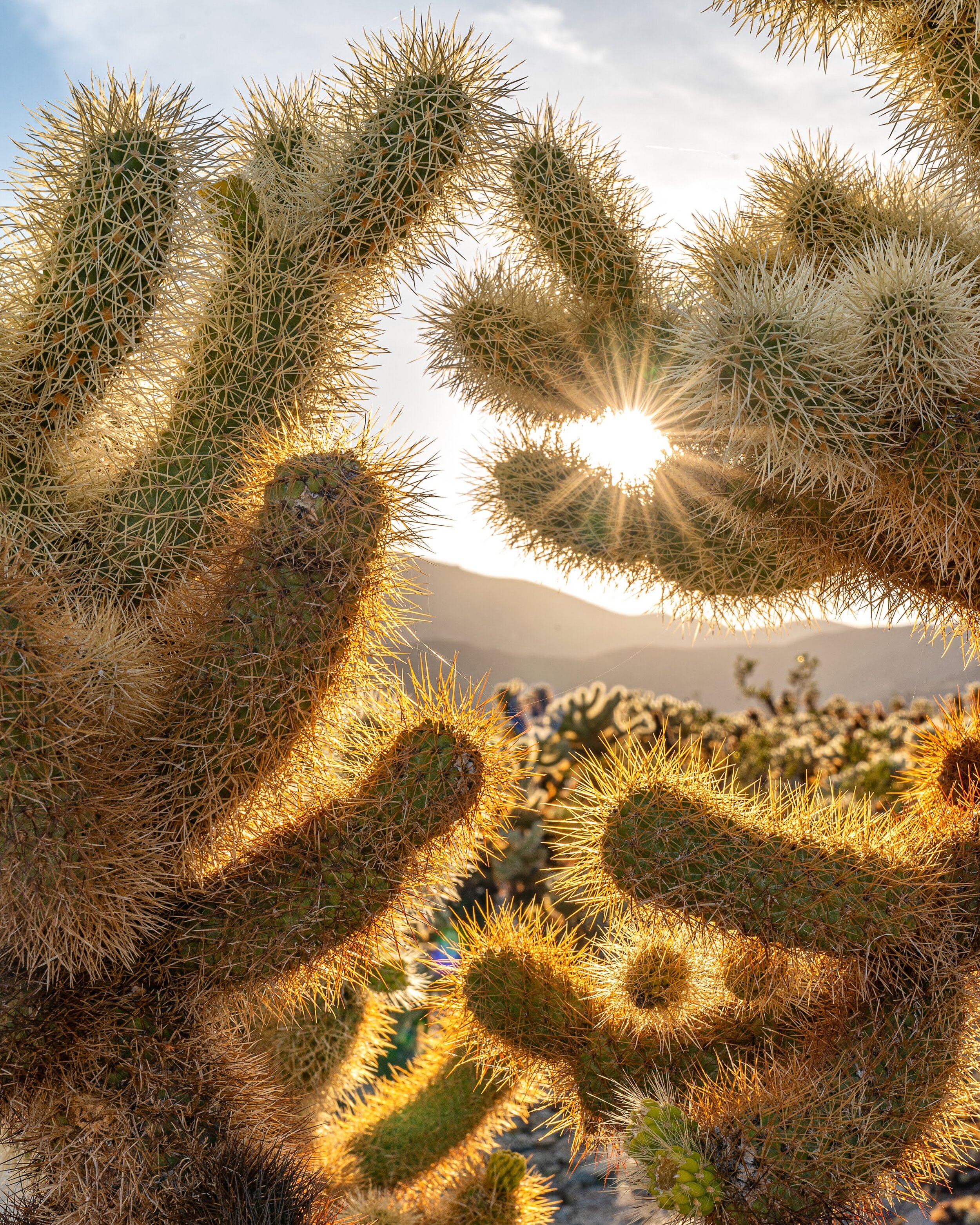
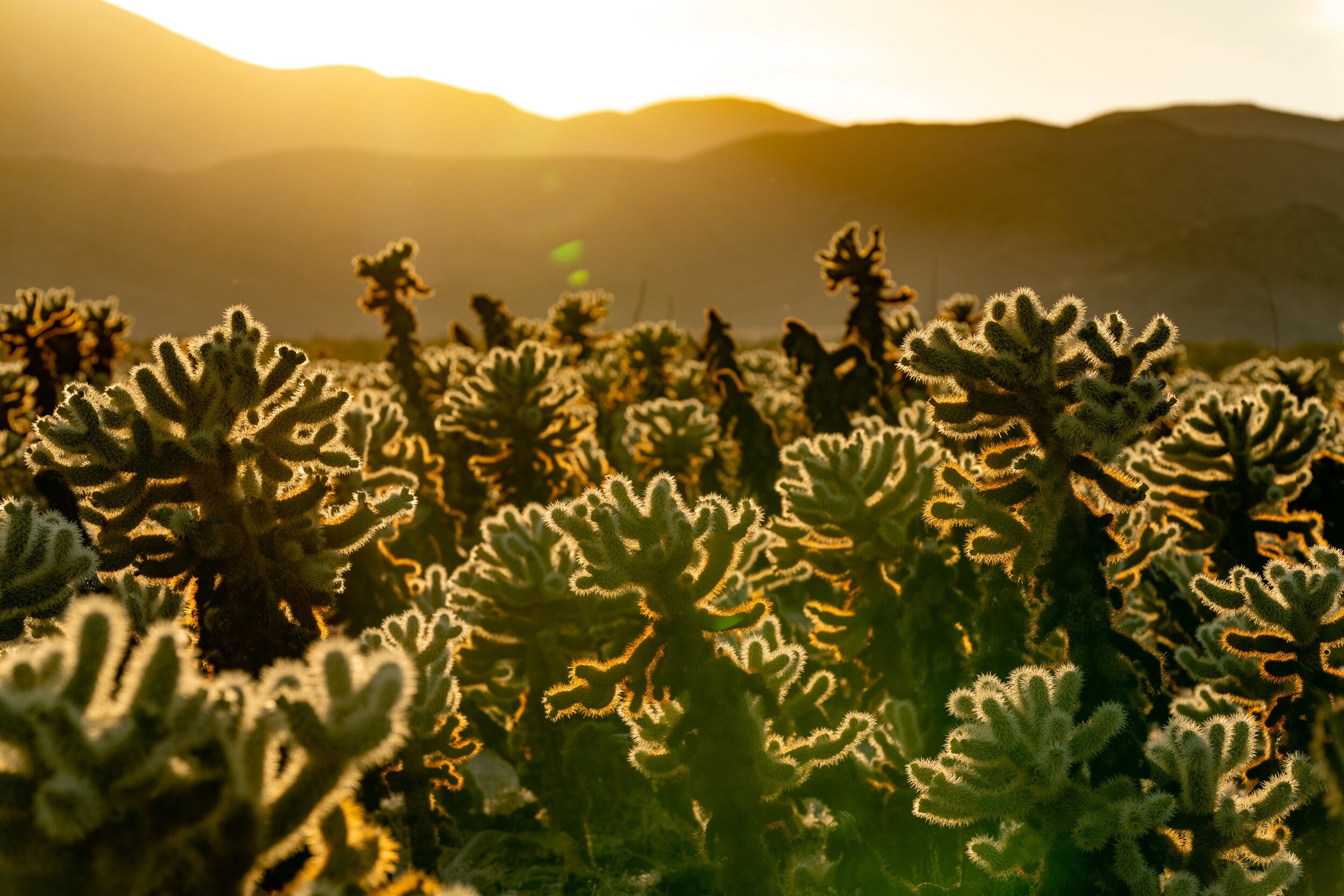
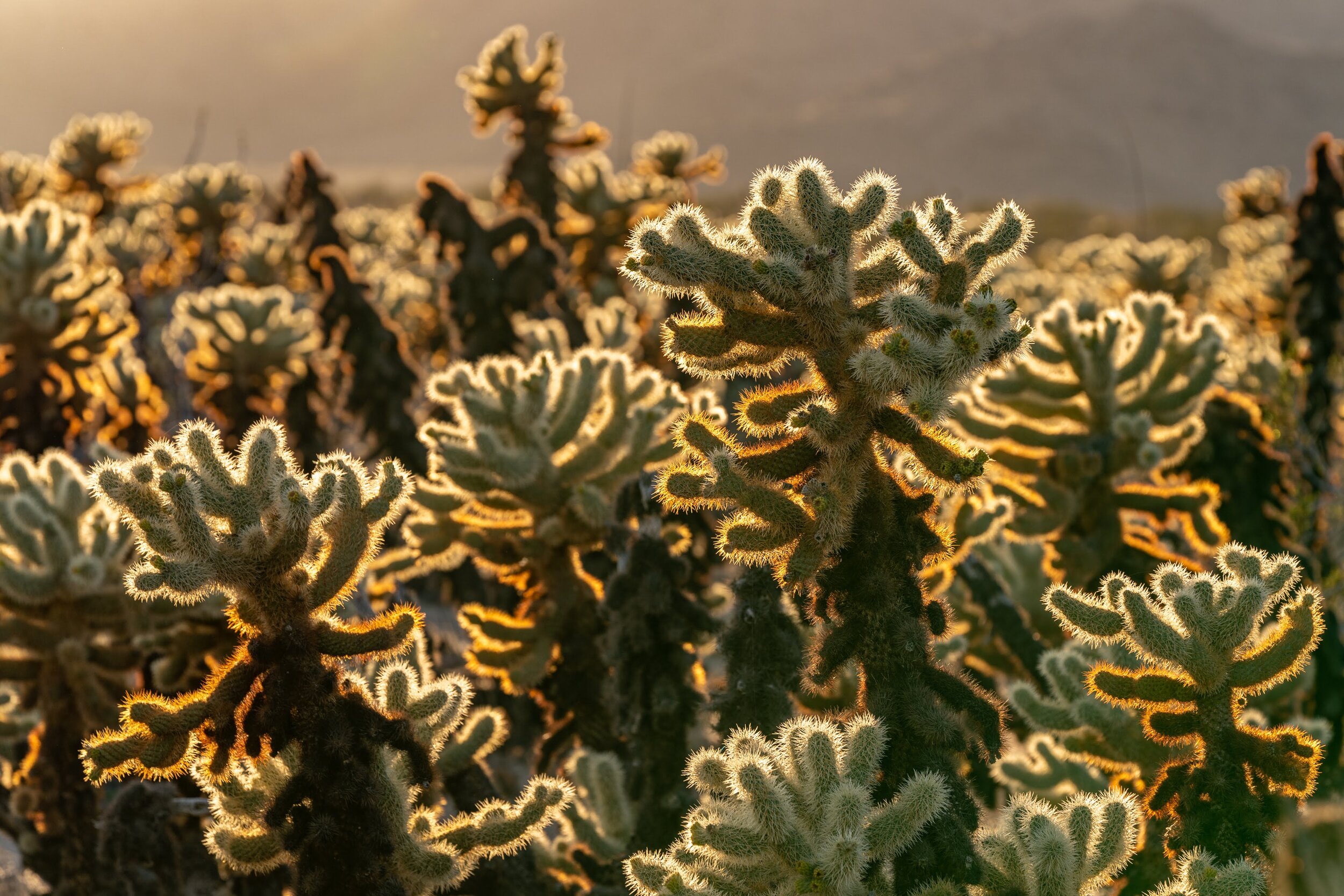
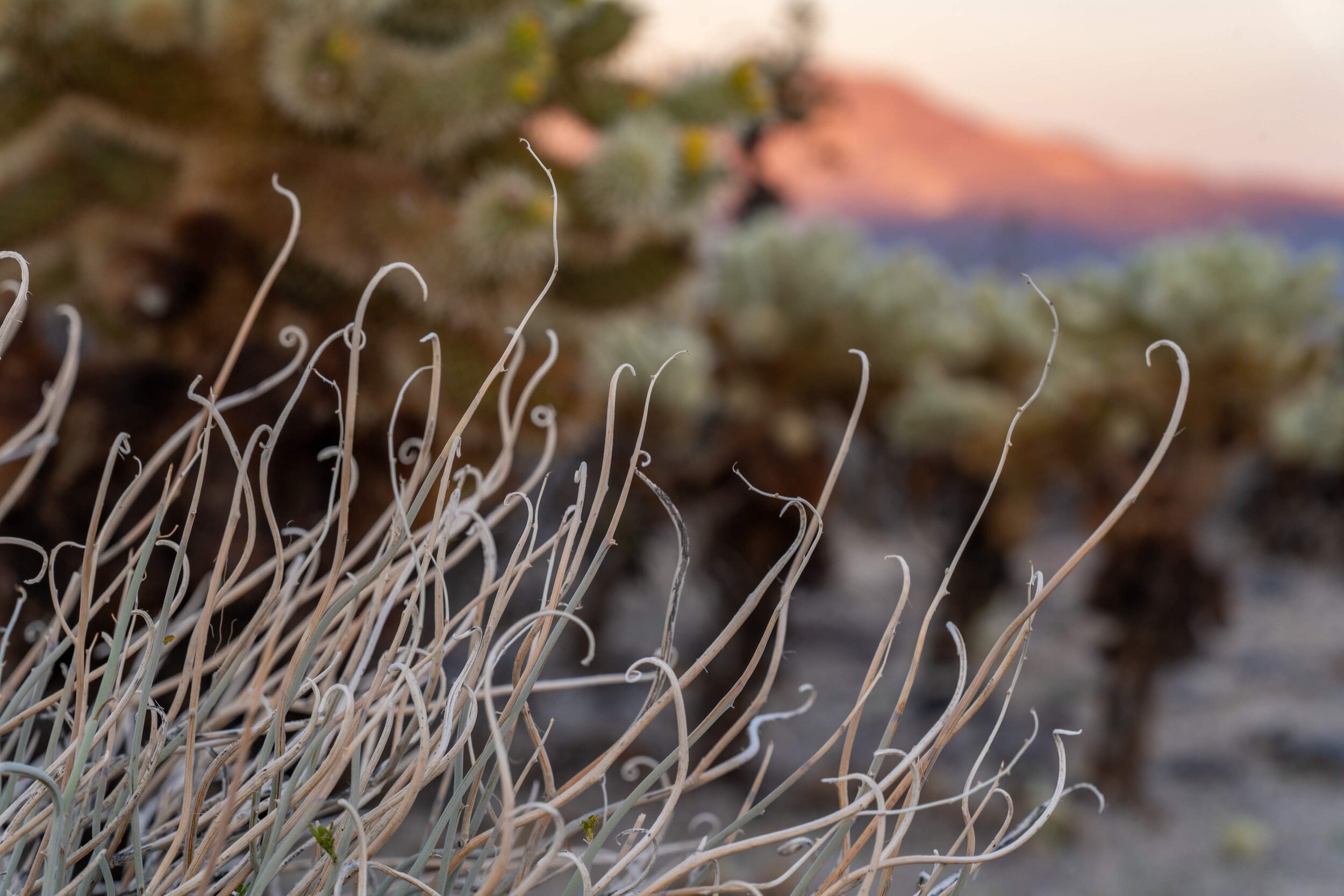
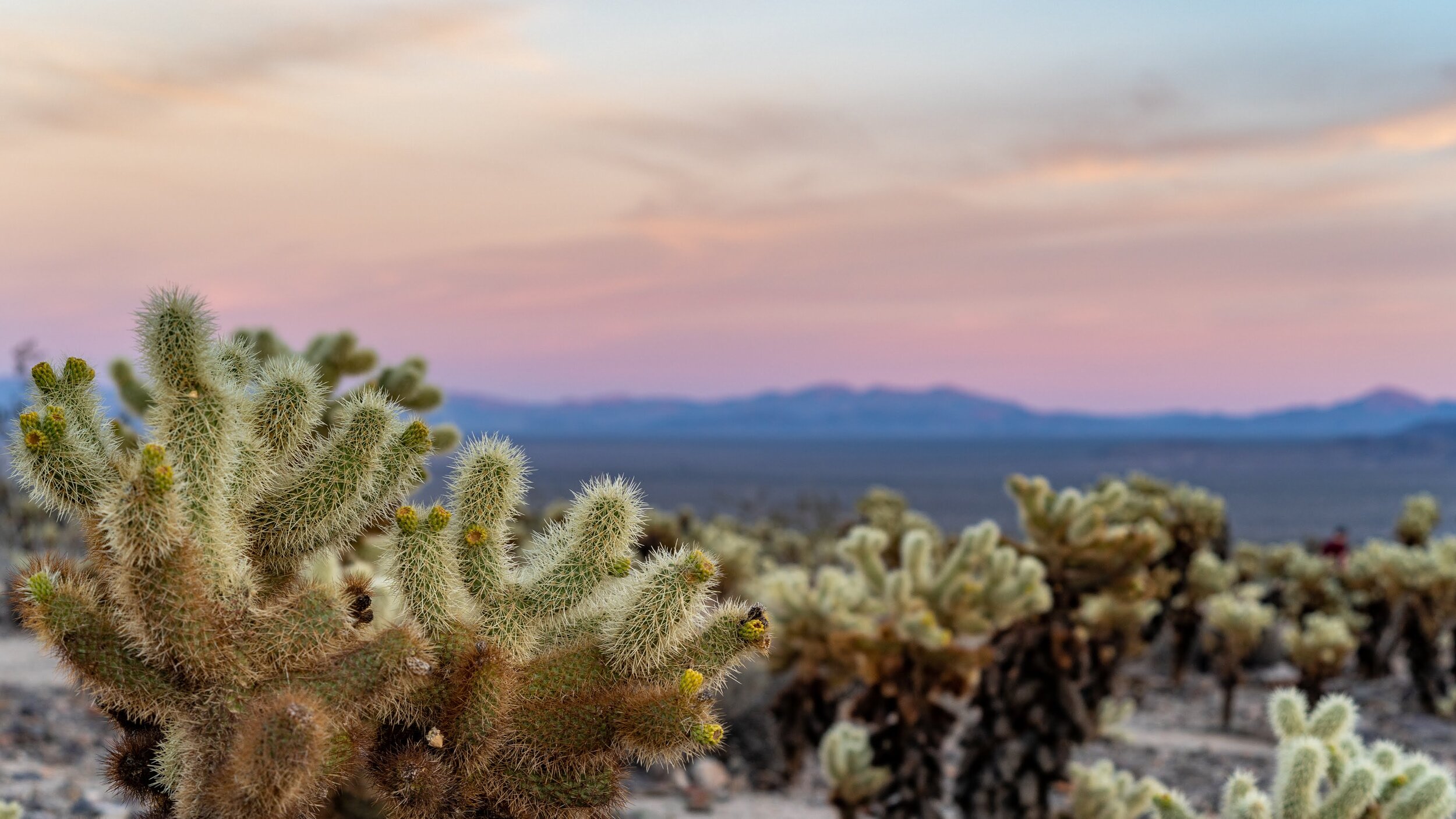
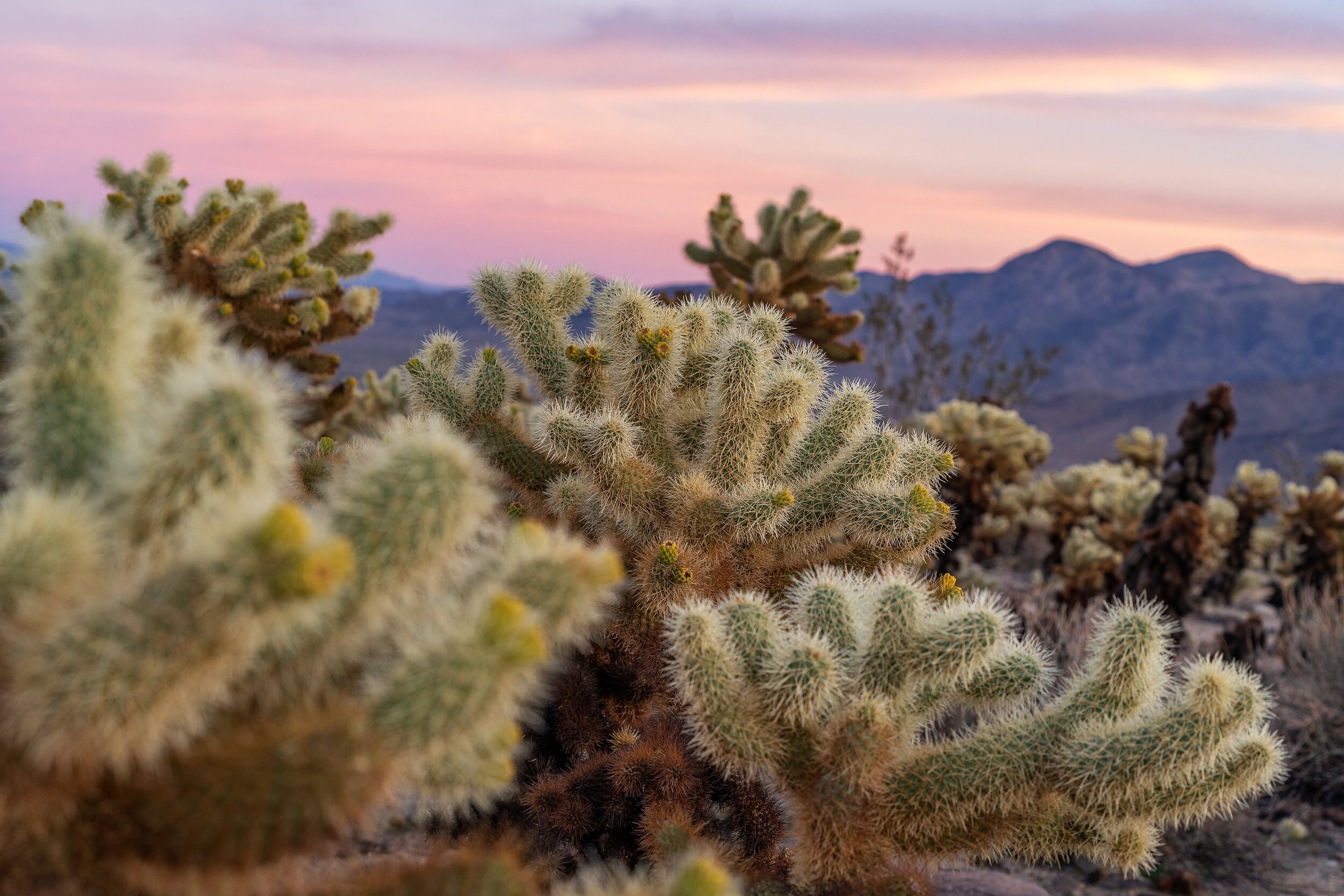
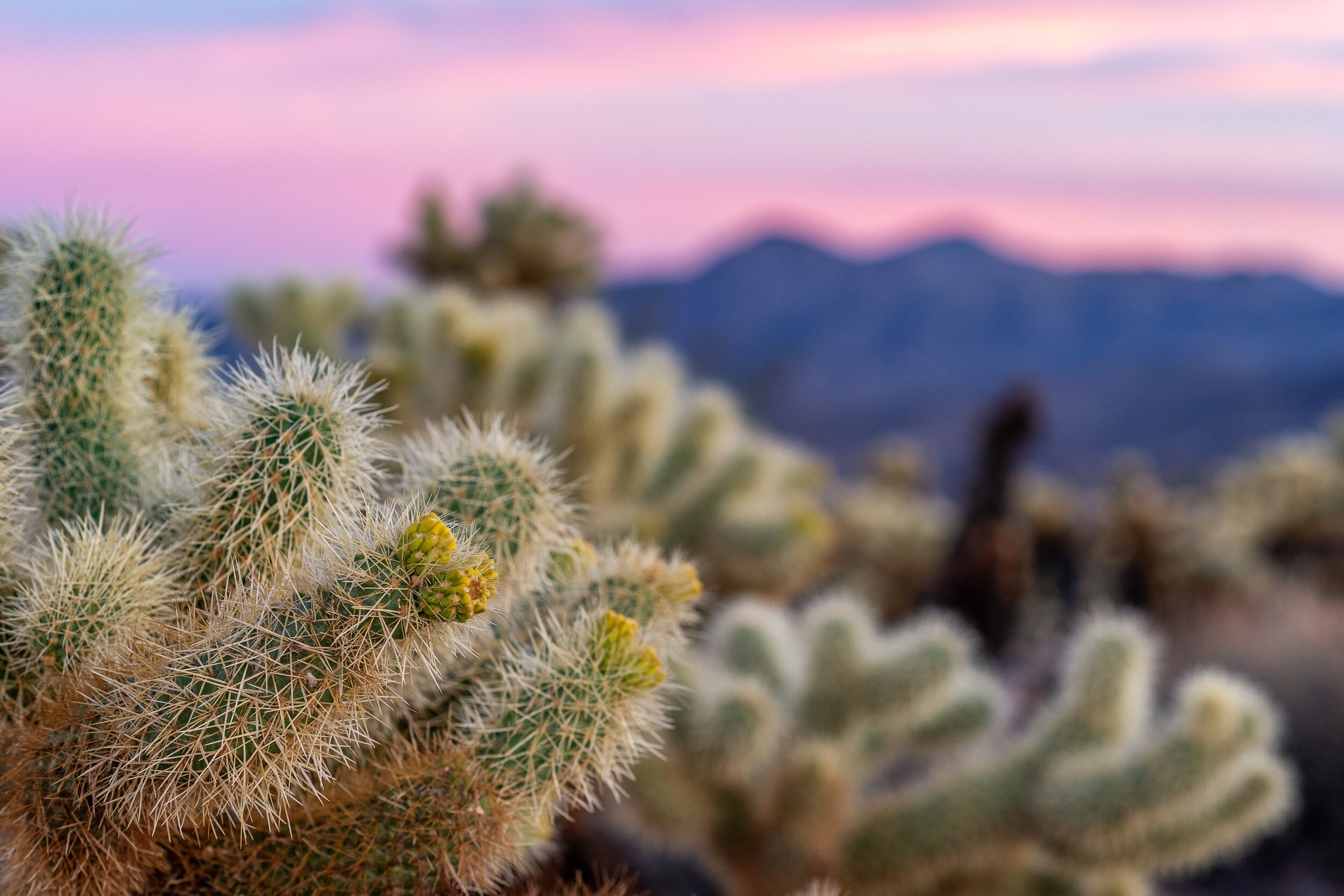
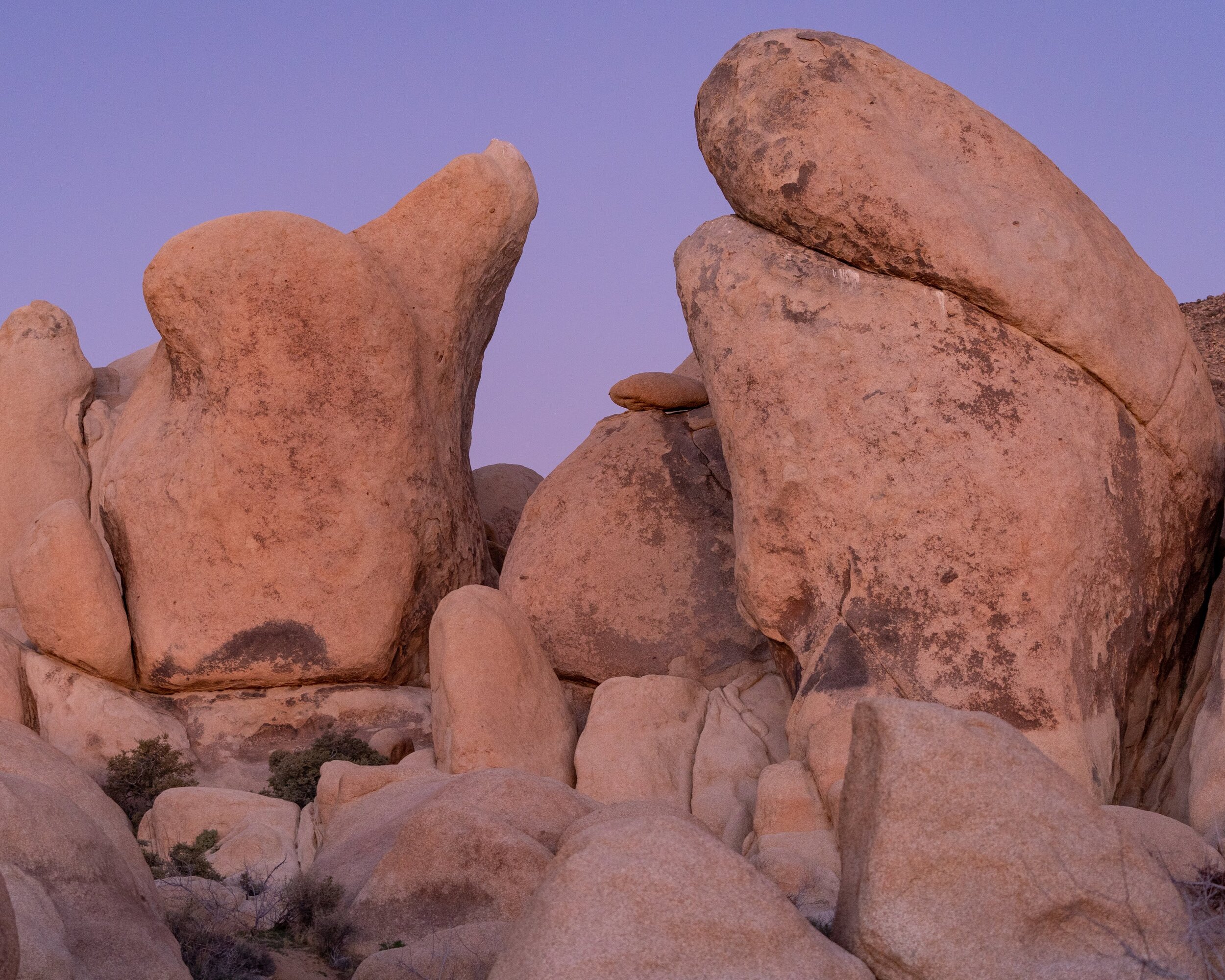
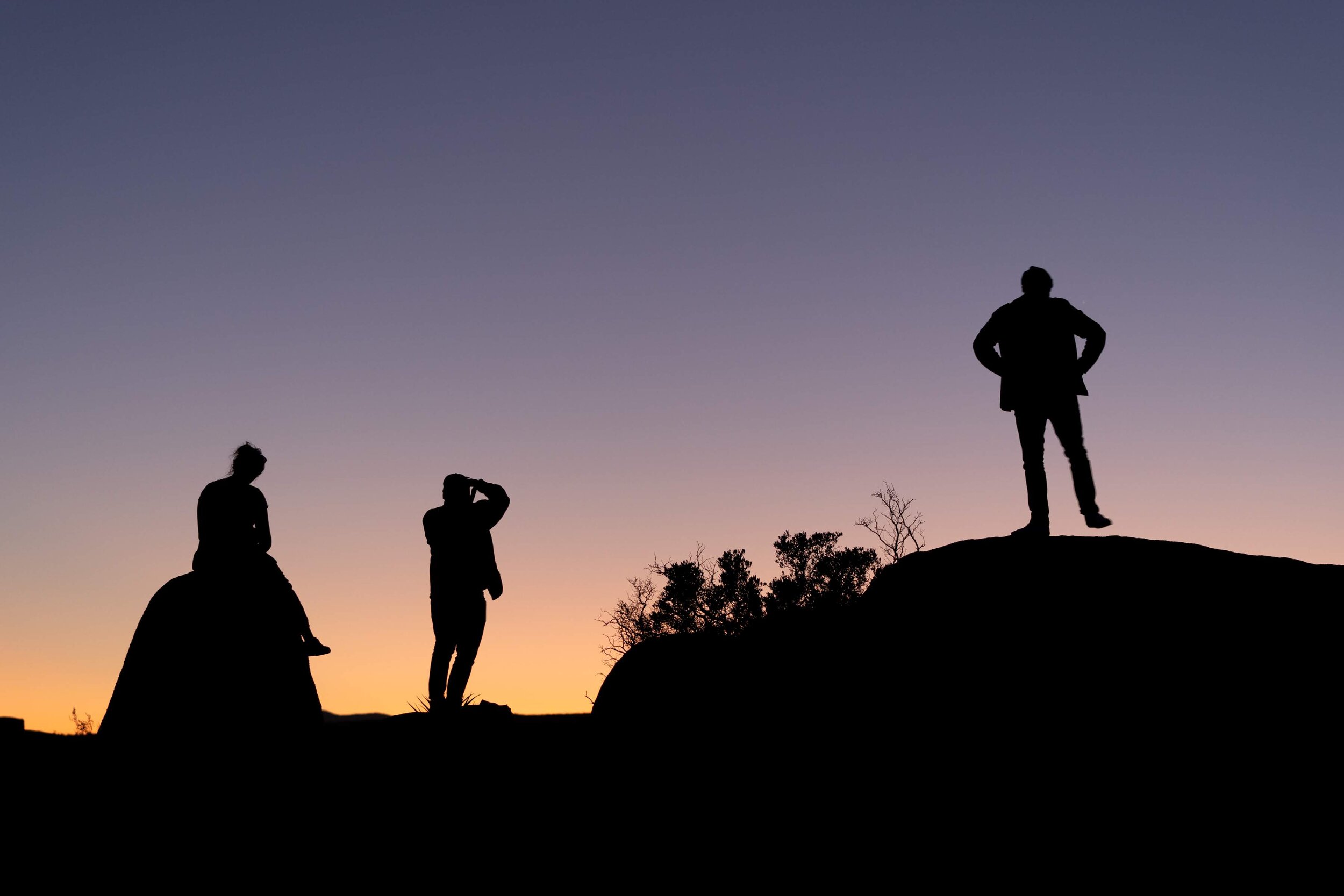
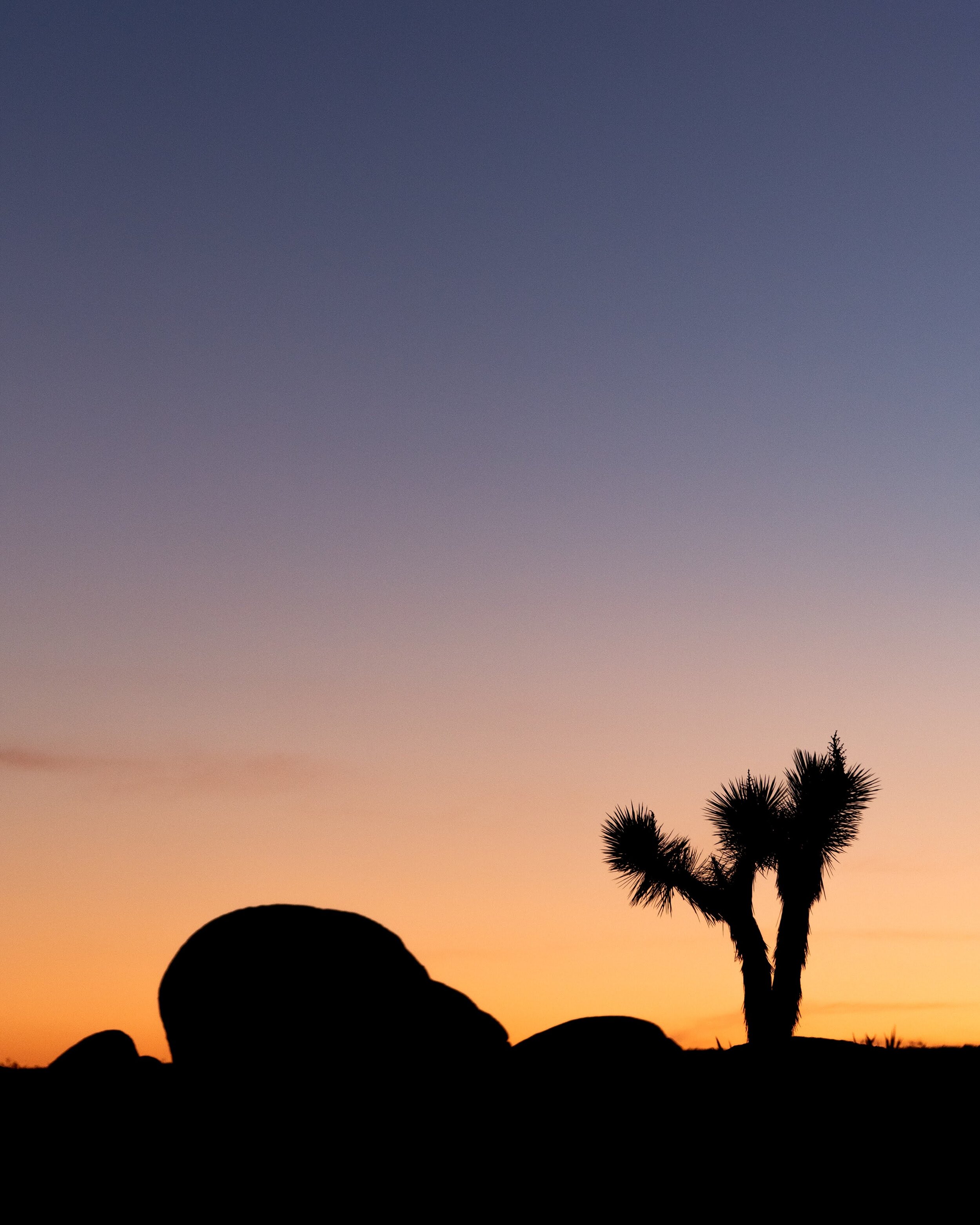
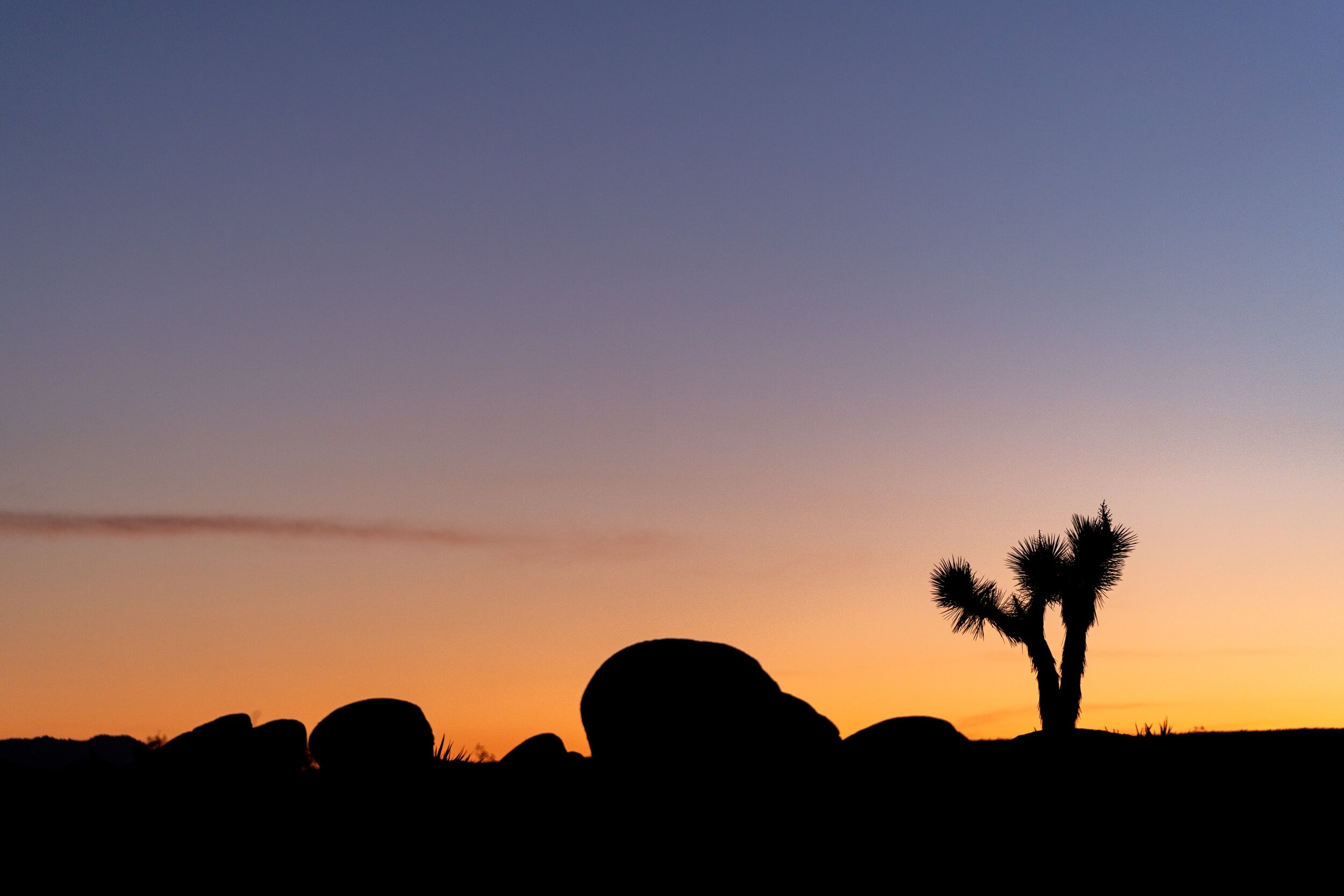
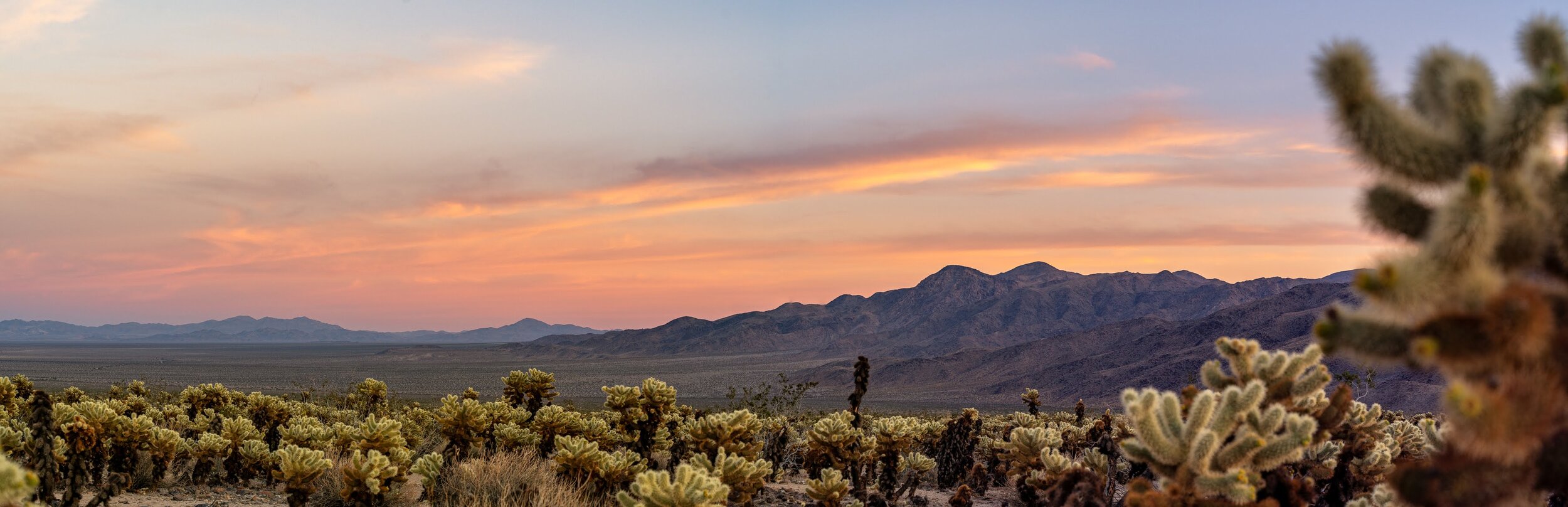
This is going to be a short one. In fact, I won’t even go past these few intro sentences, as there’s not much introduction that a sunset at Joshua Tree National Park really needs. I just happened to be in Southern California at my folks house getting a few personal matters in order, and my girlfriend decided to come down and help, so on Valentine’s Day weekend, we figured we’d take a little break and head out to Palm Springs for a few days, one of which we spent at Joshua Tree.
Here’s a slideshow of the resulting images (with a couple of panoramics afterwards).
Hope you dig…
Also, if you’d like to purchase any of my prints to bring nature into your home since we can’t really get out into nature ourselves these days while she rehabilitates herself, check out my brand spankin’ new purchase page on my site (also still a work in progress) for canvas prints, art prints, and even greeting cards: the purchase page. During this time of weirdness, 10% of all proceeds will be split between Global Giving’s COVID relief fund , and Ecology in Classrooms & Outdoors (ECO), the non-profit I sit on the board of that brings ecology education to kids in underserved communities.
And to follow along with more of my shenanigans, check me out on Instagram.
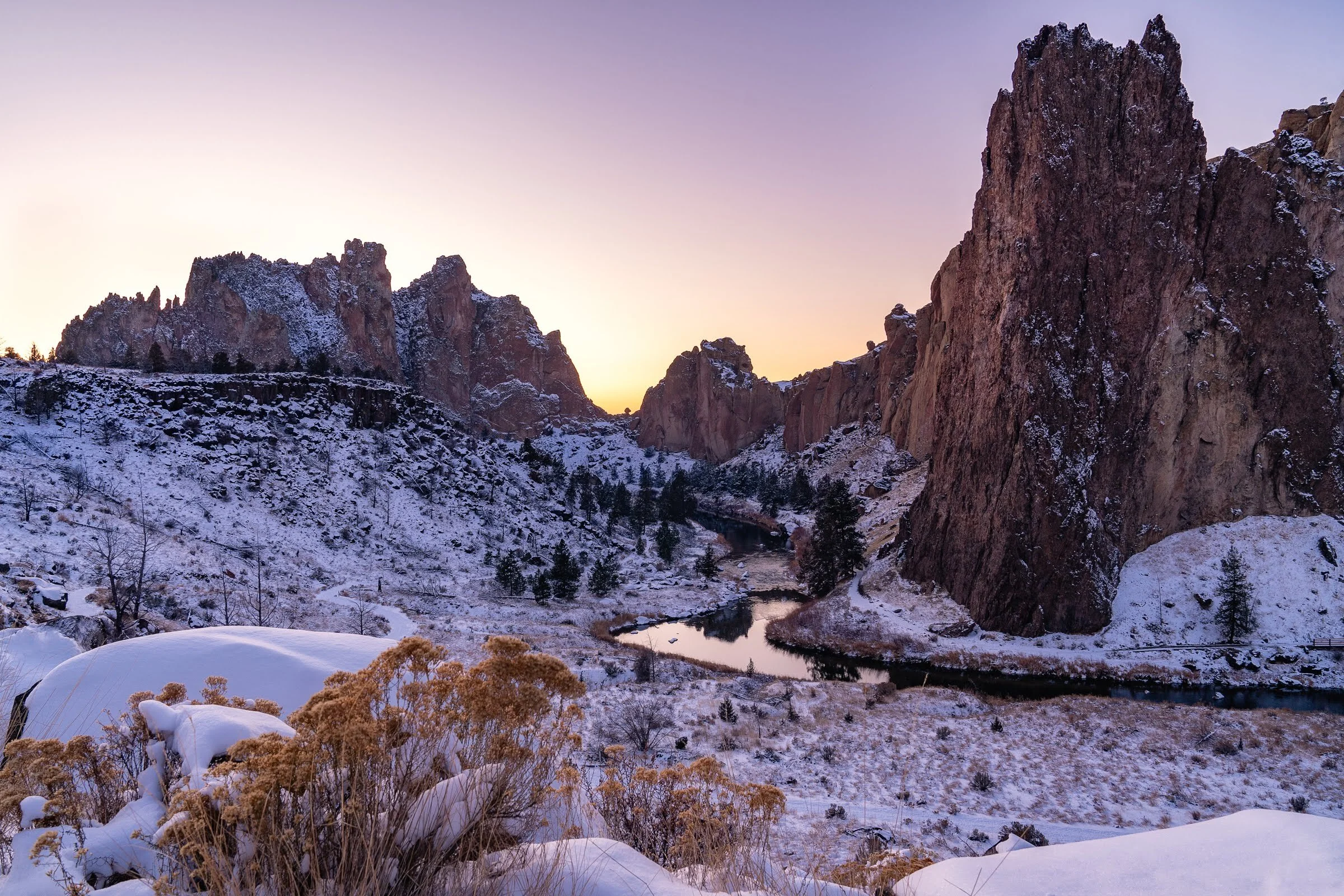
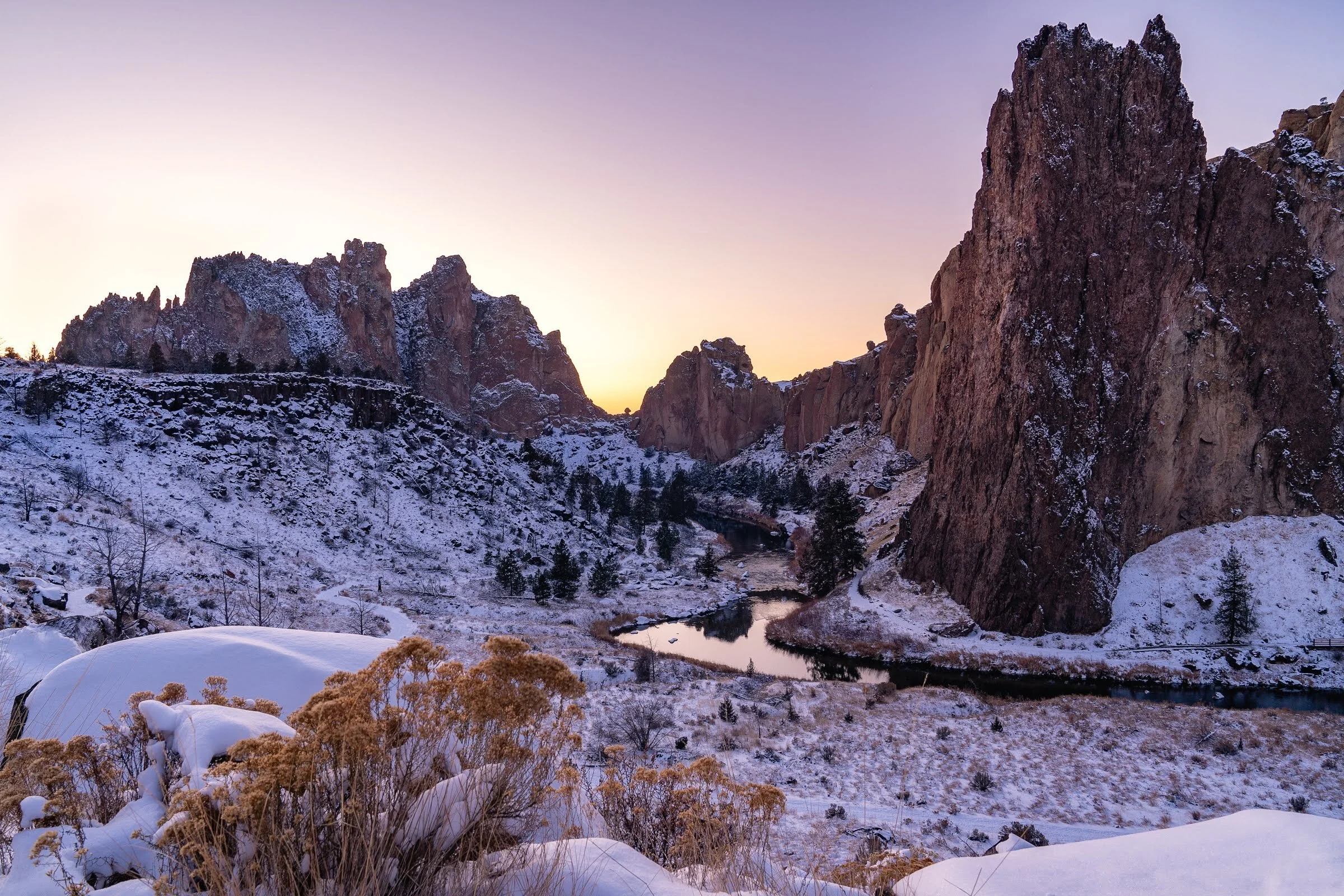
Ok, so this wasn’t planned. And by this, I don’t just mean these images or even this trip to Smith Rock State Park in Oregon, but when life hands you ice and snow, you make, eh…slushies?!
I know I’m a little late on this one, being as how these images were taken over Thanksgiving of 2019, but, well, my procrastinatin’ booty figured I couldn’t post this before my Peru trip posts, because, well, it’s sorta connected. What Peru posts am I talking about? Precisely!!! They’re coming…I promise…I promise…DAMNIT I PROMISE!! But as a kick in the gotcha to motivate me to finish those buggers, since there’s been a few adventures since that don’t warrant as many words as the Peruvian saga, figured I may as well share a few of those images before they’re no longer relevant!
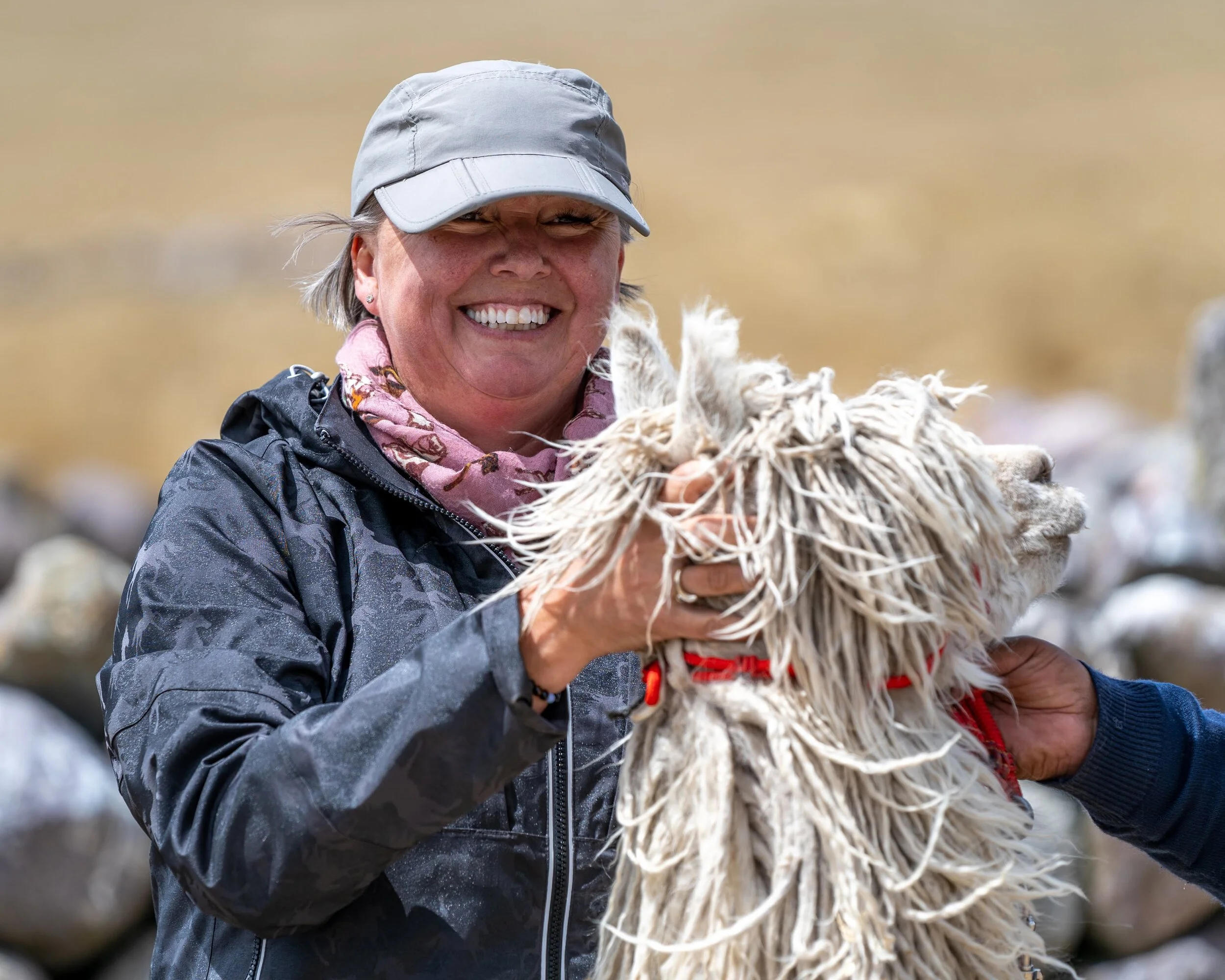
Anyhow, it’ll become a bit clearer in due time, but essentially, if weren’t for the wonderful people I met on that Peru trip, specifically one of the tour leaders, Amanda, who happens to be a worldwide alpaca expert judge/breeder/seller/rancher/do-gooder/lover and one of the attendees, who was also an alpaca farmer who had me at hello the day I showed up in Peru that, well, let’s just say, to my delight, became a MUCH bigger part of my life than I could have ever imagined, this particular set would never have happened.
In a nutshell, I was invited to spend Thanksgiving with aforementioned superwoman alpaca judge lady’s family in Bend, Oregon. How do you say no to that? You don’t. You go.
So I went.
The plan was, my new girlfriend (who I also met on that same life-changing Peru trip), who lived in Northern California, would fly up to Portland, and we’d drive to Bend together.
So that’s what we did.
What we didn’t account for was a freak random out-of-nowhere cyclone blizzard that started to hit with heavy snow and absolutely no visibility in the midst of our journey as we were making our way through the Mount Hood Pass in Oregon.
For most from this region, this is no problem.
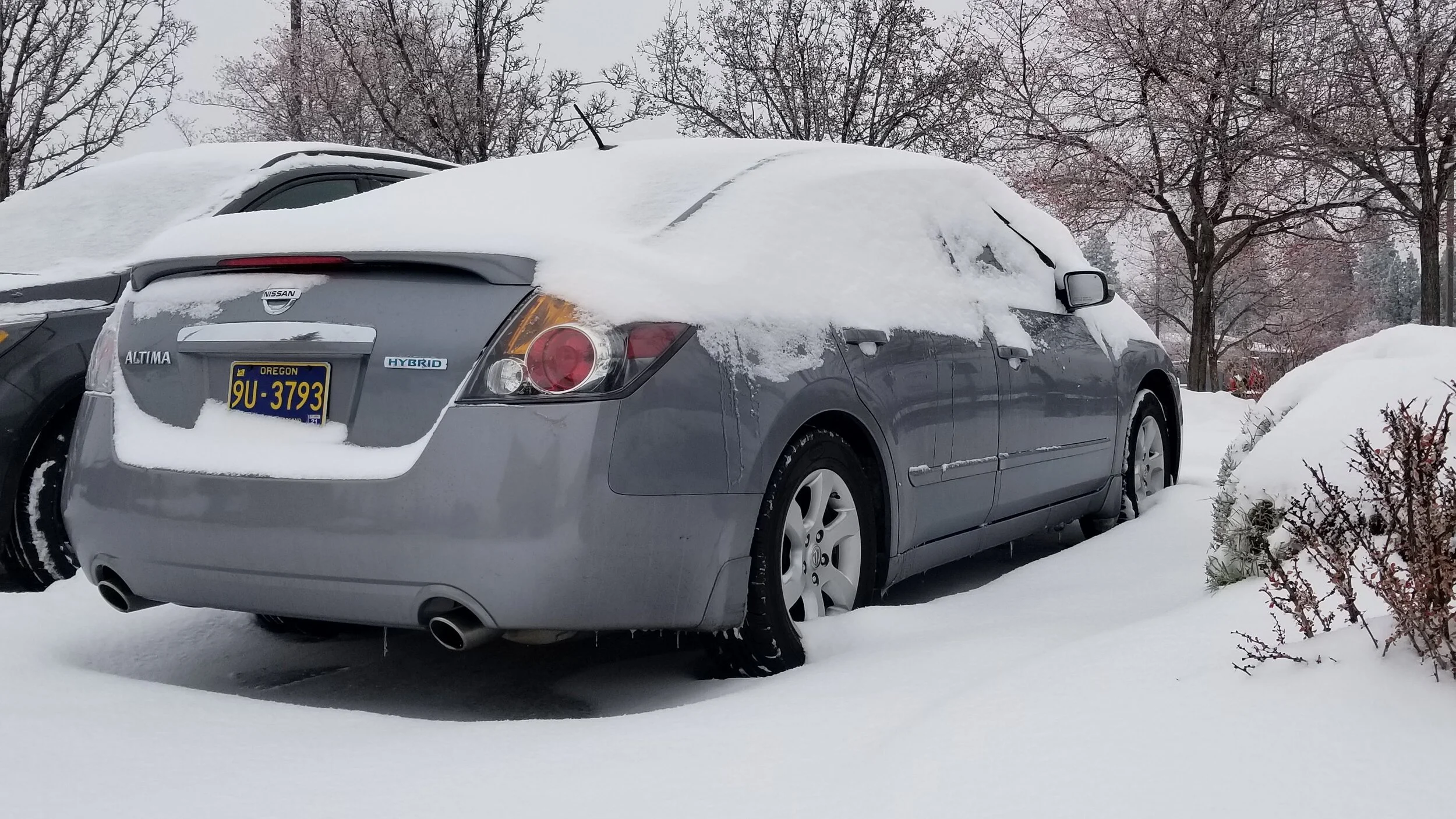
But being as how I’m still in my junior year as a Pacific Northwesterner, I was driving a Nissan Altima with standard-issue “what’s the cheapest you got” tires, so, this, for me, was a problem!
We finally made it through, white-knuckling the thing the whole time at a riveting -8.5 miles per hour, doing my best to follow in the quickly disappearing tire tracks of whatever vehicle, now long-gone, was in front of me.
Once we got to the hotel, I should have just left the bugger parked there the entire time.
But I didn’t.
We were in Bend for chrissakes.
Plus, part of the purpose of the trip was to give my girlfriend a chance to check up on her alpacas that were being boarded by Amanda on her various properties.
So on a day that we were expecting more snow, I peered out the window of our hotel, saw a singular patch of blue sky, and made the perfectly logical choice to forgo the offer from Amanda to use her all-wheel-drive-snow-tire-equipped truck, instead opting for my Altima.
Smooth move.
Especially while we hit patches of icy road and unforgiving snow in the late afternoon…
I shall offer no more words on the subject, but after a harrowing day of a few near misses and many missed heartbeats, I finally just parked the damn thing at the hotel and left it there for the remainder of our stay.
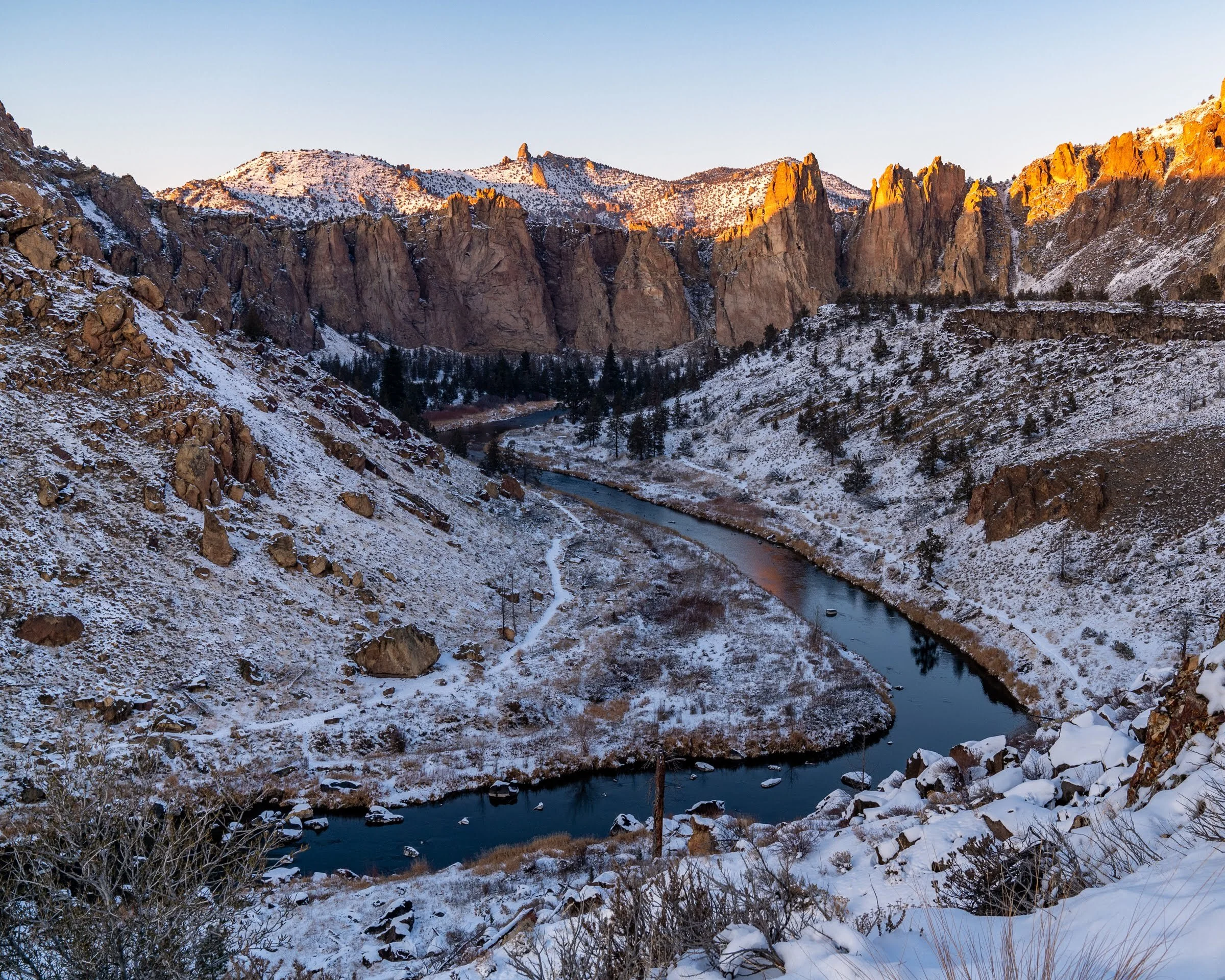
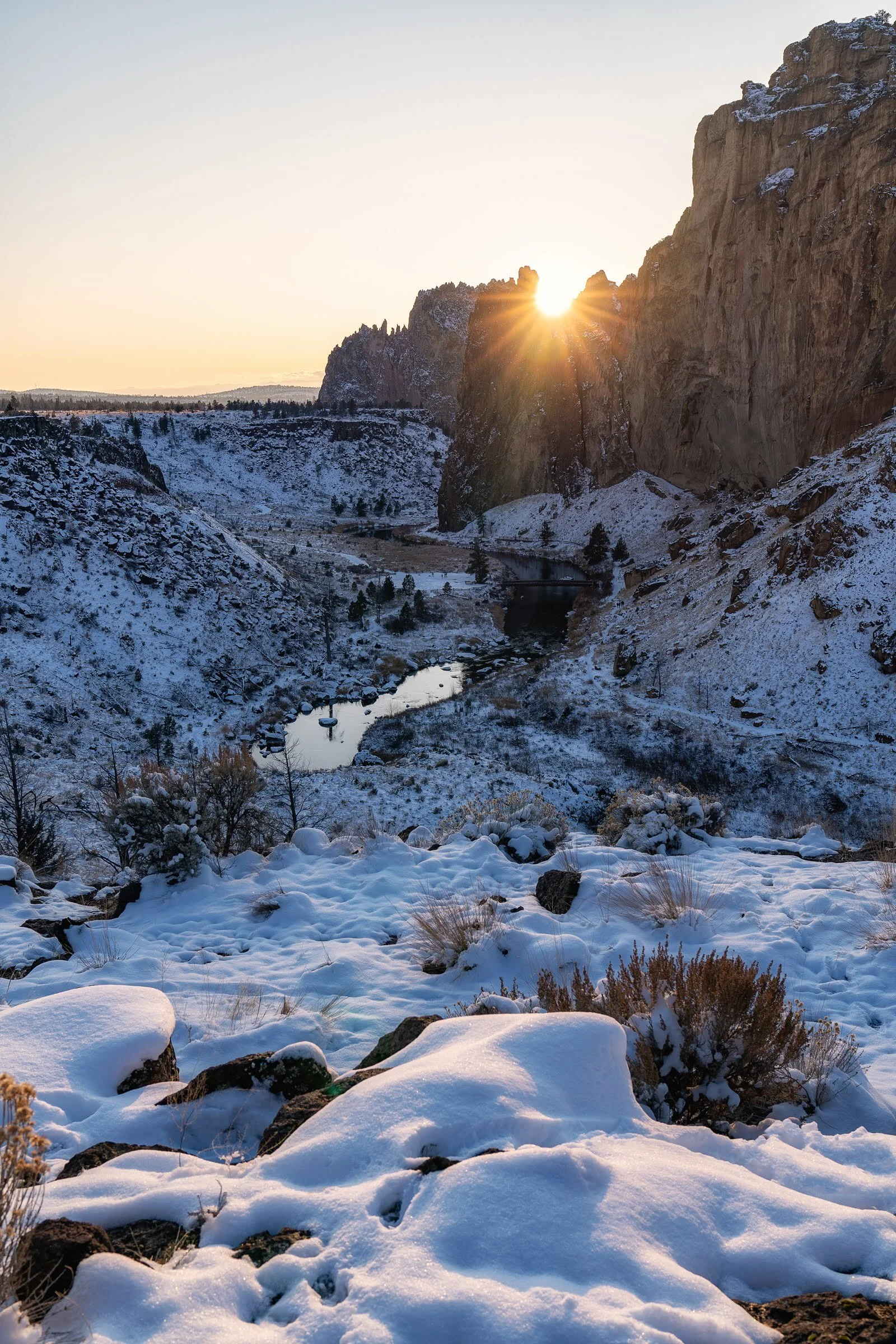
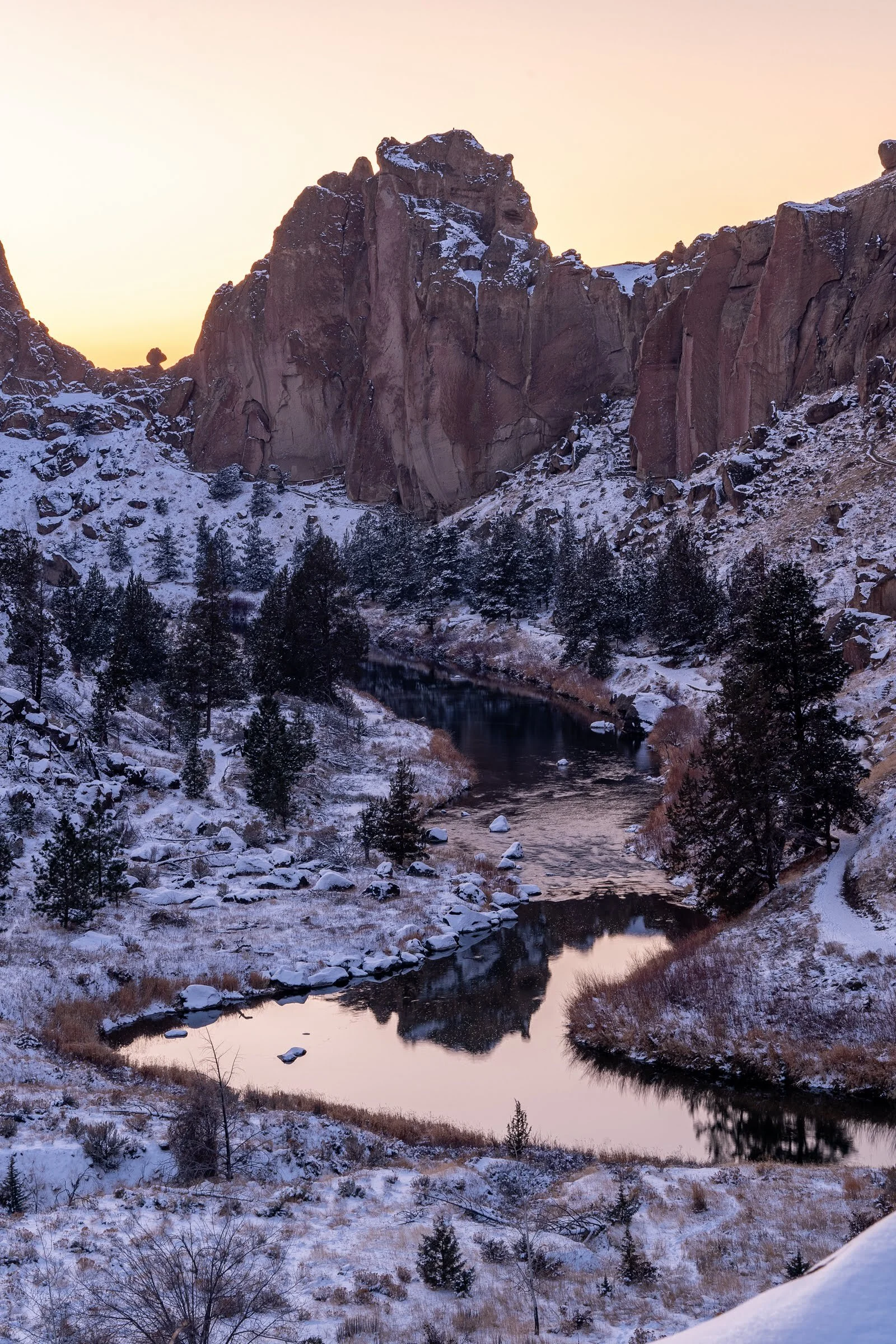
Anyhow, on the drive back to Portland a few days and several inches of snow-melt later, we were driving by Smith Rock State Park just as the sun began to set, and who and HOW can anyone with a camera addiction possibly resist a snow scene at Smith Rock.
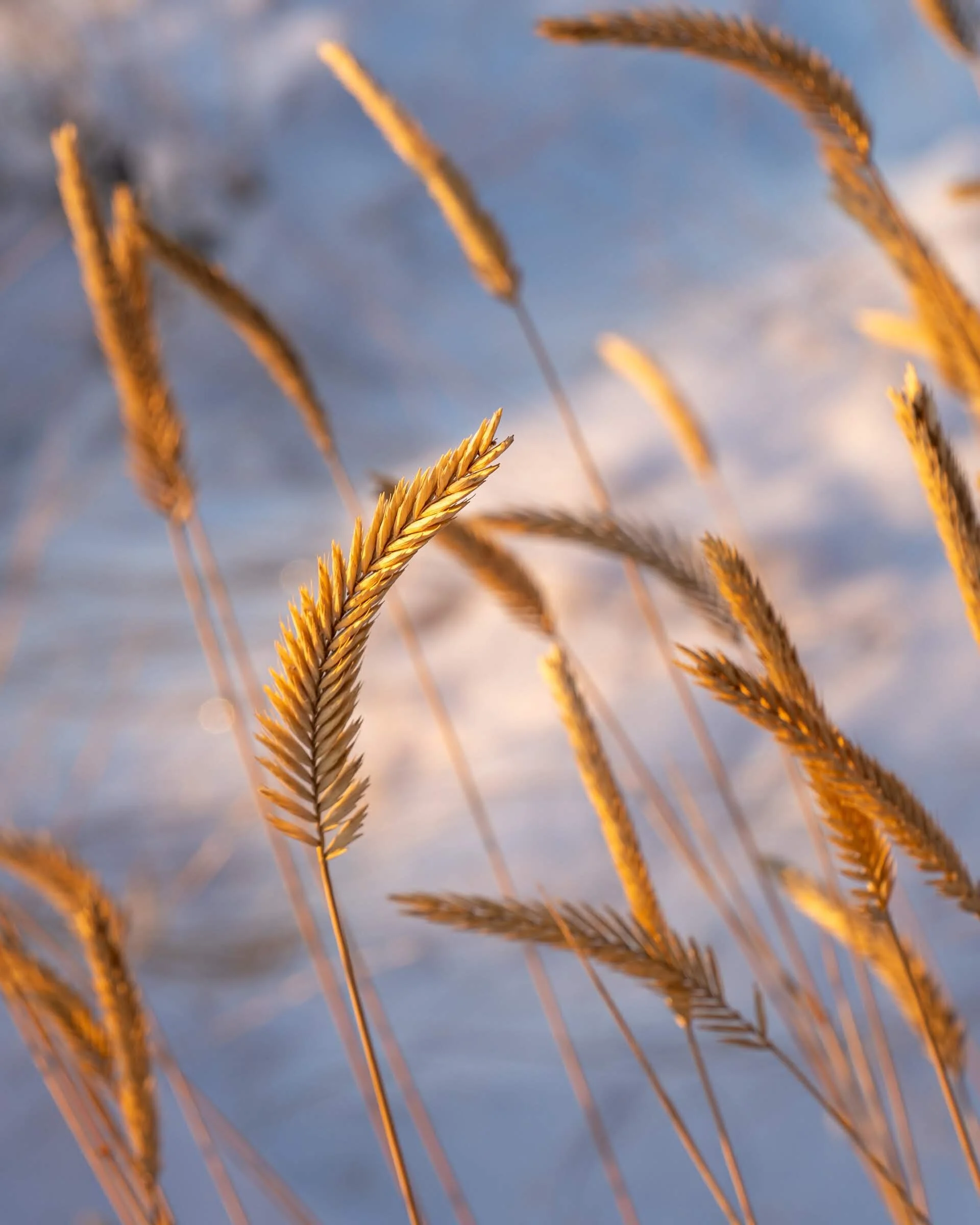
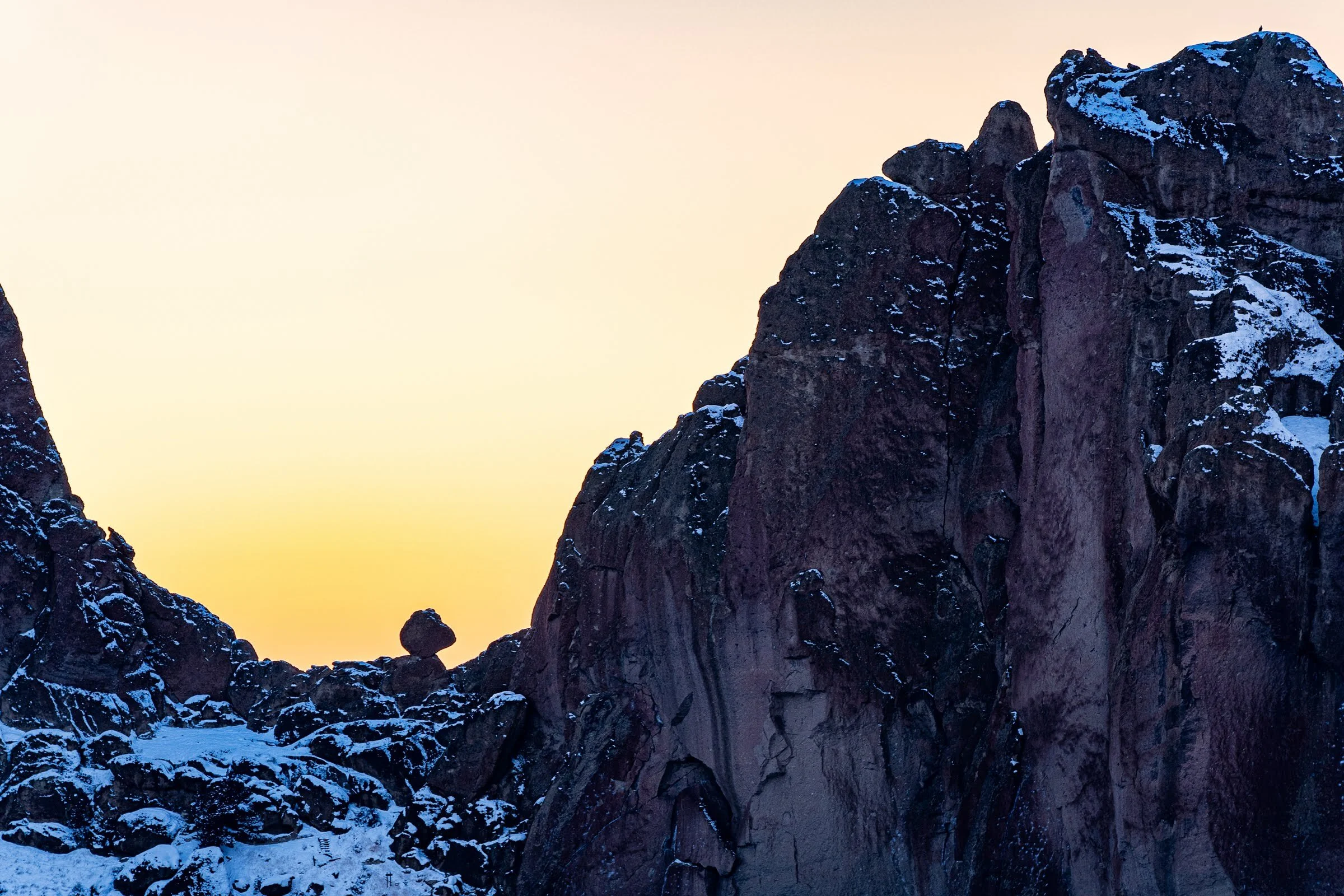
Here are the resulting images from that pit stop.
And yes, I’ll spare you the details on the trip back, including completely botching my detour to try to get around the snow and ending up right back on that same pass from day 1.
Might be time to consider a Subaru…
Also, if you’d like to purchase any of my prints to bring nature into your home since we can’t really get out into nature ourselves these days while she rehabilitates herself, check out my brand spankin’ new purchase page on my site (also still a work in progress) for canvas prints, art prints, and even greeting cards: the purchase page. During this time of weirdness, 10% of all proceeds will be split between Global Giving’s COVID relief fund , and Ecology in Classrooms & Outdoors (ECO), the non-profit I sit on the board of that brings ecology education to kids in underserved communities.
And to follow along with more of my shenanigans, check me out on Instagram.
So I’ve started to build quite a pleasant relationship with Mike & Julie Safley, the founders of Oakwood Gardens, after first being assigned to photograph one of their cottages for Airbnb more than year ago. I’ve written about it before, so I won’t get too deep into it here, but for the full alpaca-fueled story, check out this post.
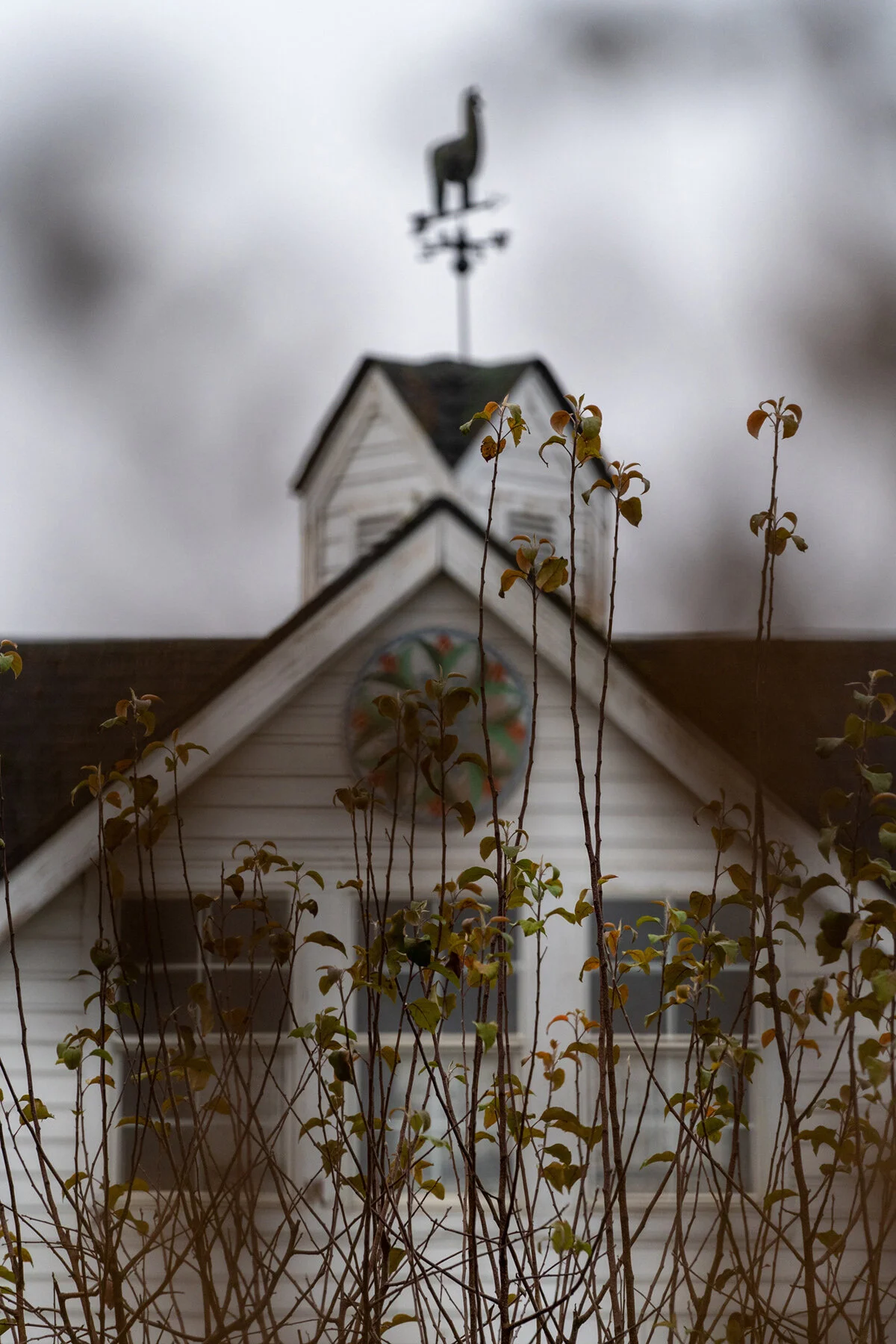
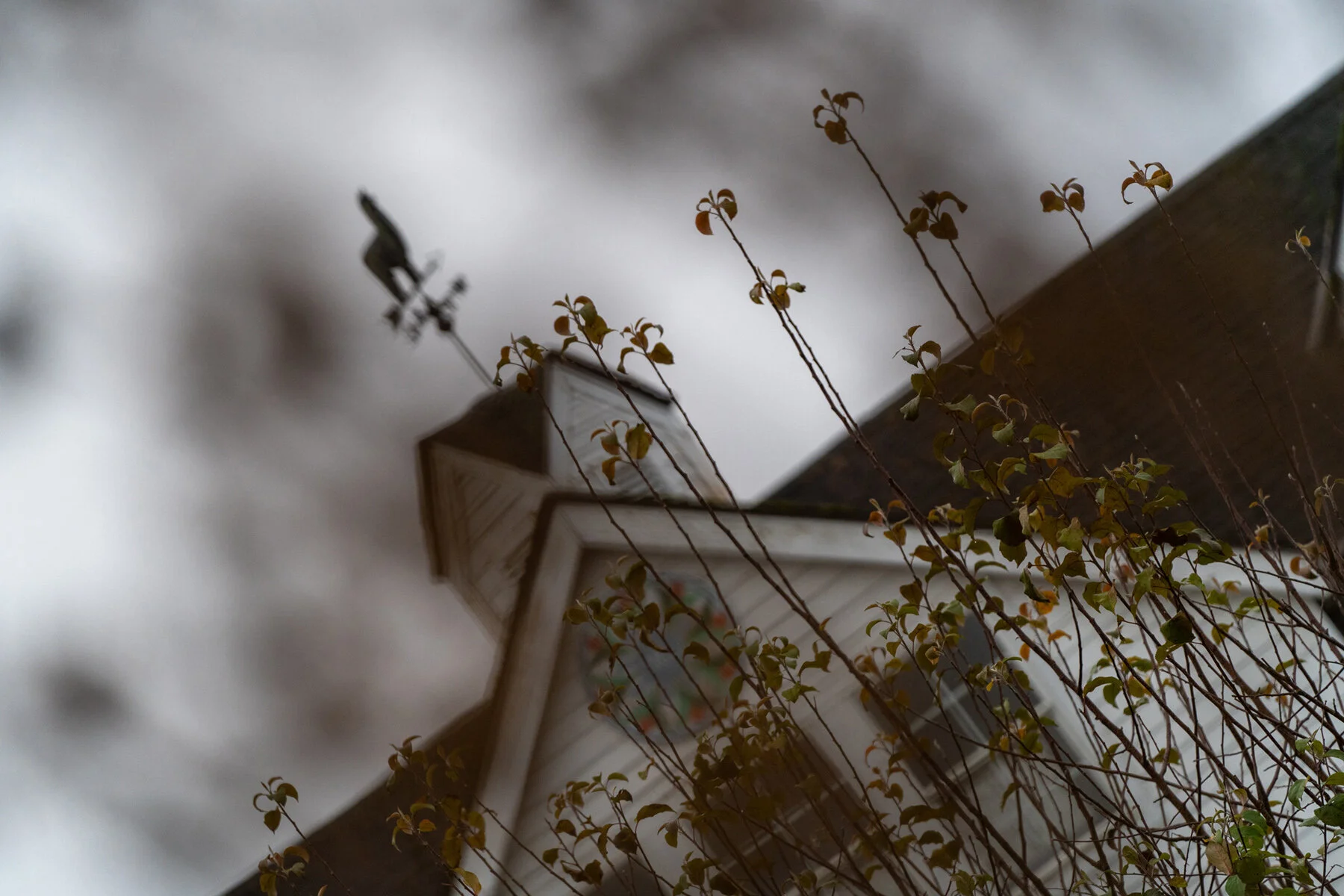
In any case, one of the things they’ve been hiring me for has been to photograph the spectacular garden that lives on their property – 7 acres of ever-changing landscapes, scenes, plants, and animals that demonstrate the beauty, fragility and resilience of our natural planet.
When I got the call early December that they wanted their garden photographed in the winter, my initial reaction was ‘huh!??’
This is, after all, the Pacific Northwest, and, well, there isn’t much vibrancy and life across the gardens of this region during this time of year.
But, well, who was I to say no? It was a job and a chance to see the Safleys again.
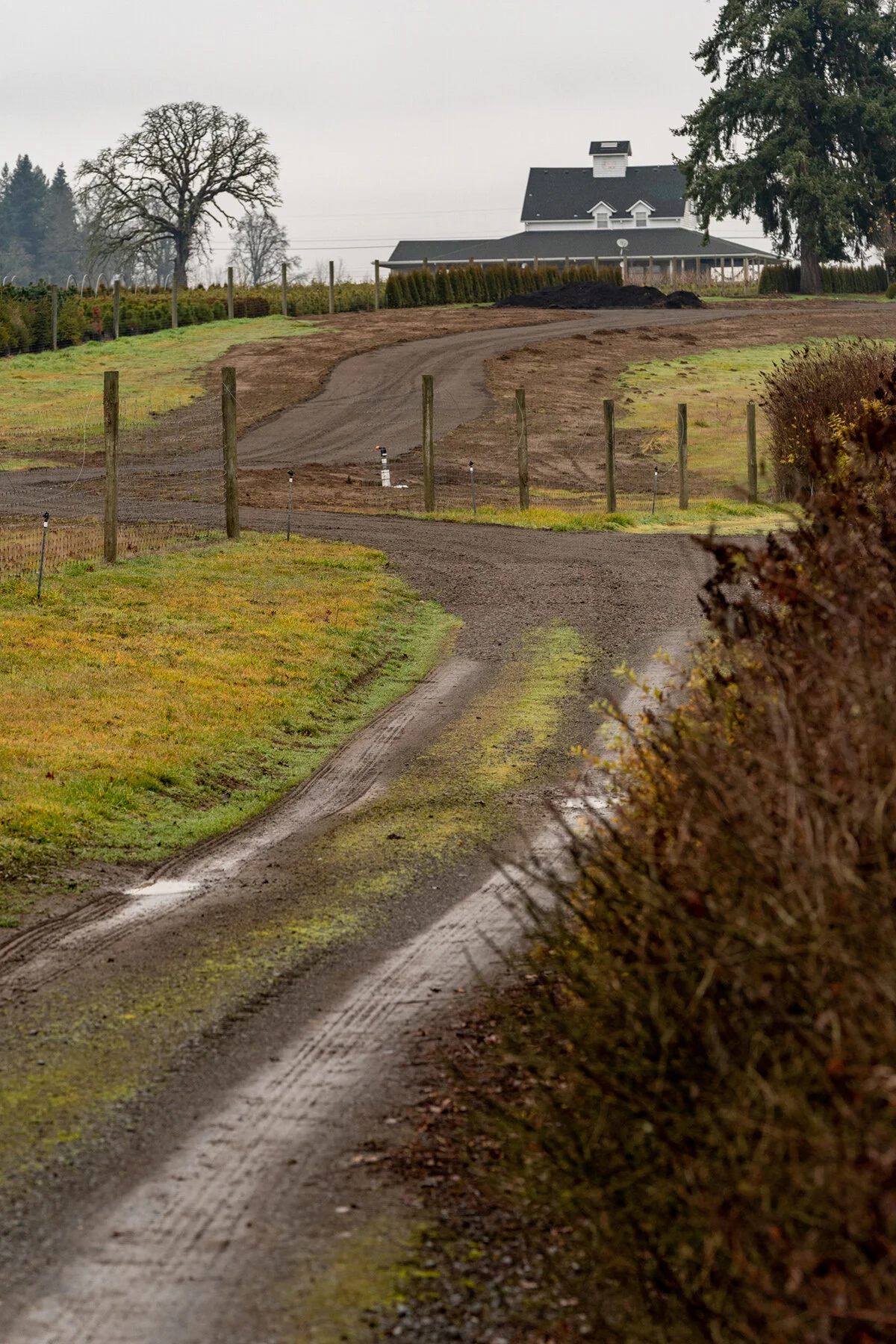
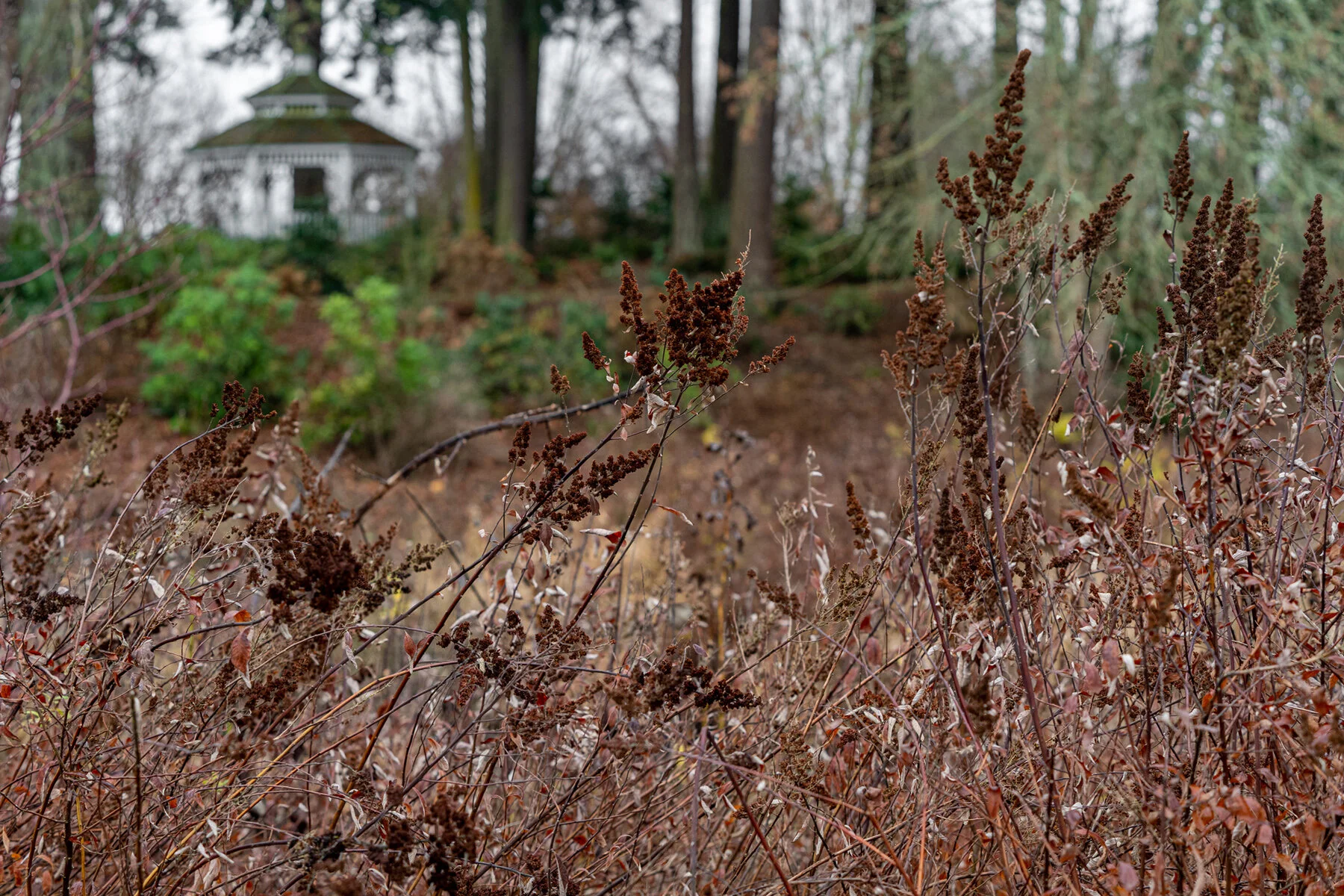
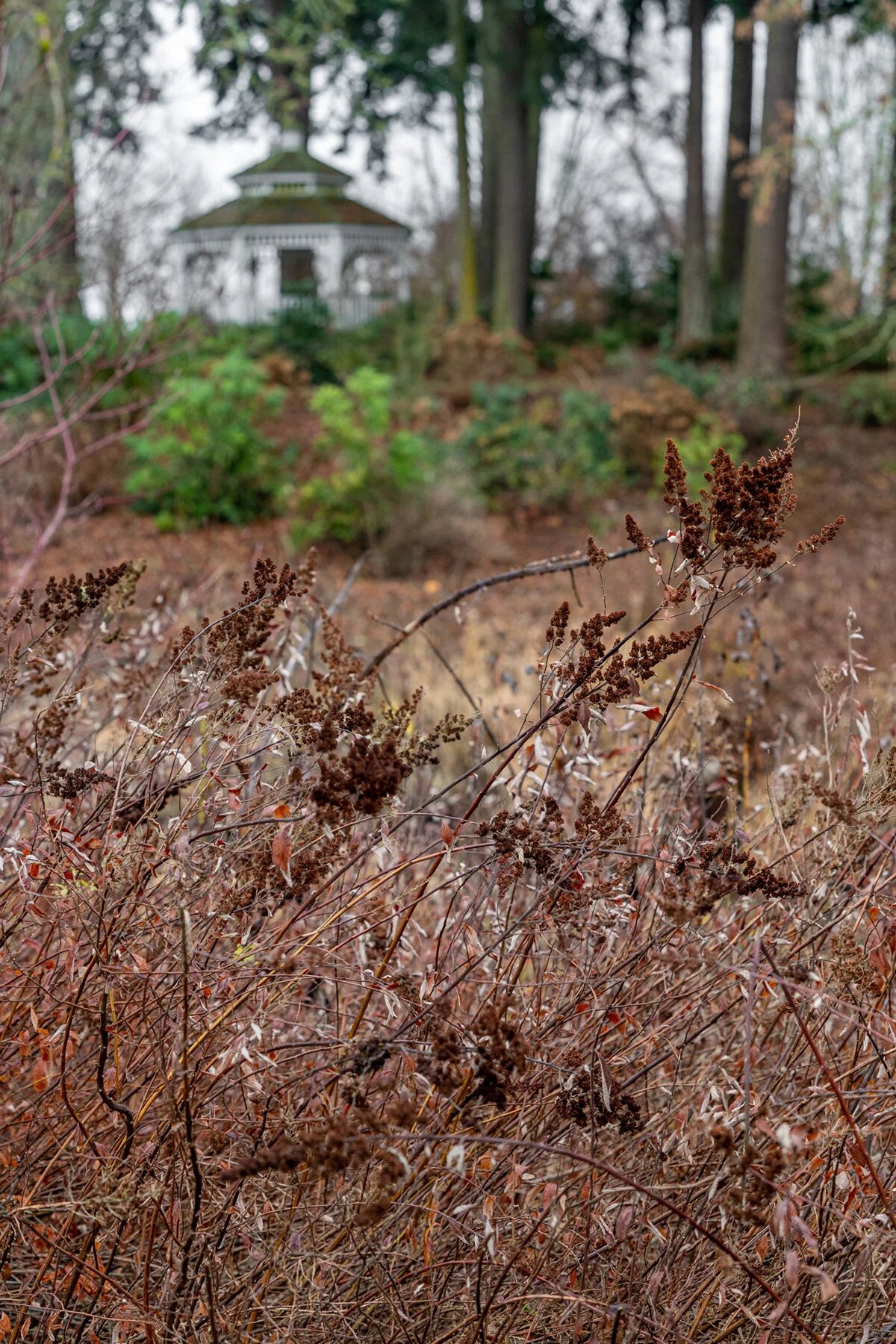
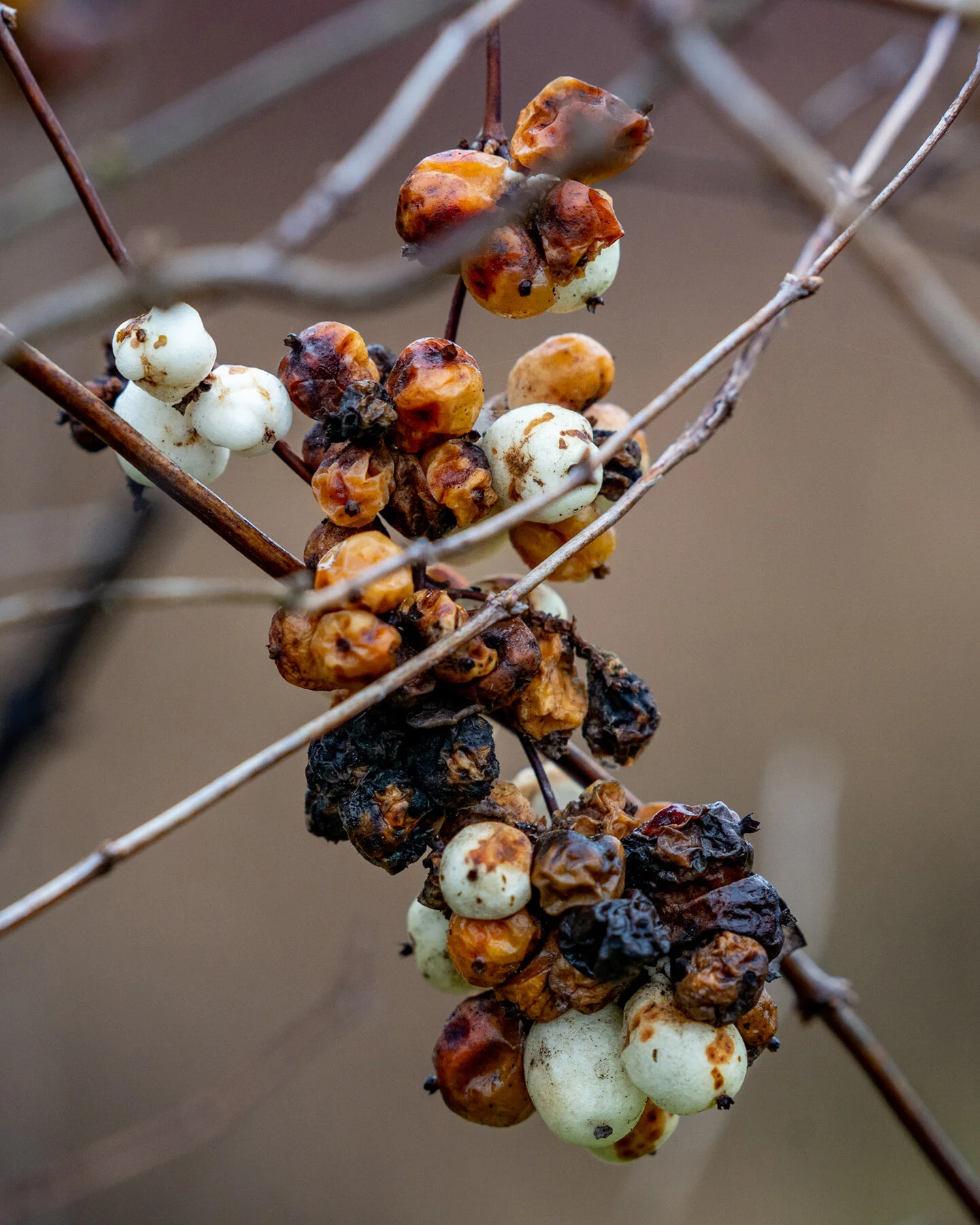
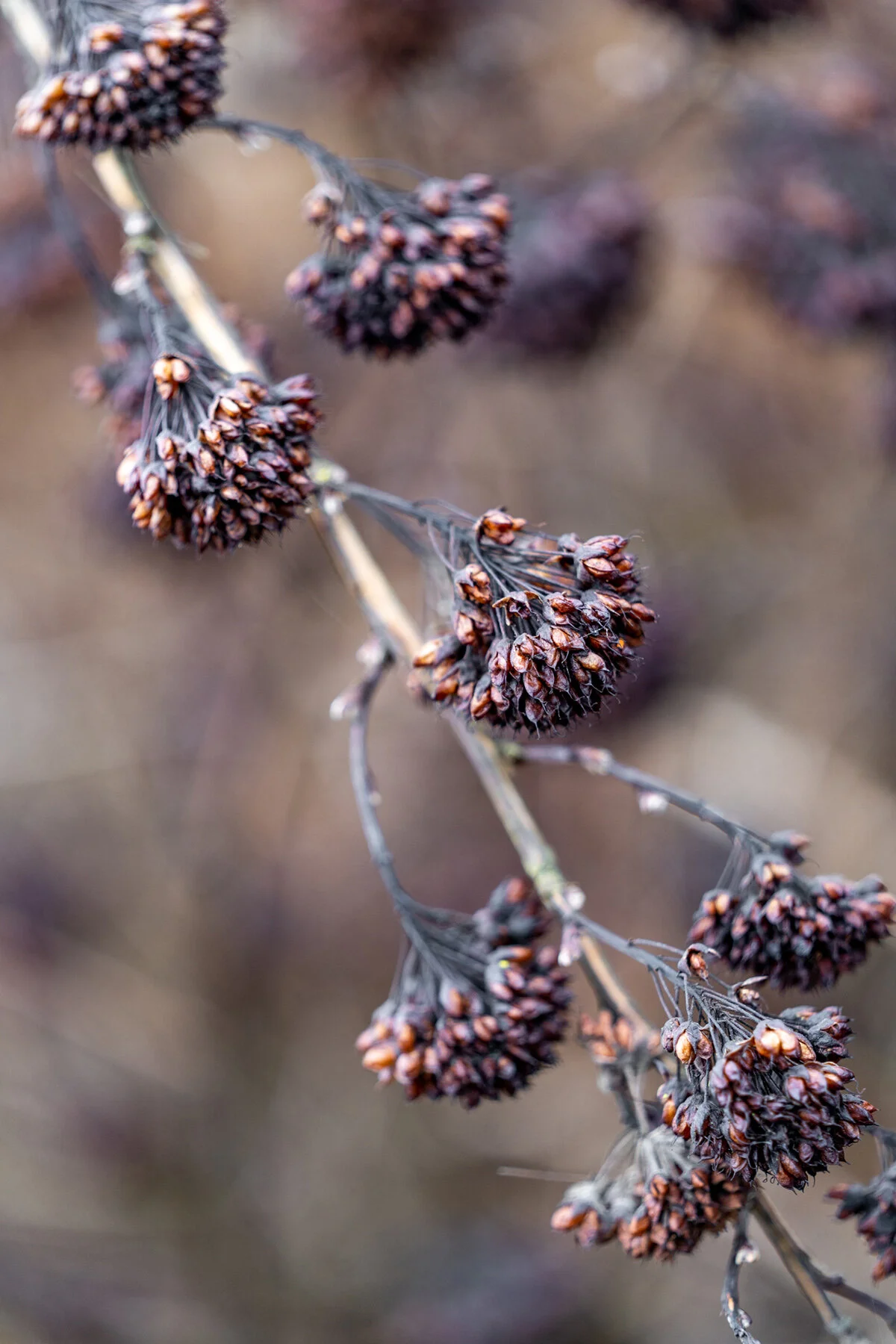
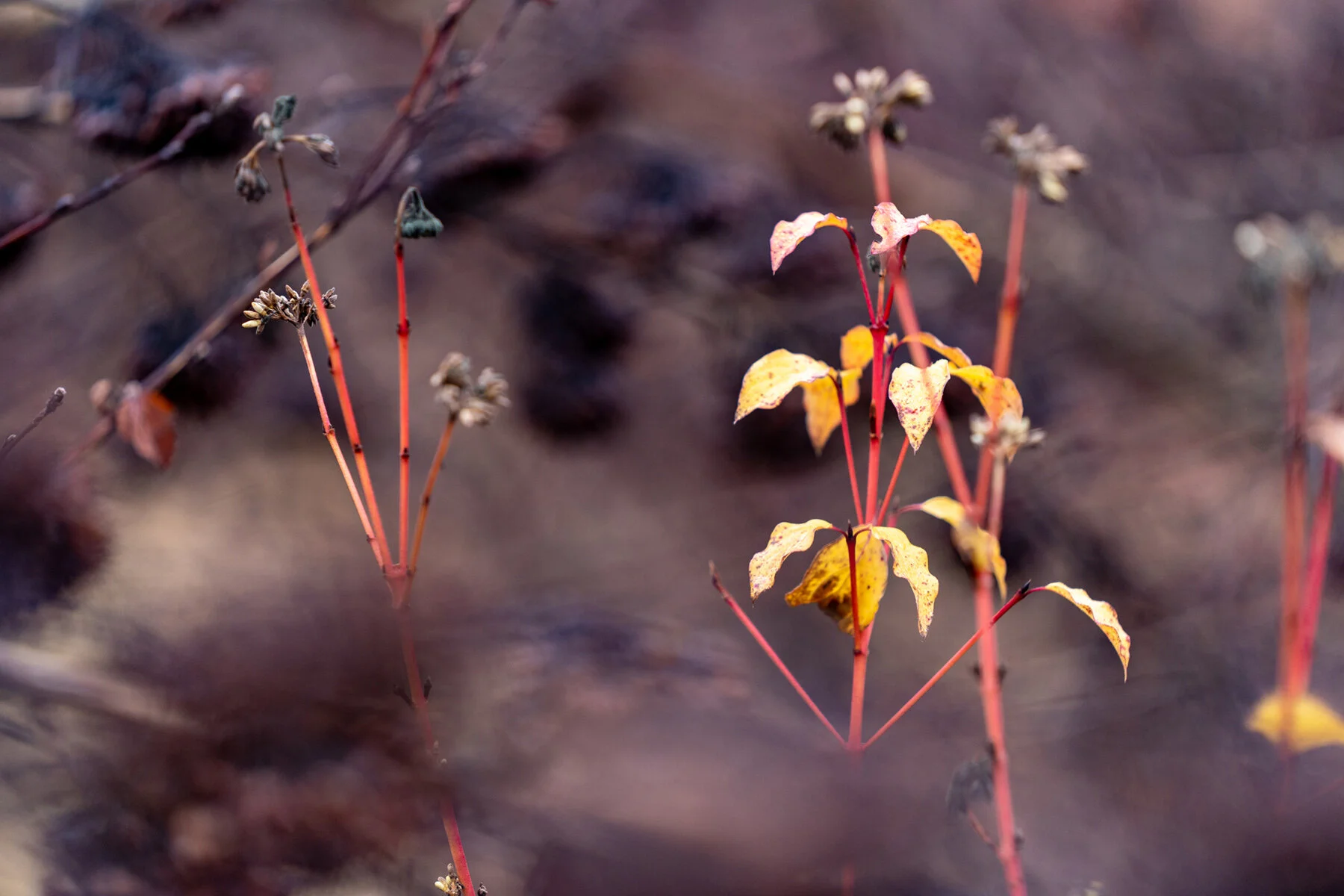
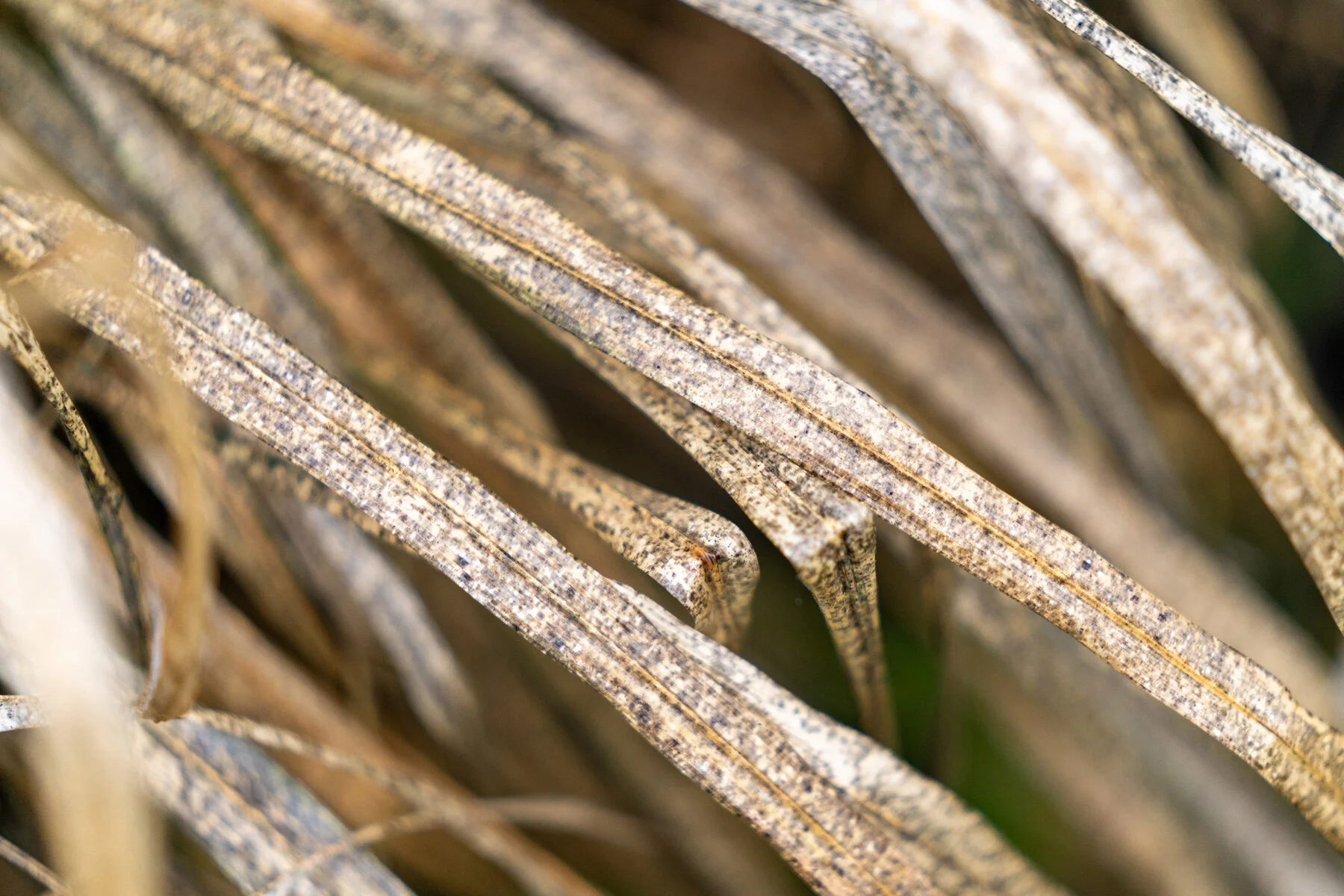
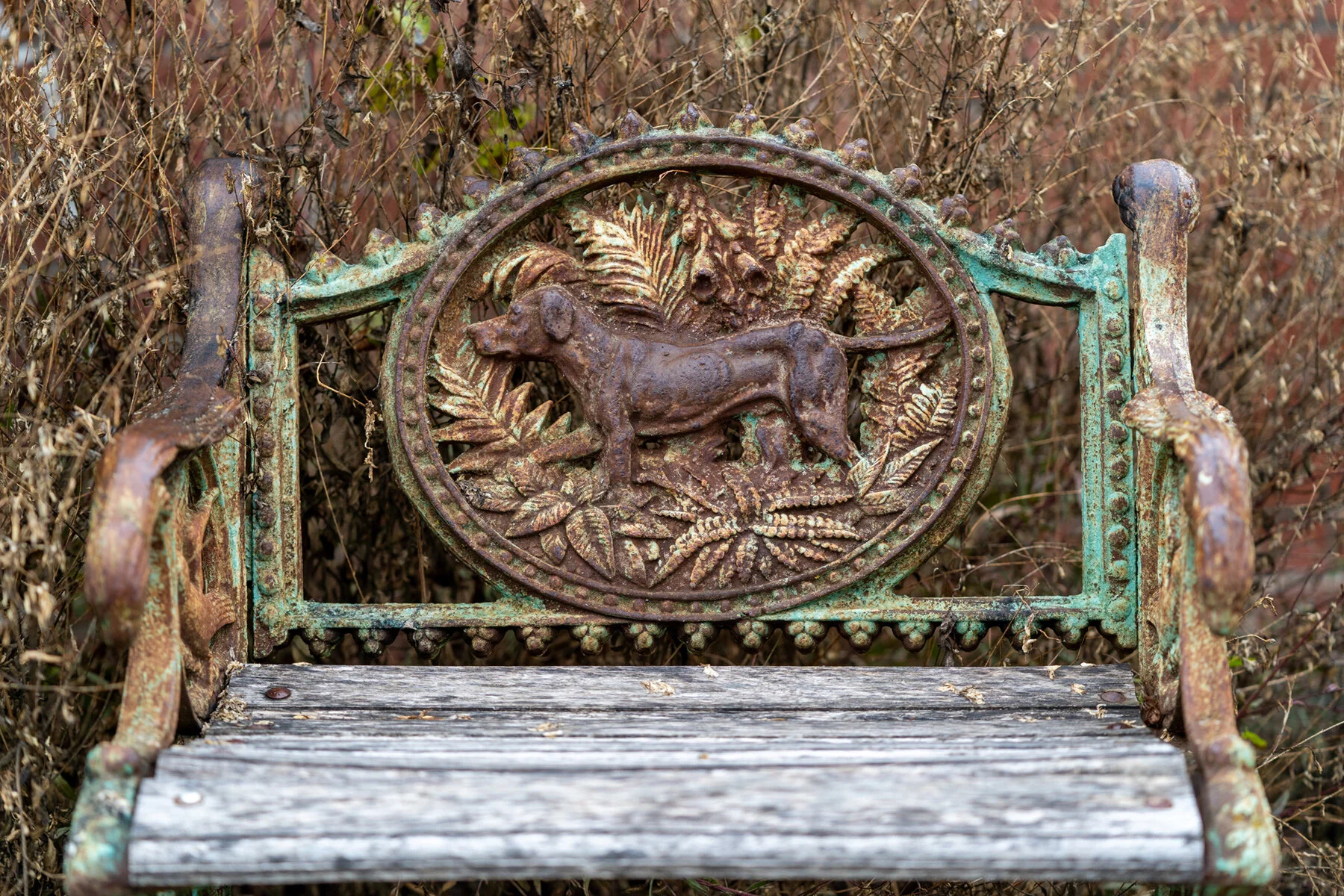
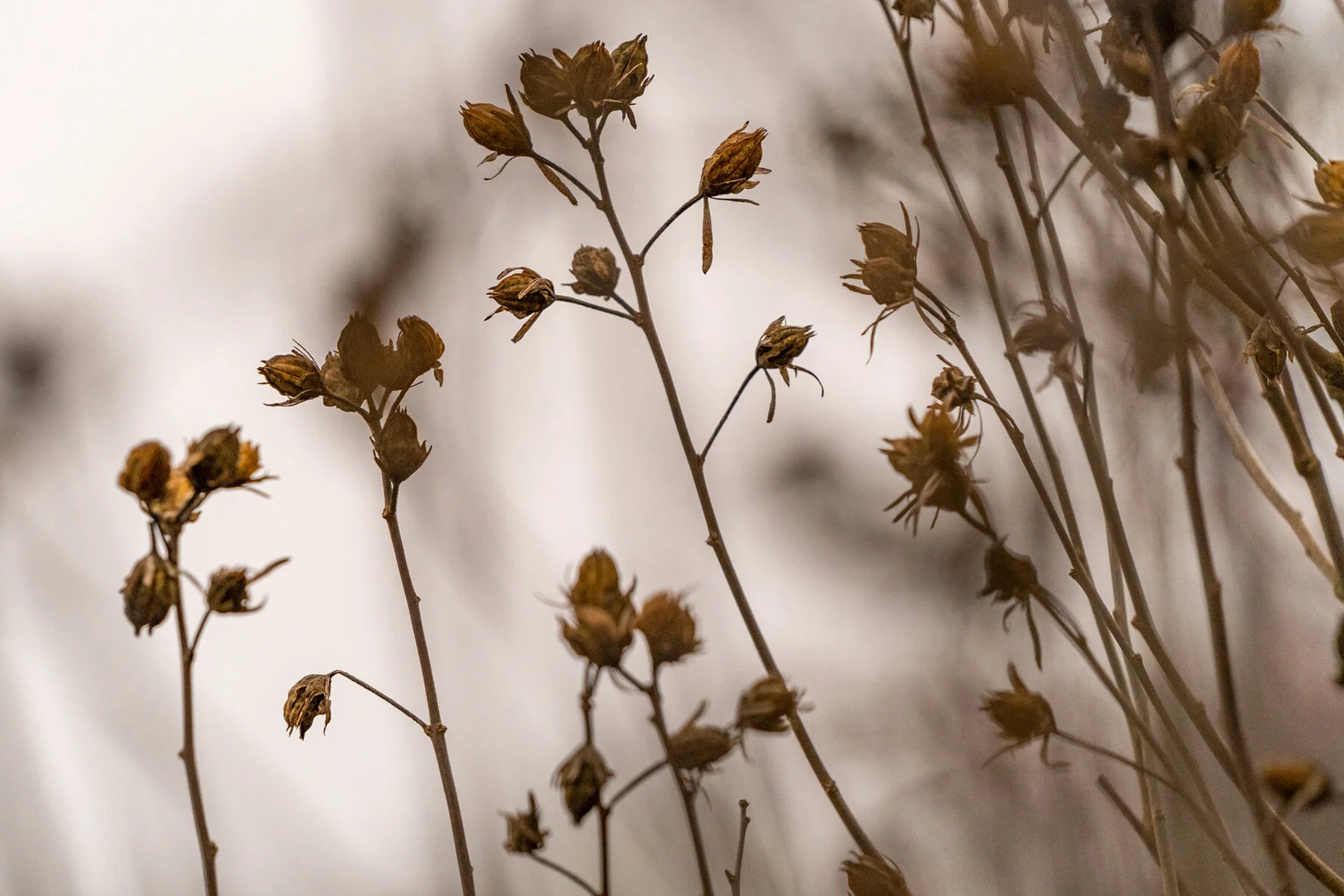
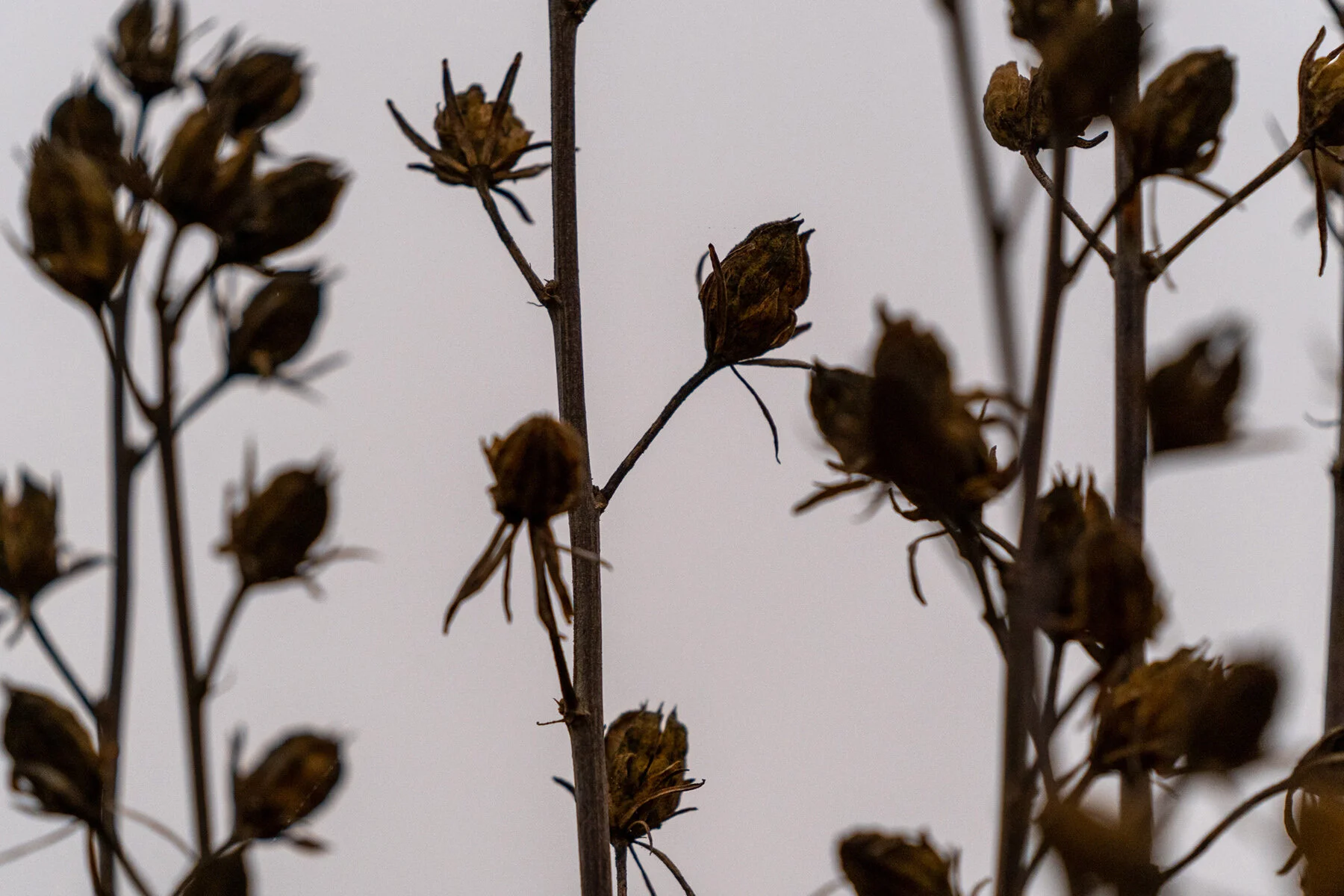
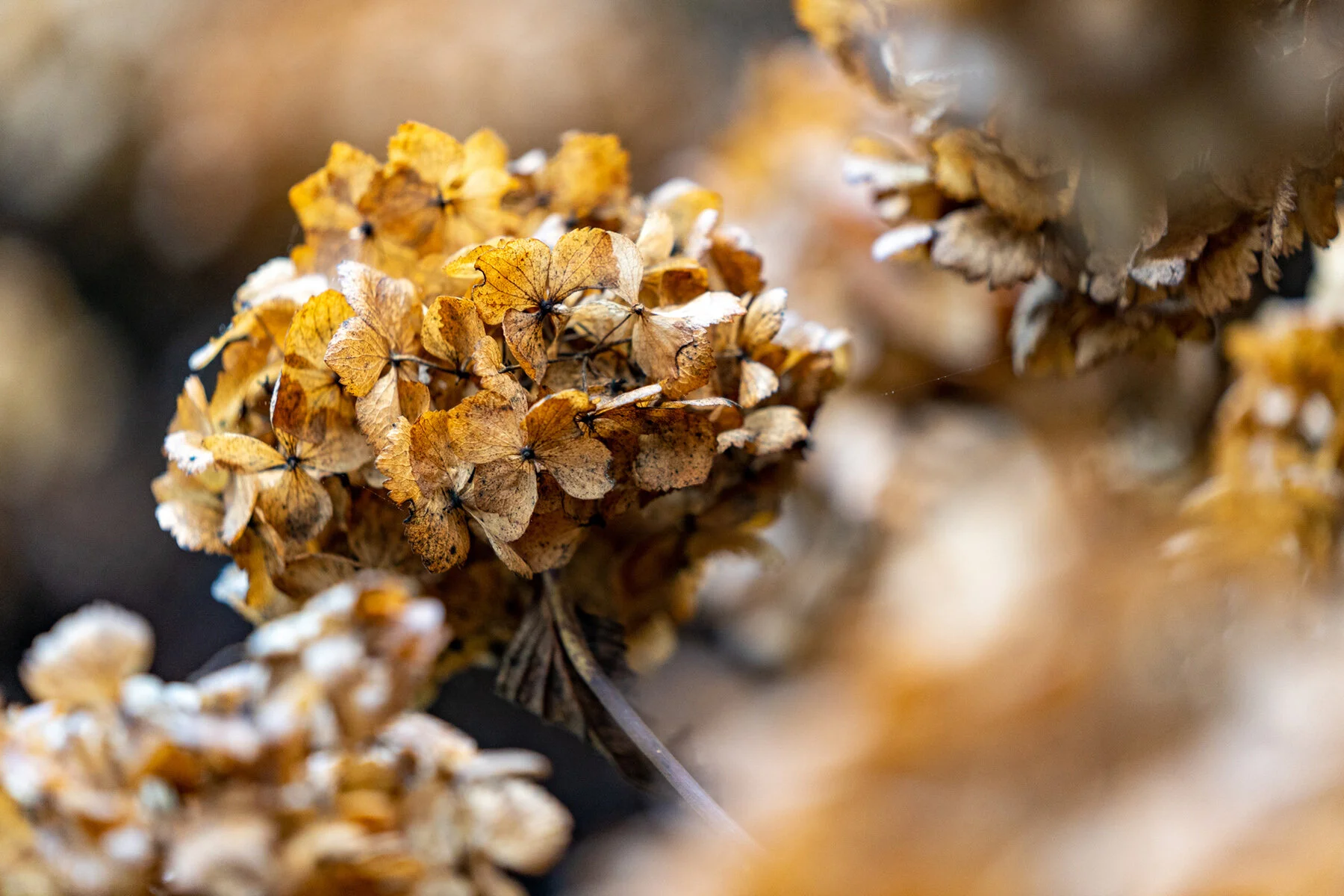
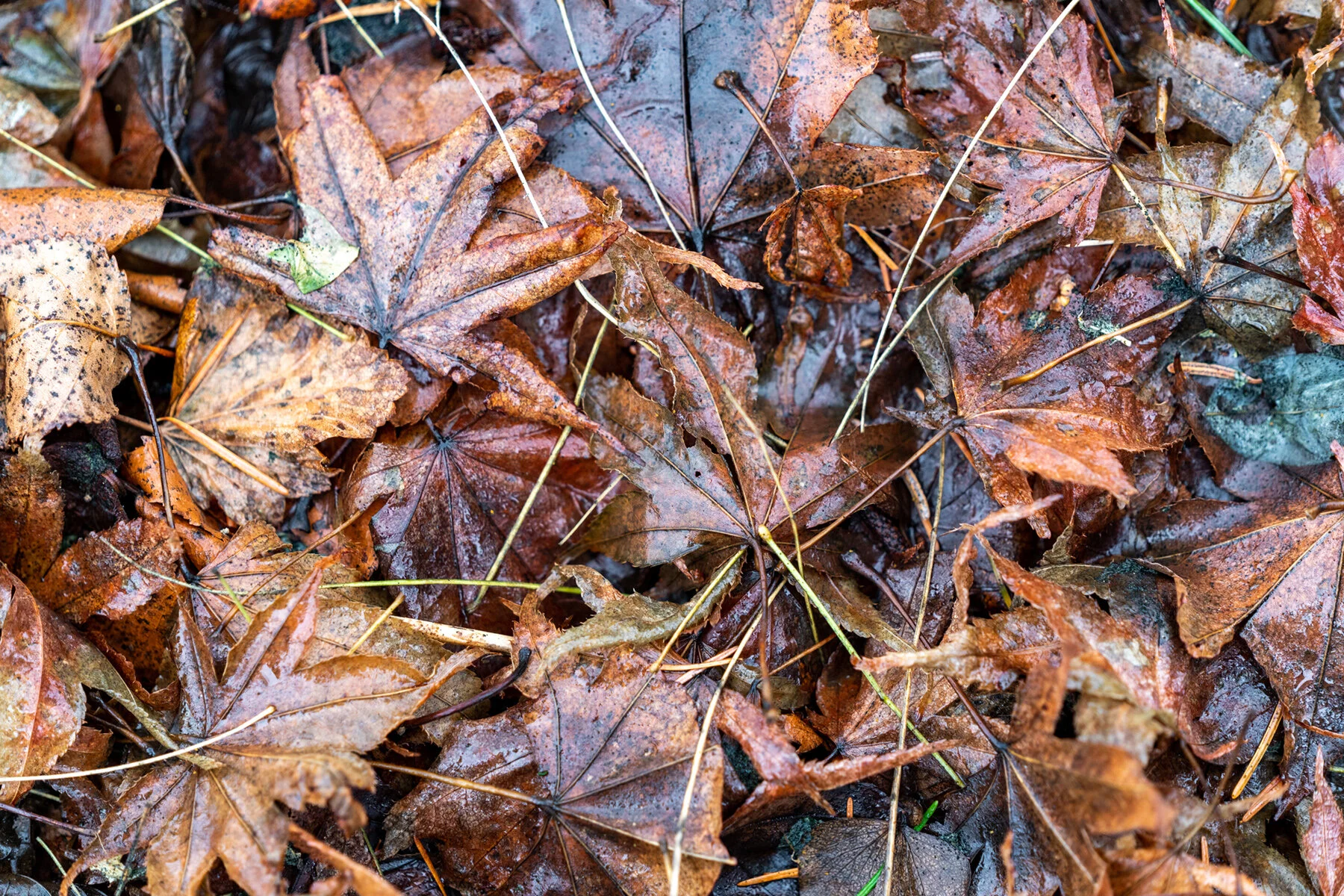
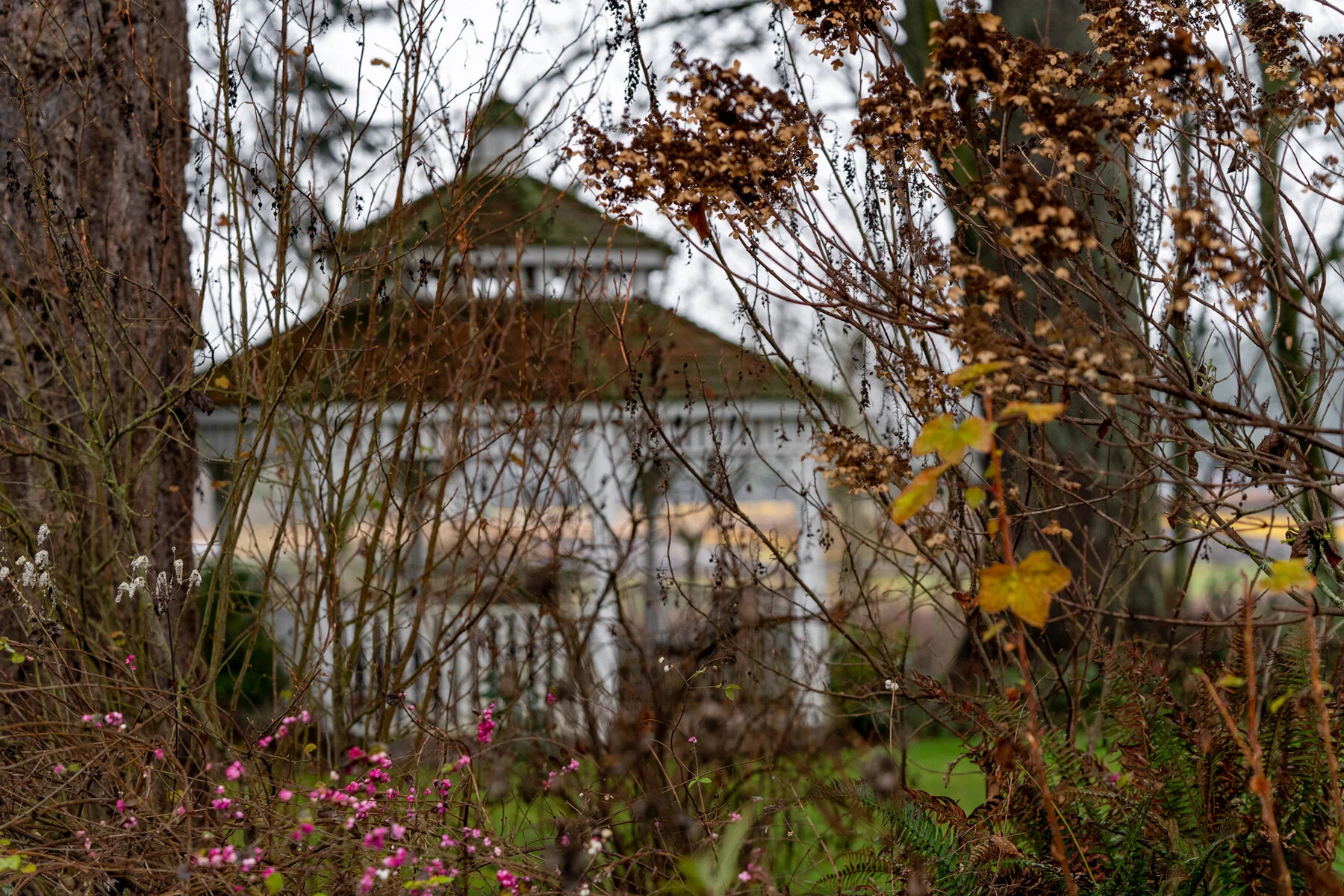
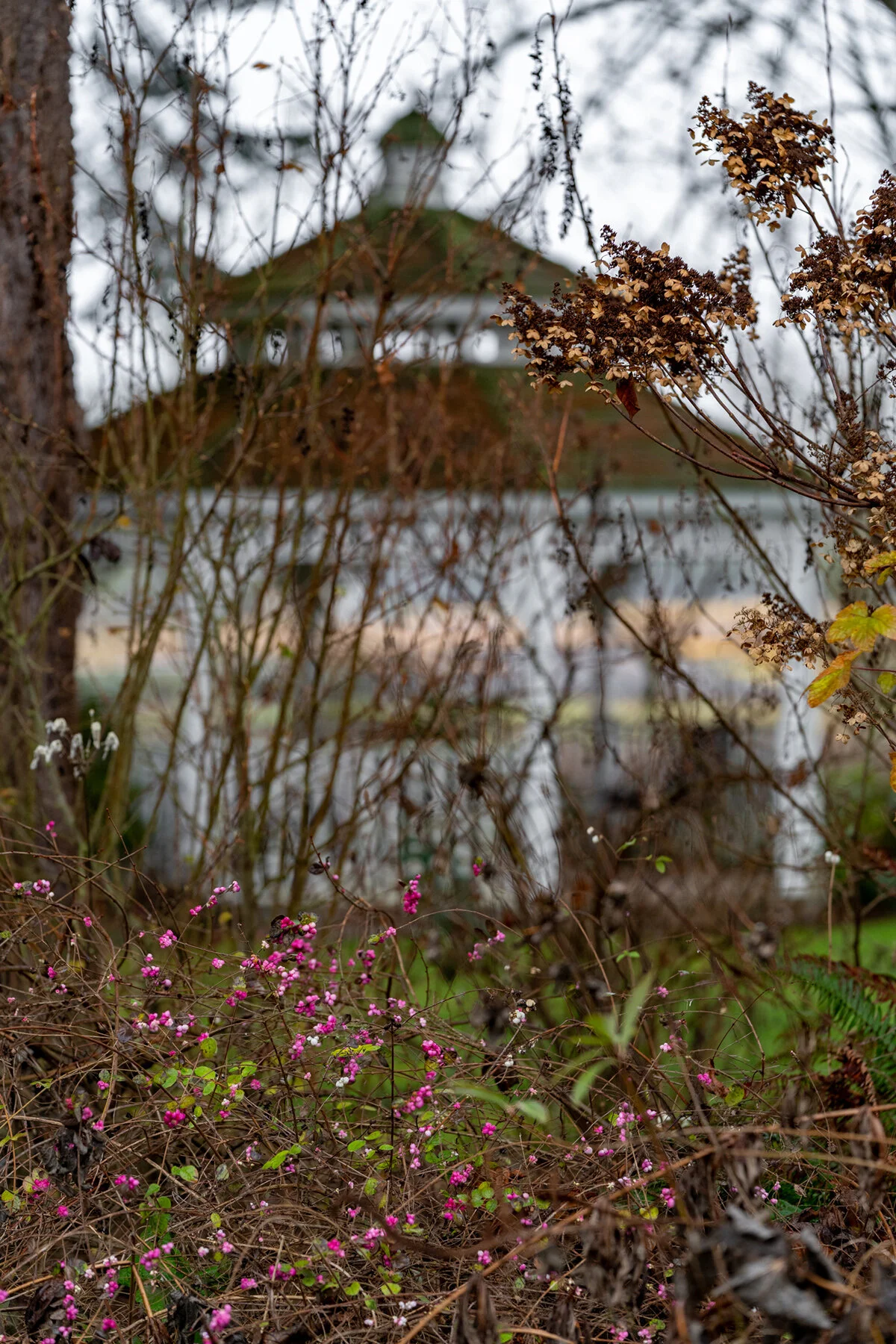
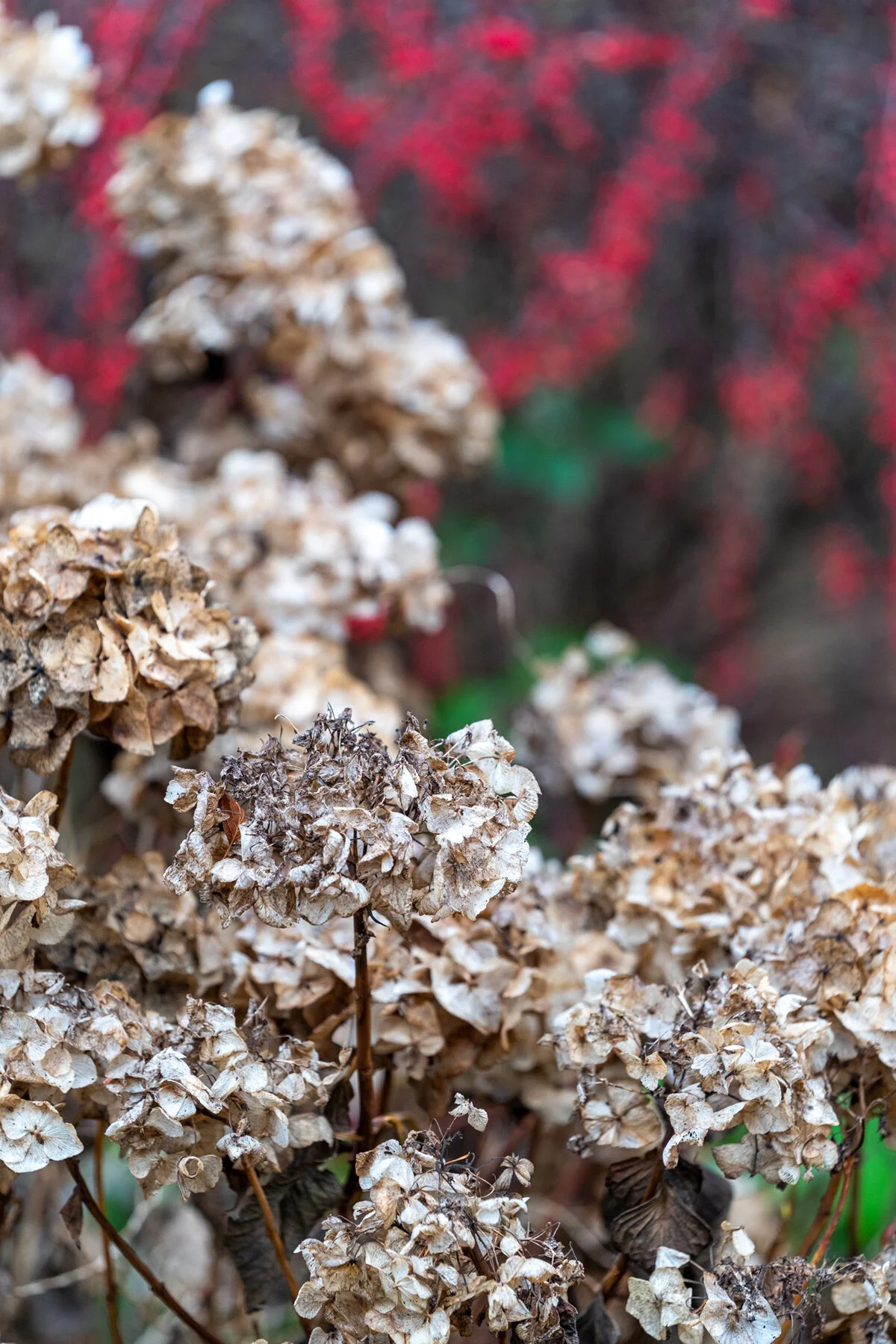
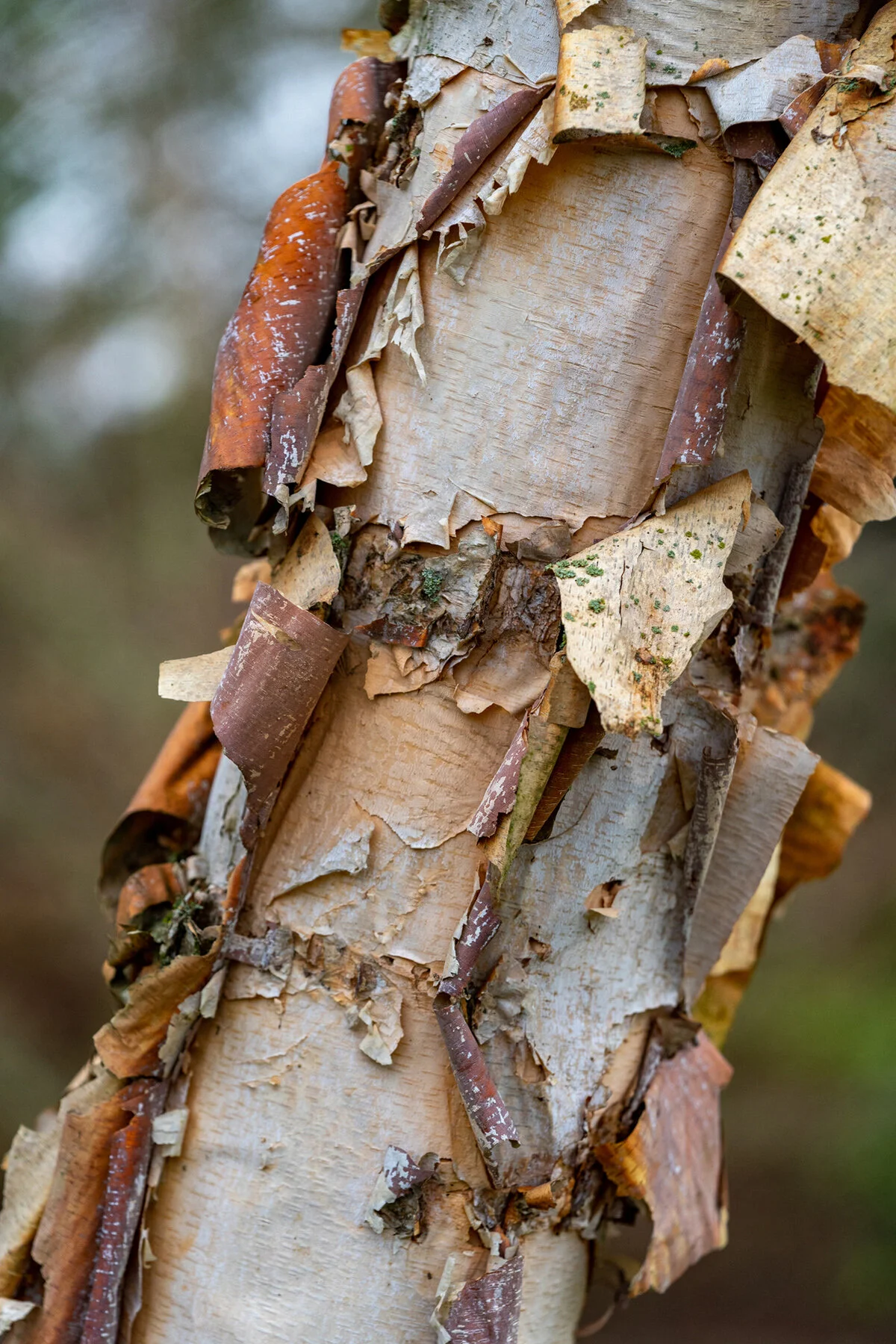
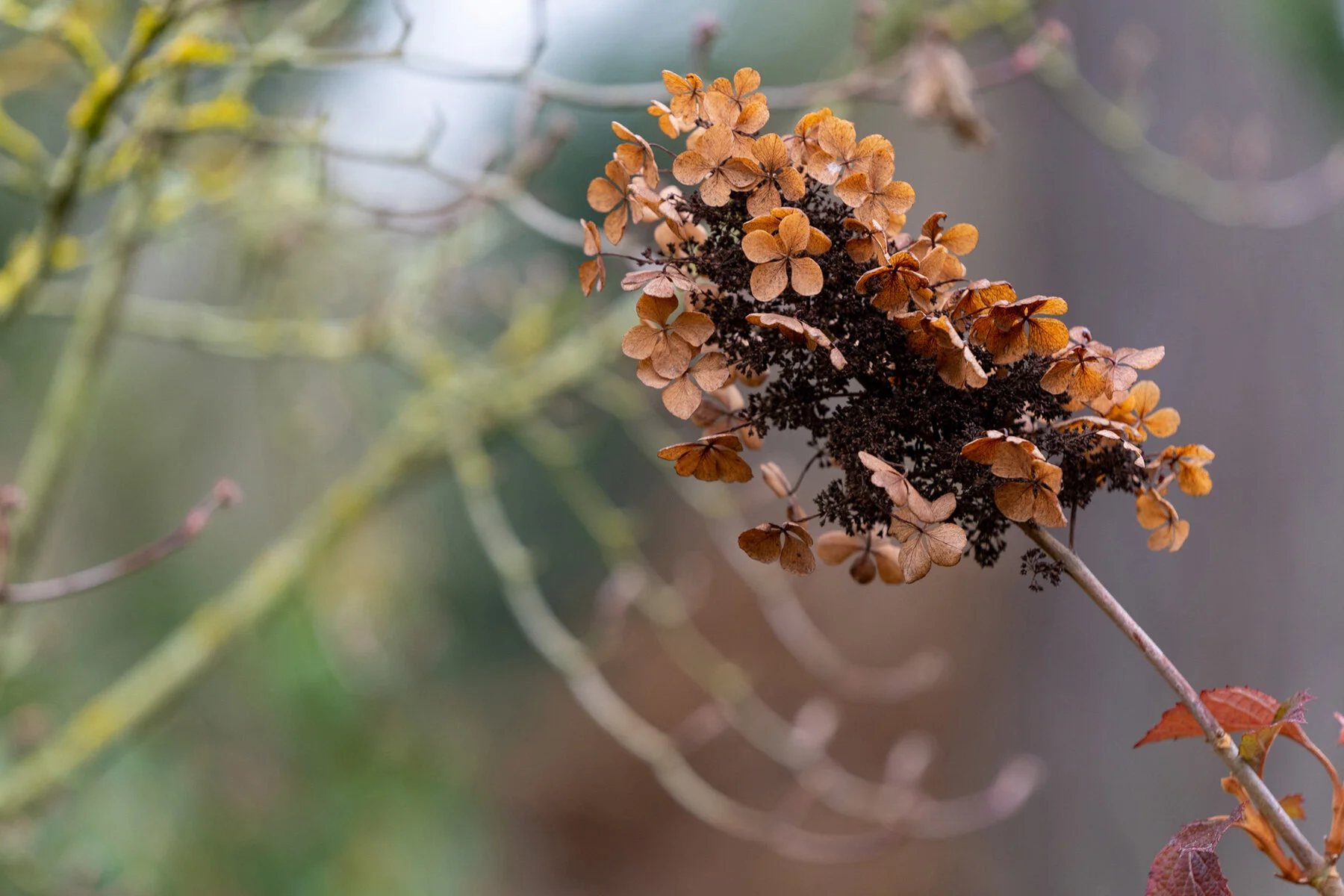
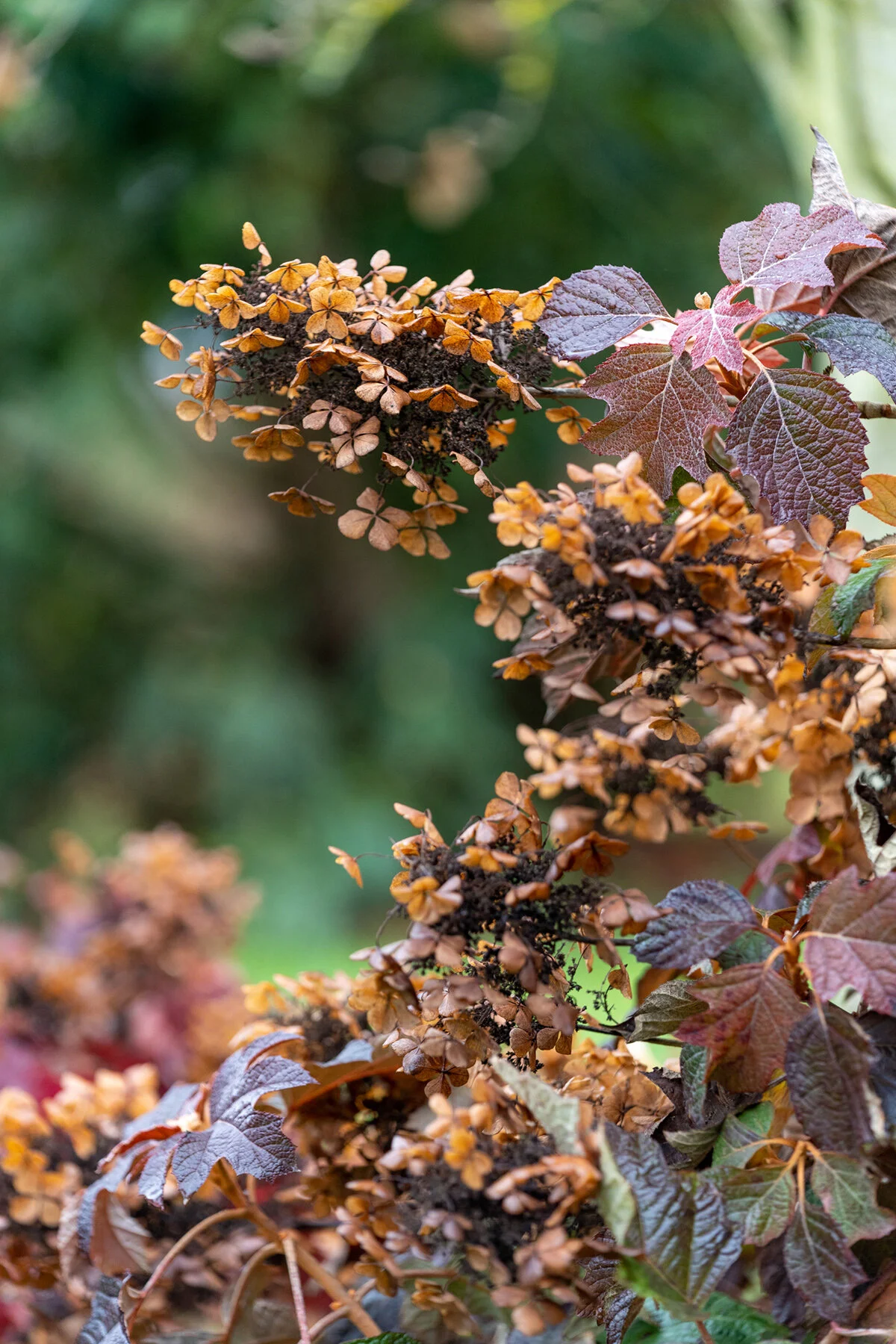
Once I started walking around, it didn’t take me long to understand the allure of what, at first glance, seems like nothing but dead plants and trees. The colors, the patterns and the subjects began to make themselves clearer the closer I got to them, and appreciating the beauty in this decay is only elevated when you stop to remind yourself that the very decay itself represents not death or the end, but rather the early stage of germination of new life.
In other words, as cliche as it sounds, once you’re standing there, especially after seeing the same scenes across the seasons, this decay is not the end, it’s the beginning.\
Anyhow, here are a few scenes from that winter-y stroll through Oakwood Gardens.
And feel free to go back and check out what the gardens look like in the summer.
Finally, go book yourself a room on their alpaca-laden grounds, and buy some alpaca stuff from Alpacas.com. Proceeds go to Quechua Benefit, the non-profit they founded in 1996 to help break the cycle of poverty amongst under-served communities in the highlands of Peru (which, speaking of, I recently got to spend 2 EPIC weeks in the Peruvian Highlands with Quechua Benefit…that story, and images, coming soon…)
I don’t have much to say here…perhaps because there isn’t much to say. This one is purely show and tell. This series of images was from a recent morning here in Portland, Oregon. I woke up, saw the fog, grabbed my camera, and ran up the street to Hoyt Arboretum in my pajamas. What was meant to be a quick picture or two ended up being 3 hours of wandering through the forest fog.
And these were the results…
Ok…now find me on Instagram: @wasimofnazareth. You know you want to!
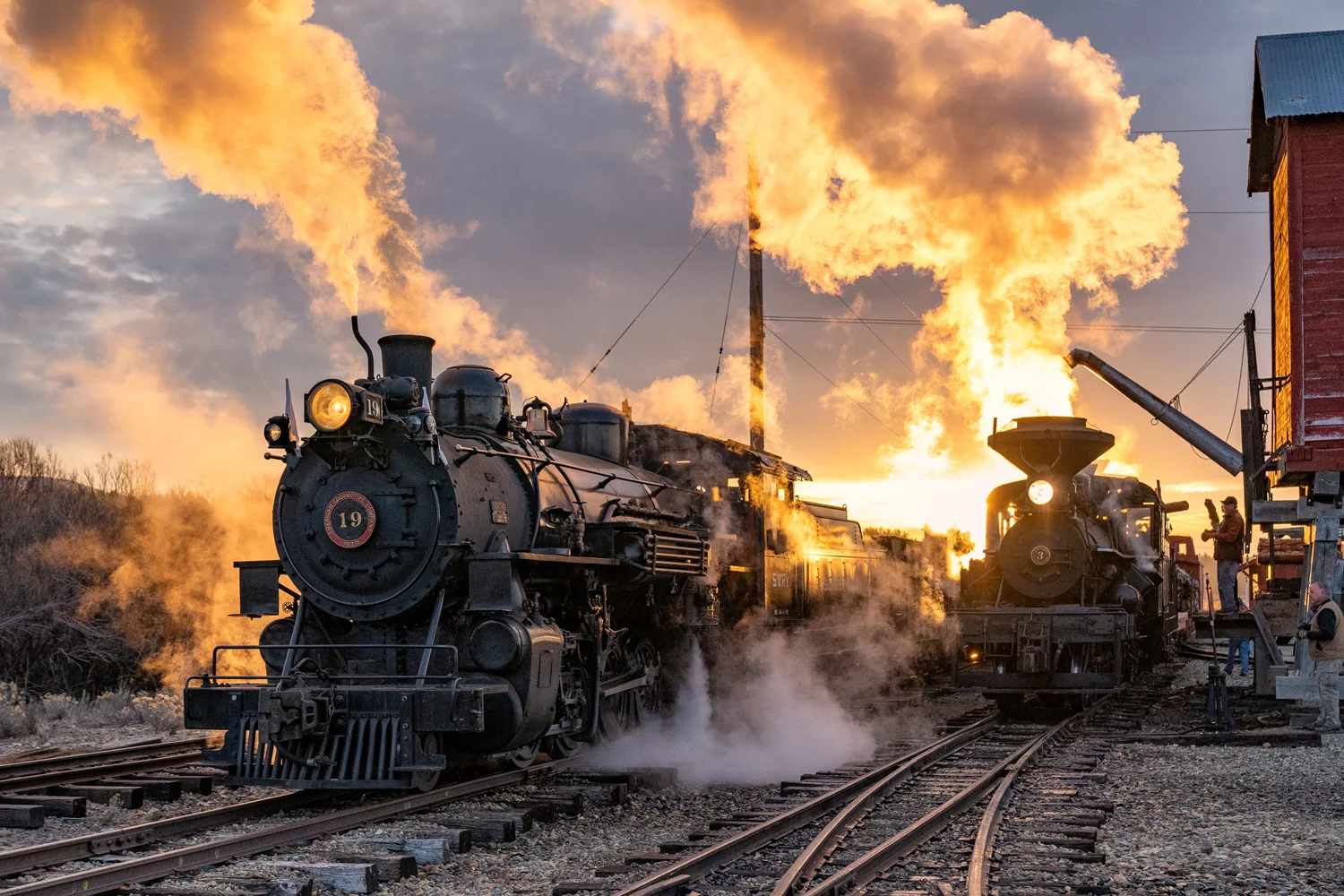
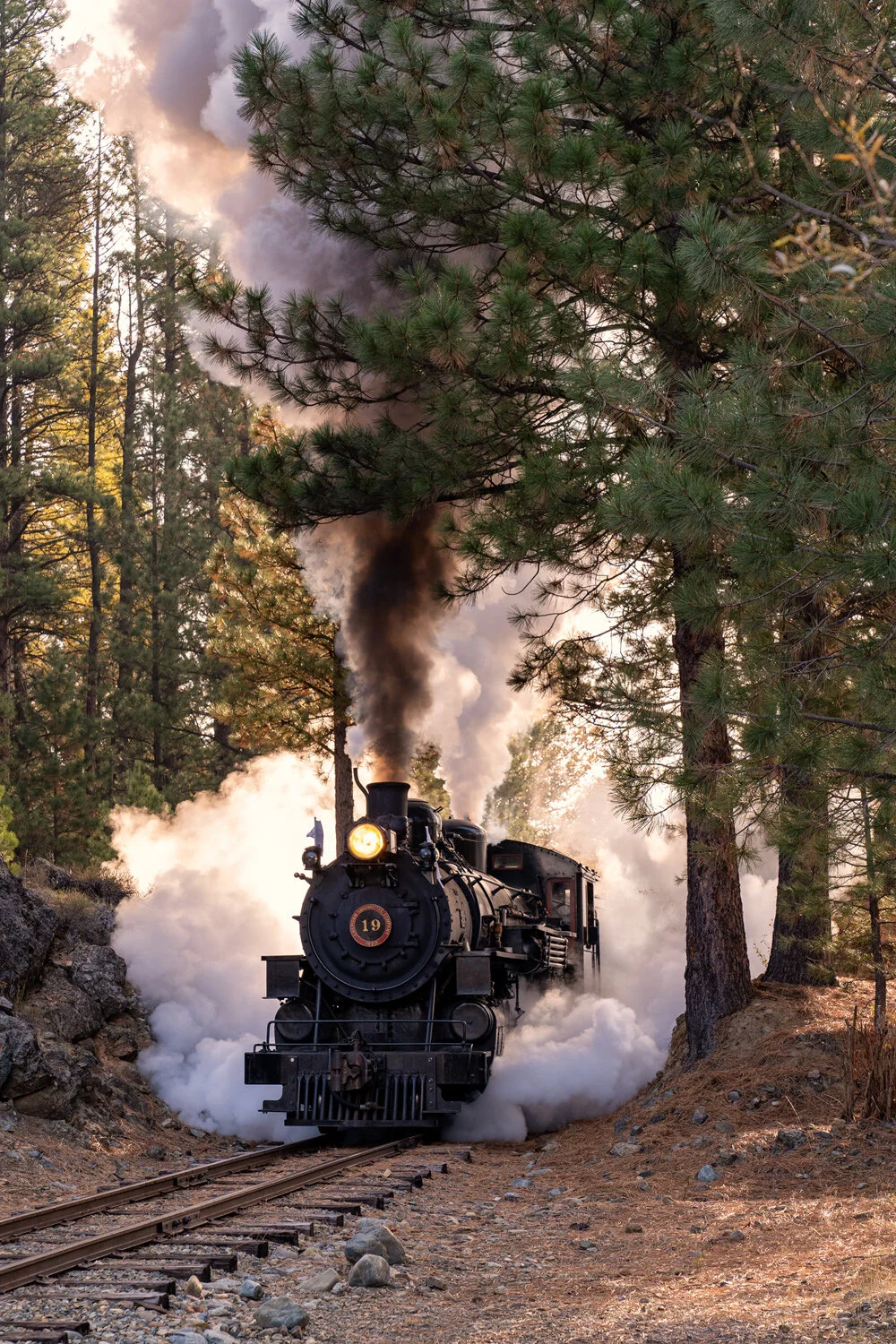
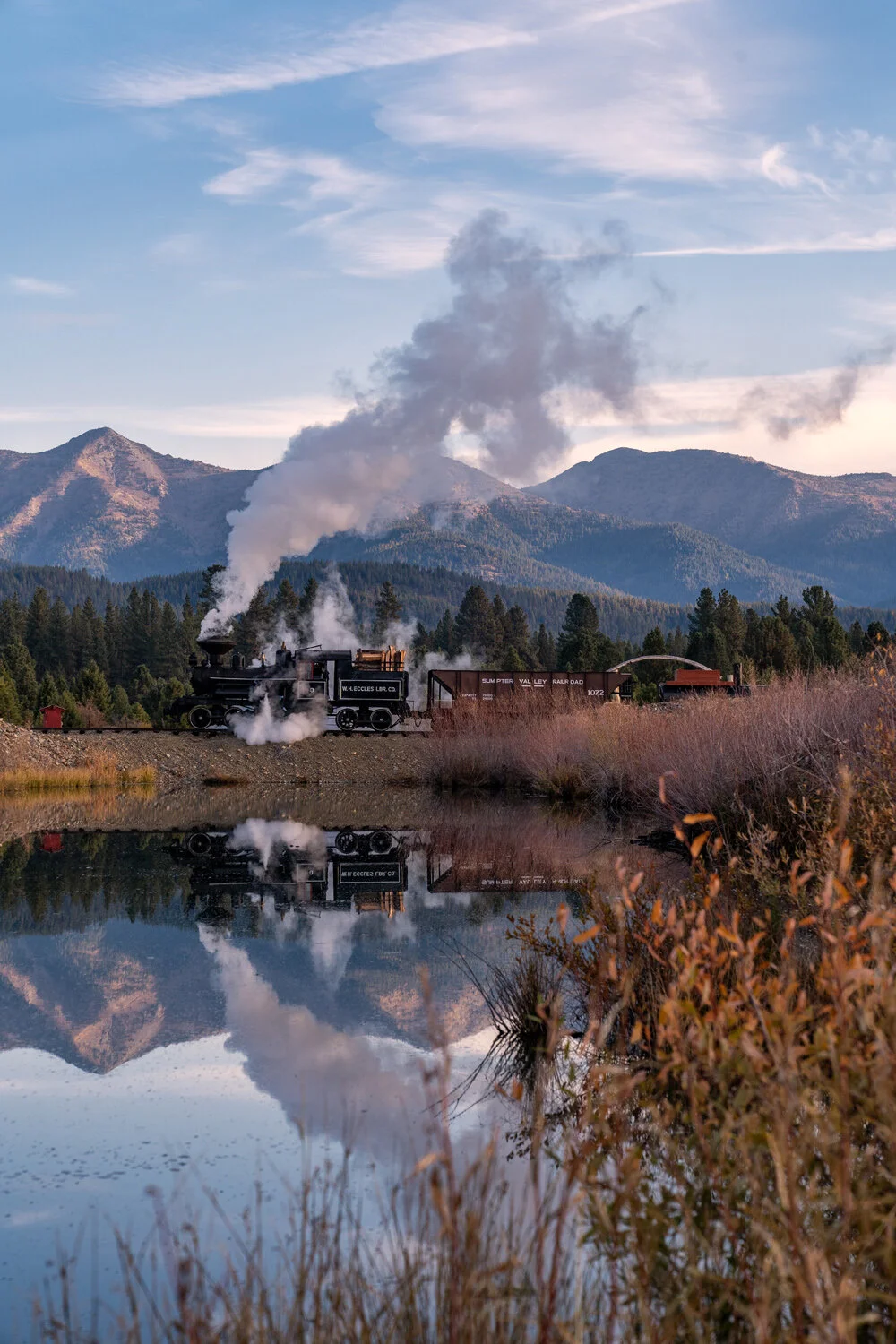
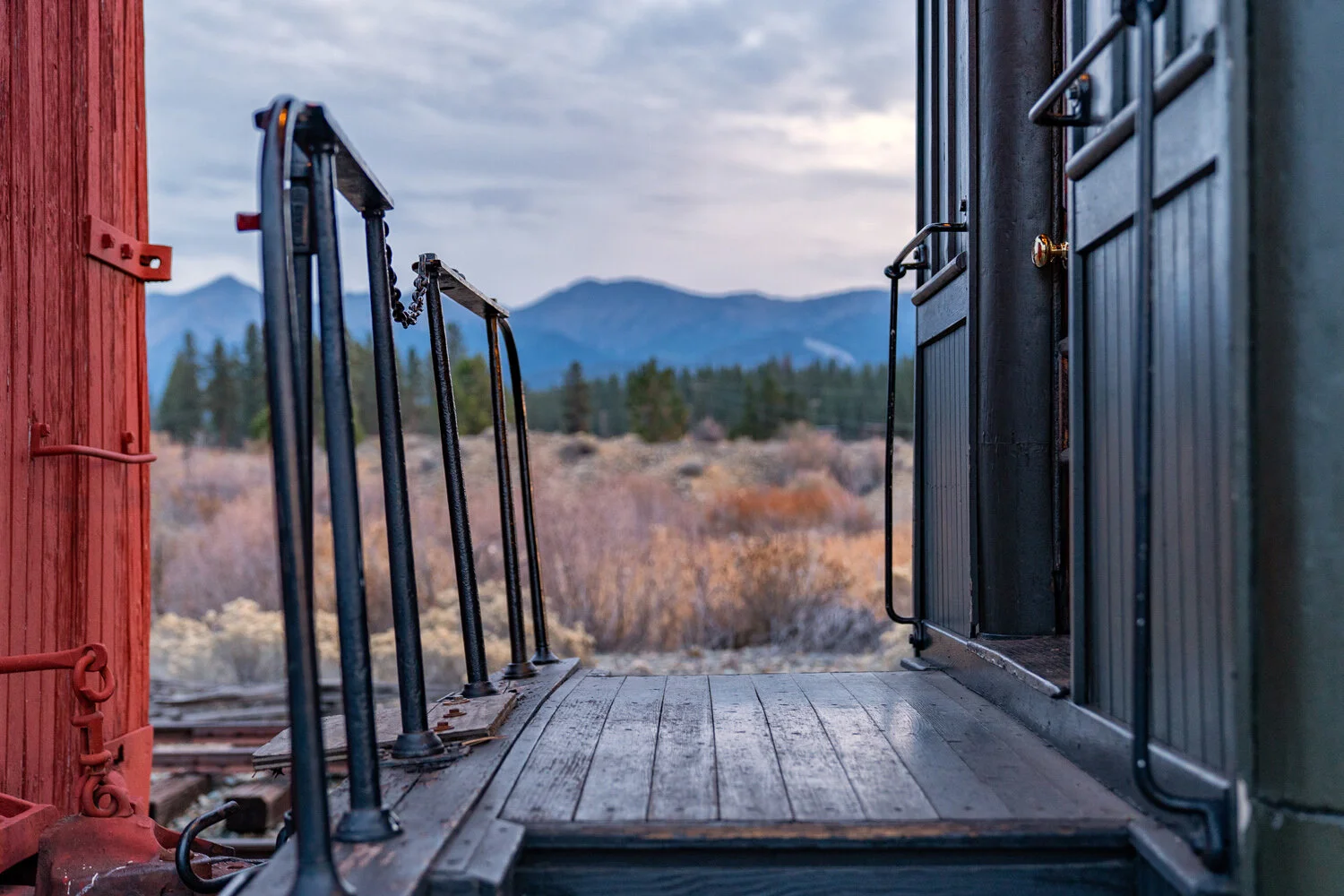
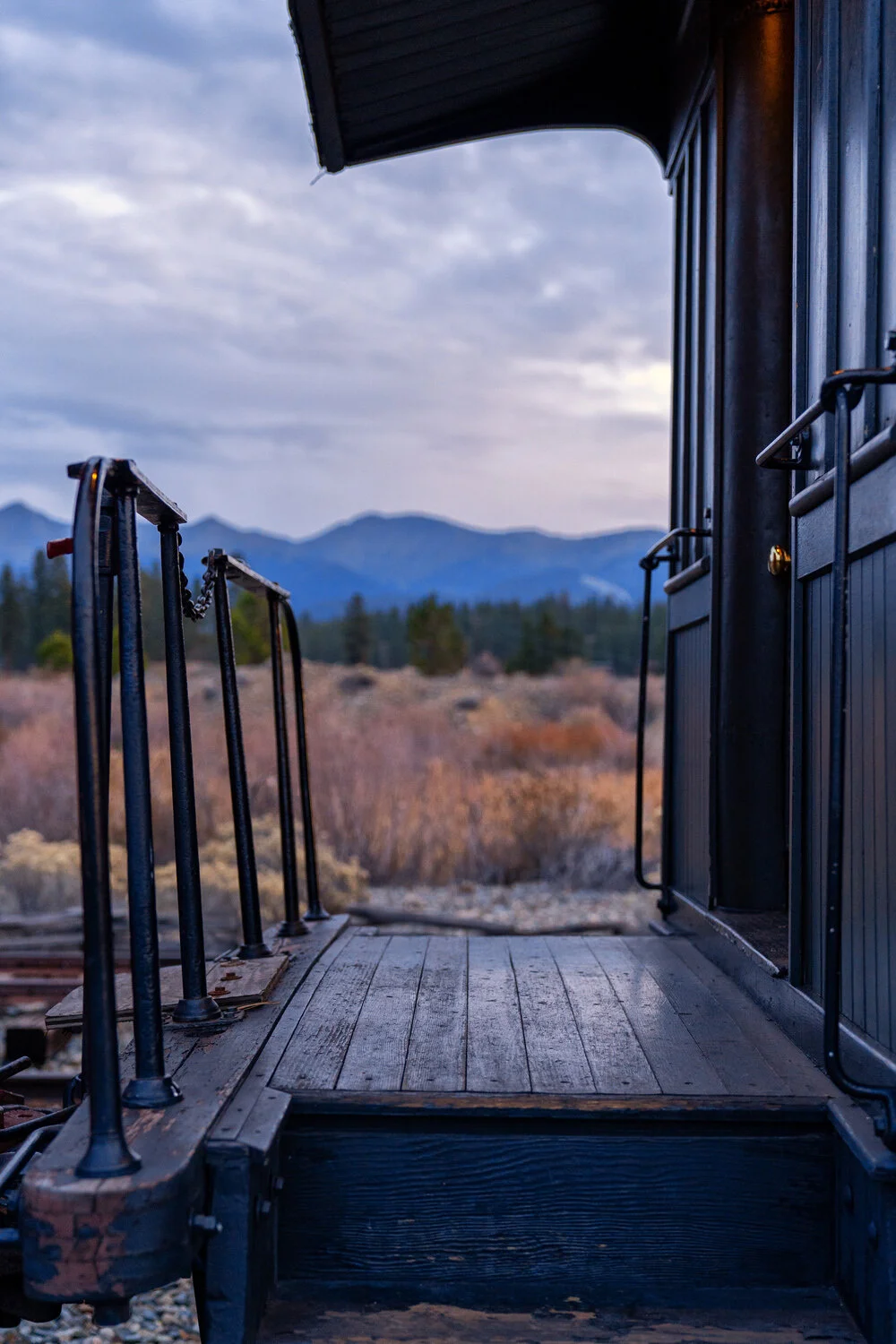
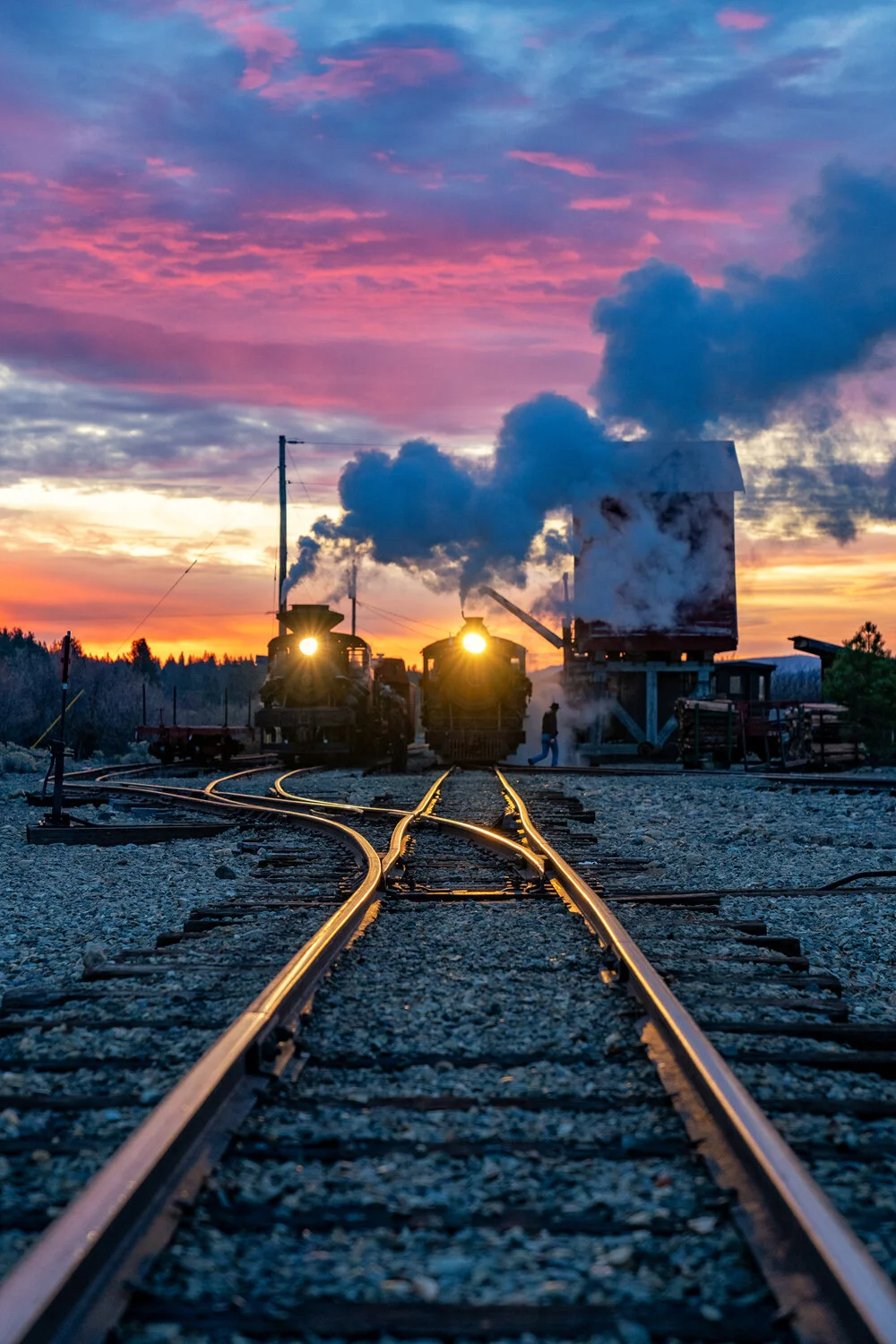
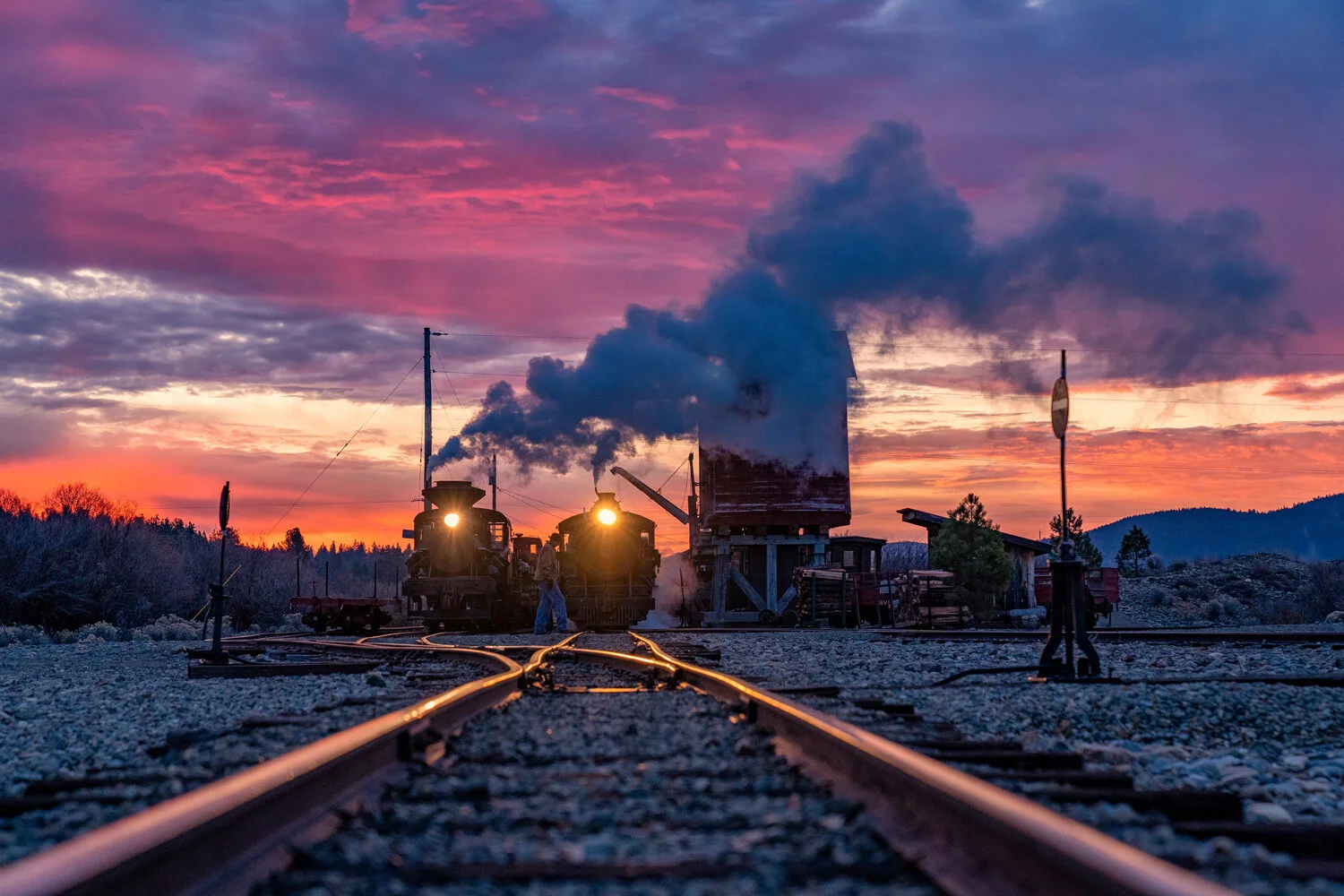
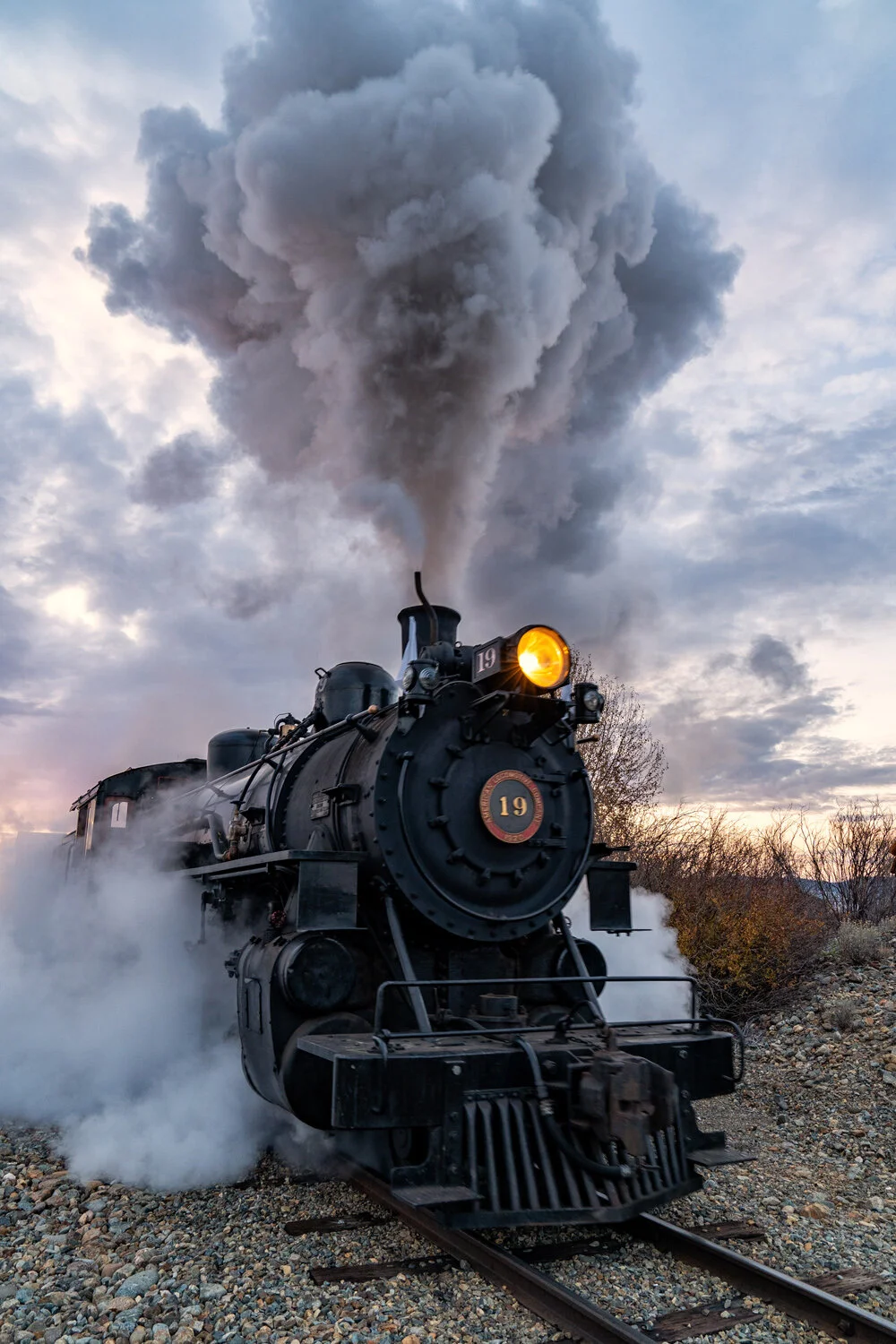
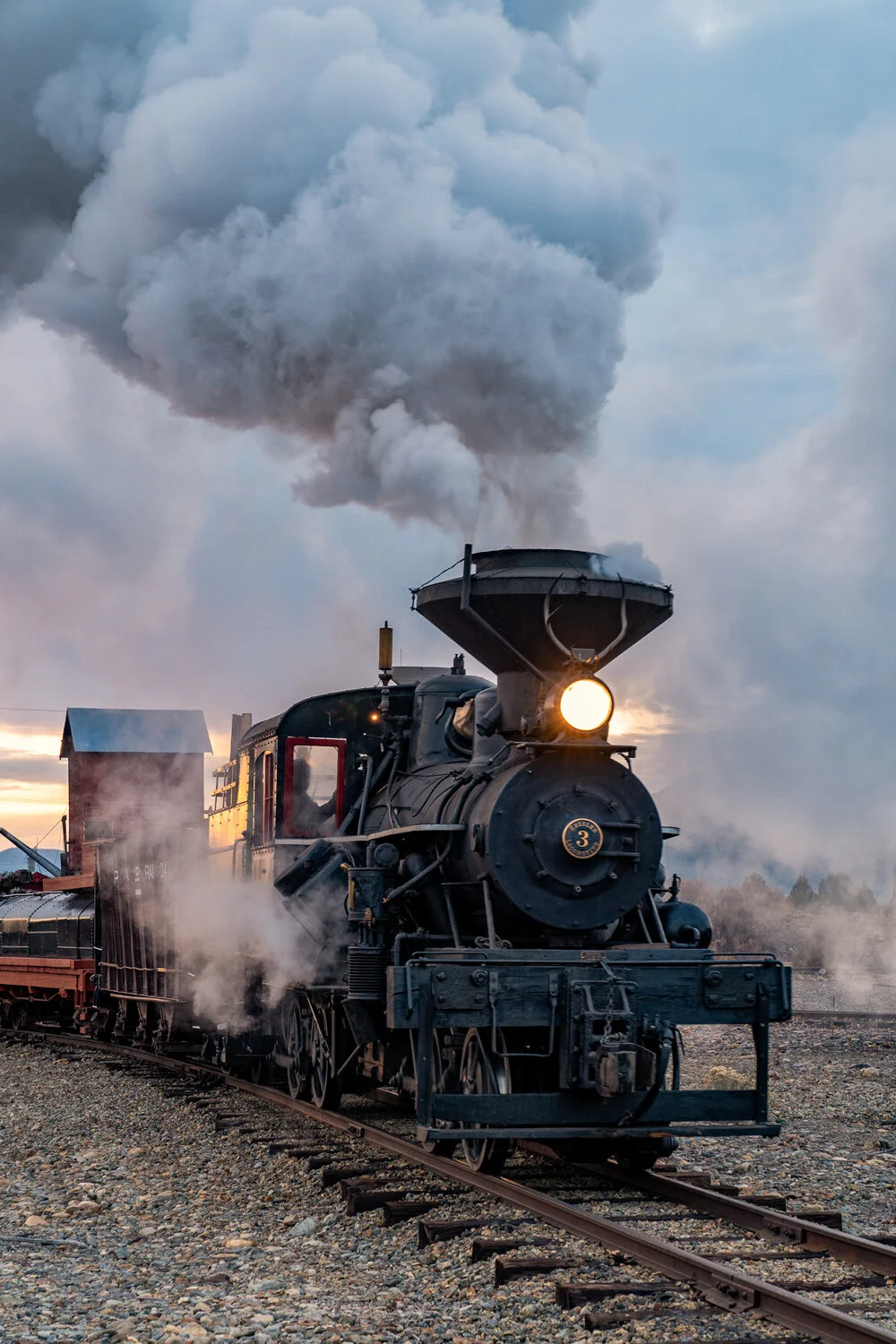
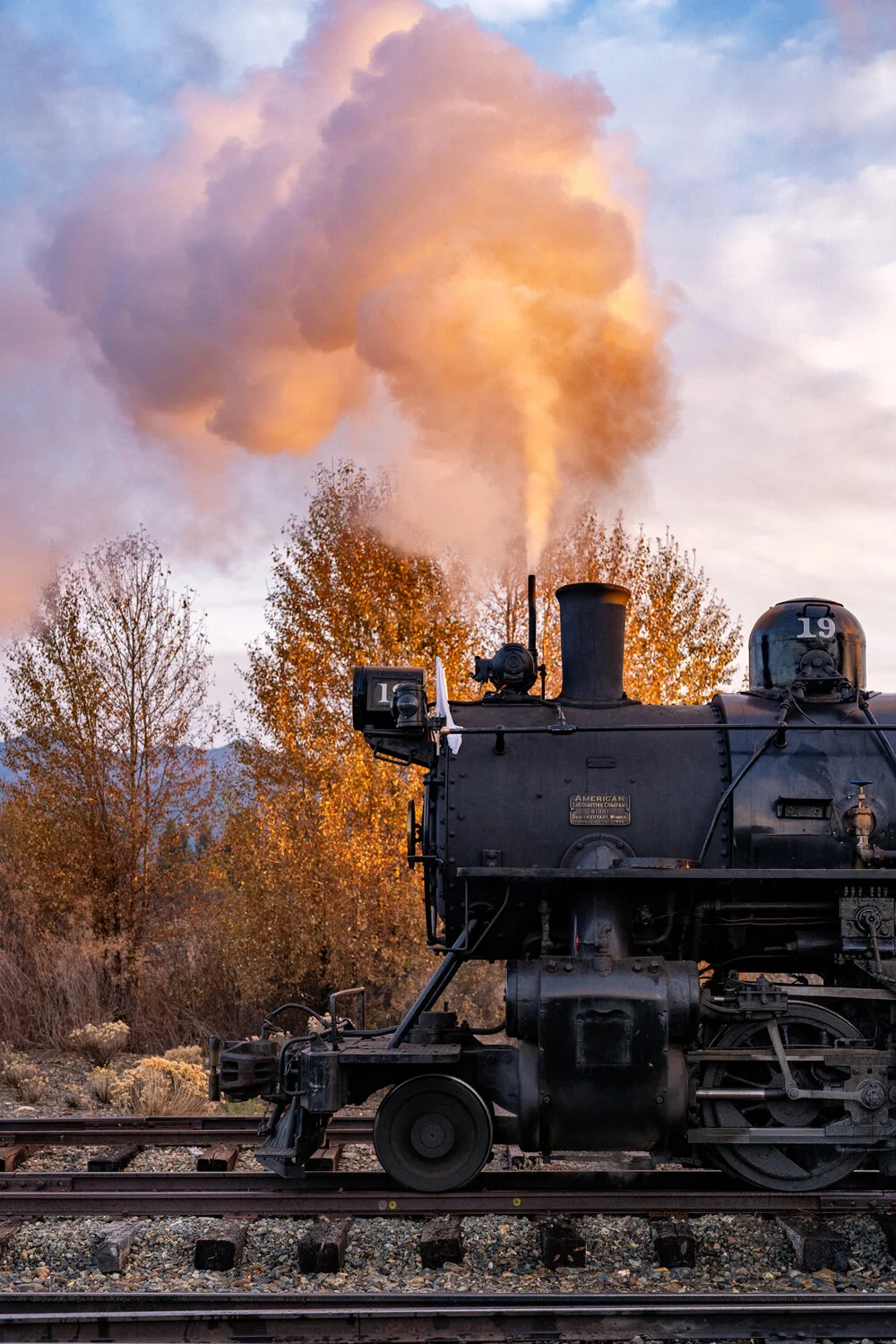
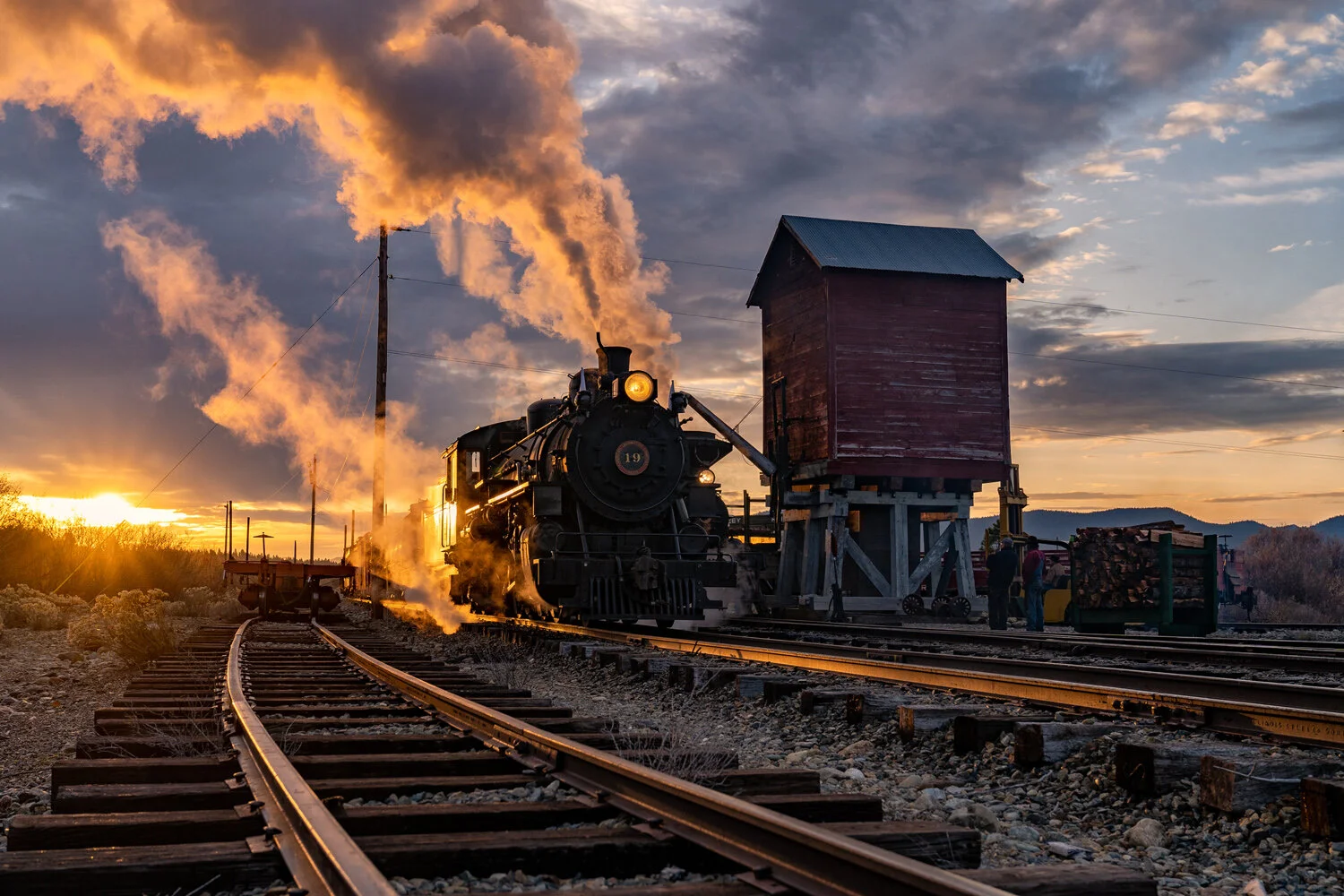
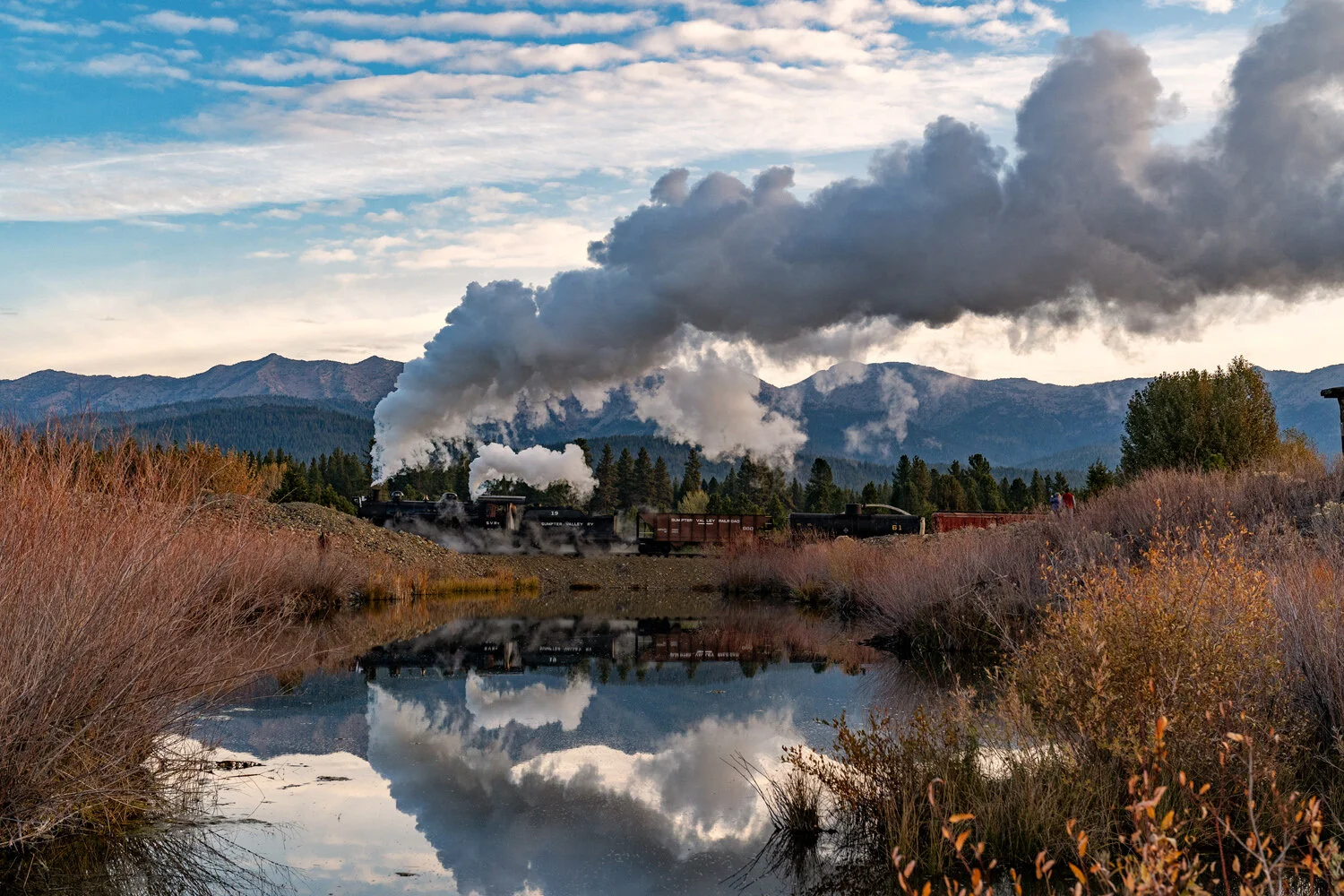
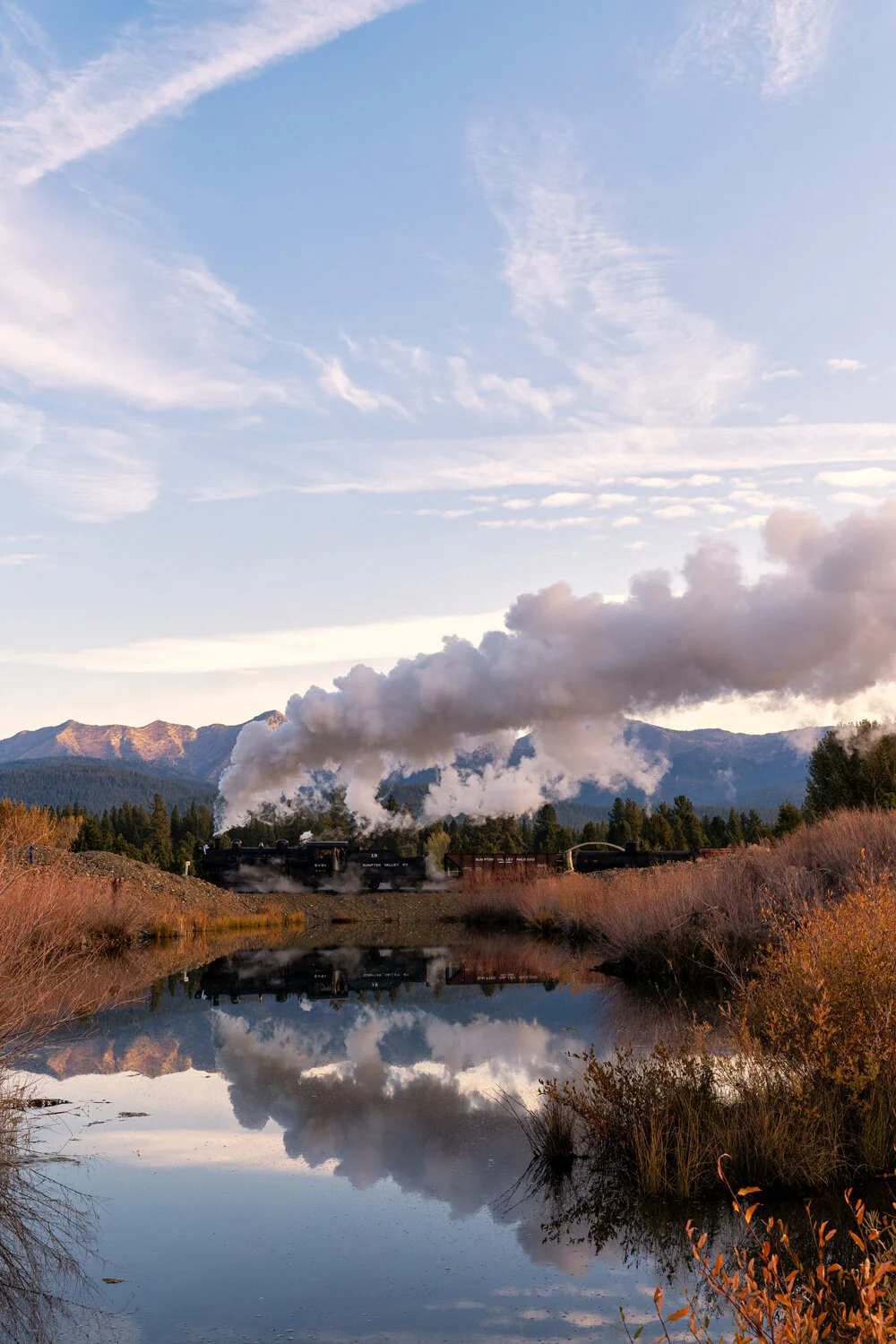
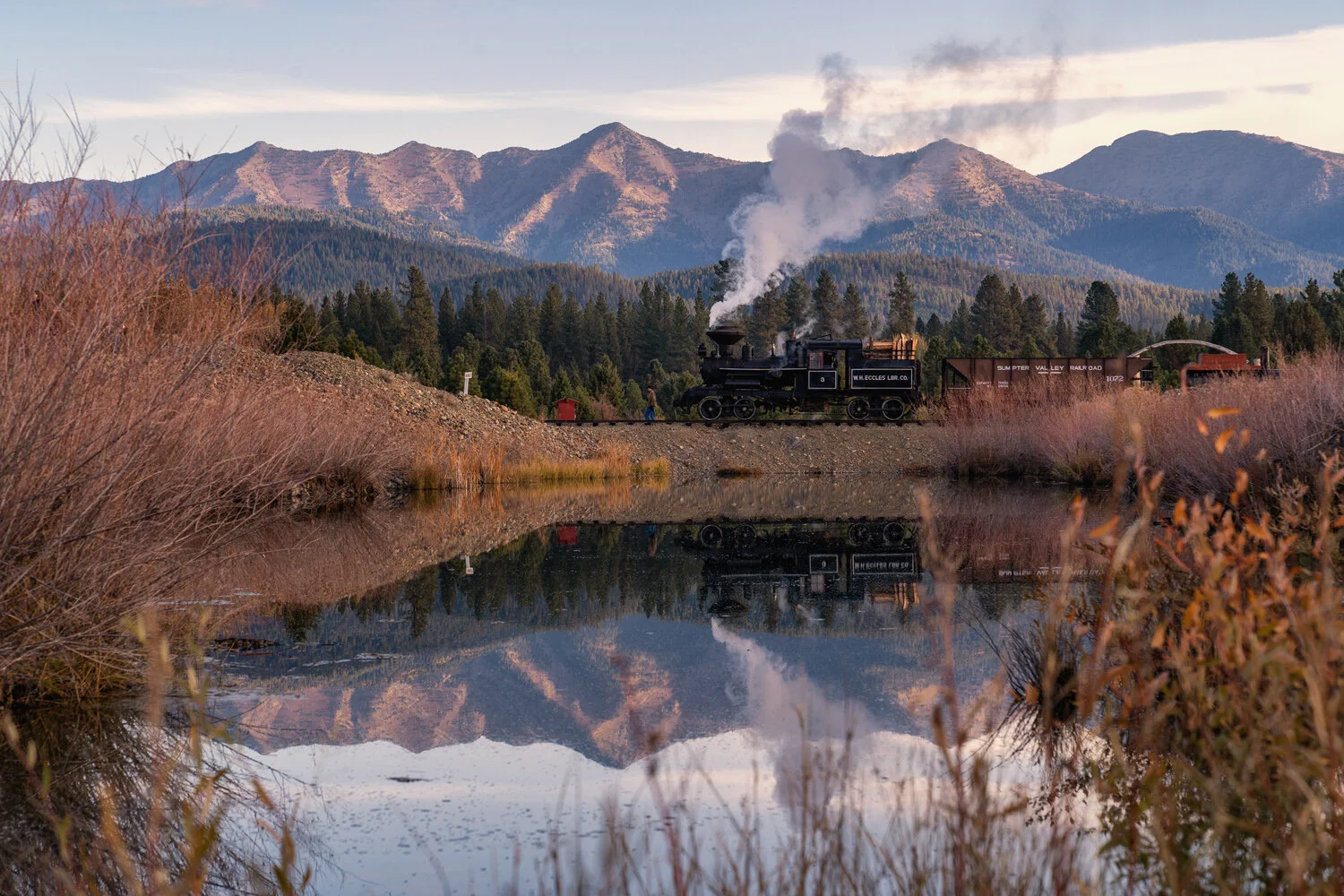
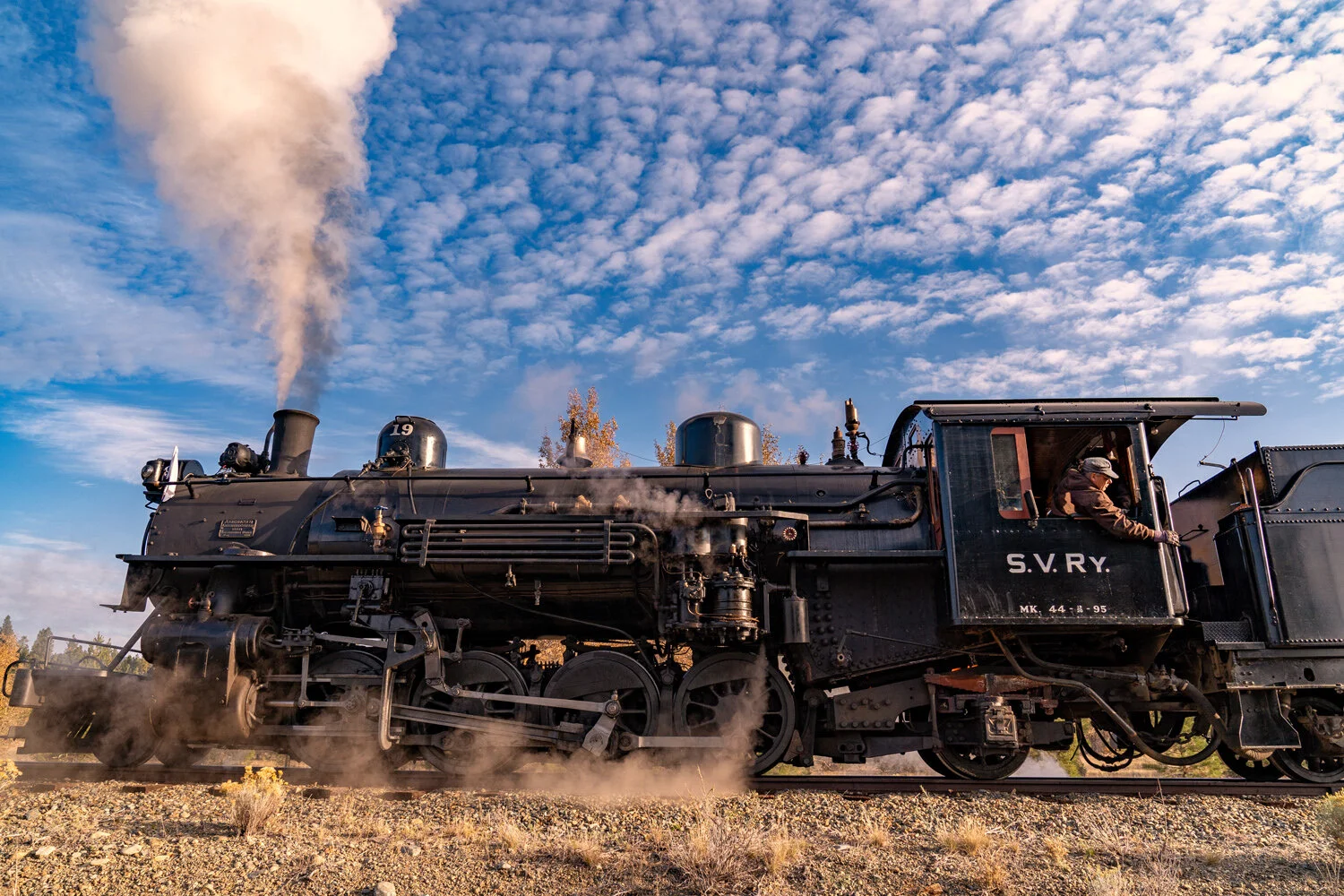
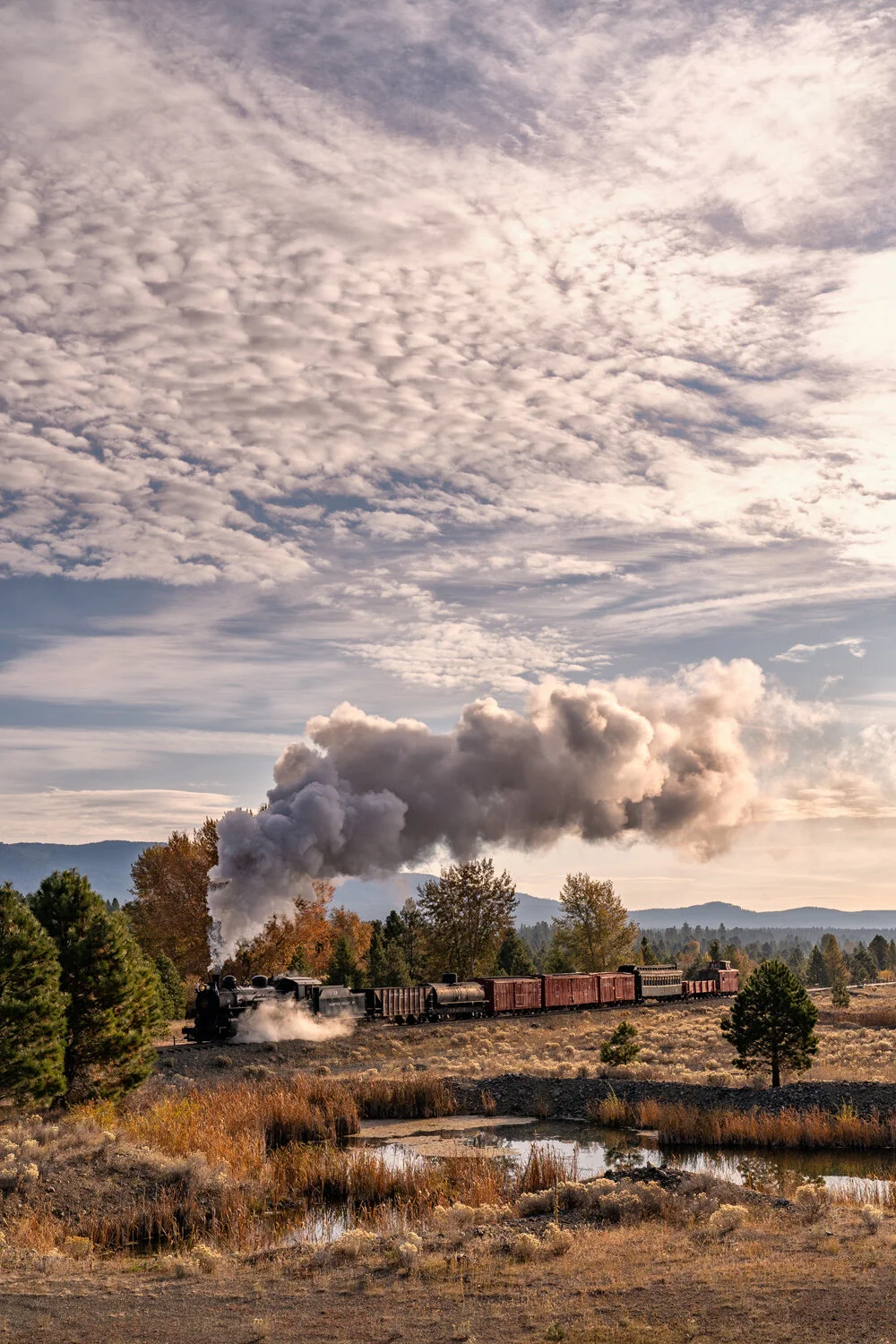
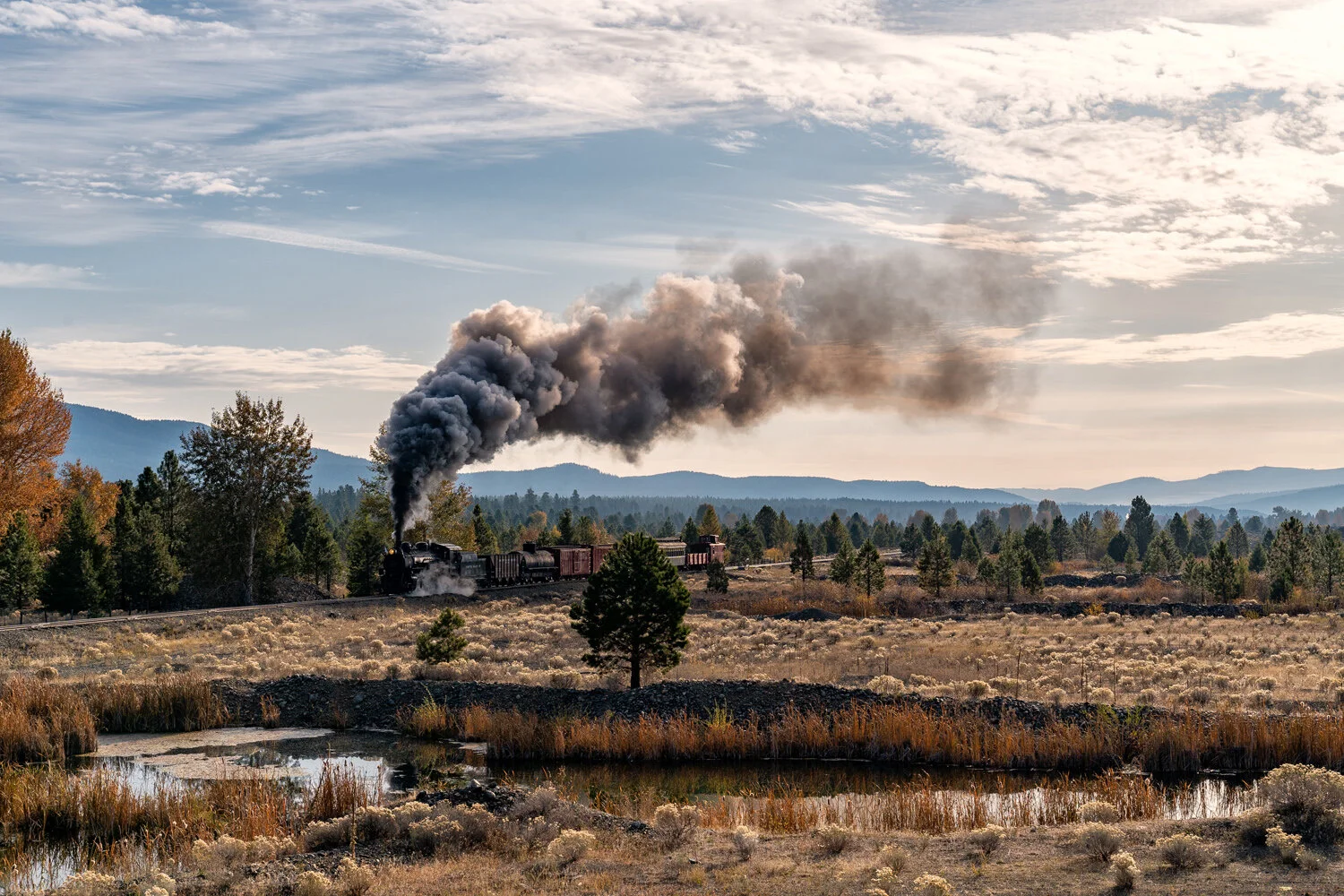
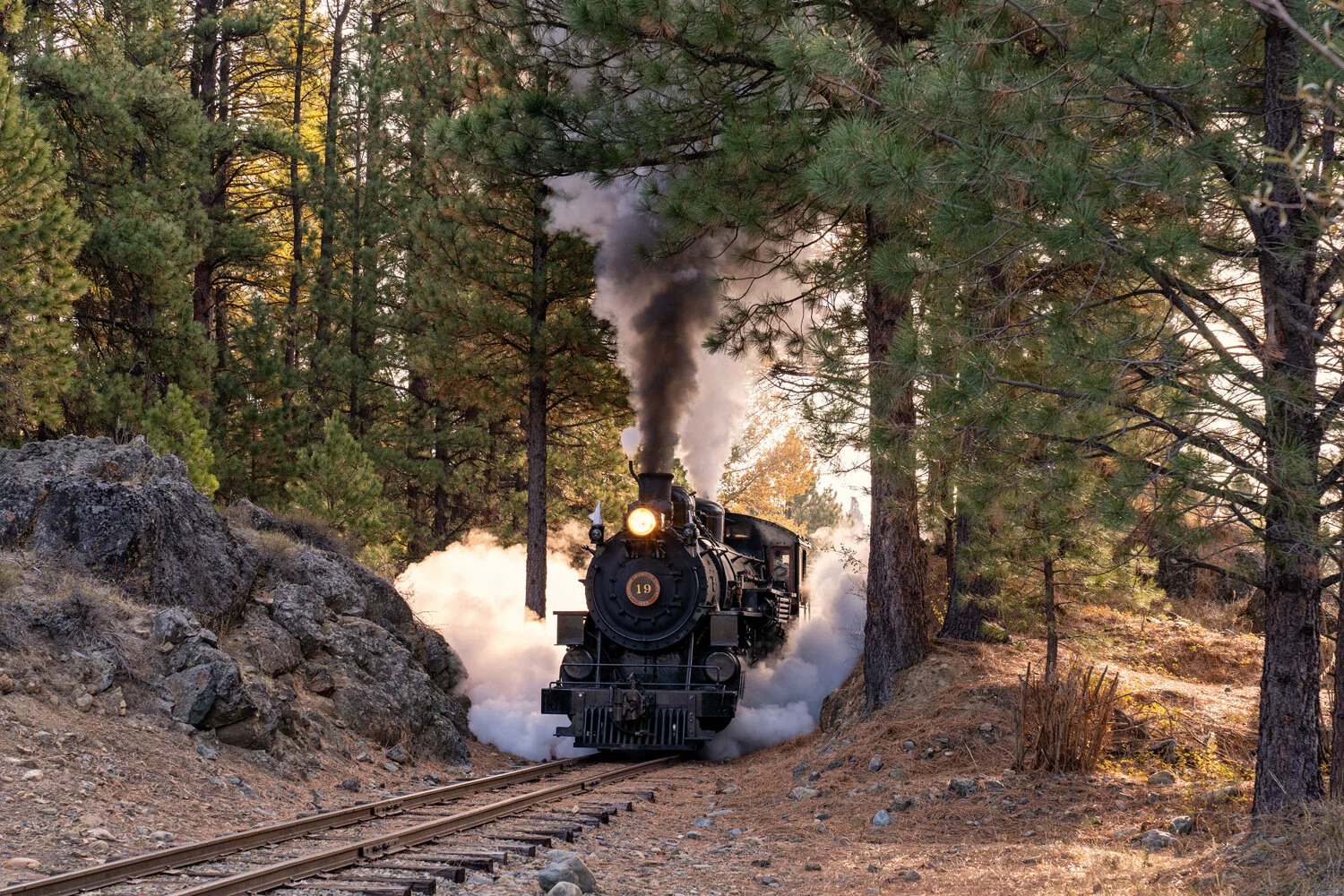
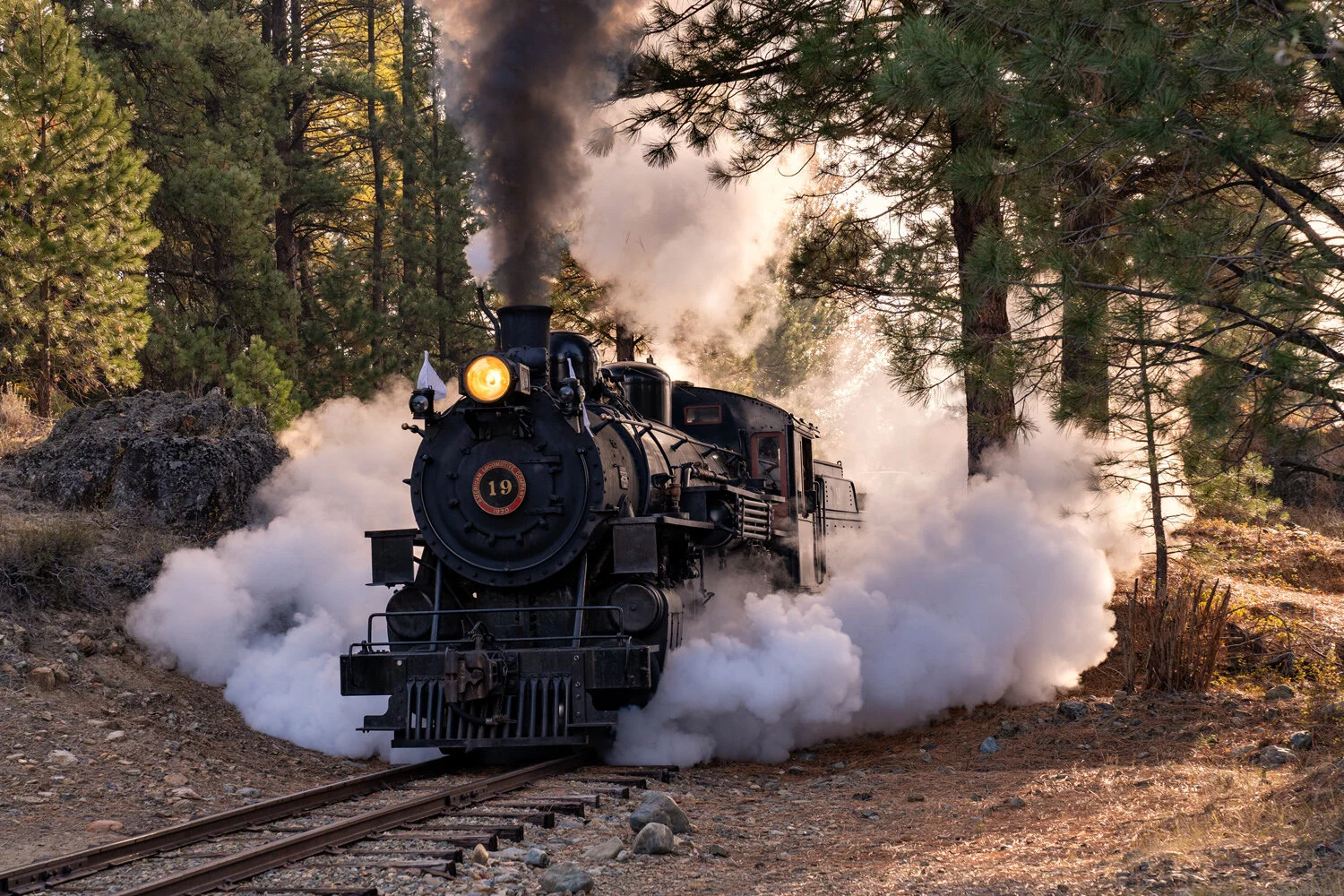
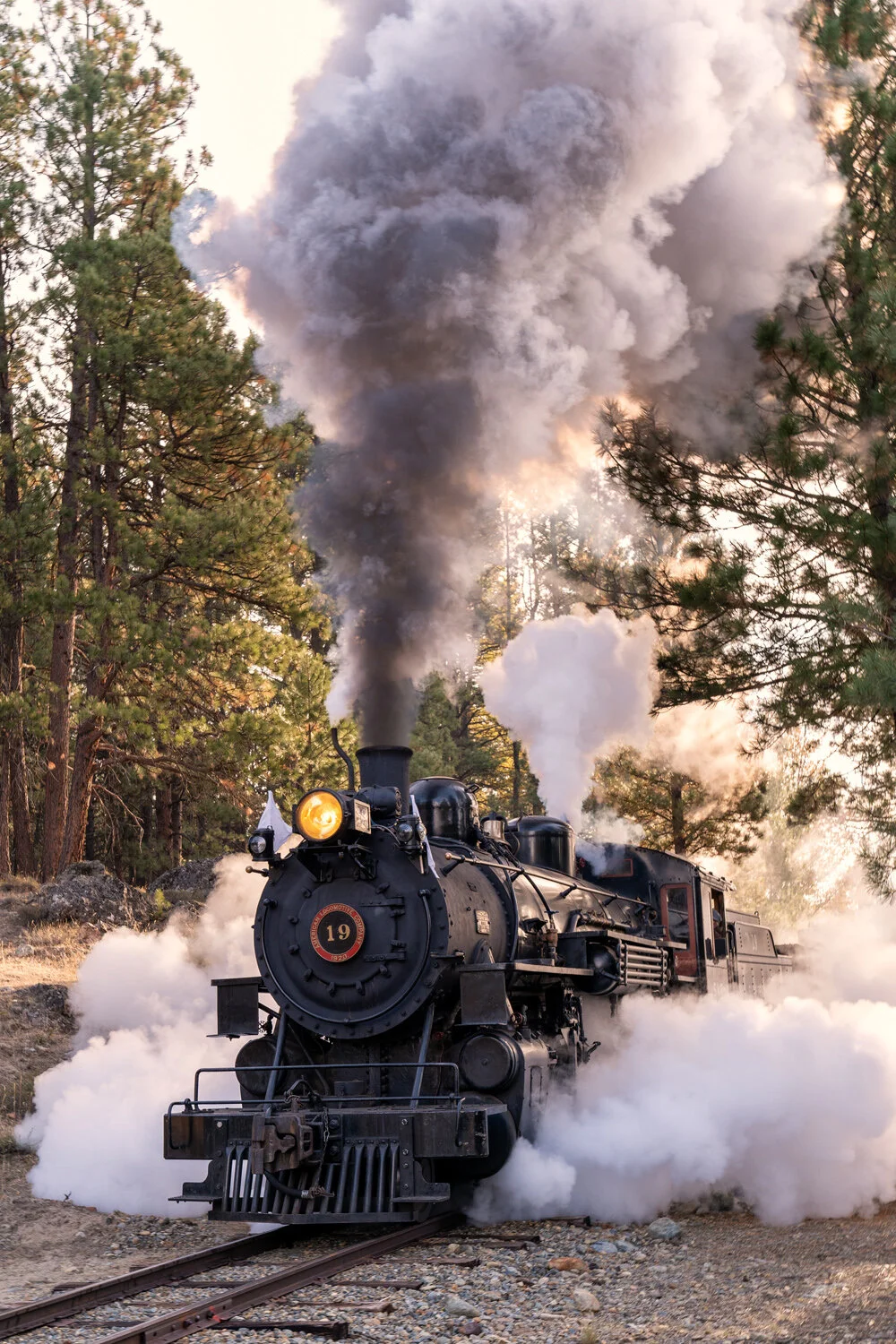
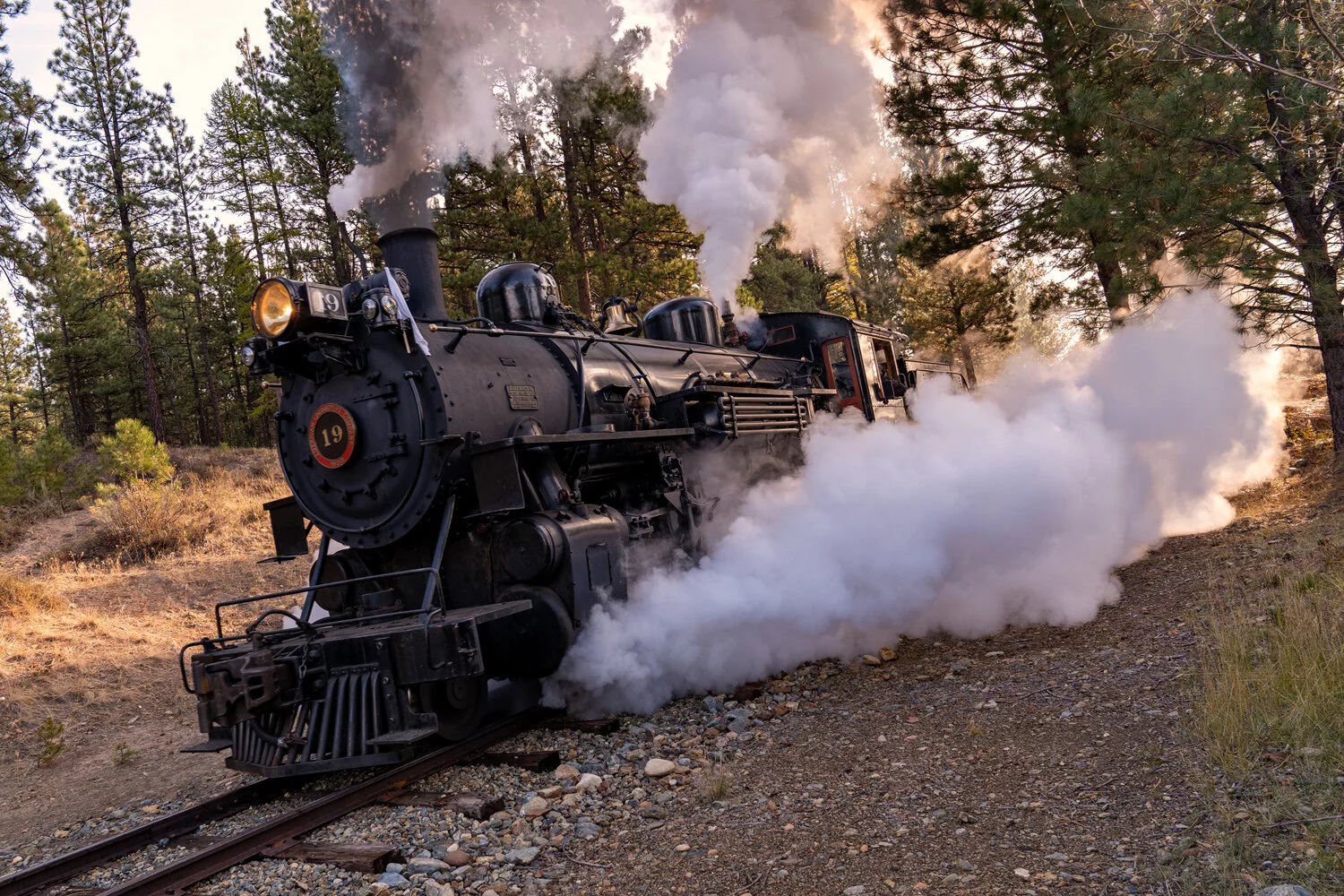
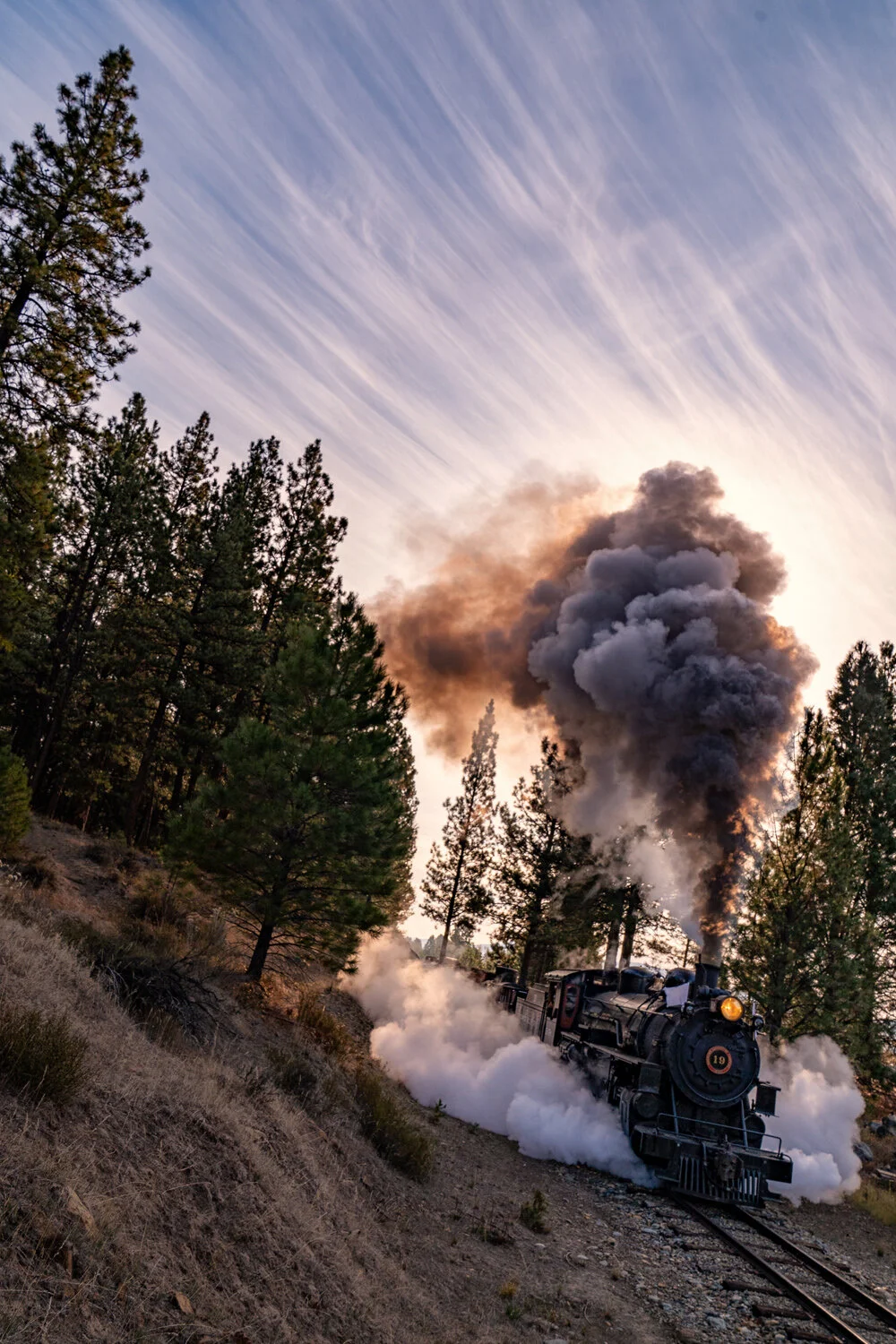
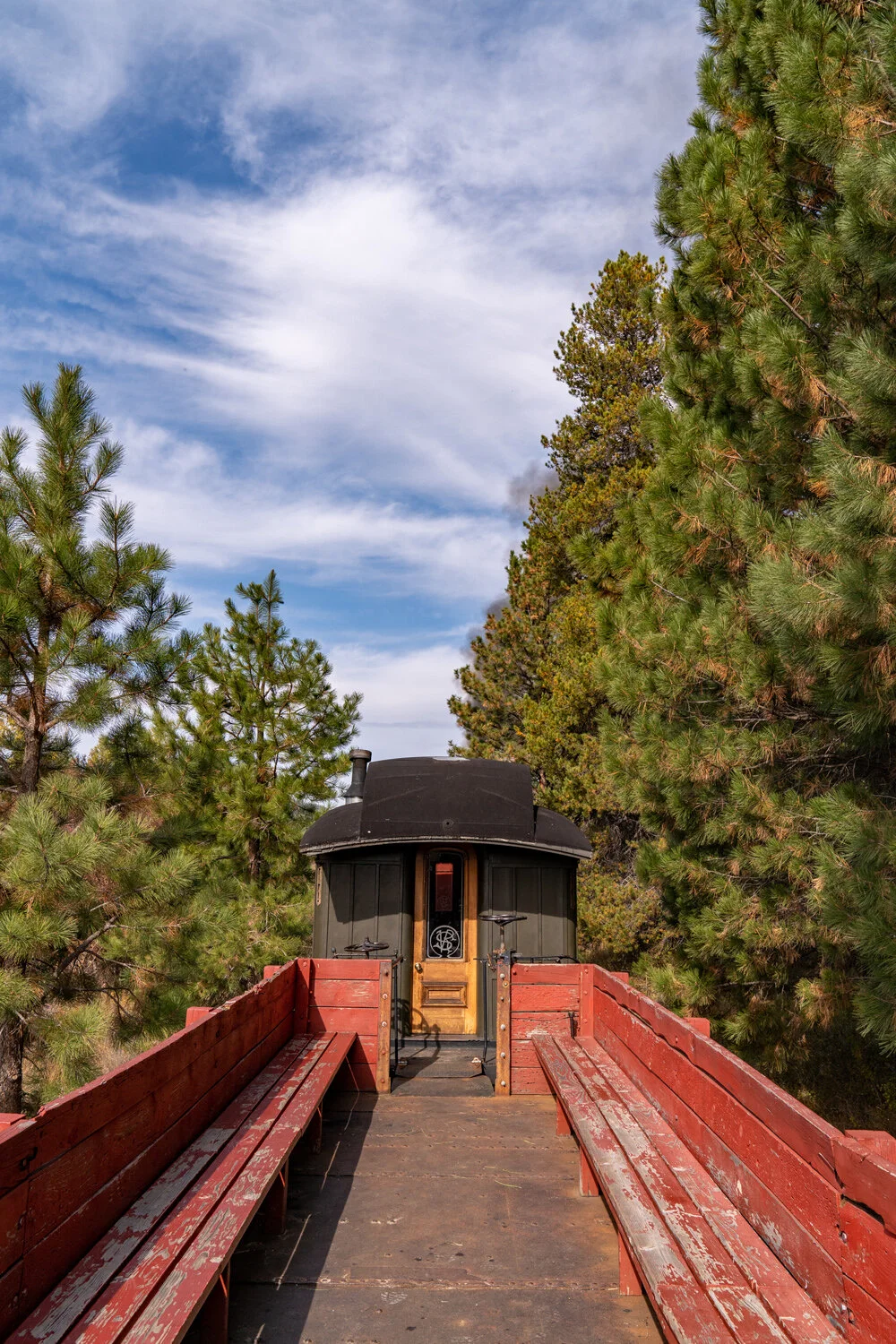
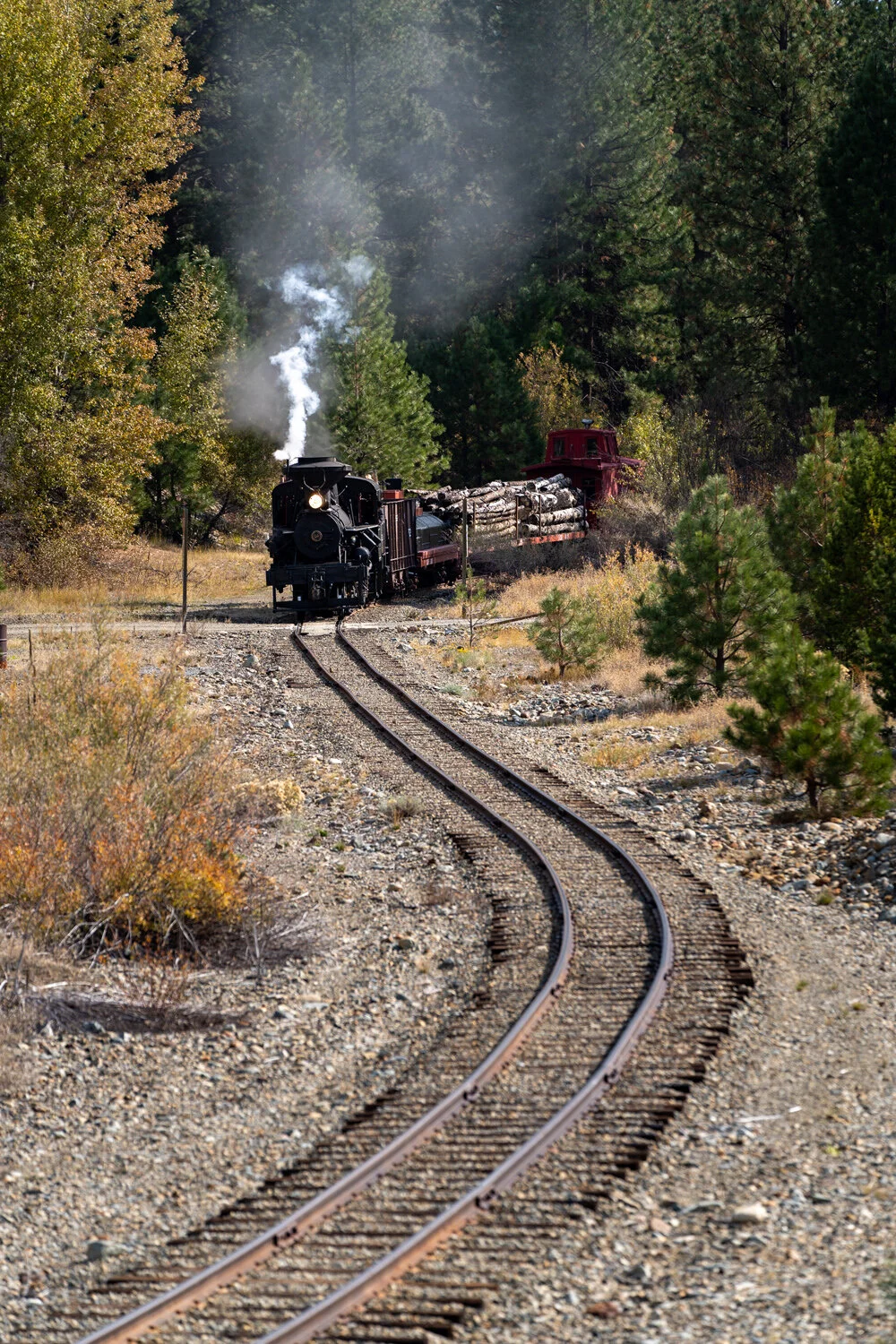
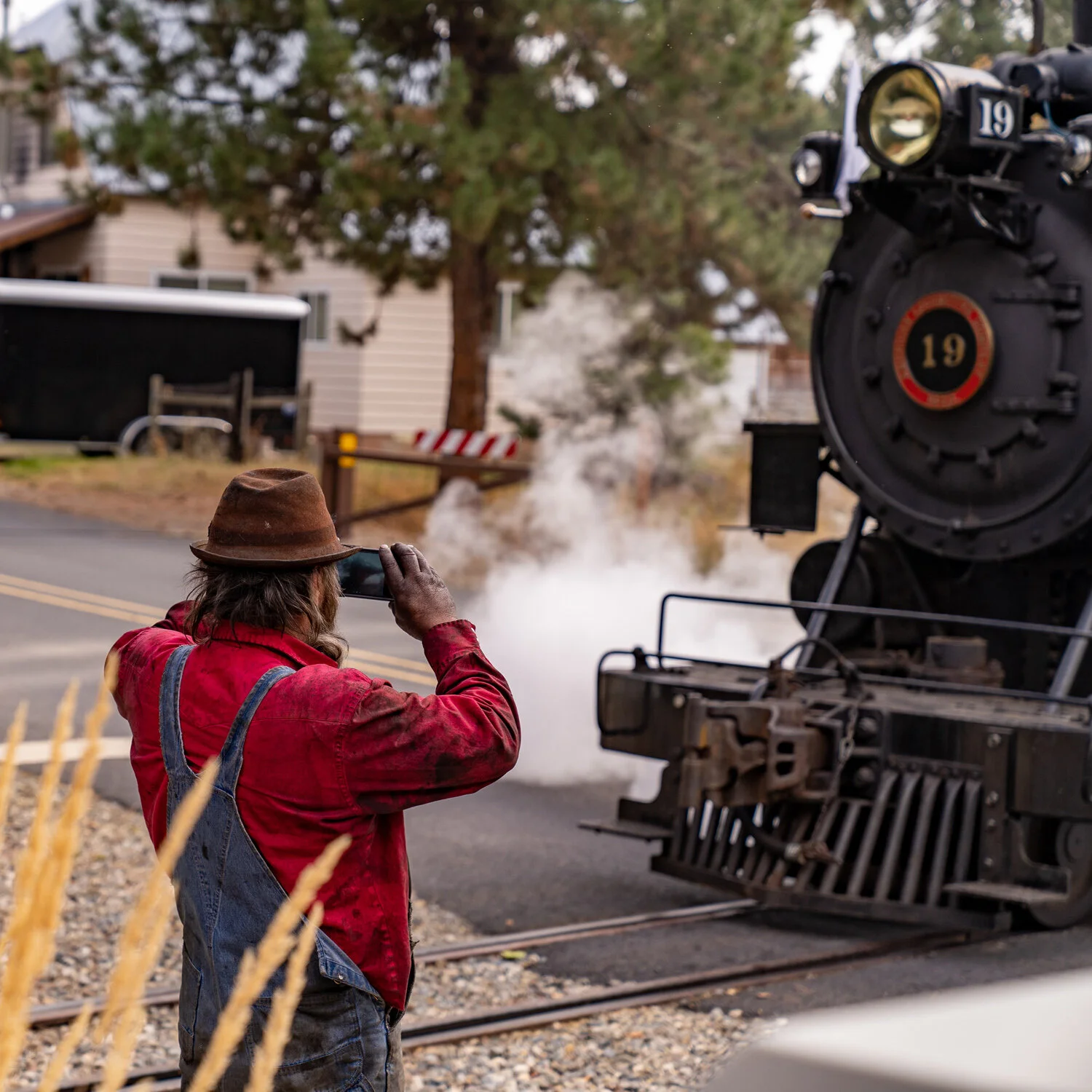
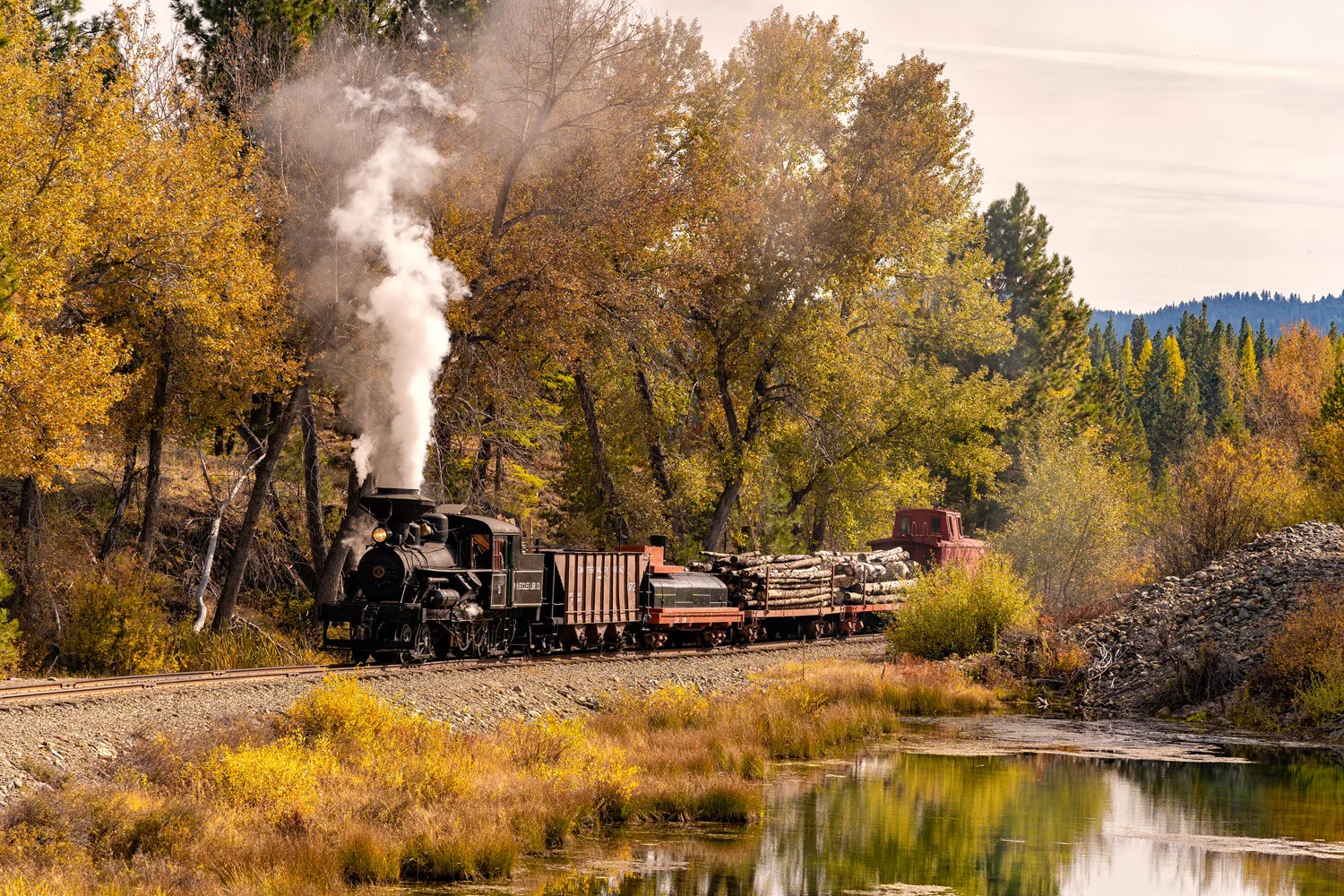
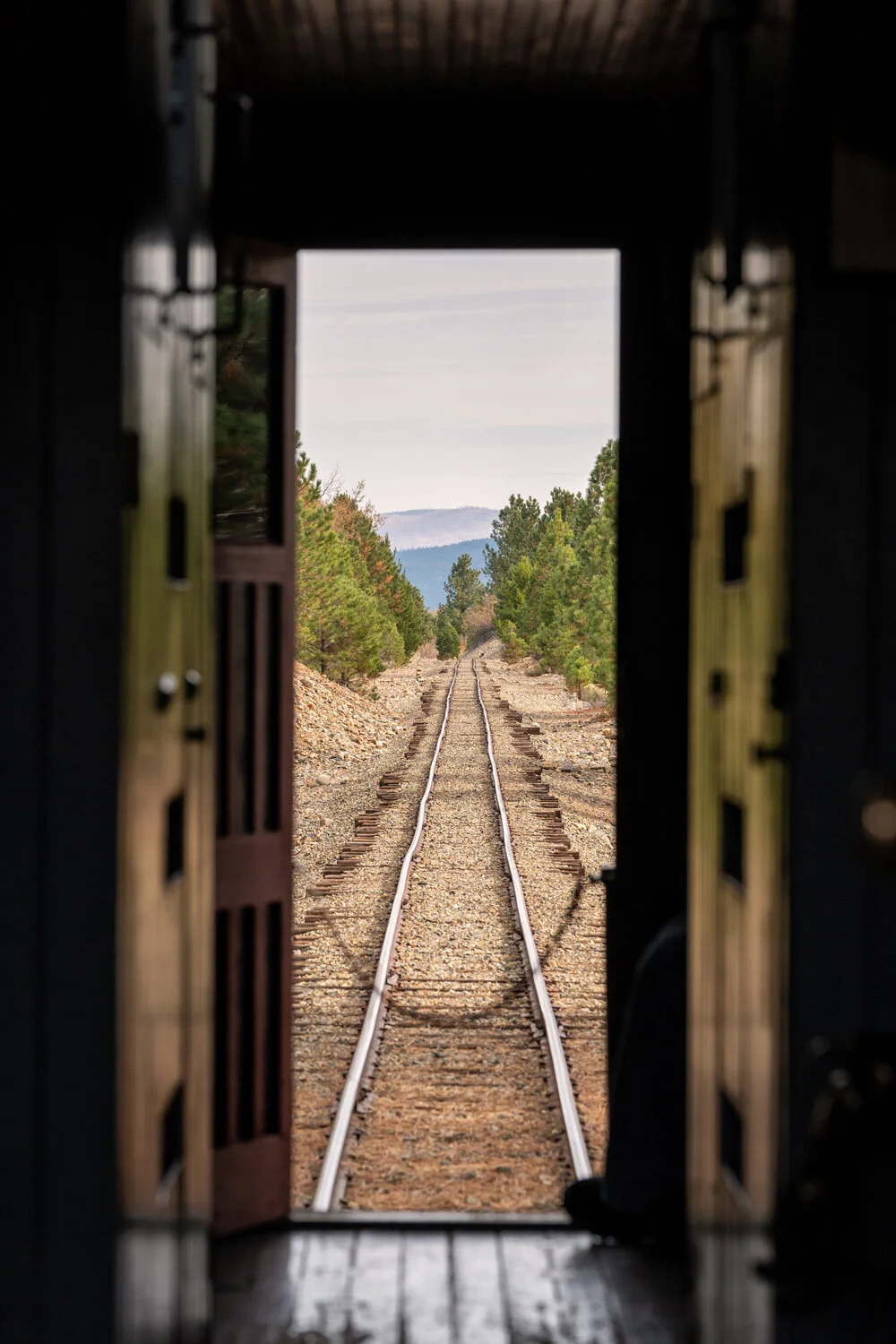
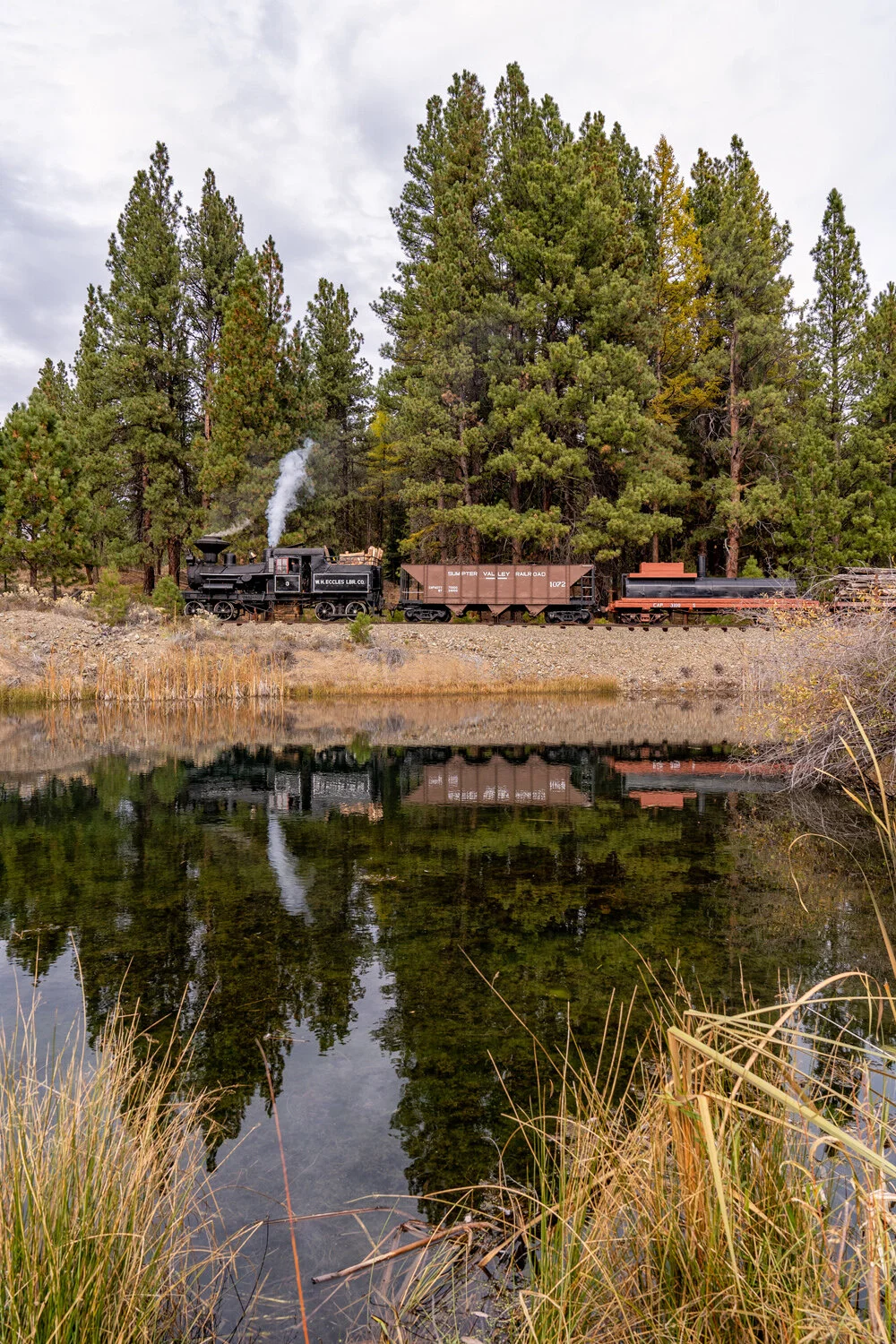
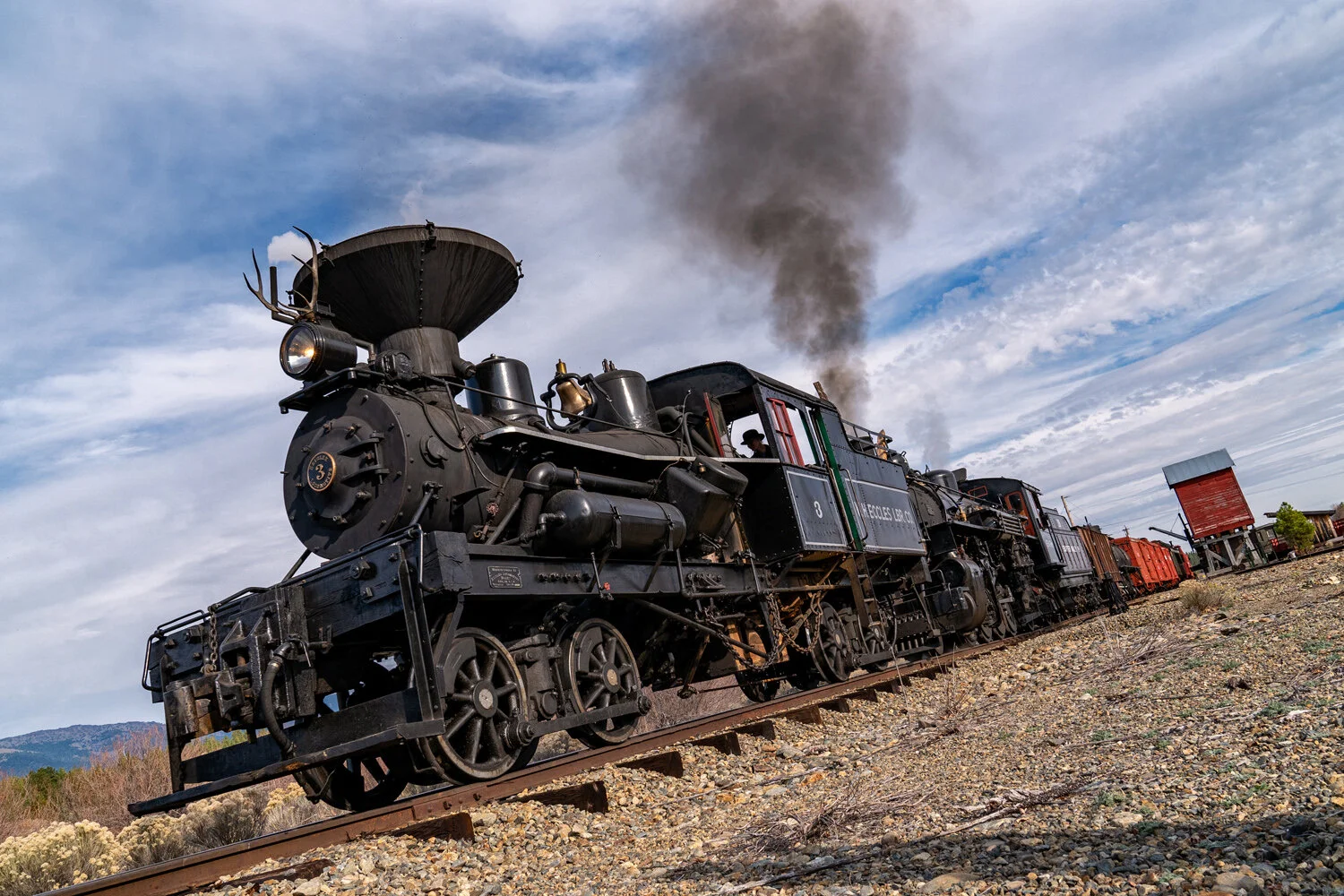
“Have the train go back one more car-length.” “See that S-Curve over there? Wait for me to get around that lake and then get it to start around that bend and behind those trees.” “Oh, and give me smoke. Lots of smoke. With color.” “Aaaaaand why not – blow the whistles.”
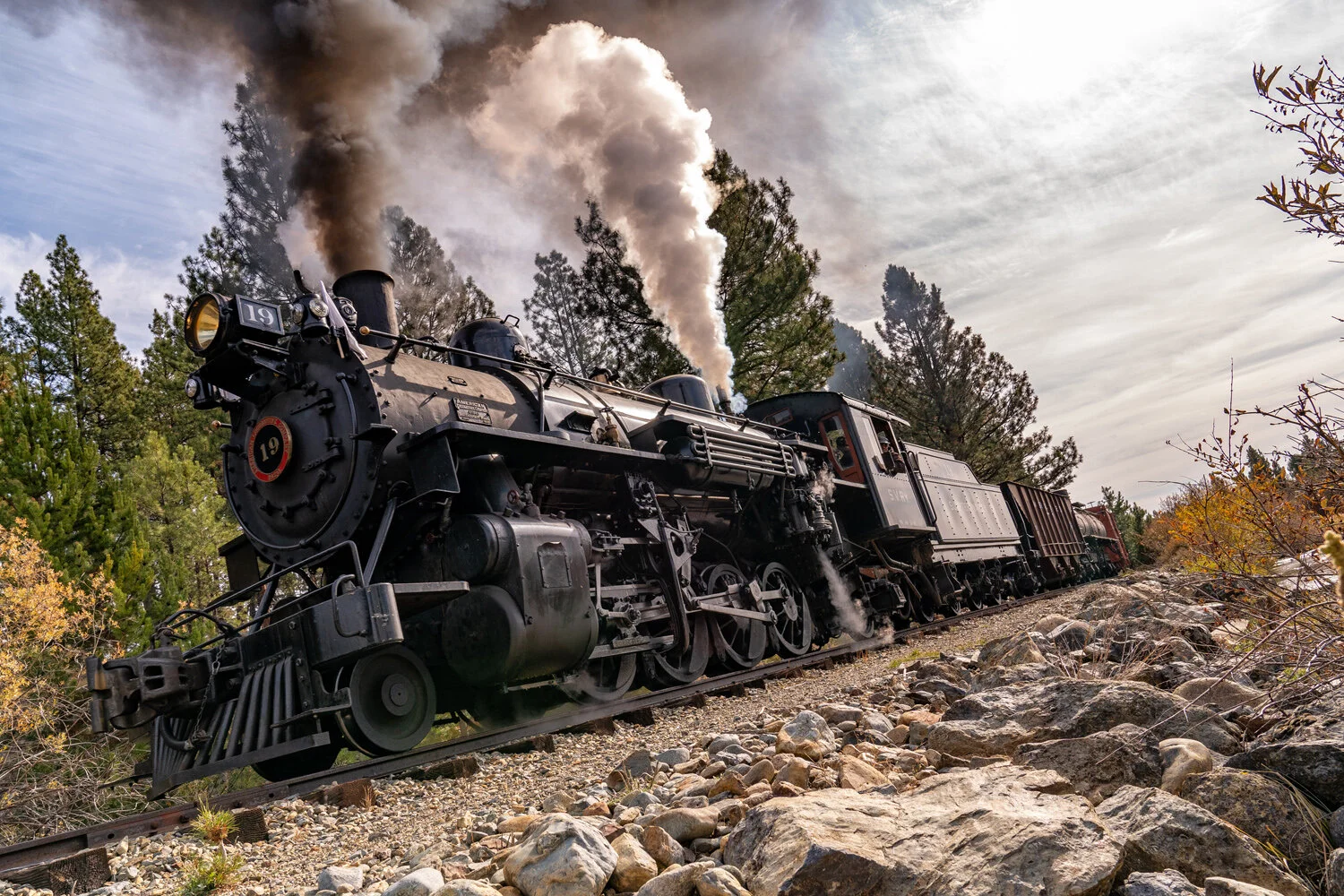
It’s not everyday you get to direct a historic Union Pacific steam engine (or two) to do what you want it to do up and down a stretch of authentic narrow-gauge rail in Gold Rush country, but, well, this wasn’t an every day.
And no, this wasn’t a movie set either.
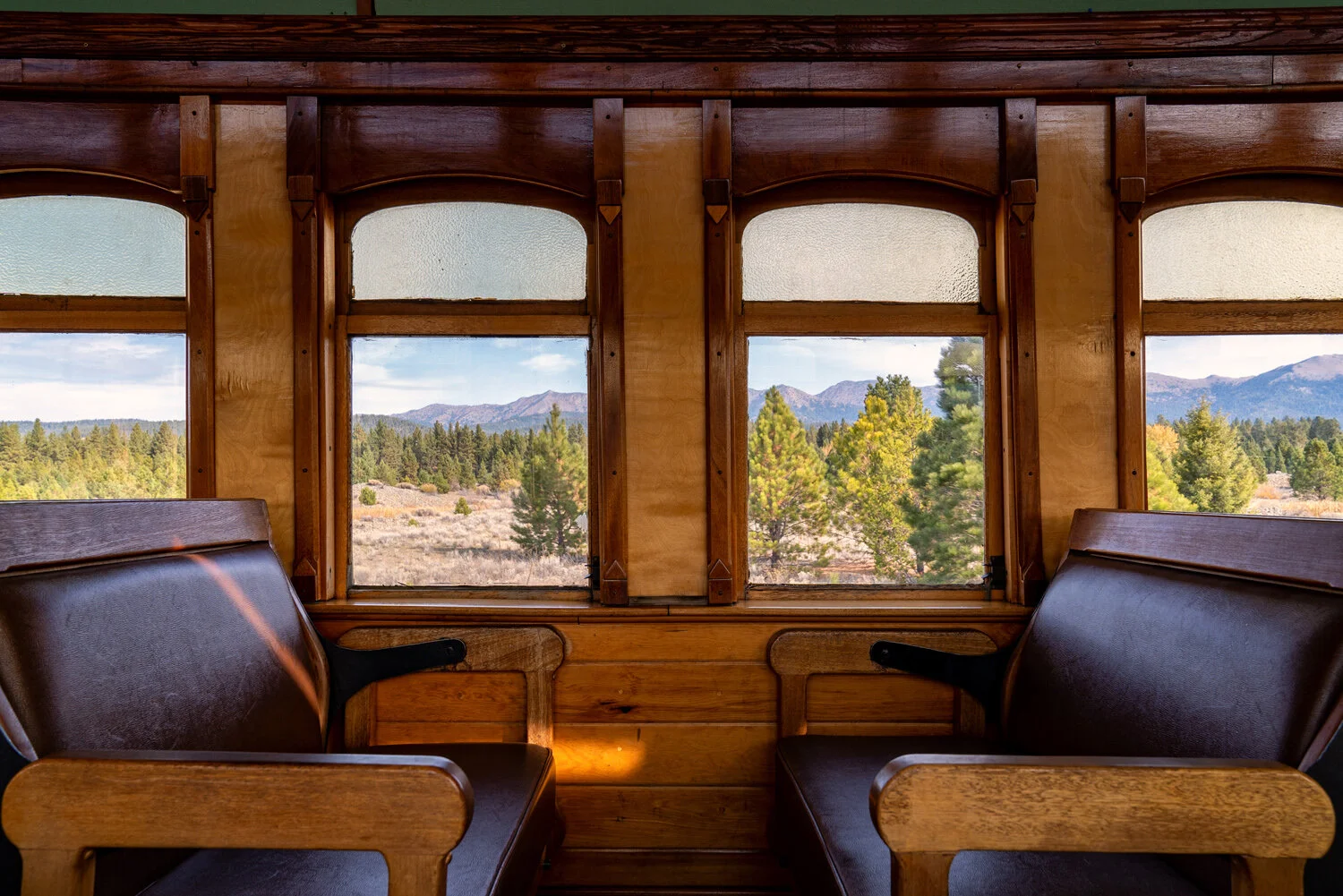
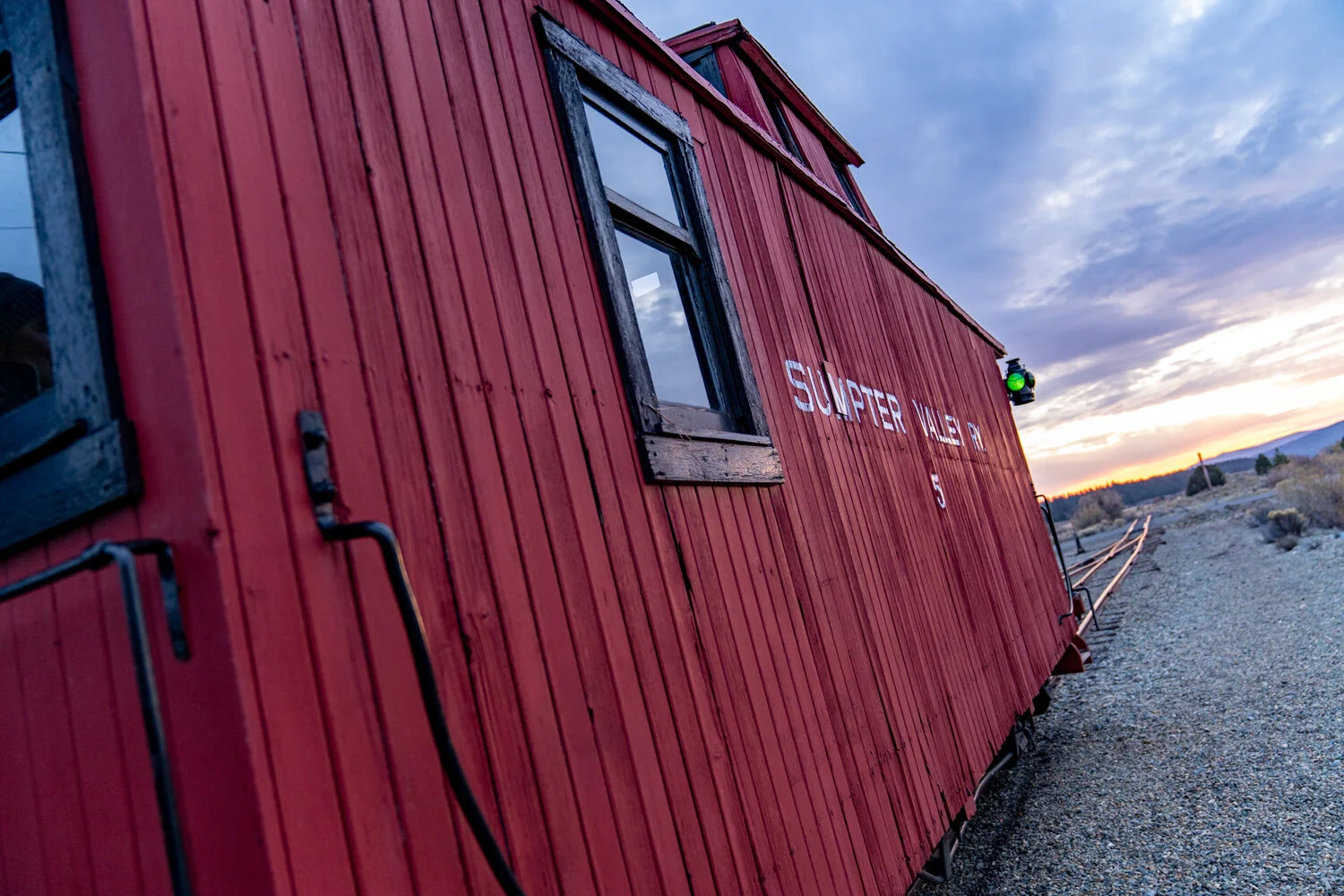
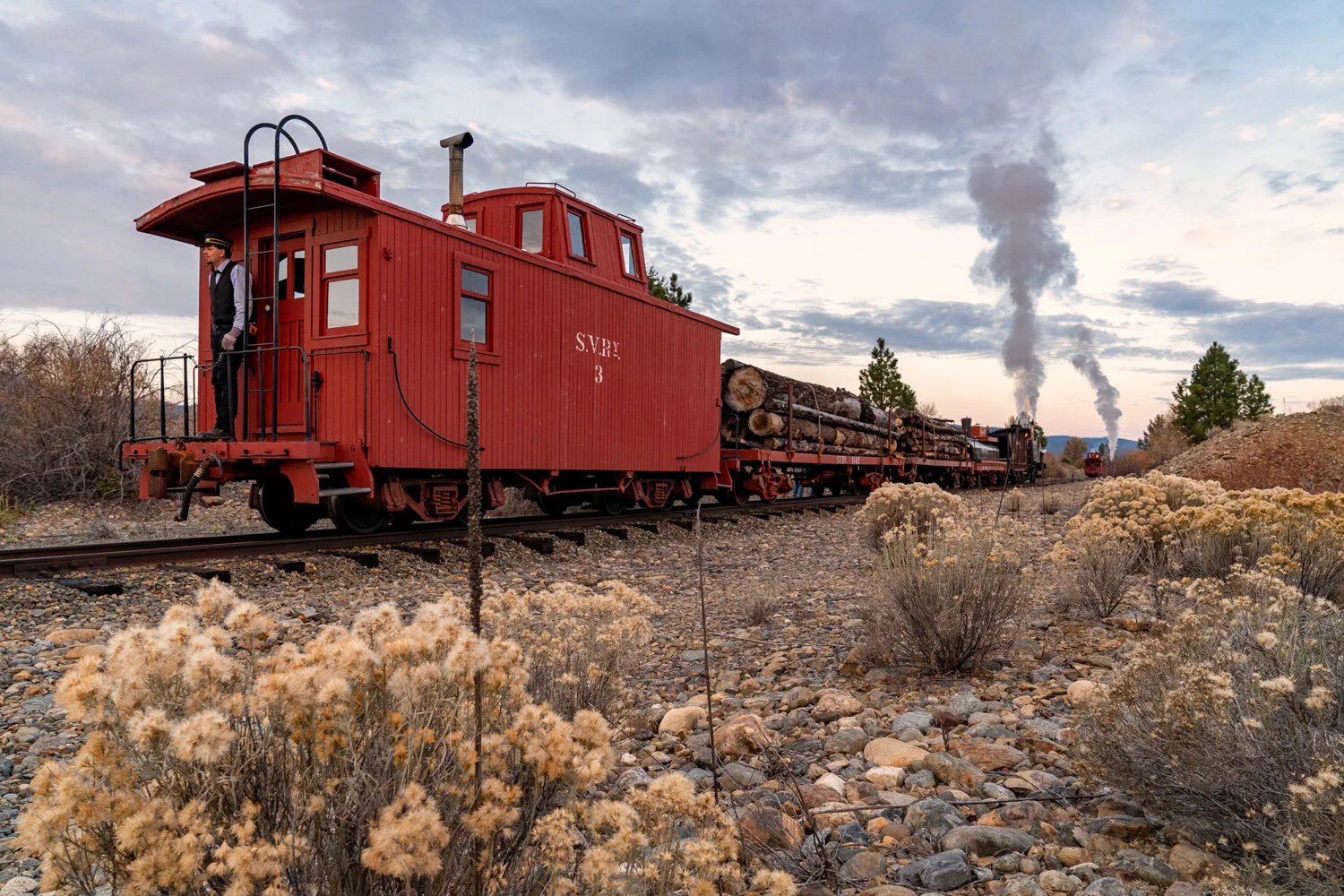
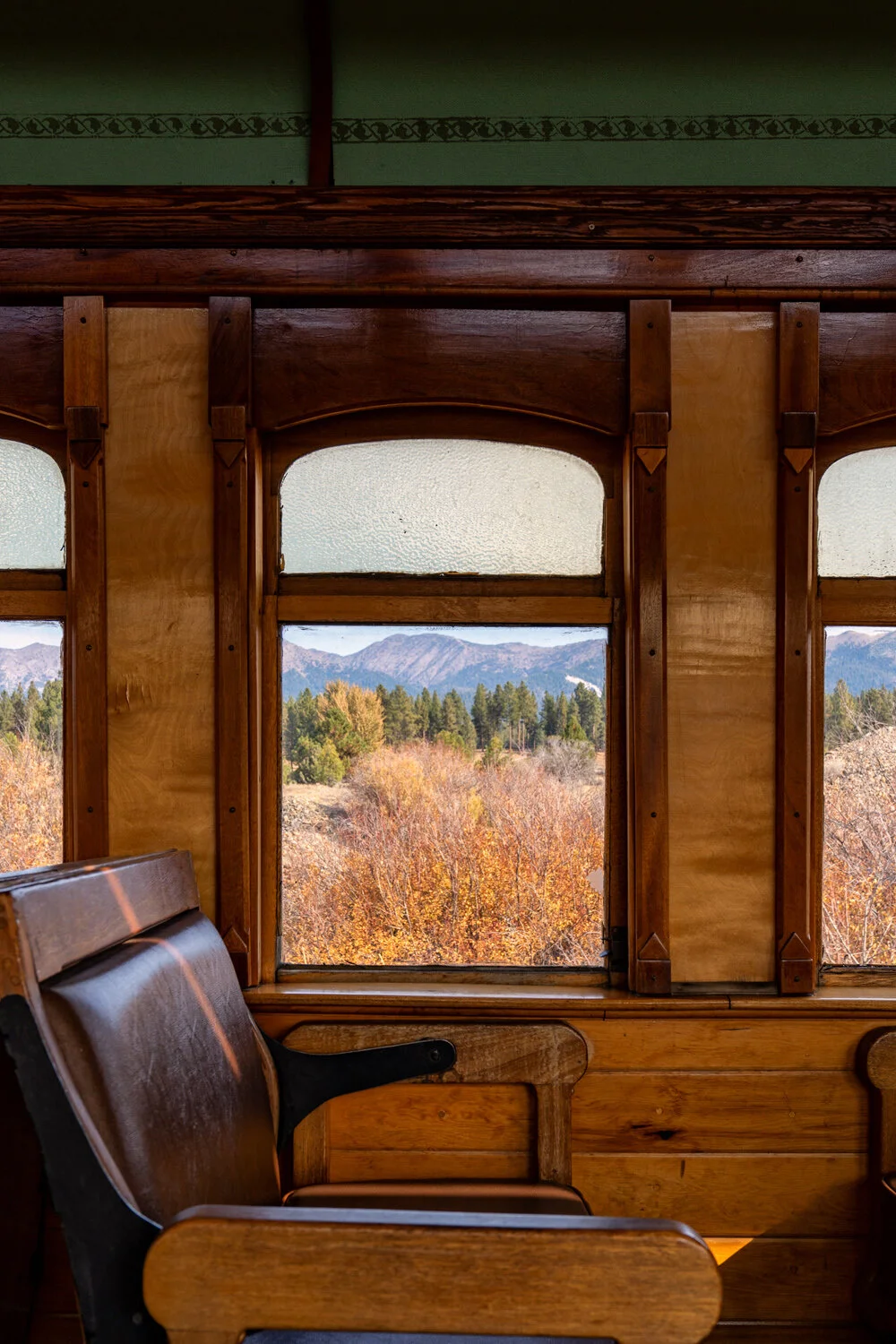
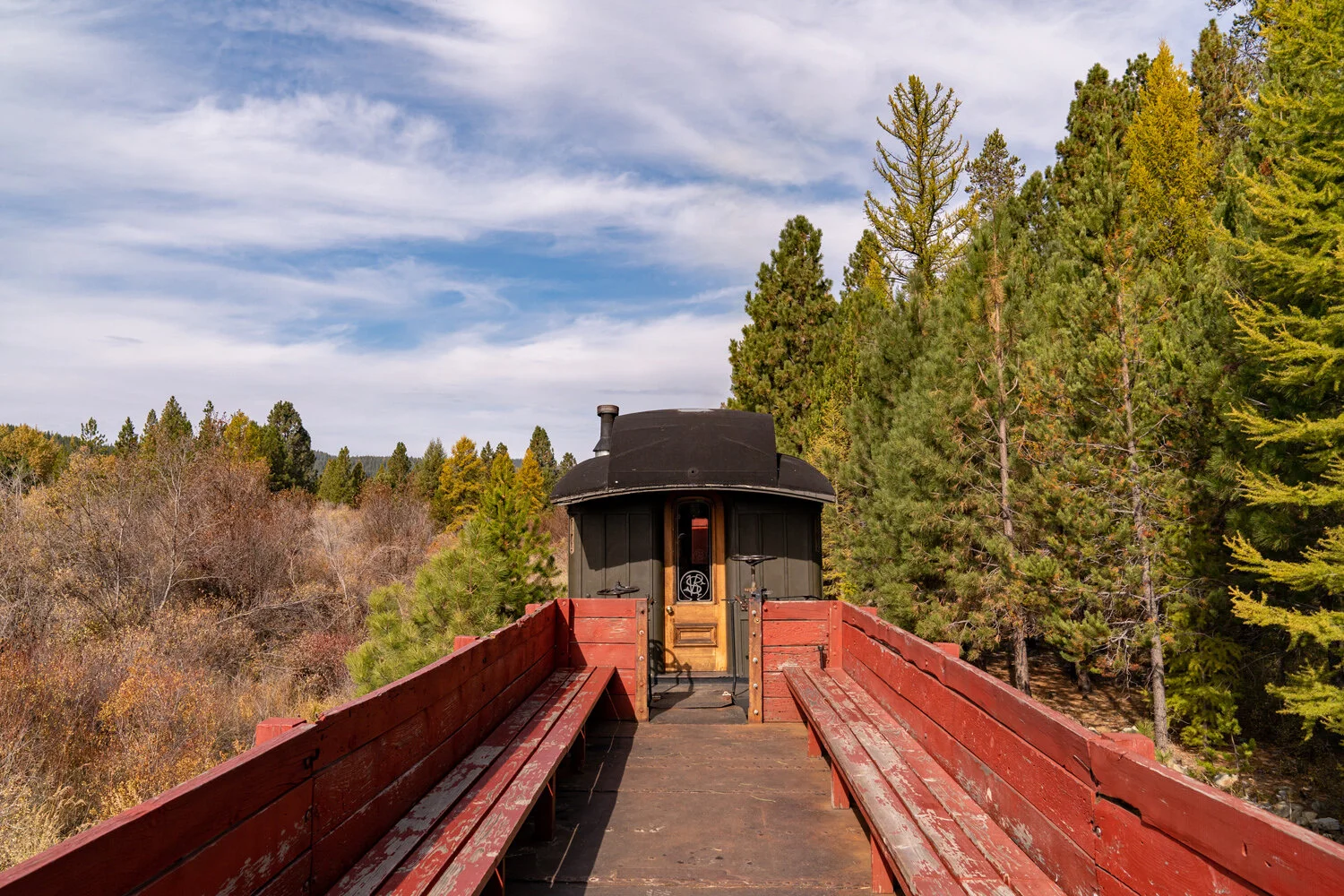
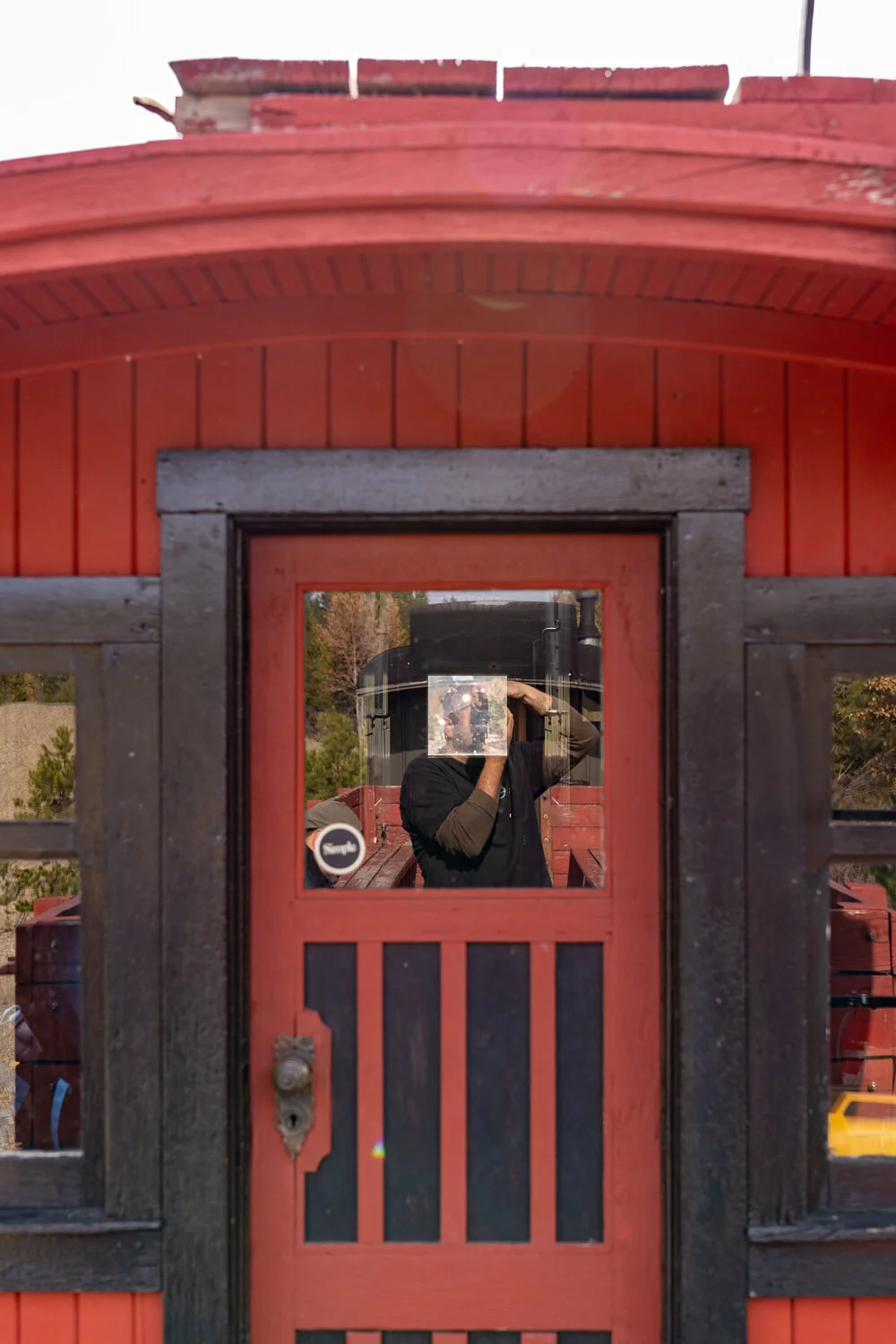
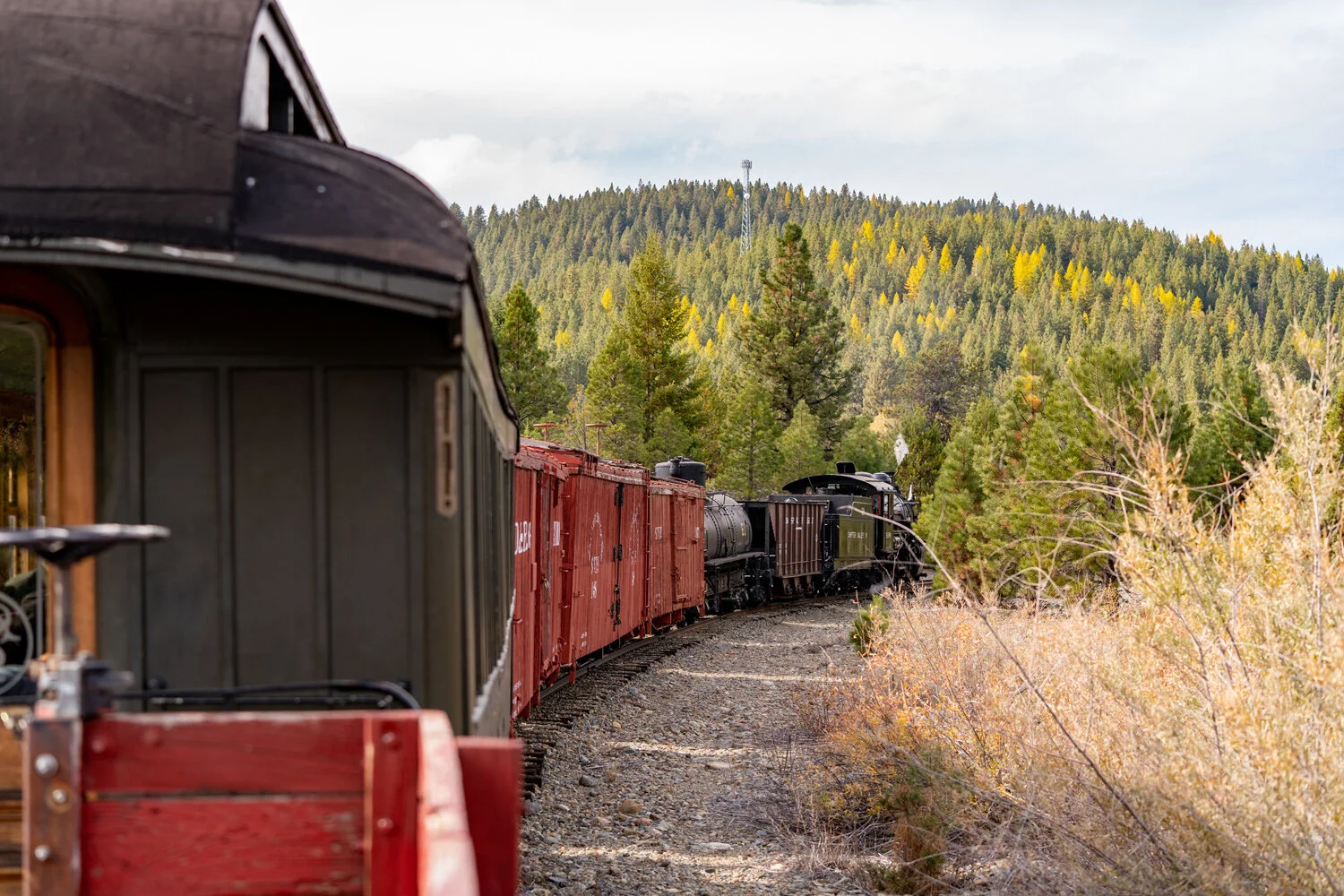
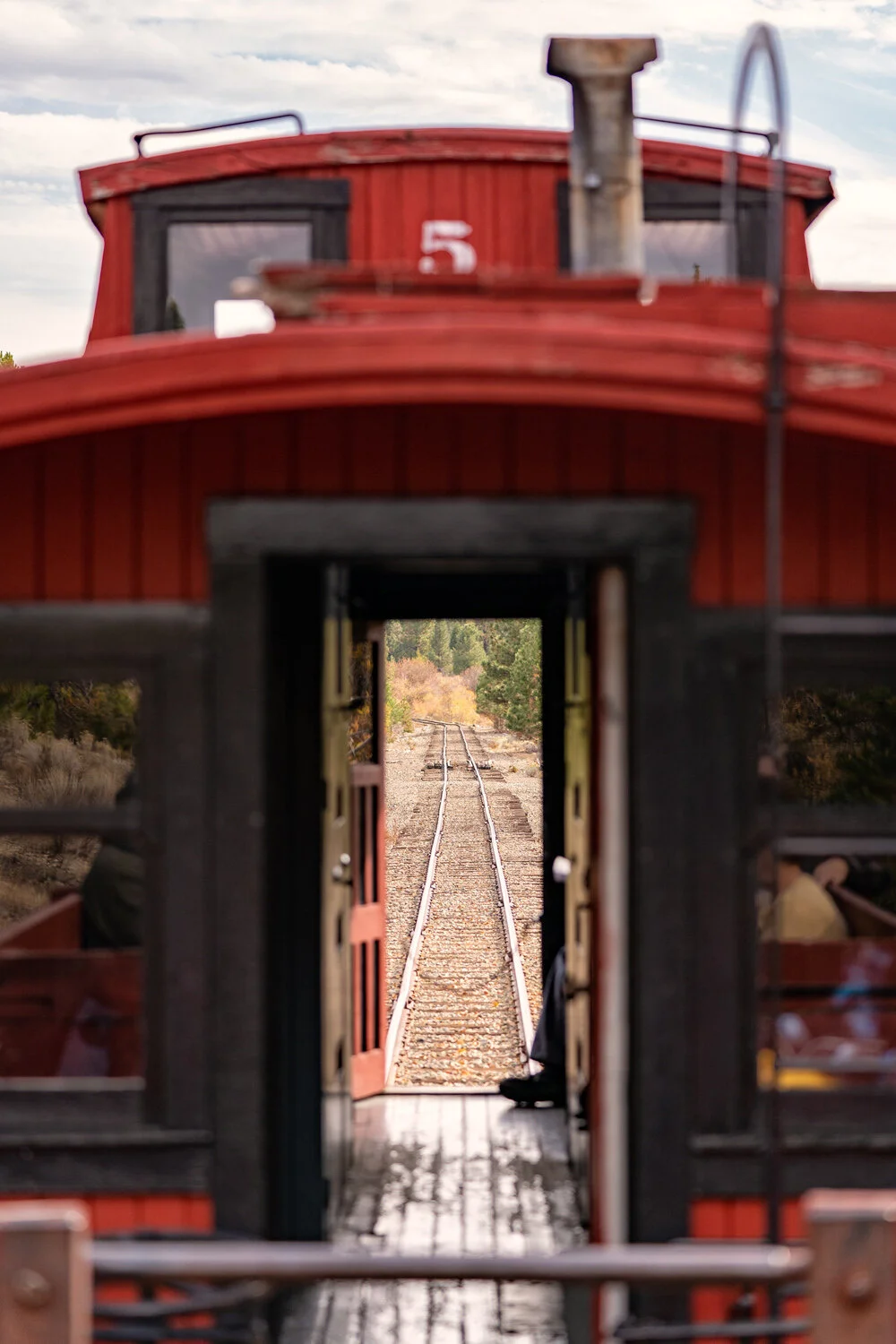
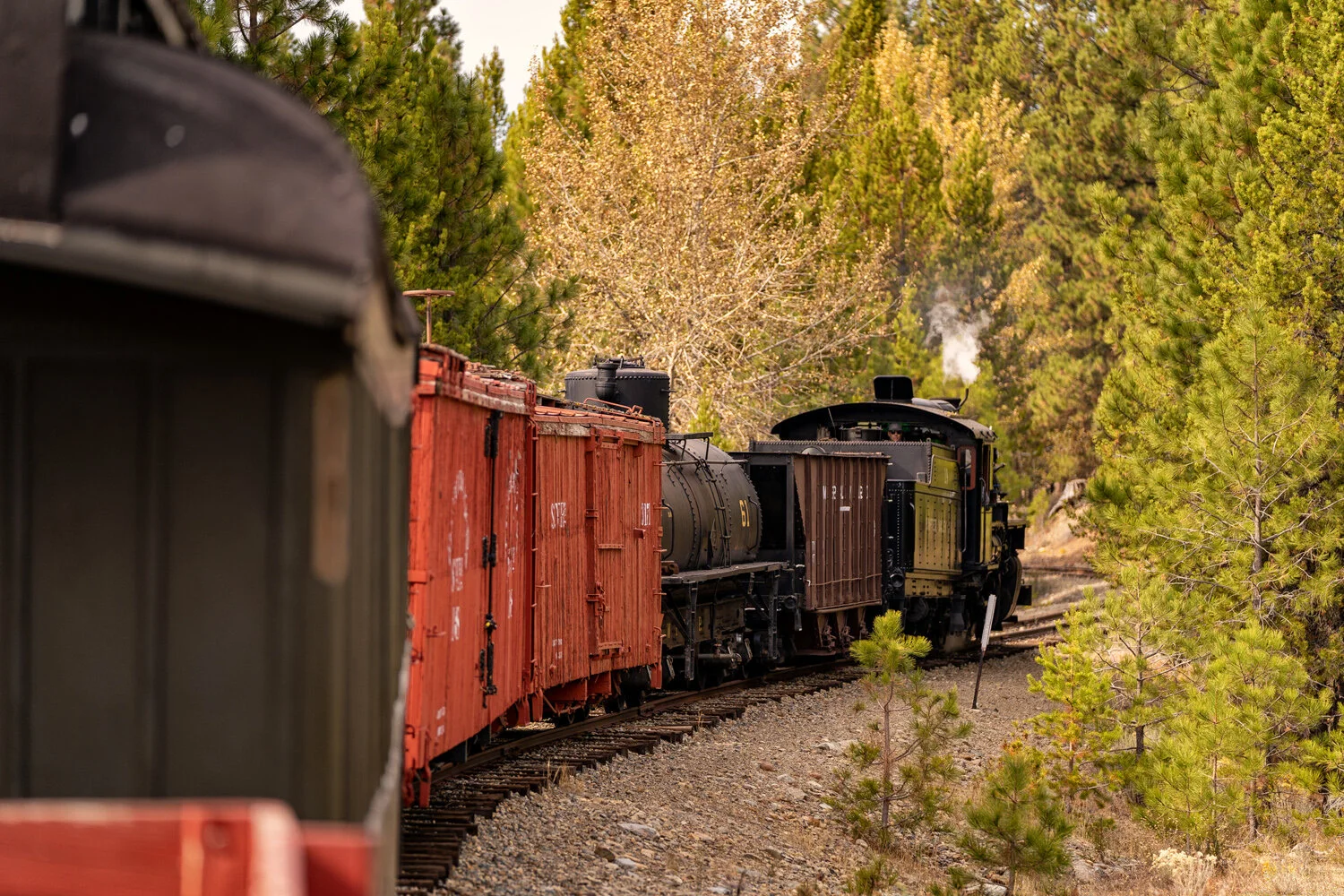
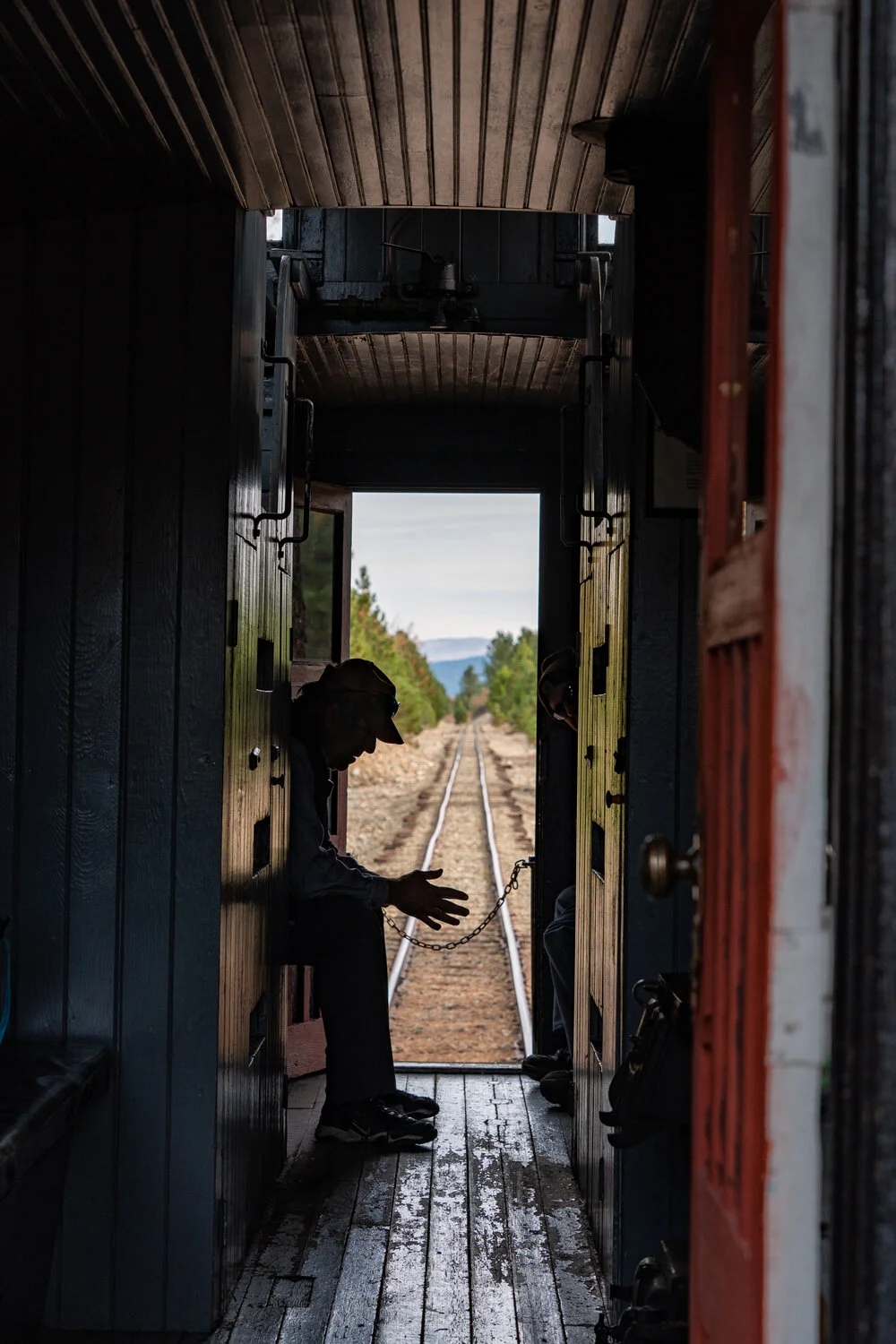
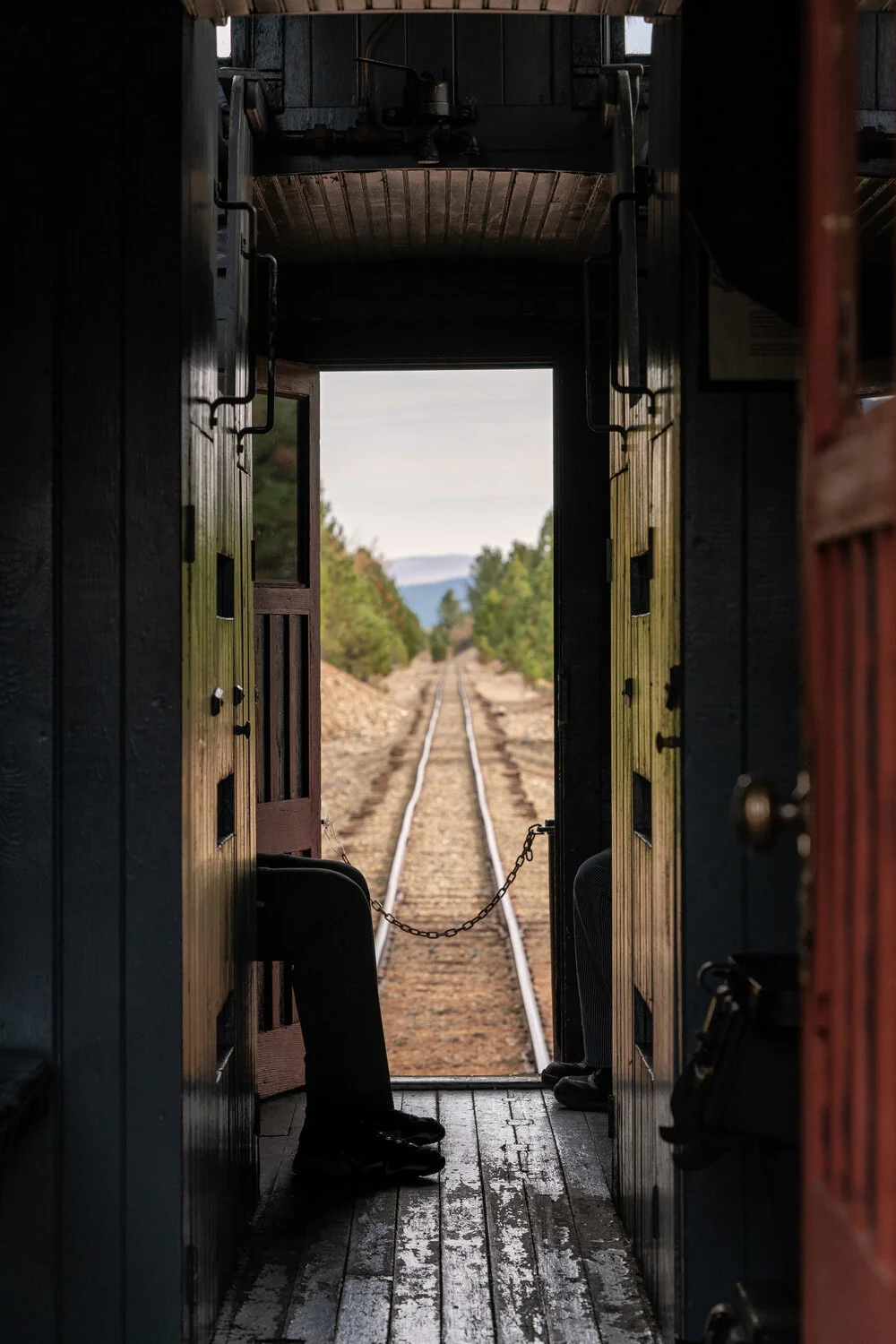
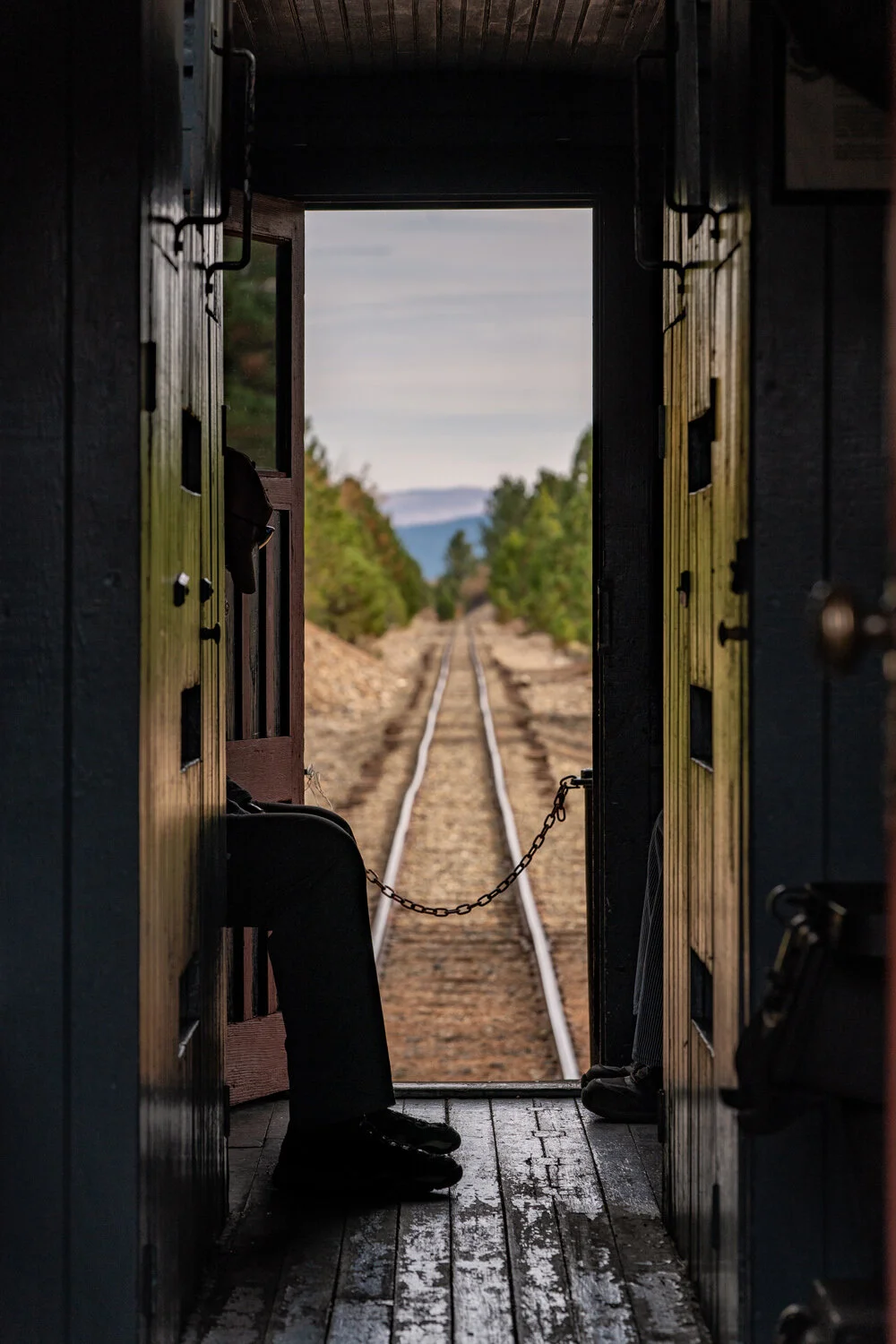
This was the Sumpter Valley Railroad Photographer’s Weekend, an annual post-season event hosting photographers (or simply history buffs and train enthusiasts) to a weekend designed to cater to their every reasonable (and often-unreasonable) whim.
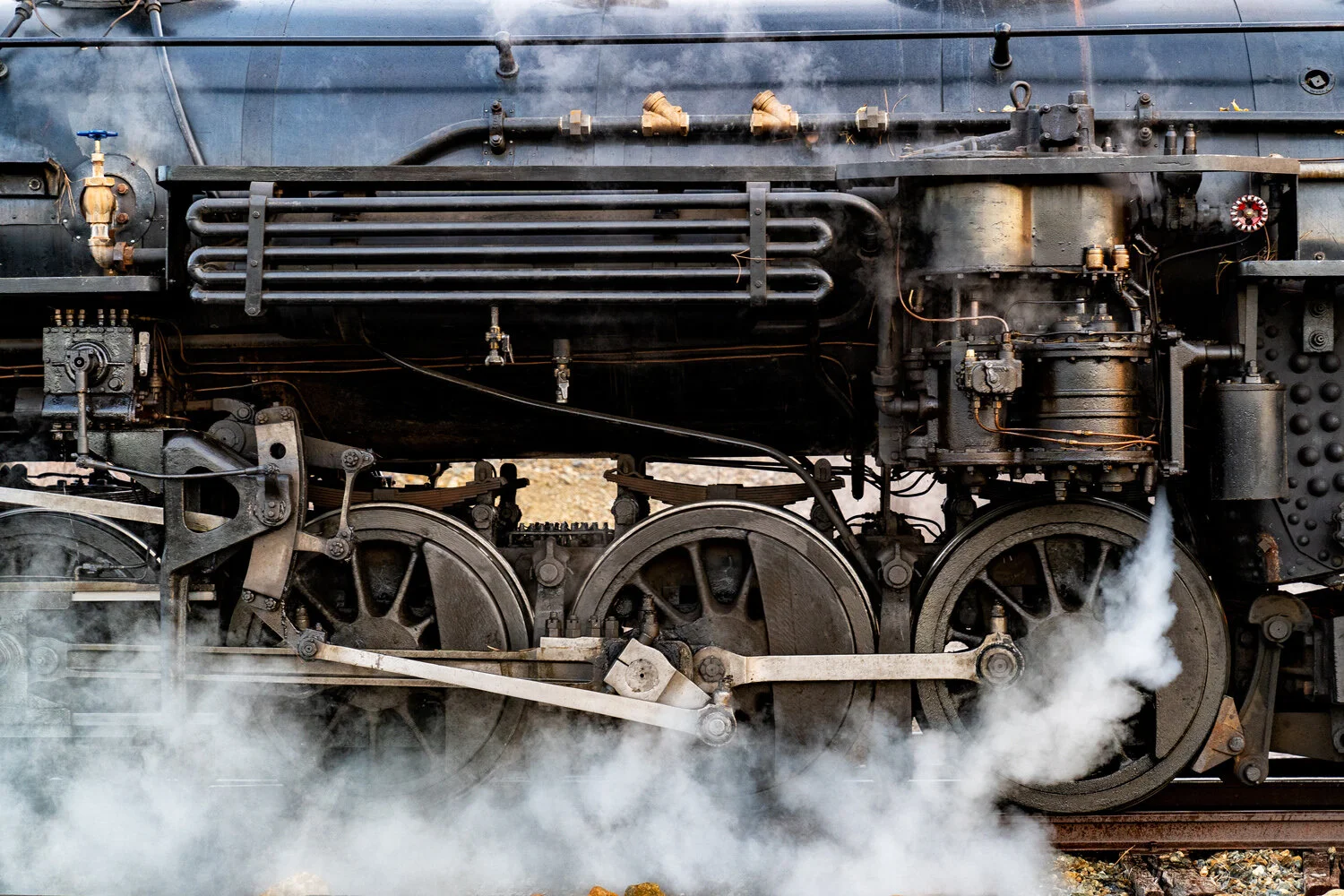
We basically had our run of two century-old steam engines – a 40-ton Heisler and a 90-ton American Locomotive Company 2-8-2 – that ran along about 7 miles of track between McEwen and Sumpter stations in the Sumpter Valley region of central Oregon, much of which was donated to the region by Union Pacific Railroad in an effort to help preserve and promote its history here.
Essentially, what would happen was, the conductors knew some spots, and if a photographer saw a spot they liked, the train would stop, let us all off, and we can run around to find position, set up, and shoot. And if we didn’t like what we got, we could tell the train to do it all over again.
Yes, tell the TRAIN to do it all over again…
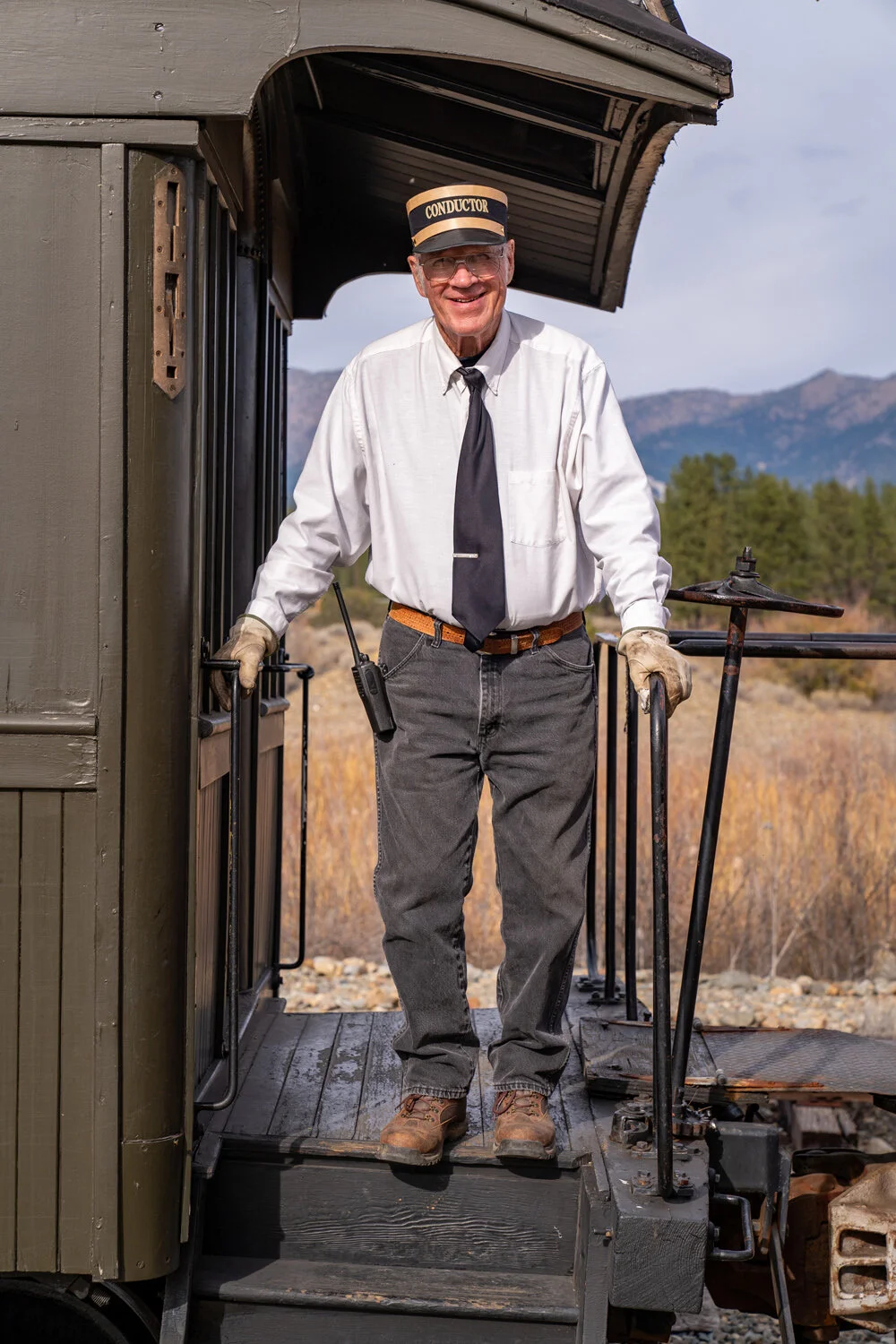
As the conductor said “we’re here to make sure everyone gets the perfect shot, so don’t be shy.”
This was insane.
But I digress.
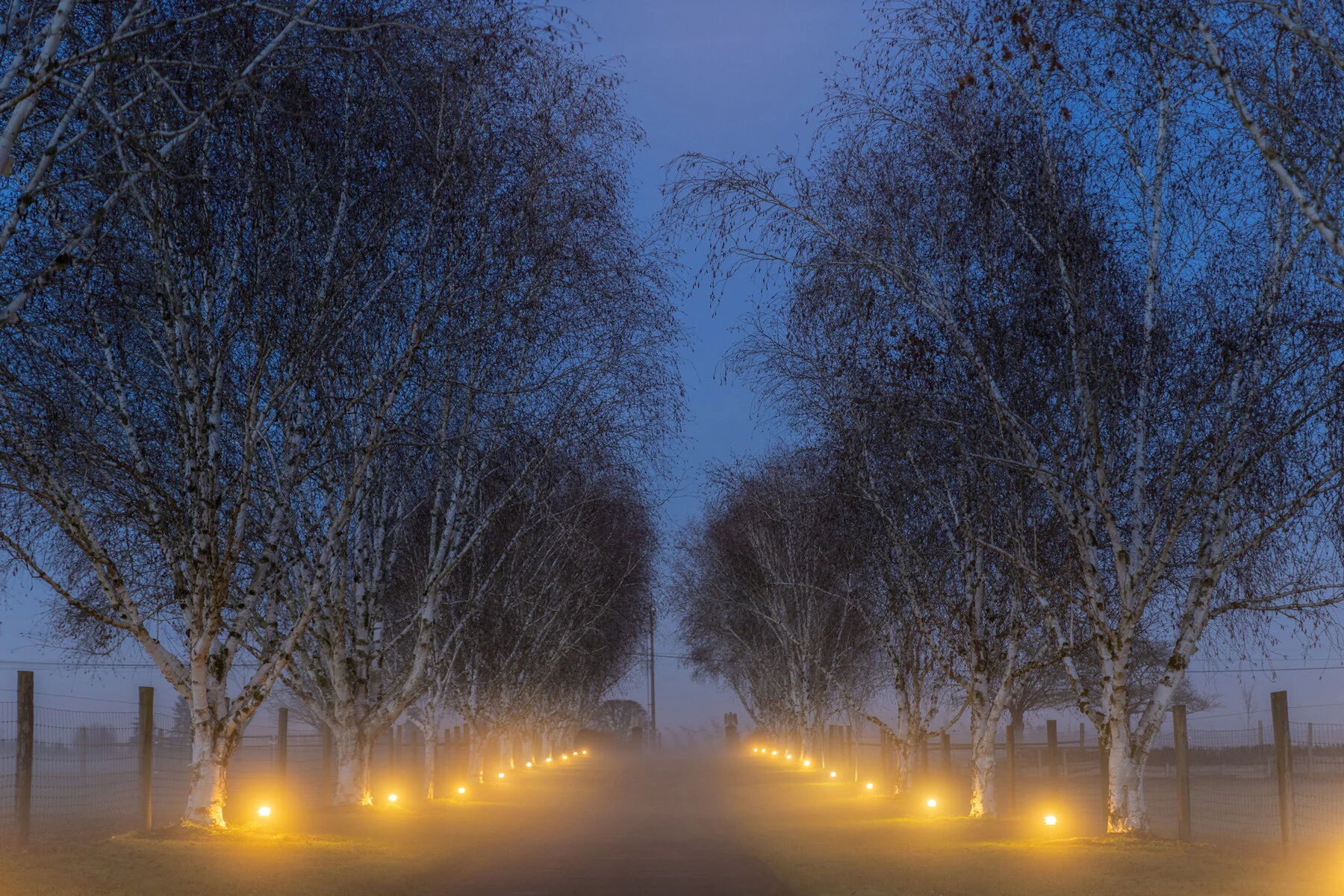
Fall. Pacific Northwest.
Being as this is my 3rd autumn here in Portland, Oregon, I am now quite familiar with the incredibly short period of time in between the leaves beginning to change and all of them ending up on the ground, to the dismay (and glee) of property-owners across the region.
Peak autumn color happens fast. VERY fast.
Well, this year, I was just returning from a work trip as the leaves began to change, and was wrapped up in local gigs as they were beginning to peak, and I knew I’d be out of town on another gig as they were at full peak, so while I knew that I’d be missing the height of the color and the season, I knew I had to get at least SOMETHING.
So when my cousin hit me up and told me he needed a little vacation and decided to come to Oregon for a weekend in mid-October to rent an RV and cruise around with no particular agenda in mind, I saw my opening.
HE may not have had an agenda, but I sure as heck did…
Being as this was my only window of opportunity to try to capture something, ANYTHING, to do with Fall color this year, I immediately pulled out my running list of autumn photo opportunities in Oregon. Now it was a matter of steering my cousin in that (or those) directions…
We had 4 days, and we were ready to make the hot damn best of them, so we immediately loaded up the beast, and headed out of Portland, along the 84 through the Columbia River Gorge, about 250 miles towards our first stop – Pendleton, Oregon for our impromptu matching flu shots – naturally…
After we adequately satisfied our hypochondria, we continued on to our ‘planned’ first stop – the Wallowas in eastern Oregon, right along the border of Idaho.
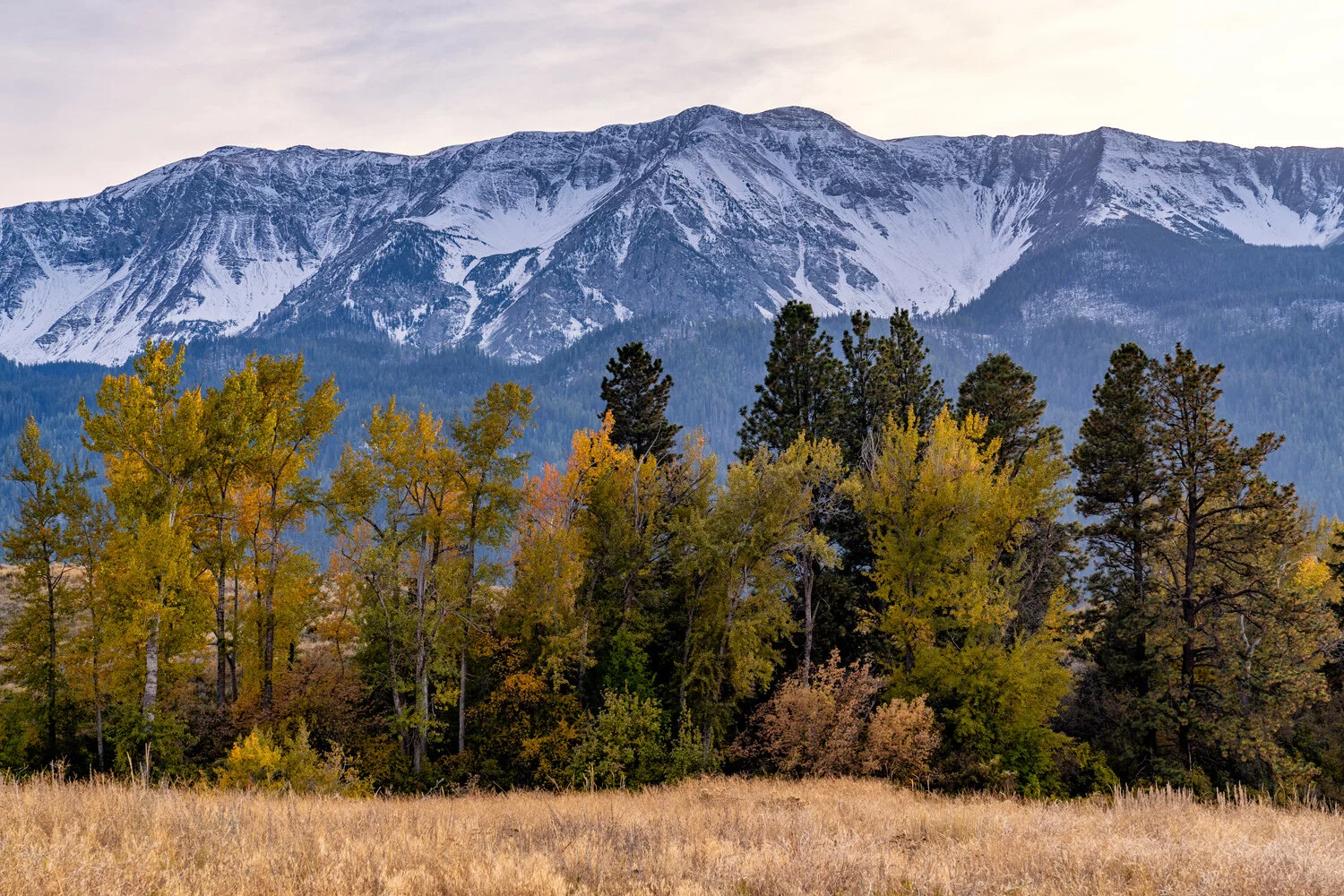
We rolled in super late, so didn’t get to see much of the range on the way in, but woke up the following morning and decided to hike around the lake and up into the hillside above the town of Joseph to get a solid view of what we were surrounded by. It was appropriately stunning, and overwhelming. While we thought we were in the midst of it, we looked across what is apparently Hell’s Canyon, North America’s deepest river gorge, to the other side, where an even more impressive range on the Idaho side stared us in the reality-check. We weren’t going to make it there, that was for certain, and we had to be in Sumpter Valley by 6am the following morning to hop aboard the aforementioned train, but, well, at least we got a taste.
Fall color wasn’t yet near peak, but we chose to take another little hike before we got on the road and I was able to capture an image or two just to prove I was there.
Next stop: Sumpter Valley, for what was the centerpiece of this particular road trip, and the details of which I already described above. Needless to say, for history buffs, train buffs, travel buffs, landscape buffs, and, this particular weekend, photography buffs, this experience is a hidden gem that is well worth the trip out to the middle of nowhere-Oregon. It isn’t highly publicized and I would have never even known about it had I not been Googling specifically for fall photo opportunities in Central Oregon. No doubt, if they spent more efforts marketing this experience, it would quickly become a much sought-after destination for photographers, but lucky for us they have yet to realize the gold they sit on, so there were only about 15-20 people on this particular day, giving us the run of the rails.
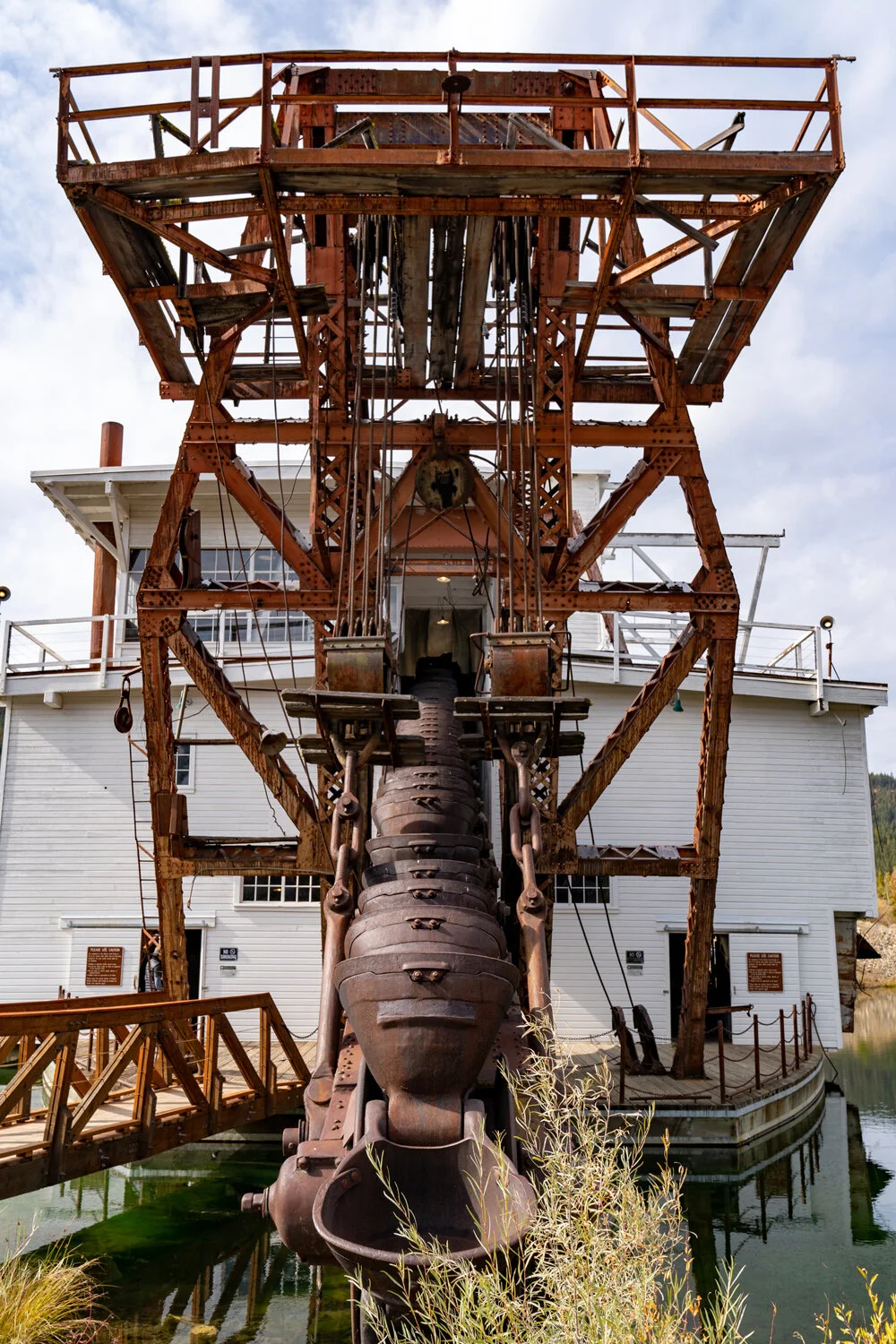
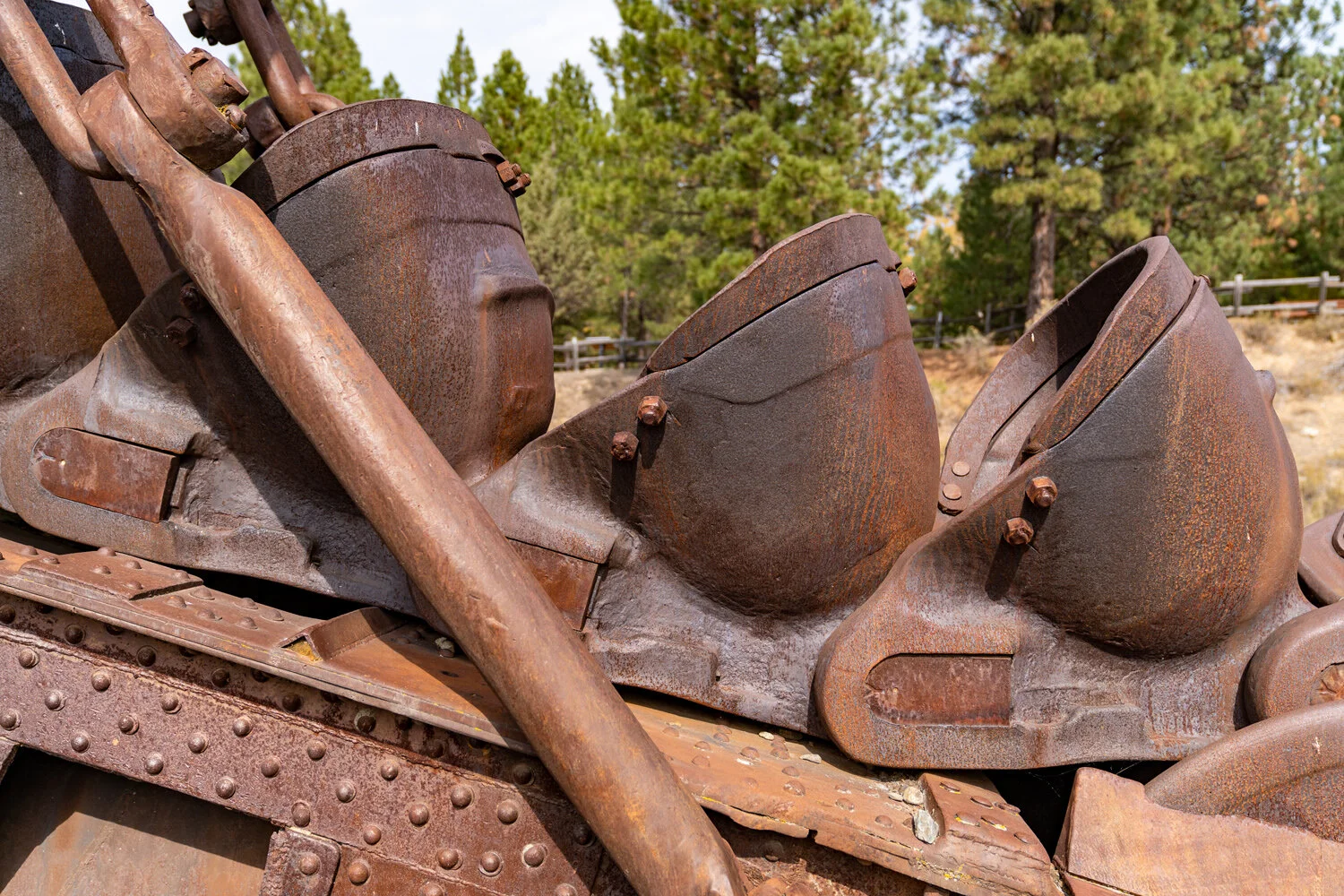
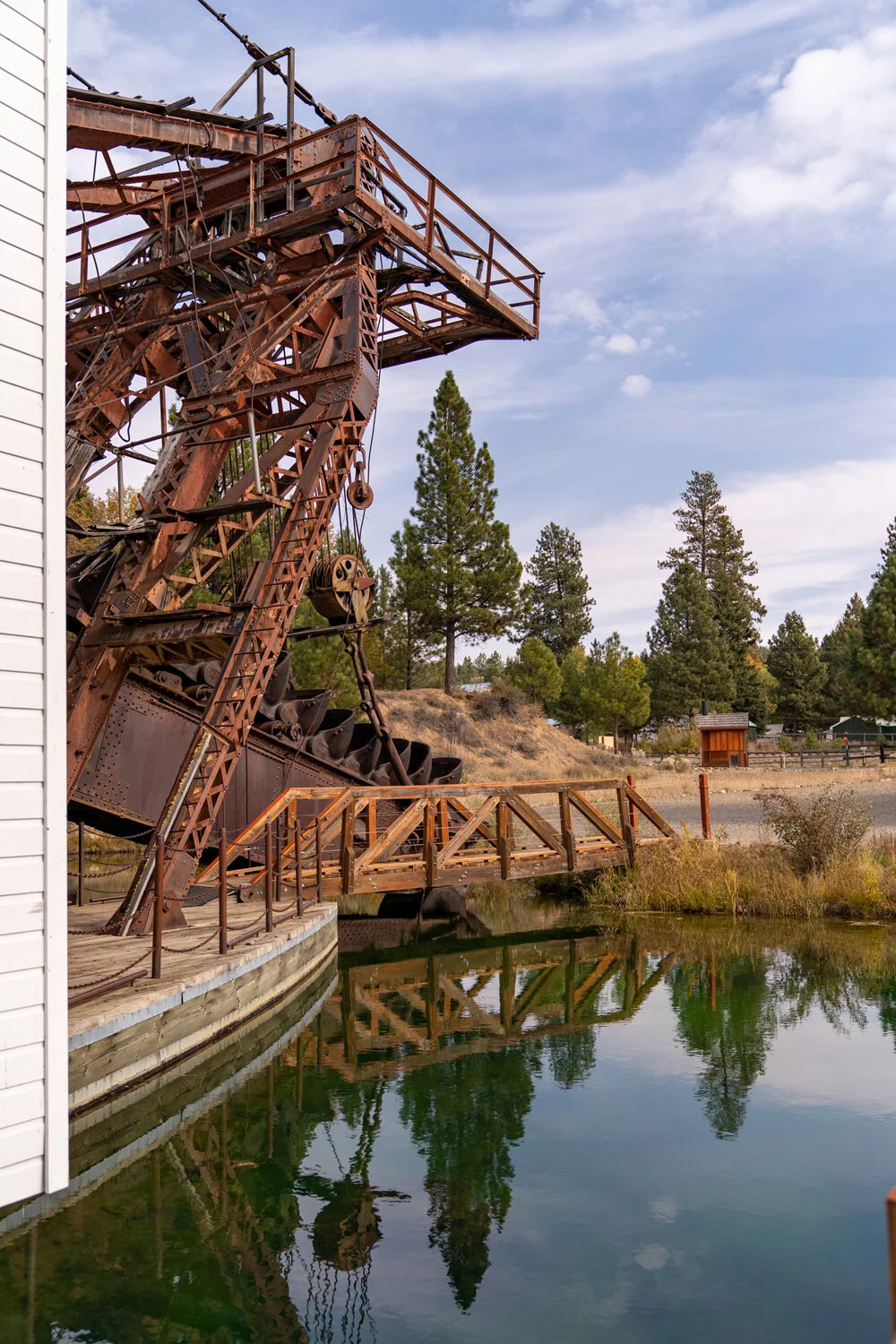
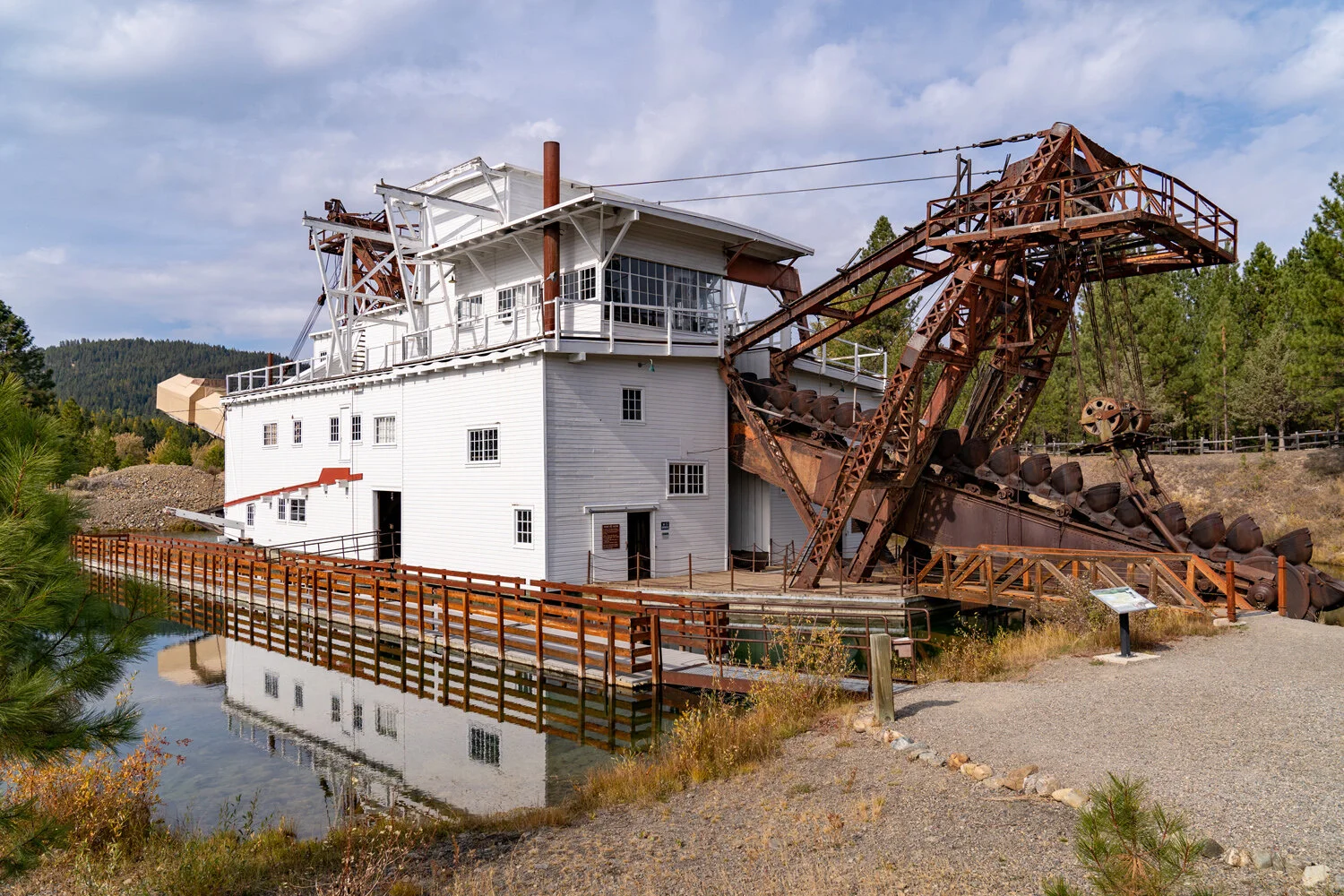
Do be aware, there’s a fairly disturbing story behind this valley. You’ll see in the gallery below images of a massive dredge. Well, this valley was completely dredged for gold from one end to the other in the first half of the 20th century, which essentially devastated the entire region. You’ll see dredge piles everywhere (as well as a few remaining working gold camps) and it doesn’t take much imagination to understand what that process did to the local ecology and environment. Luckily, it seems that the valley is in the midst of a fruitful recovery, and we did hear stories of native species making their return home in recent decades.
Anyhow, on our final day of this mini road trip, once the train dropped us back at the station, we decided to hop aboard the RV and book it out of Central Oregon and make our way back up along the 84 to the Columbia River Gorge in the direction that led us back towards Portland.
In keeping with the train theme, as night fell upon us just west of Hood River, we unknowingly parked our RV on a site that literally butted up against the railroad tracks. The sights and sounds were fantastic earlier in the day when we were awake and running around with our various photo stuffs and whatnots, but they were not NEARLY as intriguing at 2am. And then 3am. And then 4:30am…
The theme of the final day was the ying to yesterday’s yang – rather than man made madness, we went for nature in all her awe-inspiring facets – a 7 mile hike up and around Multnomah Falls through the forest, along the river, by 4 different waterfalls, and back down the other side at Wahkeena Falls, two of the Gorge’s most spectacular sights.
And that’s where we close the book on this one – 4 quick days discovering more stunning corners of this beautiful state.
Here are the images captured in and along the way…
Finally, if you’re finanglin’ for more stuffwhats and thingynots, find me on Instagram: @wasimofnazareth
Summer is over, and the Chambers of Commerce and destination marketing organizations of America are no longer questioning their life choices after dealing with the annual throngs of sun-searching tourists escaping their own monotony by crazily descending upon various regions to patronize their businesses and attractions. They’ve had a slight chance to recuperate, shore up their 2020 budgets, and complete their efforts to capture media assets to help promote their respective locales to next year’s crop of escapees.
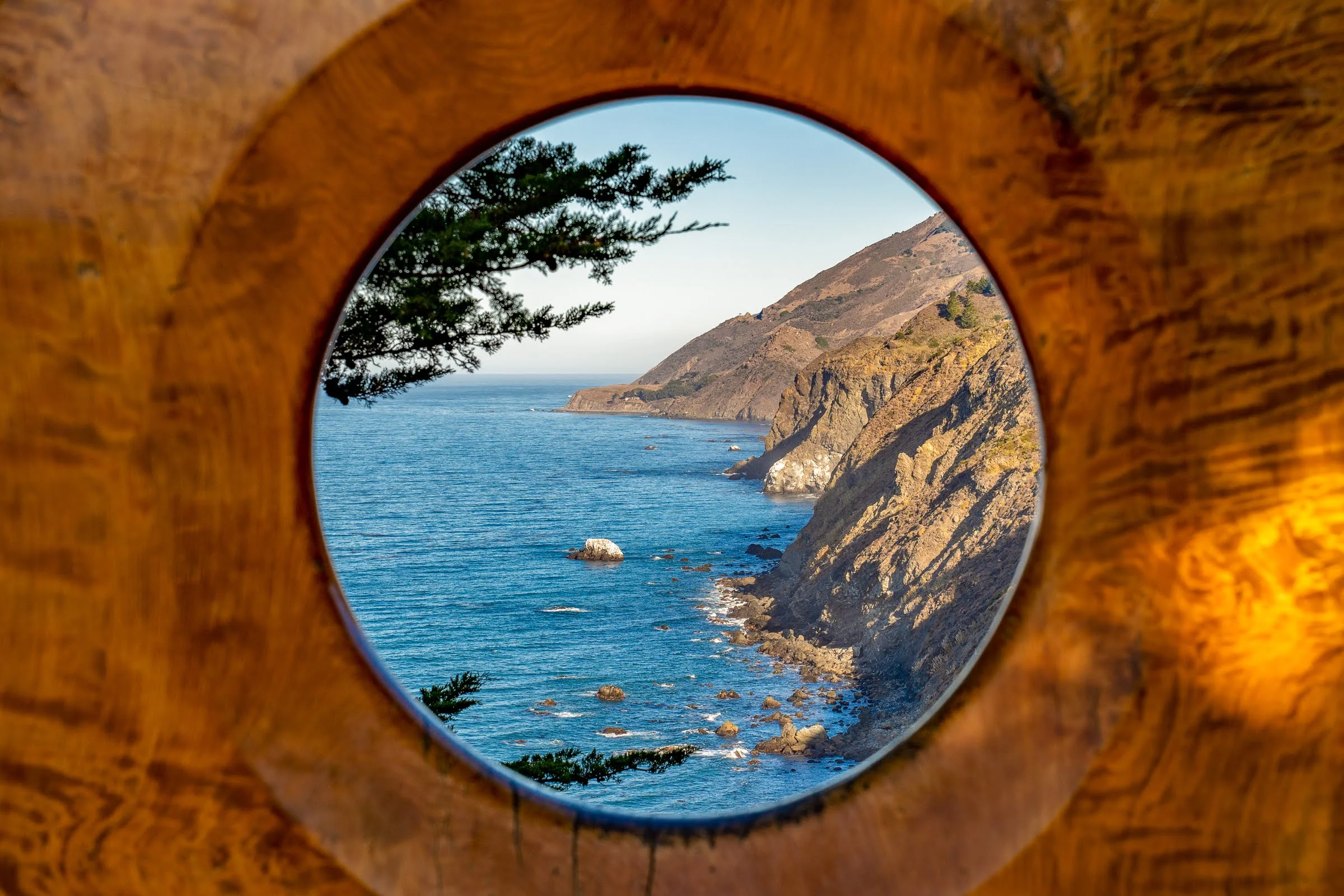
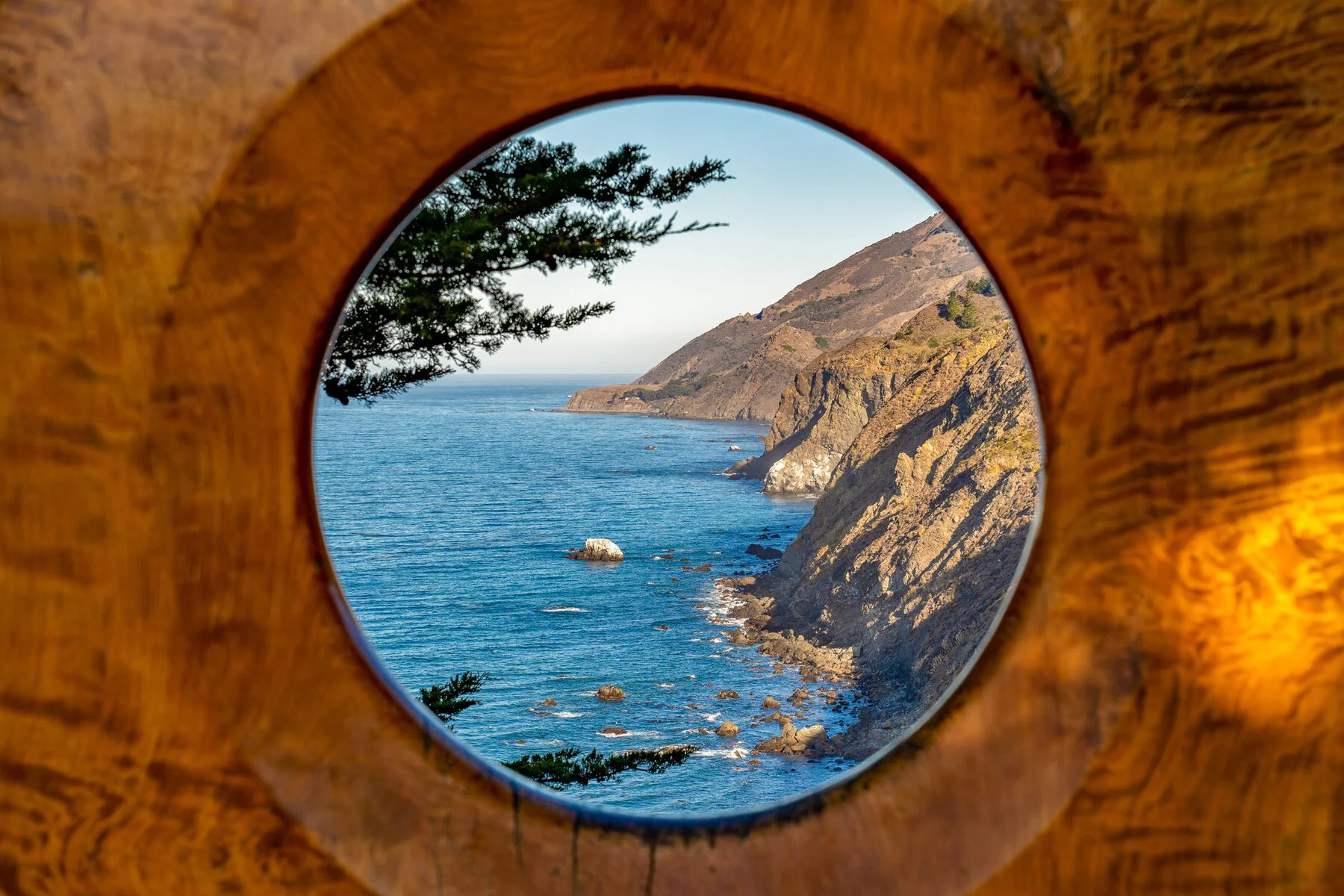
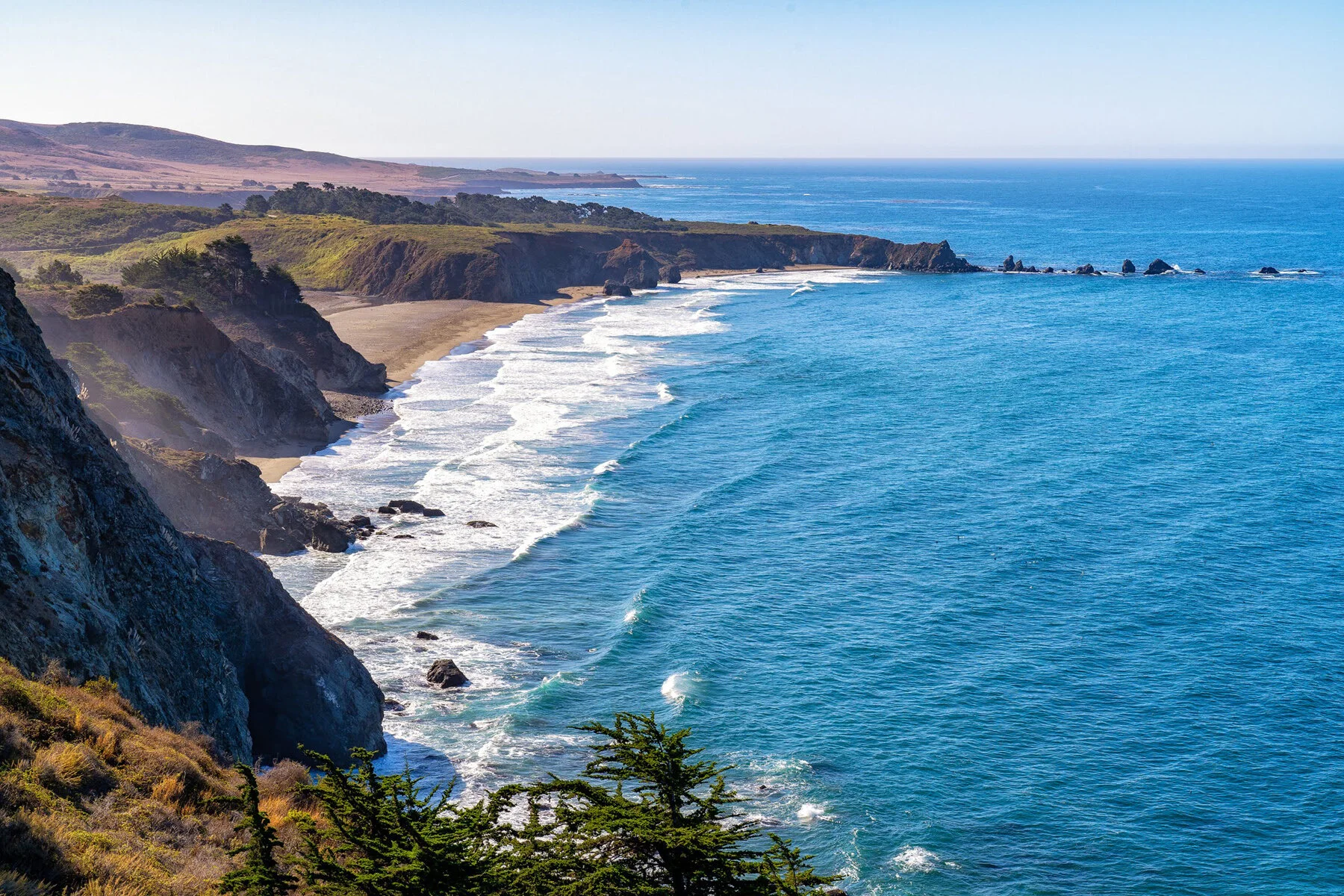
For those unfamiliar, this is the stretch of Central Californian gorgeousness that lies on the coastal Pacific Coast Highway between Los Angeles and Big Sur. We were here to capture images, both traditional stills as well as 360 photos to help bulk up the Google listings of various locations, businesses, State Parks, regional parks and landscapes across the region.
Over the course of this glorious week, we were able to cover a shot list that included dozens of locations from Rugged Point, the “Portal to Big Sur,” all the way down to Morro Bay, and everything in between, from the ranch town of Atascadero to the charming quaint coastal enclaves of Cambria, Cayucos and Pismo Beach. Needless to say, a lot of miles even more frames were captured during those various jaunts.
Being as I’m a University of California, at Santa Barbara graduate (Go Gauchos!!!), I spent a lot of time in this region during those years, as well as the years after, in which an almost-annual journey up the coast towards Big Sur became a self-imposed tradition. So to be back here, in an area I have fallen in love with many times over, was an absolute gift, especially since it came as the weather began to turn in the Pacific Northwest. I was glad to put aside the puffy and the beanie for an extra week…
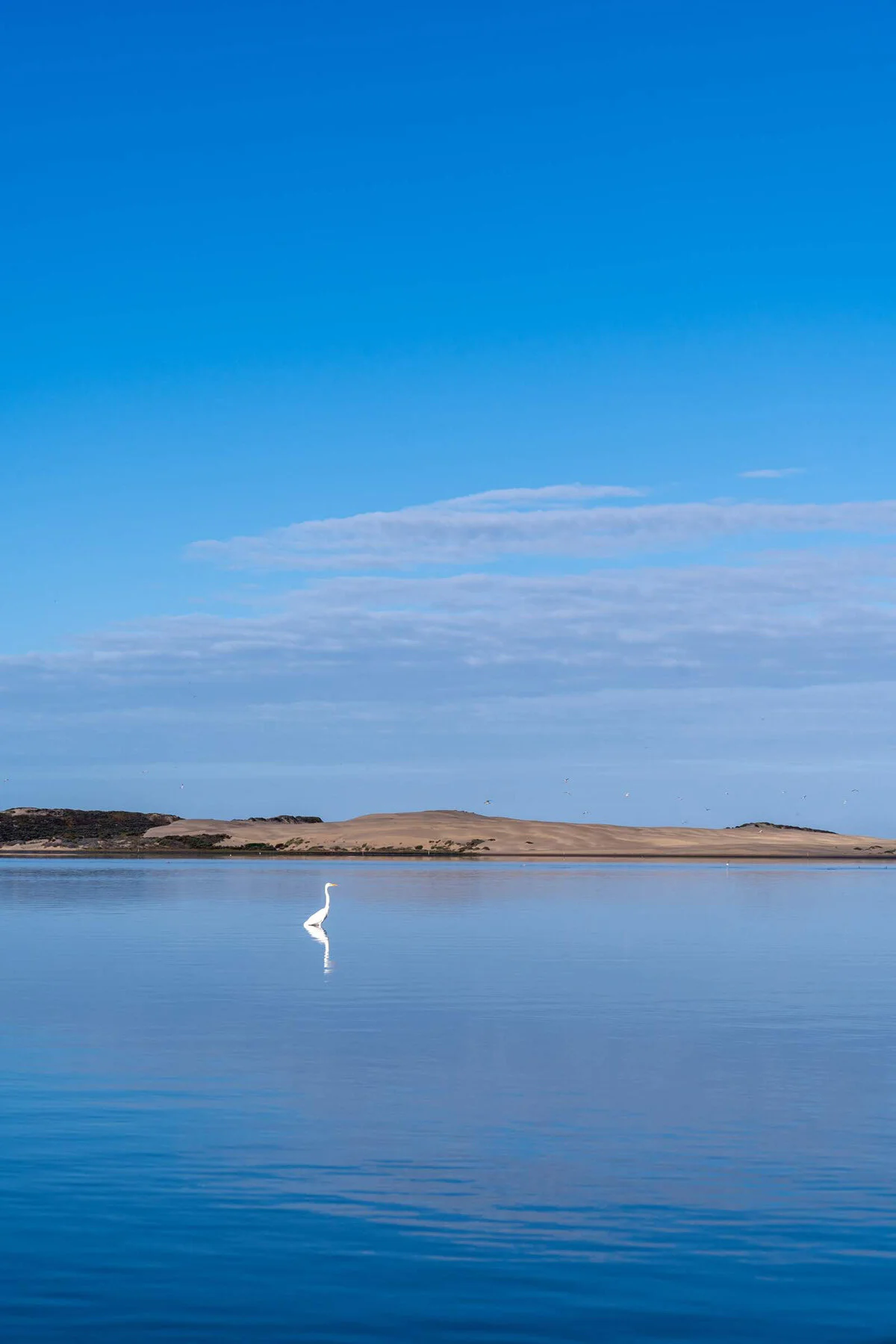
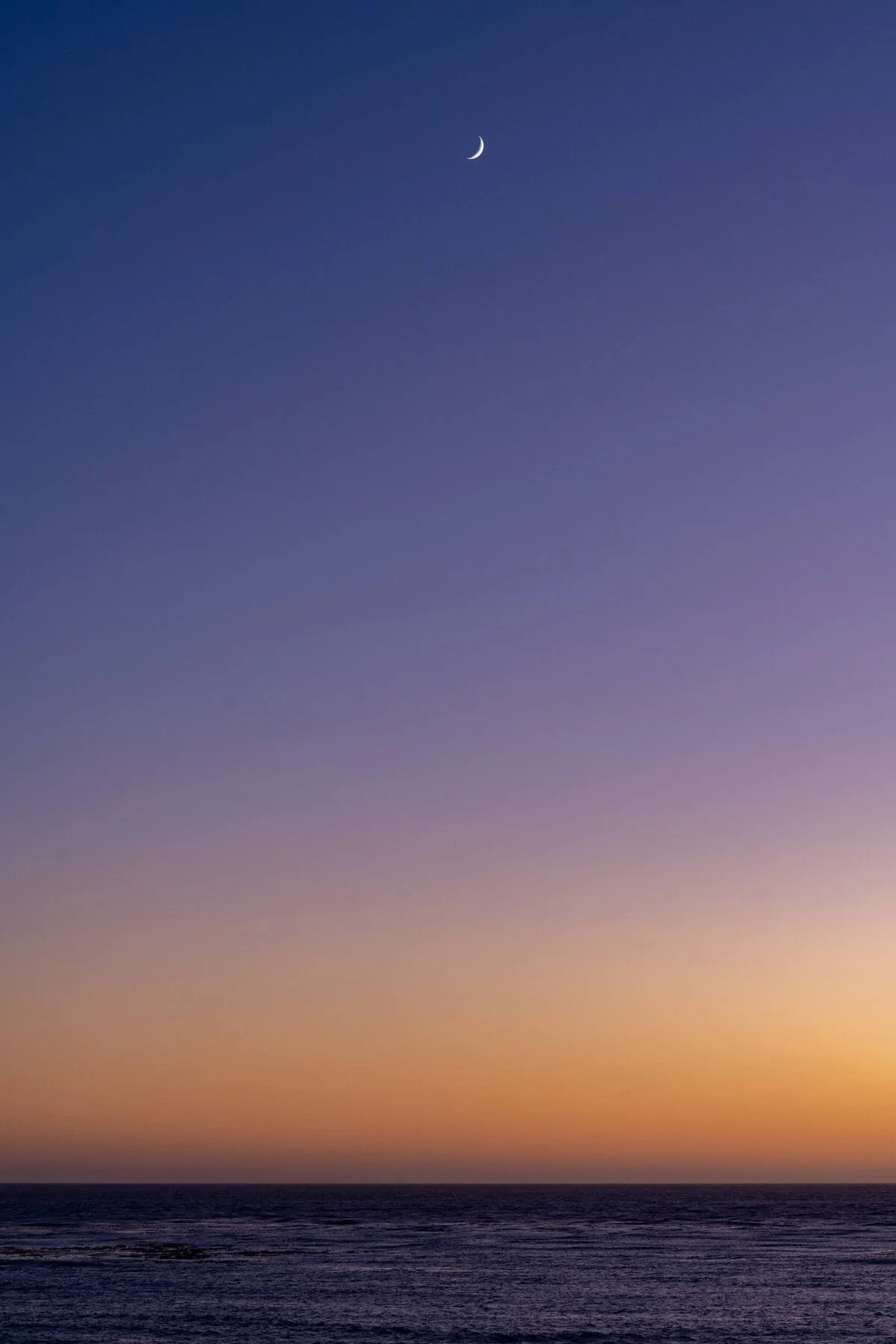
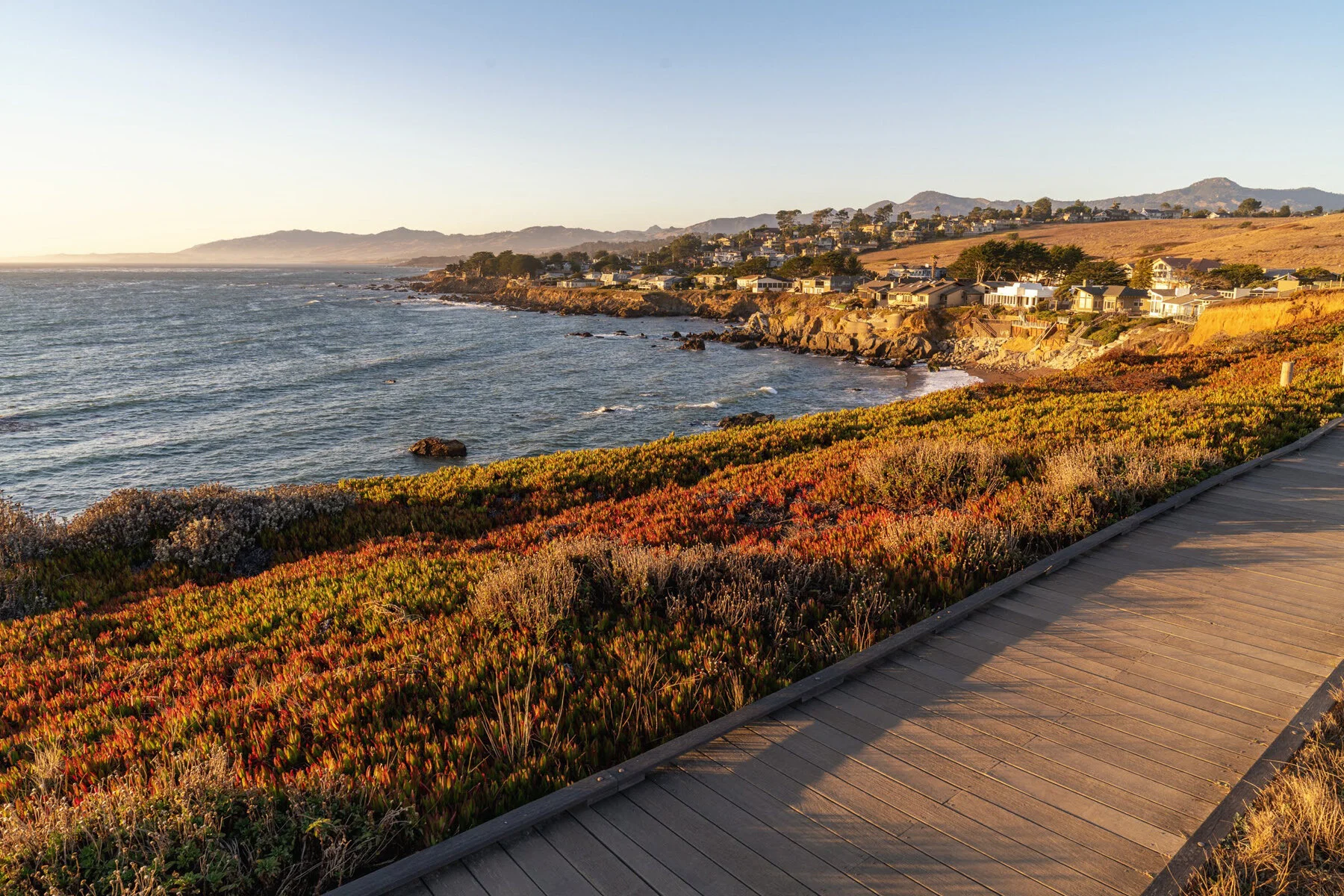
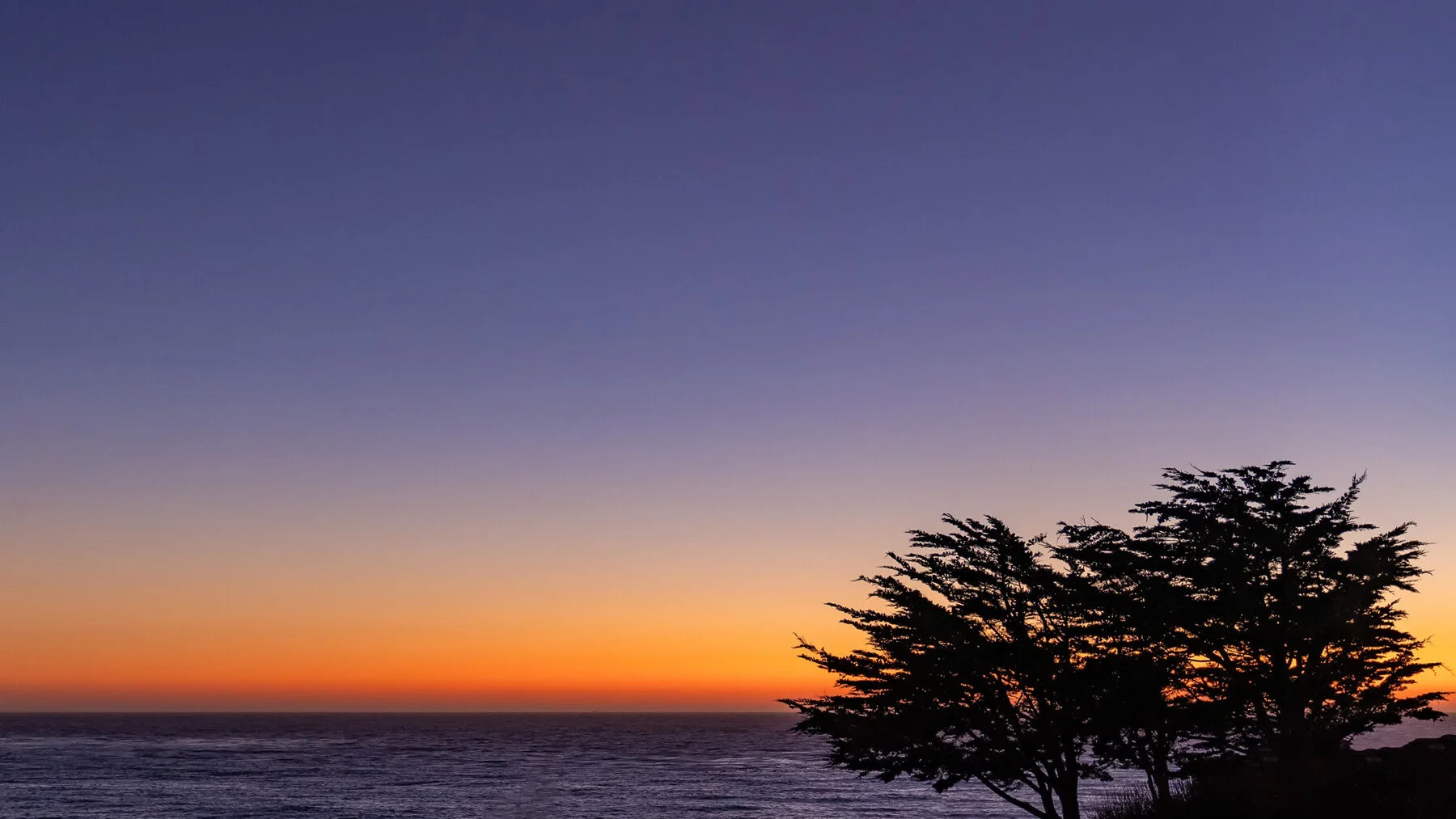
Anyhow, while I can’t show you all the shots, as those are for the client, here’re a few scenes from the week on the coast:
And if you’re still jonesin’ for more o’ dat’ Wasim, holler at me on Instagram: @wasimofnazareth
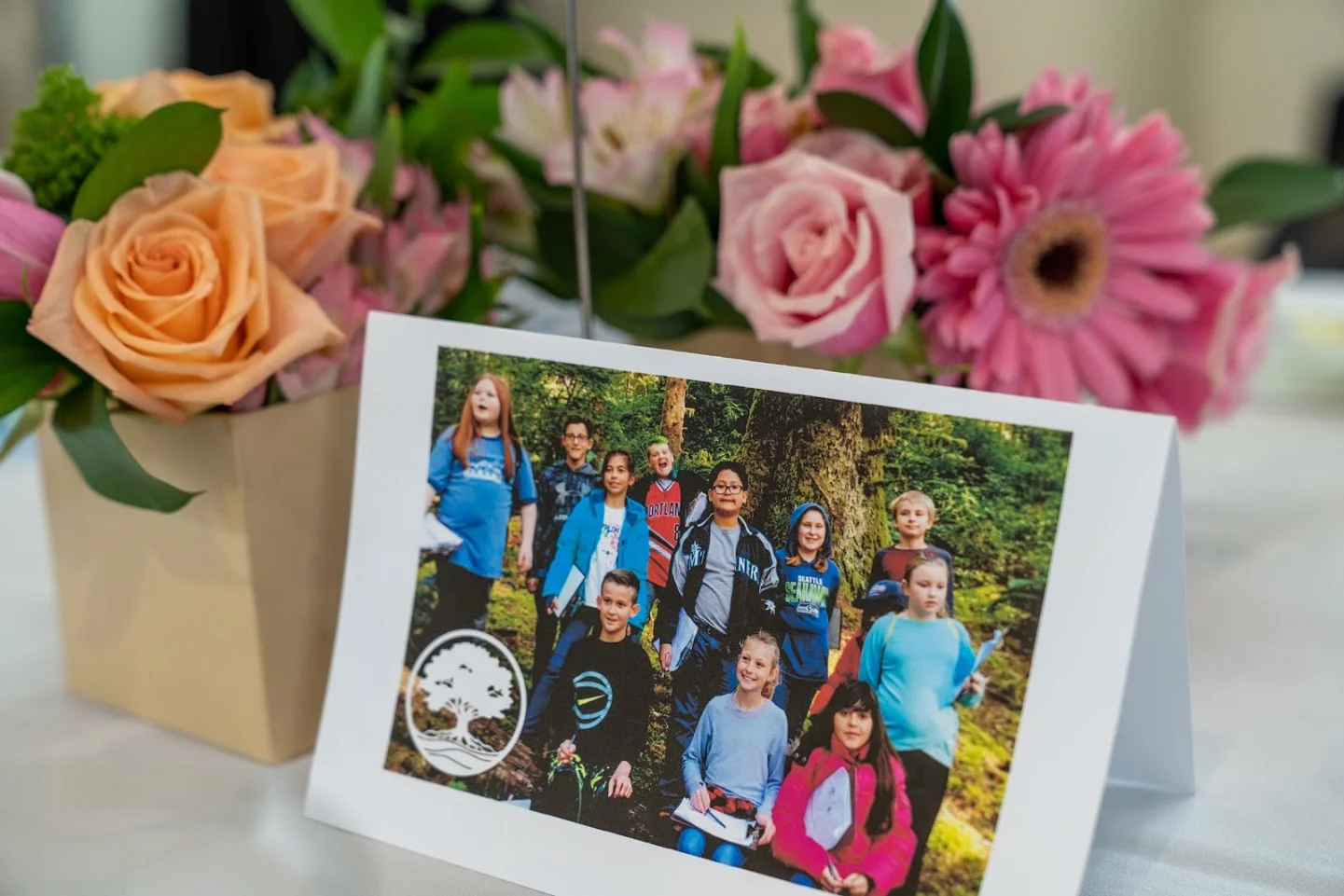
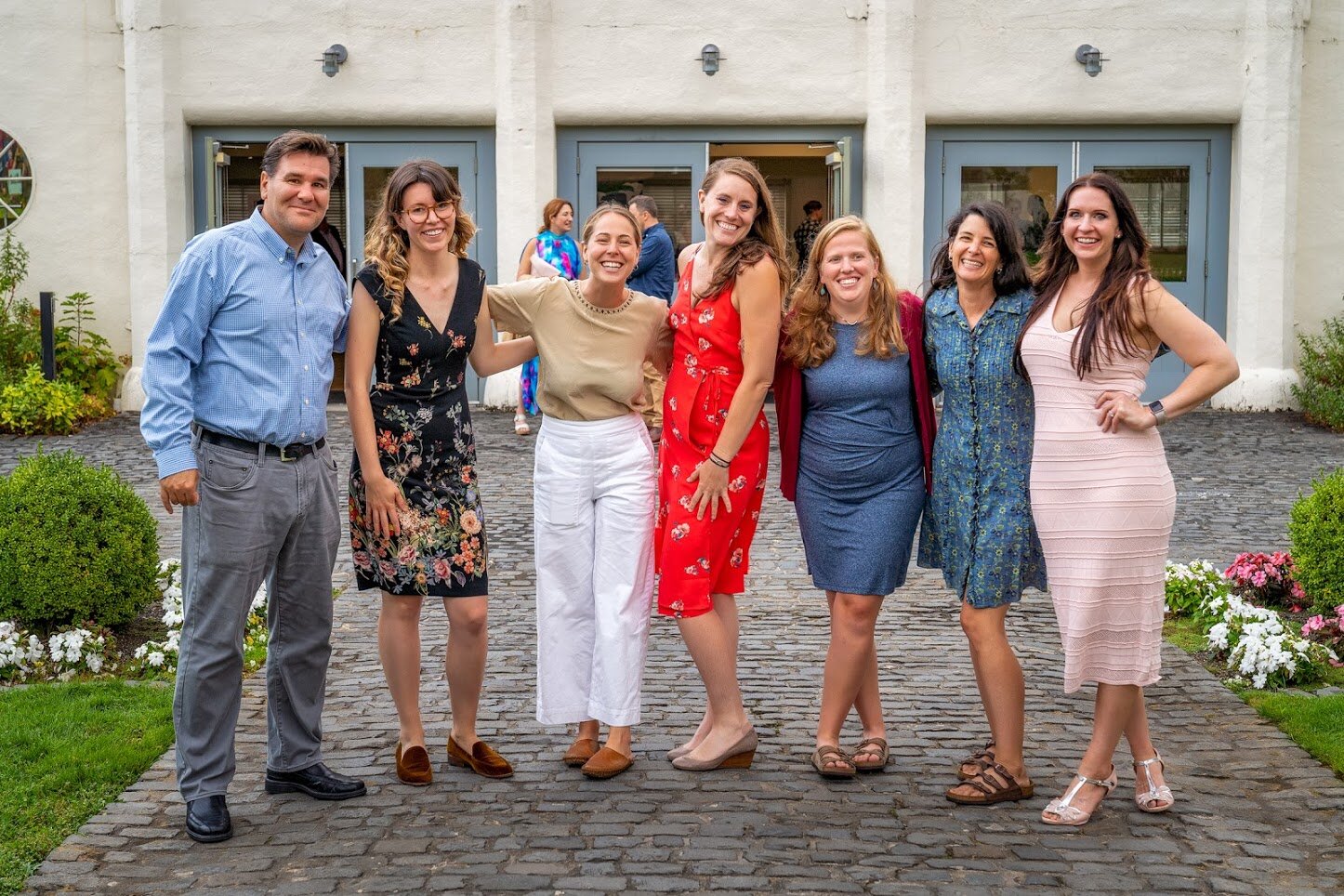
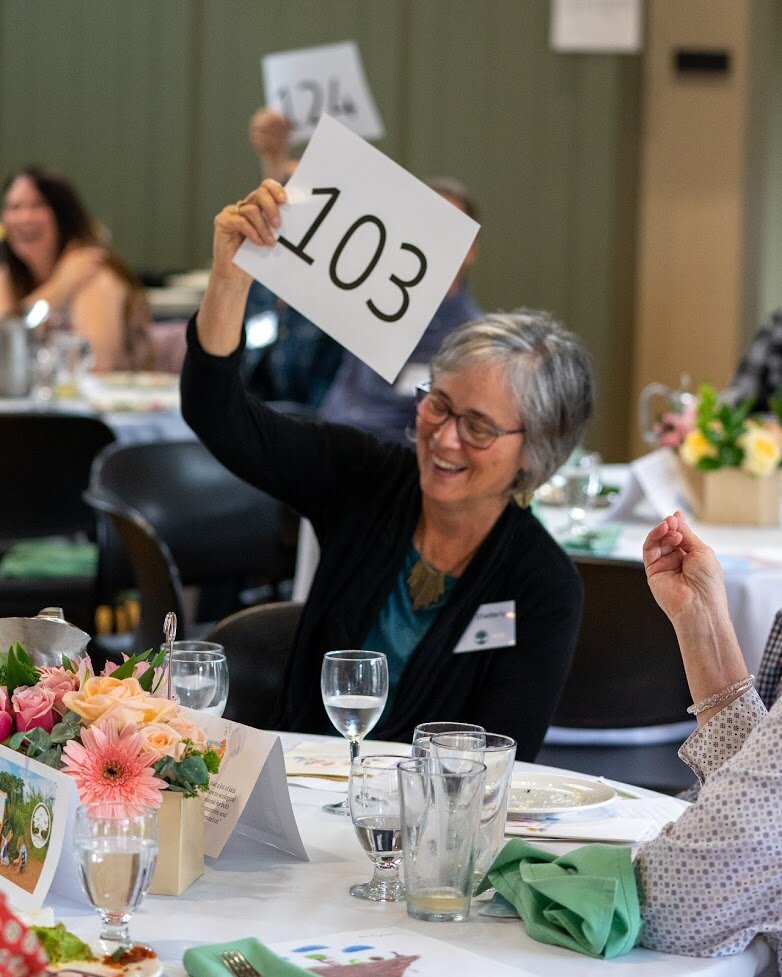
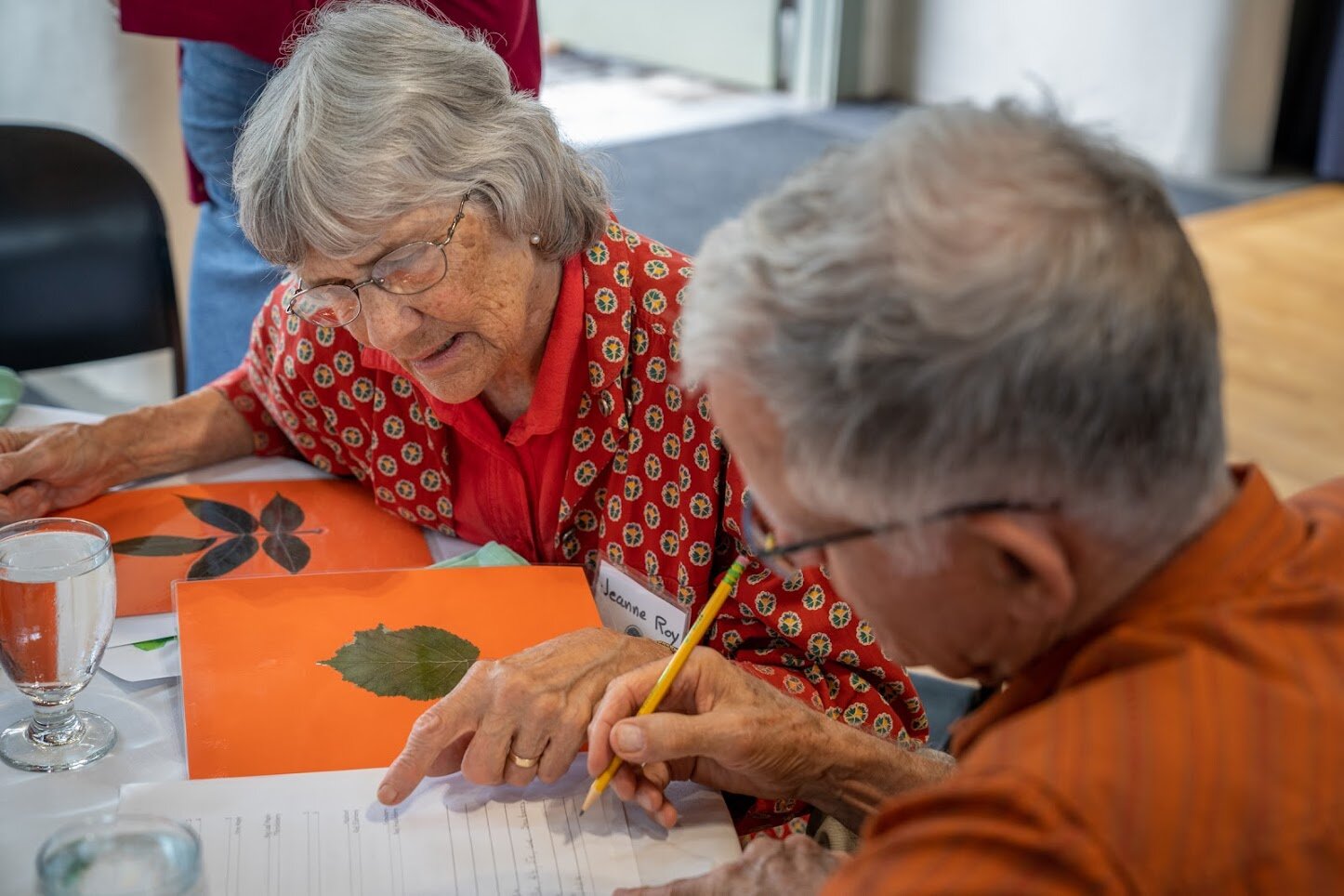
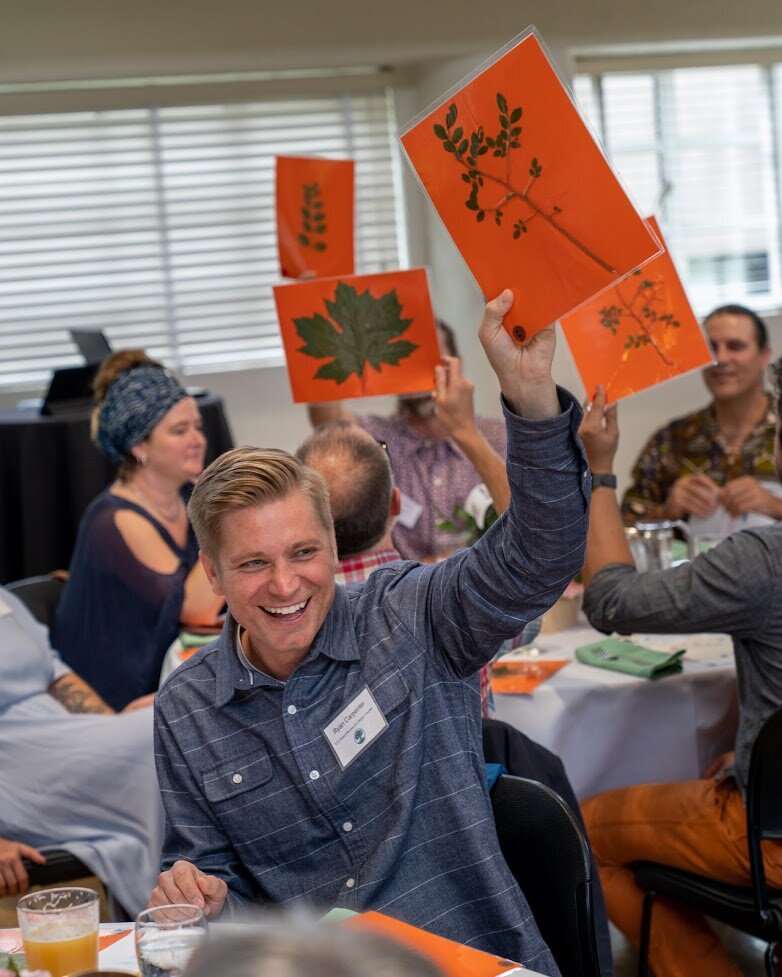
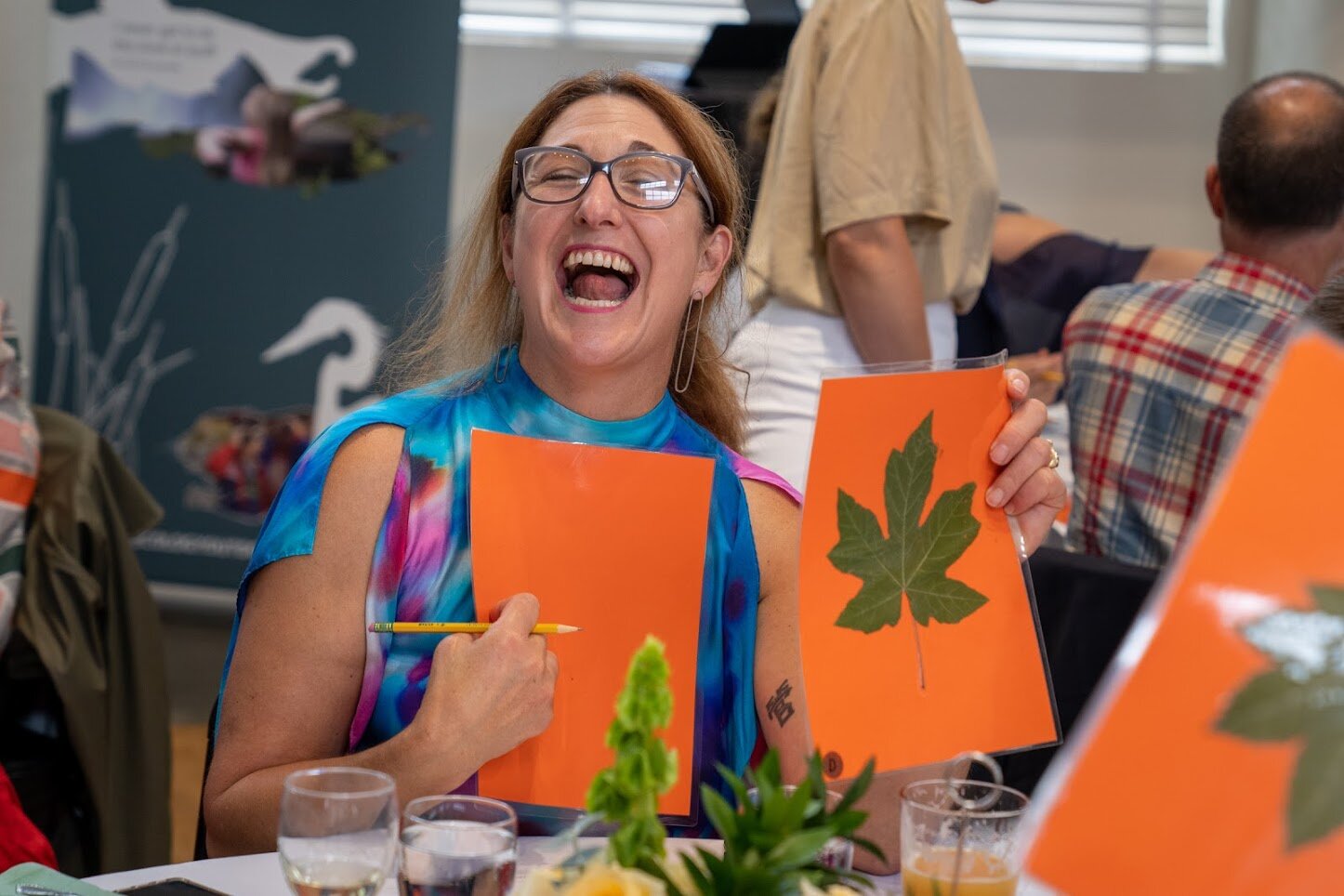
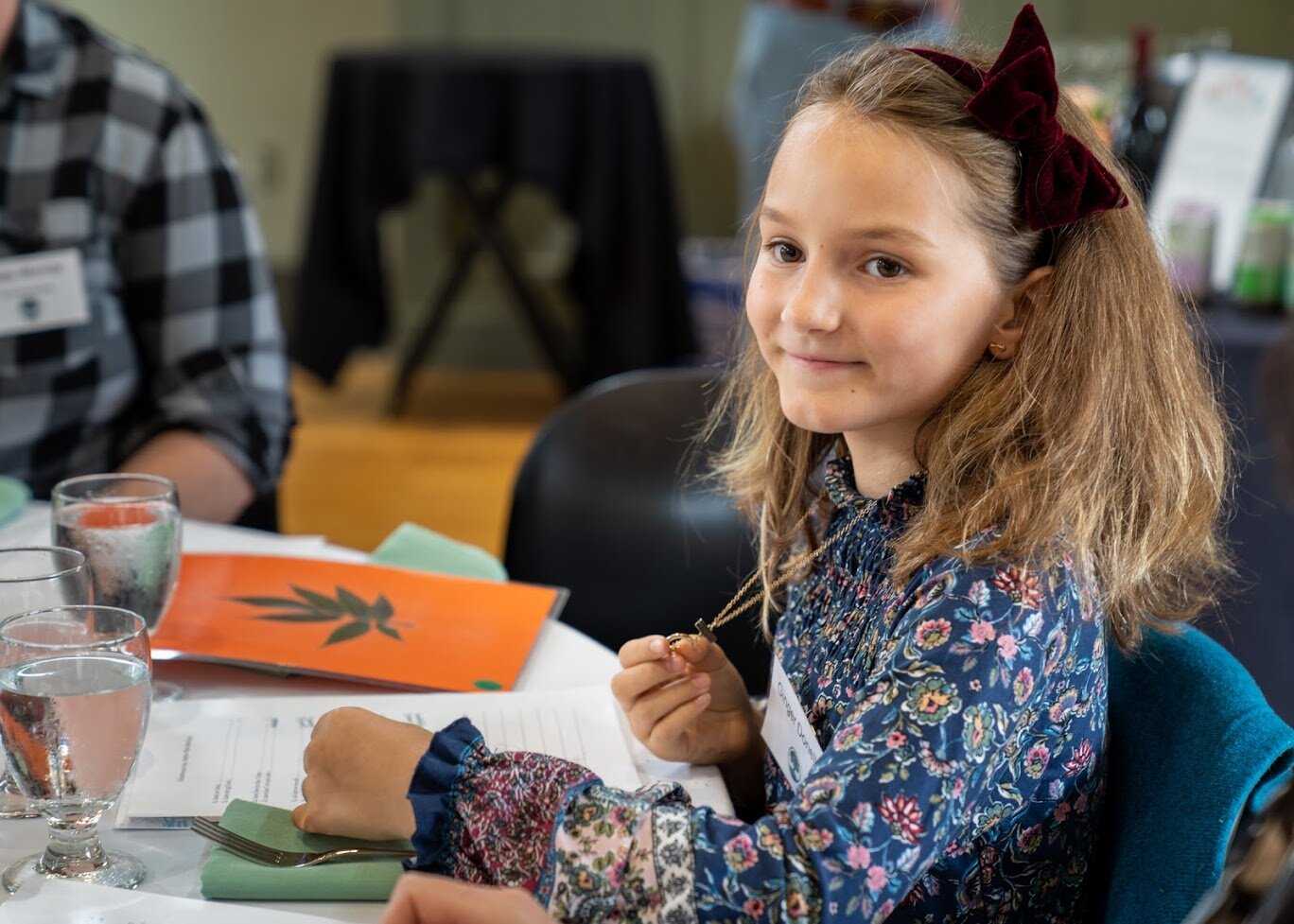
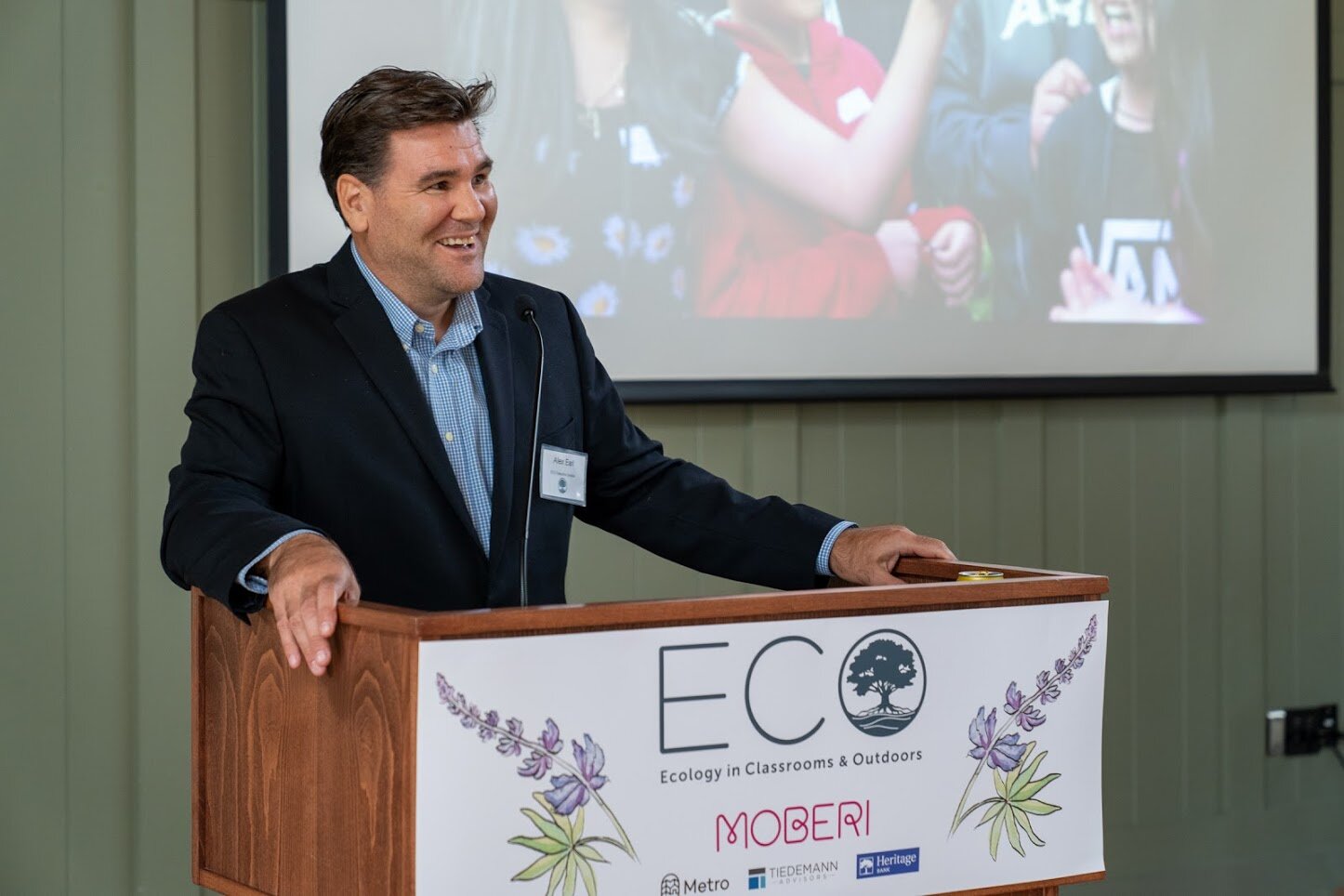
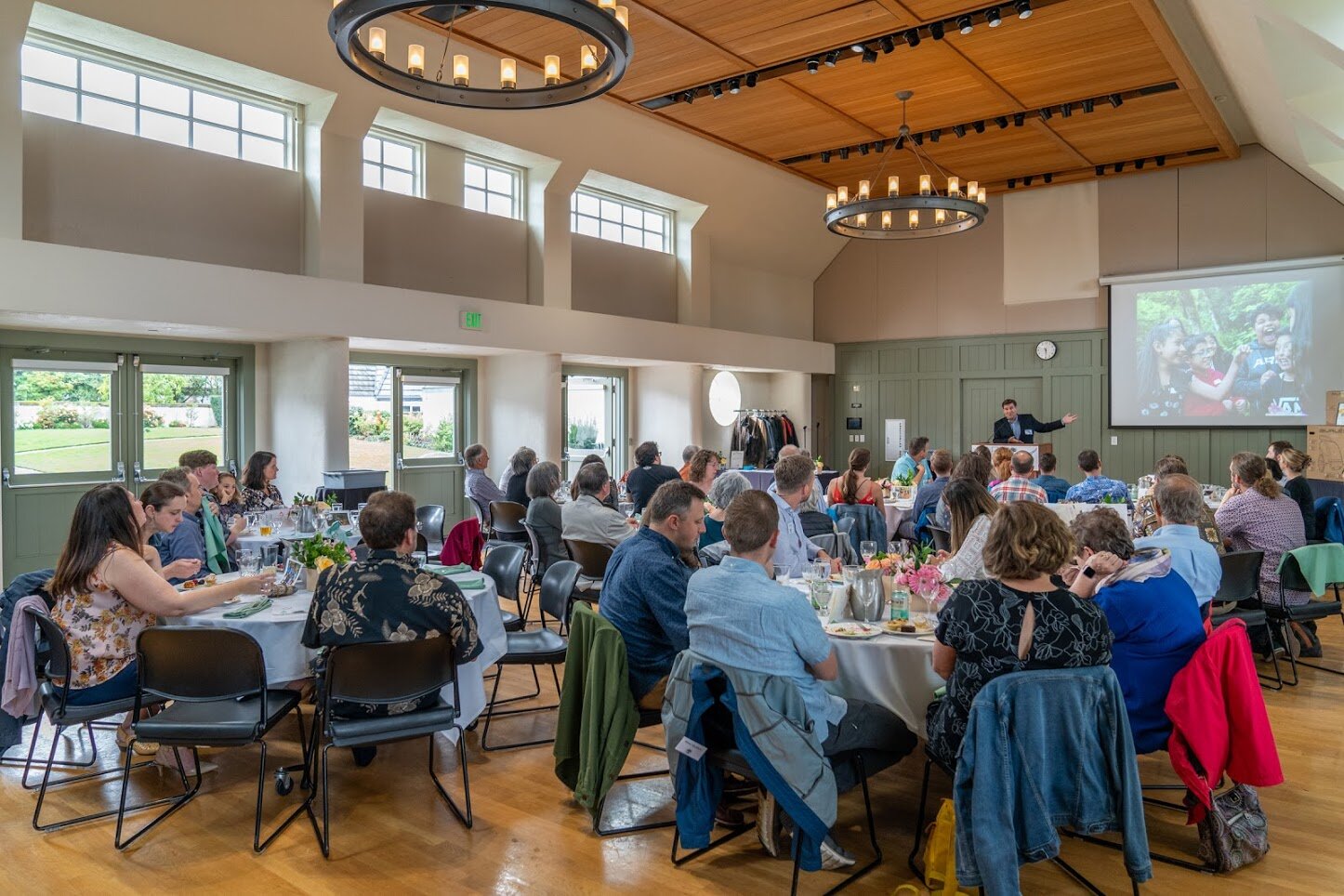
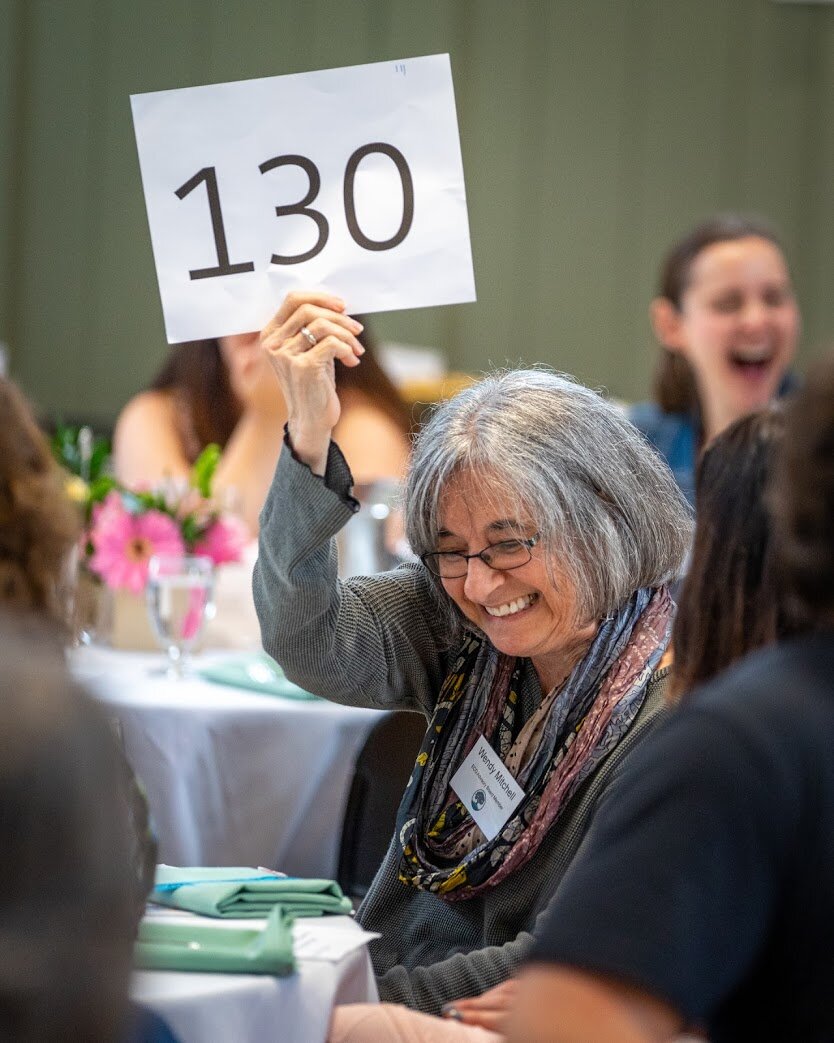
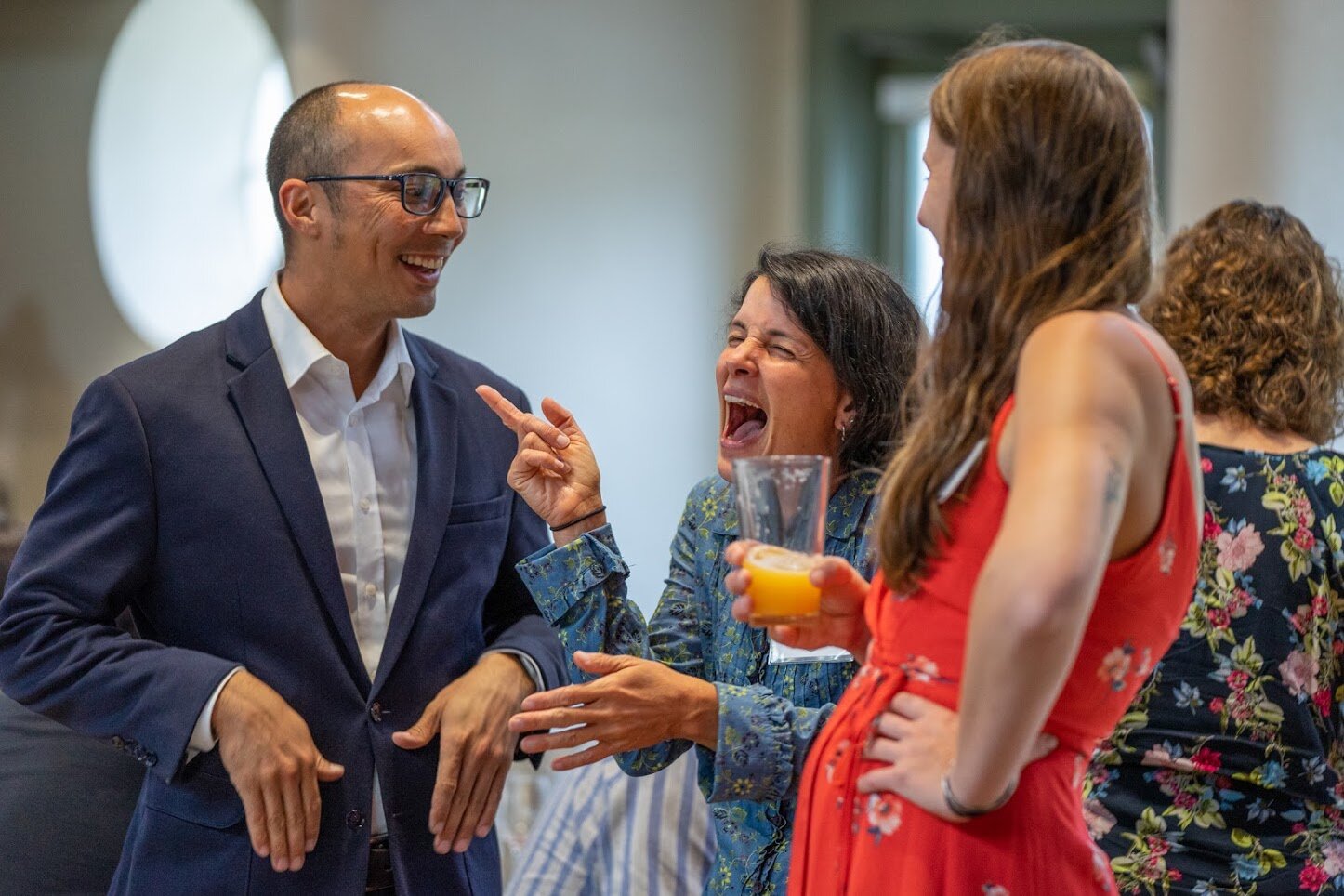
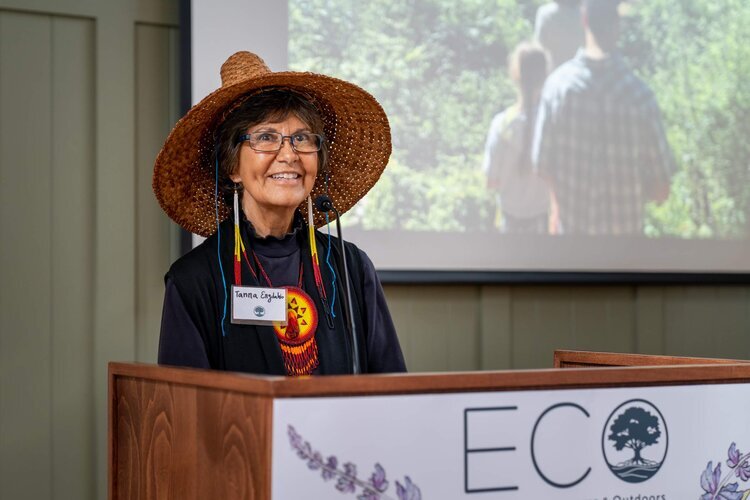
So this is pretty darn rad! The non-profit I work with, Ecology in Classrooms & Outdoors (ECO), just had our 3rd annual Garden Party and it was our most successful yet, “with donors stepping up to create 23 new scholarships for hands-on ecology lessons, after school programs, field trips, and outdoor summer camp!”
We also got to announce and introduce our new Executive Director, environmental non-profit veteran and rockstar, Alex Earl. Y’all know Whale Wars and the Sea Shepherd? Yeah…that’s on his resume and somehow we managed to snag him!
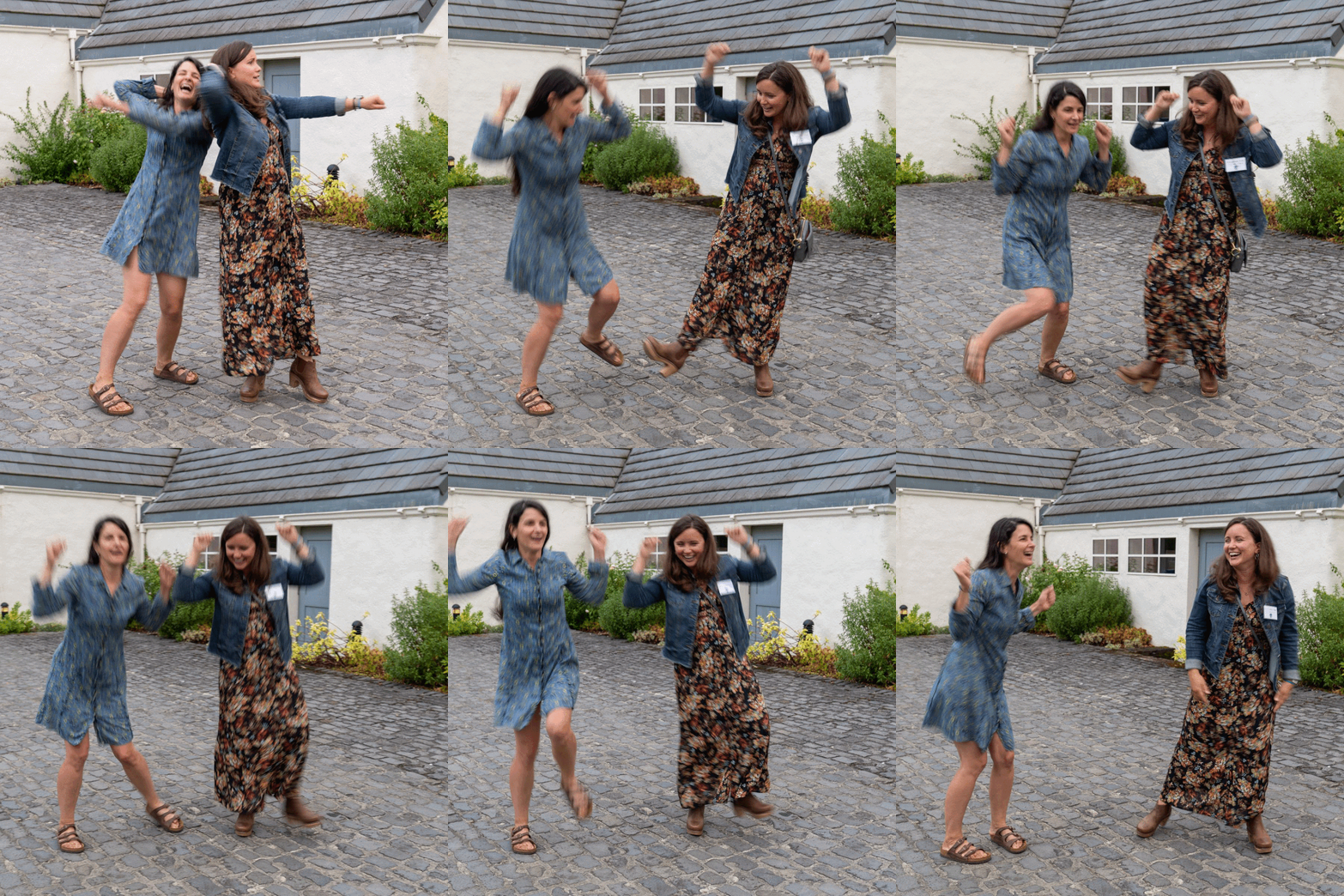
ECO Co-Founders Sarah Woods @ Bethany Thomas couldn’t contain their excitement…
This school year, we will reach over 6,000 K-12 students over 14 school districts. That’s almost 3 times as many as just a year before.
Ecology education? We got this!
“Ecology can change my life by knowing what I can do to make the environment a better place” – a 4th Grader at Bilquist Elementary School
“ECO opens our eyes to the fact that a lot of kids have no prior knowledge or exposure to ecological education. This program is motivational for both students and teachers. It unites communities and expands our limited vision of nature around us.” ~Teacher feedback from Kelly Elementary School
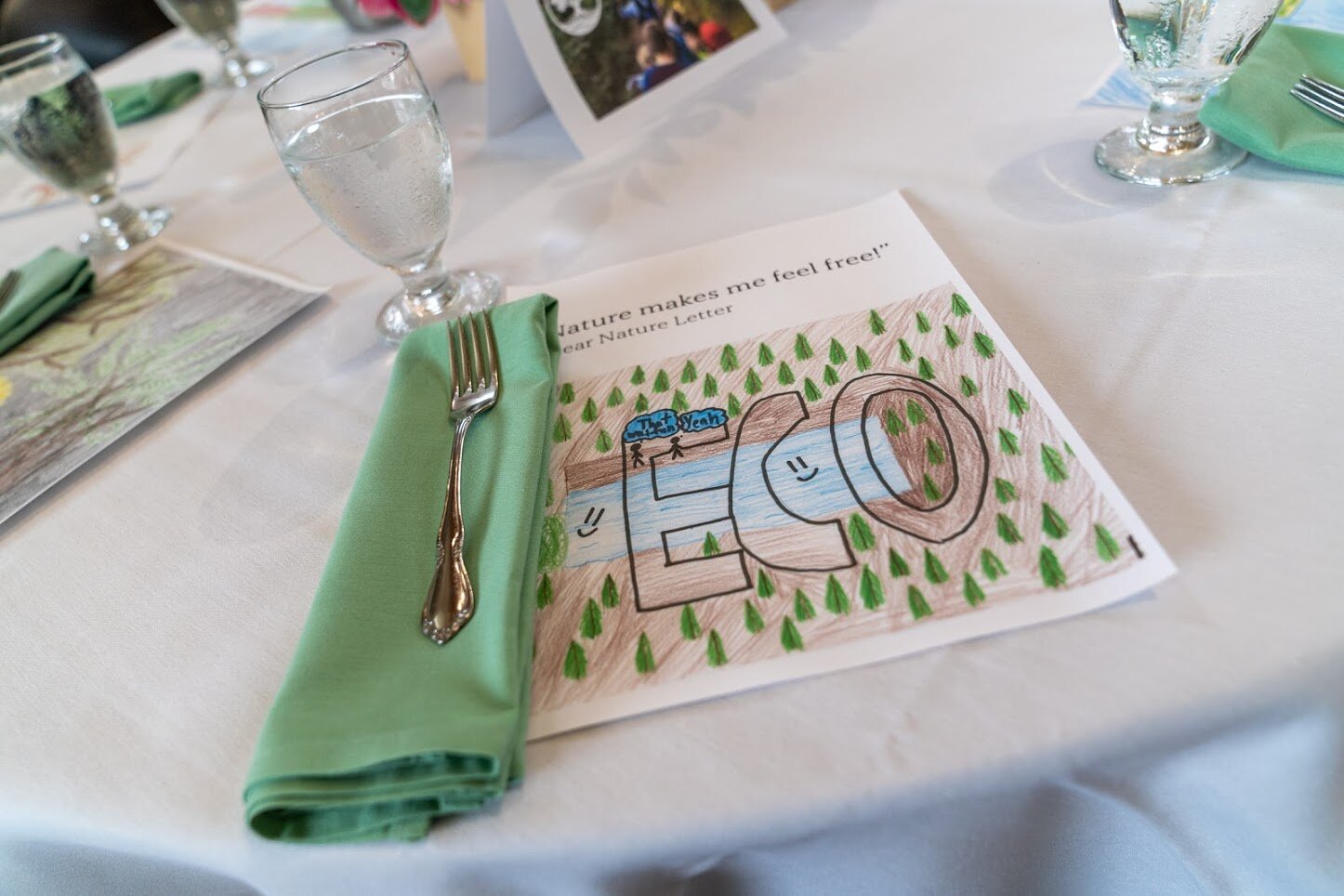
“Nature makes me feel free!” ~ An excerpt from a letter to nature written by a student