Author: Wasim Muklashy

  • The Proof Sheet – Photography News In Review For The Week of July 28

    The Proof Sheet – Photography News In Review For The Week of July 28

    Wasim-Muklashy-Photography_The-Contact-Sheet_Photography News_July28
    Wasim-Muklashy-Photography_The-Contact-Sheet_Photography News_July28

    Welcome to The Proof Sheet, where each week I’ll post some of the more notable photography news in sweet, chewy, bite-sized, easily-digestible morsels. Click the Read More for this week’s stories.

    Kodak_photography news

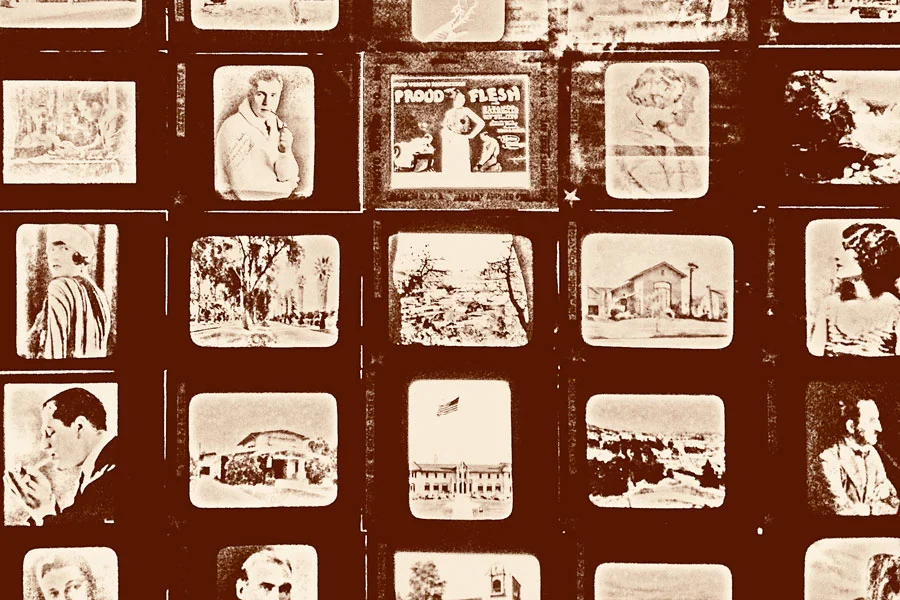
    A group that includes Hollywood Studios and big name directors including Quentin Tarantino, Judd Apatow, and JJ Abrams, have banded together to save Kodak film from extinction. They’ve pledged to buy enough to keep production of the analog film alive. Find the full story at PopPhoto.

    adobe-camera-raw_photography news

    Adobe has released Camera Raw and DNG Converter version 8.6, which now supports the Nikon D810, Panasonic LUMIX AG-GH4, and Panasonic LUMIX DMC-FZ1000 along with a slew of new lens profiles and color profiles. Click here for more info and  the download links.

    david attenborough_photography news

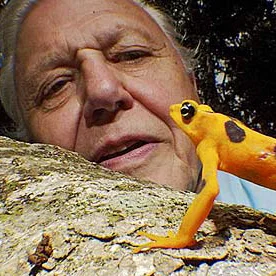
    David Attenborough, the prolific and hypnotizing host of award winning nature documentaries and shows such BBC’s Planet Earth and Life, has announced that his next project, Conquest of the Skies 3D, is using new 3D techniques, 3D octocopters, as well as Augmented Reality experiences. Yes! Click here for more on this one.

    flickr marketplace_photography news

    Flickr will be hot damned if it’s left behind in the new trend of curated photo licensing options that have cropped up such as 500px Prime and Stocksy, and decided to launch Marketplace, a new licensing initiative. There isn’t too much information on it just yet, but CLICK HERE for their blog post describing what we know so far.

    canon11_photography news

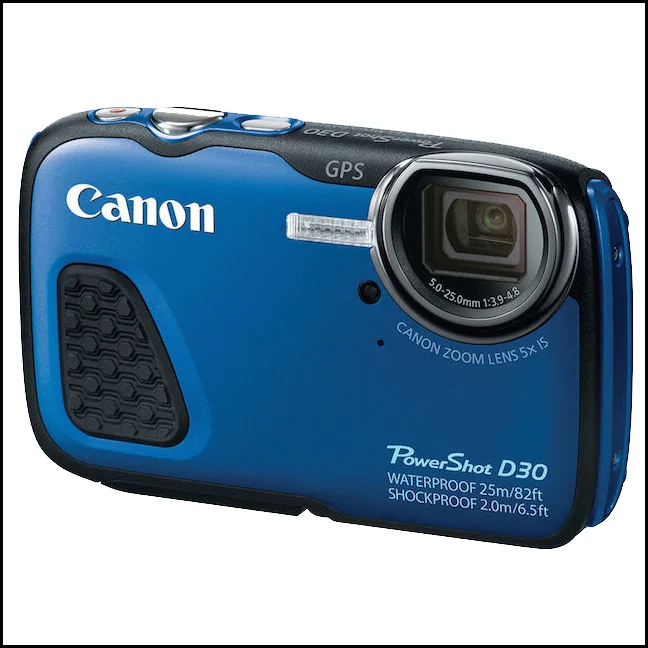
    Canon has patented an insanely ridiculous 45x zoom lens for an underwater camera, PetaPixel reports. Apparnetly this will help bring focal lengths equivalent to 26-1170mm to a dedicated underwater camera. Not a bad step for the growing underwater camera market. CLICK HERE for more.

  • How And Why I Finally Made The Switch To The Adobe Creative Cloud

    How And Why I Finally Made The Switch To The Adobe Creative Cloud

    Wasim Muklashy Photography_Wasim of Nazareth_Adobe Creative Cloud_Lightroom Mobile

    So I fought it for a year. And I fought it hard. I didn’t want to rent it. I wanted to rightfully own it. The way I have for years. The way we all have for years. Why should I have to ‘rent’ the software I need for my work? Why can’t I buy it anymore? It made no sense. And it didn’t seem right. And it didn’t seem fair. So there was only one thing left to do. Rent the software.
    Yeah, that’s right, I did it. I made the switch to the Adobe Creative Cloud. And here’s why it finally just had to happen.

    A big part of my decision was Adobe’s recent commitment to photographers to keep the price at 9.99/month for the two tools that photographers need most, Photoshop and Lightroom. Which, once you crunch the numbers, one you sit down, and really crunch the numbers, you realize that at 120 dollars a year, it would still take about 5 years to cover roughly what a full version of Photoshop used to cost for purchase. Considering the fact that a new version normally came out every 2-3 years, in essence, and in the long run, you’re actually saving money.

    On top of that, getting the updates for free on the fly is quite the welcomed gotcha! Well, sort of. While you lose some of the big-box anticipation of all these new features at once, which was always a fun reveal and sense of discovery, the way it is now actually allows you time to adapt and use and test and play without being overwhelmed by new features all at once. By easing you into the usage of these new features, you are able to actually focus on them rather than try to fish through an onslaught of madness, only to forget half of them existed 2 weeks later. Basically, I’ve begun to get even more use out of each new set of features that has been released since subscribing to the Creative Cloud 2 months ago.

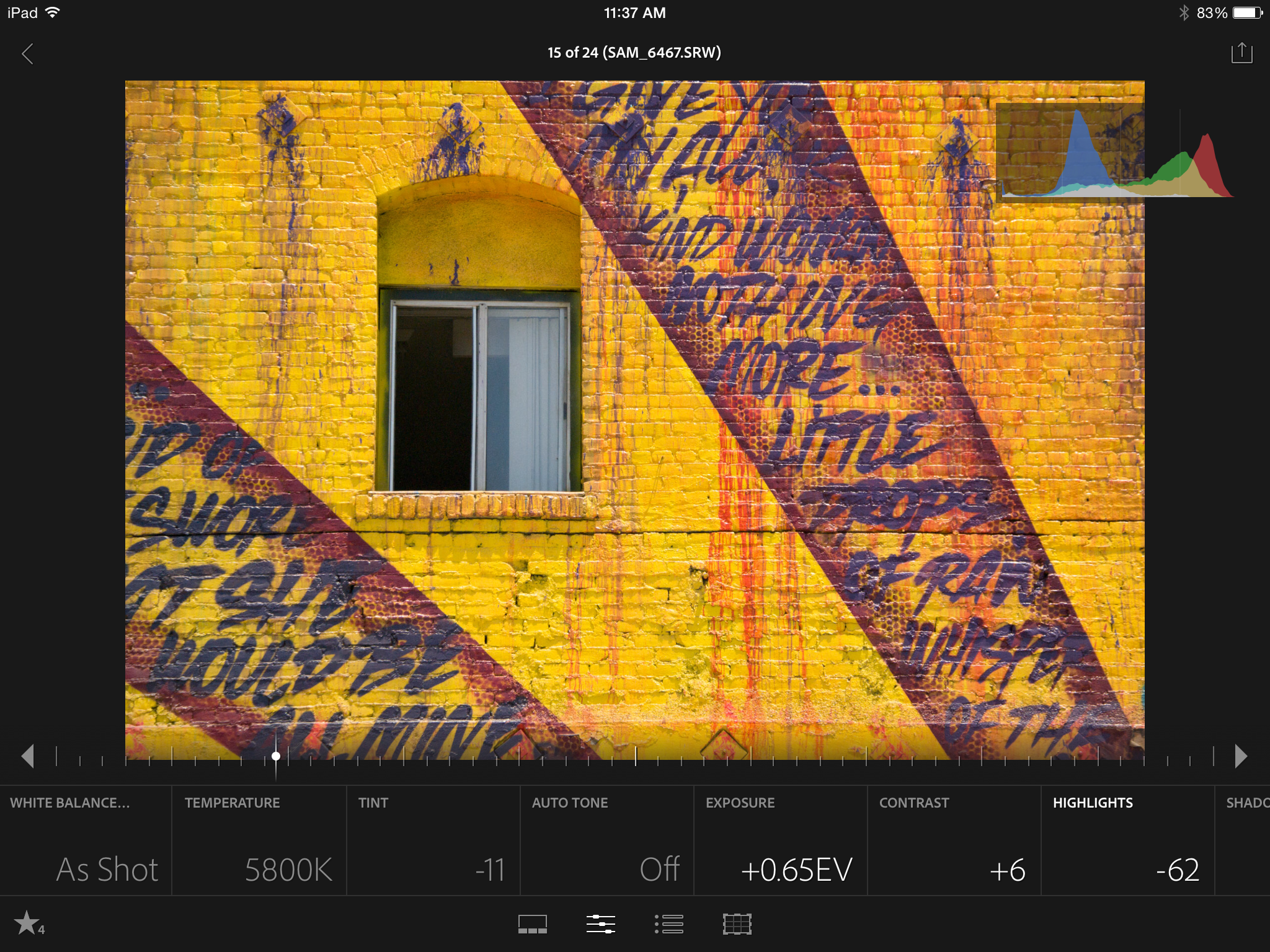
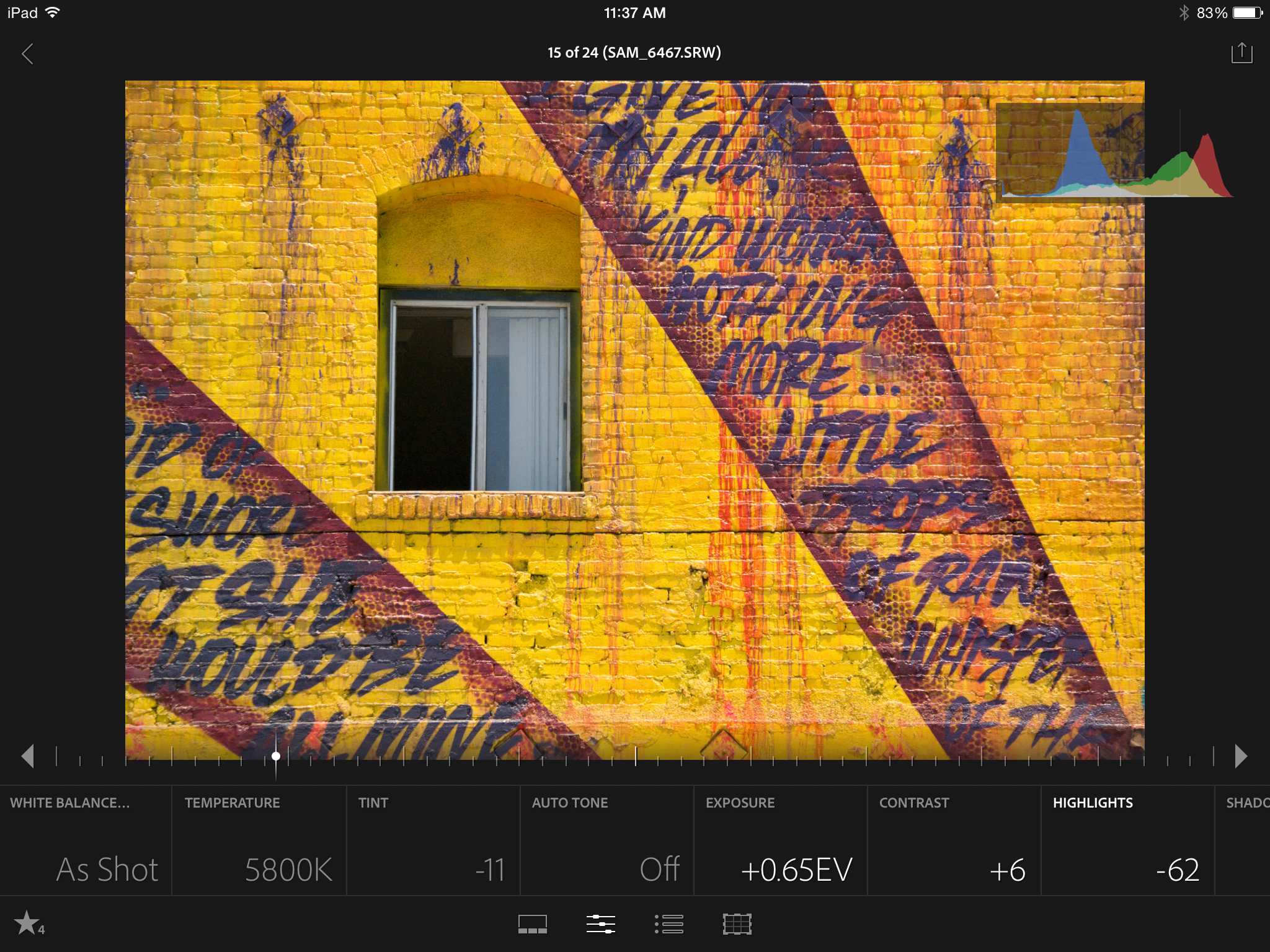
    So I’m 2 months in, and once I got over the whole ’subscription’ thing, the process has actually made my workflow easier, and that’s due in large part to the feature set that they offer in the Creative Cloud, most notably, the syncing with the new Lightroom mobile. This workflow, Lightroom mobile, on an iPad mini? It’s simply divine. Instead of laying on the couch feeling lazy and proscrastinaty, now I’m actually getting work done. I’m able to star, flag, and pre-edit my images, and when I do finally decide to act like a ’true professional’ and get up off the couch, and walk to the computer, or head into to the office or studio the next day, what a treat to see that all the edits have automatically synced with Lightroom on the desktop…I mean…c’mon! That alone might be worth the 10 bucks a month.

    So yes, needless to say, so far, I’m happy I made the switch. Adapt or die right? I’ve still got some gotcha in me hot damnit!

    Anyhow, click here to get in on the action!

    For more of my madness:
    Instagram: @wasimofnazareth
    Twitter: @wasimofnazareth
    Google+: www.Google.com/+WasimMuklashy
    Facebook: www.Facebook.com/WasimOfNazareth

  • A Surprise Journey Through The Range Of Light – Part 1 – Mammoth Lakes

    A Surprise Journey Through The Range Of Light – Part 1 – Mammoth Lakes

    Wasim Muklashy Photography_Mammoth_Condo_Sunset_Samsung NX30_SAM_1212_1200

    So this is what was supposed to happen. My landlord’s friend has a condo up in Mammoth. He wanted new pictures of it in order to prepare rental listings for the coming winter season. It hasn’t been rented in several months, so I figured this would be a good week to go. I got the green light from him, from the landlord, and off I went, driving along the Eastern Sierras of California…the ‘Range of Light.’ A relatively painless drive to spend a few days in a part of California I’ve never been to, take some pictures, get some writing and some work done in the solitude of the Sierra Nevadas for a few days, and then head back home.
    Well, let’s just say, that got derailed in a big way, spontaneously turning this into much more of an adventure than I expected.

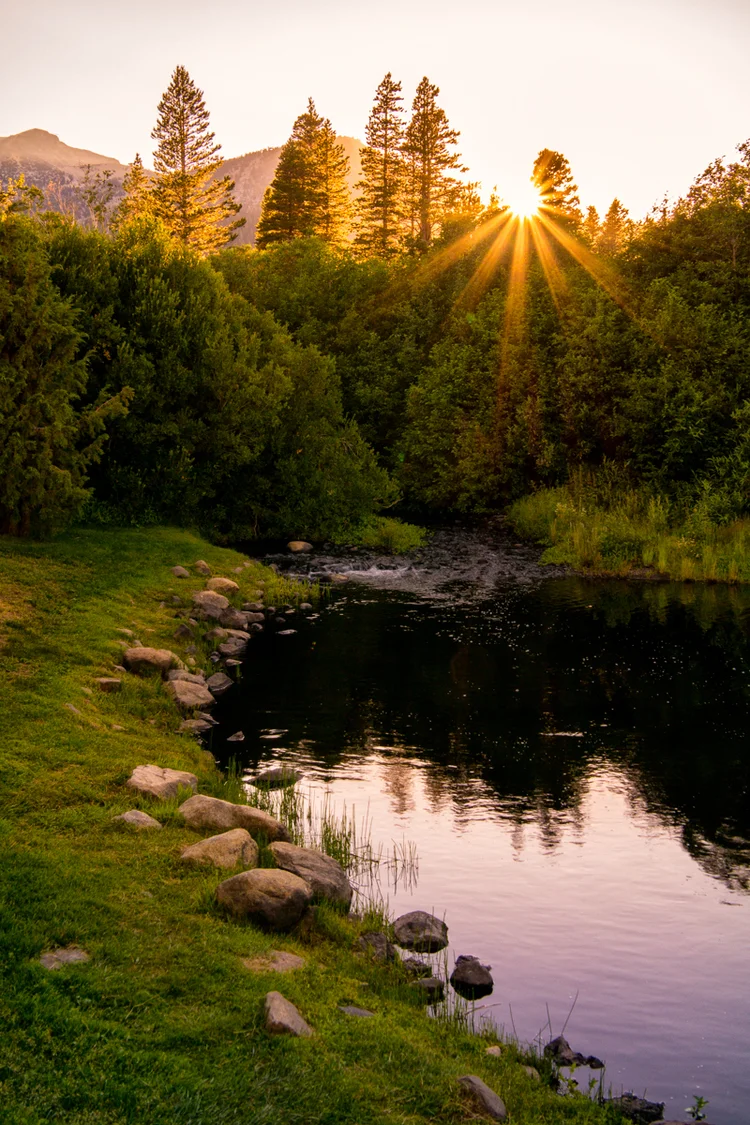
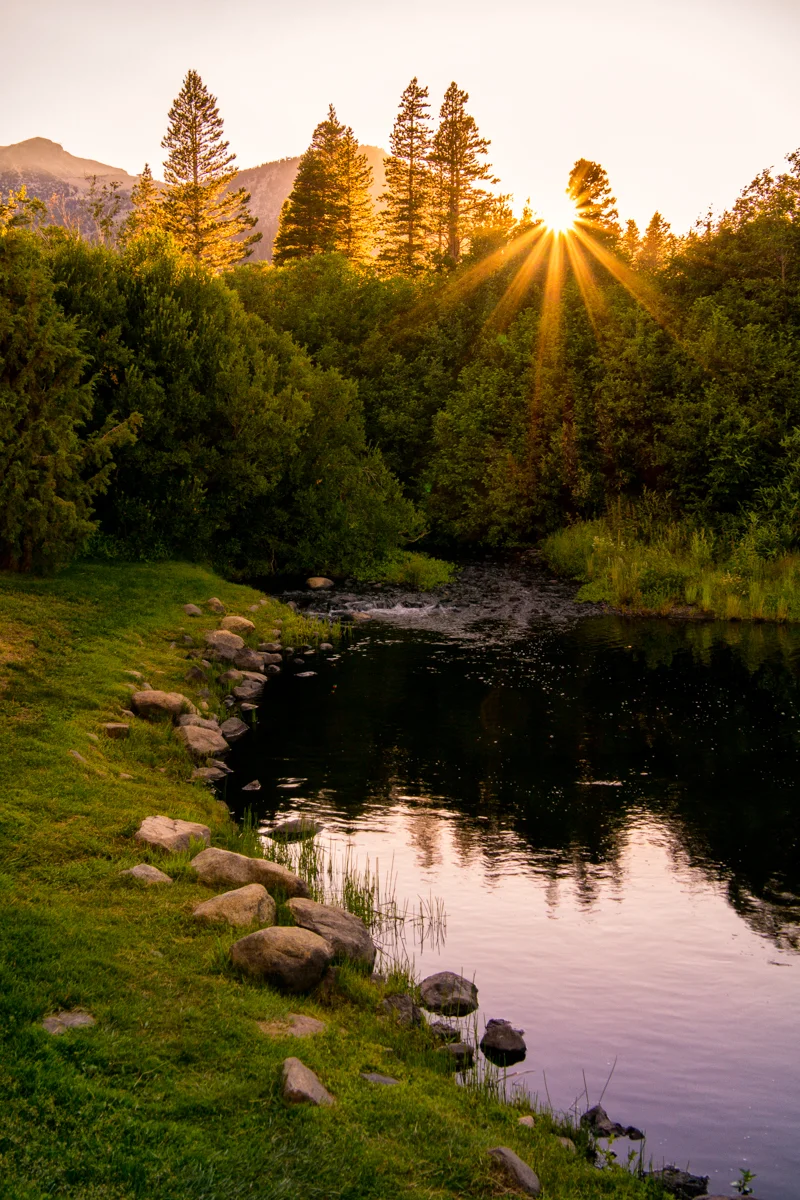
    I showed up to the condo, and was immediately taken aback by how beautiful it was. How this wasn’t being rented, I’ll never know. Three immaculate bedrooms, a gorgeous living area, and it was big. I walked out the back patio door and it lie RIGHT on a river looking up at the sunset. I grabbed my tripod, slammed the camera on there, scarfed down my now cold meatball sandwich from John’s Pizza Works, and started snapping away. As the sun dipped behind the Sierras, I noticed that the light was going to make for a spectacular twilight shot of the condo. It was essentially isolated, with a river running by it’s side, and the golden pink skies were beginning to turn that lust-worthy shade of deep blue. I set up my tripod for the shot, ran in the house to turn on all the lights, and…(insert record scratch sound here…) a woman was standing inside.

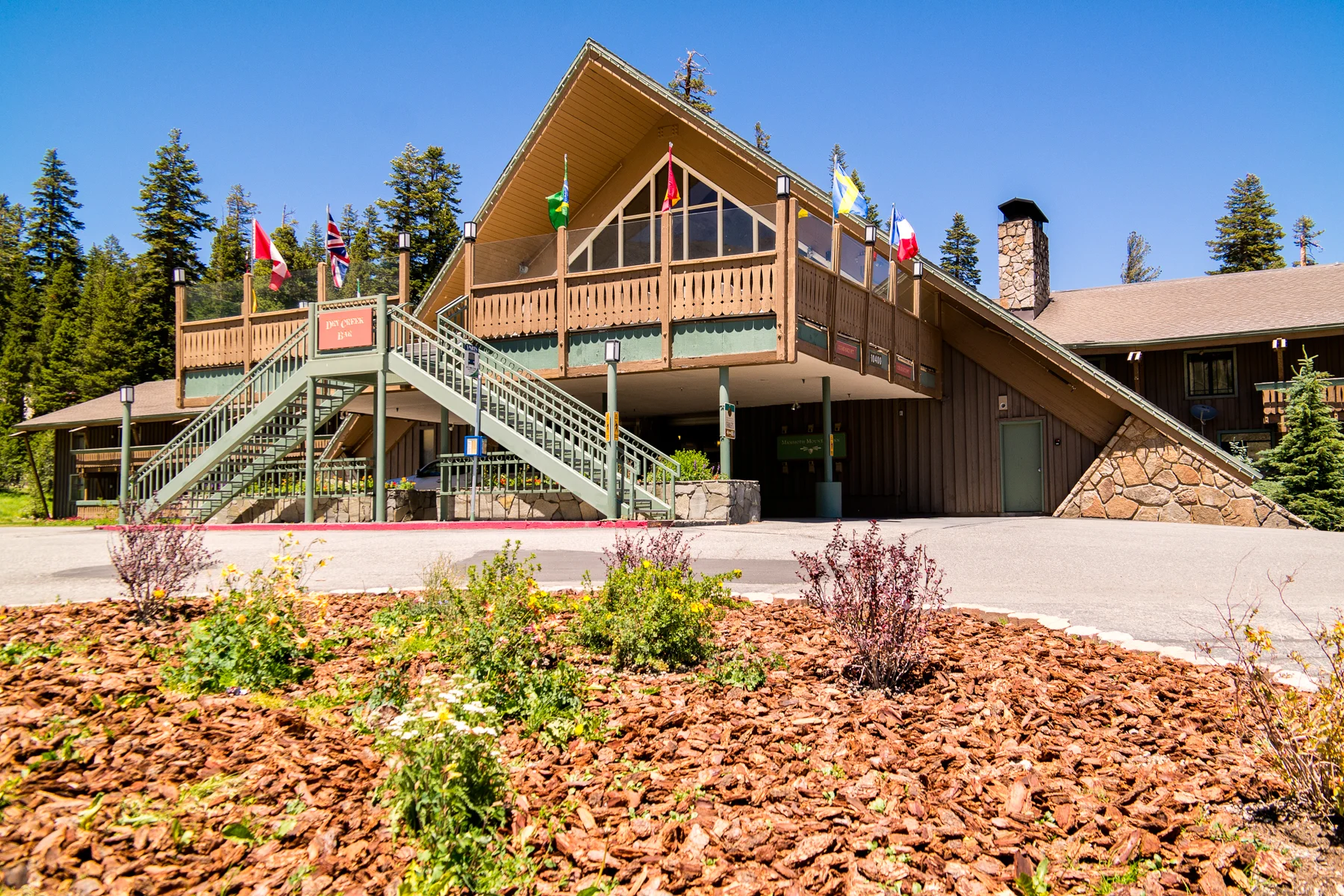
    Apparently she had the place booked with her family, and for some reason, the owner didn’t know, and the property management company failed to notify him of that. Who knows what kind of tomfoolery is going on but, well, that’s neither here nor there. What’s here is that I was just thrown out into the streets of Mammoth with nowhere to go. As I was cursing my luck and wondering if I’d killed someone in a past life, I sat in a parking lot, debating whether or not to make the 5-hour drive back to Los Angeles. I was finally able to get a hold of my landlord, the one who helped set it all up, who was just as surprised as I was. They agreed to get me a room at the Mammoth Mountain Inn for the night so we can get things sorted in the morning.

    As I checked into the hotel, I noticed a flyer for Yosemite’s Tuolomne Meadows on the front desk, so I grabbed it. I’ve been trying to make it there for years as the roads are only open a few months out of the year (they’re snowed in most of the year as it’s the high country). When I asked the desk agent how far it was from where I was standing, he said no more than an hour.

    Done.

    Was NOT planning on this, but I’ll be hot damned if I’m 60 minutes from a place I’ve been trying to make my way to for almost a decade and NOT turn this into an impromptu trip to Yosemite National Park’s Tuolomne Meadows.

    Wasim Muklashy Photography_Wasim Of Nazareth_Mammoth Lakes_-SAM_1236_1800

    In any case, here I sit, room 114 at the Mammoth Mountain Inn, getting more and more excited for whatever the next few days have in store for me. I forgot how nice it is to just let go and see what happens. This should be interesting. And above? The only shot I was able to snap before being sent to the streets.

    For Part 2: A Surprise Journey Through The “Range of Light” Part 2 – Tuolumne Meadows, Yosemite, click here.

    And to find out how to get sunset and star-burst shots like the one above, click here.

    All images in this series were taken with a Samsung NX30 and a Samsung 18-200mm lens.

    And for more of my madness: Instagram: @wasimofnazareth Twitter: @wasimofnazareth Google+: www.Google.com/+WasimMuklashy Facebook: www.Facebook.com/WasimOfNazareth
  • Cover Your Bases – Here Are Some Of The Best Photographers Insurance Options

    Cover Your Bases – Here Are Some Of The Best Photographers Insurance Options

    Wasim of Nazareth_Wasim Muklashy Photography_Leica_M7_SAM_4044-Edit

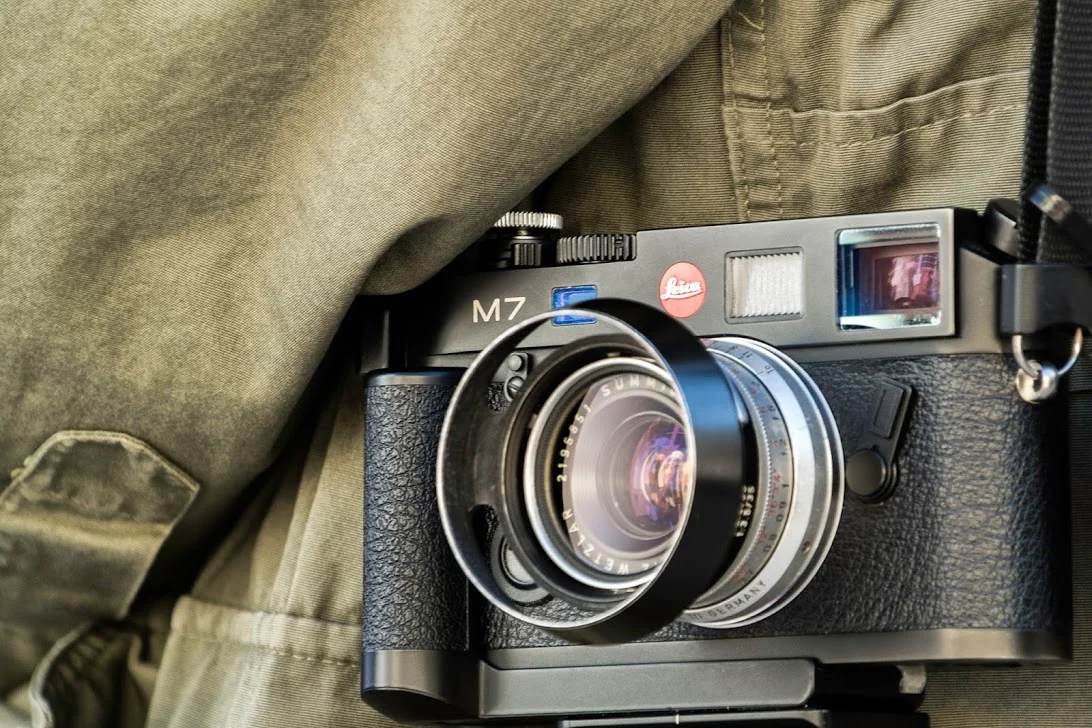
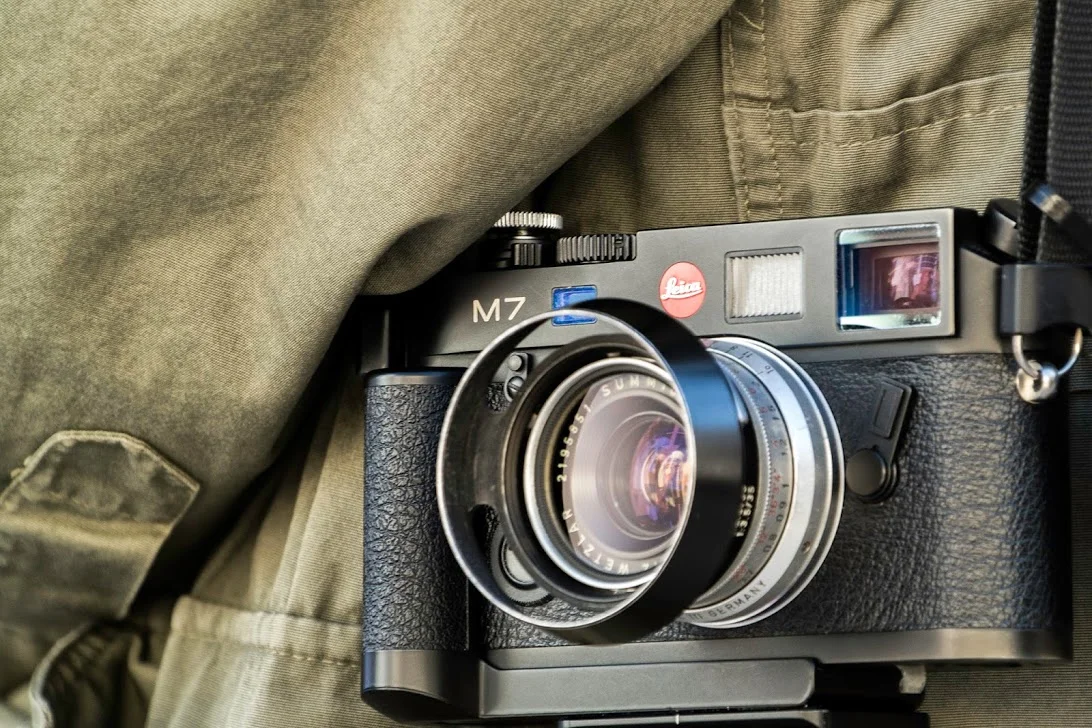
    Photographers bread and butter depends 100% on their camera and their camera gear, and the simple fact that this gear must be on our backs at all times, very often in sketchy situations and locations, lends to the necessity of insurance for their gear. There are many options for insurance tailored to photographers and creatives, so here are a few of those to check out:

    Professional Photographers of America (PPA). Well known and well-established, the PPA is a great choice for photographers seeking insurance. They’ve been around since 1880. Yes, you read that right EIGHTEEN EIGHTY, and that puts them in a unique position to know and cater to photographers needs since, well, photography existed. The one catch here is that you need to be a PPA member to reap the benefits of PPA photographers insurance. However, with membership dues running between 273-323 per year, that includes a host of additional benefits, it’s a small price to pay to cover up to $15,000 of your equipment. Click here to check em out.

    Hill & Usher – This 20 year old company started off as just a construction-insurance company, and has since expanded to all sorts of industries and niches, including photography with their specialized Insurance for Media Professionals Package Choice. They have options for everything from personal gear to full studio insurance. Premiums range between 4-500 dollars depending on location and other factors including how much coverage you need. Click here for more information.

    Tom Pickard Insurance (TCP Insurance) – Tom Pickard Insurance specialized in Photographer Insurance, with both long term and short term policies available. Long term insurance is about $500 for the year, which includes portfolio and computer equipment coverage, which is very competitive and reasonable. Check them by clicking here.

    Homeowners/ Renters Insurance – Another option is to look into your homeowners or renter’s insurance policies. Oftentimes they cover a good portion of your gear, with some restrictions, and if it’s not on your policy, it’s worth asking, because chances are good they’ll have an offering or be able to refer you. I mean, after all, have you ever heard of an insurance company that would turn down business?

    Additionally, if you’re a member of the American Society of Media Professionals (ASMP), or American Photographic Artists (APA), they also have access to resources to lead you in trusted directions for photographer insurance, so it’s worth asking them before you choose one of the above options.

    And finally, make sure to also register your equipment with Lenstag as an additional useful (and free) precautionary measure. Click here for a bit about that!

    Hopefully this information will help you rest assured that no matter what photography psychotica situation you might find yourself in, someone’s got your back!

    For more of my madness:
    Instagram: @wasimofnazareth
    Twitter: @wasimofnazareth
    Google+: www.Google.com/+WasimMuklashy
    Facebook: www.Facebook.com/WasimOfNazareth
  • A Monday Motivational Kick In The Yahoo – July 28, 2014

    A Monday Motivational Kick In The Yahoo – July 28, 2014

    Wasim Muklashy Photography_California_Samsung NX30_-SAM_1595_1500

    “If you see the illusion you are enlightened,

    but if you think that you are enlightened,

    you are in the illusion!”

    -Papaji

    **

    From me to you,
    There’s This Week’s

    Monday Kick In The Yahoo!

    **

    Do It!

  • The Proof Sheet – Photography News In Review For The Week of July 21

    The Proof Sheet – Photography News In Review For The Week of July 21

    Wasim-Muklashy-Photography_The-Contact-Sheet_0721

    BlackMagic-4k-Production-Camera_1x1

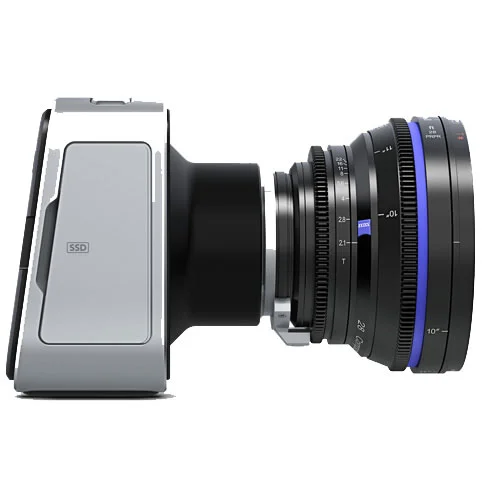
    Welcome to The Proof Sheet, where each week I’ll post some of the more notable photography news in sweet, chewy, bite-sized, easily-digestible morsels. Click the Read More for this week’s stories.Blackmagic Design Updates its firmware for their 4K Production Camera. Firmware update 1.9 offers a ‘heads up display’ showing a histogram, peak audio meters, and recording time remaining. They also announced they will soon be including these features in firmware upgrades for the other BlackMagic cameras as well. Click here for the update.

    Fuji-X100T_1x1

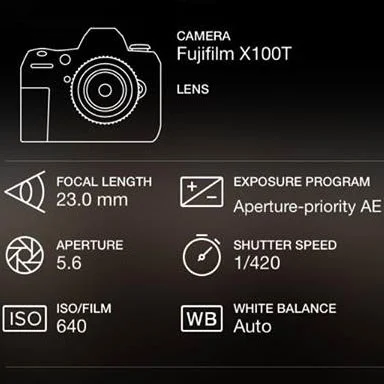
    Ooops…did David Hobby, aka The Strobist, just post the first picture taken with the upcoming Fuji X100T? It’s been since taken down, but FStoppers managed to pick up on it and post a screenshot of the EXIF data. Click here to check it out.

    Lytro-on-500px_1x1

    As of this week, Lytro is officially on 500px, and they’ve already posted a variety of images taken on their latest piece of hardware madness, the Illum. One of the benefits we get as part of their partnership together is $250 off the Lytro Illum. Click here to visit their 500px page for more information.

    Ona-Sahel_1x1

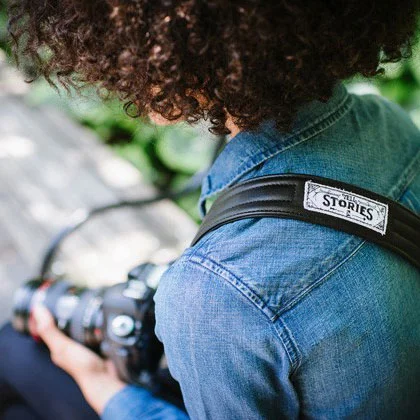
    ONA, the fashionable camera accessory and bag maker, announced that they have partnered with “charity: water,” a non-profit organization bringing clean and safe drinking water to people in developing nations, with a special handcrafted black leather strap dubbed Sahel, PetaPixel reports. Click here to find out more about the strap and the charity.

    Sony-Xperia-Z3X_1x1

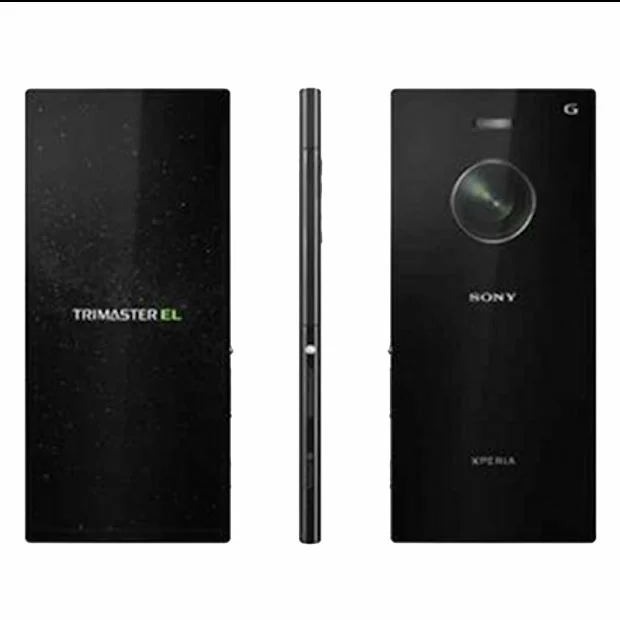
    That curved sensor by Sony we talked about last time? Well, according to PetaPixel, it just might end up showing up not only in their new full frame camera, the RX, but it might also debut in the upcoming Xperia Z3X. Yes, a curved sensor in a smartphone. What have we gotten ourselves into…

    And for a little bit o’ cheek funny, here are 10 Things That Annoy Photo Enthusiasts, but the one and only DigitalRev:

  • How Instagram’s Cheesy Photo Filters Have Made Us More Creative

    How Instagram’s Cheesy Photo Filters Have Made Us More Creative

    I know.

    I was one of those people.

    But after rediscovering Instagram the past few months since deleting my original account two years ago as a futile act of defiance after the billion dollar Facebook acquisition, I’ve come to realize, that couldn’t be further from the truth. It’s far from cheating and it’s actually quite the contrary, it’s incredibly liberating…which just so happens to be a prerequisite for the most creative of all art!

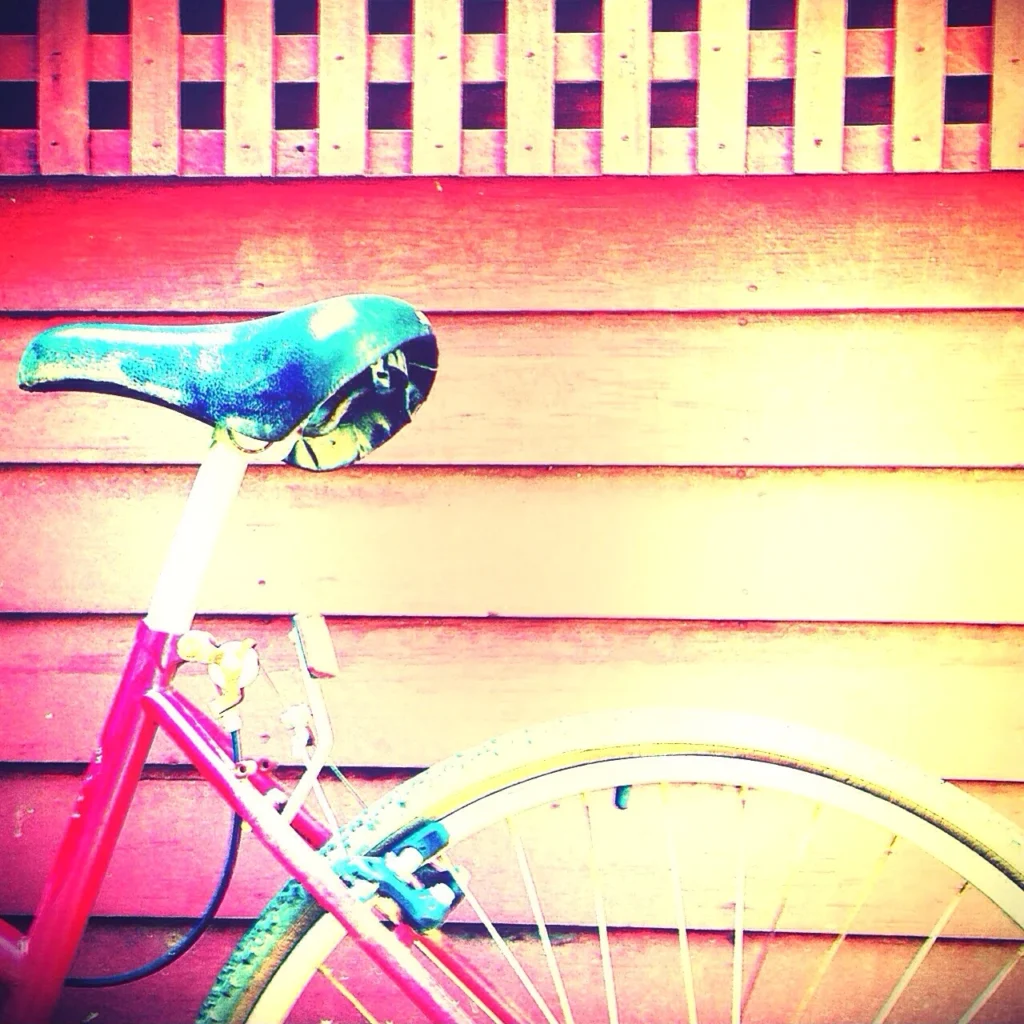
    Basically, here’s my take: just because I don’t know how to make something look like an old western scratched sepia photo print in Photoshop, or I don’t have an old western camera with old western film and old western chemicals and an old western darkroom to process in, doesn’t mean I shouldn’t be allowed to express a vision that happens to be in the style of an old western scratched sepia photo print. If I had to learn how to do it, or save up to buy all them old western stuffs, I’d end up spending hours, if not days, or perhaps even months, detracting from continuing to engage the original spark of that imagination by developing the story or idea. When I see something and want to see it in an old western scratched sepia photo print sorta way, I can do it with the tap of a button, allowing me more energy to concentrate on refining the overall vision. This, consequently, allows me to be more creative without the fear of technical gibberish slowing me down.

    Essentially, with the quick one step filters we actually have tools to help us express a creative vision that runs quicker and closer to the speed that our mind conjures it up. In many cases, it even gives us ideas that we wouldn’t have had before, conjuring up certain emotions and feelings based on how that image looks based on how we decided to treat it. Our imagination becomes something that stays ‘on’ at all times, allowing us to visualize and create and refine and build upon the wily creative spark when the elusive bugger decides to actually show up. Moreover, in my case, it’s allowed me to retool and re-envision many images I already have, and present them to an entirely new audience who may never have seen them otherwise.

    And I think we’re all starting to catch up with these sorts of thoughts. Yes, when these ‘toys’ were first brought to market, it was easy to dismiss them as meaningless and short-lived and a ‘fad’ and all that gobbledegook. But heck, we didn’t know any better because we’ve never quite seen anything like that on a mass consumed scale. But since then, even institutions that have prided for over a century about the quality of their images and media output, like National Geographic and Smithsonian and Getty Images, have adopted Instagram and Twitter accounts, and in National Geographic’s case, even has a section in their digital publication format surrounded by that iconic yellow border, dedicated to the Instagram feeds of their photographers in the field. And some of my favorite professional photographers have embraced the mediums as well. In a short 4 years, Instagram has become an institution in itself – creating celebrity Instagrammers that have led to extremely profitable small businesses based on their feeds, while simultaneously building a rabid fan base large and influential enough to command a billion dollar pricetage by Facebook. And, well, if Facebook bought a toy, well, it was a damn expensive one!

    Additionally, the fact that most ‘professional’ and ‘prosumer’ cameras these days are equipped with built-in wifi, like the Samsung NX30 and Samsung NXMini I’ve been using lately as part of the Imagelogger program, allows you to immediately take a high quality photo and transfer it to your mobile device for processing and sharing…an idea that seemed preposterously foreign just 5 years ago.

    Anyhow, I suppose what I’m getting at here is that I’m finally beginning to let go of the idea that things need to stay the way they are or the way they’ve ‘been.’ After all, in reality, nothing at all has ever stayed the way it’s ‘been.’ Ever. And heck, who would really want it to!? So if I, as a creative, don’t adapt and embrace the tools (and toys) that are available to us in these insanely exciting days, then, well, I’m just gonna end up left by the wayside, while everyone else has all the fun.

    Screw that. I wanna have some fun too!

    For more of my madness: Instagram: @wasimofnazareth Twitter: @wasimofnazareth Google+: www.Google.com/+WasimMuklashy Facebook: www.Facebook.com/WasimOfNazareth
  • Why Apple iOS 8 Will Create Better Photographers

    Why Apple iOS 8 Will Create Better Photographers

    Apple_iOS 8_Manual Camera Controls_Capture_Composition

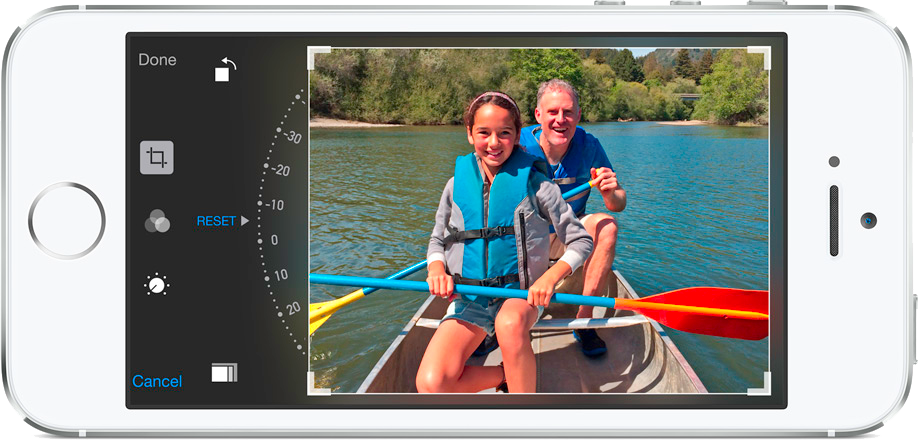
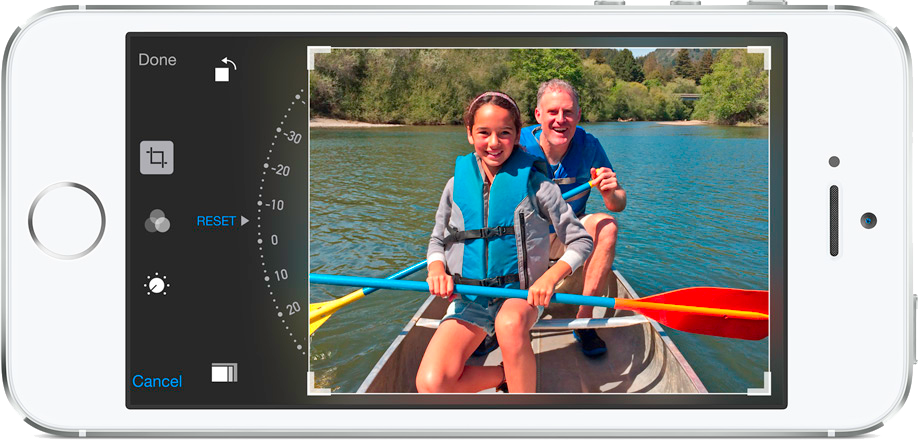
    With Apple opening up controls to iPhone’s native camera in the soon-to-be-released iOS 8, allowing access to manual photo controls, and the fact that the iPhone camera is already the most popular camera phone, we might just see a significant uptick in the quality of all those selfies and your coworkers lunches, cats, and margaritas (well that depends on how many margaritas I suppose).
    Most people that use their iPhones as cameras use the native app, and with that comes no controls other than aspect ratio and front or rear facing camera, and most third party apps that offer some version of manual controls proving either clunky or digitally over-ambitious at best. But now, with iOS 8, they’re going to see a lot of options that they may have never even heard of before.

    “To be clear, iOS 8 will expose just about every manual camera control possible,” a recent AnandTech report states. “This means that ISO, shutter speed, focus, white balance, and exposure bias can be manually set within a custom camera application. Outside of these manual controls, Apple has also added gray card functionality to bypass the auto white balance mechanism and both EV bracketing and shutter speed/ISO bracketing.”

    As the uninitiated shutter-flies begin messing with these controls out of curiosity, or even perhaps simple boredom, they’ll notice two things:

    1. Some of their pictures are getting better.

    2. Some of their pictures are getting worse.

    And if you really stop to think about it, that’s the same thing that happens when an aspiring professional photographer begins using manual controls, leading him/her to really discern what the differences are in those settings in order to get a higher percentage of images to their liking. If all goes well, this can inevitably lead to a higher percentage of better images being shared! A good thing for Apple, a good thing for their compeition, and most importantly, a good thing for photography.

    For more of my madness:
    Instagram: @wasimofnazareth
    Twitter: @wasimofnazareth
    Google+: www.Google.com/+WasimMuklashy
    Facebook: www.Facebook.com/WasimOfNazareth
  • What The Heck Are The Different Photography Filters Used For?

    What The Heck Are The Different Photography Filters Used For?

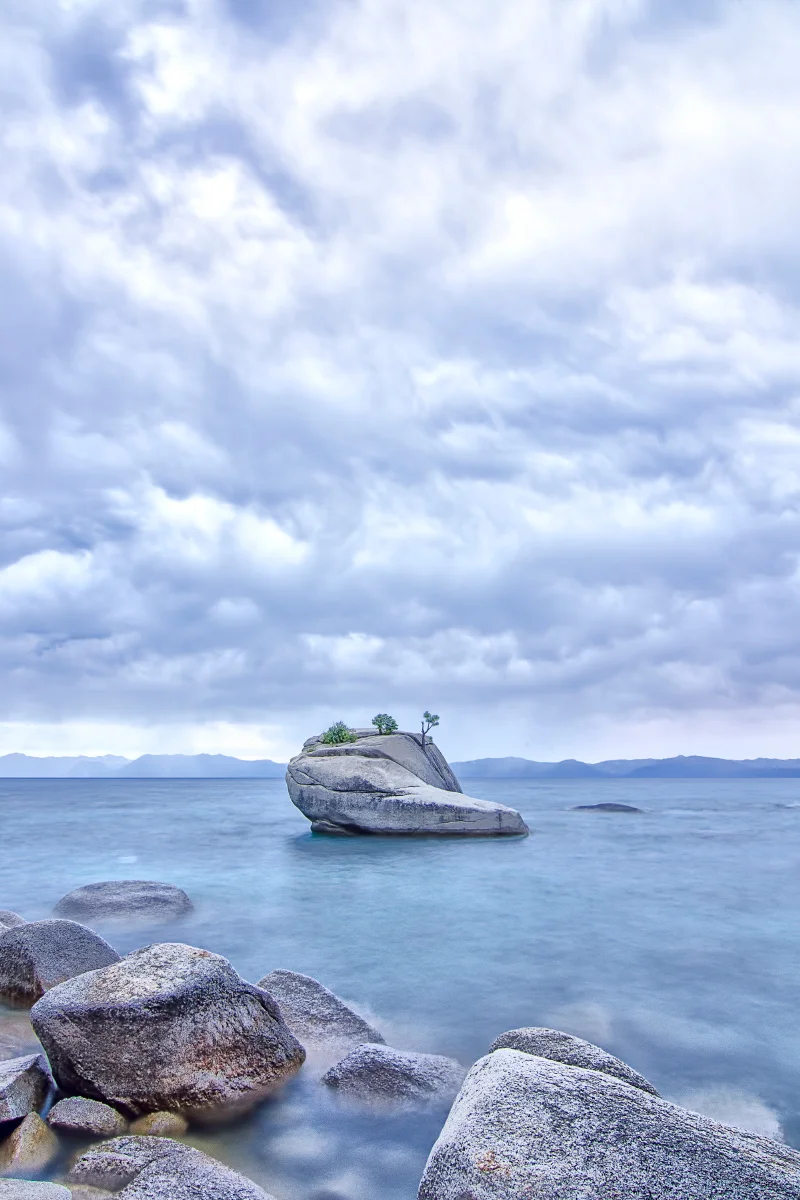
    Wasim Muklashy Photography_Bonzai Rock_Lake Tahoe_California_Graduated Neutral Density Photography Filter

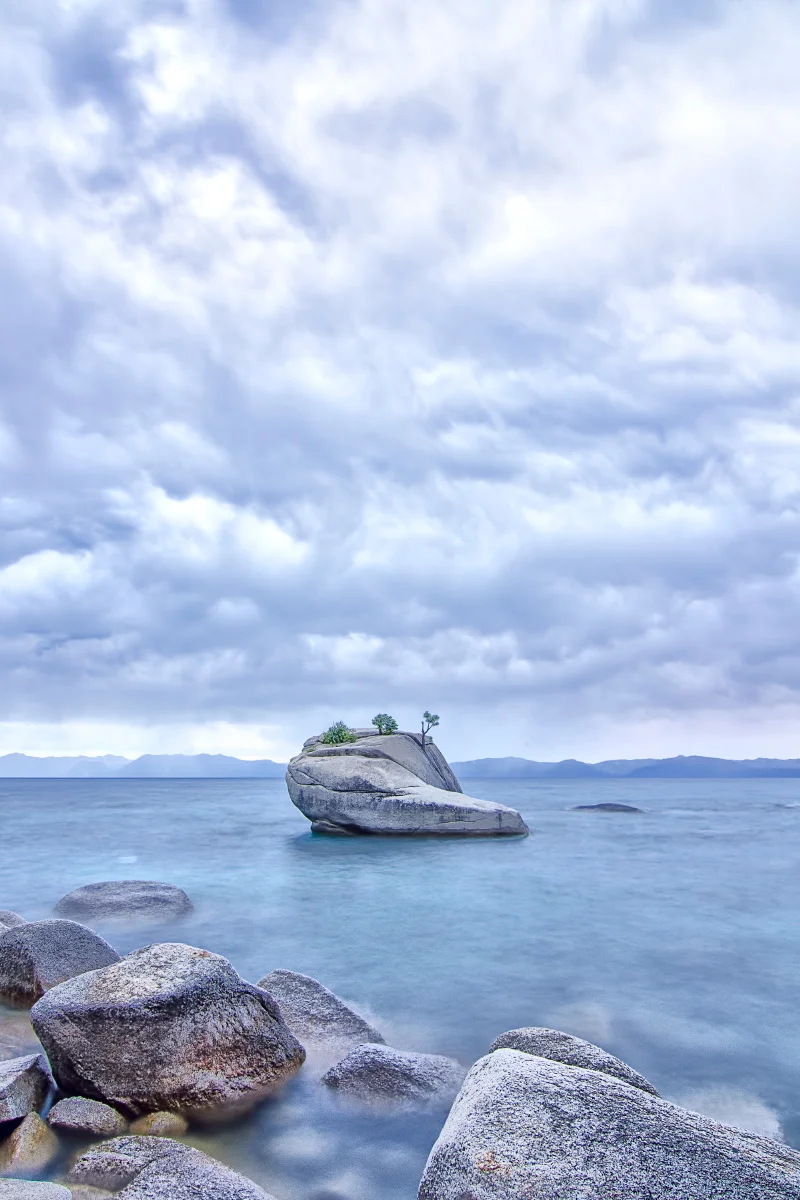
    It eventually happens to every new photographer. You’re out in the field. You’re setting up to make a shot, and you see others around you setting up for a shot, only, some of these people have these strange contraptions attached to the front of their lens. It looks like a huge piece of square glass. You sit there. You stare. You wonder. And when you get back home, you Google ‘square things on lens.’ The first time this happened to me, I was set up to shoot some images of Bonsai Rock in Lake Tahoe, California several years back. It’s a rock about a hundred yards offshore that has miniature trees growing on it as a result of the trees roots not being able to penetrate the rock, effectively stunting their growth. Anyhow, I had my positioning, tripod locked down, and others began to show up and set up, and a few of them set up with these aforementioned chunks of glass. I had to know what they were, so I asked the photographer next to me, who kindly explained what they do and the effect they give. They lent me one, showed me a crude way of using it by holding it front of my lens (they had special holders for theirs) and I was immediately blown away. Everything became so clear to me. All those crazy images I see on 500px.com and around the web with milky smooth water and skye and clouds…I get it now.

    The one they let me use was a Graduated Neutral Density filter, and I explain what that does below, along with the 5 most popular photography filters used by photographers in the field.

    1. UV Filter – This filter does absolutely nothing, yet, it is by far the most popular. Huh? Well, because it does nothing to the image itself, many photographers will have them on their lens to protect the glass. While a lens can be in the thousands of dollars, a basic UV filter can be under 30, so it’s a minimal investment to protect your gear. Plus, it does actually help a little bit in minimizing haze and glare. These come in circular shape and screw onto the front of your lens so you forget it’s even there. They’re sold by the size of the lens, which is demonstrated on the barrel of the lens following the ø symbol. For example, in this image, you’ll see ø67, so the size of filter I’d shop for is 67mm.

    2. Polarizer – Essentially this one is most commonly used to darken and saturate skies, as well as reduce reflections in reflective surfaces such as water and glass. They can also be extremely effective in making colors pop in overcast conditions. Polarizers, like UV filters, also usually comes in the circular screw-on format. Once you screw it on, you can turn it and see the effects immediately through your viewfinder or LCD panel. On sunny days, they work best the closer you are to a 90 degree angle from the sun (when the sun is directly overhead or to either side of you).

    3. Graduated Neutral Density (Grad ND) – It’s basically a piece of glass that gradually moves from no tint to a dark tint, with a discernible line along the middle. What this does is it allows the proper amount of light through the part of the glass where there is no tint, to letting less light in the part of the glass with the tint. Essentially, this makes it so that whatever is under the tint is underexposed, allowing you to increase your exposure time to still get a proper exposure for the scene. Basically, you can decrease your shutter speed, allowing for a longer exposure in the lighter areas without overexposing the full image. For example, in the shot of Bonsai Rock, the sky was much brighter than the water and the foreground in my image, so it would have been impossible to get a good exposure of the entire scene. So I wanted to be able to allow less light into the bright areas while I expose for the darker areas. By placing the filter so that the dark tint is on the top half (or horizon) of my scene and darkening my sky, I am able to get a proper exposure preserving detail in both halves of the scene. These filters typically need a filter holder as explained below.

    4. Neutral Density (ND) – This is almost the same as the graduated neutral density filter described above. The only difference is that on a regular neutral density filter, the entire glass is one tint. They come in various degrees of tints, called stops. This is in relations to your f-stop, so a 3-stop ND filter will allow you to expose for 3 additional f-stops to get a proper exposure, a 6-stop ND will allow you to expose for 6 additional f-stops, and so on (which also applies for the Graduated Neutral Density filters). Neutral Density filters are best used on very bright days when you want to accomplish a long-exposure. This way, the filter darkens the glass, creating the opportunity to keep your shutter open for a longer exposure. Neutral Density filters also usually require a filter holder.

    5. Infrared – Madness! That’s what these create. Essentially, what Infrared filters do is block infrared light while letting through visible light. By blocking out certain spectrums of light, IR filters allow us to view spectrums of light that are normally lost to the human eye. Using an IR-transmitting filter will result in almost monochromatic surreal images with colors that we don’t normally see to the naked eye. The detail the provide can be insane! Click here for a few examples. (Edit: As pointed out by Google Plus user Jonathan Allen, “most cameras have built in infrared filters. Removing the infrared filter is what produces the effects in the photos you linked to under the infrared filter.” He is correct, to a degree. There are actually two things going on here. There is an IR-blocking filter, and an IR-transmitting filter. the IR-blocking filter is what the camera is equipped with in order to block the infrared spectrum from coming to the sensor and making your images unnatural looking. The IR-transmitting filter is what allows the infrared spectrum to hit the sensor, giving that surreal effect. It’s the same effect you’d get if you had the IR-filter that is built into the camera removed).

    So there’s the basic breakdown of five of the more popular filters. The other element here is the filter holder and that depends on your lens. Certain ones are made for wide angle lenses, others are made for more standard focal length lenses. They basically screw onto the front of your lens and then the filter slips into the grooves provided.

    While many manufacturers make them, the ones I use are the Cokin filter holders.

    And some of the best filter brands out there include Singh-Ray, Hoya, and Lee.

    If you’re on a budget and want to affordably play around a bit before committing to the higher-end brands and options, Cokin and Tiffen are worth checking out.

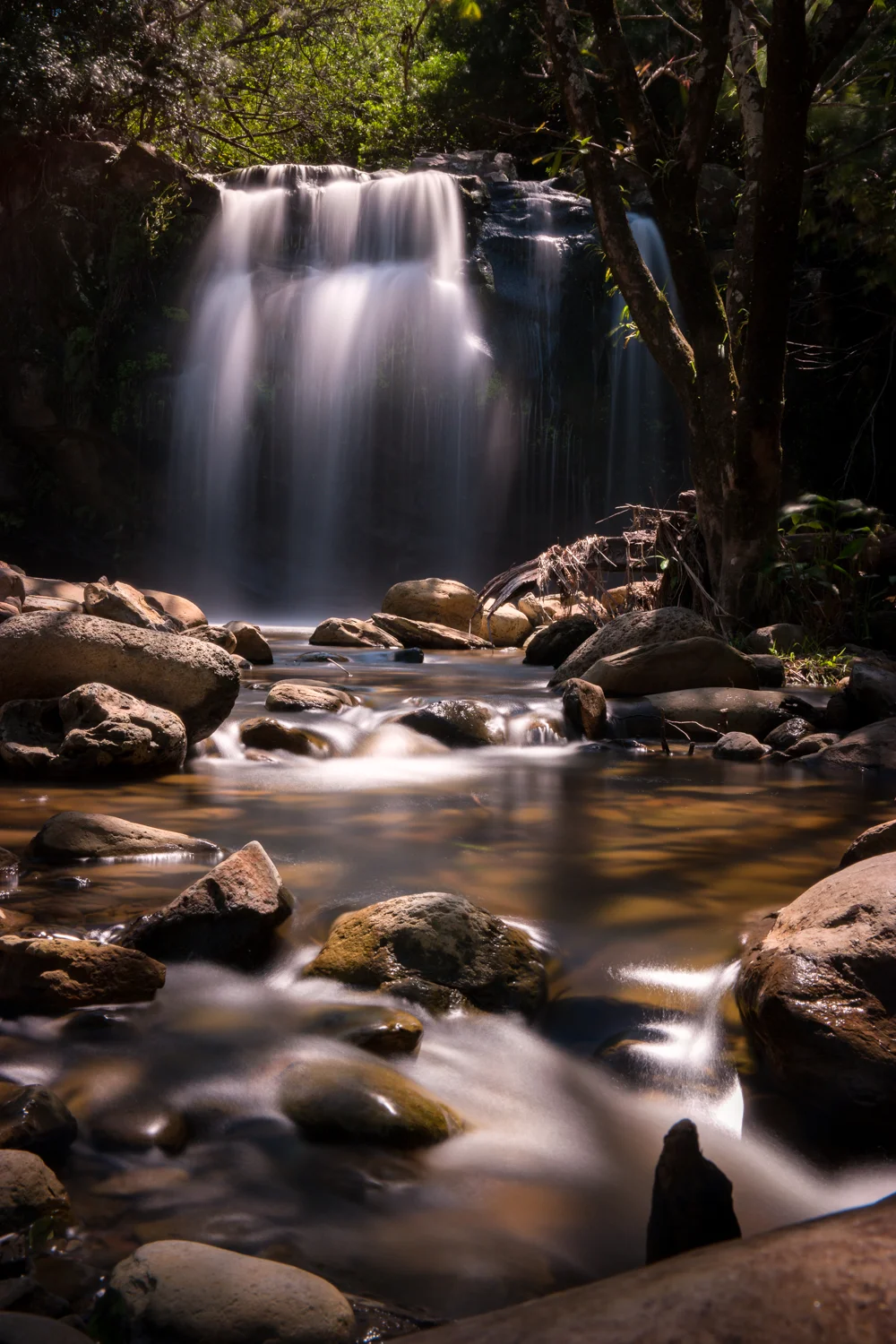
    Samsung NX500 Hawaii Waterfallformatoriginal

    And recently, I’ve been introduced to Haida, and got myself a 10-stop Neutral Density filter. They’re designed to compete with Lee’s Big Stopper and THEY DO THE TRICK!!! Here’s one, shot in Hawaii, literally at high noon, and I was able to get this gorgeous 30-second exposure shown here on the right.

    Try to stay away from the plastic filters and stick to the glass ones – you WILL notice the difference in quality.

    While I learned the lesson of the power of the filter in the field, that wasn’t the only lesson I learned on that shoot. The other was that no matter how warm the weather, do NOT ever ever EVER wear flip-flops, especially when you have to scale a small cliff to get into position. I tore the sucker on the way down and climbing with photo gear half-bare-foot along a rocky lakeside isn’t…eh…comfortable.

    Regardless, my resulting shot was worth it (or at least I thought so…).

    For more of my madness:
    Instagram: @wasimofnazareth
    Twitter: @wasimofnazareth
    Google+: www.Google.com/+WasimMuklashy
    Facebook: www.Facebook.com/WasimOfNazareth
    Between A Rock And A Busted Flip Flop
    Between A Rock And A Busted Flip Flop

  • A Monday Motivational Kick In The Yahoo – July 21, 2014

    A Monday Motivational Kick In The Yahoo – July 21, 2014

    Wasim Muklashy Photography__Samsung NX30_Topanga Beach_Monday Motivational_July 21
    Wasim Muklashy Photography__Samsung NX30_Topanga Beach_Monday Motivational_July 21

    “Instead Of Trying To Be The Mountain,

    Be The Valley Of The Universe.

    All Things Will Come To You.”

    -Tao Te Ching

    **

    From me to you,
    There’s This Week’s

    Monday Kick In The Yahoo!

    **

    Be Inspired!